Soft Skills for Resume: 15 to List and 4 Places to Prove Them
15 soft skills worth listing, the 4 places on your resume where they actually get proven, and why 'hard worker' and 'team player' fall flat on their own.


Written by Sarah Chen
Senior Career Strategist & Resume Expert
Updated August 2026
Reviewed by Marcus Rodriguez
Is your resume ATS-friendly?
Drop your resume in and see which of these skills a scanner can actually read, and which ones the job you want is asking for that you have not listed.
PDF or DOCX. Max 2MB.
We never share your resume or use it to train a model.
In This Guide:
What are soft skills on a resume?
The three kinds of soft skill
| Type | Tied to a role? | Example |
|---|---|---|
| Personal skills | No - come from you, not the job | Reliability, follow-through |
| Transferable skills | No - move between jobs | Communication, teamwork |
| Conceptual skills | Matters more as you move up | Strategic thinking, planning |
I've read enough resumes to know the ones that stall out at the screening stage almost always lean on one type of skill and ignore the other. Every resume needs both, and mixing them up is the mistake I see most often.
Soft skills vs hard skills
Hard skills are the ones you can point to proof of: a certification, a language, a tool you're trained on. Soft skills are how you actually work - communication, adaptability, problem solving, the stuff that decides whether you're easy to manage and good to sit next to in a meeting.
You need both on the page. A resume that's all hard skills reads like a checklist with no person behind it, and a resume that's all soft skills reads like it's hiding something.
If you're not sure which of yours are worth keeping, ResumeJudge can check your resume against a real job posting and rewrite it around the ones the employer actually asked for.
Personal skills
Personal skills are the traits you bring regardless of the job, not tied to a role or an industry, which makes them easy to claim and hard to prove. Which ones are worth naming is covered in which soft skills should you put on your resume, and proving them in how do you show soft skills.
Transferable skills
Transferable skills are the ones that move with you from job to job, or from school into your first role. Nine times out of ten, these are what a career changer or a new grad should be leaning on, since they don't have years of direct experience to point to instead.
Conceptual skills
Conceptual skills are the big-picture ones - seeing how the pieces of a business fit together. They matter more as you move up, which is why you'll see them show up heavier on leadership and senior resumes than on entry-level ones.
Which soft skills should you put on your resume?
Which soft skills should you put on your resume?

There are dozens of soft skills you could list. Most resumes I look at pick the wrong five and repeat the same three words everyone else uses.
Here's the shortlist that actually moves a hiring manager. Once you've picked yours, how do you show soft skills on a resume covers how to write them up.
Communication
How to write a communication bullet
Responsible for communication with clients
Delivered weekly project updates to 15 enterprise clients
Every job posting wants this one, which is exactly why it's the easiest to fumble. It covers a wide range: client updates, technical findings for a non-technical team, a weekly report to leadership.
Teamwork
What matters is the shape of the team you worked in - cross-functional, remote, a group you led without formal authority.
Leadership
You don't need a manager title to claim this one. I've seen plenty of strong leadership lines from people who ran a project, trained a new hire, or kept a team on track through a deadline with nobody officially reporting to them.
Problem solving
How to write a problem-solving bullet
Solved problems as they came up
Identified a process bottleneck adding two days to turnaround, and fixed it
This is the skill recruiters say they want most and see demonstrated least.
Interpersonal skills
This is the umbrella term for how you deal with people day to day - patience, tact, reading a room. It overlaps with communication and teamwork enough that I'd only give it its own line if your job is unusually people-heavy: sales, support, healthcare, teaching.
Otherwise it gets absorbed into the more specific skills around it.
Time management and organisation
Nine times out of ten, "good time management" on a resume means nothing more than "I turn things in."
Emotional intelligence
This one's had a real moment in job postings the last few years, but it's also the easiest to write badly, because it's abstract by nature.
Strong work ethic
Work ethic isn't about hours logged - it's dedication, reliability, and follow-through, the difference between someone who does the minimum and someone who takes pride in getting it right. If you're a student or early-career and worried you don't have "real" experience to point to, you're wrong: a class project you pushed through, a part-time job where you covered more than your share, campus leadership - all of it counts.
Junior professionals should lean on accountability, punctuality, and consistency; if you got that from a mentor who pushed you, say so in one line.
Reliability
How to write a reliability bullet
Reliable and dependable employee
Never missed a deadline across 18 months managing weekly vendor reports
Reliability is close cousins with work ethic, but it's specifically about being the person who doesn't need to be chased. Deadlines you never missed, a shift nobody had to cover for you, a project you owned start to finish without someone checking in.
This is one of the claims a scanner or a hiring manager will quietly test against the rest of your resume, so make sure nothing later on contradicts it - running your resume against ResumeJudge before you submit will flag places where a claim like this isn't backed up anywhere else in the document.
Being a fast learner
How to write a fast-learner bullet
Fast learner, quick to adapt
Picked up the new CRM in a week and trained two colleagues on it
"Fast learner" is one of the most overused phrases on a resume, and also one of the vaguest - it tells me nothing about what you actually picked up or how fast. What it really breaks down into is strategic thinking plus good listening: someone who needs minimal instruction, tries a few approaches, and figures out efficiently which one works.
Swap the phrase itself for something specific - see claims that need proof. If a posting lists tools or systems you'd need to ramp up on quickly, that's exactly the gap ResumeJudge will surface when you check your resume against it.
Self-motivation
This is the skill that shows up most in remote and freelance-heavy roles, because nobody's standing over your shoulder. Proof here looks like something you started without being asked - a project you proposed, a process you fixed because it bothered you, a certification you got on your own time.
Goal orientation
Being goal-oriented means you can hold a target and organize your work around hitting it, not just stay busy. If you pick it, put a number on it - this is the skill where a figure does the most work.
Persuasion
Persuasion isn't just a sales skill, even though that's where it shows up most on job postings. It's convincing a stakeholder to back your approach, getting buy-in from a team that didn't agree with you at first, negotiating a better outcome than what was originally on the table.
If you've ever changed someone's mind and the change stuck, that's the one to claim.
Networking
Networking gets read as extroversion, and it isn't - it's a set of specific behaviors: listening well, following up, remembering details about people, being comfortable in a room you didn't organize. If you've built relationships that led somewhere - a referral, a partnership, a repeat client - that's the proof.
If not, don't force it onto the resume; it's one of the few skills here better left off than faked with a generic line.
Adaptability
Adaptability is the skill every entry-level and early-career resume should lean on, because it's the one you can prove without years of experience - handling a sudden change in scope, picking up a new tool mid-project, covering for a teammate who left. It also pairs well with fast learning and self-motivation above - together they tell a hiring manager you won't need much hand-holding, which for junior candidates is often the whole pitch.
How do you show soft skills on a resume?
How do you show soft skills on a resume?
There are four places a soft skill can live on your resume, and most people only use one of them.
In your skills section
This is the weakest spot, but it's not useless. A short skills list is where a scanner looks first, and it's where you can name things like communication or adaptability plainly, without needing a full sentence to justify them.
Just don't stop there. A skill sitting alone in a list is a claim with no evidence behind it.
In your summary
Your summary is where you set the tone for how you want to be read. If work ethic or reliability is central to how you operate, say so here, in one line, tied to something real - "known for staying calm under deadline pressure" reads better than "hard worker" ever will.
In your experience bullets
Two soft-skill bullets is usually enough per job - stack in more than that and the specific ones you're trying to highlight start blending together into noise.
This is where soft skills actually get proven. Don't write a bullet about a soft skill.
Write a bullet about what happened, and let the skill show through it.
"Mediated a conflict between two teams that had stopped talking to each other" tells me more about your interpersonal skills than the phrase "strong interpersonal skills" ever could. Same goes for networking - I'd skip the word entirely and describe the relationship-building instead, something like "built relationships with 40+ vendor contacts over three years."
Put a number on it
How a number changes a bullet
Reduced onboarding time by mentoring new hires
Reduced onboarding time by 20% by mentoring new hires
I've read thousands of these bullets, and the ones that stick are the ones with a number in them. Not because the number is precise - because it forces you to describe an outcome instead of a trait.
"Reduced onboarding time by 20% by mentoring new hires" proves leadership and patience at once. "Resolved 95% of customer complaints on first contact" proves emotional intelligence better than the phrase itself ever would.
If you're stuck for a figure, think in percentages, dollar amounts, or time saved - those three cover most of what a soft skill actually changes.
Claims that need proof: "team player", "hard worker", "fast learner"
How to prove you're a fast learner
Learned new systems quickly
Onboarded onto a new CRM and was closing deals independently within three weeks
These three phrases show up on so many resumes that recruiters stop reading them. They're not wrong, they're just empty until you back them up.
If you're a fast learner, don't write "fast learner" - write what you picked up and how quickly. "Onboarded onto a new CRM and was closing deals independently within three weeks" says the same thing and actually gets remembered.
Swap the tired verbs too - "grasped," "picked up," "ran with" all do more work than "learned" or "handled."
How many soft skills to list
Three to five, chosen because they match the job, not because they're the ones you like best. This is exactly where ResumeJudge earns its keep - paste in the job posting and it'll rewrite your resume around the soft skills the listing actually cares about, fixing the ones that aren't landing.
Beyond five, you're diluting the ones that matter with ones that don't.
Go deeper
Communication Skills on a Resume
See all 11 communication skills recruiters look for, the 4 types they break into, and how to write resume bullets that actually prove you have them on the page.
Read MoreInterpersonal Skills
See the 12 types of interpersonal skills, how they differ from personality traits, and exactly how to write them into your resume with real bullet examples.
Read MoreLeadership Skills on a Resume
10 leadership skills for your resume, 5 places to put them, and how to turn 'led a team' into a bullet with real numbers a hiring manager will read twice.
Read MoreProblem Solving Skills
12 problem solving skills explained, with weak-vs-strong resume bullets, a cover letter paragraph you can copy, and wording to borrow for each one you write.
Read MoreTeamwork Skills on a Resume
See what teamwork means on a resume: 10 concrete traits, 7 bullets you can adapt, and how to prove conflict resolution instead of just claiming it on paper.
Read MoreTime Management and Organisation Skills
What the 8 time management resume skills actually mean, where they go on the page, and 18 sample bullets across 6 categories you can adapt for your own resume.
Read MoreSee these skills on a real resume
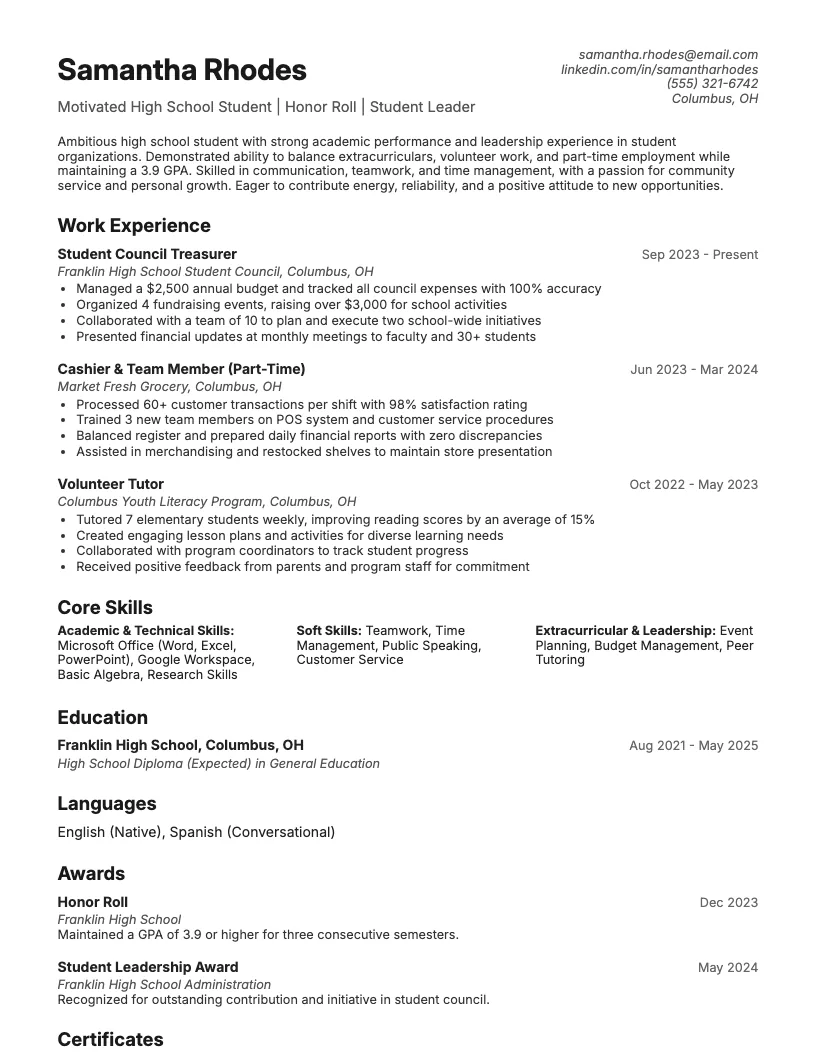
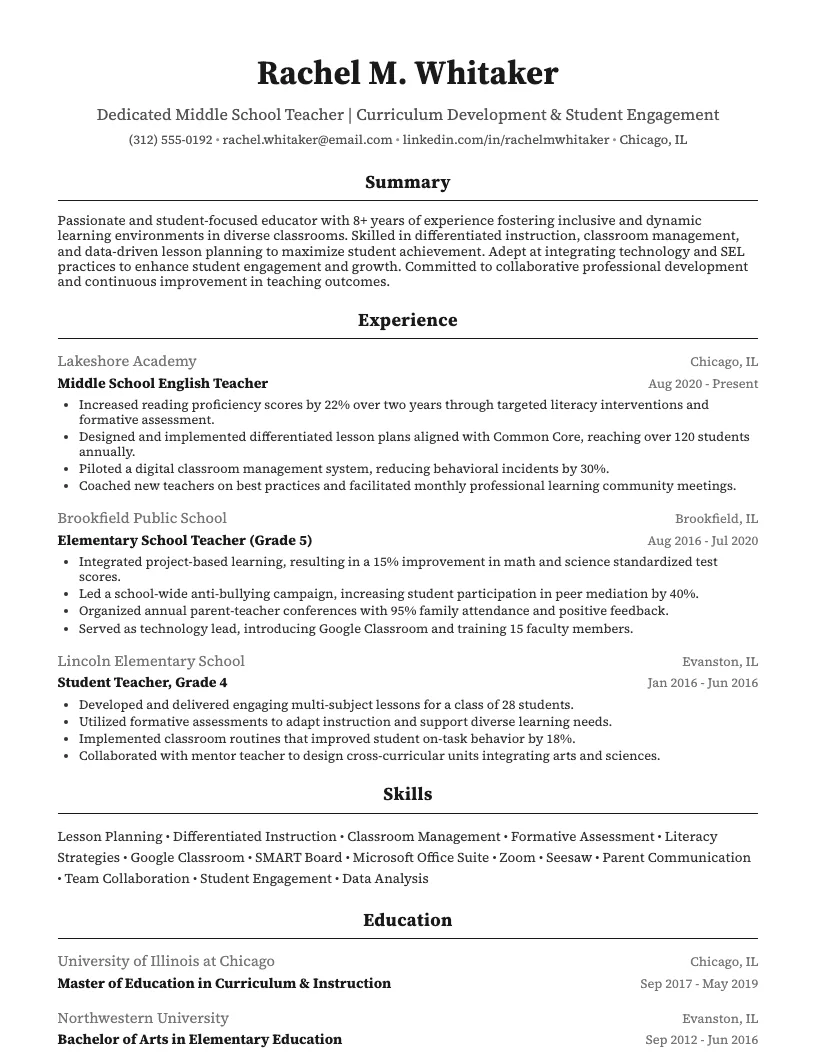
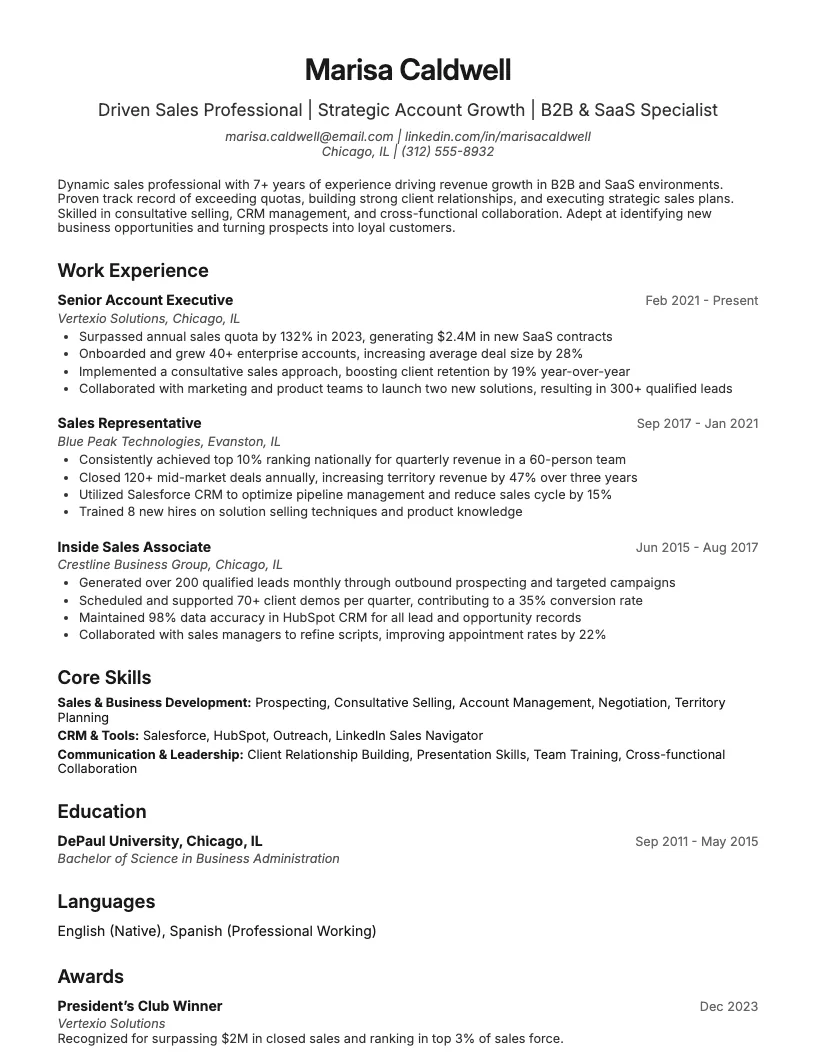
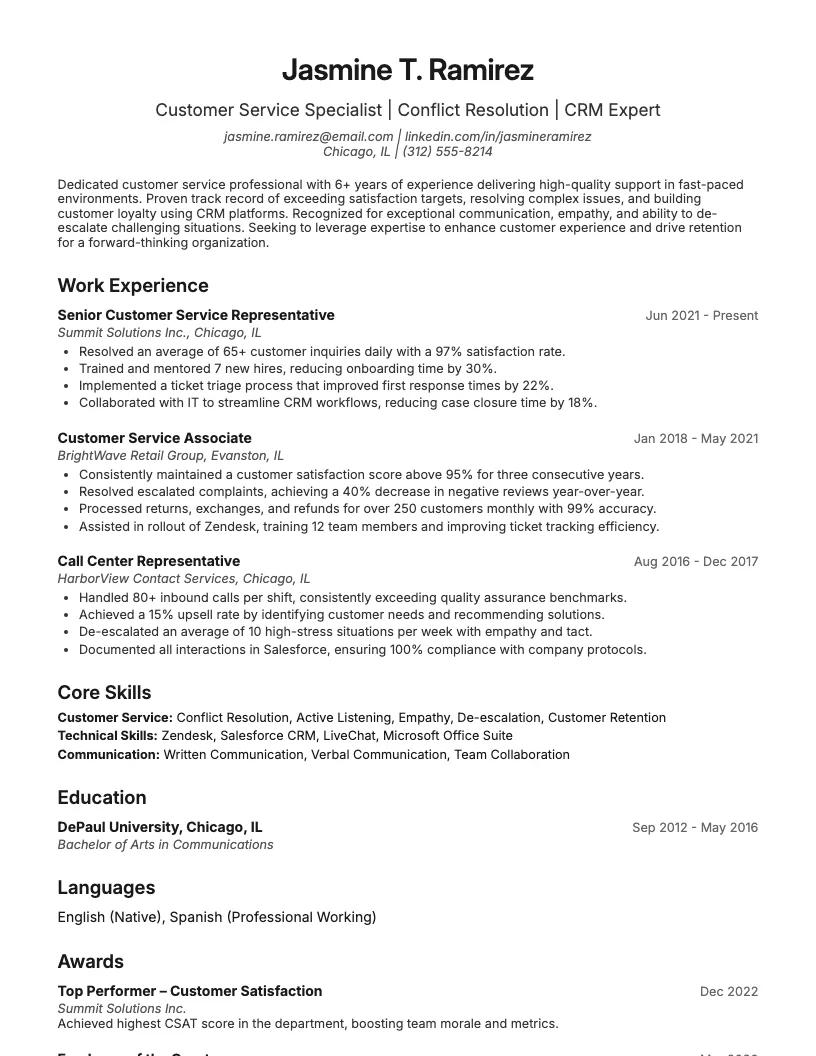
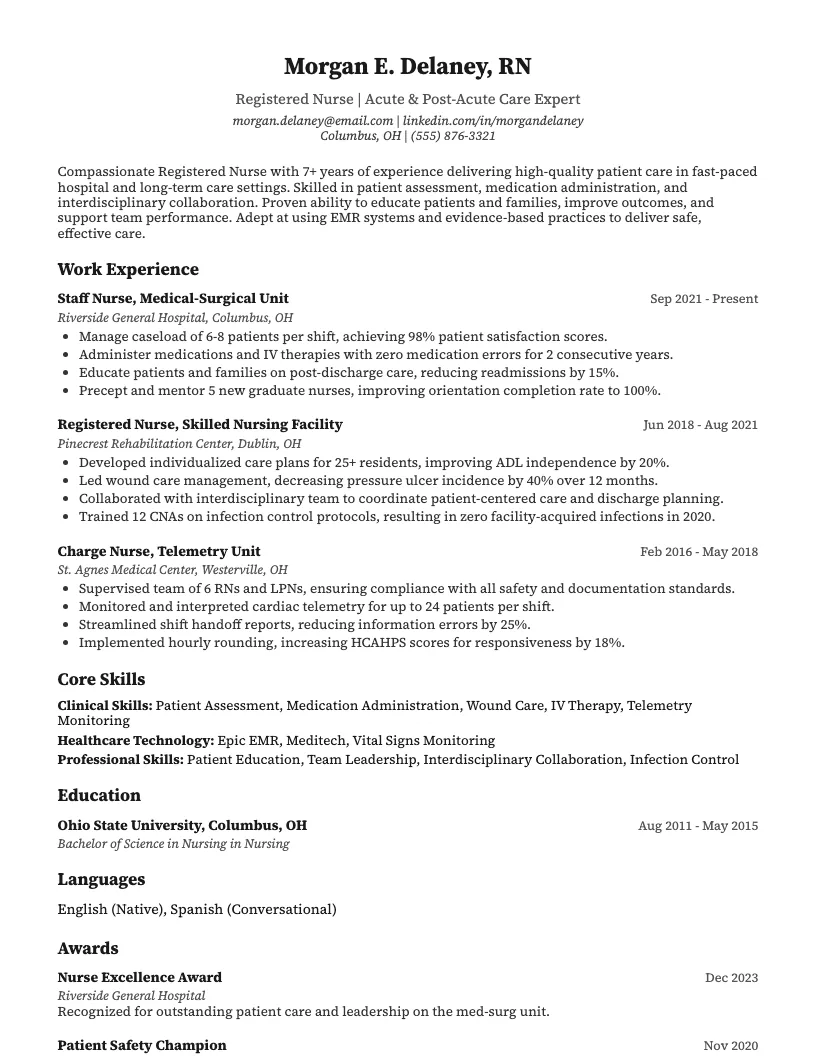
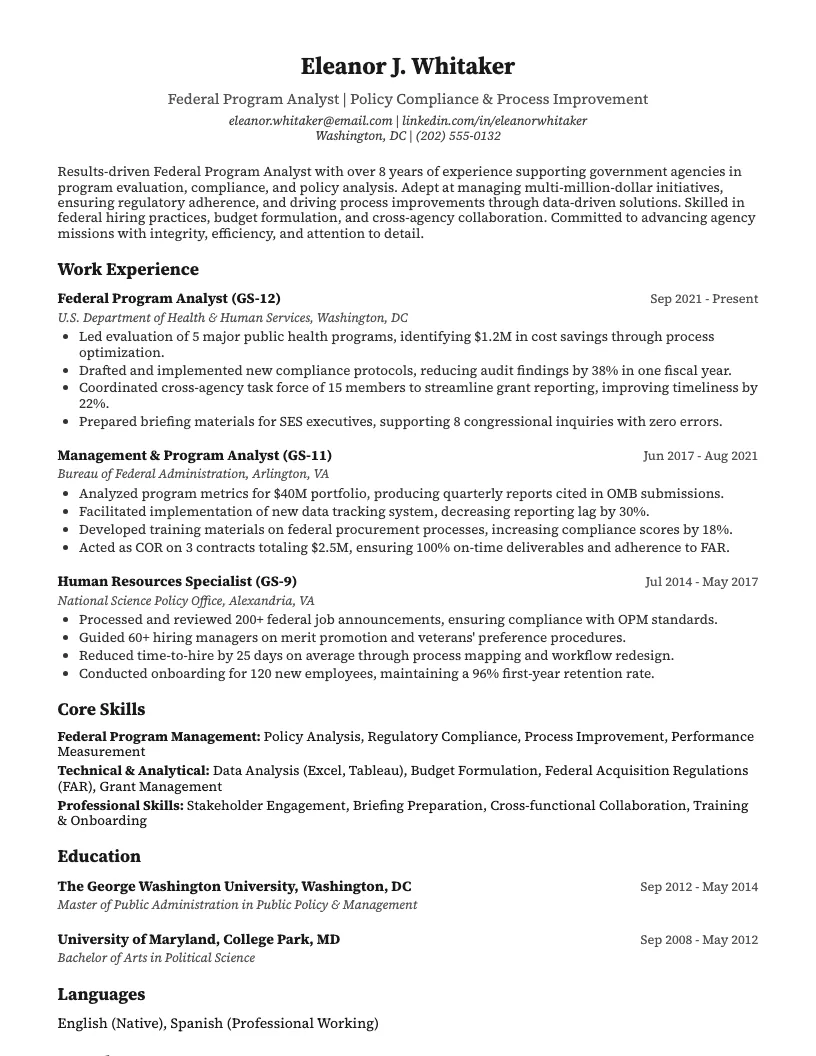
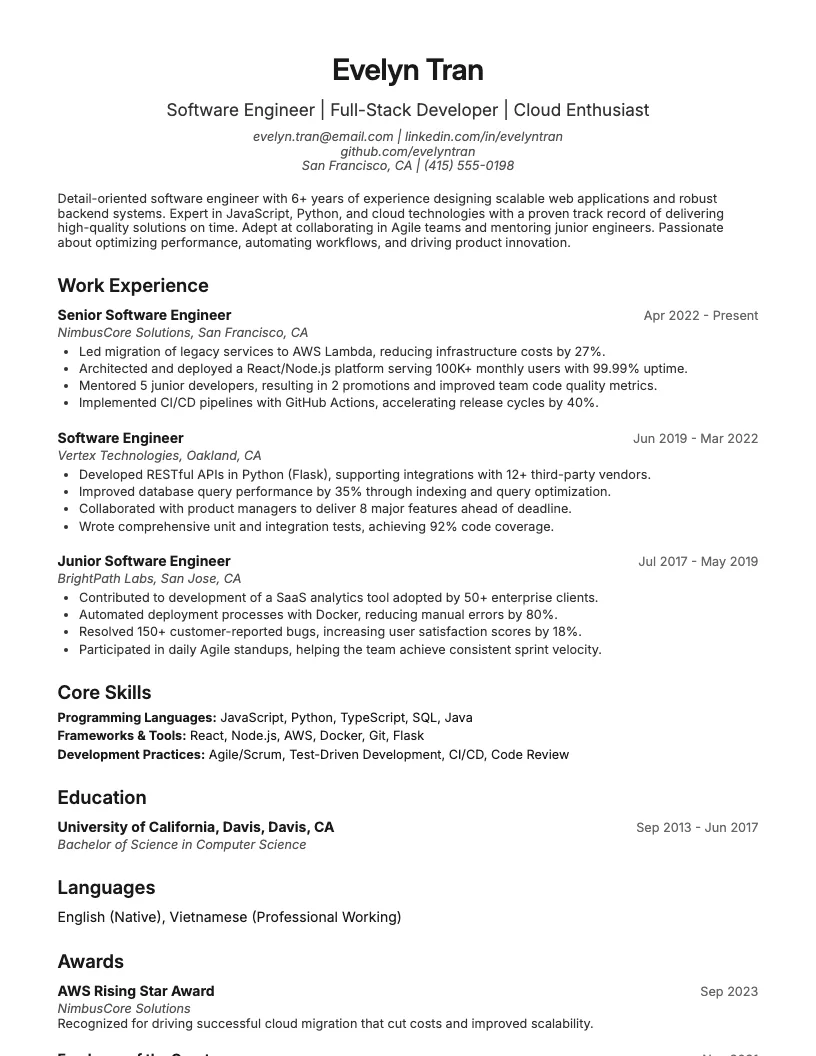
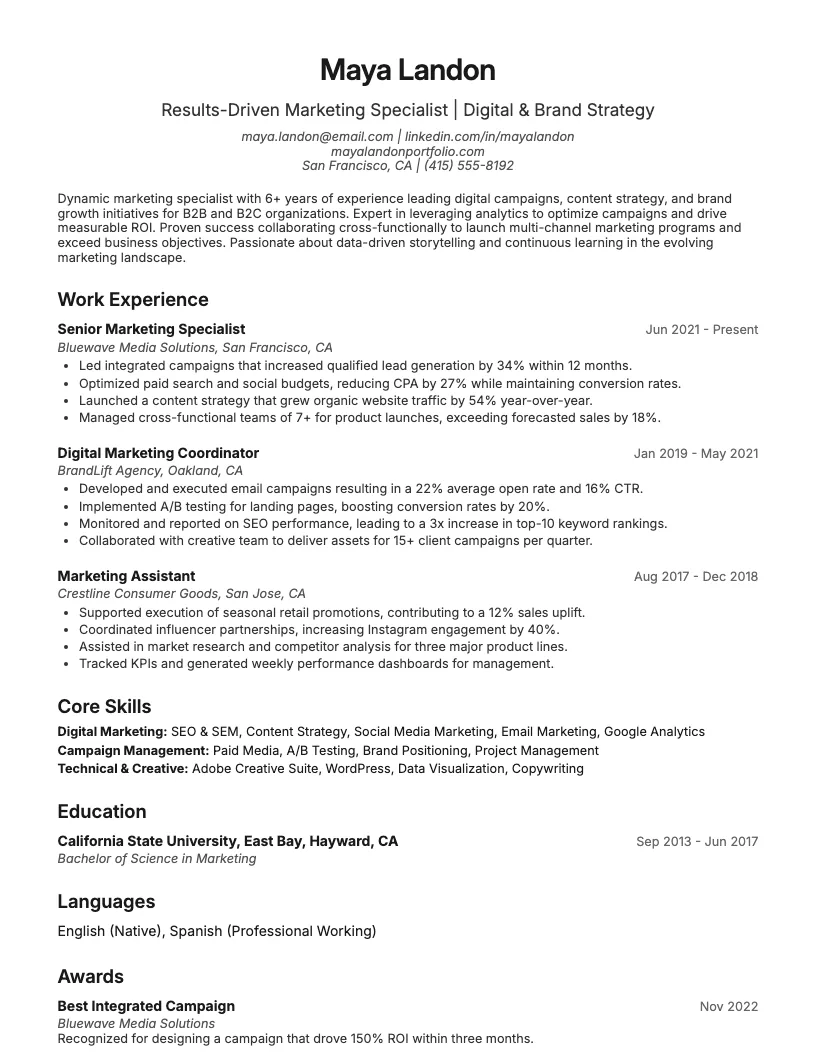
8 examplesStart from an example that already has them, and swap in your own.
Check your resume against the job you want
Scan your resume, see which skills and keywords the posting asks for that you are missing, and fix them before you apply.
Free to use • No credit card required