Time Management Resume Skills: 8 Skills, 18 Sample Bullets to Steal
What the 8 time management resume skills actually mean, where they go on the page, and 18 sample bullets across 6 categories you can adapt for your own resume.


Written by Marcus Rodriguez
ATS Optimization Specialist & Career Coach
Updated August 2026
Reviewed by Dr. Priya Sharma
Is your resume ATS-friendly?
Drop your resume in and see which of these skills a scanner can actually read, and which ones the job you want is asking for that you have not listed.
PDF or DOCX. Max 2MB.
We never share your resume or use it to train a model.
In This Guide:
What counts as time management and organisation skills on a resume?
If a job posting says it wants someone "organized" or able to "multitask," it's really asking for one of eight different things, and treating them as one skill on your resume undersells you. Here's what each one actually means and what a hiring manager reads into it when they see it.
Not every one of these belongs on your resume. I'd run it against the actual posting first - ResumeJudge will score your resume against the job description and tell you fast which of these eight it's actually looking for, instead of you guessing.
Planning
Planning is breaking a big, vague goal into steps with real dates attached to them. On a resume, that's phrases like "built a rollout plan with staged deadlines" or "mapped the project from kickoff to delivery" - not "good planner."
I've read a lot of resumes that name the skill and skip the proof; the ones that stand out show the plan.
Prioritising
Prioritising is deciding what gets your hours when everything is asking for them. The part people leave off their resume is that this sometimes means saying no - turning down a task or pushing back a deadline so the important thing actually gets done properly.
That's worth a line if you've done it.
Meeting deadlines
This is the one recruiters trust the least as a plain claim and believe the most with a number attached. "Consistently met deadlines" proves nothing.
"40 deliverables, zero missed" proves everything. A missed-deadline story is fine too, if you say what changed afterward.
See how to write a bullet that proves it for the format.
Organisation
Organisational skills for a resume cover a wider net than most people think: managing your own time, structuring data so it's easy to find, keeping a shared drive clean, tracking where a project actually stands. Recruiters read "organised" as a proxy for "won't drop things," so back it with the system you used, not the adjective.
I'd take a resume that names one system over one that just claims "strong organisational skills," every time.
Multitasking
Multitasking on a resume really breaks down into four things: staying organised, prioritising correctly, delegating what you can't personally cover, and still executing each piece to a finish. I'd pick one of those four and show it instead - on the phrase itself, see the phrases recruiters don't believe.
Attention to detail
The same habit that catches every error can also make you the one still polishing a document after everyone else called it finished. If you put attention to detail on your resume, be ready to talk in the interview about how you decide when something is good enough to ship.
Detail-oriented people check their own work before anyone asks them to, catch the small thing that changes the outcome, and remember deadlines without being chased. That's the skill.
Back it with a number if you can - how many errors caught, how many audits passed clean - and see "Detail-oriented" on its own for the phrase itself.
Staying calm under pressure
Working under pressure is really two things: getting the work done anyway, and not being someone your team has to manage emotionally while you do it. The strongest resumes show a deadline that got moved up, a launch that had problems, a busy season, and what happened because you were the one handling it.
On the phrase itself, see "Works well under pressure" on its own.
Delegating
Delegating is matching a task to whoever's actually best placed to do it, then trusting them to do it. It shows up most on resumes for leads and managers, but even without a formal team, you can show it - assigning parts of a group project, splitting a workload with a teammate, setting priority order for what gets handed off first.
Where do you put these skills on a resume?
Where these skills carry the most weight
| Where | What it's for | How much it convinces |
|---|---|---|
| Summary | Sets the tone | Low, no proof yet |
| Work experience bullets | Does the actual convincing | High |
| Skills section | Gets past the keyword scan | Medium |
| Education, volunteering, side projects | Only proof with no job title | Medium |
| Achievements section | The number-only win | Medium-high |
There are five spots on a resume where organization and time management skills can live, but I've read enough of these to know they don't carry equal weight. Two of them do most of the convincing.
The rest just back those two up.
In the summary at the top
Recruiters give your summary a few seconds, so this is where you set the tone, not where you prove anything. Name the skill in context instead of as an adjective - "coordinates five concurrent projects without missing a deadline" does more work than "strong organizational skills."
I'd rather see a summary that hints at the scale of what you juggle than one that just lists traits.
In the work experience bullets
This is the section that actually convinces someone. A line that claims you multitasked means nothing until you show what you were juggling and what happened because you handled it well.
I walk through how to build that kind of line under the action, the scale, the result - read that before you touch this section.
In the skills section
Your skills list exists to get you past the keyword scan, so match it to the posting's own words instead of your own. If the posting says "prioritization" and your resume says "time management," a scanner may never connect the two - more on matching the posting's wording in how to write a bullet that proves it.
Keep entries specific: "calendar management" and "cross-functional coordination" say more than "organized" ever will.
In education, volunteering and side projects
No work history yet? This is where these skills show up hardest and get believed the least, so lean on specifics - a class schedule built around two jobs, a fundraiser you ran solo, a club budget you kept straight.
I go into exactly how to phrase these in bullets when your only experience is study, volunteering or a part-time job.
In the achievements section
An achievements section is the one part of the page built entirely for numbers, so use it for the multitasking or organization win that has a figure attached - projects delivered on time and under budget, error rates cut, a backlog cleared ahead of schedule. Once your resume is saying the right things, that's the moment to think about what comes next - ResumeJudge can take that same resume and the job posting and write the cover letter to go with it, so you're not starting that from a blank page too.
How do you write a bullet that proves it instead of claiming it?
How do you write a bullet that proves it instead of claiming it?

I've read thousands of these bullets, and "responsible for managing multiple projects" tells me nothing. A recruiter skims it in half a second and moves on.
The bullets that stop them are the ones that show an action, a scale, and a result - in that order.
The action, the scale, the result
Start with what you did. Say how big it was - how many people, files, deadlines, dollars.
End with what happened because you did it.
"Automated file organization for 5,000+ records, saving 8 hours a week" beats "organized files" every time. Same information, but now it's proof.
Action verbs that fit these skills
Swap "responsible for" and "helped with" for a verb that shows you drove the outcome: coordinated, prioritized, streamlined, scheduled, tracked, delegated, systematized, resolved, monitored, standardized.
Pick one per bullet and build the sentence around it. Two verbs in one bullet usually means you're describing two different accomplishments and should split them.
Numbers to use when nobody measured your work
Most people never got a report telling them their productivity went up 15%. That's fine - you still have numbers.
Count what you can: how many projects, clients, or tasks you handled at once; how many deadlines in a row you hit; how many people were on the team you kept on schedule. "Managed 6 client accounts simultaneously" is a real number and it's honest.
Tools worth naming: Asana, Trello, Google Calendar, Excel
If the job posting mentions a tool, and you've used it, name it. "Tracked deliverables across 4 teams using Asana" does two jobs at once - it proves organization and it matches a keyword a scanner is looking for.
Trello, Google Calendar, and Excel work the same way. Don't force one in if you didn't actually use it - that's the kind of claim that falls apart in an interview.
Wording lifted from the job posting
If the posting says "manages competing priorities" and your resume says "juggles many tasks," you've said the same thing in a way that doesn't match. Read the posting, find its phrasing, and use it where it's true of you.
This is tedious to do by hand for every application. ResumeJudge reads the posting alongside your resume, flags the exact skills and phrasing it's missing, and rewrites the bullets to use that wording - so the match is there without you re-reading the listing every time.
"Good at multitasking" rewritten as a real bullet
Claiming multitasking vs. proving it
Good at multitasking
Managed 50+ customer inquiries daily while coordinating with 3 internal teams, cutting response time by 25%
"Good at multitasking" is a claim. Here's the proof version: "Managed 50+ customer inquiries daily while coordinating with 3 internal teams, cutting response time by 25%."
Same skill, but now it's a sentence a hiring manager can picture. If you're not sure yours reads that way, see how it looks for each skill or check which phrases recruiters have stopped believing.
What do these bullets look like for each skill?
Is your resume good enough?
Drop your resume in and see which of these skills a scanner can read, and which ones the job you want is asking for that you have not listed.
Upload your resumeFree. PDF or DOCX. We never share your resume or use it to train a model.
Here's the difference between claiming a skill and proving it, laid out by skill so you can just swap in your own numbers.
Time management bullets
"Managed my time well" tells a recruiter nothing. What works is naming the deadline and what you hit.
- Delivered a three-year training rollout 14% under budget, with 19 of 19 milestones completed on schedule
- Cut project lead time by 19% by rebuilding the weekly scheduling process
- Ran a personal task board that kept 100% of assigned deadlines on track across four concurrent projects
Organisation bullets
I've read enough of these to know the good ones always name the system, not just the trait. A task-tracking system, a shared calendar, a color-coded log - something a hiring manager can picture.
- Built a sprint dashboard that raised on-time task completion from 68% to 93%
- Consolidated 14 separate spreadsheets into one shared tracker, cutting monthly close time by 30%
- Created a task-tracking system that lifted team efficiency by 15% within a quarter
Multitasking bullets
The trap here is listing everything you juggled instead of what happened because you juggled it well. Pick the channels or accounts, then the outcome.
- Handled up to 50 customer inquiries a day across phone, email, and chat while holding a 95% satisfaction rating
- Managed 40 client accounts simultaneously, delivering every project on time
- Improved project completion rates by 30% while coordinating across three teams at once, using Asana to keep it all visible
If you're rewriting "good at multitasking" into something like this, see how to build a bullet from the action, the scale, and the result - it's the same formula every time.
Attention to detail bullets
Nine times out of ten, "detail-oriented" bullets fail because they describe the checking, not the catch. Say what you found and what it changed.
- Caught a recurring error in financial reports that, once fixed, added 2% to revenue
- Reviewed board meeting agendas and compiled 50+ pages of minutes with zero factual corrections needed after submission
- Reduced code line errors by 27% through a closer review pass before every release
If your resume is full of lines like "attention to detail" with nothing under them, running it against the job posting will show you exactly which ones need a real number - that's the gap ResumeJudge flags before a recruiter ever sees it.
Working under pressure bullets
Don't write that you "work well under pressure." Write the deadline that moved, or the volume that spiked, and what you still delivered.
- Kept quality steady through an office relocation, hitting every deadline during the transition
- Absorbed a 20% spike in support volume during a product launch without missing an SLA
- Adapted to three changing deadlines in one quarter while maintaining full accuracy on deliverables
Bullets when your only experience is study, volunteering or a part-time job
No job title doesn't mean no proof. Every group project, volunteer shift, or part-time role had a moment where you kept something on track - that's the bullet.
- Coordinated a five-person capstone team that shipped its project two weeks early
- Streamlined a volunteer donation log, cutting data entry time by 30%
- Planned a 40-person event in under four weeks while carrying a full course load
Once you've got a handful of these written, check where they should sit on the page - a strong bullet in the wrong section still gets skipped.
Which of these phrases do recruiters not believe?
I've read thousands of resumes, and there's a specific moment where I stop reading closely: the line that's all adjective and no proof. You've probably got one of these on your resume right now.
Here's which ones cost you and why.
"Detail-oriented" on its own
This is the most common phrase in the "detail oriented resume skills" category, and it's also the most ignored. On its own, in a skills list next to "Microsoft Office," it tells a recruiter nothing they can check.
It only works when something nearby backs it up - a bullet, a number, a result. Alone, it reads as filler.
"Excellent multitasker" on its own
Same problem, and one extra one: some hiring managers actively distrust this claim. Multitasking often means scattering focus across too many things at once, not doing them well.
If you want credit for handling several priorities, show that you sequenced them without dropping any - see how to rewrite this one properly.
"Works well under pressure" on its own
Everyone claims this. Nine times out of ten, there's no deadline, no volume, no stakes attached to it - just the sentence.
A recruiter can't tell you apart from the next candidate who typed the exact same words.
"Meticulous" and other words that sound like filler
"Meticulous," "thorough," "organized individual" - these belong to a family of words that sound impressive and prove nothing. Swapping one vague adjective for a fancier one doesn't fix the problem.
The fix isn't a better word. It's a sentence with a number in it.
What to write in place of each one
All four need the same repair, and it's already spelled out above: the action, the scale, the result, with the multitasker version written out in full at "Good at multitasking" rewritten as a real bullet.
If you're not sure which of these words the posting actually wants, that's worth checking directly - ResumeJudge reads the job description against your resume and rewrites the wording itself, swapping the vague adjective for phrasing that matches what the posting is asking for.
Frequently Asked Questions
How many of these skills should I list?
List two to four, and only the ones you can back up with a real example. Padding the resume with every organization-related word you can think of works against you, since recruiters skim for proof, not for a vocabulary list. Pick the ones the posting actually asks for and give each one a line backing it with a number or an outcome.
Is multitasking a skill or just a personality trait?
It's a skill you build, not something you're born with. You get better at it by practicing, keeping a task list, blocking time for each item, cutting distractions, the same way you'd get better at anything else. Don't just write "multitasker" on the page; show the routine or tools behind it so it reads as something you actually do.
Should I list time management if the job posting never mentions it?
Only if you can prove it with a real result, otherwise use the space on something the posting does ask for. Postings don't always spell out every skill they're screening for, so it's worth checking the wording closely, or running your resume against ResumeJudge, which reads the job description and tells you exactly which skills and keywords it's looking for and where your resume is missing them. If the posting rewards deadlines or juggling several projects, time management is fair to include even when the word itself never appears.
Do I put organisational skills under hard skills or soft skills?
It depends on how you mean it. If you're pointing at a tool or method, like Google Calendar, Trello, or a specific scheduling system, that's a hard skill, since it's concrete and checkable. If you mean the judgment behind it, like knowing what to prioritize or planning a multi-week project, that's a soft skill, and it needs a real example next to it rather than just the label.
How do I show time management with no work experience?
Pull it from anywhere you handled a deadline, not just a job: class projects, a part-time shift, a club, volunteering. Write it as what you did, how big it was, and what happened, for example "coordinated a five-person group project, hit every submission deadline across a 10-week term." Employers care about proof you handled competing demands, not the label on the place you did it.
What do I say when an interviewer asks how I prioritise?
Walk through one real example: what was competing for your time, how you decided what came first, and what happened as a result. Keep it concrete, "I had three deadlines the same week, so I ranked them by what was blocking someone else's work and did those first" beats a general statement about being organized. One specific story carries more weight than a rule you claim to follow.
Does a certification prove I'm organised?
It helps, but not on its own, a certification alone won't carry the claim. Something like a Project Management or Lean Six Sigma certification shows you invested time in the skill, but recruiters still want to see it in action, so pair it with a line showing what you actually organized and what came of it.
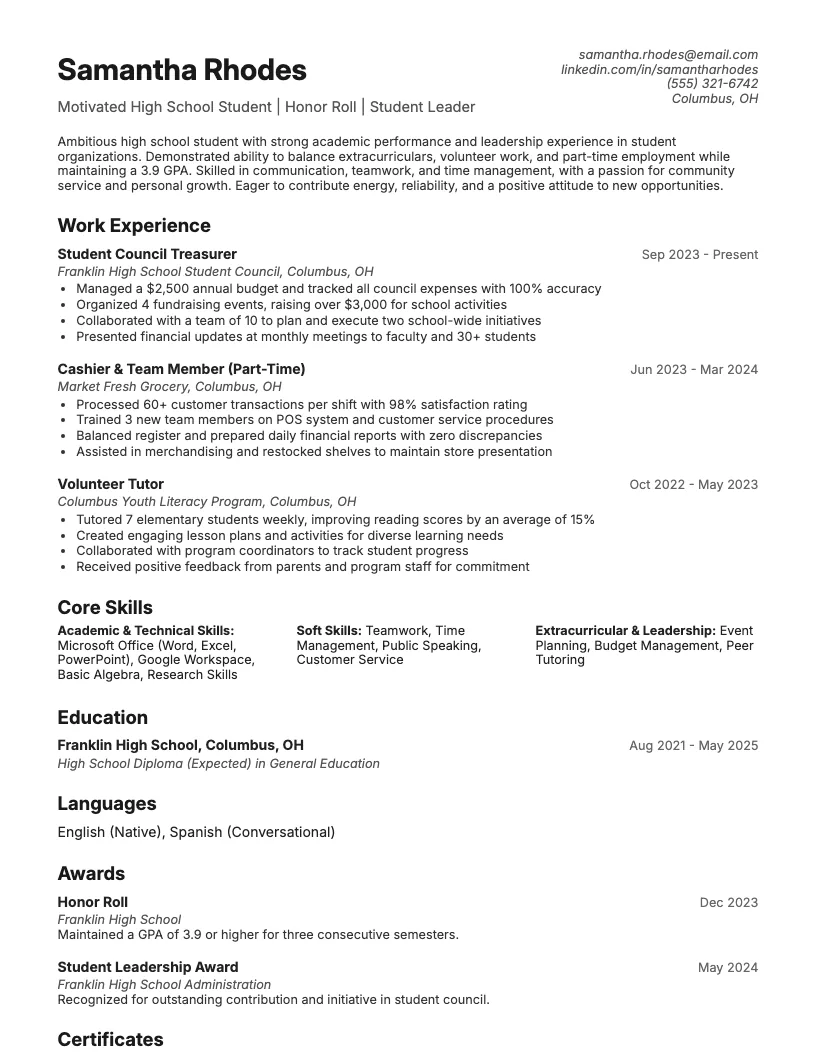
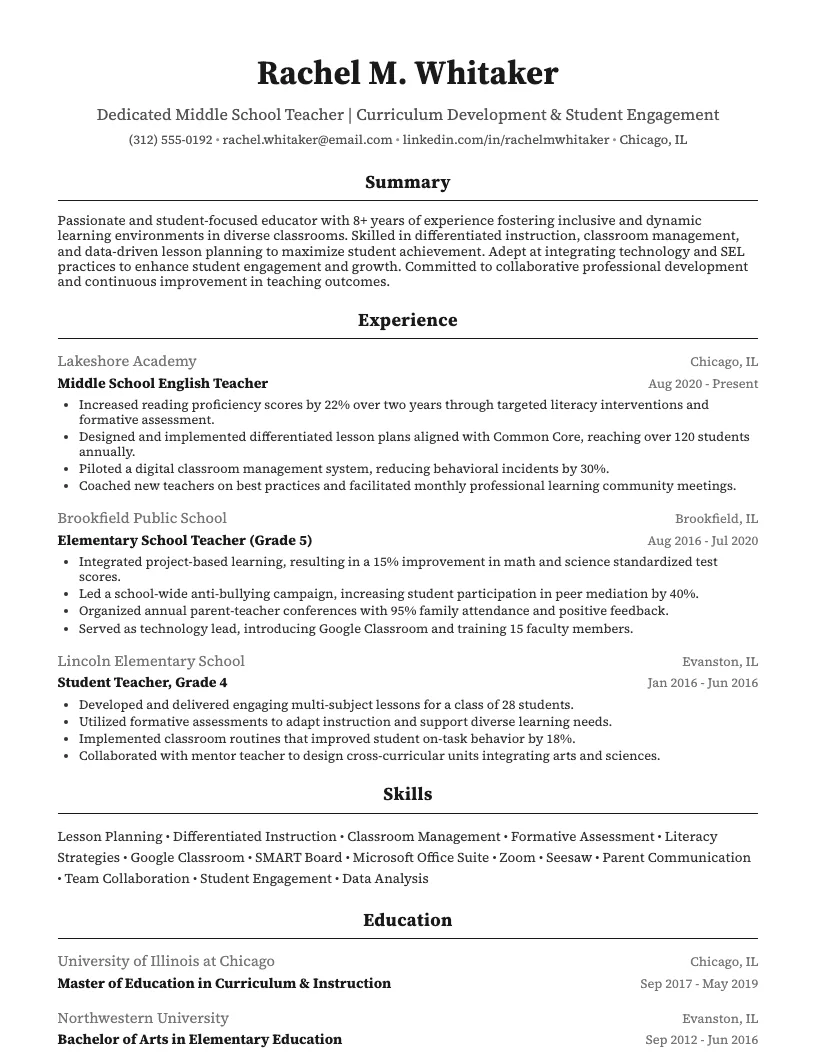
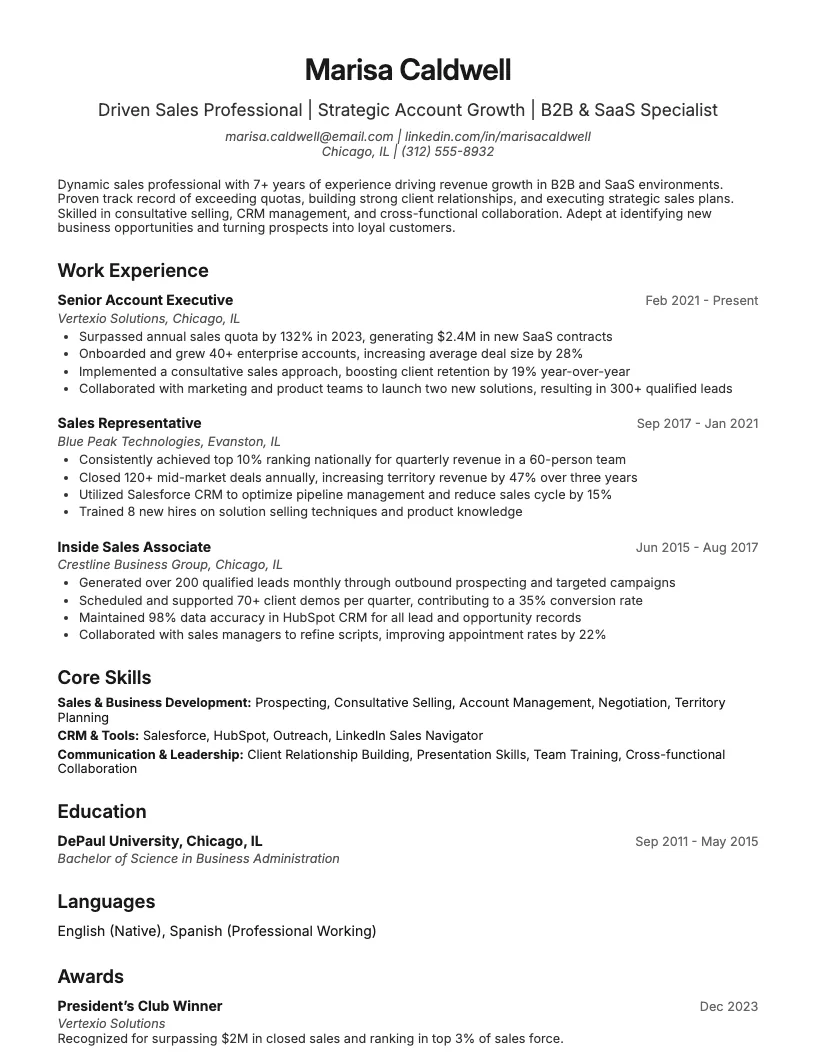
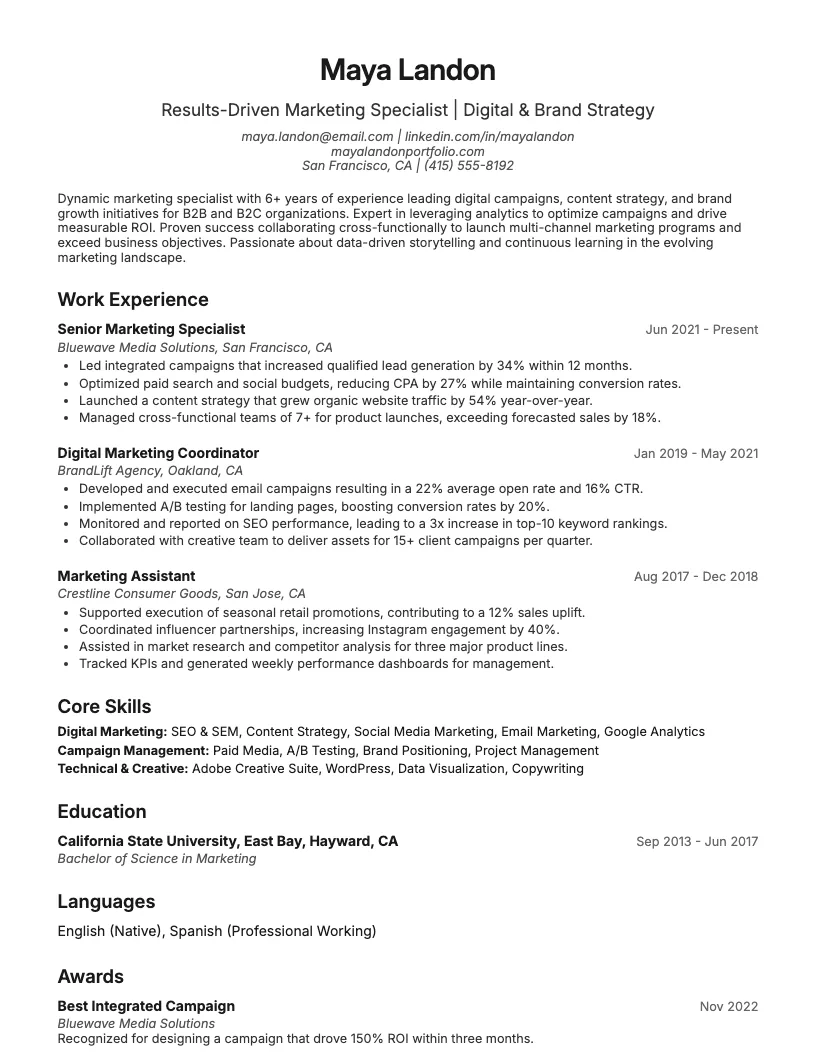
See these skills on a real resume
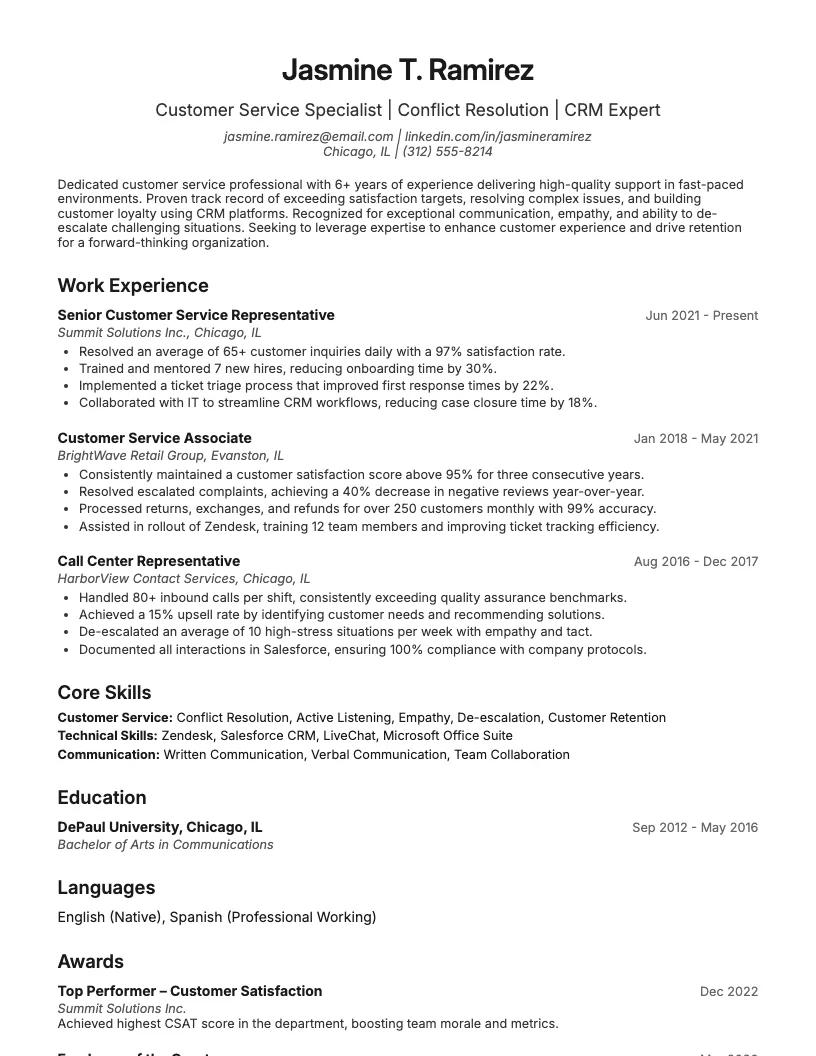
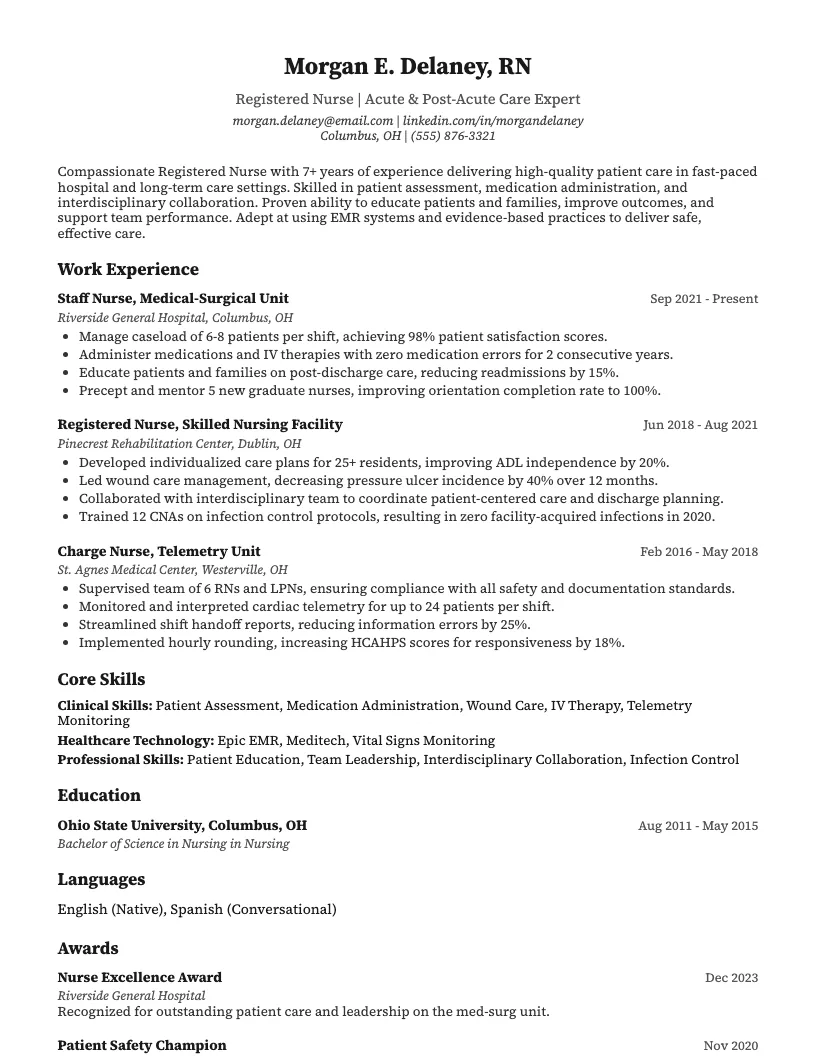
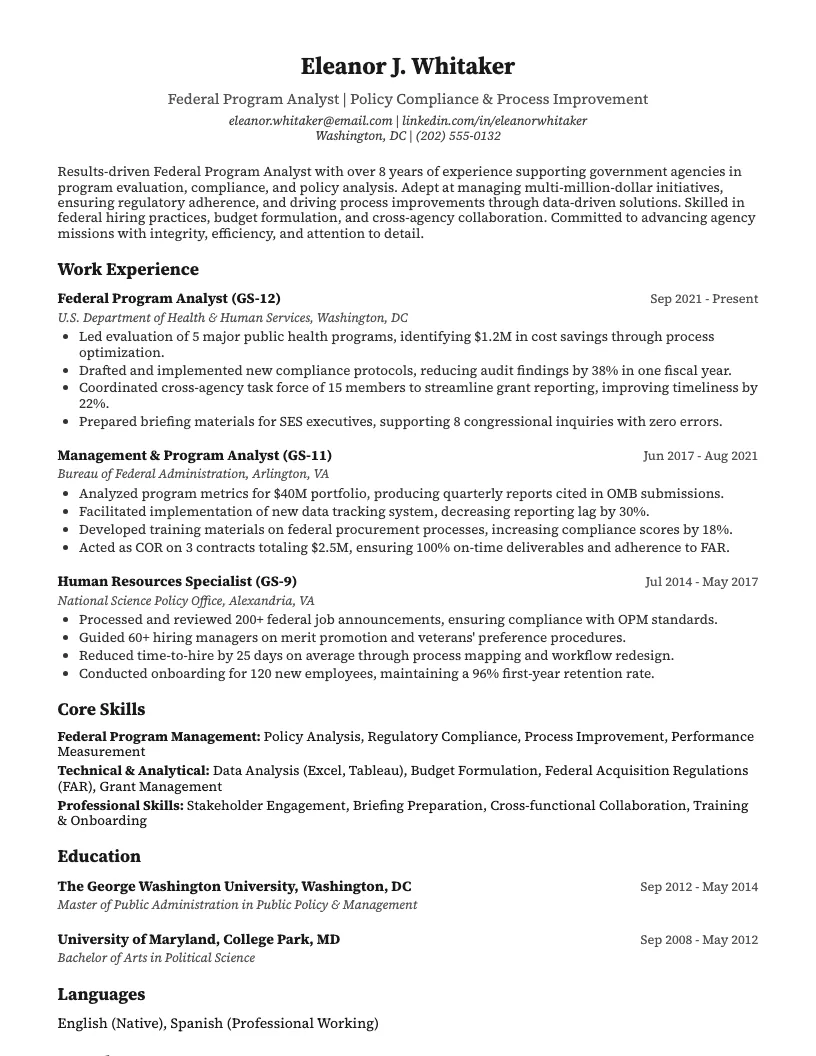
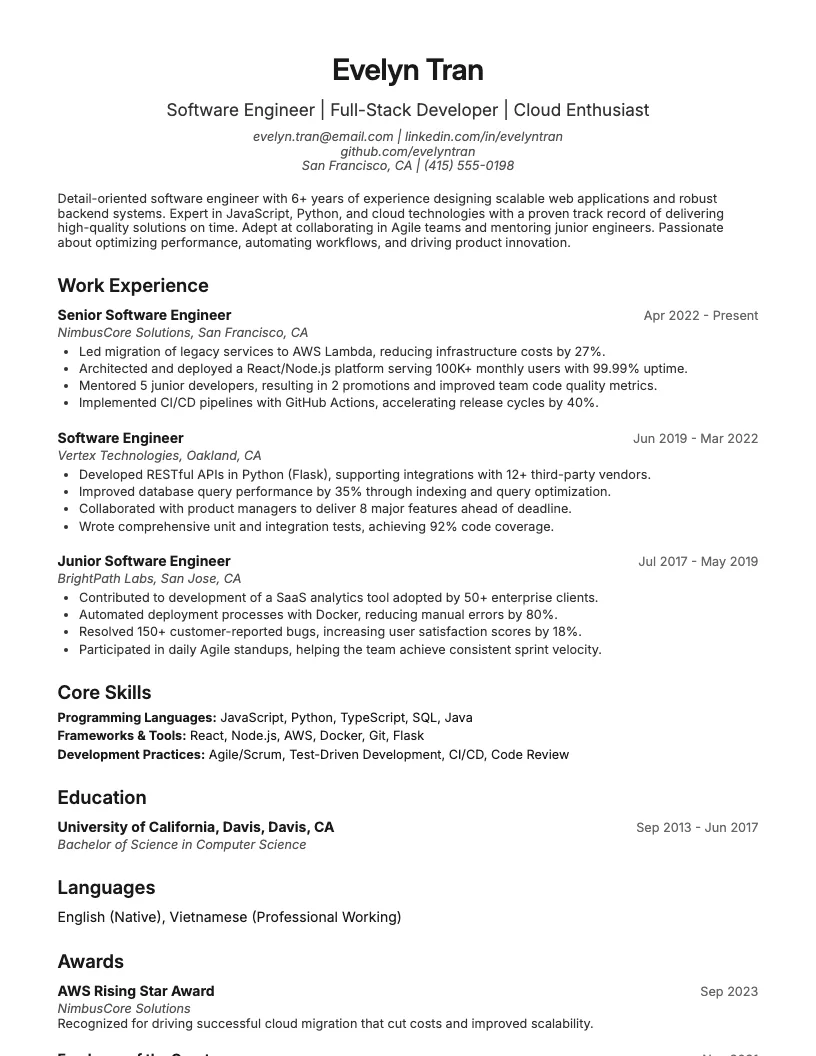
8 examplesStart from an example that already has them, and swap in your own.
Check your resume against the job you want
Scan your resume, see which skills and keywords the posting asks for that you are missing, and fix them before you apply.
Free to use • No credit card required