 ResumeJudge
Teamwork Resume Skills: 10 Traits + 7 Bullets I'd Actually Use
See what teamwork means on a resume: 10 concrete traits, 7 bullets you can adapt, and how to prove conflict resolution instead of just claiming it on paper.


Written by Sarah Chen
Senior Career Strategist & Resume Expert
Updated August 2026
Reviewed by Marcus Rodriguez
Is your resume ATS-friendly?
Drop your resume in and see which of these skills a scanner can actually read, and which ones the job you want is asking for that you have not listed.
PDF or DOCX. Max 2MB.
We never share your resume or use it to train a model.
In This Guide:
What counts as a teamwork skill on a resume?
"Teamwork" on its own says nothing to a hiring manager. I've read thousands of resumes with "team player" sitting in the skills section, and it tells me exactly zero about what you actually do when you're working with other people.
What gets you interviews is naming the specific behaviors underneath that word. Here's what those are.
Communication
This means saying things clearly enough that other people don't have to guess what you meant, and adjusting how you say them depending on who's listening.
If you can explain a complicated idea to someone outside your field without losing them, that's communication skill, and it belongs on your resume in a bullet that shows it happening, not just the word itself.
Active listening
Most people think listening means staying quiet while someone else talks. It doesn't.
Active listening is catching the detail nobody else caught, then doing something with it. I've seen candidates undersell this constantly because it feels passive, but employers read it as the skill behind good decisions and fewer repeated mistakes.
Collaboration
Collaboration is combining your strengths with someone else's toward one shared result, instead of dividing up work and never talking again.
Teams that genuinely collaborate get more out of people, and that's exactly why this is a skill worth proving with a real result instead of just claiming it.
Reliability
Reliability is the least glamorous item on this list and also the one hiring managers care about most.
It's showing up prepared, hitting the deadline you agreed to, and telling people early if you're not going to make it, rather than staying quiet and hoping it works out. Nine times out of ten, "reliable" beats "brilliant but unpredictable" when a manager is deciding who to promote onto their team.
Conflict resolution
Conflict resolution is staying level-headed when two people (or you and someone else) disagree, and getting to a solution instead of a standoff. How you show this on a resume is its own subject, because it's one of the harder skills to prove without sounding like you're bragging about drama.
Adaptability
Teams change shape constantly - new tools, new processes, new people. Adaptability is adjusting without needing to be talked into it, and it matters more now than it used to, since so many teams work across time zones and platforms instead of one office.
Accountability
Accountability is owning your part of an outcome, including the part where something went wrong. The people who say "that was on me, here's the fix" build more trust in a single sentence than a whole paragraph of achievements can buy back.
Feedback
Feedback goes two directions: giving it and taking it. Giving it well means being specific about the behavior, not the person, and I'd add - say it privately, save the praise for the group.
Taking it well means not getting defensive the first time someone points something out.
Delegation
Delegation is handing off a task to whoever's best suited for it, with clear enough instructions that you don't have to hover. It shows up more as your title gets more senior, but even a shift lead or team captain role can prove it.
Digital collaboration tools
Nearly every team now runs through Slack, Teams, Zoom, Asana, Trello, or something similar - usage of these tools has climbed 44% since 2019. Naming the ones you've actually used, in your skills section, is a fast way to signal you won't need a week of onboarding just to keep up.
How do you write a teamwork bullet point that proves it?
Anyone can write "team player" in a bullet. The hiring manager reading it has seen that phrase a thousand times and skips right past it.
What stops them is a bullet that names a real team, a real action, and a real result. That's the whole formula, and most resumes only ever get one of the three.
Name the team you worked with, not just "the team"
"Worked with the team" tells me nothing. Which team?
Say "cross-functional team of designers and engineers," or "five-person sales pod," or "finance and ops." A named team proves you actually remember the project - a vague one reads like filler.
Say what you did: collaborated, coordinated, partnered, mentored
Swap "worked with" for a verb that shows your actual role. Collaborated, coordinated, partnered, mentored, facilitated, co-led - each one tells a different story about what you did on that team.
"Coordinated" says you kept things moving. "Mentored" says you brought someone else up.
Pick the one that's true, not the one that sounds biggest.
Put a number on the result
This is the step people skip, and it's the one that matters most. A number turns "helped the team" into proof: revenue grew 20%, turnover dropped 30%, engagement rose 25%.
If you don't have a company-wide metric, use a smaller one - hours saved, people trained, deadlines hit. The conflict resolution bullets later on follow the same rule.
Weak bullet vs strong bullet
A teamwork bullet, before and after
Worked on a new product line with coworkers.
Collaborated with a cross-functional team to launch a new product line, driving a 20% revenue increase.
Weak: "Worked on a new product line with coworkers."
Strong: "Collaborated with a cross-functional team to launch a new product line, driving a 20% revenue increase." Same project, but only one of them gets you an interview.
Seven teamwork bullets you can adapt
- Collaborated with a cross-functional team to launch a new product, contributing to a 20% revenue increase
- Coordinated with engineering and design to ship a software upgrade that improved efficiency by 15%
- Partnered with HR to launch a mentorship program, cutting employee turnover by 30%
- Collaborated with marketing on a website redesign that raised user engagement 25%
- Worked with a volunteer team to organize a fundraiser that raised $800
- Delegated tasks across a team of five for three years, consistently beating quarterly targets
- Co-led a $2M project with cross-functional teams, delivered ahead of schedule
If you're not sure which of these actually matches what the posting wants, ResumeJudge will compare your resume against the job description and rewrite the wording for you, bullet by bullet.
Where do teamwork skills go on your resume?
Where teamwork skills go on your resume
| Section | What goes there |
|---|---|
| Summary | One line naming your teamwork style |
| Work experience | Bullets with a verb and a number |
| Skills section | Specific traits like active listening |
| Education/certs | Group projects, courses, workshops |
Same word, four different spots, and each one is doing different work. Put it in only one and you've wasted the other three.
In the summary at the top
This is the first thing anyone reads, so it's where I put one line, not a list. Something like "collaborative project manager who's led cross-functional teams through six-figure launches" tells a recruiter what to expect before they hit your first bullet.
In the work experience bullets
This is where teamwork actually gets proven, not claimed. The bullet-writing section above has the wording. I've reviewed resumes where every bullet is a duty and none is an outcome, and it's the single biggest reason a strong candidate reads as average.
In the skills section
Here you name the specific soft skills the posting is asking for - communication, conflict resolution, active listening, adaptability - pulled straight from the teamwork skills list above. This is also the section that's easiest to get wrong: nine times out of ten I see the same five words on every resume, with nothing in the job history to back them up.
If you're not sure which ones a specific posting wants, ResumeJudge will scan the resume against the job description and tell you exactly which skills and keywords are missing before you submit it.
In education, courses and certifications
This is the spot to use when you don't have much work history yet - the section on no work experience covers what to put here.
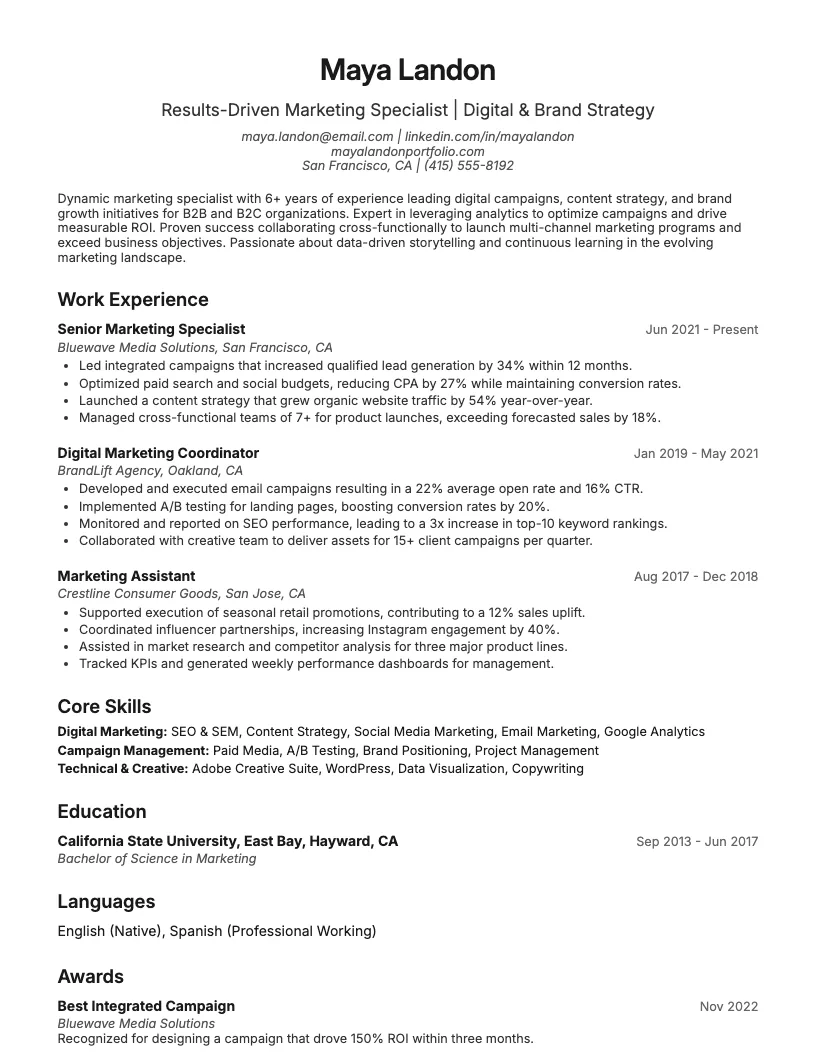
A full resume example with teamwork running through it
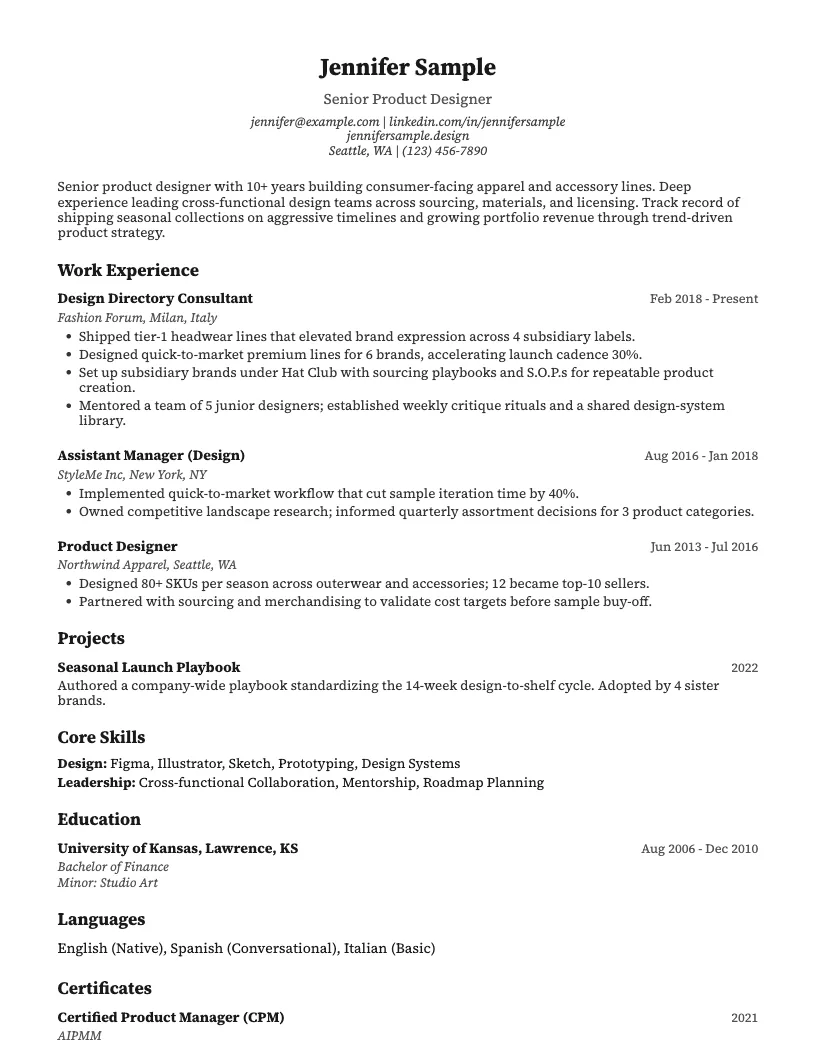
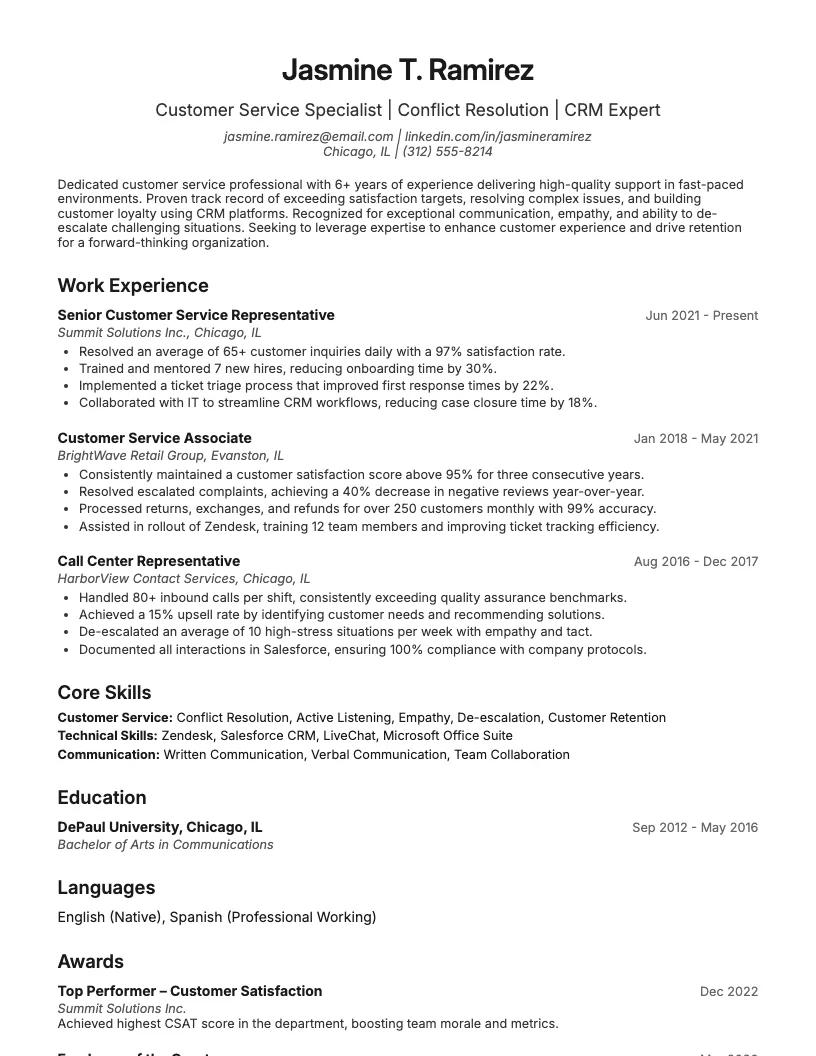
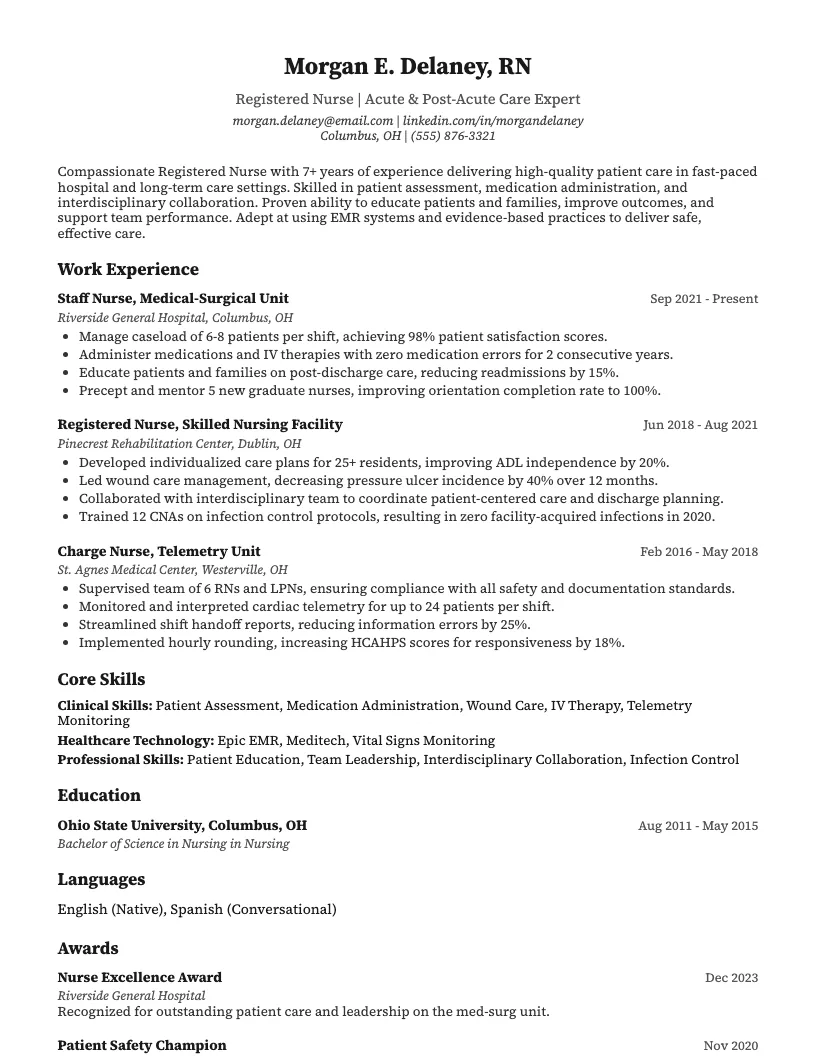
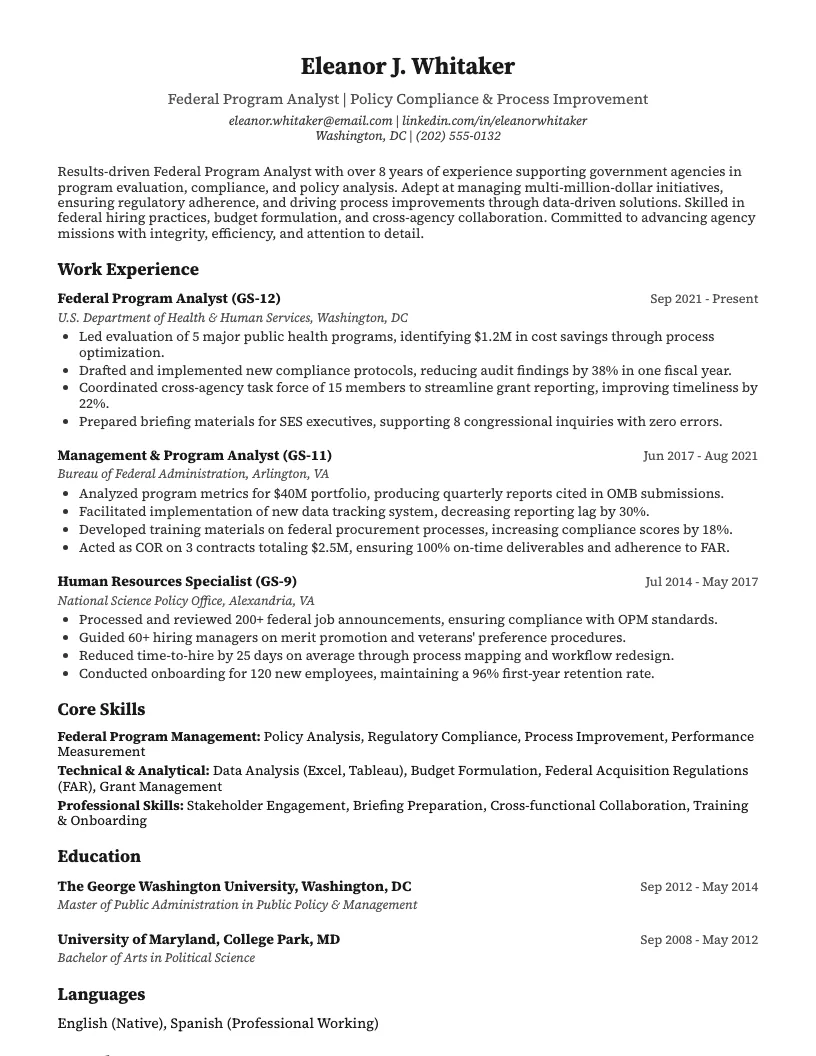
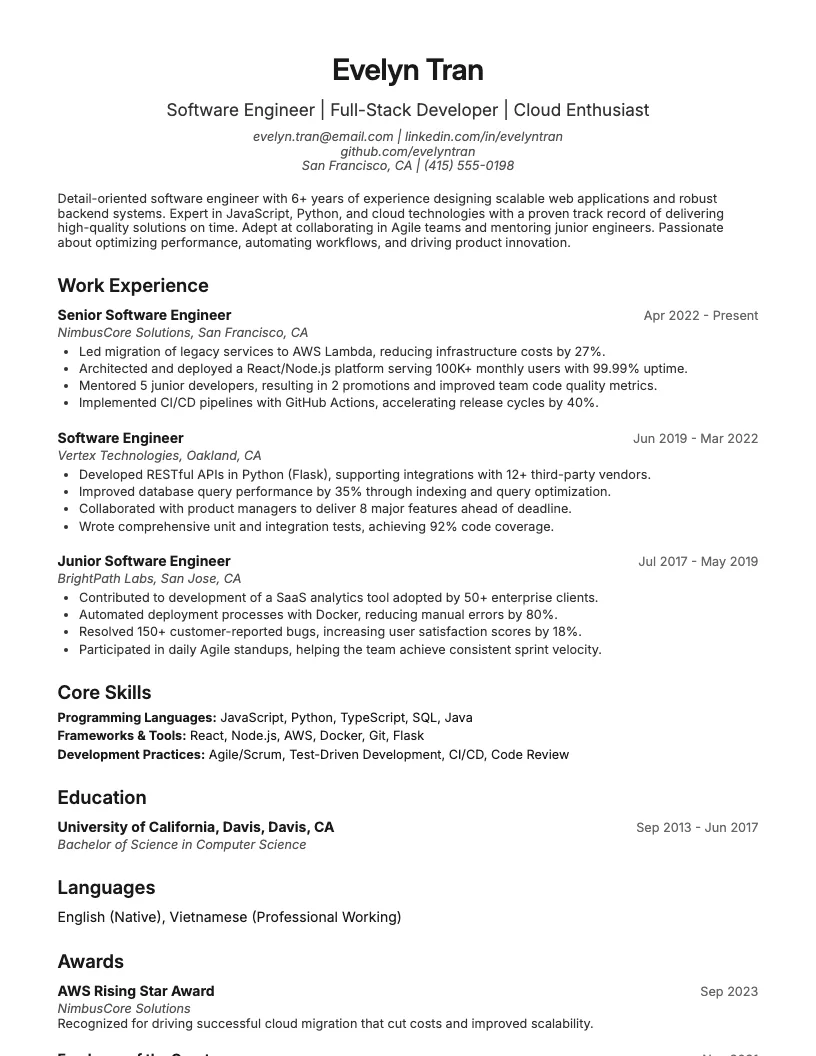
Below is a short resume where teamwork shows up in all four places at once, not just bolted onto the skills line - that consistency is what actually reads as genuine to a hiring manager.
How do you show conflict resolution on a resume?
Every team hits friction eventually. What separates candidates isn't whether conflict came up - it's whether they handled it without a manager stepping in.
What employers mean by conflict resolution
Most people hear "conflict resolution" and think of shouting matches. That's not what a hiring manager is picturing.
They mean the small, constant stuff: two people disagreeing on an approach, a missed handoff, a customer who's had enough. Conflict management was one of the most in-demand soft skills employers looked for coming out of the last hiring cycle, and it's not because offices are more hostile - it's because almost nobody can show they're good at it.
Mediating between two teammates
If you've ever stepped between two coworkers who couldn't agree on how to split work or which approach to take, that's your bullet.
The move that reads well on paper isn't "I picked a side." It's that you got both people talking with facts instead of opinions, and the team moved forward.
Handling a disagreement with your manager
This one people leave off entirely, and I think that's a mistake. Disagreeing with a manager and doing it well - calmly, with a specific ask, without it becoming personal - is a stronger signal than mediating between peers, because there's a power gap to manage too.
Frame it around the outcome, not the disagreement itself.
Calming an angry customer
If you've worked any customer-facing job, you already have this story. Someone came in upset, you listened instead of defending, and they left fine.
That's conflict resolution. Say it in those words instead of just "handled customer complaints."
Bullets that show conflict resolution with a number attached
A conflict-resolution bullet, before and after
Resolved conflicts within the team.
Mediated disputes between two departments, implementing a feedback system that cut interdepartmental conflicts by 40%
These follow the same rule as the teamwork bullets above - see put a number on the result.
- Mediated disputes between two departments, implementing a feedback system that cut interdepartmental conflicts by 40%
- Managed a 20-person cross-functional team through a scheduling dispute without a missed deadline
- Redesigned a checks-and-balances process after a team conflict, cutting complaints by 15%
Answering the interview question about a conflict
If your resume mentions conflict resolution, expect the interview question. Have one real story ready, told as situation, task, action, result - not a general philosophy about teamwork.
The strongest answers involve a third party or a structural fix, not just "we talked it out." A weekly check-in you started, a rule you proposed - that's what shows judgment instead of luck.
What if you have no work experience to point to?
No job history yet? You still have teamwork material - you just have to look somewhere other than a job title.
I've read resumes from students and career-switchers with zero paid experience, and the ones that get interviews never leave this section blank. They just pull from a different pocket of their life.
Group projects at school
A group project is a real team with a real deliverable, so treat it like one.
Name the project, say what you did, and put a number on the outcome if you can - a grade, a group size, a presentation to a class of 80.
"Coordinated a five-person team to build a marketing plan, presented to 80 classmates, earned an A" reads exactly like a work bullet because it is one.
Team sports and clubs
Captaining a team, running practices, or just showing up reliably for two seasons all say the same thing to an employer: you know how to work inside a group with a shared goal.
Clubs count too - student government, debate, a band. Name your role and how many people were on the team.
Volunteering and fundraising
Volunteering hands you two things at once: a way to prove teamwork and a number to attach to it.
"Coordinated with 6 volunteers to organize a fundraiser that raised $800" is a complete bullet - it names the team, the action, and the result, the same formula covered in how do you write a teamwork bullet point that proves it.
Part-time and shift work
Retail, food service, warehouse shifts - I see people leave these off because they don't feel like "career" jobs, and that's a mistake.
Covering a shift for a teammate, training a new hire, or working a busy weekend as a crew is teamwork under pressure, which is exactly what employers are trying to picture.
Teamwork courses and workshops you can list
A leadership course, a group-dynamics workshop, even a team-building certificate from school gives you a concrete line for your resume when you don't have a project to point to yet.
It also gives you something to fill in if you're building your first resume from nothing - a resume builder can help you get the format right while you're leaning on courses and activities instead of job titles.
See these skills on a real resume
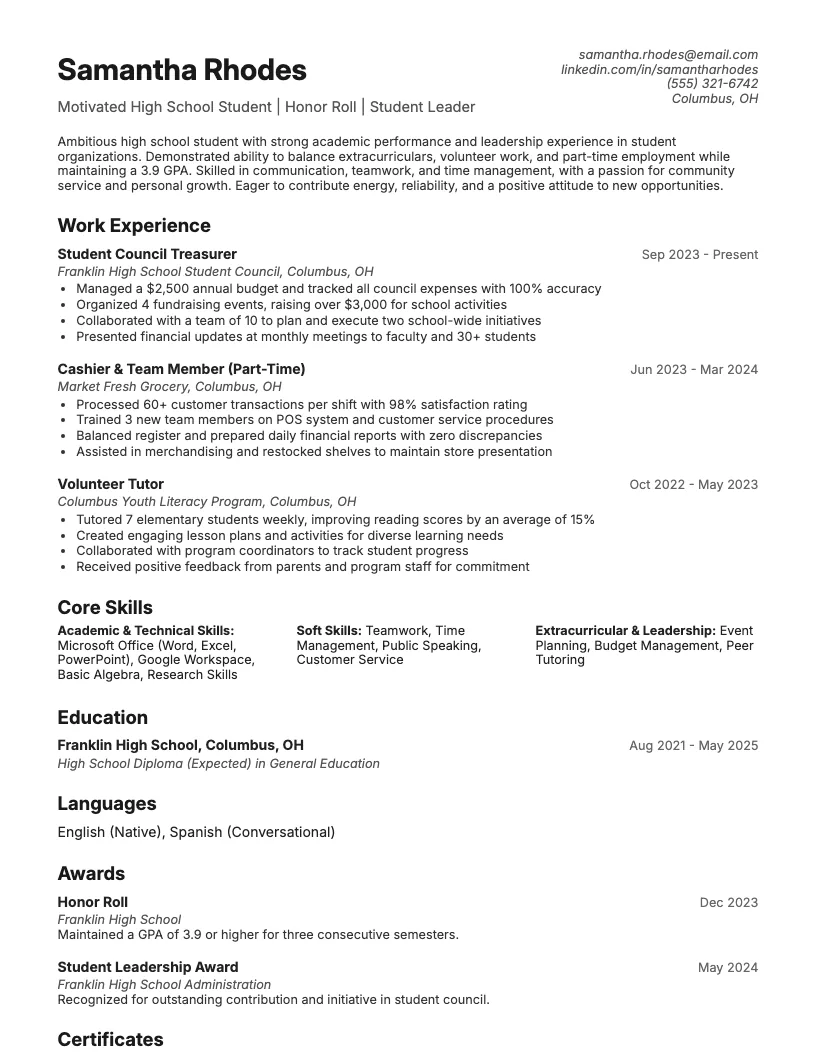
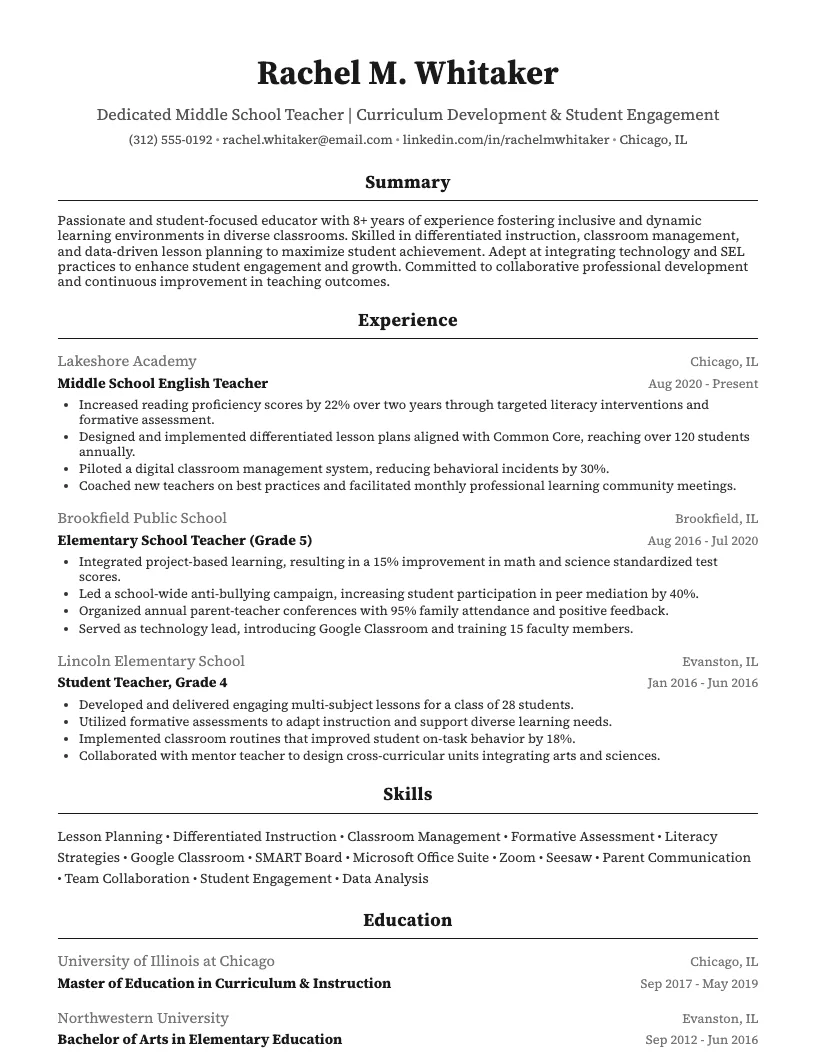
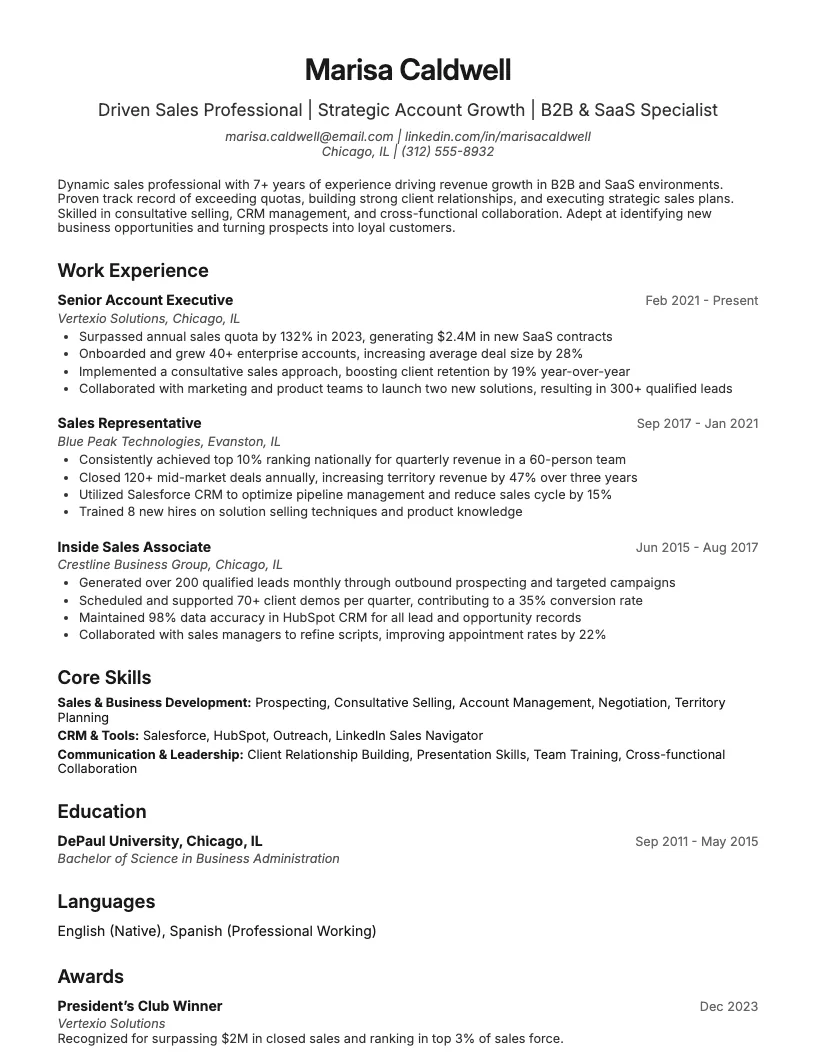
8 examplesStart from an example that already has them, and swap in your own.
Check your resume against the job you want
Scan your resume, see which skills and keywords the posting asks for that you are missing, and fix them before you apply.
Free to use • No credit card required