Leadership Skills Resume: 10 I'd Add (From 100s I've Read)
10 leadership skills for your resume, 5 places to put them, and how to turn 'led a team' into a bullet with real numbers a hiring manager will read twice.


Written by Dr. Priya Sharma
Career Development Expert & Resume Analyst
Updated August 2026
Reviewed by Sarah Chen
Is your resume ATS-friendly?
Drop your resume in and see which of these skills a scanner can actually read, and which ones the job you want is asking for that you have not listed.
PDF or DOCX. Max 2MB.
We never share your resume or use it to train a model.
In This Guide:
What are leadership skills on a resume?
What are leadership skills on a resume?

Ten resumes come across my desk and eight of them list "leadership" in the skills section with nothing behind it. That word alone tells a hiring manager nothing.
What actually gets you the interview is naming the specific thing you did - resolved a conflict between two teams, cut onboarding time in half, kept a project on track when the budget got cut. Below are the ten skills that show up again and again in the resumes that land interviews, and how to write each one so it reads as proof, not a claim.
Once you've got them down, where you place them matters almost as much as having them.
Communication
Every leadership resume claims "strong communicator." The ones that prove it describe a moment: aligning two departments on a deadline, or turning a client escalation into a renewal.
Name the audience and the outcome, not the trait.
Delegation
Delegation is really a story about trust and results - you handed off a piece of work and it came back done well. Say what you handed off and what freed up because of it.
Decision-making
This one's about judgment under pressure. Pick a moment where the easy call and the right call weren't the same thing, and show what happened because you made the harder one.
See how to write the bullet for the exact structure.
Conflict resolution
Disagreements are constant in any team, so a resume that never mentions handling one reads as inexperience, not harmony. Show a resolution you brought about and what it protected - retention, a deadline, a client relationship.
Mentoring and coaching
I always want a number here: how many people, over what stretch of time. This page covers it in full, but the short version is that "mentored 4 junior analysts" beats "passionate about developing others" every time.
Team building
Don't write "team player." Write what you built - a culture, a process, a habit - and what changed in the team because of it: lower turnover, faster ramp time, better morale scores if you have them.
Strategic planning
This is where you connect a project to the bigger goal it served. Name the plan, the challenge it ran into, and the measurable result - a KPI hit, a process that stuck.
Emotional intelligence
Hardest one to prove on paper. The trick is to describe how you read a situation and adjusted - de-escalated a tense handoff, noticed burnout before it became attrition.
Staff development
Different from mentoring: this is about advancement. Who got promoted, who got a bigger role, because you developed them.
That's a stronger line than "developed team members."
Adaptability
Show a pivot - a reorg, a tool change, a market shift - and how you kept the team moving through it. If you're not sure which of these ten actually match what a posting wants, running your resume through ResumeJudge against the job description will find which ones you're missing and rewrite them into your resume.
Where do leadership skills go on a resume?
Where do leadership skills go on a resume?
Not just one spot. I've reviewed resumes where "leadership" only shows up once, buried in a skills list, and it barely registers - the ones that land put it in four or five places at once so it's impossible to miss.
In your professional summary
If the job you want is a management role, lead with it. A line like "Team leader who built a training program that lifted output 30%" tells a recruiter in three seconds what they'd otherwise dig for.
In your work experience bullets
This is the strongest real estate on the page, and most people waste it. Name the team size, name what you owned, and close with a number - I'll walk through exactly how to build that bullet next in how do you write a leadership bullet point.
In your skills section
Keep it specific: conflict resolution, delegation, staff development, not just the word "leadership" on its own. For which exact terms to use, see how to match your leadership skills to the job.
In your job title
If your real title undersells what you did, don't rewrite it - a background check will catch that. Use a hybrid instead, like "Sales Associate (Team Lead)," so the truth stays intact while the scope shows.
In volunteer roles and certifications
No management title yet? Volunteer leadership and coaching certifications carry real weight, and I cover how to build that case in how do you show leadership with no management title.
How do you write a leadership bullet point?
How do you write a leadership bullet point?
A leadership bullet without a number is just an opinion about yourself. The hiring manager has no way to check it, so it doesn't move you forward.
Name the team size
Say how many people. "Led a team" tells me nothing - "led a team of 4" tells me you can handle a small group, and "led a team of 50" tells me something very different.
I've read bullets that say "led cross-functional teams" with no count in sight, and I always assume the writer is hiding a number they wish were bigger.
Name what you owned: budget, projects, headcount
Team size is only one kind of ownership. If you controlled a budget, say the figure.
If you ran a project, name it. If you were responsible for hiring or headcount growth, say how many seats you filled.
A manager who oversaw a $300K budget and a manager who oversaw a $1M budget are not the same hire, and your bullet should make that obvious in the first line.
Attach a number to the result
a leadership bullet with a result
Led a 15-member sales team
Led a 15-member sales team that generated 10,000 leads
Scope tells the reader what you were responsible for. Result tells them what happened because of you - and that second part is the one most resumes skip.
If you're not sure which of your numbers actually belongs on the page, running your bullets against a real job posting in ResumeJudge will show you which claims are landing and which are just noise.
Action verbs to open the bullet
Don't open every bullet with "led." Rotate through managed, supervised, coached, mentored, trained, coordinated, facilitated, organized, and monitored - each one signals a slightly different kind of leadership, and using the same verb four times in a row reads as lazy even when the work wasn't.
Bullets for direct reports
This is the easiest case: you had authority, so say so plainly. "Managed a team of 4 support specialists, cutting response time 30%" names the size, the authority, and the outcome in one line.
Bullets for cross-functional teams
Here you led without direct authority, so name the departments instead of the title. "Led a cross-functional team of 8 across product and engineering to rebuild the checkout flow, lifting conversion 12%" proves you can move people who don't report to you - often the harder skill to demonstrate.
See conflict resolution for how to back this up when the teams didn't agree.
Bullets for remote and distributed teams
Distributed leadership has its own proof points: time zones covered, and the specific practice you ran to keep people aligned. "Led a distributed team of 12 across three time zones, running async stand-ups that kept a 15-person launch on schedule" beats "managed a remote team" because it names the mechanism, not just the claim.
Bullets for mentoring and training
Mentoring bullets are their own case, and I walk through the wording and the numbers to use in how do you show mentoring and coaching on a resume.
What management skills should you list on a manager resume?
What management skills should you list on a manager resume?
"Leadership" and "management" get used like they're the same word, but a hiring manager reading a manager resume wants the second one spelled out in specifics. I look for the day-to-day proof that you can run a team, not just inspire one.
Planning
This is strategic planning at the team level, and that section covers how to write it.
A line like "built the Q3 roadmap for a 6-person team" says more than "strong planner" ever will.
Motivating a team
This is team building said another way, and that section has the wording: name what changed in the team, not the trait.
Time management
Managers own deadlines that aren't just their own.
If you've kept a project on schedule despite a scope change or a team member out sick, that's the story - not "manages time effectively."
Performance monitoring
This is where you show you track people, not just projects: reviews you ran, goals you set, how many direct reports you managed.
A number here works fast - "ran quarterly reviews for a team of 9" tells a hiring manager exactly what you're capable of overseeing.
Budget and operations management
If you've owned a budget, say the size of it.
Even a modest number beats "managed departmental resources," which could mean anything from a supply closet to a division.
Project management software
Naming the tool matters here.
I've seen candidates write "skilled in project management" and lose the ATS match because the posting asked for "Asana" or "Jira" by name - name yours.
Public speaking
Managers run meetings and give presentations, and a lot of resumes skip this entirely because it feels obvious.
It isn't - say how often and to whom, whether that's a weekly stand-up or a quarterly business review to leadership.
Spreadsheets and reporting
Data work is a constant part of the job: tracking headcount, reporting on output, building the deck that goes up the chain.
Name the software - Excel, Google Sheets - and what you used it for, since "data-driven" alone tells a recruiter nothing.
Hiring and onboarding
If you've built a team from scratch or ramped up new hires, that's a leadership signal a lot of resumes bury.
Hiring is the part that only belongs here, so say how many you hired; for the onboarding and ramp-time numbers, see how do you show mentoring and coaching on a resume. If you're not sure which of these to actually put on the page and which to cut, checking your resume against a real job posting will tell you which ones the employer is actually screening for.
How do you show mentoring and coaching on a resume?
How do you show mentoring and coaching on a resume?
I've read hundreds of resumes with a "mentored junior staff" bullet that says nothing at all. Vague mentoring lines are one of the most common misses I see, and they're an easy fix.
Words hiring managers scan for: mentored, coached, trained, onboarded
Open with the verb, not the vibe: mentored, coached, trained, onboarded, developed. These are the words a hiring manager's eye catches first, and they're the same ones an applicant tracking system is scanning for.
Number of people you mentored
Say how many. "Mentored 10 new hires" tells a very different story than "mentored new hires," and it costs you nothing to add.
What changed for them: promotion, retention, ramp time
The number of people is only half the bullet. Finish it with what happened to them: promoted, retained, ramped faster.
A line like "mentored 10 new hires, 90% retained past year one" does more work than a paragraph of description. If you're not sure your bullets read that way, running them against a real job posting in ResumeJudge will show you which ones are still just activity, not results.
A dedicated mentoring and coaching section
If mentoring is a real part of your story, not just one line, give it its own section rather than burying it in bullet three of an unrelated role. I'd only do this if you have three or more solid examples.
Mentoring certifications and training programs
A formal coaching certification or train-the-trainer program is worth a line, especially next to soft skills like active listening and empathy. It's not required, but it tells a reader this wasn't accidental.
How do you show leadership with no management title?
How do you show leadership with no management title?
You don't need "manager" in your last job title to prove you can lead. I've read plenty of resumes from people who ran a project, trained the new hire, and kept a team on track - and never once used the word "leadership."
That's the gap to fix.
Projects you ran without direct reports
If you owned the timeline, coordinated other people's work, or were the one everyone came to when something broke, that's leadership. Say what you ran, who was involved, and what it produced.
Training a new colleague
Walking someone through their first weeks on the job is coaching, even if nobody called it that at the time. Name who you trained and how they did once you were done - faster ramp time, fewer mistakes, whatever you saw.
Volunteer and campus leadership
Running a club, organizing an event, or leading a student group counts, especially early in your career. Treat it the same way you'd treat a work bullet: what you organized, how many people, what came of it.
Process improvements you started
Did you fix a broken workflow or push a change nobody asked you to make? That's initiative, and initiative reads as leadership.
Say what was slow or broken before and what changed once your fix was in place.
Leadership wording for an entry-level resume
Skip "leadership skills" as a label and show the action instead: led, organized, trained, coordinated, drove. If you're not sure your wording matches what a posting is actually asking for, run it through ResumeJudge and it'll rewrite your bullets to include the leadership language you're missing.
How do you match your leadership skills to the job you want?
What to prove at each career stage
| Career stage | What to prove | Example phrasing |
|---|---|---|
| \"Entry-level / first-time leader\" | \"You can lead without a title yet\" | \"Mirror the posting's own verbs\" |
| Mid-level manager | Scope and a business result | Managed 16 reps, grew revenue 10% |
| Director / executive | Scope, vision, and strategy | P&L size, org-wide initiatives |
Every leadership resume I look at uses the same five or six words. The one that gets an interview is the one that used the employer's words instead.
Pull the leadership words out of the job posting
Read the posting and underline every leadership term in it: "cross-functional," "change management," "stakeholder management," whatever they picked.
Those are the words to build your bullets and skills section around, not a generic list you found online. If you're not sure your resume actually reflects the posting once you're done, running it against the description in ResumeJudge will rewrite it to close whatever gaps are still there.
"Team lead" or "team leader": which to use
Recruiters treat these as roughly the same, and I'd not spend a minute agonising over it. The few write-ups that do claim a difference don't even agree on which title is the hands-on one.
Use whichever one shows up in the posting. Nine times out of ten, that's the safer bet than guessing.
Leadership keywords applicant tracking systems scan for
ATS software scans for specific phrases on management postings: team management, cross-functional collaboration, change management, staff development, stakeholder management, operations management. If your resume only says "leadership" once and never names the actual competency, the scan can miss you entirely.
Entry-level and first-time leader roles
At this stage you match on language, not scope - the wording to use is in showing leadership with no management title.
Mid-level manager roles
I've seen a mid-level bullet like "managed 16 reps, grew revenue 10%" beat a wordier one every time, because it mirrors what the posting actually asked for.
Director and executive roles
At this level, match on scope: P&L size, org-wide initiatives, the language of vision and strategy the posting uses, not task-level verbs.
Frequently Asked Questions
How many leadership skills should I list?
List three to five leadership skills, chosen to match what the specific job is asking for, rather than every one you can think of. Piling on more just dilutes the ones that actually matter and can read as padding. Pick skills you can back up with a real example, not just a label.
Should I write "leadership" in my skills section?
No, the single word "leadership" doesn't tell a hiring manager anything concrete. Name the specific skill instead, like cross-functional team leadership, conflict resolution, or change management. Specific terms also hold up better against an applicant tracking scan than a vague, generic word.
How do I show leadership after being laid off?
Lead with what you accomplished and the scope you owned, not your former title or the fact that you were let go. A layoff is a business decision, not a verdict on how well you led. Open each bullet with the result, then name the size of the team, budget, or project you were responsible for.
How do I figure out what my strongest leadership skills are?
Think back to moments when you got a team through a hard problem or kept people motivated toward a deadline - whatever you did there is one of your real strengths. Asking a former manager or coworker what they'd say you're best at often surfaces things that are hard to see about yourself. ResumeJudge can also show you which leadership skills a specific job posting is actually looking for, so you're matching to demand instead of guessing.
How do I talk about leadership in the interview?
Use the STAR method: walk through the situation you were leading, the task in front of you, the action you took, and the result it produced. Keep each story concrete and specific rather than a general statement about your leadership style. Have two or three of these ready so you can pick whichever one actually fits the question being asked.
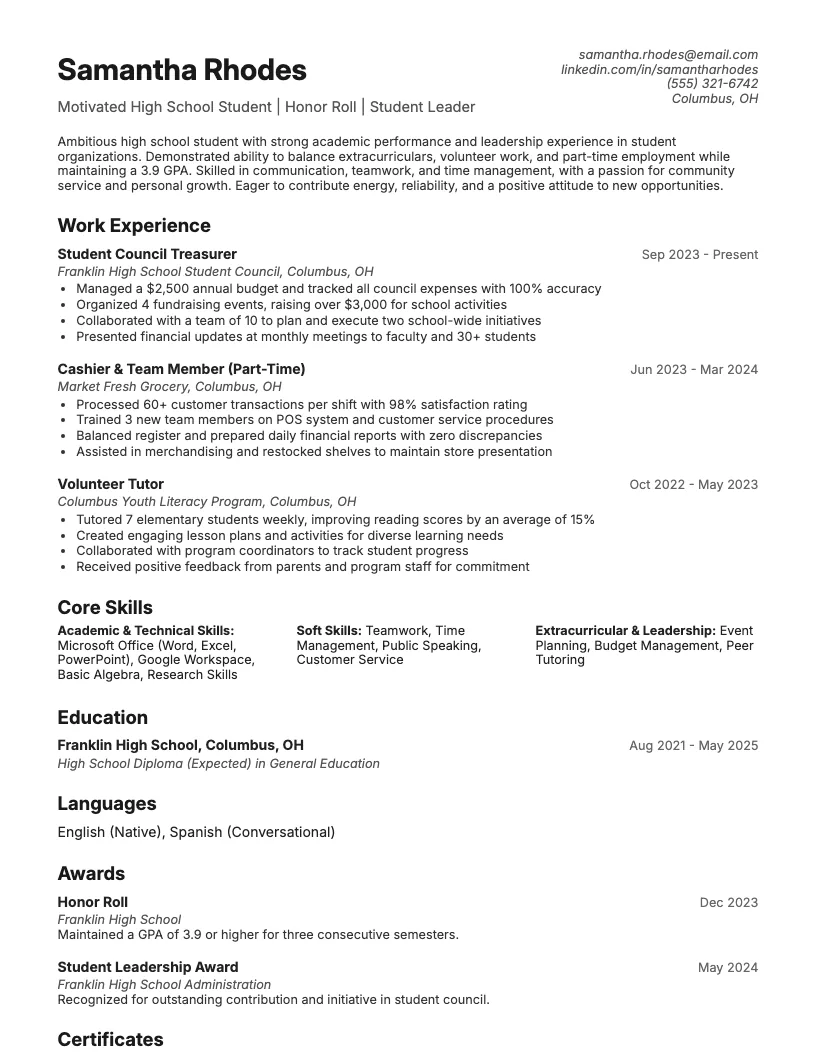
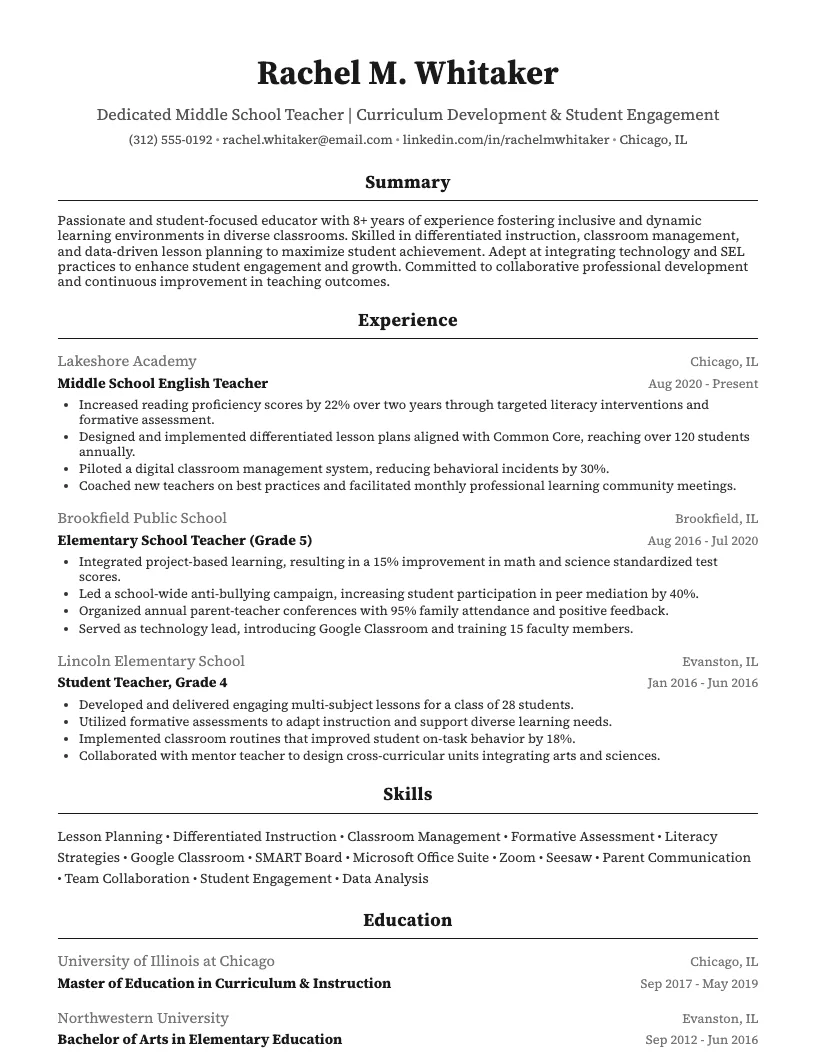
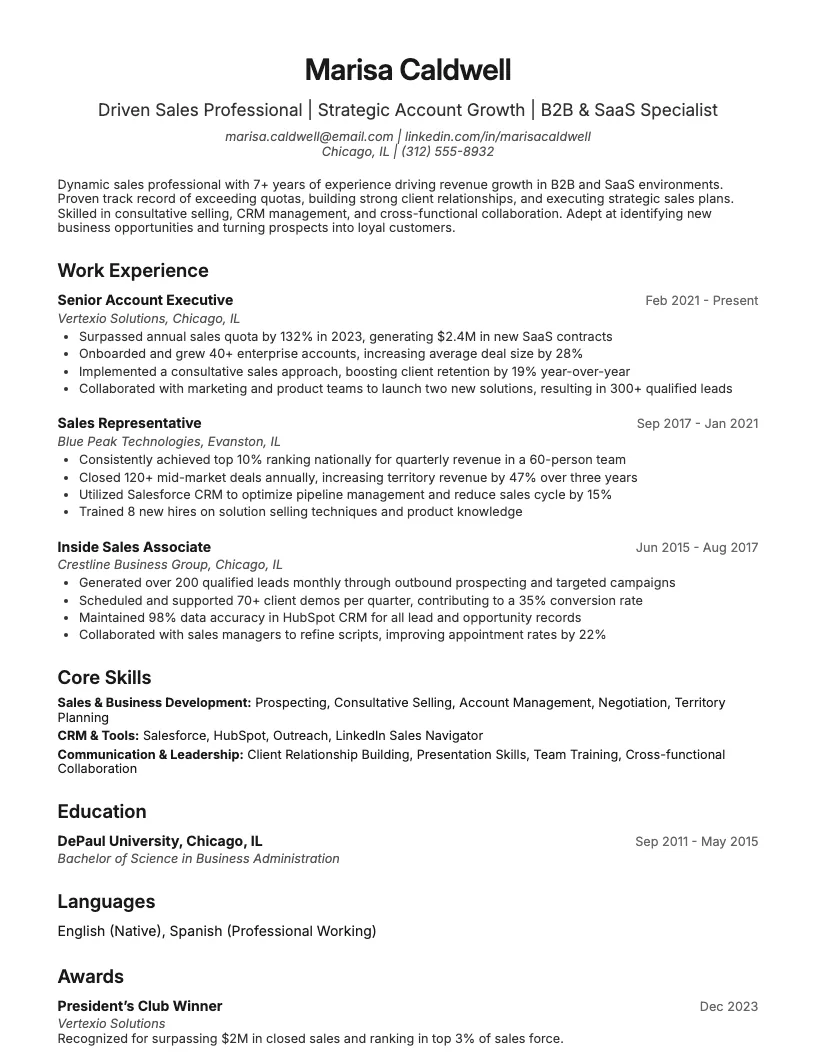
See these skills on a real resume
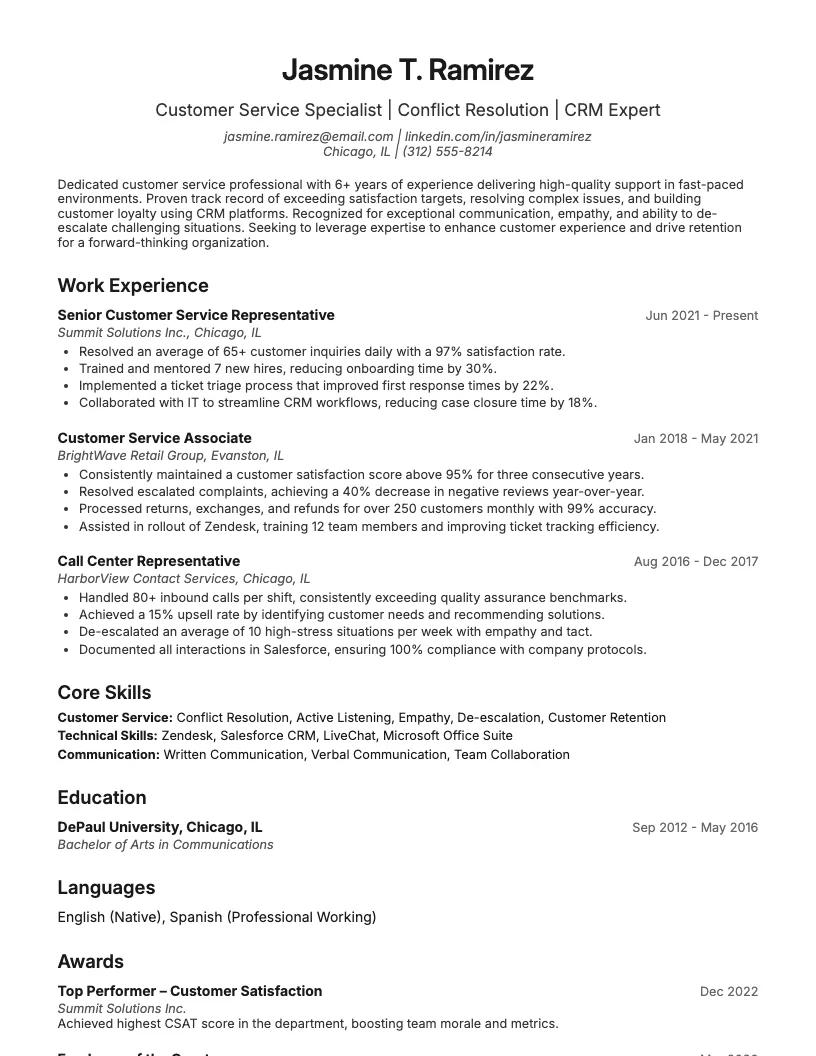
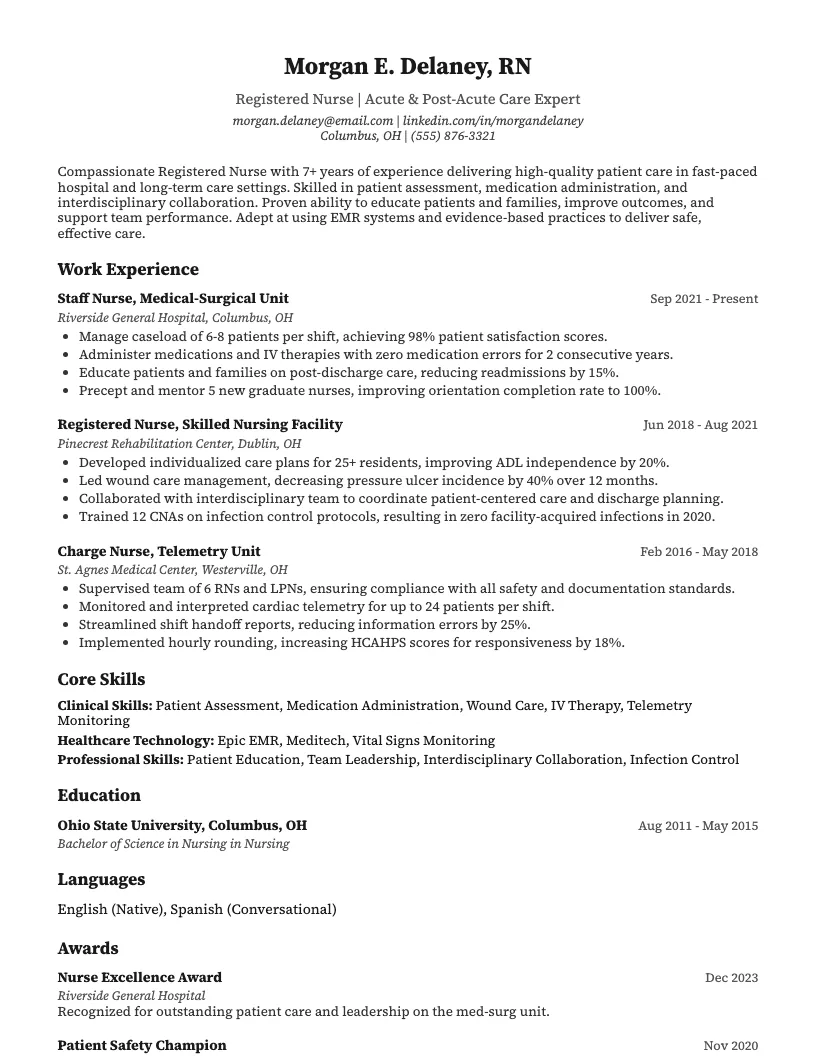
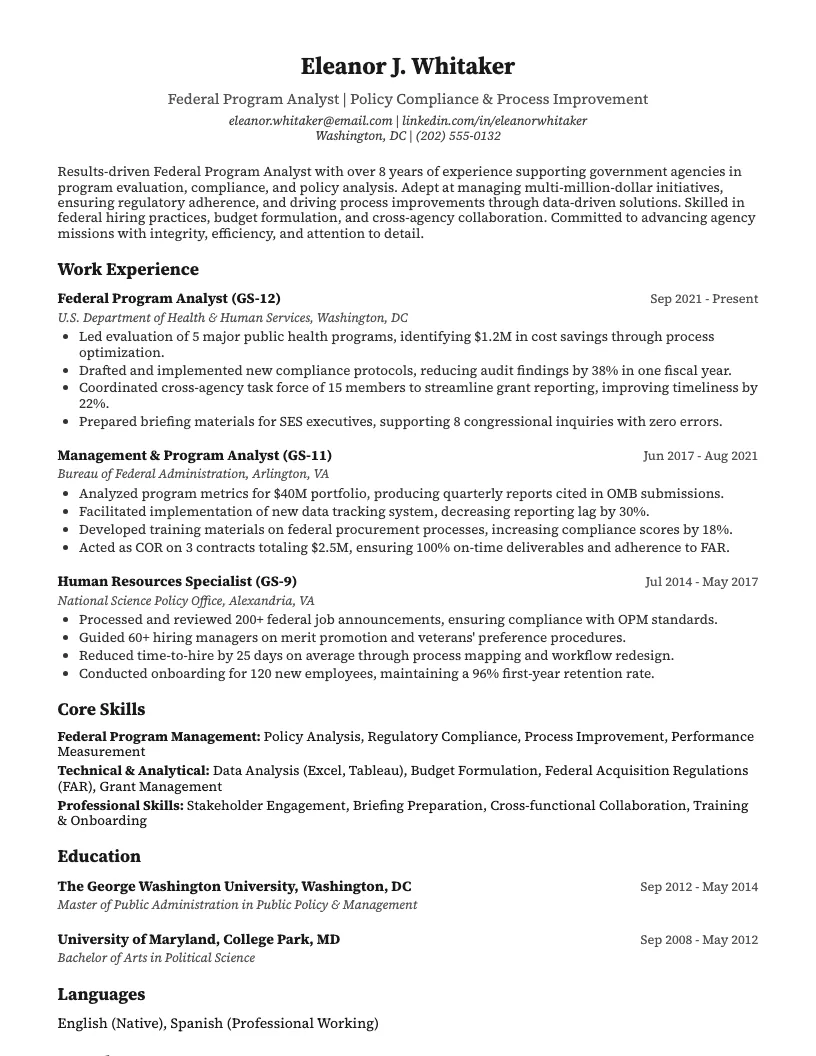
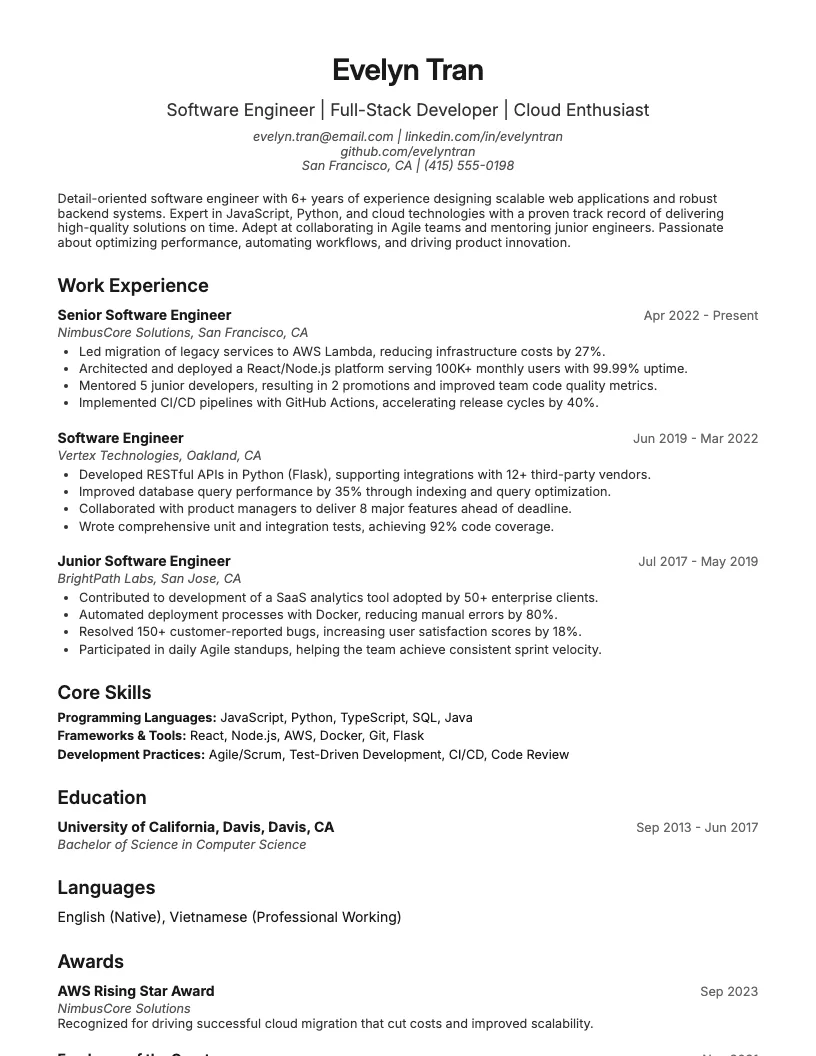
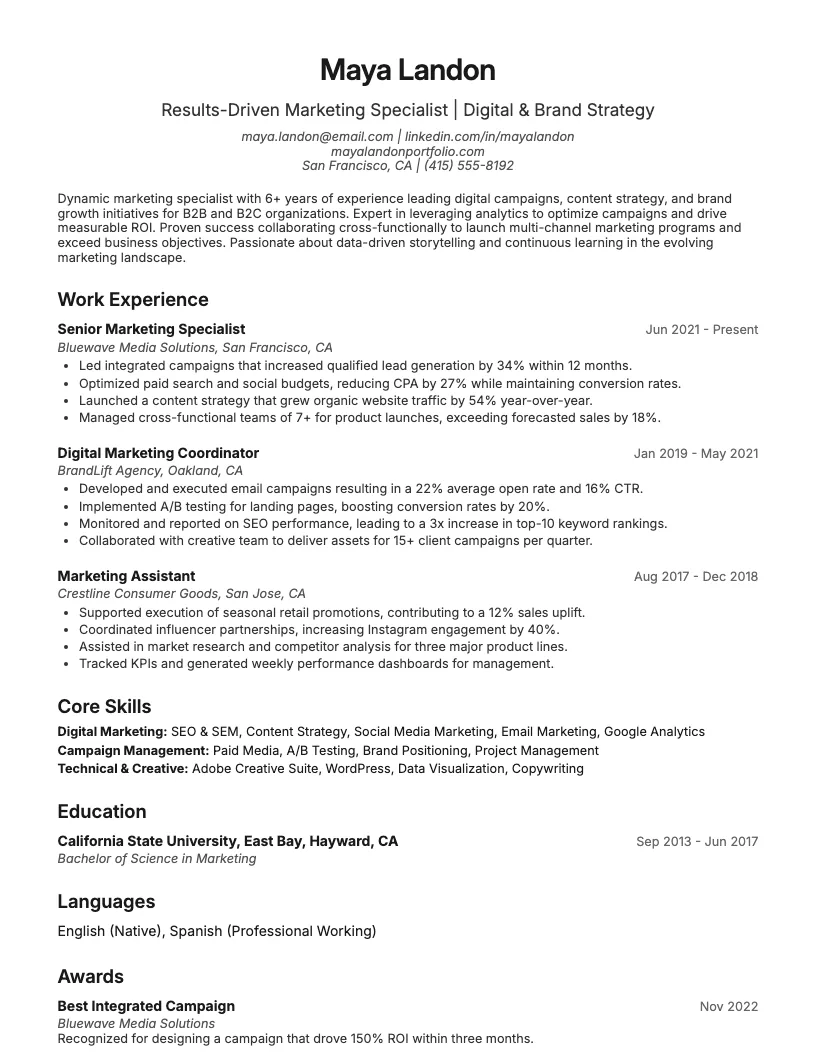
8 examplesStart from an example that already has them, and swap in your own.
Check your resume against the job you want
Scan your resume, see which skills and keywords the posting asks for that you are missing, and fix them before you apply.
Free to use • No credit card required