Strong Synonym Resume: 15 Better Words Plus a 4-Step Rewrite
15 synonyms for 'strong' sorted by what they actually mean, a verb-swap trick, and the 4-step process for rewriting any resume bullet that leans on it.


Written by Dr. Priya Sharma
Career Development Expert & Resume Analyst
Updated August 2026
Reviewed by Sarah Chen
Is your resume ATS-friendly?
Drop your resume in and see which of these skills a scanner can actually read, and which ones the job you want is asking for that you have not listed.
PDF or DOCX. Max 2MB.
We never share your resume or use it to train a model.
In This Guide:
What can you say instead of "strong" on a resume?
I've read thousands of resumes with the word "strong" on them, and I couldn't tell you what a single one of those people actually did. That's the problem with the word - it describes nothing.
Pick a synonym that names the specific thing you're good at, and the sentence around it gets forced to be specific too.
Adept
Use this when you want to say you're skilled at something without sounding like you're bragging about raw power. "Adept at cross-functional coordination" reads as competence, not force - good for collaborative or people-facing work.
Seasoned
This one is about time, not talent. If your case is "I've done this for years and I've seen it all," seasoned says that in one word.
Don't use it in your first two years out of school - it'll read as a stretch.
Expert
The most literal upgrade from "strong," and the one to reach for when you can actually back it up. Only use it if you can point to certifications, years, or results that prove it - otherwise you're just swapping one empty word for a bigger one.
Robust
I mostly see this one land in technical resumes - a "robust testing process" or "robust data pipeline." It's a word about systems holding up under pressure, so save it for systems, not for yourself.
Resilient
This is for describing how you handled adversity, not how good you are at a task. "Resilient under shifting deadlines" tells a story a hiring manager recognizes.
Don't use it as a stand-in for "strong work ethic" - it's a different claim.
Compelling
Reach for this when you're talking about persuasion - a compelling pitch, a compelling case to stakeholders. It doesn't work for skills or traits; it only works for things you made that other people had to be convinced by.
Effective
Plain, and that's the point. "Effective communicator" is a safer, more honest claim than "strong communicator" because it implies outcome, not just volume.
If you're not sure which synonym to use, this is usually the one that fits.
Solid
Solid is the word for "reliable, not flashy." Use it where you genuinely mean dependable rather than exceptional - a solid grasp of accounting basics, a solid contributor to the team.
Overselling this one backfires; it reads as modest on purpose.
Proven
This is the one word on this list that makes an evidentiary claim, so it needs a number right next to it. "Proven track record of reducing churn" works.
"Proven leader" with nothing after it is just "strong leader" with extra syllables - see step four for how to fix that.
Tenacious
Good for describing how you work through a hard, drawn-out problem - a long sales cycle, a stubborn bug, a client who kept saying no. It's a story word, so it needs a sentence around it, not a bare skills-line entry.
Dynamic
I'll be honest: this is one of the most overused words in resume writing, right up there with "strong" itself. If you use it, pair it with something concrete immediately after, or cut it.
Potent
Rare on resumes, and that rarity is its value - a "potent value proposition" or "potent go-to-market strategy" stands out because almost nobody uses this word. Just don't force it where a plainer word would read more naturally.
Assertive
This describes how you communicate, specifically in negotiation, pushback, or setting boundaries - "assertive in client negotiations." It's a tone word, not a skill word, so it only fits sentences about how you interact with people.
Masterful
The highest-register word on this list, and I'd use it sparingly - maybe once per resume, for the one thing you're genuinely best at. Used more than that, it starts to sound like a thesaurus exercise instead of a claim you can stand behind.
Powerful
This works when you're describing the size of an outcome, not a personal trait - a powerful pitch, a powerful presentation. "Powerful leader" doesn't mean much on its own; "powerful increase in retention" does, because a number follows it.
None of these words do the real work by themselves. If you're rewriting a bullet point right now, the move is to name the specific skill behind "strong", then pick from this list, then back it with a number.
If you'd rather not do that word-by-word, ResumeJudge can take your resume and the job description and rewrite the wording for you against exactly what that posting asks for.
Which synonym for "strong" fits what you are describing?
"Strong" gets used for ten completely different things on a resume, and that's the actual problem with it.
A hiring manager reads "strong leadership" and "strong attention to detail" in the same tone, even though one is about people and the other is about not missing typos. Pick the word for what you actually did, not a word that just sounds confident.
Every word named below is defined in what you can say instead of "strong"; this section is only about which one to reach for.
Strong leadership
Skip the adjective and say what you led. "Assertive" if the story is about making calls under pressure, "powerful" if it is about the size of the impact.
If you can name a headcount or a result, do that instead of either word.
Strong communication skills
"Effective" is the honest one here. Use "compelling" instead if the skill is persuasion.
Strong analytical skills
"Adept" reads well for this one. If the work involved holding a lot of moving parts at once, "robust" can carry that better.
Strong attention to detail
This is one where I'd tell you to just cut the word entirely. Nobody's ever been hired because their resume claimed "strong attention to detail" - show it with a number of errors caught or a QA process you ran, and skip the adjective altogether.
Strong work ethic
Same problem, different flavor. "Tenacious" at least implies you push through something specific.
But work ethic is a trait a bullet point can't prove - a result can. I'd rather see the number than either word.
Strong background in a field
"Seasoned" is the right swap here, when the point is "I've been doing this a while" rather than "I'm good at this."
Strong technical skills
"Proficient" or "adept" both work, but here's the thing I tell people constantly: name the tools. "Proficient in Python and SQL" beats any adjective you could pick, strong included.
Strong sales record
"Proven" is the one that fits. Pair it with the number that proves it, the way Step 4 walks through.
Strong project management skills
"Effective" or "seasoned" both work here. If you're not sure which word you need, run the resume through ResumeJudge - it flags where a vague word like this is standing in for a phrase the job posting actually uses, and rewrites the line for you.
Strong understanding of a subject
"Adept" or "masterful," and "solid" if you would rather make the smaller, honest claim.
Should you replace "strong" with a verb instead of another adjective?
Sometimes the fix isn't a better adjective. It's no adjective at all.
I'd guess half the "strong" bullets I see should really start with a verb, because the sentence is describing something you did, not a trait you have. Swap the label for the action and the achievement shows up on its own.
"Strong leader" becomes "led"
Turning 'strong leader' into a real accomplishment
Strong leader of a team of 10
Led a team of 10 to increase sales 25%
"Strong leader of a team of 10" tells me nothing about what you actually led them to do.
"Led a team of 10 to increase sales 25%" tells me everything. Same facts, one becomes a claim and the other becomes proof.
"Strong contributor" becomes "built"
"Contributor" is one of those words that could mean anything from "wrote the code" to "sat in the meeting."
Name what you built instead, and the vague title disappears because it's no longer doing any work.
"Strong communicator" becomes "presented"
If you described your communication skills as strong, ask what you actually did with them. Presented to a client.
Wrote the documentation. Trained new hires.
"Presented quarterly results to a 40-person leadership team" beats "strong communicator" every time I've compared the two on a page.
"Strong problem solver" becomes "resolved"
I see this one on almost every support and ops resume. "Strong problem-solving skills" next to a job that resolved 20 tickets a day, and the number is nowhere on the page.
Put the number in the bullet and the word "strong" becomes unnecessary.
When the adjective is the right choice
Not every "strong" needs a verb. If you're describing depth of experience rather than one accomplishment - "strong background in logistics," say - an adjective can still be the honest word, just pick a sharper one.
The rule of thumb I use: if the sentence has an action buried in it, pull the action out and lead with that. If it doesn't, upgrade the adjective instead.
Either way, when you're staring at a page full of "strong" and can't tell which bullets need a verb and which need a better word, that's exactly the kind of line-by-line rewrite ResumeJudge does for you against the actual posting you're applying to.
How do you rewrite a bullet point that uses "strong"?
How do you rewrite a bullet point that uses "strong"?

Here's the process I walk people through, and it takes about ten minutes once you know the steps.
Step 1: Find every "strong" in your resume
Search the document for the word. Most resumes have it two or three times, and I've seen some with six.
Every one is a candidate for this treatment - do the whole document in one pass rather than fixing one and moving on.
Step 2: Name the specific skill behind it
Ask what "strong" is standing in for. If it's "strong communication skills," was that presenting to a room, writing clearly, or talking clients down from a bad mood?
Those are three different words later.
This is the step people skip, and it's the one that matters most.
Step 3: Pick the word that matches that skill
Once you've named the skill, go pick from what you can say instead of "strong", or check which synonym fits what you're describing. If the sentence would actually read better as a verb, that's a different move - see replacing "strong" with a verb.
Step 4: Add the number that proves it
A synonym alone is still an adjective doing a fact's job. Attach a number, a percentage, or a result, and the sentence stops needing the adjective to carry it.
"Managed projects that increased efficiency by 20%" tells a hiring manager more than "strong project management skills" ever could, and it does it without a single adjective.
Before and after: a summary line
Rewriting a summary line that leans on 'strong'
Results-oriented professional with strong communication skills and a track record of success.
Results-driven marketing coordinator who grew blog readership by 150% in six months.
Before: "Results-oriented professional with strong communication skills and a track record of success."
After: "Results-driven marketing coordinator who grew blog readership by 150% in six months."
Before and after: an experience bullet
Rewriting an experience bullet that leans on 'strong'
Strong problem-solving skills, worked on customer issues.
Resolved customer escalations with a 98% satisfaction rating.
Before: "Strong problem-solving skills, worked on customer issues."
After: "Resolved customer escalations with a 98% satisfaction rating."
Notice "worked on" disappeared along with "strong" - weak verbs and empty adjectives tend to travel together, so once you're editing, cut both.
Before and after: a skills line
Rewriting a skills line that leans on 'strong'
Strong technical skills, strong attention to detail.
Python, SQL, and data validation across 40+ weekly reports.
Before: "Strong technical skills, strong attention to detail."
After: "Python, SQL, and data validation across 40+ weekly reports."
A skills line doesn't need adjectives at all - name the tools and the scale, and the strength shows itself. If you're rewriting a whole resume this way and want a second pair of eyes, ResumeJudge will take your resume and the job posting and rewrite the wording against it directly, rather than leaving you to hunt for every instance by hand.
When is it fine to keep the word "strong"?
Not every "strong" needs to go. I've edited resumes where someone swapped out every single one and the result read more awkward than the original.
When the job posting uses it
If the listing says "strong communication skills" or "strong analytical background," keep that phrase somewhere on your resume, word for word.
The questions below cover why a synonym doesn't earn you the same match.
When it is part of a set industry phrase
Some phrases are fixed enough that a synonym sounds odd. "Strong buy" in finance, "strong password" in security - nobody says "robust buy."
If the term is an industry standard rather than your own description of yourself, leave it alone.
How many times is too many
Once, maybe twice on a page. I've read plenty of one-page resumes with "strong" five or six times, and by the third one it stops registering as a word at all.
The three places it always sounds empty
A summary line, a skills list, and a line with no follow-up detail - those three spots are where "strong" does the least work, because nothing after it proves anything. If you want the specific fix for each, the rewrite steps above walk through it.
Frequently Asked Questions
Does swapping in a synonym help me get past the ATS?
Not by itself. Some systems don't always recognize synonyms or alternative wording, so "robust" only helps if that's the word the posting actually uses. What matters is matching the posting's own language, not finding a fancier word for "strong." ResumeJudge scans your resume against a posting and shows you which of its terms are missing, so you're matching real requirements instead of guessing at synonyms.
Will a thesaurus word make my resume sound fake?
Not on its own - what sounds fake is a synonym with nothing behind it. Pair "resilient" or "decisive" with a specific result and it reads as genuine; use it in place of an example and it reads as filler. The word isn't the problem, the missing proof next to it is.
Can I use these same words in my cover letter and LinkedIn profile?
Yes. Using the same descriptive language across your resume, cover letter, and LinkedIn profile keeps your story consistent, and that consistency is part of what makes the claim believable. Just give each one its own supporting detail rather than repeating the same line three times.
What if I have no numbers to back up the claim?
You don't need a metric, you need a specific outcome, and you can describe an outcome without a number attached. Instead of "strong project management skills," say what you managed and what happened because of it, like "led a five-person team through a launch that shipped on schedule." If you're stuck, describe the situation, what you did, and what changed as a result.
Is "strong" worse than "excellent" or "good"?
They're the same problem: vague adjectives that claim a quality without showing it. "Excellent" and "good" actually carry less information than "strong" because they don't even hint at what kind of strength you mean, so trading one for the other doesn't fix anything. The fix is the same either way - replace the adjective with a specific verb or result.
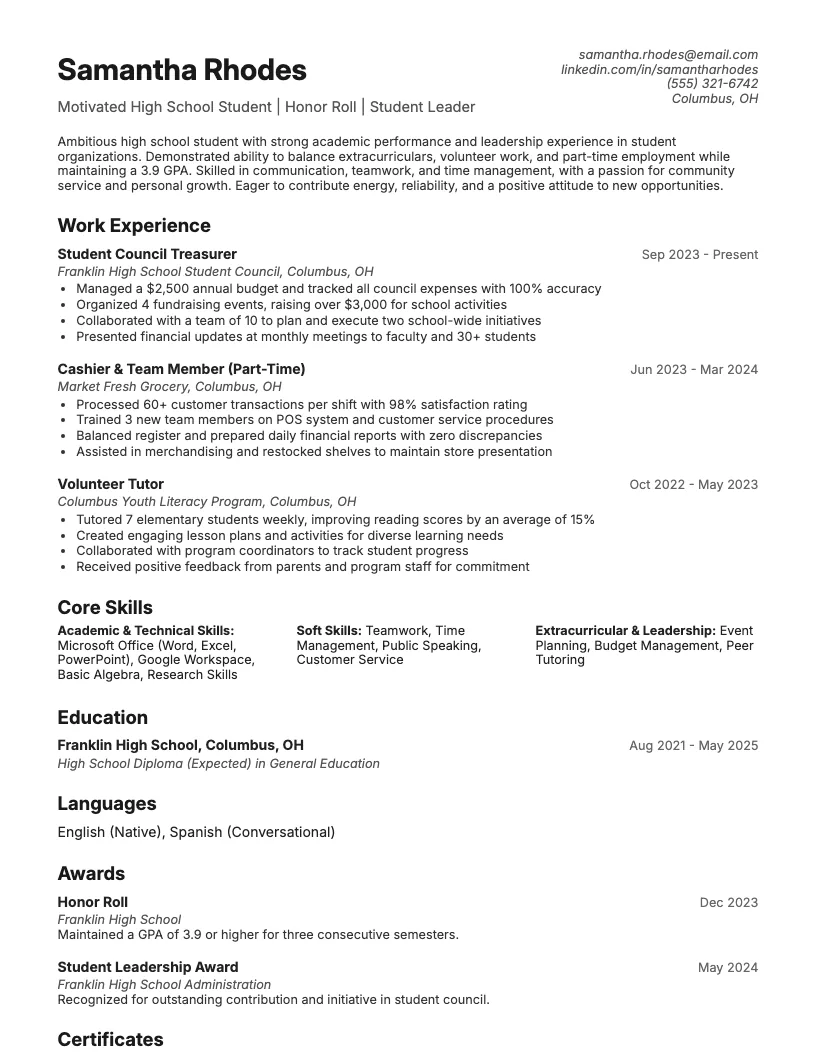
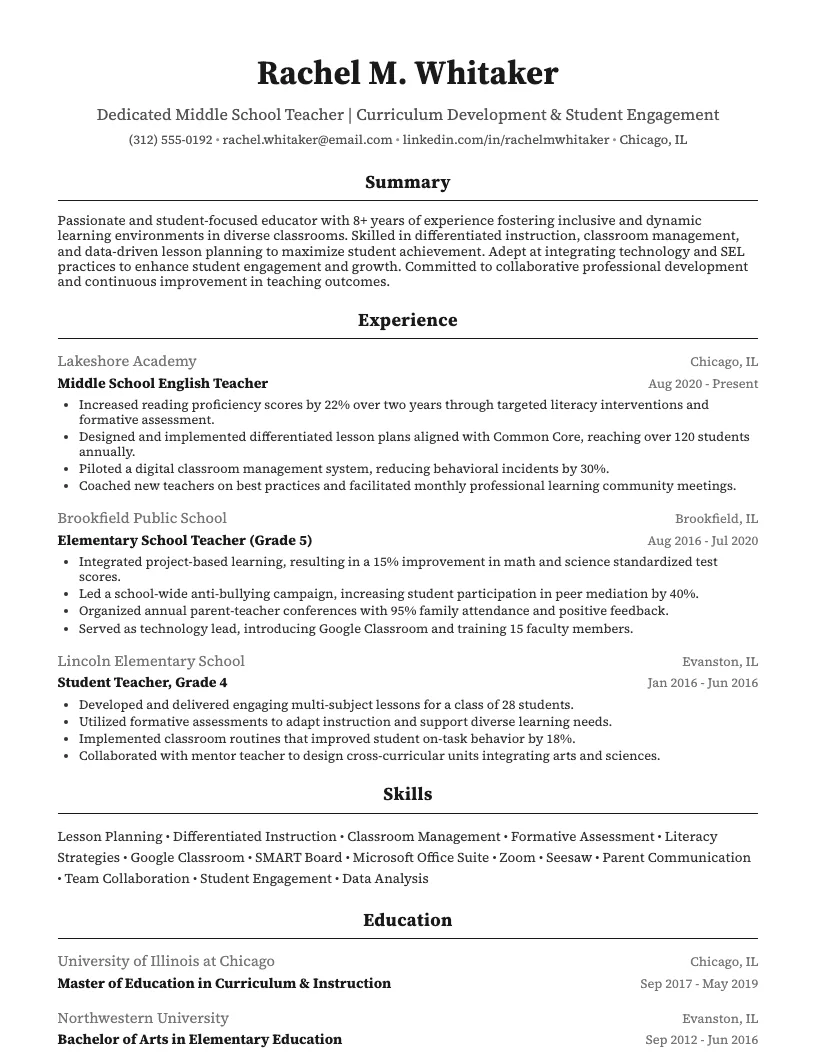
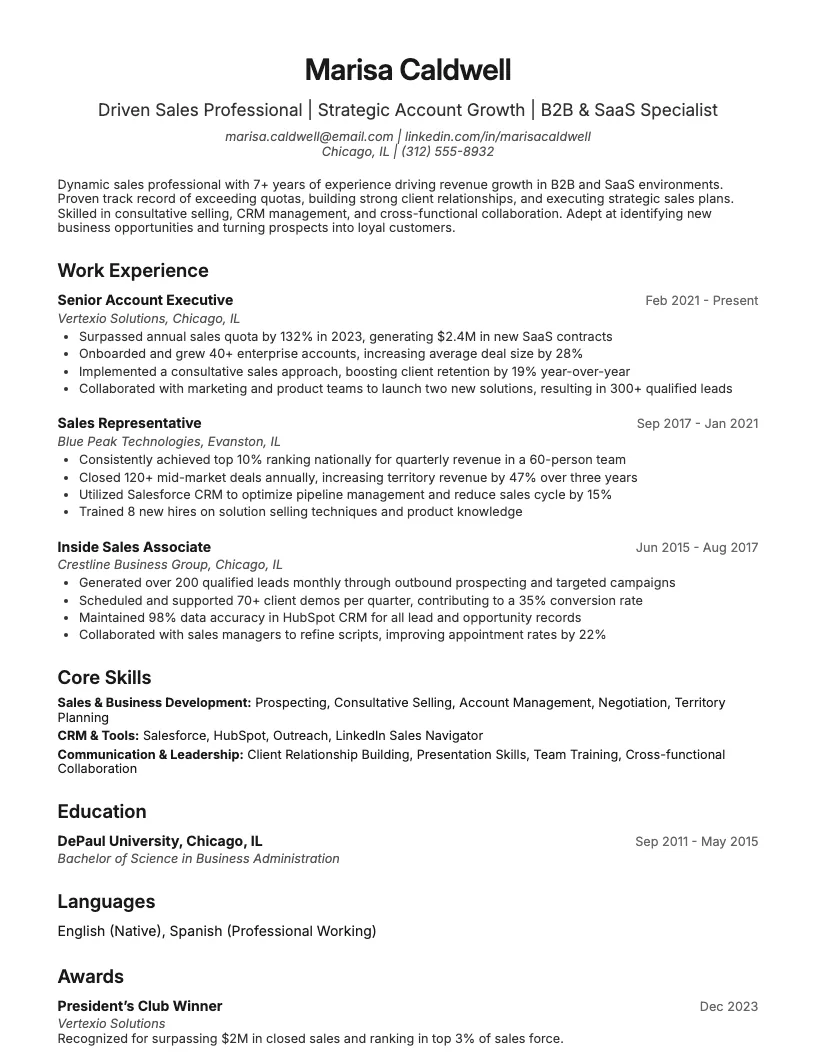
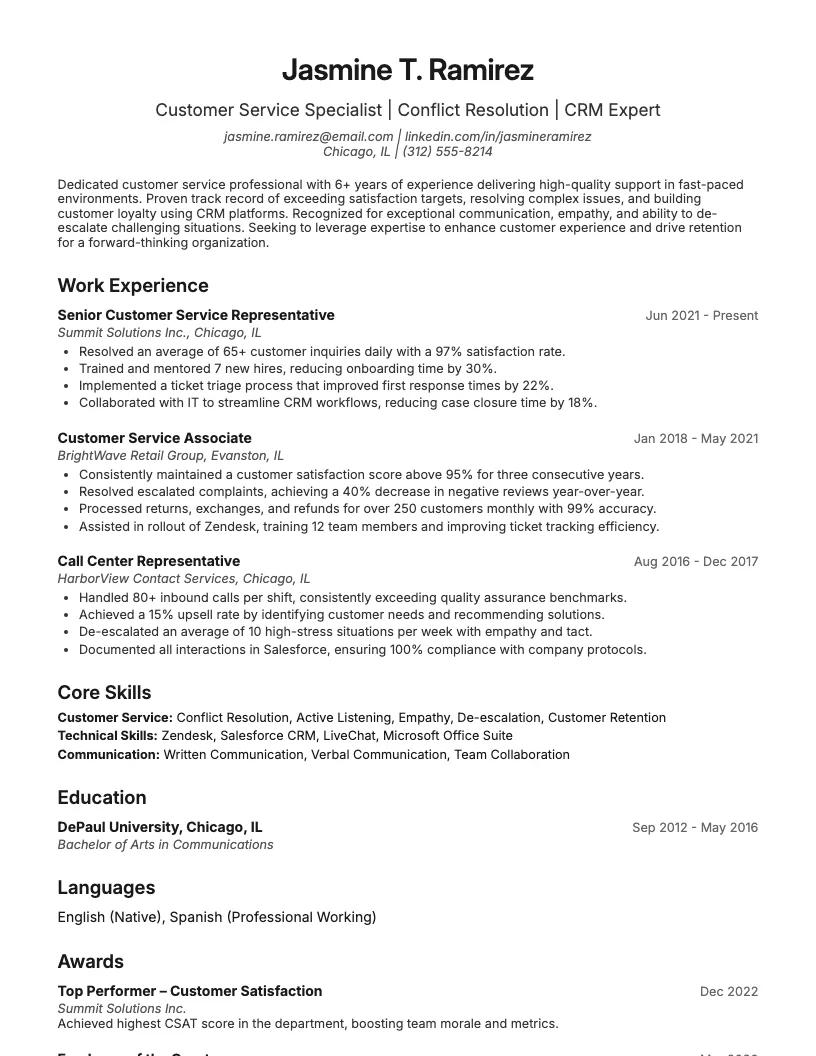
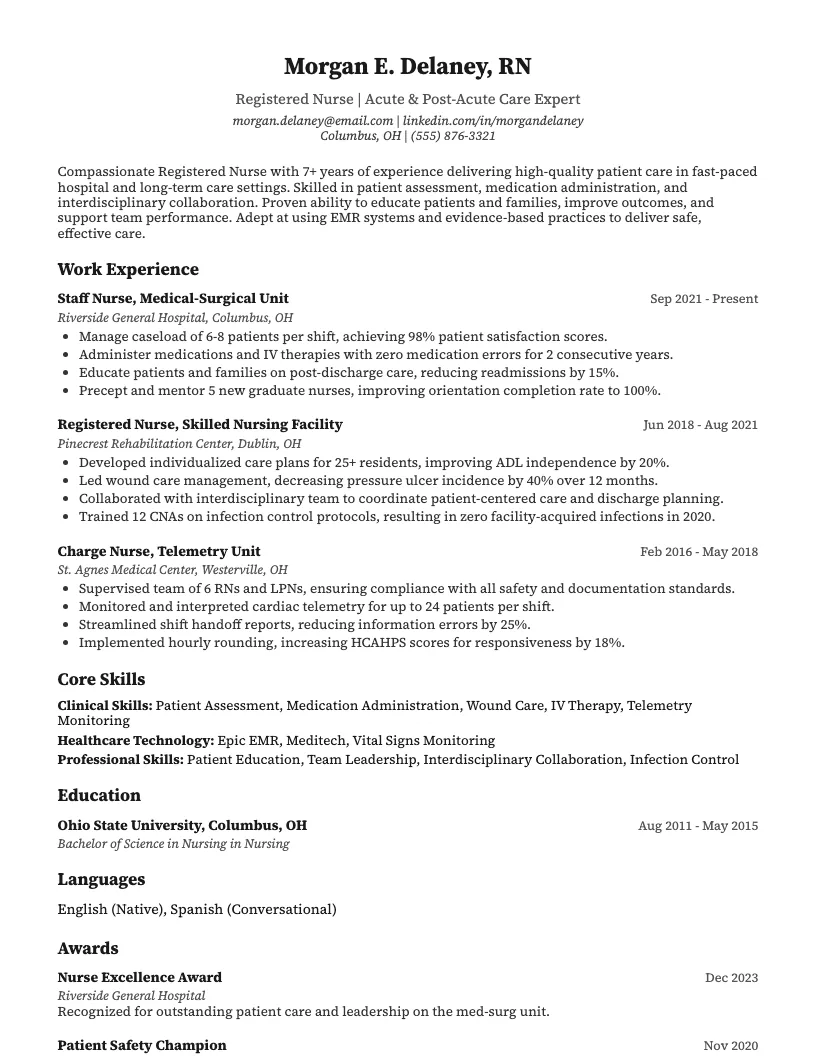
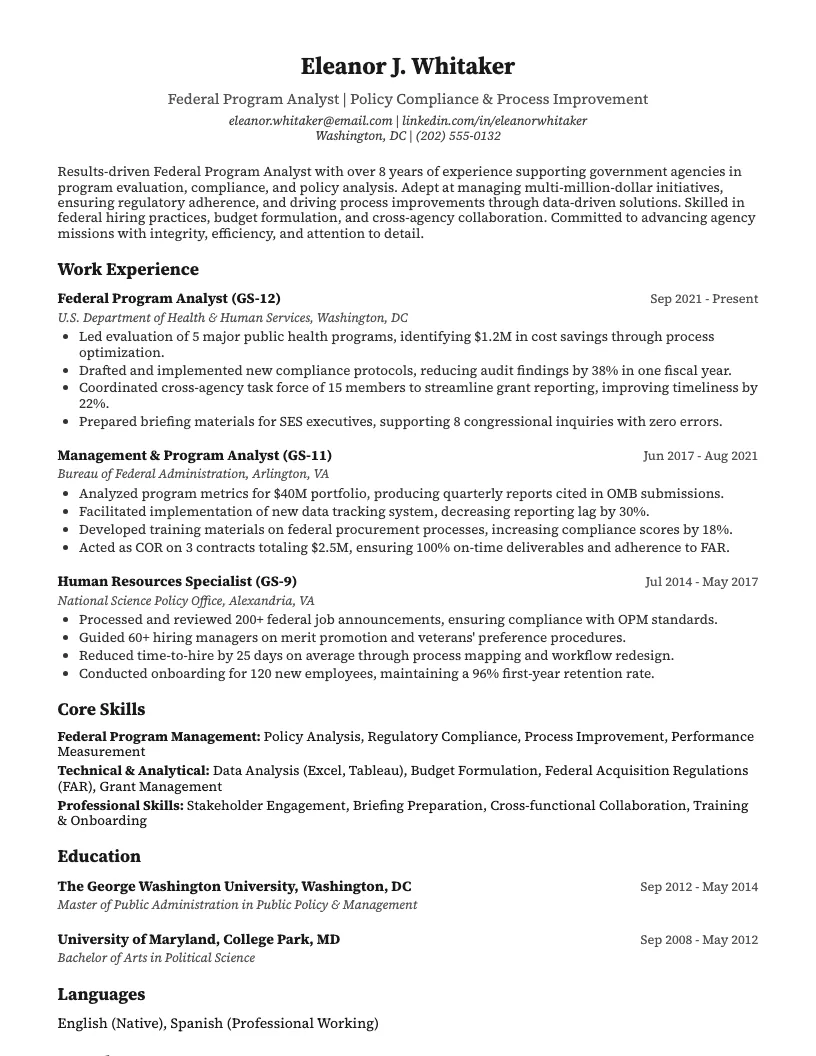
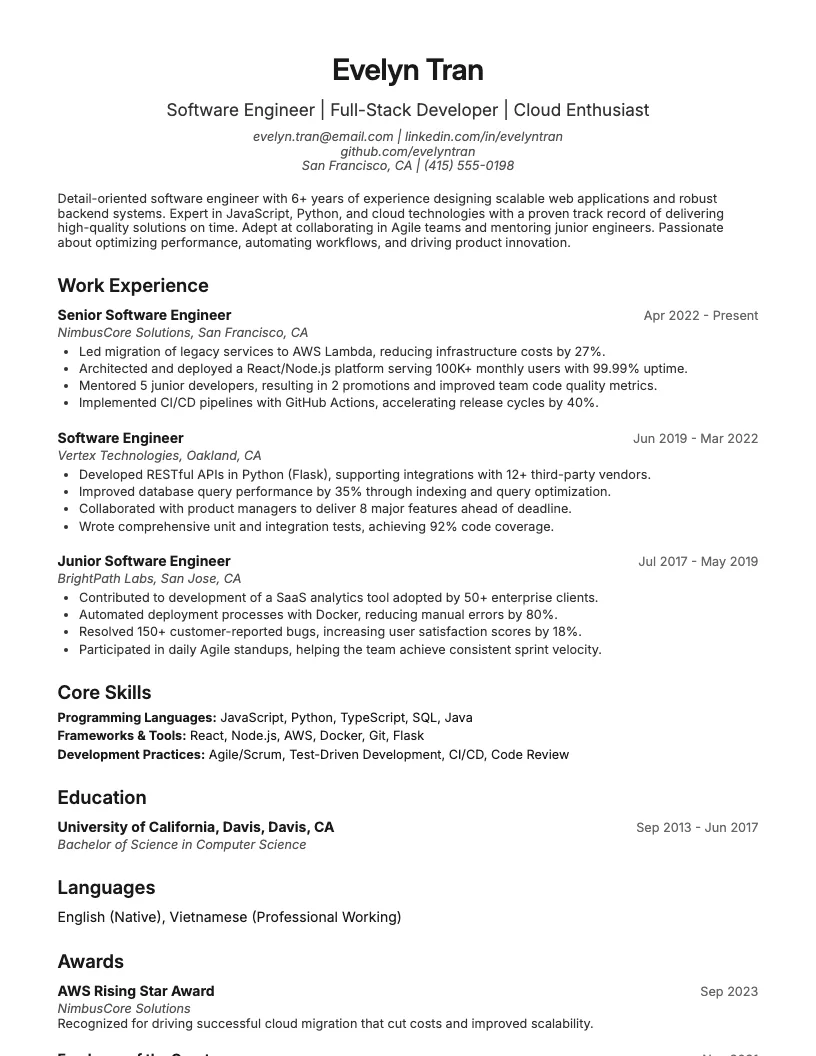
See these skills on a real resume
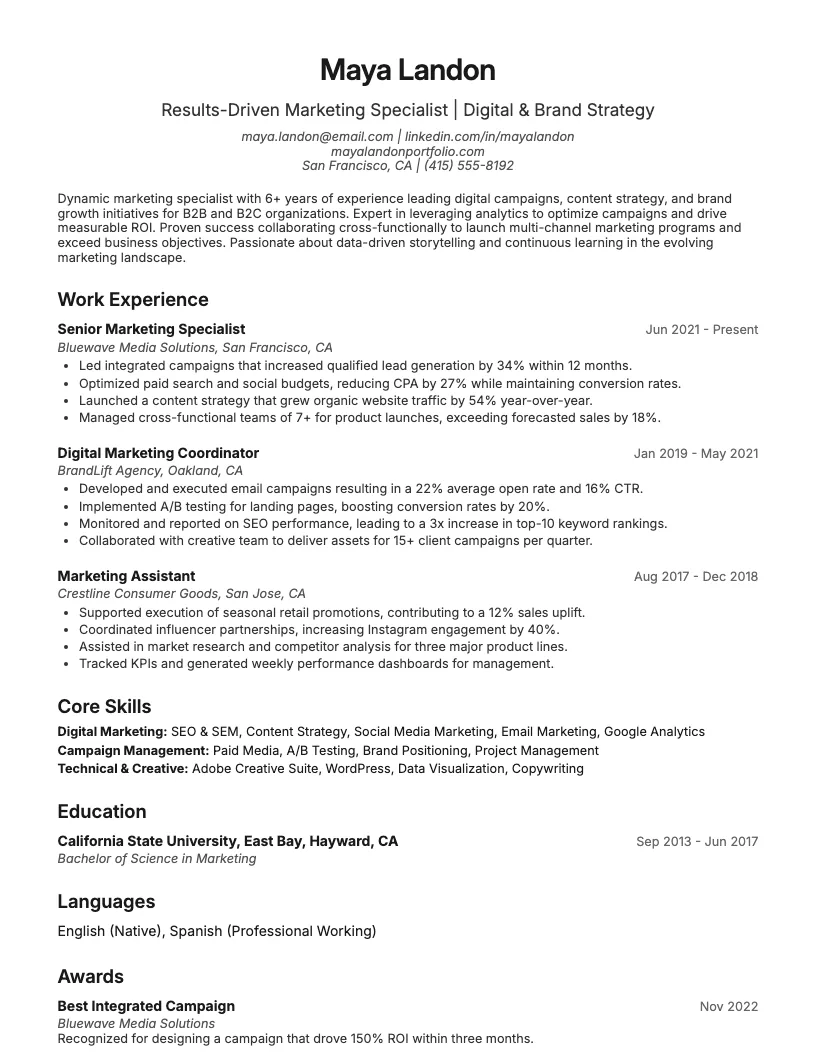
8 examplesStart from an example that already has them, and swap in your own.
Check your resume against the job you want
Scan your resume, see which skills and keywords the posting asks for that you are missing, and fix them before you apply.
Free to use • No credit card required