Another Word for Managed on a Resume: 20 Synonyms I'd Actually Use
20 synonyms for managed, matched to what you actually did, plus a 4-step rewrite process and 6 before-and-after examples to fix your own bullets.


Written by Sarah Chen
Senior Career Strategist & Resume Expert
Updated August 2026
Reviewed by Marcus Rodriguez
Is your resume ATS-friendly?
Drop your resume in and see which of these skills a scanner can actually read, and which ones the job you want is asking for that you have not listed.
PDF or DOCX. Max 2MB.
We never share your resume or use it to train a model.
In This Guide:
What is another word for "managed" on a resume?
You've written "managed" on three different bullets now, and it's starting to look like you only ever did one thing at your last job.
That's the real problem with hunting for a managed synonym for your resume - it's not that the word is wrong, it's that it's doing duty for ten different jobs it was never precise enough to describe.
I've read resumes where "managed" covers everything from running a payroll system alone to leading a twelve-person team through a merger. A recruiter can't tell those apart, and that's the whole reason another word for "managed" on a resume matters.
Below are twenty options, and further down I'll help you match each one to what you actually did.
Led
It's the most common swap I recommend, and it's the safest one - nobody reads "led" as an exaggeration.
Directed
A notch more formal than "led," and it carries more weight at the top of an org chart. If you're not senior yet, this one can read as reaching.
Oversaw
Good for when you had authority but weren't hands-on day to day. I use this for people who checked work rather than did it.
Supervised
The most literal swap for "managed" when direct reports were involved. See who had people reporting to you for how to pick between this, "led," and "directed."
Coordinated
If your job was scheduling, syncing calendars, and making sure nothing fell through the cracks, this is closer to the truth than "managed" ever was.
Spearheaded
Reserve this for something you started.
Orchestrated
A bigger, more theatrical cousin of "coordinated."
Administered
It sounds procedural because the work usually was.
Headed
Shorter and punchier than "led." Works well when space is tight and you were unambiguously in charge.
Ran
Plain, confident, and underused. "Ran a $2M book of business" reads better than "managed" because it sounds like you actually did the thing.
Operated
If your job was keeping a system running smoothly, this beats "managed" by a mile.
Executed
This is about delivery, not oversight. Use it when you're describing the doing, not the supervising - a campaign, a plan, a rollout.
Facilitated
Honest word for when you enabled other people's work rather than directed it - meetings, workshops, cross-team projects where you weren't the boss of anyone in the room.
Implemented
For rollouts: a new tool, a new process, a new policy. Nine times out of ten this is more accurate than "managed" when the bullet is really about a launch.
Streamlined
Only use this if something got faster, cheaper, or simpler because of you - and ideally you can name the number. Otherwise it's just a fancier "managed."
Organized
Undersells senior work but fits entry-level and event-type bullets well. Don't stretch it to cover something bigger.
Monitored
For steady, watchful work - compliance, quality, performance metrics. It's a quieter verb, and that's fine when the job was quiet by design.
Guided
Softer than "led," and right for mentoring or advising rather than commanding.
Delegated
A narrow, specific claim - you handed off tasks and owned the outcome. Only use it if delegation was actually part of the job, not just a synonym you liked the sound of.
Handled
Honestly, this is "managed" with the serial numbers filed off - both are vague. I'd only use "handled" as a stopgap while you rewrite the bullet properly with a sharper verb and a number attached.
Picking from this list is step one, not the whole job. The word only does its work when it's paired with what actually changed under you - a headcount, a budget, a percentage.
If you're not sure which of these twenty actually matches what you did, running your resume through ResumeJudge against the job posting will rewrite a vague verb like 'managed' or 'handled' into the wording that posting is actually asking for.
Which synonym should you pick for what you actually did?
Which synonym should you pick for what you actually did?

The mistake I see most often isn't using "managed" - it's picking a synonym that's bigger or smaller than the job actually was. Match the verb to what happened, not to how impressive you want it to sound.
You had people reporting to you: Supervised, Led, Directed
If people's schedules, reviews, or work quality were on you, say so directly. "Supervised" fits shift and hourly teams best.
"Led" reads better when you're also the one setting direction. "Directed" is the word for when you had real authority over the outcome, not just the people.
You ran a process nobody else touched: Operated, Ran, Administered
No direct reports, just a system that depended on you showing up and doing it right. "Ran" works for daily operations - a shift, a desk, a workflow.
"Administered" fits anything with rules attached: benefits, compliance, a budget line. "Operated" suits equipment or a defined process with steps.
You pulled several teams or moving parts together: Coordinated, Orchestrated, Facilitated
This is the group for when you weren't anyone's boss but the thing didn't happen without you. "Coordinated" is the honest, most common choice - scheduling, handoffs, logistics across departments.
"Orchestrated" claims more: you were steering multiple workstreams toward one outcome. "Facilitated" is the right word when your job was making other people's work possible, like onboarding or training sessions.
You started it yourself: Spearheaded, Launched, Pioneered
Nobody assigned this to you - you saw the gap and built the thing. These three only work if that's true.
I've read plenty of resumes where "spearheaded" sits on a task the person was handed on day one, and it's the fastest way to lose a hiring manager's trust once they ask a follow-up question in the interview.
You fixed or improved something that already existed: Streamlined, Overhauled, Optimized
The system was already running when you got there - you made it faster, cheaper, or less painful. "Streamlined" is for cutting steps out of a process.
"Optimized" fits when you have a number to back it up, like time saved or cost reduced. "Overhauled" is for when you replaced most of it, not just tuned it.
You kept something steady and error-free: Maintained, Monitored, Regulated
Nothing broke on your watch - that's the whole story, and it's a real accomplishment even though it doesn't sound like one. "Monitored" shows you were watching for problems, not just present.
"Maintained" is honest and undersells nothing if you pair it with a number, like an uptime or error rate. "Regulated" fits compliance-heavy work.
You taught or mentored people: Trained, Guided, Mentored
If part of "managing" someone actually meant teaching them the job, say that instead - it's more specific and it's usually the better story. "Trained" fits formal onboarding.
"Mentored" fits an ongoing relationship with one or two people. "Guided" works when you weren't the primary trainer but people leaned on you.
You held the budget: Controlled, Allocated, Negotiated
Money is one of the easiest places to add a number, so don't waste it on a vague verb. "Controlled" or "Allocated" for a budget you owned and distributed.
"Negotiated" for vendor or contract work where you were pushing costs down. If you're not sure which of these fits, running the bullet past a real job posting is the fastest way to check - ResumeJudge scores your resume against a posting and rewrites bullets like this one to close the gap.
Pick the verb that matches your seniority
An intern who "orchestrated" a filing system is a red flag, not a strong bullet. Early-career roles read better with "organized," "assisted," or "coordinated" - words that don't claim authority you didn't have.
Save "directed," "spearheaded," and "orchestrated" for roles where you actually had the title or the scope to back them up. See how to rewrite a "managed" bullet once you've picked your verb.
How do you rewrite a "managed" bullet?
Here's the process I walk people through, in the same order every time.
Step 1: Name what actually changed while you were in charge
Forget the verb for a second.
What's different because you were the one running it? Fewer complaints, faster turnaround, more revenue, less waste - pick the one thing that actually moved.
If nothing changed, say that honestly instead of dressing up steady maintenance as a transformation.
Step 2: Pick the verb for that specific action
Once you know what changed, the verb picks itself.
Fixed something broken? Streamlined or optimized. Kept people on track? Supervised or led.
Ran the budget? Controlled or administered.
If you're stuck between two, check the bullet against the actual job posting - that's exactly what ResumeJudge does, and it'll also flag if you're missing a keyword the posting wants entirely.
Step 3: Add the number - team size, budget, percentage, time saved
A sharper verb without a number is still a vague bullet.
Team size, dollar amount, percentage, or time - pick whichever one you actually have, and put it right after the verb, not buried at the end.
Step 4: Check the tense matches the rest of the resume
Current job: present tense. Past job: past tense.
Every bullet on that job, no mixing.
I check this on nearly every resume I look at, because it's the easiest thing to get wrong and the easiest thing for a hiring manager to notice.
Before and after: "Managed a team of ten customer service reps"
Team bullets get their own treatment further down - see how do you say you managed a team on a resume for the before-and-after and a set of example bullets by team size.
Before and after: "Managed the company's social media accounts"
Before: Managed the company's social media accounts. After: Optimized content across five platforms, boosting engagement 40% in six months.
Before and after: "Managed customer inquiries and complaints"
Before: Managed customer inquiries and complaints. After: Resolved customer inquiries and complaints, closing tickets faster than the team average.
Before and after: "Managed event logistics"
Before: Managed event logistics. After: Coordinated logistics for corporate events with 100+ attendees, staying under budget and ahead of schedule.
Before and after: "Managed a $5M budget"
Before: Managed a $5M budget. After: Controlled a $5M budget, cutting expenditure by 15%.
Before and after: "Managed onboarding for new hires"
Before: Managed onboarding for new hires. After: Facilitated onboarding for new hires, cutting ramp-up time by two weeks.
Notice the pattern: every "after" answers a question the "before" leaves open - led how, optimized by how much, coordinated at what scale. That's the whole exercise.
How do you say you managed a team on a resume?
Wording by team size
| Team type | Verb to use | Example bullet |
|---|---|---|
| Small team | Supervised, Led | Supervised a team of five customer service reps, cutting average response time by 20% |
| Large or multi-site team | Directed, Oversaw | Directed a 22-person team across two locations, reducing overtime hours by 18% |
| Interns or juniors | Mentored, Guided | Mentored four interns through their first product launch, with two converting to full-time offers |
Say how many people, and at what level
The number is the whole sentence, not a footnote on it. "Led a team" tells a hiring manager nothing - "led a team of eight" tells them the scope of the job.
I'd also note their level: associates, seasonal hires, senior engineers. That's what separates a first-time supervisor from someone ready for a bigger span of control.
Say what the team achieved, not that you ran it
A team bullet that names the outcome
Managed a team of eight customer service reps.
Led a team of eight customer service reps, cutting escalations by 30%.
Nine times out of ten, "managed a team" is followed by nothing - no outcome, just the fact of the role. Swap the verb for led, directed, or supervised, then finish the sentence with what changed under you: fewer escalations, faster ramp-up, higher retention.
Direct reports vs. a project team you didn't line-manage
An interviewer will often ask how many people actually reported to you, and 'managed' invites that question directly. If the honest answer is zero, 'coordinated' or 'led' holds up under follow-up in a way 'managed' doesn't.
These aren't the same claim, and I'd stop conflating them. If people reported to you formally, "supervised" or "managed" is accurate.
If you pulled together a cross-functional group with no reporting line, say "coordinated" or "led" instead - it's honest, and it still reads as leadership.
Example bullets: managing a small team
- Supervised a team of five customer service reps, cutting average response time by 20%
- Led a three-person design pod through a full product redesign in six weeks
Example bullets: managing a large or multi-site team
- Directed a 22-person team across two locations, reducing overtime hours by 18%
- Oversaw daily operations for a 12-person seasonal crew during peak season
Example bullets: mentoring juniors and interns
- Mentored four interns through their first product launch, with two converting to full-time offers
- Guided new hires through onboarding, cutting ramp-up time by 30%
Wording when you led people without the manager title
You don't need "manager" in your title to say you managed. "Coordinated," "guided," or "led" all hold up without one - and if you're rewriting the rest of the resume around this same bullet, running it past a tool that checks your wording against the actual posting catches the rest of the mismatches at once.
When should you keep the word "managed"?
When should you keep the word "managed"?
Not every "managed" needs to go. I've seen resumes where someone swapped it out on every single bullet and the page reads worse than before.
The job posting itself says "managed"
If the posting uses "managed" for the exact duty you're describing, leave it. That's a keyword match, and an ATS scan cares more about matching the posting's language than about variety. Run your bullets against the job description in ResumeJudge and it'll rewrite them with the words the posting is actually looking for.
The role really was steady oversight, and nothing changed
Some jobs are inherited operations - you kept a system running the way it already worked. Nothing was launched, fixed, or overhauled. In that case "managed" is honest, and forcing in "streamlined" or "spearheaded" is just untrue.
The job was too broad for one sharper verb
If your role touched five departments and none of the sharper verbs cover the whole thing, "managed" can be the only word broad enough. Better to keep it once here than pick a wrong-fit synonym just to avoid repeating yourself. See which synonym should you pick for the narrower options first.
Don't use "managed" for something you did alone
"Managed" implies you were managing something or someone. A solo project isn't managed, it's owned or executed. This is the mix-up I catch most often on early-career resumes.
Don't reach for a verb bigger than the job you had
Match the verb to your actual seniority - see pick the verb that matches your seniority.
Use it once, not in every bullet
One "managed" reads fine. Three reads like you only have one word for what you do.
Frequently Asked Questions
What is another word for "handled" or "managed"?
Depending on what you actually did, try coordinated, executed, organized, oversaw, or administered. Each one points to a different kind of work, so pick based on the task rather than swapping in a fancier-sounding word. "Coordinated the vendor schedule" and "executed the product launch" say very different things, even though both could have started life as "handled."
What is a synonym for "management" as a skill?
Leadership, oversight, operations, and team direction are the common stand-ins when you're naming management as a skill rather than describing a specific task. Which one fits depends on what you're managing - leadership if it's people, operations if it's a process, oversight if it's compliance or quality. Use the same word the job posting uses when you have a choice, since that's the term a hiring manager or applicant tracking system will be scanning for.
Is "managed" a weak word on a resume?
Not on its own - it's weak when it has no number or result attached to it. "Managed a team" tells a reader almost nothing, but "managed a team of six through a product launch" does real work. ResumeJudge will flag bullets like this and show you exactly which ones need a metric or a sharper verb.
What's another word for "manage" in the present tense for my current job?
For a job you're still in, use oversee, direct, coordinate, or lead. These read naturally in the present tense and match how people actually describe ongoing responsibilities, unlike past-tense verbs such as "managed" or "oversaw" forced into a job you haven't left. Keep the tense consistent across that bullet and the rest of the current-role section.
Can I use the same synonym twice on one resume?
Yes, but only if it's genuinely the right word both times - repeating "led" for two different leadership roles is fine. What you want to avoid is using one verb as a catch-all for five different bullets that each involved different work. If you notice the same word doing too much, that's usually a sign to look closer at what you actually did in each case and pick a more specific verb.
Will changing the verb hurt my ATS match?
No - applicant tracking systems mostly match on skills, tools, and job titles, not on the specific verb you chose. Swapping "managed" for "coordinated" or "oversaw" won't cost you a match as long as the keywords the posting cares about are still on the page. ResumeJudge checks your resume against a job description and shows you which of those keywords are missing, which matters more for your match rate than the verb does.
What other strong action verbs work alongside these?
Spearheaded, launched, streamlined, negotiated, and resolved all pair well with management verbs when a resume needs variety across different bullets. Use them where they're accurate - "streamlined" for a process you simplified, "negotiated" for a deal or contract - rather than picking whichever sounds most impressive. A resume with five or six well-matched action verbs reads as more credible than one that leans on the same word throughout.
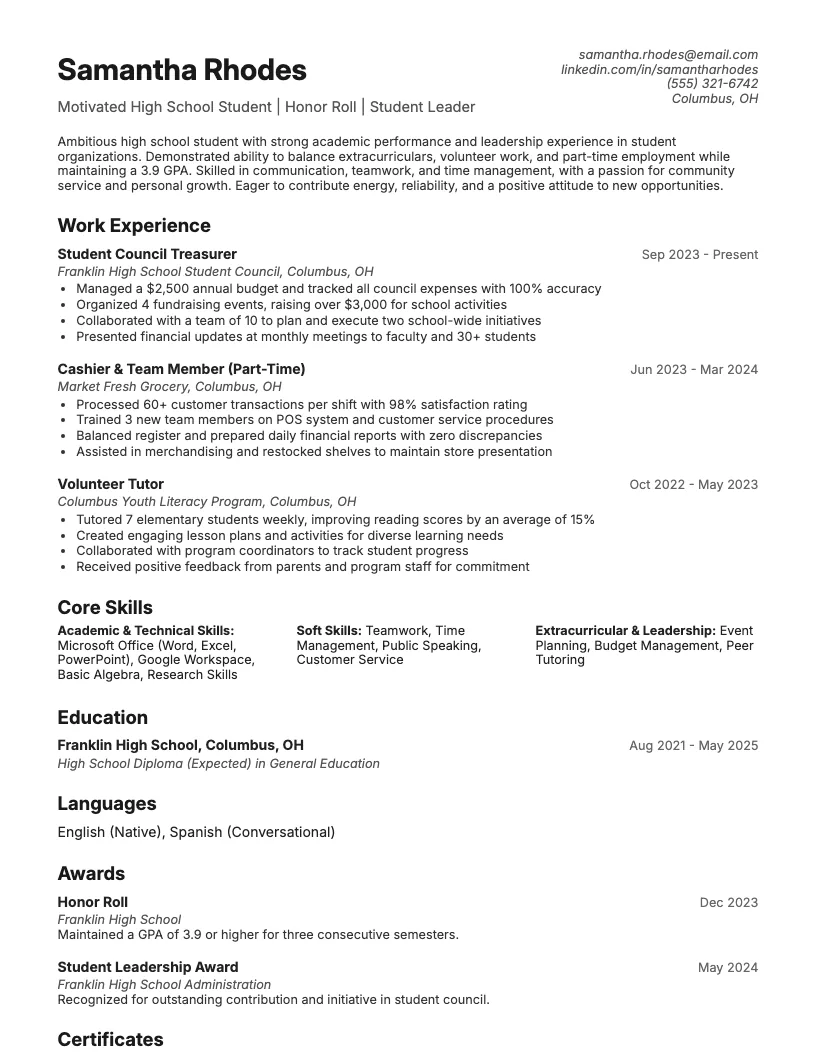
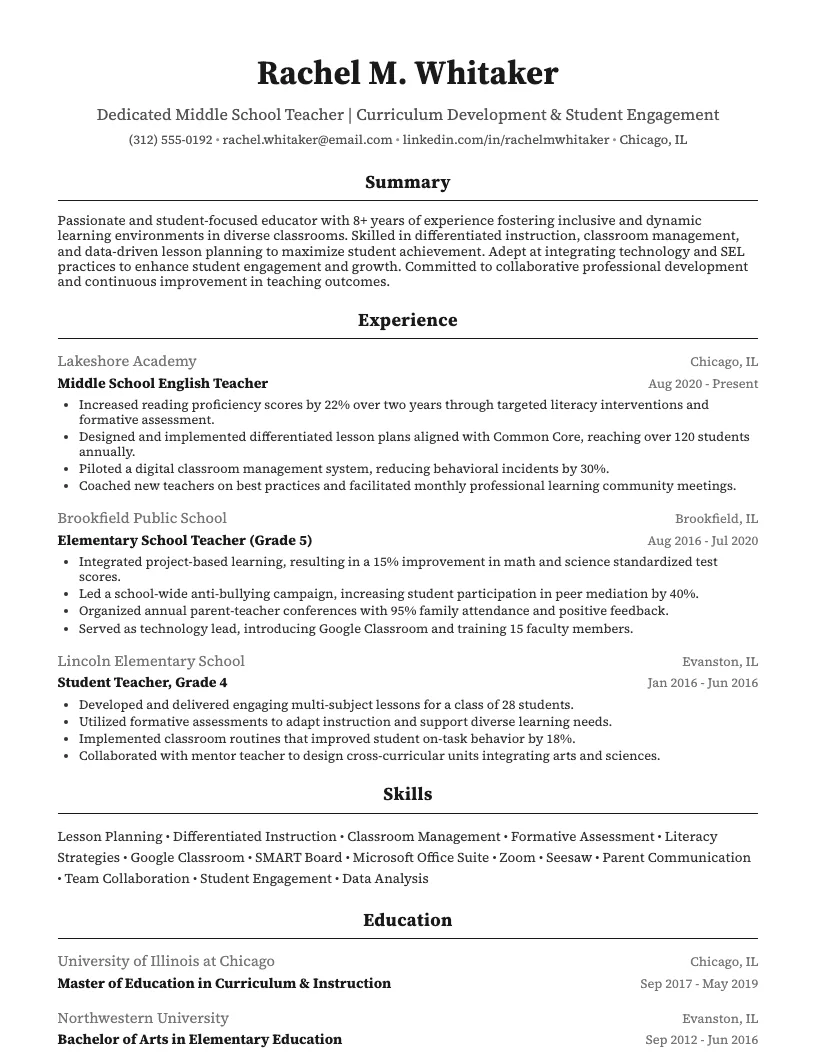
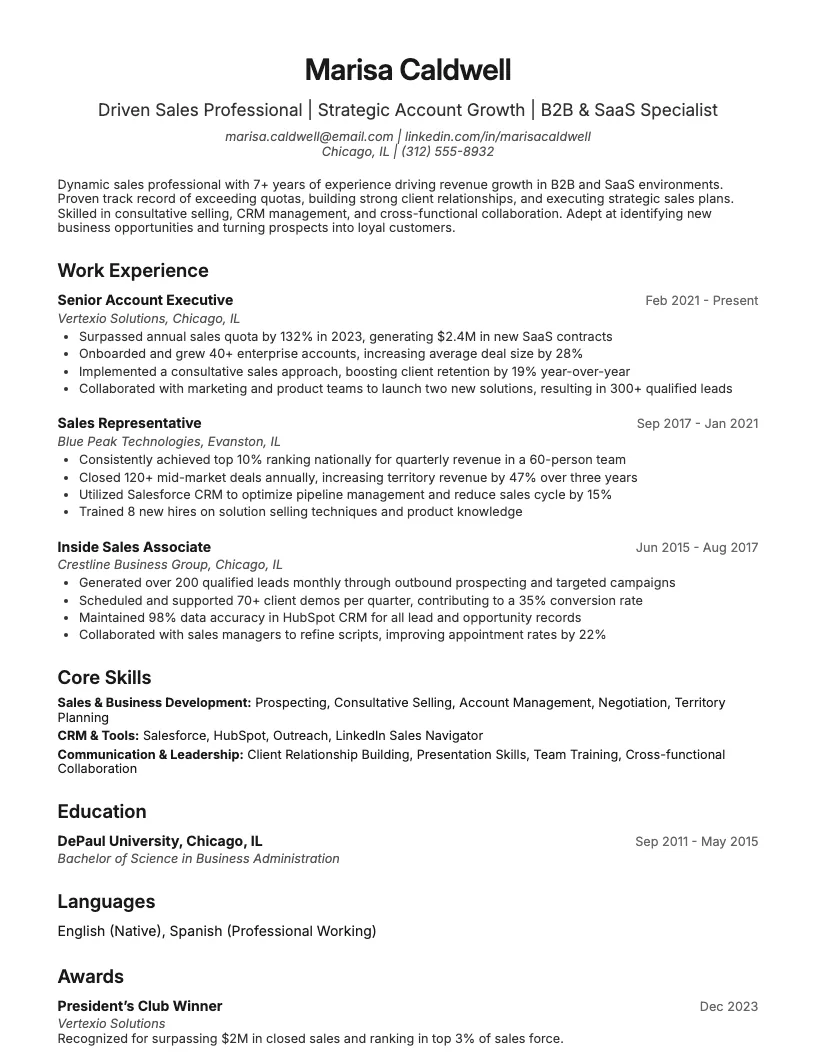
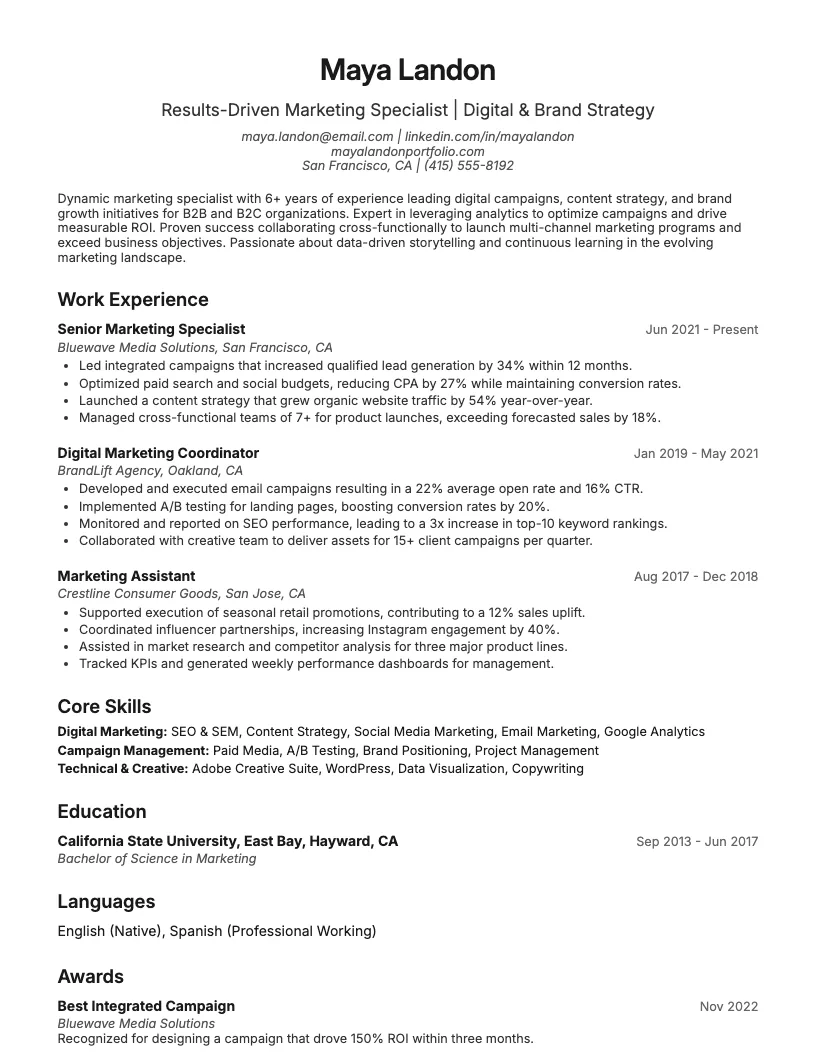
See these skills on a real resume
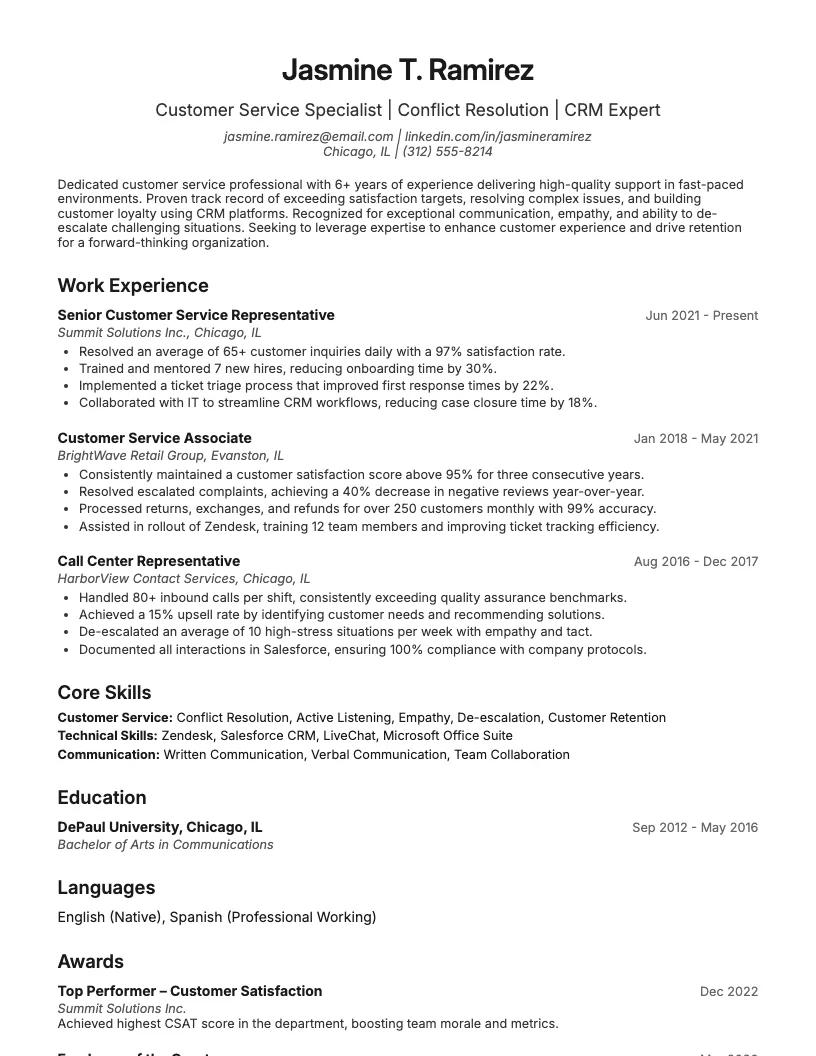
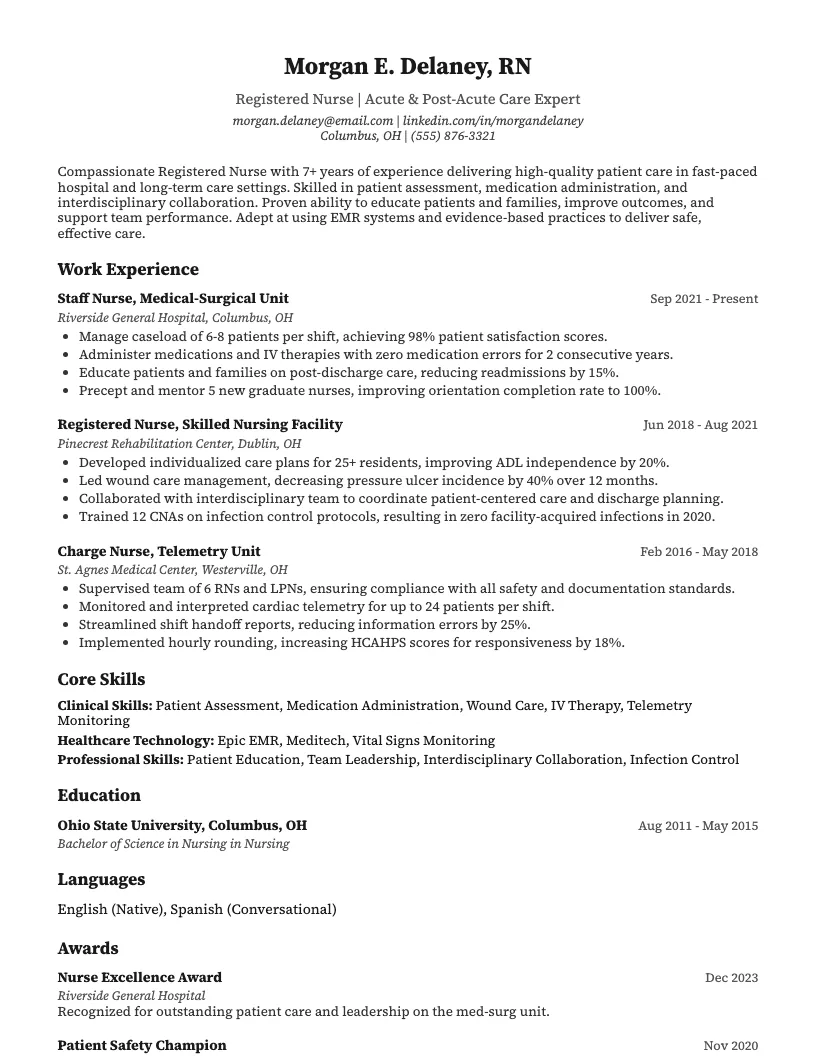
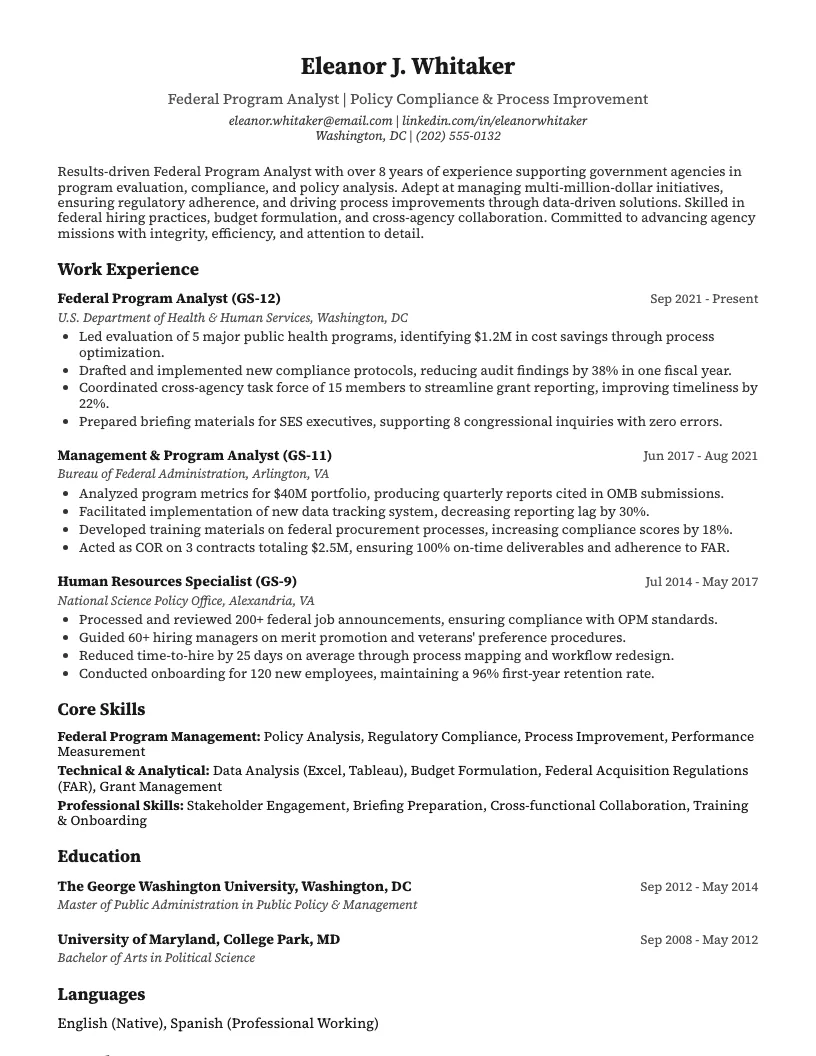
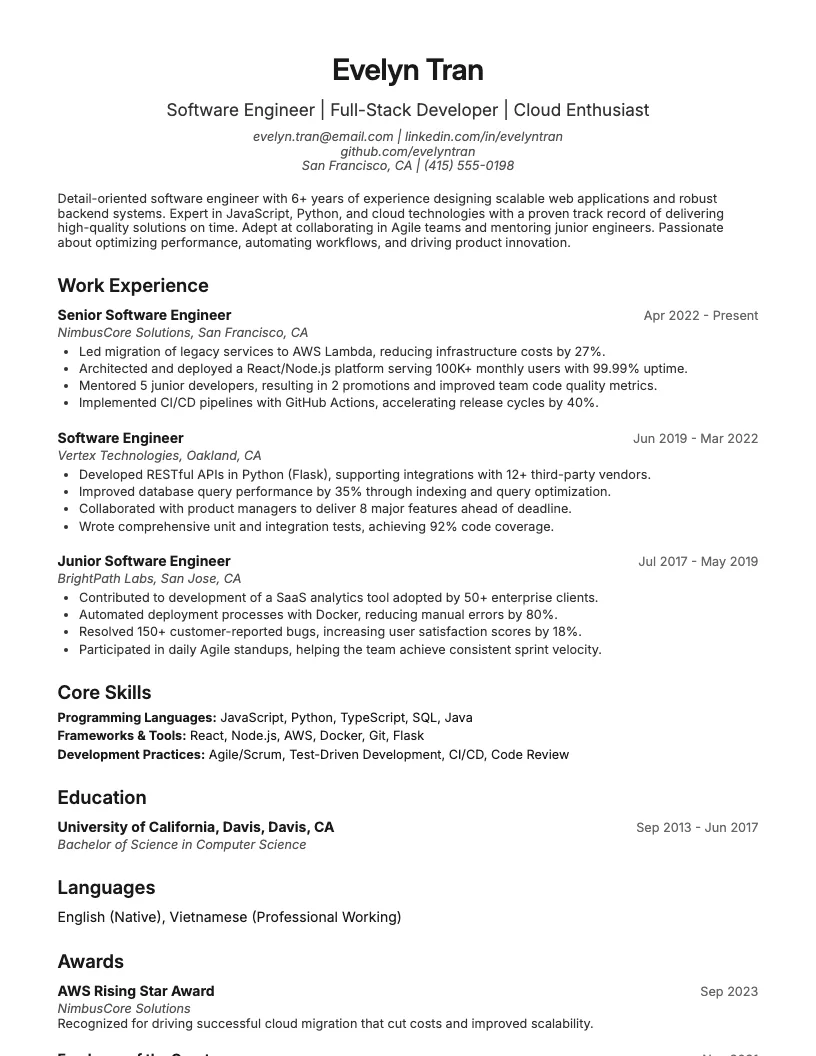
8 examplesStart from an example that already has them, and swap in your own.
Check your resume against the job you want
Scan your resume, see which skills and keywords the posting asks for that you are missing, and fix them before you apply.
Free to use • No credit card required