Led Synonym Resume: 16 Words That Sound Sharper (With Examples)
16 words to swap for 'led' on your resume, sorted by what you actually did, with real before-and-after bullet examples and picks for 9 different career fields.


Written by Dr. Priya Sharma
Career Development Expert & Resume Analyst
Updated August 2026
Reviewed by Sarah Chen
Is your resume ATS-friendly?
Drop your resume in and see which of these skills a scanner can actually read, and which ones the job you want is asking for that you have not listed.
PDF or DOCX. Max 2MB.
We never share your resume or use it to train a model.
In This Guide:
What can I say instead of "led" on a resume?
"Led" isn't wrong. It's just tired.
I've read thousands of resumes, and "led" shows up on almost all of them - usually two or three times on the same page, describing three different jobs that weren't actually the same kind of work. That's the real issue: one word standing in for run a team, launched a project, and sat on a committee.
Pick the word that matches what actually happened, and the bullet gets sharper for free.
Here are the sixteen words I reach for most, and what each one is actually telling the reader.
Spearheaded
Use this when you started something from nothing - a project, an initiative, a first-of-its-kind effort. It signals you were the one who made it happen, not just a participant once it existed.
Directed
This is the word for strategic control - you set the direction and other people executed it. It reads as more senior than "led," which is why it's a favorite on management resumes.
Managed
The workhorse of the list. Use it for ongoing, hands-on responsibility - a team, a budget, a process you owned day to day.
Oversaw
For when you weren't doing the work yourself but were accountable for it - checking in, approving, catching problems before they became your problem.
Coordinated
This is about pulling different people or moving parts into alignment - often across teams or departments that don't report to you directly.
Orchestrated
Save this for something genuinely complex - several teams, several moving pieces, all timed to land together. It's a strong word, and it reads as inflated the moment it's attached to something simple.
Supervised
Direct, close oversight of people's day-to-day work - think shift leads, retail teams, junior staff. It's more literal than "managed" and reads as more hands-on.
Headed
The top job in a group or department. It implies you were the person in charge, not one of several leads.
Guided
Use this for mentoring - you weren't giving orders, you were developing someone's skills or steering their decisions.
Championed
For when you had to convince people. This is the word for pushing an idea or initiative that other people were skeptical of, until it stuck.
Drove
Common in sales and growth roles - it signals momentum, a number moving because of you. It pairs naturally with a metric.
Steered
Use this when you kept something on track through a rough patch - a reorg, a crisis, a team in flux. It's about stability, not creation.
Chaired
Specific to formal groups - a committee, a board, a task force. Don't use it for anything that wasn't an actual standing group with meetings.
Piloted
For testing something before it rolled out wider - a new process, a new tool, a program run with one team before the whole company got it.
Launched
The moment something went live. Pair it with a date or a "first" if you can - it's a word that wants a specific, single event behind it.
Established
Use this when you built something that's still standing - a process, a team, a system that outlasted your involvement in it.
Once you've picked the word, the harder part is making sure the rest of the bullet earns it - what each one looks like in a real bullet walks through that, and which word matches what you actually did if you're still stuck between two of these. If you'd rather not guess which of these sixteen a specific job posting wants to see, ResumeJudge will scan the posting and tell you exactly which skills and wording it's looking for before you spend an hour rewriting bullets that miss the mark anyway.
Which word should I pick for what I actually did?
Which word should I pick for what I actually did?

Here's the mistake I see most: someone picks a synonym because it sounds impressive, not because it matches what they did. A hiring manager reads that gap in about two seconds.
Start from the situation, not the word. What each word signals on its own is covered in what you can say instead of "led" - this section only matches situations to words.
You ran a team of people: managed, supervised, directed
If you had direct reports and owned their day-to-day work, one of these three fits.
You started something that did not exist: spearheaded, launched, established, pioneered
These four are for the zero-to-one moment: nobody had done this before you did it. Pioneered carries the same sense of being first as spearheaded.
You signed off on work other people did: oversaw, administered, governed
This is a different job than managing. You weren't in the weeds - you were the checkpoint.
Administered fits operational or systems work. Governed belongs in policy or compliance contexts, where your job was setting and enforcing the rules other people worked inside.
You pulled several teams or departments together: coordinated, orchestrated
Neither word means you had authority over the people involved - that's the point.
You taught or mentored someone: guided, mentored, coached
These are people-development words, not authority words. Pick one when the achievement is someone else's growth, not a project outcome.
You argued for something people resisted: championed, drove
If you had to convince people before you could act, "led" hides the actual work.
You ran a committee, board or meeting: chaired, presided
Reserve these for formal settings - a committee, a board, a governance body. Chaired is the standard word; presided is a shade more formal.
You tested something new before it rolled out: piloted
If your job was to try something at small scale before the company committed to it everywhere, piloted says exactly that.
You steadied a team through a change or a mess: steered, stabilised
These are for turnaround and crisis stories. Steered works when you were navigating change; stabilised when the job was stopping things from getting worse before they could get better.
Once you've matched the word to the situation, check it against a real bullet point - and if you're not sure the wording lines up with what a specific posting is asking for, that's exactly the kind of check ResumeJudge runs for you, comparing your resume straight against the job description.
What does each word look like in a real bullet point?
Here's the thing about a bullet point: swapping the verb changes nothing if the rest of the sentence stays vague. I've rewritten enough of these to know the word is maybe 10% of the fix.
The other 90% is what comes after it.
Spearheaded: before and after
Using 'spearheaded' instead of led
Led team in implementing new software system for the company.
Spearheaded enterprise-wide CRM rollout, driving a 30% increase in customer retention and $2M in annual revenue. Coordinated a cross-functional team of 15, managed a $500K budget, and finished two months early.
Before: "Led team in implementing new software system for the company."
After: "Spearheaded enterprise-wide CRM rollout, driving a 30% increase in customer retention and $2M in annual revenue. Coordinated a cross-functional team of 15, managed a $500K budget, and finished two months early."
Notice the after didn't just swap the verb. It added the team size, the budget, the deadline, and two separate results.
That's the actual work.
Directed: before and after
Using 'directed' instead of led
Led team to improve customer satisfaction and increase sales performance.
Directed a customer experience overhaul, building new service protocols and feedback systems that lifted satisfaction scores 28% and added $2.3M in quarterly sales.
Before: "Led team to improve customer satisfaction and increase sales performance."
After: "Directed a customer experience overhaul, building new service protocols and feedback systems that lifted satisfaction scores 28% and added $2.3M in quarterly sales."
"Directed" reads as a step up in altitude from "led" - it fits someone setting the strategy, not just running the room. Use it if you were the one deciding, not just delegating.
Managed: before and after
Using 'managed' instead of led
Led team of sales executives.
Managed a team of 10 sales executives, increasing annual sales 30% through territory realignment and weekly coaching.
Before: "Led team of sales executives."
After: "Managed a team of 10 sales executives, increasing annual sales 30% through territory realignment and weekly coaching."
"Managed" is the default when nothing more specific fits - see you ran a team of people.
Oversaw: before and after
Using 'oversaw' instead of led
Led team in implementing new software system for company operations.
Oversaw a new ERP rollout across a 15-person cross-functional team and outside vendors, delivering on time and under budget for $500K in annual savings.
Before: "Led team in implementing new software system for company operations."
After: "Oversaw a new ERP rollout across a 15-person cross-functional team and outside vendors, delivering on time and under budget for $500K in annual savings."
If you signed off on the work rather than doing it hands-on, "oversaw" is more honest than "led" - see when you signed off on work other people did.
Coordinated: before and after
Using 'coordinated' instead of led
Led team meetings to discuss project progress and assign tasks.
Coordinated biweekly cross-functional meetings for a 15-person team, lifting on-time task delivery to 95% across three departments.
Before: "Led team meetings to discuss project progress and assign tasks."
After: "Coordinated biweekly cross-functional meetings for a 15-person team, lifting on-time task delivery to 95% across three departments."
I reach for "coordinated" whenever the job was less about authority and more about keeping several moving parts from colliding.
Orchestrated: before and after
Using 'orchestrated' instead of led
Led team meetings and coordinated project tasks for the department.
Orchestrated biweekly cross-departmental strategy sessions, raising project completion rates 30% and cutting miscommunication 50% over six months.
Before: "Led team meetings and coordinated project tasks for the department."
After: "Orchestrated biweekly cross-departmental strategy sessions, raising project completion rates 30% and cutting miscommunication 50% over six months."
This one gets overused. Save it for when multiple groups with different priorities had to move together - not for running your own team's stand-up.
Supervised: before and after
Using 'supervised' instead of led
Led manufacturing team.
Supervised a manufacturing team of 25, lifting output 15% without sacrificing quality.
Before: "Led manufacturing team."
After: "Supervised a manufacturing team of 25, lifting output 15% without sacrificing quality."
"Supervised" signals you were physically or directly checking the work, shift by shift. If that's not what you did, don't use it - pick from you ran a team of people instead.
Headed: before and after
Using 'headed' instead of led
Led a new product development initiative.
Headed a new product development initiative that grew to 25% of annual revenue.
Before: "Led a new product development initiative."
After: "Headed a new product development initiative that grew to 25% of annual revenue."
"Headed" is a shorter, plainer version of "directed." I use it on resumes that are already word-heavy and need a one-syllable option that still reads as senior.
Guided: before and after
Using 'guided' instead of led
Led team meetings and assigned tasks to improve project efficiency.
Guided a cross-functional team of 12 through an Agile rollout, cutting project time 30% and budget overruns 25% across five initiatives.
Before: "Led team meetings and assigned tasks to improve project efficiency."
After: "Guided a cross-functional team of 12 through an Agile rollout, cutting project time 30% and budget overruns 25% across five initiatives."
"Guided" is the mentorship version of leading - nine times out of ten, it's the right word for anyone whose job was coaching a team up rather than commanding it.
Championed: before and after
Using 'championed' instead of led
Led team meetings to discuss project updates and assign tasks.
Championed adoption of Agile methodology, overcoming early team resistance through hands-on training, and delivered 30% faster releases with 25% fewer bugs.
Before: "Led team meetings to discuss project updates and assign tasks."
After: "Championed adoption of Agile methodology, overcoming early team resistance through hands-on training, and delivered 30% faster releases with 25% fewer bugs."
Only use "championed" when there was real resistance to push through. If everyone was already on board, it oversells the story.
Drove: before and after
Using 'drove' instead of led
Led strategic partnerships.
Drove new strategic partnerships, closing five contracts with Fortune 500 companies in one quarter.
Before: "Led strategic partnerships."
After: "Drove new strategic partnerships, closing five contracts with Fortune 500 companies in one quarter."
Chaired: before and after
Using 'chaired' instead of led
Led monthly team meetings.
Chaired monthly meetings for a 30-person team, streamlining communication and lifting efficiency 20%.
Before: "Led monthly team meetings."
After: "Chaired monthly meetings for a 30-person team, streamlining communication and lifting efficiency 20%."
"Chaired" only fits a formal seat - a committee, a board, a standing meeting with a title attached. Don't use it for a team you just happened to run; see when you ran a committee, board or meeting.
If you're staring at ten of these and can't tell which one is a lie and which one is true, that's exactly the kind of check I'd run a resume through against the actual job posting before sending it anywhere.
Is "led" a bad word to use, and how many times is too many?
No. "Led" isn't a mistake. It's plain, it's honest, and hiring managers read it a hundred times a week without blinking.
The problem shows up when it's the only verb on the page.
When "led" is the right word and you should keep it
If you led a team, a project, or an initiative, and the sentence is packed with a real number, leave it alone.
Don't swap a true, clear word for a fancier one just to feel like you did something.
The two-per-page limit
I tell people to cap it at two uses across the whole resume, not zero.
Beyond that, every bullet starts to sound like the last one, and a recruiter skimming for ten seconds stops noticing any of them.
"Led a team" with no number is the real problem, not the word
Here's what I actually flag when I review a resume: "led a team," full stop. No size, no outcome, no scope.
Swap it for spearheaded or directed and the sentence is still empty. The fix isn't a new verb - it's a team size, a budget, or a result attached to it.
Three weak "led" bullets and what is missing from each
"Led a team" - missing how many people. "Led various projects" - missing which ones, and what happened.
"Led meetings" - missing why it mattered.
Run each one through ResumeJudge against the posting you're applying to, and it'll rewrite the line with the scope and numbers pulled from your own experience instead of leaving them vague.
How do I swap the word without making the bullet a lie?
Is your resume good enough?
Drop your resume in and see which of these skills a scanner can read, and which ones the job you want is asking for that you have not listed.
Upload your resumeFree. PDF or DOCX. We never share your resume or use it to train a model.
Swapping "led" for something sharper only works if the new word is still true. Here's the process I walk people through.
Step 1: Find every "led" on your resume
Search the whole document, not just your current job. I've seen resumes with "led" in six bullets and the summary line too - you won't catch that just by skimming.
Step 2: Write down what you actually did in that job
For each bullet, write one plain sentence about what happened, no verb-shopping yet. Did you run people, start something new, or just sign off on other people's work?
That's the thing the word has to match - see which word fits what you actually did.
Step 3: Pick the word that matches, not the fanciest one
Nine times out of ten, people reach for the biggest word on the list instead of the accurate one. If you signed off on other people's work, that's "oversaw," not "orchestrated."
Step 4: Add the team size, budget or number the bullet is missing
A stronger verb without a number is still a weak bullet. "Managed a team" tells me nothing; "managed a team of 10, cutting project turnaround 20%" tells me everything.
That one change - team size plus a result - is the single biggest gap I see between an average bullet and a strong one.
Step 5: Check the job posting for the word it already uses
If the posting says "supervised" three times, use "supervised." Matching the posting's own language is worth more than finding a synonym nobody asked for.
ResumeJudge will scan the posting and tell you which of these words it's actually looking for, then rewrite the bullet with that word already in place.
Words that overstate your role: commanded, orchestrated, pioneered
These read as senior, so they only work if you actually had the authority. Using "orchestrated" for a task your manager assigned to you reads as a stretch the moment someone asks about it.
Words that undersell you: assisted, helped, participated in
I see these on resumes constantly from people who did far more than "help." If you drove the outcome, say so - "assisted" is for the person who was genuinely in a supporting role.
What word replaces "led" in my line of work?
Different fields reward different words, because the person reading your resume has a mental list of what "leading" looks like in that job. Use the wrong one and you sound like you don't know the work.
Software and engineering: architected, engineered, shipped
Software resume bullet: led vs architected
Led development of new CRM system
Architected scalable microservices infrastructure, reducing system downtime by 40% and improving API response times by 60%
Nobody in tech hiring gets excited by "led." They want to know what you built and whether it held up.
"Led development of new CRM system" tells a hiring manager nothing. "Architected scalable microservices infrastructure, reducing system downtime by 40% and improving API response times by 60%" tells them you can design something and prove it worked.
If you touched the actual build, "engineered" does the same job - pick whichever one matches how hands-on you were.
Sales: drove, closed, grew
Sales resumes live and die by numbers, so the verb matters less than what follows it. "Drove" pairs naturally with a percentage or a dollar figure - revenue grown, pipeline built, deals closed.
If your bullet doesn't have a number after one of these words, that's the real gap, not the word choice.
Healthcare and nursing: administered, treated, triaged
"Led" is vague to the point of unsafe-sounding in clinical work. I've seen it used for everything from running a shift to disciplining a diagnosis, and neither reads well.
"Diagnosed root causes of high readmission rates" or "administered care to 40+ patients per shift" tells the reader exactly what you're licensed and trusted to do.
Teaching and education: instructed, mentored, facilitated
There's a real difference between standing in front of a classroom and guiding one or two students one-on-one, and the word should say which. "Instructed 30+ students in advanced biology, increasing average test scores by 15%" is a teaching claim.
"Mentored 15 students in an after-school program, with 80% advancing to state-level competition" is a mentoring claim. Don't use one for the other - a reviewer in this field will notice.
Finance and accounting: audited, budgeted, forecasted
This is a field where "led" actively undersells you. "Audited 500+ financial statements, identifying $2.5M in cost-saving opportunities" or "budgeted $5.2M in annual spend, reducing unnecessary expenses by 18%" shows the scale of money you were trusted with - that's the whole point of the bullet.
Retail and hospitality: supervised, scheduled, trained
Most retail leadership is people management day-to-day, not strategy, and the words should say so plainly. "Supervised a team of 12 across two shifts" or "trained 8 new hires in POS systems and customer service standards" - concrete headcounts beat any fancier verb you could reach for.
Military and law enforcement: commanded, deployed, directed
"Commanded" fits structured chains of command in a way civilian words never quite do - it signals formal authority, not just influence. If your role was closer to organizing than commanding, "directed" is the more honest word.
Nonprofit and volunteering: organised, mobilised, stewarded
Nonprofit resume bullet: led vs stewarded
Led fundraising
Stewarded a 12-month fundraising campaign that brought in $200K+, exceeding the prior year by 50%
"Stewarded" is worth knowing here because it implies careful handling of something entrusted to you - donor money, a campaign, a community relationship. "Stewarded a 12-month fundraising campaign that brought in $200K+, exceeding the prior year by 50%" reads stronger than "led fundraising" ever will.
Student, intern or first job: organised, ran, started
You don't need a fancy word if you don't have a fancy title yet - the before-and-after examples show this well. "Started a campus recycling drive" or "ran weekly study sessions for 10 classmates" is honest and specific, which matters more at this stage than sounding senior.
Once you've picked the right word for your field, ResumeJudge can check the rest of your resume against a specific job posting and flag any other wording the posting expects that you haven't used yet.
Frequently Asked Questions
Can I still use "led" at all?
Yes. The section above on when "led" is the right word and you should keep it covers when to leave it alone.
How many times can I use "led" on one page?
The cap, and the reason for it, is in "The two-per-page limit" section above.
Do resume screening systems care which word I use?
Applicant tracking systems generally match on the skills and requirements in the job posting, not on whether you wrote "led" versus a synonym, so switching words alone won't move you past a filter. What matters more is whether the keywords and skills that posting actually asks for show up in your resume at all, which is exactly what ResumeJudge checks for you against the specific job you're applying to.
Should I write "led" or "leading" for my current job?
Use "leading" for a role you're still in, since it signals the work is ongoing. Switch to "led" once that job has ended, because past tense matches everything else on the resume and reads more naturally to someone scanning it.
Is "managed" stronger than "led"?
"Managed" isn't automatically stronger; it just points at a different kind of work, closer to overseeing people, budgets, or processes than to setting direction on a project. Pick whichever word matches what you actually did, then let the result you attach to it (the team size, the budget, the outcome) do the heavy lifting.
What is the strongest single replacement for "led"?
There isn't one word that beats all the others; the strongest choice is whichever verb matches the specific thing you did, like "launched" for something you started from scratch or "spearheaded" for something you pushed through resistance. If you're not sure which one fits a given job, ResumeJudge can take your resume and that posting and rewrite the wording in each section to match what the posting is actually asking for.
Can I use the same synonym twice on one resume?
Yes, as long as it's describing genuinely different work each time. Repeating one substitute word for every bullet just recreates the same flatness that overusing "led" caused in the first place, so vary it across the bullets where it's used more than once.
Should I use "led" in my resume summary as well as my bullets?
You can, but treat your summary as one more place where the word can get repeated, not an exception to the rule. If "led" or a close synonym already appears in a bullet nearby, pick a different word for the summary so the two don't echo each other.
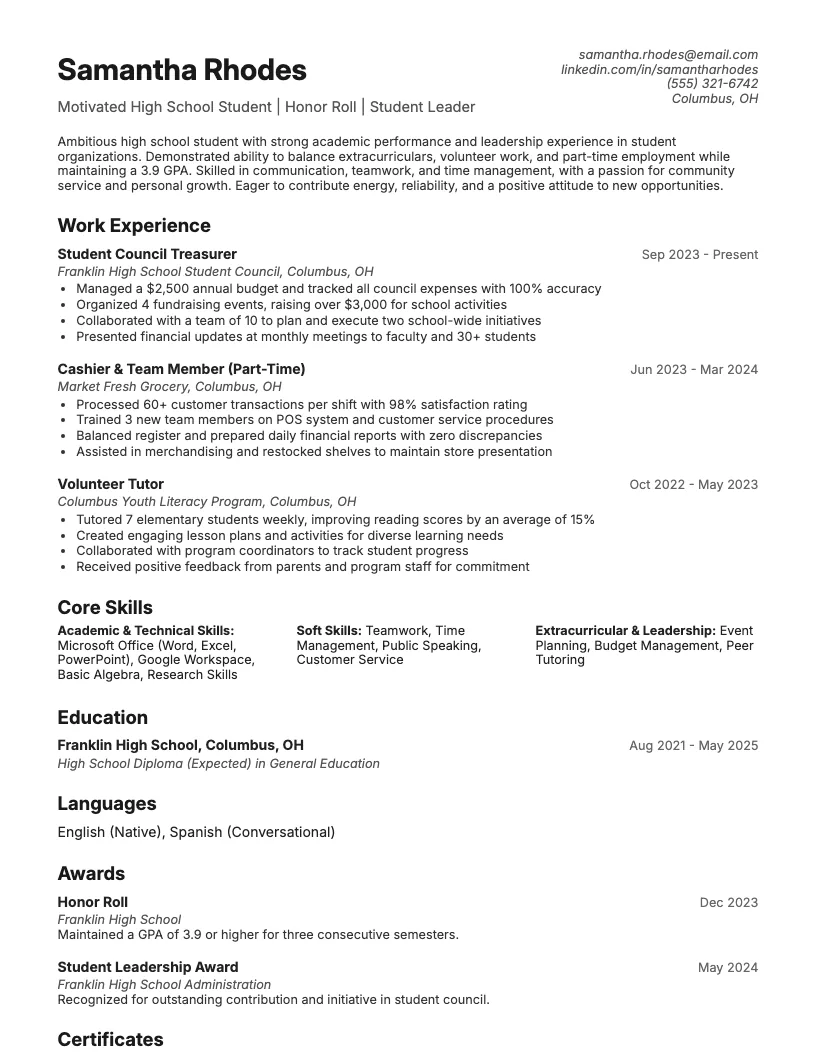
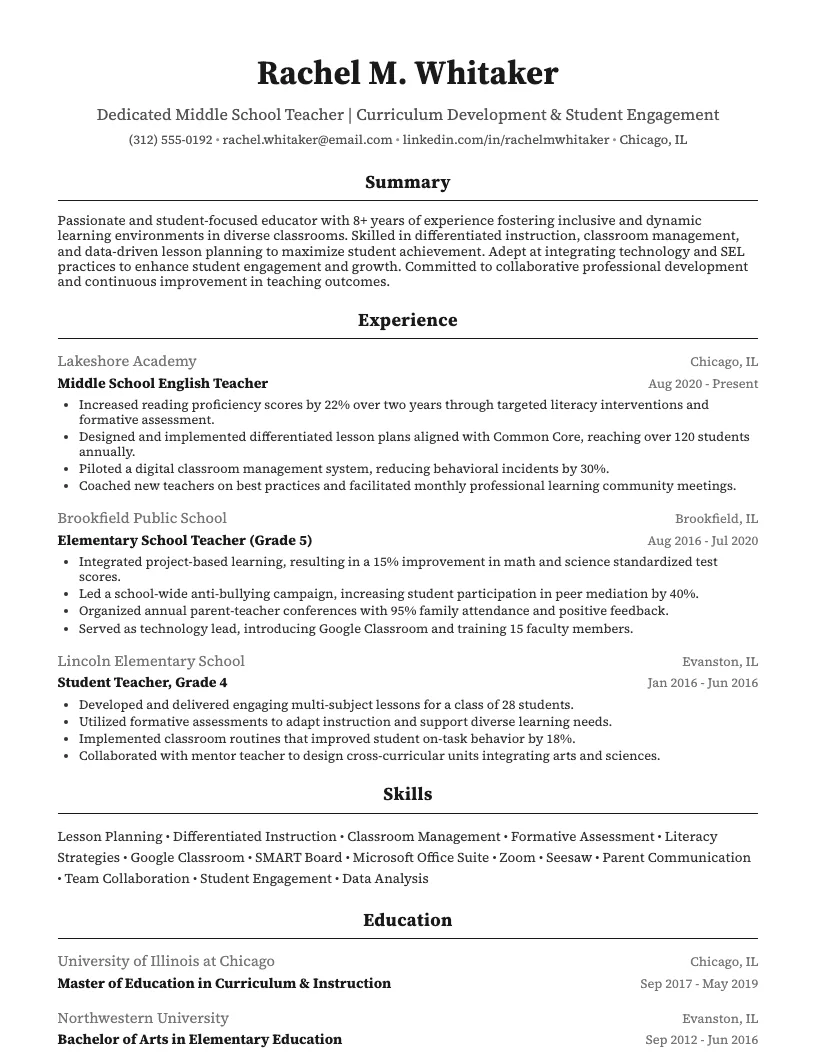
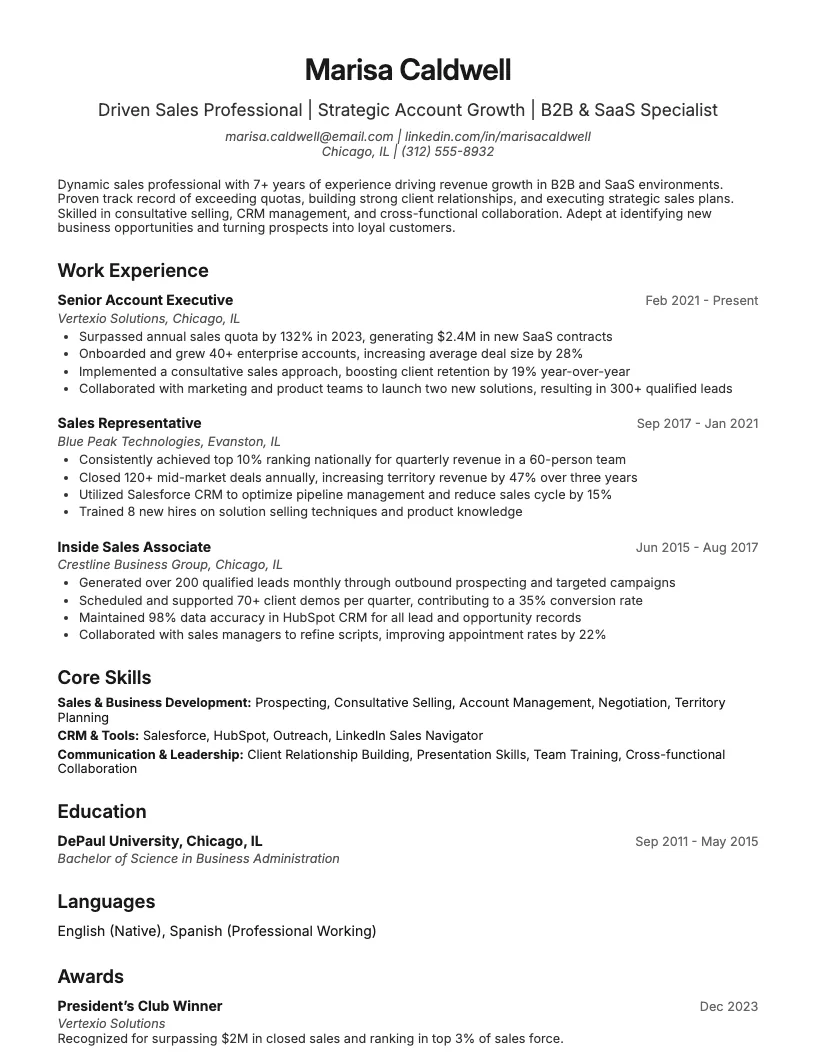
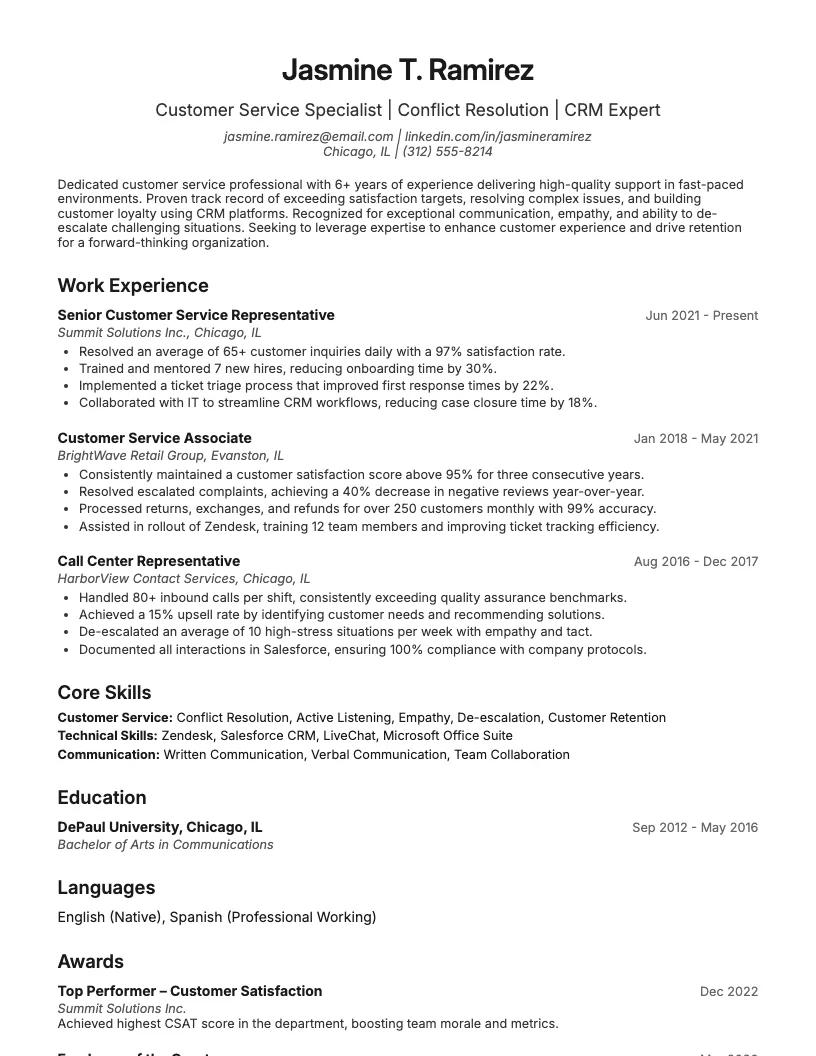
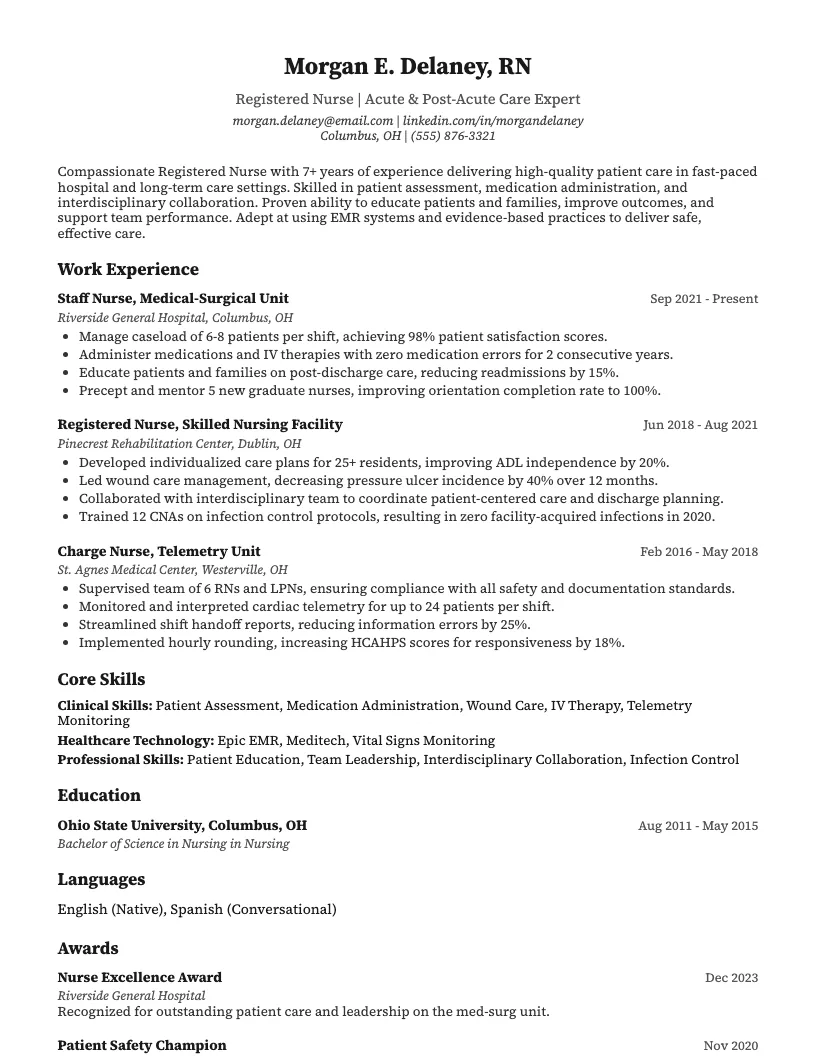
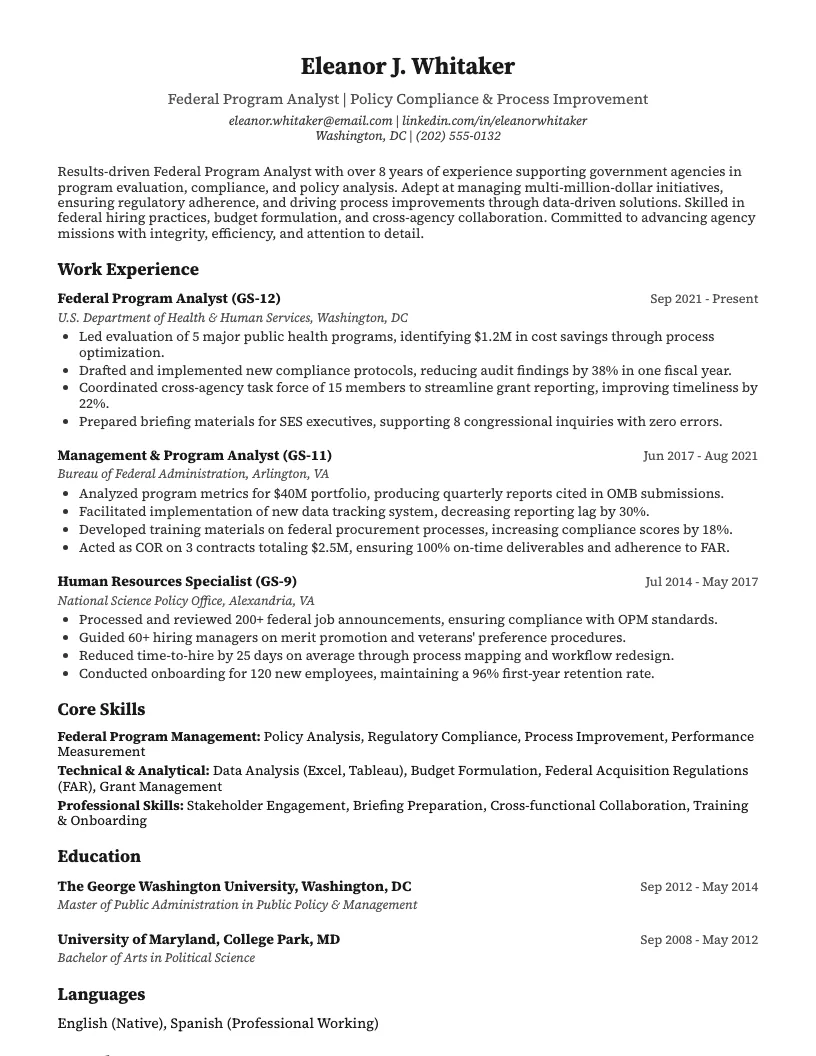
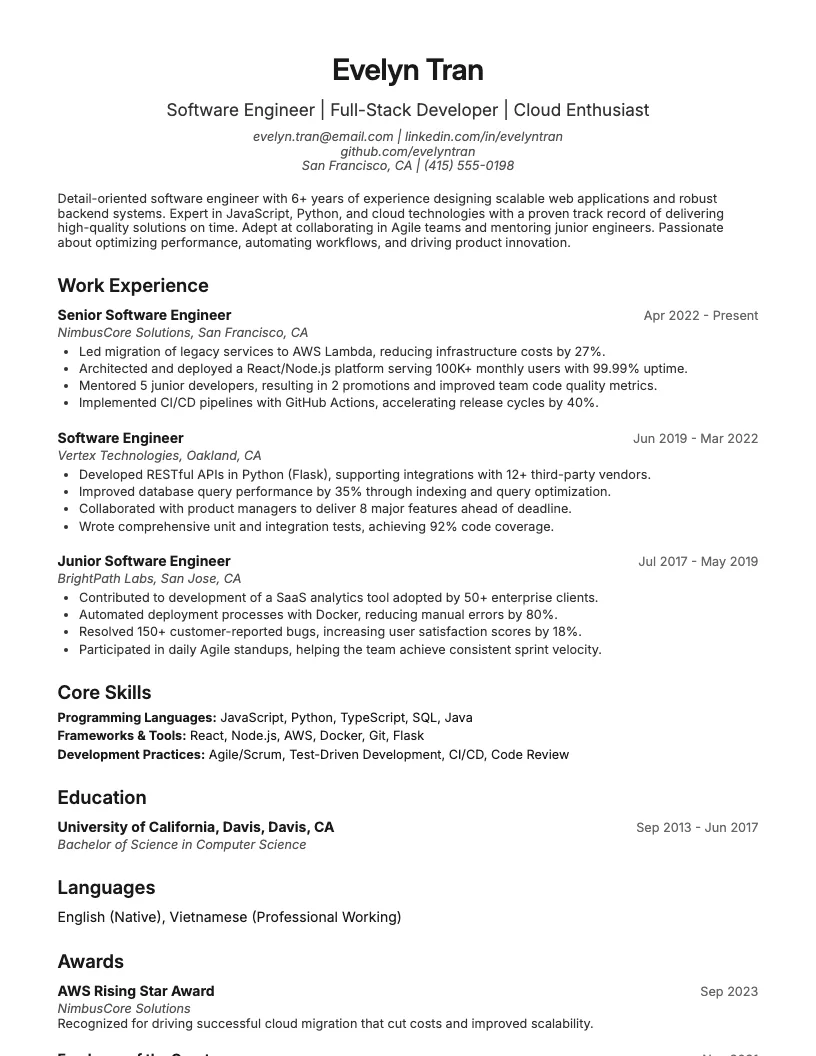
See these skills on a real resume
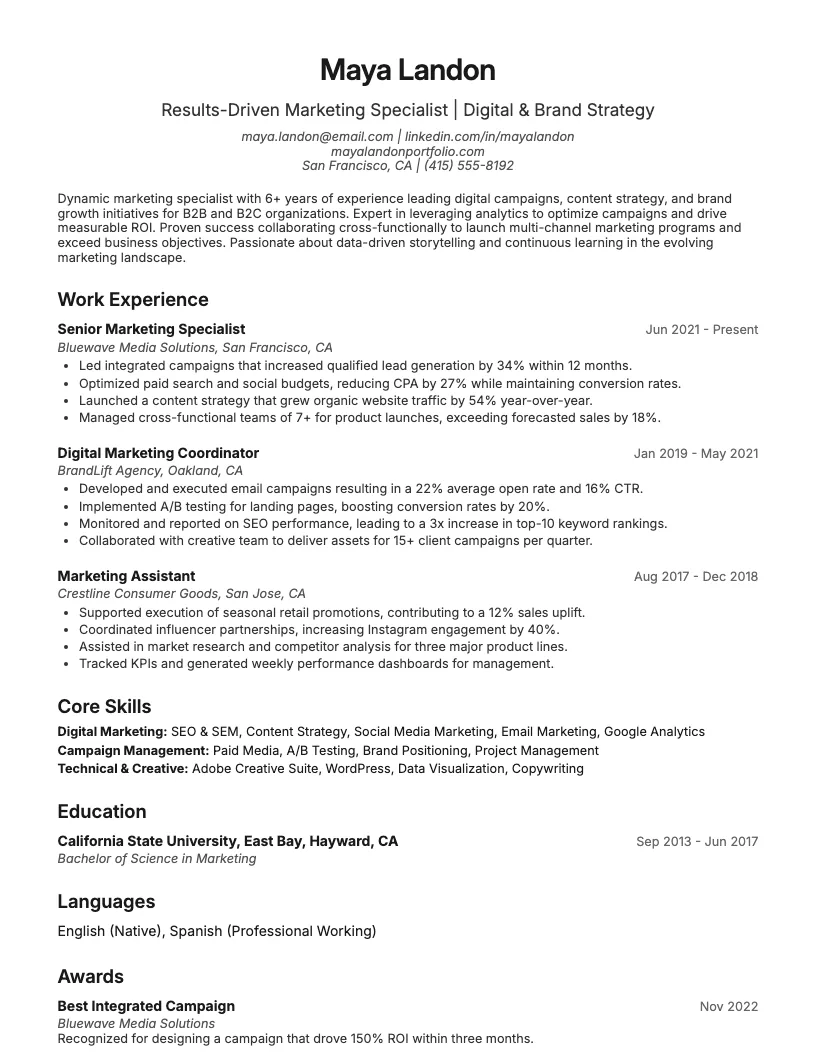
8 examplesStart from an example that already has them, and swap in your own.
Check your resume against the job you want
Scan your resume, see which skills and keywords the posting asks for that you are missing, and fix them before you apply.
Free to use • No credit card required