50 Words to Describe Yourself, Grouped - Plus 10 Explained in Depth
50 words to describe yourself, grouped by trait, 10 explained in depth with what they mean to an employer, plus which ones to leave off your resume too.


Written by Marcus Rodriguez
ATS Optimization Specialist & Career Coach
Updated August 2026
Reviewed by Dr. Priya Sharma
Is your resume ATS-friendly?
Drop your resume in and see which of these skills a scanner can actually read, and which ones the job you want is asking for that you have not listed.
PDF or DOCX. Max 2MB.
We never share your resume or use it to train a model.
In This Guide:
What are 50 words to describe yourself?
Staring at a blank resume and typing "hardworking" again isn't going to get you anywhere. You need words that actually match the job, and you need more than three or four in your back pocket.
Here are 50, grouped by what they're really telling an employer.
Words for how you work: diligent, methodical, organized, thorough, efficient, disciplined, punctual, conscientious
These are the words that say you don't drop things. Diligent, methodical, organized, thorough, efficient, disciplined, punctual, conscientious - pick from this group when the job is process-heavy: operations, finance, admin, anything with a checklist attached.
I've read enough resumes to tell you these words only land when there's a habit behind them. "Organized" next to a bullet about running three projects with zero missed deadlines does the job.
On its own, it's filler.
Words for how you think: analytical, strategic, curious, insightful, resourceful, inventive, logical, data-driven
Analytical, strategic, curious, insightful, resourceful, inventive, logical, data-driven - this set is for roles where you're paid to figure things out, not just execute a list. Strategy, analytics, product, engineering.
The mistake I see most often here is using "data-driven" without a number nearby. If you're going to claim it, back it with one - even a small one.
Words for how you work with people: collaborative, approachable, diplomatic, supportive, articulate, persuasive, patient, empathetic
Collaborative, approachable, diplomatic, supportive, articulate, persuasive, patient, empathetic. These matter most in client-facing, management, and team-lead roles, where the job is half the work and half the relationships around it.
I'd steer you away from stacking three of these in one line. One, well-placed, reads as true.
Three in a row reads like you're compensating.
Words for what you do without being asked: proactive, self-motivated, decisive, tenacious, ambitious, driven, independent, accountable
Proactive, self-motivated, decisive, tenacious, ambitious, driven, independent, accountable - these say you don't wait to be told. Sales, startups, remote roles, and anything where nobody's standing over your shoulder all reward this group heavily.
Nine times out of ten, a hiring manager skims for exactly one of these words if the posting mentions "self-starter" or "works independently." If you can quote your own line back to their posting, you're in good shape - and it's worth checking your resume against the actual listing before you submit it, since that's the fastest way to catch a word you're missing.
Words for how you handle change: adaptable, resilient, flexible, versatile, calm, open-minded, quick to learn, level-headed
Adaptable, resilient, flexible, versatile, calm, open-minded, quick to learn, level-headed. Fast-moving companies, startups, and anywhere going through a reorg lean on these words specifically.
They're also the easiest to prove cheaply - one line about picking up a new tool or covering someone else's role does more than the adjective itself.
Words for what people can count on: reliable, dependable, trustworthy, honest, consistent, committed, responsible, loyal
Reliable, dependable, trustworthy, honest, consistent, committed, responsible, loyal. These sound plain, and that's the point - they're the words a reference actually says about you, so they carry weight when someone's checking one.
Use them sparingly on the page itself. They're better spoken in an interview than printed eight times across a resume.
Words for how you deliver: results-driven, goal-oriented, detail-oriented, meticulous, precise, productive, capable, thorough with follow-through
Results-driven, goal-oriented, detail-oriented, meticulous, precise, productive, capable, thorough with follow-through. This is the group recruiters scan for fastest, because it promises an outcome, not just an attitude.
Every one of these needs a number to be worth the space it takes up - a percentage, a dollar figure, a count of anything. If you're not sure which of your own numbers actually match a posting, running your resume against the job description first is the quickest way to find out what's missing.
What does each of these words actually mean to an employer?
A word on a resume is a promise. The employer reading it doesn't know what "detail-oriented" cost you to earn - they just know what they'll assume it means, and that assumption is what you're being judged against.
So before you use any of these ten, know what the reader hears.
Detail-oriented
To a hiring manager, this means: you catch the error before it ships. Not "you're careful" in some general sense - that you'd notice the typo in the client email, the wrong number in the spreadsheet, the missing step in the checklist.
I've reviewed enough resumes to know this is the most claimed and least proven word on the list. Everyone writes it.
Almost nobody backs it with a number. If you use it, pair it with one - "reduced data entry errors by 30%" does more work than the adjective ever will.
Proactive
Claiming proactive vs. proving it
I'm a proactive person
Flagged a billing discrepancy before the client noticed
This one means you spotted a problem before anyone assigned it to you. Employers hear "self-starter" and "proactive" as nearly interchangeable, so don't waste both on your resume - pick one and give it a real example.
The trap is using it to describe attitude instead of action. "I'm a proactive person" tells the reader nothing.
"Flagged a billing discrepancy before the client noticed" tells them everything the word was supposed to.
Resourceful
To an employer, resourceful means you solved a problem with what you had, not what you wished you had. No budget, no headcount, no perfect tool - and you still got it done.
This word works best for early-career resumes, where you don't have big scope to point to yet. It's a way of saying "I don't wait for ideal conditions," and that's a genuinely useful thing to signal when you can't yet claim leadership or scale.
Resilient
This means you kept performing after something went wrong - a layoff, a failed launch, a reorg, a bad quarter. Employers read it as a signal about how you'll behave the next time things get hard, because things always get hard eventually.
Nine times out of ten, people reach for "resilient" when they mean "I stayed calm." Those aren't the same claim.
Calm is about your reaction; resilient is about your output surviving the reaction. Make sure the example you have in mind is really the second one.
Collaborative
To an employer, this means you make the people around you better, not just that you're pleasant in meetings. It's a claim about how work moves through a team when you're part of it.
The mistake I see most often: people use "collaborative" to mean "easy to work with," when the reader wants to know if you actually improve outcomes for others - unblocked a teammate, brought two departments into agreement, made the handoff cleaner. If you can't name a moment like that, "collaborative" is doing no work on the page.
Self-starter
This is proactive's twin, and it lands hardest on resumes with limited direct experience - internships, first jobs, career changes. It tells the employer: you don't need heavy supervision to figure out what to do next.
Because it's a word people reach for when they don't have a title to lean on, it gets used a lot by candidates with thin resumes, which means it's also one of the more skeptically read words on this list. Back it with something you built or fixed without being told to.
Analytical
To an employer, this means you make decisions from evidence, not instinct. It's one of the words for how you think - see the full list of thinking words if this is the direction that fits you.
The strongest way to prove it isn't to describe your thought process. It's to show the decision that came out of it: "identified the underperforming channel and reallocated spend, improving return by 18%."
The number is the proof; the adjective is just the label.
Adaptable
This means you kept your output steady when the conditions around you changed - a new manager, a new tool, a reorg, a pivot. Employers in fast-moving industries weight this word heavily, because the role you're hired for often isn't the role you'll be doing in a year.
Where it goes wrong is when people use it to mean "I don't complain about change." That's passive.
The version that lands is active: you changed how you worked and still delivered.
Diligent
To an employer, diligent means you finish the unglamorous parts of the job as carefully as the visible ones. It's an older-sounding word than "hard worker," which is exactly why it survives on resumes when "hard worker" gets cut - it's specific about follow-through, not just effort.
If your evidence is really about care with details rather than persistence over time, detail-oriented is the more accurate word. They get used interchangeably far more than they should.
Data-driven
This means your decisions can be traced back to a number, not a hunch. It's become close to mandatory in marketing, product, and operations roles, which also means an employer scanning for it in a job posting is checking a box - and a resume that doesn't answer it can get filtered out before a person ever reads it.
ResumeJudge will show you which of these words a specific posting is scanning for, which ones your resume is missing, and then rewrite your resume to add them in the right sections, so you're not guessing.
How do you pick which words apply to you?
How do you pick which words apply to you?

Picking words off a list is the easy part. The hard part is knowing which ones actually fit you - and most people never get past the easy part.
Step 1: Pull the words out of the job posting
Start with the posting, not your memory of yourself.
Most job postings name the traits they want in plain language - "detail-oriented," "self-starter," "collaborative" - and applicant tracking systems are built to scan for that exact language. If the posting says "data-driven," that's the word you use, not "analytical," even though they mean almost the same thing.
I run resumes against postings for a living, and the mismatch between the two vocabularies is the single most common gap I see. ResumeJudge will run this comparison for you in seconds, then rewrite your resume to add whichever words from the posting never made it in.
Step 2: Check each word against something you actually did
Here's the test I use: for every word on your shortlist, can you finish the sentence "I know I'm ___ because I ___"?
If you can't finish it, drop the word. "Analytical" without a decision it informed is filler.
"Resourceful" without a problem it solved is filler. A recruiter can't tell the difference between a true word and a hopeful one - the only thing that separates them is the example behind it.
Step 3: Match the word to the role - finance, creative, technical
The same trait reads differently depending on the room it's in.
Finance and accounting roles reward words like meticulous, strategic, and results-focused. Creative and marketing roles want innovative, dynamic, visionary.
Technical and engineering roles favor tech-savvy, methodical, solution-oriented. "Innovative" on a compliance resume looks like a mismatch, not a strength - pick from the list that matches the room you're walking into.
Step 4: Ask three people how they'd describe you
You are a bad judge of your own patterns, because you can't see yourself from the outside.
Ask three people who've actually worked with you - a manager, a peer, someone you managed - how they'd describe you in a few words, before you tell them what you picked. Nine times out of ten, one word comes back from all three.
That's the word you lead with, because it's the one that's true whether or not you're in the room.
Step 5: Cut down to three or four you can defend
A resume with ten trait words reads like nobody's resume. A resume with three you can back up in an interview reads like a specific person.
Once you've run every word through steps 1 through 4, you'll have a shortlist. Cut it down to the three or four you'd bet on being asked about - those are the ones that make it onto the page.
Where do these words go on a resume, cover letter and in an interview?
Where a word goes, and what form it takes there
| Place | Bare word alone? | What actually goes there |
|---|---|---|
| Resume summary | Yes, 2-3 words | Words backed by the rest of the summary |
| Bullet under a job | No | The proof; the word disappears |
| Skills section | Yes | Plain words - it's a scan target |
| Cover letter opening | No | What you did, with the word as a label after |
Same word, different job depending on where it sits. The mistake I see most often is someone picking a good word and then dropping it in the same spot every time - summary, bullet, and interview answer all with "detail-oriented" doing nothing.
In your resume summary
This is the one place a bare word is allowed to stand alone, because you've got two or three lines to make a case, not a whole bullet to spend.
Pick two, maybe three words that actually match the job posting, and let the rest of the summary back them up with what you do. "Detail-oriented project coordinator" means nothing on its own - "detail-oriented project coordinator who tracks twelve vendor contracts without missing a renewal date" means something.
In a bullet under a job
A bullet under a job
Resourceful team member
Found a workaround when the vendor's API went down mid-launch, kept the release on schedule
Here the word disappears and the proof takes over. Don't write "resourceful team member" as a bullet - show the resourcefulness: "found a workaround when the vendor's API went down mid-launch, kept the release on schedule."
An ATS matches on the word, a hiring manager decides on the story, so you often need both somewhere on the page, just not in the same line.
In your skills section
This is where the plain, unadorned word actually earns its place - a skills section is a scan target, not a sentence. Nobody reads "collaborative, analytical, adaptable" as prose; they're checking it against a mental list from the posting.
This is also the spot where a scanner is doing the reading before a person ever does, so it's worth checking your list against the actual posting rather than guessing - I run resumes through ResumeJudge for exactly this, and it rewrites the resume to add whichever words a posting is asking for that it doesn't already have.
In the opening of a cover letter
The opening line of a cover letter
I am a hardworking and dedicated professional
I rebuilt our onboarding flow in six weeks, which is the kind of fast, focused work I want to keep doing
The first line of a cover letter is the worst place for a generic word, and it's where I see them most. "I am a hardworking and dedicated professional" tells a hiring manager nothing they didn't already assume.
Open with what you did instead, and let the word show up as a natural label for it - "I rebuilt our onboarding flow in six weeks, which is the kind of fast, focused work I want to keep doing" beats "I'm a fast worker" every time.
In your answer to "tell me about yourself"
This question isn't an invitation to list adjectives - it wants a short arc: where you are now, one thing you've done, where you're headed. Work one or two words in as connective tissue, not as the answer itself.
Something like "I'm a proactive, resourceful project manager - when a launch timeline slipped, I found the bottleneck and rebuilt the workflow, and I want to bring that same approach to a bigger team." The words frame the story; they don't replace it.
In your answer to "describe yourself in three words"
Three words, then thirty seconds of proof for each - that's the whole formula. Say the words, then one clause per word showing where it came from: "creative, reliable, and diligent - I like finding a different way into a problem, my team knows I hit deadlines, and I don't leave the messy parts of a task half-done."
Pick words that fit the role, not just words that flatter you; a "creative" answer for a compliance job usually lands worse than "precise."
In your answer to "how would others describe you?"
Borrow language you've actually heard, not language you'd like to hear. "My last manager called me the person who onboards new hires fastest" carries more weight than any adjective you'd pick for yourself, because it's someone else's word, not yours.
If you can't remember a specific comment, think back to a review or a thank-you message - there's usually a phrase in there worth reusing.
In a LinkedIn headline or About section
A headline has room for one word, maybe two, next to your title - "Detail-oriented Data Analyst | SQL, Tableau, Forecasting" does more work than a string of adjectives with nothing to hang them on. The About section is where you get to unpack them the way you would in a summary: pick your best two or three, then spend a paragraph proving each one instead of listing ten and proving none.
Which words should you leave off?
Not every word on a "words to describe yourself" list belongs on your resume. I've read hundreds of these, and a handful of words show up over and over - and every time, they cost the candidate more than they add.
Rockstar, ninja, guru
These read as informal at best and dated at worst. A hiring manager scanning a stack of resumes isn't looking for a "growth hacking ninja" - they're looking for someone who can do the job.
If you want to signal that you're excellent at something, name the thing and prove it: "led migration of 40+ services" beats "ninja" every time.
Hard worker
This is the phrase I see more than any other, and it's the one that tells a recruiter the least. Everyone applying says they're a hard worker - it's the default assumption, not a differentiator.
If you actually put in long hours or extra effort, show what that effort produced instead of naming the trait.
Humble
Calling yourself humble is a small contradiction - the word undoes itself the moment you use it to describe yourself. It also reads as self-deprecating on a document whose whole job is to make a case for you.
Save the modesty for after you get the offer.
Perfect and flawless
No one's work is perfect, and claiming it is makes a hiring manager trust the rest of your resume less, not more. It also sets an impossible bar for your first ninety days on the job.
Go with something you can actually stand behind, like "meticulous" or "detail-oriented" - see what detail-oriented actually means to an employer if you want the more credible version of this same idea.
Smart and intelligent
These are two of the most common words people reach for, and they're also two of the emptiest. Intelligence isn't something you assert - it's something a reader infers from what you've done.
Swap the label for the evidence: a technical accomplishment, a hard problem you solved, a system you built.
Amazing and outstanding
These sound like a performance review someone else wrote about you, not something you'd say about yourself with a straight face. Used in the first person, they come across as boastful rather than confident.
If your results were genuinely outstanding, put a number next to them and let the number do the boasting.
Perfectionist
I still see this one in interview answers to "what's your biggest weakness," and it's just as weak as a strength. It can also come across as a warning sign - as in, someone who might slow a team down chasing details that don't matter.
If precision really is your edge, "meticulous" or "thorough" carries the same meaning without the baggage.
Any word you can't back with an example
This is the rule that matters more than any individual word on this list. Nine times out of ten, when I flag a word as weak, the real problem isn't the word - it's that nothing on the page backs it up.
"Resourceful" is a fine word if the bullet under it shows you solving a problem with no budget and no headcount. It's a red flag if it's just sitting there on its own.
Before you commit to any adjective, ask yourself whether you could tell a thirty-second story about it in an interview. If you can't, cut it - a shorter list of words you can defend beats a longer one padded with filler.
This is also where a tool like ResumeJudge earns its keep: run your resume against a real job posting and it'll score how well your claims back up what the posting asks for, then rewrite the unsupported ones instead of leaving them sitting on the page. For the words that do pass that test, Step 5: cut down to three or four you can defend walks through how to narrow the list down.
Frequently Asked Questions
How many words should I use to describe myself?
Three or four words is plenty, whether you're writing a resume or answering an interview question - pick the ones that best match the specific role you're going for instead of listing every positive trait you have. On a resume these usually show up spread across your summary and skills section rather than bunched into one line. In an interview, one or two backed by a real example carry more weight than five said in a row.
What are three good words to describe myself in an interview?
Confident, reliable, and adaptable work well in an interview, as long as they fit the role you're sitting in front of. The section "In your answer to 'describe yourself in three words'" above walks through how to say them and what proof to attach to each.
Can I use the same words on my resume and in the interview?
Yes - using the same words in both places makes your application feel consistent instead of like two different pitches. Just be ready to back up anything you put on the resume with a specific example when it comes up in conversation. ResumeJudge can check whether the words on your resume actually match the language in a specific job posting, so you know which ones are worth repeating out loud.
What if the word that fits me best sounds negative?
Reframe it around the strength behind it instead of dropping it - "introverted," for example, becomes "I do my best thinking independently and bring well-formed ideas to the group." Employers care less about the label than what it means for how you'll work, so explain the upside in one sentence. Don't swap in a more flattering word that doesn't actually fit you; a true word explained well beats a generic one.
Do applicant tracking systems actually scan for these words?
Yes - most employers now run applications through an applicant tracking system that scans a resume before a person ever reads it. The section "Step 1: Pull the words out of the job posting" above covers where those scanned words come from and how to match them.\
What words should I use to describe myself to coworkers?
Collaborative, reliable, and approachable are good choices for coworkers, since the goal there is showing how you work with people day to day rather than selling your qualifications. Words like team-oriented, supportive, and proactive work the same way - they describe your part in a group, not a résumé pitch. Save achievement-focused words like "strategic" or "results-driven" for your resume and interview instead.
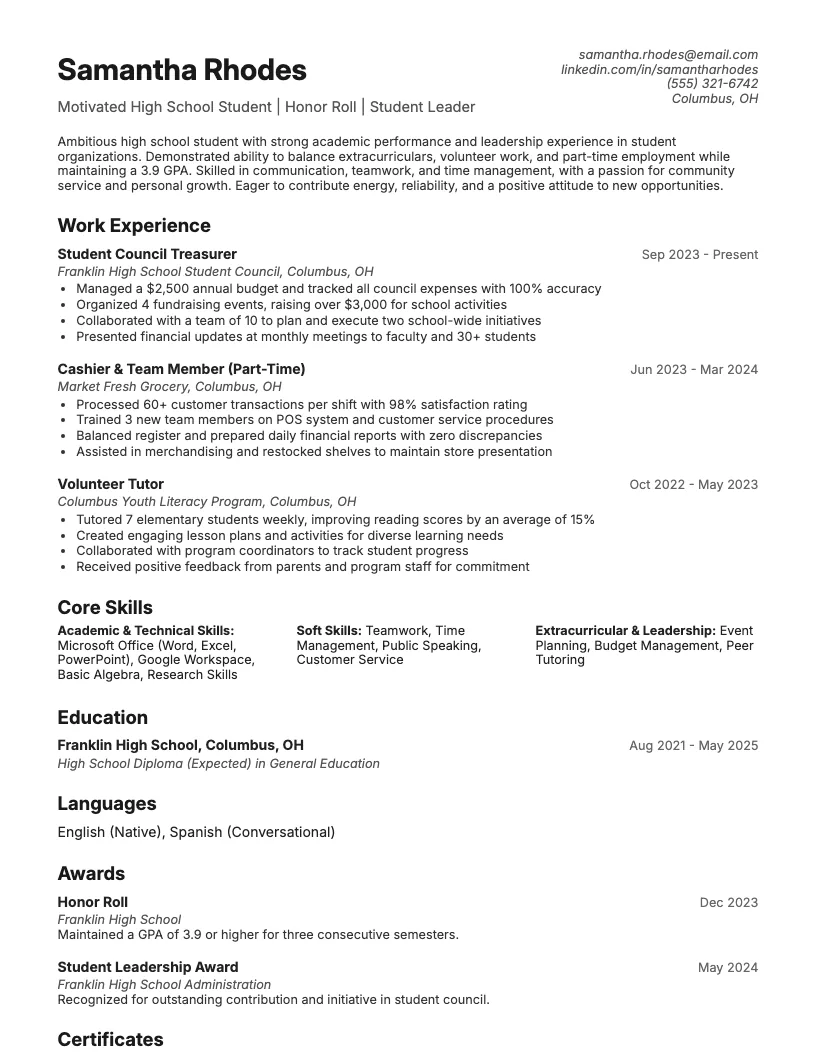
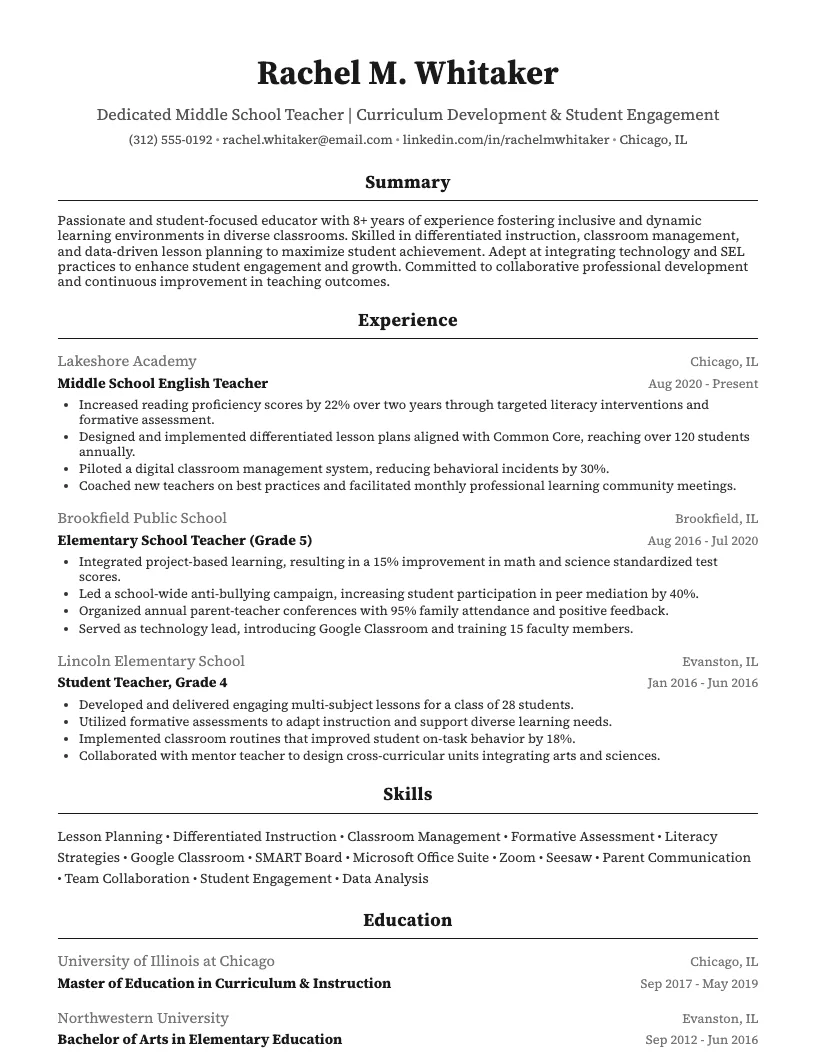
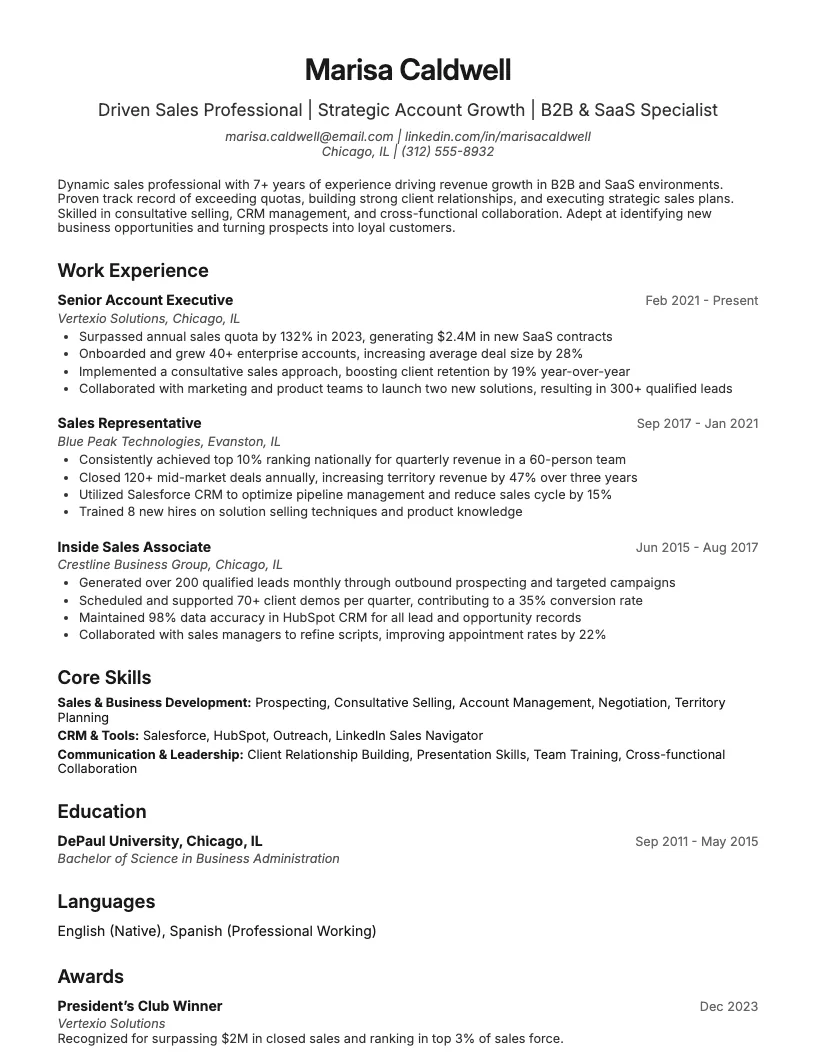
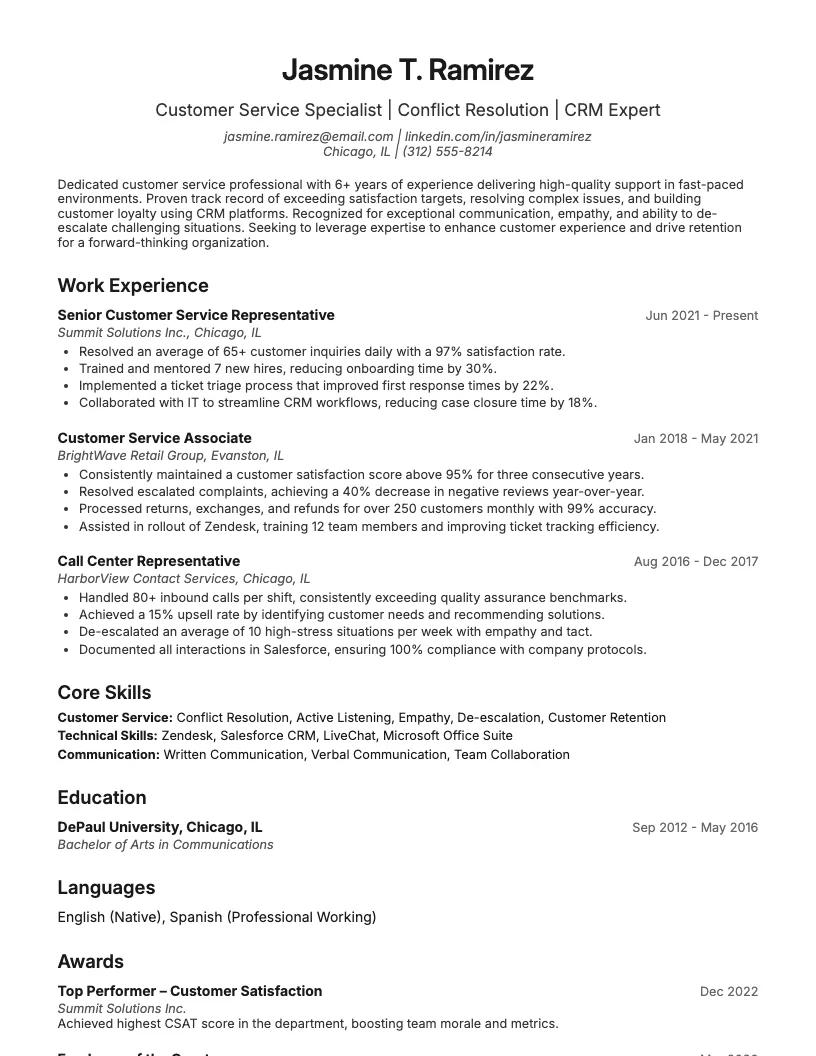
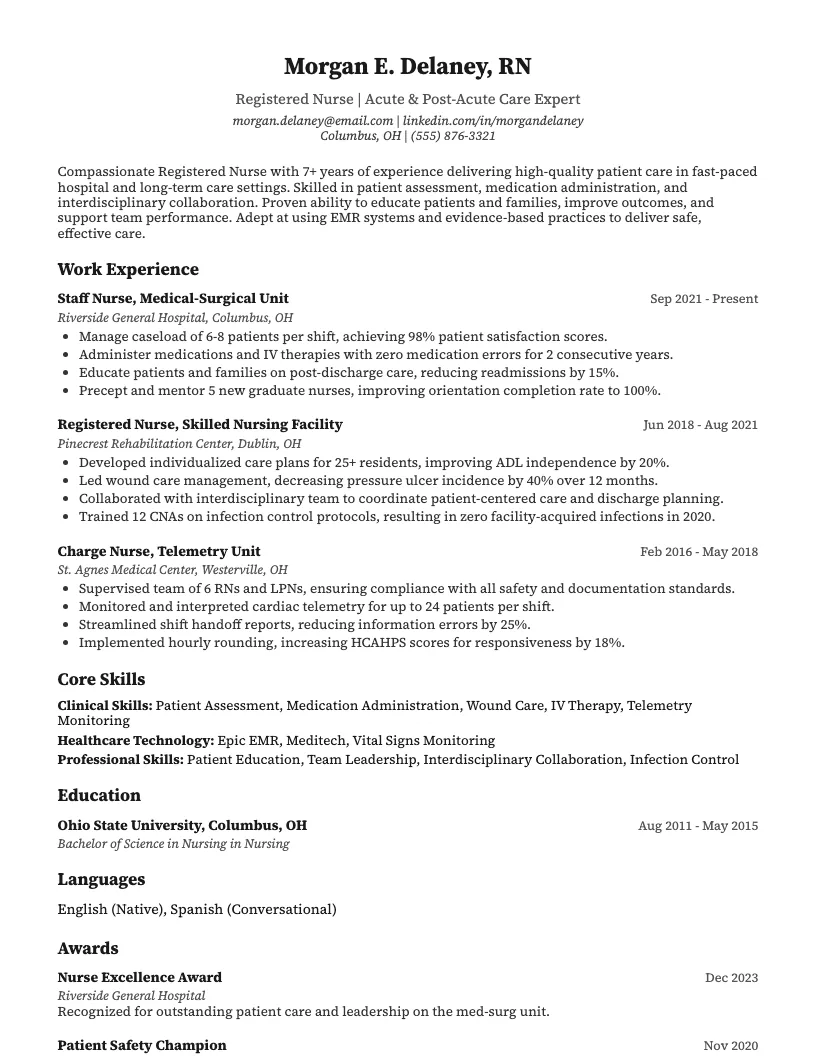
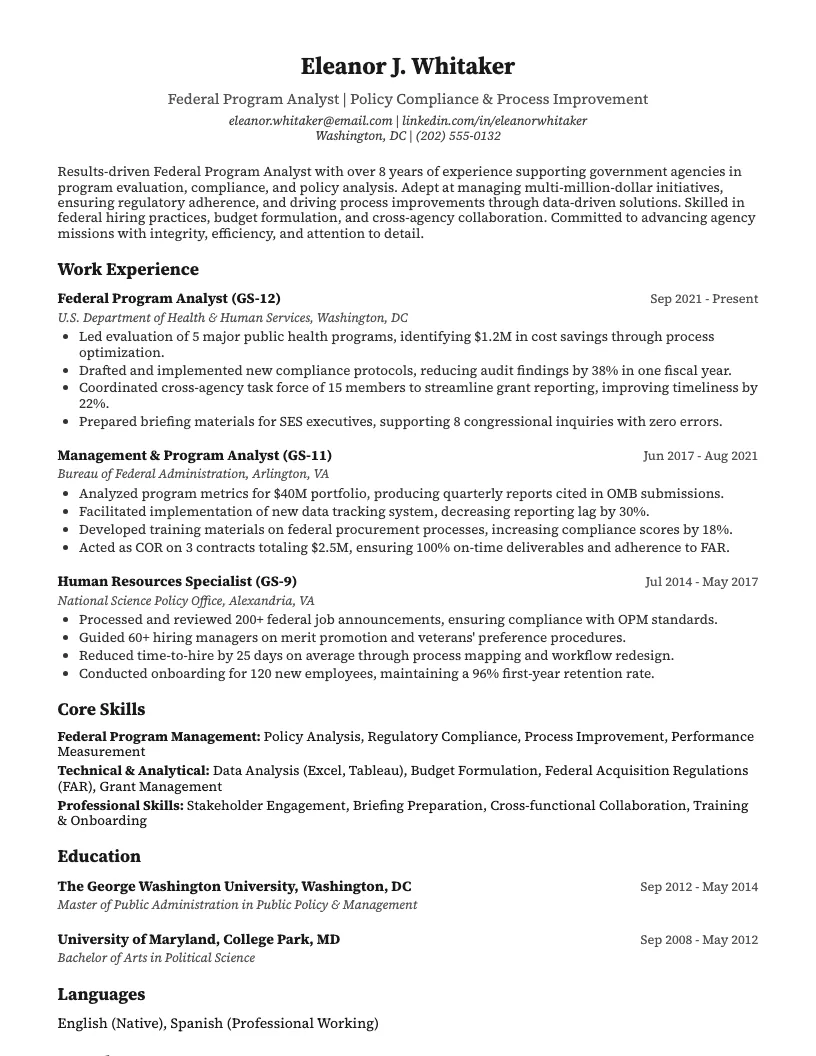
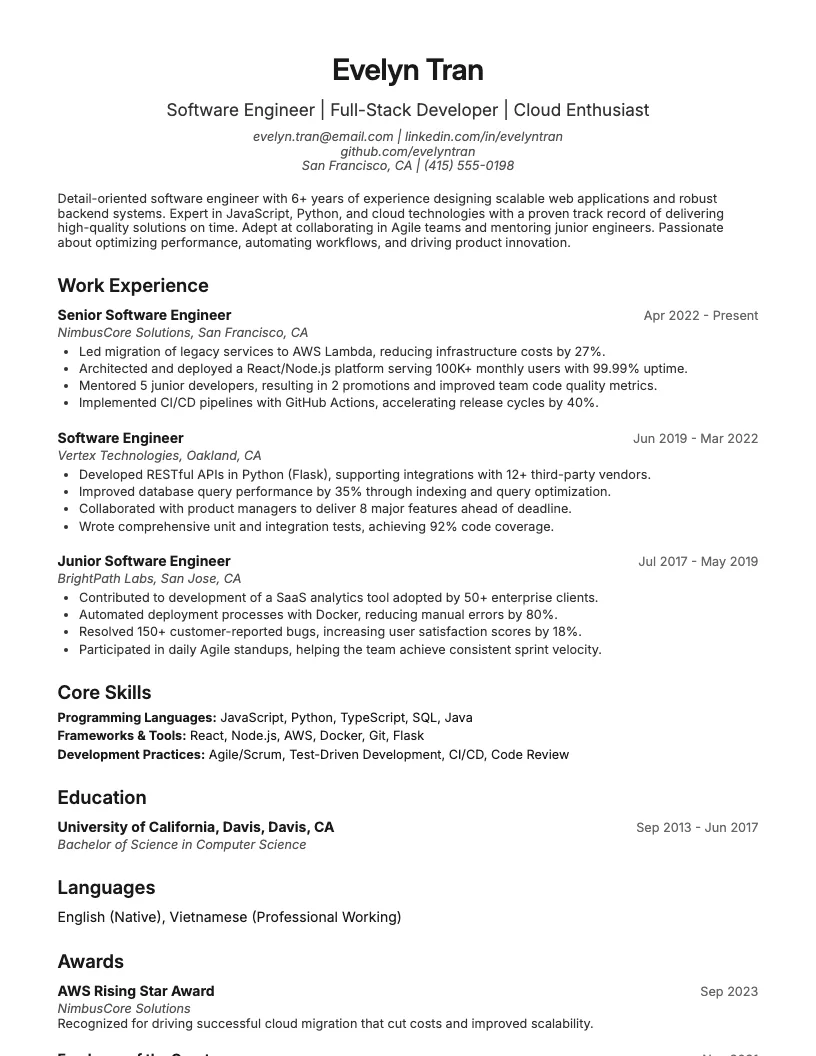
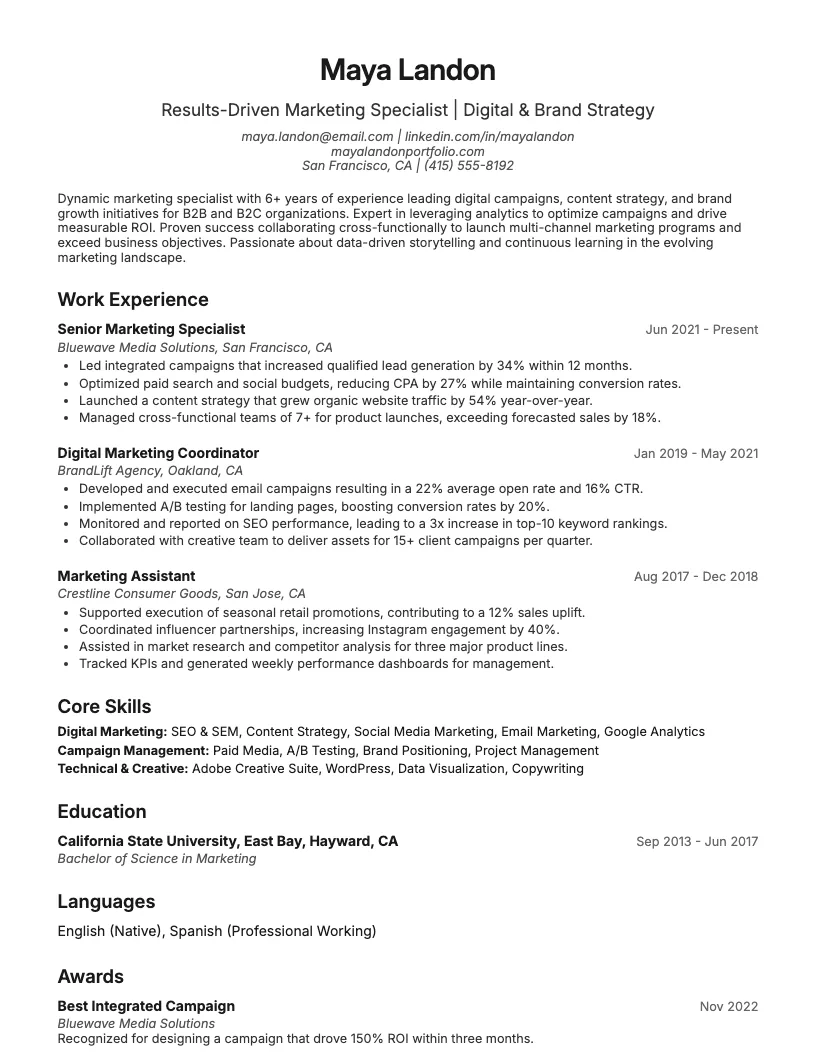
See these skills on a real resume
8 examplesStart from an example that already has them, and swap in your own.
Check your resume against the job you want
Scan your resume, see which skills and keywords the posting asks for that you are missing, and fix them before you apply.
Free to use • No credit card required