Executive Resume Keywords: 10 Terms, 8 C-Suite Roles I Use
I list the 10 keywords every executive resume needs, plus terms for 8 C-suite roles, a 5-step way to find your own, where to place them, and which ones to avoid.


Written by Sarah Chen
Senior Career Strategist & Resume Expert
Updated August 2026
Reviewed by Marcus Rodriguez
Is your resume ATS-friendly?
Drop your resume in and see which of these skills a scanner can actually read, and which ones the job you want is asking for that you have not listed.
PDF or DOCX. Max 2MB.
We never share your resume or use it to train a model.
In This Guide:
What are executive resume keywords?
I've read enough executive resumes to know the ones that get calls aren't the ones with the most keywords. They're the ones with the right kind.
Keywords that name a business outcome
Revenue growth, margin improvement, cost reduction. Terms that say what changed because you were there.
Keywords that name a scope of responsibility
P&L ownership, board reporting, team size. These tell a screener how big your seat actually was.
Why a job title on its own is not a keyword
"Vice President" alone tells software nothing. Pair it with what you ran: "VP, Global Operations."
Where the applicant tracking system reads them
Where you put a term decides whether it gets picked up - see where to put them. ResumeJudge scans a resume against a posting and shows you exactly which of these it's missing before you hit submit.
Which keywords belong on an executive resume?
Which keywords belong on an executive resume?

I've reviewed hundreds of executive resumes, and the ones that get interviews all lean on the same handful of terms - they just attach them to a number.
Executive leadership
Don't just write "leadership." Say what you led - a division, a team of 40, a $200M budget.
Corporate strategy
This is the word for planning that changed the direction of a business, not just running one.
P&L management
If you owned a budget, this term belongs on your resume. It tells a reader you carried financial accountability, not just headcount.
Business transformation
Use this when you changed how the company operates - a restructure, a new system, a turnaround. It's a stronger claim than "improved processes," so use it when you've earned it.
Stakeholder engagement
I see executives skip this one constantly, and it's a mistake - boards and hiring committees look for it specifically when they're deciding if you can manage up and across.
Mergers and acquisitions
If you touched a deal - due diligence, integration, negotiation - name it. It's one of the most searched terms at this level.
Revenue growth
Attach the percentage. "Grew revenue" is forgettable; "grew revenue 22% in two years" is not.
Succession planning
This signals you build organizations that outlast you, which is exactly what boards want to see.
Operational excellence
Use it when you improved efficiency, quality, or cost - and back it with a metric.
Board reporting
If you've presented to a board, say so. It's a distinct skill from managing a team, and recruiters read it that way.
Once you've got your list down, ResumeJudge checks it against the actual posting and rewrites your bullets to use the exact terms that job is asking for.
Which keywords does each C-suite role need?
Core keywords by C-suite role
| Role | Core keywords | Watch for |
|---|---|---|
| CEO | Corporate strategy, M&A, transformation | Pair with a scope word |
| CFO | Financial reporting, capital allocation | Attach a number to half |
| CIO | Digital transformation, IT governance | Back it with an initiative |
| CMO | Brand development, ROI analysis | Avoid vague 'brand leadership' |
| CHRO | Succession planning, HR analytics | Show data, not just programs |
| COO | Operational excellence, P&L | Tie to execution, not vision |
Every C-suite title has its own short list of terms, and using the wrong role's language is one of the fastest ways to look like you don't belong in that seat.
CEO
Organizational growth, on top of the terms in the list above. Pair each with a scope word - revenue size, headcount, markets - or it reads like a title, not a keyword.
CFO
Financial reporting, capital allocation, risk management, investment strategy, auditing. I look for a number attached to at least half of these - capital raised, cost cut, audit findings resolved.
CIO
Digital transformation, systems architecture, IT governance, technology integration. Innovation management belongs here too, but only if a specific initiative backs it up.
CMO
Brand development, market segmentation, customer acquisition, ROI analysis, content strategy. I've seen more CMO resumes get flagged for vague "brand leadership" than for any other single phrase.
CHRO
Talent acquisition, employee engagement, HR analytics, compensation strategy, plus succession planning.
COO
The same operating terms as the CEO, but tied to execution rather than vision.
CISO
Vulnerability assessment, incident response, data privacy, compliance audits, threat mitigation.
VP and director-level roles
Use the same list one level down, plus the function name - "Vice President, Internet Marketing," not just "Vice President." Run any posting through ResumeJudge and it'll tell you which of these terms that specific job is actually asking for, instead of you guessing from a generic list.
How do you find the keywords for a specific executive job?
Step 1: Pull the repeated words out of the job posting
Paste the posting into a document and mark every term that shows up more than once. That's your list, before you add anything else.
Step 2: Check O*NET and the Occupational Outlook Handbook for the role
Both are free government sources, and O*NET in particular will hand you the standard terminology for a title, including ones the posting itself never used.
Step 3: Compare three postings for the same title
One posting shows you a company's preferences. Three show you the pattern. Whatever repeats across all three is close to non-negotiable.
Step 4: Read the company's own language for its values
Their about page and mission statement carry culture words a job description won't. I've seen "operational discipline" or "founder-led" work a resume through screening as much as any skill term.
Step 5: Write down both the spelled-out term and the acronym
"Profit and loss" and "P&L" get searched separately - list both, everywhere it fits. Once your list is set, ResumeJudge will check it straight against the posting and tell you exactly what's still missing.
Where do you put executive keywords on the resume?
Same keyword, five different spots, five different jobs to do.
The headline under your name
This is the first line a recruiter reads, and often the one that decides whether they keep going. Put your target title and your sharpest keyword here - "CFO | P&L Management | M&A" - not a job description restated.
The executive summary
Three or four lines, and this is where scope and outcome keywords belong together: the business you ran, the size of it, what you changed. Skip the ATS check yourself - run the resume and the posting through ResumeJudge and it tells you which of these terms are still missing.
A core competencies block
A short list under the summary, the one place a keyword can sit on its own without a sentence around it.
Achievement bullets, attached to a number
An achievement bullet with a keyword
Led business transformation initiatives
Led business transformation, cutting operating costs 18%
Never a bare term - attach it to what happened.
The board and advisory section
Governance terms like board reporting and succession planning live here, not buried in your last job title.
Which executive keywords should you avoid?
"Leadership" on its own tells me nothing. So does "results-driven" - it's a description, not a fact, and nine times out of ten it's sitting where a number should be.
"Leadership" with nothing attached to it
Turning a bare claim into a real one
Strong leadership and team management skills
Led a 40-person division through a restructure that cut costs 15%
Attach it to something: a scope you led, an outcome you drove. "Leadership" alone is a label the reader has to take on faith.
"Results-driven" and other self-descriptions
Same problem. Show the result - revenue, headcount, margin - and drop the adjective.
ResumeJudge will flag these lines and rewrite them against the actual posting, with the number in place of the label.
"Visionary" without the vision
If you can't name the vision in the next clause, cut the word.
Stuffing the same term into every bullet
Repeating one keyword across a page reads as padding to a recruiter, even if it satisfies a scanner.
Terms from a job you held ten years ago
Old tools and old titles just tell them you haven't kept up.
Frequently Asked Questions
How many keywords should an executive resume have?
There's no fixed count, but most executive resumes work in 15 to 25 role-specific terms across the whole document, not packed into one list. Pull them from the specific posting rather than a generic C-suite list, since a CFO opening and a COO opening call for different terms even at the same company. ResumeJudge will scan your resume against a posting and show you exactly which of its terms are missing, so you're not guessing at a number.
Do keywords still matter if a recruiter approaches me directly?
Yes, because most companies still run every candidate through an applicant tracking system before an offer goes out, even one a recruiter brought in directly. A recruiter's introduction can get you a first conversation, but the resume you eventually submit usually still gets scanned and stored alongside every other applicant's. Keep the same role-specific terms in place regardless of how you found the opening.
Should I keep a skills section on a two-page executive resume?
Yes, and the spot for it is the core competencies block described in [where to put executive keywords](#a-core-competencies-block). The only thing two pages changes is length: don't let it grow into a long column that eats space your achievements need. ResumeJudge can take a job description and tell you which terms belong in that section for this specific posting.
Will an applicant tracking system read keywords inside a table or a graphic?
Often not reliably, so keywords sitting only in a table, text box, header, or graphic can get missed even when a human would see them fine. Put your core terms in the regular flowing text of your experience and skills sections as well, in plain paragraph or bullet form. If you want to check this against your own resume, ResumeJudge will show you which terms it can actually pick up before you submit.
Do the same keywords work for a board seat application?
No, a board application calls for a different set of terms than an operating role, since boards screen for governance, risk oversight, audit committee experience, and fiduciary duty rather than day-to-day execution language. Keep operating achievements in the resume, but shift the terms toward oversight and strategic guidance to match what a nominating committee is scanning for. ResumeJudge can take the board posting itself and tell you which of these governance terms your current resume is missing.
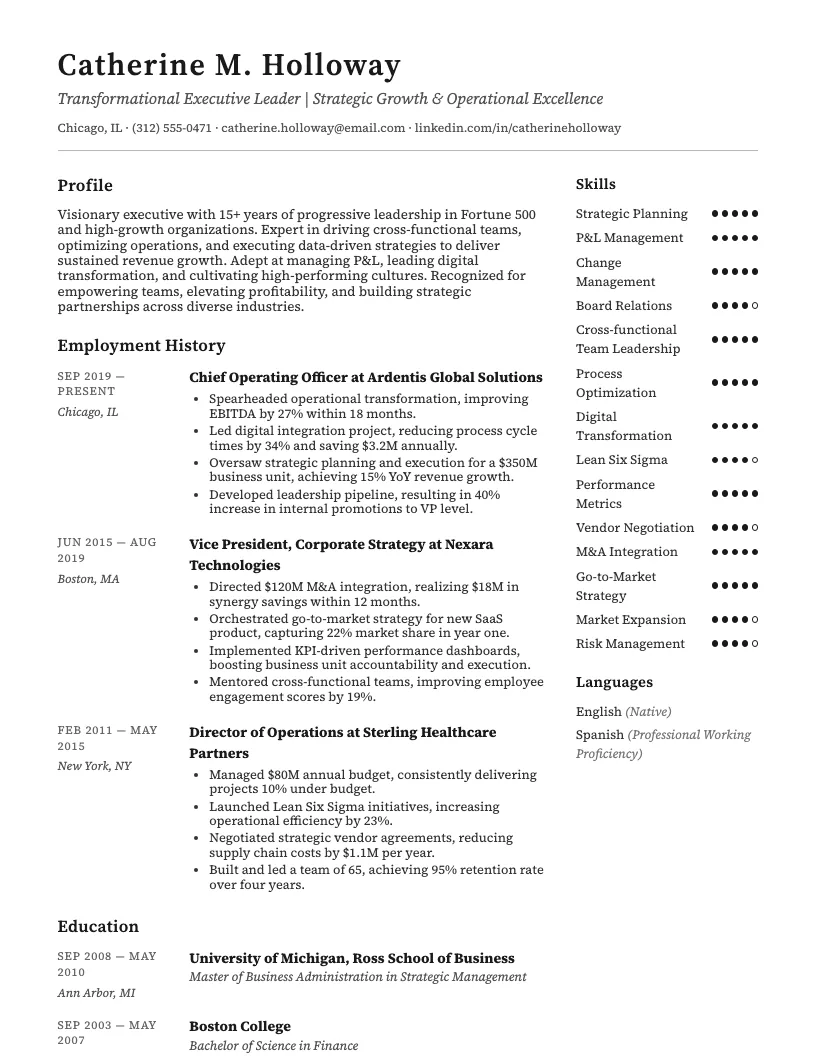
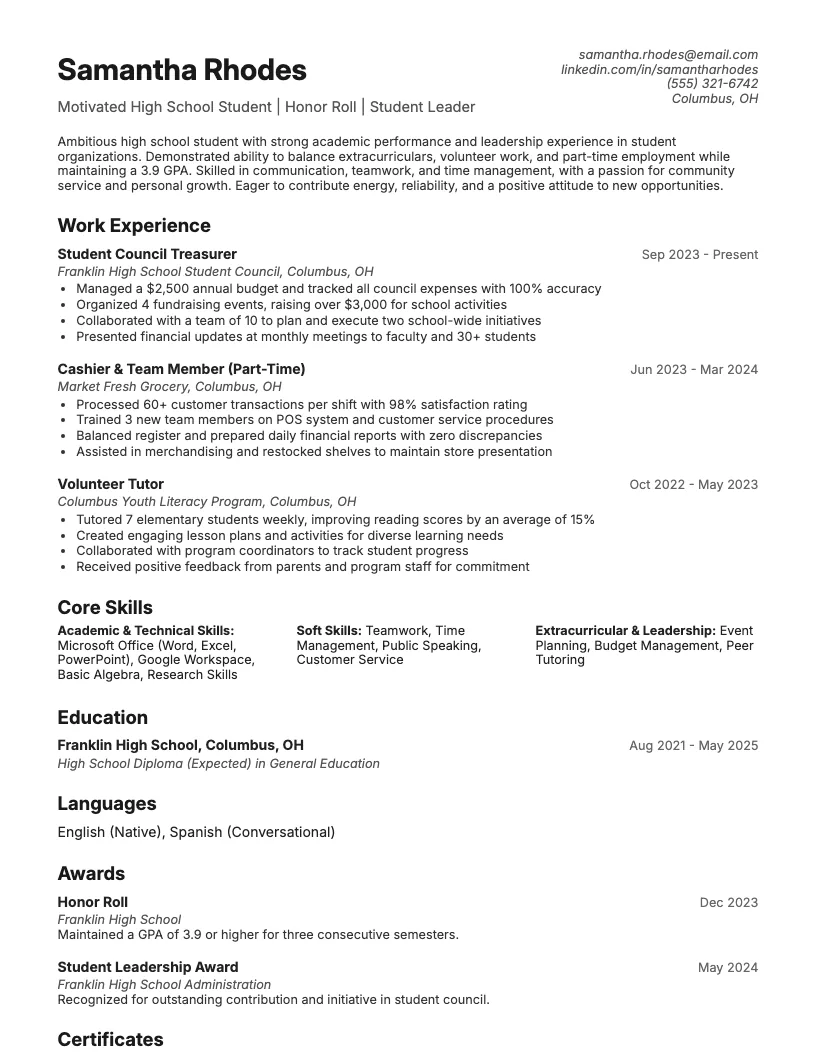
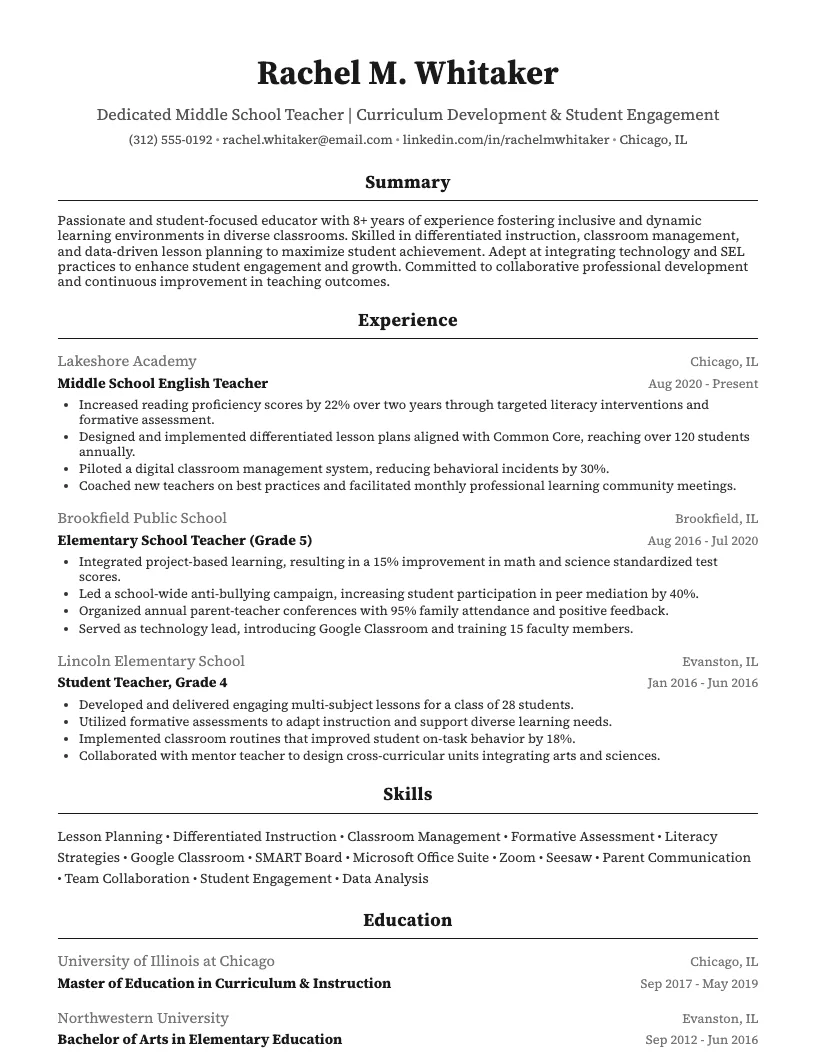
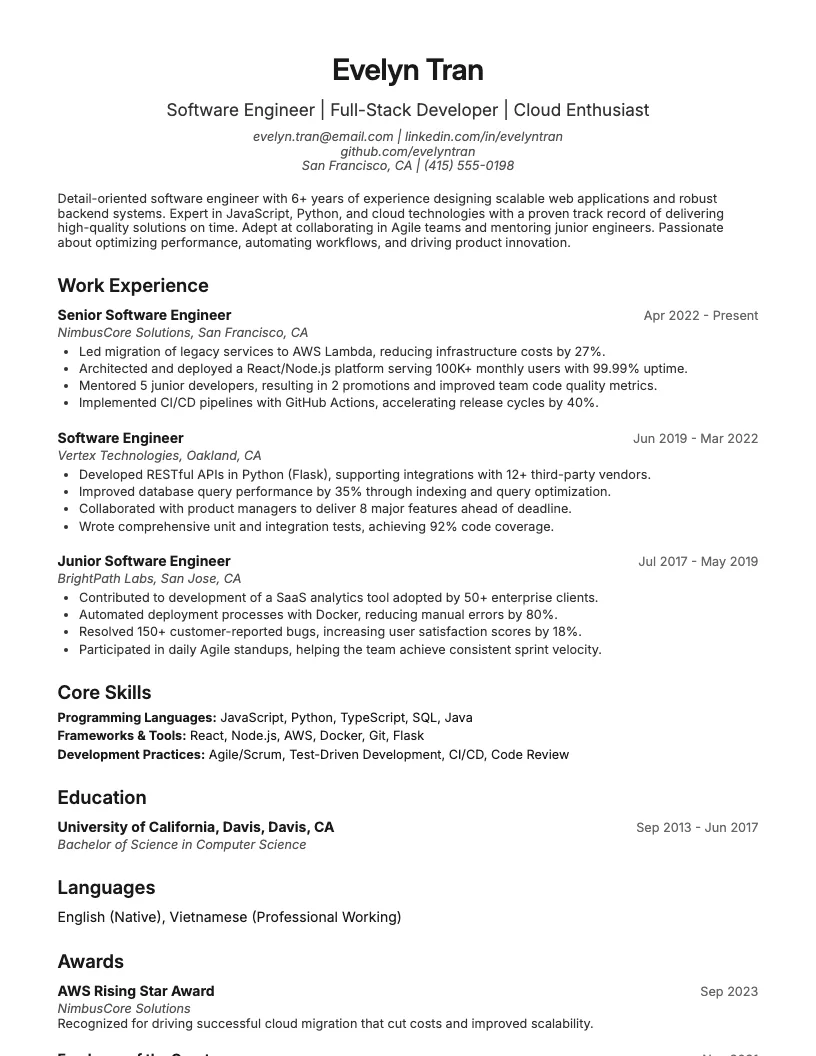
See these skills on a real resume
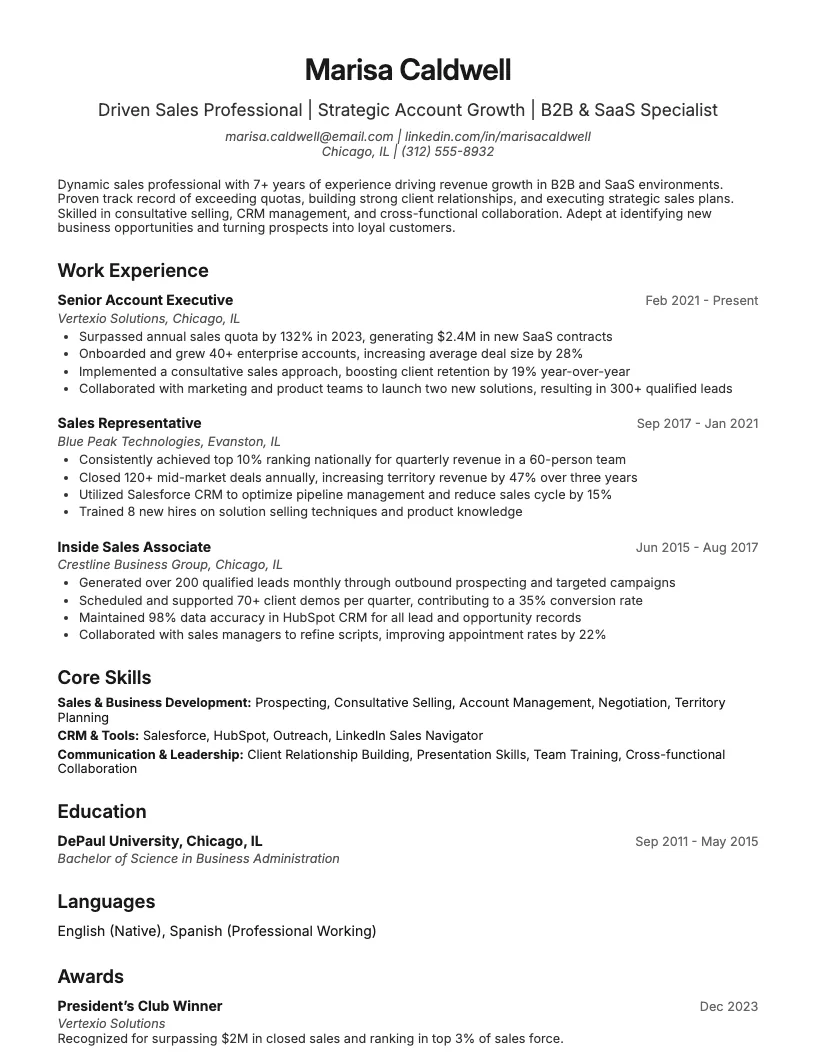
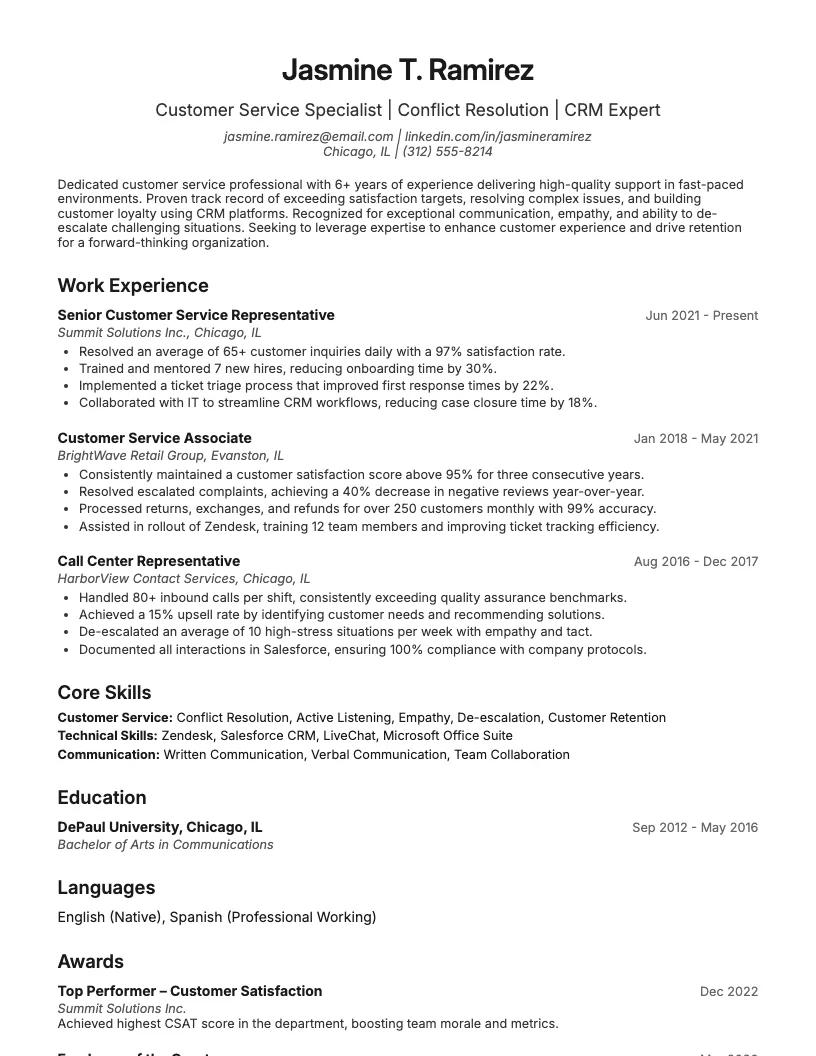
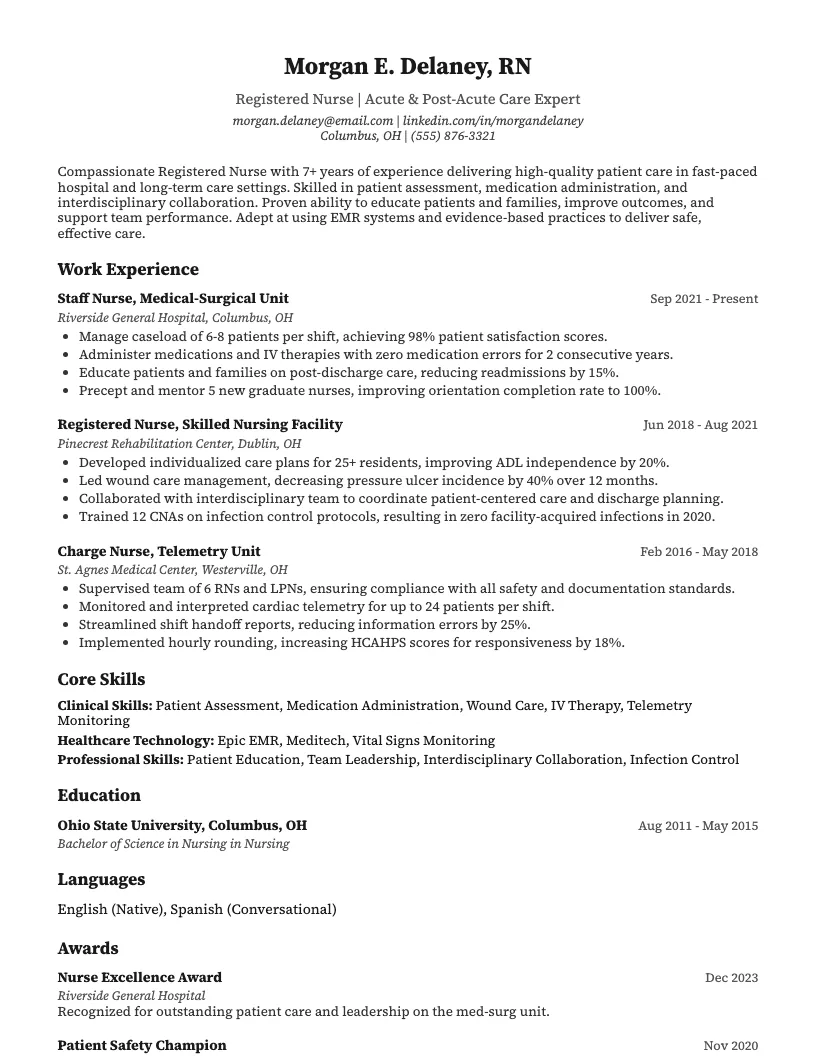
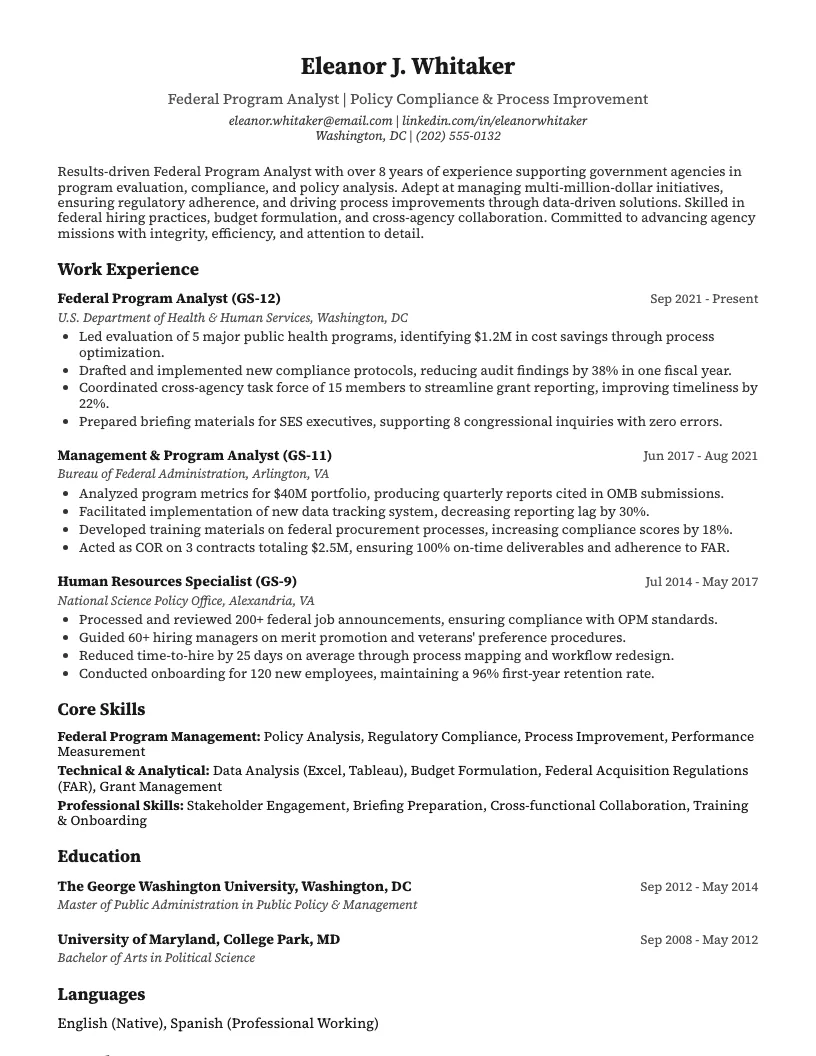
8 examplesStart from an example that already has them, and swap in your own.
Check your resume against the job you want
Scan your resume, see which skills and keywords the posting asks for that you are missing, and fix them before you apply.
Free to use • No credit card required