Data Entry Skills Resume: 12 Skills I'd Actually List (Ranked)
The 12 skills recruiters actually screen for on a data entry resume, the exact WPM number to list, and how to prove each one with a real, numbered bullet point.


Written by Marcus Rodriguez
ATS Optimization Specialist & Career Coach
Updated August 2026
Reviewed by Dr. Priya Sharma
Is your resume ATS-friendly?
Drop your resume in and see which of these skills a scanner can actually read, and which ones the job you want is asking for that you have not listed.
PDF or DOCX. Max 2MB.
We never share your resume or use it to train a model.
In This Guide:
What skills should you put on a data entry resume?
What skills should you put on a data entry resume?

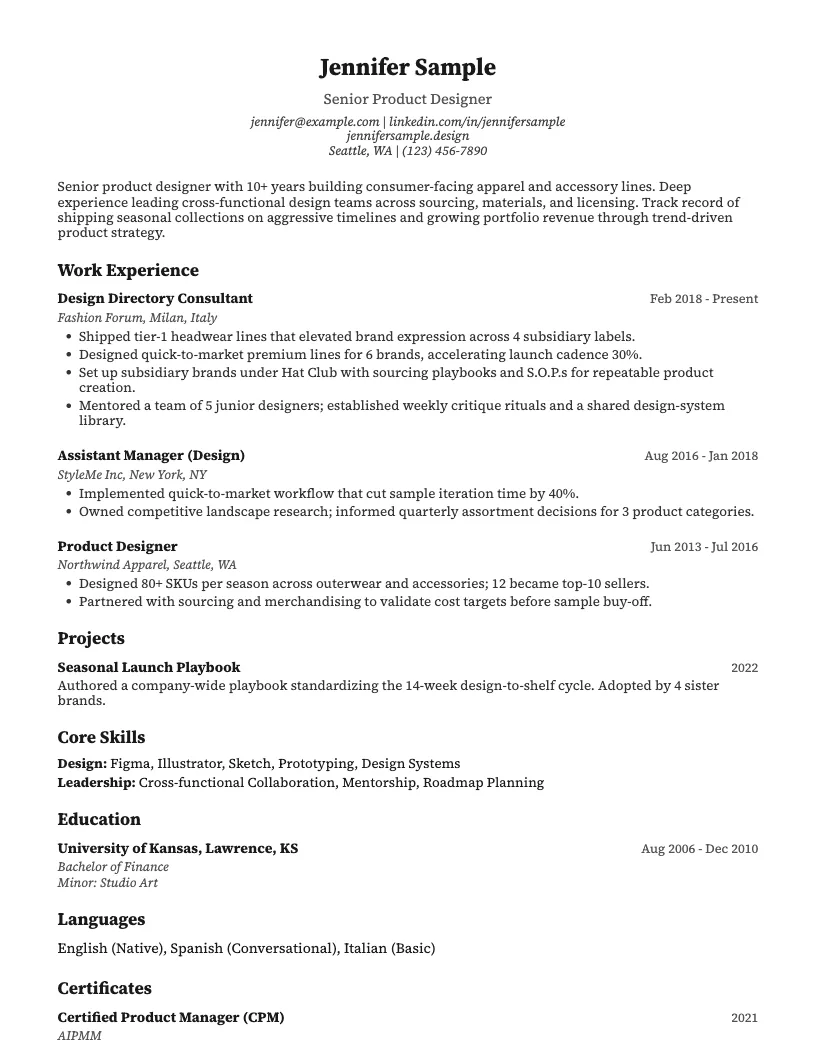
I've read enough data entry resumes to know the ones that get an interview all do the same thing: they mix hard numbers with the software the posting actually names, and they don't waste space on skills nobody's checking for anymore. Here's the list I'd put on mine, in the order I'd put it on yours.
Typing speed and accuracy
The section on typing speed covers which number to use, where it goes on the page, and how to back it up.
Excel and Google Sheets
Nine times out of ten, the job actually runs on a spreadsheet, whatever the fancier system on top of it is called. Say you know formulas, pivot tables, and data validation, not just "Excel" - that one word tells a hiring manager nothing about what you can actually do in it.
Named data entry systems: Salesforce, SAP, Oracle
The keyword section covers how to pull the exact system names out of the posting and onto your resume.
10-key and numeric entry
For anything invoice- or finance-heavy, 10-key skill is its own line item, separate from general typing speed. It's a specific, testable thing, and leaving it off a numeric-heavy role makes you look like you haven't done the job before.
Attention to detail
Everyone lists this one, which is exactly why it needs a number attached or it means nothing. A duplicate record or a transposed digit doesn't stay contained - it rides along into every report and every decision made from that data, so don't just claim the skill, prove it with an error rate or a catch you made.
I'll show you how to turn that into an actual bullet point in the section on proving a skill.
Organization
Data entry rarely comes from one clean source. It shows up from three departments in two formats with one deadline, and staying organized under that is what keeps your error rate down and your queue moving.
If you've built a naming system or a folder structure that kept a messy intake sane, that's worth a line.
Time management
Most data entry jobs come with a quota - so many records, so many invoices, per shift. Say you hit or beat one.
"Processed 200+ records daily" tells a hiring manager you already know the rhythm of the job before you start it.
Research and data collection
Some data entry roles aren't just typing what's handed to you - you're the one tracking down the missing phone number or confirming a figure before it goes in. If that's part of what you did, say so; it separates you from someone who's only ever worked off a clean, ready-made list.
Database structure
A lot of resumes list 'Excel' and 'Access' as if they're interchangeable, but they're not the same skill. If you claim database work, be ready to explain how tables relate to each other in an interview - that's the part someone who's only used spreadsheets can't fake.
You don't need to be an administrator, but knowing how the tables and fields actually relate to each other means you work faster and break less. If you've used Access, or worked inside any system with linked tables, that's worth naming specifically rather than just saying "databases."
Confidentiality and handling sensitive records
If you've touched medical records, financial data, or anything else covered by rules like HIPAA, say so directly. Employers hiring for those roles are screening for exactly this, and a resume that doesn't mention it makes them wonder if you've never handled anything sensitive.
Communication
The data you enter gets used by someone else - a manager pulling a report, a team reconciling a number. That means flagging something that looks wrong, in writing, clearly enough for the next person to act on it, is part of the job.
A posting worded exactly this way is one you should match closely; that's what the keyword section walks through.
Focus over long shifts
Staying accurate on entry two hundred of the day, not just entry one, is the actual test. If you've kept a low error rate across a long shift or a high-volume stretch, that's the proof - and it's exactly the kind of number a resume checker like ResumeJudge will flag as missing if a posting asks for "sustained accuracy" and your bullets only ever talk about speed.
What typing speed should you put on your resume?
What typing speed should you put on your resume?
The words per minute number employers expect
Most data entry postings expect 40-50 WPM as the floor. Get to 60-80 WPM and you're no longer competing for entry-level roles - you're a candidate for the jobs that pay better.
Why you write the accuracy percentage next to it
Speed on its own doesn't mean much. I'd rather hire someone at 45 WPM and 99% accuracy than someone at 70 WPM who has to redo half their work.
Write both numbers together: "62 WPM, 98% accuracy." One without the other reads as half a claim.
Keystrokes per hour for numeric and alphanumeric work
If the job leans on 10-key entry - invoices, inventory counts, numeric records - a keystrokes-per-hour figure fits better than WPM. It's what those employers actually test on, and it's the number they'll compare you against.
Where the number goes on the page
Put it in your skills section, and repeat it in a bullet under the relevant job if you have one - "processed 200+ records daily at 65 WPM with 99% accuracy" does double duty. Don't bury it in a paragraph of your summary where a scanner has to work to find it.
How to get a number you can back up
Take a free typing test online before you write anything down. It takes two minutes, and it means the number on your resume is one you actually have proof of, not one you're guessing at.
If you're not there yet, that's fine to say plainly rather than round up.
Don't claim a speed you can't repeat on a test
A typing speed claim on your skills line
Typing Speed: 70 WPM
Typing Speed: 58 WPM, 96% accuracy (verified)
I've seen this backfire more than almost any other resume exaggeration: someone lists 70 WPM, gets to a timed assessment or the first week on the job, and can't get near it. It's one of the fastest ways to lose trust with a hiring manager, because it's also one of the easiest claims to check.
If a posting lists a WPM requirement you can't hit yet, that's worth knowing before you apply - ResumeJudge will flag it when it scores your resume against the posting, so you're not finding out in a timed test.
Which data entry keywords do you copy from the job posting?
Is your resume good enough?
Drop your resume in and see which of these skills a scanner can read, and which ones the job you want is asking for that you have not listed.
Upload your resumeFree. PDF or DOCX. We never share your resume or use it to train a model.
Don't guess at your skills section. Open the posting, and copy what's actually on the page.
Keywords that show up in almost every data entry posting
Most postings repeat a small set of terms: data entry, 10-key, data analysis, administrative support, research, filing, typing.
I've read enough of these to know the pattern - the words that repeat across dozens of postings are the ones the employer actually cares about, so those go on your resume first.
Pulling the exact software names out of the posting
If the posting names Salesforce, SAP, or Oracle, put that exact name in your skills section - not "CRM software" or "database platforms."
Generic labels don't match what a recruiter is scanning for. The named tool does.
Matching the posting's own wording, not a synonym
A skill matched to the posting's own wording
Proficient in database platforms
Proficient in Salesforce
Here's the mistake I see most often: someone writes "data input" because it sounds more natural, when the posting says "data entry." Match the posting's exact phrase.
Same goes for "Microsoft Excel" versus "spreadsheets," or "typing speed" versus "keyboarding." Nine times out of ten, the posting's own word is the one worth using - checking your resume against the actual job description, line by line, is exactly what ResumeJudge does for you, flagging every term you're missing before you hit submit.
Skills to cut: MS-DOS, Lotus 1-2-3, and other dead software
If you've still got MS-DOS or Lotus 1-2-3 on your resume, take it off. Naming software nobody's touched in twenty years doesn't read as experience - it reads as out of date, and it makes a hiring manager wonder what else on the page is stale.
Swap it for the tools you actually use now.
How the applicant tracking system reads your skills section
The tracking system that screens your resume before a person sees it is matching text, not intent - it doesn't know "data input" means "data entry." It just checks whether the words on the page match the words in the posting.
That's the whole reason to copy the posting's language instead of paraphrasing it.
Where do these skills go on the resume?
Where each type of skill goes on the resume
| Section | What goes there | Example |
|---|---|---|
| Professional summary | Speed, accuracy, and systems in one line | 5+ years inputting and verifying high-volume records |
| Skills section | Technical and soft skills, split into two groups | Data Entry (75+ WPM, 98% accuracy), Excel, Attention to Detail |
| Work experience bullets | Skills proven with a number | Entered 500+ records per day into Salesforce with 99.5% accuracy |
| Education | Coursework or certifications tied to the job | Database Management coursework |
Same skill, five different spots. Where you put it changes what it proves.
Your professional summary
Three or four sentences, right at the top. This is where you name your speed, your accuracy rate, and the systems you know, all at once.
Something like: "Detail-oriented data entry specialist with 5+ years inputting and verifying high-volume records across CRM and spreadsheet systems." Skip the generic "hardworking team player" opener - nine times out of ten it tells the hiring manager nothing they can screen for.
The skills section, grouped into technical and soft
I always split this into two groups, because a wall of skills with no order is hard to scan in the quick first pass a recruiter gives it.
Technical: your typing speed (see what typing speed to put on your resume), the named software, database work. Soft: attention to detail, organization, time management - the traits from what skills should you put on a data entry resume.
Pull the exact words from the posting for both groups - that's covered in which keywords to copy. If you're not sure your version is actually matching the posting's language, running it through ResumeJudge's scan against the job description will show you exactly which of these it's still missing.
Your work experience bullets
This is the section that actually does the convincing - I've seen plenty of resumes with a strong skills list and flat, skill-free bullets underneath it, and that mismatch is what gets a resume set aside.
Every bullet should show a skill in action with a number attached. More on how in how do you prove a data entry skill.
Education, coursework, and certifications
If you're newer to the field, list coursework that ties to the job - database management, business analytics, Excel - and drop anything generic.
Once you've got a few years in, shrink this down to degree, school, done. A certification you're still working toward is worth a line too; write "in progress" and the expected date.
A sample skills line you can copy
Technical Skills: Data Entry (75+ WPM, 98% accuracy), Microsoft Excel (Advanced), Database Management, CRM Software Core Strengths: Attention to Detail, Time Management, Organization
Swap in whatever software the posting names - once your wording matches, ResumeJudge can take that same resume and job description and rewrite the surrounding sections to match too, not just flag what's missing.
How do you prove a data entry skill instead of just listing it?
How do you prove a data entry skill instead of just listing it?
Anyone can write "data entry" on a resume. What convinces a hiring manager is a bullet that shows what you did with it.
Action verbs: entered, processed, verified, updated, maintained, audited
Start every bullet with a verb that names the actual task: entered, processed, verified, updated, maintained, audited.
Don't use the same one twice in a row - if every line starts with "entered," it reads like you only did one thing all day.
Records per day, invoices per day, database size
The mistake I see most often is a bullet with no volume in it at all.
"Processed invoices" tells me nothing. "Processed 200+ invoices per day" tells me you can handle a real workload.
Same goes for records entered, calls logged, or the size of the database you kept up to date. Pick whatever number you tracked and put it in.
Accuracy rate and error reduction
Put an accuracy rate next to the volume number - the typing speed section covers why the two belong together. "Maintained 99.9% accuracy while entering 12,000 records per day" does more work than either number alone.
If you improved a process, say by how much - "reduced entry errors by 25%" is the kind of line that gets read twice.
Weak bullet vs strong bullet
A work experience bullet about data entry
Entered customer data into CRM system.
Entered 500+ customer records per day into Salesforce CRM with 99.5% accuracy.
Weak: "Entered customer data into CRM system."
Strong: "Entered 500+ customer records per day into Salesforce CRM with 99.5% accuracy."
Same task, but the second one proves you can do it at volume without sacrificing quality - that's the whole difference. If you're not sure your own bullets clear that bar, running your resume against a specific posting will show you exactly which lines are still sitting in the weak column.
Showing you moved up: specialist to team lead
If you were promoted, don't bury it in a job title. Show what changed: "Oversaw a team of 5 specialists and improved team efficiency by 15%" says a lot more than "Team Lead."
Growth in responsibility is one of the strongest signals on a data entry resume, so give it its own line.
What skills do you list with no data entry experience?
What skills do you list with no data entry experience?
You don't need a data entry job title to write a data entry resume. I've reviewed plenty of these, and the ones that work just borrow evidence from wherever it actually lives.
Transferable skills from retail, admin, or hospitality
Any job where you handled records, inventory, or a till counts.
Ringing up sales, updating a schedule, filing paperwork - that's organization, time management, and attention to detail in disguise. Say it in those words, then check it against what a full skills list looks like.
Coursework and school projects that involved data
A business administration or IT class where you touched a database counts as experience.
List the class name and, if you can, the software: "Database Management - built and queried a customer records table in Access." That's more specific than "took some computer classes," and specific is what gets read.
Volunteer and internship tasks that count
Unpaid work is still work. If you organized files for a nonprofit or helped an office with records, write it up as a real bullet: what you entered, what tool you used, what stayed accurate because of you.
"Assisted with administrative tasks including data entry and record keeping" is a fine start - but push for a number if you have one, the way I'd want you to for any bullet on this page.
Databases or spreadsheets you built for yourself
A budget tracker, a spreadsheet you built for a club, a personal project database - these are real proof of Excel or Sheets skill.
I'd rather see "built a 200-row expense tracker with formulas for monthly totals" than a bare "familiar with Excel." Employers can picture the first one.
A certification you are still studying for
In progress still counts. List it as "Data Entry Specialist Certification (in progress, expected [month/year])" under education.
It shows you're moving toward the role, not just hoping to land in it.
A sample summary for a first data entry job
Try: "Detail-oriented and organized professional with strong Excel skills and a typing speed of 55 WPM, seeking to bring proven accuracy and time management to a data entry role."
Before you send that version out, it's worth running it against the actual posting - ResumeJudge will tell you which of its required skills are still missing from your resume so you're not guessing.
Frequently Asked Questions
How many skills should I list on a data entry resume?
Six to ten is the range that works best - enough to cover typing speed, software, and accuracy without padding the resume with filler. Mix a few hard skills, like Excel or a specific data entry system, with two or three soft skills like attention to detail. Any more than ten and hiring managers start skimming past them instead of reading them.
Is a data entry job hard to get?
No - it's one of the easier office jobs to break into, since most employers ask for basic computer skills, accurate typing, and attention to detail rather than a degree or years of experience. The catch is volume: a single posting can pull 150 to 400 applicants, so the job itself is easy but standing out in the pile isn't. A tight, error-free resume is what gets you past that first cut.
What do employers require for a data entry job?
Most postings ask for typing speed and accuracy - often 40 to 50 words per minute as the floor - plus comfort in spreadsheet software like Excel or Google Sheets, and the attention to detail needed to catch your own errors. Some also want experience organizing or verifying data across systems. ResumeJudge can check your resume against the actual posting and flag which of these it's missing before you apply.
How do I describe my data entry experience?
Name the specific tasks you did, the tools you used, and a number that shows the result - records entered per day, an accuracy rate, or time saved by a process you improved. "Entered data" tells an employer nothing; "processed 200+ records daily at 99% accuracy in Excel" does. If you're rewriting your bullets for a specific job, ResumeJudge will rewrite them against that posting for you, working in the exact wording it's looking for.
Do I need a data entry certification?
No - a certification isn't required for most data entry roles. What actually gets you hired is proof of speed and accuracy, so a typing test score or a software skill listed on your resume usually carries more weight than a certificate. If you're new to the field, a short certification can still help fill out a thin resume.
Will AI replace data entry jobs?
Not entirely - AI tools already handle a lot of the repetitive copying and formatting, but someone still has to set up, check, and correct that work. The role is shifting toward people who can manage and verify data across systems rather than just type it in. That means the skills worth putting on your resume now lean more toward software and quality control than raw typing speed alone.
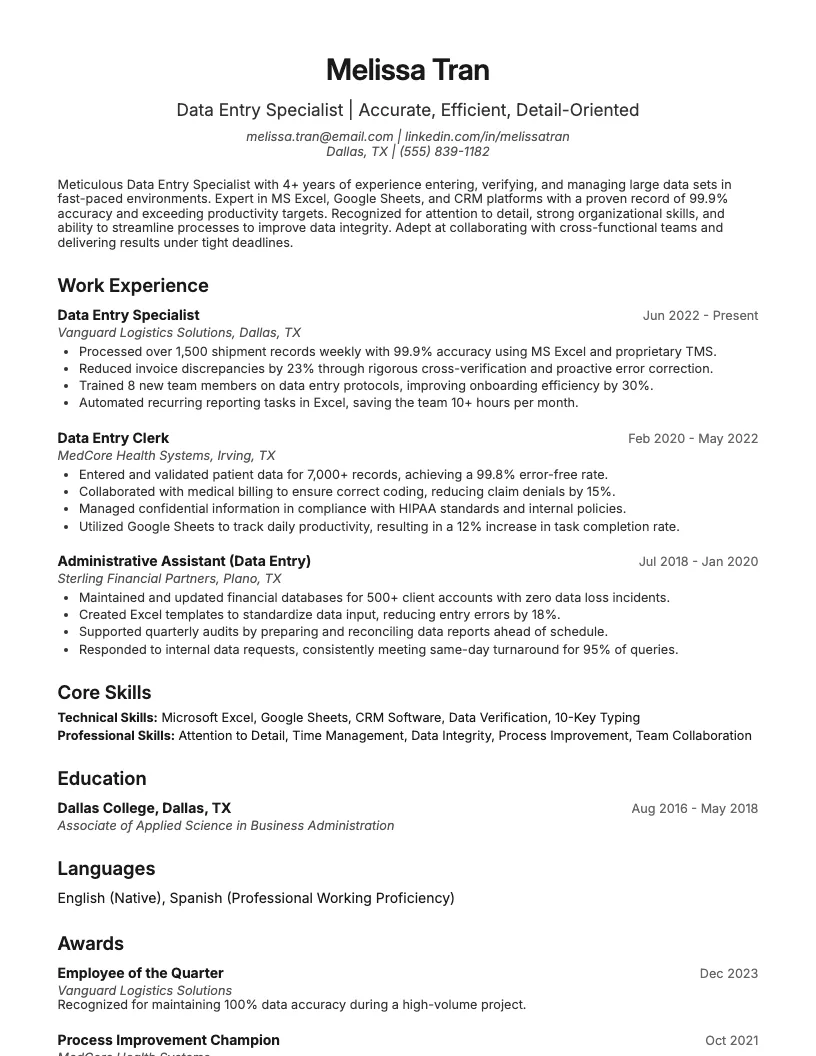
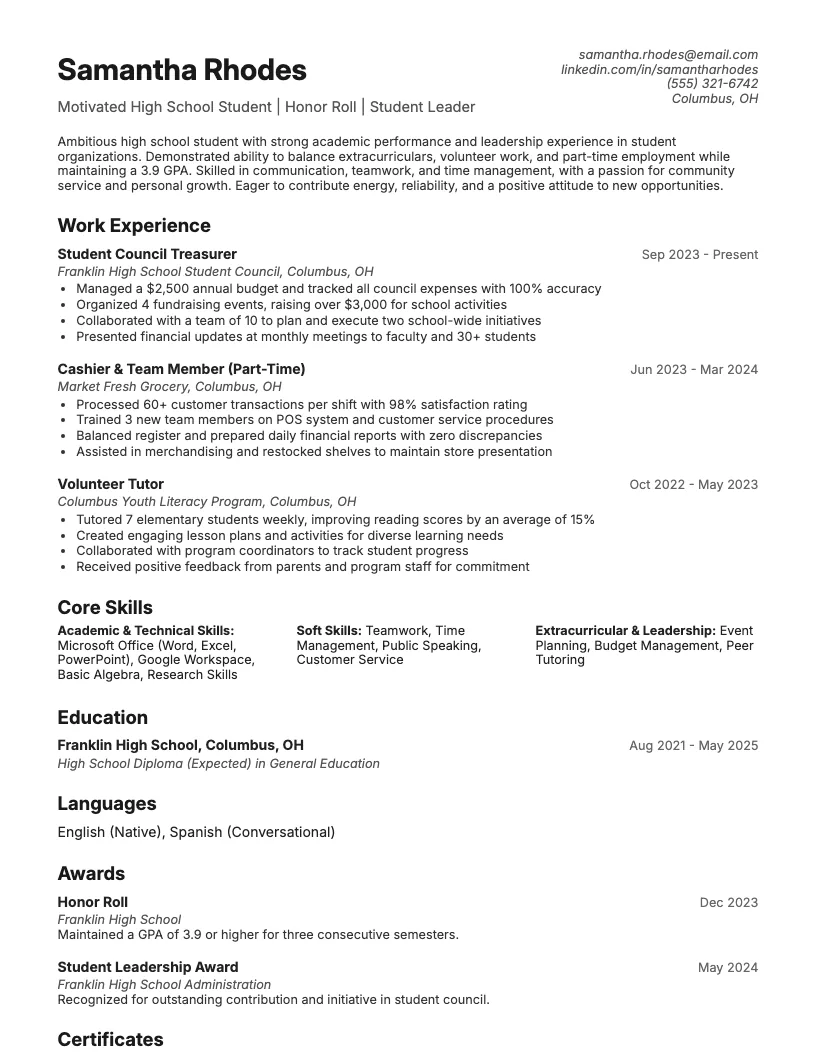
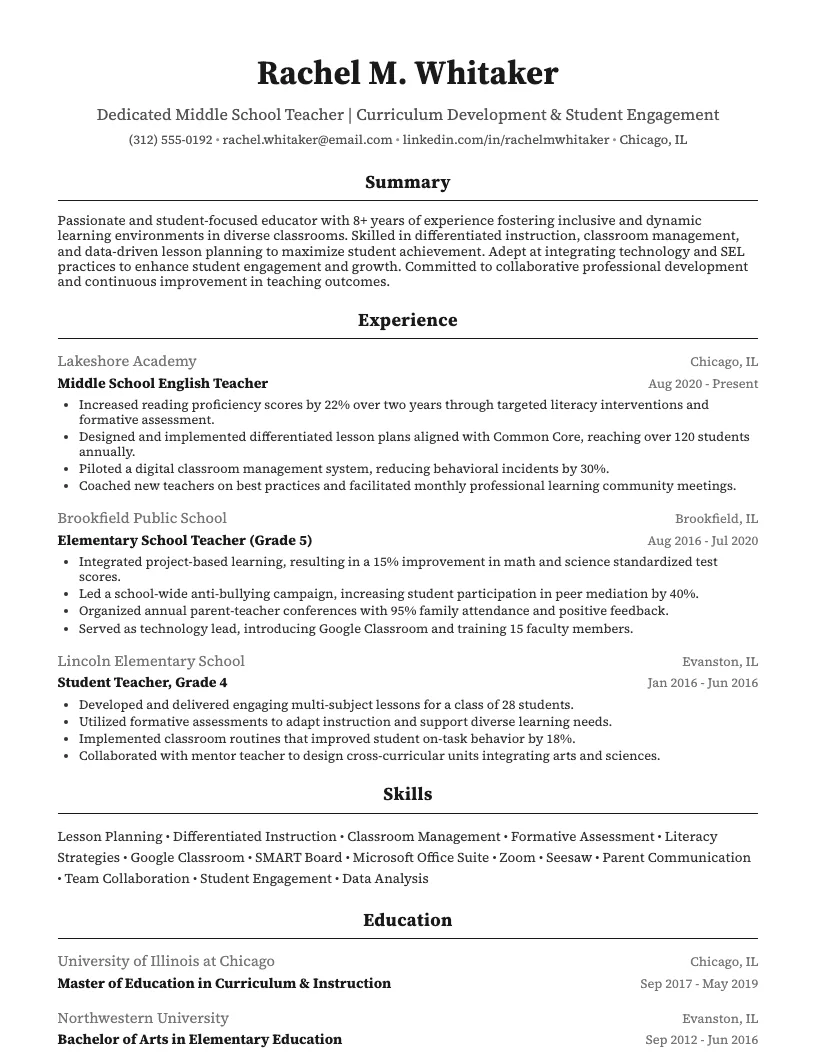
See these skills on a real resume
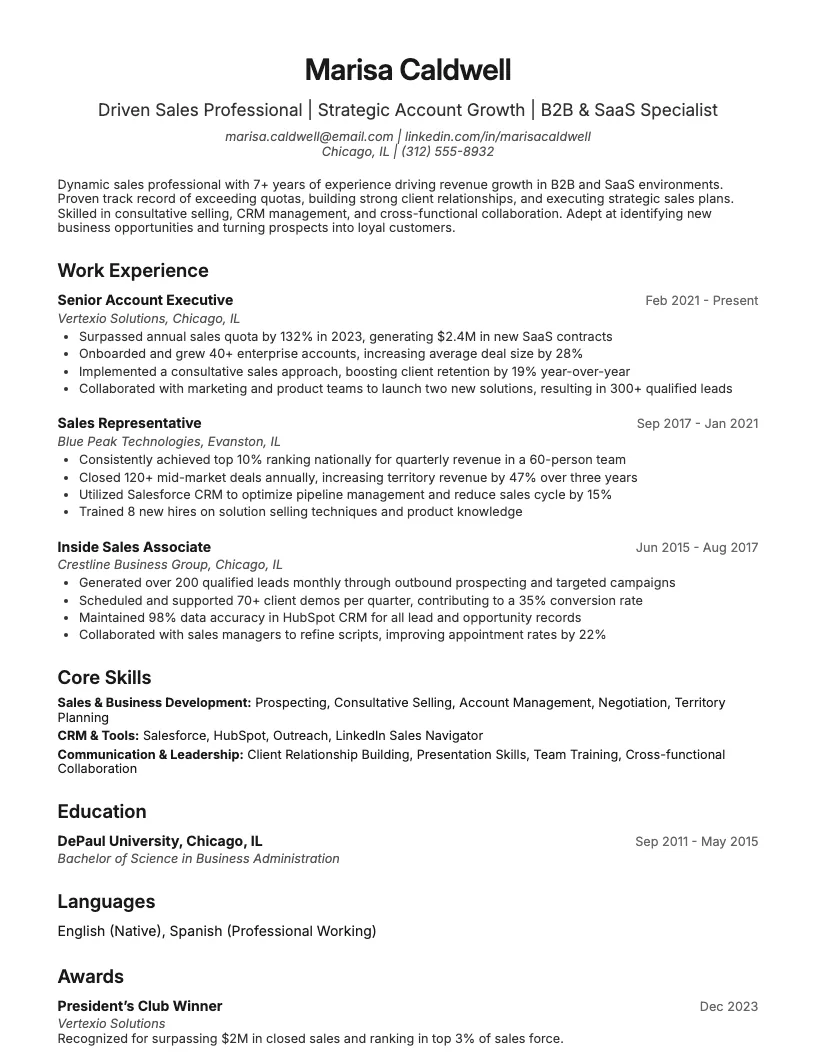
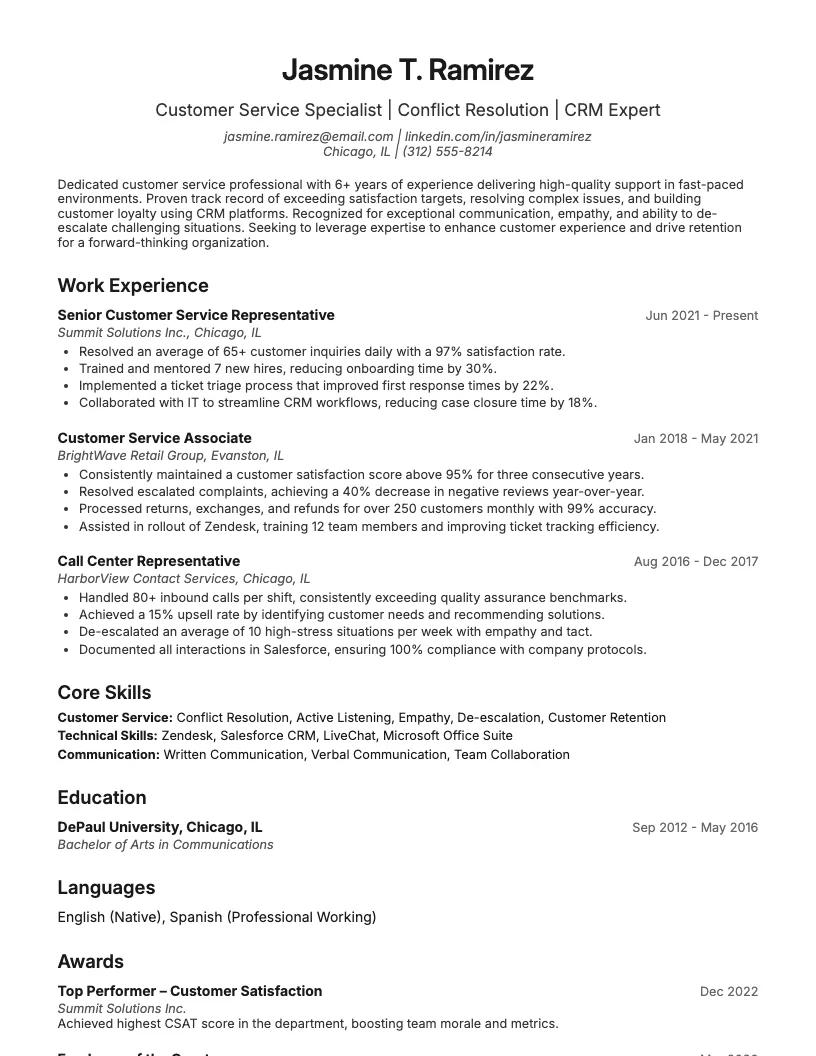
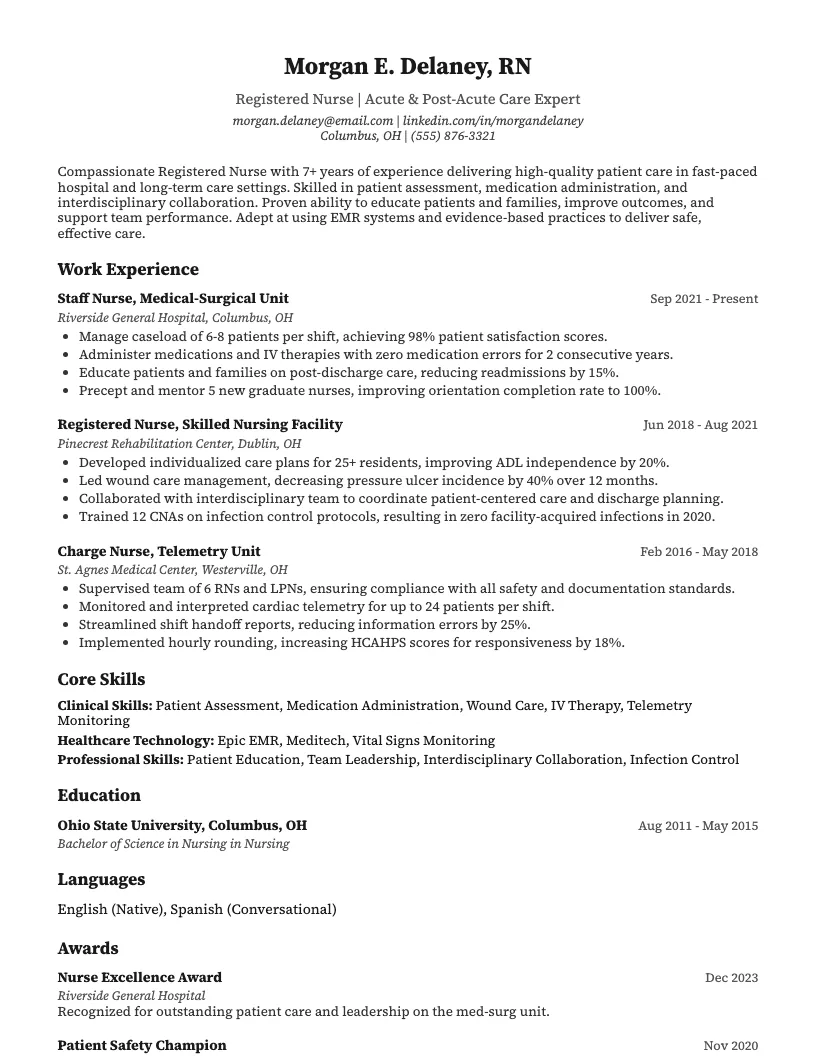
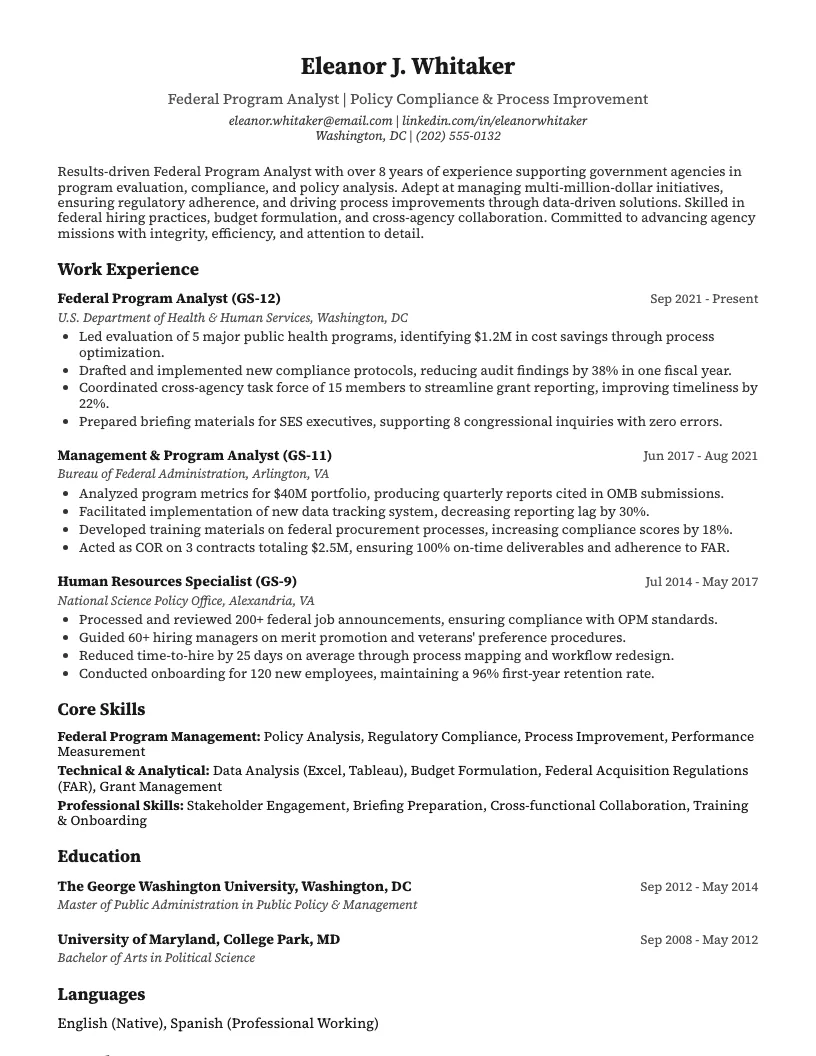
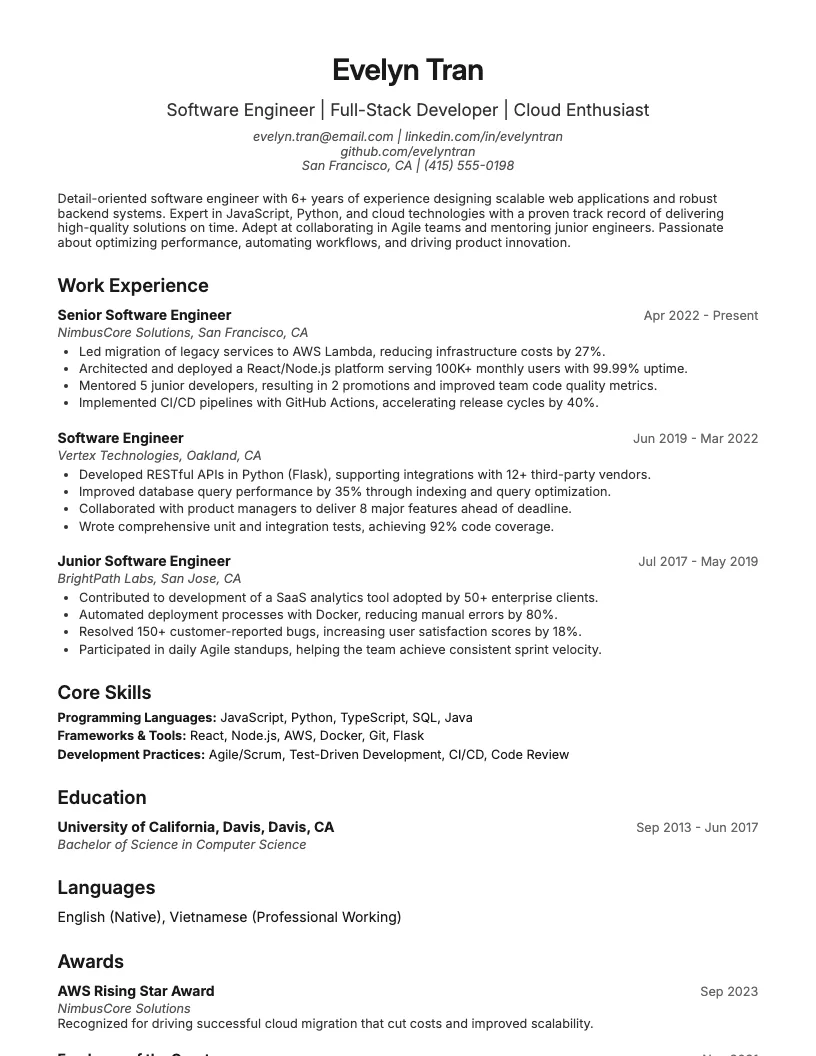
8 examplesStart from an example that already has them, and swap in your own.
Check your resume against the job you want
Scan your resume, see which skills and keywords the posting asks for that you are missing, and fix them before you apply.
Free to use • No credit card required