Data Analyst Resume Keywords: 25-40 Terms, 5 Industries, 6 Bullets
See which SQL, Excel, and BI keywords show up most in data analyst postings, how many to use, where to place them, and 6 bullets you can adapt for your resume.


Written by Sarah Chen
Senior Career Strategist & Resume Expert
Updated August 2026
Reviewed by Marcus Rodriguez
Is your resume ATS-friendly?
Drop your resume in and see which of these skills a scanner can actually read, and which ones the job you want is asking for that you have not listed.
PDF or DOCX. Max 2MB.
We never share your resume or use it to train a model.
In This Guide:
What are data analyst resume keywords?
They're the tools, methods, and outputs a recruiter or an ATS scans your resume for before deciding you're worth a second look.
I've read hundreds of these, and the pattern is always the same: three buckets decide whether you clear the first cut.
Tools you name
SQL, Excel, and whatever BI tool the team lives in - Tableau, Power BI, or Looker.
Name the one you actually use, not every tool you've ever clicked into once.
Methods you name
A/B testing, cohort analysis, forecasting - anything that shows you can do something with the data, not just query it.
Things you produced
Dashboards, KPI reports, an analysis that changed a decision. This is where you turn a tool name into proof, and it's also where a lot of resumes go quiet.
Why a recruiter scans for them
Because a title alone doesn't tell them what you can do. A resume that names the tool and the result gets read; one that just says "data analysis experience" gets skipped.
ResumeJudge checks your resume against a specific posting and tells you which of these three buckets you're missing before a recruiter ever sees the gap.
Which keywords appear in the most data analyst job postings?
I've pulled apart hundreds of data analyst postings over the years, and the same handful of words show up again and again. SQL leads by a mile - it turns up in more postings than any other technical skill, which makes it the closest thing to a hard requirement this job has.
If it's not on your resume, most screens will stop there.
Excel is next, and don't let anyone talk you out of it. It still turns up in plenty of postings, because most companies do real work in spreadsheets before it ever reaches a dashboard.
Dashboards show up in around three out of four postings. Recruiters aren't just checking that you've seen one - they want to know you've built and maintained something people actually check.
Tableau and Power BI are the two dashboard tools that come up most, so name whichever one you've actually used. Listing both when you've only touched one is the kind of thing that falls apart in an interview.
Python is common too, but on an analyst resume it means analysis and automation - cleaning data, running scripts, not building models. Keep it framed that way.
A/B testing is a phrase I'd put on almost every analyst resume that touches product or growth work, since it signals you can read an experiment and explain what it means.
KPI reporting is the term recruiters use for what you might just call "the weekly numbers." Say it their way.
Looker, Snowflake, and dbt matter most if the job actually uses them - check the posting rather than listing every warehouse and pipeline tool you've heard of.
Cohort analysis rounds out the list, and it's one of those terms that quietly separates a junior analyst from someone who's actually tracked how a group of users or customers behaves over time.
If you're not sure which of these belong in your skills section versus your bullets, that's covered in which technical keywords should go in your skills section. And if you want to stop guessing and just see which of these a specific posting is asking for, ResumeJudge will scan the job description against your resume and tell you exactly what's missing.
Which technical keywords should go in your skills section?
Is your resume good enough?
Drop your resume in and see which of these skills a scanner can read, and which ones the job you want is asking for that you have not listed.
Upload your resumeFree. PDF or DOCX. We never share your resume or use it to train a model.
Your skills section is the one part of the resume a recruiter reads like a checklist. Get the order and the names right and it does most of the work for you.
SQL and the warehouse you query
SQL comes first, no exceptions. I've reviewed hundreds of analyst resumes and the ones that get callbacks don't just say "SQL" - they say SQL plus the warehouse: Snowflake, BigQuery, Redshift, or PostgreSQL.
If you write real queries with CTEs, window functions, or query optimization, name that too. Analyst-level SQL is often deeper than what a data scientist uses day to day, and hiding that under a bare "SQL" line undersells you.
Python for analysis, not modelling
List Python as an analysis tool, not a modeling stack. Pandas, NumPy, and a notebook platform like Jupyter or Hex tell a recruiter you clean and explore data.
Naming a modelling library here is one of the ways analysts get read as the wrong candidate - see machine learning terms on an analyst resume.
The BI tool you use every week
Lead with the dashboard tool you actually touch weekly - Tableau, Looker, or Power BI. Naming a real feature, like LOD calculations in Tableau or LookML in Looker, reads stronger than listing five tools you've opened once.
Excel and Google Sheets
Don't drop Excel just because you write SQL now. Finance and exec-facing teams still run on it, and PivotTables, Power Query, and XLOOKUP are worth naming by their real name.
Statistics and experiments
You're reading experiments here, not designing them. Hypothesis testing, significance, and cohort or retention analysis are the right level.
Data cleaning and preparation
I've seen analysts spend more real time cleaning a dataset than building the dashboard on top of it. If that work never shows up in a bullet, the resume makes it look like the data just arrived ready to use.
This is the skill I see most underlisted, even though every posting assumes it. Data cleaning, handling missing values, and outlier detection belong on the resume, not just in your head.
Data quality and documentation
Naming dbt tests or a catalog tool like Confluence tells a hiring manager your numbers can be trusted, not just produced.
Git, Airflow and ticket queues
Versioning SQL in Git, triggering refreshes in Airflow, and working tickets in JIRA signal you fit a modern analytics-engineering team, not a copy-paste-to-spreadsheet workflow. If you're not sure which of these belong on your resume at all, run it against a real posting and see what's missing - ResumeJudge will scan your resume against the job description and tell you exactly which of these gaps to close.
Which non-technical keywords do employers still look for?
The technical stack gets you shortlisted. The non-technical keywords are what get you hired, because they're what a hiring manager actually asks about in the interview.
Stakeholder communication
I've read hundreds of analyst resumes, and the ones that stall all have the same gap: a wall of tools and zero sign that the person can explain a chart to someone who didn't build it. Say it plainly - "presented findings to marketing and finance leads" beats "strong communicator" every time.
Executive and business reviews
If you've ever built a slide for a VP or run a weekly business review, name it. Executive reporting is one of the keywords postings use most often to separate someone who runs queries from someone who's trusted with a room.
Requirements gathering
This is the unglamorous skill nobody puts on a resume: sitting with a stakeholder who doesn't know what they want yet and turning that into a metric you can actually build. Name it directly - "gathered reporting requirements from" - rather than burying it inside "collaborated with."
Cross-functional collaboration
Nine times out of ten this shows up as a throwaway line. Make it specific instead: which teams, on what, to what result.
Mentoring junior analysts
Mentoring is one of the clearest signals of seniority a resume can carry. If you've onboarded someone, reviewed their SQL, or run a lunch-and-learn, that belongs near the top of your experience section, not buried at the bottom.
Attention to detail and accuracy
Everyone claims this one, which is exactly why it needs proof - a bullet about catching a reporting error or owning data quality checks does more than the phrase itself. If you're not sure which of these are missing from your resume compared to a specific posting, that's the kind of gap ResumeJudge will flag for you automatically.
Which keywords change by industry?
What to lead with by industry
| Industry | Lead with | Watch for |
|---|---|---|
| Marketing analytics | Churn, retention, CLV | GA4, Mixpanel, attribution modelling |
| Finance and FP&A | Financial modelling, variance analysis | DCF, NPV, IRR |
| Operations and supply chain | Demand forecasting, inventory optimization | OTIF, capacity planning |
| Product analytics | DAU/MAU, feature adoption | Mixpanel, Amplitude, Heap |
| Healthcare | Clinical data, HIPAA, EHR | Epic, Cerner, HEDIS |
The same job title pulls different words depending on who's hiring, and I see people miss this constantly.
Marketing analytics
Here you lead with churn, retention, and customer lifetime value, plus the tools that go with campaign work: GA4, Adobe Analytics, Mixpanel, Amplitude. Attribution modelling and funnel or cohort analysis carry more weight than raw SQL count.
Finance and FP&A
Financial modelling, variance analysis, and P&L or revenue analysis matter more than any BI tool here. If you've built a DCF or worked NPV and IRR into a model, say so - that's what an FP&A screener is hunting for.
Operations and supply chain
Demand forecasting, inventory optimization, and capacity planning are the terms that get you shortlisted. OTIF shows up more than people expect - if you've tracked it, name it.
Product analytics
DAU/MAU, feature adoption, and event tracking replace a lot of the generic "dashboard" language. Mixpanel, Amplitude, and Heap read as insider knowledge here, the same way Tableau does elsewhere.
Healthcare
Clinical data, HIPAA compliance, and EHR systems like Epic or Cerner are non-negotiable if you've touched them. Claims data and HEDIS quality metrics separate someone who's actually worked in the space from someone guessing at the vocabulary.
Not sure which set applies to your target role? Run the posting through ResumeJudge and it'll tell you exactly which of these it's actually asking for, instead of you guessing from the job title alone.
Which keywords should you use at your experience level?
Junior analyst, 0-2 years
Lead with the tools, not the impact. SQL, Excel, Tableau or Power BI, and a couple of dashboards you built under someone's review.
If you learned dbt or Python on the job, say so, but don't oversell depth you don't have yet.
Mid-level analyst, 2-5 years
This is where ownership language belongs: you didn't just write queries, you owned a set of dashboards or ran the monthly review.
Window functions, CTEs, cohort analysis, stakeholder communication - these read as mid-level because they assume you're already trusted with a metric, not just pulling numbers on request.
Senior analyst, 5-8 years
I've seen senior resumes get passed over because they still read like a junior list with more years attached.
At this stage the keywords should be about judgment: metric definitions, query optimization, mentoring junior analysts, running executive and business reviews. Show you decide what gets measured, not just how.
Lead or principal analyst, 8+ years
Fewer tool names, more scope: BI roadmap, cross-team metric governance, tooling migrations, hiring. If you're still listing individual dashboards at this level, it undersells you.
Moving in from another field
Nine times out of ten, career changers already have the substance, just phrased in their old field's words. Translate "built weekly reports for my manager" into reporting and stakeholder communication. Run your resume against a real posting with ResumeJudge and it'll flag which of these terms you're still missing.
How do you pull keywords out of a job posting?
How do you pull keywords out of a job posting?

Step 1: Collect five postings for the job you want
Pull five postings for the role you're actually applying to, not five at random.
Same title, same level - a mid-level analyst posting and a senior one won't ask for the same things.
Step 2: Mark every term that repeats across three or more
Go through all five and highlight anything that shows up in at least three.
A tool or method that keeps recurring isn't the company's house style - it's what the role actually needs.
Step 3: Cross out anything you can't back up
Now cross out anything you can't point to a real example of.
I've seen plenty of resumes list a term because it was in the posting, with nothing behind it - that's the fastest way to get caught out in an interview.
Step 4: Split them into ten you lead with and fifteen you support with
Split what's left into two piles: ten terms you can lead with, because you've used them constantly, and fifteen you can mention as supporting exposure.
The first ten go in your summary and skills section; the rest can sit in bullets and projects.
Step 5: Check the list against what's already on your resume
Last step - hold that list against your current resume and see what's missing.
This is the part people skip, and it's the one that matters most. ResumeJudge does this comparison for you: feed it the posting and your resume, and it tells you exactly which of these terms you're missing and rewrites the bullets to work them in properly.
If a question's still nagging at you, the FAQ below covers the common ones.
Where do you put keywords on your resume?
Where do you put keywords on your resume?
Your job title line
If your actual title was something odd like "Data & Reporting Coordinator," add a line under it: "Data Analyst | SQL, Tableau, KPI Reporting." Recruiters search by title first, and a scanner matches on it too.
Your summary
Three sentences, six to ten keywords, no more. Say your tools, your specialty, and one result. This is also where the mismatch between your title and the job title gets fixed.
Your skills section
This is where the bulk of your keywords live - see how many total and which technical ones belong here.
Your experience bullets
Every keyword in your skills section should show up again in at least one bullet, attached to something you actually did. Writing a bullet that carries a keyword walks through the pattern, and skills row that the bullets never back up covers what happens when you skip it.
Projects
If you're short on work history, a project section carries real weight - a dashboard you built, a dataset you cleaned, an analysis you ran on your own. Name the tools you used the same way you would in a job bullet.
Education and certifications
Spell certifications out in full - "Google Data Analytics Professional Certificate," not "Google cert." Scanners match exact phrasing, and a shortened name just won't register.
Checking all of this by hand against a posting takes a while. ResumeJudge scores your resume against the job description and tells you exactly which keywords are missing from which section, so you're not guessing.
How do you write a bullet that carries a keyword?
Nine times out of ten, the problem with a data analyst bullet isn't the keyword. It's that the keyword is doing nothing.
The pattern: action verb, tool, result
Verb, tool, number. That's the whole formula.
"Built" or "designed" or "automated", then the specific tool you used, then what changed because of it.
"Analyzed customer data" rewritten
Turning a vague analysis bullet into one with a tool and a result
Analyzed customer data
Built SQL-based extracts and Tableau dashboards, cutting a weekly report from two days to six hours.
I've seen this exact phrase on hundreds of resumes, and it tells a recruiter nothing.
Try: "Built SQL-based extracts and Tableau dashboards, cutting a weekly report from two days to six hours."
Same work, but now it names the tool and proves it with a number.
"Built dashboards that helped the team" rewritten
Naming the platform and audience instead of a vague outcome
Built dashboards that helped the team
Built 14 Looker dashboards on Snowflake and dbt, used in the monthly business review, cutting prep time from five hours to under one.
Vague outcome, vague credit. Name the platform and the audience instead: "Built 14 Looker dashboards on Snowflake and dbt, used in the monthly business review, cutting prep time from five hours to under one."
That single line surfaces four keywords and reads senior because it does.
Six bullets you can adapt
- Built automated dashboards tracking a dozen KPIs, saving hours of weekly reporting
- Ran a SQL-based cohort analysis that flagged a high-value customer segment
- Designed an A/B testing framework in Python, lifting feature adoption
- Cleaned and transformed a large dataset in dbt and Snowflake, speeding up queries
- Diagnosed a drift in paid channel cost, improving blended ROAS
- Automated a recurring KPI pipeline, saving an analyst hours every week
Action verbs worth using
Built, automated, designed, cleaned, diagnosed, reduced, validated, consolidated, quantified.
Weak phrases to cut
Helped with, assisted, supported reporting, worked on, familiar with, various ad hoc. If you're staring at a wall of "assisted" bullets, ResumeJudge will rewrite each one against the posting you're applying to, swapping the vague verb for the specific tool and result the job actually asks for.
How many keywords should a data analyst resume have?
How many keywords, and where
| Where | How many |
|---|---|
| Whole resume | 25 to 40 total |
| Summary | 6 to 10 |
| Per job entry | 2 to 3 per bullet |
| One priority term | 2 to 4 mentions |
I've read enough of these to tell in about ten seconds whether someone counted their keywords or just wrote a resume and hoped.
How many in total
Aim for 25 to 40 across the whole resume - summary, skills section, and bullets combined.
Under 25 and a parser reads you as light on substance. Over 40 and it starts to look padded, even when every term is true.
How many in the summary
Your summary can carry 6 to 10 of your strongest terms - the tool you're best at, the warehouse you query, the kind of analysis you actually ship.
That's plenty. Any more and it stops reading like a summary and starts reading like a tag cloud.
How many per job entry
Two or three keywords per bullet, and not every bullet needs one.
Four or five roles with three bullets each gets you most of the way to your total without a single bullet feeling forced.
How many times to repeat one term
Two to four mentions of a priority term, spread across the skills row and a couple of bullets, is the number that reads normal to both a person and a parser.
Some scanners weight where a term sits - your title, your skills row, the start of a bullet - more than how often it shows up. So SQL in your skills list plus two bullets that use it beats SQL crammed in twelve times.
What too few looks like
A resume with six or seven keywords total, all of them generic - "data analysis," "reporting" - and nothing that names a tool. That reads junior even when the candidate isn't.
What stuffing looks like
A skills row down the side listing every tool ever touched, well past the 40-term ceiling above - and skills row that the bullets never back up covers the version where none of it appears in a bullet. If you can't tell which of your keywords are actually missing versus just under-supported, that's the exact gap ResumeJudge checks your resume against a real posting for, so you're guessing at a number instead of working from one.
What stops your keywords from being read at all?
Right terms, wrong container. I've watched perfectly qualified analysts get filtered out because the scanner never saw what they wrote.
Tables, text boxes and two-column layouts
If your skills sit in a table cell or a sidebar text box, some parsers scramble the order or drop that section outright. Two-column resumes are the worst offenders - the scanner reads left-to-right across both columns like they're one line.
Keep it single-column, plain text, no boxes.
Keywords only in a header or footer
A lot of parsers skip headers and footers entirely. If your certifications or tools live up there, they may as well not exist.
Put anything you need scored in the body of the resume.
"Structured Query Language" when the posting says SQL
Match the posting's exact wording. If the job says SQL, write SQL - spelling it out full doesn't earn points, it just risks a miss.
"PowerBI" when the posting says "Power BI"
Same problem, smaller typo. One missing space and a strict match fails.
Copy the posting's spelling exactly.
Naming "data visualisation" but no tool
"Data visualization" alone tells a scanner nothing. Name the tool - Tableau, Power BI, Looker - so it actually matches something in the posting.
White text and hidden keyword blocks
Don't hide a wall of terms in white text at the bottom of the page. Modern parsers catch it, and a human reviewer who opens the file catches it faster.
If you're not sure your resume reads cleanly through a scanner, check it against the posting before you send it - ResumeJudge scans your resume against the job description and shows you exactly what's getting lost before a recruiter ever sees it.
Which keyword mistakes get data analysts screened out?
I've read hundreds of these resumes, and the same handful of mistakes show up over and over.
Listing tools you have never opened
Six months in a free trial doesn't make you a Looker user.
If a recruiter asks one follow-up question and you can't answer it, you've lost the room. List what you've actually built something with.
Skills row that the bullets never back up
This is the one I see most often: a Skills line with ten tools, and not one of them mentioned again in the experience section.
A recruiter reads the row, then reads the bullets to check it's real. If it isn't, the row stops counting.
"Expert SQL" with nothing behind it
"Expert" is an opinion. A window function or a query you optimized is a fact.
Nine times out of ten I'd cut the adjective and add the detail instead.
Machine learning terms on an analyst resume
Dropping in scikit-learn or MLflow makes you read like a junior data scientist, not an analyst. Only use ML terms if the posting actually asks for them.
A wall of BI tools
Naming Tableau, Power BI, and Looker together reads like trial accounts, not real work. Lead with the one you use every week.
Sending the same resume everywhere
One resume for every posting means it's tailored to none of them. ResumeJudge will check your resume against a specific posting and fix the wording for you, so each application actually matches the job it's going to.
Frequently Asked Questions
Is SQL really required for every data analyst job?
No, but it's close to it. SQL shows up in more data analyst postings than any other technical skill, since it's how you pull and shape the data before anything else happens. A few roles lean on a BI tool or Excel instead, but if a posting lists SQL, treat it as non-negotiable and name the flavor you know, like PostgreSQL or T-SQL, rather than just writing "SQL."
Should I put Python on my resume if I only use it a little?
Yes, but don't force it in if the posting never mentions it. Describing Python at the level you actually use it is covered under Python for analysis, not modelling in [which technical keywords should go in your skills section](#which-technical-keywords-should-go-in-your-skills-).
Which BI tool should I lead with if I know three?
Lead with whichever one the job posting names, or the one you use most often if the posting doesn't say. Where it goes in your skills section is covered under The BI tool you use every week in [which technical keywords should go in your skills section](#which-technical-keywords-should-go-in-your-skills-).
Should I copy the wording from the job posting exactly?
For tool names, SQL dialects, and skill terms, yes, match them exactly, since that's what a scanner and a recruiter are both looking for. Don't lift their sentences wholesale, though, since a resume that reads like the posting looks copied rather than tailored. ResumeJudge does this matching for you: give it your resume and the posting and it rewrites your bullets and skills section using the posting's own terms in the right places.
How is a data analyst resume different from a data scientist one?
An analyst resume centers on SQL, BI tools, reporting, and explaining findings to non-technical people. A data scientist resume centers on statistical modeling, machine learning, deeper Python or R work, and getting models into production.
Do certifications count as keywords?
Yes. A certification name is a specific term recruiters and applicant tracking systems search for, the same as a tool or skill. List the certification by its full, exact name and the body that issued it, rather than a shortened or informal version.
Should I list Excel, or does it make me look basic?
List it. Cutting Excel doesn't make you look more advanced, it just costs you a keyword match on postings that still ask for it. How to name it is covered under Excel and Google Sheets in [which technical keywords should go in your skills section](#which-technical-keywords-should-go-in-your-skills-).
How do I find out which keywords my resume is missing?
Put your resume next to the job posting and check off which required tools, terms, and phrases from the posting actually appear in your resume. ResumeJudge does this automatically: it scans your resume against the posting, tells you exactly what's missing, and can rewrite your resume to add it in the right sections.
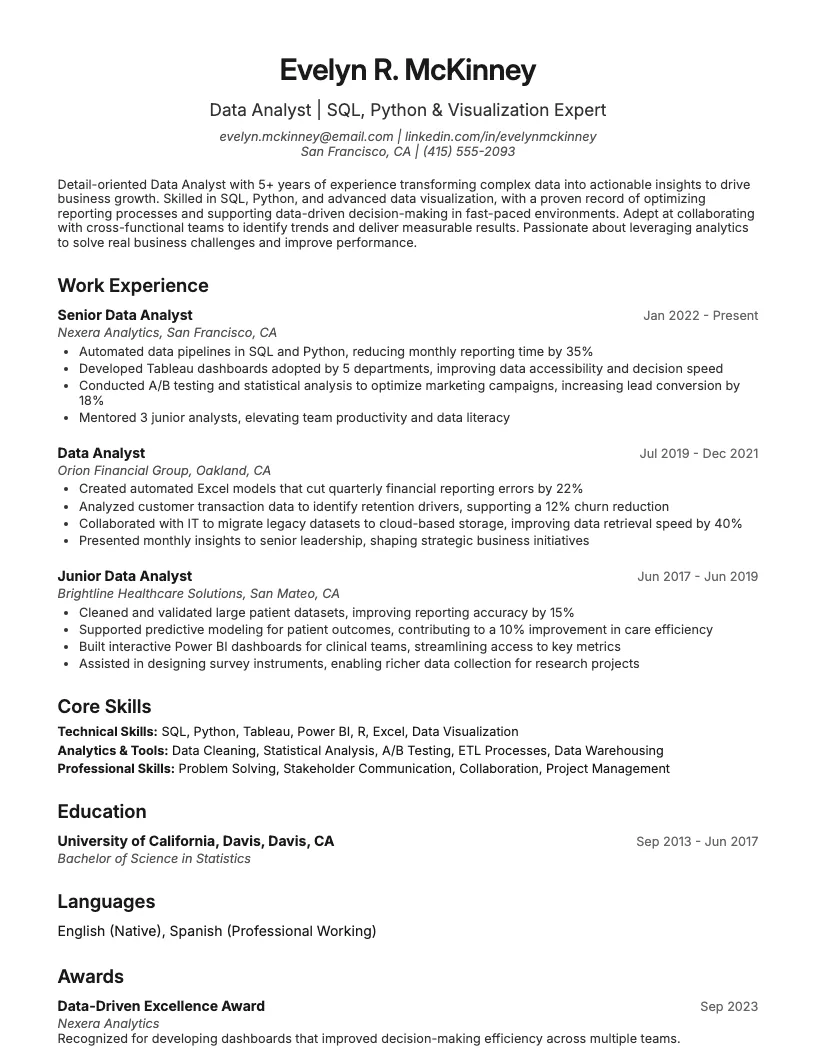
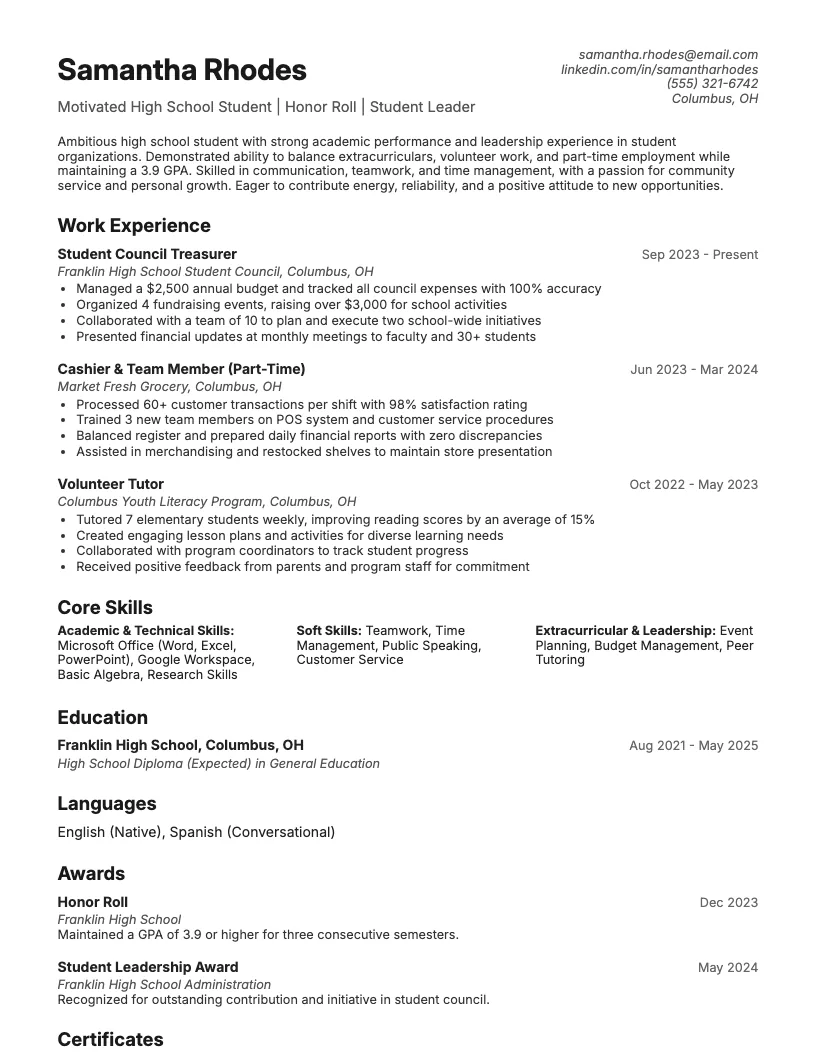
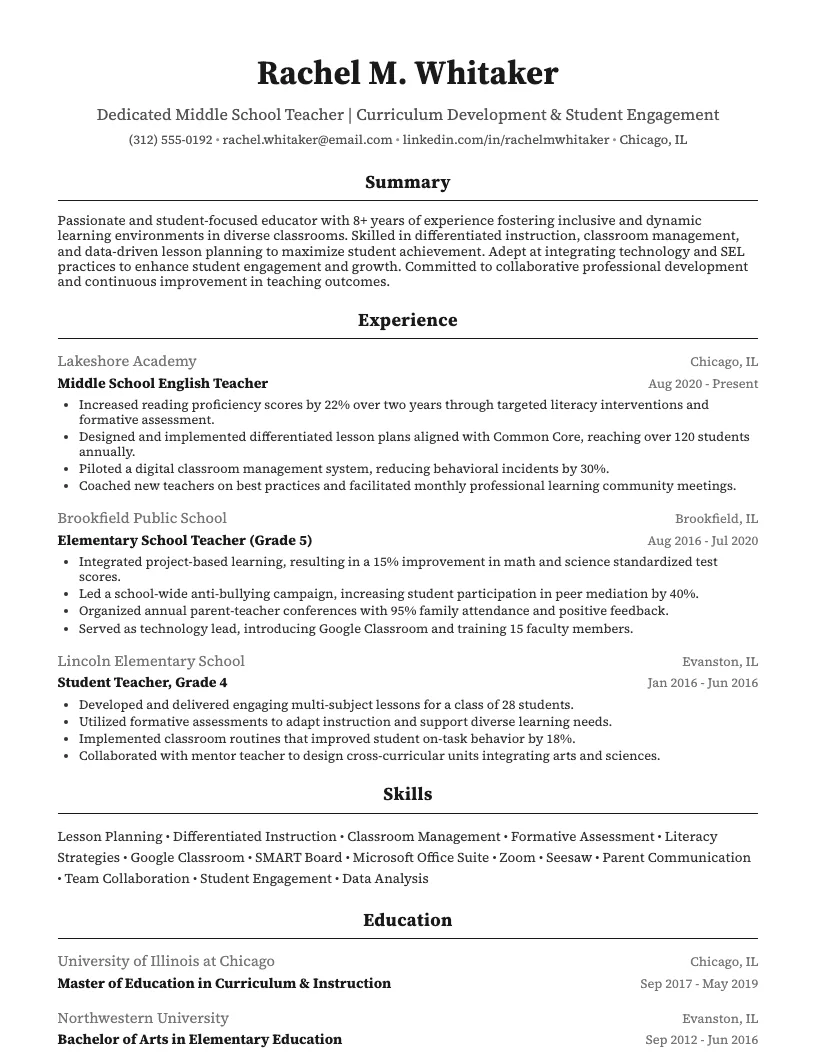
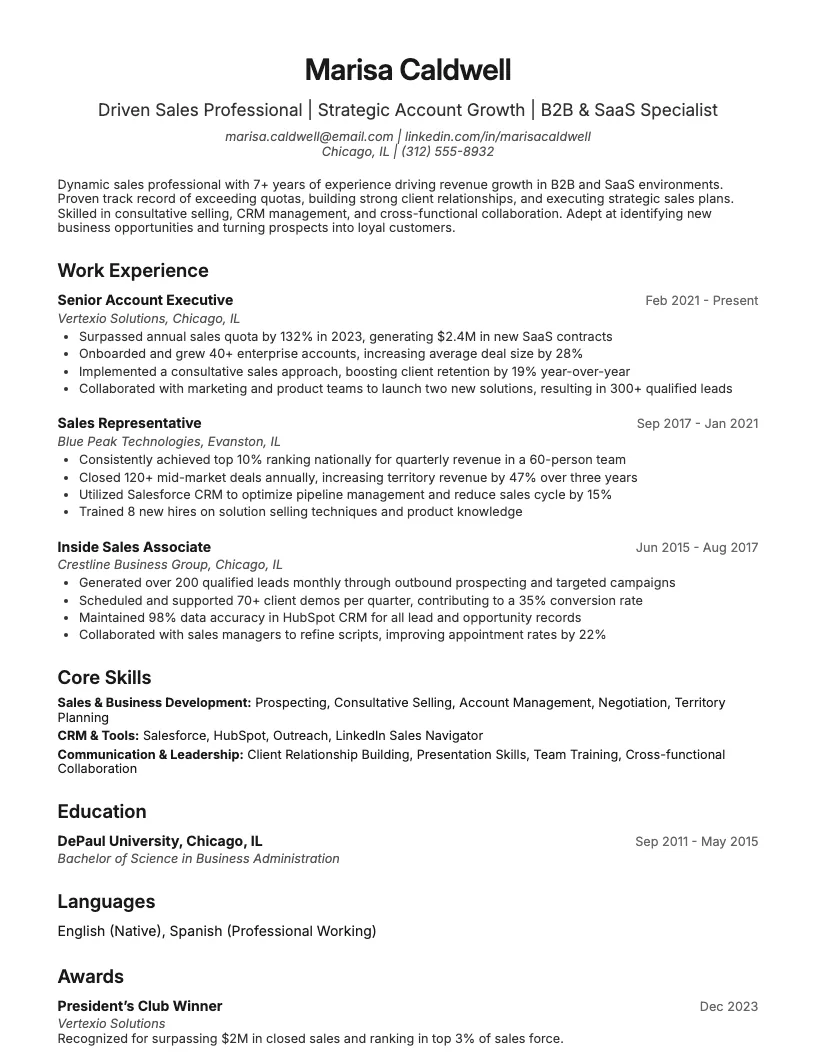
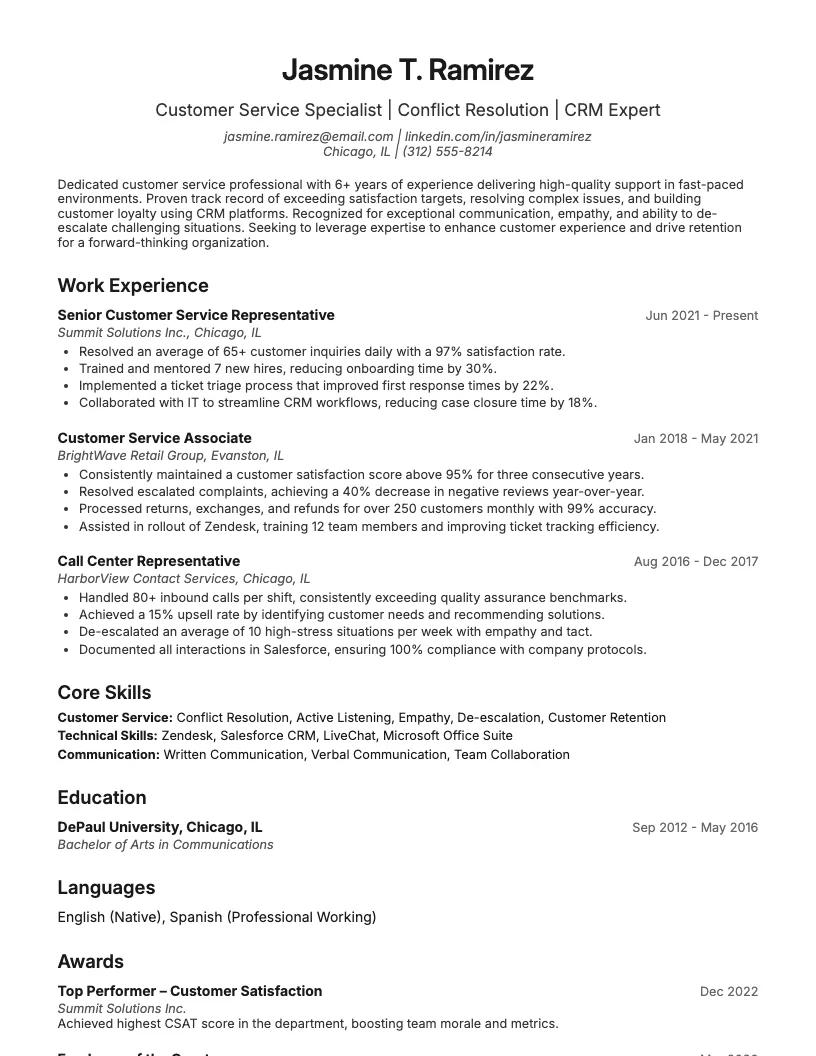
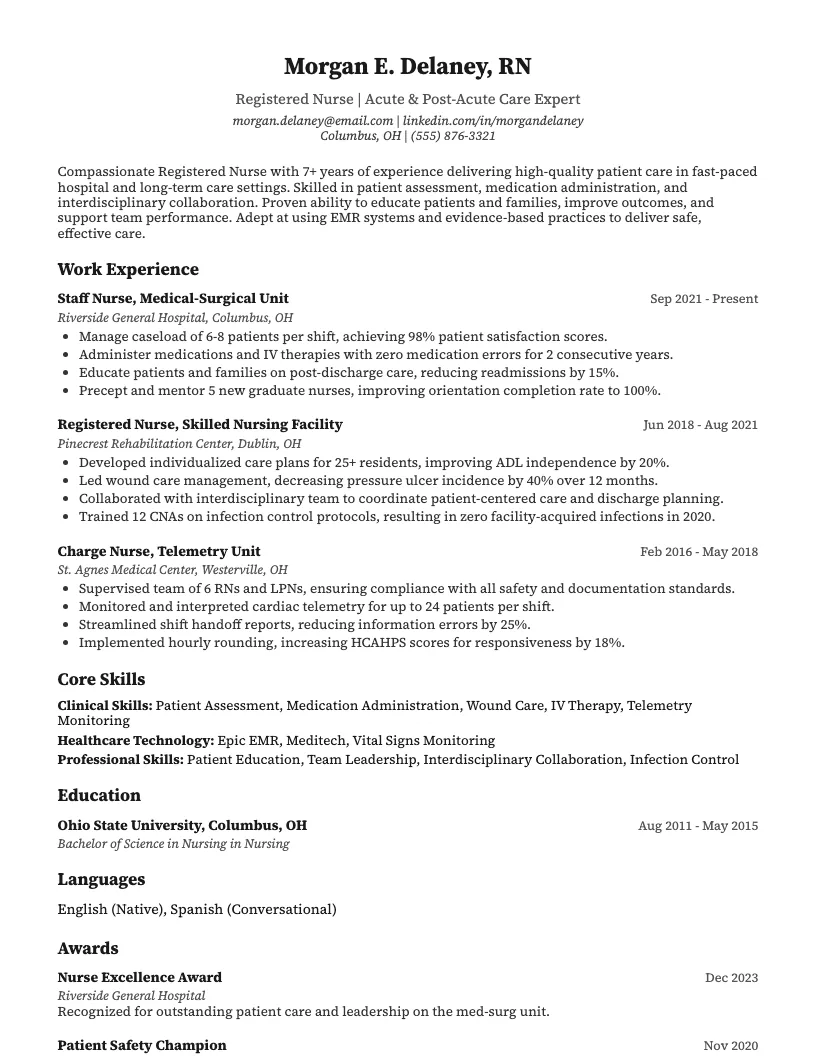
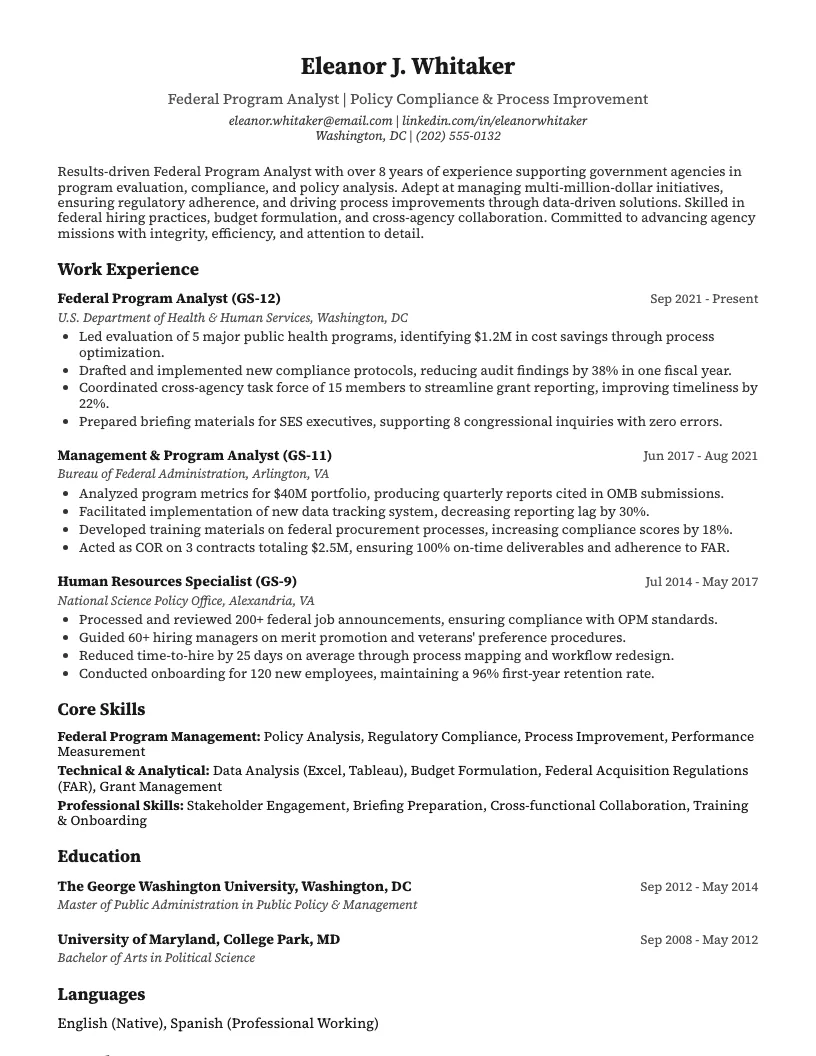
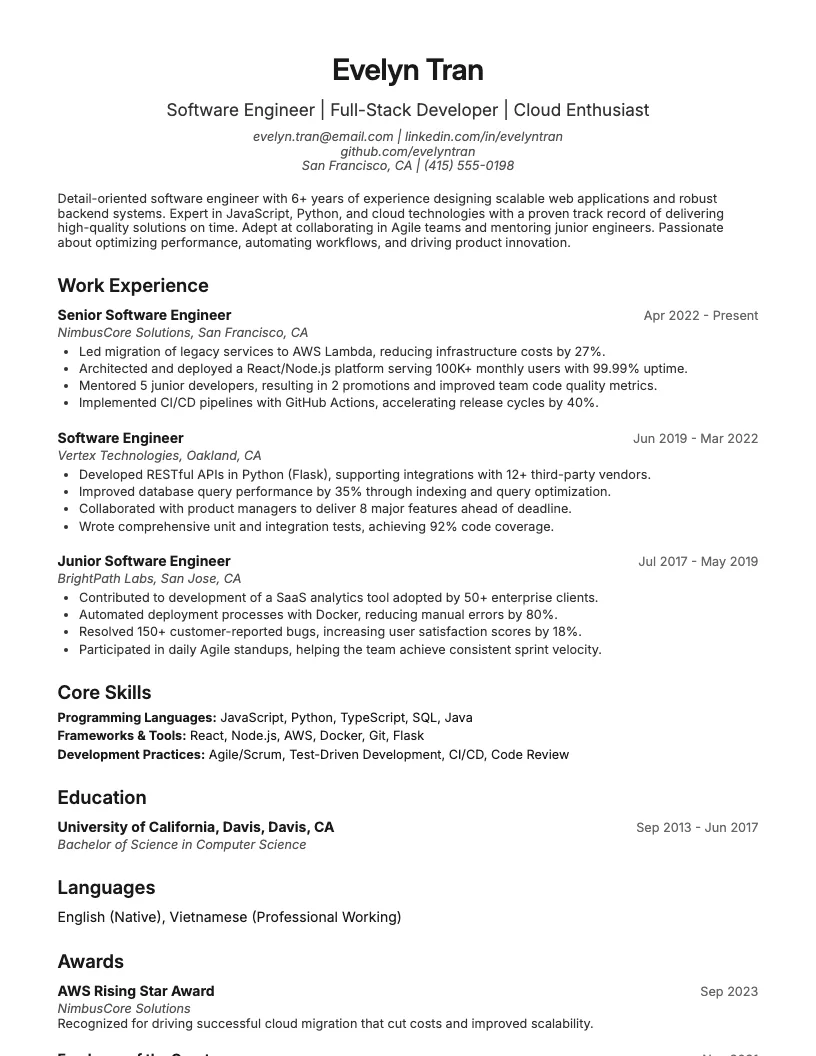
See these skills on a real resume
8 examplesStart from an example that already has them, and swap in your own.
Check your resume against the job you want
Scan your resume, see which skills and keywords the posting asks for that you are missing, and fix them before you apply.
Free to use • No credit card required