Technical Skills for Resume: 11 Industries, 5 Steps to Pick Yours
See 11 industry skill lists, a 5-step method to match a job posting, where to place skills on the page, and how to write each so it proves something real.


Written by Marcus Rodriguez
ATS Optimization Specialist & Career Coach
Updated August 2026
Reviewed by Dr. Priya Sharma
Is your resume ATS-friendly?
Drop your resume in and see which of these skills a scanner can actually read, and which ones the job you want is asking for that you have not listed.
PDF or DOCX. Max 2MB.
We never share your resume or use it to train a model.
In This Guide:
What are technical skills on a resume?
If your resume just says "detail-oriented" and "team player," you're missing the part that actually gets you shortlisted. Technical skills are the tools, software, and systems you can actually operate - the stuff a manager can point to and say "yes, do that."
I've reviewed hundreds of these, and the ones that land aren't vague. They name the tool: QuickBooks, Salesforce, Python, a CAD package, an EHR system.
Anything you can be tested on.
Technical skills vs soft skills
Soft skills - communication, adaptability, leadership - travel with you from job to job. Technical skills don't. They're tied to a specific role, learned through training or hands-on use, and an employer can actually measure whether you have them.
That's why they carry more weight on the page than "strong communicator" ever will.
Technical skills vs hard skills
Every technical skill is a hard skill, but not every hard skill is technical. "Understands accounting principles" is a hard skill.
"Runs monthly close in QuickBooks" is technical - it names the tool. Our hard skills page covers that broader category if you want the full picture; here we're staying on the tool-specific end of it.
Skills that are technical even in a non-tech job
You don't need to be an engineer to have technical skills. A scheduling coordinator running Google Calendar integrations, a nurse charting in Epic, a retail manager pulling reports from a POS system - all technical.
How an employer checks a technical skill is real
Nine times out of ten, it's the interview: a quick task, a scenario, "walk me through how you'd do X in this tool." Before that, it's an ATS scanning for the exact term.
ResumeJudge will check your list against a posting and rewrite any claimed skill the scanner won't recognize into the wording it's expecting.
What technical skills should you put on a resume?
What technical skills should you put on a resume?

Most people write their skills list from memory, then wonder why nothing lands. Work backward from the posting instead.
It's a five-step process, and it takes fifteen minutes.
Step 1: Pull the tools named in the job posting
Open the listing and underline every tool, platform, and method it names. Not the soft stuff - the nouns.
SQL, Figma, HubSpot, GAAP, whatever shows up.
Postings usually name ten to twenty of these. That's your starting list, before you've touched your own resume.
Step 2: Match them against what you have actually used
Now go line by line and ask yourself: have I actually done this, or have I just heard of it? Be honest here, because an interviewer will ask you to talk through anything on the page.
I've seen candidates list a tool they used once in a training video, then freeze when asked a follow-up question about it. That costs you more than leaving it off ever would.
This is exactly the check ResumeJudge runs - it lines your resume up against the posting and shows you which required skills are missing before a hiring manager ever does.
Step 3: Split required skills from nice-to-have ones
Postings almost always separate "must have" from "nice to have," even when they don't label it that way. The must-haves go first in your list, and they're the ones worth a full bullet in your experience section, not just a mention.
Step 4: Cut the ones every applicant has
If a skill is assumed for anyone with a pulse in your field - basic email, basic Word - it's not doing you any favors. Nine times out of ten, cutting the obvious stuff makes the real skills stand out more, not less.
Step 5: Use the posting's exact wording for the ones you keep
If the posting says "Google Analytics 4" and you write "GA," you've made a scanner work harder than it should. Match the wording exactly.
It's a small thing, but it's the difference between a match and a near-miss.
How many technical skills to list
I usually land on eight to fifteen. Fewer than that and you look thin; more than twenty and nothing on the list stands out as your strength.
Where do technical skills go on a resume?
Where do technical skills go on a resume?
Wrong placement is almost as common as a weak list. I see strong skills buried where no one looks, or repeated in four spots when one would do.
The skills section
Order matters more than people think. Most readers only take in the first three or four items before moving on, so put your strongest, rarest tool first - not the one you're most comfortable talking about.
This is where a scanner and a recruiter both go first, so it needs to hold up on its own.
Keep it to the tools tied to the job, in the posting's own wording - not a lifetime inventory. How many technical skills to list covers the count.
The resume summary
Your summary gets maybe five seconds. Put your one or two strongest, rarest technical skills there - the ones that separate you from the stack of other applicants, not the ones everyone lists.
Your work experience bullets
This is where a skill actually gets proved. Naming Python in a list tells me nothing; a bullet that says you used Python to cut a process from four hours to twenty minutes tells me you can do the job.
Nine times out of ten, the resumes that get callbacks put the same tool in both the skills section and a bullet - once as a claim, once as evidence.
Certifications and licences
Give these their own line, right under your name or in a dedicated section - never folded into the general skills list. A certification is a credential, and credentials get skimmed differently than a skill tag.
Where to put the skills section for a non-technical job
If the role isn't technical, push the section down, below education and experience. It still belongs on the resume - spreadsheets, scheduling software, whatever the job actually uses - it just isn't the headline.
How to format the skills list so software can read it
How to format a skills list
Excel ●●●●○ | SQL ●●●○○ | Project Management ●●●●●
Excel, SQL, Project Management (Jira)
Plain text, one line or a short grid, skills separated by commas or pipes. No skill bars, no star ratings, no icons - an applicant tracking system can't parse a graphic, and a lot of them just drop it silently.
Step 5 covers matching the posting's exact wording. If you're not sure which version of a skill the system is looking for, running your resume against the actual listing is the fastest way to find out - ResumeJudge will rewrite your resume to say it exactly the way the listing expects.
What are examples of technical skills by industry?
Is your resume good enough?
Drop your resume in and see which of these skills a scanner can read, and which ones the job you want is asking for that you have not listed.
Upload your resumeFree. PDF or DOCX. We never share your resume or use it to train a model.
The lists below aren't exhaustive, and they're not supposed to be. Pull the three or four that match what you actually did - the rest is here so you can see what "technical" means in your field, not so you can copy the whole thing onto your resume.
IT and programming
This is the category everyone assumes "technical skills" means, and it's the deepest one. If you're in IT or programming, your list probably includes some mix of:
- Languages: Python, Java, JavaScript, C++, SQL
- Front-end: HTML, CSS, React
- Infrastructure: AWS, Microsoft Azure, Git, APIs, NoSQL
Nine times out of ten, the resumes I see in this category list every language a person has ever touched. Don't. Keep the ones the job posting actually names - see step 1 for how to find them.
Software engineering
Software engineering overlaps with programming but leans harder on the parts around the code, not just the code itself: source control, testing, debugging, deployment. If you've shipped something, say how - "Git," "CI/CD," "unit testing" - rather than just "coding."
Data and analytics
Excel still belongs here - spreadsheets beyond the basics covers how to write it. Past that: SQL, Power BI, Tableau, and Python for anyone doing real analysis.
If you've built a dashboard or run a statistical model, name the tool, not the activity.
Marketing
Marketing has gone technical fast, and a lot of marketers haven't updated their resume to match. The skills that get noticed now: Google Analytics or GA4, SEO tools, marketing automation platforms, CRM software, paid ad platforms like Google Ads or Meta Ads.
If you've run a campaign, the platform name does more work than "digital marketing."
Design and creative
Adobe Creative Suite is table stakes - Photoshop, Illustrator, InDesign. Figma is the one I see missing most often on resumes from people who clearly use it daily.
Add UX/UI tools, prototyping software, and video or motion graphics tools if that's part of the job.
Finance and accounting
QuickBooks, SAP, and ERP systems cover the software side. Financial modeling and Excel round it out.
If you've done audit work or worked under GAAP, say so directly - compliance knowledge is a technical skill in this field, not a soft one.
Healthcare
Electronic Health Records systems and medical coding (ICD-10, CPT) are the two I'd never leave off a healthcare resume. HIPAA knowledge, patient management software, and any imaging or diagnostic tools you've used belong here too.
Engineering and manufacturing
CAD software is the anchor skill in this category. Beyond that: CNC machining, PLC programming, quality control systems, and safety compliance tools, depending on whether you're closer to design or the shop floor.
Project management
Tools matter here more than most people think - Asana, Trello, Monday.com, Microsoft Project. Pair a tool name with a method, like Agile or Scrum, and you've said more than most competing resumes manage in a full paragraph.
Administrative and office roles
This is the category people most often leave technical skills off entirely, and it's a mistake. Scheduling and calendar tools and a CRM belong here; for the office suites, see what every job expects now.
A skills line that just says "Microsoft Office" undersells someone who actually runs a calendar for six people and builds reports in Sheets.
Media and production
Creative software (Adobe Creative Suite again), video editing tools, and any hardware you've operated - camera systems, production equipment - all count. Add color grading or photo retouching if that's part of your day-to-day.
Whatever field you're in, the move is the same: check your list against a real posting before you send anything. That's the fastest way to catch a skill you're missing, or one you're wasting space on - paste in a job description and ResumeJudge will rewrite your skills list to fix both.
What technical skills does every job expect now?
What technical skills does every job expect now?
Some skills used to be "technical." Now they're just the price of entry, and I still see resumes that skip them entirely.
Spreadsheets beyond the basics
"Excel" alone tells me nothing. What gets my attention is a pivot table, a VLOOKUP, a macro that automated a report someone used to build by hand.
Nine times out of ten, the candidate who names the actual function beats the one who just writes "spreadsheet proficiency."
Google Workspace and Microsoft 365
Docs, Sheets, Slides, or Word, Excel, PowerPoint, Teams - pick the one your target employer runs on and name it, not both.
I've seen candidates list every suite they've ever touched. It reads as padding, not skill.
Working with AI tools
This is the fastest-moving line on the list. Employers aren't looking for people who can build AI models - they want people who use AI for writing, research, or automating the boring parts of a job.
If you use ChatGPT or Claude to draft first passes, summarize data, or speed up a workflow, say so plainly. That's a real skill now, not a confession.
Reading a dashboard and using the numbers
You don't need to be a data analyst to need this one. Almost every role now touches some dashboard - sales numbers, site traffic, ticket volume - and being able to read it and act on it is worth a line on your resume.
Say what you did with the numbers, not just that you looked at them.
Cloud platforms
AWS, Azure, Google Cloud - even basic familiarity is worth listing now that so much work runs through them. You don't need architect-level depth to mention it; knowing your way around the platform your team uses is enough.
Basic security and safe data handling
You don't need to be in IT to know not to email a spreadsheet full of customer data to your personal account. Understanding basic security risks and safe data handling sets you apart even outside technical roles, and it's an easy line to add if you've ever handled sensitive information responsibly.
Which basic ones to leave off
The basics everyone is assumed to have are the ones to drop - Step 4: Cut the ones every applicant has says which and why.
If you're unsure whether a skill's still worth including, run your list against the actual posting - ResumeJudge will flag which of your listed skills the posting doesn't care about at all.
How do you write a technical skill so it proves something?
A list of tools tells an employer what you've touched. It doesn't tell them what you can do.
I've read thousands of skills sections, and the ones that get a callback all do the same four things.
Name the tool, not the category
"Database software" is a category. "PostgreSQL" is a skill.
If you write "design software," an applicant tracking system can't match it against a posting that says Figma, and a hiring manager reading it fast assumes you're hiding something. Write the actual name, every time.
If you know several tools in a category, list them by name and let the category go.
Say what you did with it and what changed
Naming the tool is step one. The line that actually persuades someone says what you built or fixed with it, and what happened as a result.
"Python" on its own is an inventory item; the result is what turns it into evidence. A work bullet rewritten shows the change. If you're not sure your list holds up to that standard, run it against a real posting in ResumeJudge - it'll flag which of your skills are named but never backed by a result, and rewrite the bullet to back it up.
Give the version, module, or scale where it matters
Don't force a number in where there isn't a real one. A made-up scale is one follow-up question away from falling apart, and a plain claim you can back up beats a specific-sounding one you can't.
For some tools, the version or the scale is the whole point. "SQL" tells a recruiter almost nothing next to "SQL, including window functions, on tables with 50M+ rows."
Same with software versions, specific modules, or the size of the team or budget you worked with. Not every skill needs this - a spreadsheet doesn't need a version number - but where scale is the difference between junior and senior work, put it in.
Show your level honestly instead of writing "proficient"
"Proficient in Excel" means nothing - I see it on nine out of ten resumes and it tells me nothing about what you can actually do. Replace it with what you've built: pivot tables, macros, a model you maintained.
Star ratings and skill bars fail the same way - see how to format the skills list.
Before and after: a flat skills line rewritten
A flat skills line rewritten
Skills: Excel, SQL, project management
Built pivot-table dashboards in Excel to track weekly spend; wrote SQL queries against a 2M-row customer table; ran sprint planning for a 6-person team in Jira
Before: Skills: Excel, SQL, project management
After: Built pivot-table dashboards in Excel to track weekly spend; wrote SQL queries against a 2M-row customer table; ran sprint planning for a 6-person team in Jira
Before and after: a work bullet rewritten
A work bullet rewritten
Responsible for data analysis and reporting
Built a Python script that replaced a manual weekly report, cutting turnaround from two hours to fifteen minutes
Before: Responsible for data analysis and reporting
After: Built a Python script that replaced a manual weekly report, cutting turnaround from two hours to fifteen minutes
That's the same shift as the skills section rewrite, just inside a bullet instead of a list: name the tool, then the result.
What technical skills can you list with no experience?
What technical skills can you list with no experience?
You don't need a job title to have technical skills. You need proof you've used the tool, and that proof can come from a classroom, a side project, or a weekend gig.
Skills from coursework and class projects
A capstone project or a stats class that made you build in Excel or SQL counts as real experience. List the tool and what you built with it, not just the course name.
"Completed a database course" tells an employer nothing. "Built a relational database in MySQL for a class inventory project" tells them you can do the job.
Skills from personal or open-source projects
I've seen plenty of resumes get an interview off a single side project, because it's the one thing on the page nobody assigned. A GitHub repo, a portfolio site you coded yourself, a small app you built to solve your own problem - all of that is a technical skill you can name and describe.
This is also the easiest way to check yourself against a posting before you apply: run your project list against the job description and see what technical skills the posting asks for that you're missing. ResumeJudge will find those gaps against any job description and rewrite your resume to close them, so you're not guessing.
Skills from a part-time job or volunteering
Retail, admin, campus organizations - most of them touch some system. Scheduling software, a POS system, a shared spreadsheet you maintained.
Name the actual tool.
Certifications that count without a degree
A degree isn't the only path in. Online courses, bootcamp certificates, and vendor certifications (Google, Microsoft, AWS, HubSpot) all count as marketable proof, and I'd rather see one of those than a blank skills section.
What entry-level, mid-level, and senior lists look like side by side
Entry-level lists lean on tools: Excel, Google Sheets, a content management system, an entry-level coding language. Mid-level lists show you automating and improving a process.
Senior lists show you designing systems and setting direction. Aim your list at where you actually are, not where you want to be.
Frequently Asked Questions
How many technical skills should I put on my resume?
List somewhere between 8 and 15, prioritizing the ones named in the job posting over padding the list with tools you barely use. A long generic list buries the skills that actually matter to the recruiter, and applicant tracking systems weight exact matches to the posting more than sheer volume. If you're not sure which of your skills the posting cares about most, run your resume against the job description in ResumeJudge and see which ones it flags as missing.
Should I list a skill I have only used once?
Yes, but only if you can talk through it in an interview without stumbling. A single project or a short trial is enough to list a skill, as long as you're honest about the depth if someone asks. Listing something you touched once and can't explain is worse than leaving it off.
Do I need a separate technical skills section?
Yes. A dedicated section makes your skills easy for a recruiter, or a scanner, to find in seconds, while skills buried inside job bullets get missed on a quick read. Keep it short and specific rather than folding skills into paragraph text.
Should I rate my skills out of five or use star bars?
No, skip star ratings and skill bars. They're subjective, impossible to verify, and most applicant tracking systems can't read a graphic at all, so the resume ends up looking less credible rather than more. A plain list of skill names, or a short note on how you used one, tells a recruiter far more than a rating out of five.
Do technical skills belong on a resume for a non-technical job?
Yes, if the role actually uses them, even in a small way. Spreadsheet formulas, scheduling software, and CRM tools count as technical skills for plenty of non-tech roles and can set your resume apart. Check the specific posting for named tools rather than guessing which ones apply.
Will listing more technical skills get me a higher salary offer?
No, adding more skills to the list doesn't move an offer by itself. What matters is having skills that are actually in demand for that role, especially ones the posting names directly, and a list padded with unrelated skills just makes the resume harder to read. If you want to see which of your skills are underweighted for a target job, check your resume against the posting in ResumeJudge.
Should I list skills I am currently learning?
Yes, but label it clearly so it isn't mistaken for a skill you already have, for example under a short "currently learning" note separate from your confirmed skills. Recruiters generally respond well to this because it shows initiative, especially when the skill is relevant to the role. Just don't list it as equal to skills you already use, since that's the fastest way to trip up on a follow-up question in an interview.
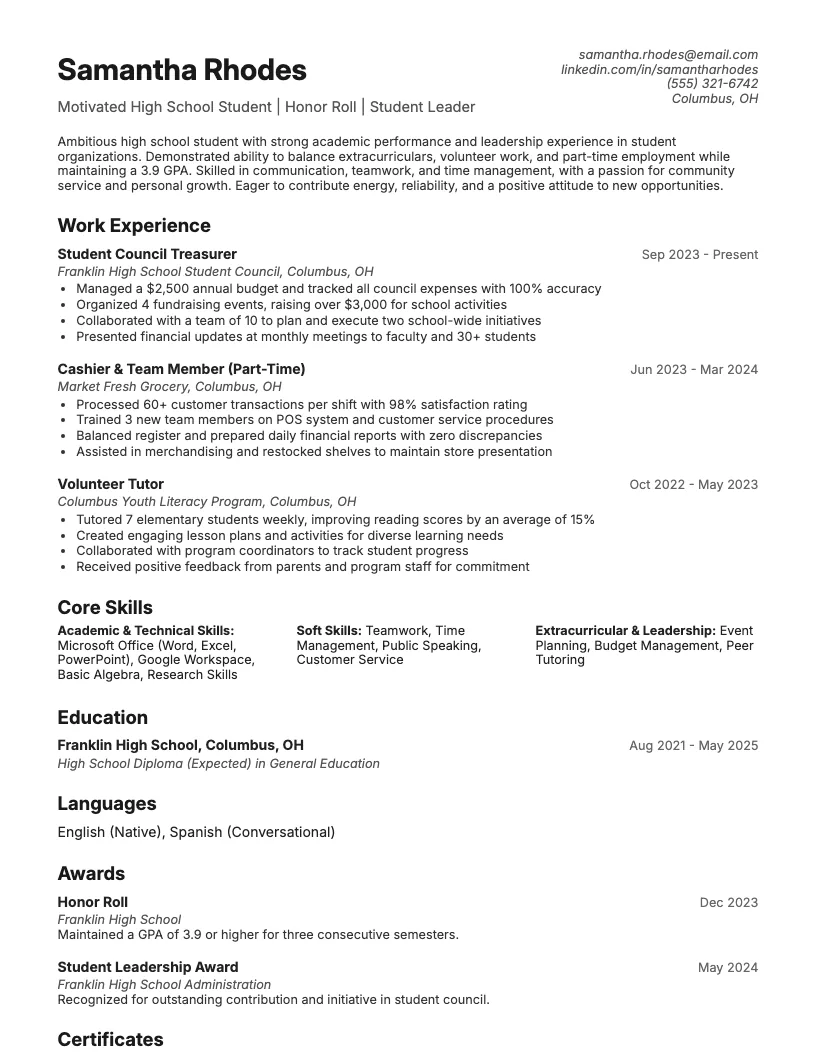
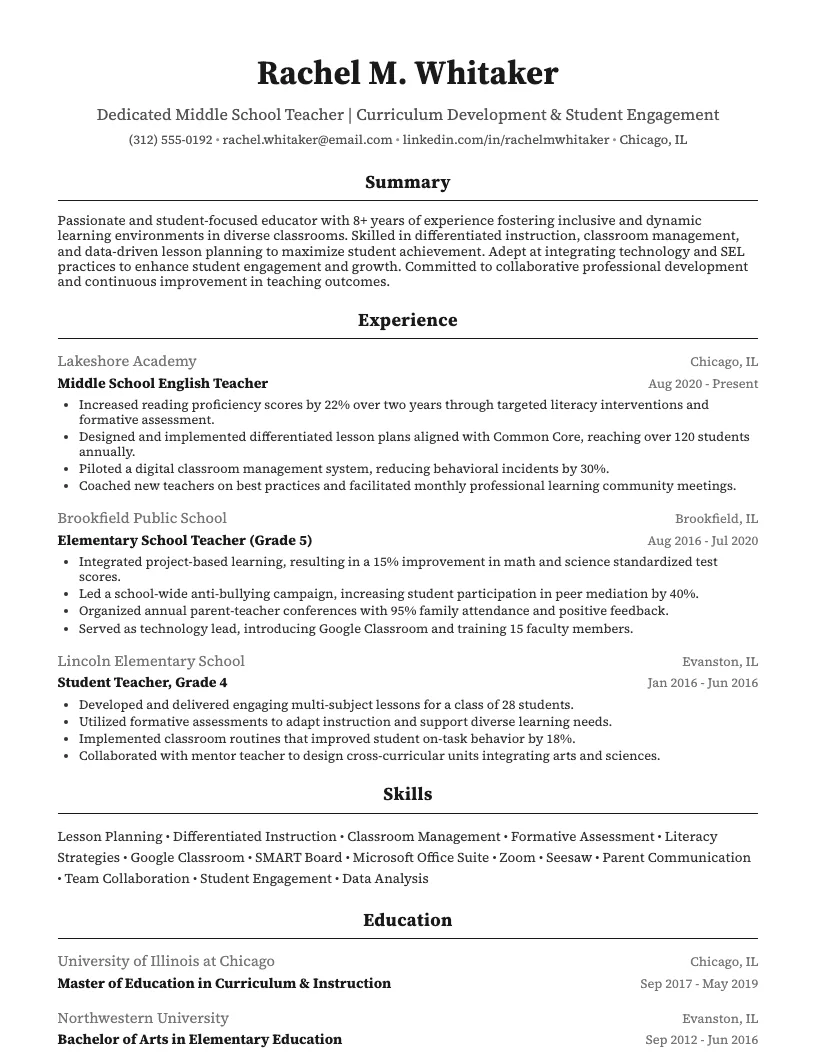
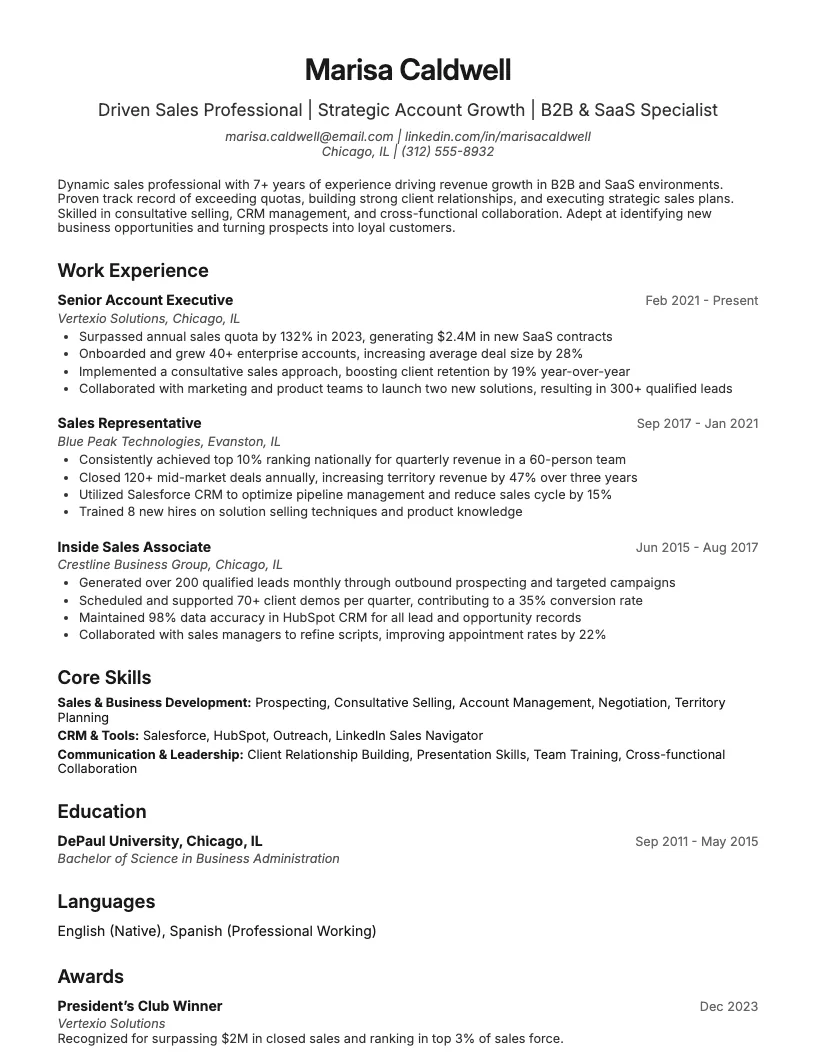
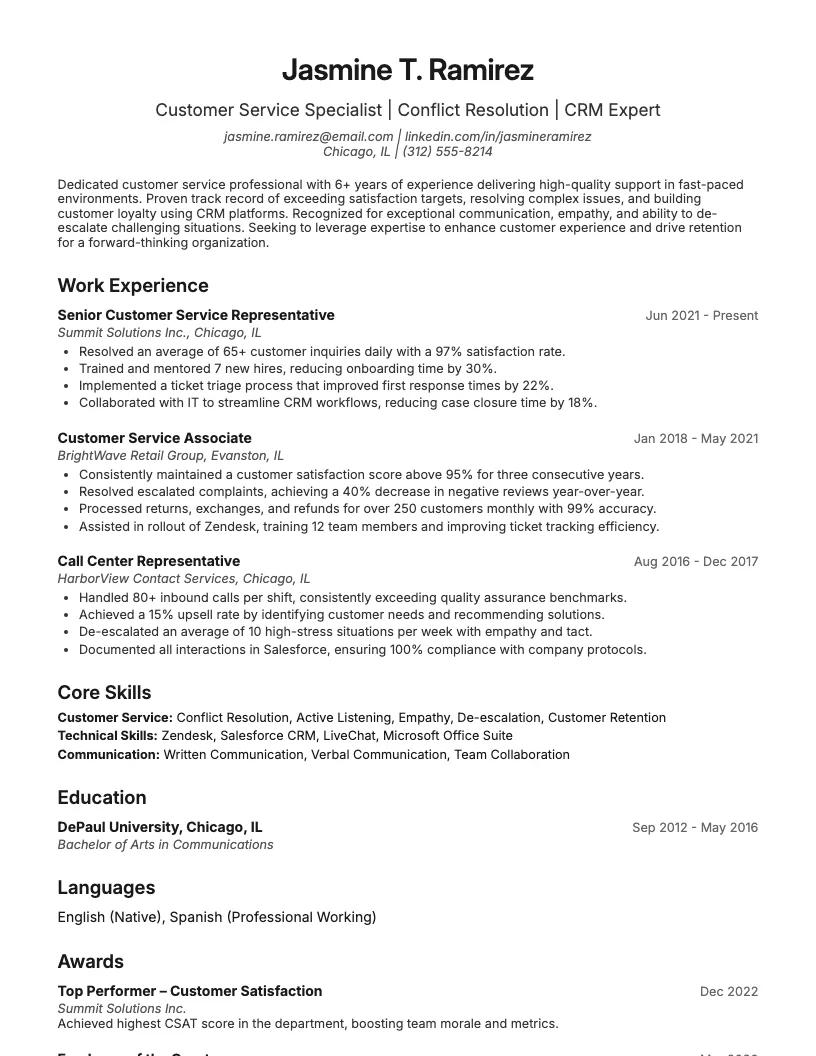
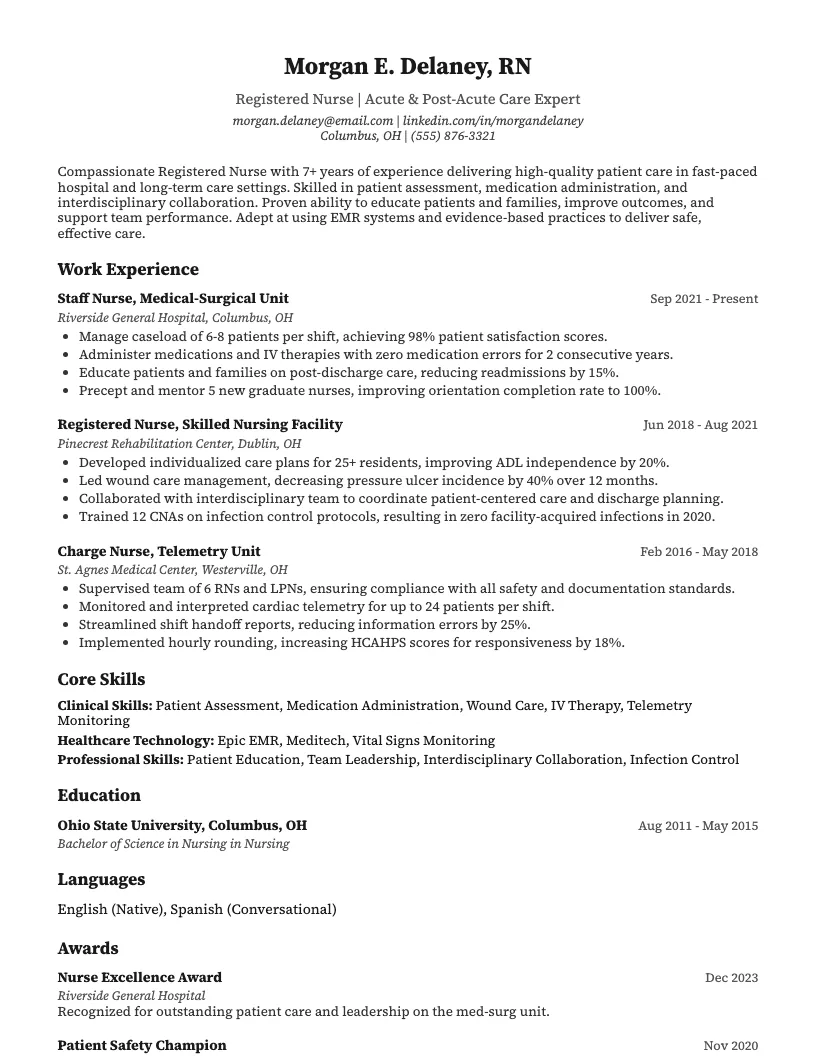
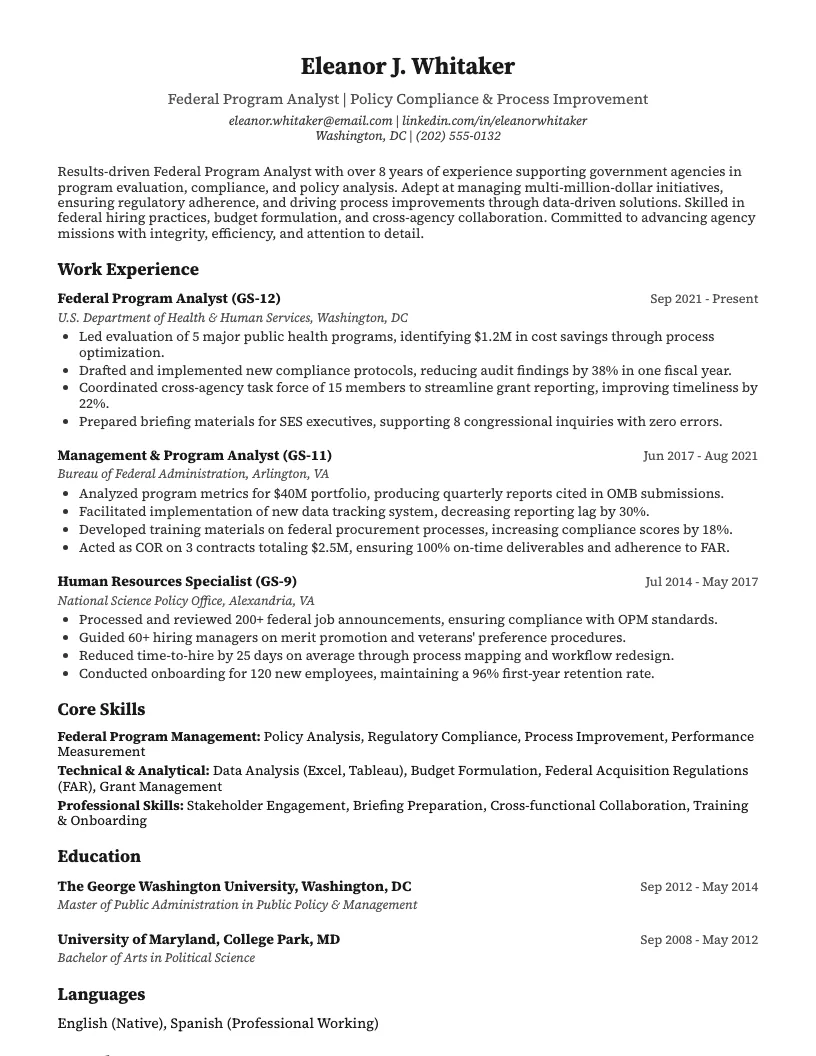
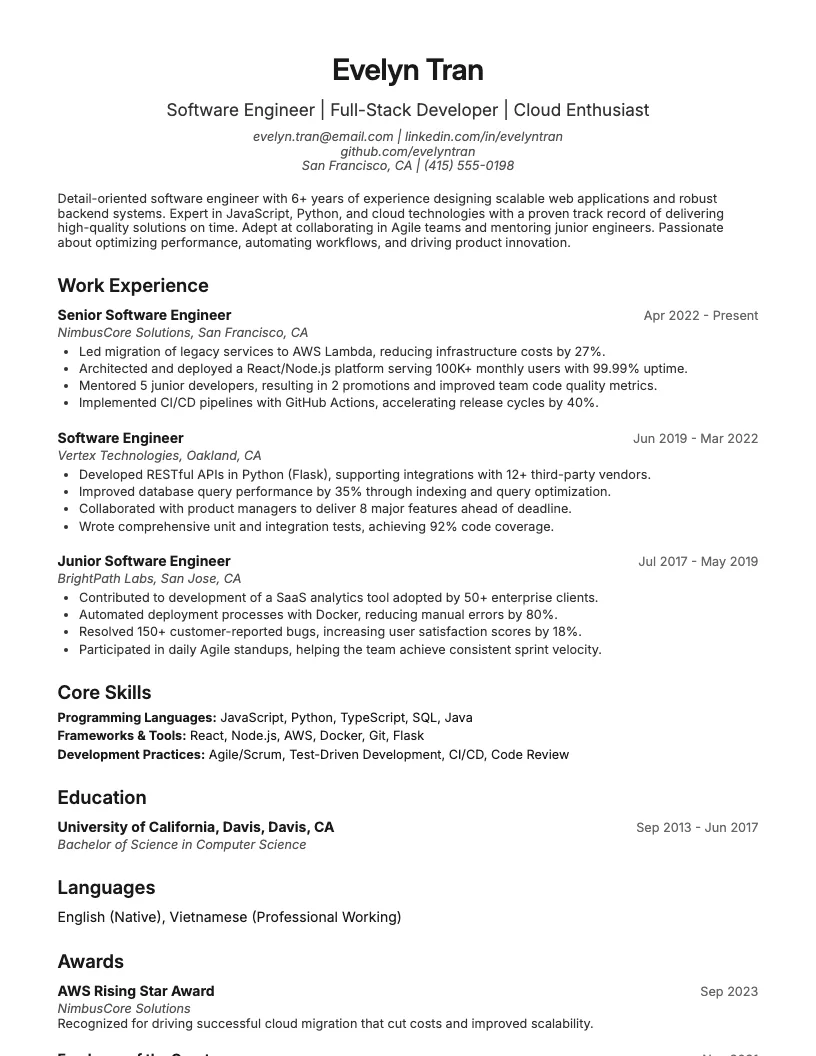
See these skills on a real resume
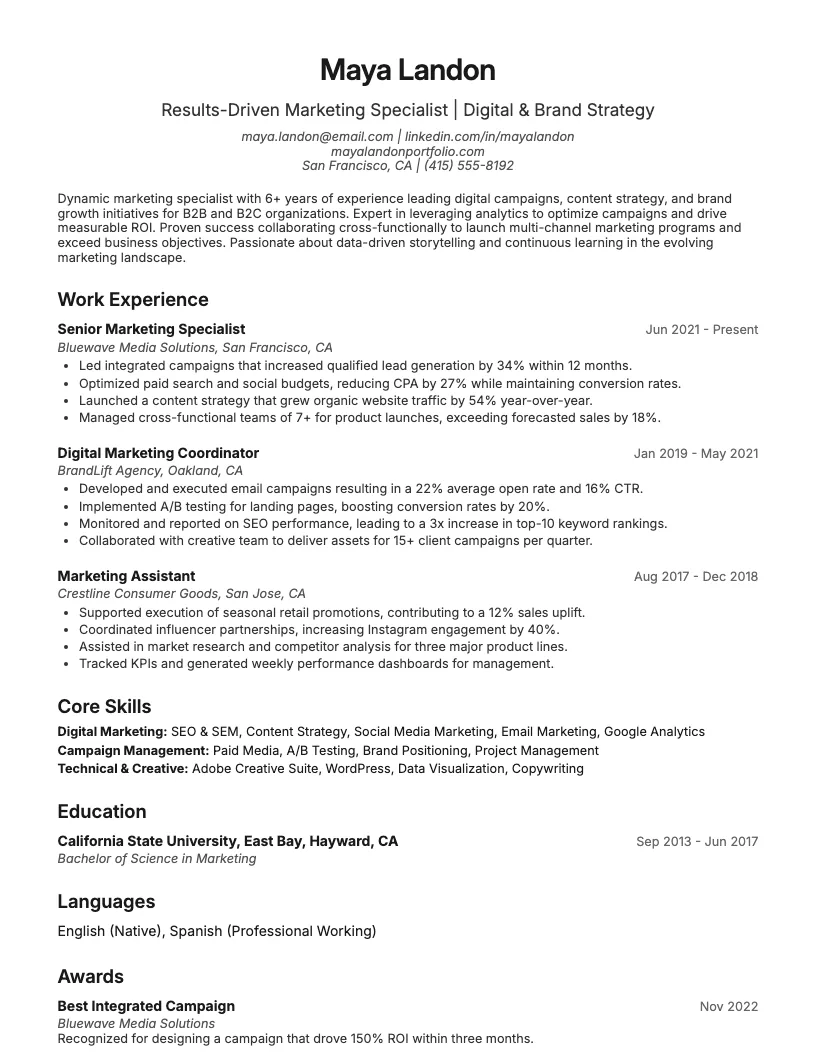
8 examplesStart from an example that already has them, and swap in your own.
Check your resume against the job you want
Scan your resume, see which skills and keywords the posting asks for that you are missing, and fix them before you apply.
Free to use • No credit card required