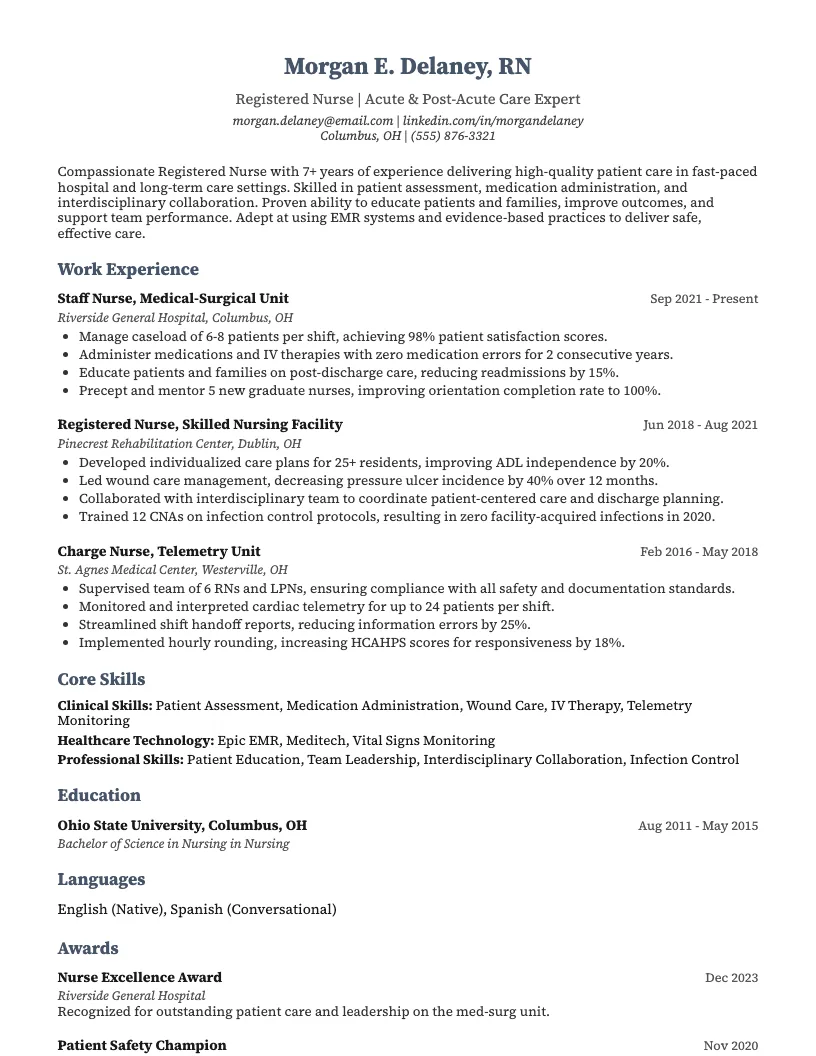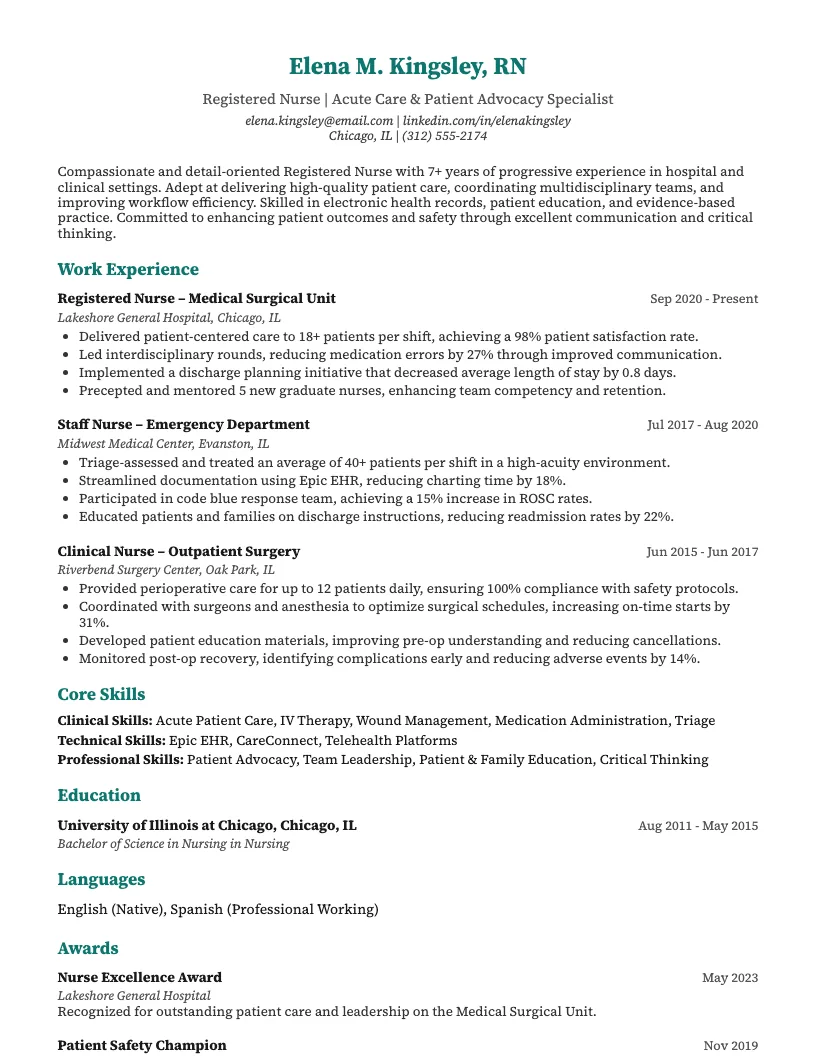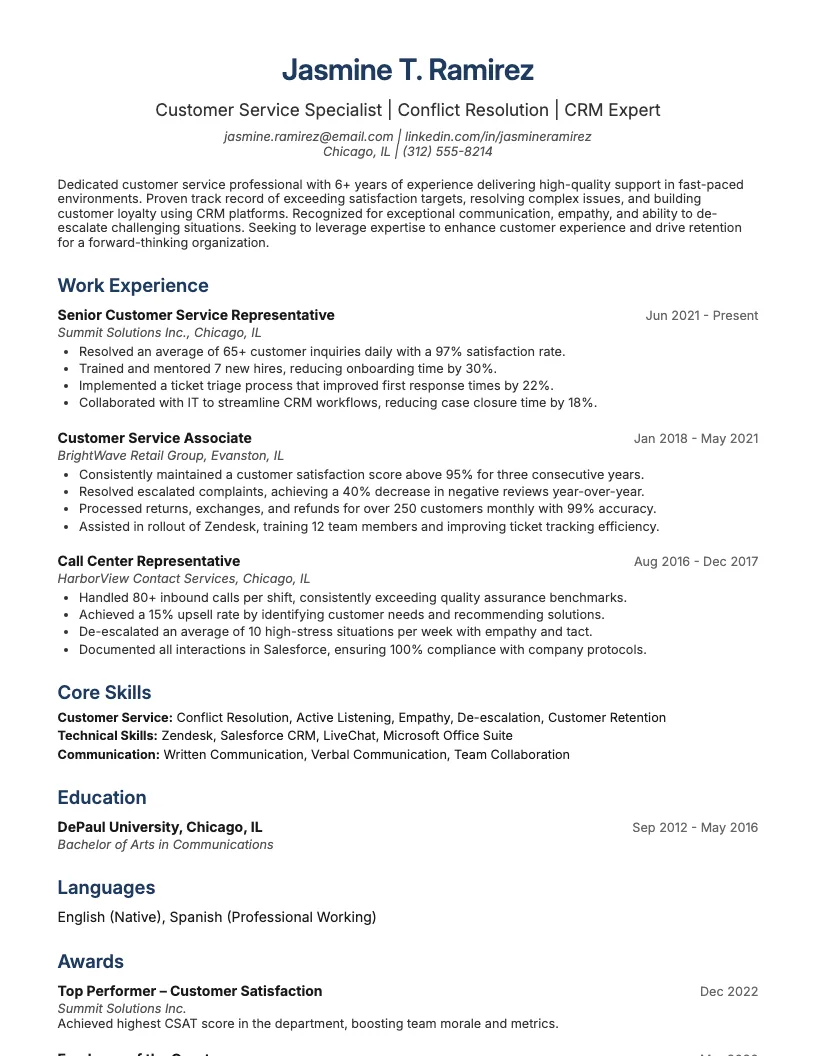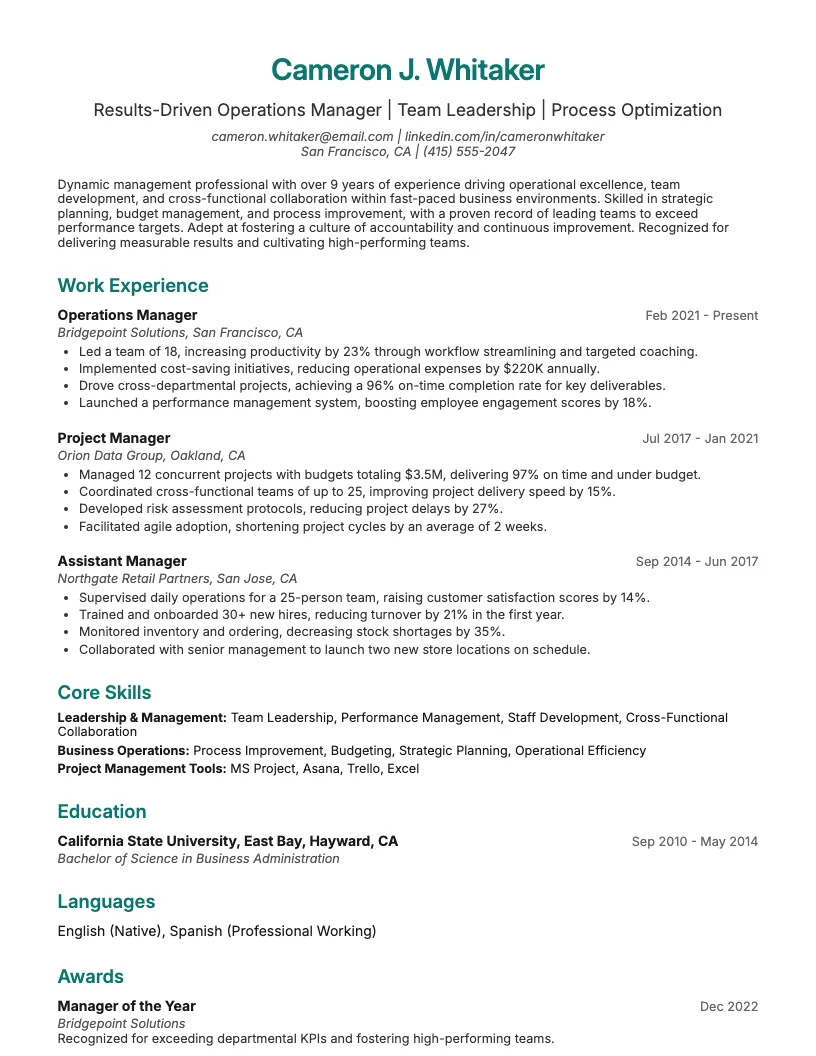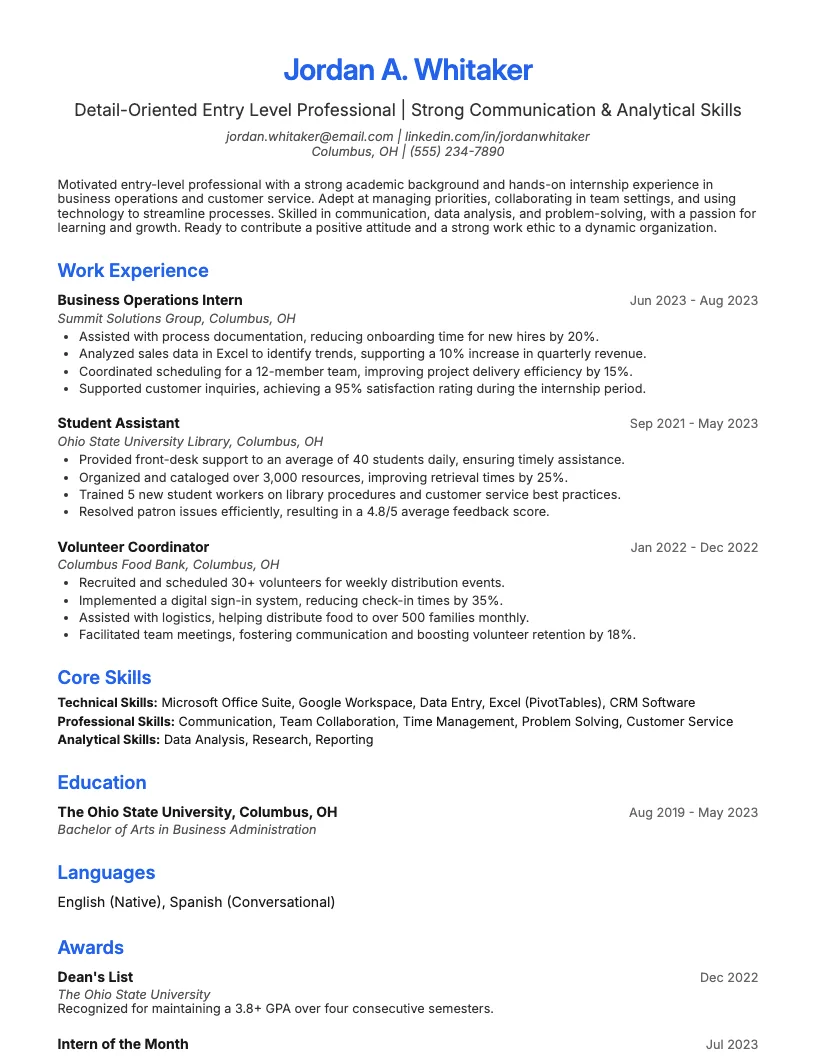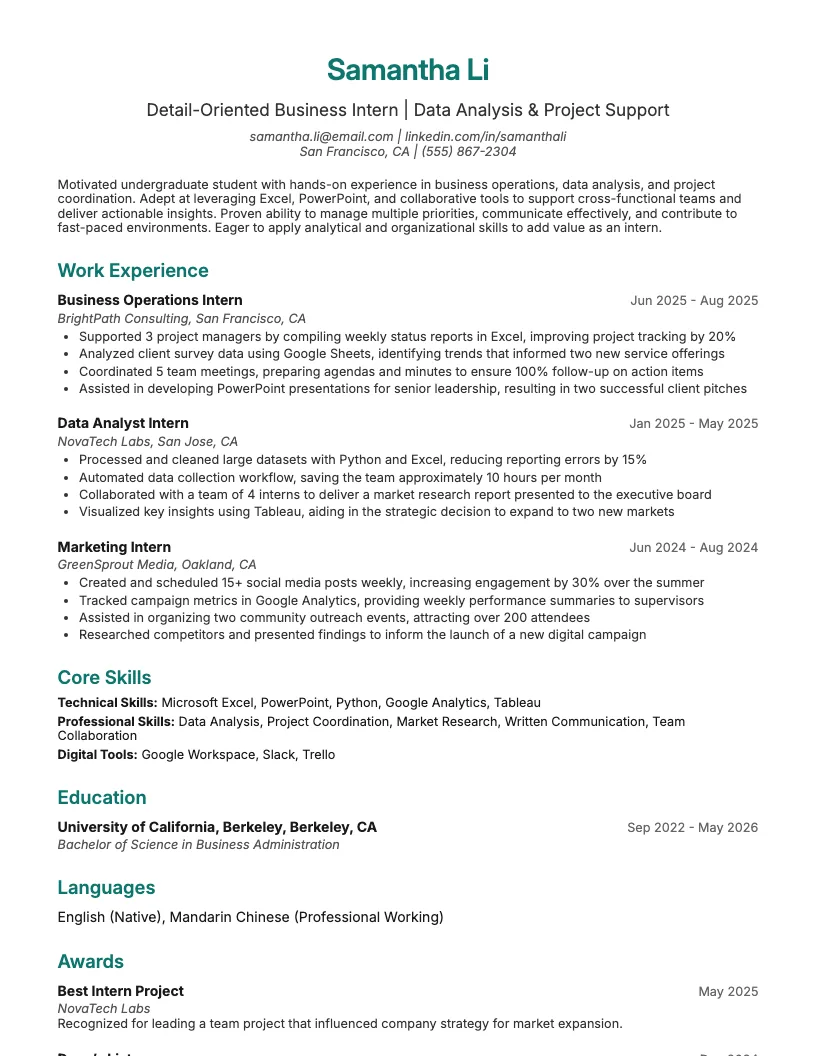
Aba Therapist Resume Example
See full guide on Aba Therapist resumes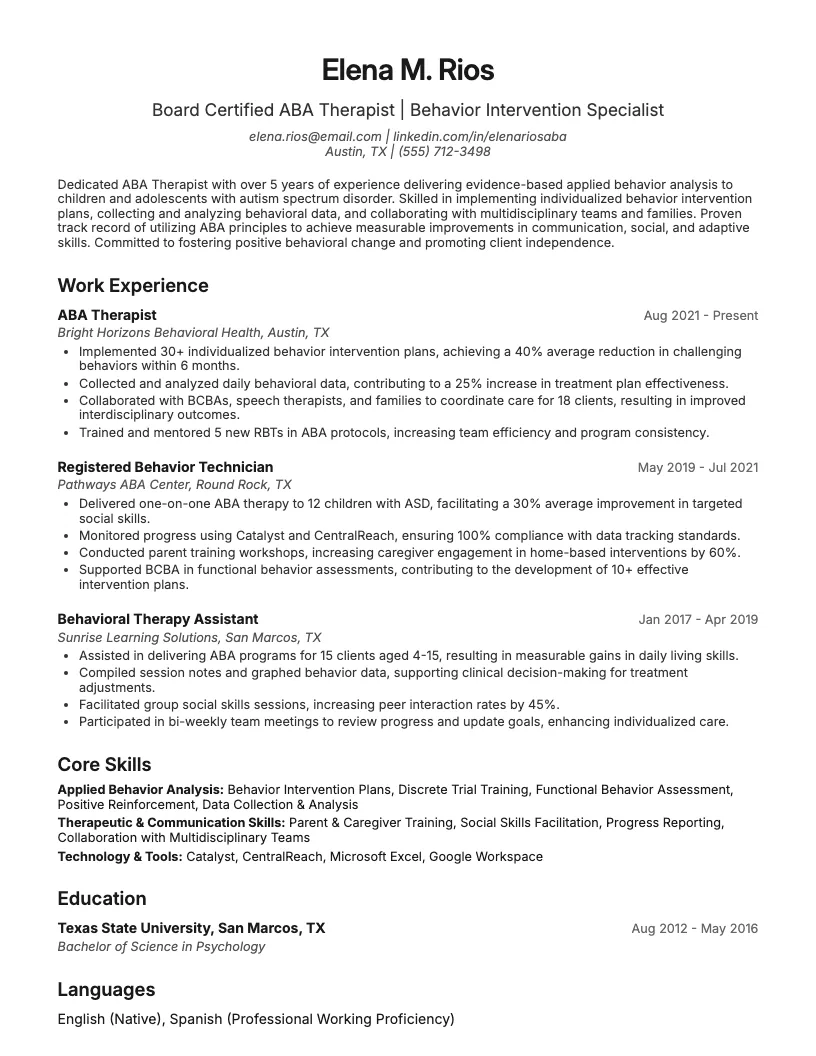 Click to enlarge
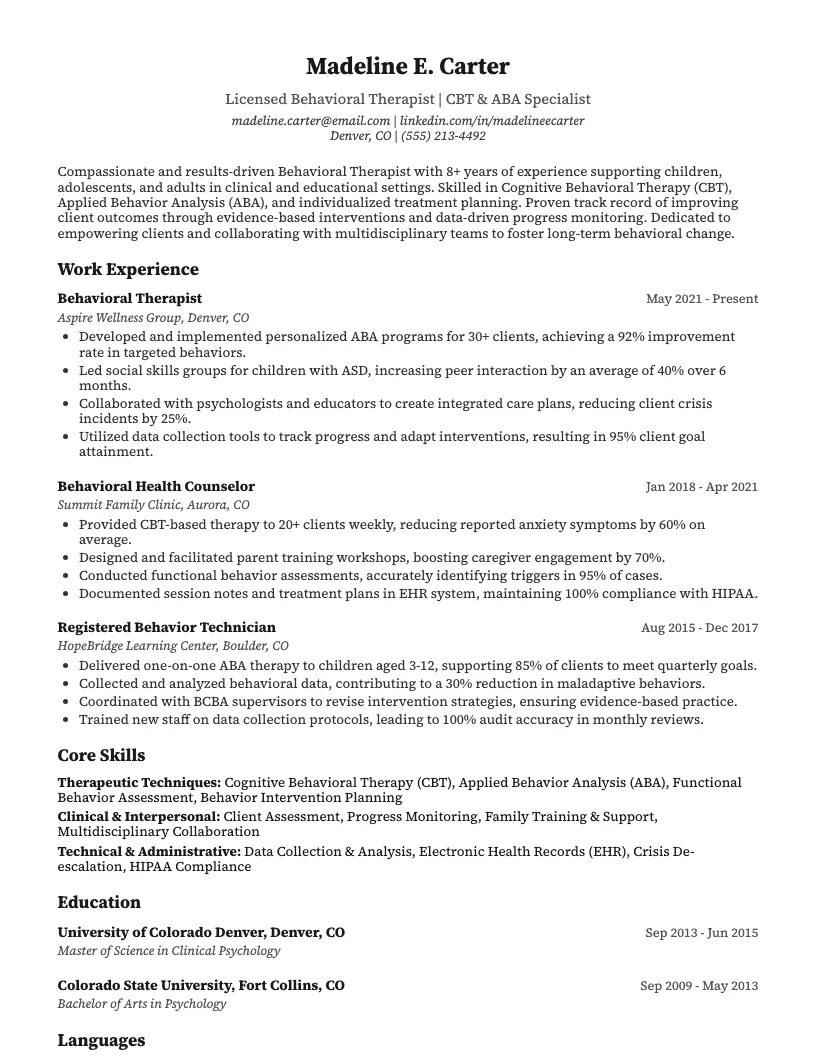 Click to preview

Get inspired by 62+ professional Behavioral Therapist resume examples, each written by career experts and optimized to pass ATS scans. Pick a proven template, tailor it to your role, and download a polished resume in minutes.
Pick the specialization closest to your target role and start from a proven resume example.
Behavioral therapists help people build healthier habits and handle tough emotions. I work with clients of all ages, from kids to adults, using proven techniques like cognitive behavioral therapy.
You’ll need strong communication skills and deep knowledge of behavior intervention. Demand for behavioral therapists is high. The Bureau of Labor Statistics says job openings could grow 25% over the next decade.
Knowing what to include on your behavioral therapist resume can feel tough, no matter where you are in your career.
Here, I break down resume examples for entry-level, experienced, and ABA therapist roles. Each one highlights real skills and achievements employers look for.
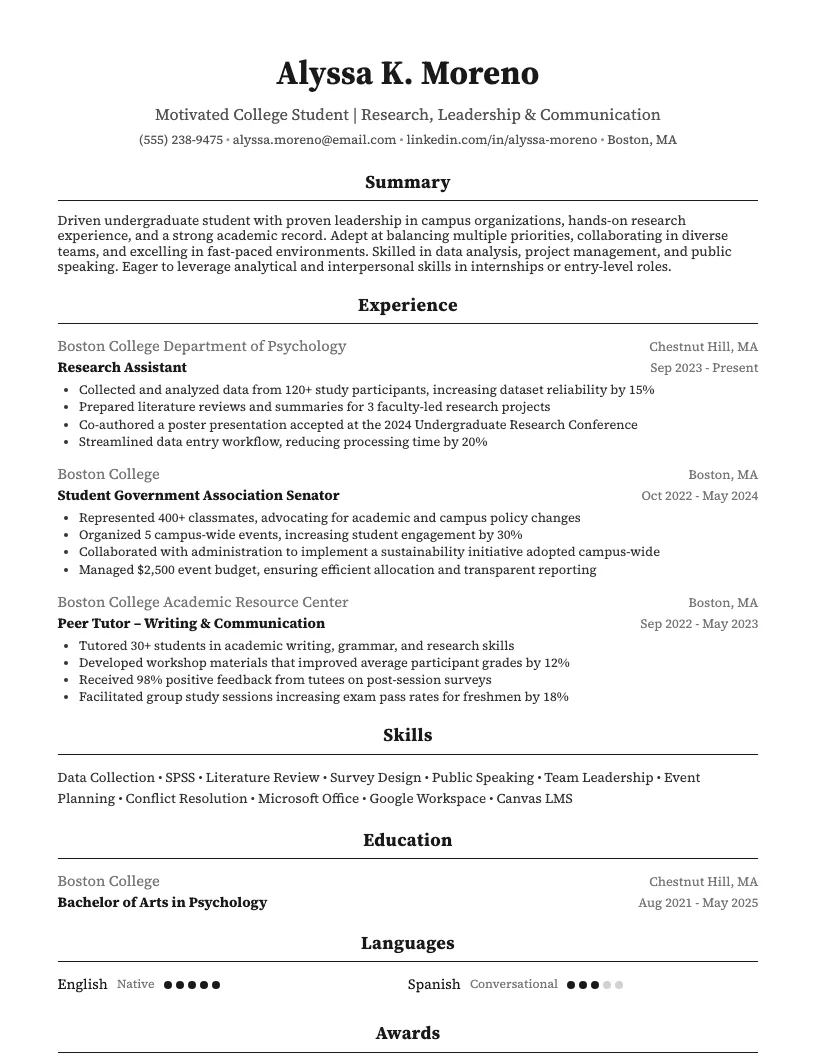
Starting out as a behavioral therapist? Your resume should show off your education, certifications, and any hands-on training or internships you’ve completed.
I always suggest highlighting transferable skills-like communication, patience, and problem-solving. These are huge in therapy settings, even if you’re fresh out of school.
Quantify your impact where you can. Mention the number of clients you’ve supported or group sessions you’ve helped lead. This helps recruiters see your value right away.
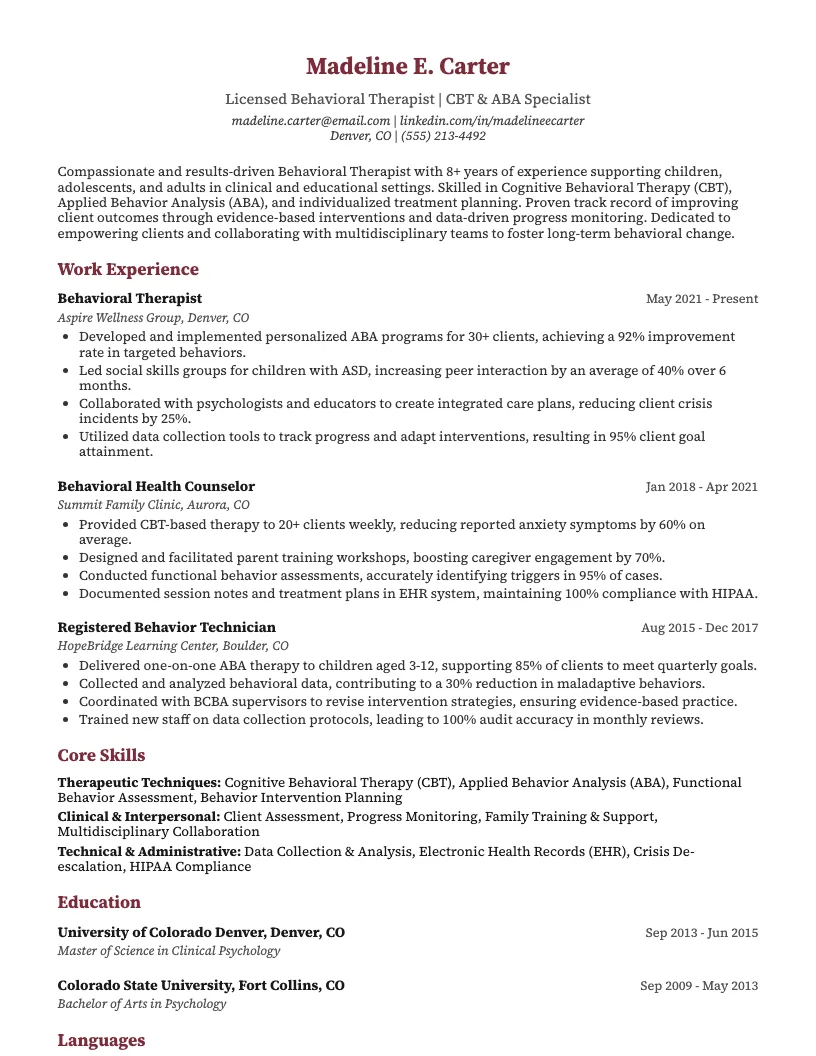
If you’ve got 5+ years as a behavioral therapist, your resume should highlight measurable outcomes. Employers want to see data, like client progress rates or program improvements.
I always include specific certifications, like BCBA or CBT training. Mentioning experience with multidisciplinary teams and supervising junior staff helps show your leadership skills, which you can also highlight in a cover letter.
You can also list advanced interventions you use, such as trauma-informed care or crisis management. This shows you handle complex cases and keep up with current best practices.
If you work as an ABA Therapist, your resume should show off your experience with Applied Behavior Analysis and data-driven interventions. List certifications like RBT or BCBA if you have them.
I always recommend you mention caseload numbers. For example, “worked with 8 clients weekly” or “tracked progress for 15 children using ABA principles.” This adds credibility.
Highlight skills like behavior modification, parent training, and developing treatment plans. Employers want to see you’re comfortable with both direct therapy and collaborating with families.
That wraps up the key resume examples for behavioral therapy roles at every stage. Focus on the details that best fit your experience, and you’ll stand out.
A solid behavioral therapist resume shows your ability to help clients, collaborate with teams, and follow evidence-based practices. You want to highlight your training and hands-on experience.
You need the right resume format and a clean design. These two details help you get noticed by recruiters, especially if your resume goes through applicant tracking systems.
Picking the right resume format is key as a behavioral therapist. I usually recommend the reverse-chronological style-it’s the most popular and recruiters expect it.
This format puts your most recent experience up top, making your skills and certifications easy to spot. Over 80% of employers scan resumes this way.
If you’re new to the field or changing careers, you might consider a combination format. This lets you highlight transferable skills and training before listing jobs.
I keep my behavioral therapist resume layout clean and simple-white space matters. A one-page resume is ideal, especially if you have under 10 years of experience.
Use clear section headings and consistent font sizes. This helps recruiters find your qualifications in less than 10 seconds, which is the average initial scan time.
Keep bullet points short-no more than two lines each. Prioritize readability over flashy graphics. Professional and straightforward design always beats clutter for this role.

Every behavioral therapist resume should cover the basics: summary, work history, education, and skills. Each section highlights your qualifications and makes your expertise clear.
You want employers to see not just your experience but your impact. Focusing on these key areas helps you stand out in a crowded field.
The resume summary sits right at the top and gives you a shot to grab attention fast. This is where you highlight your biggest strengths as a behavioral therapist.
I always recommend you focus on what makes you unique-like years of experience or standout patient outcomes. Use 3-5 sentences to cover your impact and approach.
This helps hiring managers see your value right away. Make sure you mention any specialties or populations you work with, and keep it direct and relevant—just like a well-crafted cover letter.
This is where I show off my hands-on experience as a behavioral therapist. I list jobs, internships, or volunteer roles that highlight my therapy skills and real-world impact.
I always start each entry with my job title, employer, and dates. Then, I use bullet points to describe what I actually do-not just generic duties, but specific actions.
Numbers make a difference here. For example, I might say I develop treatment plans for 20+ clients per week or track measurable improvements in 85% of cases.
You want every bullet to reflect the kind of results a hiring manager wants to see. Think about outcomes, collaboration, and any leadership roles you take on.
Once you’ve nailed your employment history, it’s time to highlight your education background-that’s just as important for behavioral therapists.
Education matters a lot for behavioral therapists. You usually need at least a bachelor’s in psychology, but most jobs want a master’s degree. I always list my highest degree first.
If you’ve got honors, distinctions, or extra certifications, definitely put those in. Leave out your high school once you’ve got college-level credentials. This keeps things short and relevant.
Certifications like BCBA or state licenses can go here if you don’t have a separate section. This helps hiring managers spot your qualifications fast.
I always put a strong mix of hard and soft skills on my resume. For behavioral therapists, employers expect things like applied behavioral science, problem-solving, and advanced communication.
You want to show you know behavior therapy models and have solid documentation habits. I like to add collaboration, active listening, and crisis management too-these pop up in most job descriptions.
Highlighting data collection, progress evaluation, and treatment plan development helps. These skills show you can track outcomes and adjust strategies, which is a big part of the job.
Building a standout behavioral therapist resume isn’t complicated, but you do need to hit the right points. This field grows fast, so competition can be tough.
Highlight your credentials. Most employers look for degrees, certifications, and hands-on experience. I always make sure those details are front and center.
Choosing the best format really matters. Reverse chronological resumes work well for therapy roles because they show your career growth clearly.
Keep reading for tips on formatting, skills to include, and ways to show your impact in past roles.
I know how useful it is to see other resume types when you’re updating yours. It gives you a better sense of what employers expect.
If you want to branch out or specialize, looking at related roles helps. You can compare requirements and see which skills transfer easily between jobs.
You want your cover letter to stand out, right? Using strong ABA therapist cover letter examples can help you write one that highlights real skills and achievements.
I always focus on specific results. Mention the number of clients you support or programs you improve. This helps you show your direct impact, not just your job duties.
There are lots of formats, but the best examples keep it short-under 300 words. Make your interest clear and connect your experience to the employer’s needs.
Browse Behavioral Therapist resume examples for related roles. Preview any example, open it in the builder, or read its full guide.
Click to enlarge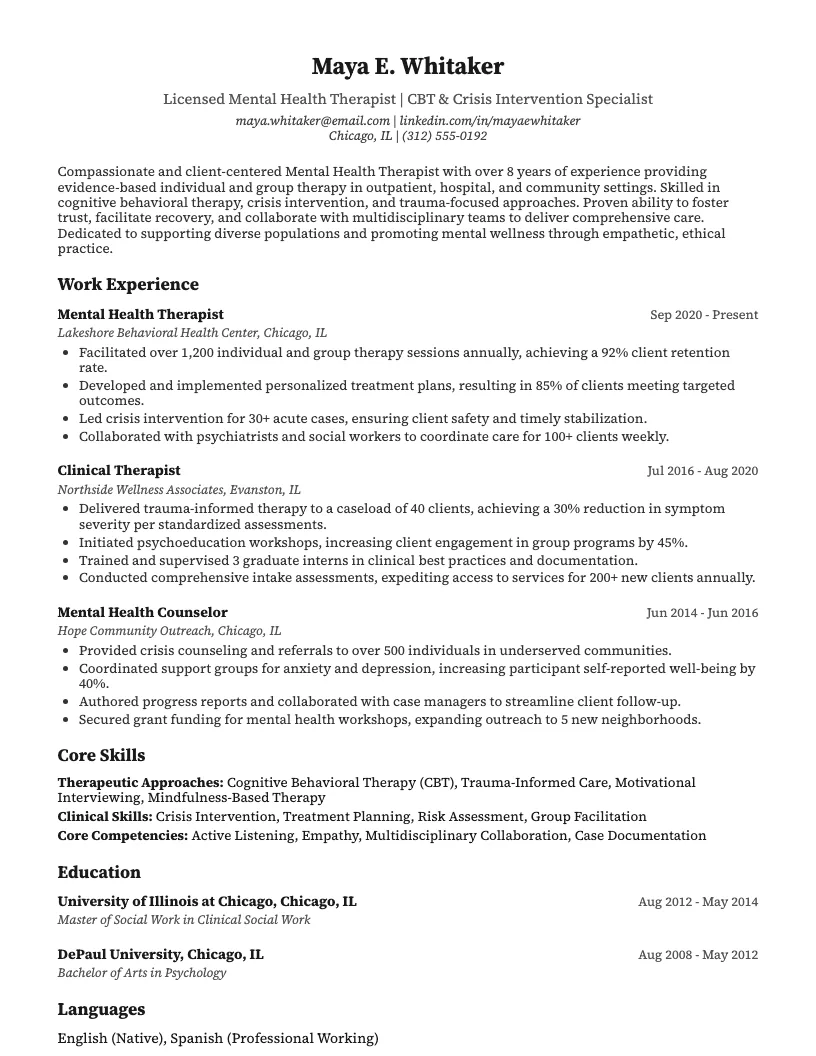 Click to enlarge
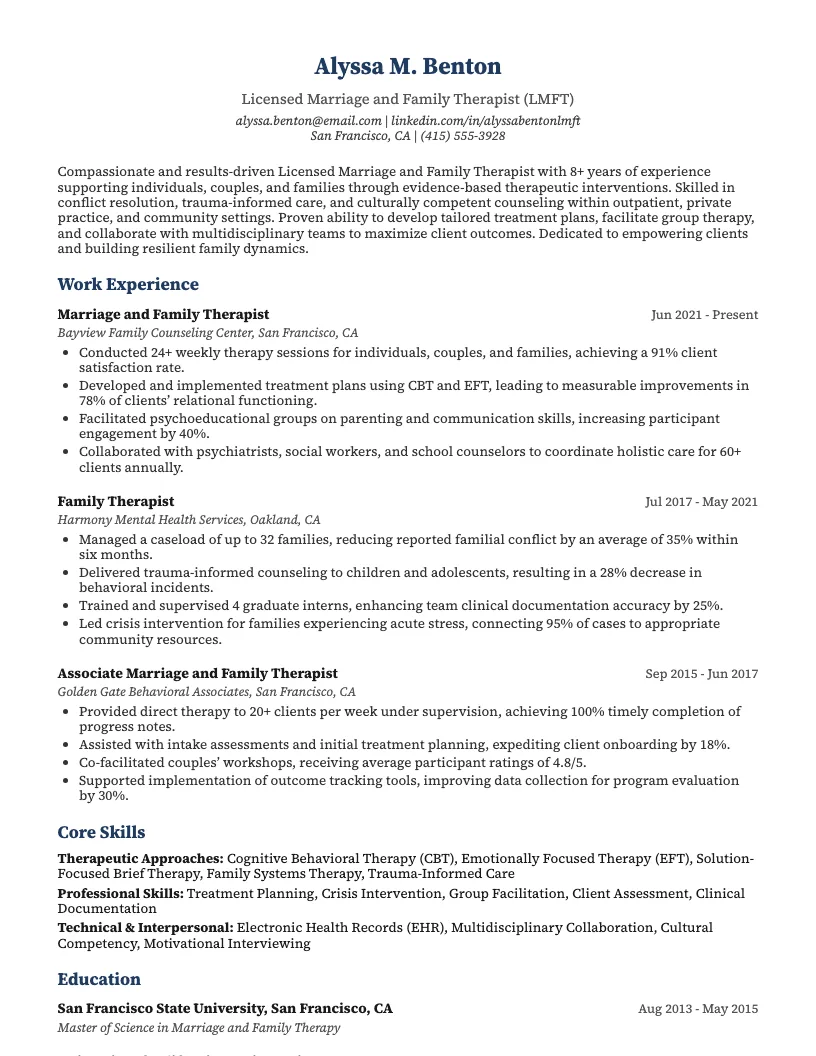 Click to enlarge
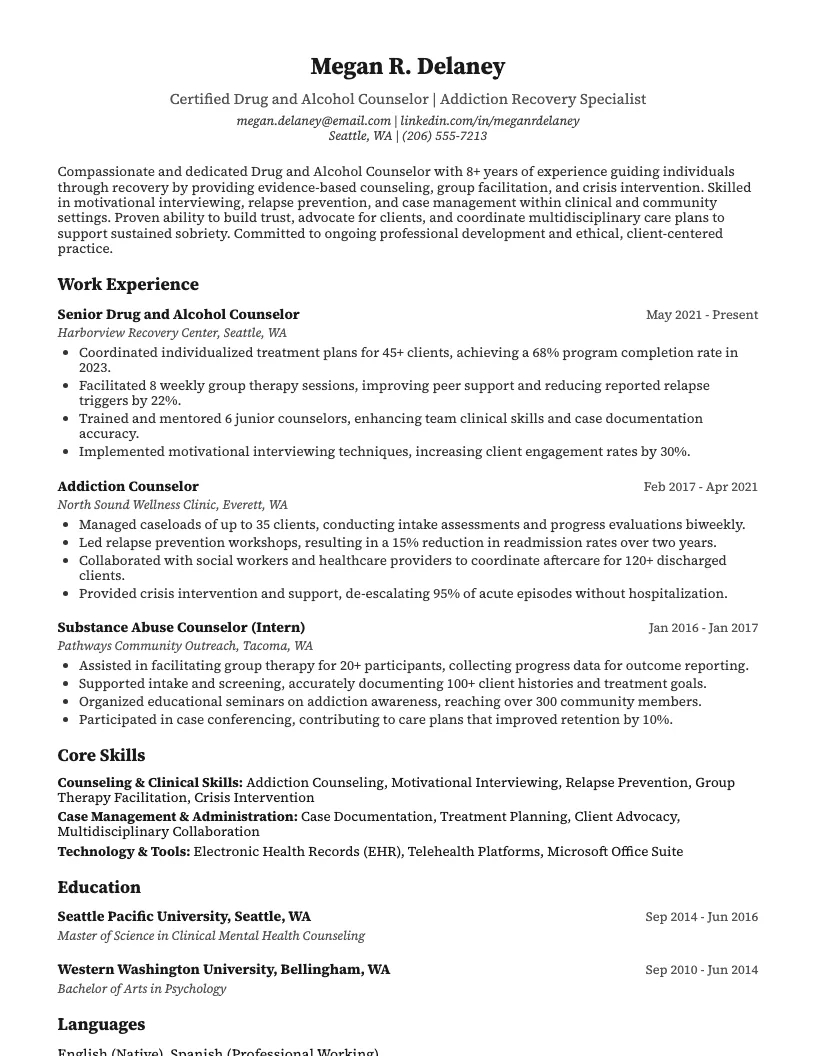 Click to enlarge
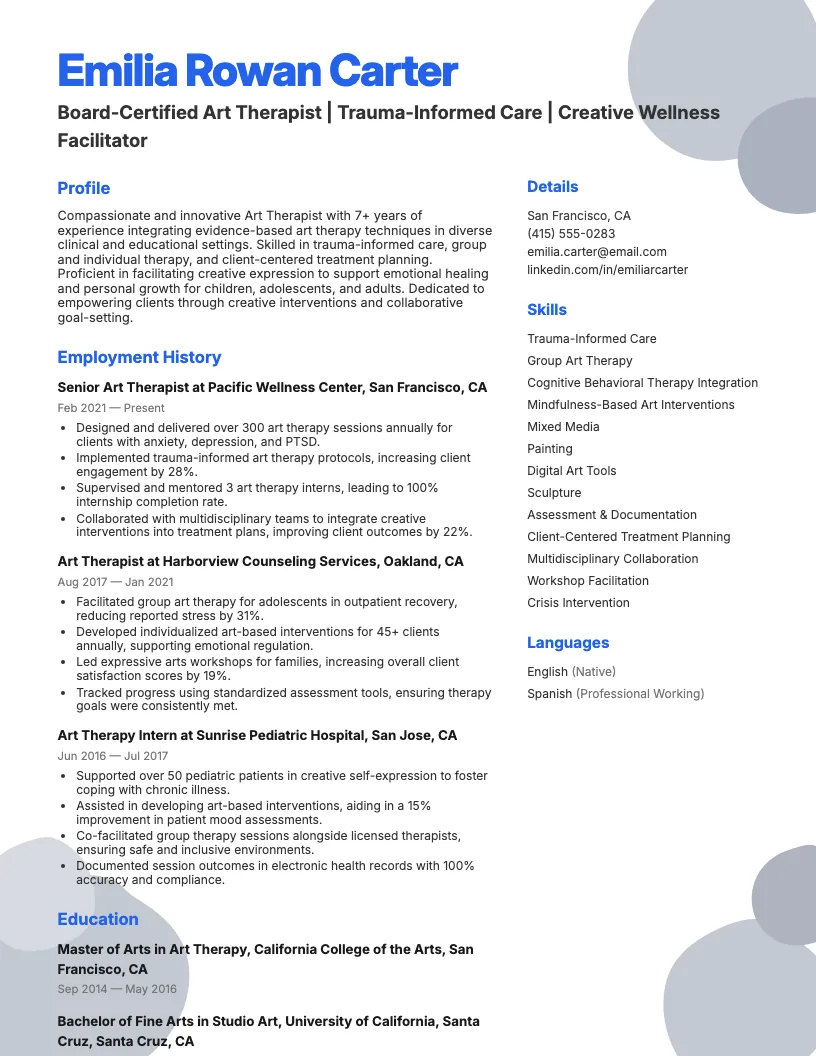 Click to enlarge
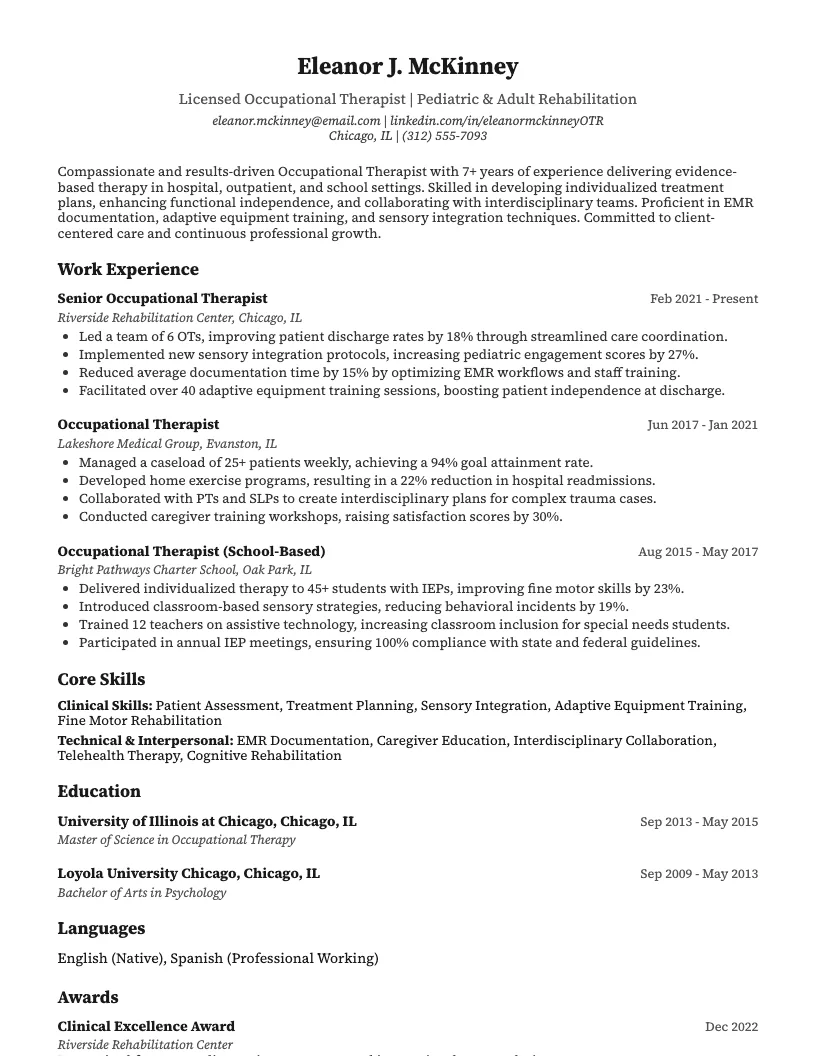 Click to enlarge
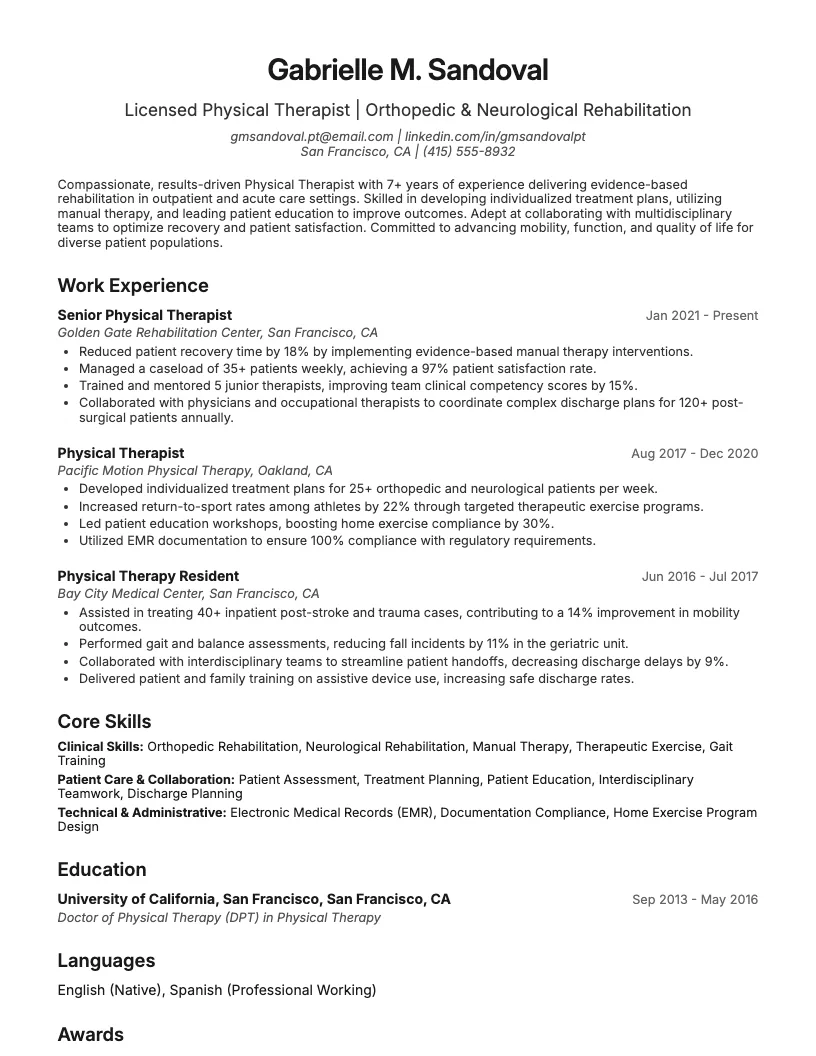 Click to enlarge
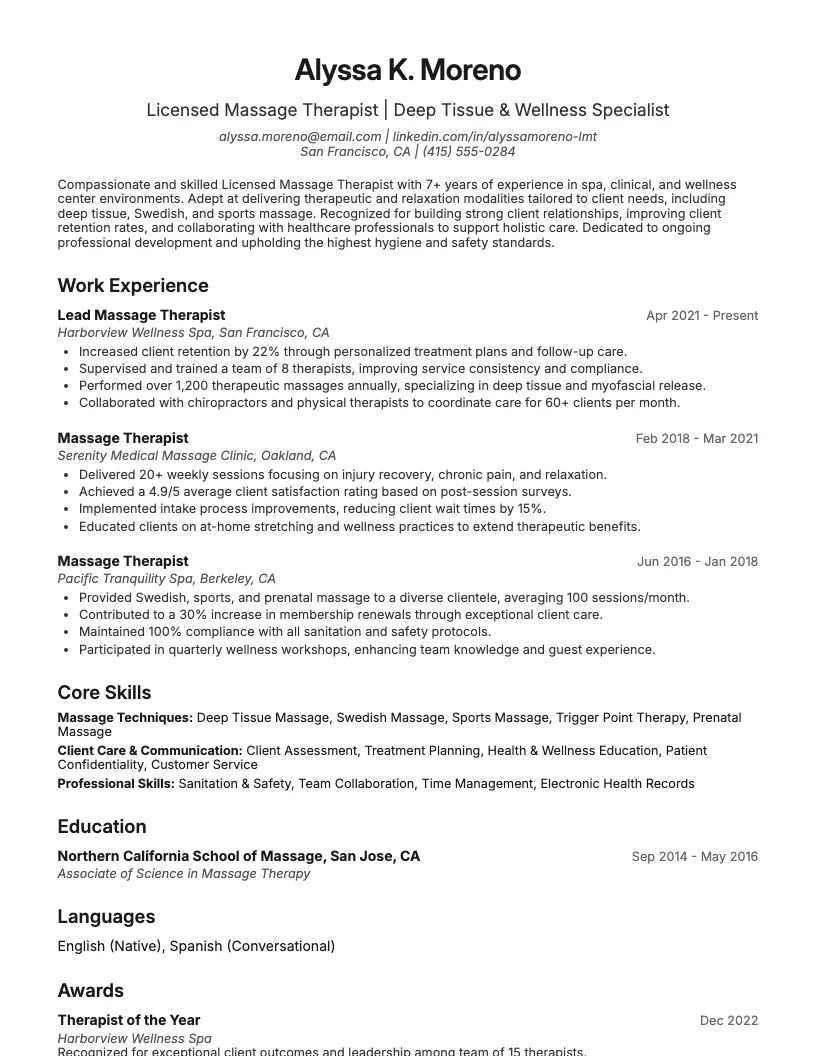 Click to enlarge
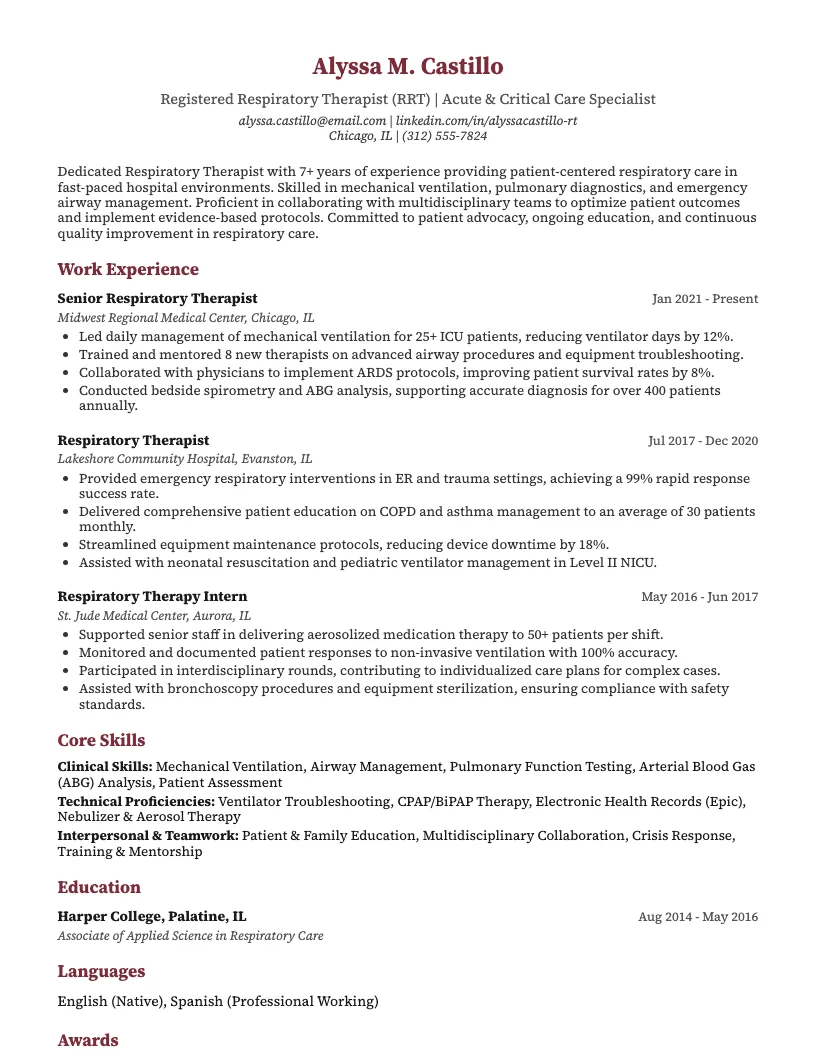 Click to enlarge
Common questions about Behavioral Therapist resumes
A Behavioral Therapist resume template is a pre-designed format tailored to highlight your therapy skills, credentials, and relevant experience. It helps you showcase your expertise in behavioral therapy roles efficiently.
Yes, most Behavioral Therapist resume templates from ResumeJudge are ATS-friendly, meaning they use clean layouts and standard fonts so your resume can easily pass through applicant tracking systems.
Use this template when applying for roles in mental health clinics, schools, hospitals, or private practices. It’s ideal for both new and experienced behavioral therapists looking to stand out.
Absolutely! ResumeJudge templates are easy to customize. You can adjust sections, fonts, and colors to fit your personal style and highlight your unique qualifications.
Behavioral Therapist templates focus on clinical skills, certifications, and therapy experience, unlike generic templates. ResumeJudge ensures these sections are prominent for therapy-specific roles.
Ideally, keep your resume to one page if you have less than 10 years' experience. For seasoned professionals, two pages are acceptable. ResumeJudge templates help you organize content efficiently.
Include sections like professional summary, certifications, therapy techniques, work experience, and education. ResumeJudge templates provide these sections by default for easy editing.
Yes, ResumeJudge templates have dedicated areas for certifications like BCBA or CBT training, making it easy to showcase your qualifications to employers.
Definitely! These templates are perfect for internships in clinics, hospitals, or schools. ResumeJudge makes it simple to highlight relevant coursework and volunteer experience.
Yes, if you’re transitioning to behavioral therapy, these templates help emphasize transferable skills and relevant training. ResumeJudge guides you in tailoring your resume for a smooth career switch.
Explore more professional resume examples to inspire your job search
Use our AI-powered resume builder to create a professional, ATS-friendly resume in minutes.
Free to use • No credit card required