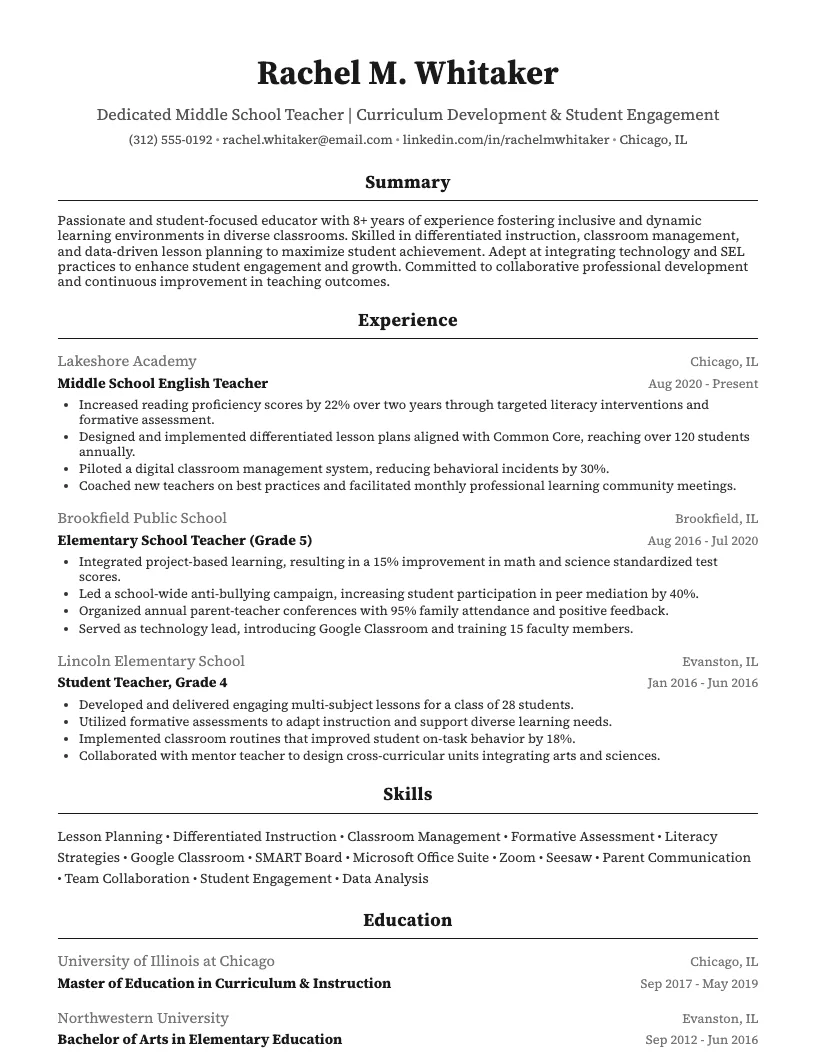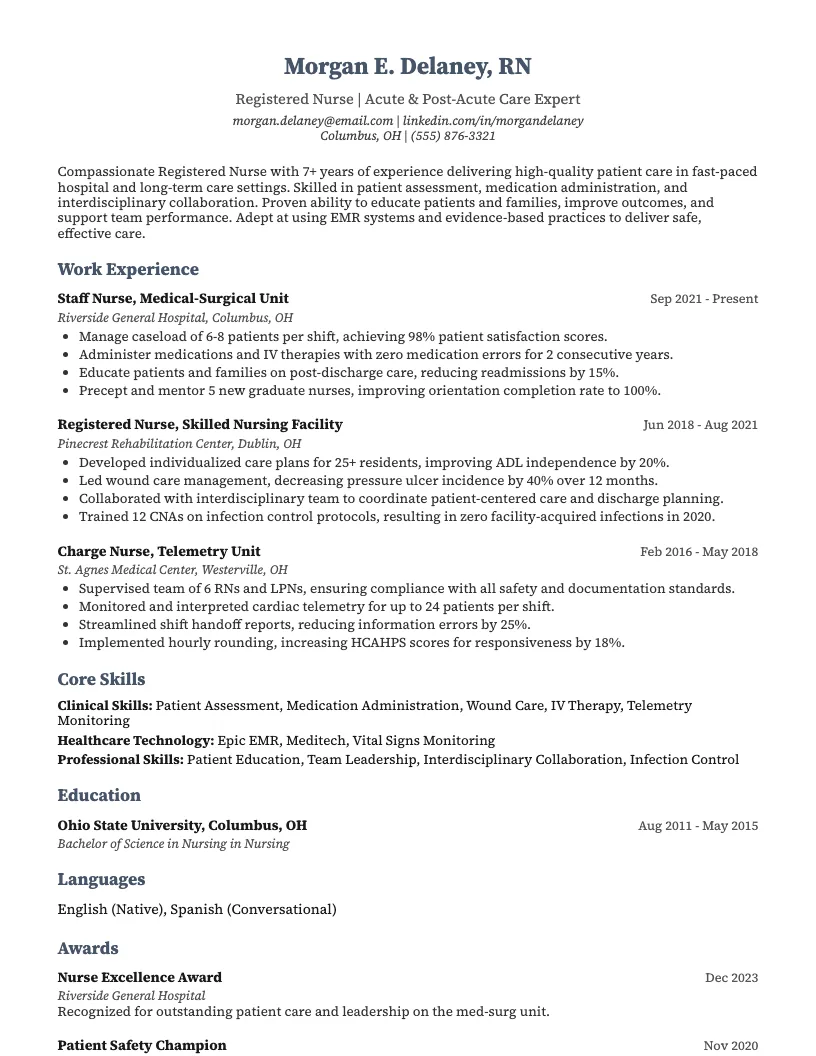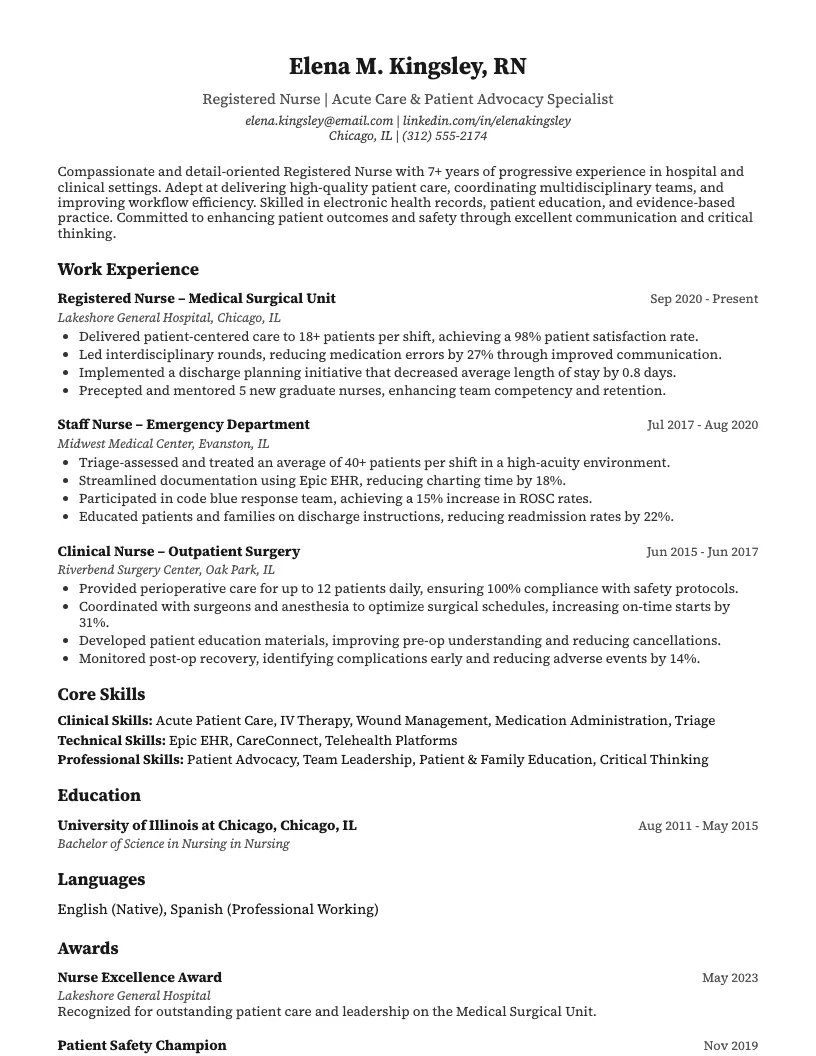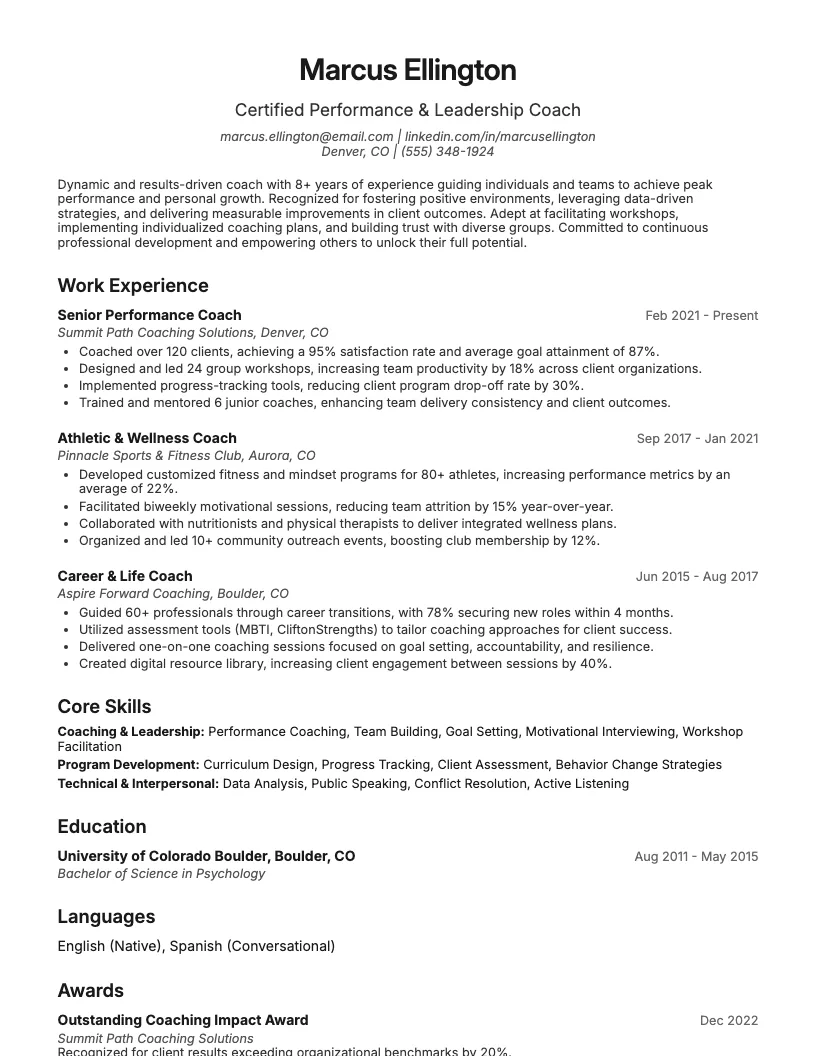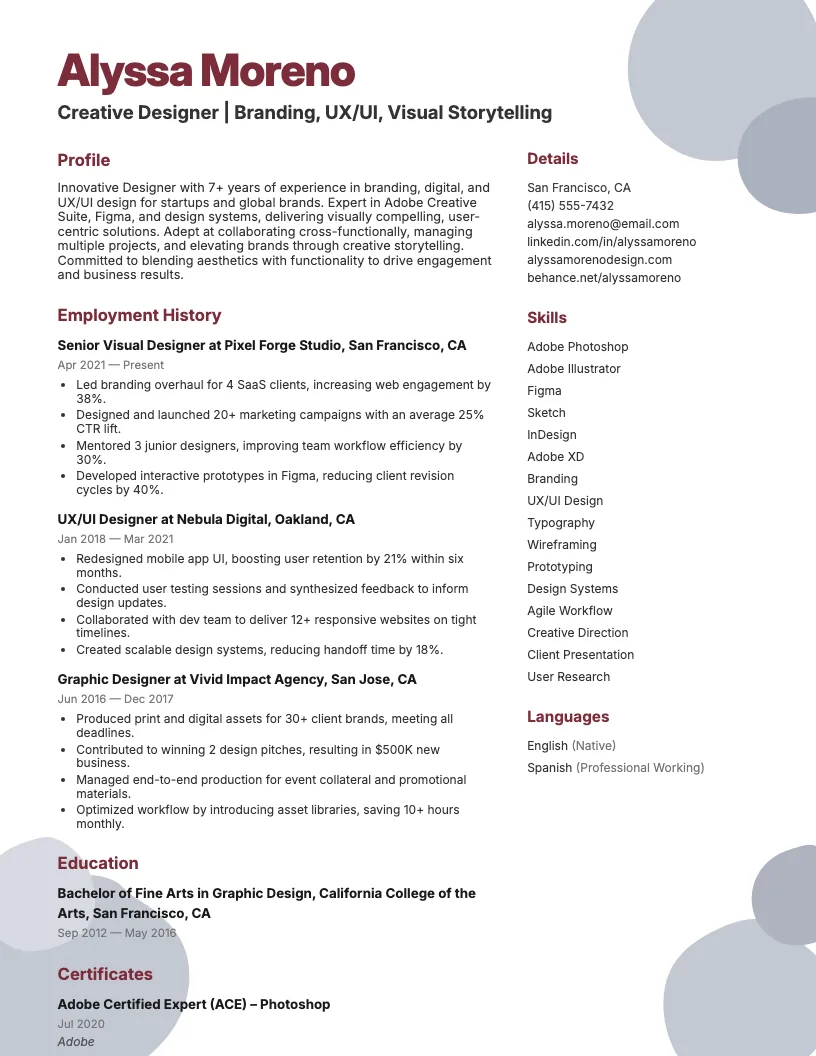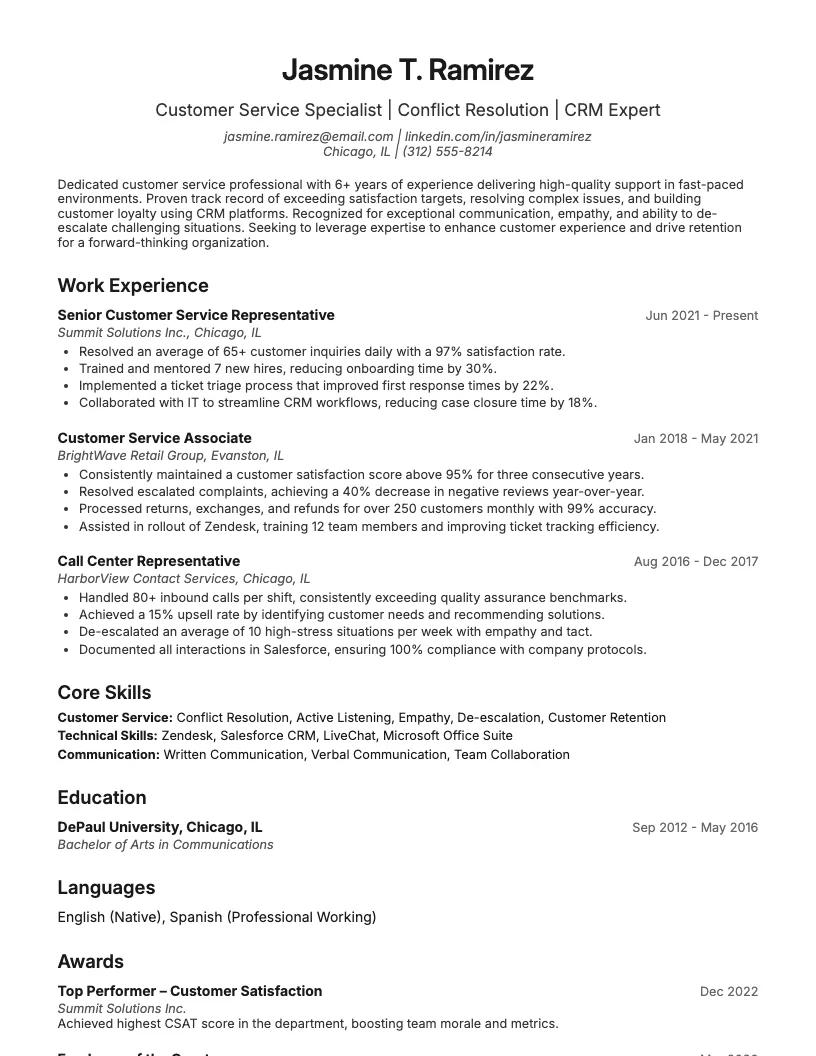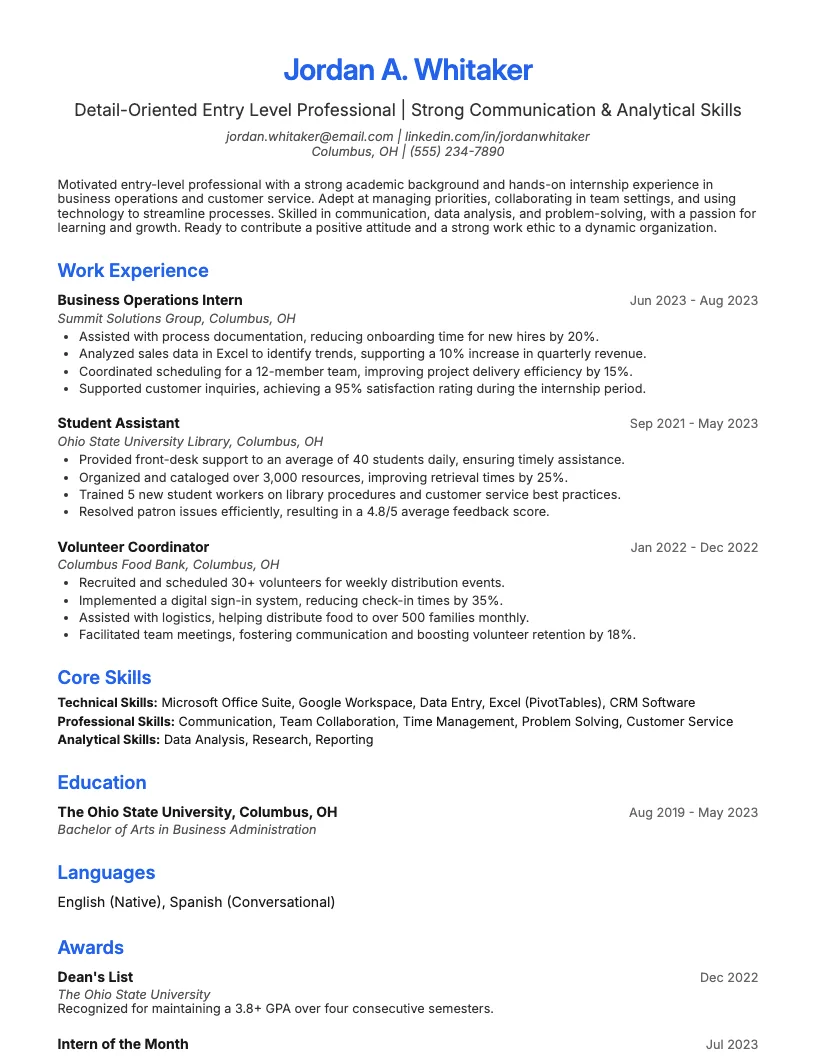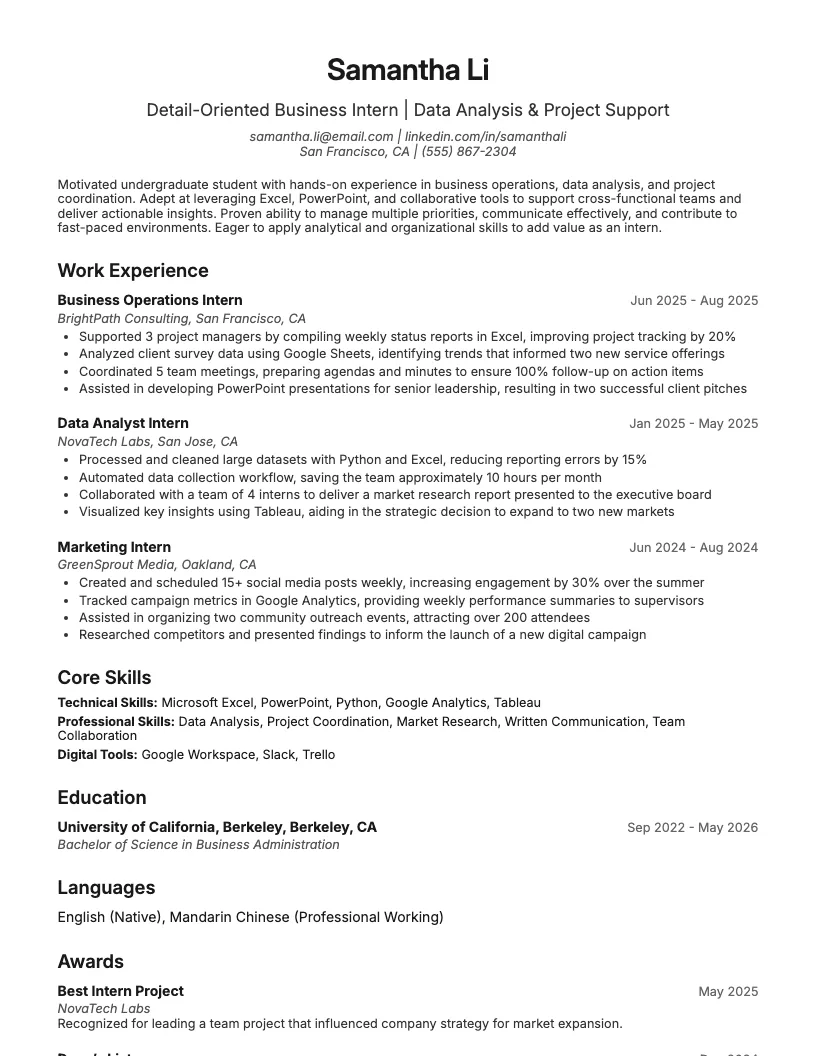
Mental Health Therapist Resume Example
See full guide on Mental Health Therapist resumes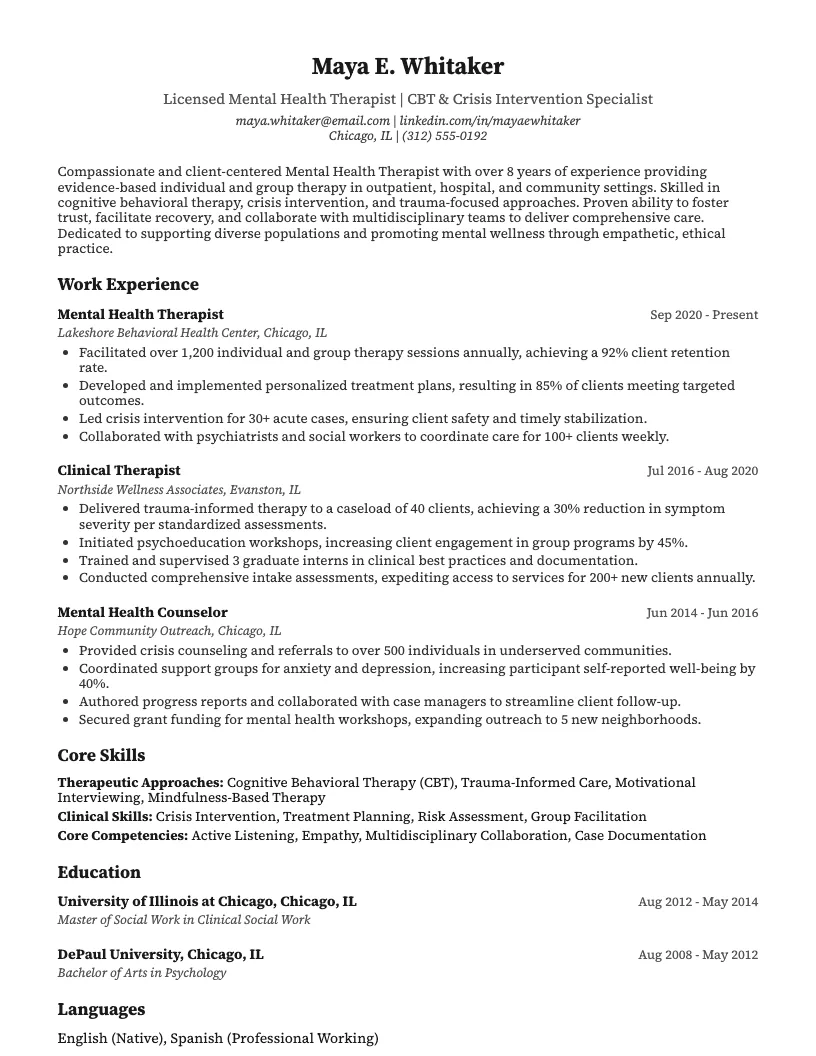 Click to enlarge
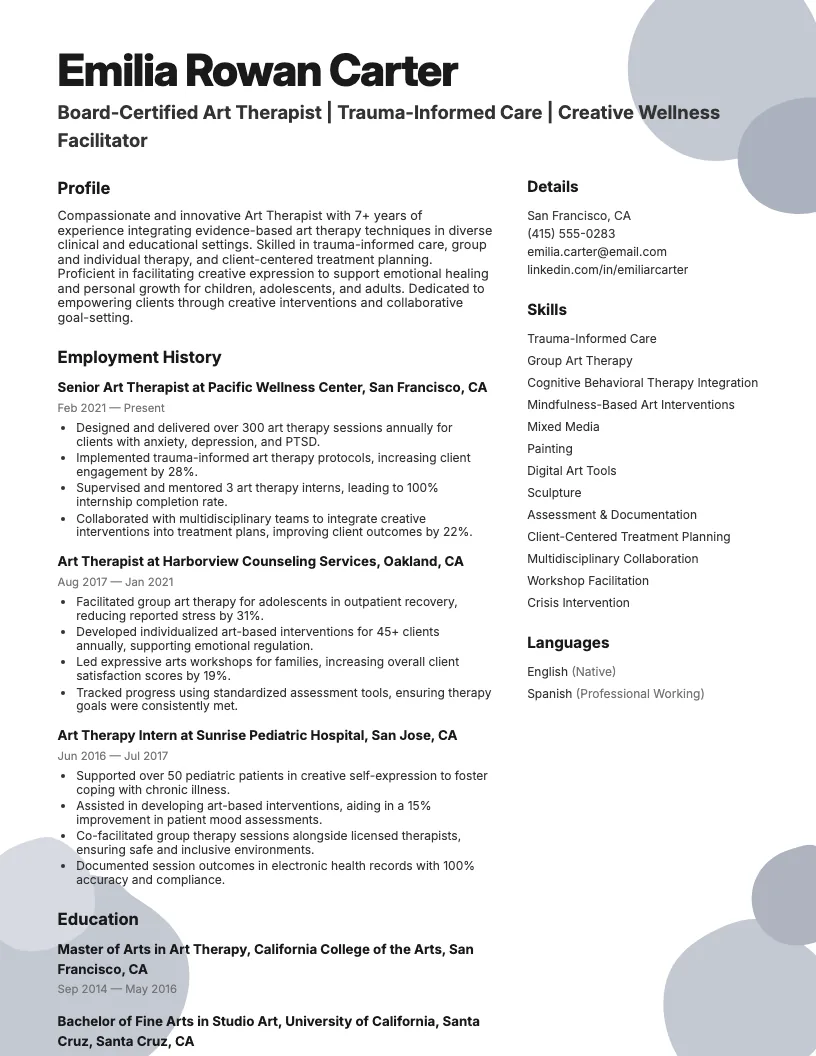 Click to preview

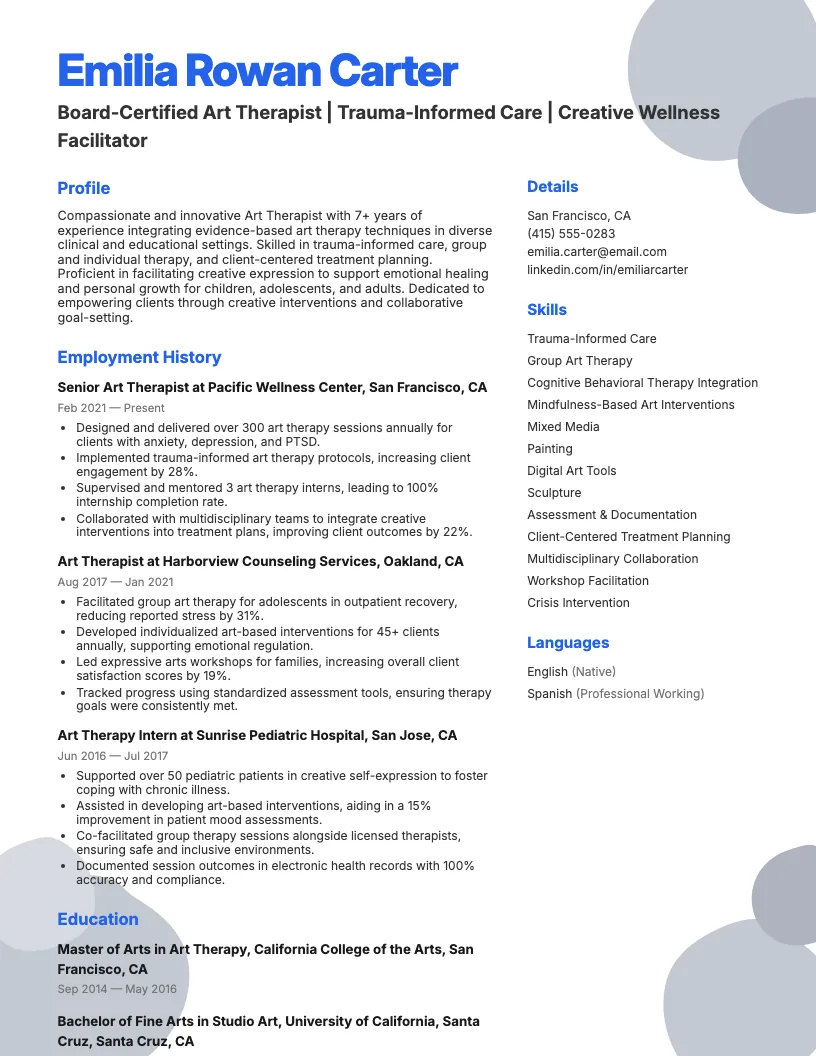
Get inspired by 55+ professional Art Therapist resume examples, each written by career experts and optimized to pass ATS scans. Pick a proven template, tailor it to your role, and download a polished resume in minutes.
Pick the specialization closest to your target role and start from a proven resume example.
If you want to land art therapy jobs, your resume needs to show both your creative skills and clinical experience. Employers look for a clear mix of both.
I’ll walk you through what makes an art therapist resume stand out. You’ll see what details to include, and how to list credentials, experience, and achievements.
Creating a standout art therapist resume starts with a clear, simple layout. Recruiters spend less than 7 seconds scanning each resume, so clarity is key.
You want to make your experience, skills, and contact info easy to find. Good formatting and layout help your qualifications pop right away.
I like to keep resumes clean and easy to read. Use simple headings, and stick to one or two fonts. This helps recruiters scan your details in seconds.
You don’t need a ton of color-just a pop for section titles or borders. Around 80% of recruiters prefer black text on white backgrounds for clarity.
Keep your resume to one page if possible. Use bullet points and short paragraphs. This helps highlight your skills and experience without overwhelming anyone reading it.

Every strong art therapist resume covers a few key sections. These parts show off your background, skills, and how you help people.
If you want to stand out, you need the right summary, job history, and education. I always recommend highlighting your certifications and specific therapy skills, too.
Your profile summary sits right at the top of your resume. It’s the first thing people see, so make it count.
I always keep this section short-three to five lines max. Highlight your unique approach, years of experience, and any special credentials.
Mention what settings you work in, like hospitals, schools, or private practice. This helps recruiters see if you fit their needs right away.
Use numbers when you can. For example, “I provide art therapy for over 40 clients each year” sounds clear and concrete.
Don’t just list skills-share your impact. Think about outcomes, such as “helping children manage anxiety” or “supporting adult recovery from trauma.”
In this section, I focus on where I’ve worked and what I’ve done as an art therapist. I list each position with job title, employer, location, and dates.
I use bullet points to highlight real impact. For example, I mention the number of clients I support, types of therapy sessions I lead, and any measurable outcomes.
You want to show range. If you’ve worked with kids, seniors, or veterans, mention it. Listing different populations shows you adapt your therapy approach.
You need at least a master’s degree in art therapy or a related field to get started. Some states even require 60 graduate credits and a supervised practicum.
I always list my degrees with graduation dates, university names, and locations. If you’re a Registered Art Therapist (ATR) or Board Certified (ATR-BC), add those credentials here too.
Don’t bother including high school if you have higher degrees. This section is also where you can mention any relevant certifications, like trauma-informed care or counseling.
I always focus on both hard and soft skills in this section. For art therapists, that usually means around 8-10 relevant abilities that match the job description.
You want to show expertise like knowledge of art techniques, clinical assessment, and treatment planning. Also, highlight empathy, active listening, and problem-solving-these are huge in therapy roles and can be emphasized further in your cover letter.
I recommend tailoring your list for each application. This helps you stand out and shows you actually read the job ad. Ending with skills keeps your resume balanced and relevant.
Art therapy covers a lot of ground, and your resume needs to match your experience. Whether you’re just starting out or have over 10 years under your belt, there’s a format that fits.
I’ve seen new grads highlight internships, while seasoned therapists focus on supervision and specialized training. I’ll walk you through options for every stage of your career.
If you’re exploring similar roles, I find it helpful to check out other medical and therapy resumes. There’s a lot of crossover in the skills employers want to see.
You might want to look at examples for therapists, healthcare administrators, or medical support jobs. Each one highlights different strengths and responsibilities that could match what you do.
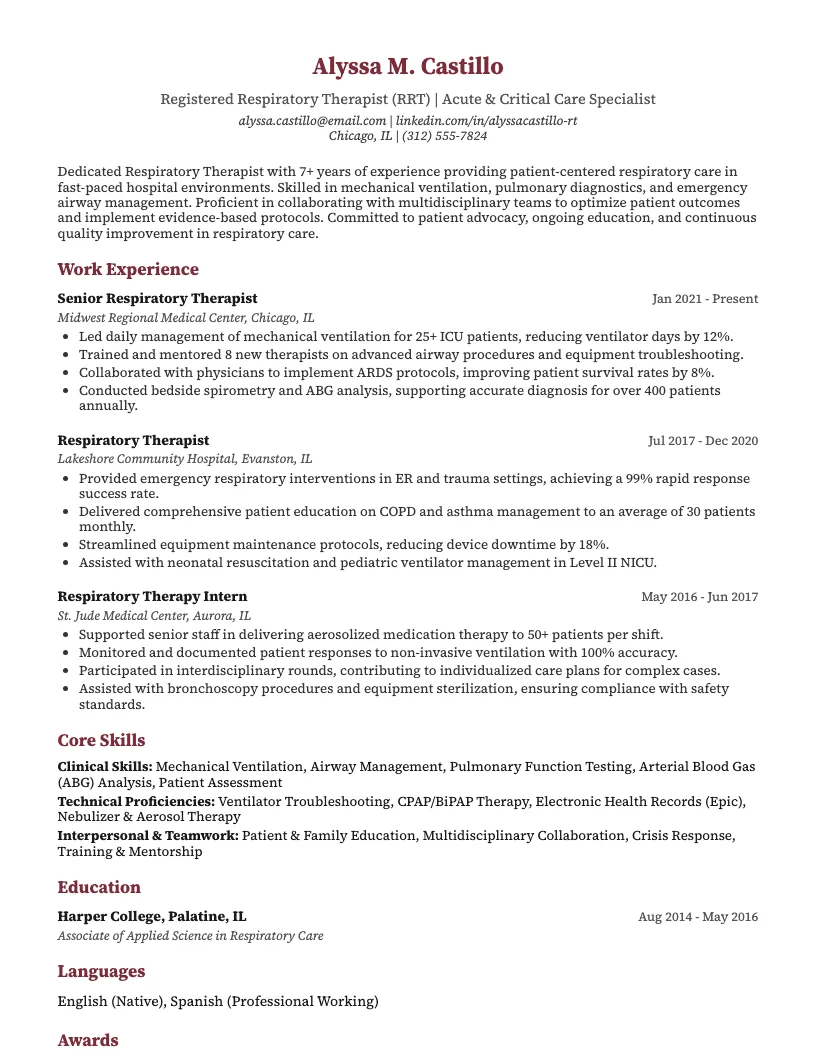
Browse Art Therapist resume examples for related roles. Preview any example, open it in the builder, or read its full guide.
Click to enlarge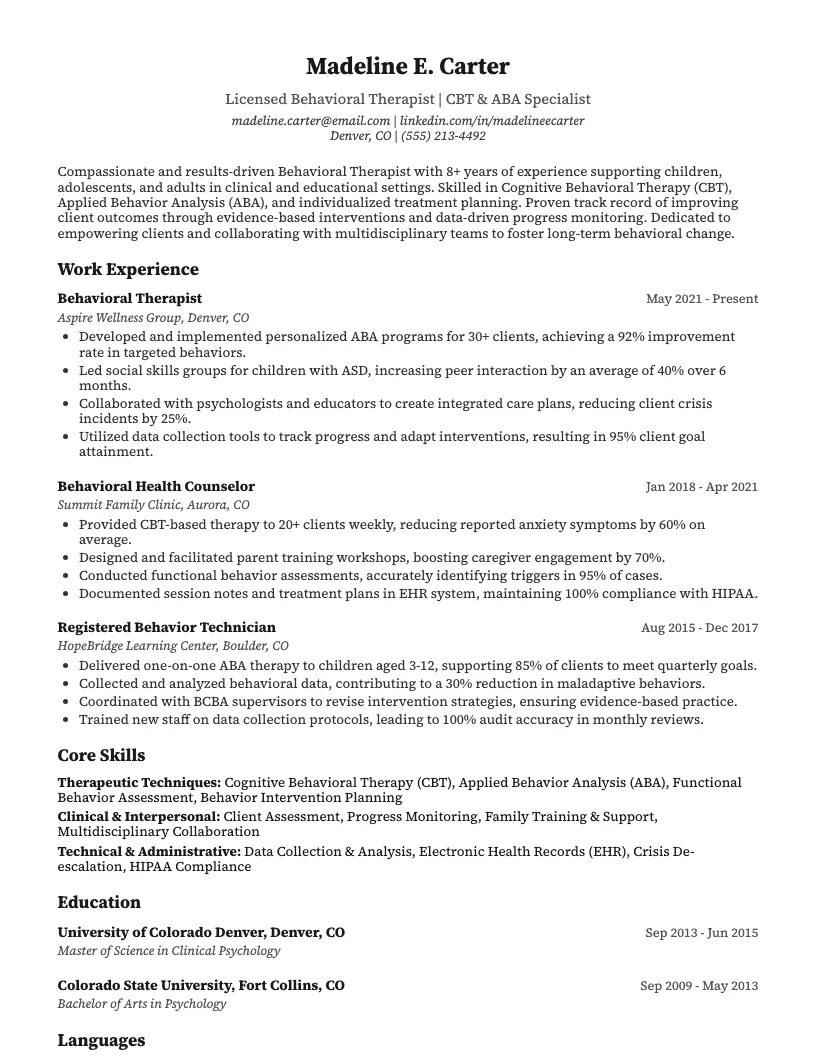 Click to enlarge
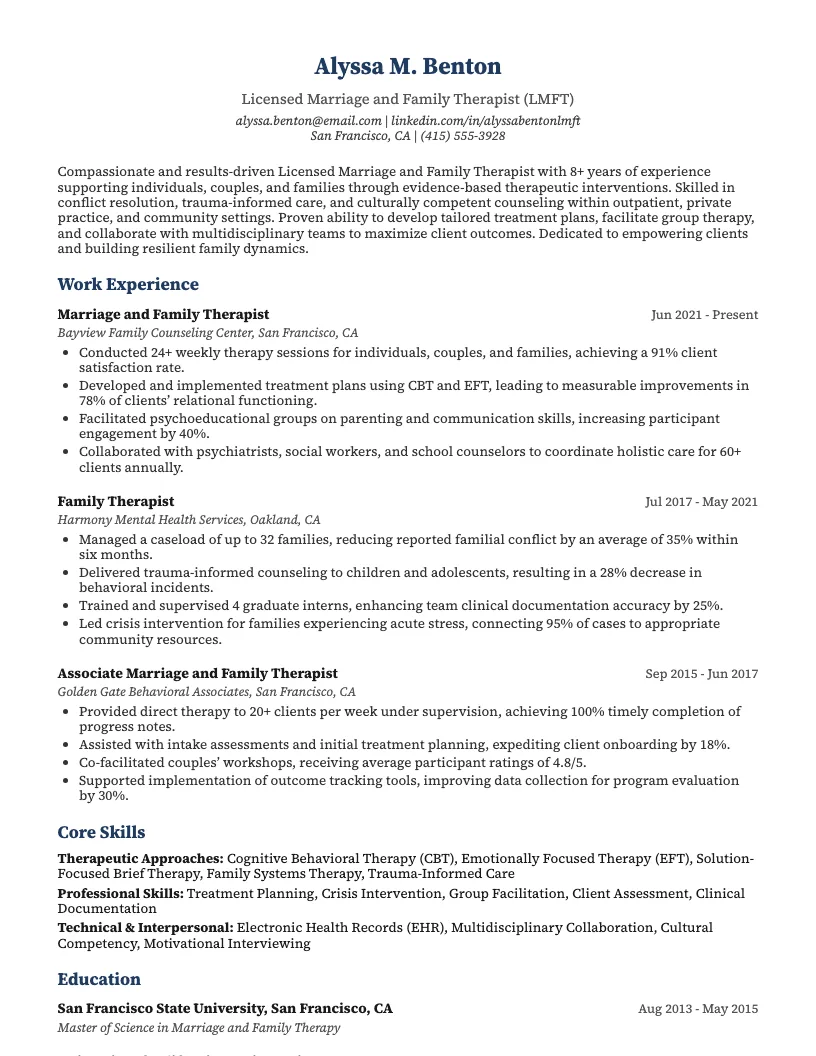 Click to enlarge
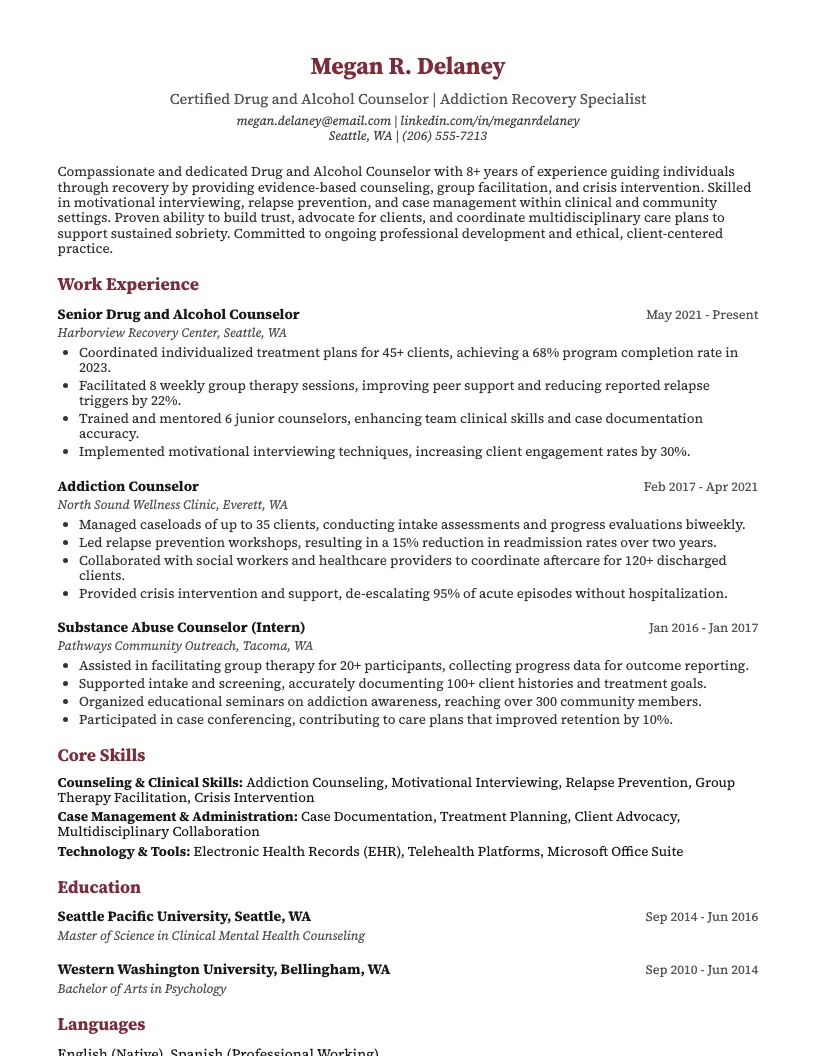 Click to enlarge
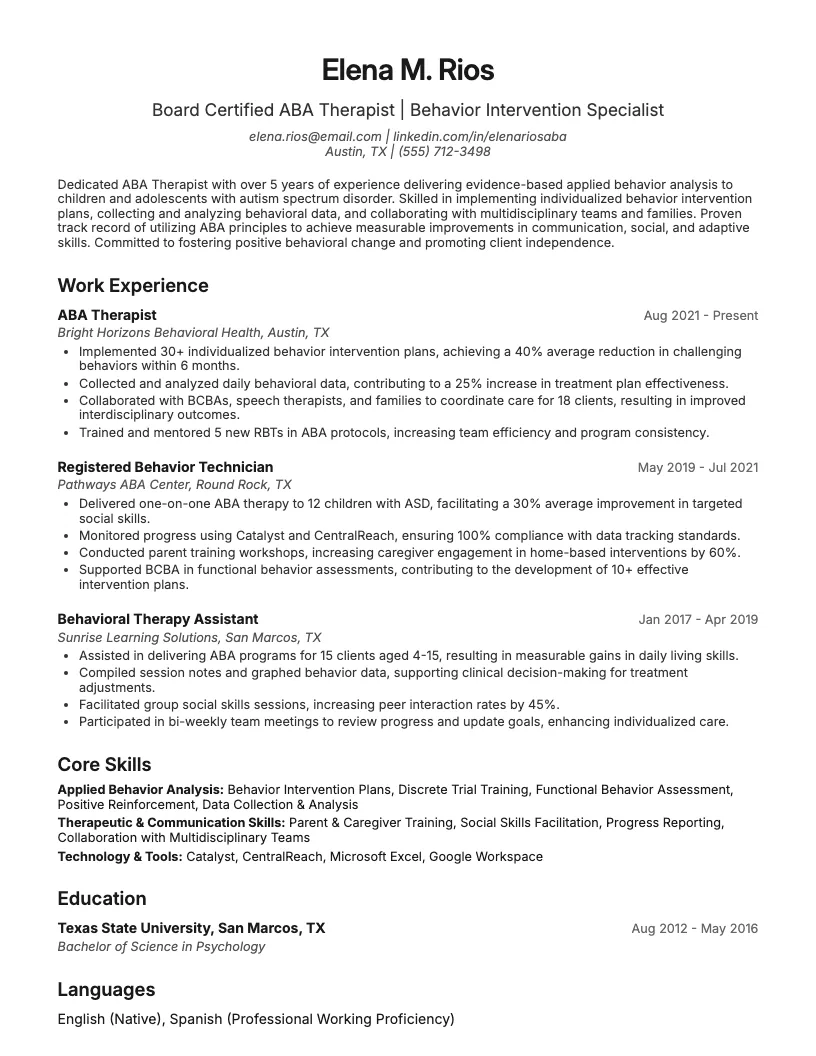 Click to enlarge
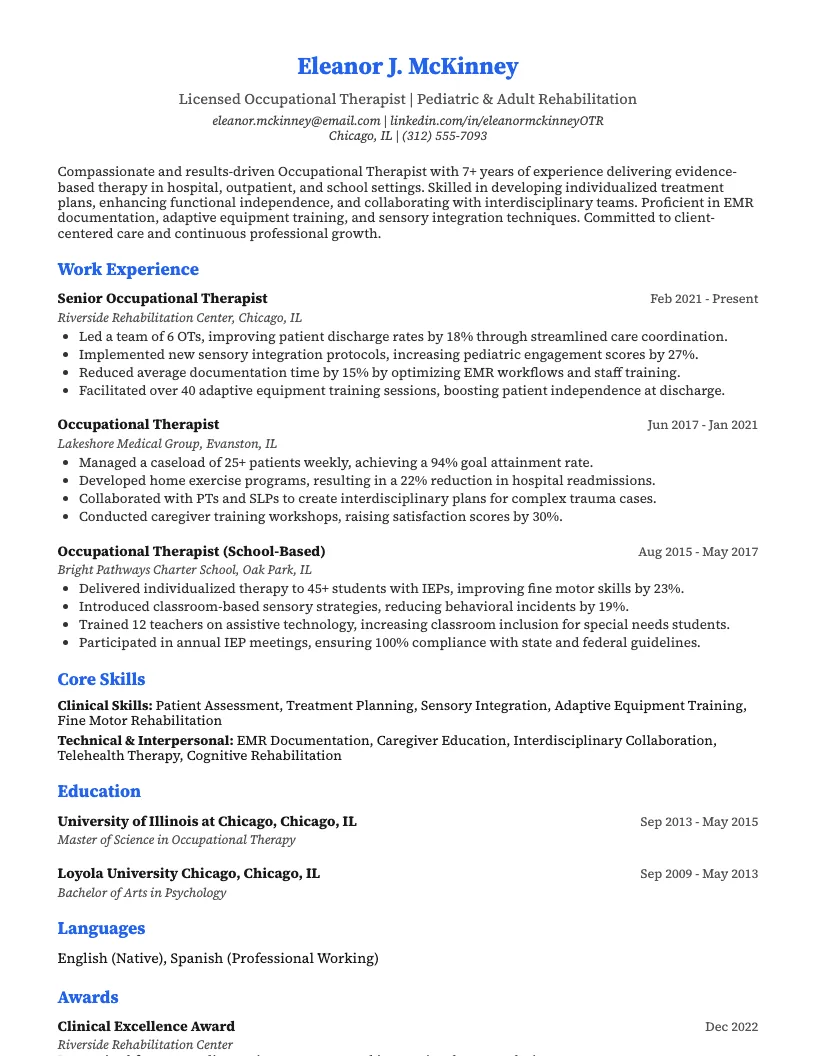 Click to enlarge
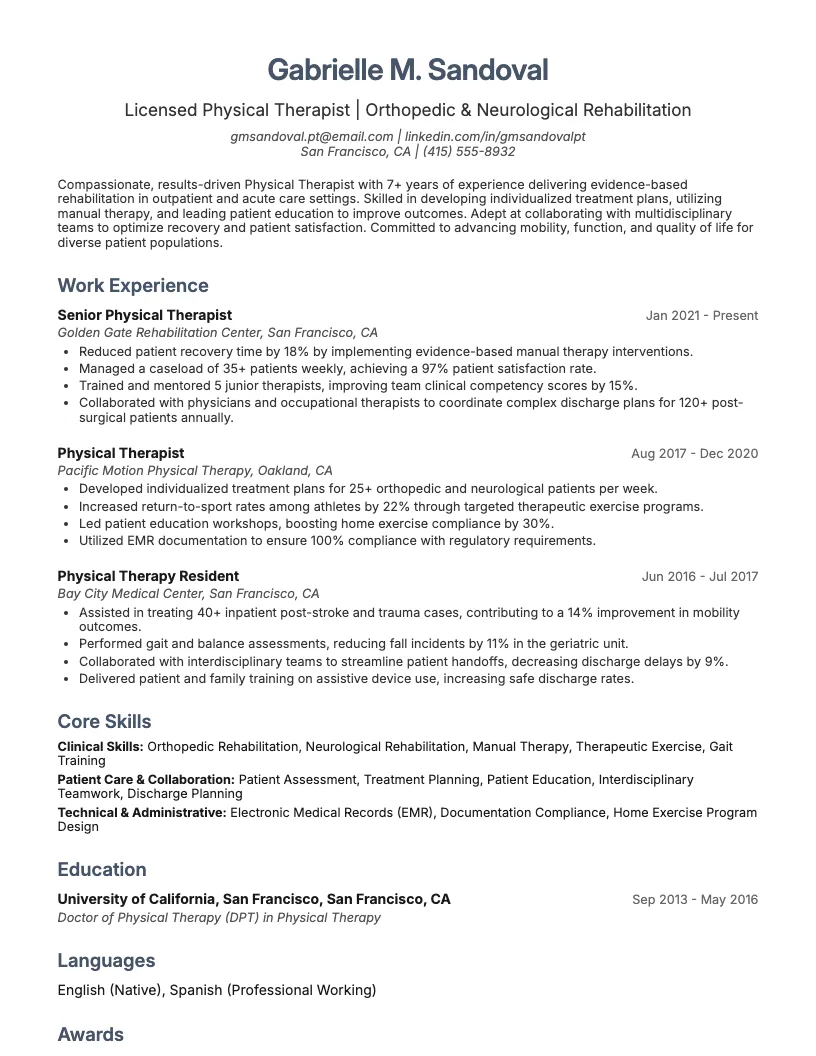 Click to enlarge
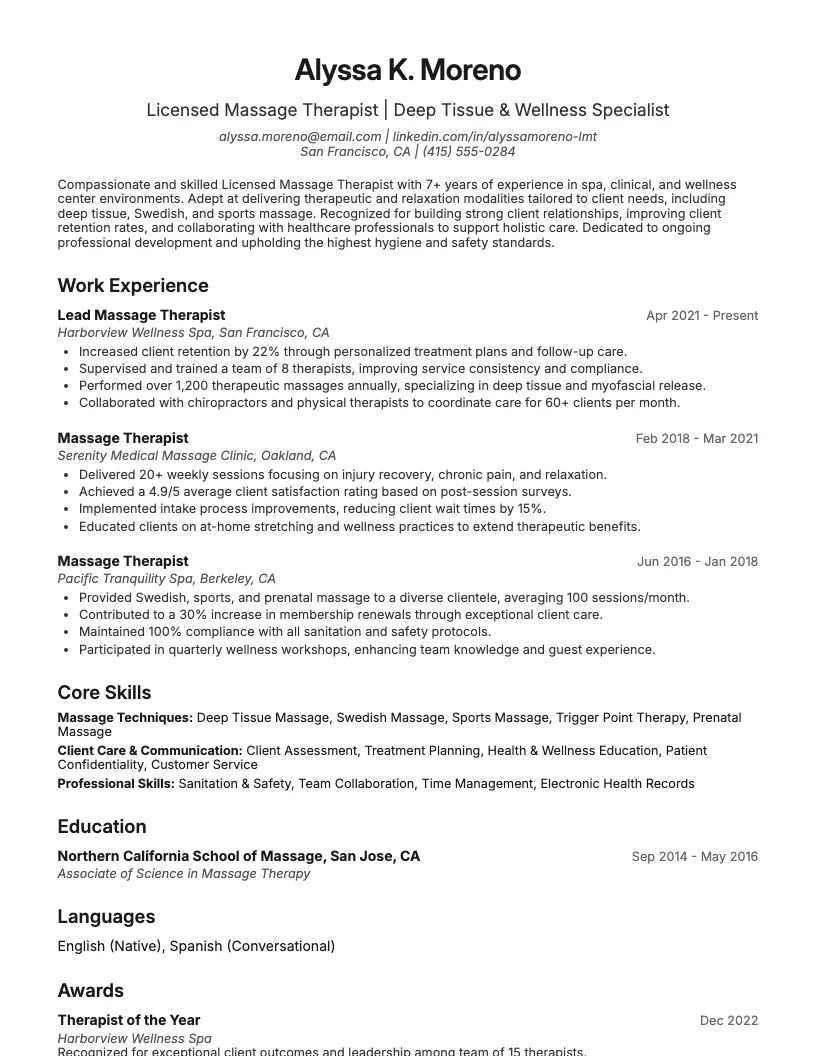 Click to enlarge
 Click to enlarge
Common questions about Art Therapist resumes
An Art Therapist resume template is a professionally designed layout tailored for art therapy roles. It highlights relevant skills like counseling, creative techniques, and client engagement. ResumeJudge offers templates specific to this field.
Yes, many Art Therapist resume templates from ResumeJudge are ATS-friendly. This means they use clean layouts and standard fonts, making your application easy for employers' software to scan and read.
Use an Art Therapist resume template when applying for roles in hospitals, schools, rehab centers, or private practice. ResumeJudge templates are ideal for both entry-level and experienced professionals in art therapy.
Absolutely! You can personalize an Art Therapist resume template to match your experience and skills. ResumeJudge makes it easy to adjust sections, colors, and fonts for a unique look.
An Art Therapist resume template emphasizes creative therapy skills and relevant certifications, unlike generic templates. ResumeJudge designs these templates to showcase your unique qualifications for art therapy roles.
Ideally, an Art Therapist resume should be one page, especially for those with less than 10 years of experience. ResumeJudge templates help you keep your content concise and relevant.
Yes, ResumeJudge offers Art Therapist templates suitable for entry-level applicants. These templates focus on transferable skills, relevant coursework, and internships, making it easier to stand out.
Yes, you can add a link to your digital art portfolio or examples of therapy projects. ResumeJudge templates provide sections for links or additional information to showcase your creative work.
Key sections include contact info, summary, education, certifications, work experience, and relevant skills. ResumeJudge templates organize these sections to highlight your strengths in art therapy.
Yes, Art Therapist resume templates from ResumeJudge are versatile and suitable for schools, hospitals, rehab centers, or private practice. Simply tailor your experience to each setting for best results.
Explore more professional resume examples to inspire your job search
Use our AI-powered resume builder to create a professional, ATS-friendly resume in minutes.
Free to use • No credit card required