Provide Synonym Resume: 36 Words I'd Use Instead, 10 Rewrites
36 words to use instead of 'provide' on a resume, grouped by what they're good for, plus 10 real 'provided' bullets rewritten with working numbers.


Written by Sarah Chen
Senior Career Strategist & Resume Expert
Updated August 2026
Reviewed by Marcus Rodriguez
Is your resume ATS-friendly?
Drop your resume in and see which of these skills a scanner can actually read, and which ones the job you want is asking for that you have not listed.
PDF or DOCX. Max 2MB.
We never share your resume or use it to train a model.
In This Guide:
What can you say instead of "provide" on a resume?
I've read enough resumes to say this with confidence: "provided" is the word people reach for when they can't remember exactly what they did. It's not wrong, it's just empty.
Here are 36 words that actually say something, grouped by what they're good for.
Delivered
Use this when you handed something over and it landed - a project, a result, a number.
"Delivered training to 40 new hires" tells me you finished the thing and someone received it.
Supplied
Closer to the literal meaning of "provided" than most words on this list, so use it when you're talking about materials, parts, or data - things, not services.
"Supplied inventory data to three regional warehouses" is a fine, specific sentence.
Furnished
A slightly formal cousin of "supplied." I mostly see it work in legal, government, or compliance resumes, where that register is expected.
Outside those fields it can read stiff, so pick it deliberately, not by default.
Equipped
This one's for when you gave someone tools, skills, or knowledge they didn't have before - "equipped the sales team with a new pricing model."
It implies the other person is now capable of something they weren't. That's a stronger claim than "provided," and it's usually true if you were doing the training or the rollout.
Offered
Softer than most of the words here, and that's the point. Use it when what you gave was optional - a recommendation, a service, a choice - not something you pushed through.
Presented
For when you put something in front of an audience: a report, a proposal, a set of findings. If the moment involved a room, a slide deck, or a stakeholder meeting, this is your word.
Facilitated
I'd reach for this when you made something possible for other people rather than doing it yourself - running a workshop, connecting two teams, clearing a path.
If you're wondering whether "facilitated" or a stronger action verb fits your sentence, check how do you pick the right synonym for provide.
Arranged
Logistics, scheduling, coordination - arranged fits anywhere you put pieces in order so something else could happen. Events, travel, meetings, vendor contracts.
Catered
Narrow, but honest when it fits: you shaped something specifically to a group's needs. Hospitality and events resumes use it a lot, and it's fine there.
Outside that world it tends to sound like a stretch.
Secured
This is a confident word, and I only recommend it when you can back it up. Use it for contracts won, funding raised, deals closed - not for routine tasks that happened to work out.
Generated
Built for numbers. Leads, revenue, reports, traffic - if you can put a figure after it, "generated" is doing real work.
Without a number, it's just a longer way of saying "made."
Produced
Similar territory to "generated," but it fits physical or creative output better - reports, campaigns, content, deliverables. "Produced 12 client reports a month" is concrete in a way "provided reports" never is.
Created
The most common upgrade I see, and often the laziest one. It's fine, but it's generic - everyone's resume says "created" something.
If you can name what you built instead ("designed," "built," "launched"), that word will beat "created" almost every time.
Designed
Use this when the emphasis is on the plan, not the execution - a process, a system, a layout, a curriculum. It signals you thought it through before anyone touched it.
Developed
The workhorse verb for anything built over time: a program, a relationship, a skill set, a piece of software. It's safe and it's accurate, which is more than "provided" can claim.
Trained
If you taught people how to do something, say "trained." It's specific, it's checkable, and it's one of the cleanest swaps on this whole list - see the full rewrite further down the page.
Guided
For mentoring, coaching, or steering someone through a decision without doing it for them. It reads as supportive rather than commanding, which is the right tone for onboarding or advisory work.
Advised
Use this when your job was to give expert input and someone else made the call - consulting roles, financial advising, legal support. It's honest about where the authority sat.
Administered
Best for programs, benefits, tests, or systems you kept running day to day. It's a quieter word than "managed," and that's often more accurate - administering isn't the same as leading.
Served
Good for customer-facing and community roles where the relationship, not the output, is the point. "Served over 200 customers a week" tells me about volume and contact, which "provided customer service" never does.
Supported
I'll be honest: this is another word people use to avoid saying what they actually did. It's not wrong for junior roles where you genuinely were assisting someone else's work, but pair it with a specific task or it collapses into the same vagueness as "provided."
Extended
Fits offers, credit, deadlines, invitations - things you lengthened or made available beyond the default. It's a narrow word, so don't force it where "offered" or "granted" fits better.
Granted
For access, permissions, approvals, exceptions - anything where you had the authority to say yes. If you didn't have that authority, don't use this word; it overstates your role.
Negotiated
One of the strongest verbs here, because it implies a back-and-forth with a result. Contracts, rates, terms, vendor deals - if there was give and take before a deal closed, "negotiated" earns its place.
Streamlined
Use it when you removed steps, not added them - a process that got faster or simpler because of what you did. See the inventory management rewrite for how this looks in practice.
Orchestrated
Multiple moving parts, multiple people, one person keeping it all lined up. It's a big word, so save it for genuinely complex coordination - a systems rollout, a multi-team launch - not a two-person task.
Spearheaded
This word means you started something and pushed it forward, usually against some resistance or inertia. If you inherited a project someone else started, "spearheaded" isn't accurate - "led" or "managed" is.
Piloted
For a program or initiative you ran as a test before it scaled. It's more precise than "managed" when the thing you ran had a defined trial period.
Launched
The moment something went live - a product, a website, a campaign. It's a clean, high-energy word, but it only covers the start; pair it with a result if the thing kept running after day one.
Implemented
You took a plan someone else may have designed and made it real. It's common in tech and operations resumes, and it's a fair, specific claim as long as you were actually doing the rollout, not just present for it.
Managed
Overused, but still accurate for ongoing responsibility over people, budgets, or projects. The fix isn't avoiding "managed" - it's adding what you managed and the scale of it.
Led
Shorter and often stronger than "managed." I tell people to use "led" when they were out front making calls, and "managed" when the job was closer to administration.
Elevated
Good for improvements to quality, reputation, or experience - "elevated the customer experience," "elevated the brand's presence." It needs a result nearby or it floats away into vague marketing-speak.
Transformed
A big claim - reserve it for a genuine before-and-after, not an incremental tweak. If you can describe the state before and after in one sentence, "transformed" is earned.
If you can't, pick a smaller word.
Boosted
Casual but effective, especially with a number attached. "Boosted repeat sales by 18%" reads well; "boosted morale" without evidence reads like filler.
Optimized
For making something that already existed more efficient - a process, a workflow, a system. It's a favorite in tech and operations resumes because it's specific about the type of improvement: not new, just better.
If you want to check how a rewritten bullet actually looks against a real job posting rather than guessing which verb fits, that's the kind of check ResumeJudge runs for you - it scores your resume against the posting and tells you which sections are still weak before you hit submit.
Why is "provide" a weak word on a resume?
It names the handover, not the result
"Provide" tells me something changed hands. It doesn't tell me what happened because of it.
"Provided training to new staff" could mean you ran a two-hour onboarding session or built a program that cut ramp-up time in half. The reader can't tell, so they assume the smaller one.
It reads the same on every resume
I've read hundreds of resumes, and "provided" shows up on most of them, usually more than once. It's the default verb people reach for when they're not sure what else to say, which means it's doing nothing to make your resume stand out from the stack next to it.
It hides who owned the work
"Provided support" doesn't say if you were the person who fixed the problem or the person who sat next to the person who fixed it. Swap in a word like designed and built or managed and the ownership is right there in the verb.
It gives an applicant tracking system nothing to match
A tracking system is matching the skills and keywords the posting asks for, not the verb you put in front of them, so swapping the verb on its own changes nothing here. What "provided" does is let you stop before you name the skill: "provided support" never says what you supported, while "trained new hires on the billing system" puts the posting's own words on the page. If you want to know exactly which words a posting is scoring you on, that's a faster way to find the gaps than guessing.
When "provide" is the right word anyway
Sometimes you genuinely just supplied something without owning the outcome - a report, a list, access to a tool. In that narrow case, "provided" is honest. Just don't let it be your default.
How do you pick the right synonym for "provide"?
How do you pick the right synonym for "provide"?

Ask what you actually did to the thing you provided
Before you touch a thesaurus, answer one question: what did you actually do?
Did you build it, hand it off, teach it, or approve it? "Provide" hides that answer.
The right synonym names it.
Match the word to the object: training, support, service, information, funding
The word you pick should depend on what followed "provided" in the old sentence.
Find that object in the full list of "provide" alternatives - each entry says what it fits and what it doesn't. Every one points at a different skill, which is exactly what you want an applicant tracking system to see.
Use the word your industry uses
Healthcare resumes lean on "administered" or "rendered care." Sales resumes lean on "presented" or "closed." Tech resumes lean on "deployed" or "implemented."
I've read resumes where someone used the wrong industry's word and it stood out immediately, in a bad way. Search the job posting itself for the verb it uses, and echo that one back.
Check the verb still fits the sentence
A synonym only works if the sentence still makes grammatical sense with it dropped in. "Orchestrated technical support" reads fine. "Orchestrated a document" doesn't.
Read the new sentence out loud before you keep it.
Words that sound impressive but say nothing
Nine times out of ten, the fix isn't a fancier verb, it's a plainer one plus a number. The full list says which words get stretched furthest and what has to be true before you use them. If you're stuck picking between two options that both sound right, ResumeJudge can rewrite the bullet against the actual job posting so the word it picks is the one that posting is scanning for.
How do you rewrite a "provide" bullet point?
Here are ten "provided" bullets I see constantly, rewritten. Steal the pattern, not the wording - your numbers have to be real.
Provided customer service → Elevated
Rewriting a customer service bullet
Provided customer service in a retail setting
Elevated customer experience in a fast-paced retail environment, lifting satisfaction ratings 15%.
"Provided customer service in a retail setting" becomes "Elevated customer experience in a fast-paced retail environment, lifting satisfaction ratings 15%." Elevated says you moved something up, not just handled it.
Provided training to new staff → Trained
Rewriting a training bullet
Provided training to new staff
Trained 15 new hires in core systems, cutting onboarding time by three weeks.
Skip the fancy verb here. "Trained 15 new hires in core systems, cutting onboarding time by three weeks" beats anything more elaborate.
Simple and specific wins when the achievement is already strong.
Provided technical support → Orchestrated
Rewriting a technical support bullet
Provided technical support
Orchestrated around-the-clock technical support for a 40-person team, reducing downtime 30%.
"Orchestrated around-the-clock technical support for a 40-person team, reducing downtime 30%." Orchestrated only works if you actually coordinated more than one moving part - don't use it for a one-person help desk.
Provided information to stakeholders → Facilitated
Rewriting a stakeholder information bullet
Provided information to stakeholders
Facilitated data-driven decisions among stakeholders by delivering timely, accurate reporting, cutting decision time 40%.
"Facilitated data-driven decisions among stakeholders by delivering timely, accurate reporting, cutting decision time 40%." This is one where ResumeJudge is worth a mention - it'll write the exact phrasing a specific posting is looking for, instead of you guessing at synonyms.
Provided support in inventory management → Streamlined
Rewriting an inventory support bullet
Provided support in inventory management
Streamlined inventory management processes, cutting errors 35% and saving $15k a year in loss prevention.
"Streamlined inventory management processes, cutting errors 35% and saving $15k a year in loss prevention." Streamlined tells the reader you fixed a process, not just showed up for a shift.
Provided guidance on strategy → Spearheaded
Rewriting a strategy guidance bullet
Provided guidance on strategy
Spearheaded corporate strategy development, driving a 20% revenue increase over two years.
"Spearheaded corporate strategy development, driving a 20% revenue increase over two years." I'd only reach for spearheaded if you actually led the initiative - I've read too many resumes where it's covering for "sat in the meetings."
Provided project management → Piloted
Rewriting a project management bullet
Provided project management
Piloted a portfolio of tech initiatives from concept to launch, lifting project completion rates 25%.
"Piloted a portfolio of tech initiatives from concept to launch, lifting project completion rates 25%." Piloted works when you're the one steering, not one of several people on the team.
Provided initial development of a website → Launched
Rewriting a website development bullet
Provided initial development of a website
Launched a redesigned company website that grew online sales 30% in the first quarter.
"Launched a redesigned company website that grew online sales 30% in the first quarter." Launched signals you saw it through to the end, which "provided" never does.
Provided overall supervision → Managed
Rewriting a supervision bullet
Provided overall supervision
Managed a 20-person customer service department, cutting complaints 15% in year one.
"Managed a 20-person customer service department, cutting complaints 15% in year one." Name the headcount every time - a manager of two and a manager of twenty are different jobs, and the number is what tells a hiring manager which one you are.
Provided technical help building a database → Designed and built
Rewriting a technical help bullet
Provided technical help building a database
Designed and built a database used for hardware and software asset tracking.
"Designed and built a database used for hardware and software asset tracking." Nine times out of ten, "provided technical help" means you did the actual work and just didn't want to sound like you were bragging.
Own it.
Add the number that proves it
The verb swap is half the job. The other half is the detail sitting right after it - a headcount, a percentage, a dollar figure, a timeframe.
Look back at every example above: "Trained 15 new hires" is a fact; "trained new hires" is a shrug. If you don't have a figure for a bullet, questions people ask about replacing "provide" covers what to use instead.
If you're stuck because you never tracked a metric, that's a real problem worth solving on its own - see how many times one verb can appear before it looks repetitive for the pattern side of this, but for the numbers themselves, this is where I'd point you at ResumeJudge - feed it the job posting and it rewrites each bullet with the phrasing and skills that posting is actually scanning for, so you're not staring at a blank cursor guessing which verb sounds right.
Where in your resume does the swap matter most?
Where in your resume does the swap matter most?
Not every "provide" carries the same weight. Some spots get read closely, some barely get read at all.
Your summary
This is the first thing a hiring manager sees, so it's the worst place for a filler verb.
Work a stronger word in here and it sets the tone for the rest of the page - something like "delivering digestible reports" or "orchestrating technical support" tells them what kind of resume they're about to read.
Your work experience bullets
This is where most of your "provide" swaps need to happen, because this is where the swap has the most bullets to fix and the most room to add a result. See how to rewrite a "provide" bullet point for the actual replacements.
Your skills section
Skills lines get skimmed fast, so even here a synonym does work - "delivered exceptional customer support" reads as more capable than "provided customer support," even in a three-word phrase.
Your current job, where present tense is fine
Which tense to use on the job you still hold is answered in questions people ask about replacing "provide".
How many times one verb can appear before it looks repetitive
I'd say once per page, twice at most. Once a reviewer spots "managed" leading three different bullets, they stop reading them as individual accomplishments and start reading them as a habit.
Pull from the full list of "provide" alternatives and rotate through a handful rather than leaning on one favorite. If you're rewriting bullet by bullet and losing track of what you've already used, that's the kind of check ResumeJudge does for you automatically when it rewrites your resume against a posting.
Frequently Asked Questions
Is "provided" ever acceptable on a resume?
Yes, it's fine for a past role as long as it's attached to a specific result, not left as a bare duty. "Provided" isn't banned; it just reads as passive when it stands alone, so pair it with a number or an outcome and it does its job.
Should I write "provide" or "provided" for my current job?
Use "provide" for the job you're still in and "provided" for anything you've left. Resumes describe your current role in present tense and past roles in past tense, so the tense should match whether you still hold the position.
Does swapping the verb help me get past an applicant tracking system?
Not by itself. Most tracking systems score a resume on whether the skills and keywords the posting asks for actually show up, not on which verb introduces them. ResumeJudge scans your resume against the job description and shows you exactly which keywords the posting wants and which ones are missing, so you know what really needs fixing before you worry about the verb.
What if the job posting itself says "provide"?
Match it. If you're describing something you're still doing and the posting says "provide," use "provide" - recruiters and tracking systems both respond to language that echoes the posting. ResumeJudge checks your resume against that exact posting and fixes the wording for you, swapping in the terms the job description actually uses.
What do I use if I have no numbers to add?
Use a specific action or scope instead of a number - what you set up, who you supported, how often, or what you delivered. A count isn't required; what makes a bullet convincing is specificity, not a statistic.
Is "supplied" any better than "provided"?
Not really - it's a synonym, not an upgrade, so it carries the same passive, low-effort tone. The entry for "supplied" in the list of alternatives above says the narrow case where it still fits.
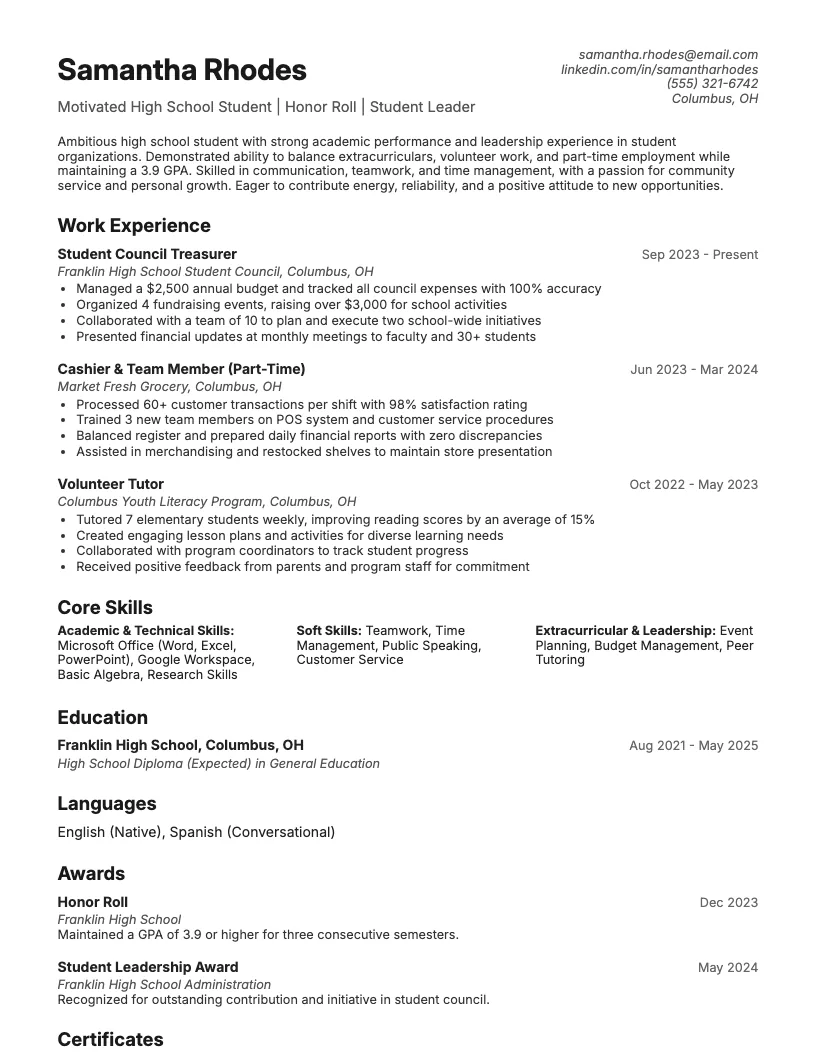
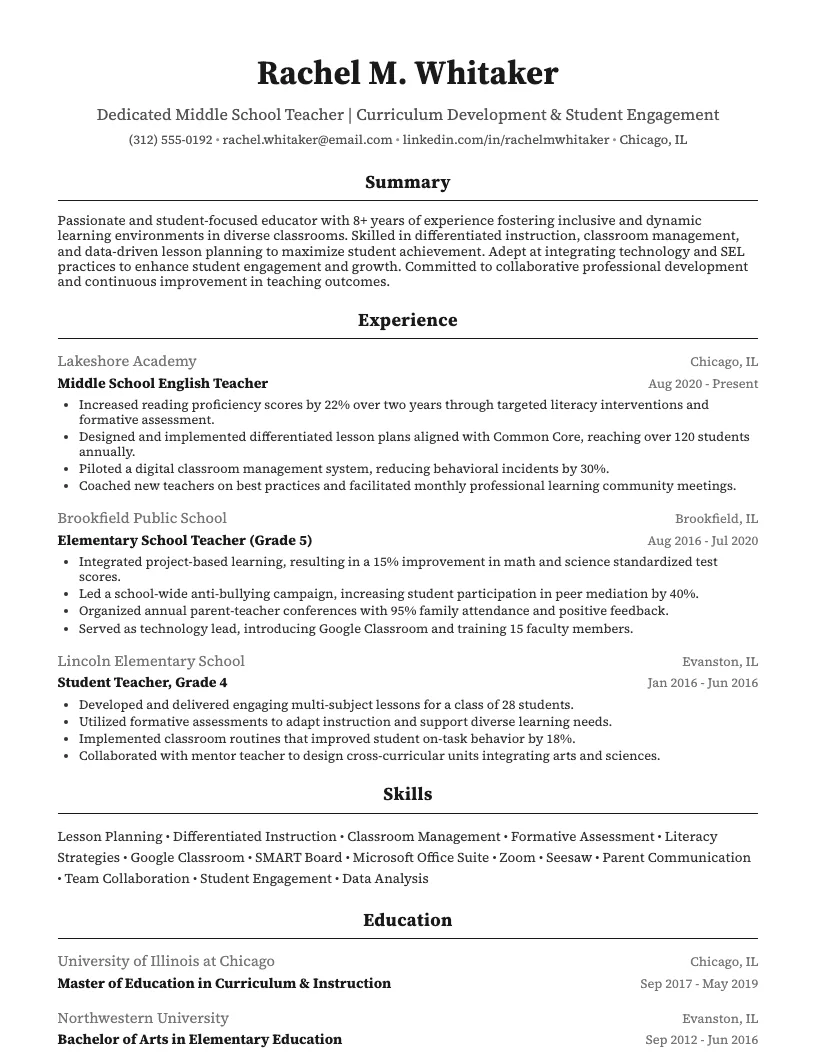
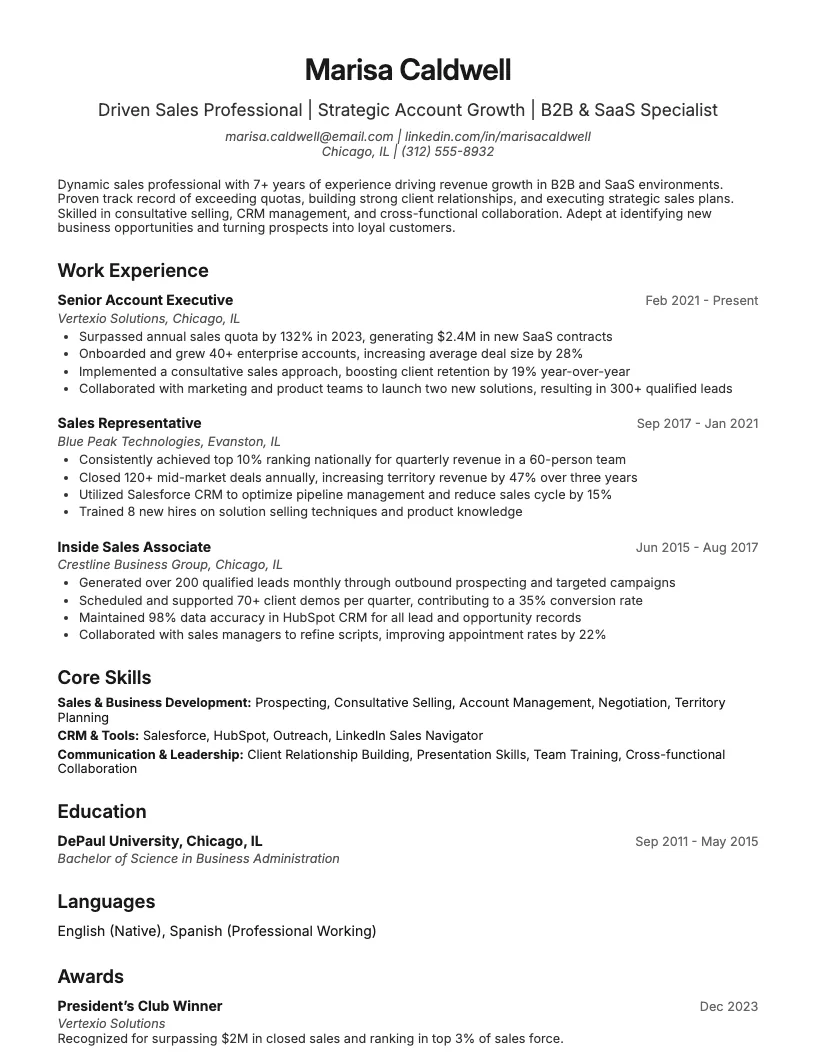
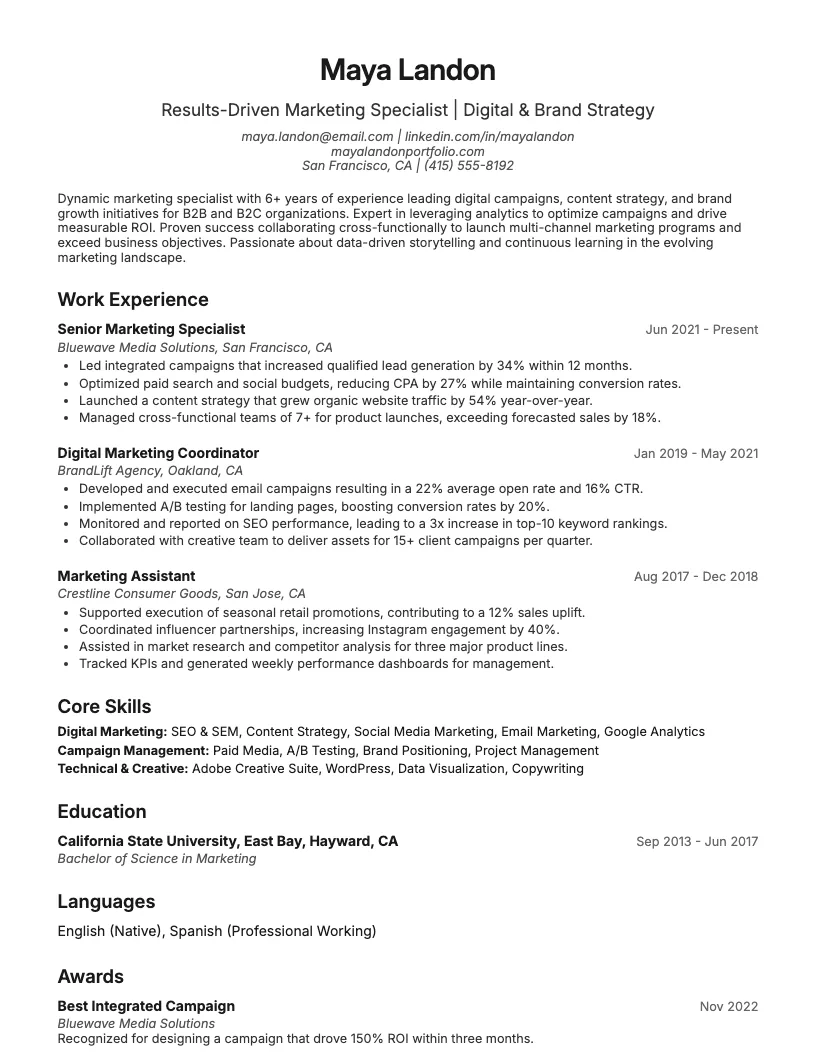
See these skills on a real resume
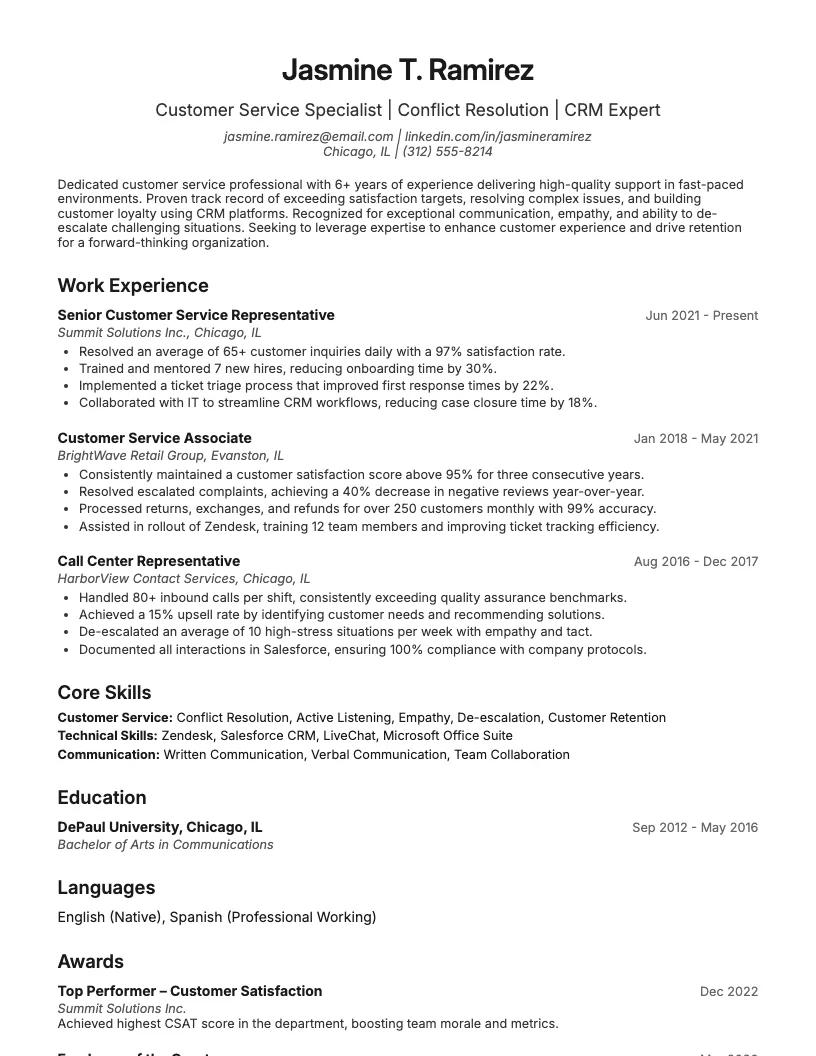
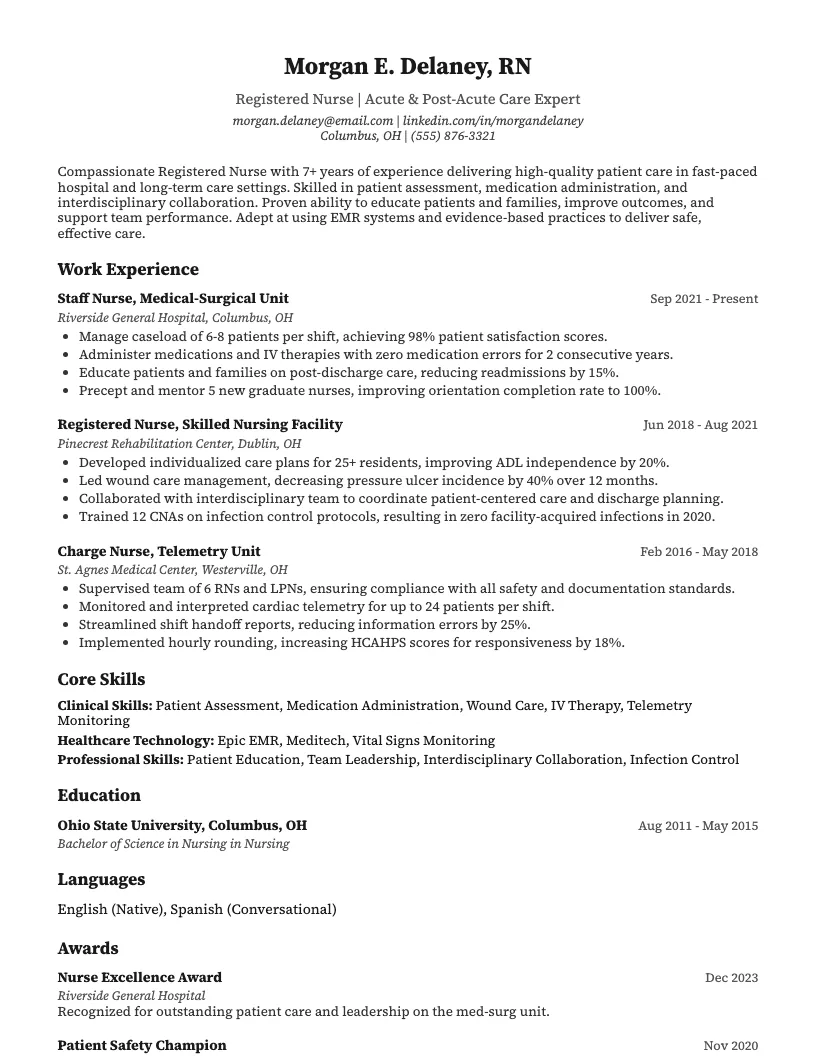
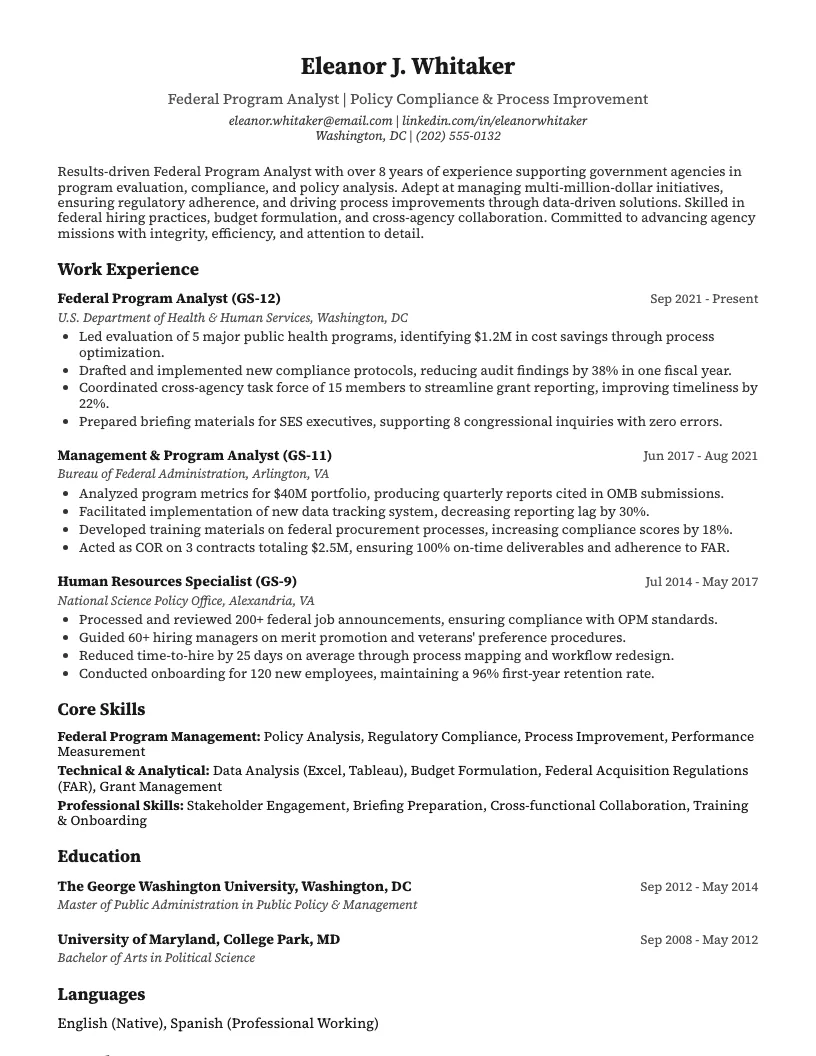
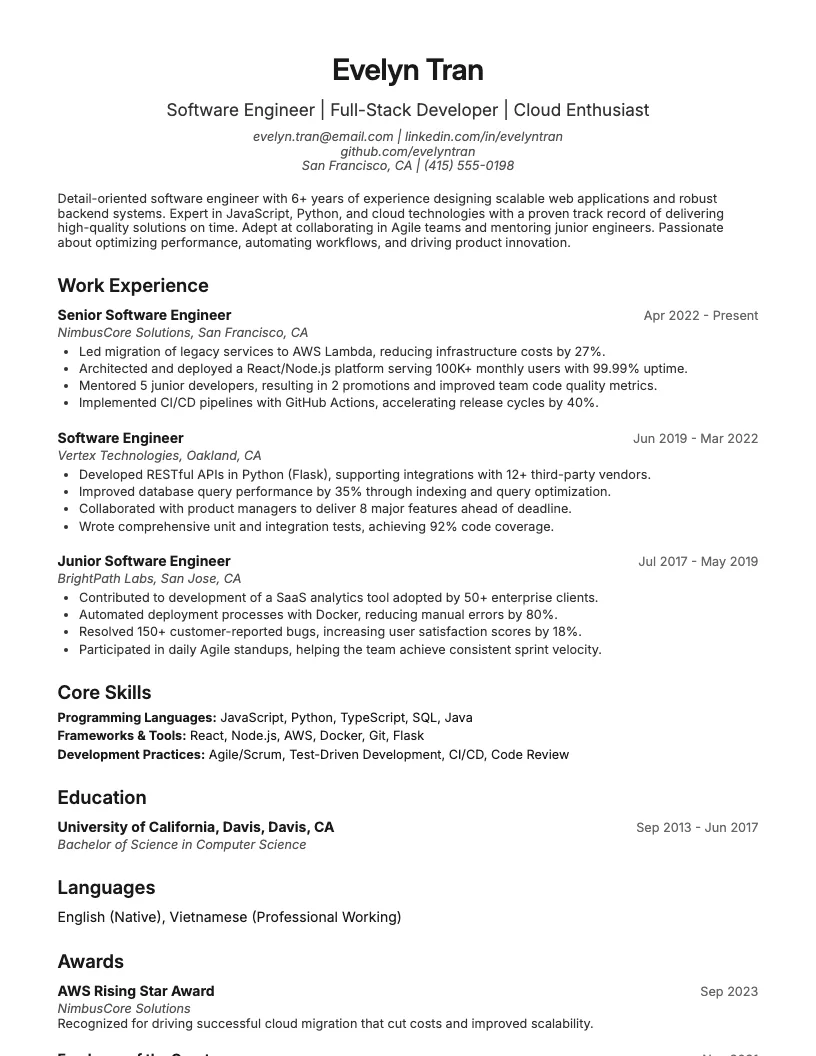
8 examplesStart from an example that already has them, and swap in your own.
Check your resume against the job you want
Scan your resume, see which skills and keywords the posting asks for that you are missing, and fix them before you apply.
Free to use • No credit card required