Experience Synonym Resume: 18 Words, 6 Rewrites I'd Actually Use
18 synonyms for 'experience' on a resume, sorted by when to use each, plus 6 bullets rewritten and a check on whether the swap trips up ATS scanners at all.


Written by Sarah Chen
Senior Career Strategist & Resume Expert
Updated August 2026
Reviewed by Marcus Rodriguez
Is your resume ATS-friendly?
Drop your resume in and see which of these skills a scanner can actually read, and which ones the job you want is asking for that you have not listed.
PDF or DOCX. Max 2MB.
We never share your resume or use it to train a model.
In This Guide:
What is another word for experience on a resume?
You've written "experience" four times before you even reach your work history, and now the page reads like it's stuck on repeat. That's the actual problem - not that "experience" is a bad word, but that it can't carry every meaning by itself.
Below are eighteen words that each do a narrower job than "experience" does. Pick by what you actually want to say, then check which one fits your situation.
Expertise
Use this when you're the person people come to for the hard version of a problem, not just someone who's done the job. "Expertise in supply chain forecasting" reads differently than "experience in supply chain forecasting" - it says you're the authority, not a participant.
I reach for it most on senior resumes, where the writer has years of depth in one narrow lane.
Proficiency
This is the word for tools and languages, full stop. "Proficiency in SQL and Tableau" tells a hiring manager exactly what you can operate, where "experience with SQL and Tableau" leaves them guessing how well.
If the posting names a specific tool, this is usually the swap.
Background
Reach for this when your case is broader than one job - school, a side project, a past career, all of it counting toward the pitch. "Background in journalism and content strategy" pulls in more than any one role could.
It's also the safest word early in a career, because it doesn't promise depth you don't have yet.
Knowledge
This one is about what's in your head, not what you've built. "Knowledge of GAAP standards" works for something you studied or can explain, even if you haven't applied it daily for years.
It reads as more theoretical than "expertise," and that's exactly the point when you need it.
Competence
Use this for the skills that support the job without being the reason you were hired. It's a generalist's word - steady, not flashy.
"Competence in cross-team coordination" says you can handle it, not that it defines you.
Track record
This is the only word on this list that needs a number right after it. "Track record of cutting onboarding time by 30%" works; "track record in customer service" doesn't earn its keep.
If you don't have a result to attach, use a different word.
Mastery
If you use "mastery," expect a follow-up question about it in the interview. I'd think twice about the word if you're under five years into the field - you need a real answer ready, not just the claim on the page.
Save this for the one or two things you're genuinely best-in-room at.
Familiarity
This is the honest word for "I've touched it but wouldn't call myself strong yet." "Familiarity with Python" sets the right expectation and doesn't oversell what you have.
It pairs well with exposure when you're listing several half-formed skills at once.
Exposure
Close cousin to familiarity, usually for something you encountered through a project or a rotation rather than deliberate study. "Exposure to clinical trial design" fits a student or a career-changer better than "experience," which implies you did the job, not just watched it happen.
Skill
The most direct word on this list - it names the ability, not the history behind it. Vague on its own, sharp when it's paired with something specific: a language, a technique, a certification.
Accomplishments
This word points at outcomes, not activity. "Accomplishments include reducing churn by 12% over two quarters" says you finished something; "experience with churn reduction" only says you were in the room.
Use it in a summary line or a standalone bullet, not buried mid-sentence.
Insight
Reach for this when the value you bring is understanding, not output - you noticed a pattern others missed. "Insight into user drop-off points" fits product and research roles well, where the thinking is the deliverable.
Practice
An underused one. It suggests something done regularly, over time, the way a doctor or a designer has "a practice."
"Practice in accessible design" carries a sense of habit that "experience" doesn't.
Acumen
This is judgment under pressure - reading a situation and knowing what to do. "Business acumen" and "commercial acumen" show up constantly for a reason: they say you make good calls, not just that you've been present for a lot of decisions.
Command
A strong word for language and tools, close to proficiency but with more confidence behind it. "Command of technical writing" reads as more assured than "experience in technical writing."
Use it when you mean it - it's not a word for something you're still learning.
Credentials
This is the only word here that means paperwork, not skill. Certifications, licenses, degrees - "credentials" is the umbrella for the proof.
It belongs in a section next to your education, not scattered through your bullets.
Involvement
Best for early-career resumes describing a club, an internship, or volunteer work where "experience" would overstate your role. "Involvement in the campus sustainability initiative" is honest about scope without sounding thin.
See what to use when you don't have much experience yet for more on this.
Training
This is the word for formal instruction - a bootcamp, a certification course, onboarding at a past job. "Training in Six Sigma methodology" tells the reader exactly where the skill came from, which "experience" doesn't say on its own.
Which synonym should you pick?
Which words fit which situation
| Situation | Words to use |
|---|---|
| Deep knowledge in your main field | expertise, mastery |
| Named tool or language | proficiency, command |
| Touched it, not mastered | exposure, familiarity |
| Spans study and work | background, credentials |
| Have results to point at | track record, accomplishments |
| Job wants a generalist | competence, capability |
Here's the shortcut I give people who freeze up over word choice: match the word to how deep the knowledge actually goes, not to how impressive you want it to sound. What each of these words means is in the list above; the table and the headings below only pair the situation with the word.
When you have deep knowledge of your main field: expertise, mastery
When you use a named tool or language: proficiency, command
When you have touched it but not mastered it: exposure, familiarity
When your history spans study and work: background, credentials
When you have results to point at: track record, accomplishments
When the job wants a generalist: competence, capability
Pick the word that already appears in the job posting
Nine times out of ten, the posting has already told you which word it wants. Match it.
For checking the rest of your wording against the listing, see how to check your wording against a posting before you send it.
Read the finished sentence out loud before you keep it
If it sounds like a word you'd never say to a colleague, it's the wrong word. This one catch stops more bad resumes than any rule above it.
How do you rewrite a line that says "experience"?
Is your resume good enough?
Drop your resume in and see which of these skills a scanner can read, and which ones the job you want is asking for that you have not listed.
Upload your resumeFree. PDF or DOCX. We never share your resume or use it to train a model.
Grab a bullet that starts with "experience" and try this: change only that one word, leave the rest of the sentence exactly as it is. Nine times out of ten, that's the whole fix.
Here's what that looks like across six real resume lines.
"Experience with data analysis tools" becomes "proficiency with data analysis tools"
A line naming a specific tool
Experience with data analysis tools
Proficiency with data analysis tools
Swap in "proficiency" whenever you're naming a specific tool. It reads as hands-on capability, not just time spent near the software.
"Experience developing automated systems" becomes "expertise in developing automated systems"
A bullet about something you built
Experience developing automated systems
Expertise in developing automated systems
"Expertise" pushes the line up a level. Use it when you actually built the thing, not just supported someone who did.
"Experience in financial analysis" becomes "background in financial analysis"
A summary line about your whole history
Experience in financial analysis
Background in financial analysis
"Background" works when the line is summing up a whole history rather than one project. It's the word for "this is where I come from," not "here's what I did last quarter."
"Experience managing cross-functional teams" becomes "knowledge of cross-functional team dynamics"
A bullet about managing people
Experience managing cross-functional teams
Knowledge of cross-functional team dynamics
Notice the noun changed shape too, not just the one word - "team dynamics" instead of "teams." That's fine.
You're allowed to adjust the sentence around the swap, not just drop a synonym in place.
"Experience in user behavior analysis" becomes "insight into user behavior"
A bullet about research or analysis work
Experience in user behavior analysis
Insight into user behavior
Same move: "insight into" replaces "experience in," and "analysis" drops out because "insight" already implies it. Read it out loud - if it sounds tighter, keep it.
"Have experience doing customer calls" becomes "developed proficiency in complaints resolution"
A bullet naming a vague task
Have experience doing customer calls
Developed proficiency in complaints resolution
This is the rewrite I'd point to as the model. It doesn't just replace "experience" - it names the actual skill ("complaints resolution") instead of the vague task ("customer calls").
That's the difference between a line that survives a scan and one that just sounds nicer.
Keep the number in the line when you swap the word
If the original bullet has a metric in it, the metric stays. You're changing one word, not rewriting the achievement.
Pair the new word with an action verb: obtained, achieved, developed, acquired, gained
"Expertise" sitting alone in a sentence is flat. "Achieved strong expertise in financial analysis" moves.
Pick a verb from that list and put the synonym right after it, every time.
Where on your resume should you swap the word out?
Where on your resume should you swap the word out?

Not every "experience" on your resume needs the same fix. Where the word sits changes what should replace it.
Your professional summary
This is usually the first place the word shows up, and it sets the tone for the rest of the page.
Go bigger here - expertise, background, mastery - since a summary is where you're allowed to sound confident. Check which synonym should you pick if you're stuck between two.
Your work experience bullets
Bullets are where I see people repeat "experience" three, four times in a row. Swap it for the specific thing you actually did - knowledge, insight, a skill named outright - and pair it with a number.
If you're not sure which skills a posting actually wants named, run the bullets through ResumeJudge and it'll flag what's missing and rewrite them in before a recruiter notices.
Your skills section
A skills-section entry
Python experience
Python
Skip synonyms entirely here. A skills section is a list of nouns, not sentences - "Python" beats "Python experience" beats "proficiency in Python."
The "Work Experience" section heading: leave it alone
Never touch this one. It's structural, not descriptive - see renaming your section headings is what actually breaks the scan.
Use a different synonym in each spot, not the same one twice
Repeating one synonym everywhere is the same mistake as repeating "experience" everywhere. Pick a different word for the summary than you use in the bullets.
A worked example: one summary and one job entry rewritten
A work-experience bullet with a metric
Gained experience with attribution modeling, cutting cost-per-lead 22%
Built familiarity with attribution modeling, cutting cost-per-lead 22%
Summary: "Marketing coordinator with expertise in paid social and four years in the field." Bullet: "Built familiarity with attribution modeling, cutting cost-per-lead 22%."
Two different words, same resume.
Will changing the word hurt you with applicant tracking software?
Will changing the word hurt you with applicant tracking software?
Short answer: not if you're smart about where you use it.
The exact phrase from the posting has to appear at least once
Almost every Fortune 500 company runs resumes through a scanner before a person sees them.
That scanner does pick up on near-matches and related wording, but from what I've seen the exact match still counts for the most. So the exact phrase from the posting - "extensive training in food safety standards," whatever it is - needs to show up somewhere on the page, word for word, at least once.
Renaming your section headings is what actually breaks the scan
I've seen people get creative with "Professional Journey" instead of "Work Experience," thinking it sounds fresher. That's the one swap that actually confuses parsers - they're built to expect the standard header.
Leave it alone.
Where synonyms are safe: inside the bullets
Everywhere else, vary your wording freely. The scanner reads the whole document, so a mix of "expertise," "background," and the exact posting phrase all get picked up.
How to check your wording against a posting before you send it
Read your draft next to the posting line by line. ResumeJudge will do that comparison for you, flag any required term you left out, and rewrite your bullets to include it before you hit send.
What if you don't have much experience yet?
What if you don't have much experience yet?
If your work history is thin, don't stretch it. Rename what you actually did - that's the whole trick.
Words for coursework and student projects: relevant coursework, capstone project
Swap "Classwork" for "Relevant Coursework" and "School Project" for "Capstone Project."
Both read as deliberate, not filler, which is exactly what a reader wants from an experience synonym on a resume when there's no job history to lean on yet.
Words for an internship or volunteering: involvement, contribution, exposure
These three carry weight without overclaiming. "Involvement" and "contribution" say you were part of something real; "exposure" is honest about a role you watched more than ran.
Replacements for "learning experience": acquired knowledge, lessons learned, direct observation
I'd drop "learning experience" every time - it's the phrase I see most on thin resumes, and it says nothing. "Acquired knowledge" or "direct observation" at least names what happened.
"Helped with the event" becomes "coordinated a team of 15 volunteers"
A volunteer or event bullet
Helped with the event
Coordinated a team of 15 volunteers
This is the rewrite that actually moves a resume: swap the vague verb for the number and the role you played.
Career changers: name the transferable skill, not the years
Nine times out of ten, career changers lead with "experienced in" and a field they haven't worked in. Name the skill instead - project management, negotiation, data analysis - and check it against the posting to see what's still missing.
Frequently Asked Questions
Is it fine to still use the word "experience"?
Yes, especially when it's the exact word the job posting itself uses. The problem isn't the word, it's using it alone without backing it up with what you actually did. "Experience managing a team of 10, resulting in a 20% jump in customer satisfaction" works because of the detail attached, not because of the word choice.
How many times can "experience" appear on one resume?
Keep it to once or twice across the whole page. Past that, it stops reading as a real qualification and starts reading as filler, and it crowds out room you could use for specifics that actually make a bullet point convincing.
Does swapping the word actually get me more interviews?
The word swap by itself doesn't do much. What helps is the specificity that usually comes with it, naming exactly what you did instead of just claiming time served, which reads better to both a hiring manager and applicant tracking software. Checking your draft against the actual job posting in a tool like ResumeJudge will tell you whether your wording matches what's being asked for, which matters more than which synonym you land on.
Can I say "mastery" if I'm not senior?
No. See the Mastery entry in the word list above for when the word is safe to claim and what to use instead.
What's the difference between "expertise" and "proficiency"?
The Expertise and Proficiency entries in the word list above draw that line, with an example sentence for each.
Should I write "experienced in" or name the skill directly?
Name the skill directly. "Experienced in Python" says far less than "built three production data pipelines in Python," because the second version tells an employer exactly what you can do and what you have to show for it.
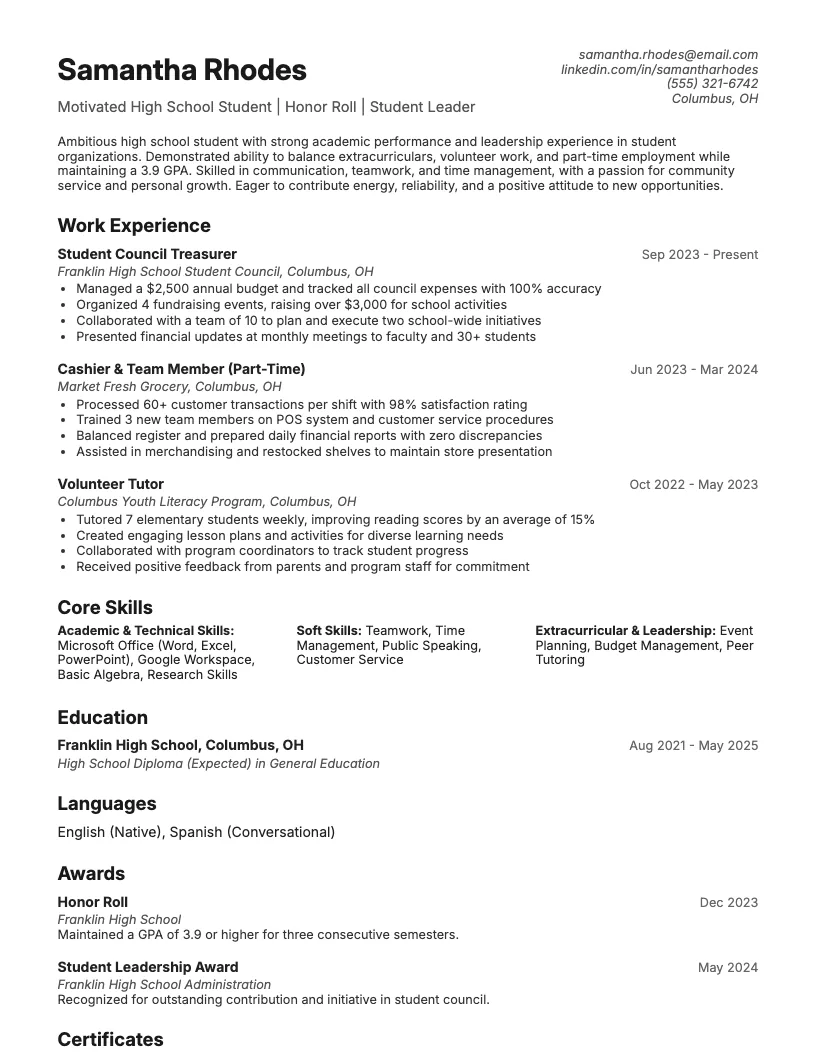
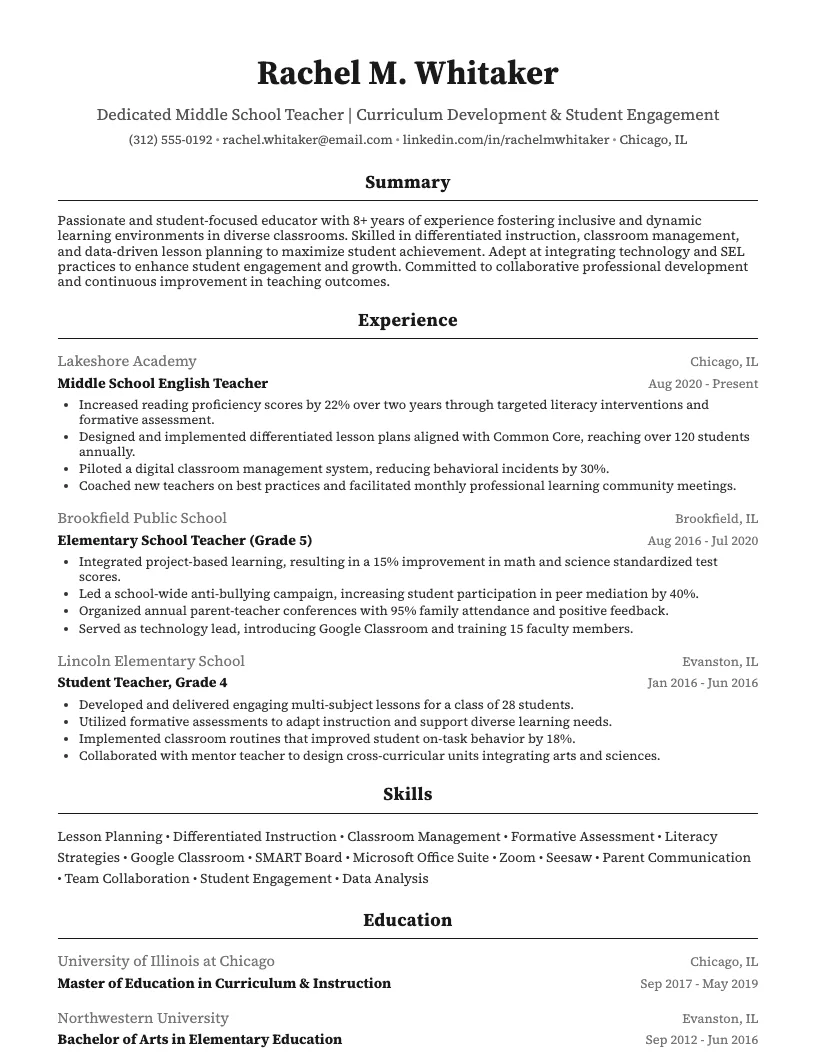
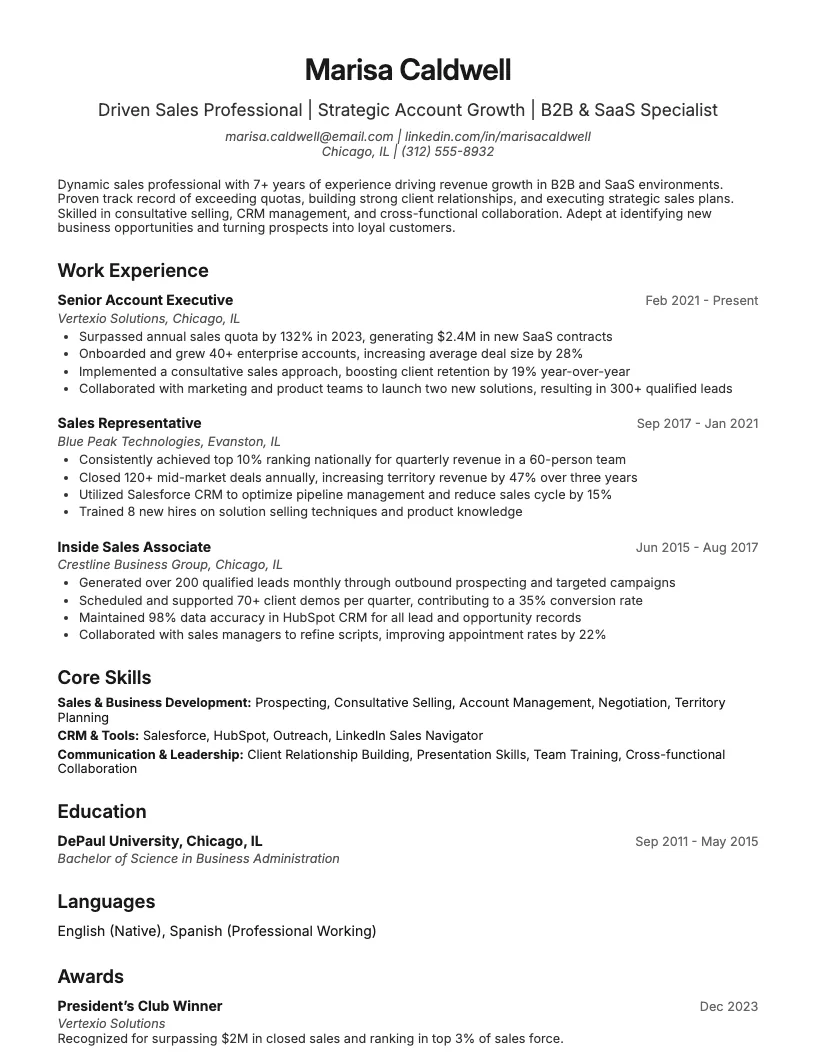
See these skills on a real resume
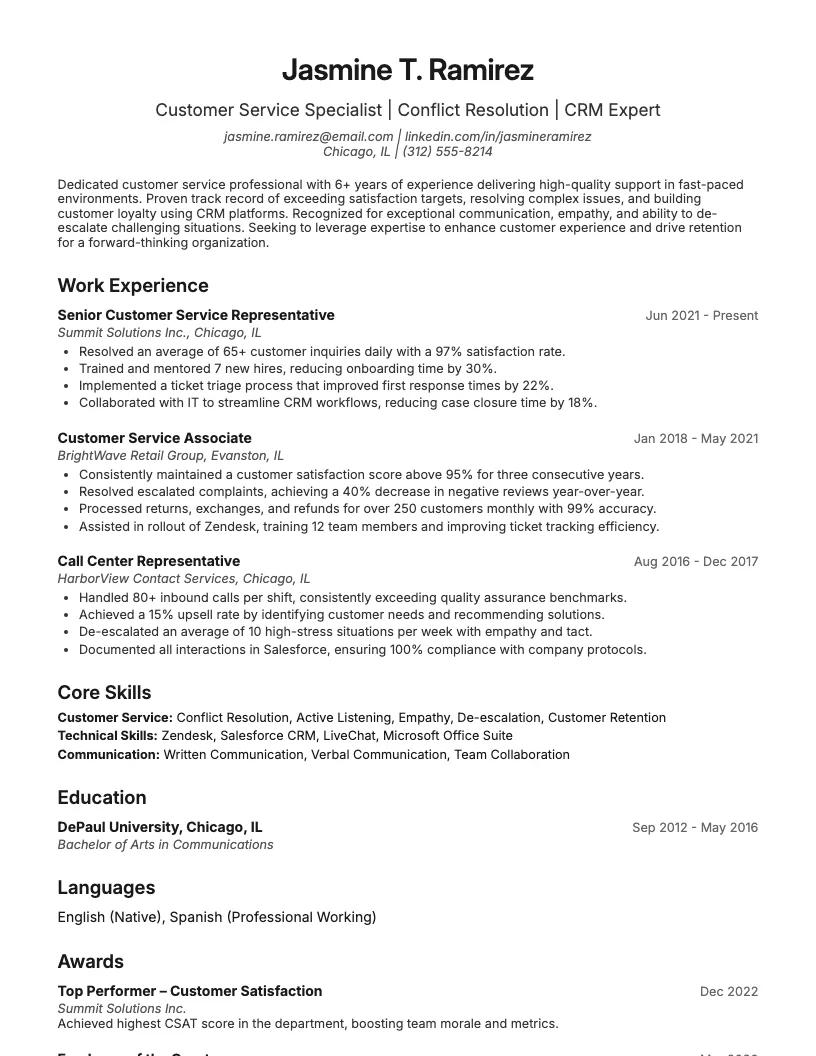
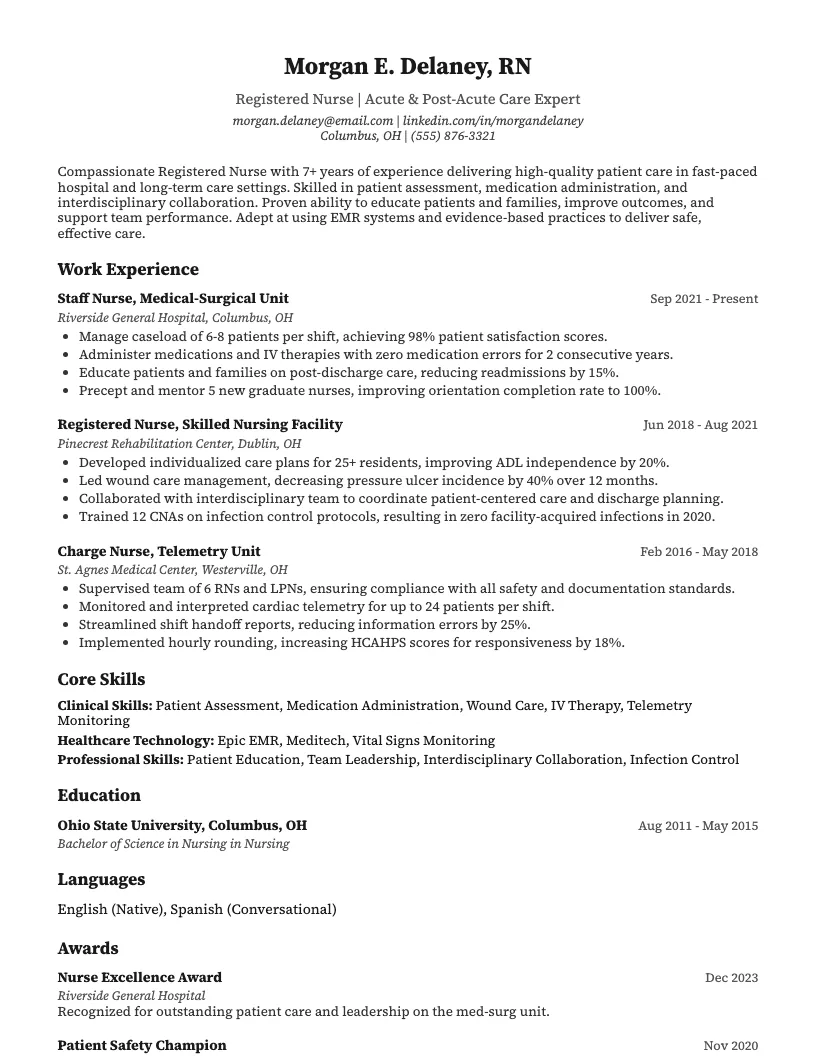
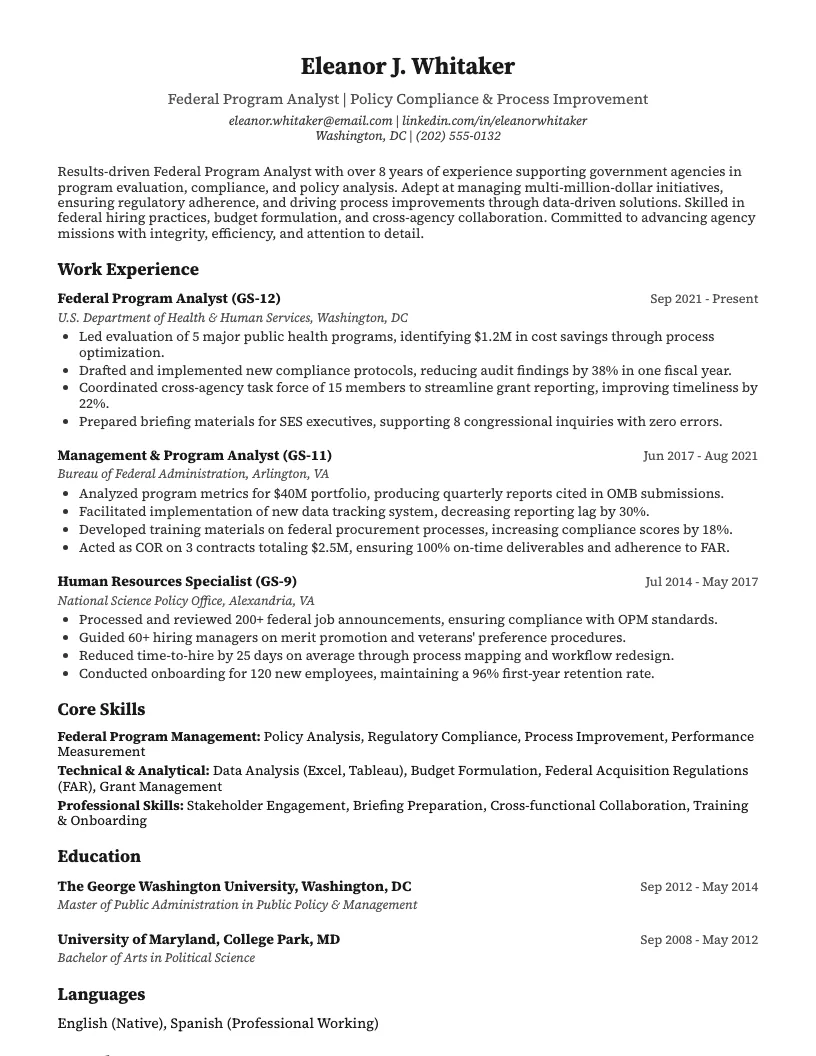
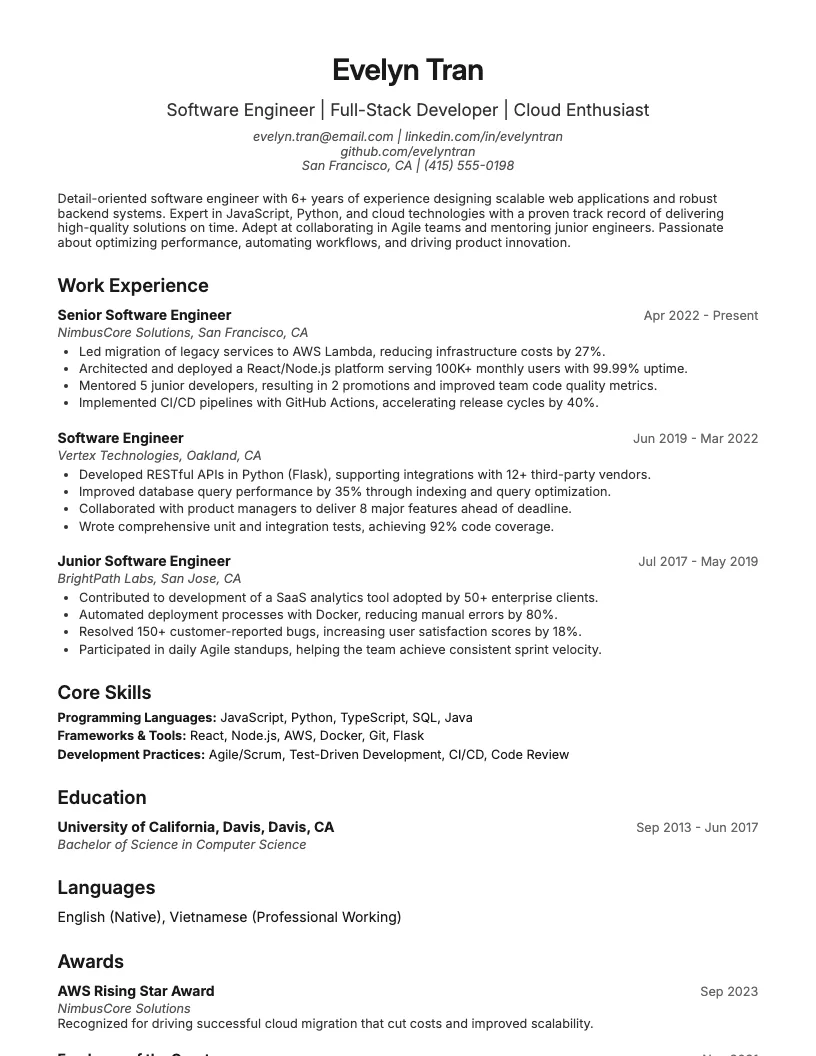
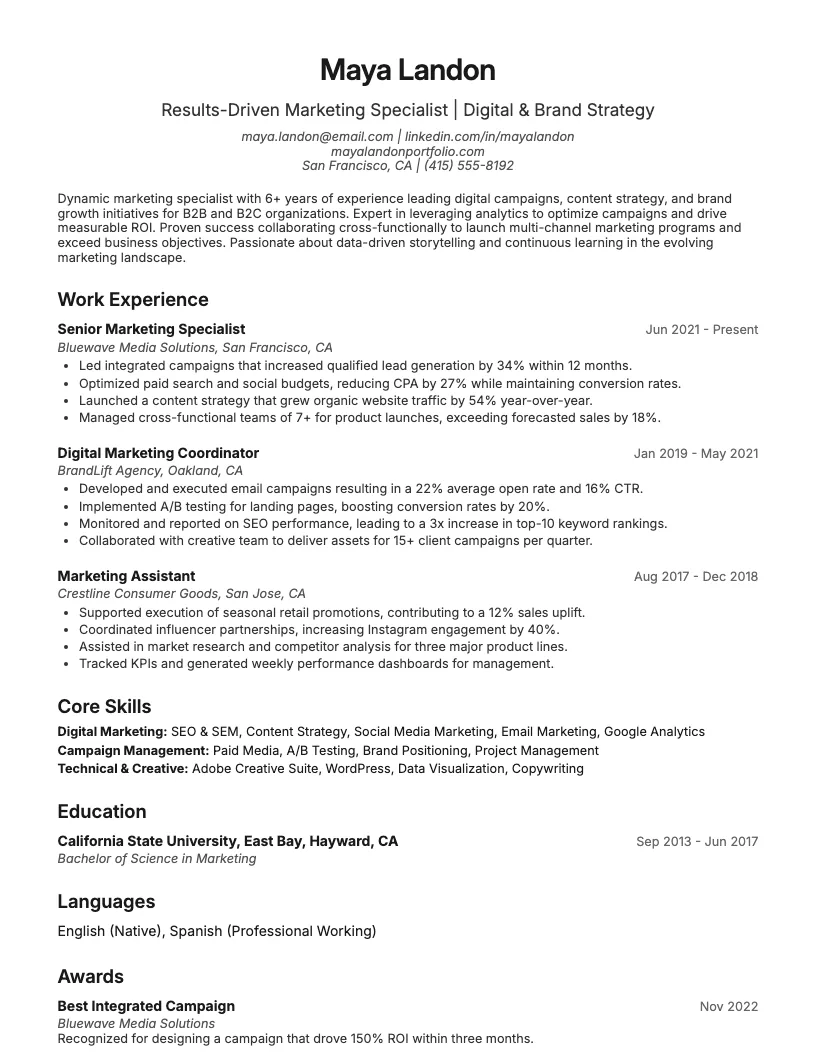
8 examplesStart from an example that already has them, and swap in your own.
Check your resume against the job you want
Scan your resume, see which skills and keywords the posting asks for that you are missing, and fix them before you apply.
Free to use • No credit card required