Ensure Synonym Resume: 13 Alternatives Plus a 4-Step Rewrite
13 stronger alternatives to 'ensure' for a resume, sorted by what you actually did, plus a 4-step process for rewriting weak ensure bullets with real numbers.


Written by Dr. Priya Sharma
Career Development Expert & Resume Analyst
Updated August 2026
Reviewed by Sarah Chen
Is your resume ATS-friendly?
Drop your resume in and see which of these skills a scanner can actually read, and which ones the job you want is asking for that you have not listed.
PDF or DOCX. Max 2MB.
We never share your resume or use it to train a model.
In This Guide:
What's another word for "ensure" on a resume?
You've written "ensure" three times on one page and it's starting to look tired.
That's the most common reason I see people searching for a swap - not because the word is wrong, but because it's doing the same job in every bullet and a resume that repeats itself reads like it was dashed off in ten minutes.
Here are thirteen words that can stand in for it, and what each one is actually saying about the work you did.
Guaranteed
This is the strongest of the bunch, and I'd only reach for it when the outcome was genuinely certain because of something you built or signed off on - a warranty, a service level, a contract term.
Use it too loosely and it reads as a promise you can't back up in an interview.
Secured
Save this one for when you landed something concrete: funding, a contract, a partnership, a client.
It implies you went and got it, not that you just kept it running - that's a different word, further down this list.
Verified
This is the word for checking, testing, auditing - the moment you confirmed something was correct before it went out the door.
If you're not sure which of these words actually matches what a posting is asking for, that's a gap worth checking properly - ResumeJudge scans your resume against the job description and tells you exactly which skills and keywords it's missing, rather than you guessing from a synonym list.
Enforced
Use this when you were the one holding the line on a rule - safety protocols, policy, a standard nobody was allowed to skip.
It reads as more hands-on than "ensured," and closer to the truth if part of your job was catching people who cut corners.
Maintained
This is the quiet workhorse of the list: something was already good, and your job was to keep it that way.
I'd use it for uptime, service quality, a system running without incident - anywhere the win was nothing going wrong.
Upheld
Close cousin of "enforced," but softer - this is for standards and values more than hard rules.
You upheld a level of service, a code of conduct, a company standard. It's a good fit when "enforced" feels too heavy-handed for what you actually did.
Established
This is the word for the moment something didn't exist yet and you built it - a process, a system, a relationship, a team.
It's one of the strongest verbs on this list because it shows initiative instead of just diligence, which is exactly why so many candidates reach for it and then don't back it up with what they actually set up.
Standardized
Use this when you took something inconsistent - five people doing a task five different ways - and made it one repeatable process.
It's a step up from "maintained" because it shows you changed the system, not just watched over it.
Oversaw
This is the management word: you weren't doing the task yourself, you were responsible for the people or the process that did.
I see this misused a lot by people who want to sound senior without a direct report to their name - be honest about whether you actually had oversight or just visibility.
Confirmed
Smaller and more precise than "verified" - this is for checking a specific detail was correct, not running a full audit.
Confirmed a booking, confirmed an order, confirmed eligibility. It's a fine word, just don't stretch it to cover work that was actually a full review process.
Protected
If you write protected, be ready to name what you protected against - a breach, a client, a compliance deadline. Left vague, it reads as a claim with nothing behind it, and it's usually the first thing an interviewer asks about.
This belongs to risk, security, and compliance work - you stood between something valuable and something that could damage it.
Data, revenue, a client relationship, a safety record. It's a strong word because it implies a threat existed and you're the reason it didn't land.
Sustained
Similar to "maintained," but with more effort behind it - this is for keeping a result up when the natural pull was for it to slip.
Sustained a growth rate, sustained a customer satisfaction score through a hard quarter. Use it where holding steady was actually the achievement.
Drove
The most active word on this list, and worth using sparingly because of that - this is for when you were the reason something moved, not just a participant in it.
Drove adoption, drove a project to completion, drove revenue growth. Nine times out of ten this is the word people should be reaching for instead of "ensured," because "ensure" describes an outcome and "drove" describes what you actually did to get there.
If none of these quite fit, the next section sorts them by the kind of work you were doing rather than the word itself, which is usually the faster way in.
Which of those words fits the work you actually did?
Here's the mistake I see most often: someone picks guaranteed or drove because it sounds strong, when the honest word for what they did was maintained. Match the word to the work, not the other way round.
Safety and compliance work
A safety-compliance bullet
Ensured PPE compliance across three shifts
Enforced PPE compliance across three shifts
If your job meant following a rule, a code, or a regulation, enforced and upheld carry more weight than "ensure." If the work was closer to keeping a standard alive than policing one, maintained is the more honest pick.
Accuracy and quality checks
This is where verified and confirmed belong. "Ensure" hides who actually looked at the thing; verified puts you back in the sentence.
Uptime, deadlines and delivery
Secured and maintained do the job here - secured on-time delivery, maintained system uptime. If you were the one keeping something running under pressure rather than setting it up in the first place, sustained is worth a look too; it's the same idea stretched over time.
Targets and numbers you hit
Of the whole list, drove is the one with teeth. Use it when you can point to a number that moved because of you - drove a 12% drop in returns, not just watched the returns dashboard.
If you're not sure which numbers a specific employer actually cares about, running your resume against the posting is exactly what ResumeJudge does - it scores your resume against the job description and shows you which numbers and skills the employer is filtering for, before you guess.
A process or system you set up
Established and standardized belong to builders. If you wrote the checklist, built the onboarding flow, or set up the process nobody had before you, say established.
A standard you kept going over time
This is the one people mix up with "set up" above, and it's a different claim. Sustained and upheld say you kept a standard running for months or years, not that you built it. If you inherited a system and kept it at 98% accuracy for two years, sustained is the truer word - established would be overclaiming.
Work you oversaw as a manager
A management bullet about compliance
Ensured compliance with safety protocols
Oversaw compliance across a team of eight
This is where oversaw belongs. "Ensured compliance" from a manager reads vague - the reader can't tell if you did the checking or someone on your team did.
"Oversaw compliance across a team of eight" answers that question in the same breath. Pair it with enforced or drove when you also want credit for the outcome, not just the supervision - a hiring manager reading a stack of these bullets wants to know exactly what you were on the hook for.
How do you rewrite an "ensure" bullet so it's stronger?
Pick a verb from the list above and the bullet still reads flat, nine times out of ten. The word was never the whole problem.
The bullet has no action in it and no number. Swapping "ensure" for "maintained" doesn't fix either of those on its own.
Here's the order I rewrite bullets in, every time, whether I'm working on someone's first resume or their tenth.
Step 1: Write down what you did, not what you were responsible for
"Ensured" describes a responsibility, not an action. It's the word people reach for when they're describing their job title instead of a Tuesday.
Before you touch the verb, write one plain sentence about what you actually did - checked something, built something, called someone, changed a process. That sentence, not the polished version, is your real bullet.
Step 2: Swap in the verb that matches that action
Go back to the list of alternatives and pick the one that matches the sentence you just wrote, not the one that sounds most impressive.
If you checked paperwork against a spec, that's "verified," not "drove."
Step 3: Add the number that proves it happened
A verb change alone gets you maybe 10% of the way there. The number is the other 90%.
A percentage, a headcount, a time saved, a dollar figure - pick whichever one you actually tracked, and put it in the same sentence as the verb, not a separate bullet underneath it.
Step 4: Name the method or tool that got you there
The strongest bullets say how, not just what. "Retained 96% of key talent" is good.
"Retained 96% of key talent by building a career progression structure" is the version that gets read twice, because it shows the mechanism behind the result, not just the result.
If you're stuck matching your wording to what one specific posting is actually asking for, that's the kind of rewrite ResumeJudge does for you - feed it your resume and the job description, and it puts the phrasing and skills that posting wants into the right bullets, instead of you guessing line by line.
Before and after: "Ensured compliance with safety protocols"
Ensured compliance with safety protocols
Ensured compliance with safety protocols.
Enforced company safety protocols, cutting workplace incidents by 20% over 12 months.
Weak: "Ensured compliance with safety protocols." Strong: "Enforced company safety protocols, cutting workplace incidents by 20% over 12 months."
"Enforced" says you made people follow the rule, not just watched for it. The 20% is what makes a hiring manager believe you.
Before and after: "Ensured customer satisfaction through follow-ups"
Ensured customer satisfaction through follow-ups
Ensured customer satisfaction through follow-ups.
Boosted customer satisfaction 15% in six months by rolling out regular follow-ups and a closer contact policy.
Weak: "Ensured customer satisfaction through follow-ups." Strong: "Boosted customer satisfaction 15% in six months by rolling out regular follow-ups and a closer contact policy."
The timeframe is doing real work here too - six months tells the reader this held up, not that it was a one-off week.
Before and after: "Ensured high retention of key talent"
Ensured high retention of key talent
Ensured high retention of key talent.
Retained 96% of key talent over two years by building a career progression structure.
Weak: "Ensured high retention of key talent." Strong: "Retained 96% of key talent over two years by building a career progression structure."
This is step 4 in full: a specific result, a number, and the system that produced it, all in one sentence instead of three vague ones.
When should you keep "ensure" instead of replacing it?
When should you keep "ensure" instead of replacing it?

Not every "ensure" needs to go. Sometimes swapping it out just adds noise.
The bullet already has a stronger verb in it
Read the bullet again before you touch the verb. If it already says "led," "built," or "cut," the "ensure" attached to it is doing almost no work.
"Led the rollout to ensure on-time delivery" doesn't need "ensure" replaced - "led" is already carrying the sentence. Trying to upgrade both verbs at once usually makes the line clunkier, not stronger.
Pick the one word doing the real lifting and let the other sit quietly.
None of the alternatives is honest about what you did
I'd rather see "ensured" than a synonym that overstates the job. If you checked something without owning the process, "verified" is right - "enforced" isn't.
None of the thirteen alternatives fitting exactly is a real outcome, not a failure on your part. When you're not sure which one lines up with the job you're applying for, run the bullet against the actual posting - ResumeJudge will flag whether the wording matches what that employer is scanning for, or whether "ensured" still says it best.
Formal, legal or regulated wording
In compliance, audit, legal, and safety roles, "ensure" is often the expected word - it's the term regulators and standards documents use. Trading it for "enforced" or "guaranteed" can read as looser, not stronger, to someone who reviews these documents daily.
You've only used it once on the whole resume
One "ensure" on a page isn't repetition - it's a word choice. The problem I see isn't the word itself, it's the same word opening bullet after bullet.
If you've used it once across ten or twelve bullets, leave it. Spend your editing time on the rewrite steps for the ones that actually repeat.
Frequently Asked Questions
What is a better word for "ensure" on a resume?
There's no single better word - it depends on what you actually did, not how strong the word sounds. If you checked something, "verified" fits; if you kept something running, "maintained" fits; if you were accountable for the result, "guaranteed" fits. The right synonym matches the specific action, not just the word itself.
Is "ensure" a bad word to use on a resume?
No, "ensure" isn't a bad word on its own - it's a real, correct verb. The problem is that it's vague and overused, so when it opens every bullet it makes different accomplishments sound identical. Used once, for something you genuinely guaranteed, it's fine; used again and again, it reads as a habit rather than a description of your work.
Should I write "ensure" or "ensured"?
Use "ensured" for anything you already did in a past role, since bullets describing finished work should be in past tense. Use "ensure" only for a job you currently hold, where the responsibility is ongoing. Most of a resume describes past jobs, so "ensured" is the one you'll use in nearly every bullet.
What's the difference between ensure, insure and assure?
"Ensure" means to make certain something happens or is true. "Insure" is the one used for financial protection, like insuring a car or a building against loss, though it also carries the sense of making certain of something, and a few American style guides still treat it as interchangeable with "ensure." "Assure" means to remove someone's doubt or reassure a person. On a resume you almost always want "ensure," since you're describing an outcome you made certain, not a policy or a person.
How many times can I use the same verb on one resume?
There's no fixed limit, but if the same verb opens two or three bullets, a reader notices and it reads as repetitive rather than varied. As a rule of thumb, don't repeat a verb within the same job section, and avoid using it more than once or twice across the whole resume. A different verb on each line keeps every bullet reading like a distinct accomplishment.
Does an applicant tracking system care which verb I use?
No, an applicant tracking system isn't scoring your word choice - it's matching your resume's skills and keywords against the specific job posting, not judging whether you wrote "ensure" or "guaranteed." Scanning your resume against a posting, like ResumeJudge does, shows you which keywords the job actually asks for and whether your resume already has them, which matters far more than verb variety. Word choice affects how a human reader perceives you, not how the software ranks you.
See these skills on a real resume
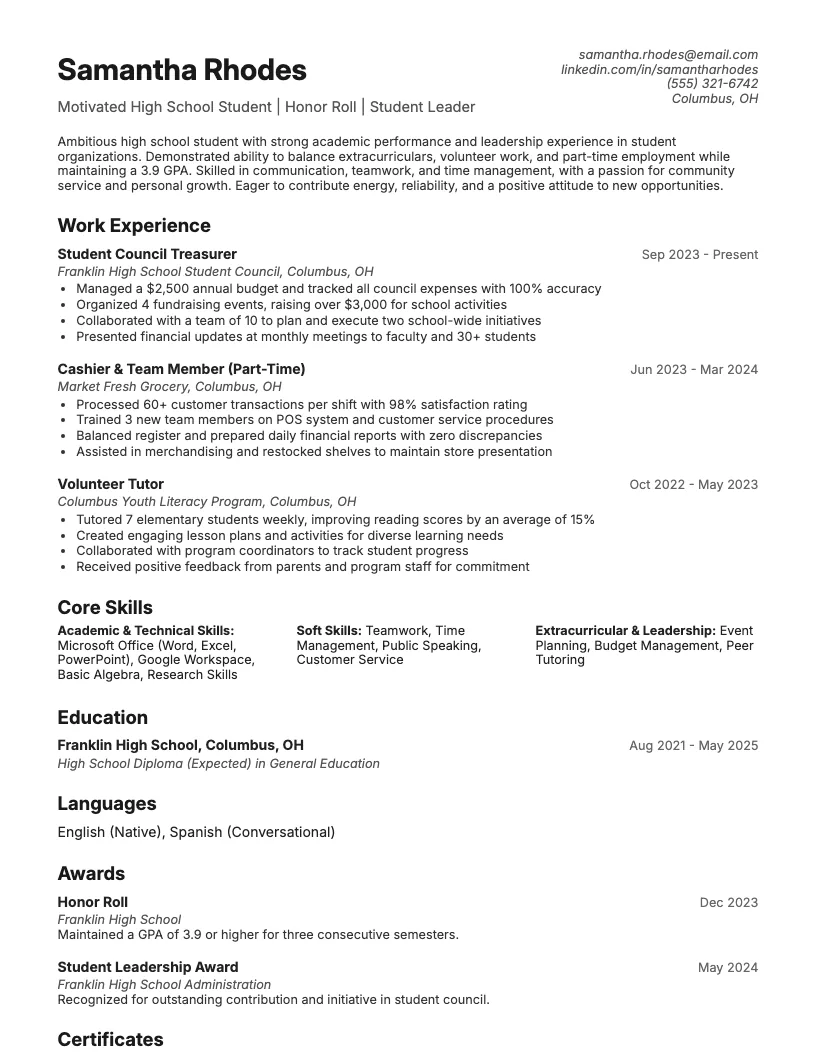
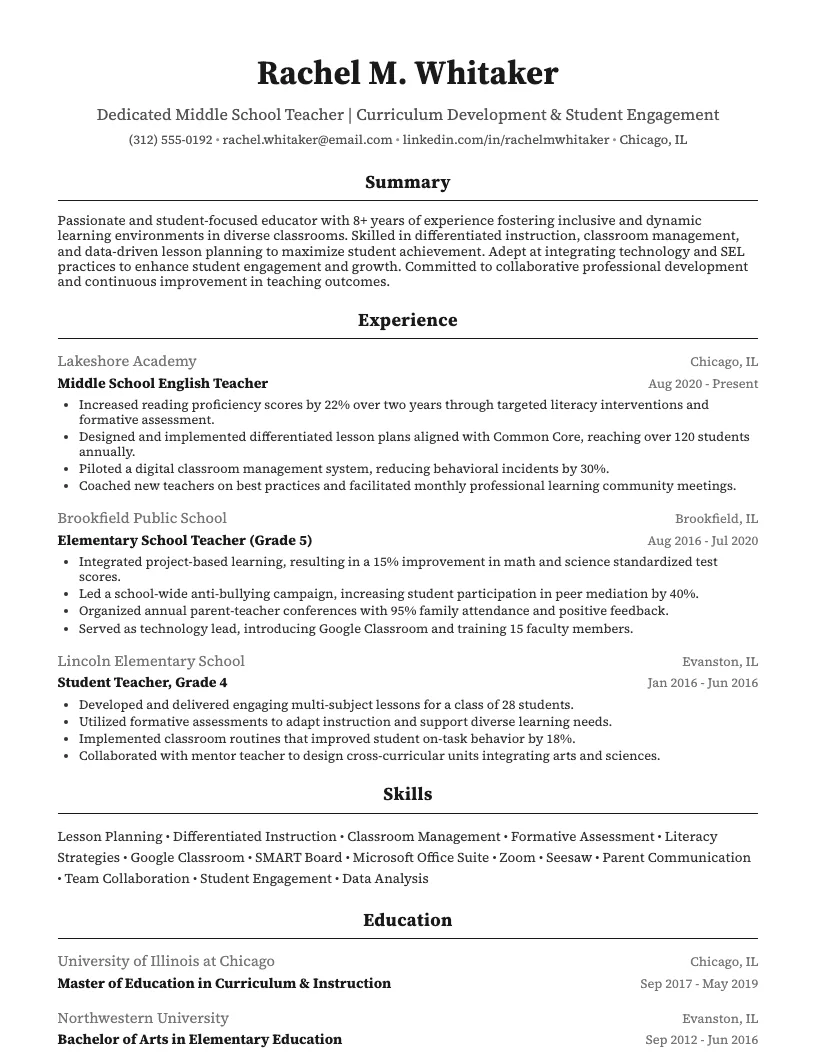
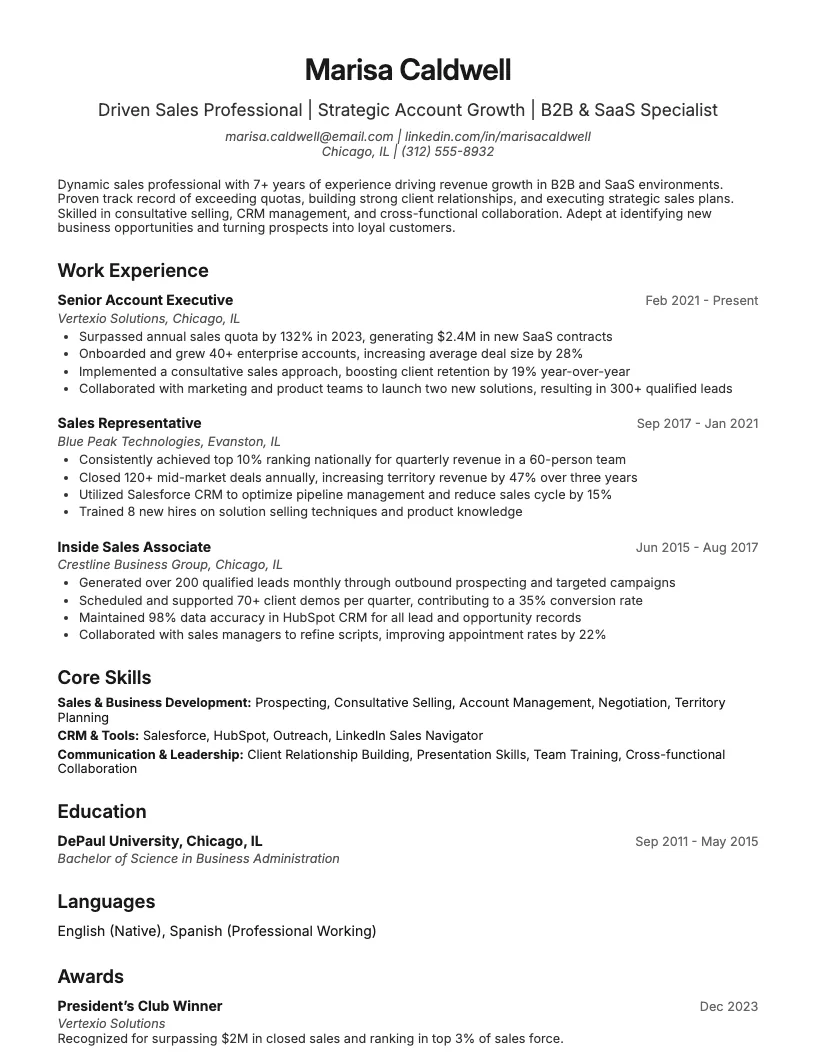
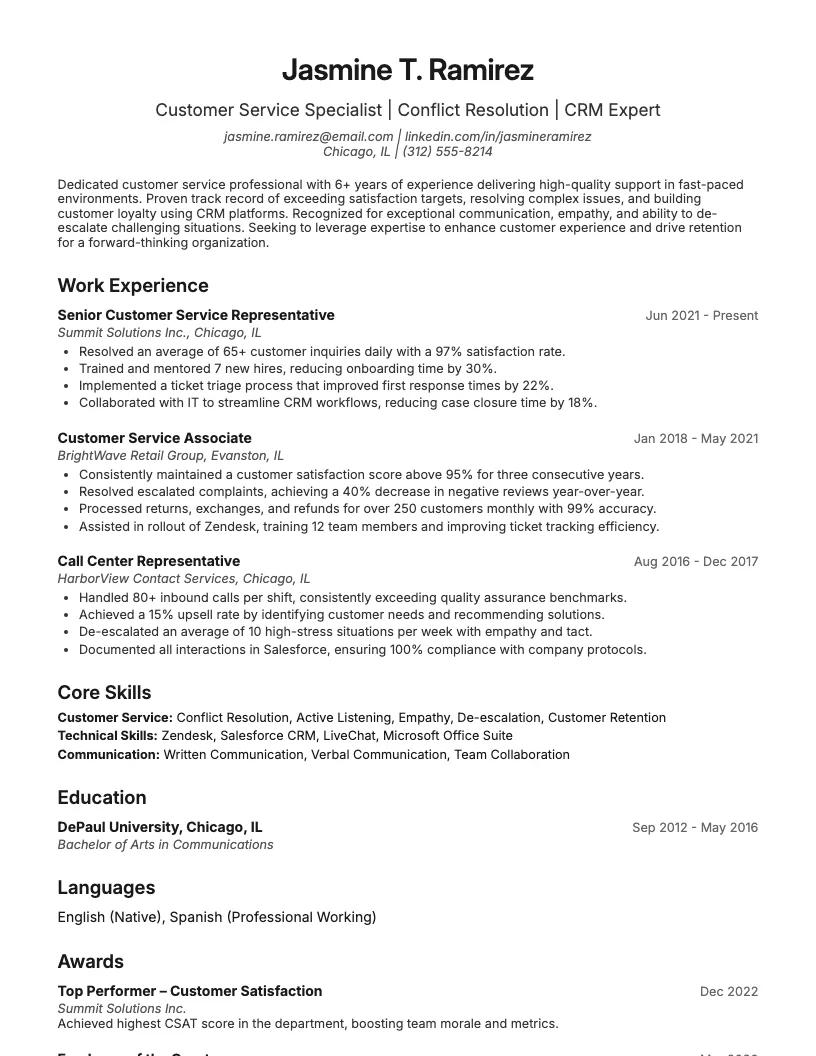
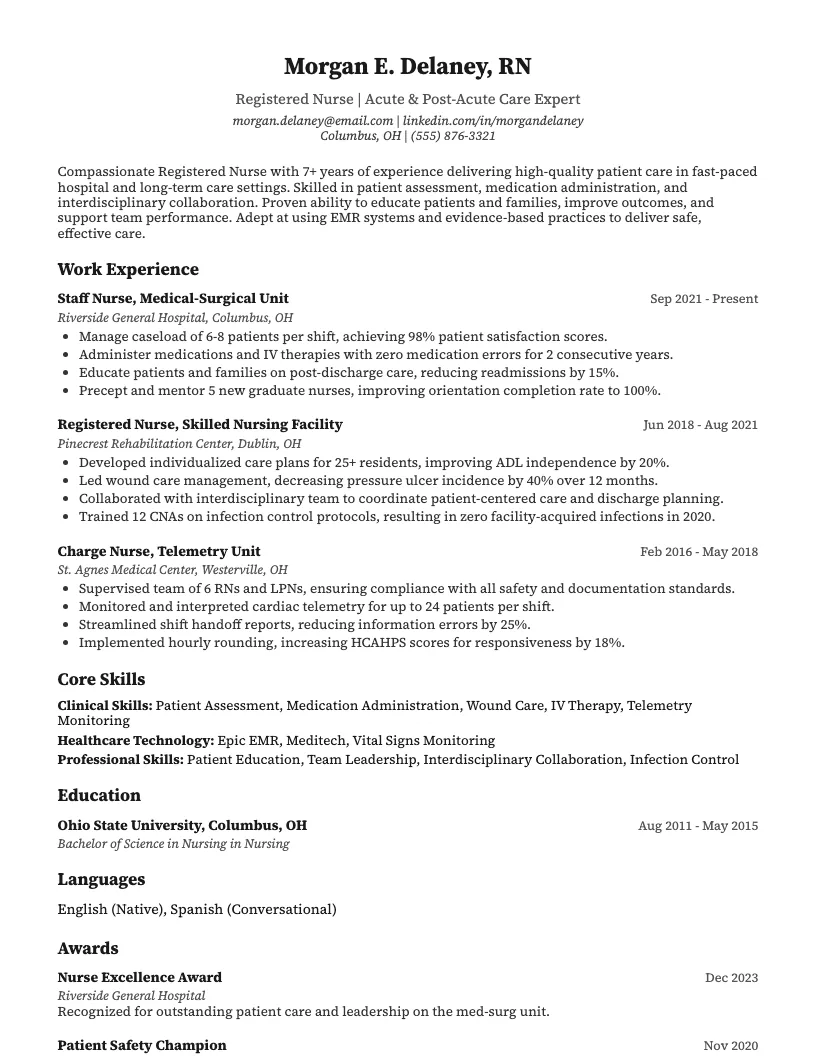
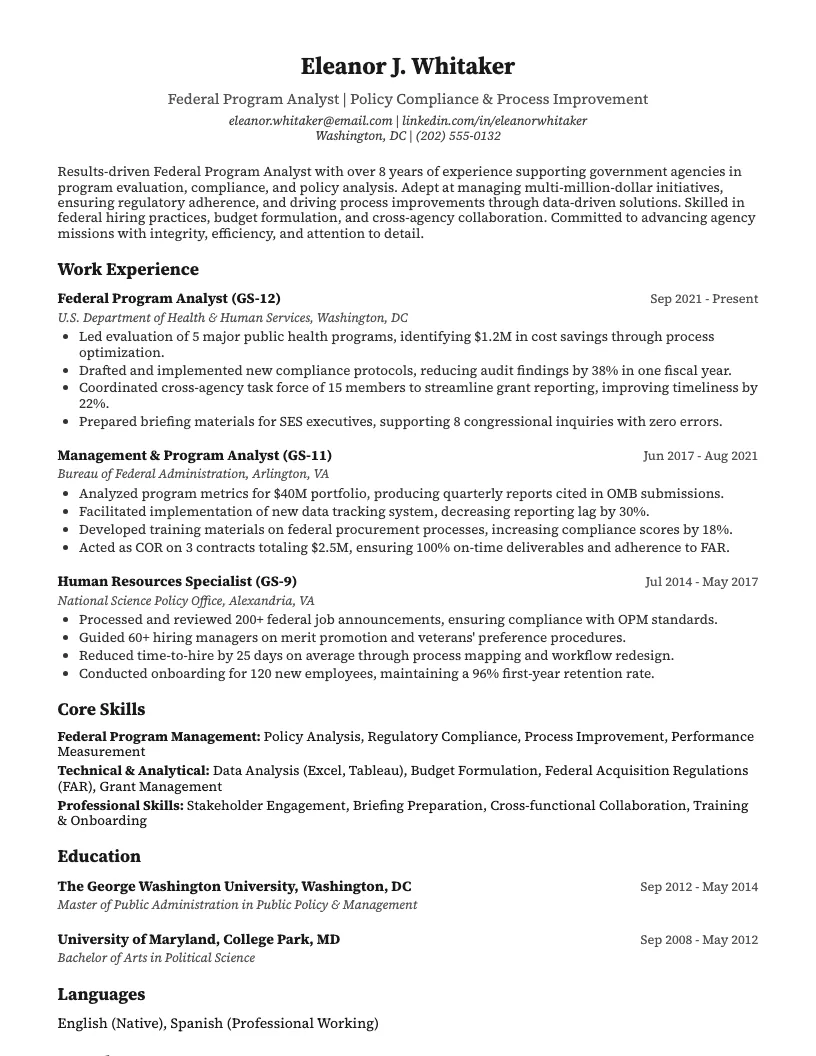
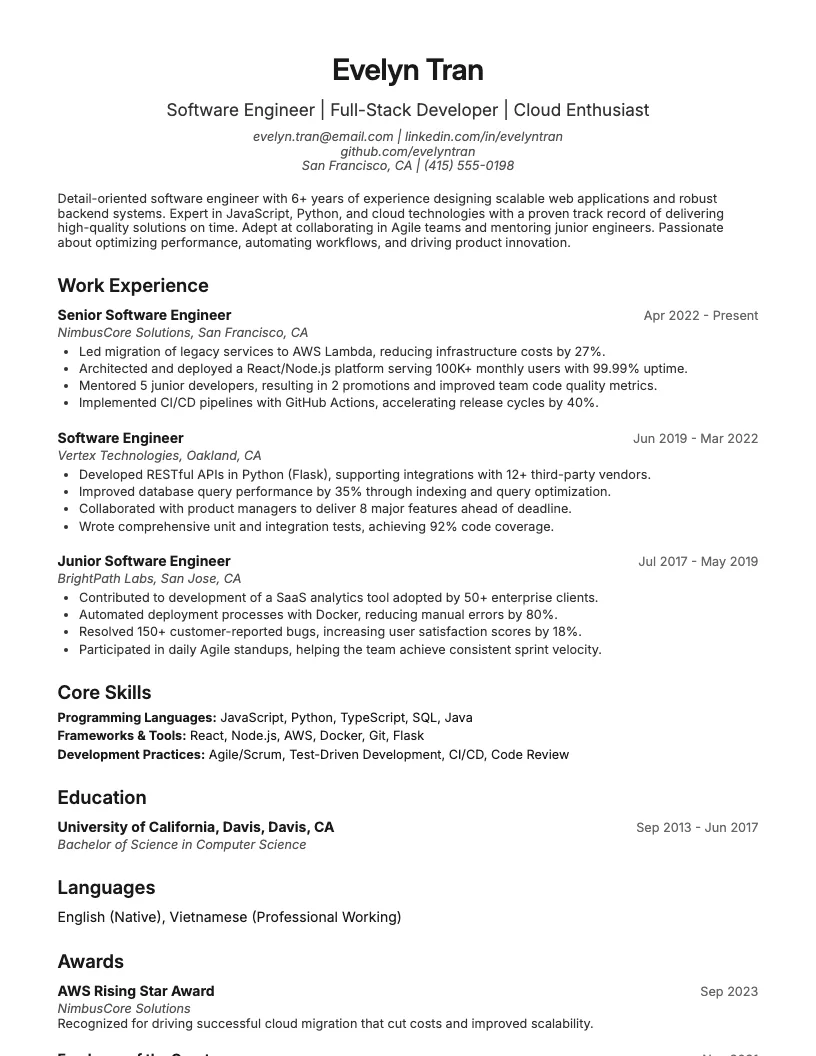
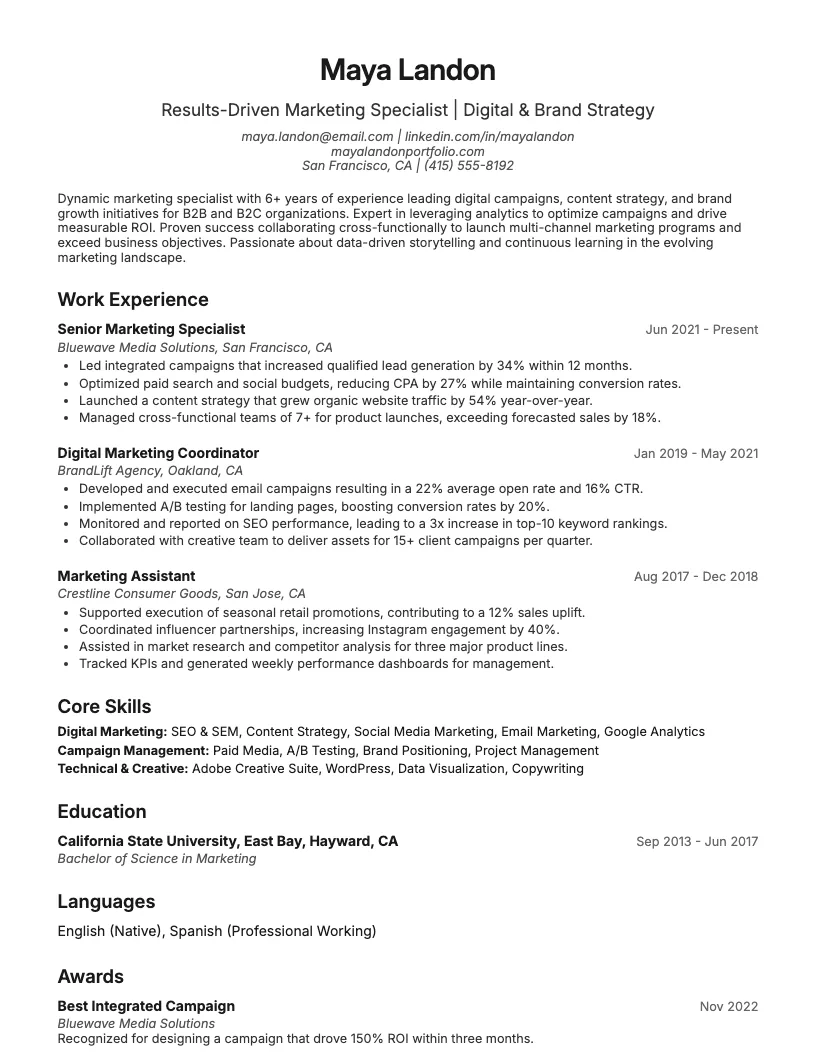
8 examplesStart from an example that already has them, and swap in your own.
Check your resume against the job you want
Scan your resume, see which skills and keywords the posting asks for that you are missing, and fix them before you apply.
Free to use • No credit card required