Objective for Resume: 7 Examples & 7 Mistakes That Get It Skipped
Get 7 resume objective and summary examples matched to your situation, the 5-step way to write either one, and the 7 mistakes that get them skipped over.


Written by Marcus Rodriguez
ATS Optimization Specialist & Career Coach
Updated August 2026
Reviewed by Dr. Priya Sharma
Is your resume ATS-friendly?
Drop your resume in and see which of these skills a scanner can actually read, and which ones the job you want is asking for that you have not listed.
PDF or DOCX. Max 2MB.
We never share your resume or use it to train a model.
In This Guide:
What is the difference between a resume summary and an objective?
Summary vs. objective
| Fact | Summary | Objective |
|---|---|---|
| Focus | What you've already done | Where you're headed next |
| Length | 2-3 sentences | 1-2 sentences |
| Best for | 3+ years in the field | Grads, career changers, gaps, relocation |
You already know you need something under your name at the top of the page. What you're less sure of is which one.
Here's the short version: a summary sells what you've done. An objective states where you're headed.
Most people with any work history at all want the summary.
Resume summary: what you have already done
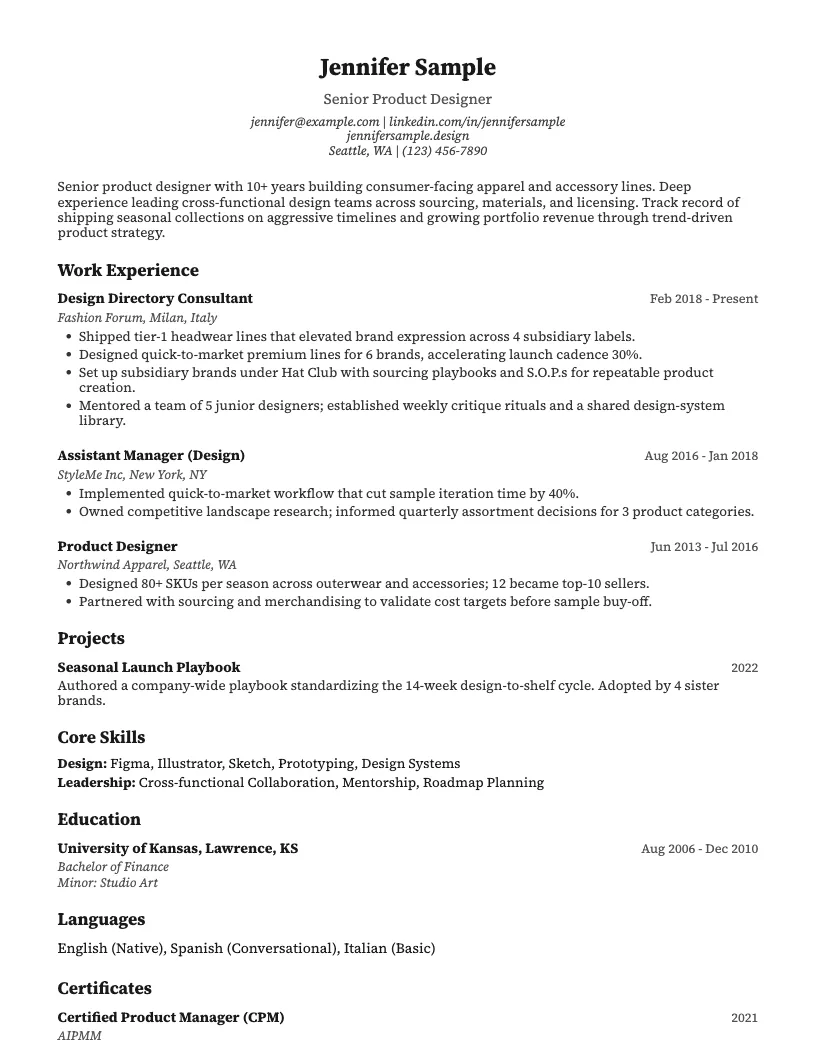
A summary is two or three sentences of proof - your title, your years, your best results.
I've read thousands of these, and the good ones read like a highlight reel, not a mission statement.
Resume objective: what you are aiming at next
An objective is one or two sentences about the job you want and what you'd bring to it.
It's forward-looking by design, which is exactly why it falls flat once you have a track record to point to instead.
Career objective vs resume objective
People use these interchangeably, but they're not the same thing.
A career objective talks about your five-year plan. A resume objective talks about this job, this application.
Stick to the resume objective - it's the one that actually helps you get hired.
Who should write an objective
Recent graduates, people switching fields, anyone returning after time away, and anyone relocating.
In each case you're explaining a gap in the story the rest of the resume can't explain on its own.
Who should write a summary
Everyone else. Three or more years in a field, a title that matches where you're applying, results you can point to - write a summary.
Before you write it, check the posting for the exact job title and tools it names - ResumeJudge will pull those out for you if you paste the description in.
Where does it go on the page?
Either one sits directly under your name and contact details, before anything else. Four lines, tops - a recruiter is skimming, not reading.
How do you write a resume objective?
How do you write a resume objective?

An objective is short, so every word in it has to earn its place. Here's the order I tell people to write it in.
Step 1: Name the job title you are applying for
Open with the exact title from the posting, not a version you've paraphrased - see the exact job title from the posting for why the literal wording is what gets matched.
Step 2: Open with your strongest credential
Right after the title, put the one thing about you that matters most for this job - a degree, a certification, a skill you've actually used. Not "hardworking" or "motivated."
Those say nothing about you specifically.
Step 3: Say what the employer gets
This is the part almost everyone gets backwards. An objective that says what you want - "seeking a role where I can grow" - tells the employer nothing about why they should hire you.
Flip it: say what you'll do for them, not what they'll do for you.
Step 4: Add one number you can back up
A number is what makes an objective sound like it came from a real person instead of a template. If you're not sure your résumé has one worth using, running it against a posting in ResumeJudge will rewrite it to include what's missing before a recruiter ever sees it.
Step 5: Cut it to one or two sentences
Recruiters spend six to ten seconds on a first pass. Thirty to sixty words is the ceiling - past that, you're writing a paragraph nobody asked for.
Cut until only the title, the credential, and the payoff remain.
The fill-in-the-blank formula
When you're stuck, this shape works: [your skill or credential] + [the role you're targeting] + [what the employer gets from it]. Fill it in with your own words, not the brackets themselves - I've read objectives that left the placeholders in.
Third person, first person, or job-first
Third person, no pronouns, reads most formal - safest for traditional industries. First person is more conversational and fits creative or startup roles better.
Job-first, where the target role leads the sentence, works well if you're changing careers and want the title to do the talking before your background does. Pick the one that matches the room you're walking into, not the one that's easiest to write.
How do you write a resume summary?
How do you write a resume summary?
A summary is a bet you're placing on your best three or four cards before the reader sees the rest of the hand. Get the order right and they keep reading.
Get it wrong and they stop at line two.
Step 1: Pick three or four things that set you apart
I tell people to write down everything first, then cut. You're looking for the handful of things that are true of you and not true of most other applicants for this role.
Mix skills with scope: a tool you're fluent in, a team size you've run, a budget you've owned.
Step 2: Tie each one to a result
A skill on its own is a claim. A skill next to a number is proof.
"Managed a support queue" tells me nothing; "cut response time from two days to four hours" tells me you can do the job.
If you can't attach a number, attach an outcome instead - shipped, launched, retained, closed.
Step 3: Match it to the job description
Nine times out of ten, the summary I'm asked to fix was written once and sent everywhere. Pull the two or three things the posting keeps circling back to and make sure your summary answers them directly - a resume checker can hold your summary against the posting and tell you exactly which of those it thinks is missing, before a recruiter ever opens it.
Step 4: Trim to three or four lines
Cut the sentence that's true of everyone with your job title - it's not doing any work. For what a too-long summary costs you, see six lines when two would do.
Drop the pronouns
No "I" or "my." Open straight on the credential: "Marketing manager with six years in B2B SaaS," not "I am a marketing manager."
Use active verbs, not passive ones
"Grew accounts from 10 to 40" beats "accounts were grown." The active version puts you as the one who did it, which is the entire point of the section.
Do not repeat what is already lower down the page
If your work history already shows the promotion, the summary doesn't need to explain it again - it needs to say what that promotion proves about you now.
Which keywords should go in your summary or objective?
Which keywords should go in your summary or objective?
Four or five right words in your opening lines do more for you than any adjective. Here's what to reach for.
The exact job title from the posting
If the ad says "Senior Financial Analyst," write that, not "finance professional" or "numbers person."
Scanners and human reviewers both look for the literal title first. Close doesn't register the same way.
Tools and software you have used
Name the specific platform, not the category. "Salesforce" beats "CRM software," "Excel" beats "spreadsheet tools."
I've reviewed resumes where someone clearly used the exact tool a posting asked for but never named it, so the match never happened.
Certifications and licences
If you hold one the posting mentions, or even implies, put it near the top. A licence or credential is one of the fastest keyword matches there is, because there's no ambiguity about whether it counts.
Industry terms and acronyms
Every field has its own shorthand, and job postings lean on it. Write both the acronym and the full term at least once between your summary and your skills sections, since you don't know which one a given scan is looking for.
Skills the posting repeats
If a phrase shows up twice in the same ad, that's not an accident. Treat repetition as the employer telling you what matters most, and put that word in your opening two sentences rather than burying it lower on the page.
How to pull the words out of a job ad
Paste the job description somewhere you can mark it up, then underline every noun: tools, titles, certifications, skills. That underlined list is your keyword set.
This is exactly the gap ResumeJudge closes - it takes your resume and the posting and writes the missing underlined words into the right sections before you hit apply.
How many keywords is too many
Aim for four or five well-placed terms in your summary and let the rest live in your experience bullets and skills section, where they belong anyway. Past that you end up with a keyword list crammed into a sentence, which is its own problem.
What does a good summary or objective look like?
The fastest way to write yours is to find the situation below that matches you and copy the shape, not the words.
Recent graduate
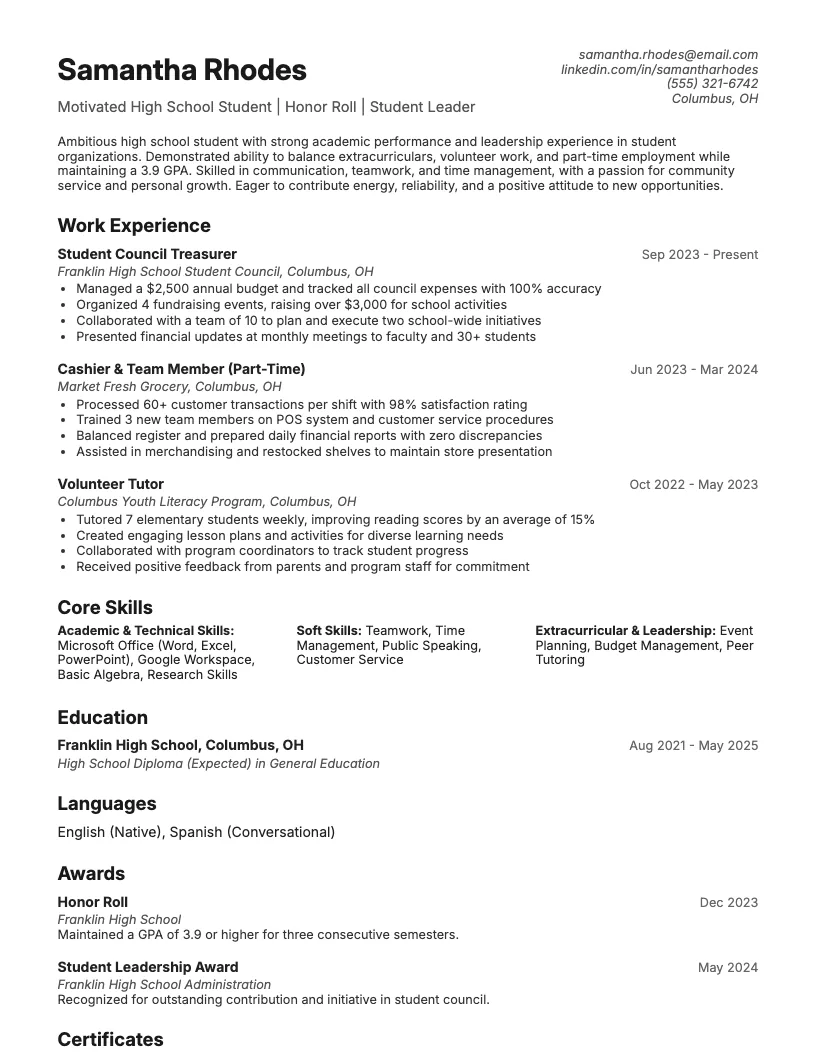
You don't have a job title yet, so lead with your degree and the one project or internship that proves you can do the work.
"Marketing graduate with a summer internship running social campaigns, looking to bring that hands-on experience to an entry-level coordinator role." One sentence, one credential, done.
No work experience yet
With nothing paid to point to, coursework, volunteering, and campus leadership all count.
I've seen candidates land interviews off a single line about organizing a student event, because it showed they could own something start to finish. Say what you did and what came of it, even at that scale.
Career changer
Name the field you're leaving and the one you're headed to in the same sentence, then bridge them with a skill that works in both.
This is where most career-change resumes fall apart: the writer explains the switch instead of proving they're ready for it. Pull the skills the new posting repeats (see which keywords should go in your summary) and show you already have them, just under a different job title.
Coming back after a gap
Don't apologize for the gap and don't explain it here. Say what you did during it if it's relevant, then move straight into what you bring now.
"Returning to project management after three years running a household budget and community fundraiser, now focused full-time on delivery roles." That's it.
One sentence, no defense.
Moving to a new city
Say the move plainly, and say when: "Relocating to Austin in March, seeking a UX role." Recruiters skip candidates who look local-only if they're not, so this line saves everyone a wasted screen.
Going for a promotion
Lead with the scope you already run, not the title you want. "Managed a five-person support team" reads stronger than "seeking a management role," because it shows you're doing the job already.
Ten years in the same field
At this stage, cut the summary of your career and give one number that proves impact: revenue grown, team size, budget managed. Nine times out of ten, a decade-long career gets buried under too many years listed instead of the one figure that matters most.
The same person written badly, then well
A summary, written badly and then well
Hardworking professional seeking a challenging position to utilize my skills.
Operations manager who cut fulfillment errors 22% by rebuilding the intake process; looking to bring that to a logistics team scaling past 50 orders a day.
Badly: "Hardworking professional seeking a challenging position to utilize my skills."
Well: "Operations manager who cut fulfillment errors 22% by rebuilding the intake process; looking to bring that to a logistics team scaling past 50 orders a day."
Same person, same experience. The difference is a number and a target.
If you're not sure your version reads more like the first line than the second, running it against a real posting on ResumeJudge will rewrite the generic parts to match the posting's own wording.
What makes a summary or objective get skipped?
I've read thousands of these, and the same handful of mistakes get a summary or objective skipped over every time. None of them are hard to fix once you can see them.
"Seeking a challenging position"
This phrase tells a recruiter nothing about you and nothing about the job. It also doesn't match anything an ATS is scanning for, so it just sits there as dead space at the top of the page.
"Hardworking team player"
Every candidate claims this, which means it proves nothing. If you want credit for being a team player, show it: "coordinated a five-person launch team" does the work this phrase can't.
Writing about what you want instead of what you give
"Looking for a role where I can grow" is about you, not about what the employer gets - see say what the employer gets for how to flip it.
The same statement sent to every employer
A generic statement is written to fit every posting at once, so it can never carry the exact job title the ad uses. This is also where a tool like ResumeJudge earns its keep - paste in the job description and it'll work the posting's own words into your draft for you.
A keyword list crammed into a sentence
You can usually spot this one by the comma count: "Skilled in Excel, SQL, Python, project management, and stakeholder communication" reads like a tag cloud, not a sentence a person wrote. Pick two or three that matter most for this job and build a real sentence around them - see which keywords should go in your summary for how to choose.
Six lines when two would do
A summary's only job is to make the reader think "tell me more" - not to make the entire case for hiring you before they've even reached your experience. Two or three tight sentences beat six that repeat themselves.
A goal the job cannot give you
Don't set a goal in your objective the actual role can't deliver on - naming ambitions that don't match the position you're applying for is a fast way to look like you didn't read the posting.
Frequently Asked Questions
Do I need an objective at all in 2026?
Most people don't need one. An objective only helps when your resume doesn't already make your fit obvious on its own - the situations where that happens are listed under Who should write an objective, further up this page. If your experience already lines up with the job, a summary does more work than an objective and you can skip it.
Can I have both a summary and an objective?
No, pick one. They cover the same ground near the top of the resume, so running both just repeats yourself and eats space a recruiter spends only a few seconds scanning.
How long should a resume objective be?
Keep it to one or two sentences, around 30 to 60 words. That's enough room to say what role you want and what you bring to it without turning into a paragraph nobody reads.
How long should a resume summary be?
Two to three lines is the standard, and four is the ceiling. If you need more room to cover your background, that's a sign to switch to a longer format like a qualifications list rather than stretching the summary out.
What do I write if I have no experience?
Lean on your education, coursework, projects, and any internships or part-time work, and name the skills from those that carry over to the job. Checking the posting for the specific skills and keywords it asks for helps you know which ones are worth calling out here - ResumeJudge can scan a job description and tell you which of those are missing from your resume. Keep it to two or three sentences focused on what you can do, not what you haven't done yet.
Should I name the company in it?
Only if you're writing a separate objective for that one application, since naming a company means the line stops working for any other job. Most people who use an objective write it generically enough to reuse, then adjust the wording to match the specific role and its language.
What should I call the section on my resume?
Label it for what it actually is: "Objective" if you're stating a goal, or "Summary" (or "Professional Summary") if you're recapping your experience. Either heading is read fine by applicant tracking systems, so the choice comes down to matching the label to the content underneath it rather than picking one for style.
See these skills on a real resume
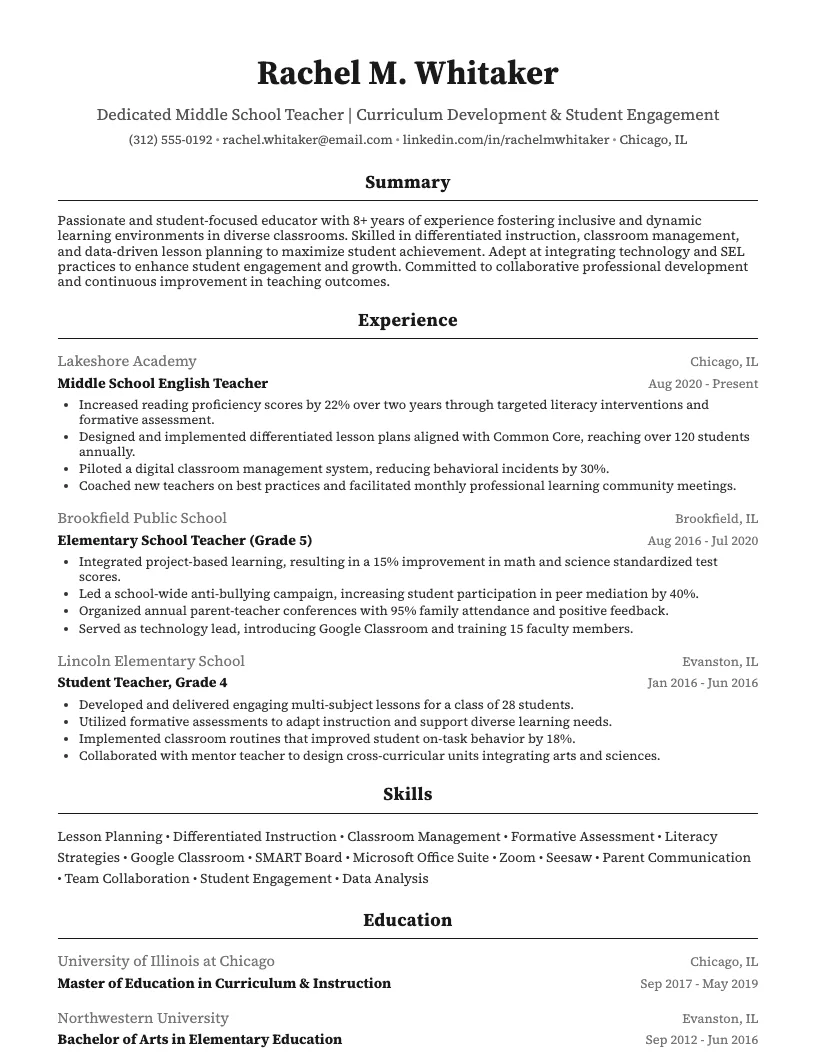
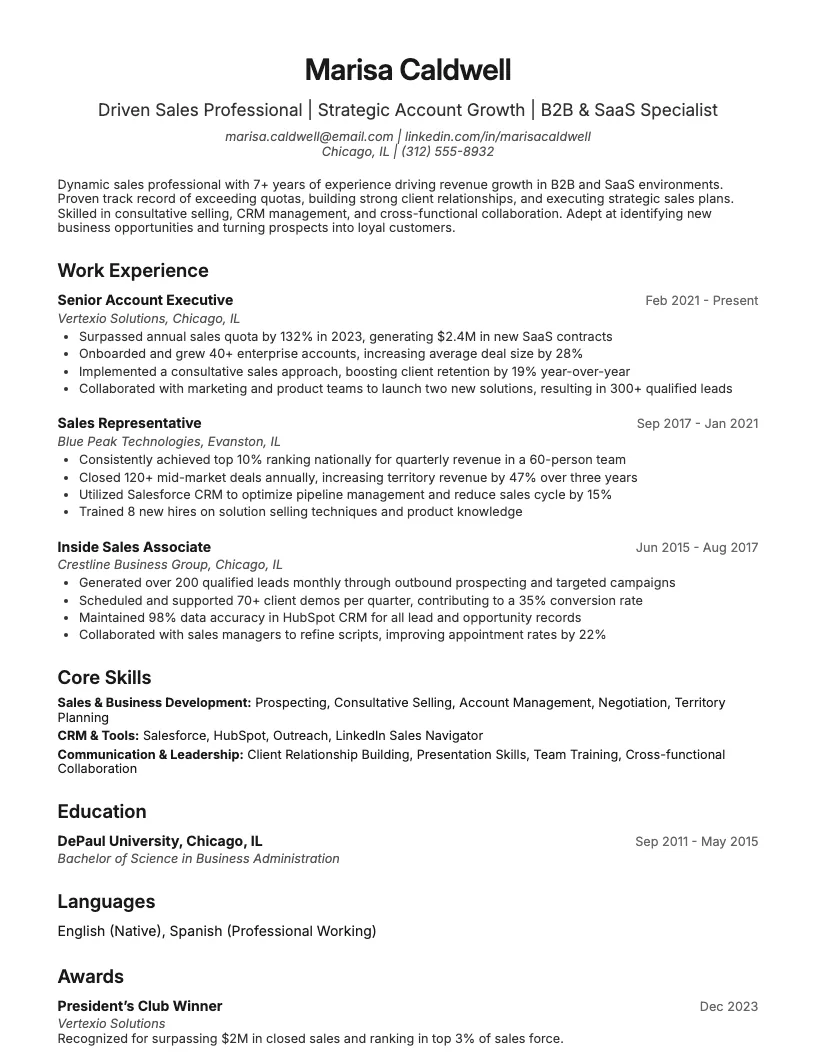
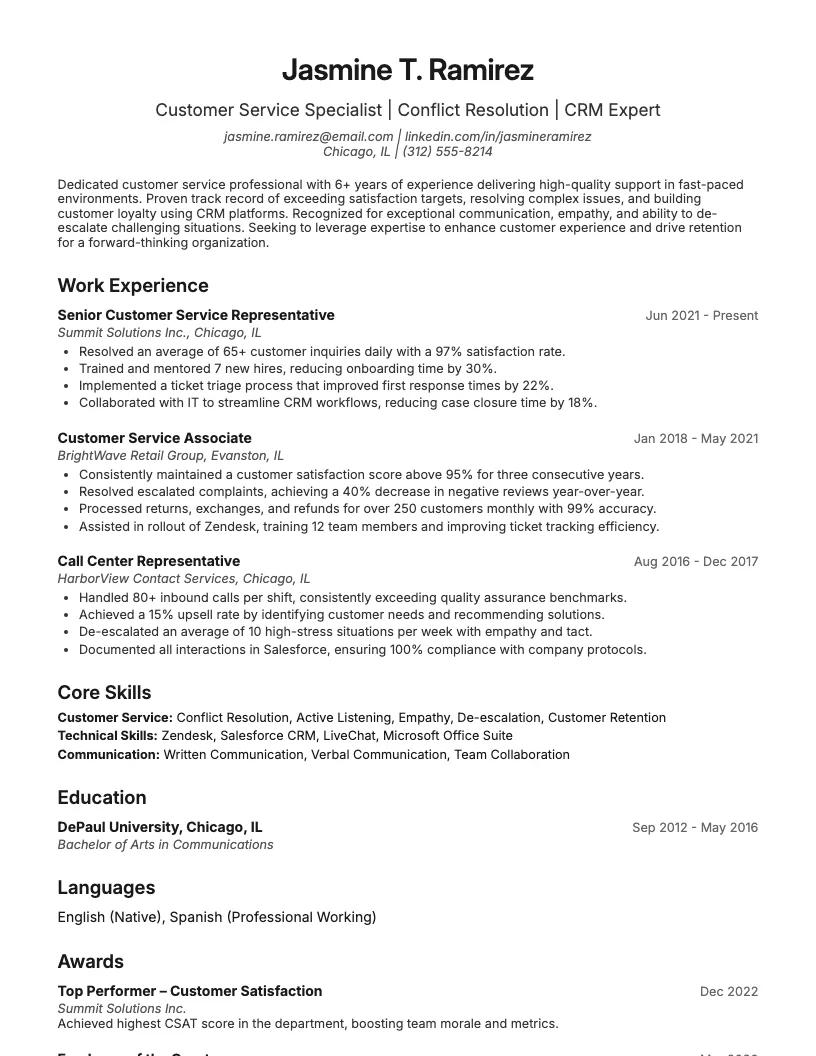
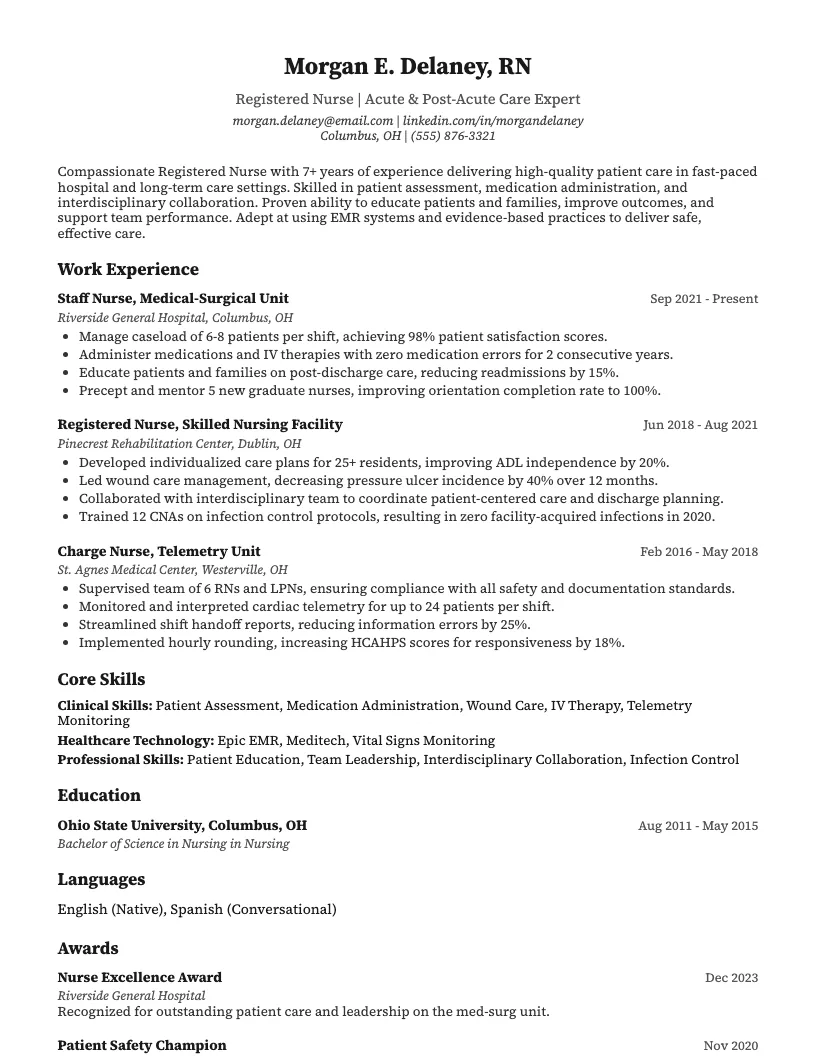
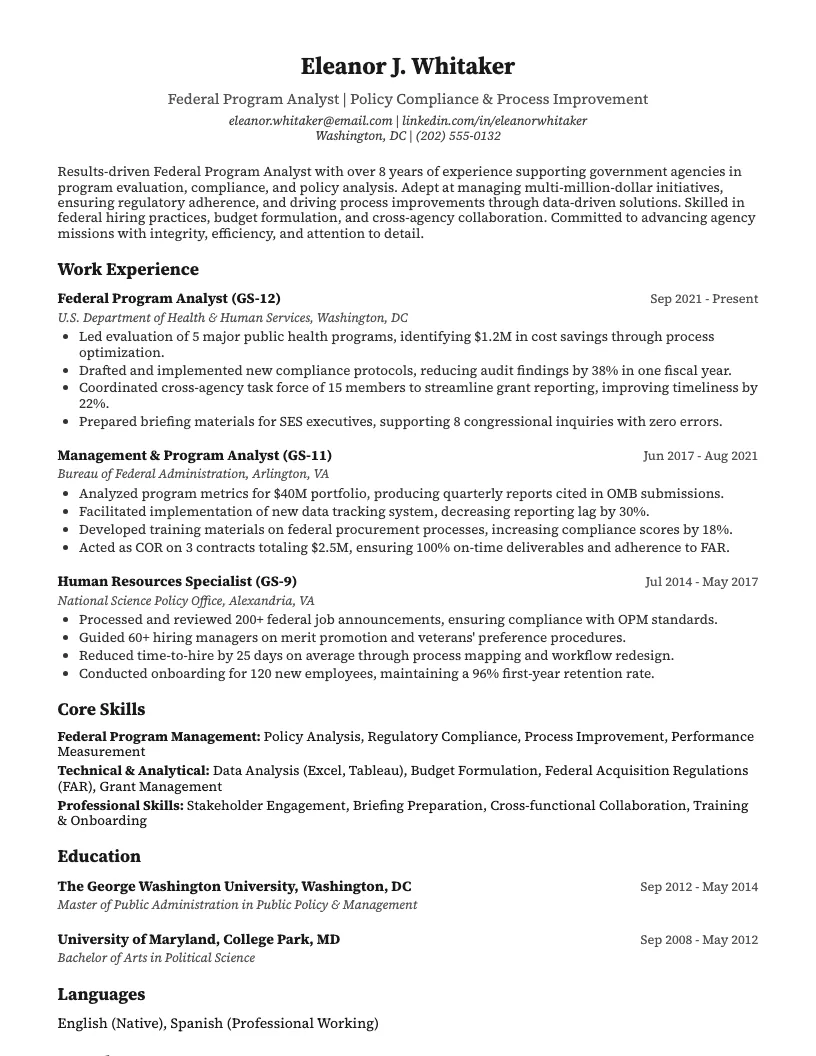
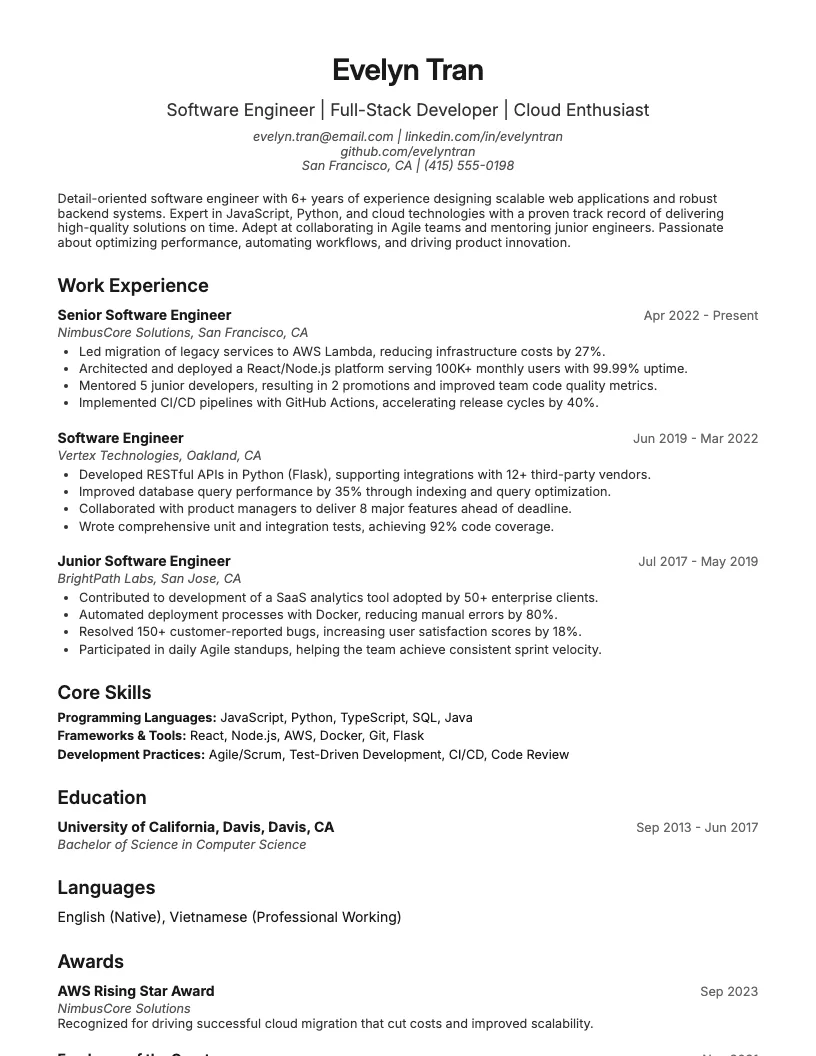
8 examplesStart from an example that already has them, and swap in your own.
Check your resume against the job you want
Scan your resume, see which skills and keywords the posting asks for that you are missing, and fix them before you apply.
Free to use • No credit card required