Teacher Resume Skills: 8 to List and the Term in 66% of Postings
The 8 skills every teacher resume needs, the keywords postings actually ask for by grade and subject, and the 5 mistakes that get a teacher's resume rejected.


Written by Marcus Rodriguez
ATS Optimization Specialist & Career Coach
Updated August 2026
Reviewed by Dr. Priya Sharma
Is your resume ATS-friendly?
Drop your resume in and see which of these skills a scanner can actually read, and which ones the job you want is asking for that you have not listed.
PDF or DOCX. Max 2MB.
We never share your resume or use it to train a model.
In This Guide:
What skills should a teacher put on a resume?
What skills should a teacher put on a resume?

I've read hundreds of teacher resumes, and the ones that get callbacks all cover the same eight things. Skip one and a hiring committee reads it as a gap in your practice, not just your resume.
Lesson planning and curriculum development
Show that you build lessons around standards, not just fill class time.
Name what you plan against - state standards, a scope and sequence, a pacing guide - and what you produce from it: units, assessments, materials that stretch across a grading period.
Classroom management
This is the one principals weigh heaviest. A teacher who can't hold a room loses instructional time no matter how good the lesson is.
Name your system: clear routines, consistent consequences, a way you keep transitions short. "Maintained a calm classroom" says nothing - a routine you can describe says everything.
Differentiated instruction
Every class has a wide range of ability in it, and a resume that doesn't mention adjusting for that reads as one-size-fits-all teaching.
Say how you adjust: small groups, scaffolded assignments, tiered materials for the same lesson. This is also where you can nod to IEP or 504 accommodations if you've worked with them - more on that under what keywords to use.
Assessment and student data
Nine times out of ten, the resumes that stand out here have a number on them. "Used data to guide instruction" is filler; "moved reading scores up two grade levels using progress-monitoring data" is a bullet point.
Pair formative checks (exit tickets, quizzes) with what you did after you saw the results.
Communication with parents
Split this into what you write and what you say: written progress reports and newsletters, spoken conferences and calls home.
Committees read this as a sign you won't blindside a parent - and won't get blindsided by one either.
Collaboration with colleagues
Team planning, PLCs, working with a special education teacher or a counselor - name the group you worked with, not just "teamwork."
Once you're pulling wording like this from a real job posting instead of guessing, matching your resume to what it actually asks for gets a lot faster - that's the sort of check ResumeJudge runs for you, scoring your resume against the posting and telling you what's thin.
Patience and adaptability
Every posting wants this, and almost no resume proves it. Don't just claim it - attach it to a moment: a student who needed more time, a lesson that had to change mid-period.
Educational technology
Name the platforms you've actually used - Google Classroom, Canvas, whatever your school ran - rather than a vague "tech-savvy." The full list of tools worth naming is under keywords for a teacher resume.
Which teacher skills do job postings ask for most?
How often each term shows up in teaching postings
| Term | Share of postings |
|---|---|
| Teaching | 59% |
| Instruction | 29% |
| Classroom management (552-posting sample) | 66% |
| Special needs education | 65% |
| Small-group teaching | 64% |
| Communication (top soft skill) | 22% |
I've read thousands of teaching postings, and one word shows up more than any other.
Teaching, in 59% of postings
Nearly six in ten postings use the word "teaching" itself, not a synonym for it.
Put it on the page in plain form, not just implied by your job titles.
Instruction, in 29%
"Instruction" shows up in about three in ten postings, and it's not interchangeable with "teaching" as far as an applicant tracking system is concerned.
Use both words somewhere across your resume rather than picking one and sticking with it.
Management, in 27%
Over a quarter of postings ask for "management," which sounds like an office word but almost always means running a classroom.
I'd link this to classroom management directly, since that's the version most teachers actually have on their resume already.
Classroom management, in 66% of a separate 552-posting sample
A separate study of 552 real teaching postings found "classroom management" itself in 66% of them, right behind "flexible schedule" at 71%.
That's a different, more specific number than the "management" figure above, and it's the one I'd actually chase. Put that exact two-word phrase on the page, not just "management" on its own.
Special needs education, in 65%
Two out of three postings in that same sample mention special needs education, whether or not the role is a special-ed role.
General-ed postings ask for this constantly because inclusion classrooms are now the norm, not the exception.
Small-group teaching, in 64%
Also at 64%: small-group teaching, alongside one-on-one teaching and instructional reinforcement, which land at the same rate.
Postings want to know you can work with a table of four kids, not just lecture to thirty.
Communication, the top soft skill at 22%
Among soft skills, communication leads at 22%, well ahead of anything else on that list.
Use the word itself somewhere rather than only implying it - what to write underneath it is in communication with parents. If you're not sure which of these words a specific posting is actually leaning on, running it through ResumeJudge will show you which ones your resume is missing before you submit.
What keywords should you use on a teacher resume?
What keywords should you use on a teacher resume?
You already know your skills. The keywords are how you write them so a screener - human or software - recognizes them on sight.
Instruction words: standards-based instruction, scaffolding, UDL, guided practice
These are the terms that describe how you actually teach a lesson: standards-based instruction, scaffolding, UDL, guided practice, differentiation, direct instruction, inquiry-based learning. Postings for the instruction skill lean on this exact vocabulary, so if your resume still says "taught lessons," it's not speaking the same language as the posting.
Student support words: IEP, 504 plan, MTSS, RTI, ELL accommodations
I see this category skipped more than any other, and it shouldn't be - special needs education shows up in 65% of postings in the sample above. IEP, 504 plan, MTSS, RTI, behavior intervention plans, ELL accommodations: if you've written goals, sat in a meeting, or adjusted a lesson for one of these, name it.
Assessment words: formative and summative assessment, progress monitoring, data-driven instruction
Formative and summative assessment, progress monitoring, data-driven instruction, benchmark assessments, rubrics. Schools want proof you use data to change what you teach, not just grade what you taught - pair these words with the numbers you'll build in work experience bullets.
Behavior words: PBIS, restorative practices, positive reinforcement
PBIS, restorative practices, positive reinforcement, behavioral expectations. Nine times out of ten, a principal reading these words is picturing a calmer classroom, not a stricter one - that's the shift schools are hiring for now.
Tools: Google Classroom, Canvas, Schoology, PowerSchool, iReady, Nearpod
Name the actual platforms you've used: Google Classroom, Canvas, Schoology, PowerSchool, iReady, Nearpod, Kahoot, Pear Deck. Only list what you've genuinely worked in - a hiring manager who asks a follow-up question about a tool you invented will remember it.
Compliance words: state standards, FERPA, curriculum pacing
State standards, standards alignment, curriculum pacing, FERPA, district policies. These sit quietly behind everything else on the page, but a resume missing them can read as unfamiliar with how a school actually runs.
Credential words: state license, subject endorsement, ESL certification
State license, subject endorsement, ESL certification. Get these exactly right and in the certifications section - a missing or vague credential is one of the fastest ways a resume gets rejected before anyone reads the rest of it.
Spell out IEP, ELL and MTSS the first time
Write the full term once - Individualized Education Program (IEP), English Language Learner (ELL), Multi-Tiered System of Supports (MTSS) - then use the abbreviation after that. It costs you nothing and it means the resume works whether the reader is a specialist or a generalist skimming fast.
If you'd rather not guess which of these a specific posting actually wants, ResumeJudge will scan the job description against your resume and hand you back the exact terms you're missing.
Which keywords change by grade level and subject?
Key terms by grade level and subject
| Grade/subject | Key terms | ||
|---|---|---|---|
| \"Elementary teacher\" | \"Phonics instruction | guided reading groups | guided reading rotations\" |
| \"Middle school teacher\" | \"Behavior support | transitions between periods | mid-unit adjustments\" |
| \"High school teacher\" | \"Rubric-based assessment | college and career readiness\" | |
| \"Special education teacher\" | \"The student support terms | named rather than implied\" | |
| \"ESL and bilingual teacher\" | \"Bilingual instruction | your language pairs\" | |
| Science and STEM teacher | Inquiry-based learning, lab safety protocols, project-based learning |
Grade level and subject change the words on top of everything in the keywords section above. I've seen elementary teachers reuse a high school resume almost word for word, and it reads wrong to a principal in seconds.
Elementary teacher
Lean on literacy: phonics instruction, guided reading groups, guided reading rotations.
A skills line I see work well: guided reading strategies, behavior intervention plans, parent-teacher communication.
Middle school teacher
This age group is about behavior and transitions between periods, so the behavior and assessment terms in the keywords section are the ones that count here. Mention how you use assessment data to adjust instruction mid-unit.
High school teacher
Here the words shift toward rigor and outcomes: rubric-based assessment, college and career readiness. If you collaborate with support teams on accommodations, say so directly.
Special education teacher
This resume needs the student support terms in the keywords section named specifically, not implied. A resume that says "supported diverse learners" instead of naming these terms reads as vague, and I've watched that cost interviews.
ESL and bilingual teacher
Bilingual instruction is the phrase job boards flag most for this role. Name your language pairs, and take the certification and accommodation wording from the keywords section.
Science and STEM teacher
Inquiry-based learning, lab safety protocols, and project-based learning carry this resume. A sample skills line: AP Biology curriculum development, project-based learning, flipped classroom techniques.
Whichever grade or subject you teach, ResumeJudge checks your resume against a specific posting and tells you which of these terms it's still missing before you send it.
Where do you put these skills and keywords on your resume?
Where do you put these skills and keywords on your resume?
Five spots, and each one does a different job.
The summary at the top
Your grade band, subject, and certification go in the first two sentences. "K-2 teacher certified in special education, five years in inclusive classrooms" tells a reviewer in one glance whether you match before they read another word.
A skills section of 3 to 9 items
I've seen teacher resumes with 25 skills crammed into a box, and it reads like a word cloud, not a person. Keep this list to 3 to 9 items and lean technical here - classroom management systems, assessment platforms, IEP development - since soft skills land better woven into your bullets.
Work experience bullets
This is where a keyword stops being a claim and becomes proof. "Mentored new teachers" is a line item; "mentored five new teachers, contributing to a 75% first-year retention rate" is a bullet that proves it.
If you're not sure which words to build these bullets around, that's the gap ResumeJudge finds - it checks your resume against the posting and tells you exactly what's missing before you send it.
Certifications and endorsements
Many systems scan this section first, and if a posting names a required license, no amount of good bullets elsewhere saves you without it. List your state license, subject endorsements, and anything like ESL or reading specialist training clearly, not buried in a paragraph.
Professional development and training
This section carries more weight than people think, especially with fewer years in the classroom. A behavior-support training or an assessment-tool certification that matches the posting can close a gap your work history can't yet.
Student teaching, for candidates with no classroom of their own
No classroom of your own yet? Student teaching counts as real experience.
Write it the same way you'd write a paid role - action verb, strategy, students, result - because a placement with numbers behind it beats a listed skill every time.
How do you find the keywords in a specific job posting?
How do you find the keywords in a specific job posting?
Read the posting for repeated phrases
Whatever shows up twice in a posting is not an accident. If "small-group instruction" or "data-driven decisions" comes up in both the summary and the requirements, that's the phrase the hiring committee actually cares about, and it belongs in your resume in that wording.
Check the school or district website
The posting is short. The district's website isn't. If they talk up "inclusive classrooms" or "one-to-one technology" on their about page, that's the language a principal expects to see reflected back at them.
Look at how other teachers word their LinkedIn profiles
Search the job title and see what current teachers in similar roles call their own work. If several of them use the same phrase for something you also do, that's the accepted term for it, not just one person's preference.
Match 70-90% of the posting's requirements
You don't need every line. I tell people to aim for matching seven to nine out of every ten requirements, then stop forcing the rest. A resume with everything reads like it was written for a scanner, not a school.
Reuse the posting's exact wording, then adapt the sentence around it
Keep the term, rebuild the sentence around your own classroom. This is the part ResumeJudge does automatically: feed it the posting and your resume, and it rewrites the wording into the right sections instead of you copying phrases by hand one at a time. See where these keywords actually go once you've pulled them.
How do you turn a skill into a bullet point that proves it?
Here's the mistake I see most often: a resume that lists "classroom management" or "differentiated instruction" as a word, with nothing under it to back it up. A hiring committee reads that and moves on, because anyone can type a word.
The fix is a formula. Four parts, in this order.
Start with an action verb
Open the bullet with what you did - implemented, led, developed, managed. Not "responsible for."
Name the strategy you used
Say which approach you used, using the same term the posting uses: differentiated instruction, small-group teaching, PBIS, scaffolding. This is where the keyword lives.
Name who you used it with
A grade level, a subject, a group size, a population - "4th-grade reading groups," "25 students," "new hires." A strategy with no audience sounds theoretical.
Add the number it moved
Test scores, participation rate, retention rate, dollars raised. If you have no number, a before/after is still better than nothing, but the number is what makes a stranger believe you.
"Taught math to middle school students" rewritten
Turning a vague duty into a bullet that proves it
Taught math to middle school students
Implemented differentiated instruction techniques to improve middle school students' mastery of core math concepts
That line says nothing an interviewer can act on. Rewritten with the formula: "Implemented differentiated instruction techniques to improve middle school students' mastery of core math concepts."
Same job, now it's proof.
"Mentored new teachers" rewritten with a 75% retention rate
Turning a duty into an outcome with a number
Mentored new teachers
Mentored and coached five new teachers, contributing to a 75% first-year retention rate
"Mentored new teachers" is a duty. "Mentored and coached five new teachers, contributing to a 75% first-year retention rate" is an outcome someone can defend in an interview.
If you're not sure a bullet holds up, run it and the posting through ResumeJudge - it'll score the match and rewrite the weak lines for you, formula included.
What gets a teacher resume rejected?
I've read a lot of teacher resumes, and the ones that get rejected almost always fall into one of five traps.
Listing keywords you cannot back up
An interviewer asks you to walk through one of the terms you listed, and you can't. That's worse than not listing it at all - now the principal doubts everything else on the resume too.
Every term you use needs a bullet somewhere that proves it happened.
Leaving off a required license
Districts screen for state licensure before they screen for anything else.
Leave it off, or bury it at the bottom, and the resume can get cut before anyone reads your skills or your experience.
Put your license and endorsements where they're impossible to miss.
Using general education wording for a specialist role
Special ed, ESL, and STEM postings use their own vocabulary - IEP, MTSS, standards-based instruction for the subject you teach.
A resume written in generic "classroom teacher" language for a specialist opening reads like you didn't read the posting.
Grade-level language that does not match the posting
Elementary and high school postings don't ask for the same things, and swapping in the wrong grade-band terms is a fast way to look like a mismatch. See what changes by grade level.
Cramming so many terms the resume stops reading like a person wrote it
I see this constantly: a resume with every keyword from the posting jammed into one paragraph, and none of it sounds like a teacher wrote it.
Nine times out of ten, the fix isn't fewer keywords - it's writing them into real sentences about what you did. ResumeJudge will rewrite your resume against a specific posting, working the right terms into sentences that still sound like you, instead of a keyword dump.
Frequently Asked Questions
How many skills should I list on a teacher resume?
The count, and what belongs in that section, is covered above in the section on where these skills and keywords go on your resume.
How many keywords should a teacher resume have?
Aim for roughly 20 to 40 key terms spread across the whole resume, not crammed into one section. That includes what's in your skills list plus the terms that show up naturally in your experience bullets, your summary, and even your cover letter.
What skills do I list if I have never had my own classroom?
Pull from student teaching, practicum placements, substitute work, tutoring, or coaching - those count as real classroom experience. How to write a placement up is covered above in the section on where these skills and keywords go on your resume.
Should I list soft skills or only hard skills?
Use both, but put them in different places. Hard skills go in your dedicated skills section, while soft skills like communication or conflict resolution belong in your experience bullets, where a specific example proves you actually have them. ResumeJudge can help you rewrite those bullets against a specific job posting so the proof lines up with the exact wording the school is looking for.
Do I need to name the exact platforms my school used?
Yes. If you used Google Classroom, Canvas, or Schoology, write the name itself rather than a general phrase like "learning management system," since applicant tracking systems match the literal text a posting asks for. If you're not sure which platform names a posting expects, ResumeJudge will scan your resume against it and flag the ones you're missing.
Which teacher skills are in demand now?
Digital and blended learning have made LMS fluency and online assessment standard expectations rather than extras. AI tools are starting to show up in lesson planning, and schools are placing more weight on social-emotional learning and support for multilingual or English-language-learner classrooms.
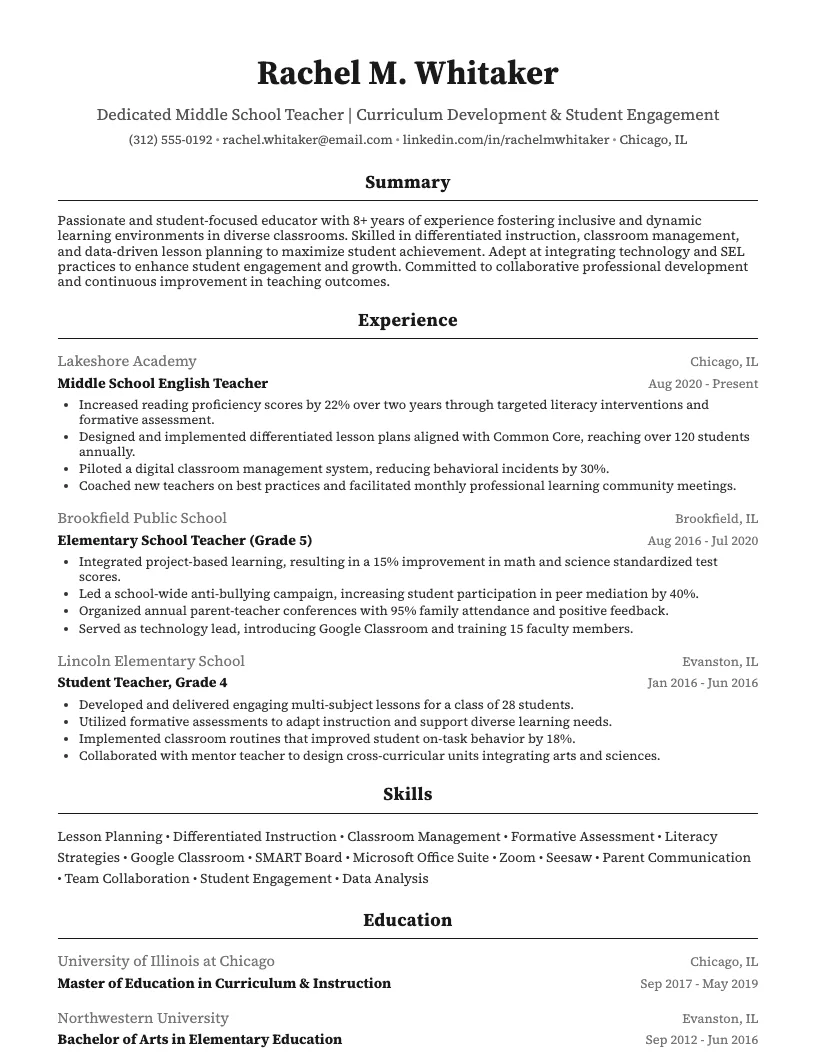
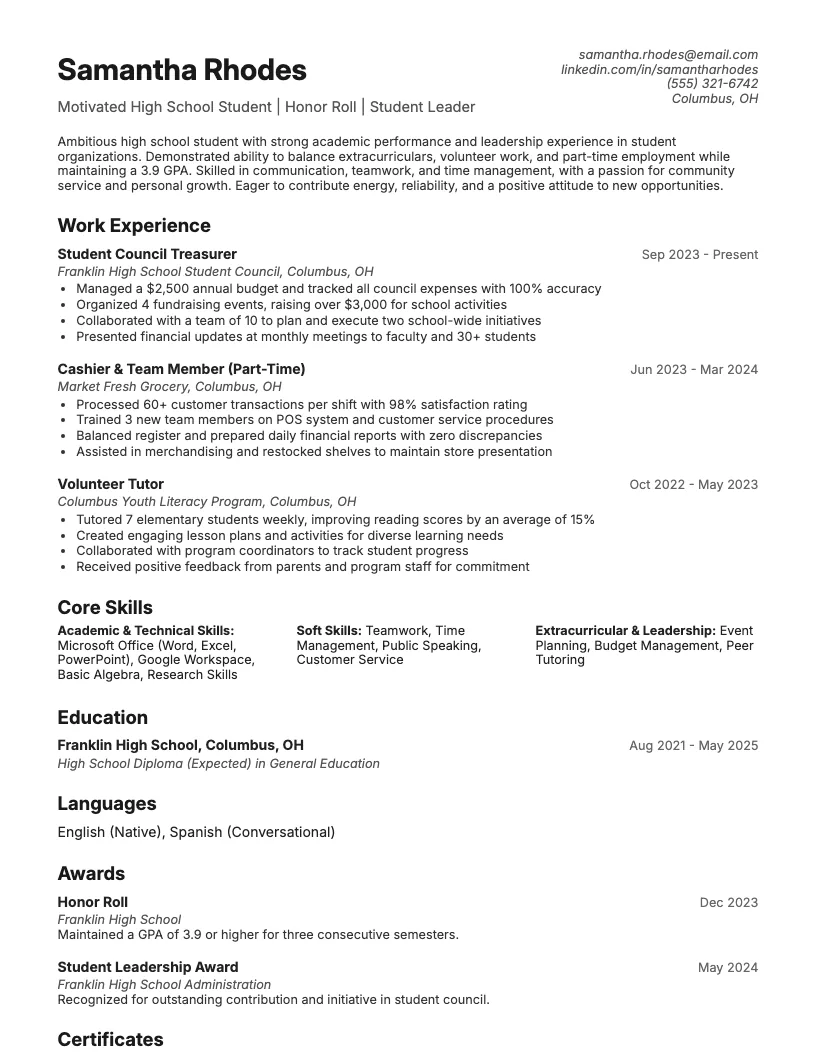
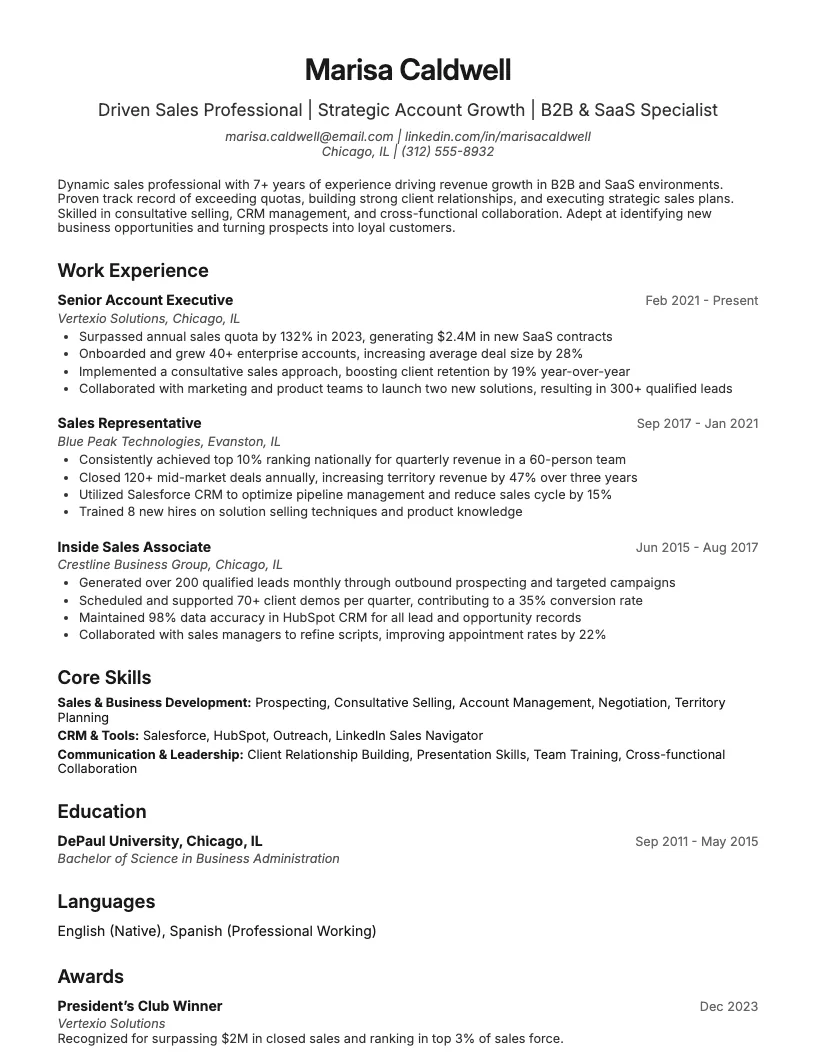
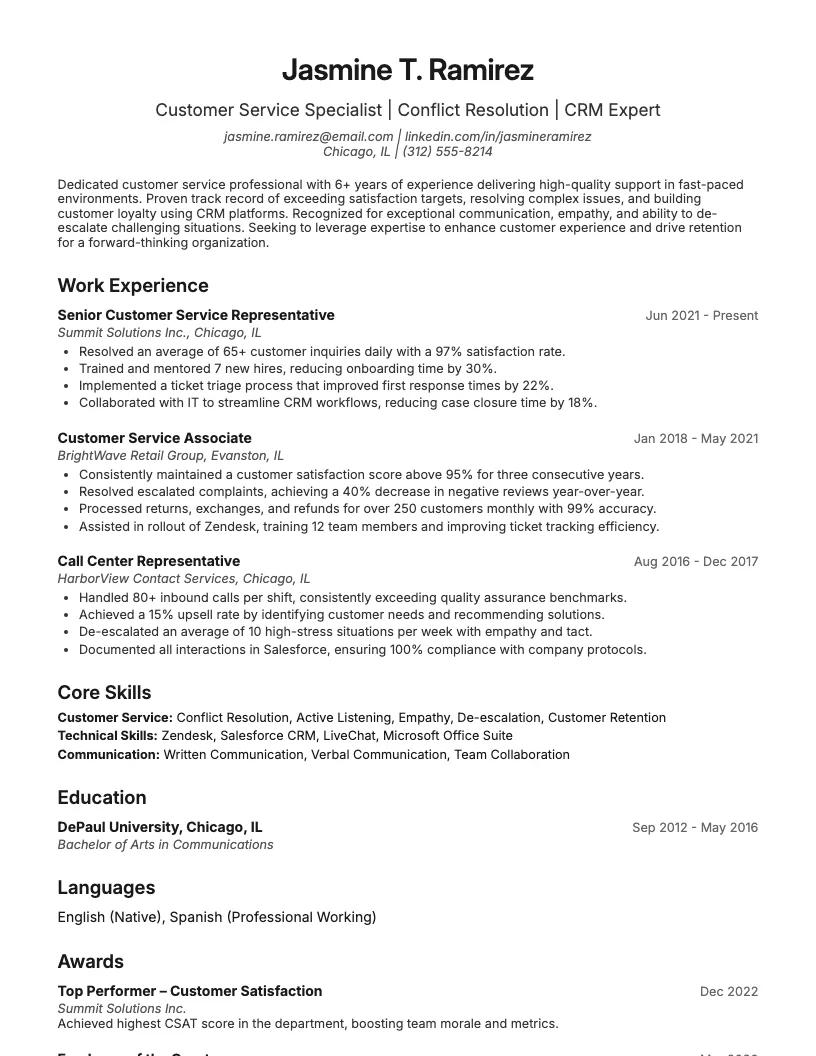
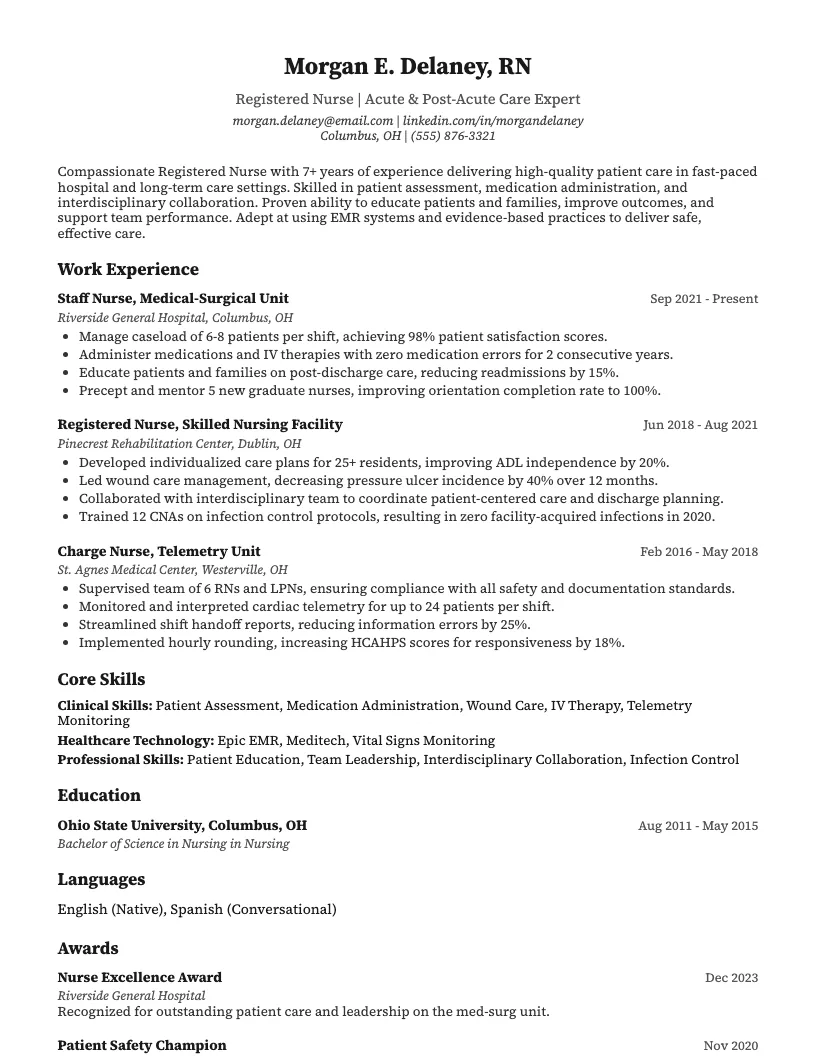
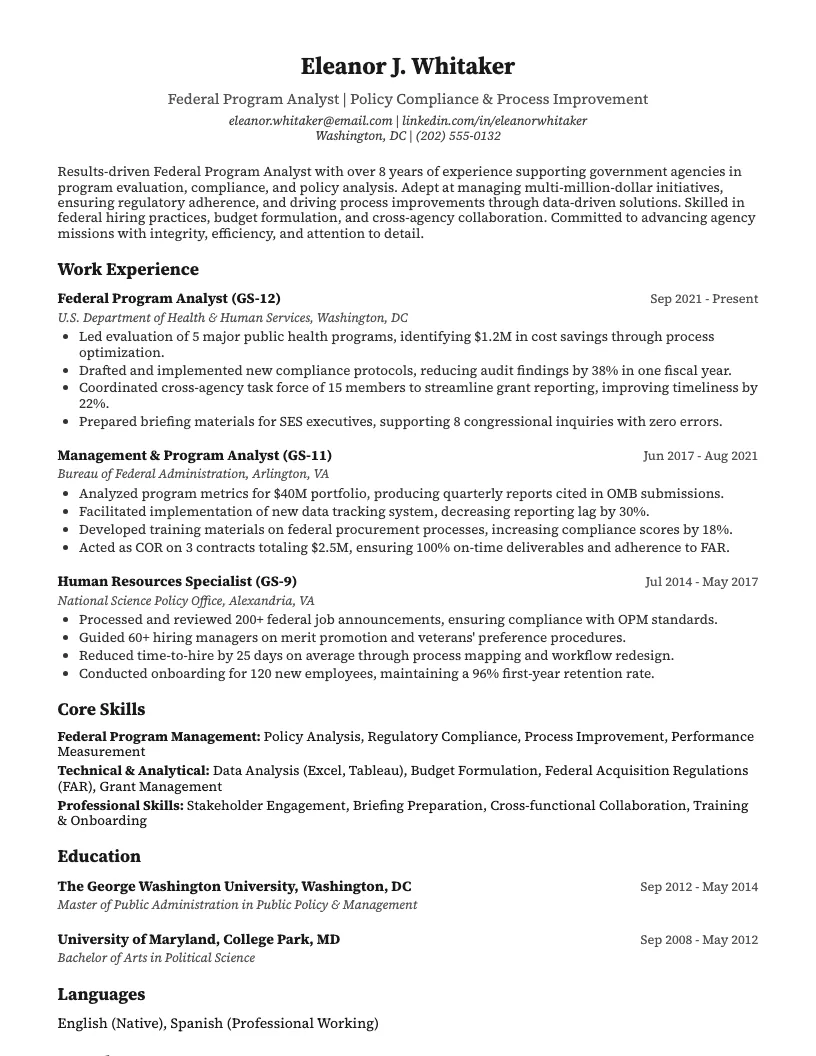
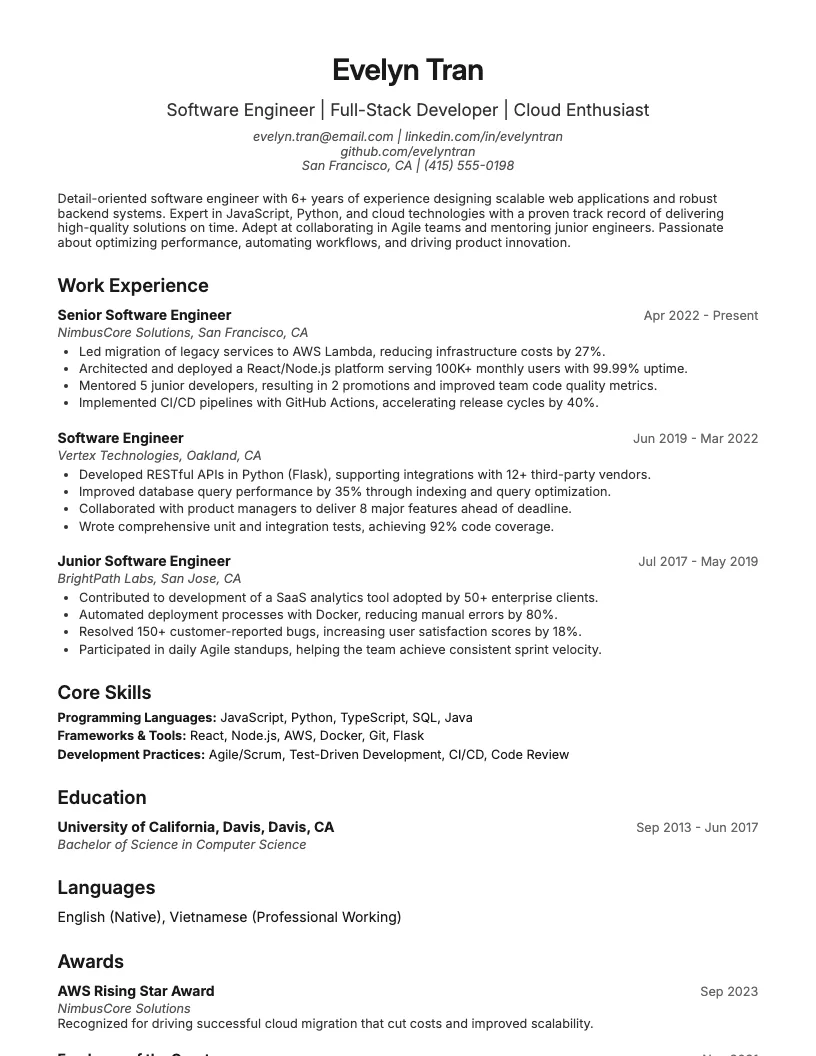
See these skills on a real resume
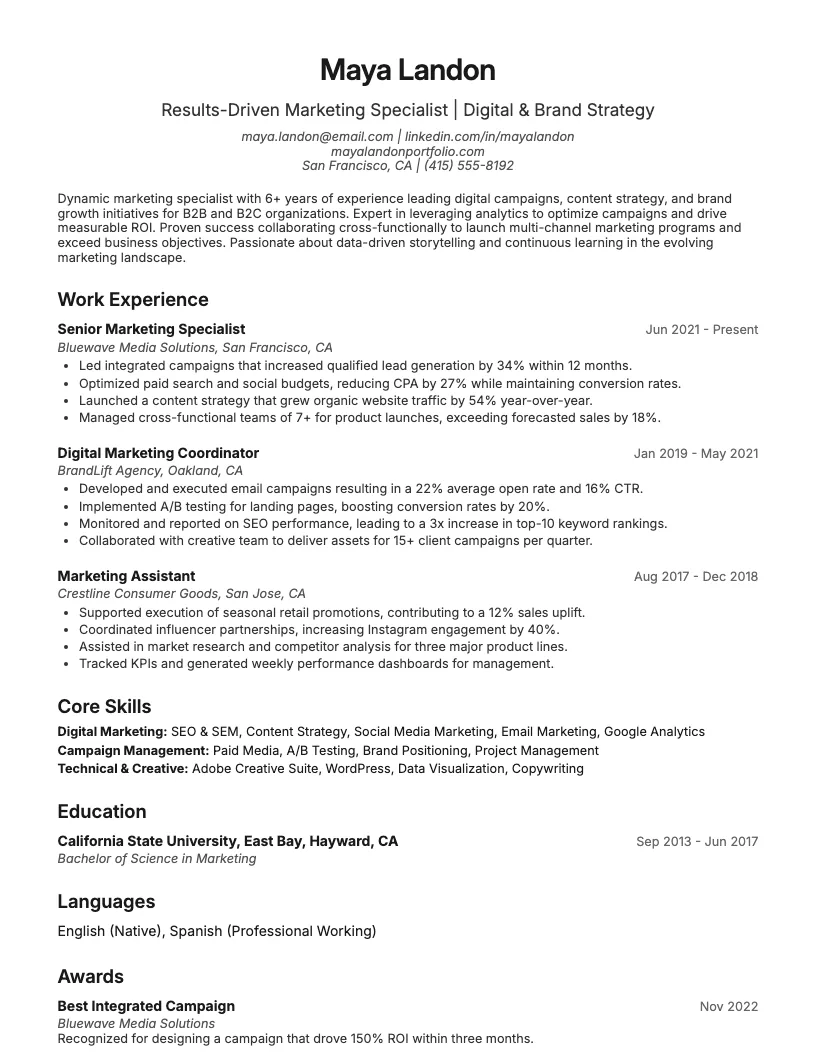
8 examplesStart from an example that already has them, and swap in your own.
Check your resume against the job you want
Scan your resume, see which skills and keywords the posting asks for that you are missing, and fix them before you apply.
Free to use • No credit card required