Systems Analyst Resume Keywords: 15-25 to Use, by Level and Industry
The exact hard skills, soft skills, and industry-specific terms for a systems analyst resume, plus how many keywords to use and exactly where each one goes.


Written by Sarah Chen
Senior Career Strategist & Resume Expert
Updated August 2026
Reviewed by Marcus Rodriguez
Is your resume ATS-friendly?
Drop your resume in and see which of these skills a scanner can actually read, and which ones the job you want is asking for that you have not listed.
PDF or DOCX. Max 2MB.
We never share your resume or use it to train a model.
In This Guide:
What are systems analyst resume keywords?
You've got the experience. The posting still won't call back.
Nine times out of ten, that's a keyword problem, not a skills problem - the resume never says the words the job description uses.
What counts as a keyword and what doesn't?
A keyword is a specific, nameable thing: a tool, a methodology, a type of document. "Team player" isn't one.
"Requirements gathering" is.
The keywords that show up in almost every systems analyst posting
I see the same core set across postings: requirements analysis, systems integration, SQL, SDLC, and UAT. Miss those and you're already behind - the full technical list is below.
Why does an ATS reject a resume that clearly has the experience?
The miss I see most often isn't a missing skill, it's a synonym. The resume says 'requirements gathering' and the posting says 'requirements elicitation' - to a person those are the same thing, but you're betting on the software to make that connection for you. When you're not sure which term to use, match the posting's exact wording, even if a different phrase feels more precise to you.
An ATS leans on the literal phrases in front of it more than the experience behind them - five years on the job can go unnoticed if the resume never says "systems integration." ResumeJudge checks your resume against the actual posting and tells you exactly which of those phrases are missing before you hit apply.
Which hard skills and technical keywords belong on a systems analyst resume?
Which hard skills and technical keywords belong on a systems analyst resume?

This is the long list, and it's the one recruiters skim first.
I've reviewed hundreds of systems analyst resumes, and the ones that get callbacks name real tools, not vague categories like "technical skills." Here's where each keyword actually belongs.
Requirements gathering and documentation
Requirements gathering, elicitation, and stakeholder interviews are the backbone terms - almost every posting I've seen names at least two of them.
Add JAD sessions, BRD and FRD documentation, user stories, use cases, and requirements traceability if you've actually written them. Skip the ones you haven't; a hiring manager who asks you to walk through a BRD you've never touched will know in thirty seconds.
Systems analysis and design
"Systems analysis and design" is the job title spelled out as a skill, so it belongs near the top of your list. Pair it with functional specifications, system architecture, and solution design.
Gap analysis and as-is/to-be modeling get their own treatment under what a business systems analyst resume needs - don't duplicate it here.
Databases and SQL
SQL is close to non-negotiable. Name the platform too - SQL Server, Oracle, MySQL, or PostgreSQL - because a lot of ATS software matches on the specific database, not the word "SQL" alone.
If your work touched data modeling or entity-relationship diagrams, say so; those two phrases show up constantly in the postings I've read.
Systems integration and APIs
Integration work deserves its own line, not a footnote under "systems analysis." Use "systems integration," "API," and - if it's true - "REST" or "SOAP."
Middleware and integration testing are worth adding if you've done either; they're specific enough that a recruiter reads them as proof, not padding.
Data mapping, migration and ETL
Data mapping, migration, and ETL travel together on most postings, and I'd list all three even if you only did one heavily - the ATS is often matching on the phrase, not the depth.
Data transformation and data quality round this out if they were part of the work.
Process modelling: BPMN, UML, Visio
Name the notation, not just "process modeling." BPMN and UML are the two that recruiters search for by name, and Visio is still the tool most postings mention specifically - Lucidchart and Draw.io show up too, so use whichever you actually opened.
Methodologies: Agile, Scrum, Waterfall, SDLC
Say which one you ran, not that you "understand methodologies." Agile and Scrum are the safer bet for most postings today, but plenty of enterprise and government roles still name Waterfall and SDLC phases directly.
Which one to lead with for a given job is covered in step 2 of picking keywords for a specific posting.
Testing and UAT
A skills-section line for testing experience
Testing support
UAT coordination, test case design, and defect tracking
UAT is one of the highest-value keywords on this whole list, and I see it skipped constantly by analysts who did the work but called it "testing support" instead.
Add test cases, test scripts, and test planning if you wrote them yourself.
Reporting and BI tools: Tableau, Power BI, Excel
Tableau and Power BI are the two names worth having on the page; Excel still belongs too, and I wouldn't drop it just because it feels basic - plenty of postings list it explicitly.
Project tools: JIRA, Confluence, Azure DevOps
JIRA shows up on close to every posting I've reviewed for this role. Confluence and Azure DevOps follow behind it, and SharePoint, Teams, or Smartsheet are worth adding if your team actually lived in one of them.
Operating systems, networking and Active Directory
Windows, Linux, and Active Directory are the three that matter most; Unix and macOS show up less often but still appear. If networking was part of your role, name it specifically - VPN, DNS, or LAN/WAN reads as real experience in a way "networking knowledge" doesn't.
Programming languages: SQL, Python, Java
You don't need five languages on this resume. SQL, Python, and Java cover most systems analyst postings, and I'd rather see two you can defend in an interview than five you skimmed a tutorial on.
That's a long list, and no single posting wants all of it - pasting your whole skill history into every application is how good resumes get lost. ResumeJudge reads the posting next to your resume and tells you which of these keywords you're actually missing, then rewrites your skills section and bullets around the ones that matter for that job.
Which soft skills should you put on a systems analyst resume?
Which soft skills should you put on a systems analyst resume?
Your hard skills get you past the scanner. Your soft skills are what convince the hiring manager you can actually run a project without three meetings falling apart.
I've read hundreds of these resumes, and the soft skills section is almost always the weakest part: five generic words that could belong to any job on the site.
Stakeholder management
A skills-section line for stakeholder work
Stakeholder management
Stakeholder alignment across IT, finance, and vendor teams
This is the one that matters most for a systems analyst, and it's also the one people are vaguest about.
Don't write "stakeholder management." Write who you managed (business users, IT, vendors, executives) and what you got them to agree on.
Analytical thinking
Analytical thinking comes up again and again across systems analyst postings.
And it's a skill you can actually prove. It's the muscle behind every root-cause fix and every gap analysis you've done.
Requirements negotiation and scope control
Every project has a stakeholder who wants one more feature added in week three.
Naming this skill tells a hiring manager you've said no to that person before, and the project survived.
Facilitation and workshops
If you've run a requirements workshop, say so. It's a specific, checkable skill, not a vague trait.
Name the format: JAD sessions, discovery workshops, whatever you actually ran.
Communicating with non-technical teams
This is the skill that separates a systems analyst from a developer on paper.
You're the translation layer between the business and the build. Say that in plainer words than I just did.
Change management support
Rollouts fail because of people, not code.
If you've helped a team adopt a new system (training, communication, handling the pushback), that's change management support, and it belongs on the resume even if nobody called it that at the time.
Should you list soft skills at all, or prove them in bullets?
List them, briefly, in your skills section. The ATS is scanning for the phrase.
But the resume that gets a callback proves each one in a bullet under experience, not just names it twice.
Nine times out of ten, the fix is rewriting a bullet so the skill shows up in what you did, not in a label. ResumeJudge does that part for you: feed it the posting and your resume, and it rewrites the bullets so the soft skills the job asks for show up in the actual sentences, not just a list at the top.
What keywords does a business systems analyst resume need that a systems analyst one doesn't?
What keywords does a business systems analyst resume need that a systems analyst one doesn't?
A business systems analyst resume leans harder into the business side of the job, and the keywords have to show that.
If you're applying to "business systems analyst" postings with a resume built for a plain systems analyst role, the ATS won't see the overlap. It only sees what's missing.
Process analysis and gap analysis: as-is, to-be, root cause
This is the language that separates the two roles. Process analysis, gap analysis, as-is versus to-be, root cause analysis, impact analysis, feasibility analysis - I see these missing from systems analyst resumes constantly, and they're the first thing a business systems analyst posting asks for.
BRD, FRD and user stories
Business requirements documents and functional requirements documents are the backbone of this role. Spell out "BRD" and "FRD" at least once each, then use the acronym - both forms get scanned.
ERP and CRM system names: SAP, Salesforce, Oracle, Microsoft Dynamics
Name the actual systems you've worked in: SAP, Salesforce, Oracle, Microsoft Dynamics, NetSuite. A plain systems analyst resume can get away with "ERP experience."
A business systems analyst posting wants the platform name, because that's what the recruiter is matching against.
Business case, ROI and cost-benefit analysis
Business case development, ROI analysis, cost-benefit analysis - these show you can justify a project in dollars, not just design it. Nine times out of ten this is the piece a technically strong resume leaves out entirely.
IT business systems analyst keywords
Some postings blend both worlds under this exact title. When they do, they lean back toward SDLC, requirements analysis, Visio, and SQL - closer to the hard skills list than the purely business-facing terms above.
Read the posting to see which side it's pulling from.
How is this different from a plain business analyst resume?
A business analyst's scope is broader and less technical. A business systems analyst is expected to speak both languages - process and technology - so SQL, systems integration, and API keywords belong here in a way they wouldn't on a general BA resume.
If you're not sure which of your keywords are missing for a specific posting, ResumeJudge will scan both and show you the gap before you apply.
Which keywords change with your level, industry, or exact job title?
The core list holds no matter what your title says. What changes is which parts of it you lean on, and what gets added on top.
A junior resume and a senior one pulling from the exact same master list will look like two different jobs by the time you're done - and a clinical systems analyst resume needs terms a retail one never touches. Nine times out of ten, the resumes that get skipped over used the generic list when the posting was screaming for something specific.
Junior or entry-level systems analyst
Lean on the basics and say them plainly: requirements gathering, documentation, UAT, process mapping, stakeholder interviews. Tools at a working level - JIRA, Confluence, Excel, Visio, basic SQL - carry more weight than you'd think.
Name SDLC, Agile, and systems thinking even if you only touched them in a course or internship. It signals you know where you're headed, not just where you've been.
Senior systems analyst
This is where leadership language has to show up: team leadership, mentoring, cross-functional leadership. I've seen strong senior candidates get passed over because their resume still read like a junior one with more years attached.
Pair that with solution architecture, enterprise systems, and strategic planning, then close with delivery terms - system implementation, change management, vendor management.
Technical systems analyst
Go deeper on the technical side: advanced SQL, API development, database design, ETL development. If integration work is part of the job, the terms to use are in systems integration and APIs.
IT systems analyst
This flavor centers on infrastructure as much as process - Active Directory and Windows Server belong here in a way they don't on a business-facing resume.
Clinical systems analyst: Epic, Cerner, HL7, HIPAA
Healthcare has its own vocabulary and it's non-negotiable: Epic, Cerner, HL7, FHIR, EMR/EHR. Pair the systems with the compliance side - HIPAA, clinical workflows, patient privacy - because a hiring manager reading this resume wants both in the same bullet, not two separate sections.
Management information systems analyst: VBA, Power BI, SAS
This variant reads more analyst-than-systems: Microsoft SQL Server, VBA, Power BI, SAS, Tableau, and ETL work built around reporting rather than implementation.
HR systems analyst: HRIS, Workday, PeopleSoft
Name the platform you know - Workday, PeopleSoft, SAP SuccessFactors - alongside HRIS itself, then connect it to payroll or benefits administration if that's where you actually worked.
Financial services: SOX, core banking, payment systems
Core banking systems, payment systems, trading platforms need company on the compliance side: SOX compliance, audit support, compliance reporting. Leaving one half off makes the resume look like it's missing context.
Retail and e-commerce: POS, order management, customer analytics
POS systems, inventory management, and order management systems sit alongside the analytics side - customer analytics, conversion optimization, A/B testing - since retail roles increasingly expect both halves from the same person.
Cross-checking which of these apply to one specific posting by hand is exactly where people give up halfway through - it's also exactly what ResumeJudge does for you, matching your resume against a job description and rewriting it with the right set already in place.
How do you pick which keywords to use for a specific job?
How do you pick which keywords to use for a specific job?
Here's the honest process. Not the theory - what I'd actually do with a job posting open in one tab and my resume in the other.
Step 1: Pull the exact phrases out of the posting
Read the posting and underline every noun phrase that names a skill, a system, or a process. Not your interpretation of it - their exact words.
If they wrote "requirements gathering," your resume says "requirements gathering," not "requirements analysis." ATS matching is closer to search than to reading comprehension, and it rewards the exact phrase.
Step 2: Match the methodology they name, Agile or Waterfall
If the posting says Agile, lead with Agile. If it says Waterfall, lead with Waterfall.
Don't hedge by listing both unless you've genuinely worked both - a reviewer who's run Agile teams can tell when someone's just covering bases.
Step 3: Match the systems and tools they name
Same rule for tools. If they name JIRA, say JIRA.
Generic category words don't match specific product names in an ATS search, and they read as vaguer to a person too.
Step 4: Drop the tools you touched once
Here's the part people skip: take out anything you used for a week three jobs ago. There's one case where you keep it anyway, and it's answered in the common questions below.
If you'd rather not do this line-by-line matching by hand, this is exactly the grind ResumeJudge takes off you - feed it your resume and the posting, and it tells you what's missing and rewrites your bullets against that specific job, section by section.
How many keywords should one resume carry?
I aim for 15 to 25 keywords per posting, spread across your skills section, summary, and bullets, not stacked in one place.
Can you put in too many keywords?
Yes. Past that range, a resume starts reading like a word cloud instead of a career, and the software can catch it too - a lot of ATS platforms run keyword-density checks and flag abnormal repetition, so a stuffed resume can end up ranked lower rather than higher.
Where do the keywords go on your resume?
Where do the keywords go on your resume?
Every keyword you've picked so far is homeless until you put it in a section. Where it lands changes whether it counts.
Your header and job title
Keep the header plain: name, target title, phone, email, city or "Remote." Skip the graphics and the columns - they're the first thing that trips up parsing.
Your job title matters more than people think. If the posting says "Business Systems Analyst" and your header says "Systems Analyst," you've already lost a keyword match before a human ever opens the file.
Your professional summary
A professional summary
Hardworking systems analyst seeking a challenging role where I can use my skills and grow professionally.
Business systems analyst with four years in financial services, skilled in SQL and UAT coordination, cut loan processing cycle time 22% across three departments.
Three or four lines, and every line should be doing work: your title and years of experience, your industry, your core tools, and one number that proves you did something with them. "Business systems analyst with four years in financial services, skilled in SQL and UAT coordination, cut loan processing cycle time 22% across three departments" tells an ATS and a recruiter the same thing in one breath.
Your skills section
I've seen hundreds of these, and the ones that work are scannable bullets, not paragraphs. Group them - languages, databases, tools, methodologies - instead of one long comma-separated line.
Your experience bullets
This is where keywords earn their place. A skill sitting in a list is a claim.
The same skill inside a bullet, tied to a system and a result, is evidence - more on how to build that bullet at how do you write a bullet that proves the keyword.
Your certifications: CBAP, CCBA, PMI-PBA, ITIL, CISA
List the certification name, the issuing body, and the year. If it's recent or the posting names it directly, put it above your education; if it's older or peripheral, let it sit below.
A CBAP or CISA in the right spot is one of the fastest keyword matches you'll get, because it's an exact string, not a paraphrase.
Your projects section
If you're early in your career or switching in from another field, projects can carry more weight than your job history. Capstone work, a UAT you ran, a dashboard you built - list the tools and methods you used on each one, and link to the deliverable if you have one.
A gap analysis you can actually show beats one you only claim.
Should the skills section sit above or below experience?
If you're junior or switching fields, put skills above experience - you need the keywords visible before a thin work history talks you out of the interview. Once you've got solid mid-level or senior experience, flip it: let the achievements lead, skills follow.
Does your formatting stop an ATS reading your keywords?
A resume that "clearly has the experience" can also get rejected for a formatting problem rather than a content one. Multi-column layouts, text boxes, and tables confuse parsers into skipping whole sections.
One page, standard section headers, no graphics - save the design for your portfolio. If you want to know whether your formatting and your keywords actually make it through, ResumeJudge scores your resume against the posting and tells you what's missing before you hit submit.
How do you write a bullet that proves the keyword?
Is your resume good enough?
Drop your resume in and see which of these skills a scanner can read, and which ones the job you want is asking for that you have not listed.
Upload your resumeFree. PDF or DOCX. We never share your resume or use it to train a model.
Anyone can put "requirements gathering" in a skills list. What separates the resumes that get callbacks is a bullet underneath it that shows you actually did the work.
I've read enough of these to tell in one line whether a candidate just pasted the job posting or lived it.
The formula: action verb + system + result
Every strong bullet has three parts: what you did, what system or process you did it to, and what changed because of it.
"Built automated ETL pipeline using SQL, boosting data pre-processing efficiency by 45%" works because all three are there. Drop the last part and it's a task description, not an achievement.
A requirements gathering bullet
"Led requirements gathering for a $5M system integration, producing BRDs and FRDs that scoped a Salesforce CRM rollout" tells a hiring manager the size of the project and the artifacts you own. Compare that with the requirements gathering keywords you're pulling from - the bullet is where those words earn their place.
A systems integration bullet
Integration work lives or dies on performance numbers. "Redesigned API integration between order management and billing, cutting response time from 900ms to 400ms" says more than "worked on system integrations" ever will.
If you're not sure which integration terms to lead with, start with the API you touched most.
A UAT and testing bullet
"Facilitated UAT with five business units, writing test cases that caught 95% of defects before release" proves rigor, not just attendance. Pair it with a defect-rate number if you have one - going from 2.6% to 1.1% says exactly what your testing changed.
A SQL and data analysis bullet
"Wrote SQL validation queries across 500K+ customer records, lifting data accuracy 40%" beats "proficient in SQL" every time. The database keywords matter, but the record count and the accuracy number are what make a recruiter believe you.
What to put a number on: cycle time, defects, adoption, cost
If you're stuck for a metric, these four almost always exist somewhere in your project: cycle time ("cut requirements-to-UAT from twelve weeks to eight"), defects ("reduced post-release defects 35%"), adoption ("grew workflow adoption from 55% to 85% in sixty days"), and cost ("saved $180,000 annually"). Nine times out of ten, one of these is sitting in a status report you already have.
A weak bullet rewritten
An experience bullet
Gathered requirements for projects
Gathered and documented requirements for a Waterfall-to-Agile migration, cutting sign-off time by 30%.
"Gathered requirements for projects" tells me nothing - no methodology, no tool, no outcome. Rewritten: "Gathered and documented requirements for a Waterfall-to-Agile migration, cutting sign-off time by 30%."
This is exactly the kind of rewrite ResumeJudge does for you: feed it a posting and your draft bullets, and it rewrites them with the keywords and phrasing that posting is actually scanning for, section by section.
Action verbs worth using
Analyzed, Documented, Designed, Evaluated, Implemented, Optimized, Configured, Facilitated, Collaborated, Streamlined, Translated, Validated, Tested, Supported, Improved. Pick the one that matches what you actually did - not the one that sounds most impressive.
Frequently Asked Questions
Do I need to spell out Agile and Waterfall?
Yes. [Methodologies: Agile, Scrum, Waterfall, SDLC](#methodologies-agile-scrum-waterfall-sdlc) covers naming the one you ran instead of a vague phrase. Back each one up with what you actually did under it, like running sprint planning under Agile or managing change requests through a Waterfall process. If you're not sure which one a specific job wants, ResumeJudge compares your resume against the posting and tells you exactly which methodology keywords you're missing.
How do I use these keywords with no systems analyst experience yet?
Pull them from projects, coursework, internships, or volunteer work where you actually did analyst tasks, not just from paid jobs with "systems analyst" in the title. If you gathered requirements for a class project, mapped a process for a student org, or ran a user acceptance test on a group assignment, those count, and words like requirements gathering, process mapping, or UAT belong on your resume the same way they would for someone with the job title already. Attach a number or an outcome to each one so it reads as something you did rather than something you've only read about.
Do certifications count as keywords?
Yes. [Your certifications](#your-certifications-cbap-ccba-pmi-pba-itil-cisa) covers how to list one and why it matches so cleanly. If you actually used the certification on the job, work its name into a bullet point too. A certification you're studying for but haven't finished doesn't count yet - list only what you've actually earned.
Should I list a tool I only used once?
Yes, if the posting specifically asks for it or you can speak to it confidently in an interview - otherwise leave it off, since a long list of tools you barely touched makes a hiring manager start to doubt the ones you know well. If the posting names that tool, add a short line showing where you used it, even if it was only once, since keyword matching cares more about whether the word appears than how many times you used the tool. ResumeJudge can take that posting and work the tool's exact wording into the right section of your resume for you, so you're not guessing how much space one use deserves.
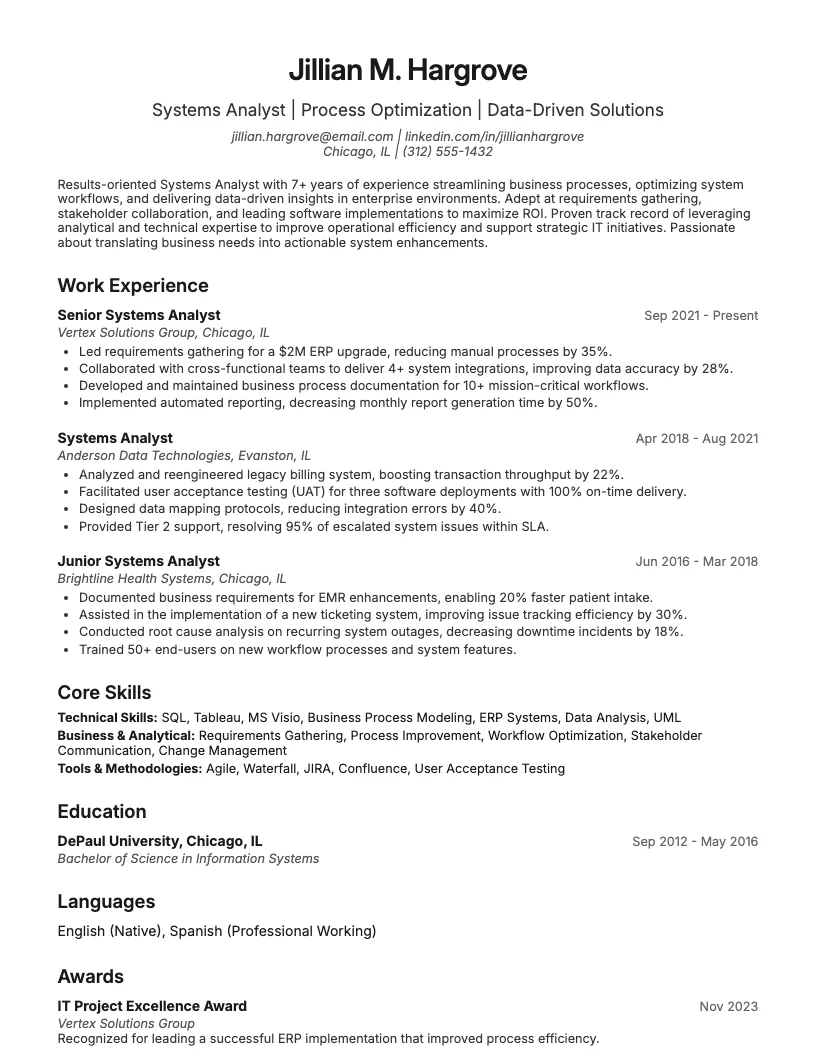
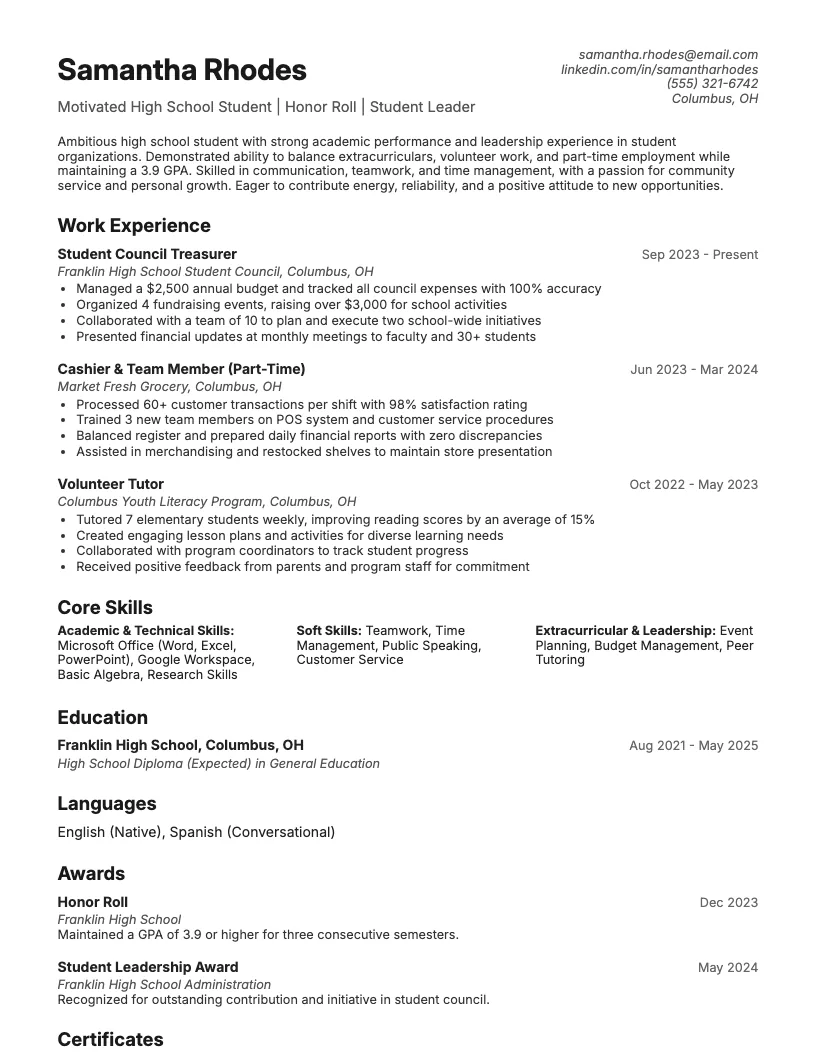
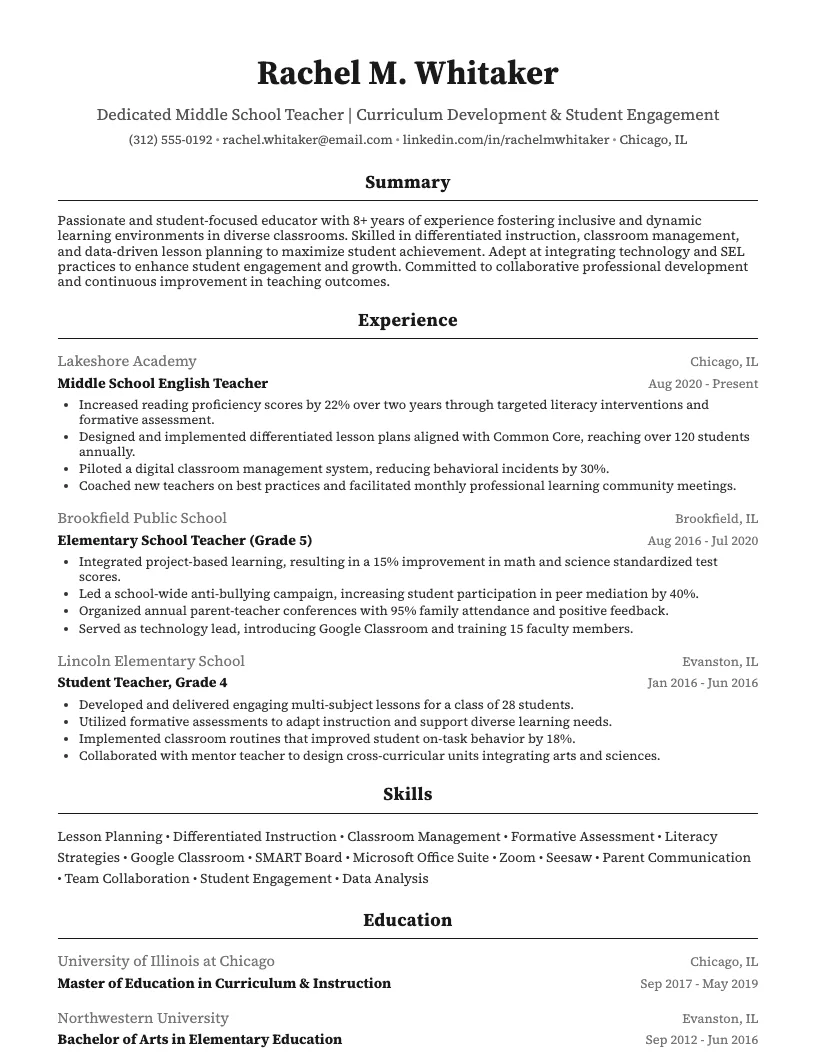
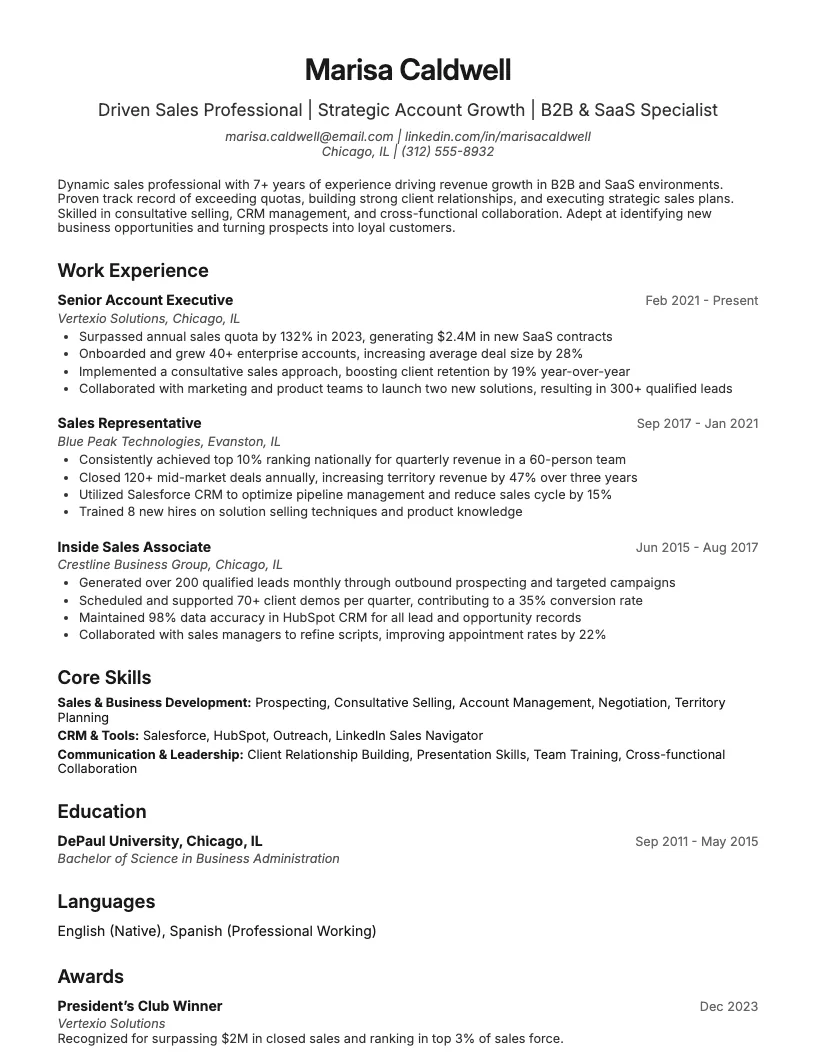
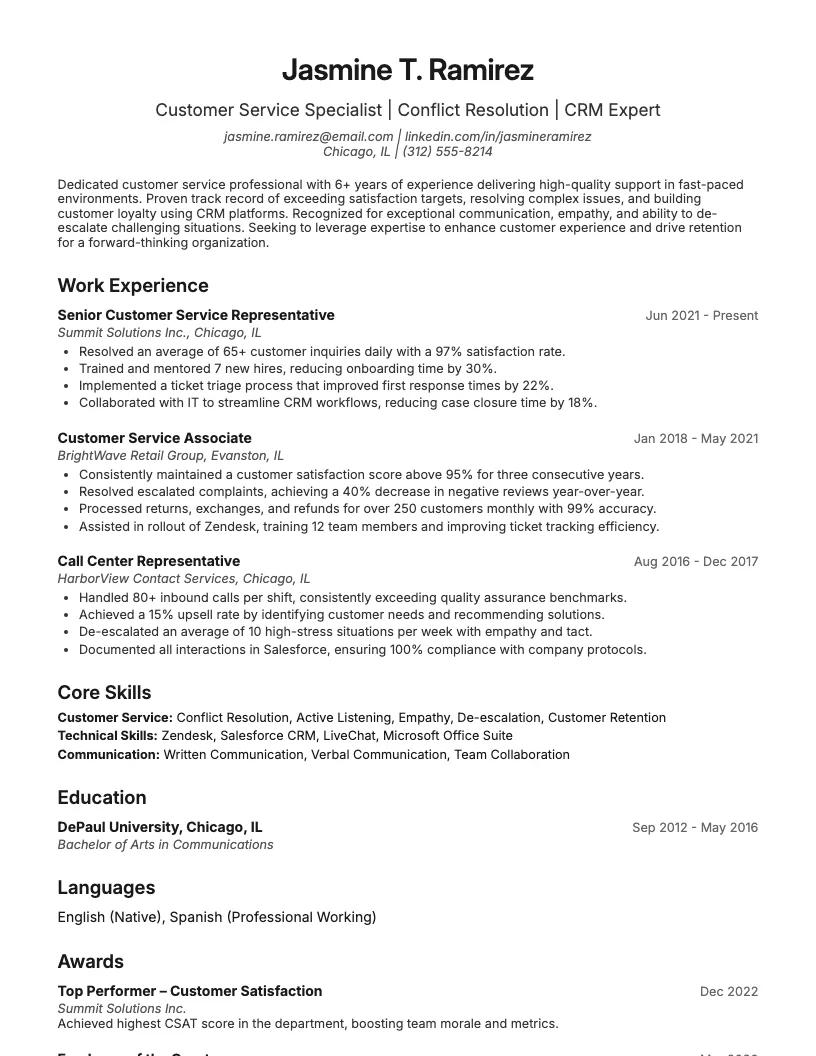
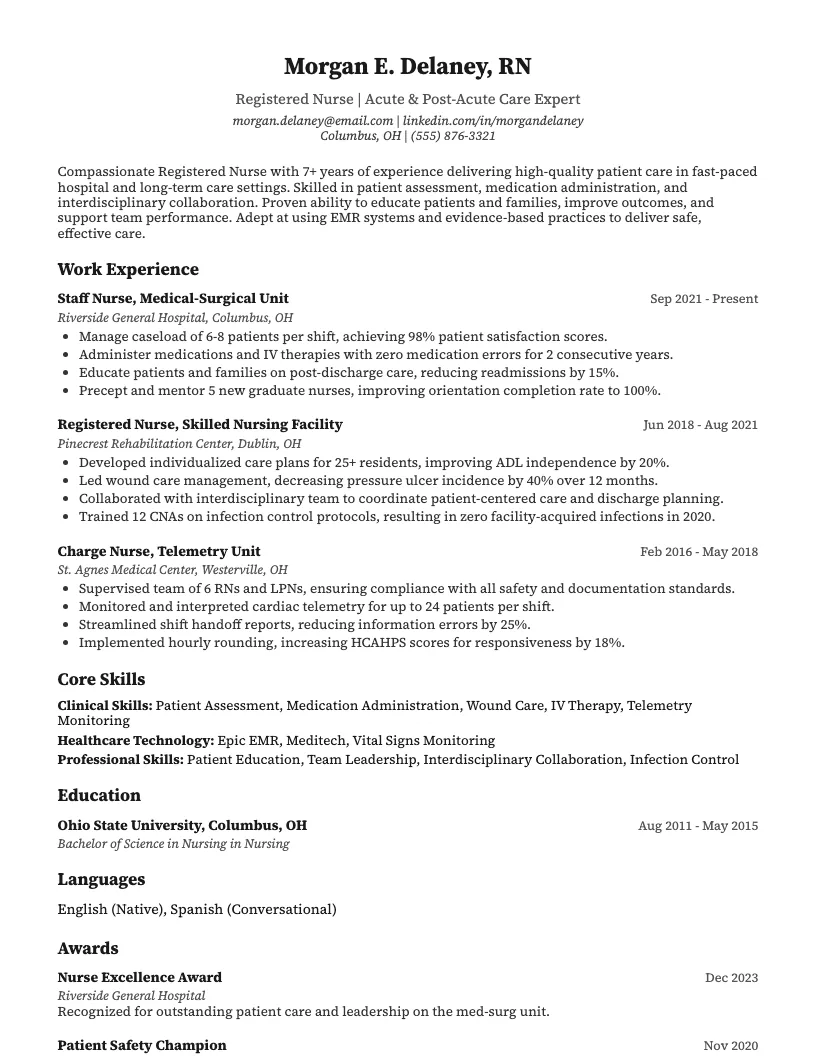
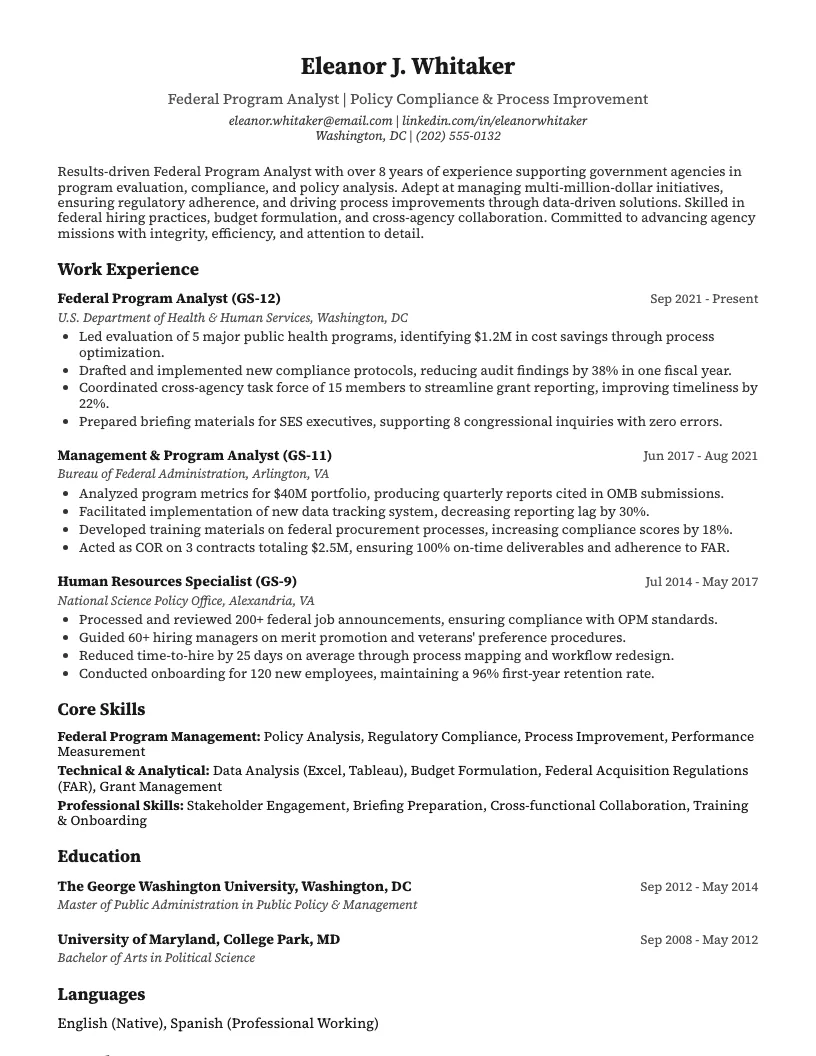
See these skills on a real resume
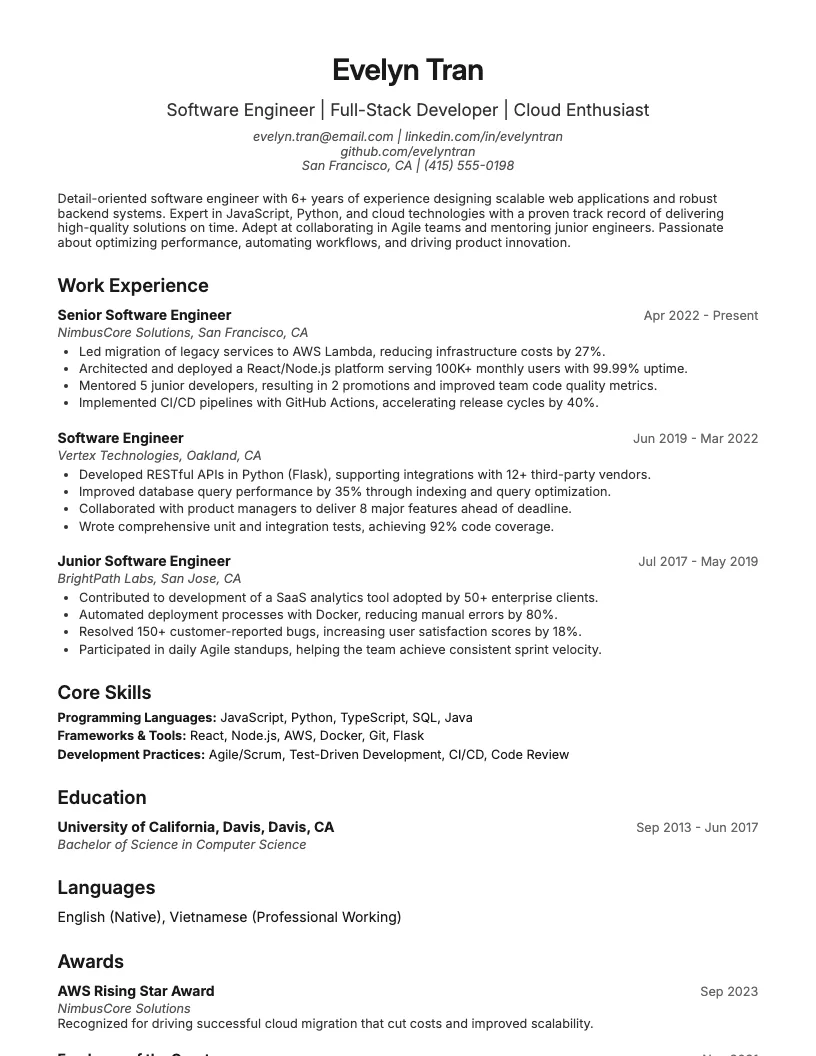
8 examplesStart from an example that already has them, and swap in your own.
Check your resume against the job you want
Scan your resume, see which skills and keywords the posting asks for that you are missing, and fix them before you apply.
Free to use • No credit card required