Quality Assurance Resume Keywords: 12 Terms Plus 10 Testing Types
See the 12 keywords every QA resume needs, plus testing types, tools, standards and certifications employers actually search for on QA resumes now.


Written by Dr. Priya Sharma
Career Development Expert & Resume Analyst
Updated August 2026
Reviewed by Sarah Chen
Is your resume ATS-friendly?
Drop your resume in and see which of these skills a scanner can actually read, and which ones the job you want is asking for that you have not listed.
PDF or DOCX. Max 2MB.
We never share your resume or use it to train a model.
In This Guide:
What are quality assurance resume keywords?
Send a strong QA resume through a scanner with the wrong words and it ranks below weaker resumes that used the posting's terms. That's the part most testers miss - the software isn't judging your work, it's matching text.
QA resume keywords are the words a posting uses for the testing you actually did, and they fall into three buckets.
Words that name a testing activity
These are verbs and nouns for what you did all day: manual testing, regression testing, defect tracking, root cause analysis. If your resume says "checked the app for problems," the scanner has nothing to match.
Say what the posting says.
Words that name a tool
Selenium, JIRA, Postman, TestRail - name the exact tool, not a category. "Test management software" doesn't match "TestRail" in most systems.
Words that name a standard or certification
ISO 9001, ISTQB, Six Sigma. In regulated industries these carry as much weight as a tool name, sometimes more.
Why a QA resume gets filtered out before a person reads it
I've read hundreds of QA resumes that describe real, solid work in vague language, and they lose to a weaker resume that just happens to use the posting's exact terms. The fix isn't more experience - it's matching the vocabulary of the job description you're applying to, which is exactly what ResumeJudge checks for you: it compares your resume against a posting and tells you which of these words are missing before you hit submit.
Which QA keywords should be on every resume?
Which QA keywords should be on every resume?

I've read enough QA resumes to know most people list the same six or seven words and stop there. That's a mistake - the twelve below are the ones I see in almost every posting, and each one needs to show up somewhere on your resume, not just in your skills list.
Quality assurance
This is the umbrella term, and it belongs in your job title, your summary, and your experience section - not just once at the top of the page.
Skip it entirely and a recruiter scanning for "QA" won't find you, even if every bullet under it describes exactly that work.
Quality control
QA and QC get used interchangeably by people who've never worked in the field, and that's exactly why using them correctly makes you stand out.
QA is about the process - building quality in from the start. QC is the checking - catching defects at a specific stage before release.
If you've done both, say both. If your resume only says "QA" when your actual job was inspecting builds against a spec, you're describing the wrong thing.
Manual testing
Don't assume this one's outdated just because automation gets all the attention in job postings.
Plenty of teams still need someone who can sit down with a build and find what a script would miss, especially on smaller products or one-off releases. Name it if it's real experience - it's still a specific, searchable skill.
Automated testing
If you've written scripts to run tests instead of clicking through them by hand, this is the phrase that gets you past the first filter for most modern QA roles.
I'd go further: this is often the single most-searched term on a QA posting right now, so if you have any automation experience at all, it needs to be visible above the fold, not buried in a bullet six lines down.
Test cases
Writing test cases is a distinct, nameable skill - designing the scenarios, not just running them.
Say "designed and executed test cases" rather than "tested the product." One tells a recruiter you can build a test suite from a requirement; the other tells them nothing.
Test plans
A test plan is the bigger document - what gets tested, how, and by when - and it signals you've worked at a level above just running individual tests.
If you've owned a test plan for a release or a feature, that's a keyword worth its own bullet, not a footnote inside "testing."
Regression testing
Every QA posting I've seen assumes you know this one, so leaving it off looks like a gap even if you did the work under a different name.
The testing types section explains what it catches and how it sits next to functional and smoke testing.
Defect tracking
This is the paperwork side of the job, and it's exactly the kind of thing that gets left off because it doesn't feel like "real" testing work.
It is. Logging, prioritizing, and following a bug through to close in a tracker is its own skill, and naming the practice - not just the tool - covers you even when the resume doesn't mention a specific system.
Root cause analysis
This is what separates someone who finds bugs from someone who's trusted to explain why they happened.
If you've ever traced a defect back to its source instead of just filing a ticket and moving on, say so. It reads as a more senior skill than "testing," even in an entry-level bullet.
Compliance
In regulated industries - healthcare, pharma, finance - this word can matter as much as anything on the page, because it tells a recruiter you understand that testing has to satisfy an outside standard, not just your own team.
If that's your background, don't let "compliance" sit unexplained; connect it to the actual standard, which the standards and methods section covers in more depth.
Documentation
Nine times out of ten, when I see "documentation" missing from a QA resume, the person did plenty of it - test plans, defect reports, process notes - and just never called it that.
Name it plainly in your skills section. It's one of the shortest, easiest keywords to add, and it's one recruiters specifically scan for.
Test coverage
This is the word that turns a vague claim into a measurable one - how much of the product your tests actually reach.
A resume that says "increased test coverage from 60% to 90%" beats one that says "improved testing" every time. If you don't have the exact number, ResumeJudge can pull the phrasing straight from the job posting and show you where a bullet like this is missing before you send anything out.
Which types of testing should you name by name?
Which types of testing should you name by name?
A skills section that just says "testing" tells a hiring manager nothing. I've reviewed hundreds of QA resumes, and the ones that get picked show which kinds of testing you actually did.
Functional testing
This is checking that a feature does what it's supposed to do - you click the button, the right thing happens. It's the most common type on any QA resume, so if you've done it, say it.
Pair it with the feature or module you tested, not just the word itself.
Integration testing
This is where two pieces that were built separately get tested together - your payment service talking to your order system, say. Naming it tells a recruiter you're comfortable with systems that have moving parts, not just isolated screens.
System testing
This is the whole application tested end to end, the way a real user would move through it. If your experience is mostly at this level, say so - it reads as broader coverage than testing one feature at a time.
Regression testing
Every time code changes, something that used to work can quietly break. Regression testing is running your existing tests again to catch that.
It's one of the core keywords a QA resume needs - I'd never let it fall off a resume for lack of space.
Smoke and sanity testing
Smoke testing is the quick pass that checks a build isn't broken before anyone bothers testing it properly. Sanity testing is the narrow check after a small fix, just on the area that changed.
Naming both shows you understand testing has a rhythm, not just one speed.
User acceptance testing
This is testing done from the customer's side, usually right before release, to confirm the product actually solves the problem it was built for. If you've run UAT sessions or written UAT scripts, that's worth its own line - it shows you've worked close to the business, not just the code.
Performance and load testing
This is where you throw traffic at a system and watch what breaks - response times, crashes under load, that kind of thing. A specific number here does more work than the phrase itself: "load tested for 10,000 concurrent users" beats "performance testing" every time.
API testing
Testing behind the interface - hitting endpoints directly and checking the responses, not clicking through screens. This one shows up in nearly every modern QA posting now, so if it's part of your work, don't bury it under "testing" as a catch-all.
Black box, white box and grey box testing
Black box means you test behavior without looking at the code. White box means you do look at the code and test its internal logic.
Grey box is a mix of both. Most testers lean one way - naming which tells a hiring manager how technical your testing actually is.
Accessibility and usability testing
Accessibility testing checks the product works for people using screen readers or other assistive tools. Usability testing checks it's actually easy to use.
Neither shows up on every posting, but when it does, it's often a requirement, not a nice-to-have - so if you've done either, list it by name.
Once you've got the list right, run it against a real posting - ResumeJudge will flag which testing types the job asks for that your resume is still missing.
Which QA tools do employers search for?
Which QA tools do employers search for?
Naming the testing types isn't enough. A posting almost always names the specific tool it wants, and if that word isn't on your resume, you're out before a person sees it.
Selenium
If you only learn one automation tool, make it this one. It's the name I see requested most often for QA tester and QA automation roles, and it's old enough that most hiring managers assume you've touched it.
Say "Selenium WebDriver" if that's what you used - it's more specific than just "Selenium" and it shows you know the actual API, not just the brand name.
Cypress and Playwright
These are the newer automation frameworks, and postings for web-heavy roles are starting to ask for them by name instead of Selenium. Don't swap one in for the other on your resume if you've only used one - list what you actually ran.
Postman and SoapUI
These are how you prove API testing, one of the testing types that's easy to claim and hard to back up. "Tested APIs" tells a recruiter nothing.
"Automated API test suites in Postman" tells them exactly what you did and what tool you'd be productive in on day one.
JIRA
JIRA shows up in almost every QA job posting I've read, and it's doing double duty - it's a bug tracker and often the project tool too. If you logged defects, ran a defect lifecycle, or tracked sprints in JIRA, name it.
Nine times out of ten, this is the one keyword the resume skips because the candidate thinks it's too obvious to mention.
TestRail, Zephyr and qTest
These are test case management platforms, and a recruiter searching for one of them is often filtering out anyone who doesn't name it. If you managed a test suite, wrote test cases, or tracked coverage in one of these, put the actual product name on the page - "test management software" won't get picked up the same way.
HP ALM
Still common in older enterprise shops, banks, and healthcare. If your background includes HP ALM (sometimes called Quality Center), keep it on the resume even if it feels dated - it signals you can work inside a legacy QA process, which some employers specifically want.
Jenkins and CI/CD pipelines
This is where QA is turning into more of an engineering role. If you've hooked automated tests into a build pipeline, say so - "integrated test suite into Jenkins CI/CD pipeline" reads as a different skill level than "ran automated tests."
Git
Version control used to be optional for testers. It isn't anymore, especially for automation roles where you're writing and committing test scripts alongside developers.
One line naming Git is enough - you don't need to explain what it is.
SQL
If you've ever queried a database to verify test data or check a defect, that's SQL experience, and it belongs on the resume even at a basic level. I see this skill undersold constantly by testers who don't think of it as a "real" skill.
Python, Java and C#
These are the three languages that show up again and again for scripting automated tests. You don't need all three - one is plenty, matched to whatever framework you used it with.
If you're not sure which of these tools a specific posting actually wants, ResumeJudge will scan the job description against your resume and tell you exactly which ones are missing before you apply.
Which quality standards and methods belong on a QA resume?
Which quality standards and methods belong on a QA resume?
If you've worked in a regulated industry, you already know these terms. The mistake I see most often is leaving them off the resume because they feel like "background knowledge" instead of skills - they're not, they're keywords a screener is hunting for.
ISO 9001
This is the general quality management standard, and it shows up across almost every industry - manufacturing, software, services. If you've worked under an ISO 9001 system, name it.
Recruiters searching for "quality management system" experience are often just searching for this term specifically.
ISO 13485 and FDA QSR
These belong on a resume for medical device work, full stop. ISO 13485 is the device-specific quality standard, and FDA QSR is what the US quality rules for device makers used to be called - on 2 February 2026 the FDA replaced it with the Quality Management System Regulation, which brings in ISO 13485:2016 by reference.
If you've touched either one, it goes near the top of your skills section, not buried at the bottom.
Six Sigma and Lean
I see candidates list "Six Sigma" without a belt level, which tells a hiring manager nothing. If you're certified, say so - Green Belt, Black Belt, whatever you hold.
Lean gets paired with it constantly because both are about cutting waste and variation out of a process, so list them together if you've used both.
CAPA
Corrective and Preventive Action. This one's almost mandatory in manufacturing, pharma, and medical device postings - it's the process for fixing a defect and stopping it from happening again.
If your resume mentions defect tracking, CAPA is the natural next word to add, because it shows you didn't just find problems, you closed them.
Statistical process control
Statistical process control, or SPC, is about using data to catch a process drifting out of spec before it produces bad units. Manufacturing and quality control postings ask for this by name constantly, and it's a strong pair with any numbers you can quote about defect rates or yield.
FMEA
Failure Mode and Effects Analysis. This is a risk tool - you're mapping out what could go wrong in a process or product before it does.
It's common in manufacturing and medical devices, and I'd rank it just below CAPA in how often I see it required.
GMP and GxP
Good Manufacturing Practice and the broader "Good x Practice" family show up in pharma, food, and medical devices. If your background touches any of those industries, this pair needs to be on the page - it's often a hard requirement, not a nice-to-have.
Agile, Scrum and Waterfall
These are the project frameworks you tested inside, and software QA postings expect at least one of them by name. Nine times out of ten it's Agile or Scrum now, but plenty of regulated industries still run Waterfall, so match what the posting actually says rather than defaulting to whichever sounds more current.
SDLC and STLC
The software development lifecycle and the software testing lifecycle - these two acronyms tell an employer you understand where testing fits into the bigger picture, not just that you can execute a test case. If you're not sure which of these standards and frameworks your target posting actually wants, that's exactly what ResumeJudge checks for you: feed it the posting and your resume, and it flags which of these terms are expected but missing before you hit submit.
Which certifications should you list?
Certifications won't get you the job on their own, but I've watched them break ties between two similar resumes more times than I can count.
They matter most when your work history is thin, or when you're trying to move from manual testing into something more senior.
ISTQB Certified Tester
This is the one recruiters actually recognize when they see it.
If you only get one certification, get this one - it shows up in QA job postings across every industry, not just software.
ISTQB Agile Tester
Worth adding once you've got the base ISTQB cert and you're working on Agile or Scrum teams, which is most QA jobs now.
It tells a hiring manager you know how testing fits into sprints, not just into a waterfall release cycle.
CSTE
Certified Software Tester is an older credential, but it still carries weight at companies that have used it for years, especially in enterprise environments.
CSQE
Certified Software Quality Engineer leans more toward process and quality management than hands-on testing.
I see this one on QA lead and manager resumes more than tester resumes - pair it with the process and standards keywords if that's the direction you're heading.
CQA and CQI
Certified Quality Auditor and Certified Quality Inspector show up almost exclusively in manufacturing, medical device, and inspection-heavy QA roles.
If you're in one of those industries, list them - outside of it, they don't mean much to a reader.
Certified ScrumMaster
Not a QA certification at all, but I include it here because I see it on QA resumes constantly, and it works.
It backs up any Agile or Scrum keyword you've already used elsewhere on the page.
Six Sigma Green Belt
This one's process-and-defect-reduction focused, and it lands best on resumes for manufacturing, healthcare, or pharma QA roles rather than pure software testing.
A Yellow Belt counts too if that's what you have - just don't call it something it isn't.
Where certifications go on the page
Give certifications their own line near your education, not buried in a paragraph.
Spell out the full name once, with the acronym next to it - a scanner and a recruiter both need to match the exact wording from the posting. If you're not sure which certifications a specific posting actually wants, that's exactly the kind of gap ResumeJudge flags for you, right down to which credential is missing from your resume.
How do the keywords change with your QA job title?
Keywords by QA job title
| Job Title | Keywords to lean on |
|---|---|
| QA Tester | Manual testing, test cases, defect tracking |
| QA Analyst | Requirements analysis, SQL, JIRA |
| QA Automation Engineer | Selenium, Python or Java, CI/CD |
| QA Engineer | Test planning, regression testing, scripting |
| QA Lead or Manager | Team leadership, test strategy, quality metrics |
| Entry-Level QA Tester | Coursework, certification, testing method |
Your title tells a recruiter what to expect before they read a word further, and if your keywords don't match the title, the resume reads as a mismatch.
I've reviewed resumes across all six of these titles, and the same wording gets reused when it shouldn't be.
QA tester
At this level, lean on manual testing, test case execution, and defect tracking.
Name the testing types you've actually run - functional, regression, smoke - rather than just writing "tested software."
QA analyst
An analyst resume needs analysis words: requirements analysis, gap analysis, risk analysis.
Pair those with the same test case and defect-tracking language, plus SQL and a tool like JIRA or TestRail, since this title sits between hands-on testing and reporting on it.
QA automation engineer
Here the keywords shift toward code: Selenium, Cypress or Playwright, a scripting language like Python or Java, and CI/CD.
If you can't back up a framework name with real hours in it, leave it off - I've seen automation resumes rejected in interviews within five minutes because the candidate couldn't explain a tool listed at the top.
QA engineer
This title covers more ground: test planning, regression testing, and often some scripting, so the resume should show breadth across the testing types rather than depth in just one.
QA lead or manager
Once you're managing testers, the keywords have to prove it: team leadership, test strategy, resource planning, stakeholder management, quality metrics.
A manager resume that only lists testing tools reads like it was written for the job two levels below - this is the title where you need business language on the page, not just technical terms.
Entry-level QA tester with no experience
With no job history to draw on, pull keywords from coursework, personal projects, or a certification instead.
Naming a testing method you practiced and a tool you've touched, even briefly, beats a bare list with nothing behind it - and running your resume against a real posting shows you exactly which of these words you're still missing.
How do the keywords change with your industry?
Keywords by industry
| Industry | Key terms |
|---|---|
| Software and Tech | Automated testing, Selenium, CI/CD, Agile |
| Healthcare and Medical Devices | FDA compliance, GxP, HIPAA, IQ/OQ/PQ |
| Pharmaceutical | GMP, CAPA, batch records, validation protocols |
| Manufacturing and Automotive | ISO 9001, SPC, quality audits |
| Food and Beverage | HACCP, FSMA, allergen control |
| Finance | SOX compliance, financial testing, audit support |
The word "quality" means something different at a game studio than it does at a vaccine plant, and your resume has to speak the local language.
Software and tech
Here it's automated testing, Selenium, CI/CD pipelines, sprint velocity. Agile is assumed, not explained.
I'd lean hard on test coverage numbers and which pipeline tools you've touched, because that's what a tech recruiter's eye jumps to first.
Healthcare and medical devices
This is where FDA compliance, GxP, HIPAA, and medical device testing carry the resume. IQ/OQ/PQ validation shows up constantly, and if you've never written those three letters out on a resume before, now's the time.
I've reviewed a lot of resumes for QA inspector roles at device makers, and the ones that land always pair a science or clinical background with a QA certification like CQA - that combination is what gets a second look.
Pharmaceutical
Close cousin to medical devices, but with its own vocabulary: GMP, CAPA, batch records, validation protocols. See GMP and GxP for the standards that anchor this section.
Manufacturing and automotive
Here the keywords are ISO 9001, production quality, incoming inspection, SPC, and quality audits. If you've read statistical process control above, that's the term that separates a generic QA resume from a manufacturing one.
Food and beverage
A different set again: HACCP, FSMA, allergen control, sensory evaluation, microbiology testing. Nine times out of ten I see food QA candidates leave HACCP off entirely, which is the first thing a hiring manager in this space searches for.
Finance
SOX compliance, financial testing, regulatory testing, audit support. Lighter on tools, heavier on process and documentation.
Since every industry reshuffles which of these words matter most, this is exactly where I'd run your resume against the actual posting - ResumeJudge will tell you which industry-specific terms that job listed and you're missing, then rewrite your bullets to include them in the right section.
Where do you put these keywords on your resume?
Where do you put these keywords on your resume?
Placement matters almost as much as which words you pick.
I've seen resumes with every keyword a posting asks for, buried so deep in a paragraph that neither the scanner nor the recruiter finds them. Here's where each one earns its spot.
The job title line
Put your title, or a close match to the one in the posting, right at the top.
If they're hiring a "QA Automation Engineer" and you were a "Test Engineer" doing the same work, say so. Don't invent a title you never held, but don't undersell yourself either.
This is the single most-scanned line on the page.
The professional summary
Two or three sentences, and every one of them should carry weight: years of experience, your testing specialty, a tool or two, a number.
Something like "QA professional with 6 years in e-commerce, skilled in test plan design and automation frameworks, reduced defect leakage 30%." Skip the soft-skill filler - "detail-oriented team player" wastes a line that could hold a real keyword.
Work experience bullets
This is where keywords do the most work, because they're attached to proof.
Naming a testing type, a tool, and a result in the same bullet shows you didn't just read the term off a job posting. See what does a keyword-rich QA bullet look like for exact before-and-after examples.
The skills section
This is your keyword safety net - the place a scanner checks when it can't find a term in your bullets.
List it clean: tools, methodologies, standards, separated clearly. Don't pad it with things you've barely touched; see signs you have stuffed keywords instead of using them for what that looks like from the other side of the screen.
Education and certifications
Degree, school, year - then certifications like ISTQB or Six Sigma Green Belt right below it.
If you're early-career, relevant coursework (software testing, databases) can fill the gap experience hasn't yet.
Action verbs that carry a keyword
The verb you open a bullet with should do work too: tested, validated, automated, executed, documented, resolved.
"Tested" alone is thin. "Automated regression testing in Selenium" carries a keyword and a verb in one breath.
Once your bullets are written, running the resume against the actual posting in ResumeJudge will tell you which of these keywords still aren't landing where the scanner expects them.
What does a keyword-rich QA bullet look like?
A QA work-experience bullet
Tested software and found bugs
Executed 500+ test cases per release using Selenium and JIRA, maintaining 99% test coverage and cutting post-release defects by 40%.
Weak: "Tested software and found bugs"
I've read hundreds of QA resumes, and this line shows up more than any other.
It's not wrong, exactly. It's just empty.
No testing type, no tool, no number, no sense of scale. A scanner can't match it to anything on a job posting, and a hiring manager can't tell if you tested one screen or a whole platform.
Strong: the same work with a testing type, a tool and a number
Take that same work and name what you actually did: "Executed 500+ test cases per release using Selenium and JIRA, maintaining 99% test coverage and cutting post-release defects by 40%."
Same job, same person, completely different resume. Now it names a testing type, a tool from the tools employers search for, and a result.
That's the whole trick - you're not adding keywords, you're describing the work with the words the job actually uses.
Numbers QA people can actually quote
You don't need a dashboard to find these. Look at your last few sprints or releases: how many test cases did you run, what percentage of coverage did you hit, how many defects did you catch, how much time did a fix or a cycle take.
Even a rough count beats no count.
Signs you have stuffed keywords instead of using them
If a bullet reads like a list of nouns strung together with commas, you've stuffed it, not written it.
Same if you've named a tool you used once, never for the outcome you're claiming. Nine times out of ten, the fix is to put the keyword back inside a sentence about what happened.
If you're not sure whether your bullets read as real work or as a pile of terms, running the resume against the actual posting will show you exactly which ones landed and which ones didn't.
Frequently Asked Questions
How many keywords should I put on my QA resume?
Aim for 15 to 25 keywords pulled straight from the job posting, spread across your summary, skills list, and work history rather than crammed into one section. Going much higher than that starts to read as padding, and both a hiring manager and an applicant tracking system care more about seeing the right terms in context than seeing a long list. Match the posting's exact wording where you can - write "test automation" if that's what they wrote, not just "testing."
Do I need to change keywords for every application?
Yes - QA postings vary a lot depending on whether the role leans manual, automation, or a specific tool stack, so a resume tuned for one job will be missing terms for another. Reusing the same resume everywhere means it's optimized for none of the jobs you're applying to. Swap in the top skills and tools each posting names before you send it. ResumeJudge can take your resume and a job description and rewrite the wording to match that specific posting, so you're not doing this by hand for every job.
What is the difference between quality assurance and quality control on a resume?
Quality assurance is the process that prevents defects - planning test strategy, writing test cases, setting standards before and during development. Quality control is the checking itself - running tests and inspecting the finished product to catch defects. Use QA language if your work is about building and improving the testing process, and QC language if it's about executing tests and catching bugs; many QA roles cover both, so it's fine to use both terms if your experience does too.
Should I list keywords for tools I have only used once?
Only if you can speak to it in an interview - a tool you touched once on a single project is fair to mention, but don't put it in your top skills section where it implies daily use. Save one-off tools for a project description or a "familiar with" line instead of your headline skills. Listing a tool you can't actually discuss is a bigger risk than leaving it off.
Do I still need keywords if I apply through a referral?
Yes - most companies still run every application, referred or not, through the same applicant tracking system or the same recruiter screen, so your resume still needs the keywords to get through that step. A referral can get your resume a second look, but it usually doesn't skip the screening itself. Keep the keywords in even when someone's vouching for you.
How do I find the keywords for a specific QA job posting?
Read the posting and note which terms show up more than once, especially in the requirements and responsibilities sections - those repeats are usually what the applicant tracking system and the recruiter are both looking for. Pay attention to specific tool names, testing types, and methodologies rather than generic phrases. ResumeJudge scans your resume against the job description directly and shows you which of those keywords and skills you're missing, so you don't have to compare the two by hand.
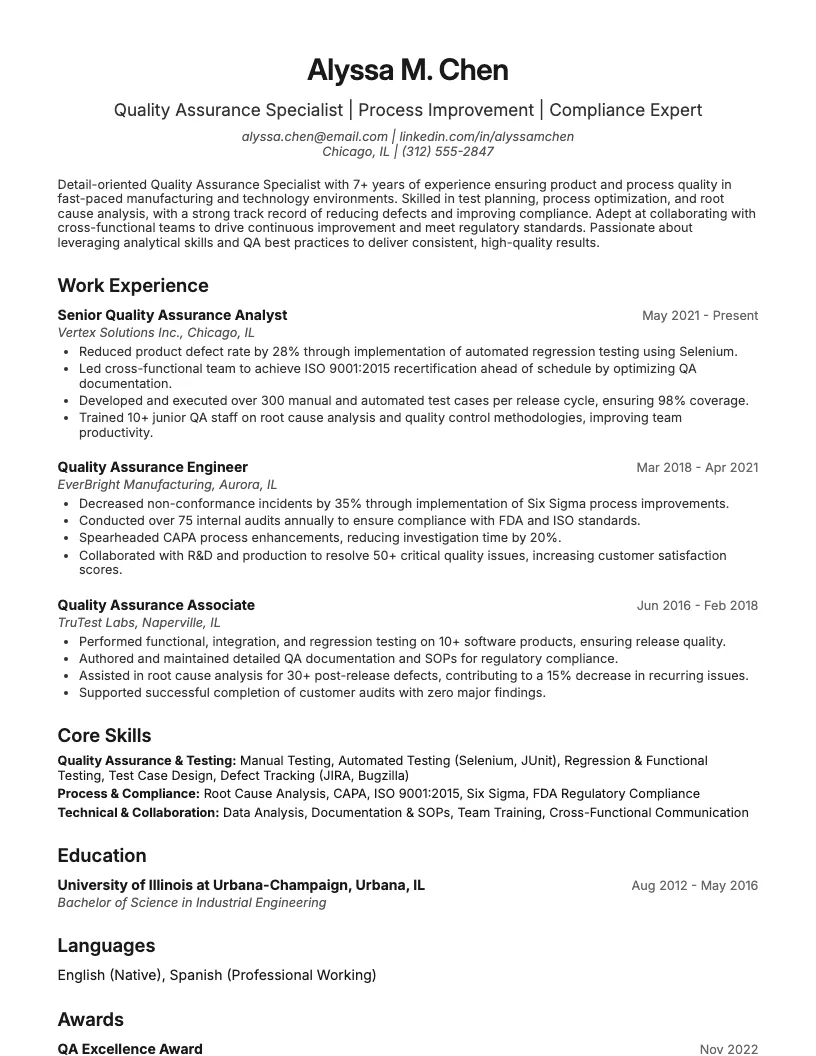
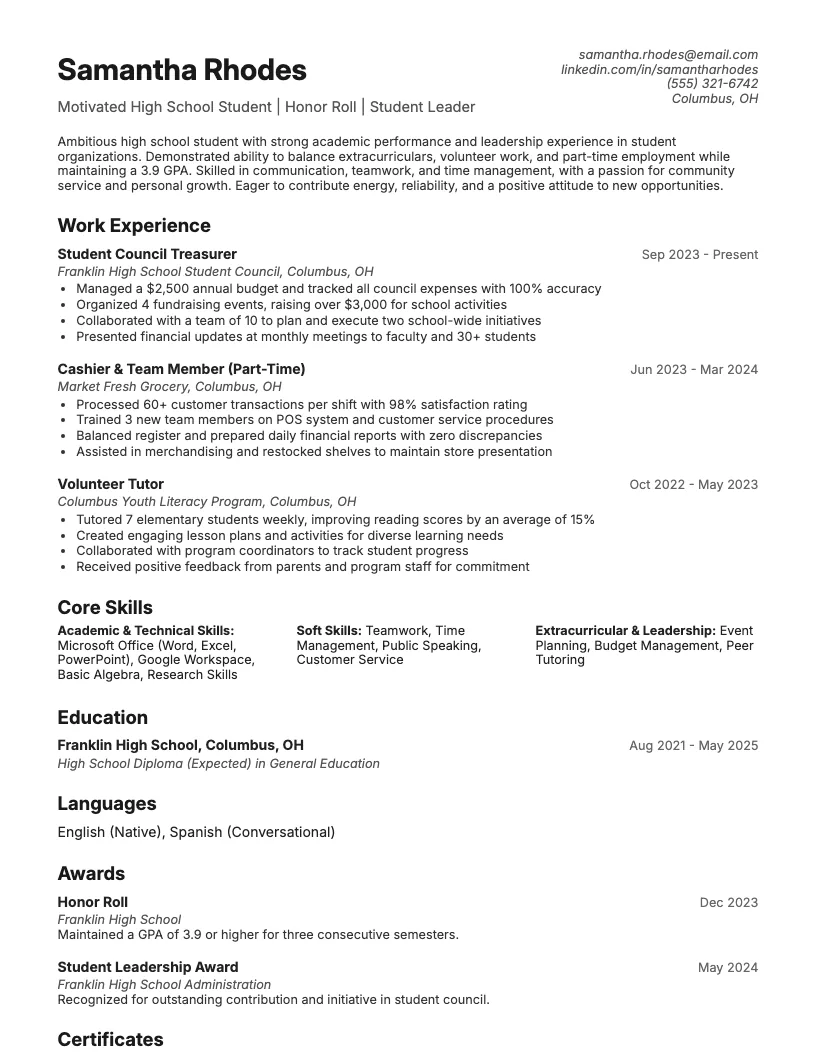
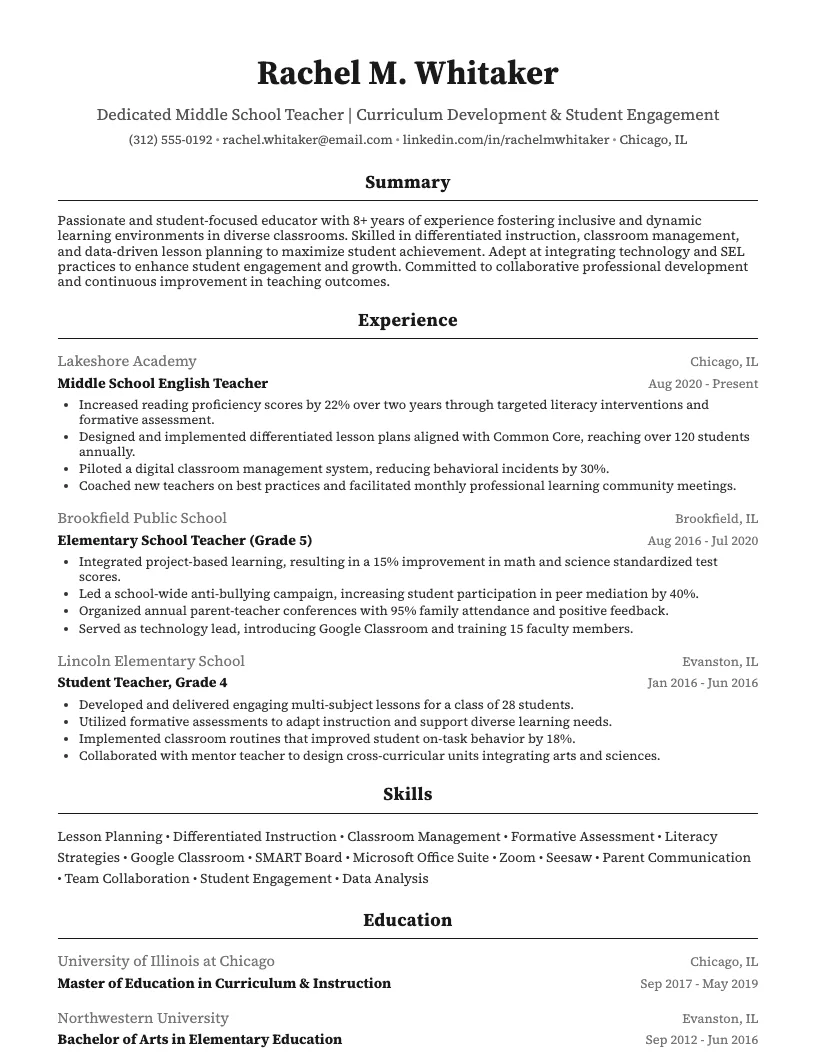
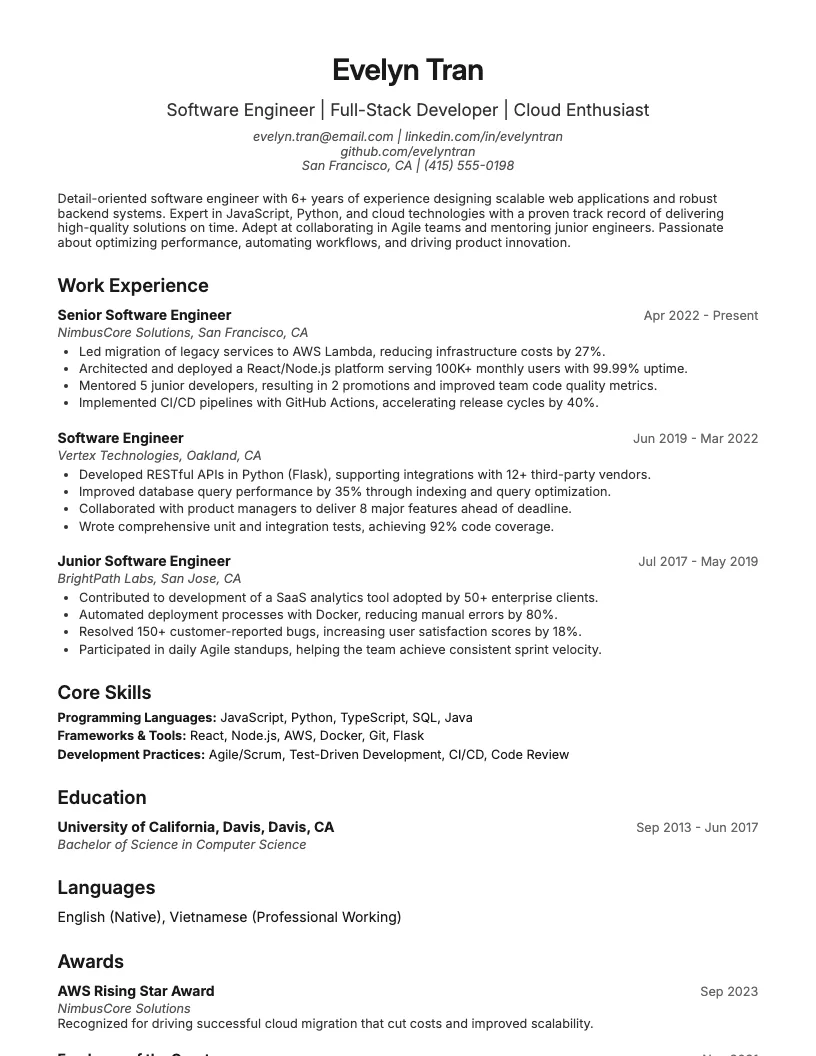
See these skills on a real resume
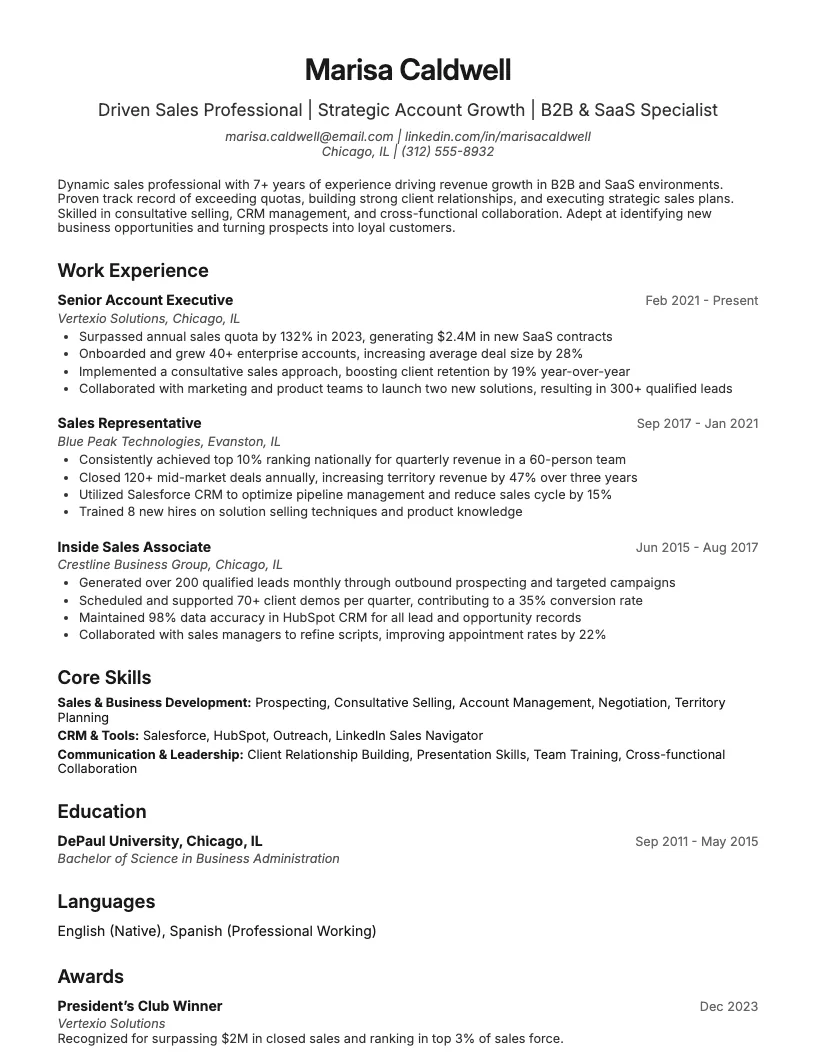
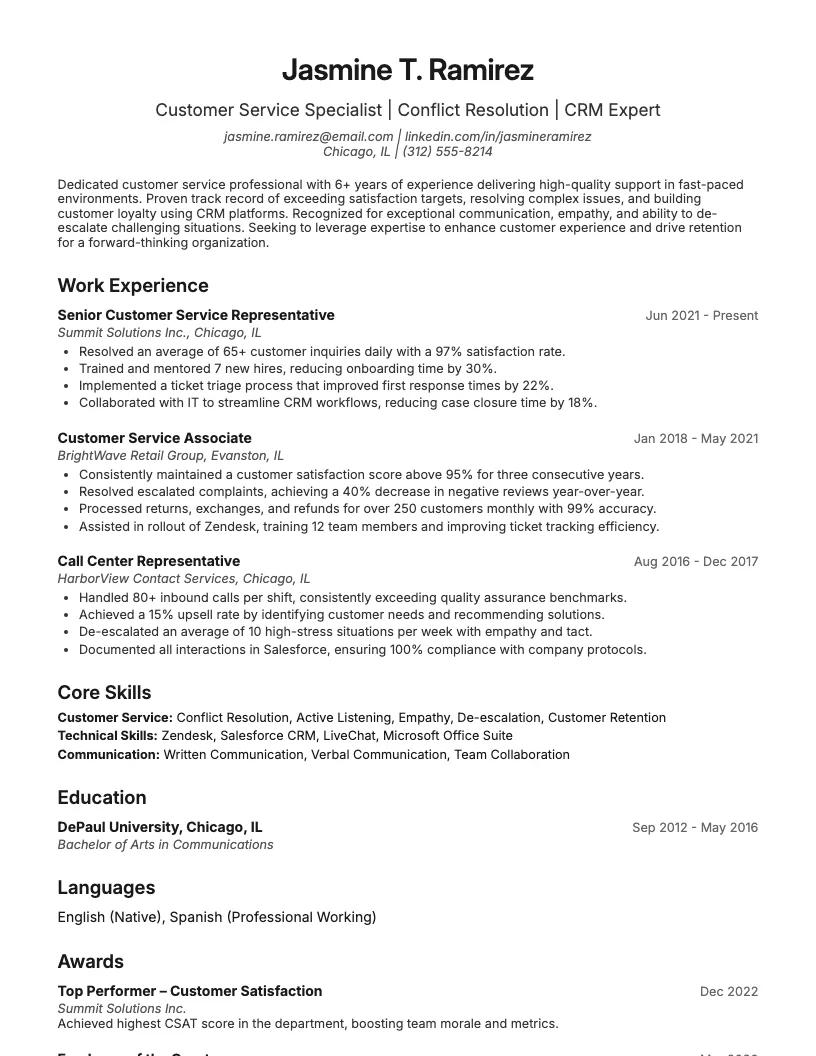
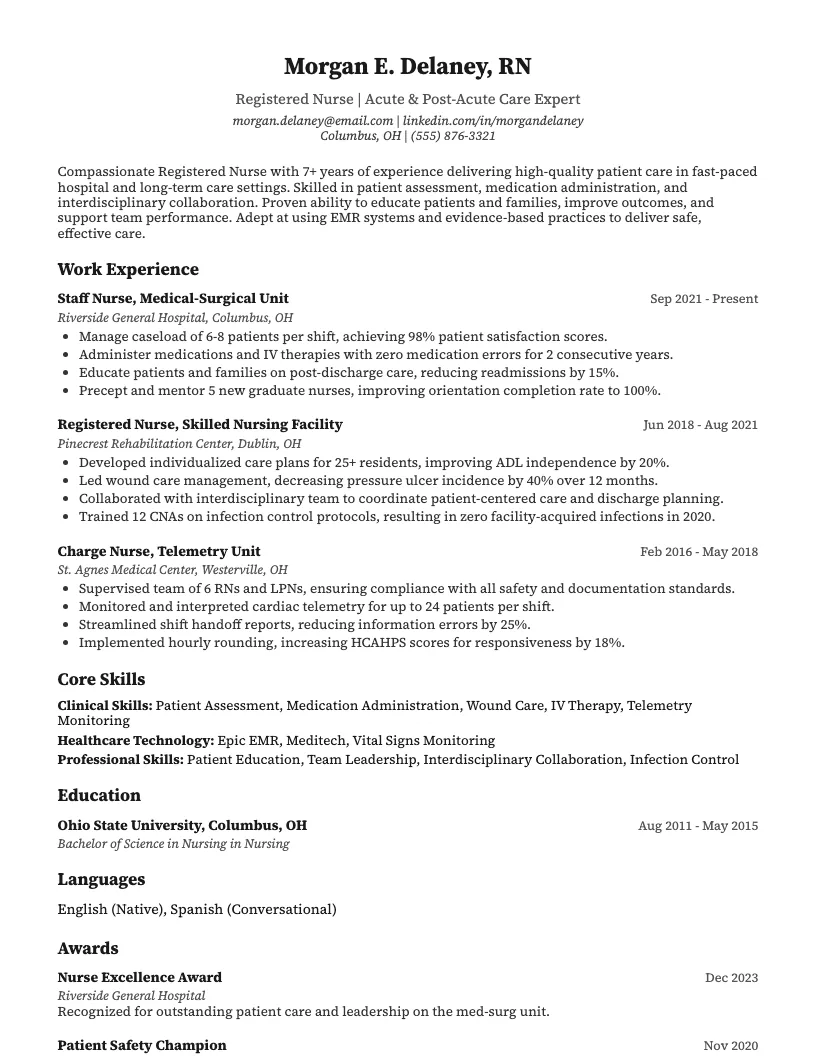
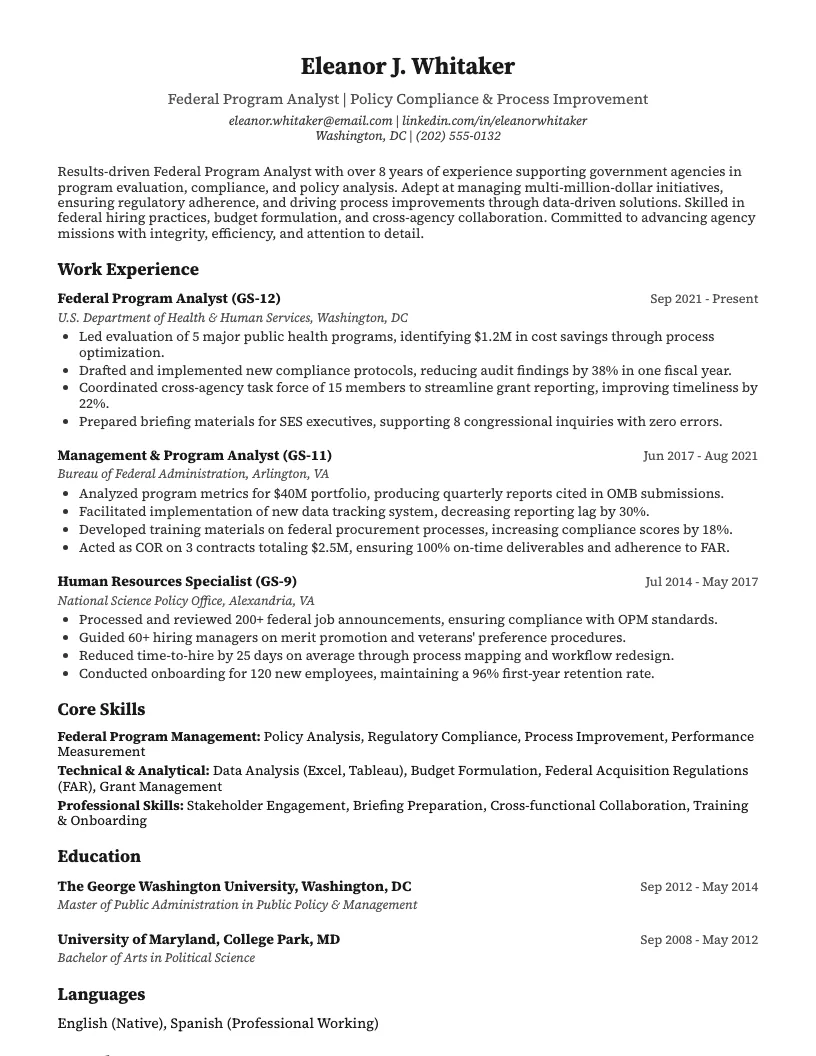
8 examplesStart from an example that already has them, and swap in your own.
Check your resume against the job you want
Scan your resume, see which skills and keywords the posting asks for that you are missing, and fix them before you apply.
Free to use • No credit card required