Program Manager Resume Keywords: 8 Terms, 5 Steps to Find Yours
See the 8 terms program manager postings ask for most, plus planning, risk, budget, and tool keywords, and the 5-step process to pull them from any posting.


Written by Sarah Chen
Senior Career Strategist & Resume Expert
Updated August 2026
Reviewed by Marcus Rodriguez
Is your resume ATS-friendly?
Drop your resume in and see which of these skills a scanner can actually read, and which ones the job you want is asking for that you have not listed.
PDF or DOCX. Max 2MB.
We never share your resume or use it to train a model.
In This Guide:
What are program manager resume keywords?
They're the terms a recruiter or a scanner uses to decide you're even worth a look.
Words a recruiter types into the search box
When someone's hunting candidates on LinkedIn, they type things like "program management" or "stakeholder management" - plain phrases, not your job title.
Words the software reads out of your file
The ATS is matching text against the posting. Same words, different reader.
Program-level words vs project-level words
The fastest self-check: read your bullets and ask if they'd work unchanged on a project manager's resume. If they would, they're too generic for a program manager posting - swap in the program-scope words above.
This is the one I see mixed up constantly - see how program manager keywords differ from project manager keywords.
Words that only count if a bullet backs them up
A skill sitting alone in a list is worth nothing to a human reader. ResumeJudge checks your resume against a posting and flags exactly which of these words are missing before you hit apply.
Which keywords do program manager job postings ask for most?
Which keywords do program manager job postings ask for most?

I've pulled apart enough program manager postings to know the pattern by heart. Eight terms show up on almost every one, and the rest separate the postings that want a generalist from the ones that want someone who's run a real program.
Program management
This is the term itself, and it's on nearly every posting you'll find. It's not the same as project management, and if your resume reads like a project coordinator's, a recruiter scanning fast will pass you over.
Cross-functional coordination
Right behind it. This is the words for "I got engineering, design, and sales rowing the same direction," and postings ask for it almost as often as they ask for the job title.
Stakeholder management
Nine times out of ten, this phrase is checking whether you've handled people who outrank you, not just people who report to you. Say who the stakeholders were if you can.
Risk management
Every program has risk. What separates a resume that lands from one that doesn't is whether you can back this word up with a number - how many risks, how many you closed out before they became problems.
Agile and SAFe
Most postings ask for one or the other, and plenty ask for both. See which methodologies should you name.
Status reporting
This sounds boring, which is exactly why people forget to put it on. It's still one of the most-requested terms out there, so don't skip it just because it feels obvious.
Jira and Jira Align
Among the most-requested tools on any posting. See which tools should you list.
Confluence
It travels with Jira on most postings. See which tools should you list.
RAID log
Asked for often enough to be worth its own line. See risk and governance.
Dependency mapping
Shows up wherever a posting expects you to have untangled a schedule that wasn't fully in your control. See coordination and dependency words.
PMP
Still the most-requested certification on this list by a wide margin. See which certifications should you put on it.
Smartsheet
Common enough on postings to be worth naming. See which tools should you list.
RACI
Shorthand for who's responsible, accountable, consulted, and informed. See coordination and dependency words.
Steering committee
This tells a recruiter you reported upward, not just sideways. See risk and governance.
Program charter
The founding document of a program - scope, goals, sponsors. See planning and strategy words.
Budget tracking
Common on postings from senior level up. See budget and vendor words.
Power BI and Tableau
Not on every posting, but common enough to be worth naming. See which tools should you list.
PgMP
Far rarer than PMP, and asked for by name on senior postings. See which certifications should you put on it.
MS Project
Still asked for constantly in larger and more traditional organizations. See which tools should you list.
Change management
Programs change org structure, process, or tooling, and this is the word for handling the people side of that, not just the schedule side. If you've written keyword lists like this for five different postings and can't tell which words are worth your time, that's exactly the kind of scan ResumeJudge does for you - it reads the posting and tells you what your resume is actually missing.
How are program manager keywords different from project manager keywords?
Project manager vs program manager wording
| Project manager says | Program manager says | Why it matters |
|---|---|---|
| Project scope | Program strategy | You own strategy across several projects |
| Project timeline | Portfolio management | Multiple timelines tracked together |
| The project | Multiple workstreams | Name the number of workstreams and teams |
| Deliverables | Business outcomes | Lead with the result, not the output |
| The project team | Executive stakeholders | Say who you briefed - VP, CPO, COO |
Swap in a program manager posting and reuse your project manager resume, and I can spot it in ten seconds. The words are close enough to fool a skim, but not the software.
Program strategy, not project scope
A project manager owns scope for one thing. You own strategy across several. Say what the program was building toward, not just what got delivered.
Portfolio management, not a project timeline
One timeline reads as project work. A portfolio of them, tracked together, reads as program work.
Multiple workstreams, not one project
Name the number of workstreams and the teams running them. "Multiple workstreams" beats "the project."
Business outcomes, not deliverables
Deliverables are a project manager's language. Lead with the business result the deliverables rolled up into.
Executive stakeholders, not the project team
Naming who you briefed
Communicated with stakeholders throughout the program
Delivered a weekly steering deck to the VP, CPO, and COO
Say who you briefed - VP, CPO, COO - not just "the team." See naming the audience for how to word that.
What changes if the posting says TPM
Technical program manager postings expect the same program language plus engineering-adjacent terms: architecture, integration points, engineering collaboration. If you're not sure which words you actually need, ResumeJudge will scan the posting against your resume and tell you what's missing before you send it.
What planning and strategy words should go on the resume?
What planning and strategy words should go on the resume?
This is the section that separates a program manager from a project manager on paper, so don't rush it.
Program charter
If you wrote the program charter, say so - it tells a hiring manager you defined scope and got sign-off before work started, not just executed someone else's plan.
Multi-quarter planning
Project managers plan sprints. Program managers plan quarters, sometimes years.
Put a number on it: "planned across 4 quarters" reads stronger than "long-term planning."
OKR alignment
I see this term used loosely all the time. Use it only if you actually tied your program's milestones to a company or team OKR, not just because you had goals.
Program roadmap
A roadmap isn't a task list. It shows phases, dependencies, and target dates across the whole program, and it belongs in a bullet, not just the skills row.
Business case development
This is the term that tells finance and leadership you can justify a program's cost, not just run it. Pair it with a number if you have one - budget size, projected savings, headcount.
Milestone planning
Nine times out of ten I'd rather see three named milestones with dates than the phrase "milestone planning" on its own.
Critical path analysis
This one gets skipped constantly, and it shouldn't - it's the term that signals you can spot what actually threatens the deadline, not just track a schedule. If you're not sure which of your postings actually want this level of planning language versus lighter project-management wording, running your resume against the job description will pull out what's missing.
What coordination and dependency words should go on the resume?
What coordination and dependency words should go on the resume?
This is the part of the job that separates you from a project manager, so don't write around it.
RACI
Say it by name. A line like "owned RACI across six teams for the Q3 launch" tells a screener you ran the model, not just heard of it.
Working group facilitation
If you ran a recurring sync, name it and name who showed up. "Ran a bi-weekly working group with Engineering, Product, and Legal for 14 quarters" beats "facilitated meetings" every time I've seen the two side by side.
Partner-team alignment
Skip "cross-functional" and name the actual teams. Recruiters have read "cross-functional" a thousand times this month; a real team name reads as true.
Dependency mapping
Map it, then say what came out of the map - how many dependencies, how many teams.
Dependency negotiation
I've seen resumes turn "renegotiated 11 dependencies across Platform, Identity, and Billing, cutting unblock time from 9 days to 48 hours" into a one-liner that does more than a whole page of adjectives.
Integration points
Name where systems or workstreams met, and what broke or didn't.
Bottleneck resolution
This is where the job actually happens. If you can't back a bottleneck claim with a bullet, ResumeJudge will catch that gap when it checks your resume against a real posting and tell you exactly which line needs a number.
What risk and governance words should go on the resume?
What risk and governance words should go on the resume?
Risk is the section I see people skip, and it's the one that gets screened for the hardest.
Risk register
Don't just say "risk management." Say you kept a risk register, and say how many risks were on it.
A bullet like "maintained a risk register of 30+ items across three workstreams" tells a screener and a human the same thing at once: you actually ran this, you didn't just attend meetings about it.
RAID log
RAID log is a different term from risk register, and both show up in postings, so use both if you've kept both.
Most programs keep one.
Mitigation planning
Naming a risk isn't enough. Say what you did about it, and use the word "mitigation" somewhere near it.
Escalation paths
This is where you show judgment: which risks you handled yourself and which ones you sent up. "Escalated to the steering committee when timeline risk exceeded two weeks" is a real sentence, not a buzzword.
Steering committee
Say who sat on it and how often you presented. See reporting for how to phrase that readout.
Change-control board
If your program had one, name it. It signals scale that "managed changes" doesn't.
SOC2, HIPAA and GDPR
Only put these on if your program actually sat inside that compliance boundary. Naming the wrong one is worse than naming none.
Audit support
If you pulled evidence for an audit or sat in front of auditors, say so. It's a specific, credible line, and it's easy to check your resume for keywords like this before you send it - ResumeJudge will flag if a posting expects governance language you haven't included.
What reporting and communication words should go on the resume?
What reporting and communication words should go on the resume?
If your bullets only say "reported project status to leadership," you're leaving out the part that actually gets you hired: who was in the room and how often.
Weekly status report
Name the cadence. "Weekly status report" reads better than "regular updates" because it's a real artifact, not a vibe.
Executive readout
This is the one senior screens look for first. Owning a steering deck for VPE, CPO, and COO over 18 straight months says more about your scope than any bullet point about tools ever will.
KPI dashboard
If you built or maintained one, say so. It shows you tracked the numbers, not just relayed them.
Steering deck
Different from a status report - this is the artifact you bring into the room with decision-makers. List it separately if you built both.
Change-log discipline
Small detail, big signal. It tells a hiring manager you keep a paper trail instead of letting scope drift quietly.
Naming the audience: VP, CPO, COO
Naming the title isn't quite enough on its own - 'VP of Engineering' tells a screener more than a bare 'VP' does, and it's a five-second edit to your existing bullet.
Nine times out of ten, I see program managers write "leadership" when they mean specific titles. Name them - it's the difference between "communicated with stakeholders" and proof you operate at that level. Once you've picked the terms, the summary and skills block is where they need to actually land - and if you're not sure your wording matches what a posting is asking for, ResumeJudge will scan the two side by side and tell you exactly what's missing before you send it.
What budget and vendor words should go on the resume?
Money is the one thing every screener checks for, and it's the one thing most PgM resumes leave out.
Program budget tracking. Say you owned it, and put a number next to it - total budget, not "managed budget."
Budget variance. This is the line senior screeners look for first. "$18M budget, closed at 7% variance" tells them more than a paragraph of adjectives.
Resource allocation and capacity planning go together - how you split people and hours across workstreams when everything can't be first priority.
Vendor management and contract negotiation matter if you touched procurement at all, even one contract renewal.
Why a resume with no budget figure reads junior
Backing a budget claim with a number
Managed program budget
Closed an $18M budget at 7% variance
I've reviewed hundreds of these, and a program manager file with zero dollar figures on the page is a yellow flag the moment a senior recruiter opens it. It reads like you ran the meetings but never owned the number.
One figure per role, with a variance next to it, fixes that instantly - and if you're rewriting a bullet to fit a posting anyway, ResumeJudge can put the exact budget language that posting wants into the right line for you.
Which methodologies should you name?
Which methodologies should you name?
Program manager postings filter on named frameworks, not the word "agile" by itself.
Agile and Scrum
Say it if you actually ran sprints, stand-ups, and retros across a program. Scrum alone is a project-level word, but naming it here still tells a screener you know delivery mechanics.
SAFe, including PI planning and ART
This is the one I'd push hardest right now - SAFe and Agile dominate program manager postings in 2026. Name PI planning and the ART (Agile Release Train) specifically, since that's the vocabulary a SAFe shop searches for.
LeSS
Less common, but it shows up at larger orgs running multiple teams off one backlog. Only put it down if you've run it - it's specific enough that an interviewer will ask.
Lean Portfolio Management
This pairs with the budget and vendor section - it's how you connect program work to funding decisions, and postings at the director level look for it by name.
Waterfall and PMBOK
Still the default at PMP-heavy companies and regulated industries. Don't treat it as outdated - name it when it's true.
Kanban
Good for continuous-flow, unscheduled work. Worth a mention if part of your program ran this way.
Hybrid delivery
Most real programs mix frameworks - Waterfall for governance, Agile for delivery. Say "hybrid" and then name the pieces, don't just leave it vague.
Why lowercase "agile methodologies" gets missed
I've seen this cost people interviews: writing "familiar with agile methodologies" in lowercase, with no framework named. The screen is matching on SAFe, Scrum, LeSS - specific nouns - not the generic phrase. Name the framework, then back it with one bullet showing you shipped something under it.
Which tools should you list?
Which tools should you list?
I've reviewed enough program manager resumes to tell you the tool list is where most people either play it safe or get greedy. Neither works.
Jira and Jira Align
Jira is the default for tracking work at the team level. Jira Align is the piece that matters more for you specifically - it rolls that team-level work up into program view, which is what separates your resume from a project manager's.
Confluence
This is where the charter, the RAID log, and the steering deck usually live. Naming it signals you document decisions, not just track tasks.
Smartsheet
Common in operations-heavy programs where spreadsheet-style planning beats a kanban board. If your program ran on Smartsheet instead of Jira, say so - don't default to Jira because it sounds more standard.
Asana
Lighter-weight, more common in marketing and smaller cross-functional programs. Fine to list if it's genuinely what you used.
Microsoft Project
Still shows up for programs with heavy scheduling and critical path work. Older tool, but still asked for.
Monday.com
Another team-tracking tool. List it only if it's actually part of your history, not as a filler entry.
ServiceNow
Comes up in IT and change-control-heavy environments. If your program touched change advisory boards, this belongs near risk and governance.
Power BI and Tableau
The dashboard tools behind your KPI reporting. Listing one of these next to a real dashboard you built carries more weight than the tool name alone.
Planview and Clarity PPM
Portfolio-level tools, mostly at larger companies running multiple programs at once. Don't list these unless you've actually worked in one - they're specific enough that an interviewer will ask.
Only list what you can talk about in an interview
I've seen fourteen-tool skills rows more than once, and every time, it reads as someone padding rather than someone who managed programs. Nine times out of ten, a short tool list tied to real bullets beats a long one nobody asks about.
If a recruiter asks you to walk through your Jira Align setup and you can't, that's the interview gone. Before you finalize the list, check it against the postings you collected - ResumeJudge will flag any tool on your resume that the job description doesn't mention, which is often the fastest way to spot what's padding versus what's earning its place.
Which certifications should you put on it?
Which certifications should you put on it?
PMP
If you only add one, add this. Roughly 55% of program manager postings either ask for it or list it as preferred, and I've watched it clear screens that had nothing else going for them.
PgMP
This is the one that actually signals program-level work instead of project-level work. Worth adding once you're past a few years in, especially if the title on the posting says "senior" or "principal."
PMI-ACP
Useful if the shop runs agile delivery, but it's rarely the deciding factor. Pair it with the methodology terms you already listed under which methodologies should you name so it doesn't sit on its own.
SAFe RTE and SPC
If the posting mentions SAFe, PI planning, or ART, these two carry more weight than a generic Scrum badge. I've seen them do more for a SAFe-shop application than PMP does.
CSM
Fine early on, close to dead weight past three years of experience. Nine times out of ten, a senior candidate leaning on CSM reads like they haven't updated their credentials since their first PM job.
Lean Six Sigma
Strongest in manufacturing, healthcare, and ops-heavy programs. Elsewhere it's a nice-to-have, not a keyword worth chasing.
Where certifications go on the page
Put them in their own labeled block, not buried inside your skills list. Name the certification, spell it out, and note the year you earned it - that's what a scanner and a recruiter both want to see.
If you're not sure which of these actually matter for the postings you're targeting, ResumeJudge will check your resume against a specific listing and tell you which certifications are worth adding before you send it.
Which keywords change with your industry?
Keywords by industry
| Industry | Keywords to use |
|---|---|
| Tech and software | Product launches, platform development, API platform, developer experience |
| Healthcare | HIPAA compliance, EHR implementation, clinical workflows, patient experience |
| Financial services | Regulatory compliance, SOX compliance, risk programs, audit programs |
| Consulting | Client engagement, delivery excellence, SOW management, billable hours |
| Nonprofit and community | Grant acquisition, community engagement, program evaluation, volunteer management |
| Government and defense | Federal contract acquisition, security clearance, earned value management, PMBOK |
The core keywords stay the same. What changes is the two or three words you swap in to prove you've worked in that world.
Tech and software
Product launches, platform development, API platform, tech stack migration, developer experience. If the posting says SaaS or infrastructure modernization, use those exact words.
Healthcare
HIPAA compliance, EHR implementation, clinical workflows, patient experience. Name the system if you touched one - Epic and Cerner both get scanned for by name.
Financial services
Regulatory compliance, SOX compliance, risk programs, audit programs. Fintech and core banking show up a lot too if that's the sector.
Consulting
Client engagement, delivery excellence, SOW management, resource utilization. I've seen consulting resumes get flagged for missing "billable hours" or "practice development" when the candidate clearly did both.
Nonprofit and community programs
Grant acquisition, community engagement, program evaluation, volunteer management. This is also where budget variance and stakeholder management still belong - a nonprofit program still runs on both.
Government and defense
Federal contract acquisition, security clearance, earned value management, PMBOK. These postings lean formal, so match the register, not just the terms.
One habit worth keeping across all of this: pull the actual posting and check your resume against it before you submit, since the industry words above are a starting point, not the full list ResumeJudge will find missing for that specific job.
Which keywords change with your level?
Keywords by experience level
| Level | Years | What to emphasize |
|---|---|---|
| Entry-level | 0-3 | Cross-functional coordination, status reporting, stakeholder management |
| Program Manager | 3-5 | RAID log, weekly status report, RACI |
| Senior Program Manager | 5-9 | Dependency negotiation, vendor management, dollar figures |
| Principal Program Manager | 9-14 | Portfolio-scale programs, PMO standards, VP-level readouts |
| Group or Director | 14+ | PMO leadership, operating-model design, board-level reporting |
Entry-level and first program manager role
You probably came up as a coordinator or senior project manager. Lean on transferable words: cross-functional coordination, status reporting, stakeholder management. Don't reach for words you haven't earned yet.
Program Manager (3-5 years)
This rung is about clean fundamentals, not tool collections. Own the RAID log, run the weekly status report, know RACI cold. A CSM or PMP-track cert helps more here than later.
Senior Program Manager (5-9 years)
Now it's real budgets and steering committees. Name dependency negotiation, vendor management, dollar figures you actually owned.
Principal Program Manager (9-14 years)
Outcomes carry the resume, not tools. Portfolio-scale programs across multiple teams, PMO standards, VP-level readouts.
Group or Director of Program Management (14+ years)
Screening here is about scope and judgment. PMO leadership, operating-model design, board-level reporting - ResumeJudge can pull the right level's words straight off the postings you're targeting and rewrite your resume to match them.
Where do you put these keywords on the resume?
Where do you put these keywords on the resume?
Placement matters almost as much as which words you pick. I've seen strong resumes get skipped because the right terms sat on page two.
The summary: two or three lines carrying your strongest terms
Lead with program management, your scope, and one methodology. Three lines, no filler.
The skills block, placed under the summary
Put it right after the summary, before your work history. Recruiters scan the top of the page first, and several parsers weight terms found near the top more heavily than the same words buried lower down.
Six to eight labeled rows instead of one long list
Group by category - strategy, coordination, risk, reporting, methods, tools, budget, governance - with four to eight terms per row. One giant unlabeled list scans poorly and a parser can't tell what belongs where.
How many entries to list
Land between 32 and 48 total. Fewer than 24 reads thin past your first program manager role; past 55, it reads as padding.
Job titles and dates the software reads directly
These get pulled verbatim, so match them exactly to what the application form asks for.
How many times to repeat a term
Two to four natural mentions across the skills row and a bullet or two is healthy. Stack a term eleven times and it reads as stuffing, not skill - if you're unsure your bullets carry the terms your skills row promises, running the resume against the actual posting will show you exactly which ones are missing and where to add them.
How do you pull the right keywords out of a job posting?
How do you pull the right keywords out of a job posting?
Step 1: Collect five to seven postings at your level
Grab five to seven Program Manager postings at your level and industry. One posting tells you nothing - it's just one hiring manager's wording.
Step 2: Mark the terms that repeat across most of them
Any term showing up in four or more of the seven is a must-have. Something that shows up once is a maybe.
Step 3: Match each term to something you actually did
For every term, find the program where you actually did it. No match, no keyword - that's how buzzwords with no scope attached end up on resumes.
Step 4: Rewrite your wording to match theirs
If they say "partner alignment" and your resume says "worked with other teams," rewrite it their way. ResumeJudge does this matching automatically - it reads the posting and your resume, then rewrites your bullets with their exact terms in the right spots.
Step 5: Cut anything you can't defend in an interview
If you'd freeze explaining it, cut it. Nine times out of ten, that's the term that gets someone caught.
What does a bullet with keywords in it look like?
Is your resume good enough?
Drop your resume in and see which of these skills a scanner can read, and which ones the job you want is asking for that you have not listed.
Upload your resumeFree. PDF or DOCX. We never share your resume or use it to train a model.
I've read thousands of these bullets, and the weak ones all sound the same.
Weak: "Managed risks and stakeholders"
This tells the screener nothing. No scale, no scope, no proof.
Strong: risk register with 38 risks and escalations to the steering committee
"Maintained a risk register of 38 active risks, escalating severity issues to the steering committee with zero surprises reaching leadership." That's a real count and a real audience, not a claim.
Weak: "Coordinated with other teams"
Every project manager writes this. It doesn't separate you from anyone.
Strong: six engineering teams, four product surfaces, 14 quarters
"Ran delivery across 6 engineering teams and 4 product surfaces over 14 quarters." Team count, surface count, time span - three numbers, one line.
Weak: "Reported project status to leadership"
Vague on who leadership is and how often you showed up.
Strong: weekly steering deck for VPE, CPO and COO over 18 months
Name the audience and the cadence: "Delivered a weekly steering deck for the VPE, CPO and COO over 18 months."
Strong: $18M budget closed at 7% variance, on-time delivery 71% to 92%
Money and a before/after beat any adjective. "Closed an $18M budget at 7% variance, lifting on-time delivery from 71% to 92%."
If you're not sure your own bullets read this way, run them through ResumeJudge against the posting - it'll rewrite the weak version into one with the scope and numbers a screener is actually matching on.
What goes wrong with program manager keywords?
I've reviewed a lot of these, and the same mistakes show up over and over.
Listing every tool you ever opened
See only list what you can talk about in an interview.
No budget figure anywhere on the page
At senior level, hiring managers expect at least one number - see why a resume with no budget figure reads junior.
Buzzwords with no scope attached
"Strategic program leadership" and "transformational change agent" say nothing. Swap them for the actual artifact - the charter you signed, the steering deck you ran.
No named methodology
Recruiters filter on SAFe, Scrum, LeSS, PMBOK by name. Lowercase "agile methodologies" gets missed by that filter - see why lowercase "agile methodologies" gets missed.
Project manager language on a program manager resume
Flipping between "ran the project" and "owned the roadmap" reads as role confusion. Name the multi-team scope instead.
Skills row that no bullet backs up
See words that only count if a bullet backs them up. ResumeJudge flags exactly these unsupported terms and rewrites the bullets to back them up.
Keyword stuffing and hidden white text
Stacking a term or hiding it in white text gets caught by modern parsers - see how many times to repeat a term.
Frequently Asked Questions
How many keywords should I put on a program manager resume?
Aim for 32 to 48 keywords pulled from the specific posting you're applying to, not a fixed list you reuse everywhere. Spread them across your summary, skills section, and bullet points so they show up in context instead of sitting in one dense block. Fewer than 24 reads thin past your first program manager role, and past 55 it starts to read like padding - and every keyword should be backed up by something you actually did.
Do I need PMP to get past the screen?
Not always, but it helps a lot: over half of program manager postings ask for or prefer PMP. For more technical or agile-heavy roles, certifications like SAFe's RTE or PgMP can matter more than PMP. List whatever certifications you hold in their own section with the year you earned them, rather than folding them into your skills list.
Can I use both program manager and project manager keywords?
Yes, if the job actually calls for both kinds of work. Many program manager postings still expect hands-on project management, so mixing project-level terms like scope and timeline with program-level ones like portfolio and strategic alignment is normal, not a red flag. Just make sure each word matches something you actually did, not just the two job titles.
Will the right keywords guarantee I get past the software?
No. Keywords get your resume past the first filter, but a person still reads it after that, so specific, accurate bullets matter as much as which words you used. This is where ResumeJudge is worth using: it scores your resume against the actual posting and shows you exactly which required skills and keywords are still missing, before you hit apply.
What if I've never managed a budget?
Say so honestly instead of inventing a budget figure you didn't own. Lean on program keywords you can back up instead: dependencies, cross-functional coordination, timelines, reporting. If you influenced spend without owning it, like flagging cost overruns or negotiating a vendor rate, describe that specifically; ResumeJudge can help here too, since it rewrites your bullets against a posting's exact wording so you're not guessing at how to phrase what you actually did.
How do I write keywords for a technical program manager role?
Add a technical layer on top of the usual program management keywords: terms like SDLC, API integrations, system architecture, and engineering collaboration. These signal you can sit between engineering and the business, not just track a schedule. Only list tools or systems you've genuinely worked with, and describe anything else in your own accurate words instead of borrowing the posting's exact term.
Should I put the exact words "Program Manager" as my job title?
Yes, if it's a fair description of the role you did, even if your official title on paper was different. Use it as the heading on your resume so it matches what a scanner and a recruiter are both searching for. Don't stretch the truth, though: if the work was really project management, calling yourself a program manager will only cause problems once someone asks about it.
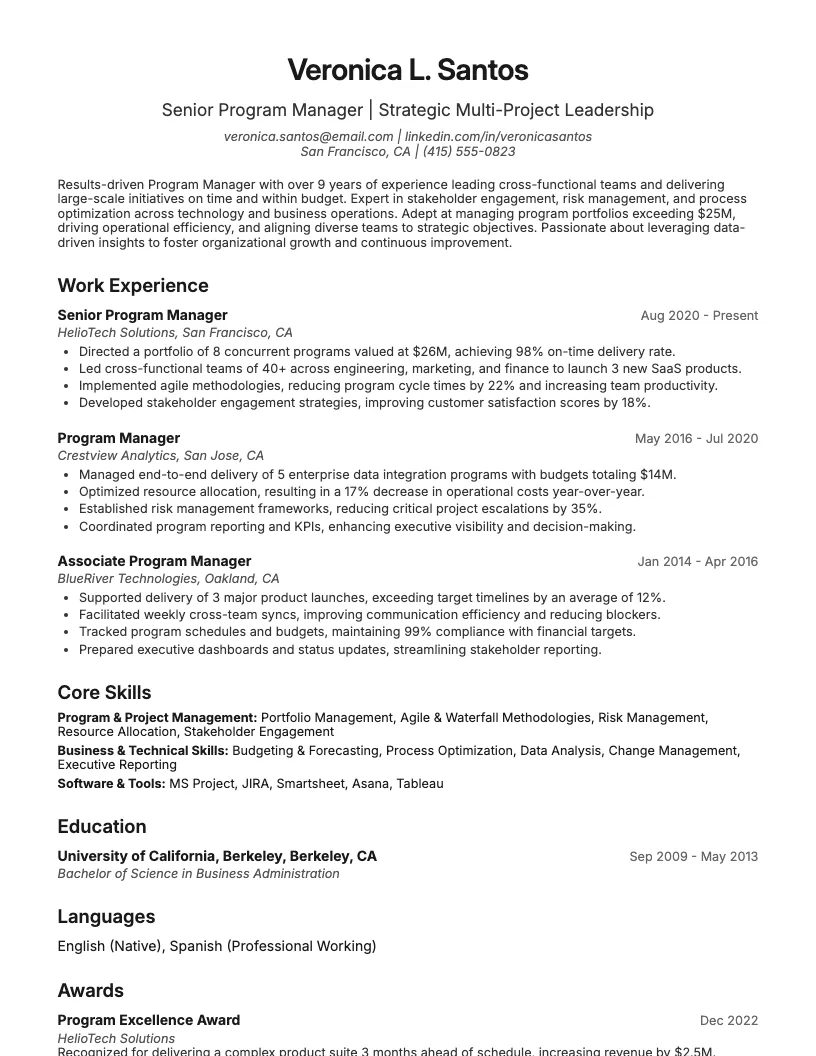
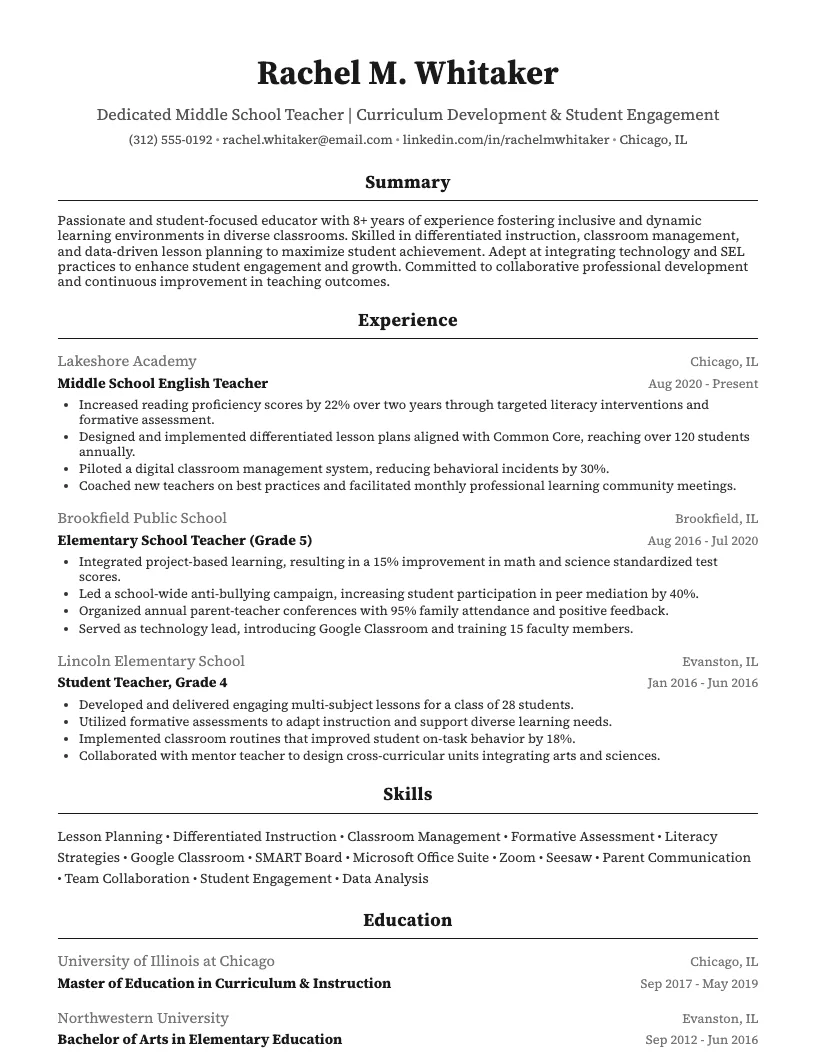
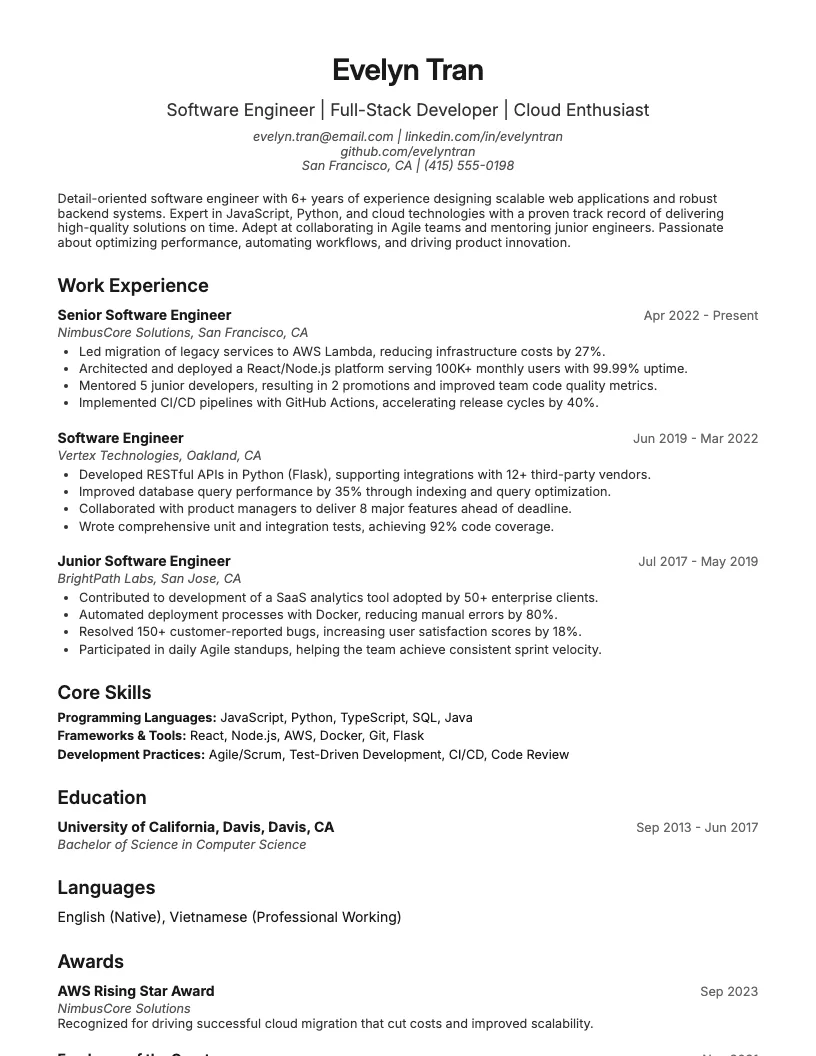
See these skills on a real resume
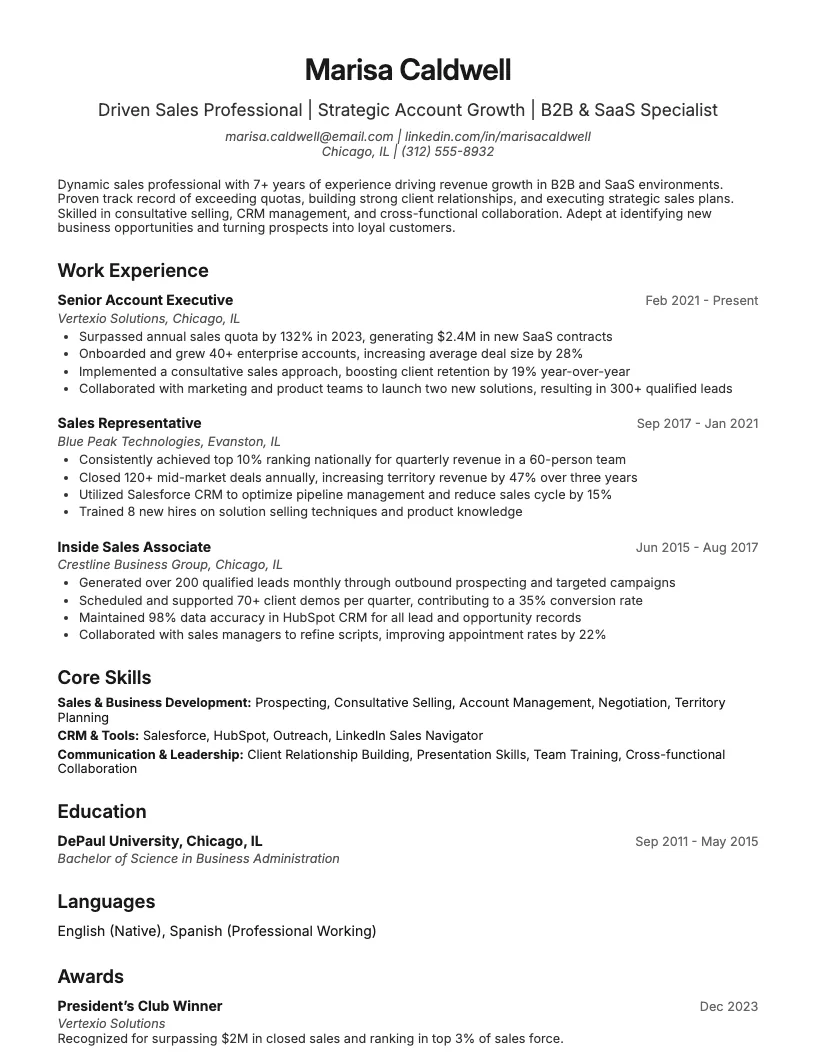
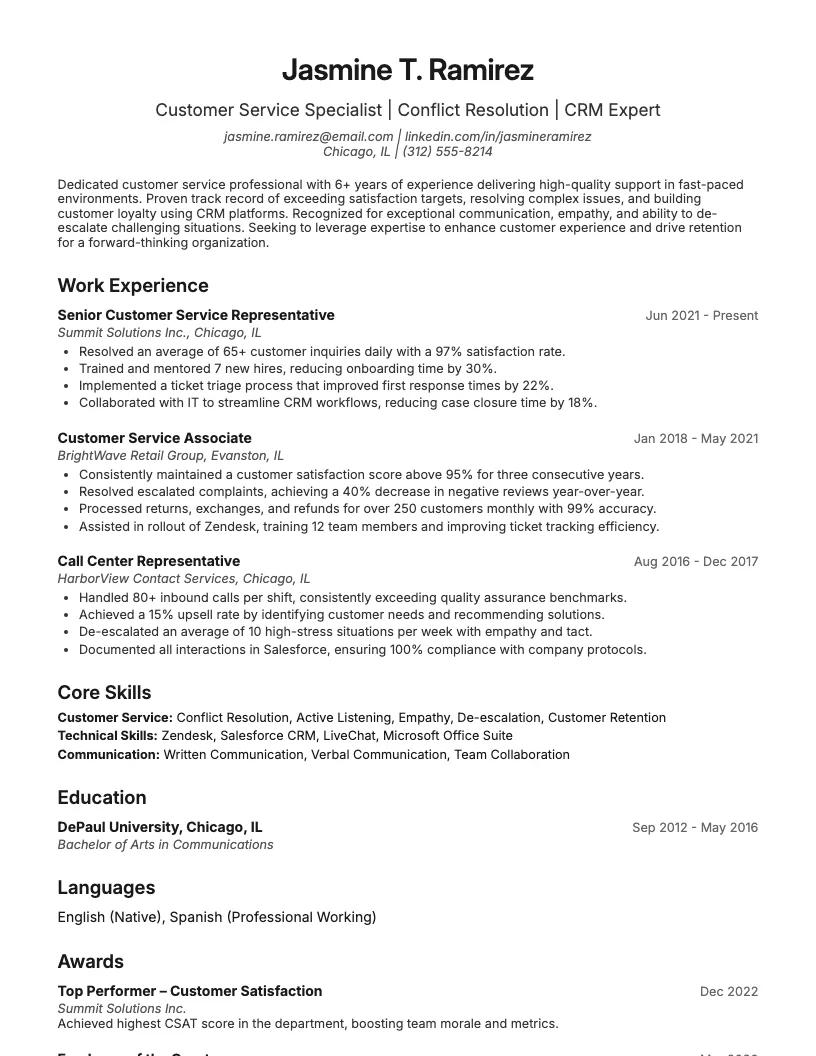
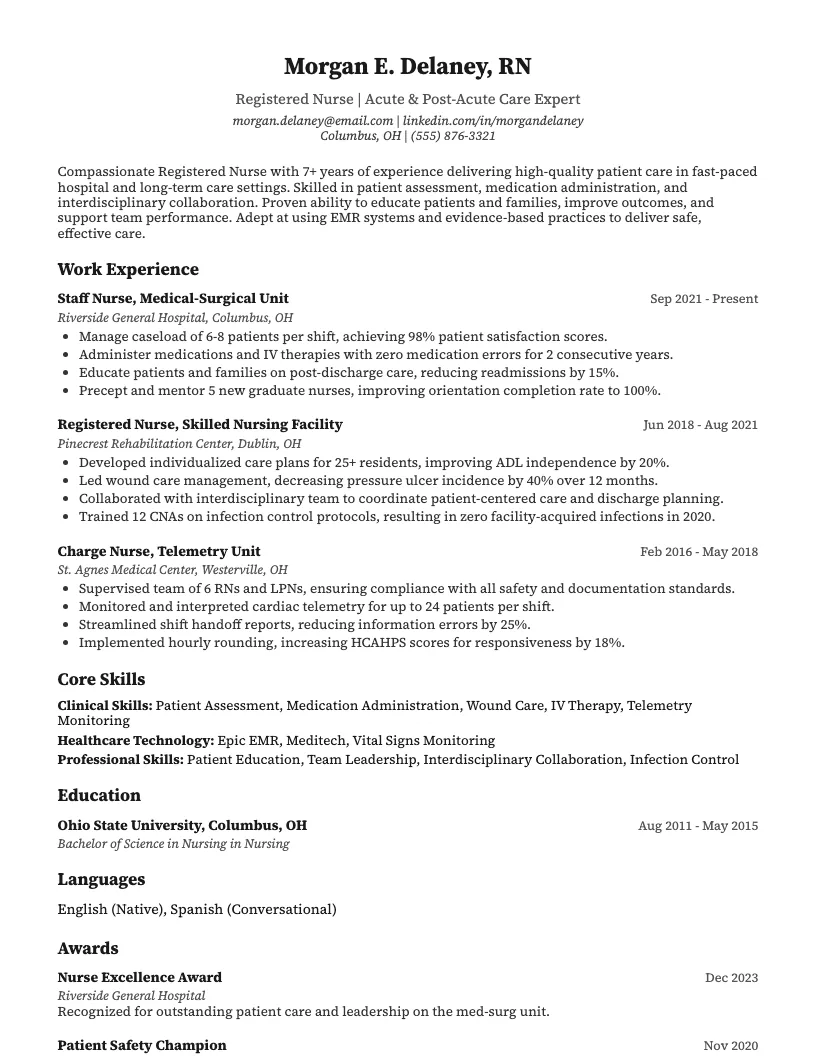
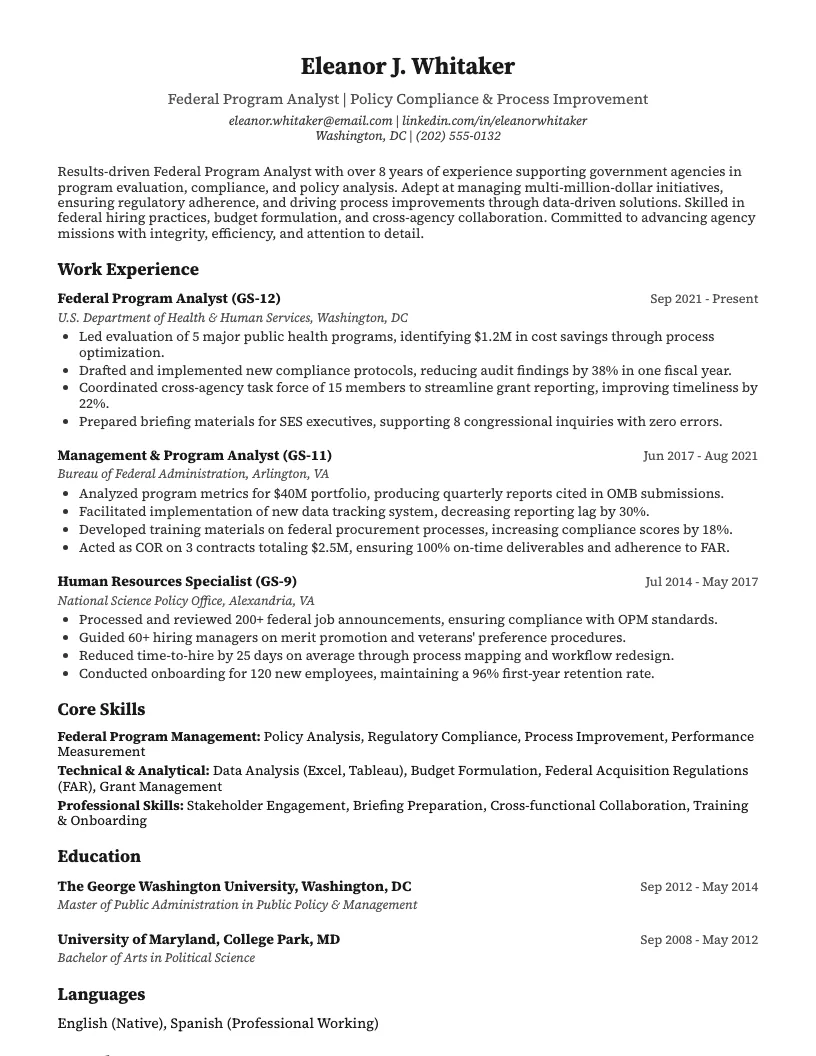
8 examplesStart from an example that already has them, and swap in your own.
Check your resume against the job you want
Scan your resume, see which skills and keywords the posting asks for that you are missing, and fix them before you apply.
Free to use • No credit card required