Product Manager Resume Keywords: 10 Terms I Actually Look For
The 10 keywords every product manager resume needs, plus hard skills, soft skills, tools, and how to place them so the ATS and a recruiter both find them.


Written by Sarah Chen
Senior Career Strategist & Resume Expert
Updated August 2026
Reviewed by Marcus Rodriguez
Is your resume ATS-friendly?
Drop your resume in and see which of these skills a scanner can actually read, and which ones the job you want is asking for that you have not listed.
PDF or DOCX. Max 2MB.
We never share your resume or use it to train a model.
In This Guide:
What keywords do product manager resumes need?
What keywords do product manager resumes need?

I've read through hundreds of PM resumes at this point, and the ones that get callbacks all share a core set of words, no matter what company or level they're aimed at. Here's what you need and why each one matters.
Product strategy
This is the word that separates a PM from a project coordinator. Show you set direction, not just executed someone else's plan - market analysis, competitive positioning, where the product is headed and why.
Product roadmap
Everyone says "built a roadmap." How to prove it - naming the framework you sequenced it with - is covered under roadmapping and prioritization frameworks.
Product lifecycle
This means you can talk about a product from idea to launch to sunset, not just one slice of it. If you've only ever shipped features inside someone else's plan, say that honestly rather than stretching the word.
Cross-functional leadership
Engineering, design, sales, support - name the functions you actually worked across. "Collaborated with the team" tells a recruiter nothing; naming the functions does.
Data-driven decision making
Don't just claim it - back it with a number. What to name instead of the phrase itself is under data analysis and SQL.
Success metrics and KPIs
Whatever you optimized for - retention, conversion, revenue, adoption - name the actual metric. A resume that says "improved outcomes" without naming one is the single most common thing I flag.
Stakeholder management
This one's really about influence without authority. Say who you aligned and what you got them to agree to.
Go-to-market
If you've shipped something and taken it to market, say so. This term shows up on senior postings a lot more than junior ones, so don't force it if you haven't actually run a launch.
User research
This one carries more weight the earlier you are in your career, since it shows product sense without needing a title to back it up. Which method to name is under UX research and design principles.
Requirements and user stories
This is the paperwork of the job, and skipping it makes a resume feel like it's all vision and no execution - which documents to name is under writing PRDs and user stories. If you're not sure your bullets actually prove these words rather than just naming them, that's worth checking against the posting before you send anything out - ResumeJudge will scan your resume against a job description and tell you exactly which of these you're missing.
How do you find the keywords for a specific job posting?
How do you find the keywords for a specific job posting?
Pull the exact words the posting repeats
Read the posting twice. The words that show up two or three times - in the title, then again in the responsibilities - are the ones the ATS is scanning for.
I've read enough of these to know: the generic core list (product strategy, roadmap, cross-functional leadership) shows up almost everywhere. What separates one posting from the next is the handful of specific terms it keeps repeating.
Match the posting's wording, not a synonym
If they wrote "0-to-1," don't write "new product launch." If they wrote "stakeholder alignment," don't write "team communication."
You have no way of knowing whether the system on the other end treats your synonym as the same thing. Close-enough costs you.
ResumeJudge will scan your resume against a posting and tell you exactly which terms it's expecting that you wrote differently or not at all.
Spell out an acronym the first time
Write "go-to-market (GTM)" once, then you can use GTM after. Some parsers only catch one form, so give them both.
Cut keywords you cannot back up in an interview
Nine times out of ten, the PM resumes that fall apart in interviews are the ones stuffed with terms nobody can defend. If you can't tell a real story about it, take it off - and if you're not sure which ones you're missing entirely, find the jobs worth applying to instead of guessing at every posting yourself.
Where do you put keywords on a product manager resume?
Where do you put keywords on a product manager resume?
Same word, five spots, different job each time.
In the professional summary
Your top three lines get read even when the rest gets skimmed.
Put your strongest keyword there - the one from the job posting's most repeated phrase - next to your years of experience and the kind of product you've shipped.
In your work experience bullets
an experience bullet that proves A/B testing
Responsible for A/B testing and worked with engineering on experiments.
Ran 15 A/B tests on the signup flow in Amplitude, lifting conversion 18%.
This is where keywords actually convince anyone.
Put the keyword in the bullet, next to the number it produced - how to turn a keyword into a bullet that proves it walks through the pattern and shows a weak and a strong version of the same bullet.
In the skills section
This section is for scanning, not proving. Group them - strategy terms apart from tools apart from methodologies - so a recruiter can find the one they're looking for in two seconds.
In the projects section
If you're early career or switching in, projects carry keywords your job history can't. A side project or case study is a legitimate place to show "roadmapping" or "user research" when no employer has given you the title yet.
How many keywords is too many
Read the bullet out loud. If a keyword makes the sentence sound like a list instead of a sentence, it's stuffed in rather than proven - move it to a spot where it does actual work.
Once it stops reading like English, you've gone too far. There's no count or percentage to hit - a keyword earns its place when a bullet proves it, and past that point sentences start sounding like a list wearing a paragraph's clothes.
ResumeJudge will score your resume against a posting and tell you exactly which of its terms are missing, so you're not guessing at the balance yourself.
What hard skills should a product manager list?
What hard skills should a product manager list?
The resumes that stall all have the same soft-skills-only list. Hiring managers want proof you can do the work, not just talk about it.
Here's what a hard-skills section should actually cover.
Data analysis and SQL
Nine times out of ten, the strongest PM resumes name SQL directly instead of hiding behind "data-driven." Say how you used it: querying user behavior, building your own dashboards, checking an engineer's numbers instead of taking them on faith.
A/B testing and experimentation
Don't just write "A/B testing" and move on. Name a number: how many tests you ran, or the traffic split you used.
A recruiter reading "ran 15+ statistically significant tests" believes you in a way "experimentation experience" never earns.
Funnel and cohort analysis
This is where you show you find problems before anyone points them out. Onboarding drop-off, retention by signup cohort, where users actually quit - naming the specific funnel you dug into beats "analytical mindset" every time.
Agile, Scrum and Kanban
List the actual ceremonies and terms: sprint planning, backlog grooming, story points, retrospectives. If you moved a team from Scrum to Kanban, or changed sprint length and cycle time dropped, that's a stronger line than the word "Agile" on its own.
Roadmapping and prioritization frameworks
Name the framework you actually used - RICE, MoSCoW, Kano - not just "prioritization." I'd rather see "used RICE scoring to cut roadmap debate time" than "strong prioritization skills" any day.
This pairs with how you put keywords in your experience bullets instead of parking them in a list.
Writing PRDs and user stories
Whoever reads this wants to know you can turn a vague idea into something engineering can build. Mention PRDs, acceptance criteria, epics - the actual documents, not "requirements gathering."
Market and competitive analysis
Show you looked outward, not just at your own backlog. Naming a competitive teardown or a market sizing exercise you ran tells a hiring manager you understand where the product sits, not just how it's built.
Technical understanding of APIs and architecture
You don't need to code, but you need to talk to engineers without translation. If you helped define an API spec or weighed in on a system change, say so - it's the difference between "technical" as an adjective and technical as a fact about you.
UX research and design principles
Name the method rather than the umbrella term "user-centric" - interviews, usability testing, personas, whatever form it took for you. If you're not sure which of these skills actually belong on your resume for the job you want, running your draft against the real posting is the fastest way to find out - ResumeJudge checks your resume against a specific job description and flags exactly which of these it's missing.
What soft skills should a product manager list?
What soft skills should a product manager list?
Every PM resume claims "leadership" and "communication." That's exactly why those two words on their own do nothing for you - you have to show the specific situation they applied in.
Influence without authority
You don't manage the engineers, designers, or sales reps you depend on. That's the job.
I want to see a bullet where you got a team to move without being able to order them to - securing sign-off from a skeptical stakeholder, getting eng to prioritize your fix over their own backlog. Name what you influenced and what changed because of it.
Stakeholder communication
This isn't "strong communicator." It's running executive presentations, writing requirements engineers can actually build from, and keeping a dozen people aligned on why a decision got made.
Pick one real audience - leadership, engineering, a customer - and show a bullet built around it.
Prioritization under competing demands
Every PM job has more requests than roadmap space. Show that you said no to something, and why - a framework you used, a tradeoff you made between two teams that both wanted to go first.
Customer empathy
Talk about the user research you ran and what it actually changed in the product, not just that you "care about the customer." A rewritten flow after a round of interviews is a bullet; "customer-focused" in a skills list is not.
Mentoring and team leadership
If you've grown junior PMs or led a working group across teams, say so with a number - how many people, over what period.
Strategic thinking
This is the one recruiters use to separate a PM who executes tickets from one who sets direction. Tie a decision back to a business goal - a roadmap bet you made and the reasoning behind it, not just the launch.
The mistake I see most often: these six skills sit in a bullet list with no proof behind them. Once your bullets are written, run them against the actual posting - ResumeJudge will tell you which of these the job description is actually asking for and rewrite the bullet to prove it, instead of leaving it as an adjective.
Which tools should you name on your resume?
Which tools should you name on your resume?
Tools tell a hiring manager how you actually work, not just what you know in theory. I've read resumes with a dozen tools crammed into one line and no idea what any of them were used for - name fewer, and say what you did with each.
Jira, Confluence, Asana
These are the baseline. Every PM has touched at least one, so naming Jira alone won't set you apart.
What does is pairing it with what you managed there - "ran a 200-story backlog in Jira across three squads" beats "Jira" sitting alone in a skills list.
Aha!, Productboard, ProductPlan
These say you've owned a roadmap, not just a sprint board. If you've used one, name it next to product roadmap work - a reviewer reads roadmap tools as proof you've planned quarters out, not just weeks.
Figma, Sketch, Adobe XD
You don't need to be a designer to list these. Most PMs I've reviewed use Figma to comment on mockups and check flows before a build, and that's worth a mention if it's true for you.
Amplitude, Mixpanel, Google Analytics
Naming one of these next to a real number is one of the strongest combinations you can put on a PM resume. "Used Amplitude to find a 22% drop-off in onboarding" does more than a whole line of tool names ever will.
SQL, Tableau, Looker
SQL still separates PMs who can pull their own data from PMs who wait on an analyst. If you can write a join, say so - it's a fast credibility signal, and it echoes what we cover under data analysis and SQL.
UserTesting and Dovetail
These show you go find out, not guess. If a posting names either one, match its wording exactly rather than swapping in a generic "user research tools" - see match the posting's wording for why that matters.
Once your tool list is set, ResumeJudge can check it against a posting and tell you which ones the job actually asks for versus which ones you're listing for no reason.
How do you turn a keyword into a bullet that proves it?
Is your resume good enough?
Drop your resume in and see which of these skills a scanner can read, and which ones the job you want is asking for that you have not listed.
Upload your resumeFree. PDF or DOCX. We never share your resume or use it to train a model.
A recruiter spends six to eight seconds on a first pass. That's not enough time to read your job description - it's just enough to scan bullets for a skill and a number.
Name the skill, then the result
The pattern I use over and over: name the skill first, then the outcome it produced. "Experimentation: ran three A/B tests on the onboarding flow in Amplitude, doubling new-user conversion in a quarter." The keyword isn't buried in a sentence about your responsibilities - it's the first word.
Weak bullet and strong bullet, side by side
a checkout-experience bullet
Responsible for the checkout experience and worked with engineering.
Cut checkout drop-off 22% by shipping a one-tap flow with engineering and design, adding an estimated $1.4M in annual revenue.
The example alongside this section shows the same checkout job written both ways. Same job, but only one of them tells a hiring manager what you actually did.
Which numbers to use for a growth role
Cite activation and retention - conversion rate, funnel drop-off, user growth. That's what a growth PM is judged on.
Which numbers to use for a platform role
Cite latency, uptime, and cost. A platform PM who leads with revenue numbers looks like they're solving the wrong problem.
Which numbers to use for a monetization role
Cite revenue and margin, not engagement. This is where I see the most mismatched resumes.
How many bullets per role
Five to seven for your two most recent roles, three to five for anything older. If you're stuck picking which of your projects deserve one, run your resume against the actual posting in ResumeJudge - it'll tell you which of your bullets are already speaking the employer's language and which need a rewrite.
Which keywords change with your level?
Keywords by career level
| Level | Keywords to use | What tops the resume |
|---|---|---|
| Recent grad / APM | User research, A/B testing, product sense | Education |
| Early-career | Cross-functional collaboration, influence without authority | Recent, measurable impact |
| Senior / staff | Product vision, driving consensus, 0-to-1 | Summary with scope and outcomes |
The exact same word means something different depending on your title, and using the wrong version is one of the fastest ways to look junior on paper.
Recent grad and APM keywords
If you're applying to an associate program, lean on internships, class projects, and data work. Say user research, A/B testing, product sense - things you did hands-on, even at small scale.
Keep education visible near the top; nobody expects you to have owned a roadmap yet.
Early-career PM keywords
One to four years in, the resume should show direct, measurable impact on a feature or a user problem - not company-wide strategy. Cross-functional collaboration and influence without authority belong here because you're proving you can move a team without a headcount to command.
Senior and staff PM keywords
Senior resumes trade feature language for strategy language: product vision, driving consensus, mentoring, 0-to-1. I've seen plenty of senior PMs still write like they're describing a single sprint - that's the tell that gets them screened out.
What moves to the top of the page as you get senior
Early on, education and projects earn the top of the page. Senior, that spot belongs to a summary with scope and outcomes - education drops toward the bottom.
If you're not sure your bullets match your level, ResumeJudge can rewrite them against the posting so the seniority actually reads through.
Which keywords change with the type of PM job?
Keywords by PM job type
| Job type | Lead keywords | What to prove |
|---|---|---|
| Growth PM | Activation, retention, conversion | A number you moved |
| Platform / technical PM | APIs, developer experience, scalability | An architecture decision you influenced |
| AI PM | Model evaluation, latency and cost, RAG | Something you shipped, not a buzzword |
| Enterprise / B2B PM | SOC 2, role-based access control | Security and rollout you handled |
Once you're past the core keywords every PM resume needs, the ones that actually win an interview depend on which flavor of PM job you're chasing.
Growth PM
Growth roles want proof you can move a number, not just analyze one. Lead with activation, retention, and conversion, and name the lever you pulled - onboarding redesign, referral program, a growth loop.
I've seen candidates land interviews just by putting a real DAU or activation lift next to the word "growth" instead of leaving it implied.
Platform and technical PM
Here the keywords shift toward how the product gets built, not just what it does: APIs, developer experience, scalability, systems thinking. If you've influenced an architecture decision or cut integration time for a partner team, say so - that's the line a technical PM resume is missing nine times out of ten.
AI PM
This is the fastest-moving category. Model evaluations, latency and cost tradeoffs, RAG, agentic products - these need to show up as things you shipped, not buzzwords you dropped in.
Don't invent AI work you didn't do; a clear, quantified resume without it still competes fine.
Enterprise and B2B PM
Enterprise buyers care about security and procurement, so terms like SOC 2 and role-based access control belong here if you've touched them. Sales enablement and rollout coordination matter too - this is a good moment to check your draft against the actual job posting's wording rather than guessing.
Product owner and program manager overlap
Product owner and program manager postings borrow a lot of PM language, but they weight it differently - more backlog and delivery cadence, less strategy and vision. If you're applying across all three, ResumeJudge can rewrite the same base resume against each posting so the emphasis actually matches the title you're applying for.
How do you get keywords past the applicant tracking system?
How do you get keywords past the applicant tracking system?
Most large companies run your resume through a screener before a human sees it. If the format confuses it, none of your keywords matter.
Single column, plain font, no icons
Stick to one column, reverse-chronological order, and a plain font like Arial or Calibri.
I've seen strong PMs get filtered out because a two-column layout scrambled their work history into the wrong order once the parser read it.
Skip icons and photos too - they add nothing a parser can use.
Put keywords in text, not in an image or header
If "product roadmap" or "stakeholder management" only shows up in a graphic or a header/footer, most systems never see it.
Keywords need to live in the body text - your summary, your skills section, your bullets.
White-text keyword tricks get flagged
Don't hide a wall of keywords in white text. It doesn't fool anything anymore, and some systems flag it as spam, which puts you in a worse spot than if you'd left it out.
The system ranks you, it does not auto-reject you
The ATS isn't a gate that slams shut. It scores and ranks resumes for the recruiter, so a missing term rarely means an automatic no - it just means you rank lower.
That's the real risk: not rejection, just getting buried under candidates who mirrored the posting's language more closely. Checking your resume against a specific job description is exactly what ResumeJudge's scan does - it shows you where you'd rank and what's pulling the score down before you hit submit.
One page or two
Under about five years of experience, keep it to one page. Past that, two pages is fine - just concentrate the strongest, most quantified bullets on your two most recent roles.
Frequently Asked Questions
How many keywords should I put on my resume?
There's no fixed number - what matters is matching the specific words in the job posting, not hitting a count. Most product manager resumes end up naming somewhere around 15-25 terms across skills, tools, and experience bullets, but a short list of highly relevant terms beats a long list of generic ones. Read the posting, pull out what it repeats, and use those exact words. ResumeJudge scans your resume against a posting and shows you which of its terms you already cover and which you're missing.
Do keywords work if I have no product manager experience yet?
Yes - keywords come from the kind of work you did, not the job title on it, so an internship, an engineering role, or a class project can carry the same terms a product manager resume needs. Describe what you built or fixed in product terms: the problem, what you shipped, and the result you measured. A hiring manager reading "increased signups 12% by testing two onboarding flows" sees product thinking whether or not "product manager" ever appears in your history.
Should I list keywords I only used once?
Only if you can back it up with a real example - a keyword with nothing behind it reads as padding, and hiring managers notice. If you touched something briefly, a passing mention is fine, but save the prominent space in your skills section and bullets for what you actually used repeatedly. A tool you tried once is worth a mention, not a bullet of its own.
Do I need AI keywords on my resume in 2026?
Only if the role calls for it - AI-focused product manager roles now expect evidence of hands-on AI work, like a shipped feature or a tradeoff you had to weigh, but a traditional product manager role doesn't expect it. Don't add AI terms just because they're common; a resume with invented AI experience reads worse than one without it. If you've genuinely done hands-on AI work, name what you shipped and how you measured it - if you haven't, a strong, well-measured resume in your actual area still competes fine.
Does a keyword-heavy skills section replace bullets?
No - a skills section tells a scanner and a hiring manager what you know, but your bullets are what prove you can use it. A list of keywords with nothing behind them reads as padding, while the same keywords appearing inside a measured result carry weight. Doing this by hand means finding the posting's keywords and then rewriting each bullet to work them in naturally; ResumeJudge does that step for you, taking your resume and the job posting and rewriting the bullets so the skills it asks for land in the right place.
Will a recruiter notice keywords, or only the software?
Both, but for different reasons - the applicant tracking system matches keywords mechanically before a person opens the file, while a recruiter reading it afterward checks whether those same words are backed by real results. Passing the software gets you seen; the words alone don't get you hired. ResumeJudge checks your resume against a posting and tells you which of its keywords are missing, so you can fix it before either one reads it.
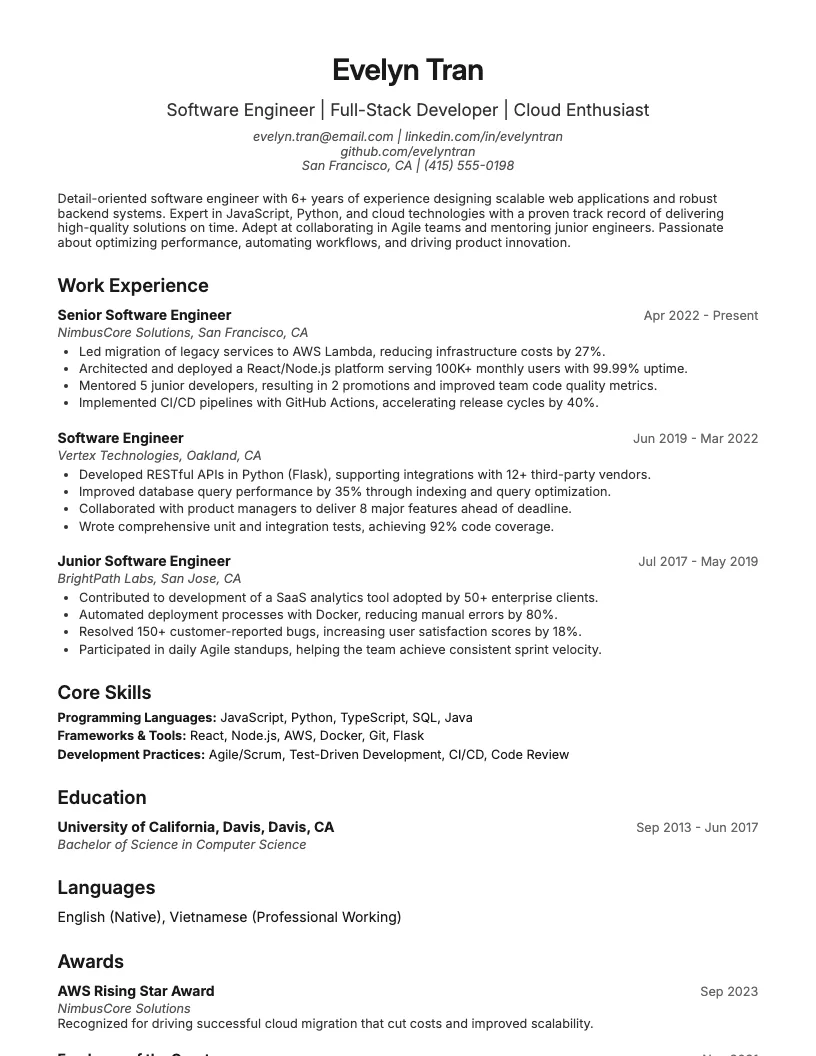
See these skills on a real resume
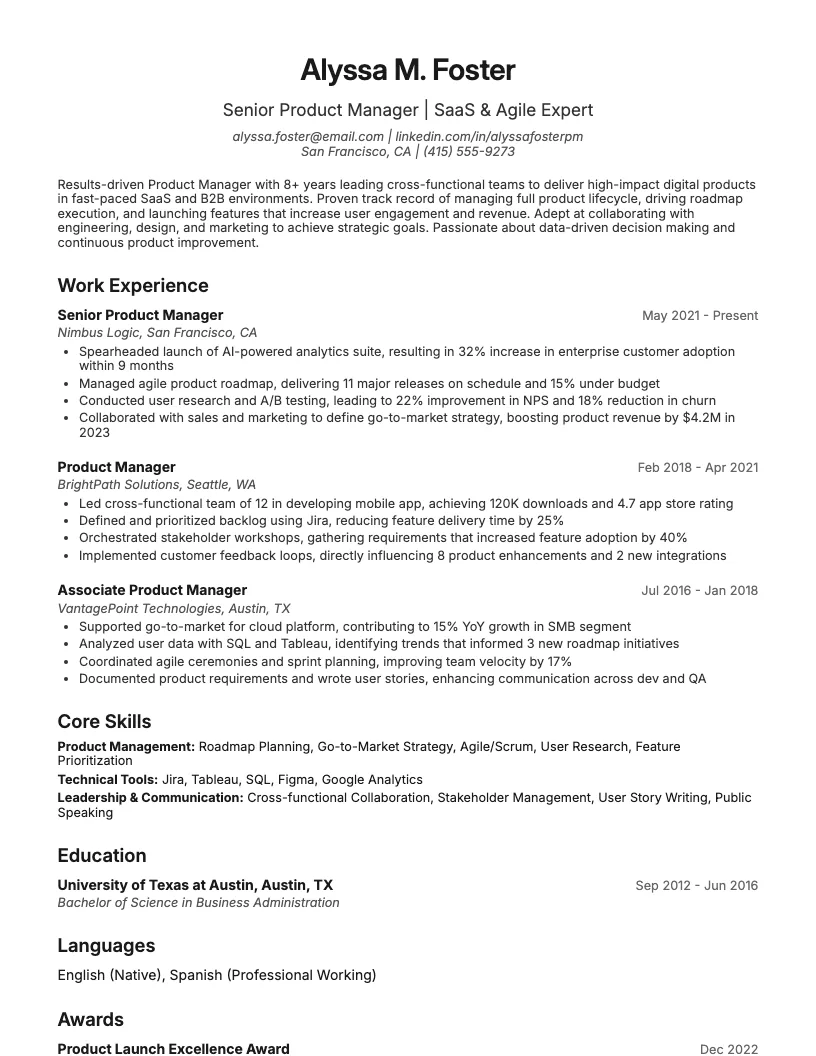
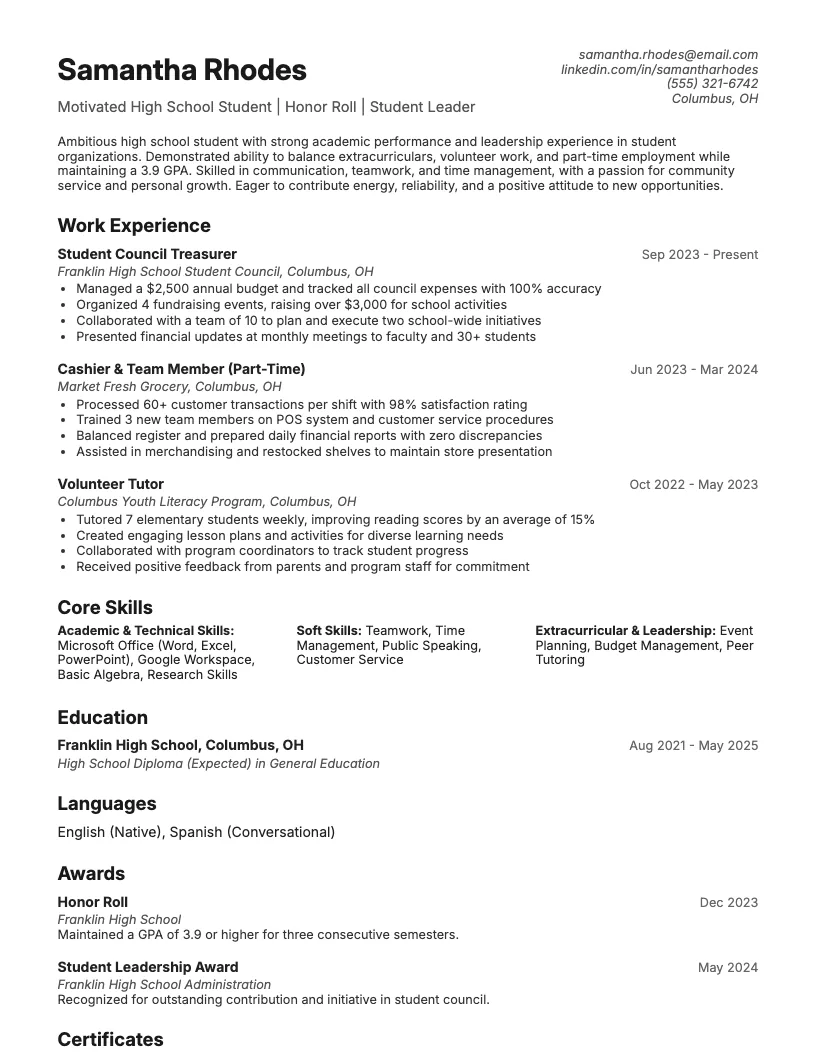
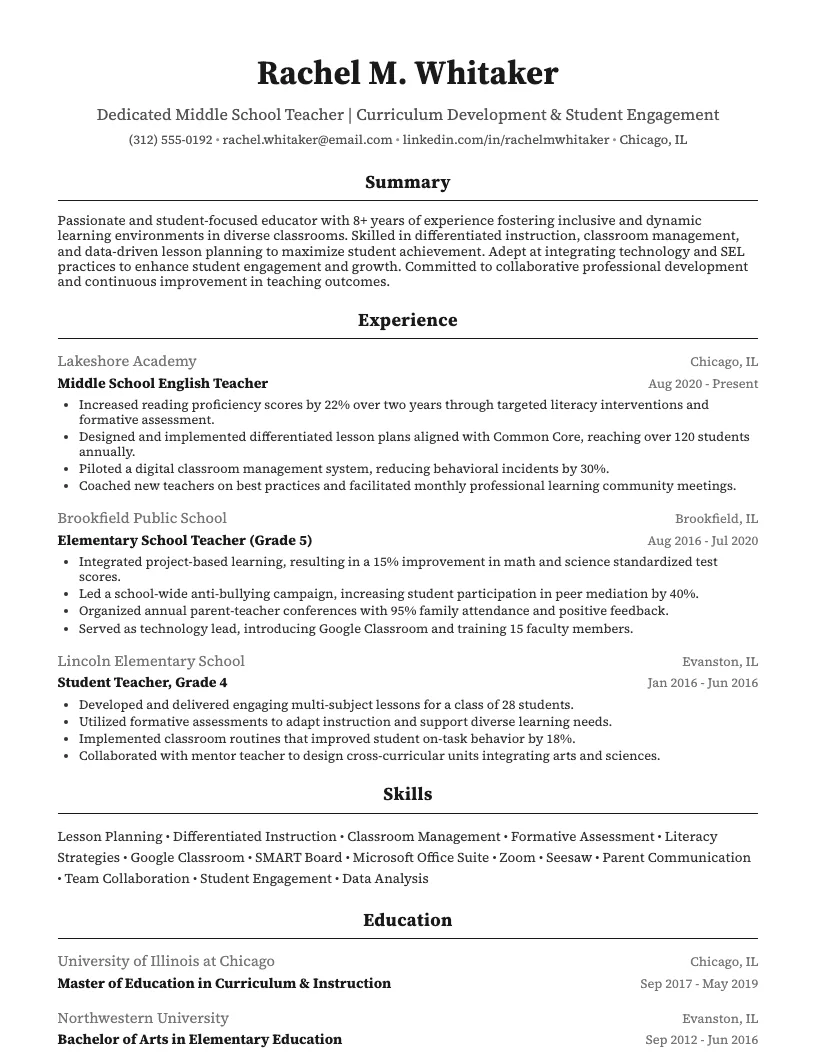
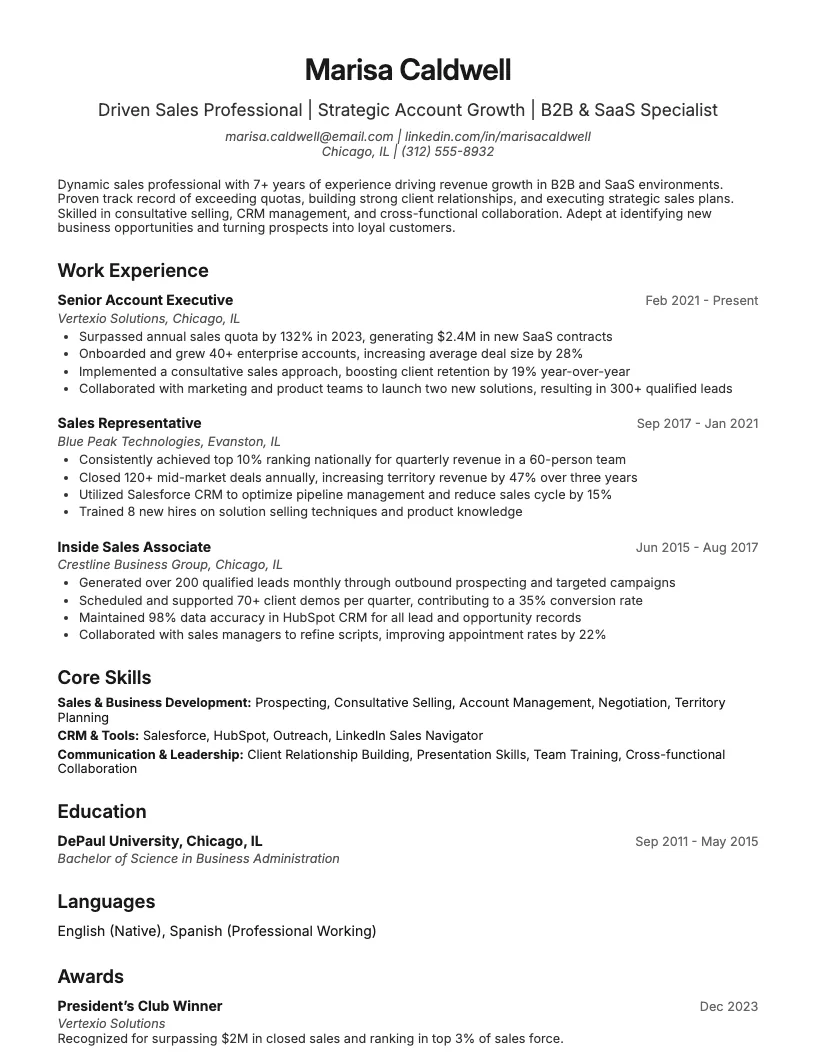
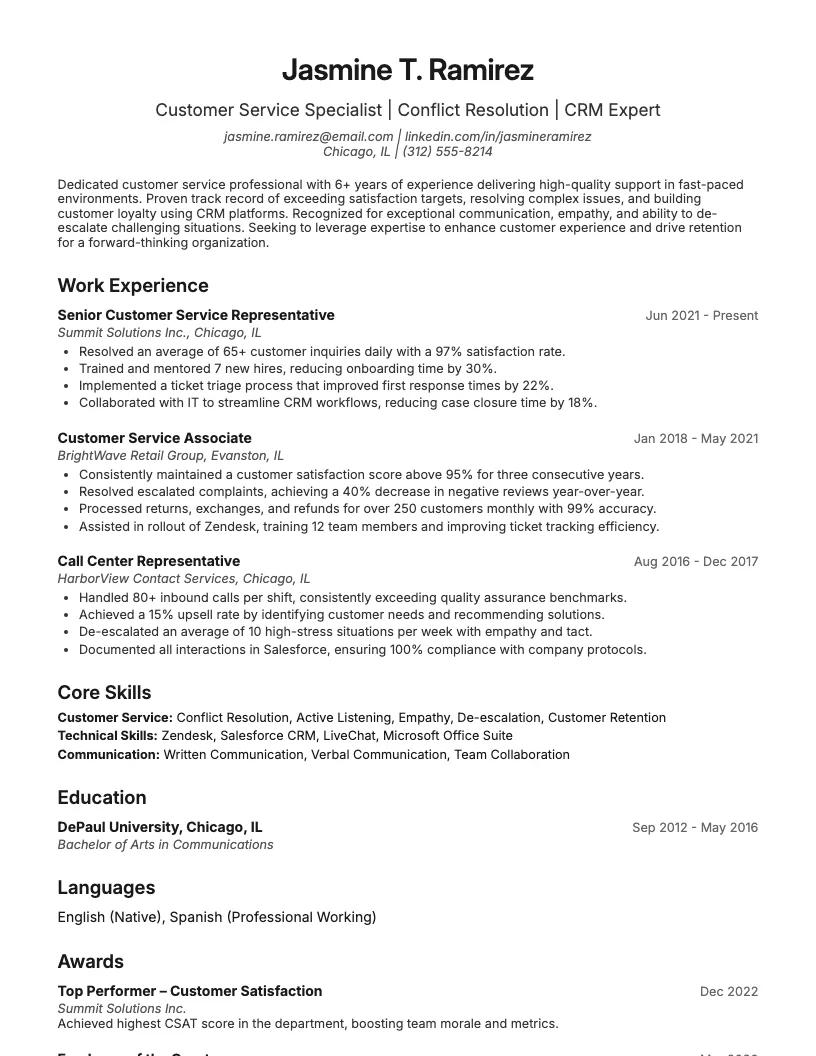
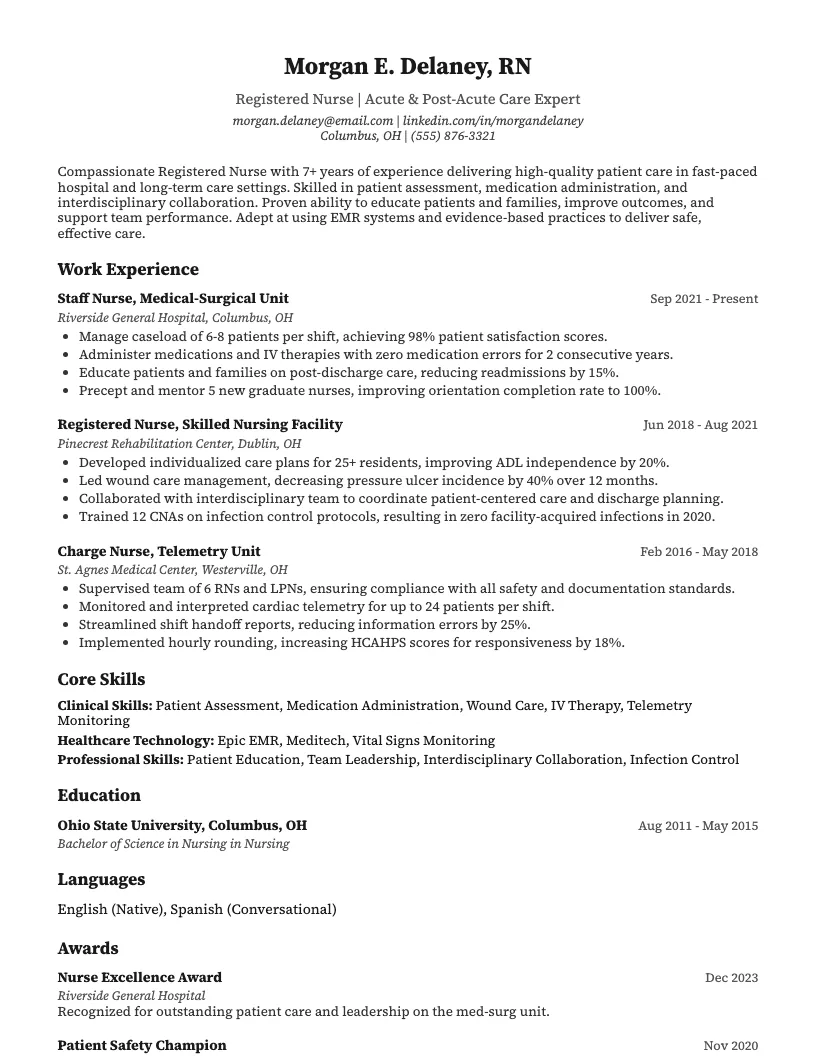
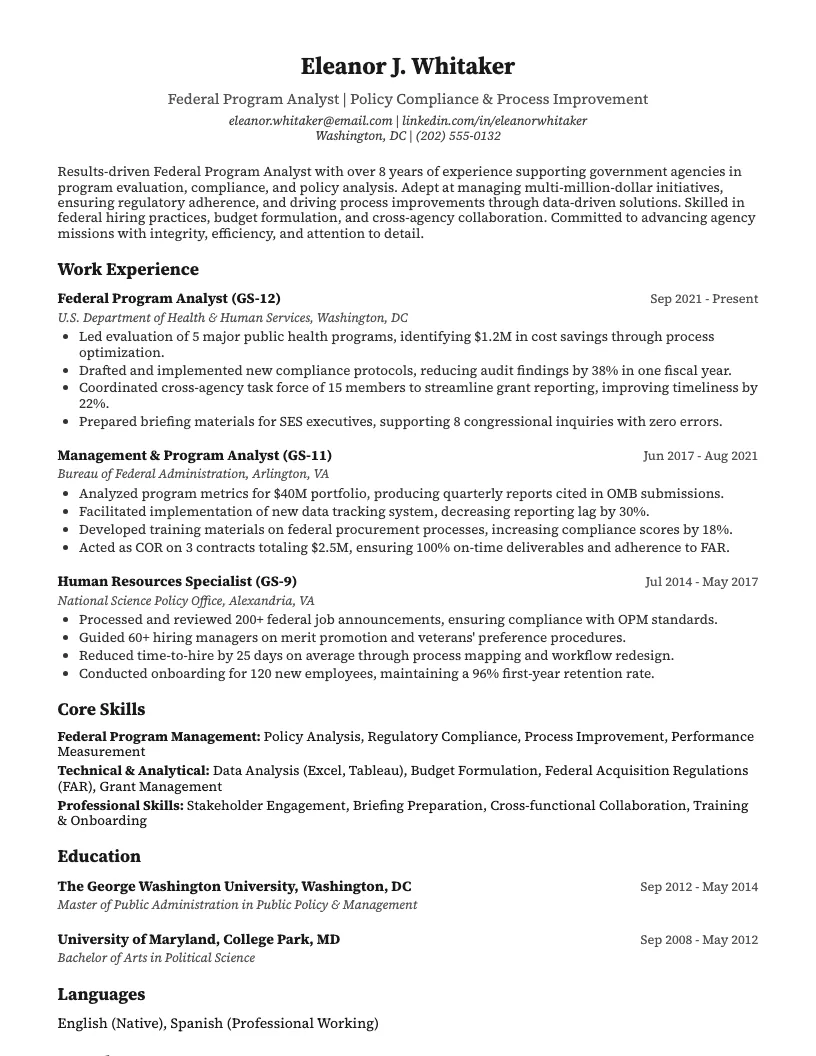
8 examplesStart from an example that already has them, and swap in your own.
Check your resume against the job you want
Scan your resume, see which skills and keywords the posting asks for that you are missing, and fix them before you apply.
Free to use • No credit card required