Phlebotomist Resume With Keywords: 14 Terms, 7 Numbers to Use
The 14 keywords ATS scanners and hiring managers search for on a phlebotomist resume, where to place them, and how to write bullets without stuffing them.


Written by Sarah Chen
Senior Career Strategist & Resume Expert
Updated August 2026
Reviewed by Marcus Rodriguez
Is your resume ATS-friendly?
Drop your resume in and see which of these skills a scanner can actually read, and which ones the job you want is asking for that you have not listed.
PDF or DOCX. Max 2MB.
We never share your resume or use it to train a model.
In This Guide:
What keywords should a phlebotomist put on a resume?
What keywords should a phlebotomist put on a resume?

I've read enough phlebotomist resumes to spot the ones that never get a callback in the first five seconds. They're the ones that say "drew blood from patients" and stop there, with none of the specific words a lab hiring manager or the ATS is actually scanning for.
Here's the list that actually moves the needle.
Venipuncture
This is the word, not "blood draw" alone. Recruiters and software both search for it by name, so it needs to appear at least once even if you also describe the work in plainer terms elsewhere.
Blood collection
Use this alongside venipuncture, not instead of it. Some postings favor one term over the other, and you want to be found either way.
Specimen collection
It's the term postings ask for most. If you only have room for one term beyond your job title, make it this one.
Specimen processing
Collecting the sample and processing it are two different skills on paper, even if you did both. List them separately so a scanner counts them separately.
Order of draw
Naming this tells an employer you know the sequence tubes have to be filled in to avoid contamination. It's a small phrase that signals real training.
Capillary puncture and heel stick
If you've worked pediatrics or done finger sticks for point-of-care testing, say so by name. It's a distinct skill from venipuncture and gets you into a different pool of postings.
Patient identification
This is a compliance step as much as a clinical one - mismatched samples are a top cause of lab errors. Naming it tells a reader you take that seriously.
Data entry
Over half of postings mention this directly, usually meaning logging results into an EHR or lab system. Name the system if you know it - see how you work keywords into a bullet for the exact phrasing.
HIPAA
Leave this off and you rank below candidates who included it, however strong the rest of the resume is. It costs you three characters to include.
OSHA bloodborne pathogens
Pair this with HIPAA. Together they're the two compliance terms I see missing most often, and missing them is an easy, avoidable rejection.
Infection control
This covers hand hygiene, aseptic technique, and sharps handling in one phrase. It reads as safety-minded, which matters a lot in a role built around needles.
Chain of custody
Worth including if you've drawn for drug screens, legal cases, or donor testing. It signals you can be trusted with samples that have to hold up outside the lab too.
Certified Phlebotomy Technician (CPT)
Spell it out in full at least once, then you can abbreviate afterward. See how you list your certifications for how to format the full entry.
Quality control
This is about accuracy and error prevention broadly, not just your certification. If you've never had a specimen rejected for mislabeling, that's worth saying somewhere on the resume too.
Getting all fourteen of these into natural sentences instead of a dumped list is the hard part, and it's exactly what ResumeJudge checks for - it takes the job posting and your resume and tells you which of these are still missing before you hit apply.
Which phlebotomy keywords do employers ask for most?
How often each keyword shows up in postings
| Keyword | Share of postings |
|---|---|
| Specimen collection | 73% |
| Phlebotomy certification | 67% |
| Customer service | 57% |
| Specimen processing | 54% |
| Data entry | 51% |
| Communication skills | 32% |
I've pulled the frequency numbers from thousands of real phlebotomist postings, and they tell you exactly where to spend your limited space on the page.
Specimen collection - 73% of postings
Nearly three out of four postings say this in some form - more than any other term here, which is why specimen collection leads the keyword list above.
Phlebotomy certification - 67% of postings
Two-thirds of employers want to see a credential named outright, not implied. Put yours in the header and again under certifications - I've seen qualified candidates get skipped because their CPT was buried in a paragraph.
Customer service - 57% of postings
More than half the postings ask for this, and it surprises people every time - phlebotomy is a patient-facing job first and a technical one second. Say how you handled anxious or difficult patients, not just that you "have good people skills."
Specimen processing - 54% of postings
Over half the postings list it separately from collection - see specimen processing above for why the two go on the page as separate skills.
Data entry - 51% of postings
Half the postings want this named, usually alongside whatever EHR or lab system you used - see data entry above.
Communication skills - 32% of postings
About a third of postings ask for this on top of customer service - it's less about small talk and more about explaining a procedure or calming someone down before the needle goes in.
Laboratory equipment - 32% of postings
Same share as communication skills. Name the equipment you've actually run rather than the vague phrase - specific beats generic here.
Patient care - 25% of postings
A quarter of postings use this exact phrase, separate from customer service. If you've worked with fragile or difficult sticks - pediatric, geriatric, oncology - that's patient care, and it's worth a line.
Teamwork - 16% of postings
The least common of this group, but still worth one mention if you coordinated with nurses or lab staff on a busy floor.
Venipuncture named outright - 29% of postings
Here's the mistake I see most often: candidates assume "specimen collection" covers venipuncture, so they never write the word itself. Nearly a third of postings name it outright, which is why venipuncture opens the keyword list above.
ResumeJudge will catch that gap by comparing your resume straight against a posting and telling you which of these terms you're missing before you hit submit.
How do you find the keywords in a specific job posting?
How do you find the keywords in a specific job posting?
Every posting is a slightly different test, and matching it beats matching a generic list every time.
Here's how I walk through one.
Step 1: Copy the posting's responsibilities and requirements
Paste the whole thing into a blank doc - not just the bullet list, the intro paragraph too. Employers bury requirements in sentences all the time.
Step 2: Mark the exact terms it repeats
Anything said twice is a term that matters to whoever wrote the posting. If "specimen processing" shows up three times and "phlebotomy" shows up once, processing is the priority for this job.
Step 3: Match its wording instead of your own
If they write "blood draws" and you write "venipuncture," an ATS scan can miss the connection. Use their word on your resume, even when yours is more precise.
Step 4: Note the EHR or lab system it names
If a posting names Epic, Cerner, or a specific lab information system, that's a keyword on its own. Put it in if you've touched it.
Step 5: Note the patient group it names
Pediatric, oncology, geriatric - these change what a hiring manager reads for. If you've drawn from that population, say so in the same words they used.
Step 6: Reorder your bullets so the matching ones sit first
Whoever screens this resume reads the top third closely and skims the rest. Put your matches there, not buried under general duties.
Doing this by hand for every posting gets old fast - ResumeJudge reads the job description and your resume together and rewrites the wording and bullet order to match, so you're not repeating steps 1 through 6 for every application.
Where do the keywords go on the resume?
Where do the keywords go on the resume?
Header - your name with the credential after it
Put your credential right next to your name: "DIANA FLORES, CPT (NHA)." I've seen so many phlebotomist resumes bury the certification down in a skills list where a recruiter scanning for two seconds never sees it. It costs you nothing and it's the first keyword match they'll get.
Certifications section, placed high
Right under your header, before experience. List the full name, the issuing body, and the date - see how to list your certifications for the exact format. Nine times out of ten, the resumes that get read past the first ten seconds have this section up top, not buried near education.
Professional summary
Two or three sentences, and your certification and your biggest number both belong here - more on how to write that.
Experience bullet points
This is where most of your keywords live, worked into what you actually did - not listed. If you're not sure how to do that without it reading like a keyword dump, here's the pattern.
Skills section
A plain list near the bottom, grouped into technical skills, compliance terms, and systems - this is what catches the ATS scan and gives a recruiter a fast second look. If you're checking your skills list against a real posting instead of guessing, ResumeJudge will scan the job description and tell you exactly which of these terms you're missing before you hit submit.
Education and clinical hours
If you're newly certified, your clinical hours and supervised draws go here and carry real weight - see what to use with no paid experience.
How do you work keywords into a bullet point without stuffing?
An experience bullet
Drew blood from patients
Performed 60-75 venipunctures daily across medical, ICU and oncology units
Stuffing is what happens when you paste the job posting's keyword list into your bullets and hope nobody notices. Recruiters notice.
So does the ATS, which is built to catch a wall of nouns with no verb doing anything.
The pattern: action verb, technique, volume, result
Every strong bullet I've rewritten follows the same shape: what you did, how you did it, how much of it, and what came of it. Four parts, one line.
Weak: "Drew blood from patients"
This is what nine out of ten phlebotomy resumes hand me. It's true, it's also true of every phlebotomist alive, so it tells a hiring manager nothing.
Strong: "Performed 60-75 venipunctures daily across medical, ICU and oncology units"
Same fact, but now it has a number and a setting. That single line answers "how much volume can this person handle" before the interview even starts.
Weak: "Handled blood samples"
"Handled" is a placeholder verb - it means the writer didn't want to think about what actually happened.
Strong: "Processed 200+ specimens daily following order of draw and chain of custody"
This version does two jobs at once: it proves volume, and it drops in order of draw and chain of custody, two terms that show up constantly in postings.
Weak: "Used computer systems"
I have no idea what this means, and neither does an ATS scanning for a specific system name.
Strong: "Logged results in Epic EHR and the lab information system"
Name the system. If you don't know which one your target employer runs, Step 4 above covers how to find out from the posting itself.
Weak: "Followed safety rules"
Vague compliance language reads as filler, and filler is what gets a bullet cut for space.
Strong: "Maintained HIPAA and OSHA bloodborne pathogen compliance with zero needlestick injuries in 12 months"
A safety record like this is one of the few numbers that works even when it's zero. If you're not sure your own bullets follow this pattern, ResumeJudge will score them against the actual posting and rewrite the weak ones for you, in the posting's own wording.
What numbers can a phlebotomist put on a resume?
What numbers can a phlebotomist put on a resume?
Duty bullets tell me you showed up. Number bullets tell me you're good at it - and hiring managers reading fifty resumes for one opening notice the difference fast.
Daily draw volume
How many venipunctures a shift, not "high-volume setting." I've seen everything from 45-60 to 60-75 per shift depending on the floor, and either range beats leaving it blank.
First-stick success rate
This is the one that gets attention. A rate in the 93-99% range, especially tracked over a stretch of months, tells a manager they won't be fielding complaints about redraws.
Specimen rejection or mislabeling rate
Labs live and die by this number. If you cut hemolysis-related rejections or labeling errors by any real percentage, say so - it's the kind of line that separates you from someone who just "followed procedure."
Specimen turnaround time
If you shaved minutes off a STAT draw-to-result window, put the before and after. Going from 18 minutes down to 11 is the kind of specific, believable number that reads as true because it's not round.
Patient satisfaction score
A percentage here works even without a formal survey behind it - ask your supervisor if patient feedback was ever logged. Rates in the high 90s aren't unusual for someone with good bedside manner.
Safety record
Zero needlestick injuries over a stated period is a real credential, not filler. Pair it with the compliance keywords employers scan for and it reads as a full safety story, not a throwaway line.
Staff trained
If you ever oriented a new hire or precepted a student, put a headcount on it. Training five or more new phlebotomists says you're trusted with more than your own draws.
Where to find these numbers if nobody tracked them for you
Nobody hands you a spreadsheet of your own stats. Ask your supervisor for quality reports, check your lab's LIS for rejection and turnaround data, or estimate conservatively from a typical shift - a defensible estimate beats no number at all.
Once you've got a draft, ResumeJudge can check the wording and numbers against a specific posting and rewrite the weak bullets for you, so you're not guessing whether "high-volume" should really be "60+ daily."
How do you write the summary at the top?
A professional summary
Hardworking and friendly people person
Certified phlebotomist (CPT) with 3 years in a 400-bed hospital lab. Performs 65-75 venipunctures daily across inpatient and ED units with a 99% first-stick success rate.
What belongs in it: certification, years, setting, volume, one number
Three lines, top of the page. Certification, years, the setting you worked in, and one number that proves you're good at the job.
I've read hundreds of these, and the ones that get a callback all follow that shape. Skip the personality.
Lead with the credential.
Strong example - hospital phlebotomist
"Certified phlebotomist (CPT) with 3 years in a 400-bed hospital lab. Performs 65-75 venipunctures daily across inpatient and ED units with a 99% first-stick success rate.
Trained two new hires on order of draw and specimen handling."
That's a certification, a setting, a volume, and a number, in three sentences.
Strong example - newly certified with externship hours
No paid job yet? Use the training instead.
"Newly certified phlebotomy technician (CPT, NHA) with 120 supervised clinical hours completing venipuncture and capillary draws on adult and pediatric patients. Comfortable with high-volume, fast-paced lab settings."
That's honest and still specific - see what keywords you can use with no paid experience.
Weak example - "Hardworking and friendly people person"
Says nothing an ATS or a hiring manager can use. No certification, no number, no setting.
Weak example - "Phlebotomist looking for a position where I can use my skills"
This tells the reader what you want, not what you can do. Once you know which terms the posting repeats (see how to find the keywords in a posting), ResumeJudge can rewrite this summary for you, working those exact terms in around your real certification and numbers.
How do you list your phlebotomy certifications?
Which credential fits which setting
| Credential | Issuing body | Best for |
|---|---|---|
| PBT | ASCP | Hospital labs |
| CPT | NHA | Outpatient and clinics |
| RPT | AMT | General work, pair with your training setting |
| NCPT | NCCT | Least recognized - spell it out in full |
Here's what each credential means and where it carries weight.
PBT (ASCP)
Phlebotomy Technician through the American Society for Clinical Pathology. This is the one hospitals recognize fastest - if you're applying to a hospital lab, lead with this if you have it.
CPT (NHA)
Certified Phlebotomy Technician through the National Healthcareer Association. Strong in outpatient and clinic settings, and the most common one I see on entry-level resumes.
RPT (AMT)
Registered Phlebotomy Technician through American Medical Technologists. Solid, but recognized less often than PBT or CPT - pair it with the setting you trained in.
NCPT (NCCT)
National Certified Phlebotomy Technician through the National Center for Competency Testing. It's the least widely recognized of the four, so don't lean on the abbreviation alone - spell it out.
BLS and CPR
Basic Life Support and CPR aren't optional extras. Almost every posting expects them, and I've seen resumes get passed over for leaving them off entirely.
How to write each entry: full name, issuing body, date, renewal
Four pieces, every time: full credential name, who issued it, the date you got it, and when it renews. "Certified Phlebotomy Technician (CPT), National Healthcareer Association, obtained March 2024, renews March 2027." Nine times out of ten, resumes that skip the renewal date make a hiring manager wonder if it's still active.
The four states that require certification by law
California, Louisiana, Nevada, and Washington require certification to draw blood, with narrow exceptions for licensed nurses and clinical lab scientists. If you're applying in one of these states, make sure that credential is impossible to miss.
How to list a certification you have not passed yet
Be upfront instead of implying you already hold it: "Exam scheduled August 2026 (training hours completed June 2026)." Once you're certified, ResumeJudge can rewrite this line and the rest of your resume against the specific posting you're applying to, so the wording matches what that employer asked for.
Which keywords change depending on where you work?
Which words to use in which setting
| Setting | Keywords to use |
|---|---|
| Hospital and inpatient floors | Inpatient phlebotomy, floor draws, bedside collection |
| Emergency department, ICU, NICU | STAT draws, timed draws, pre-op/post-op collection |
| Outpatient lab | Patient flow, wait time management, patients-per-day |
| Blood donation centre | Donor screening, donor comfort |
| Mobile and home draws | Route management, specimen transport, cold chain |
| Pediatric | Heel stick, capillary collection, comfort techniques |
Same job title, different resume. The setting you're applying to changes which words matter most, and I see too many phlebotomists send the same resume to a hospital and a blood bank.
Hospital and inpatient floors
Hospitals want to see you can handle volume and pressure across departments. Say "inpatient phlebotomy," "floor draws," "bedside collection," and name the units - medical, surgical, whatever you rotated through.
Emergency department, ICU and NICU
These units run on speed. "STAT draws" and "timed draws" belong here, along with any pre-op or post-op collection you've done.
If you've drawn in a NICU, say so directly - it's a specialized skill and hiring managers look for it by name.
Outpatient lab and patient service centre
Outpatient work is a customer service job as much as a clinical one. Lean on "patient flow," "wait time management," and your actual patients-per-day number if you have it - see daily draw volume for how to phrase that.
Blood donation centre
Donor experience and safety are the two things that get checked here. Use "donor screening" and talk about how you keep first-time donors comfortable.
Mobile and home draws
This setting is about working alone. "Route management," "specimen transport," and "cold chain" tell an employer you can handle the logistics without a supervisor nearby.
Nursing home and skilled nursing facility
Say "skilled nursing facility" in full - it's a standard term and abbreviating it doesn't help you. Independent work and difficult draws on elderly patients both belong here.
Pediatric
"Heel stick" and "capillary collection" go on top, then comfort techniques - distraction, parent communication. Pediatric draws are hard enough that naming them specifically carries weight on their own.
Reference labs - Quest Diagnostics and LabCorp
Between the two of them, Quest and LabCorp show up in nearly 45% of phlebotomist postings I've reviewed, so match their language exactly: "specimen receiving," "processing center," "high-volume."
Specialty clinics - oncology, dialysis, infusion
Oncology and dialysis patients often have compromised veins, so "difficult draws" is a phrase worth using if it's true. If you're chasing one of these roles specifically, run the posting through ResumeJudge - it'll tell you which of these setting-specific terms this employer actually wants before you send anything.
What keywords can you use with no paid phlebotomy experience?
What keywords can you use with no paid phlebotomy experience?
No paid draws yet doesn't mean no keywords. It means the keywords come from a different part of your life.
Externship and clinical rotation
Your externship is real experience. List the facility, the dates, and treat it like a job, not a footnote.
Supervised draws completed during training
Count them if your program tracked them. "Completed 120+ supervised venipunctures during clinical rotation" tells an employer exactly what you can do, even under supervision.
Capillary puncture checkoffs
If your program signed off on capillary puncture and heel stick separately from venipuncture, say so. Employers hiring for pediatric or outpatient work care about that distinction.
Clinical hours on the education entry
Put your total clinical hours right in the education section, next to your certification. A number here does more work than a sentence.
Customer service and patient-facing work from an earlier job
Retail, food service, front desk - any of it counts if you talked to people under pressure. I've seen plenty of new phlebotomists get hired on customer service alone, paired with a fresh certification.
How to lay the resume out so training comes first
Put certifications and clinical hours above work history, not after it. If you're not sure your externship reads as strong as it could, ResumeJudge will rewrite that section against the actual posting so the training does the work a paid job usually would.
What stops a phlebotomist resume from being read by the ATS?
Plenty of resumes reach a recruiter with half of what matters missing, because the software couldn't read that part of the page. The problem isn't usually that you get filtered out before anyone sees your name - it's that your qualifications arrive as blank space.
I've pulled apart enough rejected resumes to know it's almost always one of six things.
Certifications hidden in a header image
If your CPT credential lives inside a logo, a banner, or a fancy header graphic, the ATS can't read it. It just sees blank space where your qualification should be.
An abbreviation with no full name next to it
"CPT" alone might not match the posting's search term. Write "Certified Phlebotomy Technician (CPT)" so both versions hit - see how to list each certification.
Skills inside a text box, table or column
Text boxes, tables, and multi-column layouts often get skipped entirely during parsing. Put your skills in plain paragraph or bullet form, nowhere else.
Made-up section headings instead of standard ones
"My Journey" instead of "Experience" confuses the parser. Stick to Experience, Skills, Certifications, Education - boring headings that work.
The same keyword list sent to every employer
One resume blasted at every posting never matches the wording a specific one uses - how to find the keywords in a specific job posting walks through the fix.
Compliance terms left off entirely
HIPAA, OSHA bloodborne pathogens, infection control - leaving these out is the single biggest gap I find on phlebotomist resumes, and it's an easy fix.
Frequently Asked Questions
How many keywords should I put on my phlebotomist resume?
Aim for around 20 to 30 keywords spread across your summary, skills list, and bullet points, pulled from the specific job posting rather than a generic list. Too few and the ATS may not rank you against other applicants; too many crammed into one section reads as stuffing. ResumeJudge scans your resume against the actual posting and shows you which of its keywords you're missing before you hit submit.
Should I list lab equipment by name?
Yes. Naming the equipment you've actually used, like a centrifuge, vacutainer system, or butterfly needles, is a keyword in its own right and shows a recruiter you've done the work, not just read about it. Only list equipment you can speak to in an interview.
Should I name the EHR system I used?
Yes, if the posting mentions one. Naming the system you've actually worked in, such as Epic or Cerner, matches what the employer typed into their own listing and signals you won't need training on their software.
Do I need to spell out CPT and PBT in full?
Write out Certified Phlebotomy Technician and Phlebotomy Technician (ASCP) at least once on the resume, then you can use the abbreviation elsewhere. Some ATS setups and some recruiters search for the full term, others search the abbreviation, so having both on the page covers you either way.
Will keywords alone get me past the ATS?
No. Keywords get your resume ranked and surfaced, but a recruiter still reads it after that, so the keywords need to sit inside real, specific experience rather than a list bolted onto the bottom of the page. ResumeJudge takes your resume and a specific job posting and rewrites the wording so the skills that posting asks for land in the right sections, not just somewhere on the page.
Should I list soft skills as keywords?
Keep them off your keyword list. Soft skills like communication or teamwork are hard for an ATS to score and hard for a recruiter to verify from a resume, so they carry little weight compared to a named technical skill or certification. Show them instead through what you did, like staying calm with a nervous or elderly patient during a draw.
Do employers actually check my certification?
Yes, most healthcare employers verify a phlebotomy certification directly with the issuing body, such as ASCP or NHA, before or shortly after hiring. Listing a certification you don't hold, or one that's lapsed, will surface in that check, so only list what's current and keep your renewal date in mind.
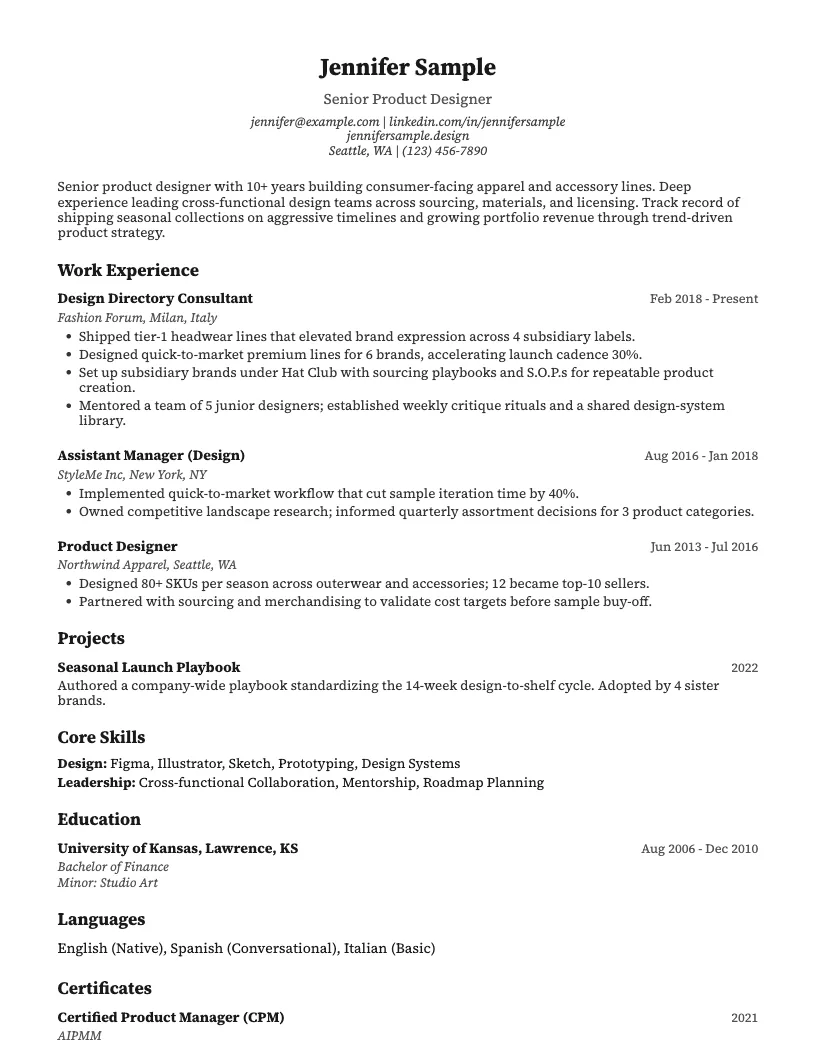
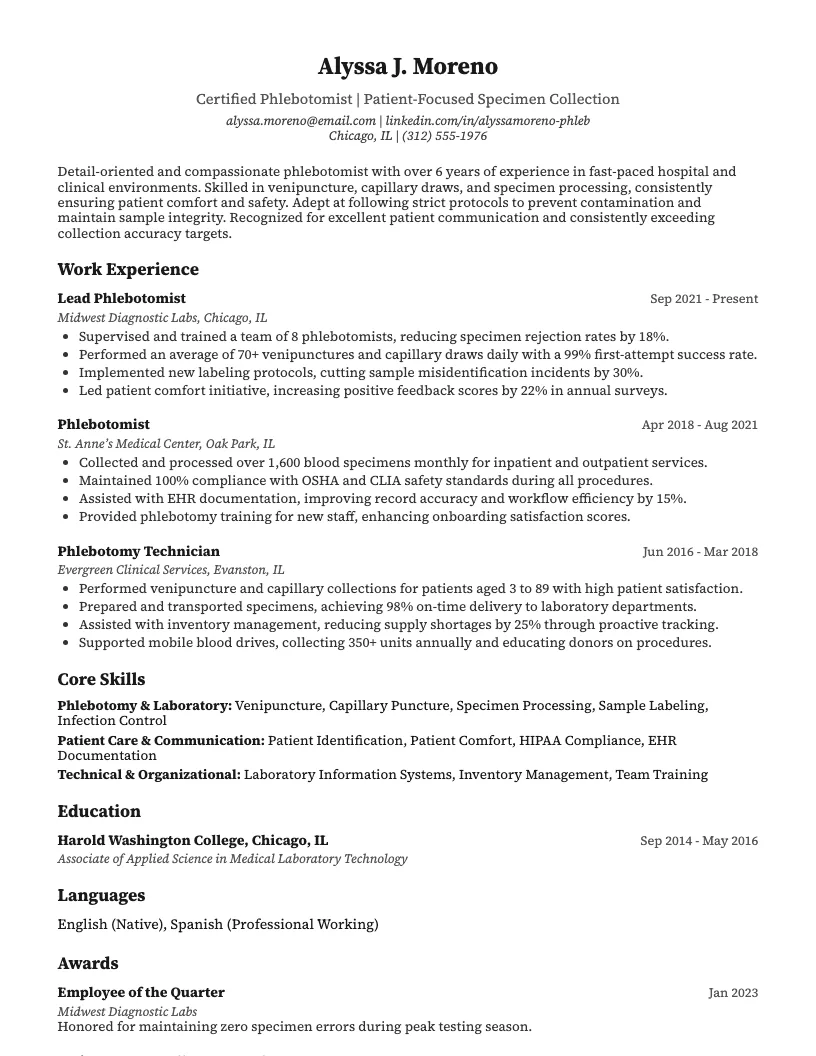
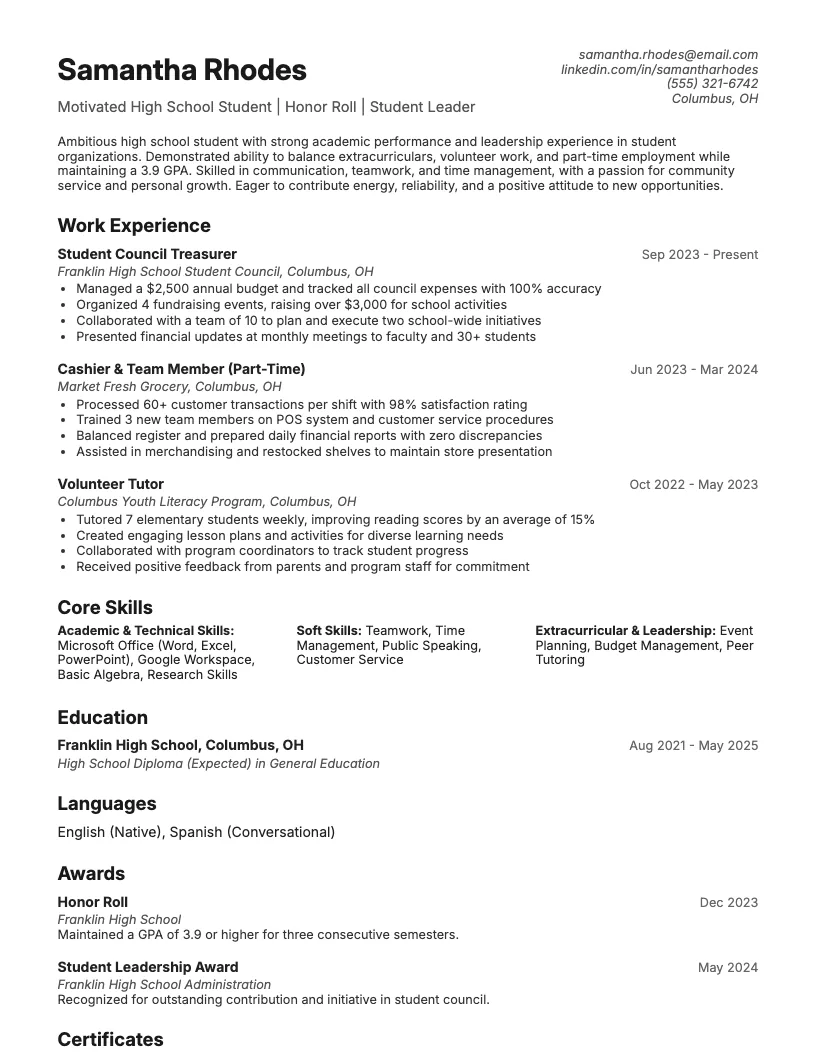
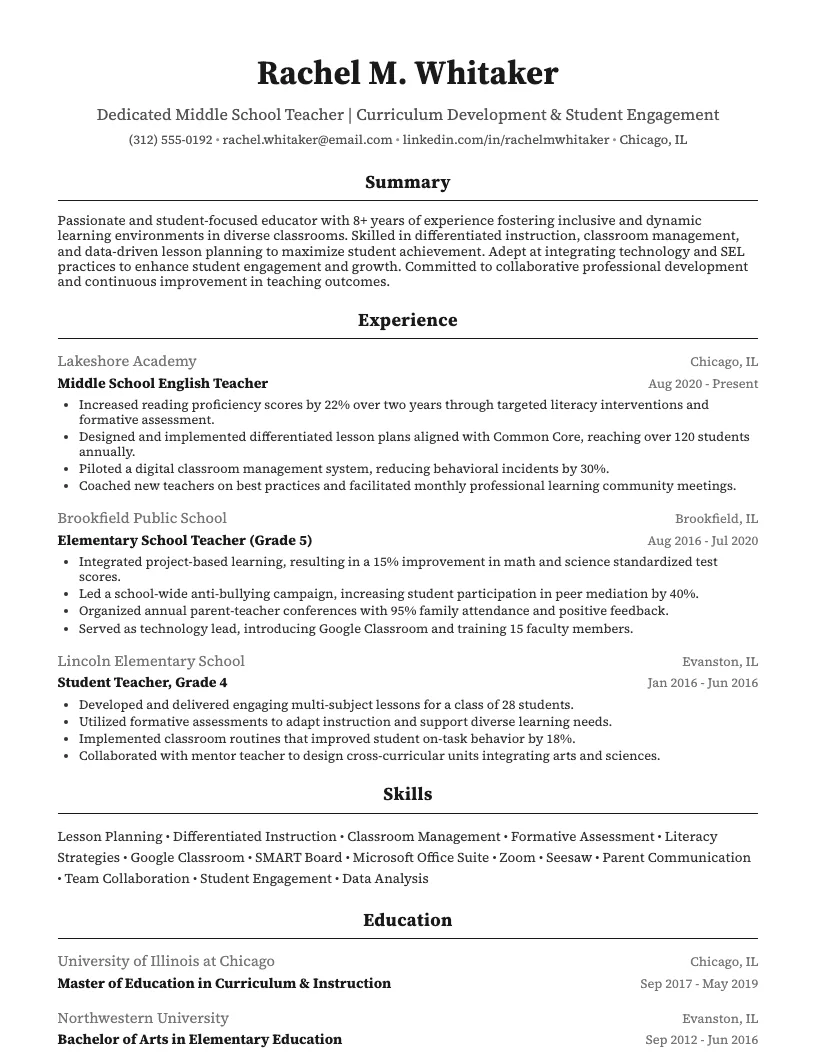
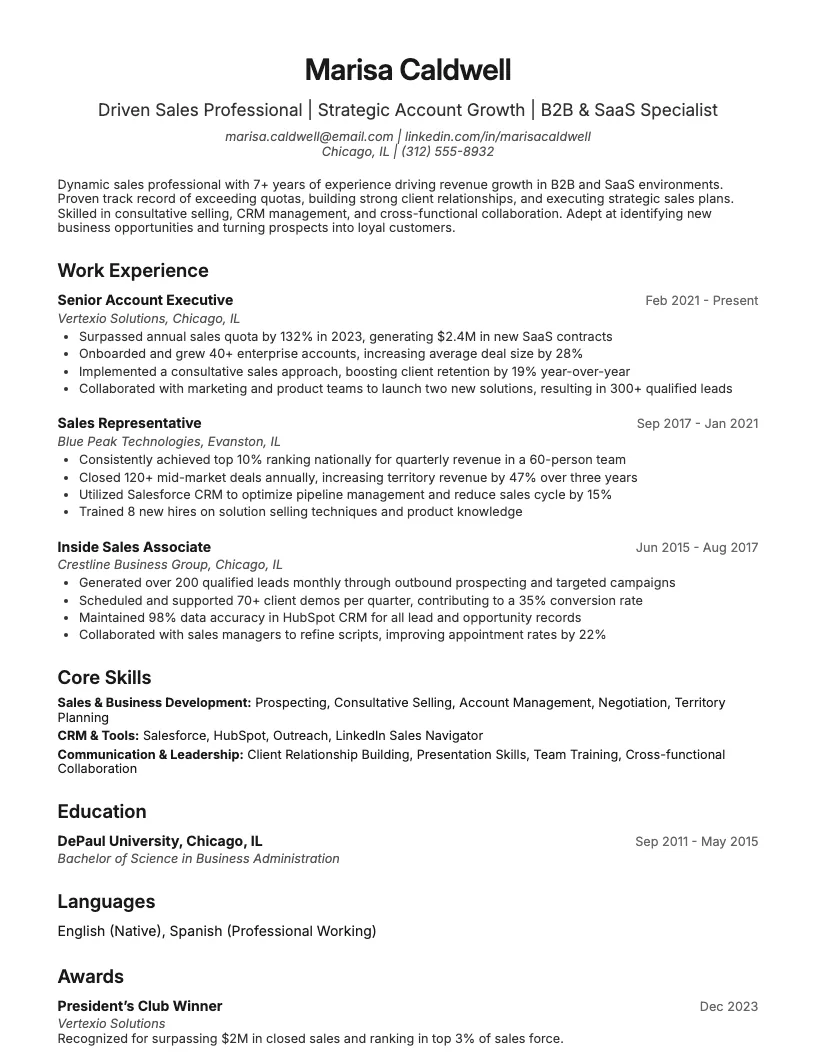
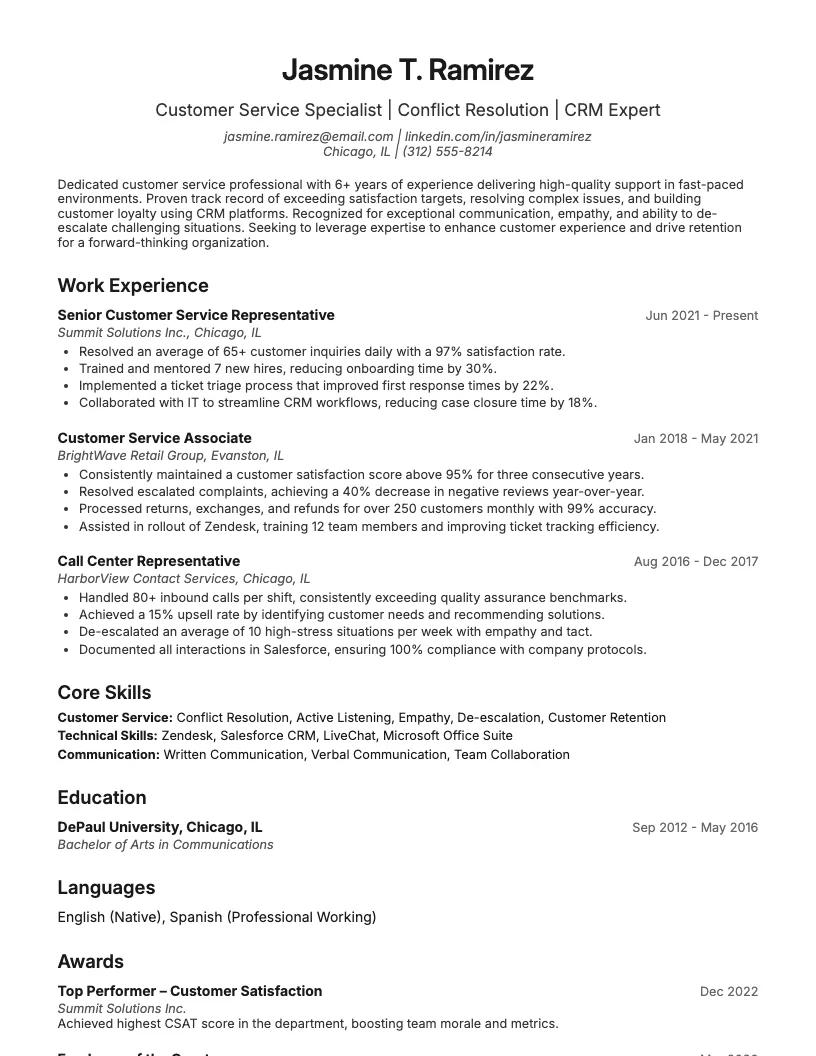
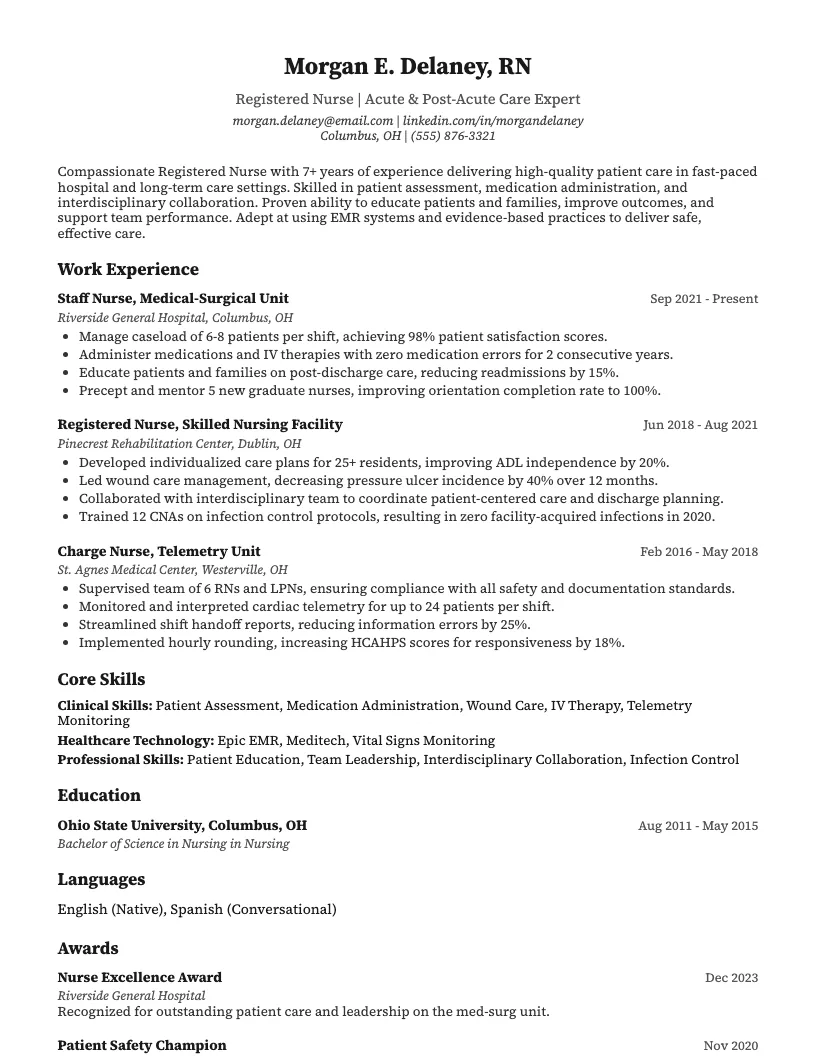
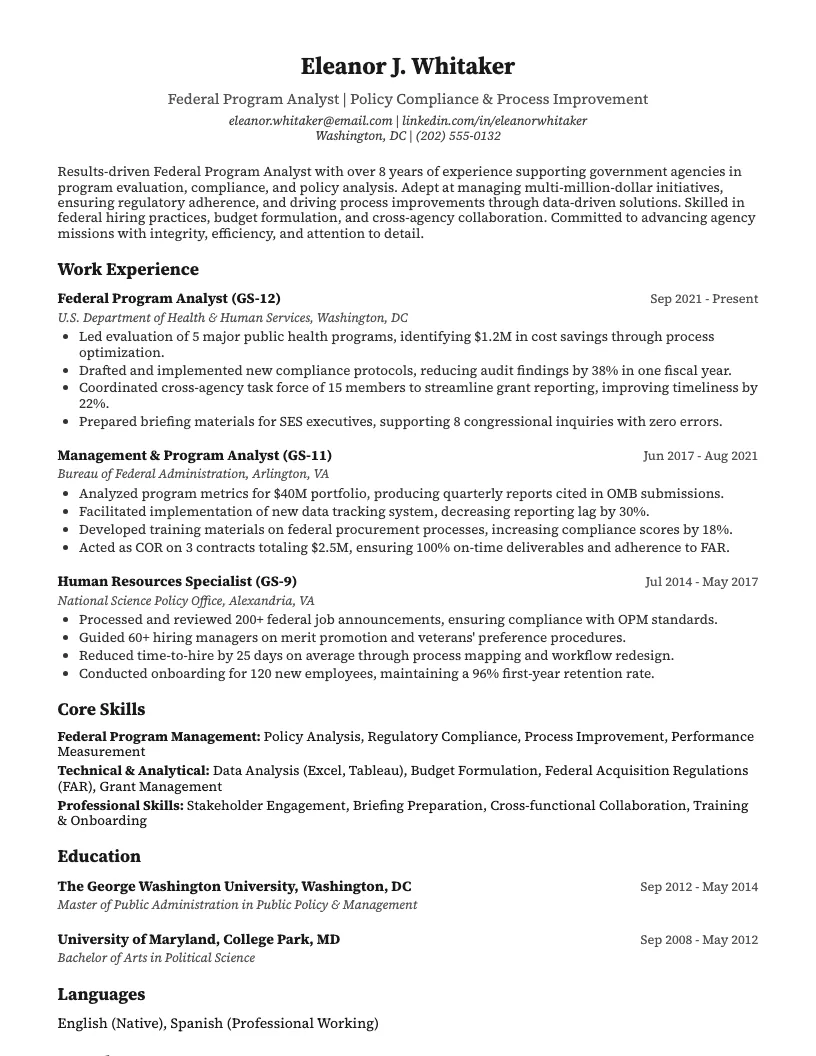
See these skills on a real resume
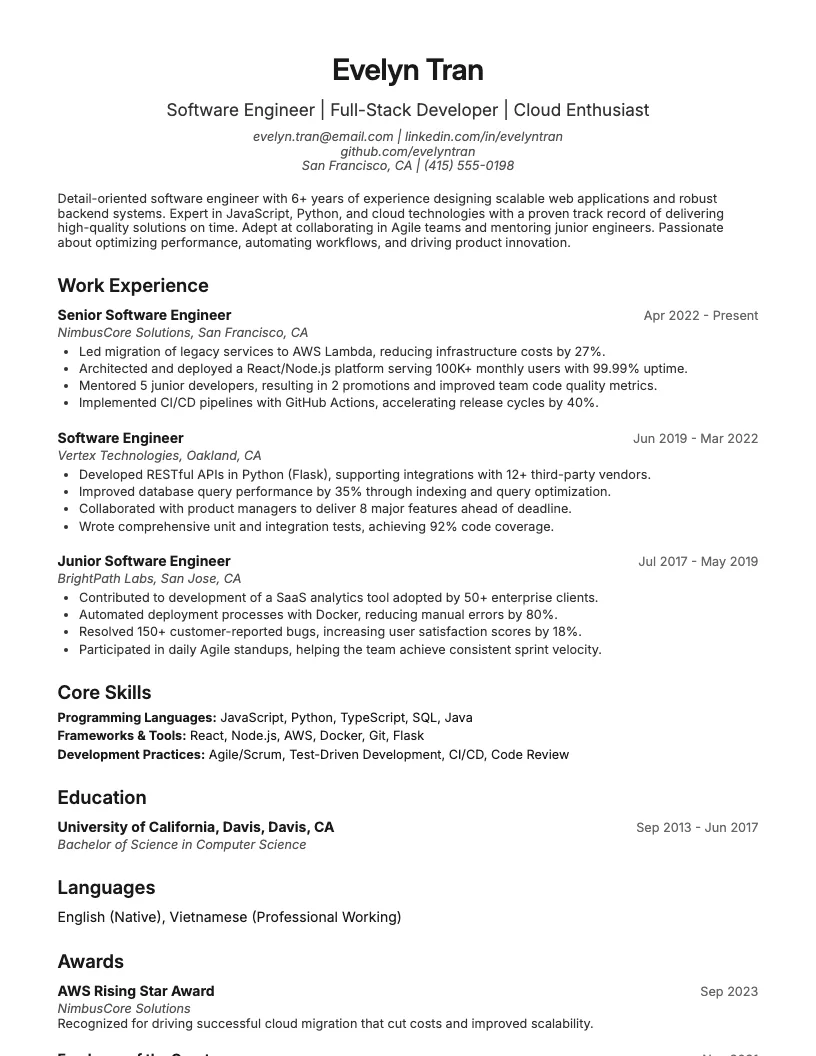
8 examplesStart from an example that already has them, and swap in your own.
Check your resume against the job you want
Scan your resume, see which skills and keywords the posting asks for that you are missing, and fix them before you apply.
Free to use • No credit card required