Medical Assistant Resume Skills: 20 to List, 6 Keyword Types
20 medical assistant skills grouped by clinical, EHR, and admin duties, plus the 6 keyword types postings scan for and how to write them into bullets.


Written by Dr. Priya Sharma
Career Development Expert & Resume Analyst
Updated August 2026
Reviewed by Sarah Chen
Is your resume ATS-friendly?
Drop your resume in and see which of these skills a scanner can actually read, and which ones the job you want is asking for that you have not listed.
PDF or DOCX. Max 2MB.
We never share your resume or use it to train a model.
In This Guide:
What skills should you put on a medical assistant resume?
What skills should you put on a medical assistant resume?

I've read hundreds of medical assistant resumes, and the ones that get interviews all do the same thing: they mix clinical hands-on skills with the front-office and computer skills that keep a clinic running, not just one or the other.
Vital signs (blood pressure, pulse, temperature, SpO2)
This is the one skill nearly every medical assistant posting names, so it needs to be on your resume in plain words: blood pressure, pulse, temperature, SpO2, not just "vitals."
Say how often and for how many patients. "Took vital signs for 20+ patients a day" tells a hiring manager more than "monitored vital signs" ever will.
Patient intake and rooming
Rooming is the whole sequence: greeting the patient, updating their history, taking vitals, and getting them ready for the provider.
List it as its own line, separate from vital signs. A lot of resumes bury rooming inside "assisted with patient care," and that's too vague for a recruiter skimming fast.
Phlebotomy and venipuncture
Phlebotomy is a keyword recruiters search for by name, so use the actual word, not "blood work."
If you have a number, use it. Something like "50+ blood draws a week" says more than "performed phlebotomy" - see how to turn that into a bullet.
Injections and immunizations
List both terms. Some postings say "injections," others say "immunizations," and a few say "vaccines" - if you've given flu shots, say so.
EKG and diagnostic testing
EKGs come up constantly in primary care and cardiology postings. Pair it with any other diagnostic testing you've done, like strep tests or spirometry, so it doesn't read as a single narrow skill.
Specimen collection and lab handling
Urine samples, swabs, prepping specimens for an outside lab - this is different from phlebotomy and postings usually list it separately, so your resume should too.
Wound care and dressing changes
If you've done suture removal along with dressing changes, name both. It's a small addition that shows a wider range of hands-on work.
Sterile technique and infection control
This covers sterilizing equipment, using PPE correctly, and following standard precautions. Employers treat it as non-negotiable, not a nice-to-have, so don't leave it off just because it feels basic.
EHR documentation
Name the system if you've used one - Epic, Cerner, Athenahealth. A named system is a specific keyword an ATS can match; "computer skills" is not.
Appointment scheduling
Scheduling is often lumped into "administrative duties," but I'd pull it out on its own line if you've used scheduling software, since that's the part employers are actually screening for.
A number helps here too: "100+ appointments a week" reads stronger than "managed scheduling."
Insurance verification and prior authorization
These are two different tasks that often get squashed into one bullet. If you've done both, list both - prior authorization especially is a skill a lot of candidates leave off even when they've done it.
Medical billing and ICD-10 coding
If you've entered ICD-10 codes for claims, that's worth its own line, not a mention buried inside "billing." Coding knowledge is one of the more specific, high-value keywords on a medical assistant resume.
Medical terminology
You don't need a separate bullet that just says "medical terminology" - it shows through in how you write your other bullets. Use the real terms (venipuncture, not "blood draw," if that's genuinely the word you'd use) and it does the work for you.
Communication with patients and providers
The mistake I see most often here is writing "good communication skills" with nothing behind it. Say what you communicated and to whom - explaining a procedure to a patient is a different skill than relaying a change in a patient's status to a physician, and naming both is stronger than naming neither.
Empathy
Empathy is real and postings do ask for it, but it's the hardest skill to prove with a single word on a page. It lands better folded into a bullet - "reassured anxious pediatric patients during vaccinations" - than sitting alone in a skills list.
Attention to detail
For a medical assistant, attention to detail almost always means accurate charting and catching errors before they become a problem. Tie it to documentation or records specifically rather than leaving it as a floating trait.
Time management
Nine times out of ten, "time management" on a medical assistant resume really means keeping a provider's schedule on time while patients are still walking in. If you can put a number on it, like how many patients or providers you supported in a shift, that's a stronger signal than the phrase itself.
Teamwork
Same logic as empathy: don't let it sit alone. "Coordinated with front desk and providers to keep patient flow on schedule" says teamwork without using the word.
Problem solving
The postings that ask for this usually mean handling something unexpected - a patient whose condition changes, equipment that stops working, a scheduling conflict. One concrete example beats the bare phrase.
Multitasking
Plenty of medical assistant postings ask for this one, and it's the skill I see listed with nothing to back it up more than almost any other. If you've juggled rooming patients, answering phones, and charting in the same shift, say that instead of just the word "multitasking."
Once you've got a full list like this, the real work is matching it against the specific posting in front of you and rewriting the bullets to prove each one - that's exactly the kind of pass ResumeJudge does for you, comparing your resume to a job description and rewriting the wording to fit.
What keywords do medical assistant job postings ask for?
The 6 keyword types postings ask for
| Keyword type | Examples |
|---|---|
| Clinical | Vital signs, rooming, injections, phlebotomy, EKG, sterile technique |
| EHR and documentation | Chart updates, progress notes, HIPAA-compliant documentation |
| Front-office and admin | Scheduling, insurance verification, billing, ICD-10 coding |
| Compliance and safety | HIPAA, OSHA, infection control, standard precautions |
| Named EHR systems | Epic, Cerner, Athenahealth, eClinicalWorks, NextGen |
| Certifications | CMA, RMA, CCMA, NCMA, BLS, CPR |
Skills are the broad list. Keywords are the exact words a specific posting uses, and matching them is what gets you past the first read, whether that read is a machine or a person.
I've pulled apart hundreds of these postings. The same six buckets show up almost every time.
Clinical keywords
These are the words a posting reaches for when it's describing the hands-on part of the job, and they're usually the first ones a scanner is built to look for. The individual clinical terms, and what to say about each one, are in what skills should you put on a medical assistant resume.
EHR and documentation keywords
Chart updates, progress notes, patient records, HIPAA-compliant documentation, electronic scheduling.
Postings almost always pair these with a named system, which is worth calling out on its own below.
Front-office and administrative keywords
A lot of MA postings blend clinical and front-desk duties into one role. Don't skip the front-desk terms just because your title says "clinical" - scheduling, insurance verification, prior authorization and ICD-10 coding are covered one by one in the skills section above.
Compliance and safety keywords (HIPAA, OSHA, standard precautions)
HIPAA, OSHA, infection control, standard precautions, documentation accuracy.
Hiring managers in healthcare read these as trust signals. They're proof you understand the stakes, not just the tasks.
Named EHR systems: Epic, Cerner, Athenahealth, eClinicalWorks, NextGen
List the system by name if you've actually used it.
A posting that names Epic three times is telling you exactly what it wants to see. "EHR experience" loses to "Epic" every time.
Certification keywords: CMA, RMA, CCMA, NCMA, BLS, CPR
CMA, RMA, CCMA, NCMA, BLS, CPR.
These are some of the highest-signal words on the whole resume. List the ones you actually hold, spelled out in full at least once, not just as initials.
How many keywords to use
Most hospitals and clinics run resumes through an ATS before a person sees them, though the system throwing you out on its own is rarer than people assume - in one write-up of a survey of 25 recruiters, only 2 had their ATS set to auto-reject on content or match score. Matching the posting's exact wording is still worth doing, because it's what the person reading is skimming for.
That's the gap ResumeJudge is built to close: paste in the posting next to your resume and it tells you which of these terms you're actually missing, instead of you guessing at it with a highlighter.
Pull them from the posting in front of you, not from this list. How many belong in each part of the resume - summary, skills, bullets, certifications - is set out in where do these skills and keywords go.
Step 1: Copy the posting and highlight the duties it lists
Paste the full posting into a doc and mark every duty it names: rooming, vitals, intake, documentation, scheduling.
Step 2: Circle the terms that appear more than once
If "Epic" shows up three times and "phlebotomy" twice, those aren't decoration. They're the terms the posting cares about most.
Step 3: Drop anything you have not actually done
Never claim a certification, system, or procedure you haven't actually performed. It's the fastest way to fail an interview you got on paper.
Step 4: Pair each keyword you keep with a bullet that proves it
A keyword sitting alone in a list proves nothing. Attach it to a bullet with what you did and a number, which is what the next section is about.
Where do these skills and keywords go on the resume?
Where skills and keywords go, section by section
| Section | What goes there | Keywords |
|---|---|---|
| \"Summary\" | \"3-4 sentences with your strongest matches\" | \"3 to 5\" |
| Skills section | Grouped by clinical, tools, compliance, admin | 10 to 15 |
| Experience bullets | Keyword, what you did, a number | A handful, with proof |
| Certifications | Full credential name in plain text | Every one you hold |
Same keyword, four different spots, four different jobs. Get the placement wrong and the ATS scan and the human skim both suffer.
Summary: 3 to 5 of your strongest matches
Your summary is three or four sentences at the top, and it should carry your best 3 to 5 matches from the posting, not a laundry list.
Something like: medical assistant with experience in patient intake, vital signs, and EHR documentation in a fast-paced clinic, trained in HIPAA-compliant charting and infection control.
That's it. Save the rest for below.
Skills section: grouped by clinical, tools, compliance, admin
Don't dump 20 skills into one flat column. Group them: clinical (vitals, injections, specimen collection), tools (your EHR systems), compliance (HIPAA, infection control), admin (scheduling, prior authorization).
Grouped skills read faster for a hiring manager and they still parse fine for ATS. I've seen a lot of resumes lose points here simply because everything's jammed into one undifferentiated list.
Experience bullets: keyword plus what you did plus a number
This is where a keyword earns its keep. How to turn one into a bullet is below.
Certifications section: full credential name in plain text
Spell out the full credential - Certified Medical Assistant, not just CMA - in plain text, never an icon or a badge graphic. Pair it with BLS or infection control training if you have it.
How many keywords per section
Rough guide: 3 to 5 in the summary, 10 to 15 across skills, a handful woven into bullets with proof behind them, and every certification named in full. If you'd rather not count by hand, ResumeJudge can rewrite the resume against a specific posting and place them for you, section by section.
How do you write skills into experience bullets instead of just listing them?
Is your resume good enough?
Drop your resume in and see which of these skills a scanner can read, and which ones the job you want is asking for that you have not listed.
Upload your resumeFree. PDF or DOCX. We never share your resume or use it to train a model.
A skills list tells a hiring manager what you claim. A bullet tells them what you actually did, and that's the one they trust.
I've read enough of these to know the pattern: two candidates list the same ten skills, and the one with numbers in their bullets gets the callback.
The fix is always the same shape - name the skill, say what you did with it, put a number on it.
Weak: "Took vital signs and helped patients"
This tells me nothing. Every medical assistant takes vital signs, and "helped patients" could mean anything from handing someone a clipboard to running a code.
Strong: vitals and intake for 20+ patients a day in Epic
Vitals and intake as a bullet, not a duty
Took vital signs and helped patients
Collected vitals and completed intake for 20+ patients a day in Epic, including BP, temp, pulse, and SpO2.
Try: "Collected vitals and completed intake for 20+ patients a day in Epic, including BP, temp, pulse, and SpO2." That's a volume, a system, and the actual steps - three things an ATS and a human both look for.
Weak: "Drew blood from patients"
Fine as a duty. Useless as proof you're good at it.
Strong: 50+ blood draws a week with a 98% first-stick rate
Phlebotomy as a bullet with a result
Drew blood from patients
Performed 50+ venipuncture draws a week with a 98% first-stick success rate.
"Performed 50+ venipuncture draws a week with a 98% first-stick success rate." First-stick rate is the number clinics actually care about - fewer redraws, less patient discomfort.
Weak: "Scheduled appointments and answered phones"
Reads like the job posting, not a resume.
Strong: 100+ appointments a week, no-shows down 15%
Scheduling as a bullet with a result
Scheduled appointments and answered phones
Managed 100+ appointments a week and cut no-shows 15% with reminder calls.
"Managed 100+ appointments a week and cut no-shows 15% with reminder calls." Now it's a result, not a task.
Weak: "Processed insurance claims"
Says you touched claims. Doesn't say you were good at it.
Strong: 200+ claims a month, 92% accepted first pass
Billing as a bullet with a result
Processed insurance claims
Submitted 200+ claims a month with a 92% first-pass acceptance rate.
"Submitted 200+ claims a month with a 92% first-pass acceptance rate." That number tells a reader you know ICD-10 coding well enough not to generate rework.
Numbers you can count without a report: patients per day, providers supported, procedures per week
You don't need a manager's dashboard for these. Count the patients you room in a shift, the providers you support, the draws or EKGs you run in a week.
Nine times out of ten that number is already in your head, not buried in a spreadsheet you'd have to ask someone for.
What to write when you have no numbers
If you genuinely can't attach a figure, use scope instead: "supported a 4-provider primary care office" or "handled patient flow in a high-volume urgent care clinic."
Once your bullets are written, ResumeJudge will check them against the actual posting and rewrite the wording for you, so you're matching the job in front of you instead of guessing at phrasing.
Which skills change depending on the clinic you are applying to?
A general list of MA skills gets you in the door. It won't get you the interview if the posting is for a cardiology office and your resume reads like it was written for urgent care.
I've reviewed resumes for MAs applying across a dozen specialties, and the ones that land interviews echo the specific clinic's language back at them. Same MA, same training - a different set of words up top for each posting.
Primary care and family practice
This is the broadest setting, and it wants breadth back: intake, vitals, chart prep, referral coordination, and EHR documentation, alongside HIPAA and standard precautions. If you've only worked one setting, this is probably it - lean on the full list.
Pediatrics
Add immunization support, growth chart tracking, well-child visits, and language about working with kids and parents together - developmental screening if you've done it.
Dermatology
Procedure-heavy: room prep, supply management, skin biopsy assistance, and sterile technique carry more weight here than administrative terms.
Cardiology
EKG, Holter monitor, cardiac stress tests, and pacemaker checks are what a cardiology office scans for first - list them by name, not as "diagnostic testing," which reads as vague to a specialty recruiter.
Orthopedics
Casting, splinting, range-of-motion measurement, and X-ray coordination are the terms that separate an orthopedics-ready resume from a generic one.
OB/GYN
Prenatal care, fetal heart monitoring, Pap smear assistance, and contraceptive counseling support are specialty-specific enough that a general MA resume usually skips them entirely.
Urgent care and high-volume clinics
Speed is the skill here: rapid vitals, high-volume intake, and multitasking matter as much as any single procedure. I'd rather see "40+ patients a day" than a longer skills list.
Clinical medical assistant roles vs administrative medical assistant roles
Clinical MA postings lean on vitals, phlebotomy, and injections; administrative MA postings lean on scheduling, insurance verification, and billing. If a posting is asking for both, your resume needs both - which is exactly the kind of gap ResumeJudge catches when you run your resume against a specific posting: it tells you which of these specialty terms the job wants that you haven't listed yet.
What skills do you list with no medical assistant experience yet?
What skills do you list with no medical assistant experience yet?
You haven't drawn blood or charted a vital sign on the job yet, and that's fine. Most postings for entry-level medical assistants are written for exactly this candidate.
Your externship or clinical rotation hours
Treat your externship like a real job on the resume. List the clinic name, your hours, and what you actually did there - vitals, rooming, EHR charting.
It counts as experience because it is experience.
Skills checked off in your training program
Pull out your program's skills checklist. Every task you passed off - injections, EKGs, specimen collection - is a line you can put straight into your skills section, no apology needed.
Customer service, data entry, and clerical work from past jobs
A year at a call center or a retail counter isn't wasted. Reframe it: high call volume, accurate records, a schedule juggled under pressure - a front desk or clinical role needs the same things.
I check old job titles like these against the posting's own wording, because ResumeJudge often turns up the exact keyword a resume is missing even when the skill behind it is already there.
Volunteer and campus work in a care setting
Shadowing, a student health fair, a nursing home volunteer shift - list it with dates and what you did. Hiring managers read this as proof you can handle a clinical setting, not just a classroom.
Certifications you can list before your first job (BLS, CPR, CMA)
BLS and CPR are standard for new grads and cheap to get before you apply. If you've sat for your CMA exam, list it with the date, even with results pending - see how to format certifications.
Skills to leave out until you have done them at work
Don't list phlebotomy or injections unless you actually performed them in training or your externship - some states restrict who can do these, covered in clinic-specific skills. Here, just be honest about what you've done.
Frequently Asked Questions
How many skills should I list on a medical assistant resume?
Aim for about 10 to 15 skills, mixing clinical tasks with the administrative ones the posting actually calls for. That's enough to cover both sides of the job without turning the section into a list nobody reads past the first few lines. If you're short on space, cut the skills that don't show up anywhere in the job posting first.
Should I list an EHR system I only trained on in school?
Yes, but say so plainly rather than letting it read as job experience - name the system and note it was from clinical training, not years on the job. Interviewers will ask what you actually did in that system, and a vague claim falls apart fast once they push on it. If you never touched the specific system the posting names, list the ones you did use instead of guessing you'll pick it up.
Can I put phlebotomy on my resume if I am not certified?
No - if you're not certified, don't list phlebotomy as a skill; list it as coursework or training if you've had any exposure to it instead. Employers in this field check credentials, and a claim that doesn't match your certifications can get you pulled at the interview stage rather than just ignored by a scanner. If the posting requires a certification you don't have, keep your skills section focused on the clinical tasks you are actually qualified to perform.
Do keywords matter more than experience?
No, they work together rather than one outranking the other - keywords get your resume noticed, but the experience behind them is what gets you hired. A skills section full of terms with nothing backing them up in your work history reads as padding to anyone who looks past the first scan. ResumeJudge checks your resume against a job posting and flags keywords that aren't backed up anywhere in your experience, so you can see the gap before an employer does.
Should hard skills and soft skills be in separate lists?
Yes, separating them makes the section easier to scan - hard skills like vital signs, phlebotomy, and EHR documentation in one group, soft skills like communication and time management in another. Mixing the two together buries the technical skills a hiring manager is scanning for first. Keep the hard-skills list closer to the top, since that's what most postings and screening tools weigh more heavily.
Do I need to change my skills section for every application?
Yes - the specific clinical and administrative skills a posting asks for change from clinic to clinic, and a generic list won't match any of them well. Reordering and swapping a handful of terms each time is usually enough; you don't need to rebuild the section from scratch. ResumeJudge does this rewriting for you: give it your resume and the job posting and it rewrites your skills and experience against that specific posting instead of you doing it by hand each time.
What happens if I list a skill my state does not let medical assistants do?
It can cost you the interview or the job - scope of practice for medical assistants varies by state, and listing a task you're not legally allowed to perform, like certain injections, tells an employer you don't know the rules that govern your own role. Some employers will screen a resume out for this immediately, since it's a liability issue for them, not just a wording mismatch. Check your state's scope-of-practice rules before adding any clinical task to your skills list, especially around injections or medication administration.
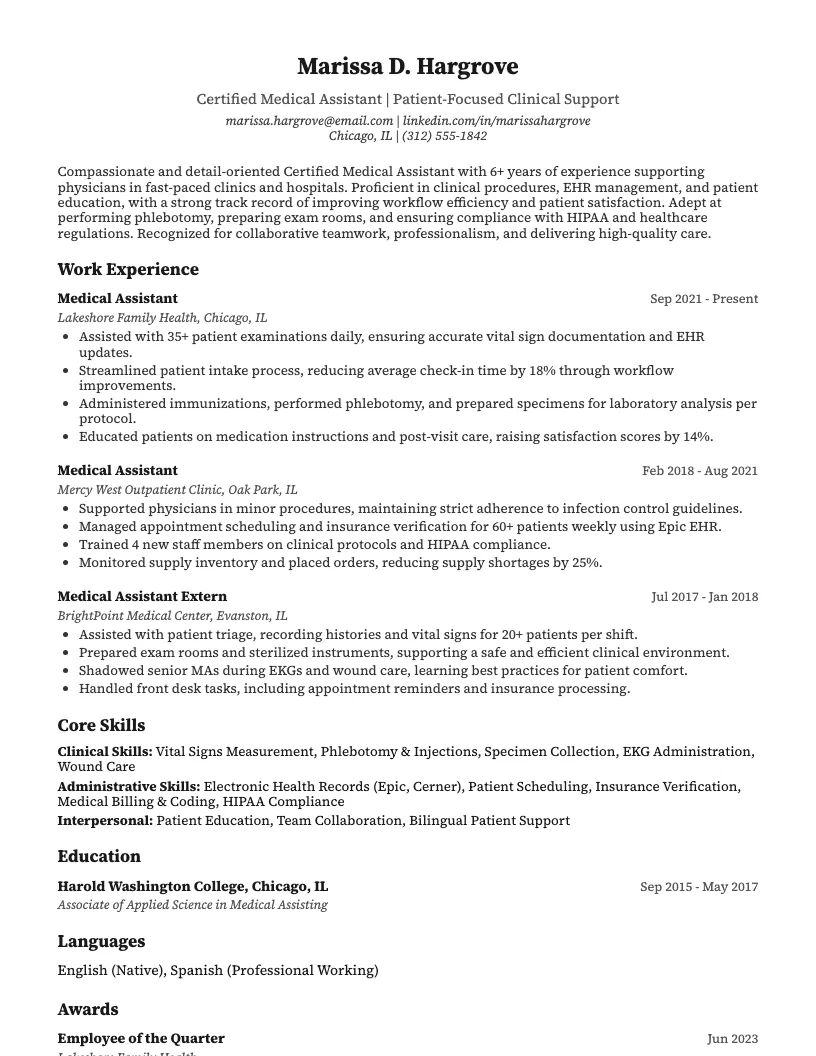
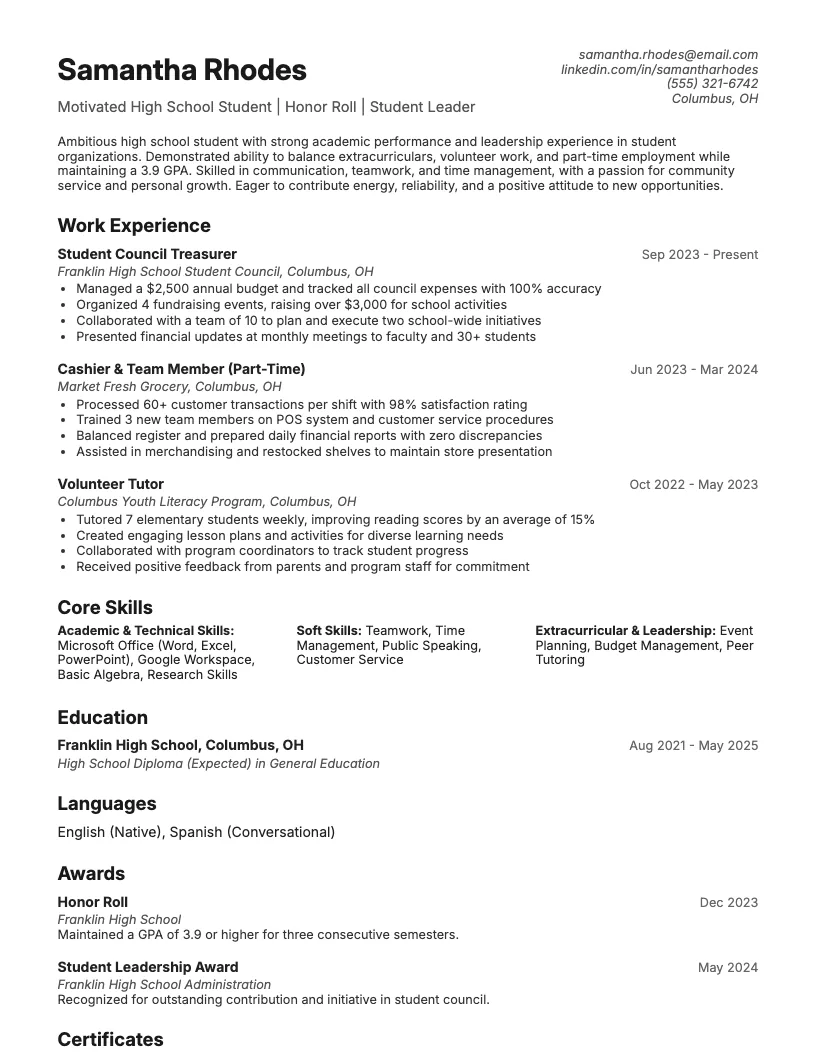
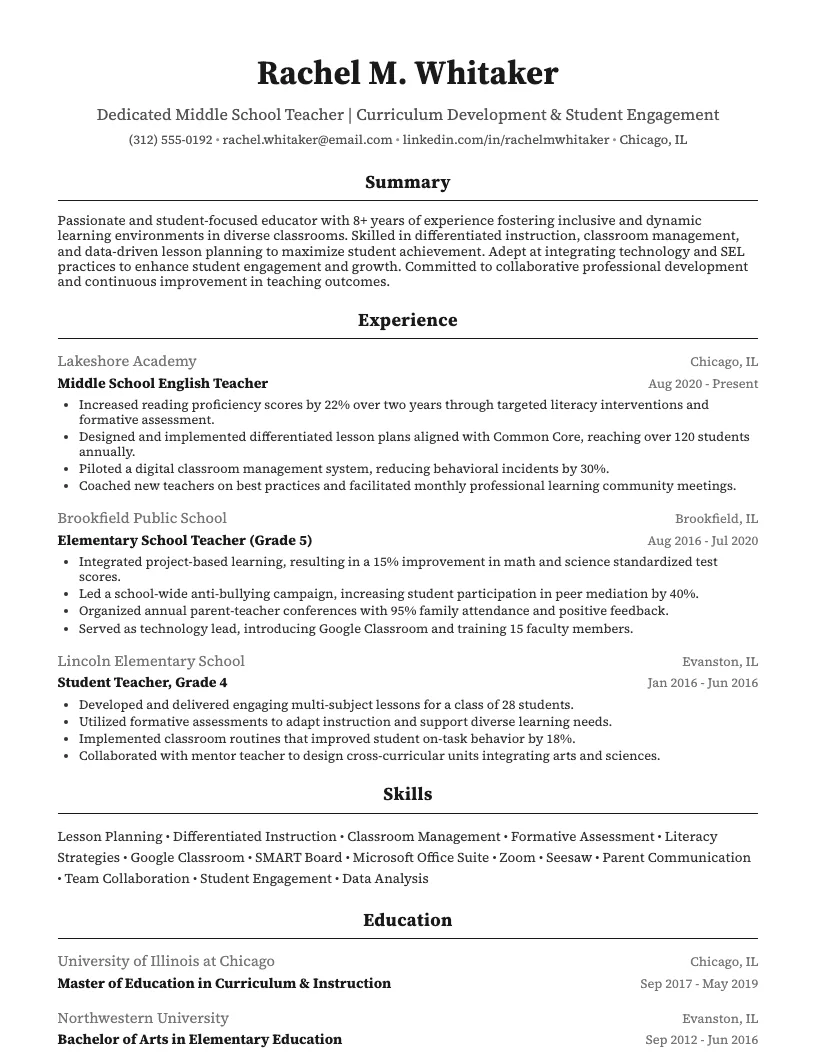
See these skills on a real resume
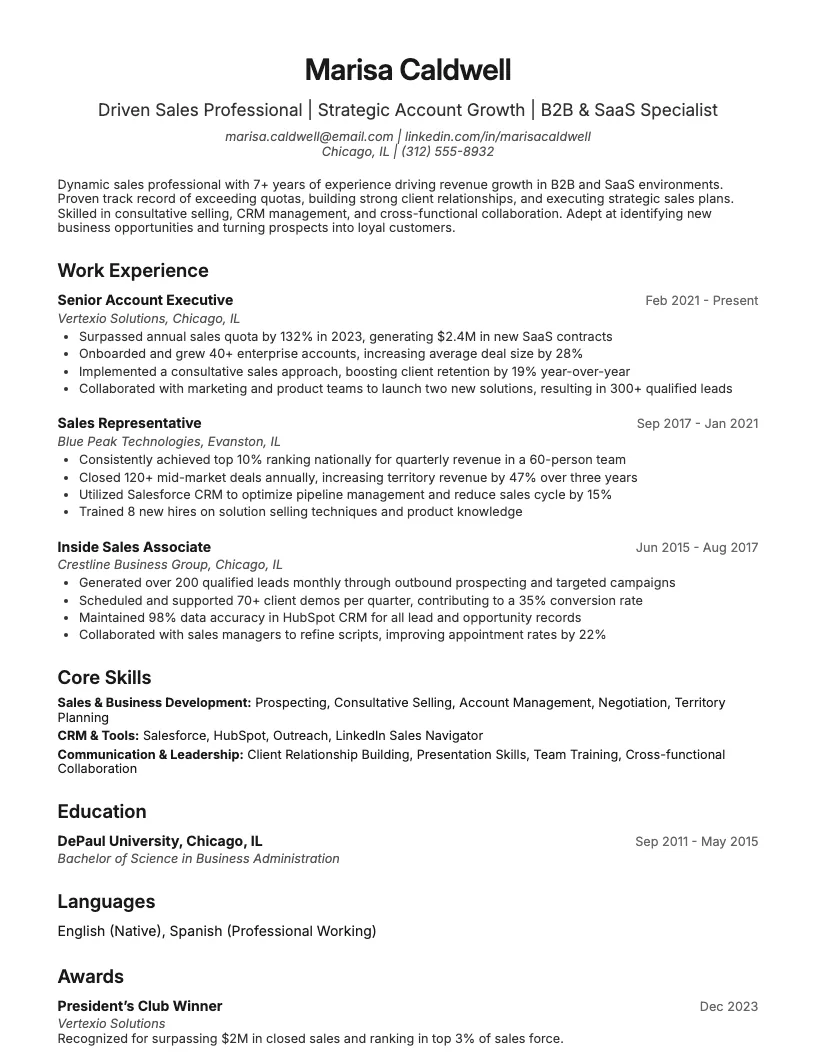
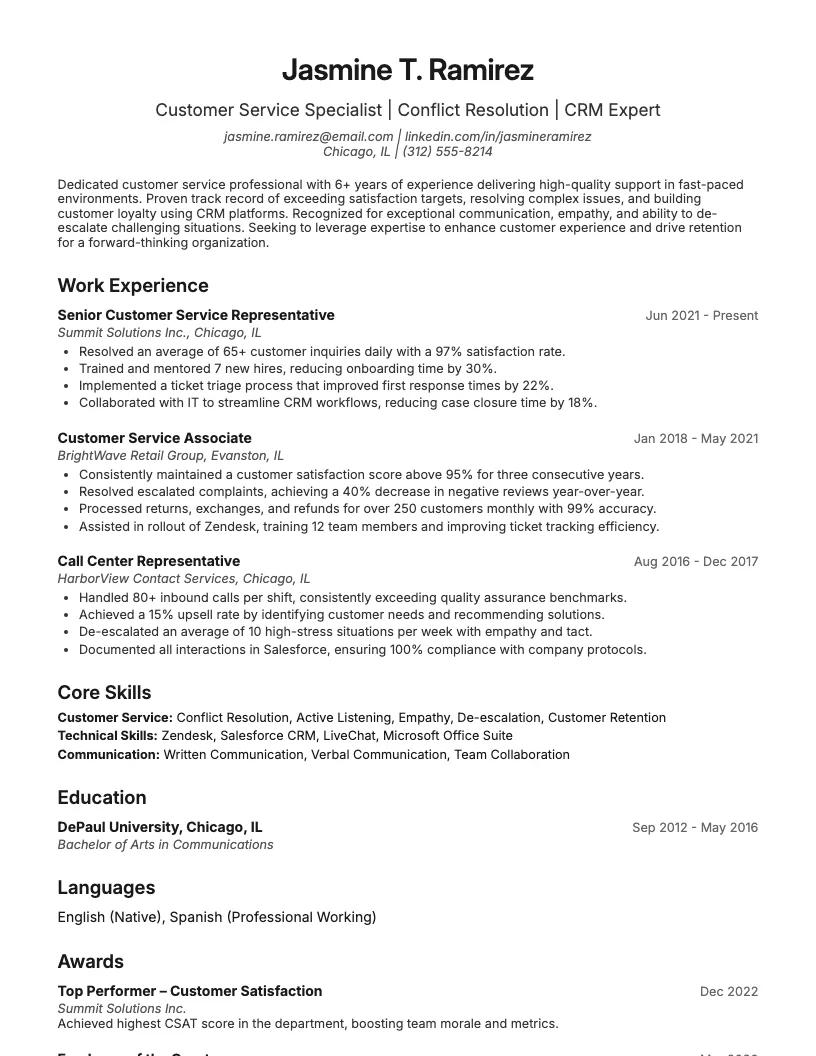
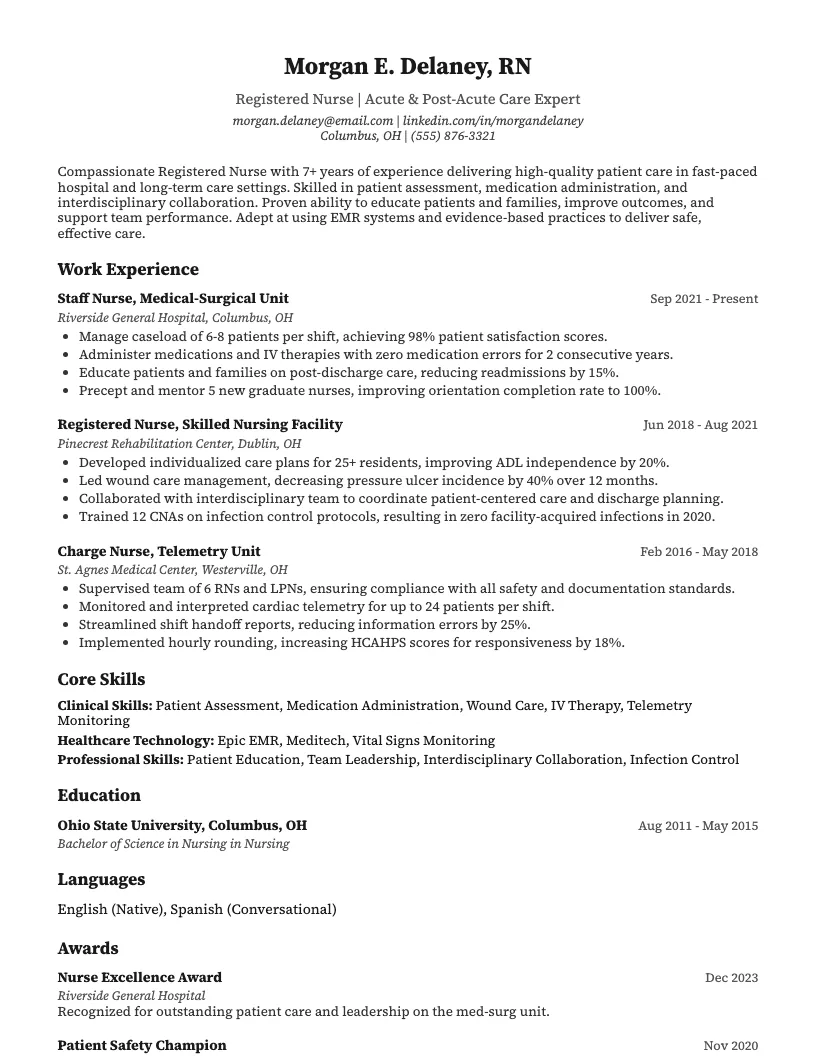
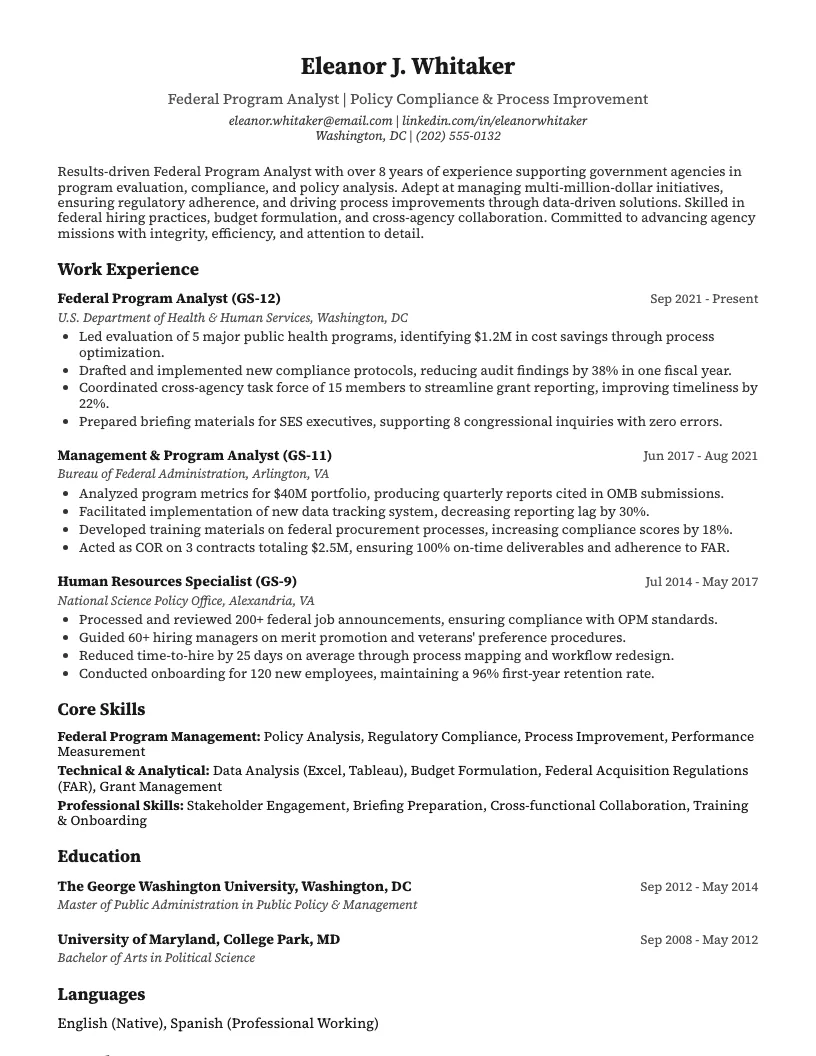
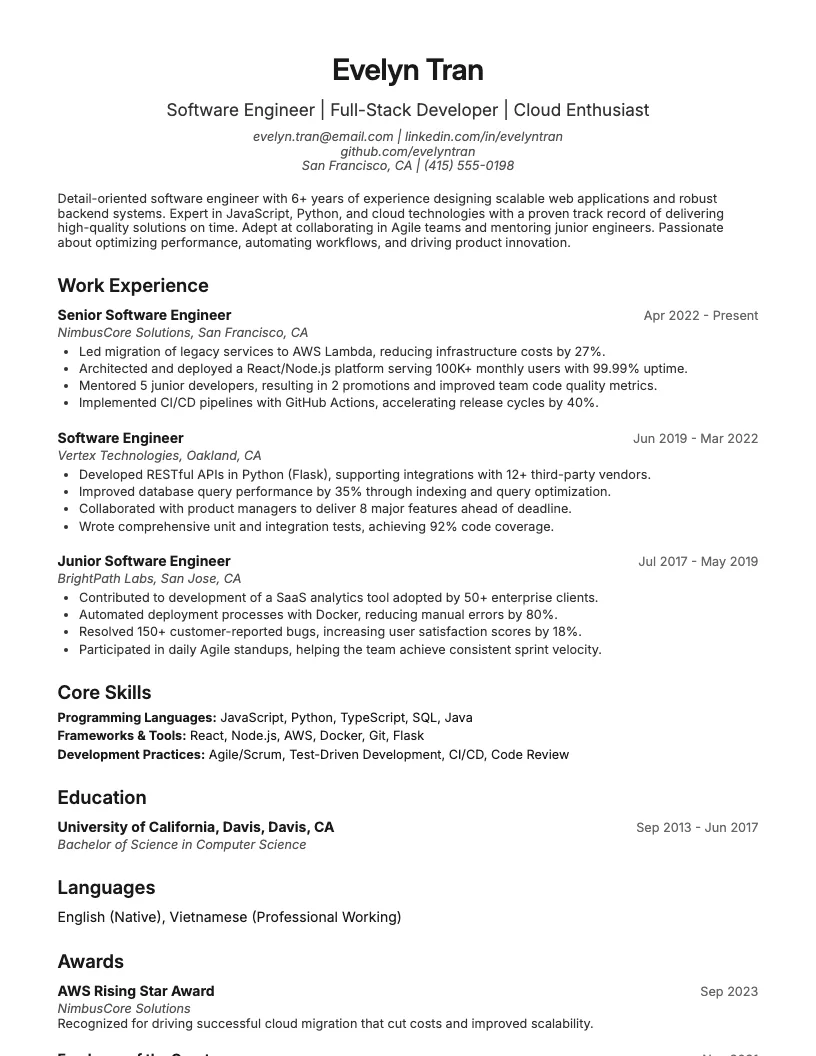
8 examplesStart from an example that already has them, and swap in your own.
Check your resume against the job you want
Scan your resume, see which skills and keywords the posting asks for that you are missing, and fix them before you apply.
Free to use • No credit card required