Keywords for Marketing Manager Resume: 12 Terms, 12 Tools I'd Use
I read hundreds of marketing manager resumes and pulled the 12 keywords and 12 tools that actually get noticed, plus how to fit them into your bullets.


Written by Dr. Priya Sharma
Career Development Expert & Resume Analyst
Updated August 2026
Reviewed by Sarah Chen
Is your resume ATS-friendly?
Drop your resume in and see which of these skills a scanner can actually read, and which ones the job you want is asking for that you have not listed.
PDF or DOCX. Max 2MB.
We never share your resume or use it to train a model.
In This Guide:
What keywords should be on a marketing manager resume?
What keywords should be on a marketing manager resume?

I've read a lot of marketing manager resumes, and the ones that get callbacks all hit the same handful of ideas. Not the same words necessarily, but the same substance.
Campaign management
This is the one everybody has, so it's also the one everybody writes weakly. "Managed campaigns" tells a recruiter nothing.
Say what you ran, across which channels, and for how long. Multi-channel, always-on, or campaign calendar are the words that show you owned the whole thing, not just one piece of it.
Go-to-market strategy
If you've launched a product or a feature, this belongs on your resume. It's one of the ten terms hiring managers are actively scanning for right now, because it signals you can plan a launch end to end, not just execute someone else's plan.
Demand generation
Different from campaign management, and I see candidates blur the two. Demand generation is about the pipeline you built, not the ads you ran.
If your job touched MQLs, lead scoring, or nurture flows, that's demand generation. Say so.
Brand strategy
This one's soft until you attach it to a decision. Positioning, messaging, or brand voice guidelines are the words that make it concrete.
A line like "owned brand positioning across three product lines" does more than the phrase "brand strategy" on its own ever will.
Marketing budget management
Name the number. Even a rough one.
"Managed $400K annual budget across paid and content" tells a hiring manager more in six words than a whole paragraph about being resourceful.
Team leadership
Say how many people, and whether they reported to you directly or you led them cross-functionally as a project lead. Both count, but they read differently, so be specific about which one you did.
Cross-functional collaboration
Nearly every list I've checked has this one, and for good reason: a marketing manager who can't work with sales, product, and design doesn't last long in the role. Name the teams.
"Partnered with product and sales on quarterly launches" beats the bare phrase.
Stakeholder management
This is cross-functional collaboration's sibling, but pointed upward instead of sideways. It's about keeping executives and clients aligned on what you're doing and why.
If you presented to leadership or managed a client relationship, that's stakeholder management, whether or not you've ever called it that.
Marketing ROI
I'd put this near the top of your list. Recruiters want proof you think about spend as an investment, not just a budget to burn.
Pair it with an actual return, a percentage, a revenue figure, anything that shows you tracked the outcome and not just the activity.
Customer acquisition cost (CAC)
This term shows up on nearly every keyword list I've checked for this role, and it's shorthand for one thing: you understand the finances of your own function. If you've ever had to justify spend against what it cost to bring in a customer, use the term.
It signals financial literacy, which is what separates a manager from an executor.
KPI tracking and reporting
Don't just say you tracked KPIs, name the ones you owned. Traffic, conversion rate, pipeline, whatever mattered in your role.
A resume that names its metrics reads as more credible than one that just claims to be "data-driven."
Marketing automation
This is about platforms in practice (you'll see the actual tool names in which tools and platforms should you name), but the keyword itself matters on its own. It tells an employer you can build and scale workflows instead of sending one-off emails by hand.
That's twelve terms, and the mistake I see most often isn't missing one of them, it's using all twelve without ever tying them to a result. A posting will only care about the five or six that match what it's actually hiring for, so before you commit to a final list, run your resume against the job description and see what's actually missing rather than guessing.
Which tools and platforms should you name?
Which tools and platforms should you name?
Every marketing manager posting has a tools stack buried in it somewhere, and it's the fastest ATS win on your whole resume. The words are exact, they're easy to check, and most people bury them in a paragraph instead of naming them plainly.
Group them by function - I've read hundreds of these, and a skills section that just dumps 20 tool names in one row reads worse than four short groups of three or four.
Google Analytics 4 (GA4)
If you've touched a marketing budget in the last three years, you've been in GA4. Name it exactly like that, not "Google Analytics" - the posting almost always says GA4, and matching that string matters more than you'd think.
HubSpot
The one CRM-and-automation name that shows up on nearly every marketing manager posting I've seen, B2B or B2C. If you ran campaigns, built workflows, or pulled reports in it, say so - don't just list it as a skill with nothing behind it.
Salesforce
More common on the B2B side, usually paired with a marketing automation tool sitting on top of it. If your job was feeding leads into a sales team's pipeline, this is the name that proves it.
Marketo
Enterprise B2B's answer to HubSpot. If a posting names it, put it on your resume exactly as written - Marketo and HubSpot experience aren't interchangeable to a hiring manager, even though the skills transfer fine in practice.
Google Ads
Paid search, still the backbone of most acquisition budgets. Pair it with a number if you can - spend managed, ROAS, whatever you tracked - because "Google Ads" alone tells a recruiter nothing about scale.
Meta Ads Manager
Facebook and Instagram ads live here now, and postings have mostly caught up to calling it Meta Ads Manager rather than "Facebook Ads." Use the current name.
Semrush and Ahrefs
The two SEO research tools that show up again and again. You don't need both - naming one you've actually used beats listing both to look thorough.
Mailchimp
Smaller-company email marketing, often alongside or instead of HubSpot. If you owned a list and wrote the campaigns yourself, this is worth its own line.
Hootsuite and Sprout Social
Social scheduling and reporting tools. Neither one is a differentiator on its own - what matters is pairing it with a result, like follower growth or engagement rate, in your bullets.
Tableau and Looker Studio
If part of your job was building the dashboard your VP actually opened, name the tool you built it in. This is also where a lot of "KPI tracking and reporting" claims get proven or exposed as vague.
Canva and Adobe Creative Suite
Nine times out of ten, a marketing manager posting that mentions creative tools is checking whether you can operate without a designer on every asset. Canva signals speed; Adobe signals depth.
List whichever is true.
Asana, Trello, Monday.com
Project management tools rarely make or break a resume, but they're cheap keywords to include if you actually ran campaign calendars through one. Don't force it if you didn't.
Once you've got your list, don't guess which of these actually matter for the role in front of you - pull them straight from the posting instead. ResumeJudge reads the posting and flags exactly which of your tools it's asking for and which ones you're missing, so you're not gambling on Marketo versus HubSpot with no evidence either way.
How do the keywords change with the type of marketing you do?
How the core keywords shift by specialty
| Specialty | Core keywords | Watch out for |
|---|---|---|
| Demand generation manager | Pipeline, MQLs, lead scoring | No lead numbers reads as junior |
| Brand marketing manager | Positioning, storytelling, consumer insights | CAC/ROAS reads mismatched |
| Product marketing manager | GTM strategy, launch planning, sales enablement | Name both product and sales side |
| Content and SEO manager | Keyword research, organic traffic, topical authority | No traffic number is the biggest gap |
| Paid media manager | ROAS, CAC, bid strategy | No dollar figure on spend managed |
| Social media manager | Engagement rate, content calendar | Name the actual platforms, not 'social media' |
The keyword list on the main list above is the baseline. Your specialty is what gets you past the first read.
Demand generation manager
This one's mostly numbers: pipeline, MQLs, SQLs, lead scoring, marketing qualified pipeline, conversion rate by stage. If your resume doesn't say how many leads you handed to sales, or what the pipeline was worth, a demand gen hiring manager reads it as junior.
Brand marketing manager
Different vocabulary entirely: positioning, brand strategy, brand awareness, storytelling, consumer insights, creative direction. I've reviewed a lot of brand resumes with CAC and ROAS sprinkled in because the candidate copied a growth-marketing template.
It reads as mismatched, not well-rounded.
Product marketing manager
Go-to-market strategy, launch planning, competitive analysis, sales enablement, positioning, buyer personas. Product marketing sits between product and sales, so the strongest resumes name both sides - what you shipped and what you got sales to actually use.
Content and SEO manager
Keyword research, content strategy, editorial calendar, on-page optimization, organic traffic, topical authority. Traffic and ranking numbers do more here than almost any other keyword - a content manager without a traffic figure on the resume is the biggest gap I see in this specialty.
Paid media manager
ROAS, CAC, budget pacing, bid strategy, A/B testing, attribution. Name the platforms - Google Ads, Meta Ads Manager - and the spend you managed.
A paid media resume with no dollar figure next to "managed budget" tells me the person hasn't actually owned one.
Social media manager
Community management, engagement rate, content calendar, influencer partnerships, platform-specific growth. Name the platforms you actually ran, not "social media" as a catch-all - a recruiter scanning for TikTok experience won't credit you for it if the word never appears.
B2B versus B2C
These are different jobs wearing the same title. B2B leans on pipeline, ABM, lead nurturing, sales alignment.
B2C leans on customer acquisition, retention, loyalty, omnichannel. Say which one you did, in plain words, in your summary - don't make the reader guess from context.
Agency versus in-house
Agency resumes should show client management, multi-account handling, fast turnaround. In-house resumes should show brand stewardship, cross-functional work, long-term strategy.
Once you know which type of marketing role you're chasing, run the actual posting through the steps below - ResumeJudge will compare your resume against that specific posting and tell you exactly which of these keywords you're missing before you send it.
How do you find the right keywords for the job you're applying to?
How do you find the right keywords for the job you're applying to?
I've read thousands of marketing manager postings, and the keyword list is never really a mystery. It's sitting right there in the job description.
Here's the process I walk people through.
Step 1: Pull the terms out of the job posting
Read the posting twice and underline every skill, tool, channel, and result it names. "Owns demand generation across paid and organic channels" gives you three keywords in one line.
Step 2: Sort them into channels, tools, metrics and leadership
Group what you underlined so the resume doesn't read like a word dump. Channels (paid social, email, SEO), tools (see which platforms to name), metrics (CAC, ROAS), and leadership (team size, budget owned).
Sorting first is what stops a list of keywords turning into a sentence.
Step 3: Cross out anything you can't back up with work you did
This is the step people skip, and it's the one that matters most. If you can't point to a campaign or a number behind a term, cross it off.
A recruiter asking one follow-up question exposes a borrowed keyword fast.
Step 4: Match the posting's exact wording, including the job title
If they call it "growth marketing" and you call it "performance marketing," use their word. Same with the title on your resume header.
This is the single biggest lever for getting past an ATS scan, more than any other trick I've seen tried.
Step 5: Redo it for each application
A resume tuned for a demand-gen role will undersell you for a brand role, and vice versa. This is the tedious part, and it's exactly what ResumeJudge does automatically: feed it the posting and your resume, and it flags what's missing and rewrites the wording to match, so you're not repeating this by hand for every job.
Where do the keywords go on the resume?
Is your resume good enough?
Drop your resume in and see which of these skills a scanner can read, and which ones the job you want is asking for that you have not listed.
Upload your resumeFree. PDF or DOCX. We never share your resume or use it to train a model.
Same keyword, six different spots on the page, and each one is doing different work. Put it in the wrong spot and it just sits there.
The summary
Your first three lines should tell a recruiter your specialty before they read anything else. Name your years of experience, the channels you run, your industry, and lead with your best growth or ROI number.
If you manage a team or a budget, say the size right there - "leads a team of six on a $2M paid media budget" tells them more in one line than a paragraph of duties.
The core competencies list
Right after the summary, list 10-16 skills, comma-separated, mixing channels with tools. I always tell people to pull these straight from the posting, in the posting's exact wording.
Group related skills if the list gets long: paid media on one line, analytics on the next.
Experience bullets
This is where keywords have to prove themselves. A bullet that names a channel, a tool, and a result beats a duty statement every time - "ran paid social on Meta and LinkedIn, cut CAC 22%" does more work than "responsible for social media."
More on turning a flat bullet into one like that under how you write a keyword into a bullet so it counts.
A key campaigns section
If you've led two or three campaigns worth bragging about, give them their own section: objective, strategy, execution, result. It's the one place you can show scope - budget, team, channels - without cramming it into a single bullet line.
Certifications and education
List GA4, HubSpot, or Meta certifications by name, plus any marketing degree or MBA. These are quick, easy keyword hits that also just make you look current.
How many keywords to use
Spread them naturally across summary, skills, and bullets rather than stacking them in one place - a resume that's all keywords in the skills section and nothing in the bullets reads as padded. For what the total should come to, see common questions about marketing manager resume keywords.
How do you write a keyword into a bullet so it counts?
A keyword sitting alone in a list is worth something. The same keyword inside a bullet with a number next to it is worth a lot more - that's what actually moves you up the pile once a human opens the resume.
I've read enough of these to know the pattern instantly. The bullet names a task and stops there.
No channel, no scale, no result. Here's what that looks like fixed, task by task.
Weak: "Managed social media" → Strong: named channel, budget, result
A social media bullet
Managed social media
Led social strategy across LinkedIn and Instagram (150K+ combined followers), driving an 85% increase in organic traffic and 2,400 monthly leads
"Managed social media" tells a recruiter nothing they can act on. Name the platforms, the following, and what moved because of you: "Led social strategy across LinkedIn and Instagram (150K+ combined followers), driving an 85% increase in organic traffic and 2,400 monthly leads."
Weak: "Was in charge of email marketing" → Strong: named tool, list size, revenue
An email marketing bullet
Was in charge of email marketing
Built automated nurture sequences in HubSpot for an 85K-subscriber list, generating $2.1M in attributed pipeline
Passive phrasing like "was in charge of" buries you before the reader even gets to what you did. Swap it for the tool, the list size, and the money: "Built automated nurture sequences in HubSpot for an 85K-subscriber list, generating $2.1M in attributed pipeline."
Weak: "Worked on campaigns" → Strong: named strategy, segment, lift
A campaigns bullet
Worked on campaigns
Led multi-channel campaigns targeting mid-market accounts, lifting engagement 35% through audience segmentation
"Worked on" is the phrase I flag most - it hides whether you led the thing or sat in on a meeting about it. Name the strategy and the segment instead: "Led multi-channel campaigns targeting mid-market accounts, lifting engagement 35% through audience segmentation."
Numbers a marketing manager can use: pipeline, MQLs, ROAS, CAC, conversion rate, traffic
If you're short on which number to reach for, this is the list: pipeline generated, MQLs, ROAS, CAC, conversion rate, traffic growth. Any one of them turns a task into proof.
Team size and budget belong in the bullet
Don't save "managed a team of six" or "$1.2M budget" for the summary alone - drop them into the bullet where the work actually happened. Scope is a keyword too.
Where keyword stuffing shows
Stuffing shows the second a bullet reads like a word list wearing a sentence's clothes. Pick the highest-signal term for that line and let it carry a result, rather than cramming three in.
If you're not sure which of your bullets are still doing this, running the resume against the actual posting is the fastest way to see it - ResumeJudge will flag the ones that need a rewrite and do the rewrite for you, in the wording that posting uses.
Frequently Asked Questions
How many keywords should I put on my resume?
There's no fixed number - aim for what the specific posting actually asks for, which usually lands around 15-25 keywords, tools, and skills combined once you count the whole resume, not just a skills line. Too few and you don't show enough breadth; too many crammed in and it reads as keyword stuffing rather than real experience. ResumeJudge can scan your resume against the actual job description and show you exactly which of its keywords are still missing, so you're matching that posting instead of guessing at a count.
Should I repeat the same keyword more than once?
Yes, within reason. Once in your skills list and once or twice more inside a bullet point where you actually used that skill is normal, since it shows you didn't just paste the word in - you did the work. Repeating the same phrase in every single line, though, reads as stuffing and can work against you with a human reader.
Can I list a tool I've only used a little?
Only if you can talk about it honestly in an interview. It's fine to list a tool you've touched briefly, but don't phrase it the same way you'd phrase a tool you're fluent in - a line like "assisted with" or "familiar with" is more accurate than claiming full ownership. If a posting keeps asking for a tool you don't really know, a short course or a small side project is a faster fix than hoping nobody asks.
Will a designed, multi-column resume hurt me?
Yes, in most cases. Multi-column layouts, icons, and heavy graphics are frequently misread or scrambled by the applicant tracking systems that scan resumes first, which can drop your keywords along with the formatting. Save the visual design for a portfolio or LinkedIn, and keep the resume itself a clean, single-column document that parses correctly.
Can I use the same keyword list for every marketing job?
No. Your core marketing skills stay fairly constant, but the specific tools, channels, and metrics a posting names will shift from job to job, and those are exactly the terms its ATS is scanning for. Sending one fixed list to every application means missing whatever that employer called out specifically. ResumeJudge takes your resume and the job description together and rewrites the wording to match that posting, so you're not manually reworking your keyword list for every application.
Do I need a portfolio as well as the resume?
Yes, for most marketing roles they serve different purposes. The resume is what gets you past the ATS and the first scan, while a portfolio of campaigns, creative work, or data results is what convinces a hiring manager once a person is actually looking at your work. Put the portfolio link in your header or contact section so it's easy to find.
What if I don't have experience with the newer keywords like AI tools or GA4?
Be honest rather than listing tools you haven't actually used - name what you do have real experience with, and treat gaps like AI copywriting tools or GA4 as something worth closing before your next application, whether through a short course or a small side project. Employers weight hands-on experience over a keyword sitting on a page, so even a small real project beats an unearned bullet point.
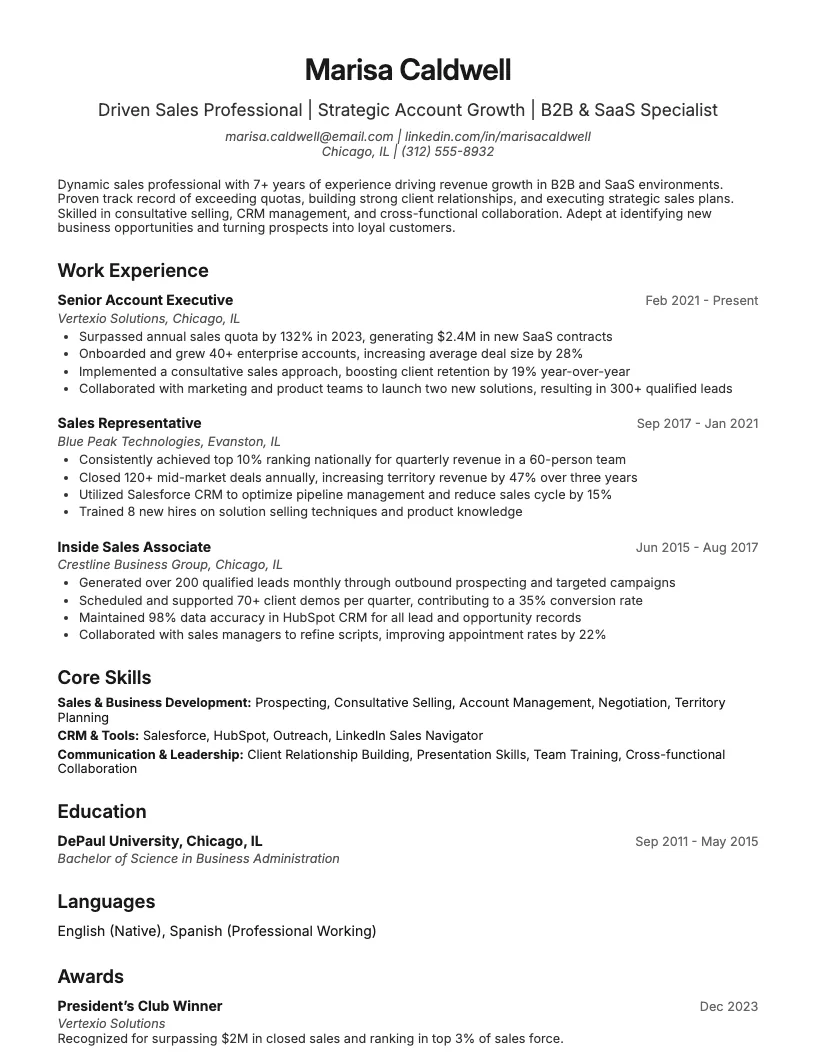
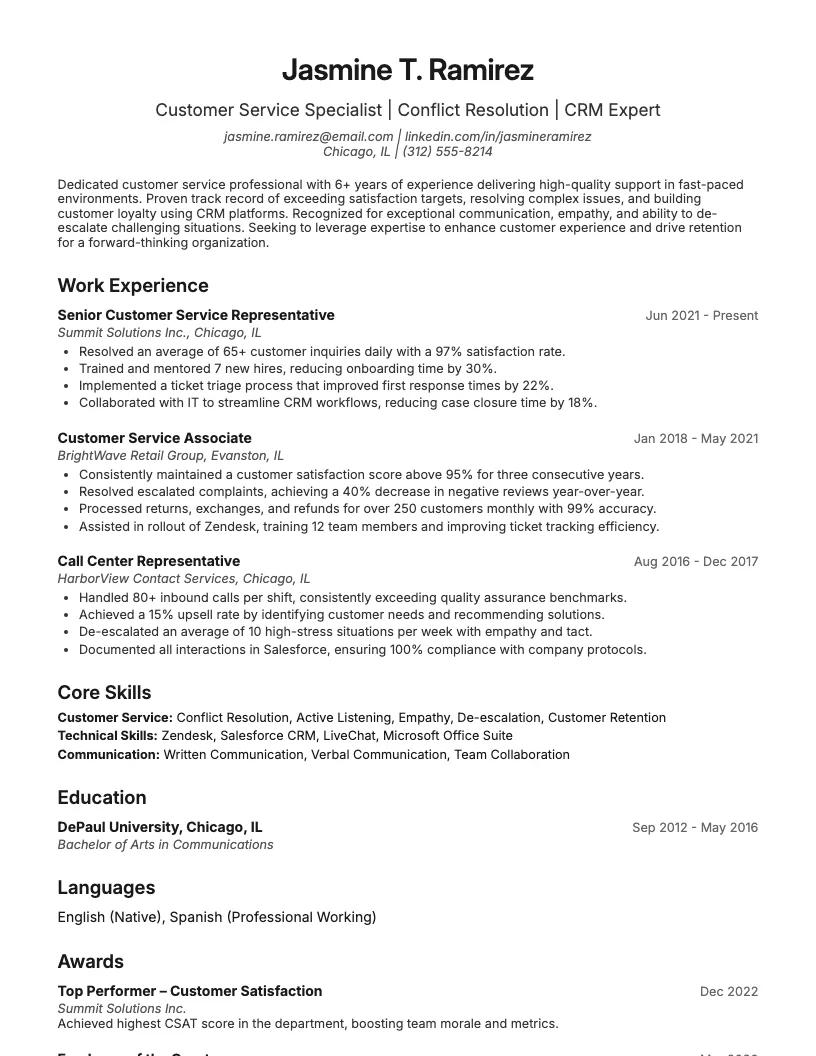
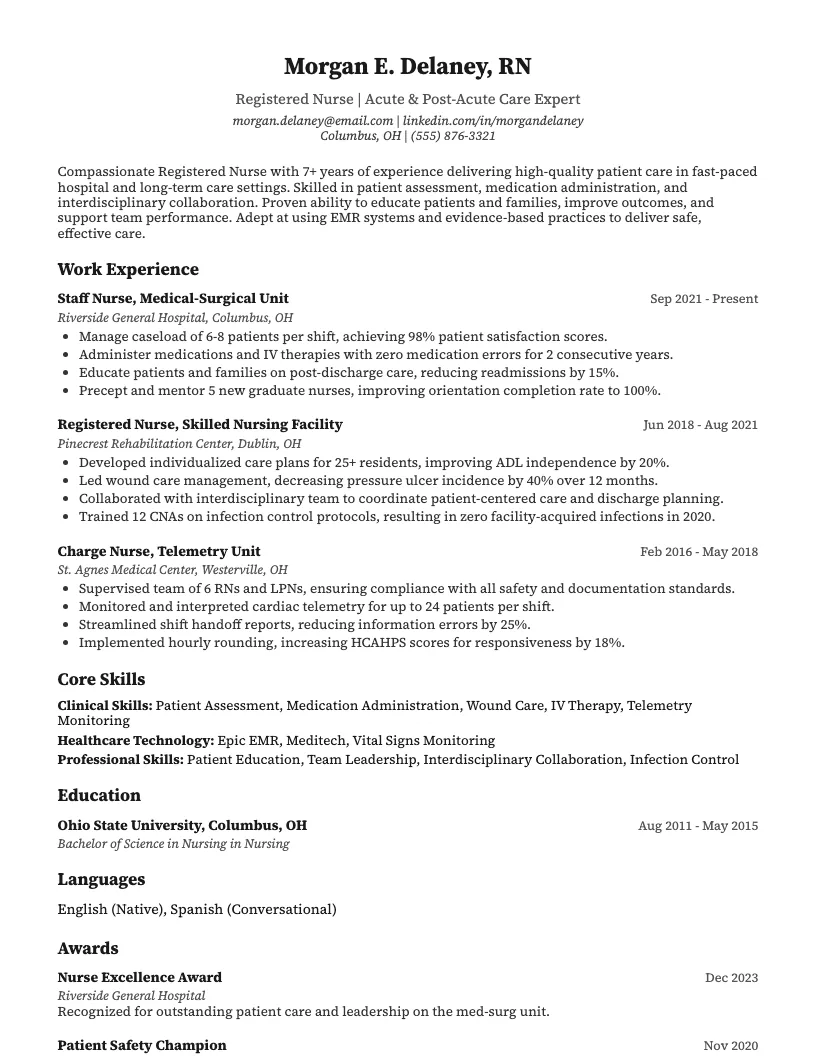
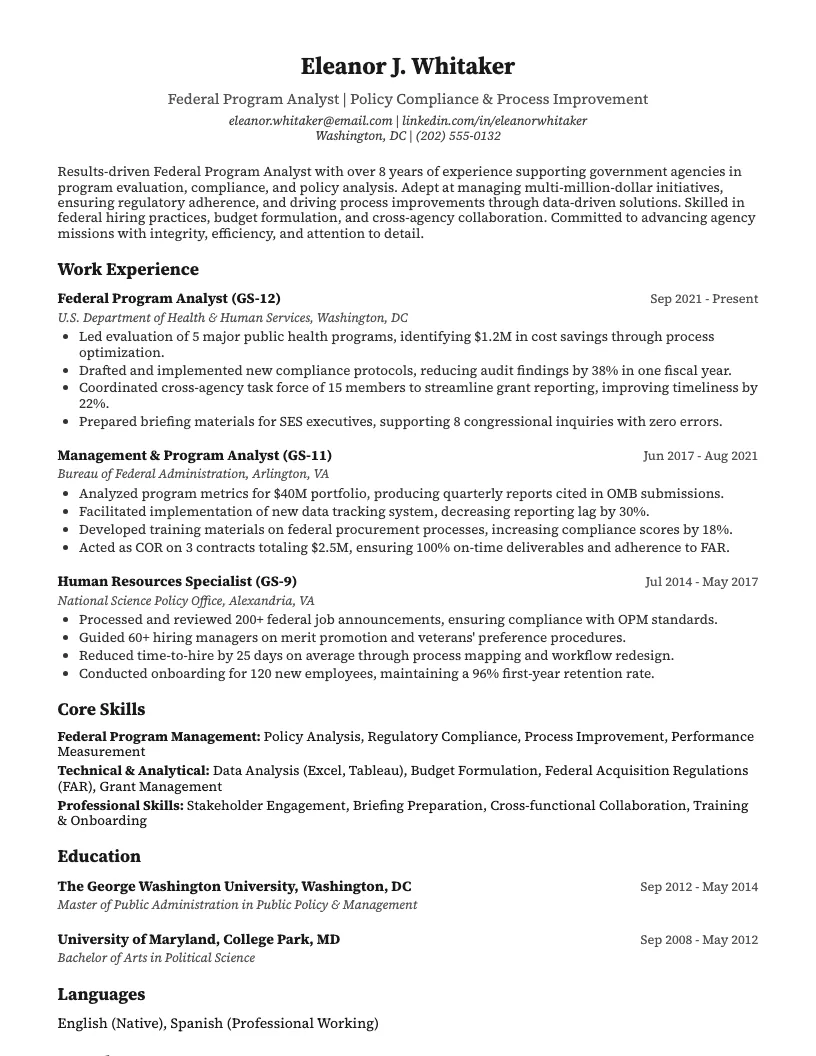
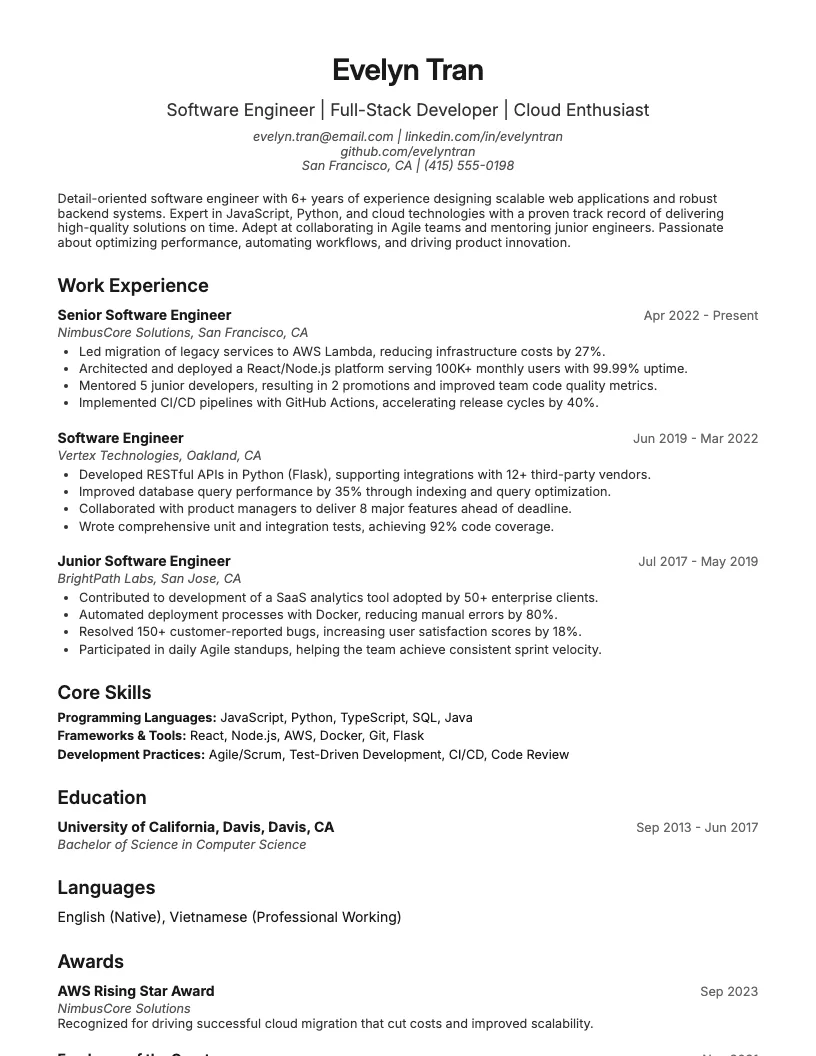
See these skills on a real resume
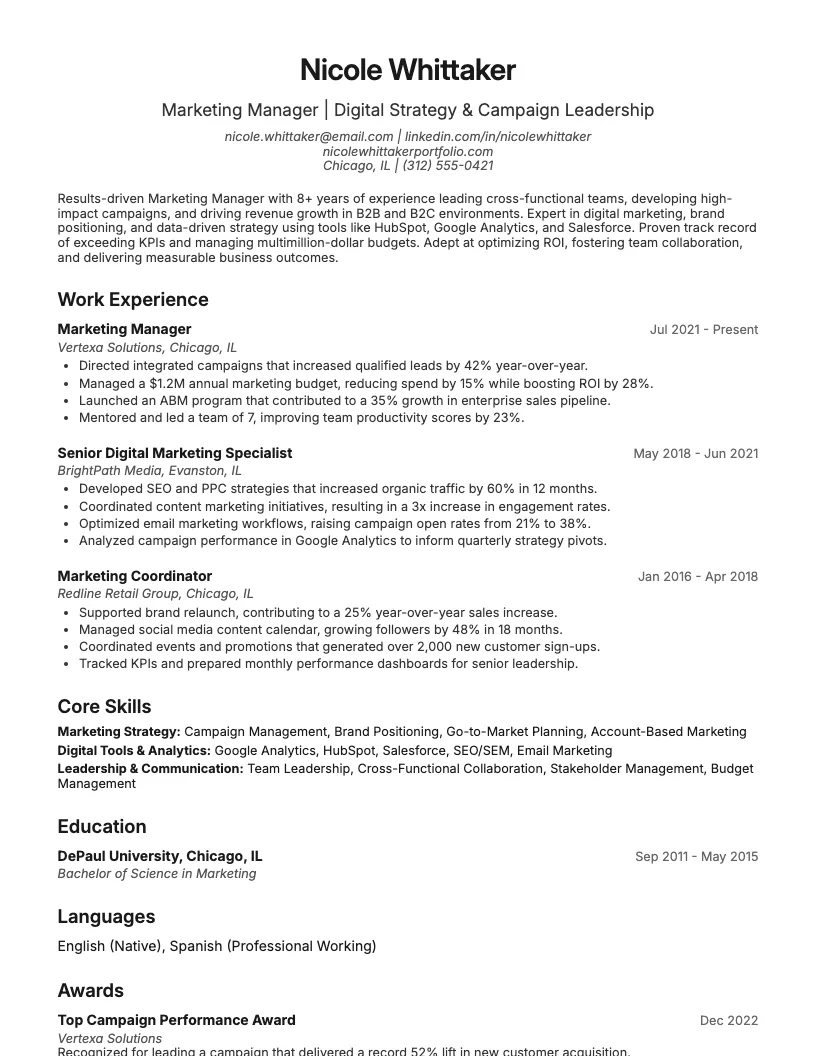
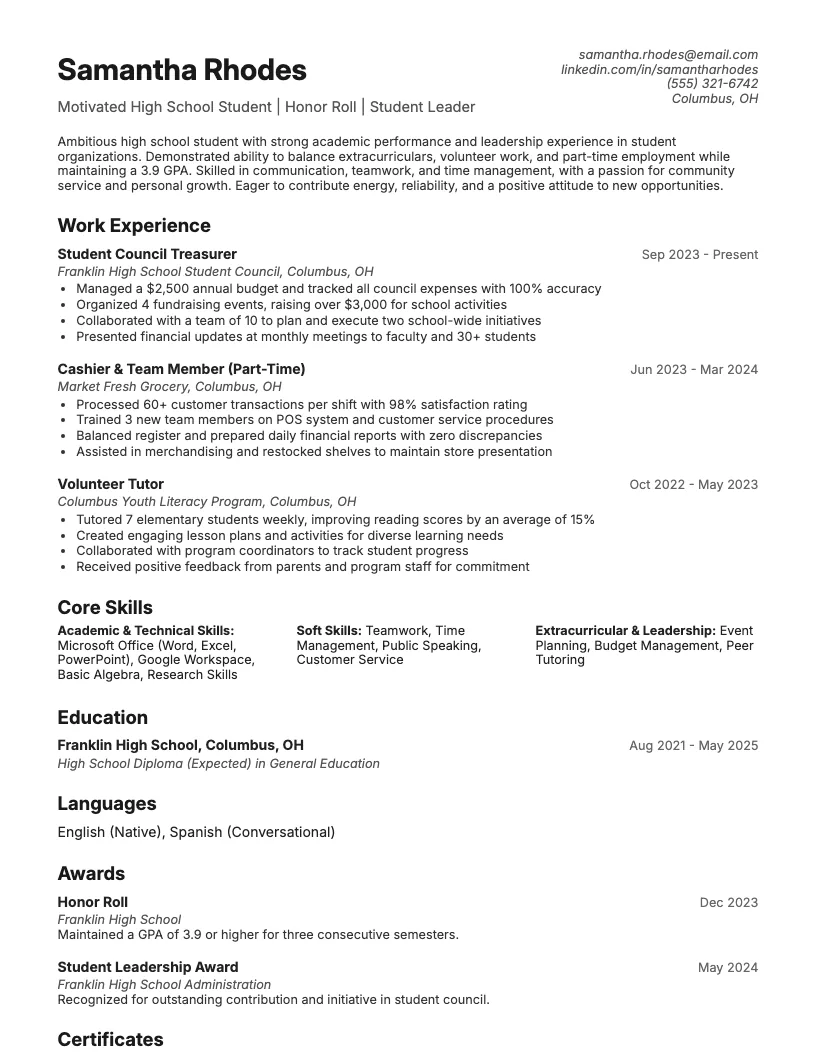
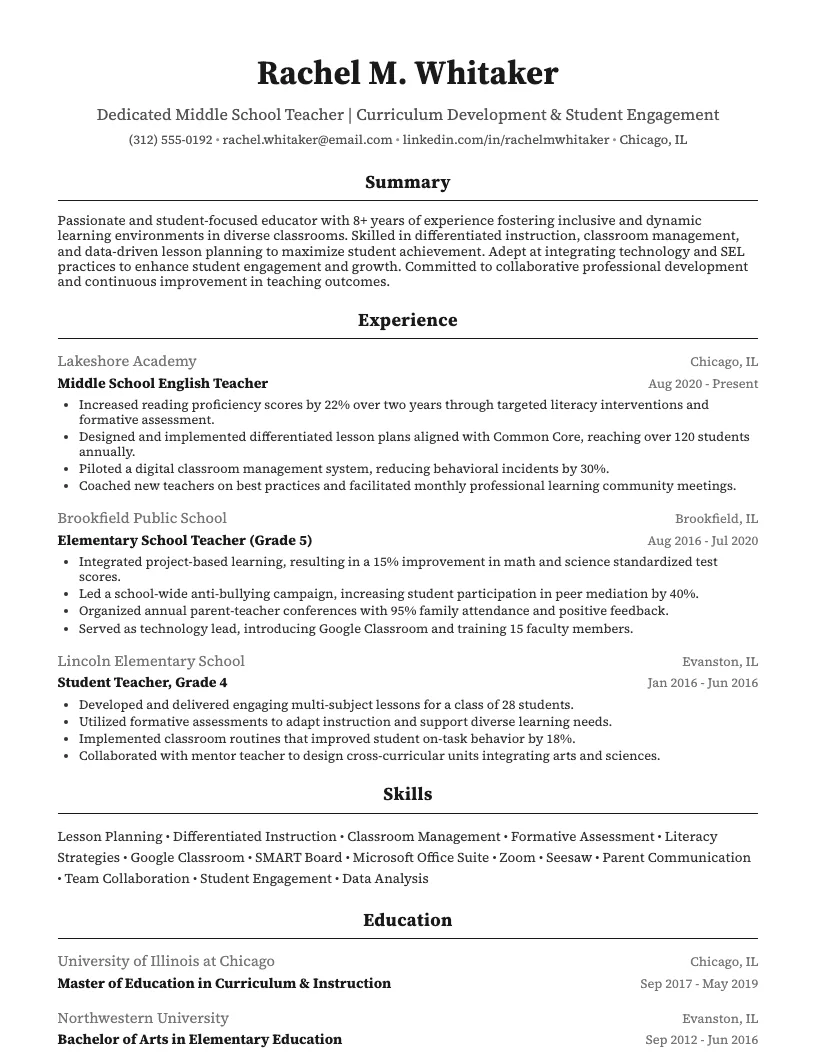
8 examplesStart from an example that already has them, and swap in your own.
Check your resume against the job you want
Scan your resume, see which skills and keywords the posting asks for that you are missing, and fix them before you apply.
Free to use • No credit card required