Marketing Intern Resume Keywords: 12 to Use, 6 to Skip
See the 12 keywords marketing intern postings actually want, the 6 to leave off your resume, and how to pull the right ones from any single job posting.


Written by Marcus Rodriguez
ATS Optimization Specialist & Career Coach
Updated August 2026
Reviewed by Dr. Priya Sharma
Is your resume ATS-friendly?
Drop your resume in and see which of these skills a scanner can actually read, and which ones the job you want is asking for that you have not listed.
PDF or DOCX. Max 2MB.
We never share your resume or use it to train a model.
In This Guide:
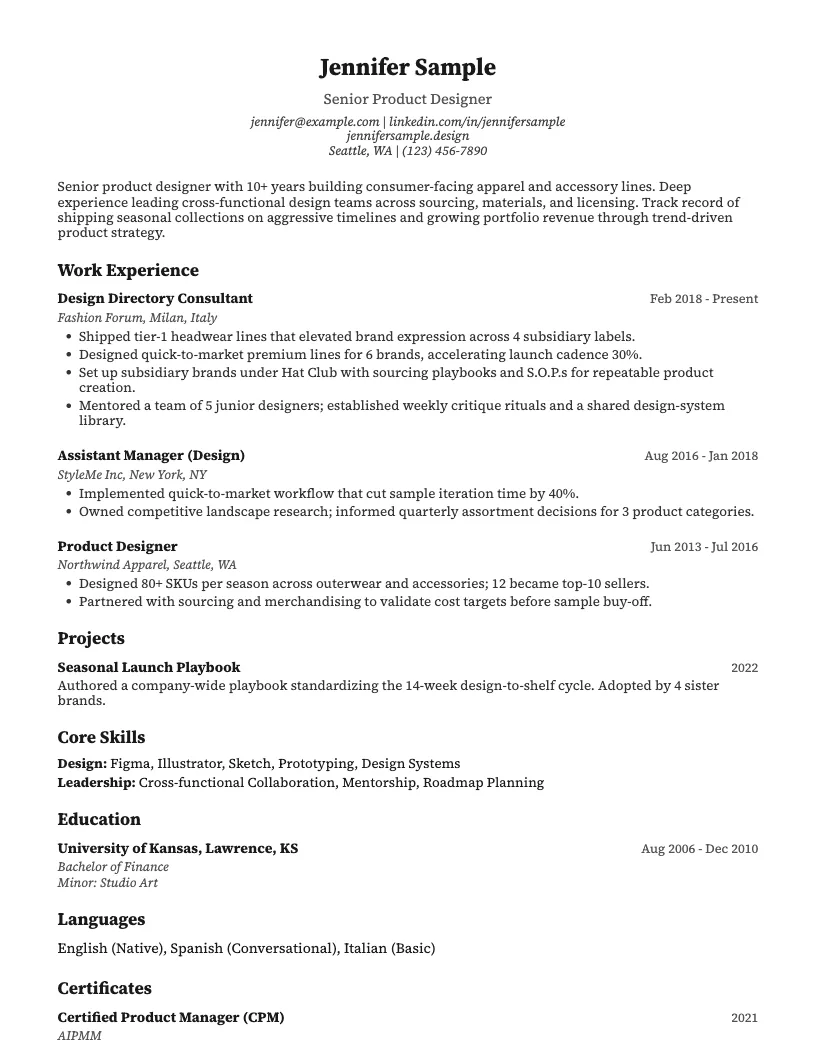
What keywords do marketing internship postings actually ask for?
What keywords do marketing internship postings actually ask for?

I've read through a lot of marketing intern postings, and they all circle back to the same dozen or so things. Learn these and you can speak the language of nearly any posting in this space.
Social media management
This is the one every posting wants, and it's also the one you probably already have. Running a club Instagram or posting for a friend's small business counts, and I'd list it as social media management, not "posted on Instagram sometimes."
Content creation
TikToks, Reels, blog posts, graphics - if you've made any of it, this is your keyword. Postings care less about the platform and more about proof you can produce something on a deadline.
Market research
Any time you've pulled data on competitors, customers, or a market for a class project, that's market research. Name it that on your resume instead of describing the assignment.
Copywriting
Captions, email subject lines, a blog post, a flyer for a campus event - all copywriting. Companies use this word because it signals you can write for a brand's voice, not just for yourself.
Google Analytics (GA4)
Here's a stat worth knowing: a free GA4 course reportedly puts you ahead of 90% of other student applicants. That's a couple hours of work for a real edge, and I'd tell any intern candidate to knock it out this week.
Canva
Canva has basically become the standard design tool for people who aren't designers. If you've built a flyer, a slide deck, or an Instagram graphic in it, put it down - it tells a hiring manager you can produce visuals without needing a design team.
Email marketing
Newsletters, drip campaigns, even a single email blast for a club count here. Postings usually pair this with copywriting, so if you have one you often have the other.
SEO basics
You don't need to be an expert. Knowing what a keyword is, what a meta description does, or how to read a basic ranking report is enough to legitimately claim this one.
Excel and Google Sheets
Nearly every posting mentions spreadsheets somewhere, because interns spend real time in them - tracking budgets, logging campaign numbers, building simple reports. Don't skip this thinking it's too basic to list.
Team collaboration
Marketing teams and agencies move fast and rarely work solo, so this gets called out constantly. A group project, a team fundraiser, a shared social calendar with classmates - all of it applies.
Time management
Juggling classes and a job is exactly the proof employers want here. Say it plainly rather than hoping your GPA implies it.
Presentation skills
PowerPoint or Google Slides, presenting to a class, a club, or a manager - this is what postings mean by presentation skills. If you've stood up and walked people through slides, you have this.
The mistake I see most often: students list these as a bare word cloud with nothing behind them. Once you've got your list built, run it against the actual posting - ResumeJudge will show you exactly which of these it's asking for that your resume doesn't back up yet, so you're not guessing.
Which keywords should you skip because you are an intern?
Strategic planning
Skip it. That phrase belongs on a marketing director's resume, not yours, and a recruiter reading it next to "intern" in your title notices the mismatch right away.
Budget management
Same problem. Unless you actually approved spend on a campaign, leave this one out - it reads as copied from a job posting rather than something you did.
Team leadership
You can absolutely claim collaboration - working with a group on a class project or running a club account counts. "Leadership" implies you managed people, and most internships don't ask for that.
"Microsoft Office" with nothing after it
I've seen this on hundreds of intern resumes and it tells a recruiter nothing. Name the actual tool instead - Excel for pulling campaign numbers, or Google Sheets for tracking a content calendar - the same way you'd swap a vague skill for something like Hootsuite or Canva.
"Passionate about marketing"
Every intern writes this, so it cancels itself out. Show the passion instead: a personal Instagram you grew, a blog you write, a TikTok shop you run.
Tools you have only read about
If you've never opened HubSpot, don't list it - a hiring manager can ask one follow-up question and find out. This is exactly the kind of gap ResumeJudge flags when it checks your resume against a real posting, before a recruiter does.
Which keywords match the kind of internship you are applying for?
Some postings blend two tracks in one listing - a 'social media and content' internship, say. Read the bullets closely before you pick just one list to pull from; you may need keywords from both.
Every marketing intern posting says "marketing," but the seven jobs behind that word barely overlap. Match your resume to the actual role, not the department name.
Social media intern
Lead with the platforms you run, not just social media management: TikTok, Instagram Reels, Community Management, Content Calendar. If you've used Hootsuite, CapCut, or Later, name them.
Swap vague verbs for what you actually did - curated, scheduled, filmed, engaged.
Content marketing intern
This one leans on writing, not posting. Blog writing, proofreading, newsletters, and SEO basics.
If you've touched WordPress, say so - it's a named tool recruiters scan for.
Drafted, edited, published, researched - those verbs signal you can carry a piece from idea to live page.
Digital marketing and analytics intern
Analytics-track postings care less about creativity and more about whether you can read a spreadsheet. Data entry, reporting, pivot tables, competitor analysis, and Excel and Google Sheets.
I'd rather see "analyzed" and "tracked" on this resume than "passionate about data."
SEO intern
Get specific: keyword research, on-page SEO, backlinks, Google Search Console. A general "SEO basics" line reads thinner than naming the tool you practiced with.
Graphic design intern
Canva and basic brand consistency carry this one. If you've built anything for a campaign - a flyer, a social graphic, a slide deck - that's your proof, not your software list.
Public relations intern
Media outreach, press releases, pitching - even a single email pitch to a local outlet counts here.
Event marketing intern
Vendor coordination, logistics, promotion. If you helped run a campus event end to end, that's the story this section wants.
Not sure which track fits your background? Run the posting and your draft through ResumeJudge - it'll tell you which of these keyword sets you're actually missing before you send anything.
Where do these keywords go on your resume?
Where do these keywords go on your resume?
Right placement matters as much as picking the right words. A recruiter I've talked to skims a resume in under ten seconds, so keywords in the wrong spot might as well not be there.
Summary
Skip the objective statement about what you're hoping to learn. Nobody cares.
Two or three lines naming your major, your strongest skill area (say, social media management or content creation), and one concrete result if you have one. That's it.
Skills section
This is where an ATS scanner looks first, so don't waste it on "Microsoft Office" and "team player." Name actual tools: Canva, Google Analytics, Excel.
If you're not sure which ones to list, ResumeJudge will scan the internship posting and tell you exactly which keywords from it are missing off your resume.
Experience bullets
An experience bullet
Managed social media accounts
Grew Instagram followers 100-150% using scheduled posting and copywriting
Every bullet should pair a tool or skill with a number.
No paid marketing job yet? Pull bullets from retail, a class project, or a club - see how to use these keywords with no experience.
Academic projects
If you don't have an internship yet, a capstone or class campaign project earns its own section. For how to write those bullets, see a class group project.
I've seen students land interviews off a project bullet alone, because it's the only concrete proof of skill on the page.
Education and coursework
List relevant classes by name - Digital Marketing Strategy, Consumer Behavior - not just "Intro to Business." Vague course titles don't match anything a scanner is looking for.
Certifications go here too; more on which ones are worth it in which certifications get you past the keyword screen.
Clubs and volunteering
Marketing club, campus paper, a nonprofit's Instagram - these count if you write them like work, not a membership list. Say what you did and what changed because of it.
Once your bullets are in place, run the whole resume against the actual posting - ResumeJudge rewrites the wording section by section to match it, and writes the cover letter to go with it.
How do you use these keywords when you have no marketing experience?
How do you use these keywords when you have no marketing experience?
Almost every intern applicant tells me the same thing: they've never held a marketing job, so they don't know what to put under experience bullets. You have more than you think.
You just haven't described it in the posting's language yet.
A class group project
A group project where you built a fake go-to-market plan counts. Name the deliverable: market research, a positioning slide, a presentation to the class.
That's three keywords from a real assignment.
Running a club or sorority Instagram
If you posted for a club account, you did social media management and content creation. Say what grew - followers, likes, event turnout - even a rough estimate beats nothing.
A retail or restaurant job
Retail and restaurant work teaches customer communication and time management, both on the list of what postings ask for. Recruiters know a marketing intern's first "real" job is rarely marketing.
A personal blog, TikTok, or Etsy shop
A blog or shop you run yourself is content creation, copywriting, and basic analytics rolled into one, and it shows initiative nobody assigned you.
Volunteering for a local business or charity
Volunteering for a business or charity is often the closest thing you have to a real client - use it the same way.
Weak bullet vs. rewritten bullet
A club leadership bullet
Ran Instagram for my sorority
Managed social media strategy for a 120-member organization, growing engagement 20% through weekly content creation
Once you've got a bullet like that, run it against the actual posting - ResumeJudge will tell you which of its keywords you're still missing and rewrite the line to fit.
Which certifications get you past the keyword screen?
Which certifications get you past the keyword screen?
If you've got no marketing job on your resume yet, a certification is the fastest way to close that gap. Some are free and others charge for the exam, but either way it's a few hours of work, and it tells a hiring manager you went and learned the tools on your own instead of waiting for someone to teach you.
Google Analytics 4
This is the one I'd get first if I only had time for one. GA4 shows up constantly in digital marketing and analytics intern postings, and it's free from Google.
HubSpot Inbound Marketing
Also free, also fast, and it covers the vocabulary - lead generation, email marketing, content strategy - that shows up across almost every posting on this page.
Meta Blueprint
Worth it if you're going for anything with paid social in the title. It's Meta's own certification for running and reading ads on Facebook and Instagram.
Google Ads
Pairs well with GA4 - one shows you can read the numbers, the other shows you can run the campaign that produces them.
Hootsuite Platform Certification
Smaller name recognition than the others, but it's a quick way to back up social media management on your resume with something more than a claim.
Where to list them
Put them in your education section, right under your degree, not buried in a skills line. I've reviewed resumes where a candidate had two certifications and still hid them at the bottom - that's backwards, since a recruiter scanning in ten seconds reads top to bottom.
If you're not sure which certifications actually match a posting's language, ResumeJudge will scan the job description against your resume and tell you what's still missing before you apply.
How do you pull the right keywords out of one job posting?
Is your resume good enough?
Drop your resume in and see which of these skills a scanner can read, and which ones the job you want is asking for that you have not listed.
Upload your resumeFree. PDF or DOCX. We never share your resume or use it to train a model.
Forget generic lists. The posting you're actually applying to has already told you what to write - most people just don't read it that way.
Step 1: Copy the posting into a blank document
Paste the whole thing in, not just the bullet points. Company blurbs and "day in the life" paragraphs hint at tools and priorities too.
Step 2: Mark every tool, platform, and skill named
Highlight anything specific: Canva, Google Analytics, "email marketing," "content calendar." Vague phrases like "team player" don't count here.
Step 3: Note which ones appear more than once
A word repeated in the title, the bullets, and the "about you" section is what the ATS is weighted to catch. I've seen postings mention "social media" four different ways in one paragraph - that's not an accident.
Step 4: Match them to something you have actually done
For each highlighted term, ask where you've touched it - a class project, a club Instagram, a part-time job. If nothing matches, skip the term rather than faking it.
Step 5: Reword your bullets in the posting's own terms
If the posting says "content calendar" and your resume says "planned posts," change your resume. Same idea, different words - the newer systems may connect the two, but the older ones are looking for the exact phrase, so why risk it.
This is the exact matching work ResumeJudge does for you - feed it your resume and the posting, and it rewrites your bullets in the posting's language instead of you guessing at synonyms.
Action verbs to open bullets with
Lead with a verb, not "responsible for." Strong ones for intern-level work: analyzed, coordinated, created, drafted, launched, managed, researched, scheduled, tracked, wrote.
Pick the one that's actually true, then back it with a number.
Frequently Asked Questions
How many keywords should I put on my resume?
Aim to work in most of the keywords a specific posting asks for, not a fixed number - for an internship listing that's usually somewhere around 8 to 15 skills, tools, and phrases pulled straight from the job description. Don't force in ones that don't fit your actual background; a stuffed, unnatural sentence reads worse to a hiring manager than a missing keyword. If you want to know exactly which keywords a posting is looking for and whether your resume already covers them, ResumeJudge scans your resume against the job description and shows you what's missing.
Should I include my GPA?
Include it only if it's 3.5 or higher; leave it off if it's lower. For a marketing internship, hiring managers weigh your projects and skills more than your GPA, so a lower number isn't worth the space or the attention.
Does a class project count as experience?
Yes, a class project counts as experience, especially if you don't have much work history yet. Give it its own section, something like "Academic Projects," and describe it the way you'd describe a job: what you did, what tools you used, and what came out of it.
Should my resume be one page?
Yes, keep it to one page. As a student or recent grad with limited work history, that's what recruiters expect, and keeping to one page forces you to cut down to your strongest projects and experience instead of padding it out.
Do I need a summary if I have no experience?
No, a summary isn't required, and a generic one like "hardworking individual seeking an opportunity" can hurt more than it helps. Skip it, or if you do use one, name specific skills and tools tied to the internship you're applying for instead of vague goals. Matching that wording to a specific posting by hand takes a few passes; ResumeJudge rewrites each section of your resume against a job description if you'd rather not do that line by line yourself.
Should I list AI tools like ChatGPT or Jasper?
Yes, list them if you've actually used them - marketing internships increasingly expect some hands-on AI experience, not just awareness that the tools exist. Be specific about it: name the tool and what you used it for, like drafting copy in ChatGPT or Jasper and then editing it for brand voice, rather than just writing "AI tools" as a bare bullet.
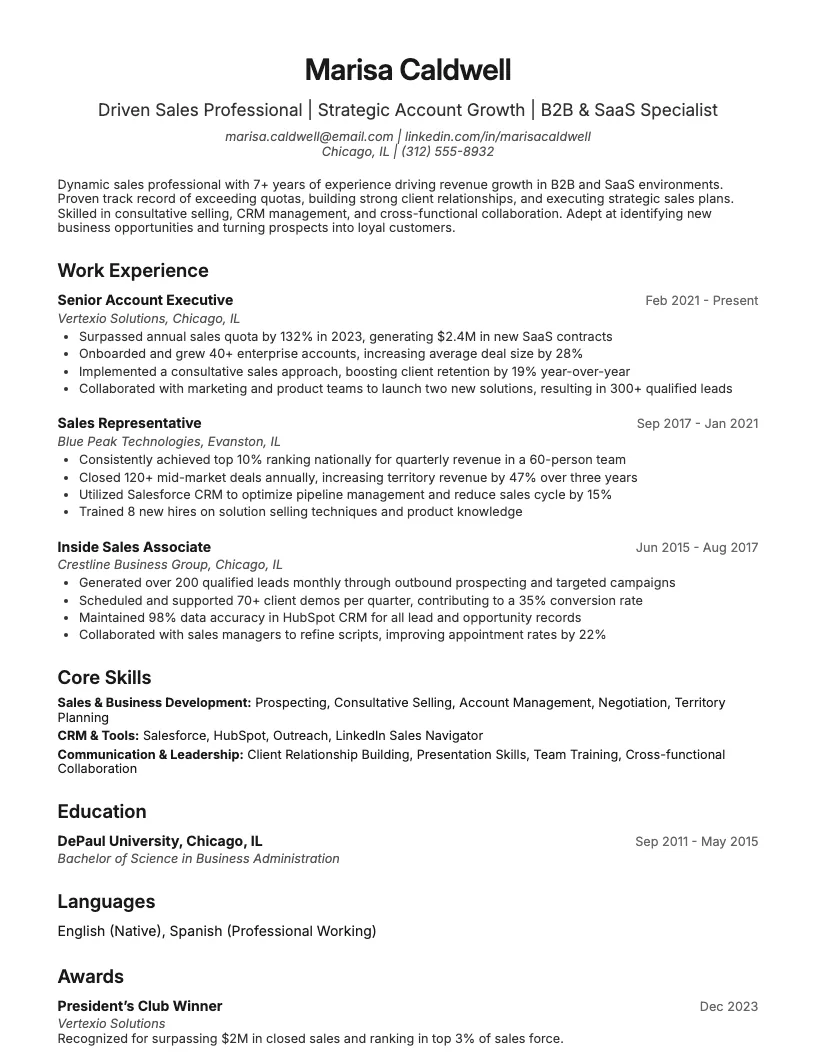
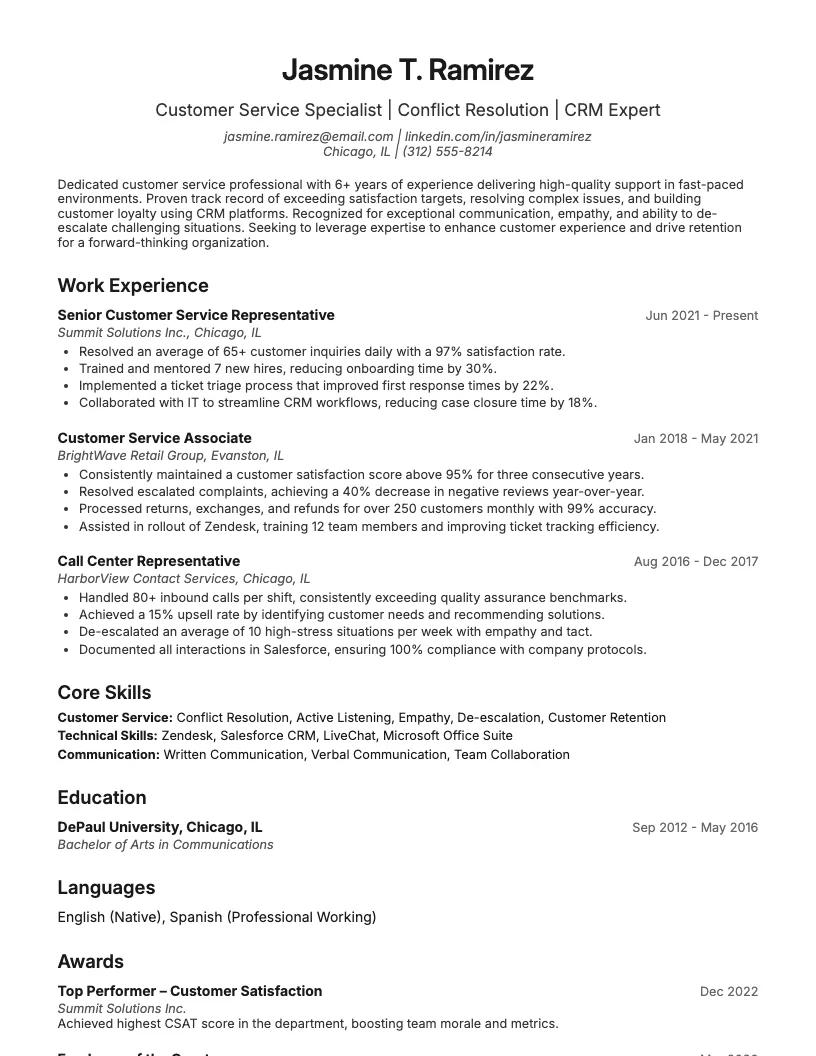
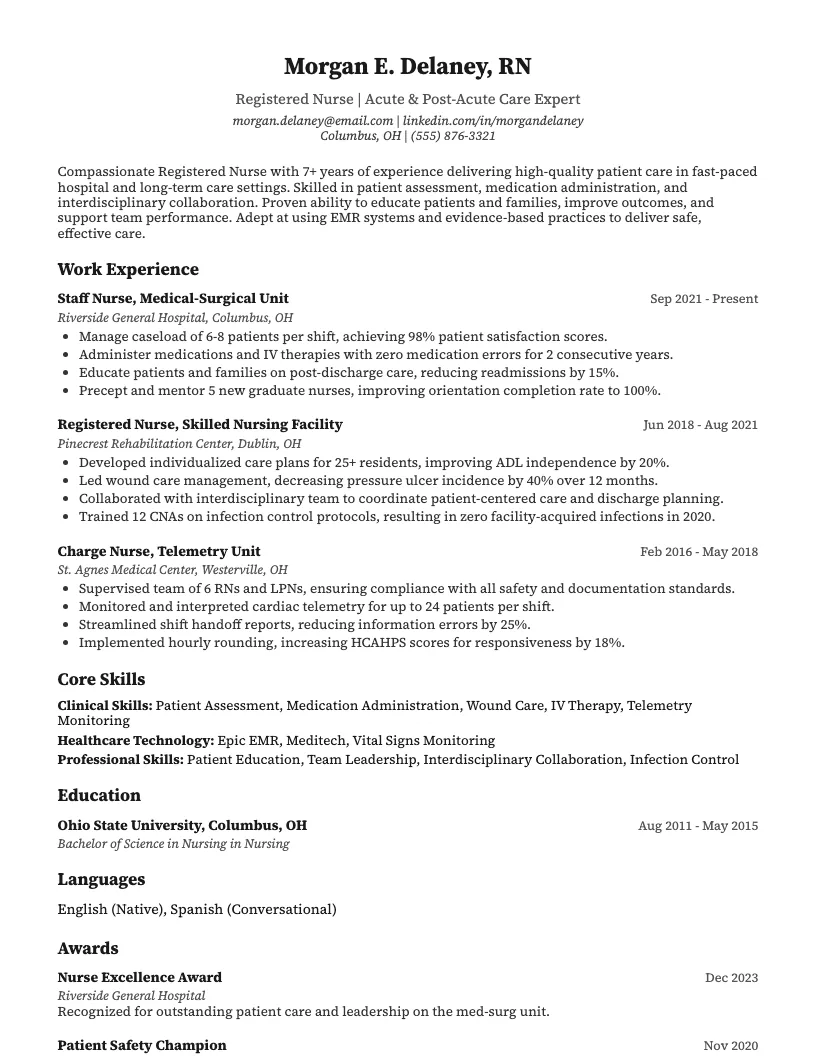
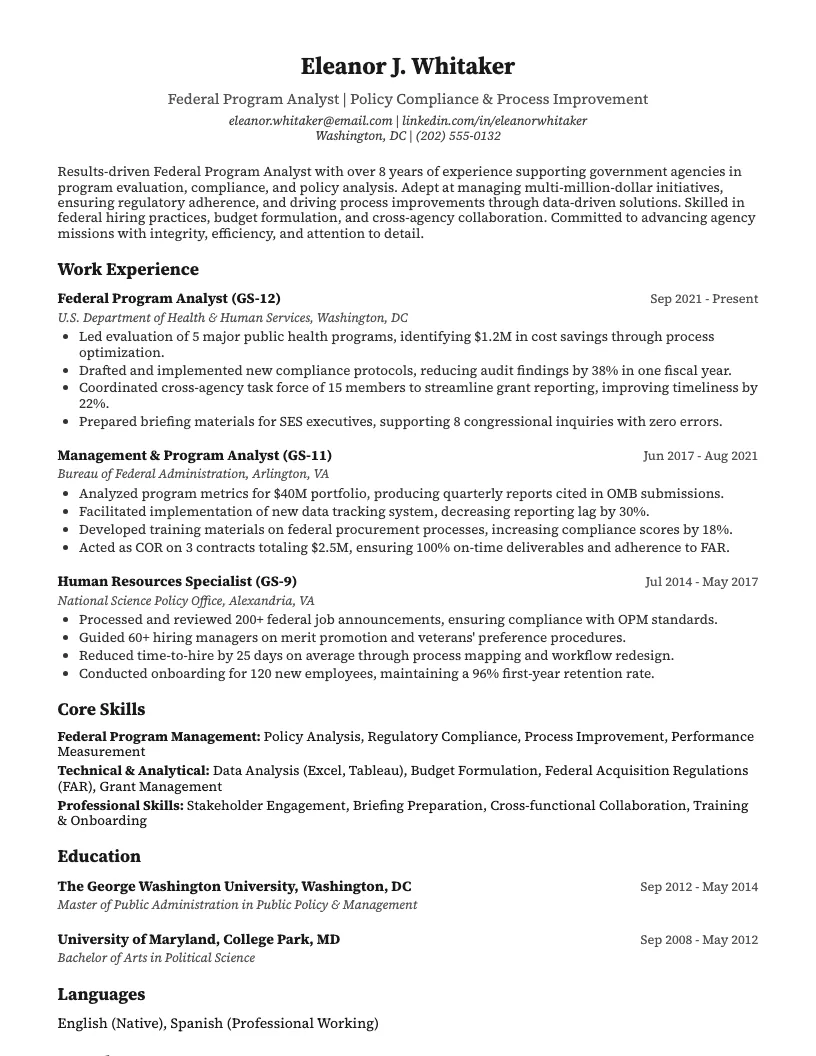
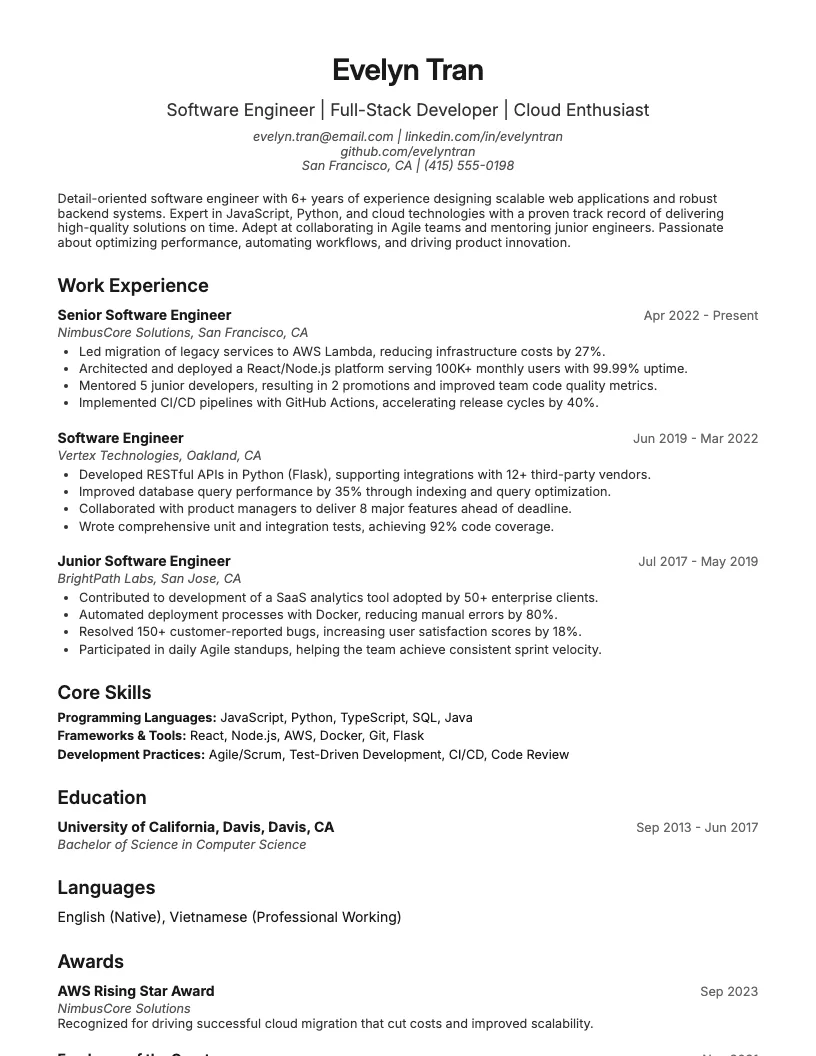
See these skills on a real resume
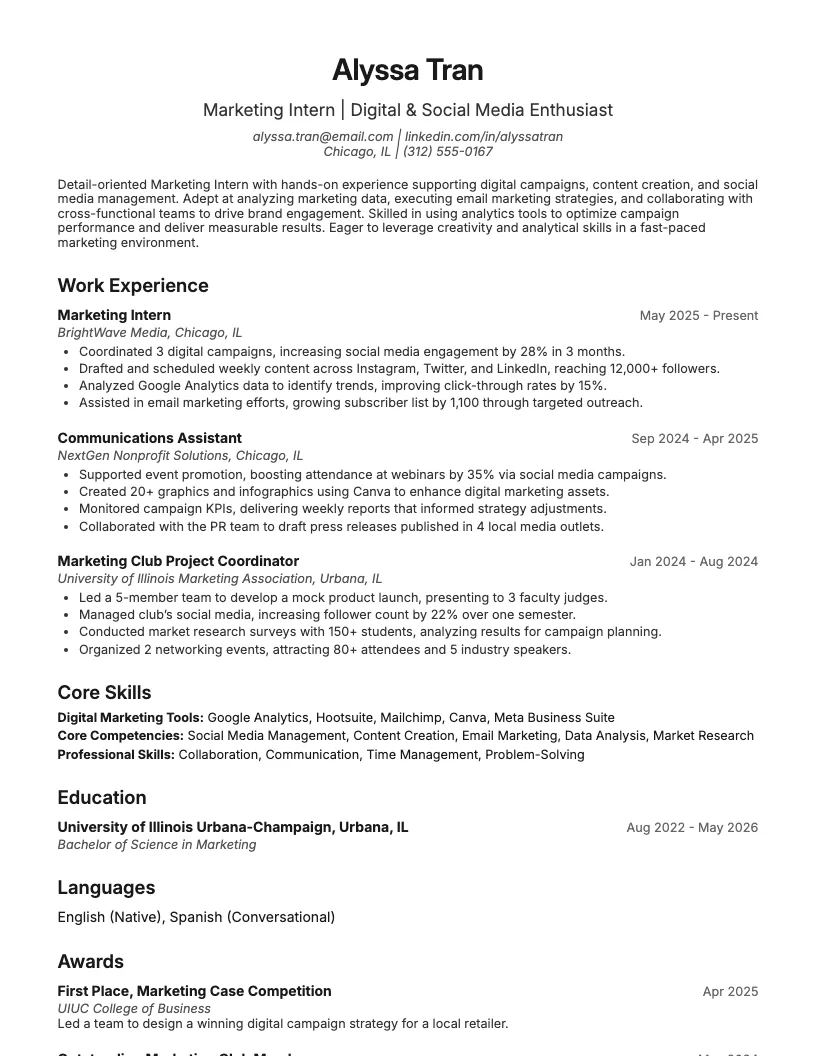
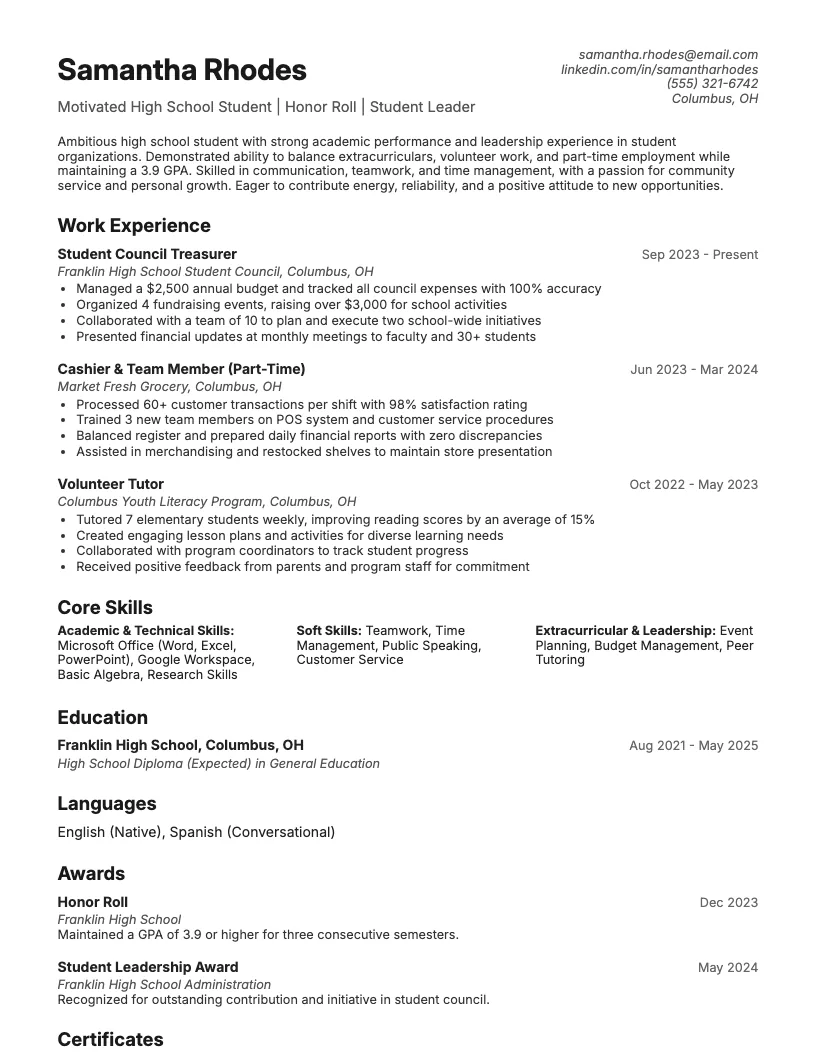
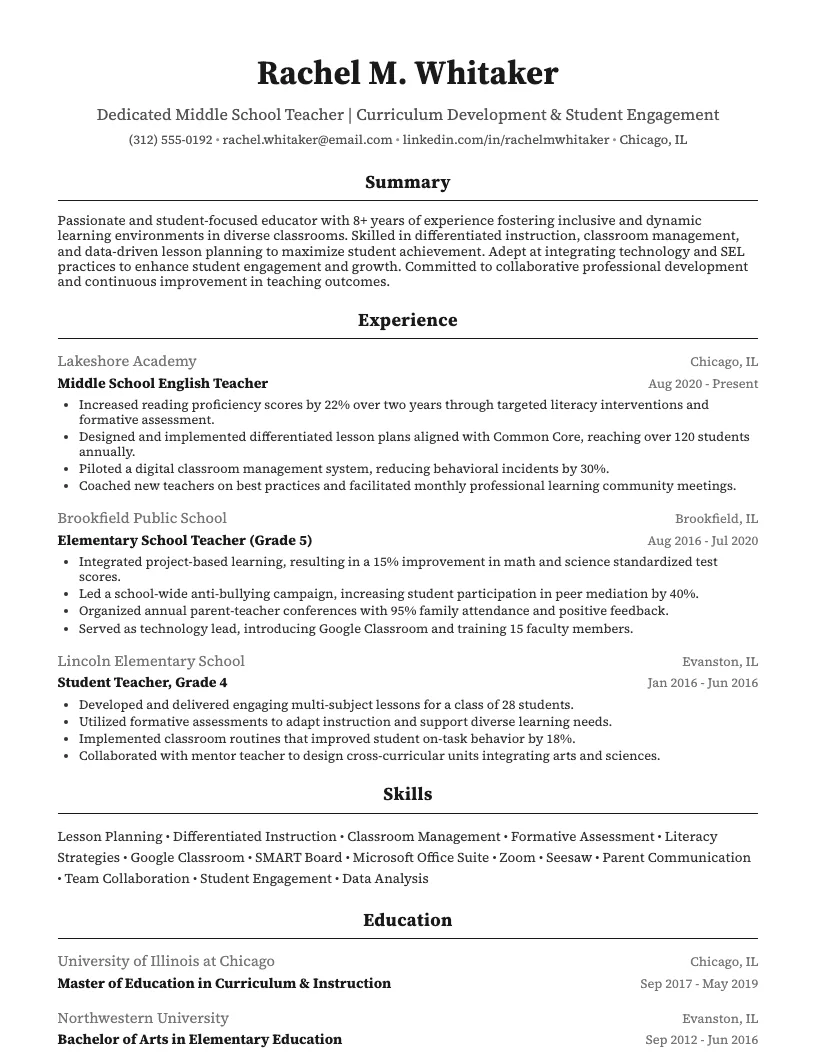
8 examplesStart from an example that already has them, and swap in your own.
Check your resume against the job you want
Scan your resume, see which skills and keywords the posting asks for that you are missing, and fix them before you apply.
Free to use • No credit card required