Handyman Skills for Resume: 11 Trades and 5 Job Types I Checked
A resume writer breaks down 11 handyman trades, where each skill goes on the page, how to write it so it doesn't sound generic, and what ATS scanners check for.


Written by Dr. Priya Sharma
Career Development Expert & Resume Analyst
Updated August 2026
Reviewed by Sarah Chen
Is your resume ATS-friendly?
Drop your resume in and see which of these skills a scanner can actually read, and which ones the job you want is asking for that you have not listed.
PDF or DOCX. Max 2MB.
We never share your resume or use it to train a model.
In This Guide:
What skills should you put on a handyman resume?
I've read hundreds of handyman resumes, and the ones that get calls back all do the same thing: they name the trades, not just the job title.
"Handyman" tells an employer nothing. "Drywall repair, faucet replacement, deck staining" tells them you can start Monday.
Hard skills: the repair trades you can do
List the actual trades you can do, not the job title. Which trade skills matter most to employers walks through each one and says what to write for it.
Soft skills: what clients notice
Technical skill gets you the job. Manner gets you the repeat customer.
Communication, reliability, and attention to detail show up on almost every posting in this trade - because this work happens in someone's home, and clients remember who showed up on time and cleaned up after.
Tools and equipment you can operate
Name the equipment, not just "tool proficiency." Power tools, floor scrubbers, diagnostic equipment for appliance repair - each one is a keyword a scanner is checking for.
Safety, codes, and compliance
Building codes knowledge and power tool safety belong on this resume if you have them - they're the difference between "can swing a hammer" and "can be trusted alone in a client's house." A valid driver's license also matters more here than in most jobs, since a lot of postings require you to drive between sites.
A skills list you can copy
Mix trades, tools, and soft skills rather than three separate blocks - that's closer to how a job posting actually reads. Before you finalize it, run your list against the actual posting: ResumeJudge will show you which of the trades and tools that employer named are missing from your resume, so you're not guessing.
Which trade skills matter most to employers?
Not every trade on your resume carries the same weight. I've read enough of these to know which lines make a hiring manager stop and which ones they skim past.
Plumbing
Water damage is expensive, so anyone who can stop it before it starts gets noticed first. Don't just write "plumbing" - say what you actually do: clean cuts and proper joints, corrosion checks, pressure management, code-compliant traps and vents.
Electrical
This is the one employers scrutinize hardest, because bad electrical work causes fires. If you know NEC codes, test before you touch a conductor, and make clean terminations with the right strip lengths, put that on the page - it tells them you work carefully, not just fast.
Carpentry
Carpentry holds up the rest of the trades - a lot of repair jobs come back to wood at some point. List the specifics: framing, trim, measuring and sequencing a job before you start, not just "carpentry skills."
Drywall and painting
These two get lumped together because they're both finish work, and finish work is what a client actually sees. Tape and mud in stages, feathered edges, tight masking, several light coats instead of one heavy one - that level of detail on a resume tells me you know the difference between fast and good.
HVAC
Filter changes and coil cleaning are entry-level; sealing ducts, reading a thermostat schedule, and knowing when to repair versus replace are what separate a technician from a helper. If you've done any of the second group, name it.
Flooring and tiling
I put these together because the mistake is the same in both: skipping subfloor or substrate prep. Anyone can lay flooring; the skill is in moisture checks, layout planning, and tight seams - mention those and you're already ahead of most applicants.
Roofing
A roof only has one job - keep water out - so employers want to see you understand flashing and ventilation, not just "shingle replacement." Mention harness and anchor use too; it signals you take the safety side seriously, which matters a lot for insurance-conscious employers.
Appliance repair
Appliance repair is the one line I see missing most often, even from people who do it all the time - they file it under 'general maintenance' instead of naming it. Naming it specifically is what makes a resume stand out in a stack where everyone else wrote the same three trades.
This one's underrated. Diagnostics and troubleshooting on major appliances is a skill homeowners and property managers pay for constantly, and it's rarely crowded on other applicants' resumes - a real edge if you have it.
Welding, masonry, and locksmithing
These are specialty add-ons, not baseline skills, and that's exactly why they're worth naming individually rather than folding into "handyman services." Welding covers repairs and custom fabrication - brackets, railings, gates.
Masonry and locksmithing show up less often in job postings, but when a posting does ask for one, it's usually because nobody else on staff can do it - so if you can, say so plainly.
Landscaping and grounds
Grounds work gets treated as an afterthought, but for property management and hotel maintenance jobs it's often a required line item, not a bonus. Irrigation, seasonal upkeep, drainage - if the posting mentions grounds at all, match that wording in your skills section.
How do you write a skill so it doesn't sound generic?
The resumes that blur together all say the same thing: "handy with tools," "general repairs," "maintenance skills." None of that tells a hiring manager anything.
Name the system, not the trade
Don't write "plumbing." Write "replaced garbage disposals" or "repiped a water heater line."
The trade is the category. The system is the actual thing you touched, and it's what a facilities manager scans for.
Say what you fixed and how often
A single repair sounds like a one-off. A repeated one sounds like a skill.
"Diagnosed and repaired HVAC units across 40+ rental units" reads completely differently than "repaired HVAC." Frequency is proof you've done it enough times to be fast and reliable at it.
Add a number: cost, time, or satisfaction
Numbers are what separate a real bullet from a filler one. Say how many projects, how much you saved a landlord in a year, how much faster you closed out a work order, or what percentage of tenants rated the job well.
Something like "$10,000 saved annually on outsourced repairs" or "closed tickets 15% faster than the team average" does more work than any adjective you could add.
Action verbs that fit repair work
Start bullets with verbs that show judgment, not just labor: troubleshoot, diagnose, install, repair, maintain, upgrade, inspect, coordinate, document. "Diagnosed" and "troubleshot" tell an employer you can find the problem, not just follow instructions.
Weak line vs strong line
A repair bullet, weak and strong
Responsible for repairs and maintenance.
Diagnosed and repaired plumbing, electrical, and HVAC issues across 40+ units, cutting outsourced repair costs by $10,000 a year.
Weak: "Responsible for repairs and maintenance."
Strong: "Diagnosed and repaired plumbing, electrical, and HVAC issues across 40+ units, cutting outsourced repair costs by $10,000 a year."
Once you've got a full skills list built, ResumeJudge will check the wording against a specific posting and rewrite weak lines like the first one into strong ones like the second, automatically.
Where do handyman skills go on the resume?
Where do handyman skills go on the resume?

Where you put a skill matters almost as much as having it. I've seen good handymen get passed over because their skills were buried in a paragraph nobody reads.
The skills section
Put this after your work experience, not before it. Nobody hiring a handyman cares about your skills before they've seen what you've actually fixed.
Keep it scannable: eight to twelve items, mixing trades (plumbing repair, drywall patching) with tools (power tool safety, basic electrical). If you need the exact count, that's answered in the common questions.
Your summary or objective
Your top three lines should name your strongest trade and your years doing it. A licensed electrician with five years in the field writes a summary built around code compliance and safety records.
Someone new to the trade is better off with an objective focused on reliability and customer service instead of experience they don't have yet.
Inside your job bullets
This is where skills actually prove themselves. "Plumbing repair" in a list is a claim.
"Repaired plumbing leaks in 40+ units per month" is evidence. I tell people the same thing every time: a skill without a bullet backing it up is just a word on a page.
If you're not sure which words a posting wants echoed here, that's a job posting problem, not a bullet problem, and ResumeJudge will pull the exact terms a listing expects out of the description for you.
Certifications and licenses
List these near your skills or in their own line, not buried at the bottom under education. A license is often the one thing that gets you past the first screen, so don't make a recruiter hunt for it.
How do you pull keywords out of a handyman job posting?
Is your resume good enough?
Drop your resume in and see which of these skills a scanner can read, and which ones the job you want is asking for that you have not listed.
Upload your resumeFree. PDF or DOCX. We never share your resume or use it to train a model.
Before you send that resume, read the posting one more time.
The words on it aren't filler. Most of them go straight into a scanner, and if your resume doesn't echo them back, a person may never see it.
What the applicant tracking system scans for
The system is matching text, not judging skill.
It's looking for the trade names, the tools, the certifications, and the software the posting mentions - things like BMS or MAXIMO if the employer runs one. If you wrote "fixed leaky faucets" and the posting says "plumbing repair," that's a miss in the system's eyes even though it's the same work.
Words that repeat in maintenance postings
I read a lot of these, and the same handful of words show up over and over: preventative maintenance, work orders, OSHA compliance, HVAC, drywall repair, and driver's license. Postings for larger properties also lean on inspection and vendor coordination.
If your resume is missing all of those, it's probably getting filtered before a human opens it.
Matching your wording to theirs
Nine times out of ten, the fix isn't adding new skills - it's renaming the ones you already have to match the posting's language. "Handled repairs" becomes "performed plumbing, electrical, and HVAC repairs" if that's the phrasing they used.
ResumeJudge will scan the posting against your resume and tell you exactly which of these words are missing, so you're not guessing at the match.
Keywords for a property management job
The words to echo back are the ones listed under apartment and property maintenance technician, which goes through them in full.
Keywords for a hotel or facilities job
Same again: hotel and hospitality maintenance names the words these postings use, and certifications and licenses covers what usually backs them up.
Which skills change depending on the handyman job?
What to lead with, by handyman job type
| Job type | Lead skills | What matters most |
|---|---|---|
| Residential handyman | Carpentry, plumbing, electrical, customer service | Reads as steady, varied repair work |
| Commercial/facilities | HVAC, electrical troubleshooting, building codes, project management | Safety certs next to trade skills |
| Apartment/property maintenance | Plumbing, electrical checks, drywall, flooring, work orders | Valid driver's license |
| Hotel/hospitality | TVs, AC, lighting, locks, grouting, tile repair | Staying calm with a guest waiting |
| Self-employed | Scheduling, estimating, client communication | Naming the business side, not just the trade |
The word "handyman" covers five pretty different jobs, and the skills you lead with should match which one you're chasing.
Residential handyman
Homeowners want someone who can do a bit of everything and not wreck the place.
Lead with the trades you're actually comfortable in - carpentry, plumbing, electrical - plus customer service, since you're in someone's house.
I've seen this resume work best when it reads like one person did steady, varied repair work for years, not a list of every tool you've ever touched.
Commercial and facilities maintenance
Commercial postings want HVAC systems, electrical troubleshooting, building codes, and project management - bigger buildings, bigger systems, more paperwork.
Safety certifications carry real weight here; a resume that shows one next to hands-on trade skills reads as credible fast.
Apartment and property maintenance technician
Property jobs mix trade work with turnover speed: plumbing and electrical checks, drywall, flooring repairs, work orders.
A valid driver's license shows up on almost every one of these postings, so don't leave it off.
Hotel and hospitality maintenance
Hotel maintenance is guest-facing on a clock - fixing TVs, AC, lighting, and locks while someone's waiting on the other side of the door.
Grouting, tile repair, and quick-response troubleshooting matter more here than in a residential resume, and so does staying calm with a guest standing there.
Self-employed handyman
If you've worked for yourself, put scheduling, estimating, and client communication next to your trade skills, not instead of them.
Nine times out of ten, self-employed resumes undersell the business side - and that's exactly what separates a handyman from someone running a small operation.
What if you don't have handyman experience yet?
What if you don't have handyman experience yet?
No handyman job on your resume yet? That's fine.
Almost every handyman I've seen hired for an entry-level role got there on trade skills from somewhere else.
Skills from other jobs that count
Worked retail and dealt with customers directly? That's the same soft skill a homeowner wants from someone in their house.
Warehouse work, landscaping, moving, even fast food - all of it involves tools, physical work, and following a checklist under time pressure. Pull those out and name them plainly: "operated power tools," "worked independently on a schedule," "handled customer complaints on-site."
Home projects and side work
If you've re-tiled a bathroom, hung drywall, or fixed a friend's fence, that's real experience - list it.
I tell people to treat it like a job: what you did, what tools you used, roughly how long it took. Nobody expects a receipt, but vague claims read as padding, so be specific.
Apprenticeships and trade courses
An apprenticeship is the fastest way in if you're starting from zero.
Even a short one - a few months under a licensed contractor - gives you something concrete to put under certifications and licenses, and it tells an employer someone already trusted you with tools.
Certifications worth getting first
OSHA 10 is the one I see open doors fastest - cheap, quick, and it signals you understand jobsite safety before anyone has to teach you.
A basic HVAC or EPA 608 credential helps too if you want to lean toward that trade.
A skills section for an entry-level resume
Keep it honest and specific rather than padded - five real skills beat fifteen vague ones.
Before you send it out, it's worth checking your list against the actual posting - ResumeJudge will scan the job description and tell you which skills and keywords it's expecting that you haven't included yet, so you're not guessing at what an entry-level listing wants.
Which skills hurt your handyman resume?
Skills every applicant lists
"General maintenance," "reliable," "hard worker" - I see these on nearly every handyman resume that crosses my desk, and they tell an employer nothing.
They read as filler because everyone writes them. Writing them so they don't is covered in how do you write a skill so it doesn't sound generic.
Trades you can't back up
Listing eight trades when you've only done real work in three is the fastest way to lose an interview once the questions start.
Mint Resume's advice matches what I've seen firsthand: be honest about your level. If you list electrical, you'd better be ready to talk through a job you actually did.
Missing the licence or certification the job requires
A lot of handyman postings name a specific requirement - a driver's license, an EPA certification, a trade license - and if your resume doesn't say it plainly, the ATS or the hiring manager assumes you don't have it.
Nine times out of ten, the fix is just matching their exact wording. ResumeJudge can scan your resume against the posting and flag which required licenses or certifications you haven't listed yet.
Leaving out the physical requirements
Plenty of handyman and maintenance postings spell out lifting limits and constant standing, bending, or climbing - and plenty of resumes never address it at all.
If you can meet those demands, say so. Leaving it blank just gives an employer a reason to guess wrong.
Frequently Asked Questions
How many skills should I list on a handyman resume?
Aim for 8 to 12 skills, mixing trade skills like plumbing repair or drywall patching with general ones like scheduling and customer communication. List fewer if you're early in the trade and more if you've built up experience across several areas. If you're not sure which ones a specific job actually wants, ResumeJudge checks your list against the posting and tells you what's missing.
Should I list every trade I've touched?
No, list only the trades you can actually do without help. Padding the list with things you've only dabbled in gets caught the moment someone asks a follow-up question, so a shorter list you're solid in beats a long one that invites doubt.
Do I need a licence to call myself a handyman?
Most general handyman work doesn't require a license, but many states require a licensed contractor for electrical or plumbing work past a certain scope. Check your state and local rules before advertising licensed trade work, and list any trade certifications you do hold, since they set you apart from unlicensed candidates.
Should I put a driver's licence on my resume?
Yes, if the job involves driving between job sites or hauling equipment, since postings for that kind of role usually list a license as a requirement. Put it in your skills or certifications section rather than burying it inside a bullet point.
What's the difference between a handyman and a maintenance technician resume?
A handyman resume leans on breadth, small repairs across plumbing, electrical, carpentry, and general upkeep, while a maintenance technician resume leans on depth in one facility's systems, like HVAC or a building management system. Match your resume's framing to the job title you're applying for, since that's the language employers search for.
Do I need a cover letter for a handyman job?
Yes, a cover letter gives you room to say what a bullet point can't, like why you're reliable, available on short notice, or good with customers. Keep it a few short paragraphs and match it to the specific job rather than sending the same one everywhere. ResumeJudge can write that cover letter for the posting you're applying to if you'd rather not draft one yourself.
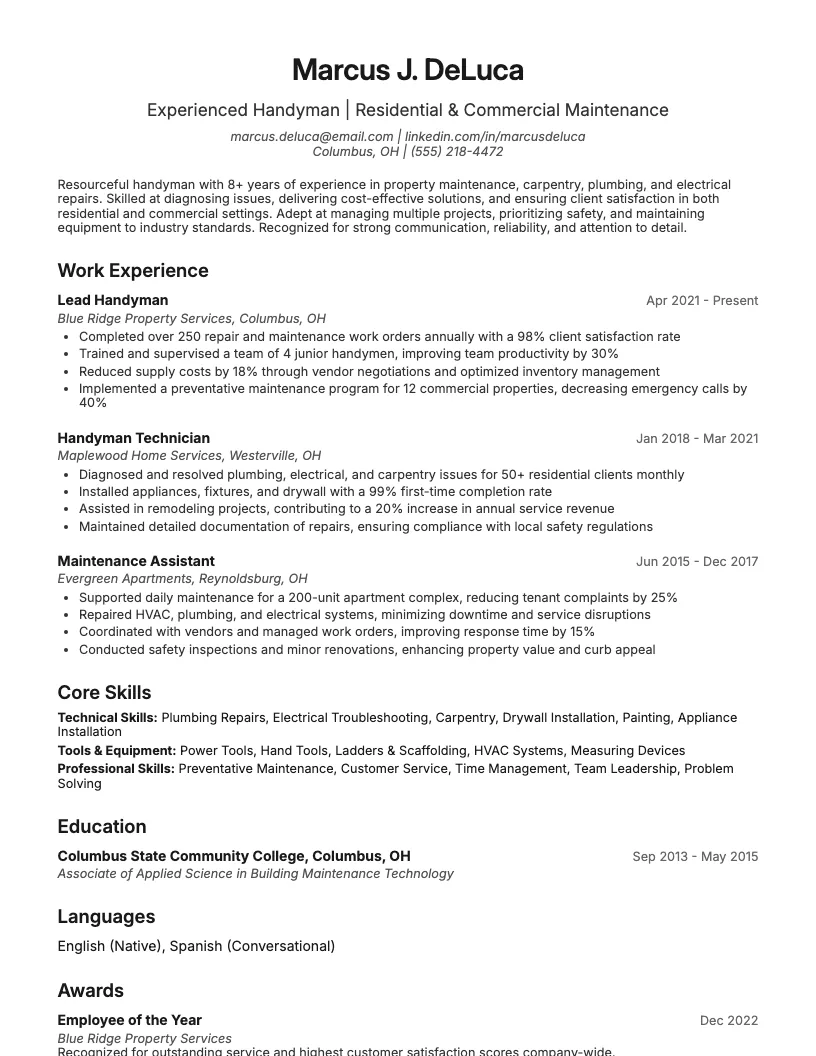
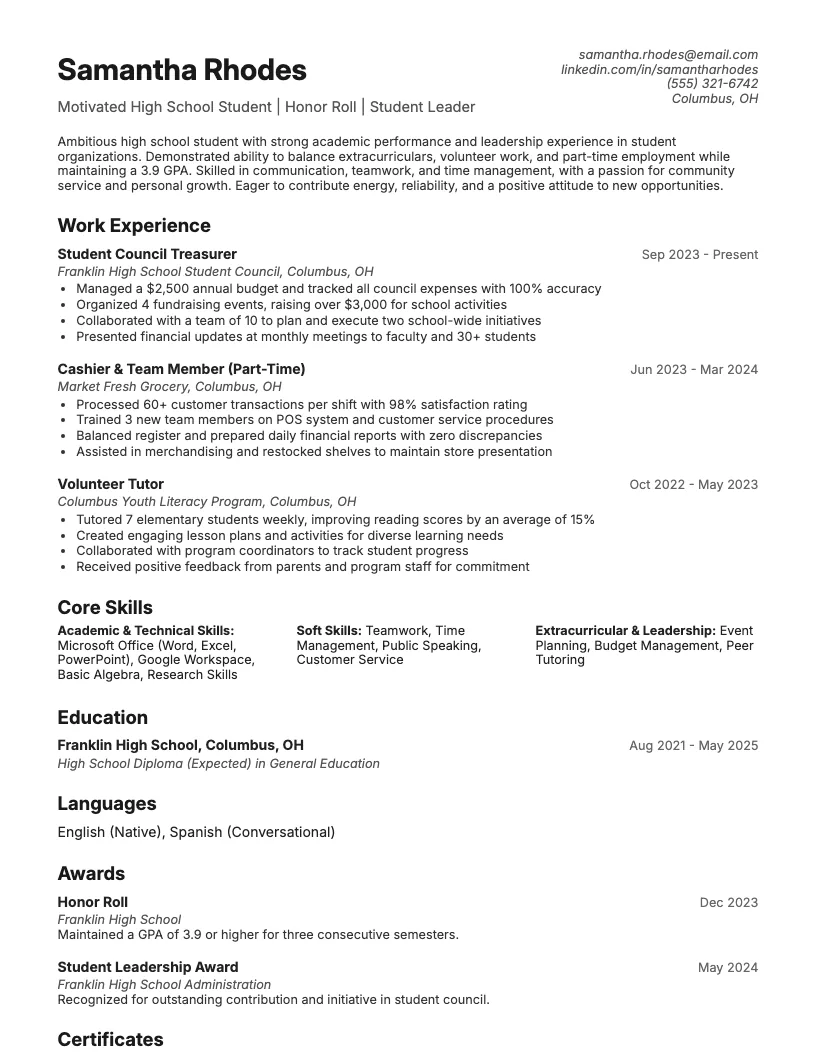
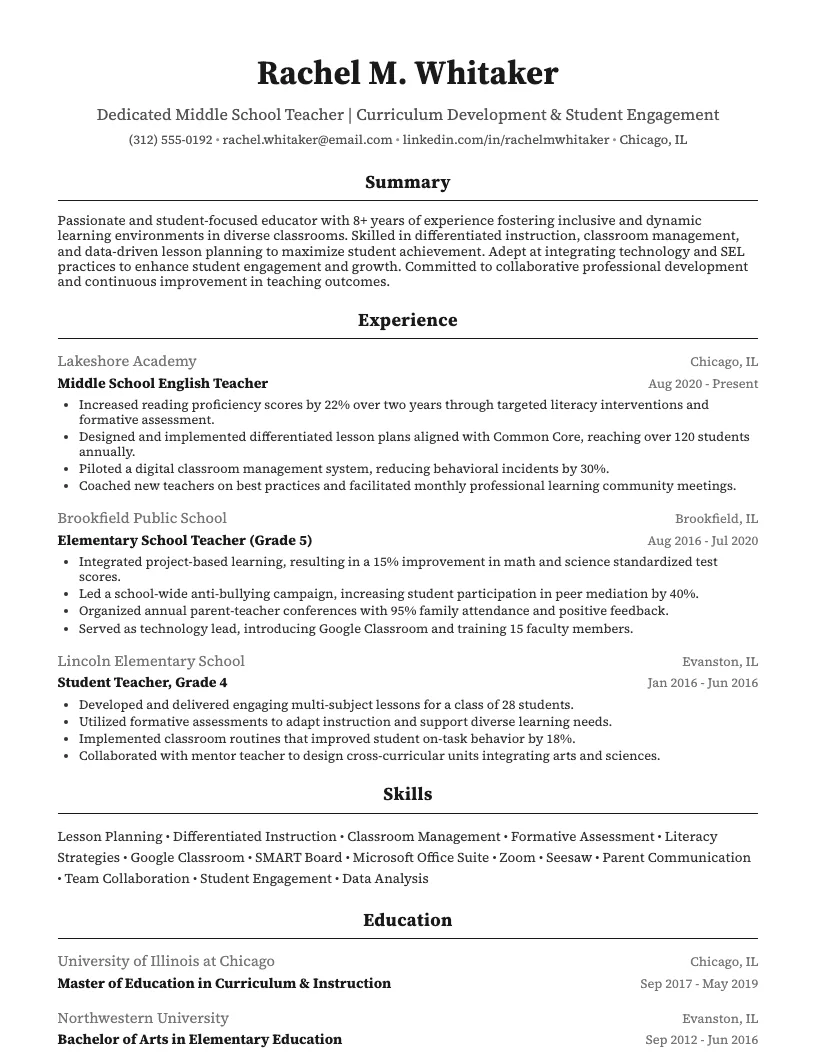
See these skills on a real resume
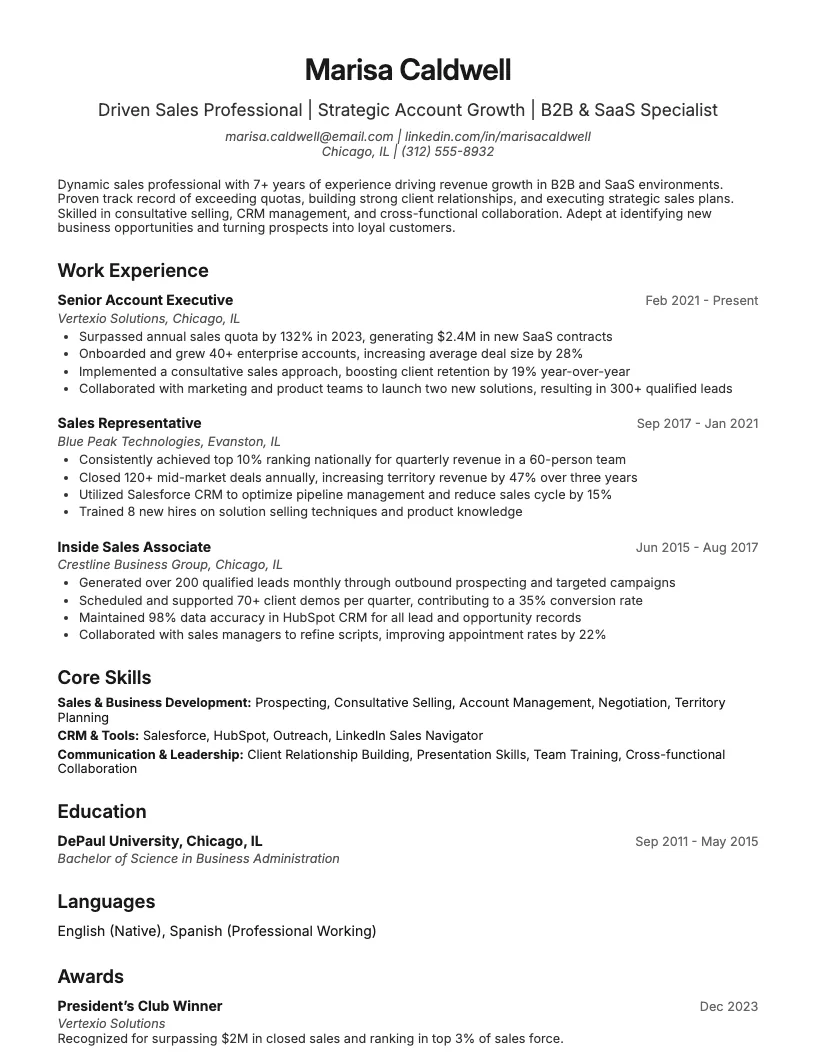
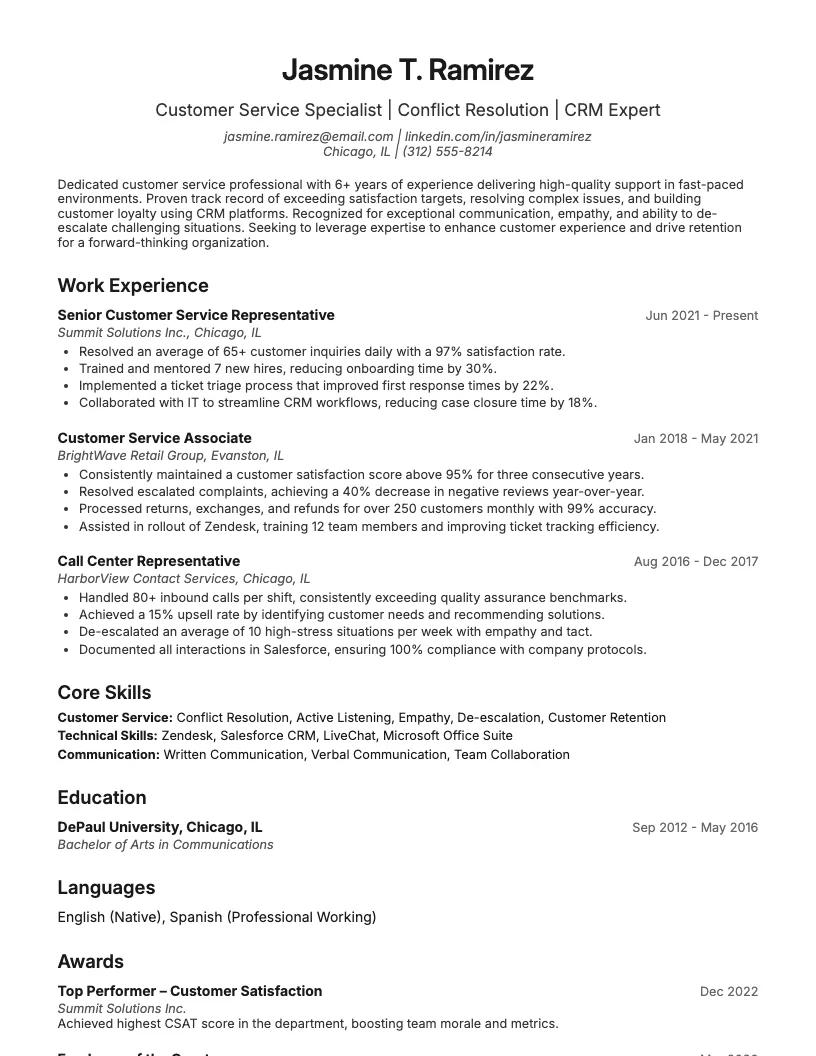
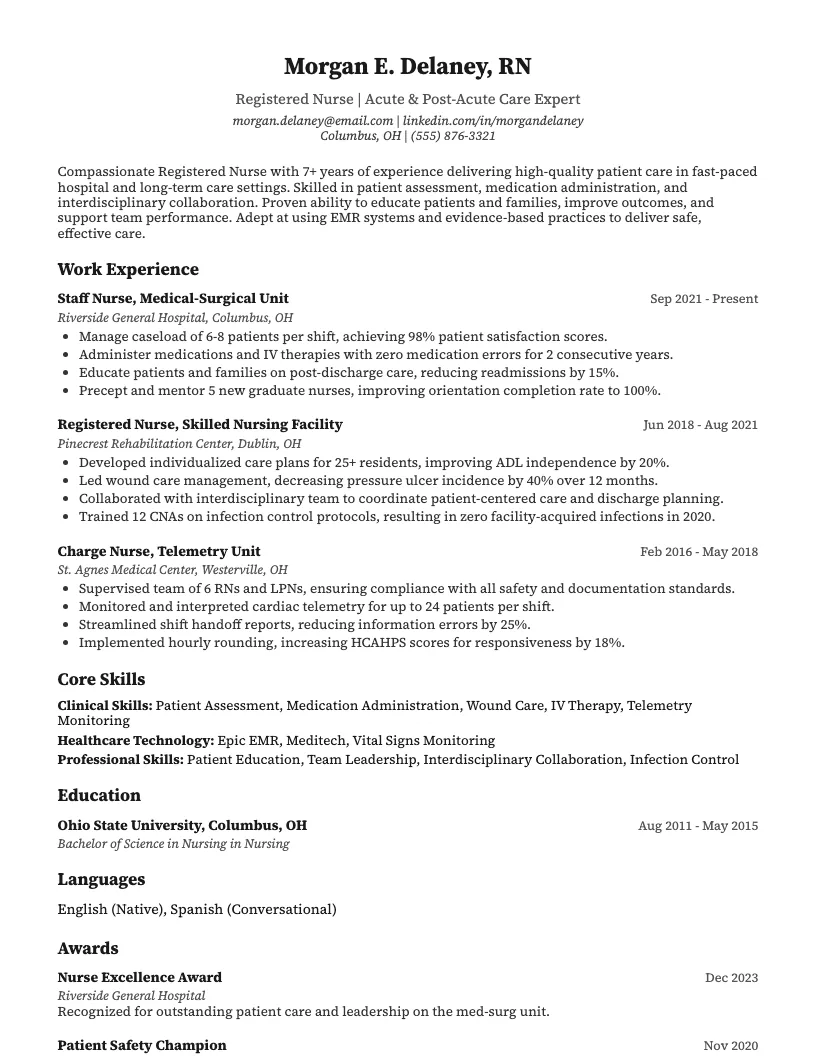
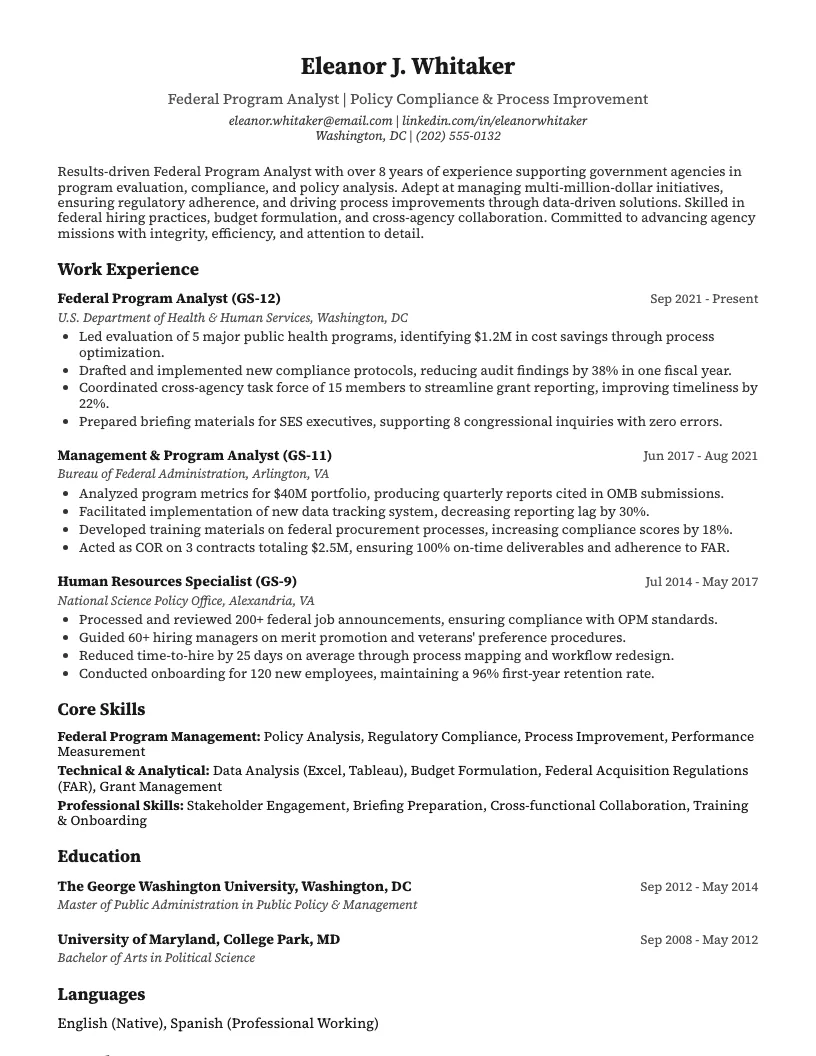
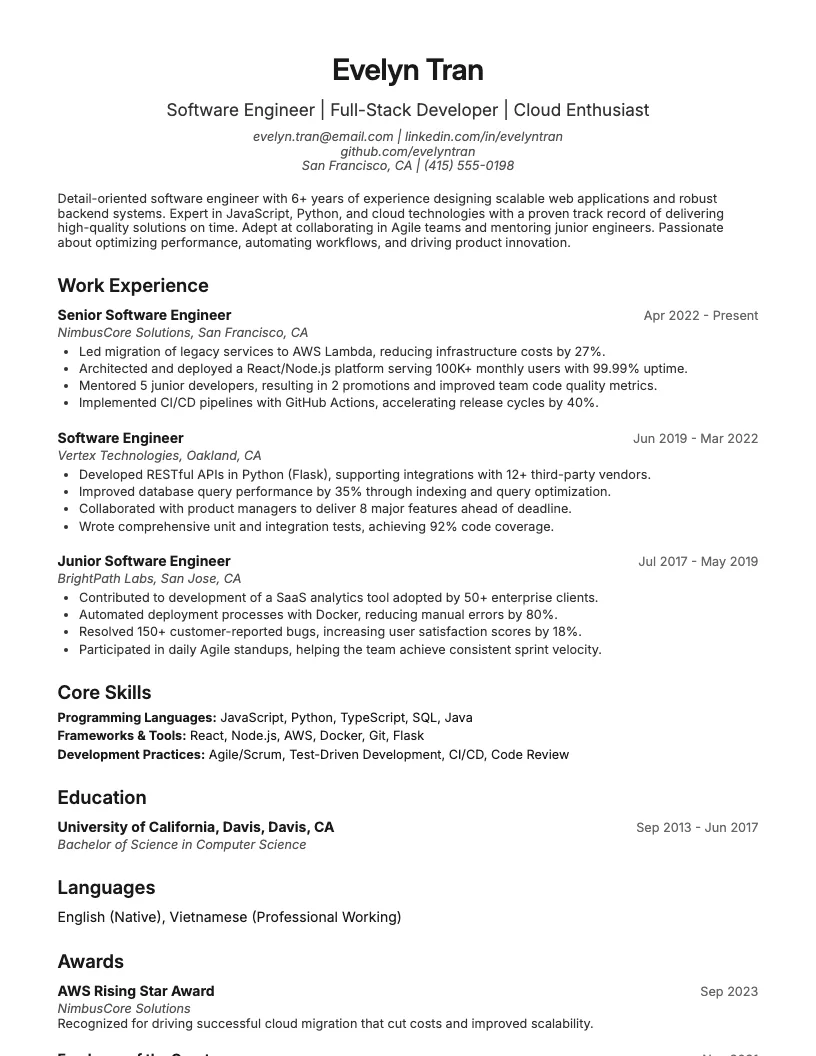
8 examplesStart from an example that already has them, and swap in your own.
Check your resume against the job you want
Scan your resume, see which skills and keywords the posting asks for that you are missing, and fix them before you apply.
Free to use • No credit card required