Flight attendant resume keywords: 12 terms I'd check for first
See the 12 resume keywords airlines' scanning software checks for, why safety terms outrank service ones, and how to turn each into a real bullet with a number.


Written by Marcus Rodriguez
ATS Optimization Specialist & Career Coach
Updated August 2026
Reviewed by Dr. Priya Sharma
Is your resume ATS-friendly?
Drop your resume in and see which of these skills a scanner can actually read, and which ones the job you want is asking for that you have not listed.
PDF or DOCX. Max 2MB.
We never share your resume or use it to train a model.
In This Guide:
What keywords do airlines scan a flight attendant resume for?
What keywords do airlines scan a flight attendant resume for?

I've read enough of these to tell you the airlines' screening software isn't hunting for one magic phrase. It's counting how many of a dozen or so terms show up, and most resumes I see miss half of them.
Passenger safety
This is the phrase that should anchor your whole resume, not a side note buried under service duties. Why safety keywords outrank service ones is the next section.
Emergency procedures
Use the umbrella term once, then name the individual drills you trained on - the safety and regulatory terms section lists them.
FAA regulations
Name the regulator, not just the behavior - see FAA regulations and compliance.
CPR and AED certified
Spell out the certification instead of writing "certified in safety training." Where it goes on the page is covered under CPR, AED and First Aid.
De-escalation
I'd put this near the top of your list. Unruly-passenger incidents have made this one of the terms recruiters are actively hunting for right now, and a lot of resumes still leave it out entirely.
Customer service
Table stakes, but don't stop here - pair it with something specific, which is exactly what the service and people-skill terms section covers.
Cabin management
Covers running the cabin as a system - inventory, coordination, oversight - not just serving one row at a time.
In-flight service
The umbrella term - use it once, then get specific with the service and people-skill terms below.
Conflict resolution
Distinct from de-escalation in the eyes of a lot of postings - this one leans toward resolving disputes between passengers, not just calming one person down.
Situational awareness
A trait word, but one airlines genuinely screen for, since it signals you're watching the cabin, not just working through a checklist.
Cultural sensitivity
If you've worked international routes or speak a second language, this is where that belongs - and it's worth pairing with the actual language, not just the trait.
Crew resource management
The term for working as a coordinated team with the rest of the crew and the cockpit. I see it missing from almost every entry-level resume I review, even from people who've clearly done it - it's usually a lead or purser keyword, and ResumeJudge will flag it for you when a posting asks for it but your resume doesn't say it.
Why do safety keywords matter more than service keywords?
The job is a safety job first
Airlines hire you to keep 150 people alive if something goes wrong. Everything else is second.
What happens when a resume reads like a restaurant server
I've read hundreds of these, and the ones that get skipped almost always read like a hospitality resume with wings pasted on. All smile, no safety.
"Passenger comfort" vs "emergency evacuation protocols"
Say "passenger comfort" and you sound like a server. Say "emergency evacuation protocols" and you sound like crew. Same job, opposite read - recruiters are scanning for the second one first, and you can check both against a real posting with ResumeJudge before you send anything.
Where the airline's screening software looks
Nearly every major airline runs resumes through an ATS before a human sees them, and those systems are tuned for terms like FAA, evacuation, and medical emergencies - see the safety and regulatory terms list below. Miss those, and your service skills never get read at all.
Which safety and regulatory terms should you use?
Which safety and regulatory terms should you use?
Safety keywords carry more weight than any other bucket on this resume, so get them right first.
FAA regulations and compliance
Say "FAA regulations" and "compliance" outright - don't just say "followed procedures."
The ones that get callbacks name the regulator, not just the behavior.
Emergency evacuation and ditching
"Emergency evacuation" belongs on nearly every flight attendant resume. "Ditching" - a water landing - is rarer, but if you trained on it, name it.
Decompression and turbulence procedures
These are two separate drills with two separate names. Listing both instead of a vague "emergency procedures" line shows the airline's scanner exactly what it's looking for.
Medical emergencies and first aid
Pair "medical emergencies" with your actual certification, CPR or AED, wherever you list it. See where do you put these keywords for the right spot.
Fire fighting
Cabin fire response is its own trained skill. Name it - don't fold it into "safety procedures" and hope it counts.
Pre-flight security checks
This is a distinct duty from in-flight security. Airlines scan for it separately, so write it separately.
Unruly passengers and threat assessment
This term has gotten more common on postings the last couple of years, alongside "de-escalation." If you've handled a disruptive passenger, this is the phrase recruiters are trained to look for.
Water survival training
Not every carrier requires it, but if you've done it, list it - it signals you're cleared for over-water routes. If you're not sure your resume is hitting the terms a specific posting wants, ResumeJudge will scan the job description and tell you exactly which of these are missing before you apply.
Which service and people-skill terms should you use?
Which service and people-skill terms should you use?
Airlines do care about safety wording first, but don't undersell the service side - 78% of resumes built through one major resume tool list customer service, and composure under pressure shows up on 45% of them. That's not a small footnote.
Passenger comfort
"Passenger comfort" is the phrase airlines actually use in job postings, so use it - not "made people happy" or "friendly service."
Meal and beverage service
Say it exactly like that - "meal and beverage service" reads like the job you're applying for.
First class, business and VIP cabins
If you've worked a premium cabin, name it. Recruiters scan for this specifically, and leaving it out looks like you haven't done it.
Special needs assistance
This covers unaccompanied minors, wheelchair passengers, medical needs - name whichever you've actually handled rather than the umbrella term alone.
Public announcements
A small line, but it tells a recruiter you've been trusted with the PA system, not just the cart.
Composure under pressure
I've read a lot of these resumes, and the ones that get callbacks don't just claim this - they show it in a bullet with a number. Save the proof for how you turn a keyword into a bullet.
Grooming standards and professional demeanor
Airlines still screen for this, so don't skip it even though it feels old-fashioned. It's shorthand for "I know what this job actually looks like."
Stamina and punctuality
Long-haul stamina and reliability on schedule matter to an airline that runs on tight turnarounds - say so plainly.
If you're not sure which of these actually appear in the posting you're applying to, ResumeJudge will scan the listing and tell you which service keywords it's missing before you send anything.
Which operations and scheduling terms do recruiters look for?
Which operations and scheduling terms do recruiters look for?
Once you've got the safety and service language right, this is where recruiters check whether you actually understand how the job runs day to day.
Block hours
This is the number they'll ask about in the interview, so put it on the resume first. "Logged 900+ block hours annually across domestic and international routes" tells a recruiter you know the difference between block time and duty time - and that alone puts you ahead of most applicants.
Galley and inventory management
Don't just say "stocked the galley." Say galley management, catering counts, or inventory reconciliation. It's the same task, but it's the phrase an airline's system is actually looking for.
Pre-flight briefing
Every flight starts with one, so mention that you've led or contributed to them. It signals you're not just present for the flight - you're part of preparing for it.
Irregular operations (IROPS)
I've seen this term missing from nine out of ten resumes, and it shouldn't be. Weather delays, diversions, misconnects - if you've handled any of that, name it as IROPS experience.
On-time performance
Airlines live and die by this metric. If you've contributed to fast turns or smooth boarding that kept a flight on schedule, say so with a number.
Reserve duty and on-call
Name your callout window if you have one - "available for reserve within a 2-hour callout" reads as someone who already knows the lifestyle, not someone guessing at it.
Willing to relocate
Leave this out and an ATS may filter you before a human ever sees the resume, since base assignment depends on it. Name the bases you'd accept.
Passport and visa eligibility
State your passport validity and any visa status up front - it saves the recruiter a follow-up email, and missing it is one of the more common gaps I see.
Incident reports and flight logs
Naming this documentation work shows you understand the compliance side, not just the service side. If wording any of this into a bullet feels harder than it should, running your resume against the actual posting will show you exactly which of these terms you're still missing.
Which aircraft, systems and certifications should you name?
Which aircraft, systems and certifications should you name?
Boeing 737, Airbus A320/A321, Embraer 175
I see this mistake constantly: a resume that says "aircraft cabin experience" and stops there.
Name the plane. Boeing 737, Airbus A320 or A321, Embraer 175 - whatever you've actually worked.
It reads as specific, and it's what a recruiter searches for when they're staffing a fleet.
Wide-body and narrow-body
If you've worked both, say so. Wide-body long-haul and narrow-body short-haul call for different skills, and airlines hiring for one want to see you've handled it before.
FAA Certificate of Demonstrated Proficiency
This is the federal credential that proves you finished FAA-approved initial training, and every Part 121 carrier wants it up front. Write it out in full, with "current" and the month and year of your last recurrent training - that's how a base manager checks the 12-month window in one glance.
Skip the certificate number here. Save that for the actual airline application.
CPR, AED and First Aid
Nine times out of ten, this is the first credential I look for after the FAA line. It tells the reader you're ready for a medical event in the air, not just a spill in the aisle - which ties straight back to the medical emergencies and first aid work you list elsewhere on the page.
IATA dangerous goods awareness
This one gets left off far more than it should. It's a standard compliance credential, and naming it signals you already know the regulatory side of the job before day one.
TIPS alcohol service certification
If you've served alcohol on board, TIPS certification belongs here. It's a small line, but it removes a training step for whoever hires you.
SIDA airport security credential
Already hold a SIDA badge? Put it on the resume. It tells an airline they can skip the sponsor-required badge process and get you onboarding faster - which matters more than people think when a base is short-staffed.
Crew scheduling tools: CrewTrac, Sabre Crew, Jeppesen
Name the actual system you've bid and swapped trips on - CrewTrac, Sabre Crew, Jeppesen. It's a fast way to prove you already know how reserve duty and trip bidding work at a real airline.
Onboard point-of-sale and crew tablets
Crew tablets and onboard POS systems are worth a line too, especially if you're coming from restaurant or retail work where you ran a similar system under a different name. Once you've got this list built, run it against the posting - ResumeJudge will flag which of these certifications and systems the job actually asks for so you're not guessing which ones to lead with.
Where do you put these keywords on the resume?
Where do you put these keywords on the resume?
Placement matters as much as which words you pick. I've seen strong keywords buried where an airline's screening software never looks, and the resume dies anyway.
Professional summary
Open with the metric a base manager would size you up on: block hours, aircraft type, base location. Something like "4,200 block hours on the 737 and A320, based at DFW, current FAA Certificate of Demonstrated Proficiency."
That's three keyword categories in one line, before you've said anything else.
Credentials block under the summary
Right under the summary, list your FAA Certificate of Demonstrated Proficiency, aircraft ratings, recurrent training date, and CPR/AED currency.
Skills section
This is where you mix safety and service terms side by side, so both kinds of scanners find something. See which safety terms to use and which service terms to use if you're not sure what belongs here.
Work experience bullets
Keywords land harder inside a bullet that shows the skill in action than sitting in a list. I'll walk through how to build that bullet next.
Availability line at the bottom
Close with base flexibility and reserve willingness - "available for DFW, ORD, or LAX; open to reserve and international bidding." Airlines weigh this heavily when assigning classes.
Languages, with proficiency levels
Vague claims like "bilingual" don't do much. Use a real scale - "Spanish: ILR Level 3, passed United LQ assessment 2023" - because language pay premiums depend on airlines trusting the level you list.
Once your resume has all this in place, running it against ResumeJudge tells you if the wording actually matches what a specific posting is scanning for, before you hit submit.
How do you work a keyword into a bullet instead of listing it?
Turning a keyword into a resume bullet
Served drinks and food
Delivered in-flight service to 150+ passengers per flight across mixed-cabin service, maintaining FAA compliance throughout.
I've read enough of these to tell you the mistake nine times out of ten: someone dumps every keyword from the skills section into a block up top, then writes bullets like they're describing a diner shift.
Weak bullet: "Served drinks and food"
This tells a screener nothing. No airline, no aircraft, no volume, no aviation language at all.
Strong bullet: the same duty with the aviation term and a number
Same shift, rewritten: "Delivered in-flight service to 150+ passengers per flight across mixed-cabin service, maintaining FAA compliance throughout." Same job.
Completely different resume.
Numbers airlines count: block hours, passengers per leg, monthly trips
Don't reach for dollar figures - this isn't sales. Use block hours, passengers served per leg, legs flown per month, on-time rate.
"Served 180 passengers per long-haul leg across 14 monthly trips" beats "provided excellent service" every time.
Action verbs for safety: enforced, secured, briefed, evacuated
Pair these with the terms from safety and regulatory: enforced compliance, secured the cabin, briefed passengers, evacuated per protocol.
Action verbs for service: served, accommodated, anticipated, delivered
These carry the service keywords without sounding like a server's resume.
Action verbs for leading a cabin: coordinated, liaised, de-escalated
Save these for crew-lead duties - coordinated with the flight deck, liaised across cabin zones, de-escalated a conflict before it reached the captain. If you're not sure which bullets are even worth rewriting, ResumeJudge will scan your draft against the actual posting and tell you exactly which lines are missing this kind of language.
Which keywords change with the job you're applying for?
Which keywords fit which flying job
| Job type | Keywords to use |
|---|---|
| Mainline commercial | seniority, bidding, zone boarding, union rules |
| Corporate/private jet | sole stewardess, silver service, discretion, concierge |
| Lead flight attendant/purser | purser, flight manifest, mentoring, cockpit communication |
| International routes | actual route pairs and languages, e.g. EWR-LHR, fluent French |
The keywords above are the baseline. Which ones you lean on depends on what kind of flying job you actually want.
Mainline commercial: seniority, bidding, zone boarding, union rules
Applying to a major carrier, use the words their own crews use: seniority, bidding, zone boarding, wide-body, narrow-body, union rules. It tells a recruiter you already know how the base works.
Corporate and private jet: sole stewardess, silver service, discretion, concierge
Private aviation reads completely differently. Sole stewardess, silver service, VIP catering, discretion, confidentiality, concierge service - this is luxury-hospitality language, not airline language, and it pays for it. I've seen private postings quote $400-$800 a day, and the resumes that land those jobs never mention "de-escalation" once.
Lead flight attendant or purser: purser, flight manifest, mentoring, cockpit communication
Going for a lead role, name the scope: purser, flight manifest, crew size, mentoring trainees, communication with the cockpit. A number here does more than the title - "mentored 40 new hires" beats "purser" alone.
International routes: name the route pairs and the languages
Don't write "international experience." Name the actual route pairs and the languages you used on them. "International" is vague; "EWR-LHR, fluent French" is a keyword match.
"Cabin crew" vs "flight attendant" vs "cabin host"
US carriers say flight attendant. European and Middle Eastern carriers say cabin crew. Private jets say cabin host or corporate flight attendant. Using the wrong one signals you didn't research the company - a small thing that costs you more than it should.
How to pull the wording out of the job posting
Nine times out of ten, the fastest fix is just reading the posting closely and matching its exact terms. ResumeJudge will do that comparison for you - it scans your resume against the posting and tells you which of these terms you're missing before you hit submit.
Which keywords work if you've never flown?
Which keywords work if you've never flown?
You don't need airline hours to get an interview. I've reviewed plenty of resumes from servers and retail workers who landed a first flight-attendant offer, because the skills already there just needed airline words on them.
Restaurant and hospitality terms that translate
Covers served per shift becomes passengers served per flight. A double shift is long-haul volume. Name your food-handling certification and any multilingual service you did on the floor.
Retail and call centre terms that translate
Handling complaints at a register is conflict resolution. Juggling a queue during a rush is composure under pressure. Say it in those words.
Safety and TSA wording from a non-airline job
Any exposure to TSA rules, workplace safety training, or emergency procedures belongs on the page. It's the fastest way to look like a safety hire instead of just a service one.
Certifications to get before you apply
CPR, AED, and First Aid certifications cost little and change how a recruiter reads the rest of your resume. Get them before you apply, not after the interview.
"Aviation training in progress"
Enrolled in an FAA-approved program? Add a line with the school and expected completion date. It signals you're already moving, not just interested.
Logistics keywords: passport, relocation, reserve availability
These three are covered in operations and scheduling terms, and they read the same way with no flying hours behind them. If you're unsure which of these to prioritize for a specific posting, ResumeJudge will scan the job description and tell you exactly what's missing from your resume before you submit it.
Frequently Asked Questions
How many keywords should I put on a flight attendant resume?
Aim for 8 to 12 keywords pulled straight from the posting, not a generic industry list. Spread them across your skills section, your summary line, and your bullet points instead of stacking them all in one place. Because these terms shift by airline and route type, check your resume against each new posting rather than reusing the same set. ResumeJudge scans your resume against a posting and shows you exactly which of these keywords are missing before you apply.
Should I list my FAA certificate number?
No, keep the actual certificate number off a resume that's going onto job boards or third-party sites, and give it only when an airline's official application form asks for it. The [FAA Certificate of Demonstrated Proficiency](#faa-certificate-of-demonstrated-proficiency) part of the certifications section shows how to write that line instead.
Do I need to say I can swim?
Say it if you can, but it isn't a universal requirement - some carriers test swimming or water survival in training and others never do, which is why it reads as a plus rather than a must. Use the wording airlines actually search for, such as "Water Survival Training" or "Ability to Swim," instead of a vague line about being physically fit. If you hold a specific certification for it, name that certification too.
Does height belong on a flight attendant resume?
No, height itself doesn't belong on the resume as a keyword. If you've already passed the reach requirement, list "Reach Test Verified" instead, since that tells the recruiter you've cleared the check rather than leaving them to guess.
How do I list bartending experience?
List it as alcohol service rather than bartending, using a phrase like "Responsible Service of Alcohol" or "Alcohol Service Certification." That framing ties the job to safety and compliance, which is what an airline resume screen is actually looking for, rather than reading as unrelated service work.
Should I write "cabin crew" or "flight attendant"?
Match the term to the airline you're applying to rather than picking one for the whole resume. The [section on how keywords change with the job](#which-keywords-change-with-the-job-you-re-applying) gives the wording each kind of carrier uses.
Will keyword stuffing get my resume rejected?
Yes, dropping a wall of keywords into a list without context reads as stuffing and can hurt you with both the scanner and the recruiter reading it after. Keywords need to show up inside your summary and bullet points, describing what you actually did, not sitting in an unrelated block on the page. ResumeJudge can take a job posting and rewrite your bullets so those terms land naturally in the right sections instead of you having to stitch them in by hand.
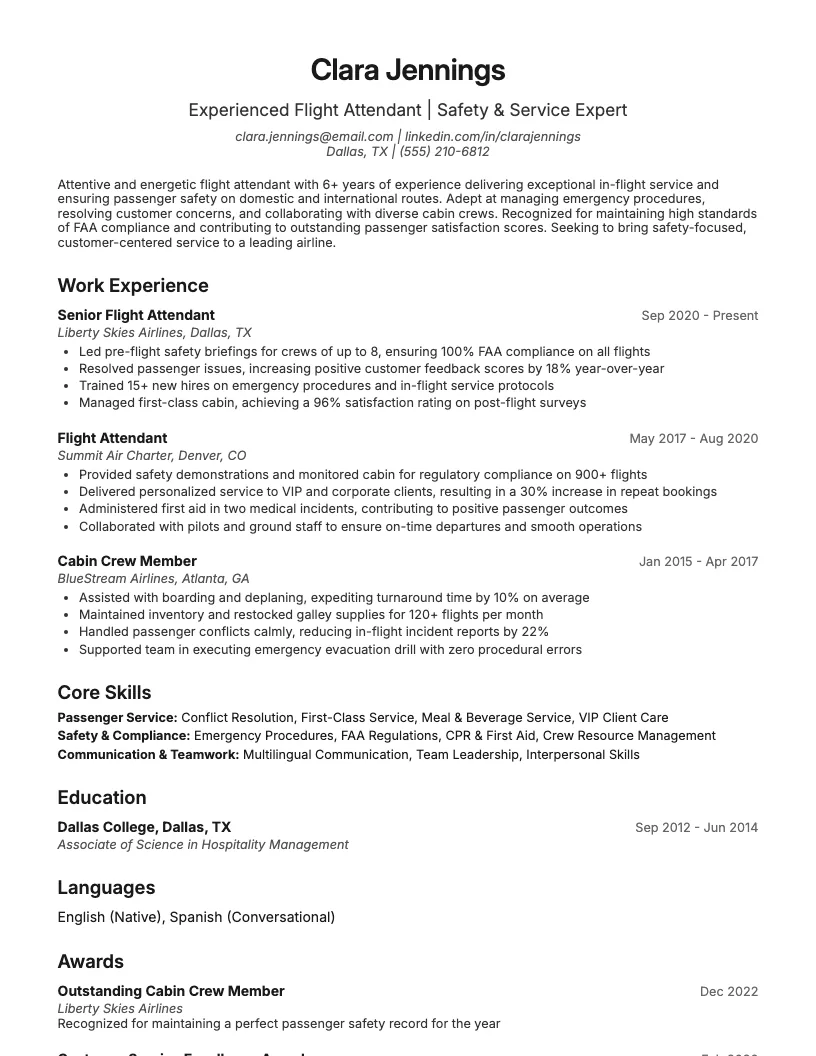
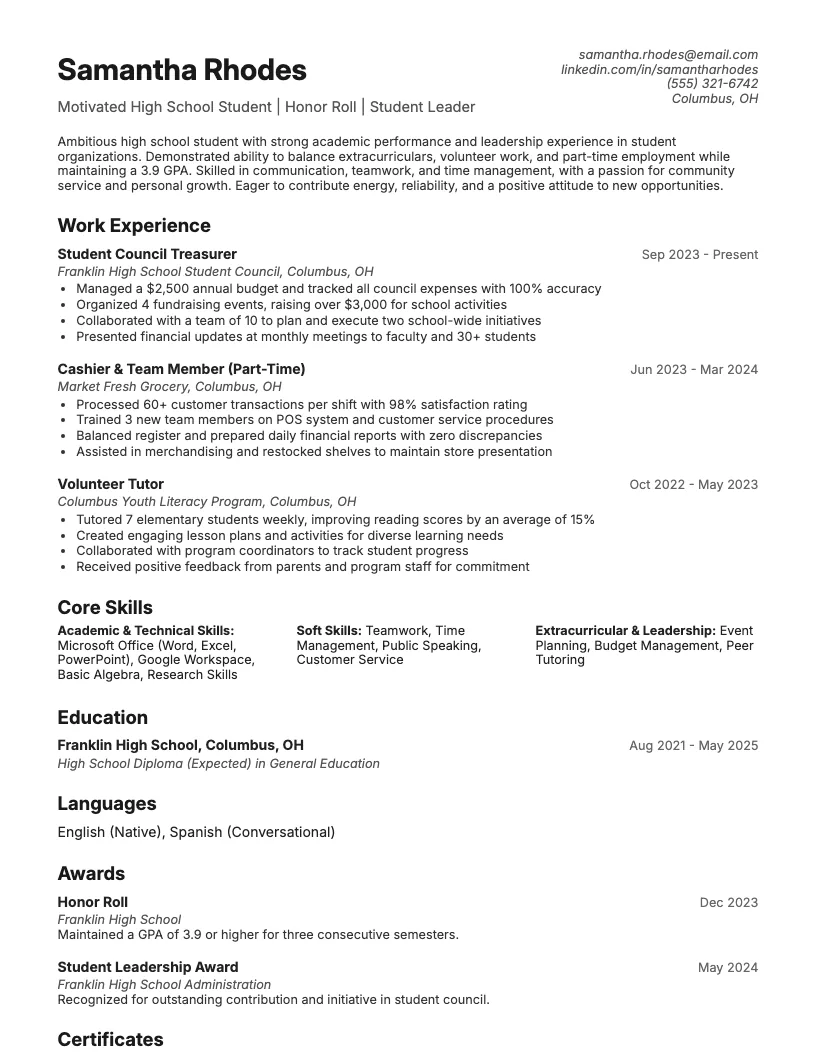
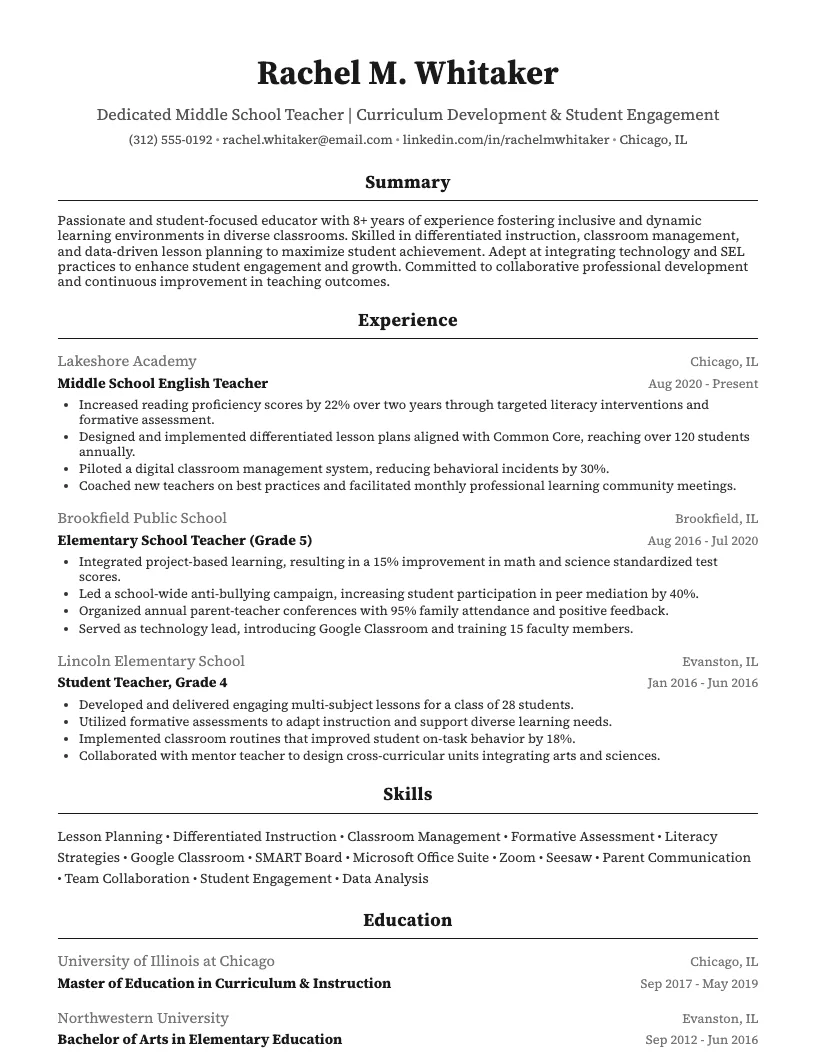
See these skills on a real resume
8 examplesStart from an example that already has them, and swap in your own.
Check your resume against the job you want
Scan your resume, see which skills and keywords the posting asks for that you are missing, and fix them before you apply.
Free to use • No credit card required