Financial Analyst Resume Keywords: 10 Terms Every Recruiter Scans For
See the 10 keywords, software tools, valuation terms, and metrics financial analyst resumes need, plus how to list your CFA and match any job posting.


Written by Dr. Priya Sharma
Career Development Expert & Resume Analyst
Updated August 2026
Reviewed by Sarah Chen
Is your resume ATS-friendly?
Drop your resume in and see which of these skills a scanner can actually read, and which ones the job you want is asking for that you have not listed.
PDF or DOCX. Max 2MB.
We never share your resume or use it to train a model.
In This Guide:
What keywords should a financial analyst put on a resume?
What keywords should a financial analyst put on a resume?

I've read enough financial analyst resumes to tell you where most of them fall short: they say "strong analytical skills" and never name a single model.
That's the gap. Recruiters are scanning for exact terms, and vague ones don't match anything.
Financial modeling
This is the word that has to be on the page, full stop. On its own it's too broad.
The specific model types to name instead are in which valuation and modeling terms finance recruiters search for.
Forecasting
Pair it with what you forecasted and how often. "Forecasting" alone is thin; "monthly revenue forecasting across three business units" tells a hiring manager something real.
Budgeting
Nine times out of ten this sits next to forecasting on a posting, so put them near each other on your resume too - same section, same bullet if you can manage it.
Variance analysis
I'll cover exactly how to turn this into a bullet with a number in it a little further down - see how to work these into your bullets.
Financial reporting
Recruiters search this almost as often as financial modeling. If you built the reports, say so; if you just distributed them, that's a different job and worth being honest about.
Data analysis
Generic on its own - name the tool next to it, whether that's SQL, Excel, or Power BI, in the tools section.
P&L analysis
Specific and searched-for. Don't fold it into "financial analysis" - spell it out.
Three-statement model
This one separates people who've actually built a model from people who've used one.
Scenario and sensitivity analysis
Increasingly common on postings above entry level.
KPI tracking
The mistake I see most often: candidates list the dashboard tool but never say what KPIs they tracked. Name both.
Before you finalize any of this, run your resume against the actual posting - ResumeJudge will flag which of these terms the job asks for that your resume is missing, so you're not guessing.
Which software and tools should you name?
Which software and tools should you name?
Advanced Excel: VLOOKUP, INDEX/MATCH, pivot tables, VBA macros, Power Query
"Proficient in Excel" tells the recruiter nothing. Every finance resume claims that.
Name the actual functions: VLOOKUP, INDEX/MATCH, pivot tables, VBA macros, Power Query. Each one is a separate keyword an ATS matches on, and each one tells a hiring manager exactly what you can build without them having to ask.
SQL
If you've ever pulled your own data instead of waiting on someone else to run a query, put SQL on the resume. It's one of the fastest-growing asks in FP&A job postings, and it separates you from analysts who can only work inside a spreadsheet someone else built.
Python
Same logic. You don't need to be an engineer - if you've automated a report or cleaned a dataset with pandas, say so.
It signals you can scale past manual Excel work.
Power BI
Tableau
List whichever one you've actually used. I've seen candidates list both because a job posting mentioned both, and it reads as padding the second a recruiter asks a follow-up question.
Bloomberg Terminal
Capital IQ and FactSet
These three show up constantly in equity research and investment banking postings. If your background is corporate FP&A, don't force them in - they'll look like keyword stuffing to anyone who actually reads the resume, not just the scanner.
SAP, Oracle and NetSuite
Name the ERP system you actually touched, not a category. "ERP experience" is vague; "SAP" is a keyword.
Anaplan, Hyperion, Essbase and Workday Adaptive Planning
These are FP&A planning tools, and they're worth naming individually if you've used them - they're specific enough that an ATS treats each as its own match. Not sure which tools a particular posting actually wants?
ResumeJudge reads the job description and tells you which ones from your resume are missing before you apply.
Which valuation and modeling terms do finance recruiters search for?
Which valuation and modeling terms do finance recruiters search for?
If your resume just says "financial modeling," a recruiter searching for a specific deal type will never find you. This is the section where naming things exactly matters most.
DCF valuation
Write "DCF valuation" or "DCF model," not "valuation experience." The acronym and the spelled-out version both get searched, so if you've got room, use both once.
Comparable company analysis
Some postings call this "comps," some spell out the full phrase. Put the full term on the page at least once.
Precedent transactions
This one's easy to fold into an M&A bullet: "built precedent transaction analysis for three add-on acquisitions" tells a recruiter exactly what you did, not just that you were "involved in deals."
LBO modeling
If you've built one, say "LBO modeling" or "LBO model," not "leveraged transactions." This is a specific search term for private equity and banking roles.
M&A analysis
Spell out "mergers and acquisitions" once, then use "M&A" the rest of the way. Recruiters search both.
NPV and IRR
These two almost always travel together on a job posting, so list them together. Don't just say "capital budgeting" and expect the acronyms to get credit.
Rolling forecast
This is a specific FP&A term, different from a static annual budget. If that's what you built, name it.
Driver-based model
A model tied to real business drivers (units, headcount, pricing) instead of flat percentage growth. Recruiters use this phrase to filter for people who can build something more sophisticated than a spreadsheet extrapolation.
Why you name each model type separately
Every model type above is its own keyword, and a resume with three or four of them beats one with a single vague phrase. If you're staring at a posting and can't tell which of these it wants, that's exactly what ResumeJudge checks for - it compares your resume against the posting and tells you which specific model types are missing.
Which financial metrics and ratios belong on the resume?
Which financial metrics and ratios belong on the resume?
Naming a ratio without a number attached is the single most common miss I see on analyst resumes.
Recruiters aren't scanning for "financial metrics" as a phrase - they're scanning for the specific ones your target role actually uses.
Gross margin, EBITDA and EBIT
These are profitability terms, and they belong near any bullet about P&L work.
If you improved gross margin or tracked EBITDA against budget, name the metric and the movement - "3-point gross margin lift," not "improved profitability."
Working capital, current ratio and quick ratio
These three cover liquidity, and I'd list at least one if you've touched cash management or short-term planning at all.
Debt-to-equity and leverage ratios
Leverage ratios matter most for credit, treasury and corporate finance roles - if that's not your lane, don't force them in.
ROA, ROE and asset turnover
These efficiency ratios show you can judge how well capital is being used, not just report the numbers.
Cash flow and liquidity analysis
Every job posting worth applying to mentions cash flow somewhere, so this one's close to mandatory.
If you're not sure which of these five actually appear in the posting you're chasing, that's exactly the gap ResumeJudge finds - it checks your resume against that job description and tells you which metrics and ratios it's still missing.
Which accounting, close and compliance words matter?
Nine times out of ten, a financial analyst posting throws in a handful of accounting words even though the job isn't an accounting job. You still need them on the resume, just not as the headline.
Month-end close and quarterly close support
Say it plainly if you touched it: month-end close, quarterly close, or close process support. Recruiters search this exact phrase, and if you sat in close meetings or fed numbers to accounting, it belongs here.
GAAP and IFRS
List GAAP and IFRS if you worked under them, not because they sound impressive. One line is enough - "prepared statements under GAAP" - you don't need a paragraph on either.
Income statement, balance sheet, cash flow statement
Name the actual statements you built or analyzed rather than writing "financial statements" and hoping it counts. This overlaps with the financial reporting keyword above - keep the detail here, keep that one short.
SOX compliance and audit support
If you supported an audit or worked in a SOX-controlled environment, name it. I've seen candidates bury "audit support" in a bullet about something else entirely - pull it out, it's a keyword recruiters filter on.
Management and board reporting
Board reporting and executive reporting read differently than "made reports" - they signal you worked at a level where the output mattered to leadership, not just to your own team.
Where accounting words help and where they make you look like an accountant
If you're early-career FP&A, keep the accounting terms in one line near your certifications instead of spreading them through every bullet. Recruiters at that stage read heavy audit and close language as an accountant's resume, not an analyst's.
Here's the mistake I see most often: an FP&A candidate loads the resume with close, audit, and compliance language and ends up reading like a staff accountant. Use these words where they're true, but let forecasting and modeling carry the top of the page.
If you're not sure which side of that line your resume lands on, running it against the posting in ResumeJudge will show you whether the accounting terms are crowding out the FP&A ones a hiring manager is actually scanning for.
Which soft skills should a financial analyst list?
Which soft skills should a financial analyst list?
Every resume in this pile says "strong analytical skills." It's dead weight - recruiters skim past it because it tells them nothing a finance job doesn't already assume.
What actually gets read is the skill attached to a situation.
Business partnering
This is the word for sitting with a sales or ops leader and turning their question into a model they can act on. Say who you partnered with and what changed because of it - a budget got reset, a forecast got trusted.
Stakeholder communication
Translating a spreadsheet into a decision for someone who doesn't build spreadsheets. Name the audience: finance leadership, department heads, whoever sat across from you.
Executive presentations
Different from stakeholder communication - this is standing in front of a VP or the board with numbers that have to hold up under questions. If you've built the deck and presented it yourself, not just fed slides to someone else, say so.
Cross-functional collaboration
Finance touches sales, ops, HR, product. List which teams you worked across and what you pulled from them - usually data nobody else could get clean.
Attention to detail
In this field it isn't a personality trait, it's a track record: a model with no broken formulas, a close with no restatements. Tie it to something that stayed accurate under deadline pressure.
Analytical thinking
This is the umbrella term recruiters actually search, so it earns its spot - but only next to the modeling and metric words that prove it, not floating alone.
Problem solving
The strongest version names the mess you found and the fix. If you're not sure your bullets actually show that instead of just claiming it, running the resume against a posting will tell you fast - and ResumeJudge will flag exactly which lines read as a claim instead of a result.
How do you list the CFA and other certifications?
How do you list the CFA and other certifications?
If you've got a CFA charter, you're leaving money on the table by burying it. Charterholders average $267,000 in total pay across finance functions, and it carries the most weight in asset management, equity research, and portfolio management.
CFA charterholder
Put "CFA" right after your name, and spell out "CFA Charterholder" once in your summary or certifications section.
CFA Level II or III candidate
List it as "Passed Level II of the CFA Program" or "Passed Level III of the CFA Program" - that's CFA Institute's approved wording, and it keeps you clear of the expected-completion date they don't allow. I've seen recruiters treat this as a real signal, not a throwaway line - it says you're already doing the work most analysts around you aren't.
CFA Level I candidate
Same rule, one level down: name the level and the date. Don't just write "pursuing CFA" - that tells a recruiter nothing about how far along you are.
CPA
Worth listing if you have it, especially for roles that touch close, audit support, or reporting work.
FRM
Financial Risk Manager carries real weight on risk and credit desks - list it the same way you'd list the CFA.
FMVA
A modeling-focused credential. It's not as recognized as the CFA, but it backs up any financial modeling claim you're making elsewhere on the resume.
Bloomberg Market Concepts
A shorter, entry-level credential. Fine to include if you're early career and building out a thin certifications section, but don't let it crowd out the CFA line if you have one.
Never claim the charter before you have it
I've seen candidates write "CFA" on a resume before CFA Institute has actually issued the charter. Don't do this - it violates CFA Institute's own standards, and it's exactly the kind of thing background checks catch.
If you're not sure how to phrase where you actually stand, running your resume through ResumeJudge against a posting will flag any certification wording that overstates what you've got.
Which keywords change with your experience level?
Which keywords fit which experience level
| Level | Years | Keywords to use |
|---|---|---|
| Intern/student | - | Coursework, case competitions, Excel modeling |
| Entry level | 0-2 | Excel reporting, data entry, financial statement analysis |
| Mid level | 3-5 | Operating models, SQL queries, root cause analysis, ERP systems |
| Senior | 5-8 | Strategic planning, capital allocation, board presentations, mentoring |
| Manager and above | 8+ | Capital allocation, M&A modeling, C-suite collaboration |
I've reviewed resumes across the whole ladder, and the keyword shift from intern to manager is one of the clearest signals of whether someone actually understands the role.
Intern and student: coursework, case competitions, Excel modeling
At this stage, lean on coursework (corporate finance, econometrics), case competitions, and Excel modeling. Nobody expects you to have run a live three-statement model, so name the class project or club fund instead.
Entry level, 0-2 years: Excel reporting, data entry, financial statement analysis
Your first job is speed and accuracy: Excel reporting, data entry, financial statement analysis. Nine times out of ten, a junior resume that skips these basics and jumps straight to "strategic" language reads as inflated, not impressive.
Mid level, 3-5 years: operating models, SQL queries, root cause analysis, ERP systems
By year three, the words should shift to ownership: operating models, SQL queries, root cause analysis, and an ERP system like SAP or NetSuite. This is where recruiters expect independence, not just support work.
Senior, 5-8 years: strategic planning, capital allocation, board presentations, mentoring
Senior resumes need strategic planning, capital allocation, board presentations, and mentoring. If you're still writing bullets like an entry-level analyst at year six, that's the mismatch I flag first.
Manager and above: capital allocation, M&A modeling, C-suite collaboration
At manager and above, add M&A modeling and C-suite collaboration alongside capital allocation. If you're unsure which of these actually appear in the posting you're chasing, ResumeJudge will scan it and tell you exactly which ones you're missing for your level.
Do the keywords change by the kind of finance job?
Which keywords lead by finance job type
| Job type | Keywords to lead with |
|---|---|
| FP&A and corporate finance | Rolling forecast, driver-based model, business partnering |
| Investment banking and M&A | LBO modeling, precedent transactions, deal value |
| Equity research | Comparable company analysis, DCF valuation, coverage universe |
| Risk and credit analysis | Credit analysis, risk assessment, portfolio exposure |
| Treasury | Cash management, liquidity forecasting, debt-to-equity |
Yes, and this is where I see the most generic resumes fail. A resume that just says "financial analyst" reads like it was written for no job in particular.
FP&A and corporate finance
Lead with rolling forecast, driver-based model, and business partnering. FP&A recruiters want to see you shaping decisions, not just closing books.
Investment banking and M&A
Here it's LBO modeling, precedent transactions, and deal value. I've reviewed resumes with six closed deals and $1B+ in aggregate value buried in a paragraph instead of the top line - that's the first thing that should hit the reader's eye.
Equity research
Comparable company analysis, DCF valuation, and coverage universe carry the most weight. Show the sector you covered and how many names you followed.
Risk and credit analysis
Swap modeling language for credit analysis, risk assessment, and portfolio exposure. GAAP and IFRS knowledge matters more here than in FP&A.
Treasury
Cash management, liquidity forecasting, and debt-to-equity show up more than valuation terms. If you're not sure which of these actually match a posting you're chasing, running your resume against it in ResumeJudge will show you exactly which ones you're missing before you apply.
How do you work these keywords into your bullet points?
Is your resume good enough?
Drop your resume in and see which of these skills a scanner can read, and which ones the job you want is asking for that you have not listed.
Upload your resumeFree. PDF or DOCX. We never share your resume or use it to train a model.
Put them in the summary, experience bullets and skills section
Don't save your keywords for the skills list and call it done.
The strongest resumes I see repeat the same 8-10 terms across the summary, two or three bullets, and skills. That's what makes a recruiter and an ATS both believe you.
Name the model, the tool and the number in one line
One bullet, three things: the model or method, the tool you built it in, and a number that proves it worked.
I've seen hundreds of resumes miss this by including only one of the three.
Weak bullet: "Performed variance analysis"
A variance analysis bullet
Performed variance analysis
Automated variance analysis across 8 cost centers in Excel VBA, cutting the close cycle by 3 days and surfacing $1.2M in savings.
This tells me nothing. Not the scope, not the tool, not what happened because of it.
Rewritten bullet: variance analysis across 8 cost centers, close cut by 3 days, $1.2M found
"Automated variance analysis across 8 cost centers in Excel VBA, cutting the close cycle by 3 days and surfacing $1.2M in savings." Same task, but now it answers what keywords a financial analyst should put on a resume: scope, tool, result.
Weak bullet: "Assisted with financial reporting"
A financial reporting bullet
Assisted with financial reporting
Built 12 monthly Tableau reports for leadership, cutting the reporting cycle from 5 days to 1 through Python automation.
"Assisted" is the word I'd cut first. It says you were in the room, not that you did the work.
Rewritten bullet: 12 monthly Tableau reports, cycle cut from 5 days to 1
"Built 12 monthly Tableau reports for leadership, cutting the reporting cycle from 5 days to 1 through Python automation." That's a tool, a cadence, and a real before/after.
Action verbs: analyzed, modeled, forecasted, consolidated, evaluated, recommended
Swap "helped with" and "worked on" for one of these. They carry the keyword and the ownership in the same word.
Why keyword stuffing gets you rejected by the human, not the ATS
Nine times out of ten, a skills section with forty terms and no numbers reads as padding, not proof. A recruiter skims it and moves on before a machine ever gets the chance to reject you.
If you're not sure which terms actually belong, ResumeJudge will scan your resume against the posting and rewrite the bullets itself, keywords and numbers built in.
How do you find the keywords for one specific job posting?
How do you find the keywords for one specific job posting?
Pull the terms out of the posting itself
Skip the generic list. Read the posting twice and circle every skill, tool, and metric it names.
Those are your keywords. Nine times out of ten they're already close to what's in what to put on the resume, just worded slightly differently by that company.
Match exact wording, including acronyms spelled both ways
If the posting says "FP&A," write "FP&A." If it says "Financial Planning and Analysis," write that too.
I've seen resumes get skipped because they had one form and not the other. Spell it out once, then use the acronym after.
How many keywords to aim for
I tell people to aim for 20 to 30 matched terms, pulled straight from the posting, not recycled from a template.
That's enough to clear the screen without turning every bullet into a word list.
The keywords most analysts leave out
The ones I see missing most: reconciling numbers back to the general ledger, naming who a recommendation went to and what they decided, and stress-testing more than one variable at once.
Matching a posting by hand this closely takes real time. ResumeJudge does it for you - feed it the job description and your resume, and it fixes the wording against that exact posting, not a generic checklist.
Frequently Asked Questions
How many keywords should I put on my financial analyst resume?
The count to aim for, and why it comes from the posting rather than a template, is under "How many keywords to aim for" in the section on finding the keywords for one specific job posting. If you want to know exactly how many you're missing for a specific posting, ResumeJudge scans your resume against that job description and shows you the gaps.
Is it OK to repeat the same keyword more than once?
Yes, repeating a keyword across sections is fine and often strengthens the match. Using "financial modeling" in your summary, your experience bullets, and your skills section shows it's a real, consistent part of your background rather than a one-off mention. Just make sure each use describes actual work, not padding.
Do I need SQL and Python on a financial analyst resume?
It depends on the posting. Many FP&A and corporate finance roles still run entirely on Excel, but analyst roles at data-heavy companies or in investment research increasingly ask for SQL, and some want Python for automation or larger datasets. List what you actually know and what that specific job asks for, not every tool on principle.
Should I write "proficient in Excel" or list specific Excel functions?
List the specific functions, not "proficient in Excel." Naming pivot tables, INDEX/MATCH, VBA macros, or Power Query gives the ATS and the recruiter something concrete to match, while "proficient" carries no keyword content at all. If you're not sure which Excel skills a posting actually wants named, ResumeJudge can rewrite your bullets to use the posting's exact terms instead of a vague summary line.
Should I put my GPA on a financial analyst resume?
Only if you're entry-level and applying to banking or equity-research roles that screen on GPA, and only if it's 3.5 or higher. Once you have a couple years of work experience, drop it - your track record matters more than a college grade at that point.
Should I list a CFA I haven't finished?
Yes, but label it accurately. Write "Passed Level II of the CFA Program" (or whichever level you've cleared) - that's CFA Institute's approved wording, and it still signals commitment to employers. Don't turn the level into a title after your name, and don't add an expected completion date; CFA Institute doesn't allow either. Just don't write "CFA" alone, since that implies you're fully chartered when you're not.
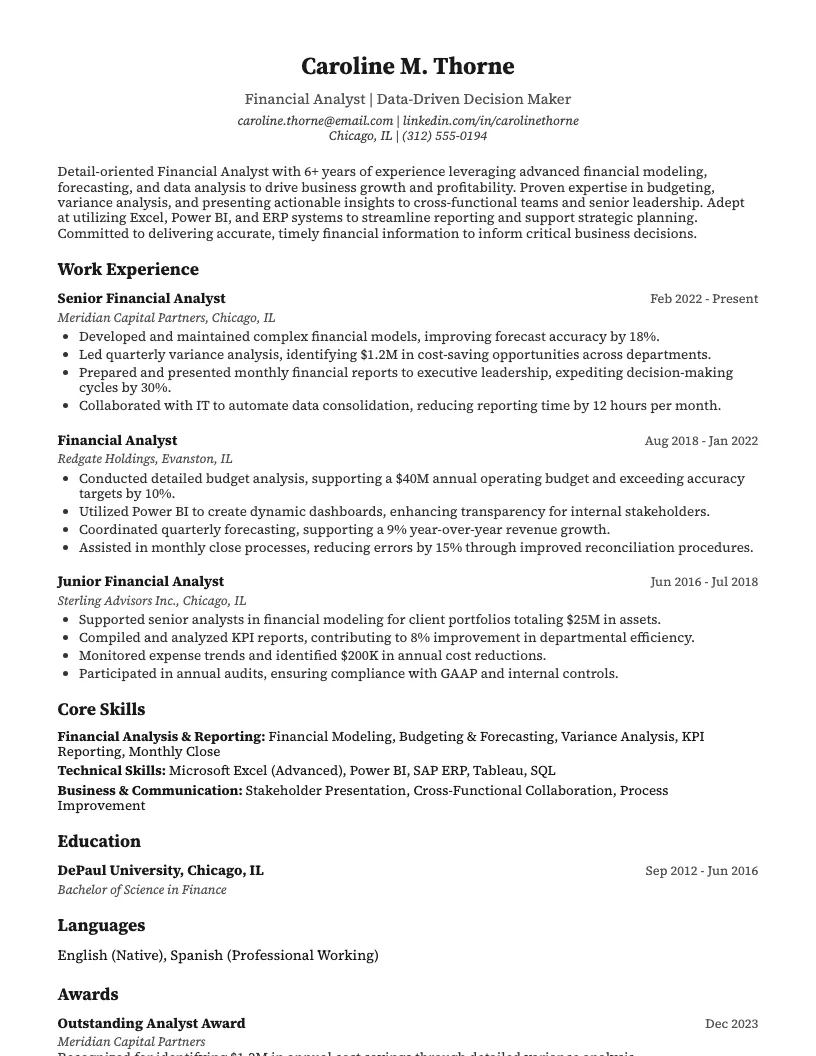
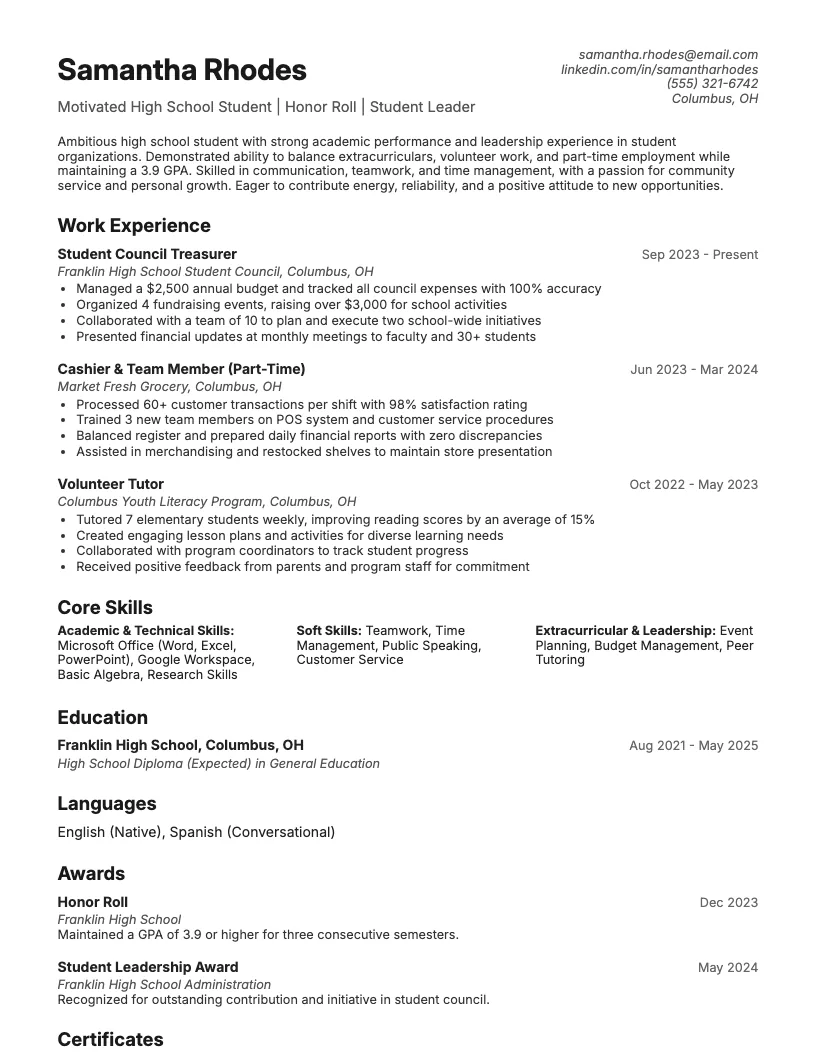
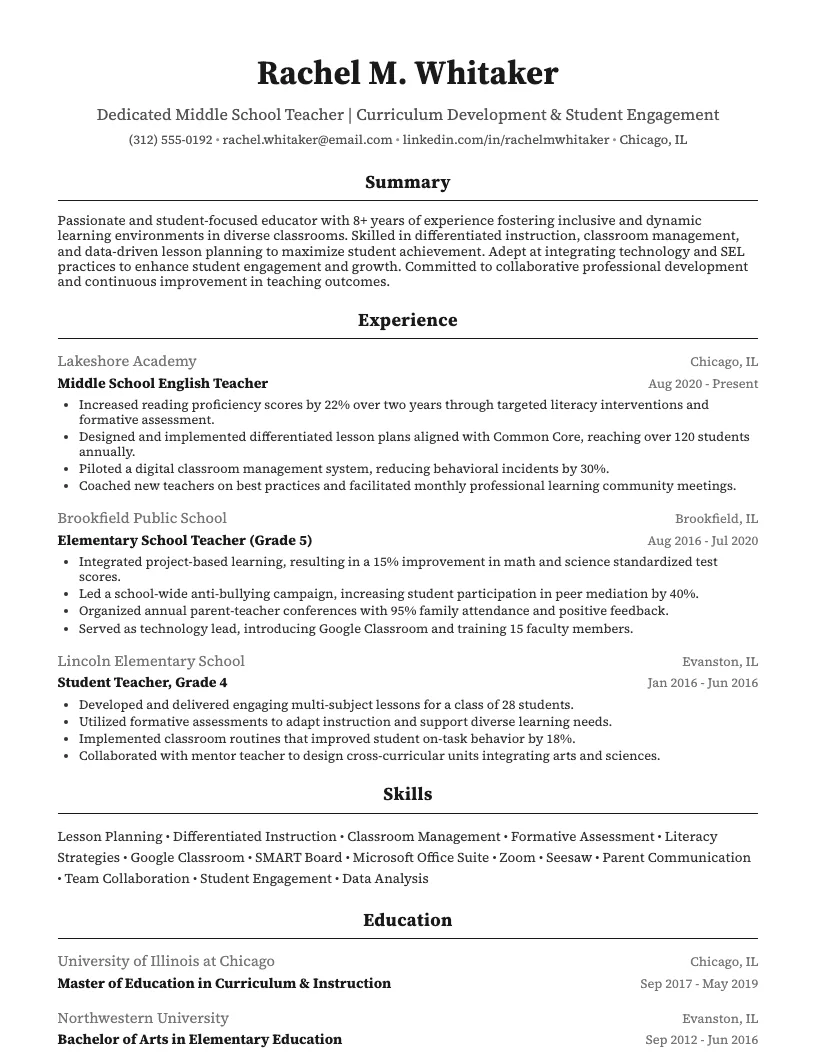
See these skills on a real resume
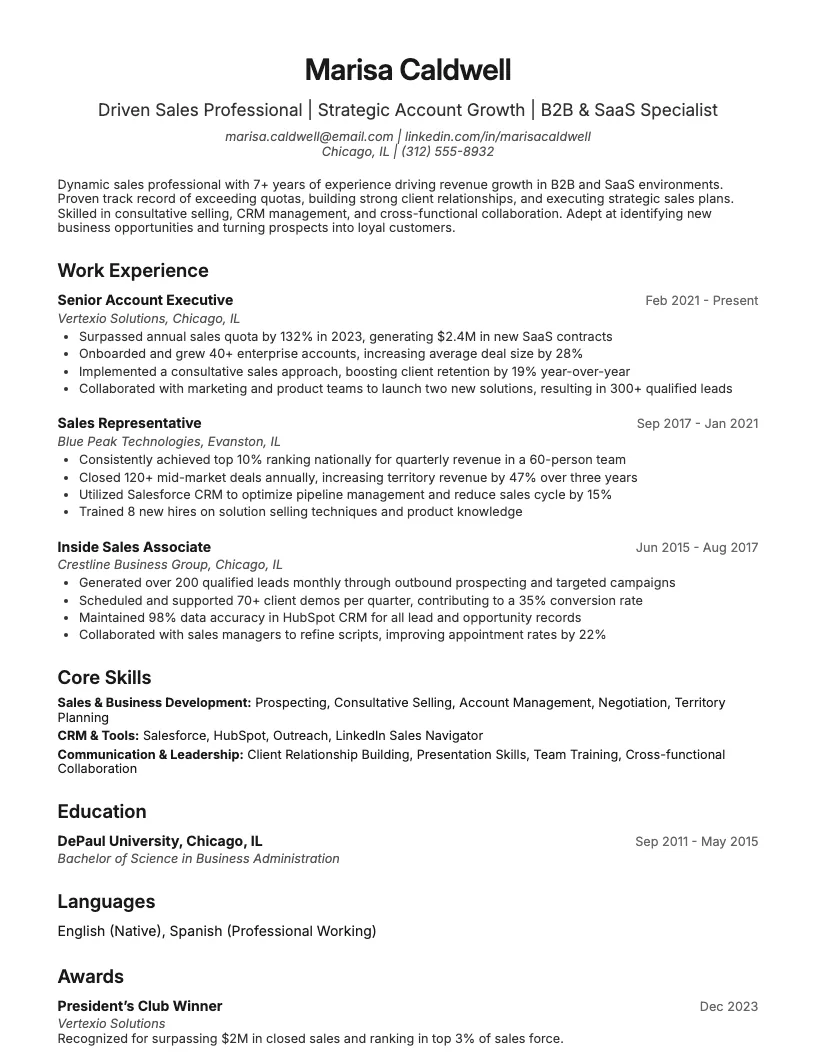
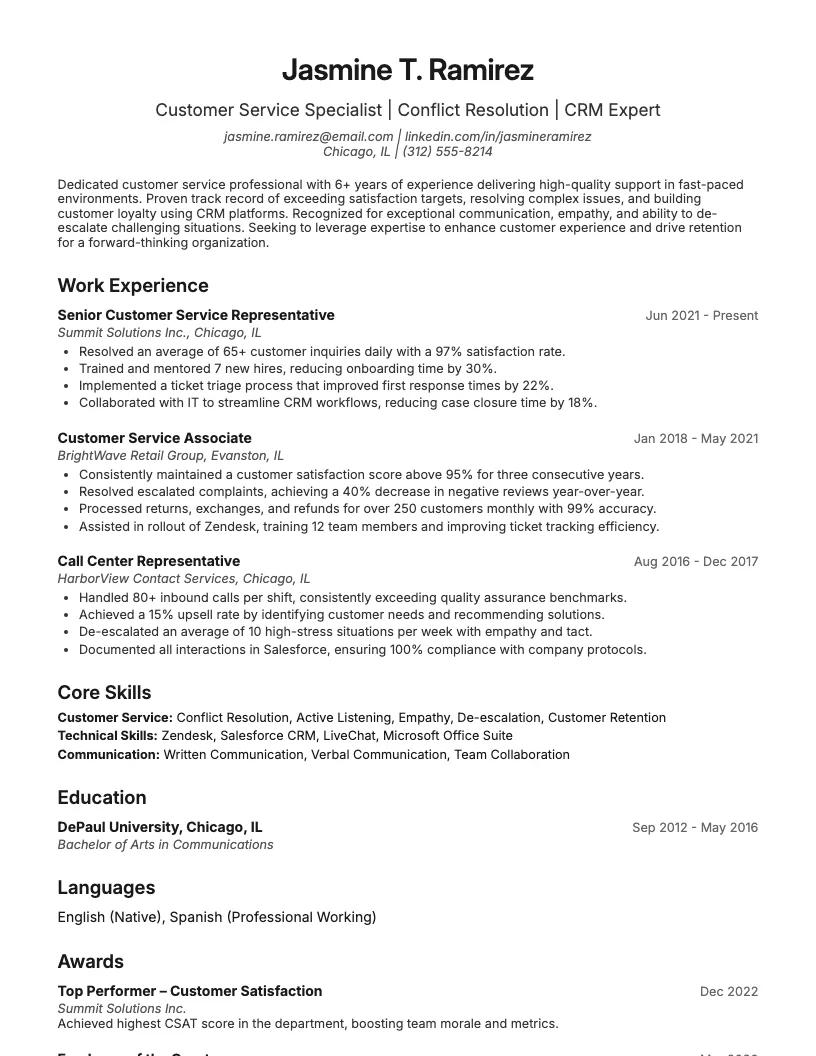
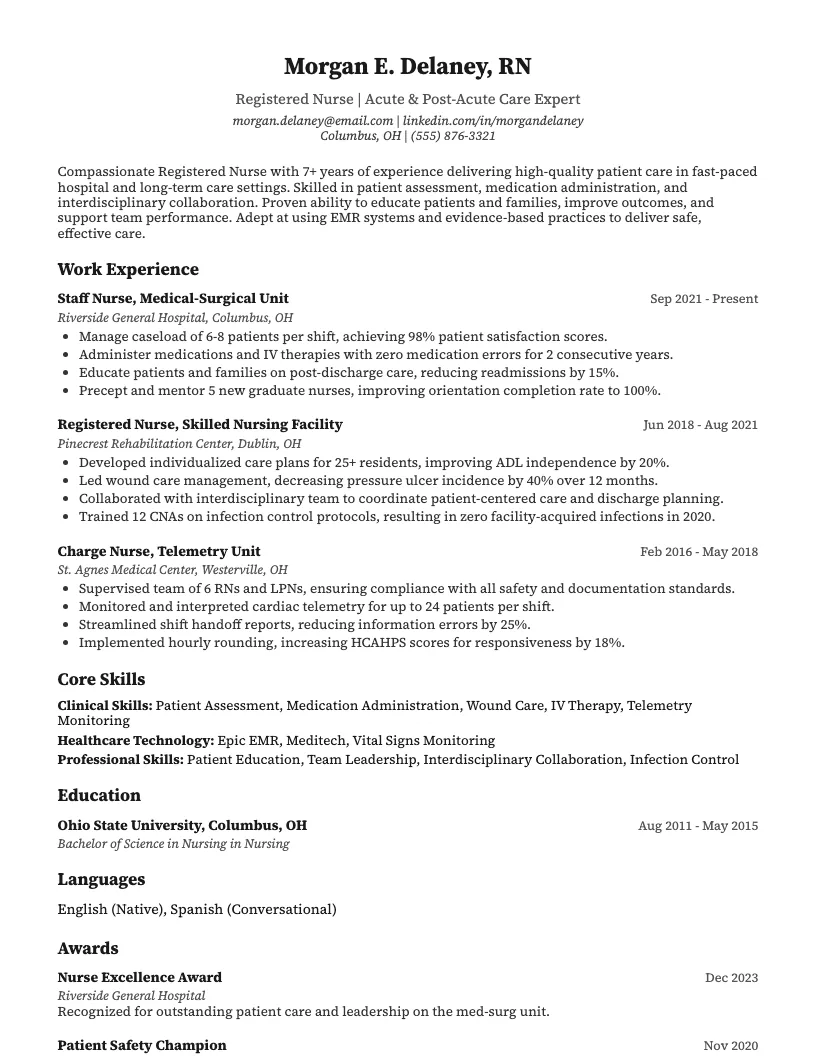
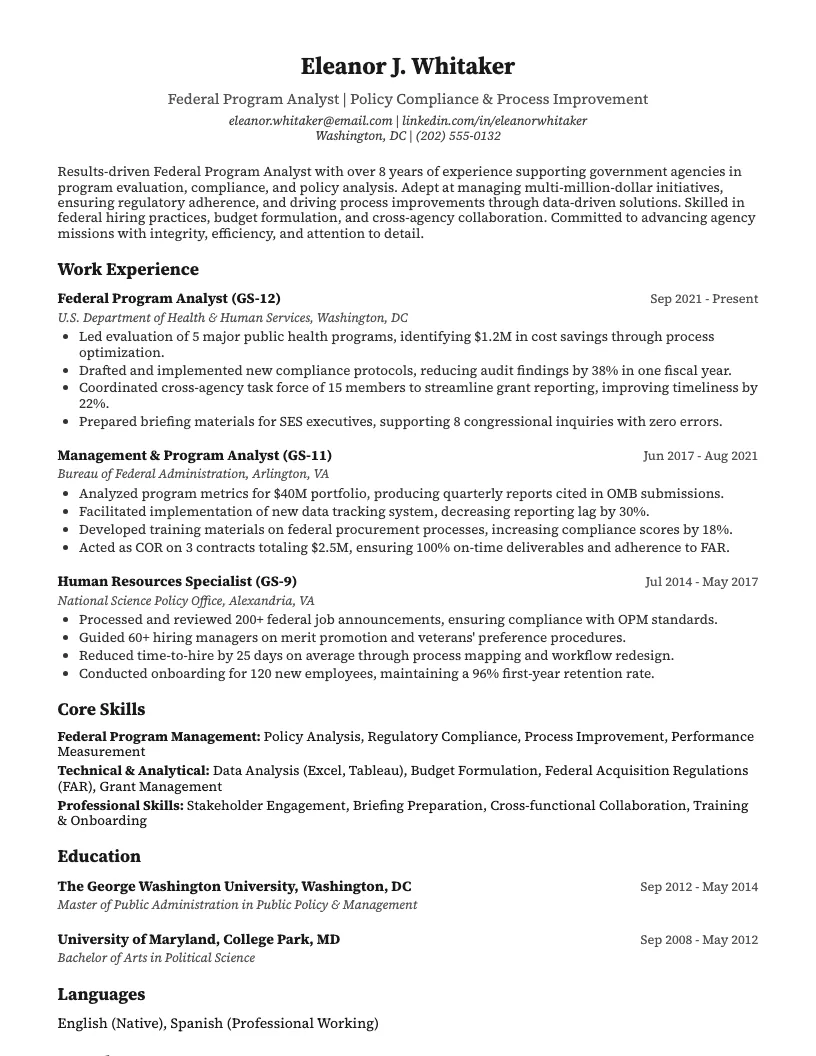
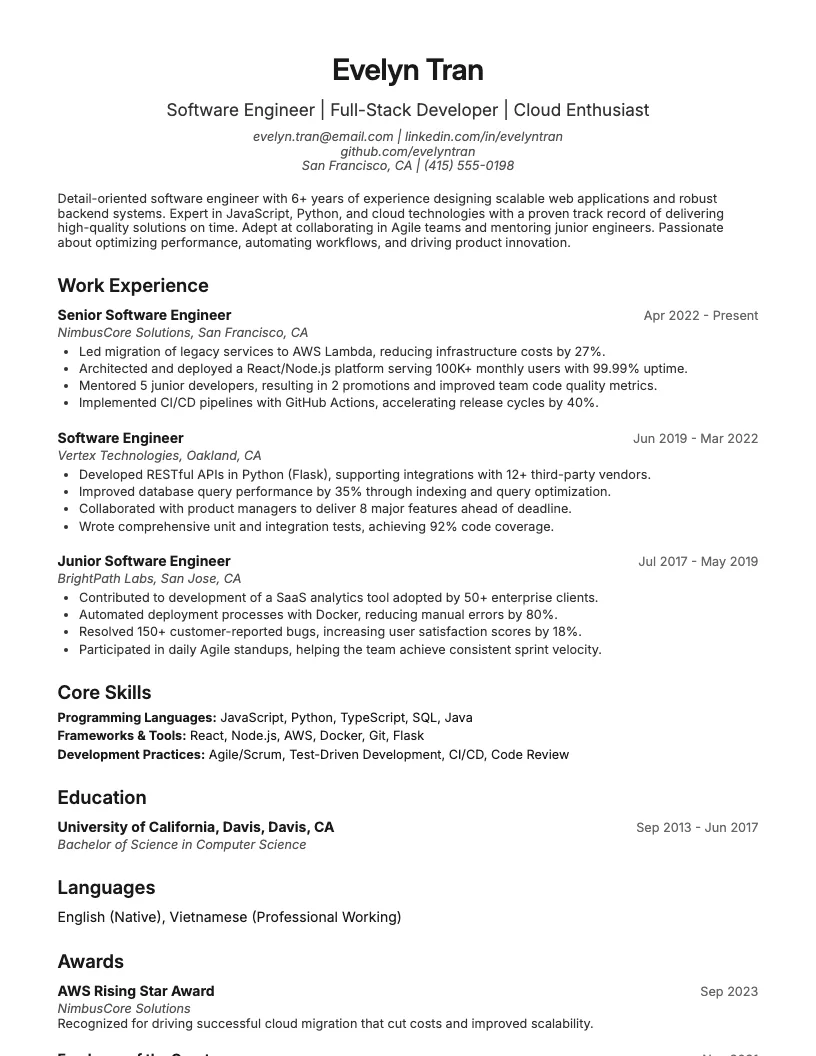
8 examplesStart from an example that already has them, and swap in your own.
Check your resume against the job you want
Scan your resume, see which skills and keywords the posting asks for that you are missing, and fix them before you apply.
Free to use • No credit card required