Event Planner Resume Keywords: 11 Must-Haves, 9 Job Titles
11 keywords event planner resumes need, 9 job titles to match the posting, plus the software, certifications, and verbs that get you past the screener.


Written by Marcus Rodriguez
ATS Optimization Specialist & Career Coach
Updated August 2026
Reviewed by Dr. Priya Sharma
Is your resume ATS-friendly?
Drop your resume in and see which of these skills a scanner can actually read, and which ones the job you want is asking for that you have not listed.
PDF or DOCX. Max 2MB.
We never share your resume or use it to train a model.
In This Guide:
What keywords do event planner resumes need?
What keywords do event planner resumes need?

I've read hundreds of event planner resumes, and most of them list the same five soft skills and skip the words that actually get you an interview. Screeners and hiring managers are scanning for the vocabulary of the job, not adjectives about your personality.
Event coordination
This is the phrase that should anchor your whole resume - not just "planned events," but event coordination, because that's the term postings search for.
Vendor management
If you've booked florists, AV crews, or rental companies, call it vendor management. It signals you can run relationships, not just place orders.
Venue selection
Say venue selection, not "found a location." It's the industry term for scouting, comparing, and booking a space against a budget and headcount.
Budget management
Every posting wants this one. If you've ever tracked spend against a number you were given, that's budget management - name it.
Contract negotiation
Negotiating vendor rates or catering minimums counts, even if it felt like a side task at the time.
Event logistics
Logistics covers timelines, transportation, setup and teardown - the unglamorous work that's actually most of the job.
Catering coordination
Separate from vendor management on a lot of postings, so if food and beverage was part of your role, list it on its own.
Event marketing
Promotion, registration pages, social posts driving attendance - this is a separate keyword from event coordination, and I see people fold it in and lose the credit.
Risk management
Contingency plans, insurance, weather backups. Even one line about handling a last-minute problem earns this keyword.
Attendee registration
Check-in systems, RSVP tracking, badge printing - name the tool if you used one.
Post-event evaluation
Surveys, debriefs, recap reports. It's the keyword hiring managers use to spot someone who closes the loop, not just runs the event and moves on.
Once you've got your list down, run it against the actual posting - ResumeJudge will show you exactly which of these it's asking for that your resume doesn't say yet, and rewrite the bullet to fit.
Which job titles should you use as keywords?
Which job titles should you use as keywords?
Same job, nine different titles, and a screener that's only looking for one of them. That's the trap.
If the posting says "meeting planner" and your resume only ever says "event planner," you can lose the match on title alone. So work the exact title from the posting into your summary or your most recent job title line, even if what you actually did lines up with a different name below.
Event coordinator
This is the most common alternate title for the role, and a lot of postings use it interchangeably with "event planner." If you've held either title, list both somewhere on the page.
Meeting planner
Common in corporate and association jobs, especially anything tied to conferences or internal company events. If your background leans corporate rather than social events, this title often matches the posting better than "event planner" does.
Event manager
I see this one on postings for people who own the whole event, budget included, not just logistics. Use it if you've had budget or team ownership, not just execution.
Conference coordinator
Specific to multi-day, multi-session events. Worth naming if that's what you've actually run.
Event marketing specialist
This title shows up when the job leans toward promotion and attendance numbers, not just the day-of run of show. Pair it with event marketing further up the page.
Convention services manager
Hotel- and venue-side title. If you've worked the venue side of events rather than the client side, this is the one that gets you found.
Catering and events manager
Standard title in hospitality and food service. Use it if catering was a real part of the job, not a side task.
Wedding planner
Its own search category with its own postings. If you're moving between wedding and corporate work, list both titles so you show up in either search.
Event producer
Leans toward large-scale, large-budget production, festivals, brand activations, that kind of thing. Once you've picked the titles that fit, run them and the rest of your resume against a live posting with ResumeJudge, which checks your wording against that specific job and rewrites the mismatched parts for you.
Which event planning software should you name?
Which event planning software should you name?
Screeners look for tool names, not just skill words. If you've only ever written "familiar with event software," you're leaving points on the table.
Cvent
Cvent shows up in more postings than any other platform I've seen, especially for corporate and conference roles. If you've used it for registration, room blocks, or reporting, say so by name.
Eventbrite
Common on the ticketing and registration side, especially for public-facing and community events. Name it if you set up an event page or ran registration through it yourself.
Social Tables
This one's floor-plan and seating software. It's worth naming specifically for weddings, galas, and anything with assigned seating, rather than folding it into a vague "event design" line.
Bizzabo
Bizzabo tends to show up in hybrid and virtual-event postings alongside attendee-engagement tools. Name it if the job you're applying to mentions virtual or hybrid formats.
Whova
Another conference and attendee-app platform. It's smaller than Cvent but still gets named directly in postings, so match it if you've used it.
Asana and Trello
These are project-management tools, not event software, and I'd list them separately rather than mixed in with Cvent or Eventbrite. They back up event logistics claims well.
Excel and QuickBooks
Budget tools belong under budget management, and Excel plus QuickBooks are the two that show up most. Don't skip them for sounding basic - a lot of planners still run budgets through both.
Mailchimp and Hootsuite
These pair with event marketing claims: Mailchimp for invitations and follow-up, Hootsuite for social promotion. Name whichever one you've actually run campaigns through.
Canva and Adobe InDesign
Design tools for materials like signage, programs, and invitations. Canva is the faster, more common pick; InDesign signals more formal design work.
Once you've matched your software list against a posting, run it through ResumeJudge - it checks your resume against that specific job description and tells you which named tools you're still missing before you hit apply.
What soft skills belong on an event planner resume?
Is your resume good enough?
Drop your resume in and see which of these skills a scanner can read, and which ones the job you want is asking for that you have not listed.
Upload your resumeFree. PDF or DOCX. We never share your resume or use it to train a model.
I've read a lot of event planner resumes that list "hardworking" and "people person" and call it a soft skills section. That's wasted space.
The ones that get interviews attach a skill to a moment where it mattered.
Attention to detail shows up in the small stuff - the seating chart that accounted for a food allergy, the run-of-show timed to the minute. Say what you caught, not that you're detail-oriented.
Time management means running multiple events on overlapping timelines without dropping one. If you juggled three weddings in a month, that's the line.
Clear communication is what keeps a vendor, a venue, and a client all working from the same version of the plan. Name who you kept aligned.
Staying calm under pressure is the one hiring managers care about most, because something always breaks on event day. A caterer cancels, a speaker's flight gets delayed - tell them what you did about it.
Problem solving is really the same skill in a different sentence. Pick one story and let it cover both rather than repeating yourself.
Leadership and delegation matters the moment you're running a team of volunteers or vendors instead of just yourself. Say how many people you directed.
Flexibility covers the last-minute changes - a weather call, a headcount that jumped. Nine times out of ten, the resumes that impress me show the pivot, not just the trait.
Negotiation belongs here as much as in contract negotiation - most planners use it to bring vendor costs down, and a dollar figure beats the word every time.
Public speaking covers briefing a room of vendors or hosting a program on-site.
Once you've picked your list, checking it against a real posting is where ResumeJudge helps - it flags which of these the job actually asked for and which ones you're better off cutting. For the questions people ask most about this, see event planner resume keyword questions.
Which action verbs should you start your bullets with?
The verb at the start of a bullet is usually the first thing that tells me whether the rest is worth reading.
Coordinated
This is the safe, obvious choice, and that's exactly the problem.
Every other applicant uses it too, so if you can swap it for something sharper below, do that instead.
Orchestrated
Only reach for 'orchestrated' if you actually led the event, not just executed someone else's plan. Interviewers who ask a follow-up question can usually tell within one sentence whether you ran the show or ran the checklist.
This one earns its place when you actually ran something with a lot of moving parts - a gala, a conference, a multi-day trade show.
"Orchestrated a 500-guest gala" tells a screener more than "coordinated" ever will, especially paired with a real number like guest count or hours saved.
Negotiated
Use this for vendor and contract work - rates, terms, cancellation clauses.
It signals you handle money and risk, not just logistics.
Launched
Good for a new event series, a ticketing system, or a program you started from nothing.
Don't use it for an event you just ran again this year - that's "managed," not "launched."
Streamlined
This is the verb to pair with a process you fixed - check-in, vendor onboarding, budget tracking.
It only works if a number follows it: hours cut, cost saved, steps removed.
Sourced
I use this for vendor and venue work specifically - it reads as more active than "managed vendors."
Managed
Fine for ongoing responsibility - a budget, a team, a vendor list - but it's the weakest verb on this list because it describes a duty, not a result.
Nine times out of ten, I'd rather see what you did with the thing you managed.
Directed
Reserve this for when you actually led people - a team, contractors, volunteers.
Using it for a task you did solo reads as inflated the moment someone asks about it.
Verbs to avoid
Skip "helped," "assisted," "responsible for," and "worked on" - they describe a duty with no action and no result.
The mistake I see most often is a bullet that opens strong with "orchestrated" or "streamlined" and then just... stops, with no number attached.
A verb without a result is a job description, not a resume line - see how to turn a keyword into a bullet with a number for the fix. Once you've picked the right verbs, ResumeJudge can take your resume and the job posting and rewrite each bullet for you, matching the verbs and phrasing the posting actually uses instead of guessing at it yourself.
How do you find the keywords in a job posting?
How do you find the keywords in a job posting?
I've read enough of these to know most people either skim the posting or read it like a legal document. Neither works.
Step 1: Pull the terms out of the qualifications list
Go straight to the "requirements" or "qualifications" section and pull out five to ten terms - software names, certifications, phrases like "vendor management" or "event logistics." That section is where the screener's search terms live.
Step 2: Separate the must-haves from the nice-to-haves
"Required" and "preferred" mean different things. Lead your resume with the required terms; the preferred ones can wait until your skills section.
Step 3: Write both the abbreviation and the full words
If the posting says CMP, write "Certified Meeting Professional (CMP)." Some screeners only match one form, so cover both.
Step 4: Use the exact job title somewhere on the page
Copy the title from the posting exactly as written - which job titles should you use as keywords covers why and lists the nine titles this role gets posted under.
Step 5: Check your resume against the posting before you send it
This is the step people skip. ResumeJudge scans your resume against the posting and shows you exactly which required terms are still missing before you hit apply.
Where do you put keywords so they actually count?
Where do you put keywords so they actually count?
Placement matters almost as much as which words you pick. A screener and a human reader both skim in a predictable order, so put your strongest keywords where eyes land first.
In the professional summary
Your first two or three lines should name the role and two or three of your strongest skills - "event planner" or "meeting planner," plus something like vendor management or budget management. This is prime real estate.
Don't waste it on a generic opener.
In the skills section
List them as bullet points, not a paragraph. I'd rather see eight sharp skills than eighteen vague ones - quality reads better than a wall of terms.
Inside your work experience bullets
This is the one people skip, and it's the one that matters most. Listing "vendor management" once in a skills box proves nothing.
Showing it inside a bullet - negotiated contracts with twelve vendors, came in under budget - proves you actually did it. See how to turn a keyword into a bullet point with a number for the format.
In the certifications and training section
If you hold a CMP or CSEP, list it plainly by name near your education. It's a keyword and a credential at once.
How many times to repeat one keyword
Two or three mentions per keyword, spread across summary, skills, and a bullet, is the sweet spot. More than that and it starts to read as stuffed rather than earned.
Formatting that stops a screener reading them
Tables, text boxes, columns, and keywords buried in images can all get skipped by a screener. Stick to plain headings and bullet lists.
Before you send anything, run it against the actual posting - ResumeJudge will scan both and tell you exactly which keywords are still missing before you apply.
How do you turn a keyword into a bullet point with a number?
How do you turn a keyword into a bullet point with a number?
A keyword on its own just proves you've heard the word. A number next to it proves you did the job.
The ones that get callbacks always answer a question the weak ones don't: how much, how many, how big?
Number of events run
Say how many. "Planned events" could mean 3 or 300.
"Planned 45+ events ranging from 50 to 5,000 attendees" tells a hiring manager exactly what scale you can handle.
Attendee count
Give a range if it varies by event, or a total if you're citing one big one. Both work - pick whichever makes you look most capable for the role you want.
Budget size
Name the dollar range you managed. "Budgets between $5,000 and $100,000" says more than "managed event budgets" ever will.
Cost saved or reduced
Vendor negotiations, venue deals, smarter sourcing - if you cut costs, put the percentage or the dollar figure on it, like "reduced planning costs by 22%."
Revenue or donations raised
For fundraising and sponsorship work, the dollar amount is the whole bullet. "$6,000 in donations" beats "helped raise funds" every time.
Attendee satisfaction score
If you ran post-event surveys, use the number - a 98% satisfaction rating is one of the strongest lines you can put on this resume.
Vendor or team size managed
Say how many vendors, contractors, or staff you directed. It shows scope a duty list never will.
Weak bullet vs strong bullet
Turning a coordination bullet into one with a number
Coordinated training seminars.
Coordinated 5 training seminars for audiences of up to 50.
Weak: "Coordinated training seminars." Strong: "Coordinated 5 training seminars for audiences of up to 50."
Same work, same words even - the only difference is the number, and the number is what gets read. If you're not sure which of your bullets are still in the weak column, ResumeJudge will rewrite them against the actual posting so the numbers you have land in the right place.
Which certifications work as keywords?
Which certifications work as keywords?
I've read plenty of event planner resumes with zero certifications, and they still get interviews - but the ones that list one climb past screeners faster, because a certification is a keyword a computer can match on sight.
Certified Meeting Professional (CMP)
This is the one hiring managers recognize on sight. If you plan corporate events or conferences, put it right under your name.
Certified Special Events Professional (CSEP)
More common on the social and nonprofit side - weddings, galas, fundraisers. Pair it with your event type in the summary so it reads as relevant, not generic.
Certified Government Meeting Professional (CGMP)
Only worth listing if you've worked with government contracts or agencies. Outside that world, it won't mean much to a screener.
Destination Management Certified Professional (DMCP)
For DMC and destination-side work. Niche, but exact-match gold if the posting names it.
Certified Professional in Catering and Events (CPCE)
Catering-heavy roles want this one. It overlaps with the terms in catering coordination.
How to list one you're still studying for
Don't leave it off just because you haven't sat the exam. Write "CMP candidate, exam scheduled [month/year]" - it still gets you the keyword match, and it shows momentum.
Degrees and coursework that count instead
Plenty of these postings do want a degree - a bachelor's is the typical entry-level education for this role. Hospitality, communications, or PR coursework still counts - name the specific classes, not just the major.
Before you send anything out, run it against the actual posting - that's exactly what ResumeJudge checks, and it'll tell you which certifications or courses that employer is actually asking for.
Which keywords change with the type of event you plan?
Which keywords matter for which type of event
| Event type | Keywords that matter most |
|---|---|
| Corporate events and conferences | Contract negotiation, speaker coordination, stakeholder management, AV logistics |
| Weddings | Client relationships, vendor sourcing, day-of coordination, crisis management |
| Nonprofit and fundraising events | Fundraising, donor relations, sponsorship, dollar amount raised |
| Trade shows and exhibitions | Exhibitor management, booth logistics, lead generation tracking |
| Festivals and large-scale events | Crowd management, permitting, multi-vendor coordination, safety protocols |
| Virtual and hybrid events | Platform experience, engagement metrics, technical troubleshooting |
The keywords under what event planner resumes need are the base layer. What sits on top of them depends entirely on what you actually plan.
Corporate events and conferences
Here it's contract negotiation, speaker coordination, B2B stakeholder management, AV logistics.
The ones that land always mention working with executives or sponsors directly, not just "organizing meetings."
Weddings
Wedding planner resumes read differently on purpose. Client relationships, vendor sourcing, day-of coordination, and crisis management under emotional pressure carry more weight here than they would on a corporate resume.
Testimonials and referral rate are worth a line if you have them.
Nonprofit and fundraising events
Fundraising, donor relations, and sponsorship are the words that matter. If you raised money, say how much - resumes in this space that quote a dollar figure or a percentage increase in donations get noticed faster than ones that just say "planned a gala."
Trade shows and exhibitions
Exhibitor management, booth logistics, lead generation tracking. These resumes need to show you understand the event as a sales tool, not just a gathering.
Festivals and large-scale events
Scale is the keyword here: crowd management, permitting, multi-vendor coordination, safety and risk protocols. Team size managed and attendee count belong front and center - see attendee count for how to phrase that.
Virtual and hybrid events
Platform experience (think webinar or streaming tools), engagement metrics, and technical troubleshooting are what recruiters scan for now. Most postings for this type name a specific platform - if you've used it, name it back.
Pulling the right set for a specific posting is exactly what ResumeJudge's scan does: feed it the job description and it flags which of these you're missing before you apply.
Which keywords should you use at your career stage?
Which keywords to lead with at each career stage
| Career stage | What to lead with |
|---|---|
| Entry-level and assistant | Attendee registration, vendor calls, timeline updates |
| Mid-level planner and coordinator | Budget management and vendor management, backed by numbers |
| Senior, manager and director | Risk management, financial forecasting, team oversight |
| Career changers | Admin becomes vendor coordination, marketing becomes event marketing |
| Freelance and self-employed | Events by type, client ratings, repeat-booking numbers |
The keyword list doesn't change by title. It changes by what you can prove.
Entry-level and assistant roles
Lead with the assistant tasks you actually did: attendee registration, vendor calls, timeline updates. Skip words like "orchestrated" you can't back up yet, and use a skills section since you likely don't have three planning jobs to fill a chronological one.
Mid-level event planner and coordinator
This is where budget management and vendor management carry real weight, because you've now owned both, not just assisted with them. Pair each with a number from turning a keyword into a bullet.
Senior planner, manager and director
At this level I want to see risk management, financial forecasting, and team oversight, not just event logistics. The mistake I see most often: a 10-year planner still writing bullets that read like an assistant's.
Career changers coming from hospitality, admin or marketing
Your old job already used these words, just not for events. Admin becomes vendor coordination, marketing becomes event marketing.
Say so directly instead of hoping a recruiter connects the dots.
Freelance and self-employed planners
List events by type, not by client name, and lean on ratings and repeat-booking numbers since you don't have a title to signal seniority.
Where to find keyword evidence when you have no event jobs yet
Volunteer events, school fundraisers, and part-time jobs involving scheduling all count. Before you send anything, run it against the actual posting - ResumeJudge will tell you which of these keywords you're still missing and rewrite the bullets to include them.
Frequently Asked Questions
How many keywords should I put on my event planner resume?
Aim for five to ten keywords pulled straight from the job posting, not a long list you invented yourself. Spread them across your skills section, your work history, and your summary, and let each one show up two or three times in different spots rather than once in a pile. ResumeJudge will scan your resume against the actual posting and tell you which of those keywords you're still missing.
Do I need a separate skills section, or is that keyword stuffing?
A skills section is fine and expected - it's stuffing only when you cram in words that don't match anything you've actually done. Keep the section short and specific, like vendor negotiation, budgeting, or event registration software, and then back each one up with a bullet point that shows it in action. A skills section with no proof behind it in your work history is what gets you flagged.
Will a screener reject my resume if I say 'event coordinator' but the posting says 'event planner'?
It can. Most applicant tracking systems match on the exact word in the posting, so use the title the posting uses - [which job titles should you use as keywords](#which-job-titles-should-you-use-as-keywords) has the full list. ResumeJudge fixes this for you - hand it your resume and the posting, and it rewrites the wording to match what the posting actually asks for.
Should I list Microsoft Office as a skill?
No, leave it off. It's assumed for almost any office job, so naming it wastes space that could go to something the posting actually asks for, like a specific registration platform or budgeting tool. Save your skills section for the software and abilities that set you apart as an event planner.
Do keywords still matter if a recruiter reads my resume by hand?
Yes. A recruiter skimming your resume is looking for the same terms as the software - the right keywords tell them fast that you read the posting closely and have the specific experience it calls for. Without them, a human reader has to work harder to see the match, and a busy recruiter often won't bother.
Should I put the same keywords on my LinkedIn profile?
Yes. Recruiters search LinkedIn using the same kind of terms that appear in job postings, so matching your resume's keywords there makes you easier to find and helps you apply directly through the platform. Keep the wording consistent between the two so you show up as the same candidate either way.
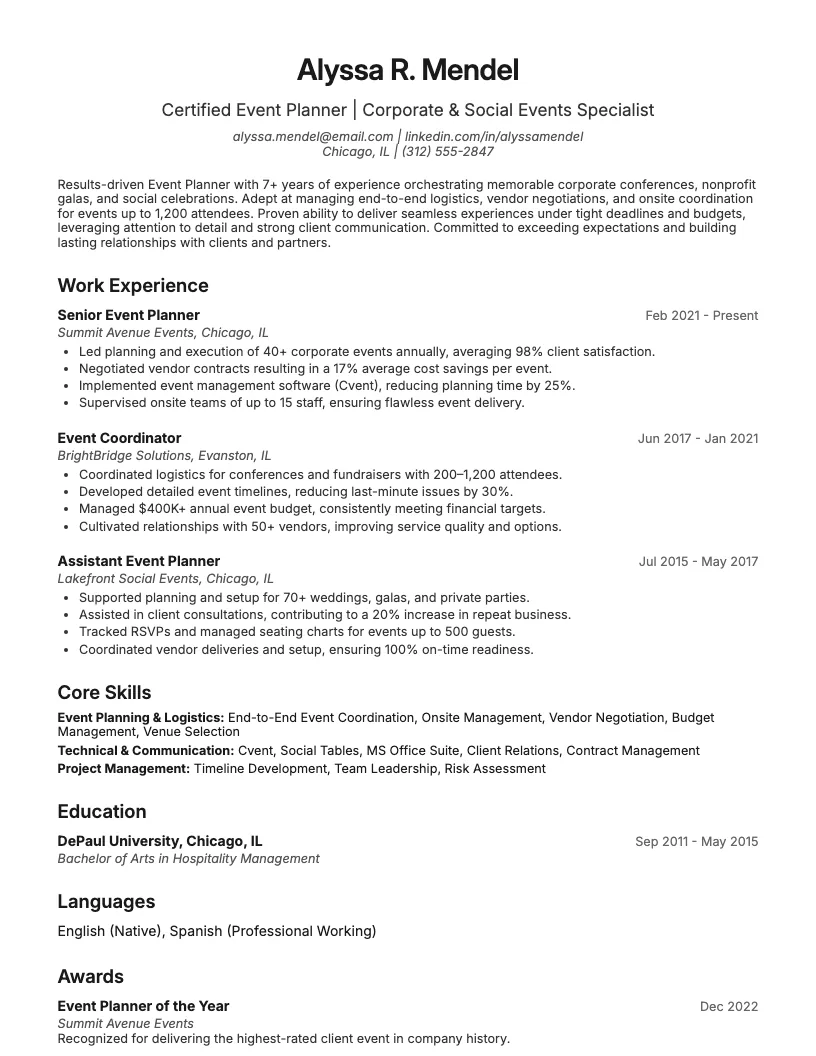
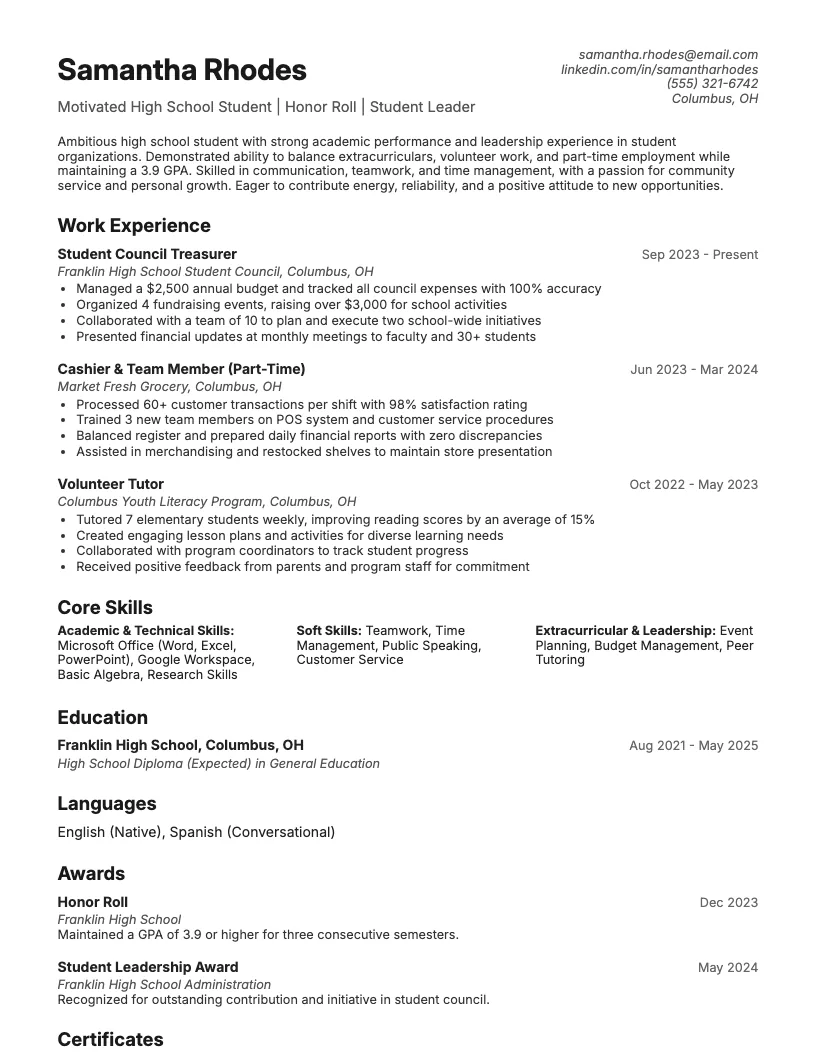
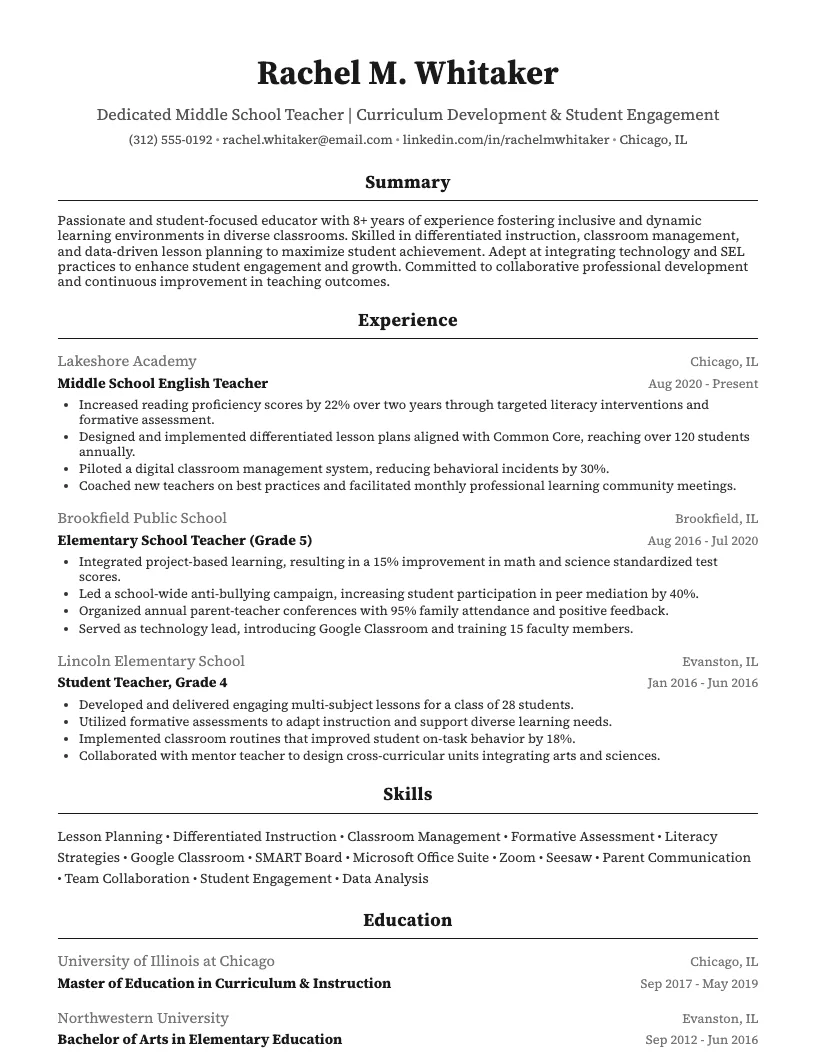
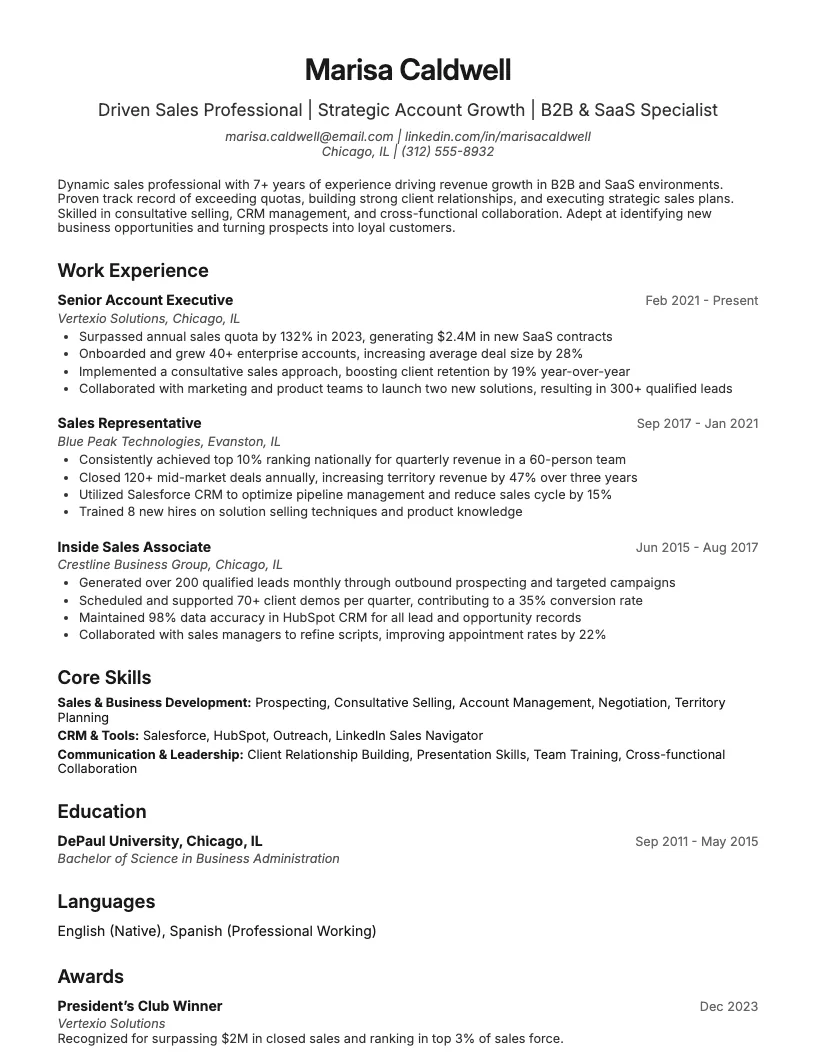
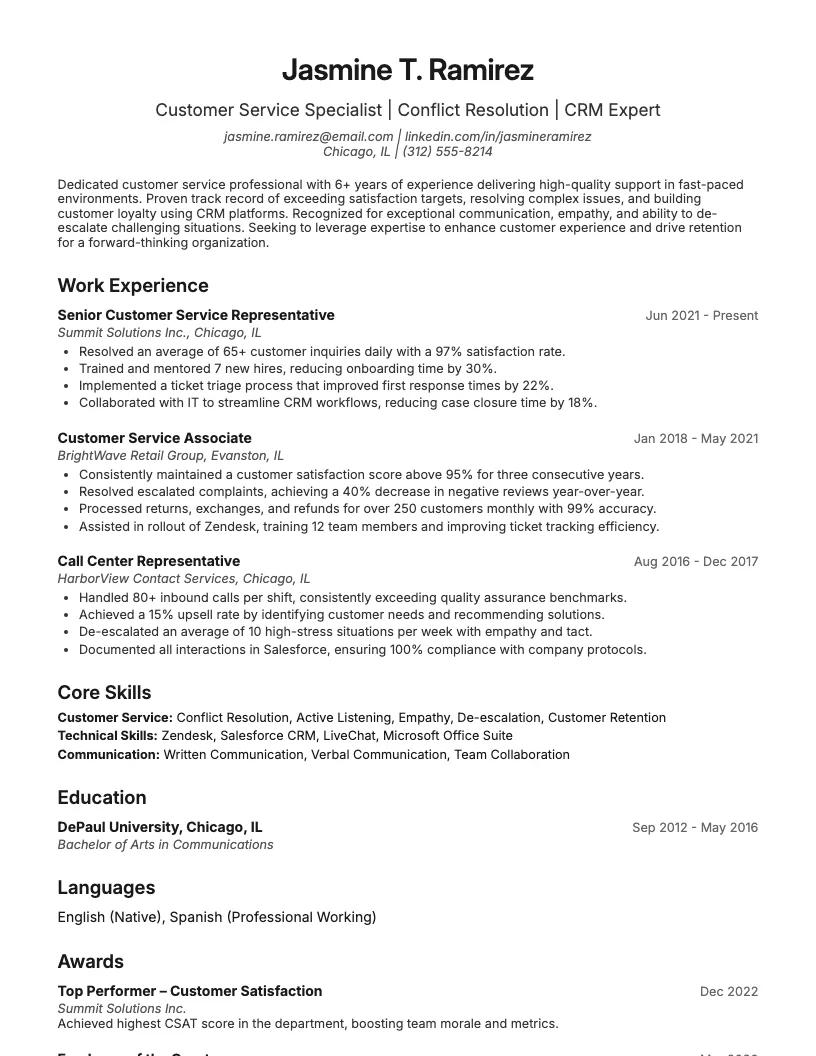
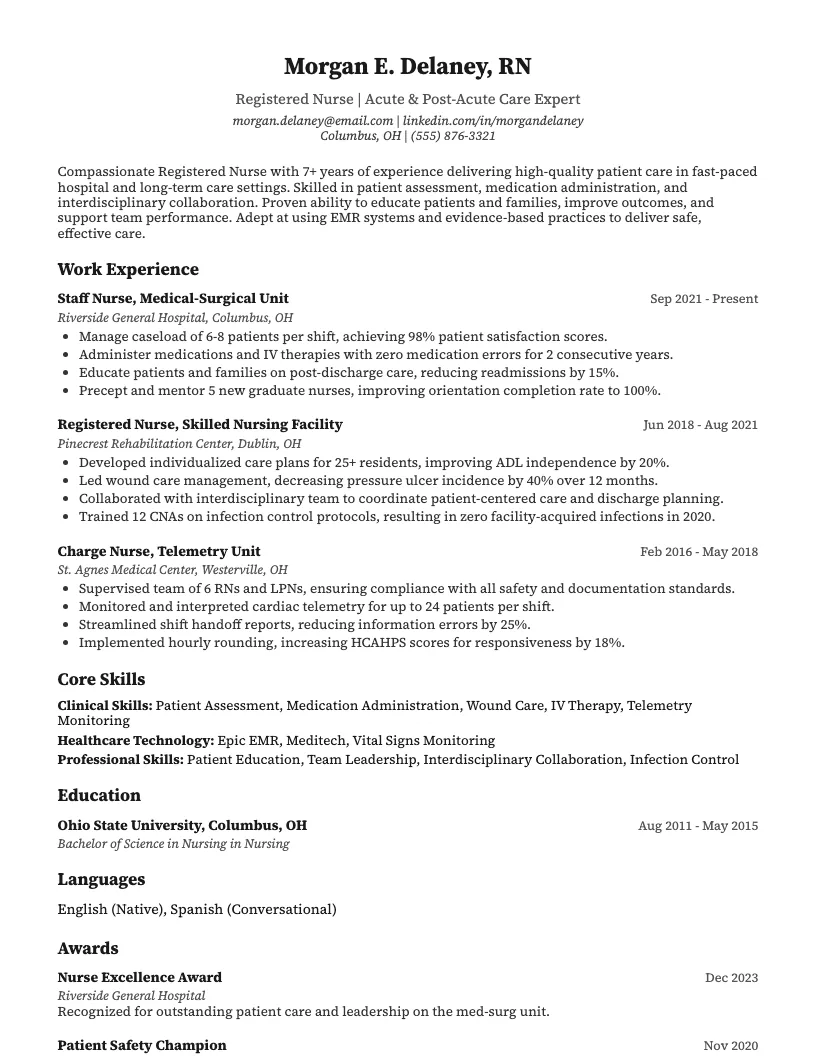
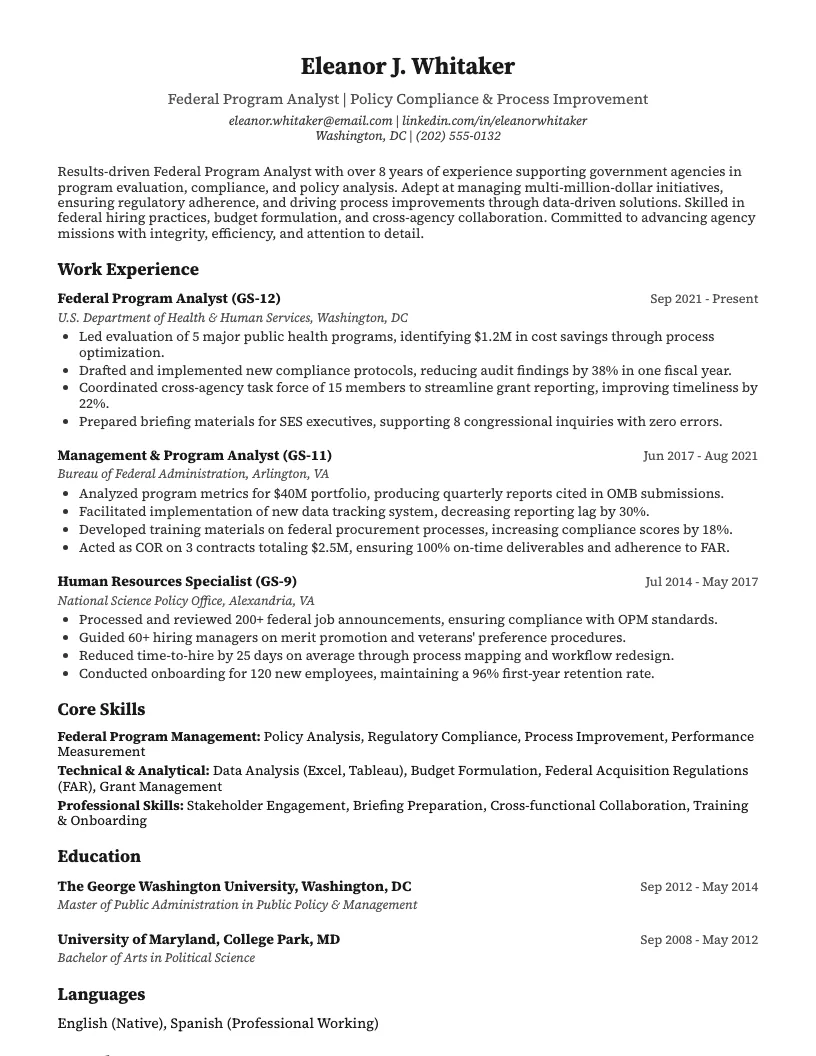
See these skills on a real resume
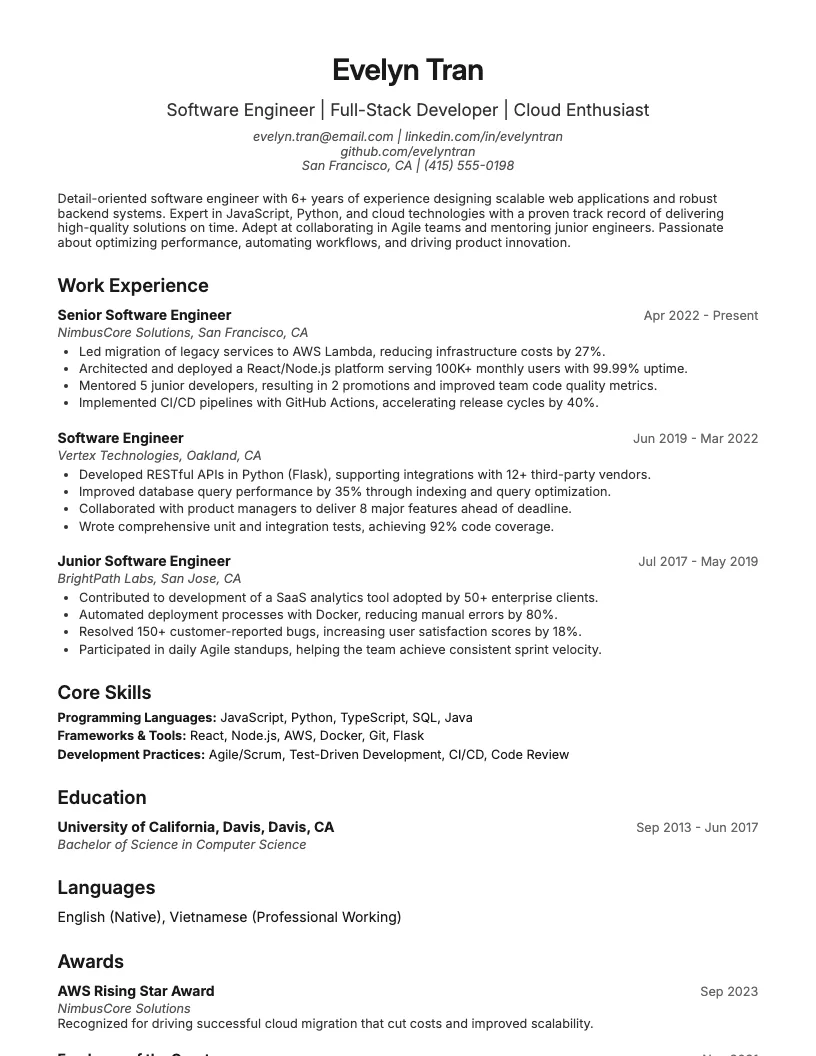
8 examplesStart from an example that already has them, and swap in your own.
Check your resume against the job you want
Scan your resume, see which skills and keywords the posting asks for that you are missing, and fix them before you apply.
Free to use • No credit card required