Construction Management Resume Keywords: 9 Terms Employers Screen For
See the 9 keywords construction employers screen for, plus the software, certifications, equipment, and trade-specific terms to add before you apply now.


Written by Sarah Chen
Senior Career Strategist & Resume Expert
Updated August 2026
Reviewed by Marcus Rodriguez
Is your resume ATS-friendly?
Drop your resume in and see which of these skills a scanner can actually read, and which ones the job you want is asking for that you have not listed.
PDF or DOCX. Max 2MB.
We never share your resume or use it to train a model.
In This Guide:
What keywords do construction employers actually search for?
What keywords do construction employers actually search for?

I've pulled apart enough construction job postings to know the pattern: the same handful of words show up over and over, and most resumes bury them or leave them out entirely.
Construction
This one word shows up all over postings for construction roles - it's practically a given, but skip it and a screener can flag your resume as off-topic. Name your actual corner of it: commercial, residential, infrastructure, whatever you've worked.
Project management
It tops the list on construction project manager postings, where it shows up in 27.83% of them. Don't just write "managed projects."
Say what you delivered: a building finished six weeks early, a schedule you kept on track despite delays.
Documentation
If you kept the paper trail on a job, this word belongs on the page. The documents to name are listed under RFIs, submittals and daily logs.
Construction management
Different from just "construction" - this is the oversight layer. If you ran a job site or owned a budget end to end, this phrase belongs near the top of your resume, not buried in a bullet.
Safety
Nearly a third of postings ask for it directly. Vague phrases like "safety conscious" don't do anything for you - name the certification and the outcome, like a two-year stretch with zero incidents.
Scheduling
On-time completion is the number that matters here. For the scheduling terms a management posting asks for, see scheduling and critical path method.
Budget
Managing money is different from managing tasks, and employers screen for both. For how to word the money side, see cost estimating and budget tracking.
Blueprint reading
A skill everyone claims and few can actually prove on paper. Tie it to a decision you made from a drawing, not just the ability to read one.
Engineering
Shows up in over a third of postings, especially for management-track roles. If you worked alongside engineers on design or material choices, that overlap is worth naming.
Once you've got your list, run it against the actual posting - ResumeJudge will tell you exactly which of these you're missing before you hit submit.
Which keywords belong on your resume for your trade?
Which keywords belong on your resume for your trade?
Every trade in construction has its own short list of words a screener is trained to look for. Get your trade's list right before you worry about anything else on the page.
Carpenter
Framing, finish carpentry, cabinetry, millwork, blueprint reading. If you've done drywall or trim work, name it - "carpentry" alone is too broad to tell a screener what you actually build.
Electrician
Wiring, circuitry, troubleshooting, NEC (National Electrical Code). If you've worked with a specific control system, put the brand on the page - I've seen resumes lose out to a candidate with weaker experience just because they named the equipment and the other person didn't.
Plumber
Pipefitting, PVC, copper piping, HVAC, welding if it applies. Pair each with the setting - residential, commercial, or industrial - because that's usually the first filter a recruiter applies.
Mason and bricklayer
Bricklaying, concrete pouring, rebar installation, blueprint reading. These three or four words cover almost every masonry posting I've reviewed.
Welder
A lot of welders write 'certified welder' and stop there. Name the process - MIG, TIG, or arc - because that's the word a screener is matching, and it's usually the first thing an interviewer asks about anyway.
Name the process - MIG, TIG, arc - not just "welding." If you're certified, put the certification on its own line so it's easy to scan; see how to write a certification so it actually gets picked up.
Ironworker
Structural steel, rigging, rebar, crane signaling. If you've done any crane operation, that single line can be the difference between a callback and a pass.
Roofer
Roofing systems, flashing, waterproofing, fall protection. Fall protection isn't optional phrasing here - it's a keyword employers screen for directly.
Painter
Surface preparation, spray application, finish coating. Add the setting - interior, exterior, industrial - the same way plumbers do.
Surveyor
Site surveying, total station, GPS mapping, blueprint reading. Surveyor resumes get penalized most often for skipping the actual equipment name.
General laborer
Site preparation, demolition, debris removal, material handling, power and hand tools. Nine times out of ten, the laborer resumes that get read all the way through are the ones that turn "helped on site" into one of these terms.
Keywords every trade should carry
Regardless of trade: a valid driver's license, OSHA compliance, safe work practices, and reliability.
Which keywords belong on a construction management resume?
Which keywords belong on a construction management resume?
If you've moved past swinging a hammer and into running the job, your resume needs a different vocabulary entirely. I've read construction management resumes that still read like a laborer's - all "worked on-site," no "managed," no "supervised."
Screening software and hiring managers are both looking for the language of someone who runs projects, not someone who executes tasks.
Crew and subcontractor supervision
Supervision is a word employers ask for by name in management postings. Name the size of the crew, how many subs you coordinated, and use "team leadership" or "stakeholder relationship management" somewhere in the mix - those exact phrases show up in job postings constantly.
Contract management and change orders
Contract management, contract negotiation, and change orders belong together because they're how you prove you control a project's scope, not just its schedule. If you've negotiated a subcontractor agreement or processed a change order without blowing the budget, say so directly.
Cost estimating and budget tracking
Estimating and budget tracking are two different skills and postings usually ask for both. Pair the keyword with a dollar figure - a $10M budget managed, a 10% cost reduction - because a bare "budget management" bullet with no number reads as unproven.
Scheduling and critical path method
Don't just write "scheduling." Critical path method is the specific term that separates someone who tracks dates from someone who actually models a project's timeline, and it's worth naming outright if you've used it.
Procurement and material sourcing
Procurement and material sourcing cover buying power and vendor relationships. If you've negotiated pricing or timed a delivery schedule to keep a site moving, that's the story this keyword tells.
Quality control and inspections
Quality control keeps coming up across job postings because it signals you catch problems before they cost money. Tie it to inspection numbers or a punch-list close-out rate if you have one.
RFIs, submittals and daily logs
This is the paperwork that proves a project happened - RFIs, submittals, daily logs, inspection reports. Skip it and a resume looks thin on the documentation side, which matters more than people expect.
Permits and building codes
Permits and building codes tell an employer you can navigate the regulatory side without a project stalling. Name specific code families you've worked under if you know them.
Value engineering
Value engineering means you've found ways to cut cost without cutting quality - a phrase that shows up on nearly every construction management keyword list I've seen, and one worth having if it's true for you.
Pre-construction
Pre-construction covers everything before the first shovel goes in: estimating, planning, procurement setup. If your experience runs project management, scheduling, or cost estimating before ground-break, "pre-construction" is the word that ties it together on the page.
Once you've picked the right terms, ResumeJudge can take a posting and rewrite your resume's wording to match it section by section, so you're not guessing which phrasing lands.
Which software should you name on a construction resume?
Which software should you name on a construction resume?
If you can run the software, say so by name. I've read hundreds of these, and a resume that just says "proficient with construction software" tells me nothing - the screening tools want the actual product name, and so do the hiring managers skimming behind them.
Procore
Naming the software you actually used
Proficient with construction management software
Managed daily logs and RFIs in Procore across three active job sites
Procore shows up in almost every posting I see for project managers and superintendents now. If you've used it for daily logs, RFIs, or submittals, say Procore - not "project management software."
Primavera P6
This is the scheduling tool that separates a project engineer from a project manager. If you've built or maintained a critical path schedule in P6, that's worth its own line, not a mention buried in a list.
Microsoft Project
Still the baseline most postings expect, even at companies running Procore or P6 for the big jobs. List it if you've used it - it costs you nothing and it's an easy match for an applicant tracking system.
Bluebeam Revu
Markups, redlines, PDF takeoffs - Bluebeam is the tool for it. Name it specifically if that's what you used, not "PDF software."
AutoCAD
AutoCAD keeps appearing across nearly every construction role I've reviewed, from field techs to design-side engineers. It's one of the most recognized terms in the industry, so don't paraphrase it.
Revit and BIM 360
These two travel together on postings that involve building information modeling. If you coordinate models or clash-detect between trades, both names belong on the page.
PlanGrid and Fieldwire
Field-side plan viewing and markup tools. Either one is a fast, specific keyword for anyone doing site documentation.
Excel
Don't skip this one out of modesty. Cost tracking, quantity takeoffs, schedules of values - Excel still runs a lot of it, and it's one of the highest-matching terms across construction postings.
Sage 300 and HCSS
Construction accounting and estimating platforms. If your budget or cost-control work ran through one of these, name it - generic "accounting software" won't match.
Takeoff software
Tools like PlanSwift or OnScreen Takeoff belong here if quantity takeoffs were part of your job. Once your list is built, run it against a real posting - ResumeJudge checks it for you and rewrites the wording to match, so you're not guessing which names actually count.
Which safety certifications and licences do employers screen for?
Which safety certifications and licences do employers screen for?
Safety is the first thing a construction employer checks, before they even look at your project history.
I've reviewed hundreds of these resumes, and the ones that get filtered out are almost always missing a certification the posting asked for by name.
OSHA 10 and OSHA 30
Write it exactly as OSHA 10 or OSHA 30, not "safety trained" or "safety certified."
The scanner is matching text, not intent, and a vague phrase won't connect to the exact term in the posting.
First Aid and CPR
Pair these together the way postings usually ask for them: First Aid/CPR Certified.
Small thing, but I see people split it into two separate bullets, which just wastes space.
Certified Construction Manager (CCM)
This one matters most for management-track roles, and it belongs next to the keywords in which keywords belong on a construction management resume.
PMP
PMP shows up constantly in project manager postings, even outside construction, so if you have it, lead with it.
LEED Green Associate and LEED AP
Sustainability knowledge is showing up in more postings every year, and LEED is the credential that signals it.
Professional Engineer (PE)
If you're licensed, this goes near the top of your certifications section, full stop.
CDL Class A and Class B
Name the class. "CDL license" alone leaves out the detail a hiring manager or scanner is actually looking for.
Fall protection and confined space entry
These two show up together in almost every safety-heavy posting I've seen, so list them together.
Hazmat handling
Write "Hazardous Material Handling" in full at least once, since some postings use the short form and some spell it out.
How to write a certification so screening software reads it
Writing a certification so it gets matched
Safety trained and certified
OSHA 30 Certified
Use the exact acronym the posting uses, then spell it out once nearby.
Never bury certifications in a paragraph - give them their own line so the scanner can find them cleanly.
If you're not sure which ones a specific posting wants, ResumeJudge will scan the job description against your resume and tell you exactly which certifications and keywords you're missing before you apply.
Which equipment and machinery should you list by name?
Which equipment and machinery should you list by name?
Nine times out of ten, a laborer or operator resume just says "heavy equipment experience." That tells a screener nothing.
Name the machine.
Excavator
If you've run one, write "excavator" - not "digging equipment." It's one of the most searched terms on operator postings, and it's specific enough that a scanner matches it exactly.
Bulldozer
Same rule. If you've graded or pushed material with a dozer, say "bulldozer" once, plainly, in a bullet that shows what you did with it.
Backhoe loader
Backhoe loader is its own keyword, separate from excavator - postings search for both, so don't assume one covers the other.
Skid steer
Skid steer shows up constantly on site and grounds crew postings. If it's on your card, it belongs on your resume.
Forklift and telehandler
These get grouped because they're both lifting machines, but they're not interchangeable on paper - list whichever you're actually certified on, and both if you are.
Boom lift and scissor lift
Aerial work platforms. I've seen candidates write "lift certified" and leave it there - name the lift type, because that's what a super or safety manager is actually screening for.
Crane operation
Crane operation is one of the highest-value lines on this whole page, but it also gets checked - a super or safety manager will ask for the certification before you touch the controls, so only put it down if you can back it up.
Crane operation is one of the highest-value keywords you can carry, and it deserves its own line, not a mention buried in a list of other equipment.
Dump truck and flatbed
Pair these with your CDL Class A or Class B - a truck name without the license behind it is half the keyword.
Hand and power tools
Don't just write "hand tools." Name the ones you're actually fast with - saws, levels, power drills, measuring tape - the same way you'd name a machine.
If you're not sure which of these actually match what a posting is asking for, ResumeJudge will scan the job description against your resume and tell you exactly which equipment terms you're missing.
How do you work these keywords into your resume?
How do you work these keywords into your resume?
I've read enough construction resumes to know where people lose the job before anyone meets them. It's rarely experience.
It's how the words got put on the page.
Step 1: Pull the terms out of the job posting
Open the posting and underline every named skill, tool, and certification. That's your list, not a generic one.
Step 2: Put the exact job title on the page
If the posting says "Construction Superintendent," your resume should say "Construction Superintendent" somewhere too. Screening software matches strings, not synonyms.
Step 3: Group your skills section by category
Split skills into buckets like project management, safety, and equipment rather than one long line. Cap the whole section around ten items - see what belongs on a construction management resume for what fills each bucket.
Step 4: Put the keyword inside a bullet that proves you used it
A skill listed once at the top and never mentioned again reads as padding. Put it inside a sentence about a job you actually did.
Step 5: Attach a number to every claim
Crew size, budget, square footage, percent reduction in incidents - a number is what makes a bullet believable. "Managed budgets" tells me nothing; "managed a $3M budget, came in 15% under" tells me everything.
Step 6: Show soft skills through results, not as a list
Never write "team player" as a bullet. Show a crew you led hitting a deadline instead - the result carries the trait.
A weak bullet rewritten: general laborer
A general laborer bullet
Worked on construction sites. Used tools and drove trucks. Kept things safe.
Performed site prep and demolition on commercial projects under OSHA 10 compliance, operating a skid steer and forklift to raise material handling efficiency 20%.
Weak: "Worked on construction sites. Used tools and drove trucks.
Kept things safe." Rewritten: "Performed site prep and demolition on commercial projects under OSHA 10 compliance, operating a skid steer and forklift to raise material handling efficiency 20%."
A weak bullet rewritten: construction superintendent
Rewritten: "Supervised 25+ tradespeople on a $5M commercial build, managed subcontractor schedules and daily logs, and enforced safety protocols that produced zero lost-time incidents over 18 months." Once you've matched a posting's terms yourself a few times, running the resume and job description through ResumeJudge is a faster way to catch what's still missing before you apply.
Frequently Asked Questions
Which keywords matter most on a construction resume?
Start with the terms the posting itself names - certifications, trade skills, software, and equipment - and put those on the page before anything general. The section "Which safety certifications and licences do employers screen for?" covers why safety and certification wording gets checked first.
How many keywords should I put in my skills section?
Eight to twelve keywords is usually the right range - enough to cover your certifications, trade skills, and software without turning the section into a word dump. Pull the exact terms from the job posting rather than guessing, since applicant tracking systems match on wording, not meaning. ResumeJudge scans your resume against a specific job posting and shows you exactly which of its keywords are missing, so you're not guessing at the count.
Do keywords matter if I'm applying for general labor jobs?
Yes, keywords still matter for general labor postings, even though the list is shorter. Terms like OSHA 10, forklift, or specific equipment names get you past the initial screen just as much as they do for a management resume. Skip vague language like "hard worker" and use the terms the posting actually uses.
Should I write OSHA 30 or 'safety trained'?
Write OSHA 30. The "OSHA 10 and OSHA 30" part of the certifications section explains why the exact wording is what gets matched. Save general phrases like "safety trained" for habits or practices you don't have a formal certification for.
I'm moving from assistant to construction manager - which keywords should I add?
Add keywords that show you've owned outcomes, not just supported them - budget tracking, schedule ownership, subcontractor coordination, and RFI or submittal processing all signal the jump from assistant to manager. Quantify what you handled, like the number of projects or the size of the budget, since that's what separates a manager's resume from an assistant's. ResumeJudge takes your resume and a specific job posting and rewrites the wording section by section, so those manager-level terms land in the right place instead of getting buried in your job history.
Do I need to list a language on my construction resume?
A language only belongs on your construction resume if you're actually fluent and the job posting mentions it, or you'd be working with a bilingual crew or client base. Listing Spanish or another language you speak well can help on crews or projects where site communication matters. If the posting doesn't ask for it and you're not fluent, leave it off rather than padding the skills section.
Which construction keywords are new for 2026?
The newer keywords center on technology: BIM, digital takeoff tools, drone site surveys, and real-time cost or schedule dashboards are showing up more often in postings. Sustainability keywords like LEED are also becoming standard for larger commercial projects. If you've used any of these tools, name them specifically rather than describing the work in general terms.
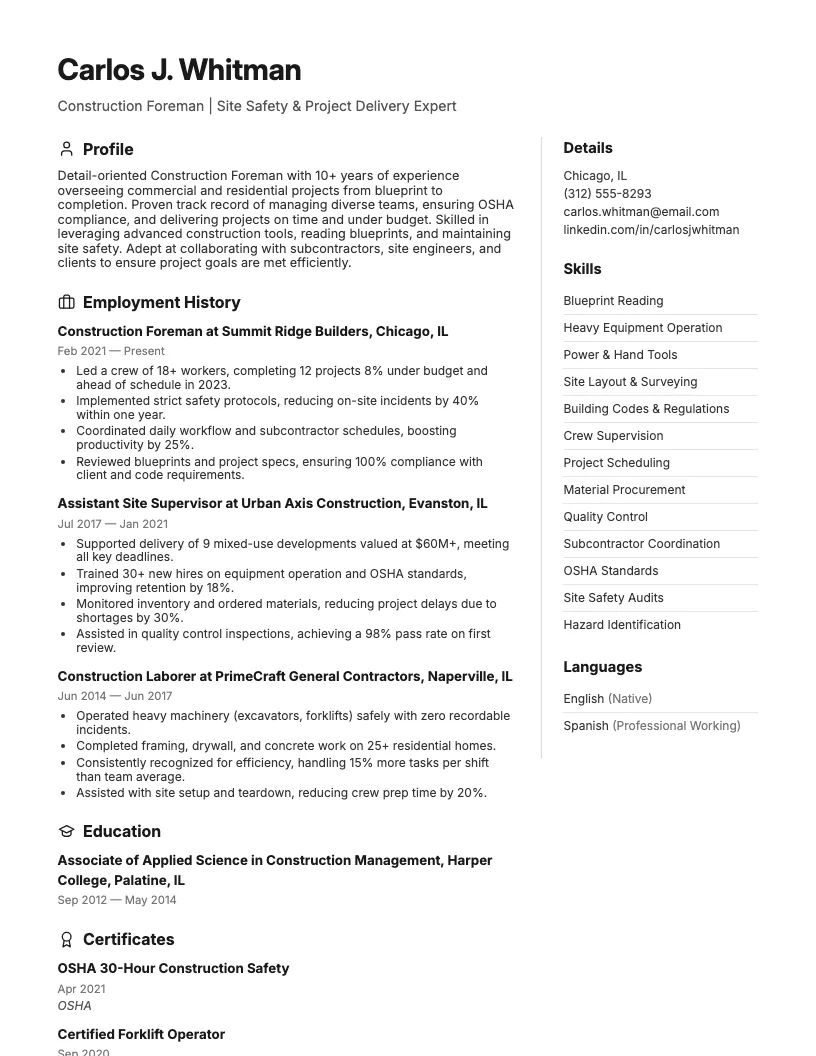
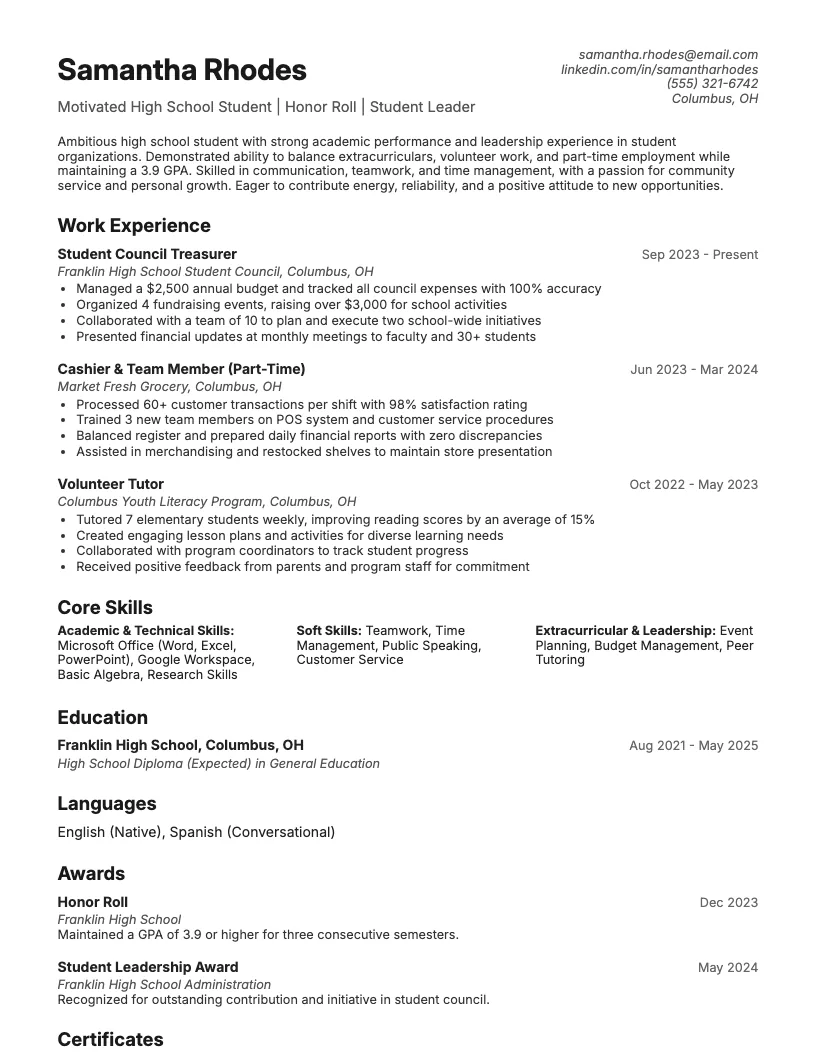
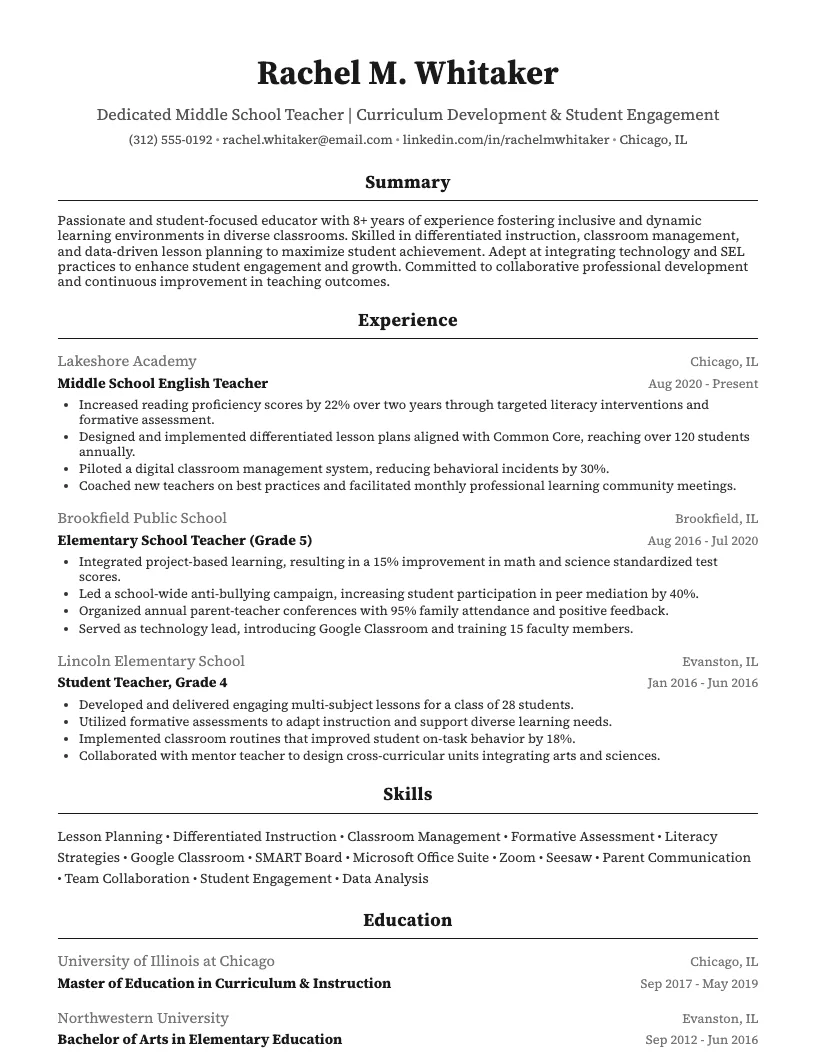
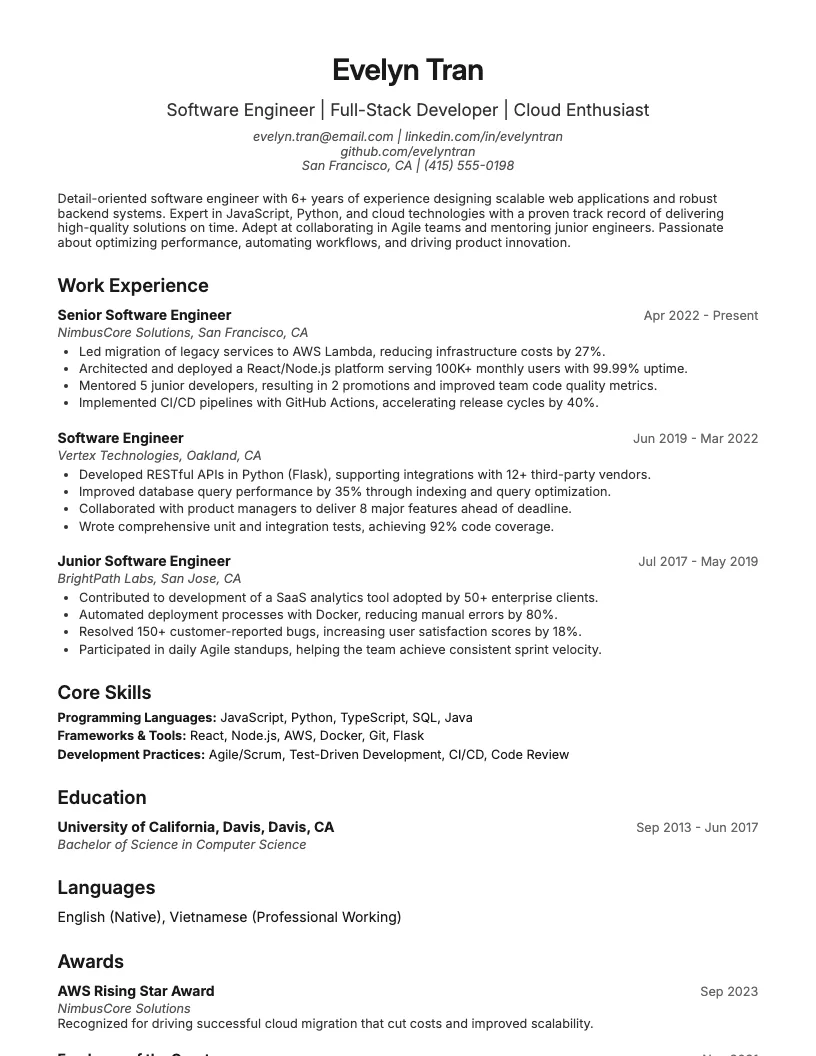
See these skills on a real resume
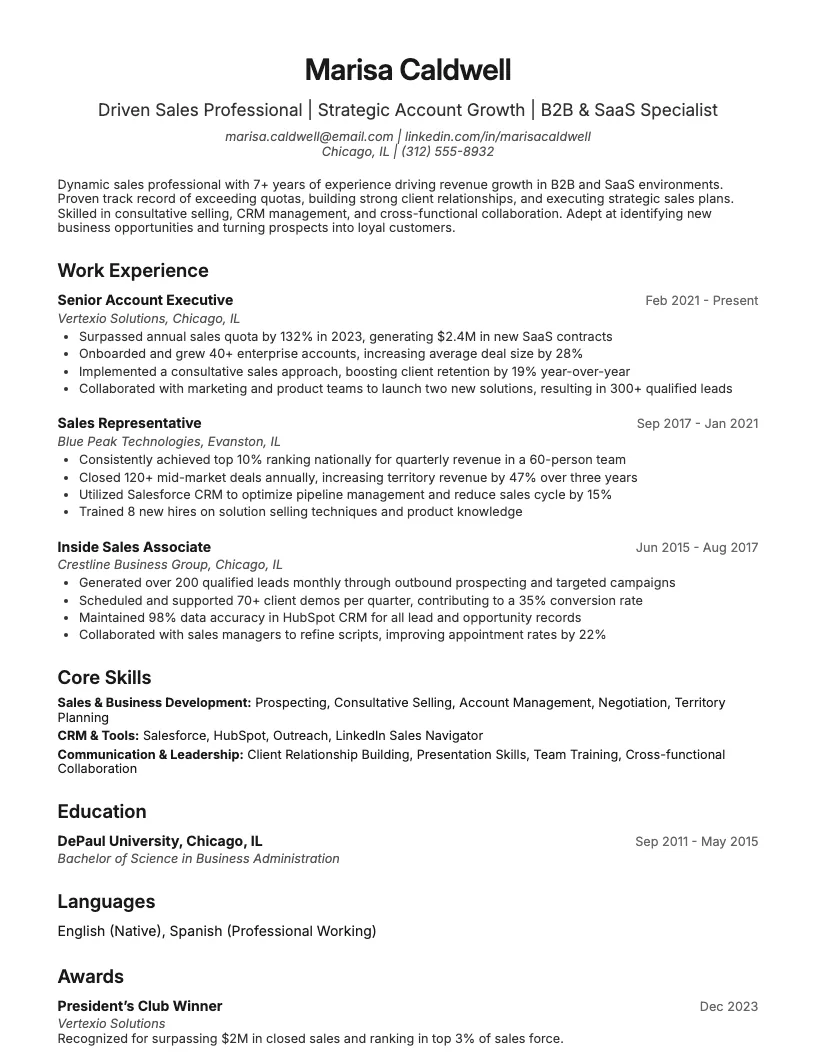
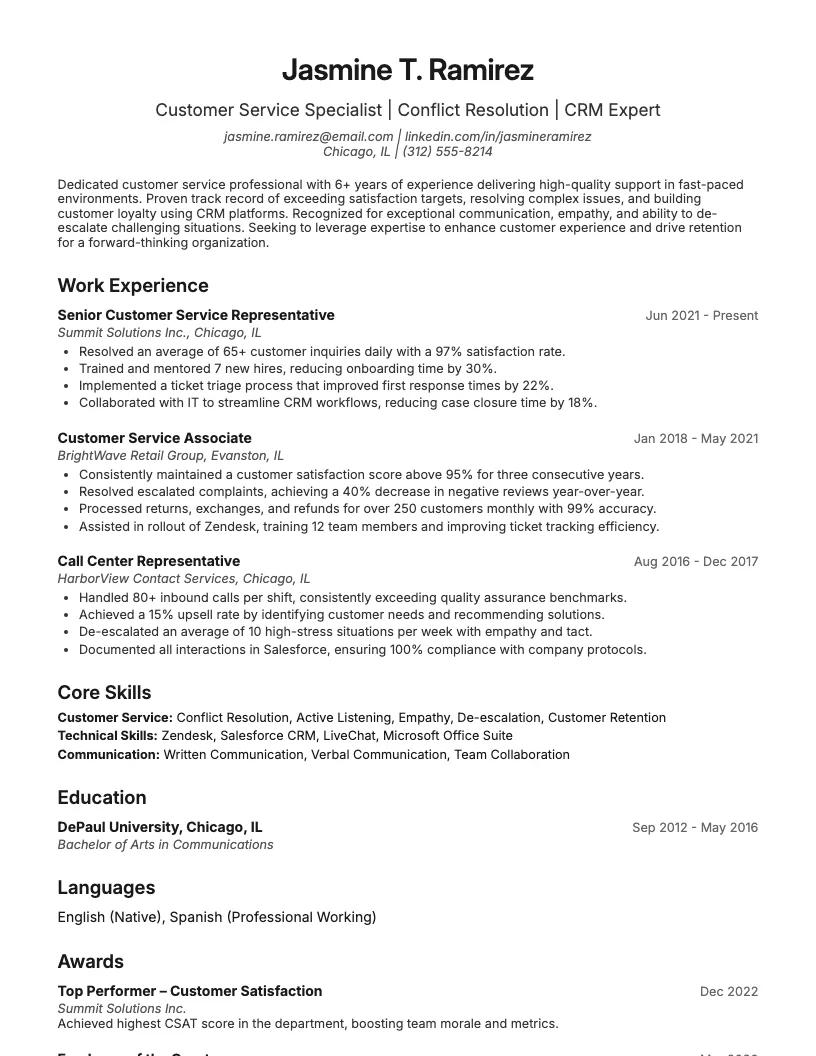
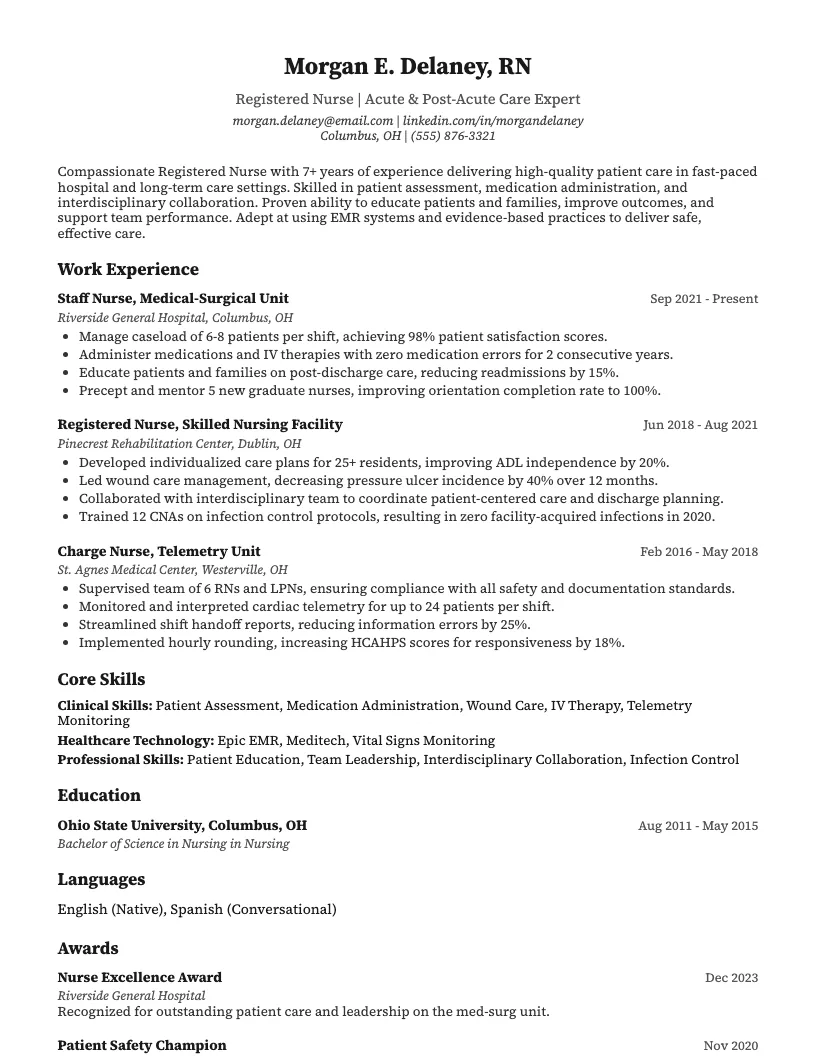
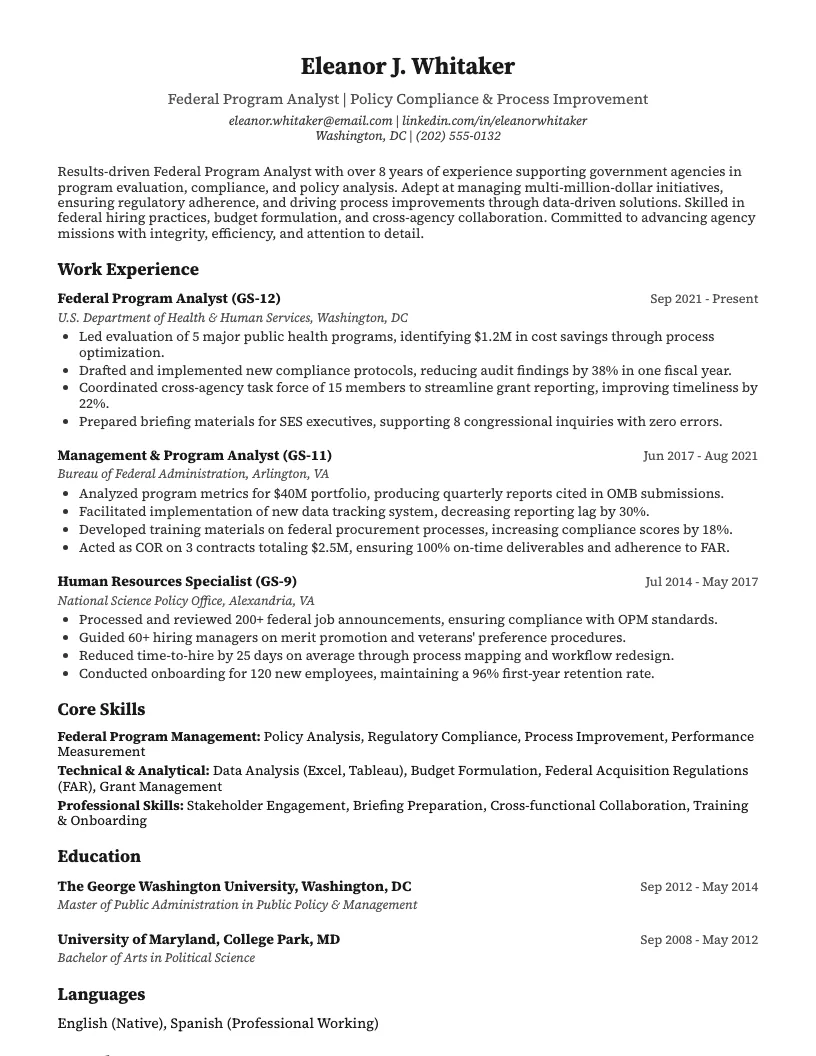
8 examplesStart from an example that already has them, and swap in your own.
Check your resume against the job you want
Scan your resume, see which skills and keywords the posting asks for that you are missing, and fix them before you apply.
Free to use • No credit card required