Claims Adjuster Resume Keywords: 6 Licenses, 5 Claim Types to Match
The exact keywords, software names, and licenses claims adjuster postings repeat - plus CPCU, AIC, 5 claim types, and bullet points with real numbers.


Written by Sarah Chen
Senior Career Strategist & Resume Expert
Updated August 2026
Reviewed by Marcus Rodriguez
Is your resume ATS-friendly?
Drop your resume in and see which of these skills a scanner can actually read, and which ones the job you want is asking for that you have not listed.
PDF or DOCX. Max 2MB.
We never share your resume or use it to train a model.
In This Guide:
What keywords do claims adjuster job postings actually use?
The five keyword categories postings repeat
| Category | Examples |
|---|---|
| Claims handling terms | claim investigation, liability analysis, subrogation, settlement negotiation |
| Software names | Xactimate, Guidewire ClaimCenter, Simsol, Mitchell, Snapsheet |
| Insurance lines | property and casualty, auto, workers' comp, large loss |
| Rules and regulations | HIPAA, SOX, FAIR Claims Settlement Practices, state insurance law |
| Soft skills | negotiation, active listening, attention to detail |
I've read a lot of claims adjuster postings, and they all repeat the same handful of terms. If you're not using them, an ATS scan probably isn't finding you.
Claims handling terms: claim investigation, liability analysis, subrogation, settlement negotiation
These are the verbs of the job. Claim investigation, liability analysis, subrogation, settlement negotiation, damage assessment, fraud detection - a posting usually names four or five of these, and your resume should answer with the ones you've actually done.
Software names: Xactimate, Guidewire ClaimsCenter, Simsol, Mitchell, Snapsheet
Software names get scanned first, before anyone reads a sentence. Xactimate shows up on nearly every property posting, and Guidewire ClaimsCenter, Simsol, Mitchell, and Snapsheet aren't far behind - list the ones you've actually touched, not the whole set.
Insurance lines: property and casualty, auto, workers' compensation, large loss
Name your line plainly: property and casualty, auto, workers' compensation, large loss. A posting for auto claims isn't reading "insurance experience" as a match.
Rules and regulations: HIPAA, SOX, FAIR Claims Settlement Practices, state insurance law
HIPAA, SOX, FAIR Claims Settlement Practices, and your state's insurance law belong on the resume if you've worked under them - compliance keywords are some of the first an ATS matches.
Soft skills worth naming: negotiation, active listening, attention to detail
Negotiation, active listening, attention to detail - name them, then prove them with a result nearby. If you're not sure which of these actually appear in the posting you're chasing, run it against ResumeJudge and it'll pull out the exact terms you're missing before you spend an hour guessing.
Which licenses and certifications belong on the resume?
Which licenses and certifications belong on the resume?

I've reviewed hundreds of these, and licenses are the one thing people bury when they should be leading with them.
Your state adjuster license
If you hold a license, it goes near the top, not in a footnote at the bottom.
Name the state and the license type. "Texas All-Lines Adjuster License" tells a hiring manager exactly what you're cleared to do.
Designated home state license
If you live in a state that doesn't license adjusters, a Designated Home State (DHS) license is what you work under, rather than one from every state you touch claims in.
Say that plainly: "Designated Home State (DHS) license, Florida" reads as informed. Leaving it vague reads as guessing.
AIC (Associate in Claims)
This one signals you've gone past the license minimum. List it by its full name once, then the initials are fine everywhere else.
CPCU
CPCU carries weight on senior postings especially. If you're working toward it, say "in progress" rather than leaving it off.
SCLA and CCLA
I tell entry-level candidates without claims experience yet to get one of these. A certification standing in for experience is a real trade, not a consolation prize.
Haag Certified Inspector
Specific to property and catastrophe work. If you're chasing storm season roles, this belongs on the resume; if you're not touching roofs, skip it.
Where to put licenses on the page
Give licenses their own section, positioned high on the page, not folded into education. Recruiters scan for this first.
If you're unsure which of your licenses actually match what a posting wants, running your resume against the job description shows you what's expected and what to add.
Where do you put these keywords on the resume?
Where do you put these keywords on the resume?
The job title line
Match the exact title the posting uses. If it says "Claims Adjuster," don't write "Claims Specialist" on your header even if that's your real title - the scanner is matching text, not intent.
The summary at the top
The resume summary line
Experienced claims adjuster with strong attention to detail and negotiation skills.
Property claims adjuster, 200+ claims closed annually, skilled in Xactimate and subrogation.
Three lines, and I'd put your claim type and one number in there - "Property claims adjuster, 200+ claims closed annually." Save the rest for below; don't repeat your skills list here.
The skills list
This is where software names and licenses go: Xactimate, subrogation, property and casualty. See what keywords postings actually use for the full set.
Inside your work experience bullets
A keyword turned into a work-experience bullet
Responsible for negotiating claim settlements with customers.
Negotiated settlements on 40+ claims monthly.
A skills list alone doesn't prove anything - I've rejected plenty of resumes where "negotiation" sat in a list with nothing behind it. Put the same word inside a bullet with a result: "Negotiated settlements on 40+ claims monthly." That's what convinces a human reader, and it's what ResumeJudge checks for when it rewrites your bullets against a posting - it doesn't just drop keywords in, it works them into sentences that hold up.
The licenses and certifications section
Its own section, not buried in skills. Cover what belongs here at which licenses belong on the resume.
How do you pull the right keywords out of a job posting?
How do you pull the right keywords out of a job posting?
Read the posting twice and mark the repeated terms
Read it once for the gist, then again with a pen. Whatever shows up more than once - a software name, a claim type, a certification - is the ATS scan's shortlist. That's your list.
Match the exact job title the posting uses
Covered at where do you put these keywords on the resume, under the job title line.
Spell out acronyms the first time
Write "Associate in Claims (AIC)" once, then AIC after that. Some scanners only catch the spelled-out version, some only the acronym - covering both is the safe move.
Drop keywords for work you have not done
I've seen plenty of resumes list Guidewire or catastrophe claims because a posting mentioned it, then the candidate can't answer a basic interview question about it. If you're missing a real skill the posting wants, ResumeJudge will flag it and rewrite your bullets so the ones you do have land harder.
How do you write claims adjuster bullet points with numbers in them?
How do you write claims adjuster bullet points with numbers in them?
I've read enough claims adjuster resumes to tell you the weak ones all say the same thing: "responsible for handling claims." That tells me nothing.
Give me a number and I know exactly what you did.
Claims closed per week or per month
A claims-closed bullet
Handled a high volume of claims each week.
Resolved 50+ complex claims weekly.
"Resolved 50+ complex claims weekly" beats "handled a high volume of claims" every time. If you don't track your own numbers, start now - most claims systems will show you your closure rate if you ask.
Dollars recovered through subrogation
Recovered over $500k through subrogation in a year is a real line I'd expect to see on a strong resume. If you've pushed a subrogation recovery, that number belongs near the top of your bullets, not buried.
Cycle time cut from X days to Y
Make sure the 'before' number is one you can actually explain in an interview. A claim about cutting cycle time from 45 days to 30 invites a follow-up question about how you measured it, and 'I don't know' undoes the line.
Cutting claims resolution from 45 days to 30 says more than "improved efficiency" ever will. Before and after numbers work because the reader does the math themselves - that's what makes it convincing.
Accuracy rate on claims adjusted
A 99% accuracy rate on 500+ auto claims tells a hiring manager you can move fast without cutting corners. That combination - volume plus accuracy - is what separates a solid adjuster from a fast one.
Fraud found and money saved
If you've flagged fraud, put the dollar figure on it - recovering $2 million or more in a role isn't unusual to see, and it's the kind of line that gets a second look. Once you've got the numbers pinned down, running your resume against the actual posting will show you whether you're leading with the ones that matter to that employer.
Action verbs that suit claims work
Skip "responsible for" and "assisted with." Lead with verbs like resolved, negotiated, investigated, adjusted, recovered, and inspected - they carry the weight the number needs.
Which keywords change depending on the type of adjusting?
Keywords by claim type
| Claim type | Key terms |
|---|---|
| Property | property damage assessment, dwelling coverage, Xactimate, scope of loss |
| Auto | total loss evaluation, vehicle damage appraisal, DMV records, repair estimate review |
| Casualty and liability | liability analysis, bodily injury claims, negotiation, litigation coordination |
| Workers' compensation | WCIO codes, return-to-work coordination, medical case management |
| Catastrophe | deployment, large loss, high-volume claims handling, field inspection |
The keyword set shifts hard depending on what you actually adjust. I've read enough of these to know a generic "claims adjuster" resume gets skipped over a specialized one every time.
Property claims
Lean into property damage assessment, dwelling coverage, Xactimate estimating, and scope of loss. Mention roof, water, and fire damage inspections by name if you've done them.
Auto claims
Here the terms are total loss evaluation, vehicle damage appraisal, DMV records, and repair estimate review. If you've worked with CCC or Mitchell, say so.
Casualty and liability claims
This is where liability analysis, bodily injury claims, negotiation, and litigation coordination belong. Recruiters scanning for this track want to see you've handled disputed fault, not just paperwork.
Workers' compensation claims
Bring in WCIO codes, return-to-work coordination, medical case management, and state comp law. This track reads differently from the others - it's part claims, part healthcare.
Catastrophe claims
CAT work wants deployment, large loss, high-volume claims handling, and field inspection under time pressure. Say how many claims you closed during a deployment if you have the number.
Independent versus staff adjuster
Independent adjusters should list every carrier and IA firm worked under; staff adjusters should lean on tenure and internal process knowledge instead. Once you've matched a posting's specialty, ResumeJudge will rewrite your bullets and skills section against that exact posting so the wording lines up.
What do you put on the resume with no adjusting experience yet?
What do you put on the resume with no adjusting experience yet?
You don't need a claims title to get an interview. You need to show you've already done pieces of the job.
Customer service and call centre work
Call centre work is the closest thing to claims most beginners have. You've handled upset people, followed a script under pressure, and logged every call.
Say that.
Retail or banking cash handling
Cash handling shows accuracy with money and comfort with numbers, both things adjusters get judged on. A till that balanced every shift is worth a line.
Any job where you documented and investigated something
An investigation bullet with no adjusting title
Handled customer complaints and paperwork.
Investigated 20+ customer disputes monthly, documenting findings and reaching resolution.
I've seen people miss this one constantly. Any role where you gathered facts, wrote them up, and reached a decision - even a retail return investigation - maps straight onto claim investigation.
Coursework and pre-licensing training
List your pre-licensing course and exam pass by name. It's the closest thing you have to real credentials, right alongside anything from licenses and certifications.
Internships and volunteer roles
Even unpaid work counts if it involved judgment calls and paperwork. Once you've built this list, running it against a real posting will show you exactly which of these words the job actually wants - ResumeJudge scores your resume against the posting and tells you what's missing before you hit apply.
Frequently Asked Questions
How many skills should I list on a claims adjuster resume?
Aim for six to twelve skills, split between hard skills like Xactimate, policy knowledge, and claims investigation, and soft skills like negotiation and attention to detail. Pull the exact mix from the posting you're applying to rather than listing everything you've ever done, since a shorter, targeted list reads better than a long generic one. ResumeJudge will scan the posting and tell you which of those skills you're missing so you're not guessing at the count.
Should I list Xactimate if I have only used it in training?
Yes, list it, but say so plainly rather than implying years of production use. A line like "Xactimate (training/coursework)" or naming it under a certifications or training section keeps it honest while still getting the keyword onto the page. Adjusters are hired on this software constantly, so leaving it off entirely because your only exposure was a class costs you more than a truthful label does.
Do I need to list every state licence I hold?
List every active state adjuster license you hold, since carriers and reciprocity states check for them directly and a missing one can knock you out of contention before anyone reads the rest of the resume. If a license has lapsed or expired, leave it off or mark it clearly as inactive rather than letting it imply you can work in that state right now. Group them together near the top, by state abbreviation, so they're easy to scan.
Does a claims adjuster resume have to be one page?
No. One page is right if you're early career or your experience is light, but once you've got several years of claims history, licenses across multiple states, and measurable results to show, two pages is normal and expected. What matters more than the page count is that everything on it earns its place.
Should I use 'claims adjuster' or 'insurance adjuster' on my resume?
The two are used interchangeably across the industry, so neither is more correct than the other. Which one to put on your resume is settled under "Match the exact job title the posting uses" in the section on pulling the right keywords out of a job posting.
Will keyword stuffing get my resume rejected?
Cramming a wall of keywords into a skills section usually doesn't trip an automatic rejection by itself, but it does make the resume read poorly to the human who eventually opens it. What to leave off is covered under "Drop keywords for work you have not done" in the section on pulling the right keywords out of a job posting. ResumeJudge can take your resume and a job posting and rewrite the wording against it for you, so the keywords land in context instead of as a stuffed list.
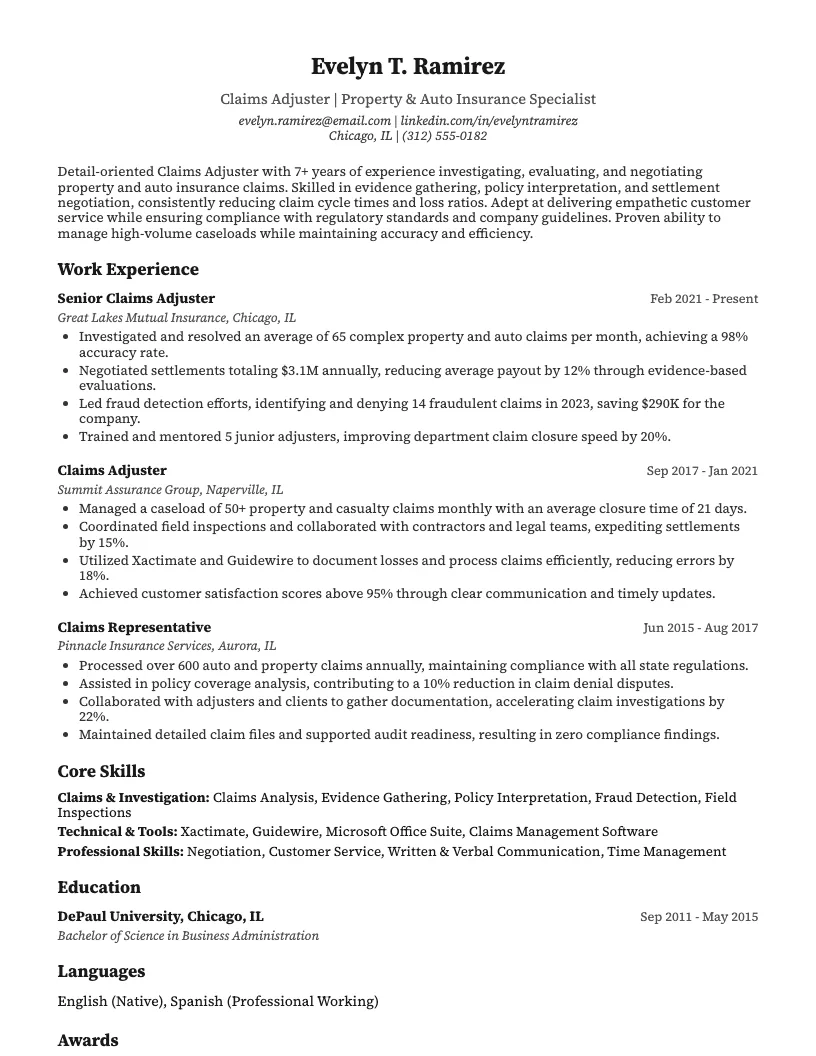
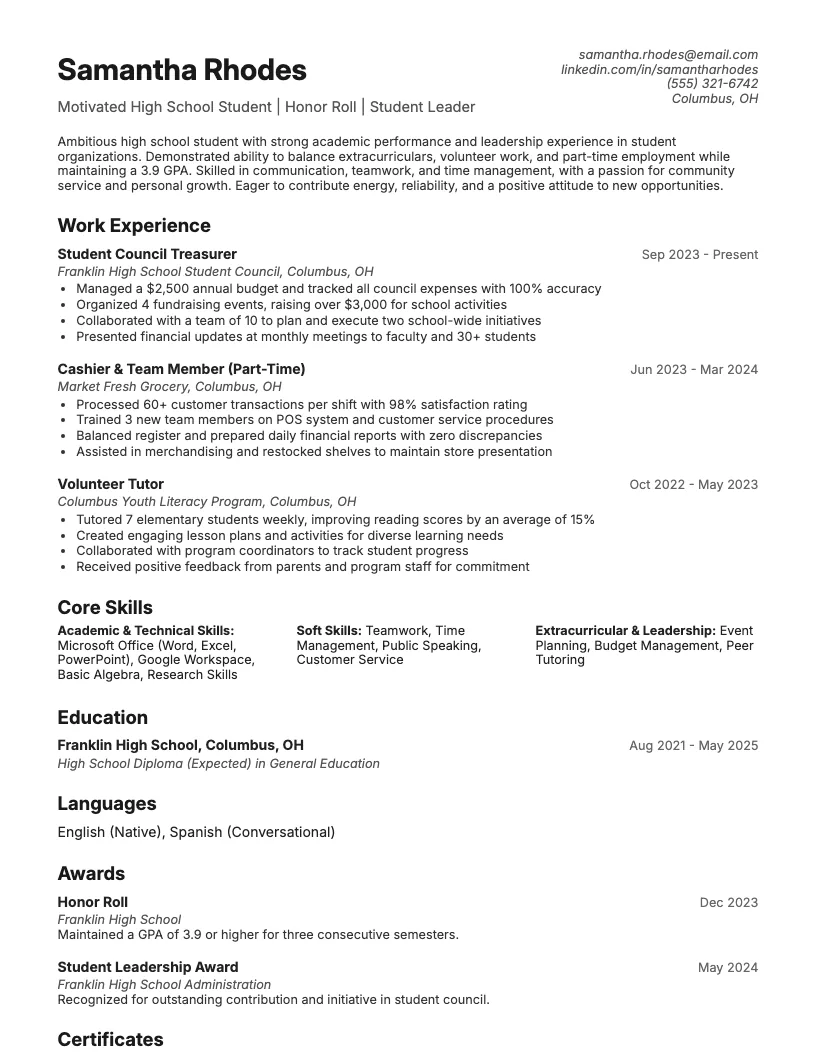
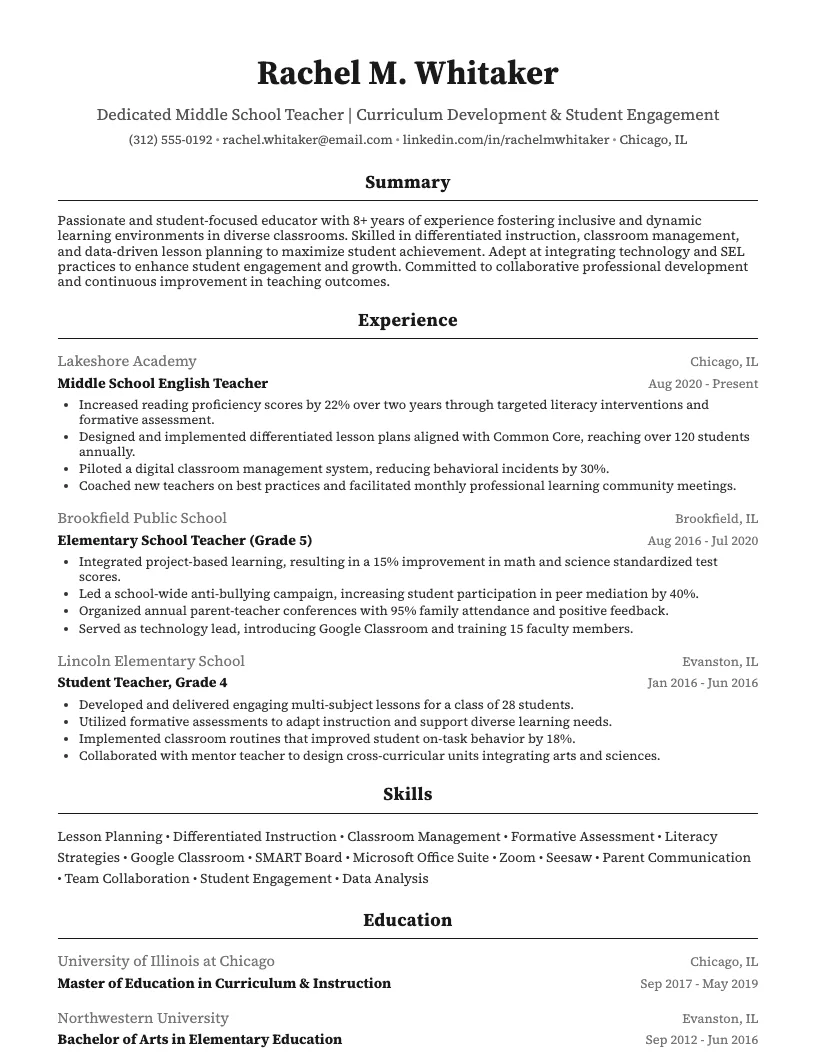
See these skills on a real resume
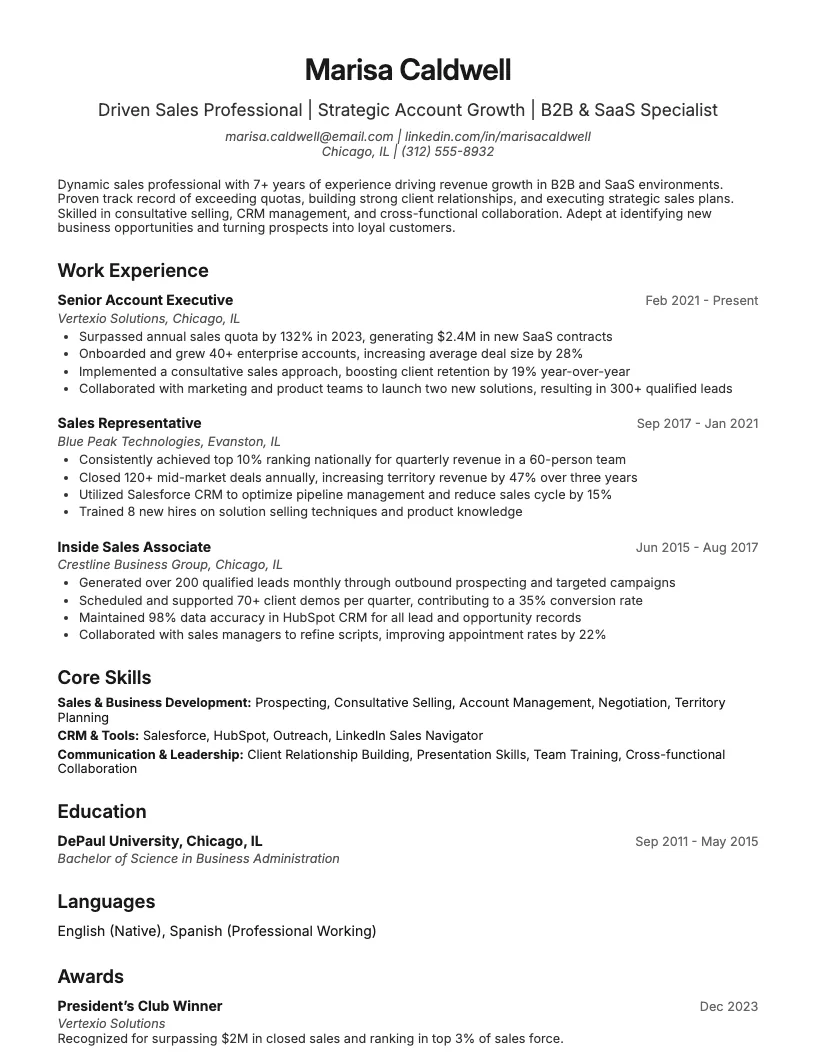
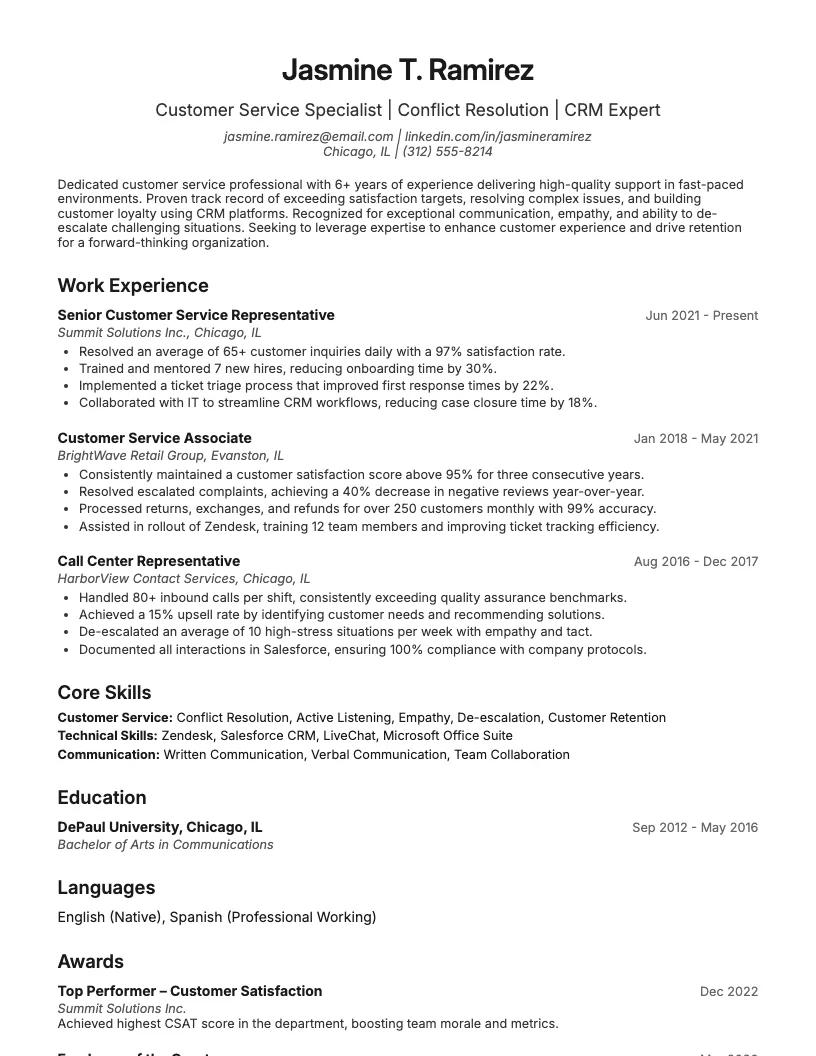
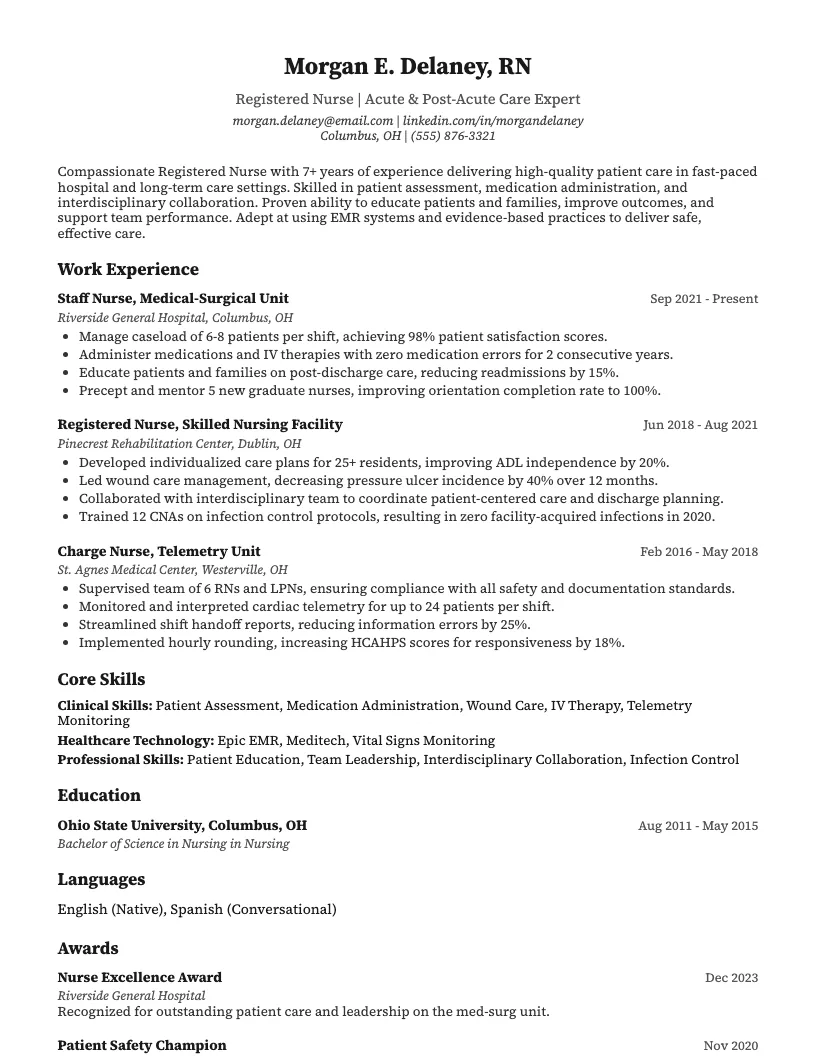
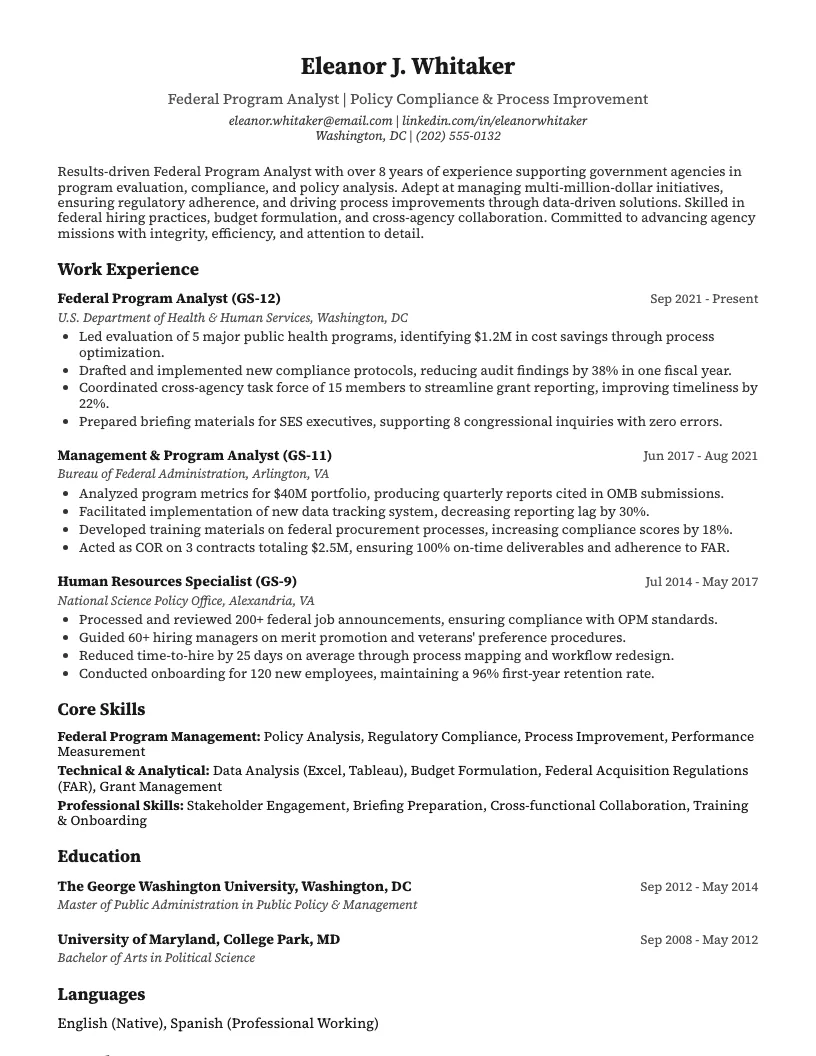
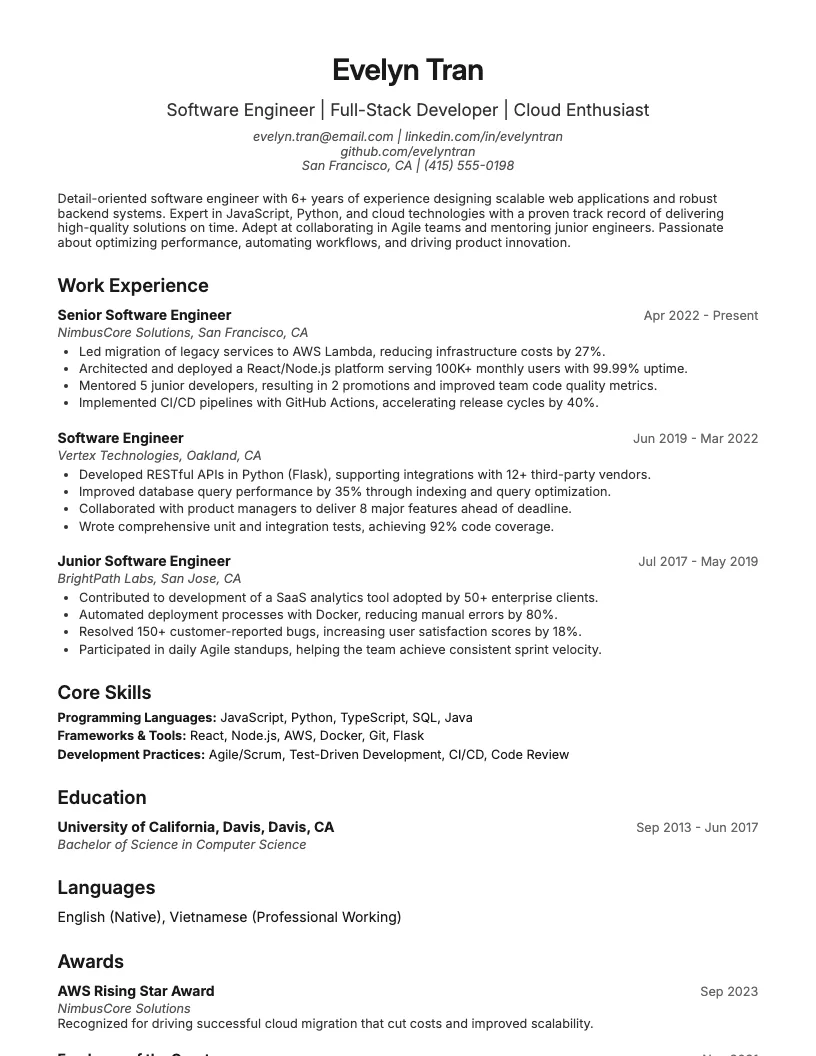
8 examplesStart from an example that already has them, and swap in your own.
Check your resume against the job you want
Scan your resume, see which skills and keywords the posting asks for that you are missing, and fix them before you apply.
Free to use • No credit card required