Business Analyst Resume Keywords: The 10 I See Rejected For Missing
The 10 keywords that appear in almost every business analyst posting, the full list by category, where to place them, and how to prove each with a number.


Written by Marcus Rodriguez
ATS Optimization Specialist & Career Coach
Updated August 2026
Reviewed by Dr. Priya Sharma
Is your resume ATS-friendly?
Drop your resume in and see which of these skills a scanner can actually read, and which ones the job you want is asking for that you have not listed.
PDF or DOCX. Max 2MB.
We never share your resume or use it to train a model.
In This Guide:
What are business analyst resume keywords?
I've screened enough of these resumes to know the fastest way one gets rejected: the words on it don't match the words in the posting.
The words a job posting repeats
A keyword is just whatever term the hiring manager typed into the posting more than once. "Stakeholder management."
"Requirements gathering." "SQL."
If a word shows up three times in a job description, it's not decoration. It's the thing they're screening for.
Where the keywords come from: BABOK, IIBA and Agile terms
Most of the vocabulary on a BA posting traces back to two sources: the IIBA's BABOK guide (elicitation, requirements traceability, gap analysis) and Agile terminology (backlog, sprint, user story, acceptance criteria). Learn those two worlds and you'll recognize most of what a posting asks for on sight.
Keywords vs. skills: what the difference is on the page
A skill is something you can do. A keyword is the specific word a scanner or a recruiter is trained to look for.
You can have the skill and still miss the resume line, because you called it "gathering input from users" instead of "requirements elicitation." Same work, wrong word - and on paper, wrong word loses.
What happens to your resume before a person reads it
Software does check your resume against the posting's language first, but it doesn't decide for the recruiter - the applicant tracking systems rank resumes rather than reject them, and one survey found 92% of recruiters manually review applications even when volume is high. What a mismatch on the terms above costs you is position: you land lower in a pile that someone is still reading by hand. ResumeJudge scores your resume against the actual posting and tells you exactly which of these terms you're missing before you hit submit, which beats guessing at what the software behind it wants.
Which business analyst keywords appear most in job postings?
Which business analyst keywords appear most in job postings?

I've read hundreds of business analyst postings, and the same ten terms show up in almost all of them. If your resume is missing more than two or three, that's probably why you're not hearing back.
Requirements gathering
This is the one every posting wants, phrased a dozen different ways: requirements gathering, requirements elicitation, requirements definition. It means you can sit with the people who need something and figure out what they actually need, not what they said in the first meeting.
Put a number on it if you can - how many stakeholders, how many requirements, how long the discovery ran.
Stakeholder management
Right behind requirements gathering. Hiring managers use this term because a BA who can't manage a room full of disagreeing stakeholders is a BA who ships the wrong thing.
Don't just list it - a bullet that says who you managed and what you got them to agree on beats the bare phrase every time.
Gap analysis
This shows up constantly and gets confused with process mapping below, but it's its own skill: comparing where a process or system is now against where it needs to be. If you've ever documented a current-state versus future-state process, that's gap analysis, and it's worth naming exactly that.
User stories and acceptance criteria
Agile shops want this phrase specifically, not a vague "worked with developers." Writing user stories and defining acceptance criteria is a concrete, checkable skill, and it pairs well with the JIRA mention below since that's usually where the stories live.
Process mapping
Also called process modeling or business process mapping. It's the visual side of gap analysis - as-is and to-be diagrams, swimlanes, flowcharts.
If you've built these in Visio or Lucidchart, name the tool, not just the skill.
SQL
The most common technical keyword on a BA resume, and it separates you from candidates who only know how to ask someone else for data. You don't need to be a developer.
You need to show you can pull and check the data yourself.
JIRA
Named specifically, not "project tracking software." Postings search for the tool by name, and so should your resume.
Same logic applies to Confluence, Azure DevOps, or whatever your shop actually used - always name it.
Agile and Scrum
These two travel together in almost every listing. If you've sat in sprint planning, written stories, or worked a backlog, say so plainly - "Agile" and "Scrum" as words, not just a description of the process.
UAT
User acceptance testing is where a lot of BAs quietly earn their keep, and it's an easy keyword to leave off because it feels like someone else's job. It isn't. If you planned test cases or signed off on go-live readiness, that's UAT, and it belongs on the page.
Data analysis
The broadest term on this list, so it's the one people either skip or overuse. The fix is the same one I give everyone: attach it to what you analyzed and what changed because of it.
A resume score against the actual posting will show you fast whether these ten terms are missing or just buried in the wrong section - worth running before you second-guess yourself on any one of them.
What are the full lists of keywords by category?
What are the full lists of keywords by category?
The 10 keywords above are the ones that show up in almost every posting, so they aren't repeated here. Below is everything else, split by category, so you can pull the ones that actually match your background.
Requirements and documentation (BRD, FRD, use cases, elicitation)
This is the category I see BAs skip most, and it's a mistake - it's the work that actually defines the job. Stakeholder interviews, workshops, BRD, FRD, use cases, data modeling, ERD, UML.
Root cause analysis, impact analysis, and feasibility analysis belong here too.
Methodologies and frameworks (Agile, Scrum, Waterfall, SAFe, Lean, Six Sigma, SDLC, BPMN)
Waterfall, SDLC, and BPMN still run plenty of shops, especially in finance and healthcare. Lean, Six Sigma, Kanban, and SAFe round this out - if a posting names one, use its exact term, not your closest synonym.
Tools and software (JIRA, Confluence, Azure DevOps, Visio, Lucidchart, SQL, Excel, Tableau, Power BI)
This is the section I go to when I want to know fast which tools someone has actually touched. Confluence, Azure DevOps, Trello and Asana for tracking work, Visio and Lucidchart for diagrams, and then the data side - Excel, Tableau, Power BI.
Name the tools you've actually used, not the ones you think you should list.
Data and reporting (ETL, data modeling, dashboards, KPIs, predictive analysis)
ETL, data mining, data validation, dashboards, KPI definition and tracking, predictive and descriptive analytics. If you've built a dashboard someone else actually checks, say so - that's the difference between "familiar with" and "did."
Process improvement (as-is/to-be mapping, reengineering, change management)
Business process reengineering, change management, and defect management. This is where a lot of BAs undersell themselves - and the process mapping and UAT terms in the ten above belong in this part of your resume too.
Business and commercial (business case, cost-benefit analysis, requirements prioritization, risk management)
Business case development, cost-benefit analysis, requirements prioritization, risk management, KPI tracking, market analysis. These prove you can talk to the business side, not just document requirements.
Soft skills (communication, critical thinking, facilitation, negotiation, adaptability)
Communication, facilitation, negotiation, critical thinking, adaptability, cross-functional collaboration. Pair every one of these with the bullet that proves it, or leave it off - a lone soft skill on a list convinces no one.
Action verbs (Analyzed, Facilitated, Translated, Validated, Prioritized)
Analyzed, Facilitated, Translated, Validated, Prioritized, Documented, Streamlined, Collaborated, Implemented, Evaluated. Swap these in for "responsible for" everywhere it appears - we'll cover how to attach a number to each one next.
Running your resume against a specific posting is faster than working from a list like this by hand - ResumeJudge checks your draft against the job description and tells you exactly which of these categories you're thin on.
How do you find the right keywords for the job you're applying to?
How do you find the right keywords for the job you're applying to?
Guessing at keywords is how you end up with a resume that sounds generic. I've watched people copy a list off some article instead of looking at the actual posting in front of them, and it shows.
Step 1: Pull three postings for the same job title
Search for the job title you want, open three postings from different companies, and keep them in separate tabs.
One posting is a snapshot of what that company wrote that day. Three tells you what the role actually needs.
Step 2: Mark the terms that appear in all three
Go line by line and circle anything that shows up in all three postings - stakeholder management, gap analysis, SQL, whatever repeats.
Anything mentioned three times out of three isn't a preference. It's the job.
Step 3: Split them into must-have and nice-to-have
Requirements that sit near the top or say "required" go in one pile. Anything under "preferred" or "a plus" goes in the other.
Your resume needs every must-have covered somewhere. The nice-to-haves are what you add if you actually have them - not what you stretch to fake.
Step 4: Check LinkedIn profiles of people already in the role
Search the job title plus the company name, and read how current employees describe their own work. It tells you the internal language a posting sometimes skips - the tool people actually mention, the term the team uses instead of the generic one.
Step 5: Drop the terms you can't back up with real work
The mistake I see most often is a resume that lists a keyword nobody can defend in an interview. If you can't point to a project where you used it, cut it - a shorter, honest list beats a padded one every time.
This whole process is what ResumeJudge automates: feed it a posting and your resume, and it tells you exactly which required terms are missing instead of you eyeballing three tabs by hand.
Where do you put these keywords on the resume?
Where do you put these keywords on the resume?
Five places, and each one carries different weight with the person reading it.
In the professional summary
This sits right at the top of the page, so it needs your two or three most job-specific terms right up front - the methodology, the domain, the one tool the posting names twice. Something like "Business Analyst with 4+ years translating requirements into measurable process gains" does more work than a generic opener, because it repeats the exact language the posting used.
In the skills section, grouped by category
Don't dump everything into one list. Split it into methodologies (Agile, Scrum, SAFe), tools (JIRA, SQL, Tableau), and documentation skills (BRD, FRD, use cases).
Grouped skills read as knowledge; a flat list reads as a word dump, and I've seen recruiters skip flat lists entirely.
In experience bullets, attached to a result
This is the one people skip, and it's the one that matters most. How you write a bullet that proves a keyword covers what a bullet here has to look like.
In certifications and education
If you hold a CBAP, CCBA, or a Scrum certification, it's a keyword and a credential at once - list it by its full name, since some scanners don't expand the acronym.
In the job titles themselves
If your actual title was something vague like "Analyst II," add the functional title in parentheses - "Analyst II (Business Analyst)" - so it matches what the posting is scanning for. Once you've placed keywords everywhere above, running the resume against the actual posting is the fastest way to see what's still missing - ResumeJudge checks your draft against the job description and flags the gaps section by section.
How do you write a bullet that uses a keyword and proves it?
A keyword sitting alone in a bullet doesn't do much. It has to sit next to a number, or a screener has no reason to believe you actually did the thing.
"Gathered requirements" rewritten with a number
A resume bullet using 'requirements gathering'
Gathered requirements from stakeholders
Facilitated requirements workshops with 15+ stakeholders, cutting rework by 20%
"Gathered requirements from stakeholders" becomes "Facilitated requirements workshops with 15+ stakeholders, cutting rework by 20%." Same keyword, but now it's a workshop with a headcount and a result attached.
"Used SQL to pull data" rewritten with a number
A resume bullet using 'SQL'
Used SQL to pull data
Wrote SQL queries that surfaced a trend leading to $50k in recovered revenue
"Used SQL to pull data" becomes "Wrote SQL queries that surfaced a trend leading to $50k in recovered revenue." The tool name matters less than what the query found.
"Managed the backlog in JIRA" rewritten with a number
A resume bullet using 'JIRA'
Managed the backlog in JIRA
Groomed and prioritized a JIRA backlog, lifting sprint velocity 15%
"Managed the backlog in JIRA" becomes "Groomed and prioritized a JIRA backlog, lifting sprint velocity 15%." That's the tool, the actual work, and a measurable outcome in one line.
A weak bullet and why it fails
I've seen hundreds of resumes with a line like "Worked with business users to understand their needs." No methodology named, no tool named, nothing you could check.
A skills line that just says "Analysis, Documentation, Communication" fails the same way - it reads like it was written to fill space, not to describe a person.
Numbers a business analyst can actually count
You don't need a dollar figure for every line. Count stakeholders in a workshop, hours cut from a manual report, systems consolidated, error rate before and after a fix.
"Consolidated five legacy systems, saving $1.2M annually" and "cut manual reporting by 12 hours a week" are both real, countable things - nine times out of ten, the number was sitting in your own project notes the whole time. Once you've picked your ten keywords from the list above, ResumeJudge can take your resume and the posting and rewrite each bullet like this for you, keyword and number both in place, instead of you rewriting one bullet at a time.
How many keywords should a business analyst resume have?
Is your resume good enough?
Drop your resume in and see which of these skills a scanner can read, and which ones the job you want is asking for that you have not listed.
Upload your resumeFree. PDF or DOCX. We never share your resume or use it to train a model.
The range worth aiming for
I've read enough of these to have a number: aim for 25 to 35 keywords, pulled straight from the posting and spread across your summary, skills section, and bullets.
Fewer than that and you're leaving obvious matches on the table, especially on tools and methodologies.
How to tell when you've stuffed it
Stuffing looks like a skills section with forty terms and bullets that don't mention any of them.
What a repeated keyword costs you
Saying "SQL" five times across five bullets doesn't help you five times over. Past the first mention, it just eats space you could give to a different term the posting also asks for, like stakeholder management or UAT.
I'd rather see ten different keywords used once each than one keyword used ten times.
Checking coverage against the posting before you send it
Before you send anything, hold your resume next to the posting and check what's covered and what's missing - this is exactly what ResumeJudge does automatically, scanning your resume against the job description and flagging the terms it doesn't find. If you're still deciding where each one goes, where to put these keywords covers that. And if a term doesn't fit your actual background, drop it.
Which keywords change by industry and specialism?
Keywords by industry
| Industry | Key terms | Example result |
|---|---|---|
| Healthcare | HIPAA, EHR, claims workflows | Reporting accuracy up 18% |
| Financial services | KYC, AML, regulatory reporting | Budget deviations down 17% |
| IT and systems | APIs, integrations, system gaps | Coordination efficiency up 18% |
| Data | ETL, data modeling, BI dashboards | Tool names must match posting |
| Agile/product | Backlog refinement, sprint planning | Sprint readiness up 22% |
| Operations | Workflow analysis, MIS reporting | Turnaround efficiency up 18% |
Same job title, different resume. I've reviewed BA resumes across half a dozen industries, and the ones that get callbacks always speak the dialect of the industry they're applying to, not just the job title.
Healthcare BA (HIPAA, EHR, claims workflows)
If you're targeting a hospital system or payer, HIPAA compliance and EHR (electronic health records) need to be on the page. Add claims workflows, healthcare data analysis, and KPI dashboards tied to service metrics - one resume I looked at framed a project as improving reporting accuracy by 18% through better KPI tracking, and that's the level of specificity that reads as real.
Financial services BA (KYC, AML, regulatory reporting)
Banks and fintechs want KYC, AML, and regulatory reporting front and center, plus variance analysis and budget tracking if the role touches finance operations. A candidate who reduced budget deviations by 17% through variance reporting is telling the hiring manager exactly what they'd be walking into.
IT and systems BA (APIs, integrations, system gaps)
Technical BA roles want APIs, integrations, and system gap analysis alongside the standard requirements-gathering language. I've seen entry-level technical BAs land interviews by naming a specific improvement - cross-functional coordination efficiency up 18% - instead of just listing "SQL, JIRA, Excel" and hoping.
Data BA (ETL, data modeling, BI dashboards)
For data-leaning roles, ETL and data modeling matter more than general "data analysis." Pair them with the actual tools - Power BI, Tableau, SQL - and a dashboard result, since what happens to your resume before a person reads it often hinges on whether those tool names match the posting exactly.
Agile / product BA (backlog refinement, sprint planning, acceptance criteria)
Product-side postings want backlog refinement, sprint planning, and acceptance criteria, not just "Agile experience." I've seen a sprint-readiness improvement of 22% from better backlog refinement work - that's a stronger line than "worked in an Agile environment" every time.
Operations BA (workflow analysis, MIS reporting, turnaround time)
Operations roles reward workflow analysis, MIS reporting, and turnaround time. An 18% gain in turnaround efficiency from workflow analysis is the kind of line that gets read twice.
Marketing and e-commerce BA (funnel analysis, campaign reporting, conversion tracking)
Marketing and e-commerce postings lean on funnel analysis, campaign reporting, and conversion tracking. Once you know which of these apply to your target posting, ResumeJudge can rewrite your resume against that specific job description, swapping in the right industry terms instead of you guessing which dialect to use.
Which keywords should you use at your experience level?
Keywords by experience level
| Level | What to lead with | Certification |
|---|---|---|
| No experience | Coursework, capstone projects | ECBA |
| Entry level | Reframed customer service/admin work | ECBA |
| Mid level | Owning requirements end to end | CCBA |
| Senior/lead | Facilitated, mentored, owned roadmap | CBAP |
No experience: coursework, capstone projects and internships
No work history yet? Lead with your degree, then put a capstone or class project underneath it like a job.
If you ran a project that touched requirements or data, write it up with the same structure as a real bullet: what you analyzed, what tool you used, what the result was.
An internship counts even more. "Supported requirement gathering, documenting user needs and process gaps" is a real line I've seen work, and it's the kind of thing a three-month internship gives you.
Entry level: reframing customer service or admin work as stakeholder work
The biggest mistake I see at this level is candidates hiding retail or admin jobs instead of translating them.
Customer service is stakeholder management with a different name. You handled competing requests, escalated issues, documented what people needed.
Say that.
Mid level: owning requirements end to end
By 3+ years in, your resume should show you own the requirements process, not just contribute to it: gathering, writing the BRD or FRD, running UAT, closing the loop. One BA resume I looked at showed a candidate improving requirement clarity by 22% after moving to this kind of ownership - that's the level of specificity to aim for.
Senior and lead: leading workshops, mentoring, roadmap and delivery terms
Senior resumes need verbs that show you run the room: facilitated, mentored, owned the roadmap. If you're not sure your resume reads as senior rather than mid, checking it against a real senior posting will show you exactly which terms it's missing.
Certifications by level: ECBA, CCBA, CBAP, PMI-PBA, CSM, Lean Six Sigma
These map cleanly to experience: ECBA for entry level, CCBA for a few years in, CBAP once you're senior. PMI-PBA, CSM and Lean Six Sigma sit alongside any of these depending on whether you lean Agile or process improvement.
Frequently Asked Questions
Do I need both technical and soft skill keywords?
Yes, you need both. Technical keywords like SQL, JIRA, and process mapping show you can do the analytical work, while soft-skill keywords like stakeholder management and communication show you can work with the people who need that work done. A resume with only one type reads as either all output with no relationships, or all soft skills with nothing behind them. Include both, and let your bullets prove each one rather than just naming it.
Should I name specific tools like JIRA and Tableau, or keep it general?
Name the specific tool if you've actually used it - write JIRA or Tableau by name rather than a general phrase like "analytics software." ATS scanners and recruiters are matching against tool names, not categories, so a specific keyword works far better than a vague one. If a posting names several tools and you've only used one, name that one and leave the rest out rather than guessing. ResumeJudge can check your resume against a posting and tell you exactly which named tools it's still missing.
Can I list a keyword for a tool I've only used once?
Yes, one use still counts as experience with that tool. Just be ready to talk about it plainly if it comes up in an interview, since a keyword on paper won't hold up if you can't describe what you actually did with it. If the use was small or one-off, keep the bullet honest about scope rather than implying deep expertise.
Do keywords in a skills list count, or do they have to be in my experience?
Both count, but not equally. A keyword in your skills list tells an ATS scanner you have it; the same keyword inside a bullet, tied to a real project, is what convinces a recruiter or hiring manager you actually used it. Put your strongest keywords in both places when you can - listed and proven.
Should I put AI skills on a business analyst resume?
Yes, if you've actually used AI tools in analyst work - name what you did, like using AI to draft user stories or summarize stakeholder meetings, rather than writing "AI skills" as its own line. Vague AI claims read as padding to both ATS systems and recruiters, since there's no specific tool or task behind them. If you haven't used AI tools in this kind of work yet, it's fine to leave this off rather than force it in.
Do the same keywords work for a data analyst or product owner application?
Some do, but not all of them, and a posting for a data analyst or product owner role weights the overlapping keywords differently. SQL and stakeholder management show up across all three; requirements gathering and BRDs are central to a business analyst posting but less so for a data analyst one, which leans more on statistics and modeling. Rather than sending the same resume to different role types, check each one against the actual posting. ResumeJudge takes your resume and a specific job posting and rewrites the wording to match that posting, which matters more when you're applying across role types like this.
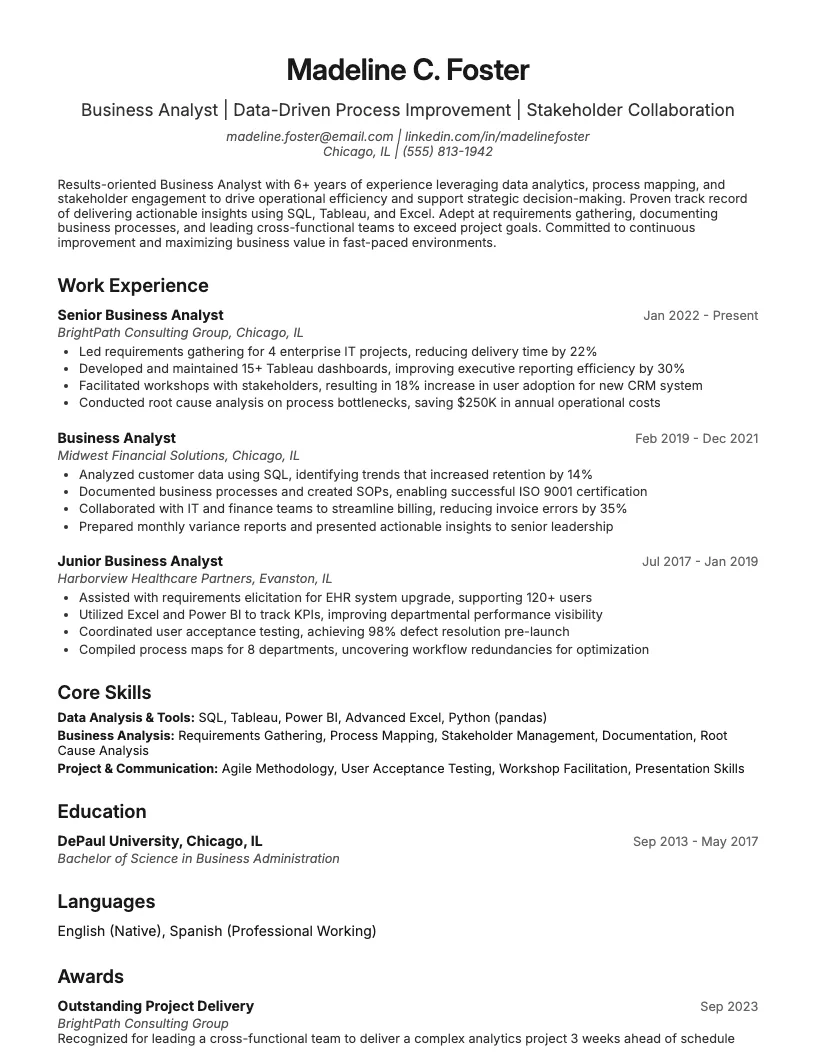
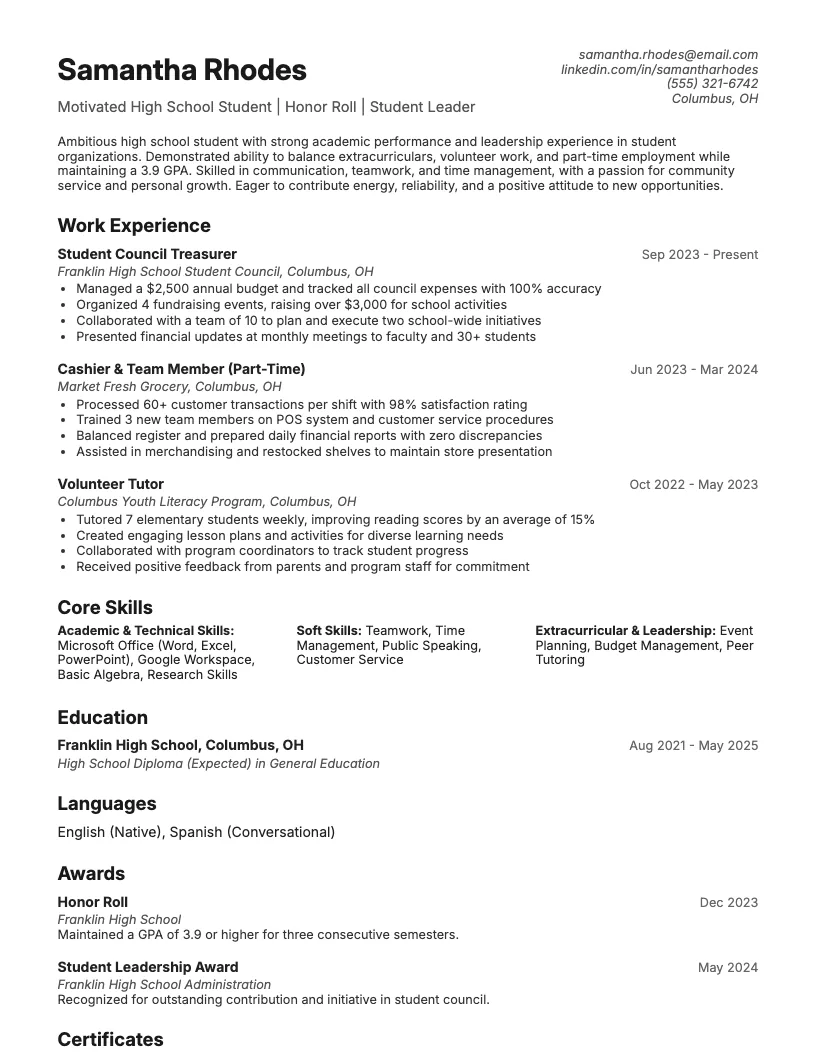
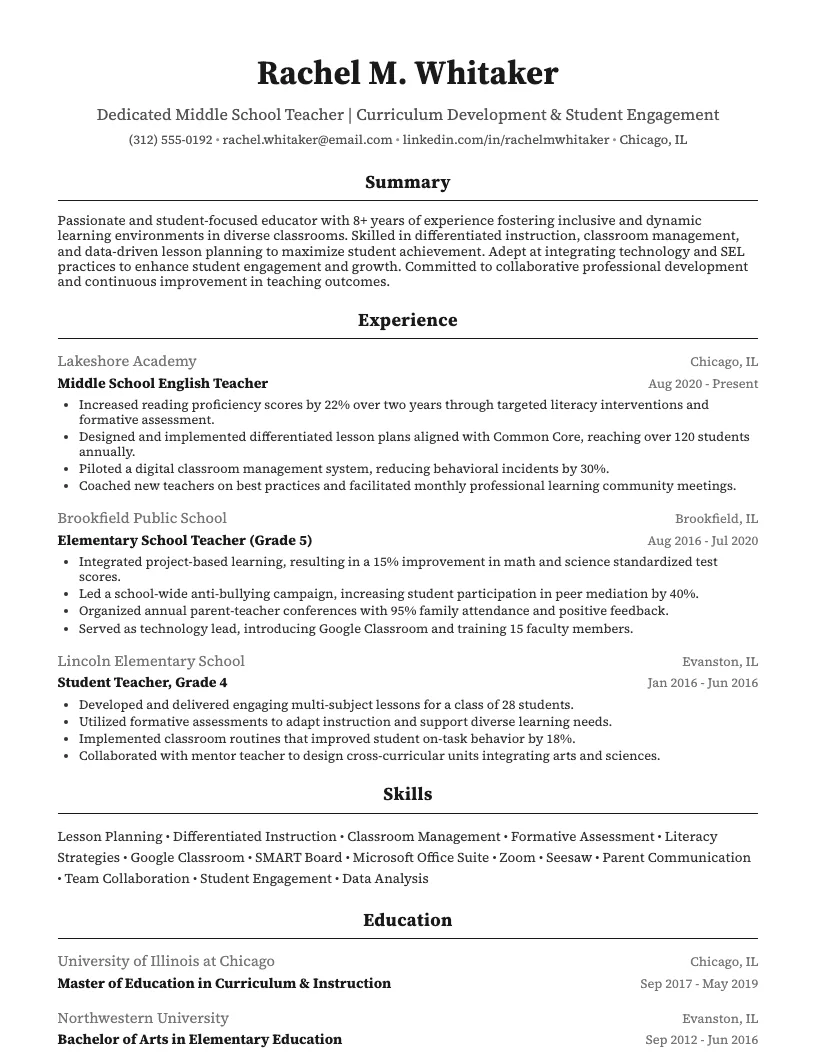
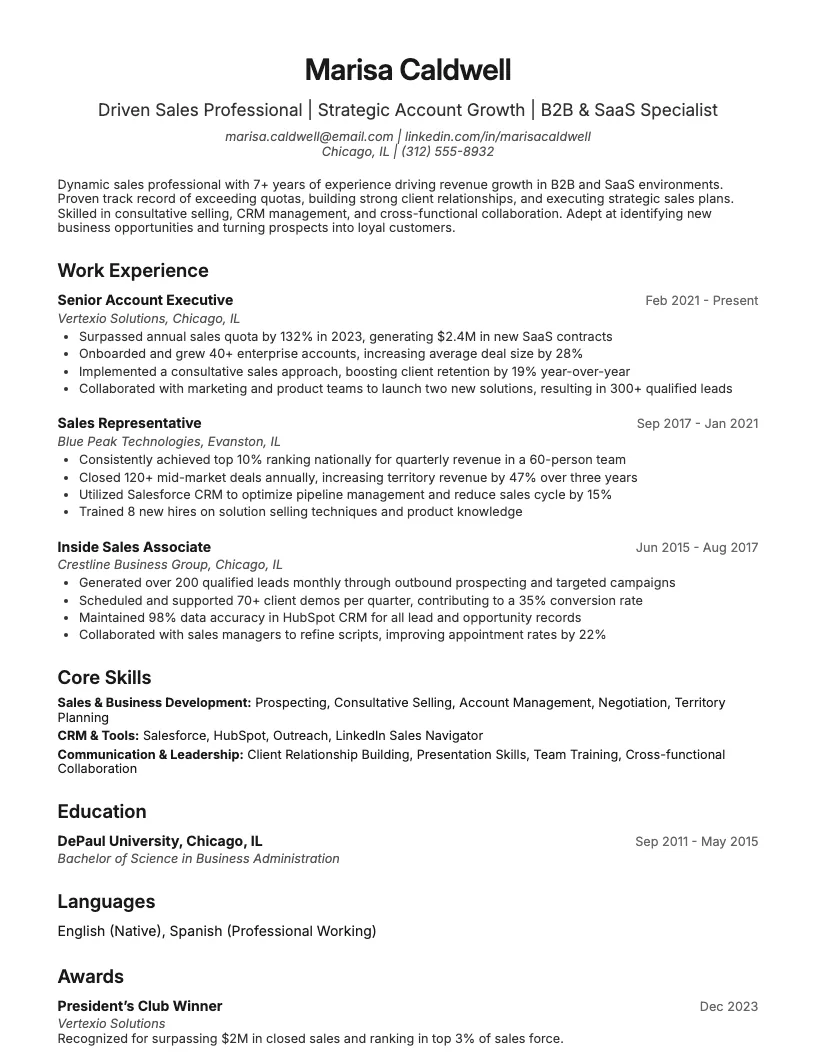
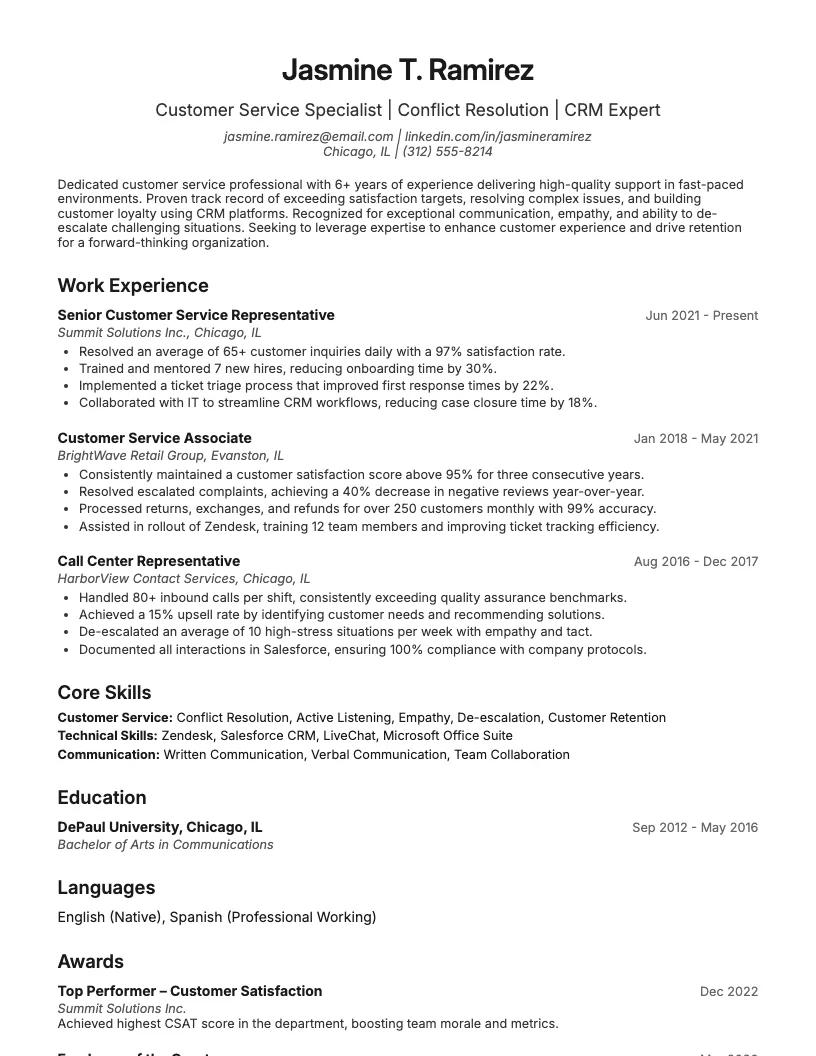
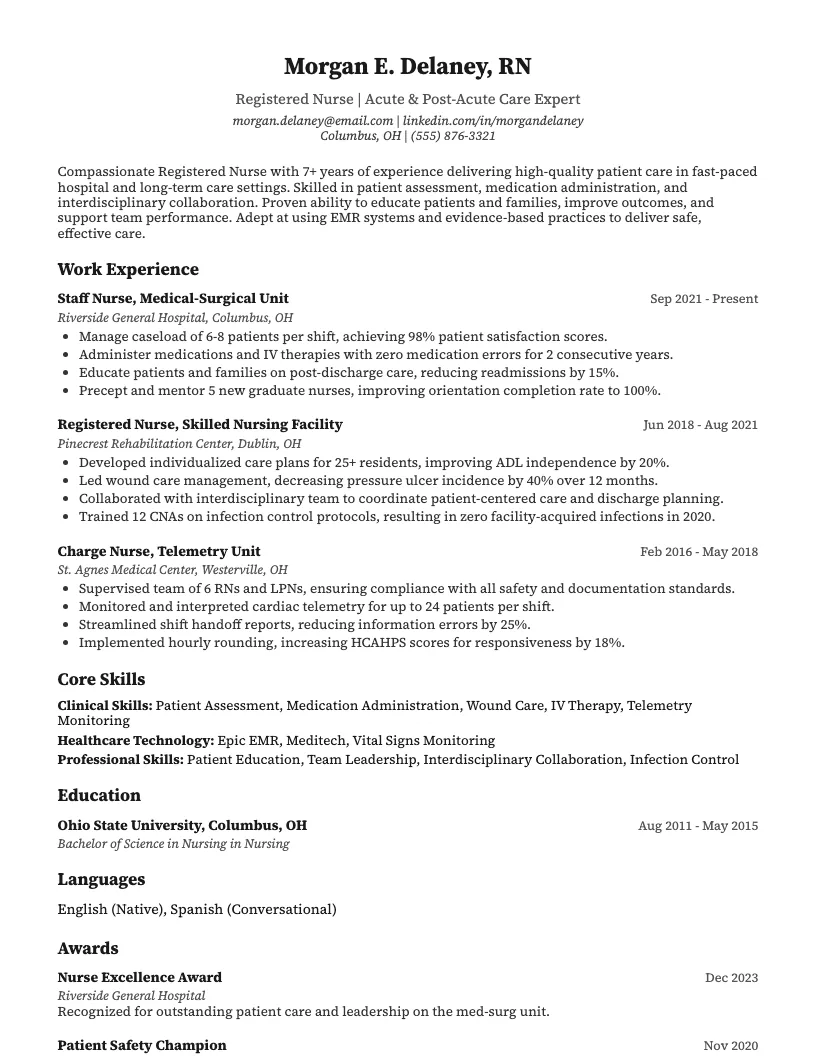
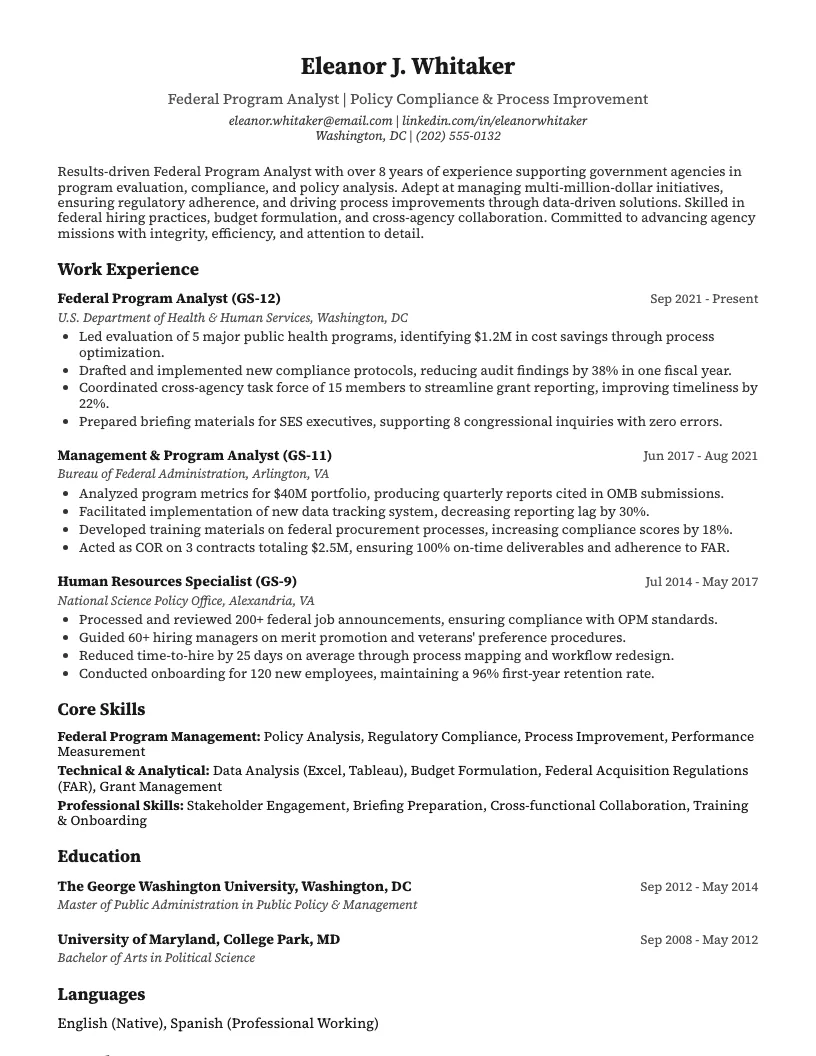
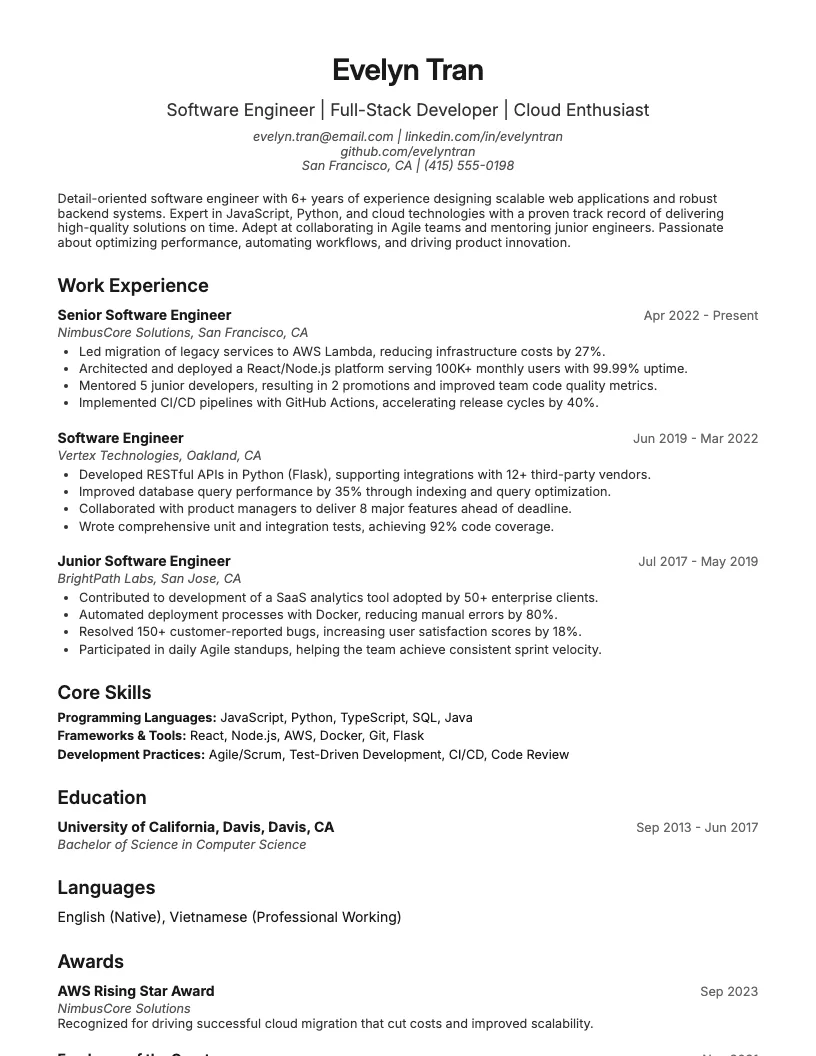
See these skills on a real resume
8 examplesStart from an example that already has them, and swap in your own.
Check your resume against the job you want
Scan your resume, see which skills and keywords the posting asks for that you are missing, and fix them before you apply.
Free to use • No credit card required