Bartender Resume Skills: 10 to List, 6 Certifications to Add
I read hundreds of bartender resumes and broke down the 10 skills, 6 certifications, and the exact keywords hiring software and bar managers scan for.


Written by Sarah Chen
Senior Career Strategist & Resume Expert
Updated August 2026
Reviewed by Marcus Rodriguez
Is your resume ATS-friendly?
Drop your resume in and see which of these skills a scanner can actually read, and which ones the job you want is asking for that you have not listed.
PDF or DOCX. Max 2MB.
We never share your resume or use it to train a model.
In This Guide:
What skills should you put on a bartender resume?
What skills should you put on a bartender resume?

I've read hundreds of bartender resumes, and the ones that get callbacks all do the same thing: they name a short list of skills and then prove each one with a shift, a number, or a certification. Skip the "great with people" line.
Here's what actually belongs.
Mixology and drink knowledge
Name what you actually know: classic cocktails, free pour versus jigger pour, wine and beer basics, seasonal menu builds. If you've written a menu or a recipe, say so - that's a step above "familiar with cocktails," and it's the kind of detail hiring managers skim for.
Speed under a rush
Every bar posting wants someone who doesn't fall apart on a Friday night. Say how many tickets you were running at once, or how many drinks you built during peak hours.
A number here beats "works well under pressure" every time.
Memory and order recall
Bartending runs on memory - recipes, modifiers, who's on their third round, who ordered ten minutes ago. Mention regulars you kept happy by remembering their usual, or how many drink orders you tracked at once without a ticket in front of you.
Customer service and reading a room
This one's close cousin to composure (more on that below), but it's really about tone - knowing when a table wants banter and when they want to be left alone. If you've worked a bar that mixes sports crowds with date nights, that range is worth a line.
Cash handling and POS systems
Name the system: Toast, Square, Aloha, Micros. Pair it with a cash-accuracy detail - a clean drawer count, a shift with zero discrepancies.
Upselling
This is the skill I see missing most, and it's the one that tells an owner you'll help their bottom line. If you pushed a premium pour, a bottle service package, or a seasonal special and moved the numbers, put that number down.
Cleanliness and hygiene
Handwashing, sanitized glassware, a stocked and organized station - this reads as boring until you remember health inspectors don't think it's boring. One line is enough; don't overwrite it.
Teamwork with servers, barbacks and the kitchen
Bartending is a team sport even when you're alone behind the rail. Mention covering a barback's restock, running food when the kitchen backed up, or training a new hire - that last one signals you're ready for more responsibility.
Composure with difficult guests
This is one of the questions I've seen interviewers ask directly - 'tell me about a time you had to cut someone off.' Have a real, specific story ready, because 'I stay calm' without an example falls flat in the interview the same way it does on the page.
Every bar has had a night that went sideways. Show you can de-escalate a guest, cut someone off without a scene, or keep your tone level when a line is out the door.
This is a skill hiring managers weigh heavily because it's the one that protects the bar's reputation.
Stamina and physical work
Eight-hour shifts on your feet, lifting kegs, reaching for high shelves all night - say it plainly if you've done it. It's a real qualification, not filler.
Once you've got a list like this, the harder part is knowing which of these words actually matter for the posting in front of you - that's where a tool like ResumeJudge earns its keep: feed it the job description and it'll tell you exactly which of your skills are missing or buried too deep to get picked up. For where each of these words needs to live on the page, see which keywords hiring systems scan for and how to write them into your work experience.
Which bartender keywords do hiring systems scan for?
Keyword categories to use on your resume
| Category | Example terms | Why it matters |
|---|---|---|
| POS systems | Toast, Square, Aloha, Micros | Named by brand, not a generic phrase |
| Drink terms | Free pour, jigger pour, batching | Shows real bar technique |
| Bar operations | Par levels, inventory counts, pour cost | Shows you've run a bar, not just tended one |
| Legal & safety | ID verification, responsible alcohol service | Answers a liability concern |
Most bartender applications go through a screener before a person ever sees them. That screener is matching words, not judging your charm behind the bar.
If your resume says "great with people" and the posting says "POS proficiency," you can lose on a technicality you never knew existed.
POS systems by name: Toast, Square, Aloha, Micros
Name the systems you've actually used: Toast, Square, Aloha, Micros. Don't write "point of sale software" and leave it there.
I've seen resumes lose to weaker candidates purely because the stronger one never named the system the bar was running.
Drink terms: free pour, jigger pour, batching, craft cocktail, well and call drinks
Say how you actually pour: free pour or jigger pour, not just "made drinks." If you've batched cocktails for volume, say batching.
If you've built a craft cocktail list, say that.
Knowing your well drinks from your call drinks tells a hiring manager you can run a bar under pressure, not just follow a recipe card.
Bar operations terms: par levels, inventory counts, pour cost, keg changes
This is the stuff that separates someone who's tended bar from someone who's run one: par levels, inventory counts, pour cost, keg changes. Nine times out of ten, the applicant who mentions pour cost is the one who's been trusted with the ordering sheet.
Legal and safety terms: ID verification, responsible alcohol service, refusal of service
ID verification, responsible alcohol service, refusal of service - these words matter to an owner worried about liability. If you've refused service and handled it without a scene, that's a real skill, and the phrase for it belongs on your resume.
Where to place these words so they get read
Put your strongest terms in two spots: a skills list near the top, and again inside a work-experience bullet where you actually used them. A word sitting alone in a list is weaker proof than the same word inside a sentence about a 200-guest Friday night.
See how to write bartender skills into your work experience for that part.
Before you send anything out, it's worth checking your resume against the actual posting - ResumeJudge will show you which of these terms the job asks for that you haven't used yet, so you're not guessing.
Words to skip because everyone uses them
Skip "team player," "hard worker," "people person." Every resume in the stack already claims those, so they scan for nothing and read as filler.
For what to put in their place, see how to write bartender skills into your work experience.
How do you write bartender skills into your work experience?
Is your resume good enough?
Drop your resume in and see which of these skills a scanner can read, and which ones the job you want is asking for that you have not listed.
Upload your resumeFree. PDF or DOCX. We never share your resume or use it to train a model.
This is where you replace the filler the skills list told you to skip.
Turn "great with people" into a number
Replace it with what you actually did.
Instead of "great with people," write what that looked like on a Friday night shift.
Guests served per shift
This is the easiest number to grab, and it's the one I see done well most often.
If you don't know your number, count it on your next shift and use that. The before-and-after bullets below show how a guest count reads on the page.
Sales and tip numbers
If you know your average check size grew, or nightly sales rose after you started pushing a feature cocktail, say so.
A line like "increased nightly sales 20% through featured cocktail promotion" is the kind of thing a hiring manager remembers after reading thirty resumes that all sound the same.
Cash accuracy and drawer counts
A cash-handling bullet, done properly
Handled cash
Maintained 100% cash accuracy across nightly drawer counts handling $5,000+ in transactions
Bar owners lose sleep over shrinkage, so a clean drawer record is worth stating.
A line stating your accuracy rate and the size of the drawer you counted tells them you're not a risk, and it answers a worry they have about every new hire.
Menu and recipe work you owned
If you built out a drink menu, developed even one signature cocktail, or ran a seasonal special, name it.
Naming the drinks you created, and saying they stayed on the menu, reads as ownership rather than execution.
Training and shift-lead work
If you trained new hires or ran a shift without a manager on the floor, that's leadership experience even without the title.
Say who you trained and roughly how many, and name what you trained them on - a count is concrete enough to trust.
Five bullet points rewritten before and after
- "Great with customers" → "Served 150+ guests per shift in a high-volume bar, upselling premium cocktails"
- "Handled cash" → "Maintained 100% cash accuracy across drawer counts averaging $5,000+ per shift"
- "Knew a lot of drinks" → "Developed 5 signature cocktails adopted onto the permanent menu"
- "Worked well under pressure" → "Kept ticket times under 2 minutes during 200+ cover nights"
- "Trained staff" → "Trained and mentored 4 new bartenders on POS systems and pour standards"
If you're not sure your bullets read this way, run the resume against a real posting - ResumeJudge will show you exactly which of these you're missing for that job and rewrite the wording for you.
Which certifications belong on a bartender resume?
Which certifications belong on a bartender resume?
Most bartending jobs don't require a degree, but they do want proof you can serve alcohol legally and safely. That proof is a certification, and it's one of the fastest ways to move up a stack of resumes.
TIPS
TIPS is the certification I see most often, and it's the one most hiring managers recognize on sight.
It covers checking ID, spotting a guest who's had too much, and knowing when to cut someone off. If you have it, put "TIPS Certified" right at the top of a certifications section, and note if it's current - an expired one is worse than none, because it tells a manager you let it lapse.
ServSafe Alcohol
ServSafe Alcohol covers the same ground as TIPS: responsible service, ID checks, refusal of service. Some states and employers ask for one by name over the other, so if you're not sure which, list whichever you actually hold.
State alcohol server permits
A lot of states require their own alcohol server permit on top of TIPS or ServSafe, and this is the one candidates forget. If your state has one, it belongs on the resume - leaving it off makes a hiring manager wonder if you're even eligible to work the job.
Food handler card
If the bar serves food, a food handler card matters. It's cheap, quick to get, and shows you understand basic food safety, which restaurants and hotel bars in particular will ask about.
CPR and first aid
Not every bar requires this, but I've seen it tip a close call. It signals you can handle an emergency on a packed floor, which matters more in high-volume rooms.
Mixology and wine courses
These aren't legal requirements, they're a signal. A mixology or wine certificate tells a craft cocktail bar or upscale restaurant you've studied the craft, not just memorized a well pour.
If you're newer to bartending, this is one of the fastest ways to look serious next to someone with more floor time.
How to lay out a certifications section
Give certifications their own section, not a line buried in your skills list. List the name, the issuer, and the date, and mark anything current.
Keep it to what's real and active - certifications back up the skills you're already claiming elsewhere on the resume, they don't replace them. If you want to check that everything on the page actually matches what a posting is asking for, ResumeJudge scans your resume against the job description and flags anything the listing wants that you haven't shown yet.
How do bartender skills change with the bar you are applying to?
What to lead with, by bar type
| Bar type | Lead with |
|---|---|
| Nightclub or sports bar | Speed and volume served per shift |
| Craft cocktail bar | Technique, spirits knowledge, menu work |
| Hotel or resort bar | Composure, polish, certifications |
| Restaurant bar | Teamwork with servers and kitchen |
| Neighborhood pub | Reliability and regulars |
| Casino or event bar | Cash accuracy and ID checks |
The same ten skills read differently depending on where you're pouring. I've seen strong resumes get passed over because they were written for the wrong room.
High-volume nightclub or sports bar
Speed is the whole pitch here. Lead with volume: how many guests you handled per shift, how you kept a line moving, how you worked a rush without slowing down.
Skip the cocktail-craft language. Nobody's asking about a Negroni at 1am on a Saturday.
Craft cocktail bar
Flip it. Here the resume needs to show precision and knowledge, not just speed.
Name techniques and spirits you actually know, mention any menu or recipe work you've owned, and drop the "great with people" filler entirely. This crowd wants proof you understand structure and balance, not that you're friendly.
Hotel and resort bar
These jobs sit closer to hospitality than nightlife, so composure and polish matter more than raw speed. You're serving guests who are on vacation and expect white-glove service, often across long shifts and multiple outlets on the same property.
Certifications carry extra weight here too - resorts tend to be strict about it, so it's worth checking which ones belong on your resume.
Restaurant bar and service well
This is a teamwork job first. You're not just making drinks, you're keeping servers moving and staying in sync with the kitchen, so put that coordination front and center.
Wine and pairing knowledge helps if the restaurant is upscale. If it's casual, focus on turning tables and keeping the well organized during a rush.
Neighborhood pub
Pubs hire for reliability and regulars, not flash. Owners want someone who shows up, remembers faces, and keeps the vibe steady night after night.
I'd rather see "built a regular customer base" on a pub resume than a long drink list - it's the more honest signal for this kind of bar.
Casino and event or catering bars
These venues run on structure: cash handling accuracy, ID checks, and following house pour rules to the letter. Casinos in particular audit this stuff closely, so any cash-accuracy numbers you have belong here.
Since every bar wants different words emphasized, it helps to check your resume against the actual posting before you send it - ResumeJudge will scan the job description and flag which of your skills to push up front and which to cut for that specific application.
What skills can you list with no bartending experience?
What skills can you list with no bartending experience?
Everybody who is bartending now was once someone with no bar experience. You just have to know which of your old jobs actually count.
Barback and server work
If you've barbacked, you already know par levels, keg changes, and how to move behind a bar without getting in anyone's way. Say that directly.
Serving tables works too - you were reading orders, running food and drinks, and handling a section under pressure, which is most of the job minus the pour.
Retail and cashier work
A cash register is a cash register. If you balanced a drawer, handled returns, or ran a POS system at a retail counter, that's cash accuracy and POS experience on your resume, in the hiring manager's own words.
Any job with a rush
I care less about the job title than what happened during the busiest hour of the shift. A call center at peak volume, a food truck at lunch, a retail floor on Black Friday - all of it proves you can keep your head when the line is ten deep, which is the actual skill behind speed under a rush.
Bartending school and home practice
Bartending school is worth listing, but don't oversell it - owners know a two-week course isn't the same as a real shift. Say what you can actually do: name the drink categories you know, the techniques you've practiced, the number of recipes you've got down cold.
Certifications you can get before you are hired
This is the one lever you fully control. TIPS, ServSafe Alcohol, and your state's server permit can all be earned before you ever apply, and I've seen them tip a hiring decision when two candidates had the same amount of experience - or none.
More on each of those is under certifications.
A skills section that does not lie
A hiring manager who's suspicious will just ask you to make a drink or run a shift on trial. Overselling a skill you don't have gets caught in an hour, not in the interview.
The mistake I see most often from career-changers is listing "mixology" when what they mean is "watched some YouTube videos." List what's true, then let the wording carry the rest.
If you're not sure your skills section matches what a bar's job posting is actually asking for, ResumeJudge will score your resume against the posting and tell you exactly which of its expected skills and keywords you're still missing.
Frequently Asked Questions
How many skills should I list on a bartender resume?
Aim for six to ten skills, mixing hands-on techniques like cocktail preparation and POS systems with people skills like customer service and multitasking under pressure. Pick the ones that match the specific job you're applying to rather than listing everything you know. ResumeJudge can scan your list against a job posting and tell you which skills you're missing before you send it. A long list of every skill you've ever used reads as filler, not proof.
How do you describe a bartender on a resume?
Describe yourself through results, not just duties, so the reader sees what happened because of what you did. Instead of "served drinks," write something like "served 60+ guests per shift while maintaining full transaction accuracy and growing nightly sales through upselling." Pair a technical skill with a people skill in the same line so it's clear you can multitask under pressure and still keep customers happy.
What do I write in a bartender resume summary?
Keep it to two or three sentences covering your experience level, your setting (fast-paced bar, fine dining, high-volume events), and one measurable result. For example: "Bartender with 3+ years in high-volume venues, known for fast, accurate service and upselling that grew nightly drink sales." If you're tailoring it to a specific job, ResumeJudge can take your resume and that job description and put the exact skills and wording the posting asks for into your summary and the rest of the resume.
Should I list drinks I can make?
Only if it's specific and relevant - knowing classic cocktails, mixology techniques, or a specialty like craft cocktails or flair bartending is worth mentioning, but a long list of every drink you can pour isn't. Fold it into your skills section as "cocktail preparation" or "mixology" rather than naming individual drinks, unless the posting specifically asks for a style you know.
Do I need TIPS certification before I apply?
No - plenty of bartending jobs don't require it upfront, and many bars will train you or expect certification after you're hired. If you already have it, list it; if not, lean on your experience and skills instead. Once your resume is in good shape, ResumeJudge can help you find bartending jobs that fit you and apply to them with a resume tailored to each one.
Should I put tips or sales numbers on my resume?
Yes - numbers like average nightly tips, sales increases from upselling, or guests served per shift give hiring managers real proof you can perform, not just a claim. Use exact figures where you have them, like "increased bar sales by 15% through upselling" or "handled 80+ covers per night," and only round if you don't know the precise number.
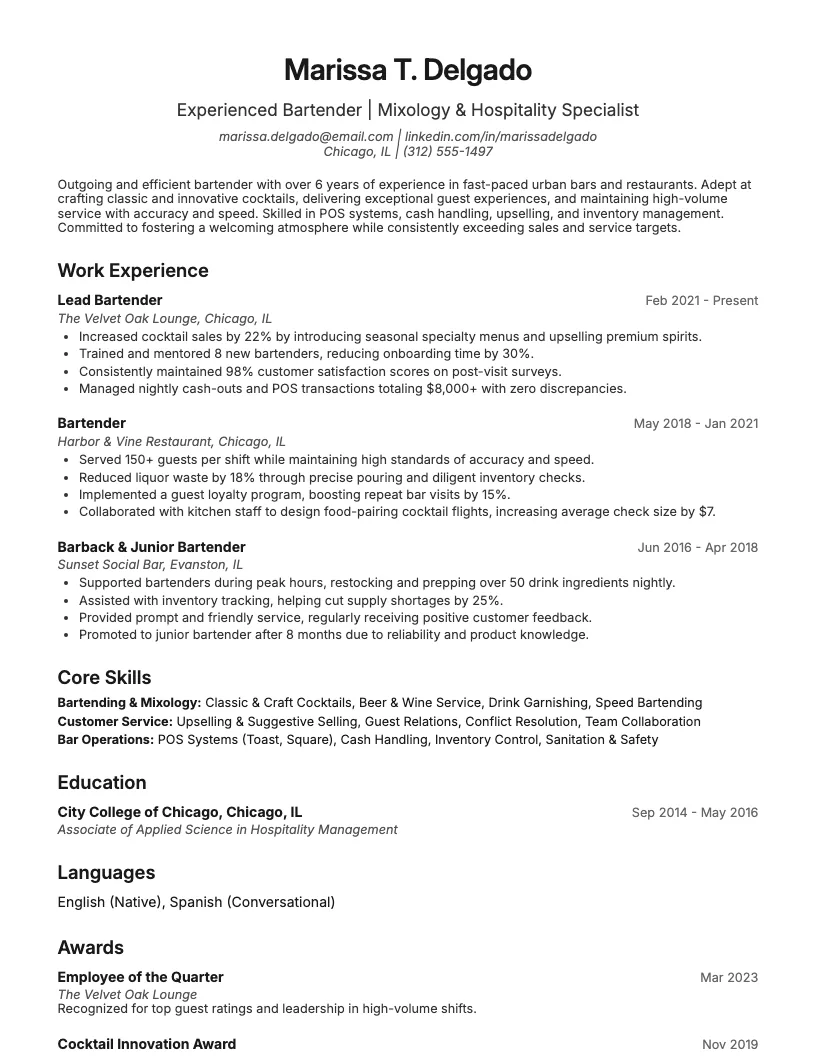
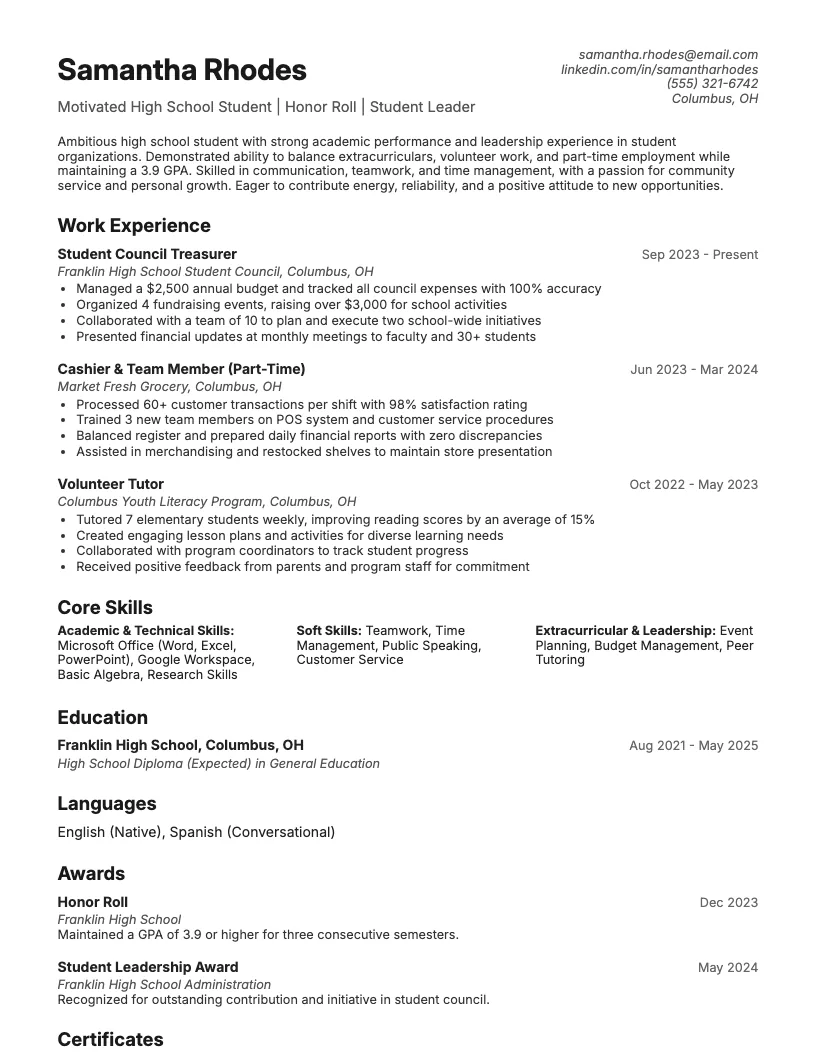
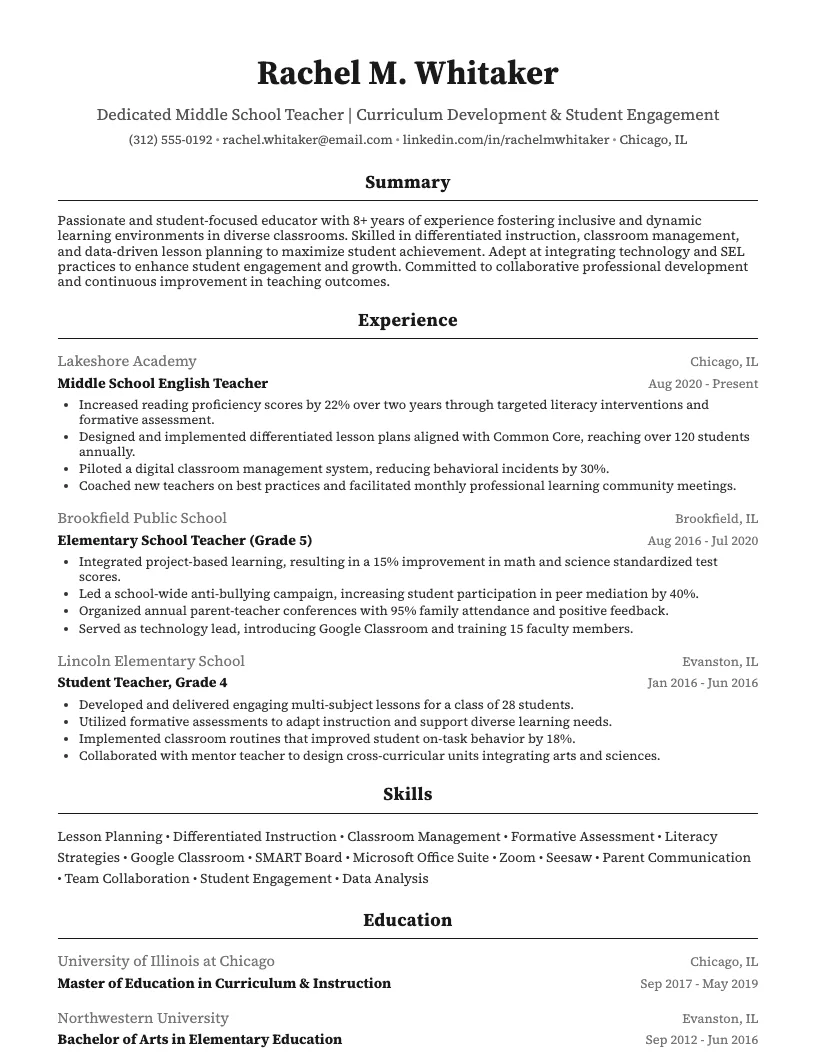
See these skills on a real resume
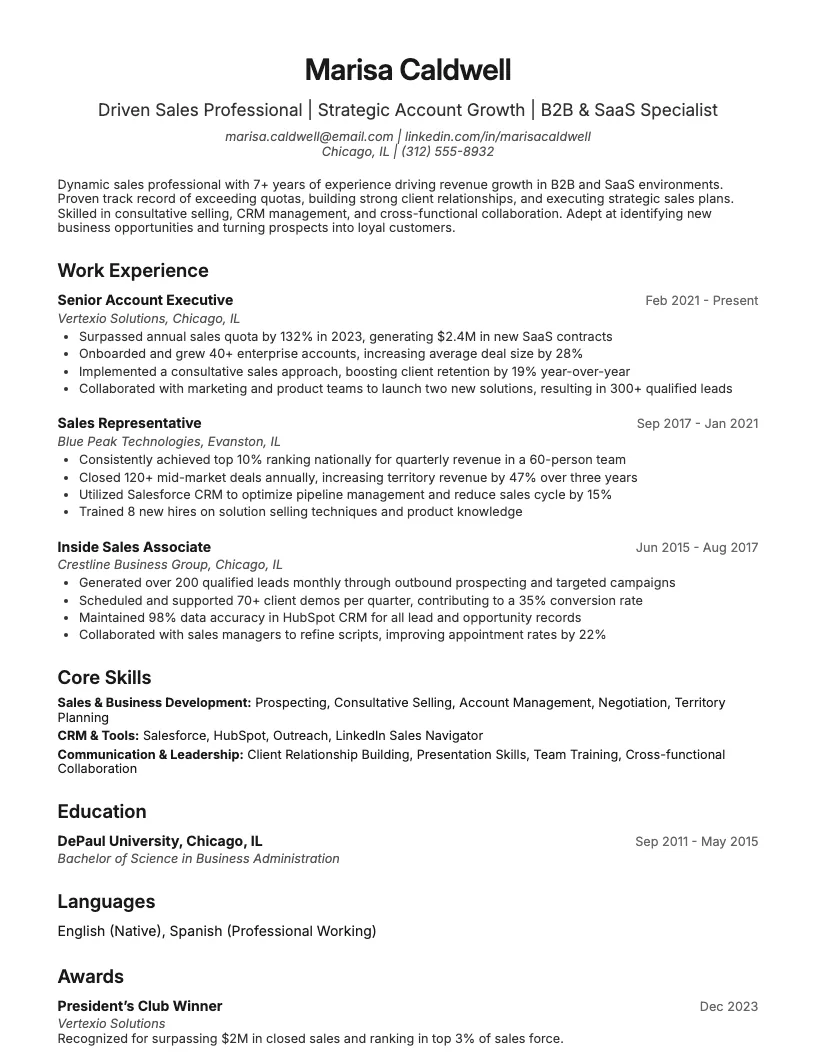
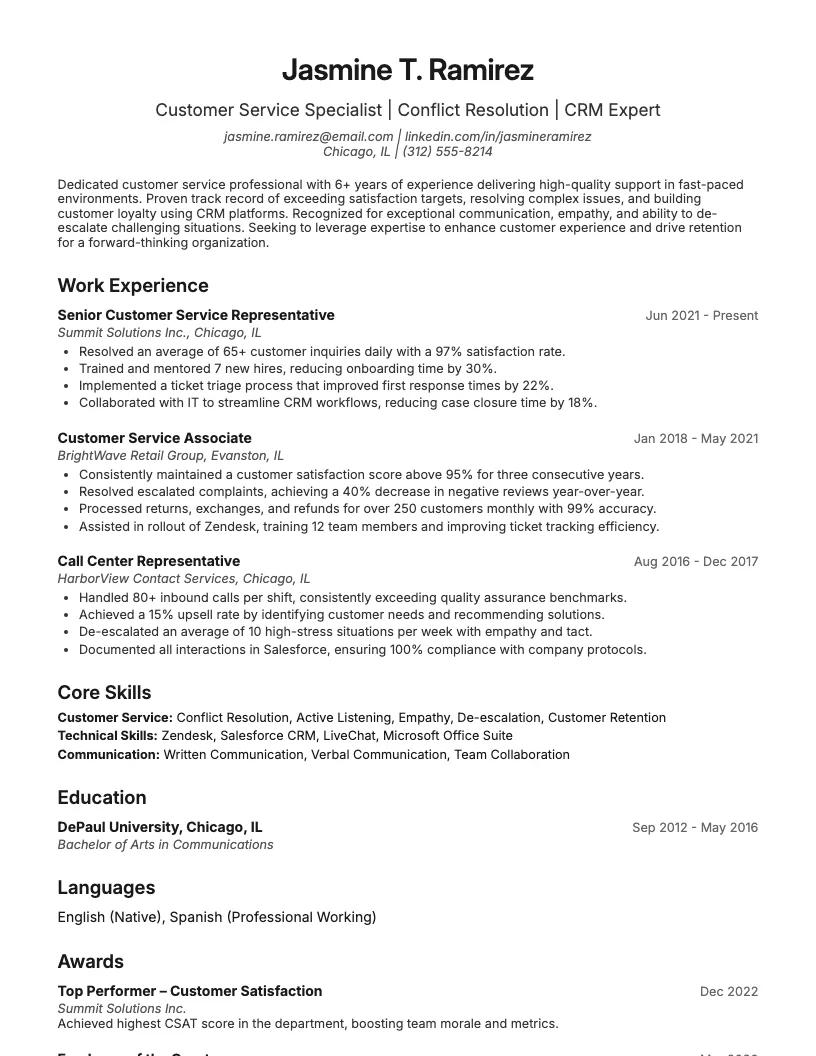
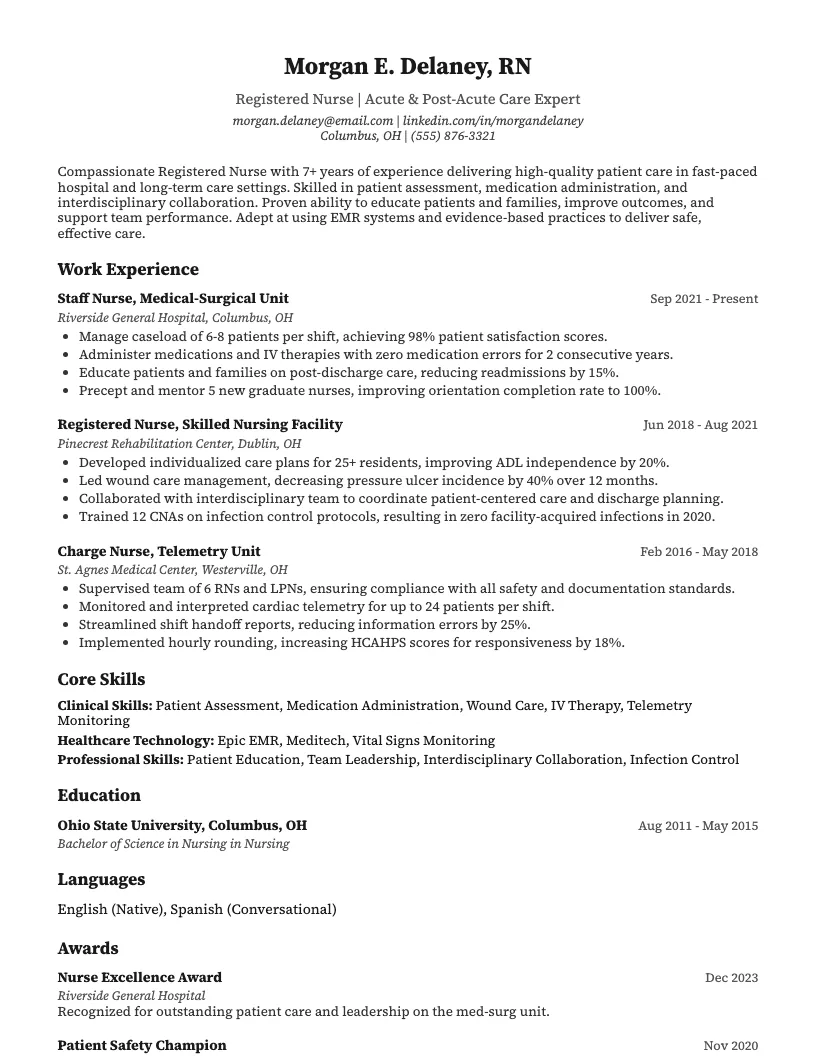
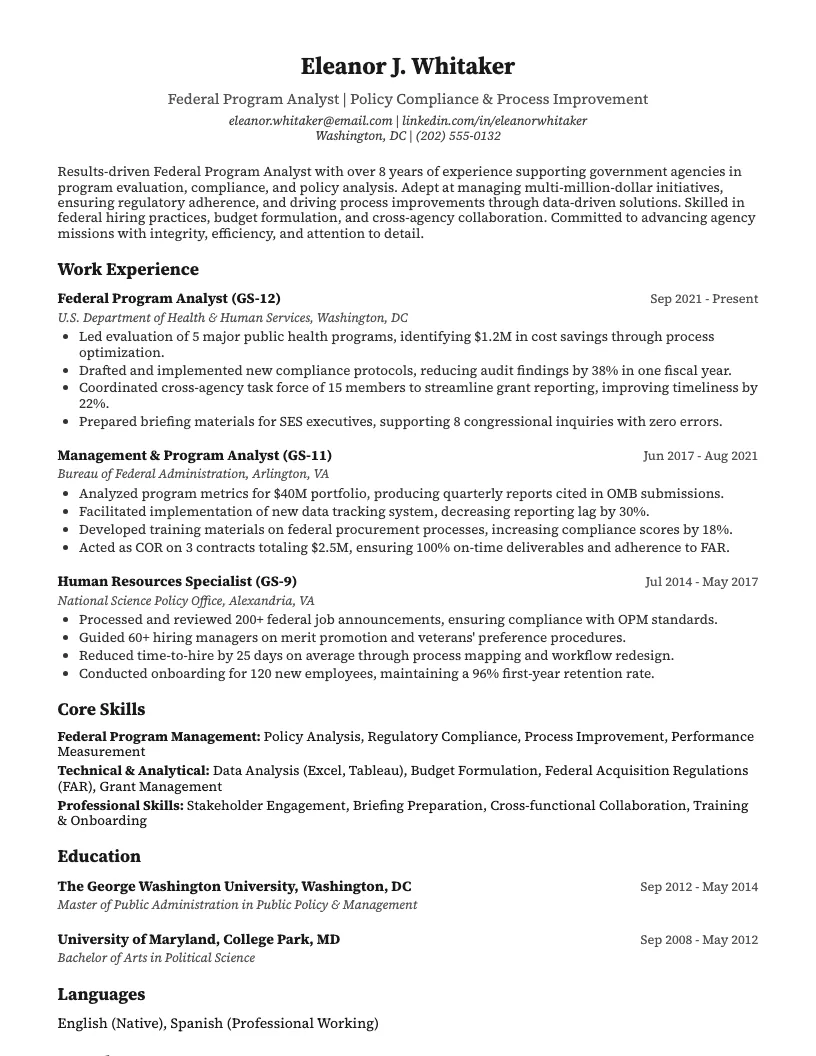
8 examplesStart from an example that already has them, and swap in your own.
Check your resume against the job you want
Scan your resume, see which skills and keywords the posting asks for that you are missing, and fix them before you apply.
Free to use • No credit card required