Keywords for bank teller resume: 7 compliance terms, 6 levels
See the exact keywords banks scan for: compliance terms, banking software, cash-handling tasks, and how titles like senior or head teller change what you list.


Written by Dr. Priya Sharma
Career Development Expert & Resume Analyst
Updated August 2026
Reviewed by Sarah Chen
Is your resume ATS-friendly?
Drop your resume in and see which of these skills a scanner can actually read, and which ones the job you want is asking for that you have not listed.
PDF or DOCX. Max 2MB.
We never share your resume or use it to train a model.
In This Guide:
What keywords do banks look for on a teller resume?
What keywords do banks look for on a teller resume?

I've read hundreds of teller resumes, and the ones that get callbacks all lean on the same handful of words. These are the ones a bank's screening software is actually trained to look for.
Cash handling
This is the anchor term. Every teller resume needs it somewhere near the top, because it's the first thing a recruiter scans for. The specific duties that sit under it - ATM balancing, currency counting, check cashing, vault work - are all named in which cash and vault tasks should you name, so pick your operational terms from there rather than from this list.
Balancing and reconciliation
Don't just say you handled cash. Say you balanced it - that word tells a bank you know the drawer has to match, every time.
Zero variance
This is the phrase that separates a strong resume from an average one. It says your drawer balanced exactly, with nothing over and nothing short.
Transaction processing
Broader than cash handling - it covers deposits, withdrawals, transfers, and payments. Use it once you're past entry-level cashier work.
Customer identification
Verifying who you're handing money to. Banks care about this one specifically because it ties to fraud prevention, not just service.
Confidentiality and integrity
You're handling other people's money and their account details. Naming this directly tells a bank you understand what's actually at stake in the job.
Attention to detail
Weak on its own - everyone writes it. Pair it with a number, like a drawer balanced daily or an accuracy rate, and it actually means something.
Time management
Lines move, and banks want to know you can process transactions fast without cutting corners. If you want to check your full list against a real posting instead of guessing which of these matter most, that's exactly what ResumeJudge does - it scores your resume against the job description and tells you what's missing.
Which cash and vault tasks should you name?
Which cash and vault tasks should you name?
Banks scan for the exact operational terms, not a summary of them.
ATM balancing
Say it exactly like that: ATM balancing. It tells a hiring manager you've been trusted with a machine that runs unattended.
Vault management and dual control
Dual control is the term for two people verifying vault access together, and naming it signals you understand bank security procedure, not just cash counting.
Currency counting
This is different from balancing a drawer. Name it separately if you've done high-volume counts, by hand or by machine.
Check cashing
Pair this with fraud detection if you've verified endorsements or spotted altered checks. The two go together on most postings.
Night depository handling
Smaller banks and credit unions still list this as its own duty. Include it if you've processed night drop bags.
Foreign currency exchange
Worth naming even if it was occasional. It shows range beyond routine deposits and withdrawals.
Cashier's checks and money orders
Issuing these is a distinct, listed skill on most job postings I've reviewed, so don't fold it into "customer transactions."
10-key and data entry
Some screening software searches for the exact string '10-key'. Spelling it out as 'ten key' or 'ten-key' won't match, so write it as the digits and the hyphen.
Old-fashioned sounding, still scanned for. If you've hit any kind of speed or accuracy benchmark, that number belongs in a bullet under work experience, not here.
Once you've got this list down, ResumeJudge can check it against the actual posting and tell you which of these terms that specific bank expects to see, instead of you guessing which ones matter.
Which compliance terms belong on a bank teller resume?
Which compliance terms belong on a bank teller resume?
Retail cashier experience won't cover this section. This is where you show the bank you understand the rules around handling other people's money.
Know Your Customer (KYC) {#know-your-customer-kyc} This is the practice of verifying who you're dealing with before you open an account or process a transaction. Name it, and you're telling the bank you already get why ID checks aren't optional.
Anti-Money Laundering (AML) {#anti-money-laundering-aml} AML is the set of rules for spotting transactions that look like someone's trying to clean dirty money through the bank. Even a line like "trained in AML procedures" signals you.
Bank Secrecy Act (BSA) {#bank-secrecy-act-bsa} BSA is the federal law behind most of this. If your training covered it, say so by name.
Currency Transaction Report (CTR) {#currency-transaction-report-ctr} Any teller who's filed one of these, for cash transactions over the reporting threshold, should list it. It's proof you've handled the real paperwork, not just the counter work.
OFAC screening {#ofac-screening} This is checking names against government sanctions lists before a transaction clears. It belongs next to your fraud detection work.
FDIC regulations {#fdic-regulations} General familiarity with FDIC rules rounds this out.
Fraud detection {#fraud-detection} The resumes that get callbacks name specific red flags they've caught, not just "fraud awareness." Once you've got these terms picked, ResumeJudge can check them against a real posting and tell you which ones that bank actually wants to see.
What banking software should you list?
Banking software worth naming
| System | What It's For | Where You'll See It |
|---|---|---|
| Fiserv / FIS | Core banking system | Most banks and credit unions |
| Jack Henry | Core banking system | Community banks and credit unions |
| Hyland OnBase | Document management | Scanning and pulling account records |
| Oracle Flexcube | Core transaction processing | Larger banks |
| Check imaging systems | Check deposit processing | Most branches |
| Salesforce CRM | Tracking referrals and interactions | Branches measuring cross-selling |
Tellers used to be judged on mental math. Now it's how fast you move through the software, and that's what shows up in postings.
Two names worth knowing: Fiserv and FIS. Both run core banking systems at banks and credit unions across the country, so if you've touched either one, say so by name - don't just write "core banking system" and hope.
Jack Henry is the other big one, especially at community banks and credit unions. Same rule applies: name it.
Hyland OnBase handles document management - scanning and pulling up account records - and it's common enough that postings list it on its own. Oracle Flexcube shows up more at larger banks running core transaction processing, so include it if that's what you used.
Check imaging systems cover the scanners and software for processing check deposits. If your branch used one, name the keyword even if you can't remember the exact product.
Microsoft Excel and Word feel basic, but they still get listed as requirements, mostly for balancing reports and daily logs - don't leave them off just because they seem obvious.
Salesforce CRM is the odd one out here: it's for tracking customer interactions and referrals, not transactions, and it's how a lot of branches now log the cross-selling work tellers are increasingly measured on.
Only list a system you've actually worked in - if a posting names one you haven't touched, don't fake it. If you've got the resume and the posting side by side, ResumeJudge will check which of these systems the listing actually asks for and flag the ones you're missing before you submit.
Do banks want sales keywords too?
Yes, and this is the part most teller resumes miss completely. Banks don't hire tellers just to count cash anymore - they hire people who can spot a customer who needs a credit card, a loan, or an investment account and hand that lead to someone who can close it.
Cross-selling
This means offering a customer something beyond the transaction they came in for - a credit card while they're cashing a check, a savings account while they're depositing.
Referral generation
A referral is a lead you pass to a specialist team, usually mortgage or investment. Say how many you generated, not just that you did it.
Product knowledge
You need to be able to speak to what the bank sells - checking tiers, credit products, loans - enough to bring up in conversation.
Needs identification
This is the skill underneath the other three: listening for what a customer actually needs instead of just processing their request.
How to put a referral number on the page
Nine times out of ten I see "cross-selling" listed with nothing behind it. Put a referral count behind it instead - the before-and-after example shows how the line should read.
If you're not sure your resume even shows this against a real posting, that's exactly what ResumeJudge checks - it scores your resume against the job description and tells you where the gaps are.
Which people skills are worth listing, and how?
Customer service
Every bank teller resume has "customer service" on it somewhere. That's exactly the problem - it's the least differentiating line on the page unless you attach it to something real, like a satisfaction score, a repeat-customer note, or a specific type of interaction you handled well.
Conflict resolution
Conflict resolution bullet
Good with people
Talked an upset customer through a declined transaction dispute and resolved it before they left the branch
Tellers deal with upset customers over fees, holds, and declined transactions. If you've talked someone down or fixed a problem on the spot, that's conflict resolution - name it that way, not "good with people."
Clear communication
This means explaining account terms, hold policies, or fees in plain language to someone who's frustrated or confused. I've seen candidates write "strong communicator" and nothing else - say what you communicated and to whom.
Teamwork
Branches run on shift coverage and shared vault responsibilities. A line about covering for a coworker or training a new hire does more than the word "teamwork" ever will.
Bilingual fluency
List a second language even if you're not fully fluent in it conversationally. Tellers usually get pulled in for basic account questions and holds in that language, not full negotiations, so partial fluency still counts.
English, Spanish, and French are the languages banks ask for most, since branches serve customers who don't bank comfortably in English. If you speak a second language, put it near the top of your skills section - it's a genuine hiring lever, not a nice-to-have.
Why a bare list of these does nothing
Nine times out of ten, I see these five words dropped in a row with nothing behind them, and a hiring manager skips right past. Pair each one with a real example, the way turning a keyword into a bullet point shows - and if you want a second opinion on whether yours land, ResumeJudge will score your resume against the actual posting and show you which of these terms are missing or thin.
Where do these keywords go on the resume?
Where do these keywords go on the resume?
Placement matters as much as which words you pick.
In the professional summary
Your top 2-3 keywords belong in the first two lines. A recruiter skims the summary first, so lead with cash handling, transaction volume, or whatever the posting cares about most.
In the skills section
This is where you list the rest: software, compliance terms, the banking software you know. Keep entries short and specific, not vague phrases like "team player."
In work experience bullets
Here's the part people skip: every term you put in the skills list should show up again down here, inside a bullet about a job you actually did. How do you turn a keyword into a bullet point covers how to write those lines.
The job title 'Bank Teller' itself
Put the exact words "Bank Teller" somewhere on the page, even if your actual title was something else. Applicant tracking systems match on title, and I've seen strong resumes get skipped over just because the title field didn't say it.
In the certifications section
List ABA or Notary Public here if you have them - see what to use with no banking experience. Getting all this placed correctly is exactly what ResumeJudge's resume fix does: feed it a posting and it rewrites your resume, dropping each keyword into the section it actually belongs in.
How do you turn a keyword into a bullet point?
A keyword sitting alone in your skills list proves nothing. A bank needs to see it in action.
Action + volume + result
The formula I use on every teller resume: start with a strong verb, add how much or how often, then add the outcome. Skip any one of the three and the line goes flat.
Before: 'Handled cash'. After: 'Balanced a $10,000 drawer daily with zero variance'
Cash handling bullet
Handled cash
Balanced a $10,000 drawer daily with zero variance
'Handled cash' could mean anything. 'Balanced a $10,000 drawer daily with zero variance' tells a hiring manager exactly what you're trusted with and how well you did it.
Before: 'Helped customers'. After: '140 transactions a day at 99.98% accuracy'
Customer service bullet
Helped customers
140 transactions a day at 99.98% accuracy
Same problem, same fix. Anyone can say they helped customers.
Say how many and how accurately, and the line does the selling for you.
Before: 'Suggested products'. After: '42 referrals per quarter to mortgage and investment teams'
Cross-selling bullet
Suggested products to customers
42 referrals per quarter to mortgage and investment teams
If you're chasing cross-selling credit, a referral count belongs on the resume, not just the sales log.
Action verbs: processed, balanced, reconciled, verified, issued
Lead every bullet with one of these instead of 'responsible for.' If you're not sure which of your bullets are still flat, ResumeJudge will rewrite them against the posting you're applying to, working the exact wording the job wants into each line.
What keywords can you use with no banking experience?
What keywords can you use with no banking experience?
No teller job on your resume yet? You still have the keywords.
You just have to go find them in jobs that don't look like banking.
Retail cashier work rewritten as cash handling
If you ran a register, you handled cash. Say so: drawer counts, balancing at close, transaction accuracy.
That's the same language a bank posting uses, just from a different building.
Hospitality work rewritten as customer service
Front desk, host stand, server work - all of it is customer service under pressure with money changing hands. Pull that experience into the people skills section and it reads like teller prep, because it is.
Coursework and ABA certification
A finance or business class, or the ABA's teller certification, signals you already know terms like reconciliation and compliance before day one. It's not required, but I've seen it tip a close call.
Notary Public
If you're a notary, list it. Banks value it on sight.
The terms you cannot claim yet
Don't write KYC, AML, or BSA as things you've done - you haven't, and a hiring manager will ask. Frame them as familiar, not practiced.
Before you apply, run your resume against the actual posting - ResumeJudge will show you which of these terms you're still missing.
Which keywords change as you move up?
How keyword emphasis shifts by level
| Level | Lead With | What Changes |
|---|---|---|
| Bank teller | Cash handling, transaction processing, accuracy | Entry point |
| Senior teller | Training, escalations, higher limits | More trust, not just more volume |
| Head teller | Vault oversight, staff scheduling, branch balancing | Supervision |
| Vault teller | Dual control, large-currency handling, ATM balancing | Specialist track |
| Universal / relationship banker | Account opening, cross-selling, needs identification | Teller basics plus sales |
| Personal banker | Product knowledge, referral generation, portfolio growth | Cash handling becomes a supporting line |
The keyword set is not the same for every rung. I've reviewed plenty of these where someone hits five years in the role and still writes "bank teller" language, and it reads flat next to a peer who updated their terms.
Bank teller
Entry point. Lean on cash handling, transaction processing, customer service, and accuracy numbers.
Senior teller
Add scope: training new hires, handling escalations, higher transaction limits. Show you're trusted with more, not just doing more of the same.
Head teller
Now it's supervision. Vault oversight, staff scheduling, balancing the whole branch, not just your own drawer.
Vault teller
A specialist track. Dual control, large-currency handling, ATM balancing carry the weight here over general customer service terms.
Universal banker and relationship banker
Same person, different job posting. These titles pull in account opening, cross-selling, and needs identification alongside the teller basics.
Personal banker
The sales and advisory terms move to the front: product knowledge, referral generation, portfolio growth. Cash handling becomes a supporting line, not the headline.
If you're rewriting a resume across a title change like this, ResumeJudge can take the new posting and rework your bullets and summary to match its emphasis instead of you guessing which terms to promote.
Frequently Asked Questions
How many keywords should I put on a bank teller resume?
Aim for 12 to 18 keywords spread naturally across your resume, not crammed into one list. The right count also depends on the posting itself, since different banks emphasize different terms. ResumeJudge scans your resume against the actual job posting and tells you exactly which keywords you're missing, so you're not guessing at a number.
Should I copy the keywords straight from the job posting?
No, lift the term but rewrite it into your own accomplishment. Dropping in a phrase like 'cash handling' with nothing behind it reads as keyword stuffing to a hiring manager, even if it passes a scanner. Say how you used it instead, like 'balanced a $15,000 drawer daily with zero discrepancies.' If you want that matching done for you, ResumeJudge rewrites your resume against a specific posting, working each required keyword into a real bullet rather than a raw copy.
Is 'math skills' a good thing to list?
No, it's too generic and tells a bank nothing. Swap it for the specific skill you actually mean, like currency balancing, cash reconciliation, or drawer accuracy. Those terms match what banks screen for and show you know the job, not just arithmetic.
Do I need the Certified Bank Teller (CBT) credential?
No, it's not required to get hired as a teller. Having it, or the related Anti-Money Laundering certification, can help you stand out against other applicants, but plenty of tellers get hired without either one. Solid cash-handling and customer service experience matters more.
Will a bank run a credit check on me?
Yes, a credit check is standard for bank teller hiring since you'll be handling cash and customer accounts. Significant financial distress on your report, like recent collections or bankruptcy, can disqualify a candidate. It's worth checking your own credit report before you apply so nothing surprises you.
Should I list keywords for teller jobs I only did part-time?
Yes, part-time teller work counts and carries the same keywords as full-time work. List the role normally and note it was part-time in the job title or dates rather than leaving it off. The cash-handling, compliance, and customer service terms you used still apply, regardless of your hours.
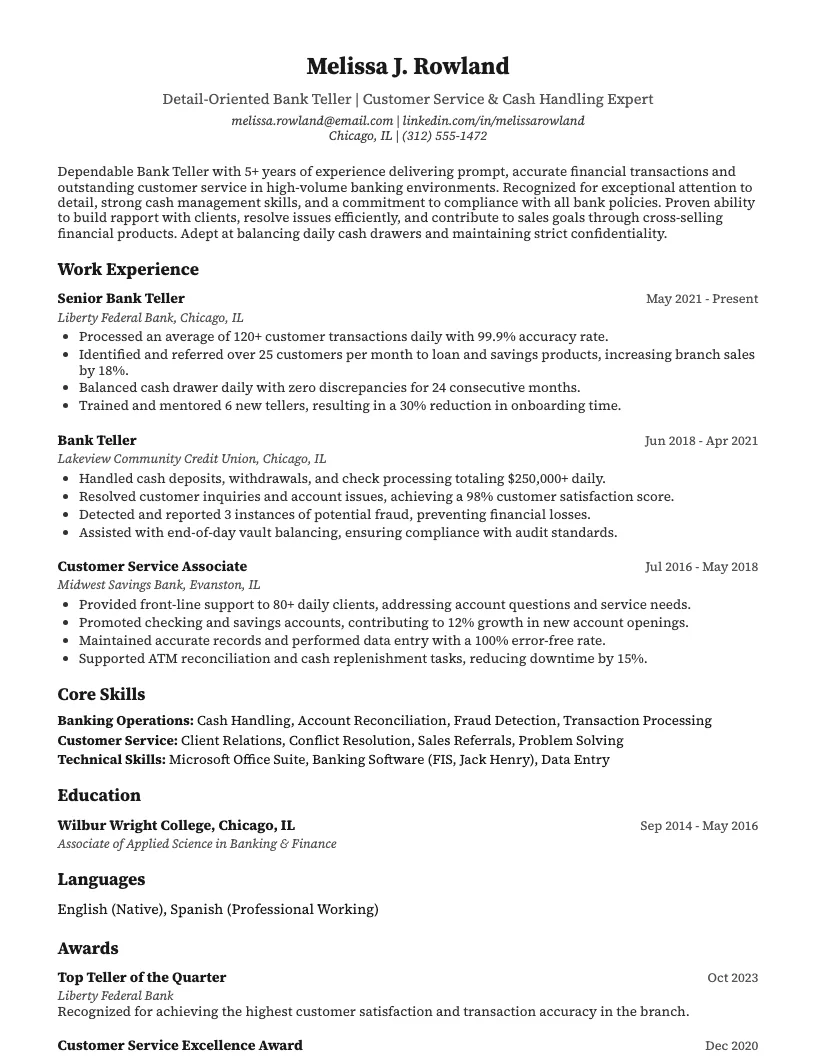
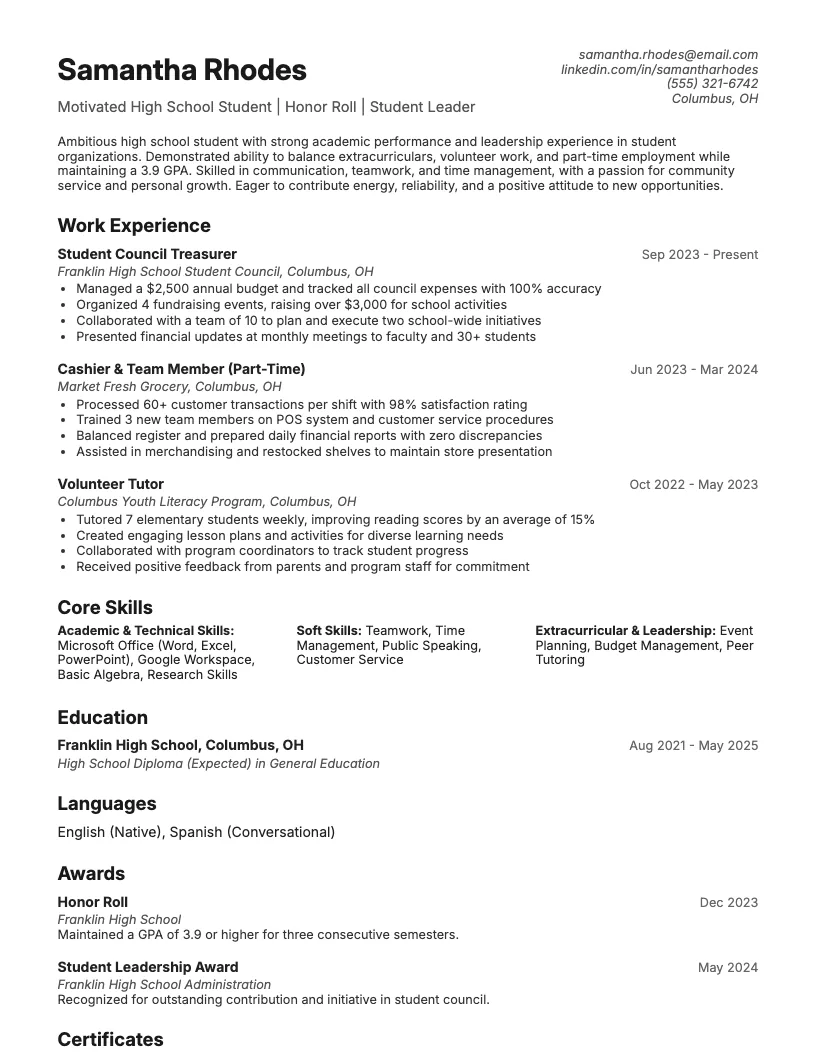
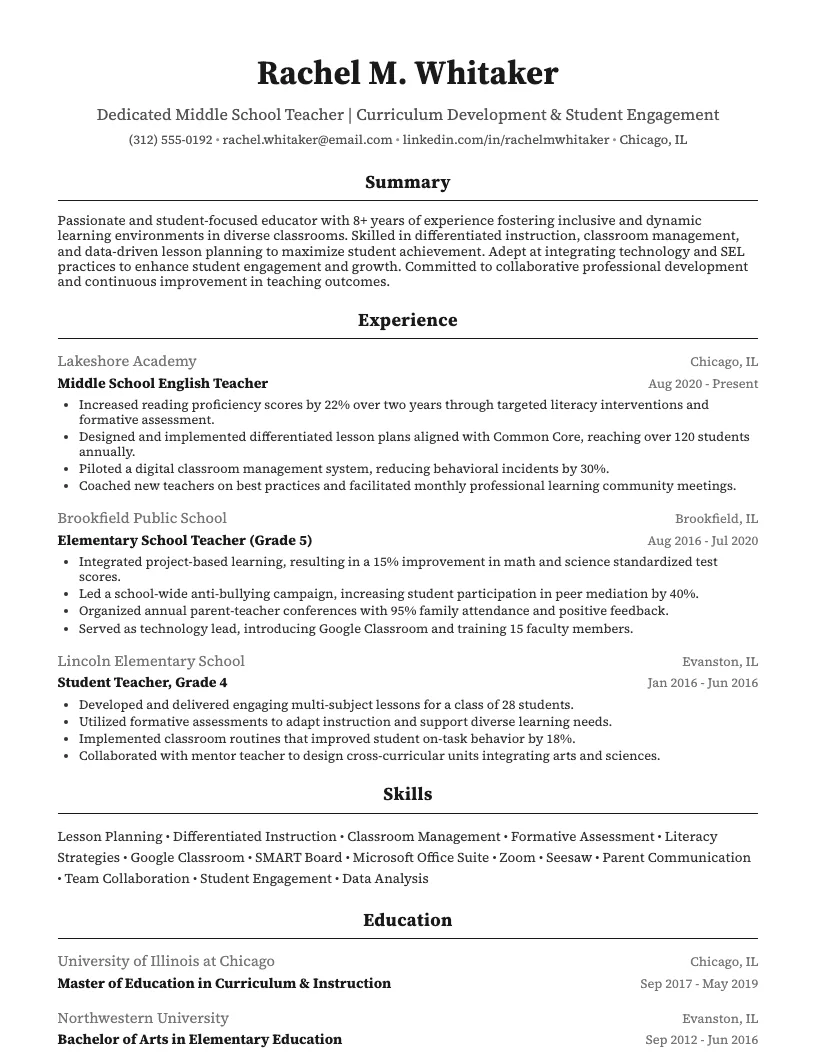
See these skills on a real resume
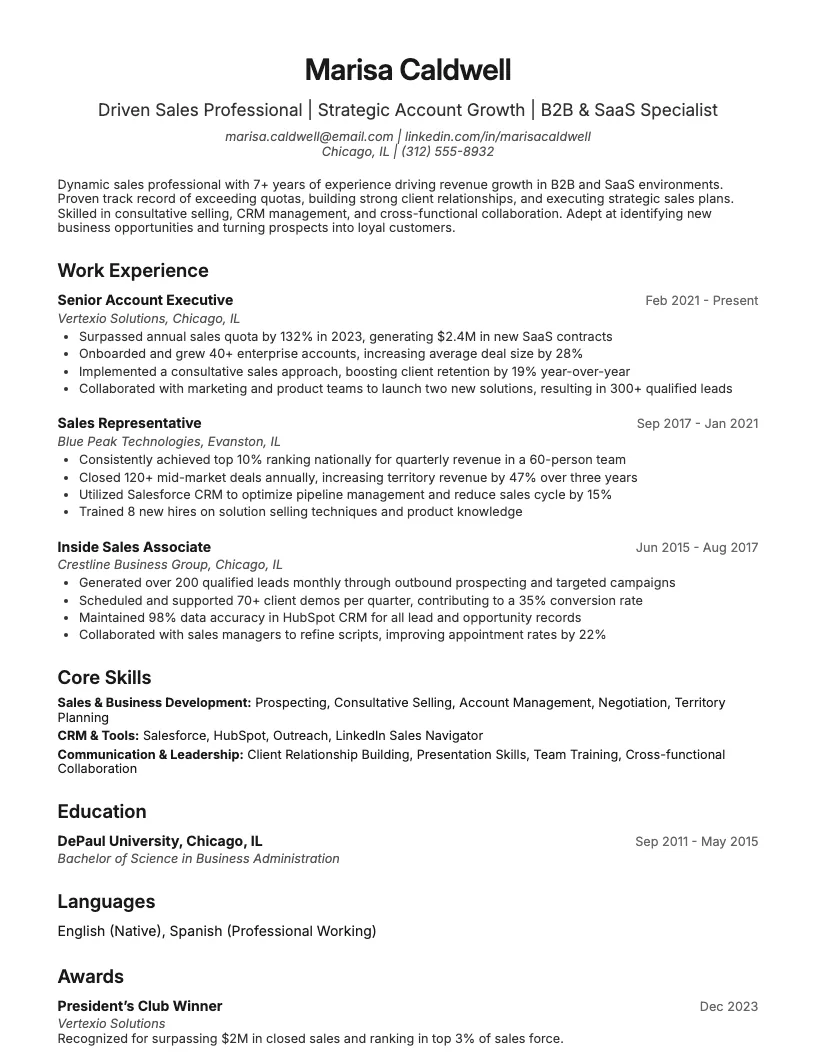
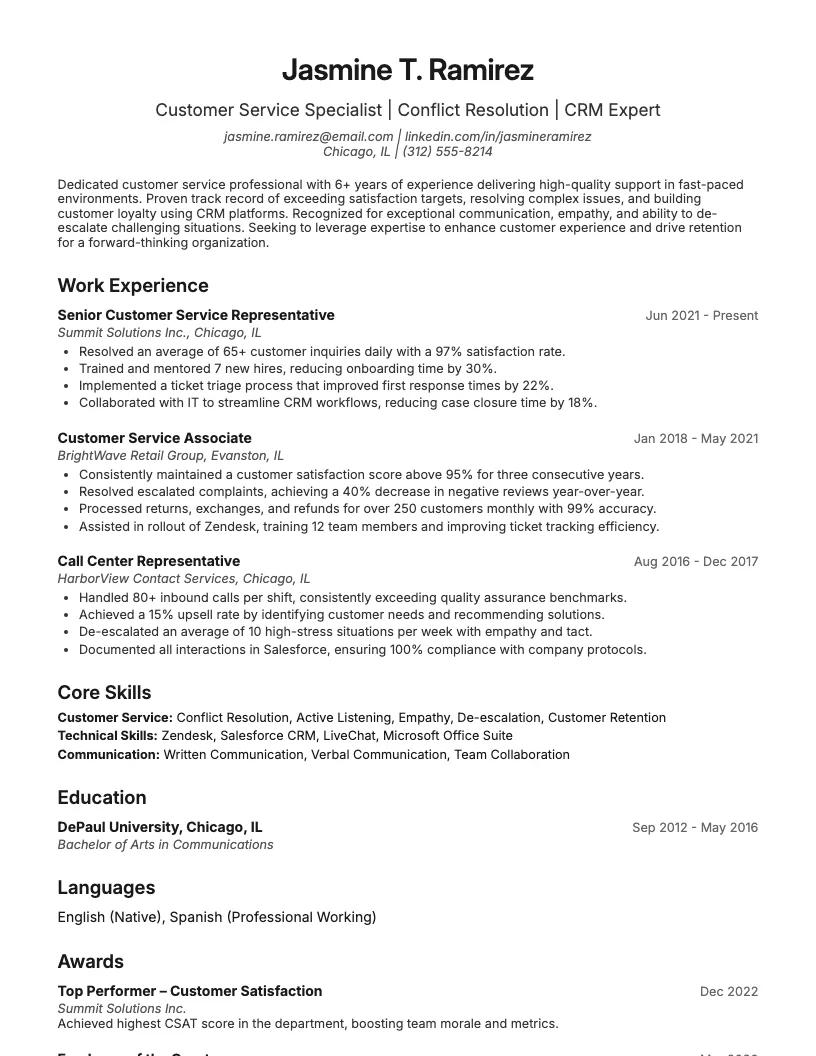
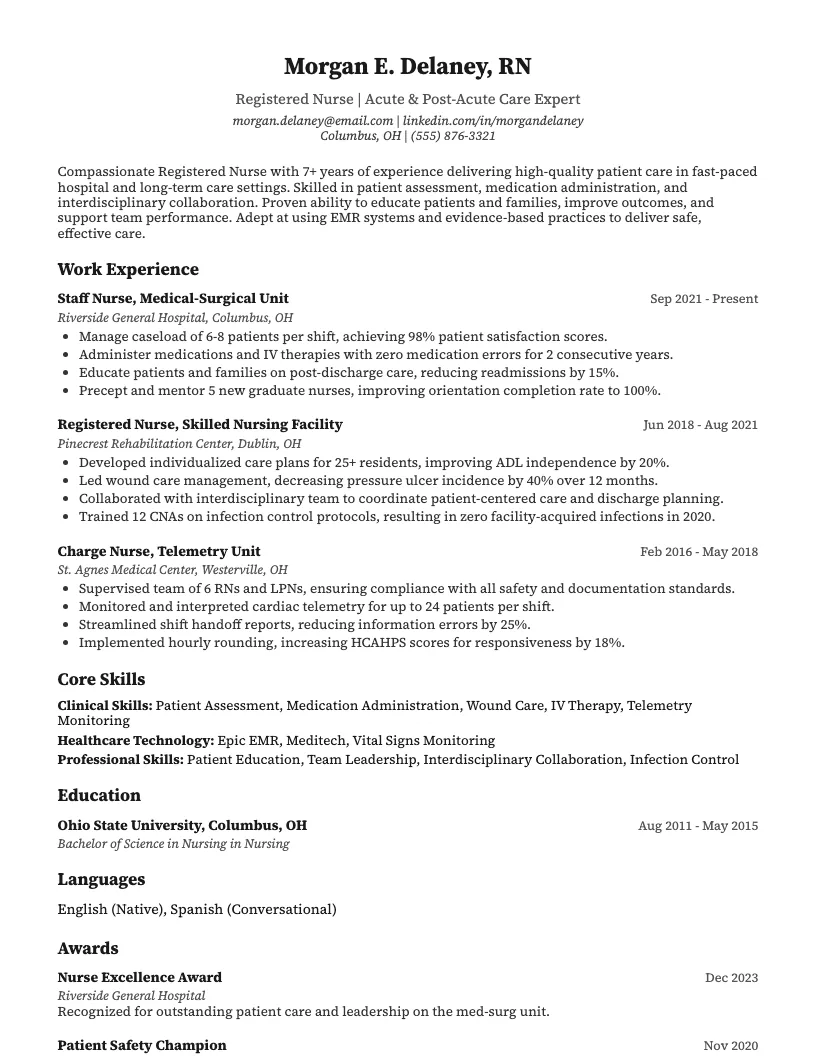
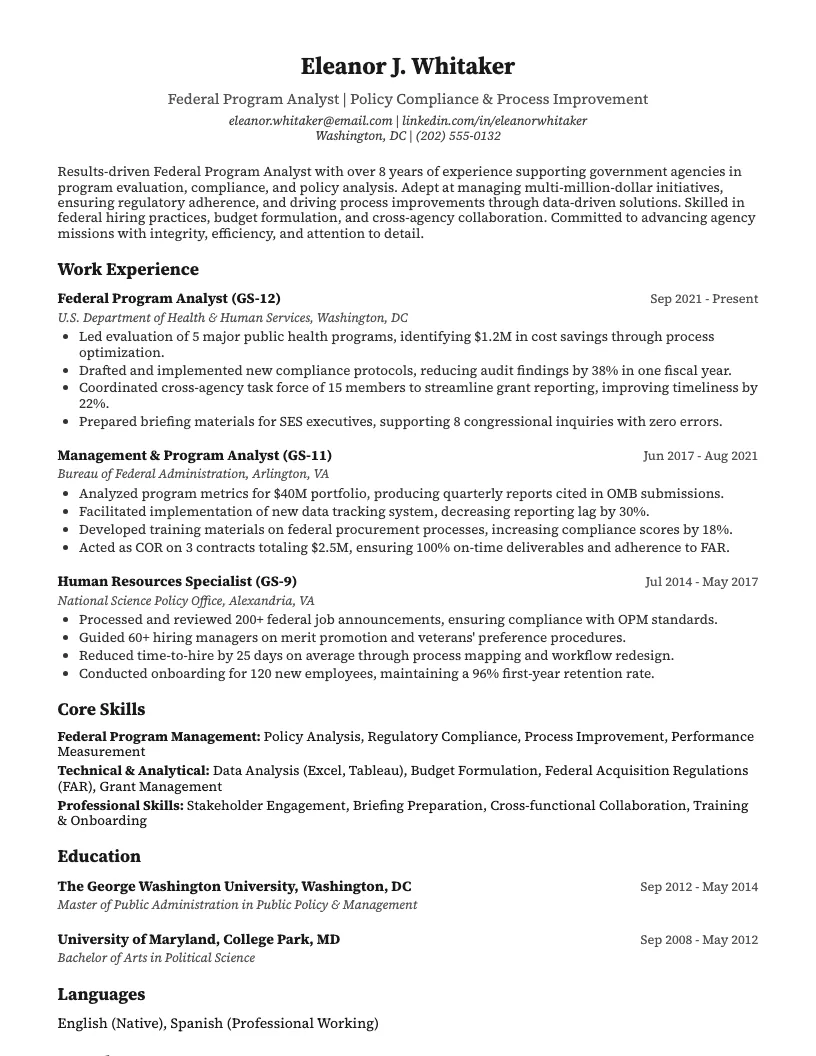
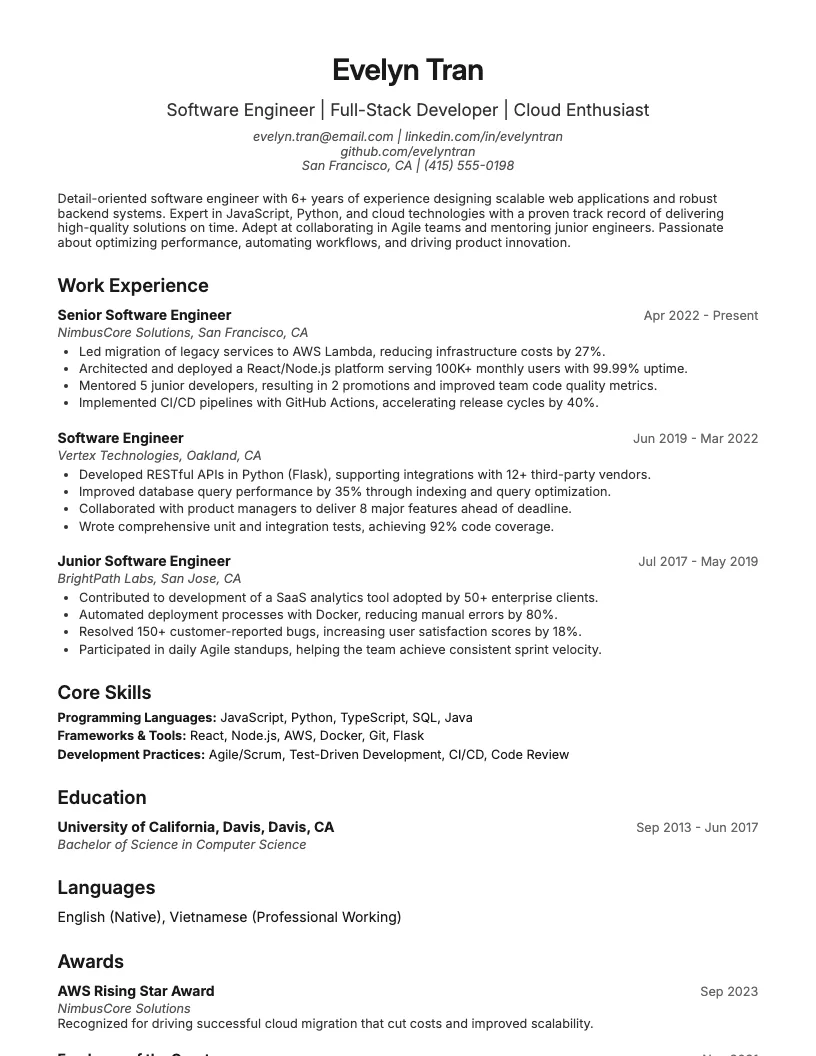
8 examplesStart from an example that already has them, and swap in your own.
Check your resume against the job you want
Scan your resume, see which skills and keywords the posting asks for that you are missing, and fix them before you apply.
Free to use • No credit card required