Keywords for Analyst Resume: 12 to Include, and How Many Total
The 12 keywords every analyst resume needs, how many to use, where to place them, and which ones can cost you the interview instead of helping it.


Written by Marcus Rodriguez
ATS Optimization Specialist & Career Coach
Updated August 2026
Reviewed by Dr. Priya Sharma
Is your resume ATS-friendly?
Drop your resume in and see which of these skills a scanner can actually read, and which ones the job you want is asking for that you have not listed.
PDF or DOCX. Max 2MB.
We never share your resume or use it to train a model.
In This Guide:
What are the best keywords for an analyst resume?
What are the best keywords for an analyst resume?

I've read enough analyst resumes to tell you the same twelve words show up on nearly every posting worth applying to. Miss half of them and you rank below the candidates who included them, before a person ever opens your file.
Here's the list, and what each one actually needs to prove.
SQL
SQL is the one keyword no analyst resume gets away without.
Don't just write "SQL" and move on. Say what you did with it - joins across tables, window functions, a query that replaced a report someone used to build by hand.
"Proficient in SQL" tells a recruiter nothing; "wrote SQL queries that cut a weekly reporting task from four hours to twenty minutes" tells them everything.
Excel
Excel feels basic, which is exactly why people leave it off - and that's a mistake.
Plenty of postings still list it by name, and plenty of hiring managers still test it in interviews. If you've built pivot tables, used VLOOKUP or INDEX/MATCH, or modeled something in Excel before a company ever bought you a BI license, say so.
Python
Python separates the analysts who clean and explore data from the ones who only wait for someone else to hand them a clean file.
You don't need to be a software engineer. Pandas for cleaning, a script that automated a task you used to do manually - that's enough to earn the keyword honestly.
Tableau and Power BI
Pick whichever one you've actually used, and name it specifically - "built dashboards in Tableau" beats "data visualization tools" every time.
If you've used both, say both. If you've only used one, don't pad the resume with the other just because a posting mentioned it - a hiring manager who tests you in the interview will find out fast.
Requirements gathering
This is a business analyst keyword more than a data analyst one, and it's easy to have done the work without ever calling it this.
If you've sat in meetings translating what stakeholders want into something a team can build - user stories, a requirements doc, a spec - that's requirements gathering. Name it.
Stakeholder management
Every analyst posting wants someone who can work with people outside the analytics team, and this is the phrase that signals it.
Presented findings to a VP, pushed back on a request that didn't make sense, kept a project moving when three teams wanted three different things - that's stakeholder management, and it belongs in a bullet, not just a skills list.
KPI reporting
If you've ever built or maintained a dashboard that leadership checked regularly, you've done KPI reporting - say it plainly instead of describing it around the edges.
Naming the actual metric you tracked (retention, conversion, cost per unit) does more work than the phrase "KPI reporting" alone.
A/B testing
I see this one undersold constantly. If you ran or even just analyzed the results of a test - two versions of a page, two versions of an email - that's A/B testing experience, whether or not your team called it that internally.
Mention the outcome if you can. A test that moved a number is worth more on the page than a test that just "was run."
Data cleaning
Nobody puts this on a resume because it doesn't feel impressive, and that's exactly why it's underused as a keyword. Every posting that lists "data quality" or "data integrity" is asking for this.
If you've caught bad data before it hit a report, or standardized a messy dataset before analysis, name it.
ETL and data pipelines
You don't need to have built a pipeline from scratch to claim this one. If you've pulled data from multiple sources, transformed it, and loaded it somewhere usable - even manually - that's the shape of ETL work.
For data analyst roles especially, this keyword is doing a lot of the ATS matching, alongside the tool names it usually shows up next to.
Process mapping
This one belongs to business and operations analysts more than data analysts, and it's often the difference between an analyst resume that reads as "reports numbers" and one that reads as "improves how the business runs."
If you've documented a current-state process and proposed a better one - sometimes called as-is/to-be analysis - that's process mapping.
JIRA and Confluence
These are the tools that tell a hiring manager you've worked inside an actual team process, not just alone with a spreadsheet.
Logging tickets, tracking sprints, writing docs that other people used - all of that counts. If your team ran Agile or Scrum, that word is worth adding here too.
Once you've matched your resume against a posting for these twelve, the harder question is what still counts as a keyword beyond this list - that's next. If you'd rather not comb through a posting by hand for all of this, ResumeJudge scans your resume against a specific job description and tells you exactly which of these you're missing before you hit apply.
What counts as a keyword on an analyst resume?
I've read hundreds of analyst resumes, and the ones that get past a scanner never think of "keywords" as just software names. There are five things a posting is actually checking for, and missing any one of them costs you.
Tool names
This is the obvious one: SQL, Excel, Python, Tableau, whatever the job runs on. Most people stop here.
Don't - it's one category out of five, not the whole list.
Methods you used
This is the one I see skipped most. Segmentation, funnel analysis, forecasting, hypothesis testing, A/B testing - these are the words that tell a hiring manager you know how to work, not just what software you clicked through.
A resume with SQL and Tableau listed but no method words reads like someone who ran reports, not someone who solved problems.
Things you delivered
Dashboards, KPI reports, experiment write-ups, stakeholder decks. Nine times out of ten, someone lists the tool and skips the output - "used Tableau" instead of "built the dashboard leadership checks weekly."
The deliverable is what proves the tool mattered.
Job titles and role words
The exact title on the posting, and the words that cluster around it - "requirements gathering," "stakeholder management," if you're leaning business analyst; "reporting," "insights," if you're leaning data. These matter because a scanner is often just checking whether your title history lines up with the one it's filtering for.
Action verbs
Weak verbs bury strong work. "Analyzed," "segmented," "benchmarked," "diagnosed" carry more weight than "responsible for" or "helped with."
I tell people: if the verb could apply to any job, it's not doing anything for you.
Once you've got all five types on your radar, the harder part is matching them to what a specific posting is actually asking for - which is where pulling keywords out of a job posting comes in. If you'd rather skip the manual pass, ResumeJudge reads the posting and your resume together and tells you which of these five categories you're thin on before you send anything.
How do you find the keywords in a job posting?
How do you find the keywords in a job posting?
I've read enough job postings to know most people stop at the first paragraph. That's a mistake, because the real list is buried further down, in the bullets under "responsibilities."
Here's the five-step version I use.
Step 1: Highlight every tool name in the posting
Go line by line and mark every tool, language, or platform: SQL, Excel, Tableau, Power BI, whatever shows up.
Don't skip the ones that seem obvious. If SQL is mentioned twice, that's a signal, not a repeat you can ignore.
Step 2: Highlight the methods and the deliverables
Now go back through and mark the second layer: the methods (requirements gathering, A/B testing, process mapping) and the actual things they want produced (dashboards, KPI reports, a data pipeline).
This is the layer most people miss entirely, and it's often what separates a resume that gets read from one that doesn't. A posting that says "build KPI reporting for leadership" is telling you exactly what deliverable to put in your bullets.
Step 3: Note which words repeat
Anything that shows up more than once in a posting - in the title, the summary, and again in the requirements - is a word the hiring manager cares about more than the rest. Circle it twice.
Nine times out of ten, the word that repeats three times is the one an applicant tracking system is scoring on.
Step 4: Cut the ones you cannot prove
Now cross off anything you can't back up with real experience, then move on to the next step. What a keyword with nothing behind it actually costs you is in tools you cannot use in an interview.
Step 5: Pick your top 10 and your backup 15
From what's left, pick the 10 that matter most - the ones repeated, or the ones in the job title - and keep a backup list of 15 more for bullets where you have room.
If this sounds like more matching than you want to do by hand, ResumeJudge will read the posting and your resume together and tell you exactly which of these you're missing, instead of you working through five steps on your own.
Where do the keywords go on the page?
Where do the keywords go on the page?
Right placement matters as much as right words. I've seen resumes with every keyword a posting wants, buried in a spot the screener never scores.
Your summary
Put your 3 to 5 highest-priority keywords here, the ones you picked in step 5. This is the top third of the page, so it's the part both the software and the human glance at first.
Name your tools and your specialty in one line: "Business analyst with SQL, Tableau, and stakeholder management experience across product and ops teams." That's not a keyword dump, it's a sentence that happens to carry four of them.
Your skills section
Group them by type instead of one long alphabetical list. Tools together, methods together.
It reads faster and it shows a screener you understand the difference between "Python" and "requirements gathering," which a flat list doesn't.
Every skill you name here needs to show up again somewhere else on the page. If it doesn't, that's the gap I see most often on analyst resumes.
Your experience bullets
This is where keywords do the real work, because a bullet can hold a tool, a method, and a result at once. "Built Tableau dashboards to track KPI reporting across five product lines" is a tool, a deliverable, and a scope, in nine words.
Nine times out of ten, the resumes that get interviews put the keyword next to the proof, not in a separate line above it. ResumeJudge does this rewrite for you: give it your resume and the posting, and it puts the missing skills and keywords into your bullets in the right wording, not just a list of what's absent.
Your projects
If you're early career or switching into analyst work, projects carry keywords your job history can't yet. A class project, a portfolio piece, a volunteer analysis all count, and they're honest ground for methods like A/B testing or ETL work you haven't done on the clock.
Your certifications
List the certification by its full name once, not just the acronym, so both the scanner and the recruiter catch it. This section gets skipped more than any other, and I cover exactly what goes missing further down.
How many keywords should an analyst resume have?
How many keywords, by where they sit
| Where | How many |
|---|---|
| Summary | 3 to 5 |
| Each bullet in your experience | 2 to 4, across 3 to 5 bullets per role |
| Skills list | 15 to 25 |
There's no magic number, but there's a range that works. Most strong analyst resumes land somewhere around 25 to 40 keywords total, spread across the whole page rather than piled into one spot.
How many in the summary
Three to five is plenty. Your summary is three or four lines - if you're naming ten tools in it, you've turned it into a skills list wearing a summary's clothes.
Pick the two or three tools and one or two methods that matter most for this posting, and let the rest of the page carry the weight.
How many per job in your experience
I tell people to aim for two to four keywords per bullet point, across three to five bullets per role. That's enough to show range without every line reading like a tag cloud.
How to get a keyword inside the sentence is covered in putting a keyword in a bullet.
How many in the skills list
Fifteen to twenty-five is the range I see work. Fewer than that and you're leaving obvious matches on the table; more than that and half of them stop meaning anything to the person reading it.
Group them - tools, methods, platforms - so a hiring manager can scan it in five seconds instead of reading a wall of nouns. If you're not sure which ones from a posting deserve a spot, ResumeJudge will scan the resume against the job description and tell you exactly which ones are missing.
The point where it starts to read as stuffing
You've crossed the line when a keyword shows up in your skills list, your summary, and three separate bullets, always alone, never doing anything. That's not emphasis, that's padding, and hiring managers clock it fast.
How do you put a keyword in a bullet without it sounding stuffed?
Here's the mistake I see most often: someone reads that "SQL" and "stakeholder management" need to be on the page, so they drop the words in wherever they fit and call it done. A recruiter can tell in half a second.
The fix isn't fewer keywords - it's giving each one a job to do in the sentence.
The pattern: what you did, what you used, what changed
Every strong bullet has three parts: the task, the tool or method that names your keyword, and the result. Drop any one of the three and the bullet goes soft.
Say what you did, name what you used to do it, then say what changed because of it - a number, a time saved, a metric that moved.
"Worked with SQL" rewritten
A tool named with nothing behind it
Worked with SQL
Wrote SQL queries with joins and window functions to build weekly KPI reporting datasets, cutting manual pull time from two days to six hours.
"Worked with SQL" tells a recruiter nothing - not the scale, not the skill level, not the outcome. Try: "Wrote SQL queries with joins and window functions to build weekly KPI reporting datasets, cutting manual pull time from two days to six hours."
Same keyword, but now it proves you can actually use it.
"Analyzed customer data to improve reporting" rewritten
A vague reporting bullet
Analyzed customer data to improve reporting
Built SQL-based data extracts and Tableau dashboards to track weekly retention KPIs, reducing reporting turnaround from two days to six hours.
This one sounds fine until you notice it says nothing specific. What tool did you analyze it in?
What did "improve" actually mean? Try: "Built SQL-based data extracts and Tableau dashboards to track weekly retention KPIs, reducing reporting turnaround from two days to six hours."
Now it's got tools, a method, and a number.
"Created dashboards" rewritten
A dashboard bullet with no detail
Created dashboards
Developed Power BI dashboards visualizing funnel and cohort trends, used weekly by the marketing team to cut ad-hoc analysis requests by half.
Two words, no context. Which tool, what was in it, who used it?
"Developed Power BI dashboards visualizing funnel and cohort trends, used weekly by the marketing team to cut ad-hoc analysis requests by half." That's the same accomplishment, just proven instead of claimed.
"Worked cross-functionally" rewritten
An unfinished stakeholder sentence
Worked cross-functionally
Partnered with product and finance stakeholders during requirements workshops to align KPI definitions across three reporting teams.
I flag this phrase constantly - it's a placeholder for a sentence you never finished. Who did you work with, and toward what?
"Partnered with product and finance stakeholders during requirements workshops to align KPI definitions across three reporting teams." Now it's a real accomplishment instead of a soft-skills buzzword.
If you're not sure your bullets read this way, ResumeJudge will take your resume and a posting and rewrite each bullet against it - putting the tools and outcomes the job actually asks for into sentences like the ones above, instead of you guessing at the phrasing yourself.
Which keywords does your type of analyst job need?
Not every analyst posting wants the same words. I've reviewed resumes across all seven of these, and the ones that get callbacks match their keywords to the actual role, not a generic "analyst" template.
What each word has to prove is covered in the twelve keywords - this section is only about which ones to lead with.
Data analyst
This is the most technical version, so lean on it. SQL and Python go first, then the BI tools - Tableau, Power BI, or Looker, whichever the posting names.
Behind those, list what you actually did with the data: data modeling, ETL and data pipelines, A/B testing, cohort or funnel analysis. Warehouse names matter too - Snowflake and BigQuery show up in a lot of postings and prove you've worked at real scale.
Business analyst
Here the weight shifts toward process and people. Requirements gathering, stakeholder management, and process mapping carry more of the resume than any single tool.
You still want SQL and JIRA and Confluence in there, along with the frameworks - Agile, Scrum, UAT. But a business analyst resume that's all tools and no stakeholder language reads like it was written for the wrong job.
Financial analyst
Excel does more work here than anywhere else on this list - pivot tables, financial modeling, forecasting. Add variance analysis, budgeting, and whichever reporting standard applies to your industry.
If you hold a CFA or similar certification, put it near the top. In this field, it's often the first thing a recruiter scans for.
Marketing analyst
Campaign performance, attribution, and A/B testing are the core here, alongside the platforms - Google Analytics, HubSpot, or whatever your team ran on.
KPI reporting shows up constantly in marketing analyst postings, usually tied to spend against results.
Systems analyst
This one leans technical but in a different direction - systems documentation, requirements gathering, and testing (UAT, QA) sit next to tool names like JIRA and SQL.
Process mapping matters a lot here too, since a systems analyst is usually the person translating between what the business needs and what the system can do.
Operations analyst
Process improvement is the backbone: process mapping, KPI reporting, Excel, and often Six Sigma or Lean if you've got that background.
I see a lot of operations resumes bury their best numbers - a process you shortened, a cost you cut. Those numbers are keywords too; a bullet with "reduced processing time 30%" answers more search terms than the phrase "process improvement" ever will.
Research analyst
Research design, data collection, statistical analysis, and reporting findings to stakeholders are the core of this one. Depending on the field, add the specific methods - survey design, regression, qualitative coding.
Whichever type you are, the fastest way to know if you picked the right set is to run your resume against the actual posting - that's exactly what ResumeJudge checks, matching your resume to a specific job description and telling you which of these keywords you're still missing.
Which keywords fit your experience level?
What to lead with, by experience level
| Experience level | What to lead with |
|---|---|
| Entry level and internships | SQL, Excel, dashboard maintenance, data cleaning, or a class project |
| Two to five years in | Cohort analysis, experiment readouts, stakeholder alignment, dashboard ownership |
| Senior and lead analyst | Metric governance, roadmap ownership, cross-functional strategy, mentoring |
| Moving in from another field | Old duties translated into analyst language, not hidden |
Career stage changes which keywords carry weight. A senior analyst listing "SQL fundamentals" looks like they've stalled.
An intern claiming "KPI reporting strategy" looks like they're padding. Match the words to where you actually are.
Entry level and internships
Stick to the basics done well: SQL, Excel, dashboard maintenance, data cleaning. Add coursework or a class project if you don't have a job to point to yet - a project where you pulled and cleaned a dataset counts.
I'd rather see "built a dashboard in Excel for a class project" than a skills list with ten tools you used once in a tutorial. Employers screening entry-level resumes expect thin experience.
They're checking you know what the tools are for.
Two to five years in
This is where keywords should shift from tool names to what you did with them: cohort analysis, experiment readouts, stakeholder alignment, dashboard ownership. You've run more than one project end to end, so say so.
Nine times out of ten, a resume stuck at entry-level language after three years is the reason it gets passed over for mid-level roles. If your bullets still read like "assisted with reporting," that's the fix.
Senior and lead analyst
At this level, the keywords are about ownership, not tools: metric governance, roadmap ownership, cross-functional strategy, mentoring. Naming SQL here reads as filler - assume the reader knows you can query.
What belongs instead is scope: how many stakeholders, how many analysts you led, what decision your work changed.
Moving into analyst work from another field
Career changers need to translate, not hide, their old title. A teacher's data on student outcomes is analysis experience once you use the right words for it.
If you're rewriting a background like this into analyst language, ResumeJudge will take your resume and a target posting and rewrite the bullets against it, so you don't have to guess which of your old duties count.
Which keywords do analysts leave off most often?
Which keywords do analysts leave off most often?
I've read enough analyst resumes to spot the same four gaps over and over. None of them are hard to fix once you see them.
The tools sitting in your skills list with nothing behind them
SQL, Tableau, Excel, Looker - these show up in the skills box and then never again on the page.
The risk of listing a tool you can't back up is covered in tools you cannot use in an interview.
If a tool matters enough to list, it should show up doing something in at least one bullet. Where the keywords go on the page covers how to spread them out so this doesn't happen.
The deliverables you never named
You built a dashboard, set up a reporting cadence, ran an experiment, briefed a stakeholder - and your resume says "supported analytics."
Deliverables are keywords too, and they're the ones people forget to name. Say the actual thing you shipped.
The business words hiding under the technical ones
Nine times out of ten, someone leans so hard on the technical stack that the business side disappears. You wrote SQL - fine, but did that query drive a pricing decision, a churn model, a headcount call?
Requirements gathering, stakeholder management, KPI reporting - these are the words that tell a hiring manager you understood why the analysis mattered, not just how you ran it.
The certifications you have and did not list
A surprising number of resumes I look at leave off a certification entirely, or bury it in an unrelated section. If you hold something like a CBAP or an IIBA credential, it belongs where a keyword scan will actually find it - your certifications section, named plainly, no abbreviating it into something a scanner won't match.
If you're not sure which ones actually move the needle for your posting, ResumeJudge will scan the job description and flag exactly which of your credentials and skills are missing from your resume.
Which keywords hurt you more than they help?
Some words look fine on a resume and cost you the interview anyway. Here's what I flag most.
"Data-driven"
Every analyst resume I read has this phrase, and it never says anything.
Tell me what data, what decision, what changed. "Cut delivery delays 18% by rebuilding the weekly ops report" does the same job the phrase was trying to do, and it's specific enough to hold up when someone asks about it.
"Detail-oriented"
Nobody writes "sloppy" on a resume, so this claim is worth nothing to a hiring manager. Show it instead - a bullet about catching a data error before it hit a report says "detail-oriented" without spending the words.
"Expert in SQL"
"Expert" is a word an interviewer will test. If you can write window functions and optimize a slow query, say that - it's a stronger keyword match anyway.
If you can pull a report with a join and a WHERE clause, say "SQL" and let your bullets carry the proof.
"Team player"
This one fills space and answers nothing. Swap it for what you actually did with other people - presented findings to a stakeholder group, worked with engineering to fix a data pipeline.
That's a phrase a recruiter can match against the posting; "team player" isn't.
Tools you cannot use in an interview
This is the one that actually costs you a job, not just a sentence. Listing Tableau because the posting wants it, when you've opened it twice, gets you past the résumé scanner and into a room where someone asks you to walk through a dashboard you can't build.
I'd rather see one tool you're solid on than five you'd freeze on. If you want to know exactly which ones on your list would survive that question, that's the kind of gap ResumeJudge finds when it checks your resume against a posting - it'll flag which required skills you're claiming versus which ones you can actually back up.
Copying the posting word for word
Pulling the exact phrase from a job description isn't cheating - it's often the right move, since applicant tracking systems match on the posting's own wording. What doesn't work is copying whole sentences.
A recruiter who's read the posting notices instantly, and it reads as padding, not evidence. Match the term, then write the sentence around your own work.
How do you check your resume has the right keywords before you send it?
Is your resume good enough?
Drop your resume in and see which of these skills a scanner can read, and which ones the job you want is asking for that you have not listed.
Upload your resumeFree. PDF or DOCX. We never share your resume or use it to train a model.
Before you hit submit, run the check. This is the step people skip because they're tired of looking at the resume, and it's the one that catches the mistakes that actually cost you the interview.
Read your bullets against the posting side by side
Open both documents. Go line by line: does every tool and method the posting names show up somewhere in your bullets, in your words or close to theirs?
I've caught candidates missing three or four terms this way that they swore they'd covered. ResumeJudge does this same comparison for you - it scans your resume against the posting and tells you exactly what's missing before you apply, instead of you eyeballing two windows.
Check every skill you listed appears in a bullet
Go back to your skills section and check each one has a bullet backing it up. A skill sitting alone with no proof behind it is the number one thing I flag when I review these.
Check the file format is one the software can read
A resume can have every keyword and still score zero if the file format trips up the scanner. Save as a standard Word doc or a text-based PDF, not an image or a design file.
Skip tables, text boxes, and headers or footers with your skills in them - a lot of applicant tracking systems just don't read those.
Run it through a keyword checker
A checker gives you a number instead of a hunch. ResumeJudge scores your resume against the job description directly, and if terms are missing, it rewrites the resume to work them into the right sections rather than just handing you a list to fix yourself.
Frequently Asked Questions
Do I need to change my keywords for every job I apply to?
Yes, because the exact tools, systems, and terms an employer asks for change from posting to posting, even for the same job title. A resume tuned to one company's list of requirements will miss a chunk of another's. ResumeJudge does this rewrite for you: it takes your resume and a specific job posting and puts the right skills and wording into the right sections, so you're not doing that pass by hand each time.
Should I use the exact wording from the job description?
Match the exact term when the posting names a specific tool, system, or certification, since a scanner looking for "Salesforce" won't credit "CRM software" as the same thing. For skills described more generally, using the same core word is enough; you don't need to copy full phrases.
Do keywords in a skills list count if they are not in my experience?
They count for getting past an automated scan, but a hiring manager reading the resume afterward expects to see that skill show up in what you actually did. A skills list with nothing backing it up in your experience section reads as padding once a person looks at it. ResumeJudge scores your resume against a posting and flags gaps like this, so you know before you apply whether a listed skill needs real backing.
Does a cover letter need the same keywords?
Yes, the cover letter should echo the same core terms as the resume, especially the two or three the posting emphasizes most. It reinforces to both the scanner and the reader that you're speaking directly to what they asked for, not sending a generic letter. ResumeJudge writes the cover letter for the specific job you're applying to, pulling from the same posting it used to tailor your resume.
Do certifications count as keywords?
Yes, a named certification is one of the clearest keyword matches you can have, since it's an exact term a scanner can match with no ambiguity. List it by its full name and its common abbreviation if it has one, since postings use both.
What if I do not have the tool the posting asks for?
Leave it off and list the closest tool you do know instead; the section above on tools you cannot use in an interview covers what happens if you don't. ResumeJudge can also find jobs that fit the skills you already have, so you're not stretching to match postings built around a tool you'd need to learn from scratch.
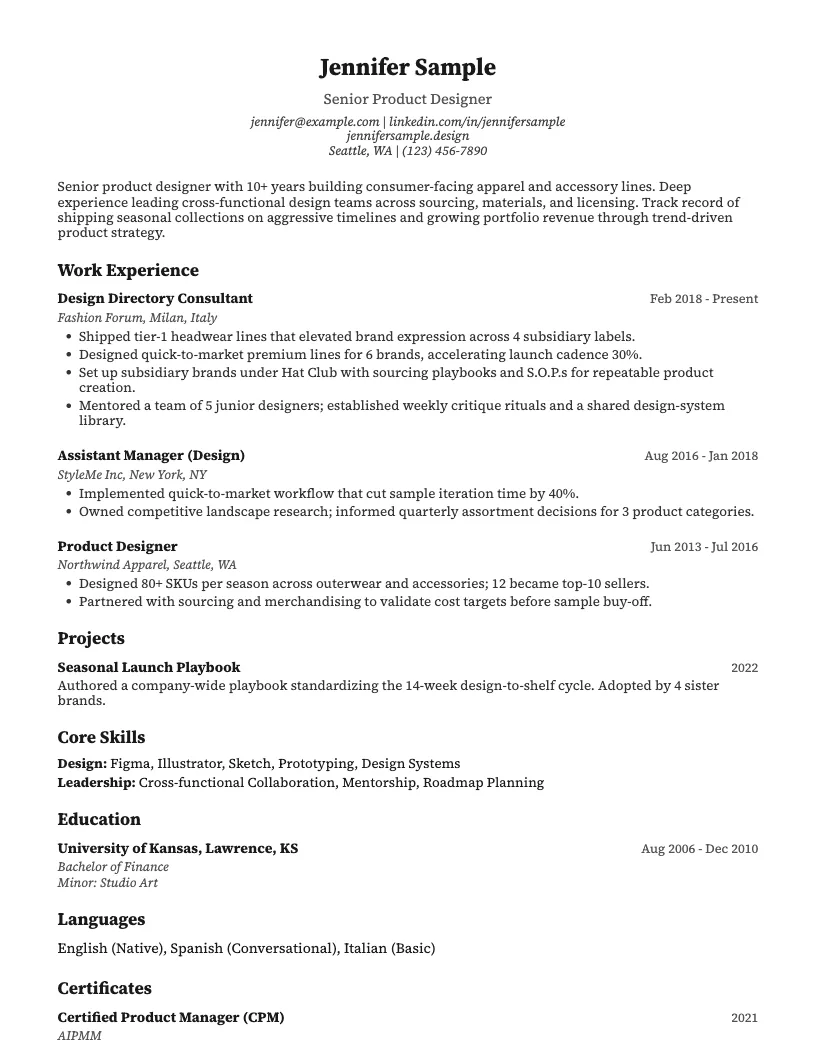
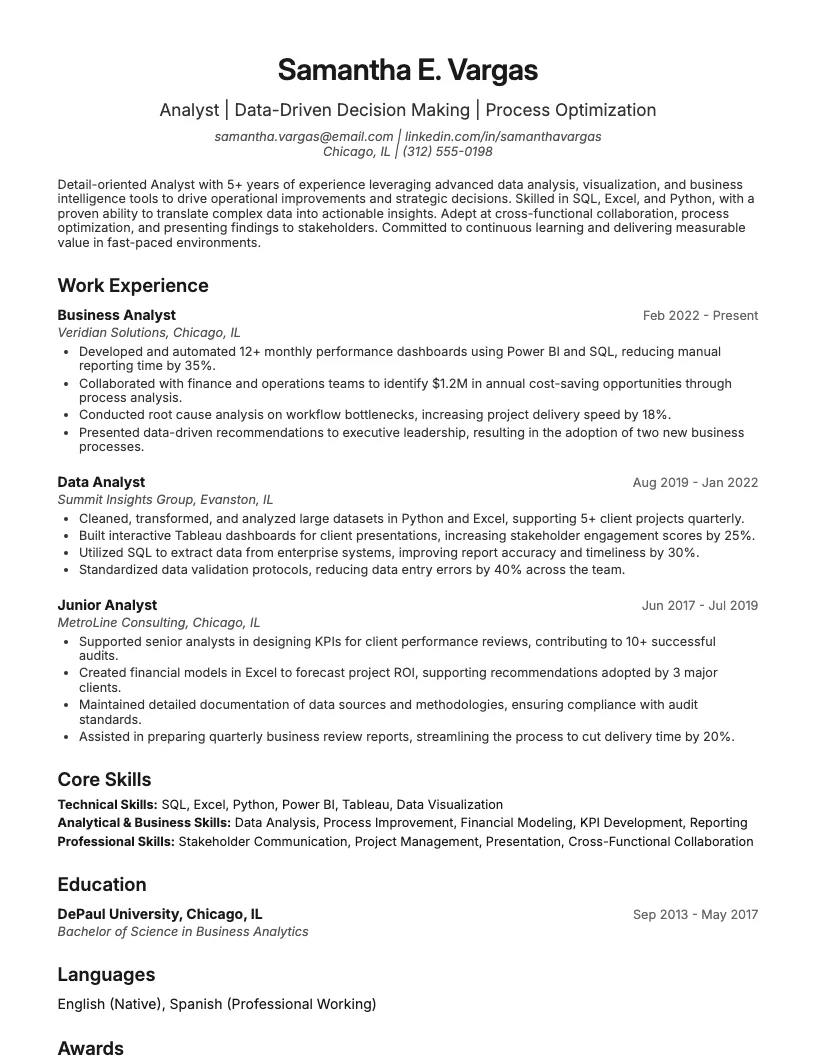
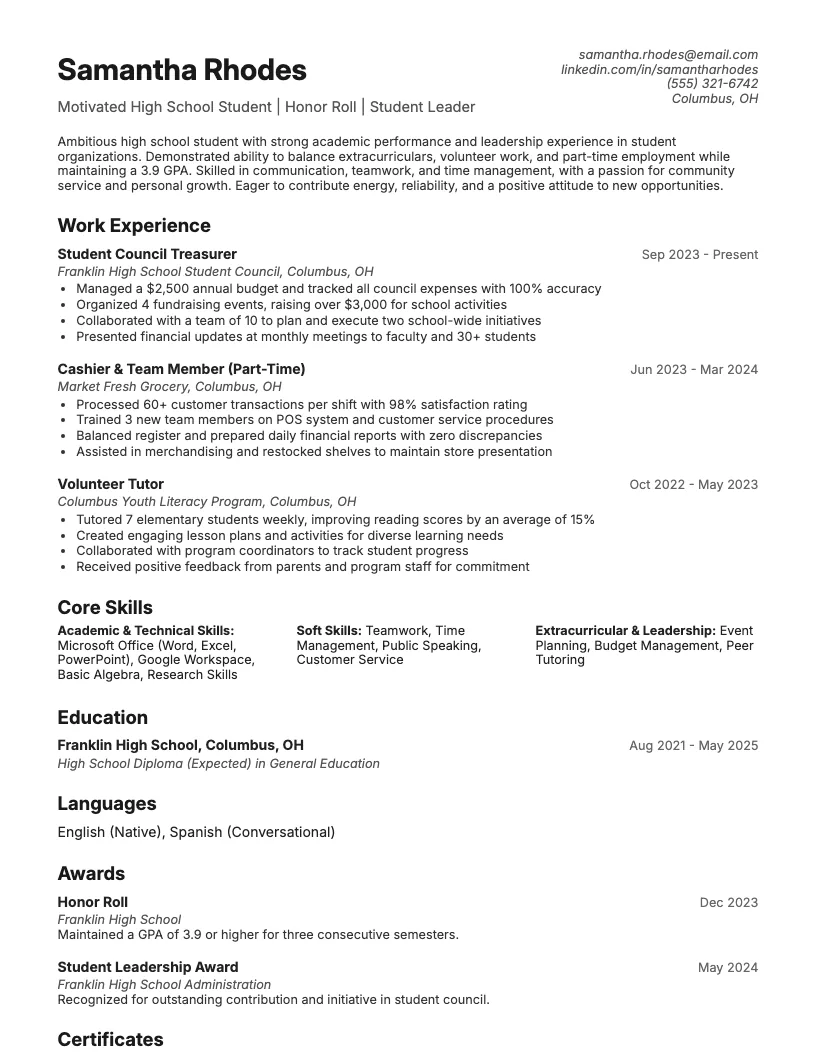
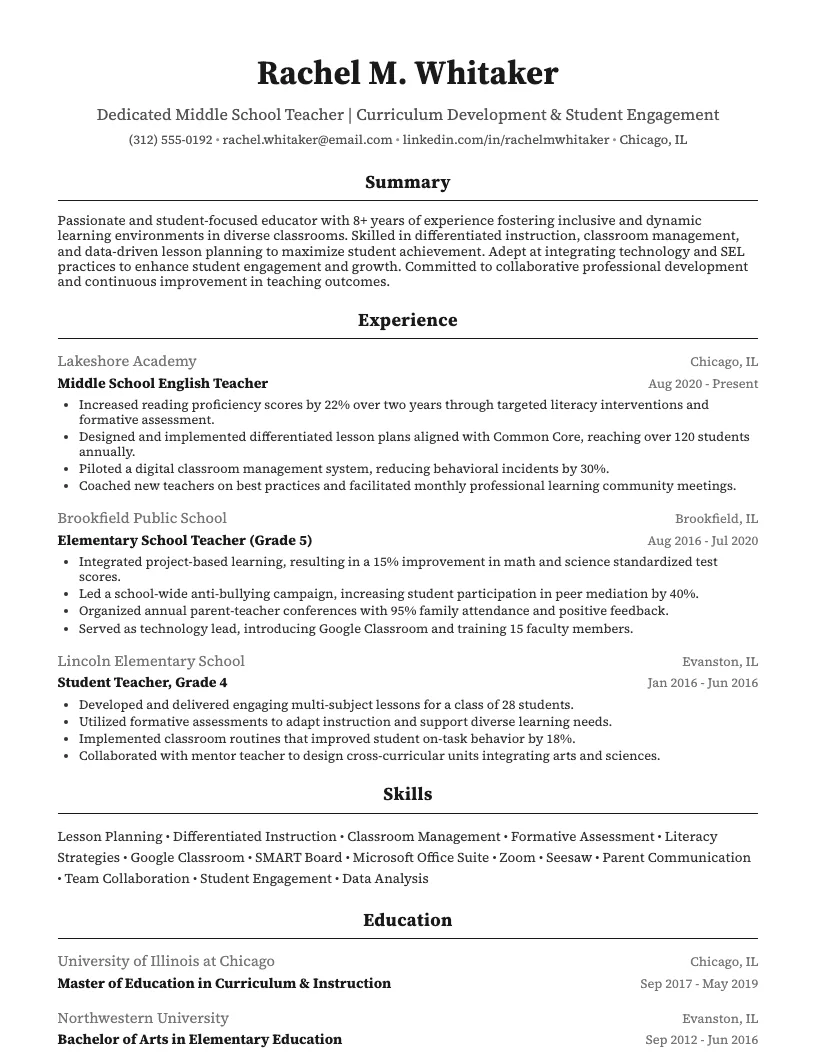
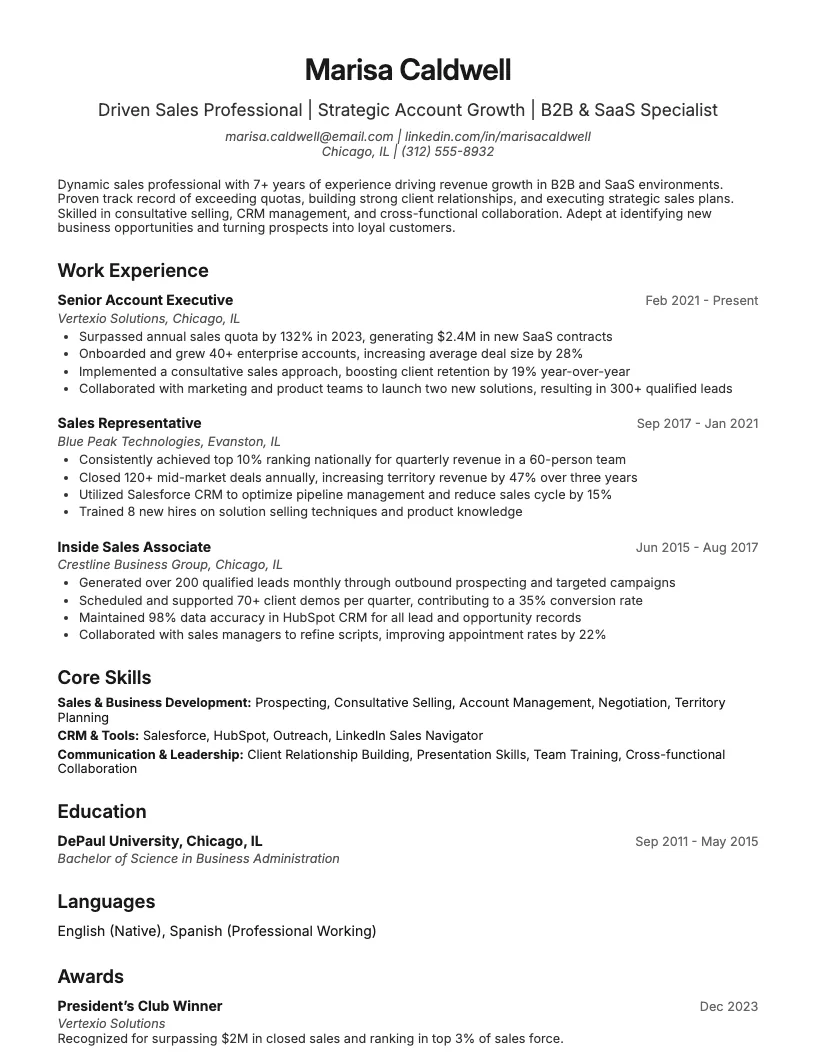
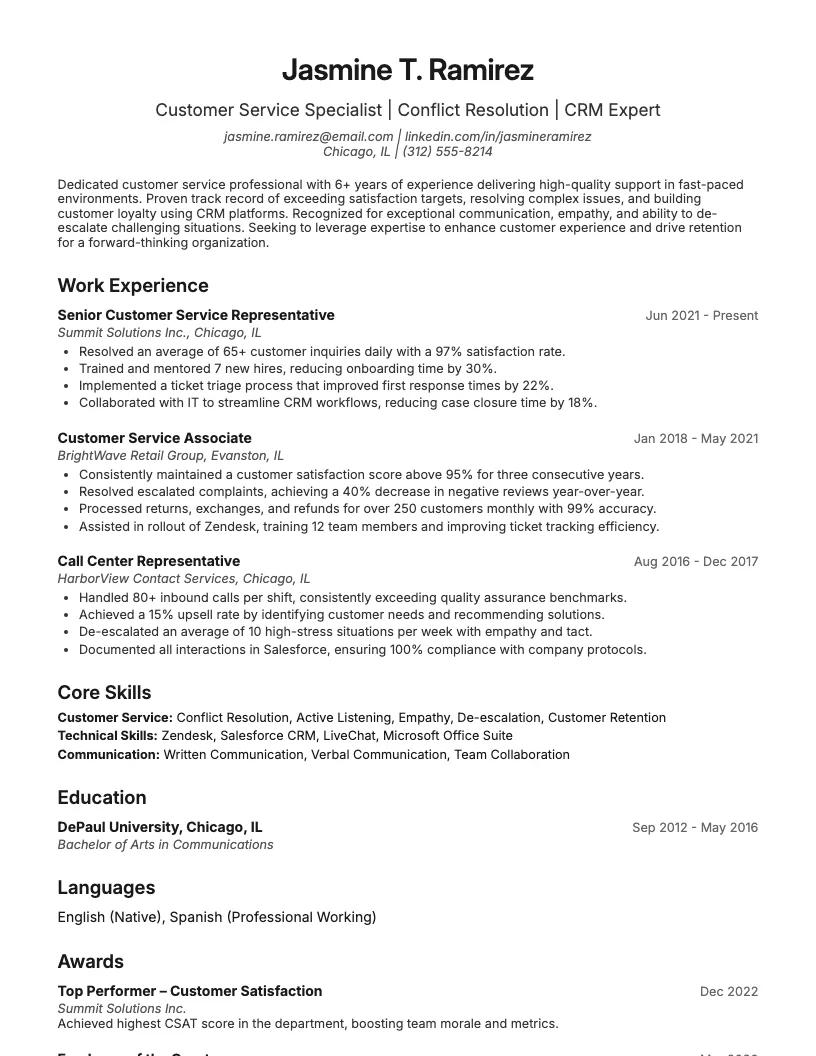
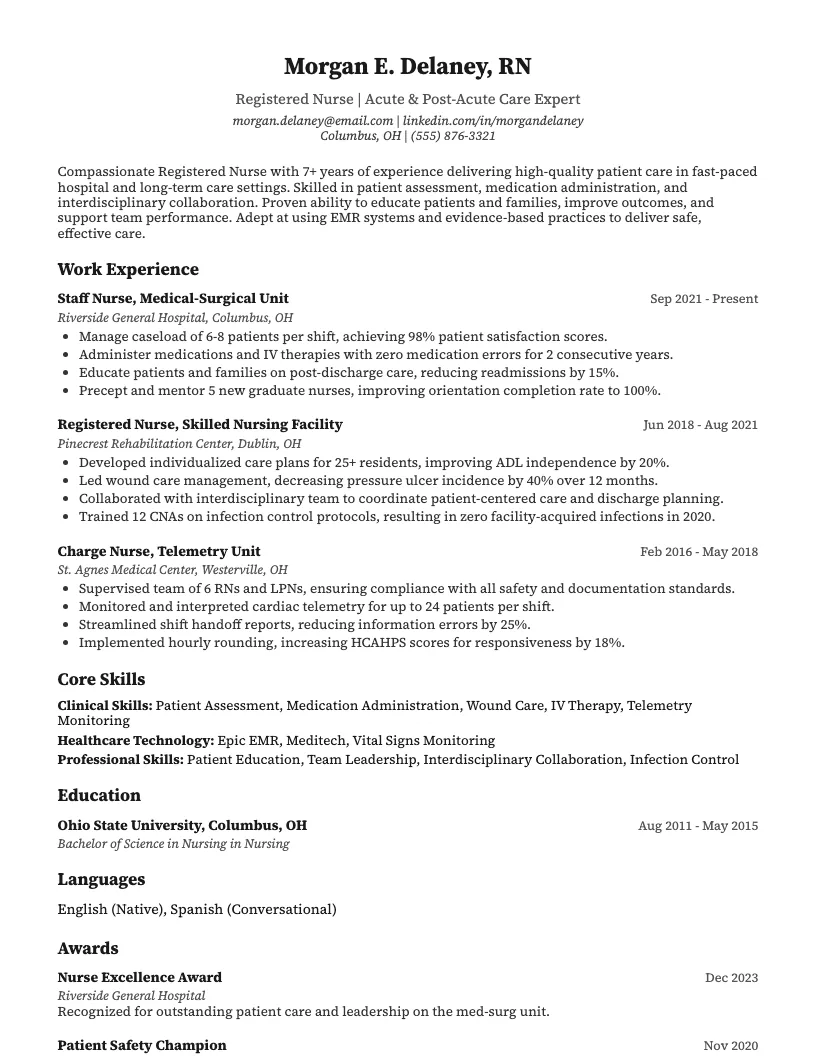
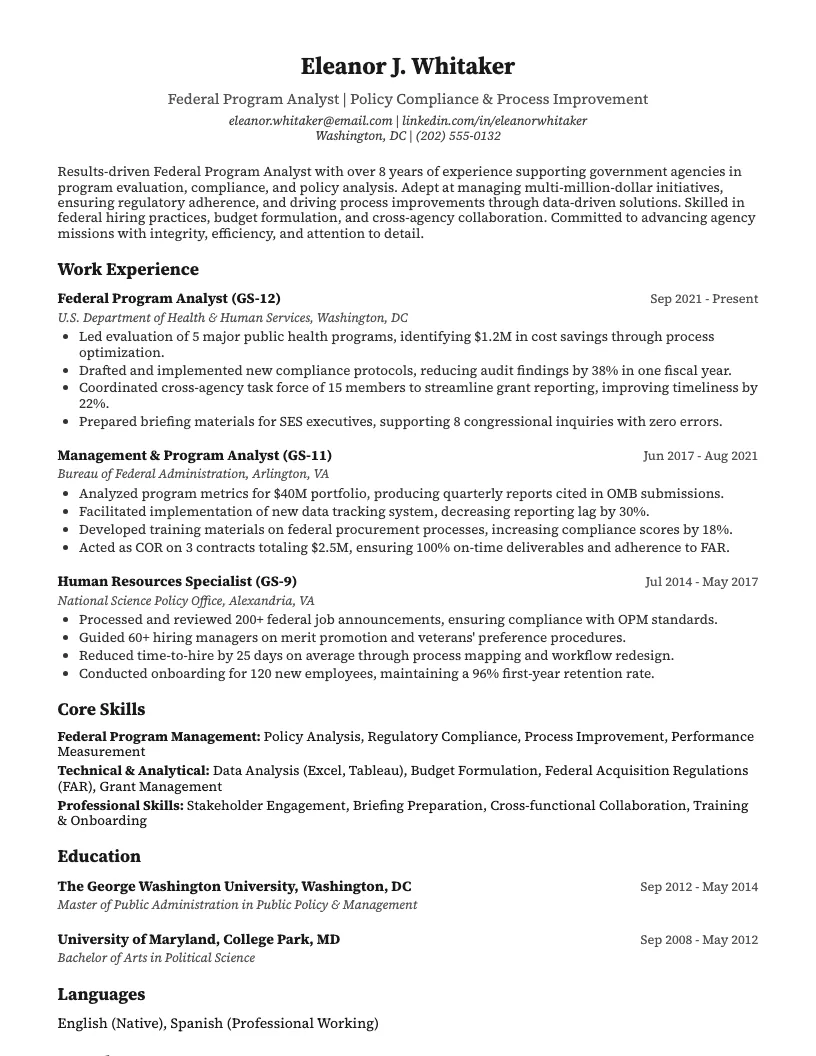
See these skills on a real resume
8 examplesStart from an example that already has them, and swap in your own.
Check your resume against the job you want
Scan your resume, see which skills and keywords the posting asks for that you are missing, and fix them before you apply.
Free to use • No credit card required