Business Analyst Resume Example
See full guide on Business Analyst resumes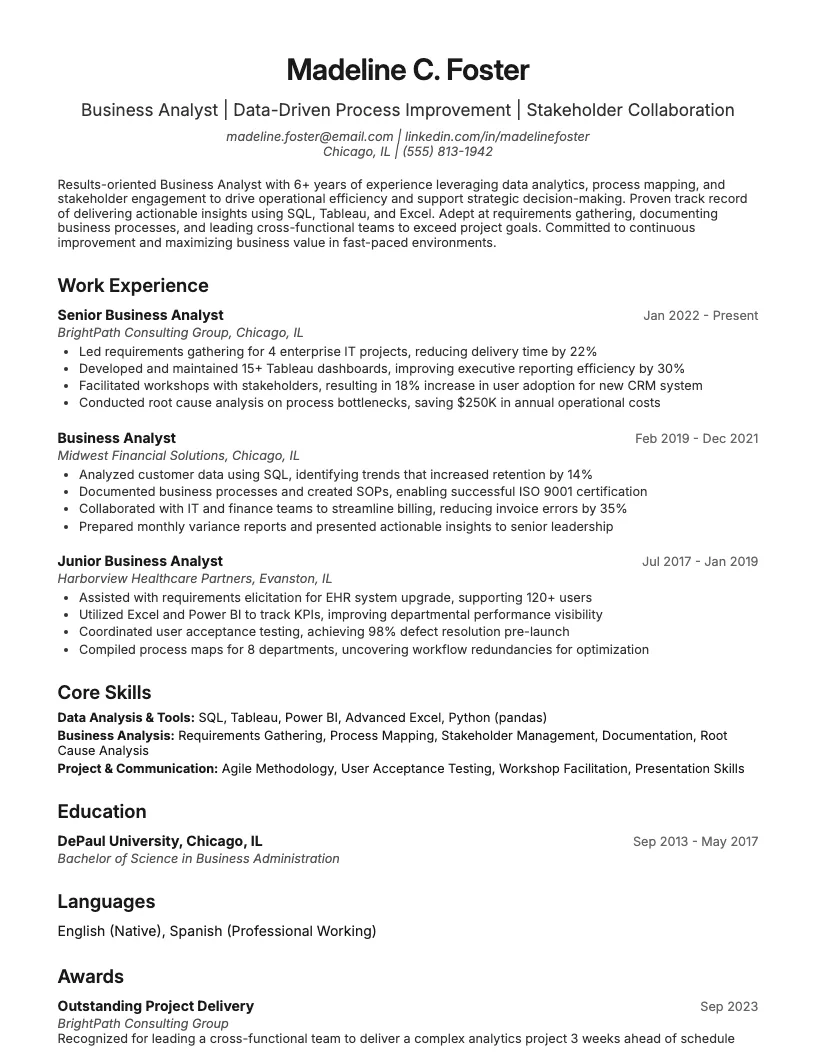 Click to enlarge
 Click to preview

Get inspired by 50+ professional Senior Business Analyst resume examples, each written by career experts and optimized to pass ATS scans. Pick a proven template, tailor it to your role, and download a polished resume in minutes.
Pick the specialization closest to your target role and start from a proven resume example.
Writing a Senior Business Analyst resume is all about showing off your impact and technical know-how. You want every section to make your skills and experience clear.
Focus on achievements, not just tasks. Employers look for results, like how you improved processes or led big projects. Keep things relevant and straight to the point.
Focus on quantifiable achievements instead of just listing tasks. Numbers give your impact context-think “improved process efficiency by 25%,” not just “analyzed processes.”
Choose a simple, modern format that’s ATS friendly and easy to read. This helps your resume get past automated systems and straight into recruiters’ hands.
Highlight both your technical skills and people skills. Senior Business Analysts need to bridge the gap between IT and business, so make sure your application includes a cover letter to show you handle both worlds with confidence.

Getting the format right can make or break your resume. Recruiters spend about 7 seconds on each one, so every detail matters.
I see a lot of resumes that bury important info. Structuring your sections and layout clearly makes your experience stand out fast.
You want your strengths and career growth to be obvious at a glance. The right format helps highlight your most relevant skills and achievements.
Let’s break down the essential sections and what recruiters actually want to see when they look at your Senior Business Analyst resume.
When I look at a senior business analyst resume, I expect to see a clear header with your contact details. Add your LinkedIn or portfolio link for extra credibility.
Start with a professional summary. This gives recruiters a quick snapshot of your expertise and alignment with the role. Keep it brief-about 3-4 sentences.
The experience section comes next. Highlight your most recent jobs first. Use bullet points to showcase results, especially if you’ve led projects or driven measurable change.
Don’t skip the skills section. List both technical and soft skills-think SQL, data modeling, stakeholder management, or process improvement. Match them to the job description.
Include your education and any relevant certifications. Senior roles often expect a degree in business, IT, or analytics, plus certifications like CBAP or PMI-PBA.
If you have space, add an achievements section. This is where you can show off awards, published work, or any major impact you’ve made-numbers help here.
Recruiters pay extra attention to quantifiable achievements. If you improved processes or delivered projects on time, use real numbers. For example, “reduced reporting time by 30%.”
Highlight your experience with data analysis tools like SQL, Power BI, or Tableau. Show how you use these to turn raw data into useful business insights—something you can also emphasize in a cover letter.
You also want to show strong stakeholder management skills. If you’ve led workshops or presented to execs, mention it. Recruiters value clear communication and collaboration.
Wrapping up, make sure everything looks clear and easy to scan. The right format helps recruiters spot your impact fast, which always makes you more memorable.
When you write a Senior Business Analyst resume, your summary or objective matters a lot. This is your chance to grab attention fast.
If you have years of experience, use a summary to highlight your best results. Numbers, like “cut costs by 18%,” show your impact.
If you’re newer to the role, a resume objective works better. Talk about your key skills and what you want to achieve in your next job.
Both options let you show off your strengths and set expectations for recruiters. Next, let’s dive into some real examples.
If you want your resume summary to stand out, get specific. I use numbers, like “saved $1.5M” or “improved efficiency by 25%,” to show real impact.
Try focusing on your core skills and the industries where you shine. Maybe you’re an expert in data visualization or you drive change in healthcare or finance.
Don’t forget to mention any leadership experience or tech skills. For example, “Led a cross-functional team to deliver a project 15% under budget using Agile.” This helps recruiters see your value fast.
Recruiters want to see proof of your impact, not just a list of duties. Your experience section needs to show off your results and skills.
Highlight your achievements with numbers and details. Action verbs help you stand out, especially when you show how you've made a difference.
If you don’t have direct experience, you can still make your resume pop by focusing on transferable skills and quantifiable results.
I always show concrete results-like the size of budgets I manage or the percent of cost savings I drive. Numbers make your impact crystal clear.
You can highlight how many teams you lead, the value of new revenue streams, or the volume of data you analyze. This gives recruiters a real sense of your scope.
There are lots of ways to show value: process efficiency gains, number of projects delivered, or even customer satisfaction scores. Quantifying your achievements helps your resume stand out.
I always start my resume bullets with strong, impactful verbs like led, optimized, or analyzed. This helps me show that I take action and drive results.
You want to avoid generic words like helped or worked on. Instead, use designed, implemented, streamlined, or negotiated-these make your achievements pop.
There are tons of options out there, but focus on verbs that match your actual experience. This keeps your resume honest and relevant to the senior business analyst role.
If you don’t have direct business analyst experience, use your resume to show transferable skills. Highlight work in data, project management, or process improvement roles.
You can feature short internships, contract gigs, or research projects. Add numbers-like “analyzed 1,000+ data points”-to show what you actually did.
List any relevant certifications or business analytics coursework. This shows you’re invested in learning and staying current, even if you’re new to the field.
A strong summary at the top can quickly show your motivation and interest in growth. End your resume by reinforcing how your unique background meets the company’s needs.
Your skills section matters a lot. Hiring managers scan for both technical know-how and soft skills that fit the team. I always recommend showing both types.
You want to highlight tools, software, and methods you use every day. Don’t forget to mention problem-solving, communication, or leadership-these are just as important.
It helps to use keywords straight from job listings. This boosts your chances of getting noticed by recruiters and applicant tracking systems.
I always make sure to include role-specific keywords like requirements gathering, data analysis, and stakeholder management. Recruiters and ATS software scan for these key terms.
You want to match at least 70% of the keywords from the job description. This helps your resume get noticed and proves you actually have the right skills.
Don’t forget industry buzzwords like process improvement, business case development, or Agile methodologies. These show you know the current trends and approaches in business analysis.
Your education and certifications section shows employers you know your stuff. Listing your degrees and industry credentials helps recruiters see your expertise at a glance.
You want to include degrees related to business or analytics, with dates and schools. If you have a standout GPA or coursework, add those details.
Certifications matter too, especially for senior roles. They show you keep up with industry standards and boost your credibility. Let’s look at which ones are worth listing.
I always see recruiters look for the CBAP from IIBA. Over 15,000 professionals hold it worldwide. This one really proves you know advanced business analysis.
The PMI-PBA is another big one. You get it from PMI, and it focuses on project-based analysis skills. A lot of Fortune 500 companies mention it in their job posts.
If you’re into agile, the IIBA-AAC is a smart pick. It shows you can handle fast-paced, iterative projects. The CAP from INFORMS is great if you lean toward analytics.
Don't forget the CCBA for mid-level pros. You need some experience, but it helps bridge the gap to those senior roles. List these in your certification section for extra impact.
You’ve got your core sections covered. But sometimes, it’s those extra details that help you stand out in a pile of resumes.
Adding more context about your skills, interests, or achievements can make your profile stronger. Recruiters look for those unique touches.
I see a lot of analysts highlight certifications, awards, or even volunteer work. These sections show what you bring to the table beyond the basics.
Building a senior business analyst resume changes a lot as you move through your career. I see big differences in skills, achievements, and scope of work at each level.
You’ll want examples that match your years of experience. Whether you’re new to the role or have over 10 years, your resume should show clear growth and impact.
If you want to land a senior business analyst role, your resume needs to highlight your skills, experience, and achievements. I like to break it down section by section.
You should focus on your profile summary, job history, education, and must-have skills. I also cover what this job actually involves and give real-world resume samples.
You can use these sections to tailor your resume, whether you have an MBA or a background in business analysis. Let’s dig into each part in detail.
A strong profile summary can set your Senior Business Analyst resume apart right away. I use this section to quickly highlight my impact and main strengths.
Focus on your business insights, leadership, and problem-solving. I mention years of experience, industries I know, and big wins, like improving processes or leading successful projects.
You want to keep it brief-think 3-5 lines. Use numbers where you can. For example, “Improved process efficiency by 20%” gets attention fast.
When I write my employment history, I focus on results. For example, I highlight how I boost sales by 15% or reduce project delays by 20%.
You want to list each relevant job, starting with your most recent. Include your job title, employer, city, and dates. Keep it clear and easy to scan.
Use bullet points for your main duties and results. Start each bullet with a strong action verb-like analyze, manage, or lead projects. This helps you stand out fast.
Quantify your impact wherever you can. Things like “managed $2M budgets” or “led teams of 8 analysts” show your real value.
There are many ways to format this, but always keep it professional. This section shows hiring managers exactly what you bring to the table.
I always list my degrees in reverse order, with the most recent first. This helps recruiters spot my highest qualification fast.
You should include degree, institution, location, and graduation year. If you have an MBA or master's, you can skip high school.
Certifications count too-think CBAP or PMP. I mention any honors, like cum laude or dean’s list, right under the degree. This section keeps things clear and organized.
I highlight both technical and soft skills in this section. Employers look for advanced Excel, SQL, and data visualization expertise-think Power BI or Tableau. These tools save time and reduce errors.
You want to show off analytical thinking, strong stakeholder management, and top-notch communication skills. This helps when leading cross-functional projects with teams of 10+ people.
Don’t forget to add industry-specific skills. For example, process mapping, requirements gathering, and business process improvement all show you’re ready for complex initiatives. This section sets you apart.
I lead projects that analyze, improve, and document business processes. My day usually involves gathering requirements, digging into data, and recommending solutions to tough problems.
You collaborate with stakeholders at every level-IT, operations, sales, and execs. Strong communication is key. I often bridge the gap between business needs and tech teams.
There are usually multiple projects on my plate at once. I track metrics, manage change, and help teams hit their targets. Process optimization and problem-solving are my main focus.
If you’re after MBA resume examples, you’re not alone. Tons of senior business analysts use an MBA resume template to show off advanced skills and leadership.
A solid MBA resume template highlights project impact, cross-functional teamwork, and quantifiable results. Focus on numbers-like “increased revenue by 30%” or “led teams of 10+ analysts.”
I always suggest looking at real MBA resume examples before building your own. This helps you see what recruiters expect and how to tailor your experience for senior roles.
If you’re eyeing senior business analyst roles, an MBA resume sample can give you some real clarity. I find it helps to see how others structure their achievements.
The best MBA resume format stays clean and easy to scan. Use clear headings, consistent bullet points, and plenty of white space. Keep it under two pages-recruiters like concise.
Always highlight quantifiable results. Numbers-like "increased revenue by 15%"-stand out. Tailor each section to reflect your MBA skills, especially leadership, analytics, and strategic thinking.
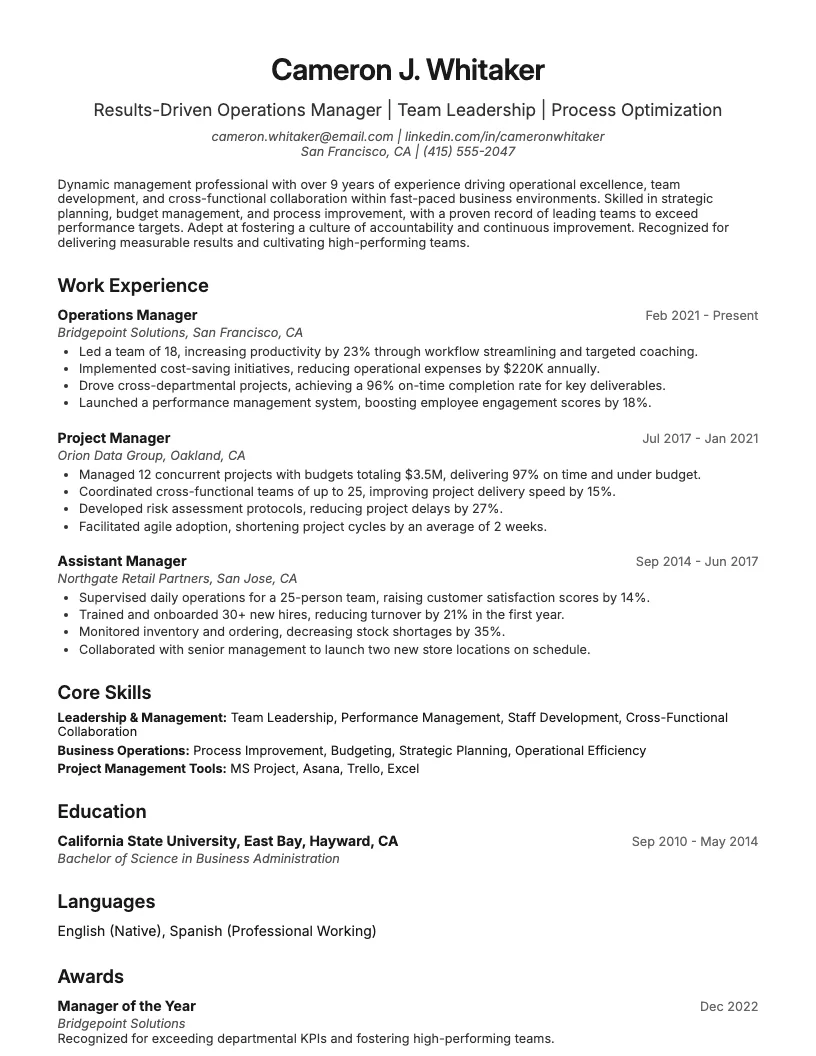
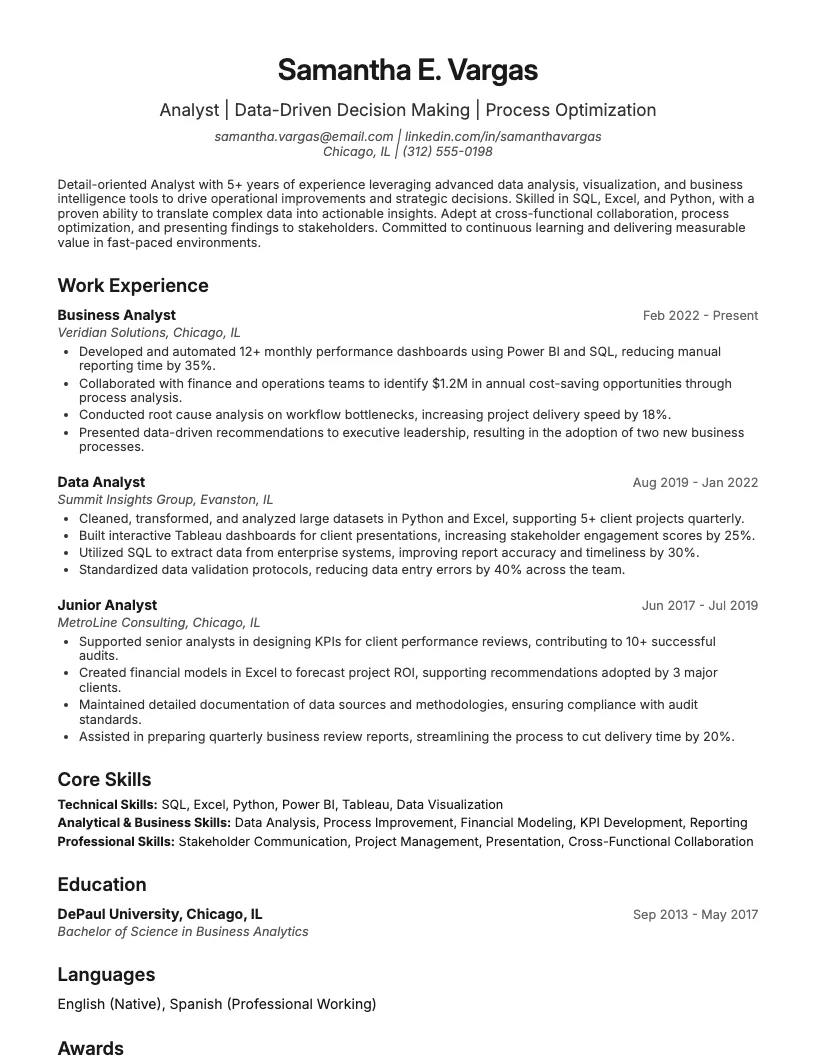
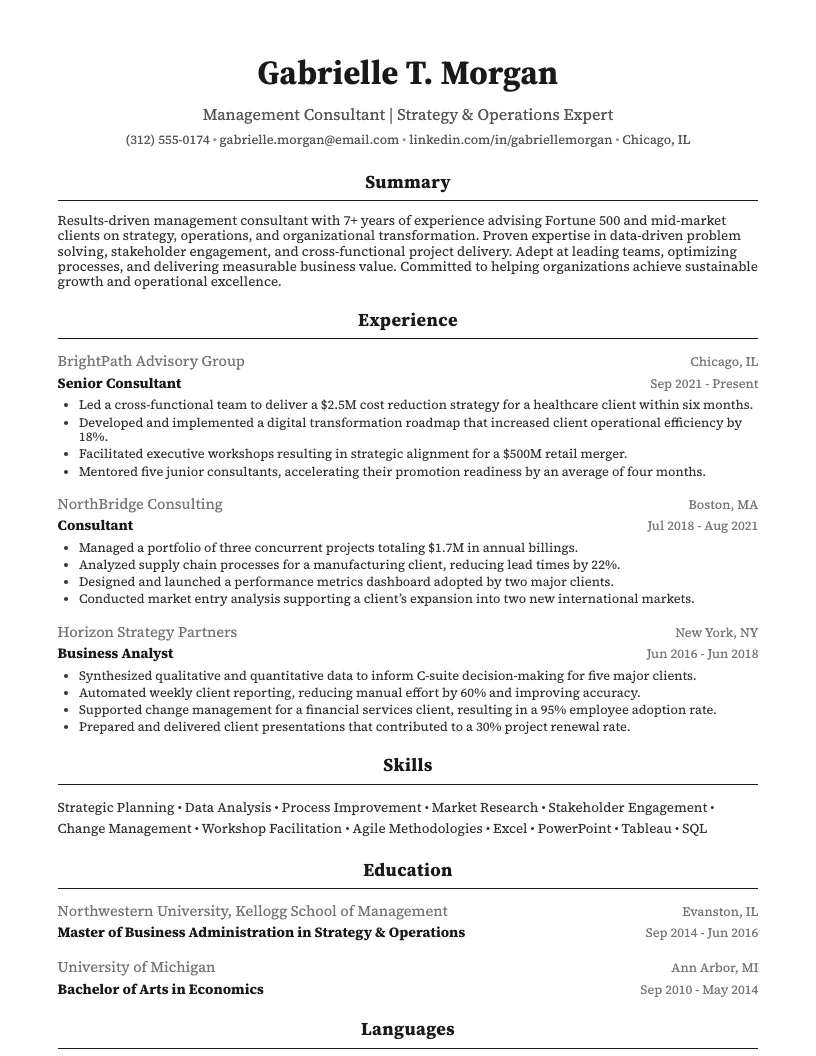
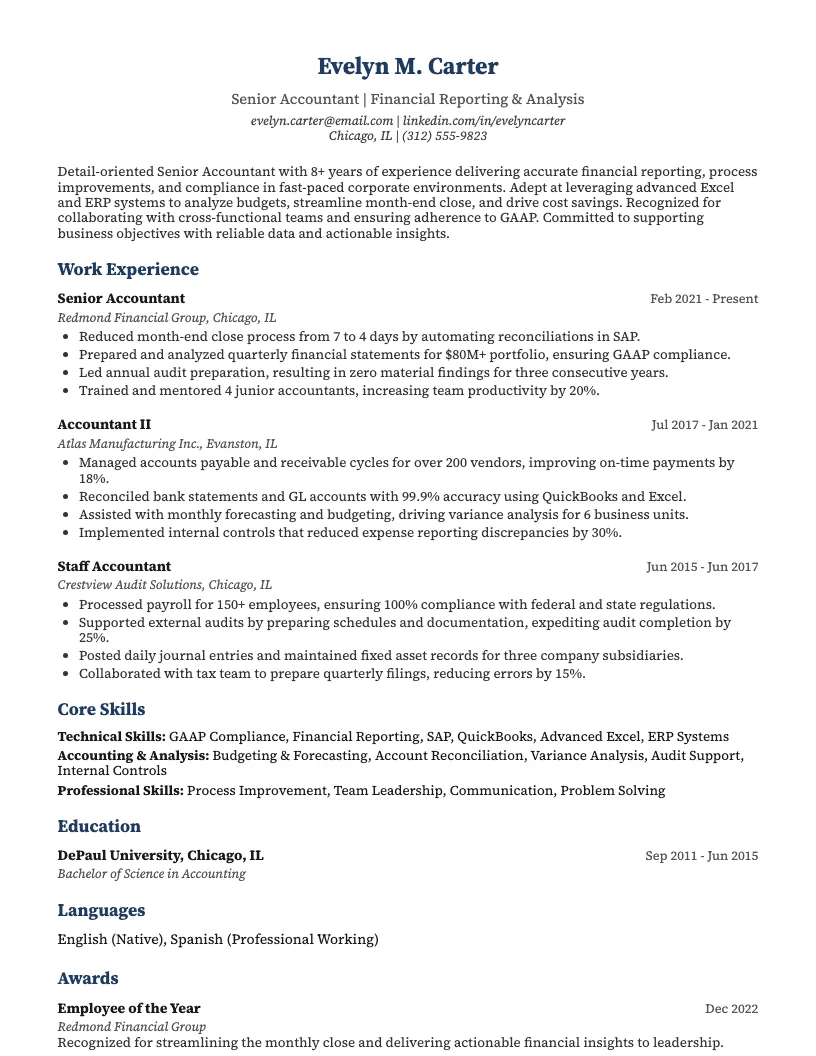
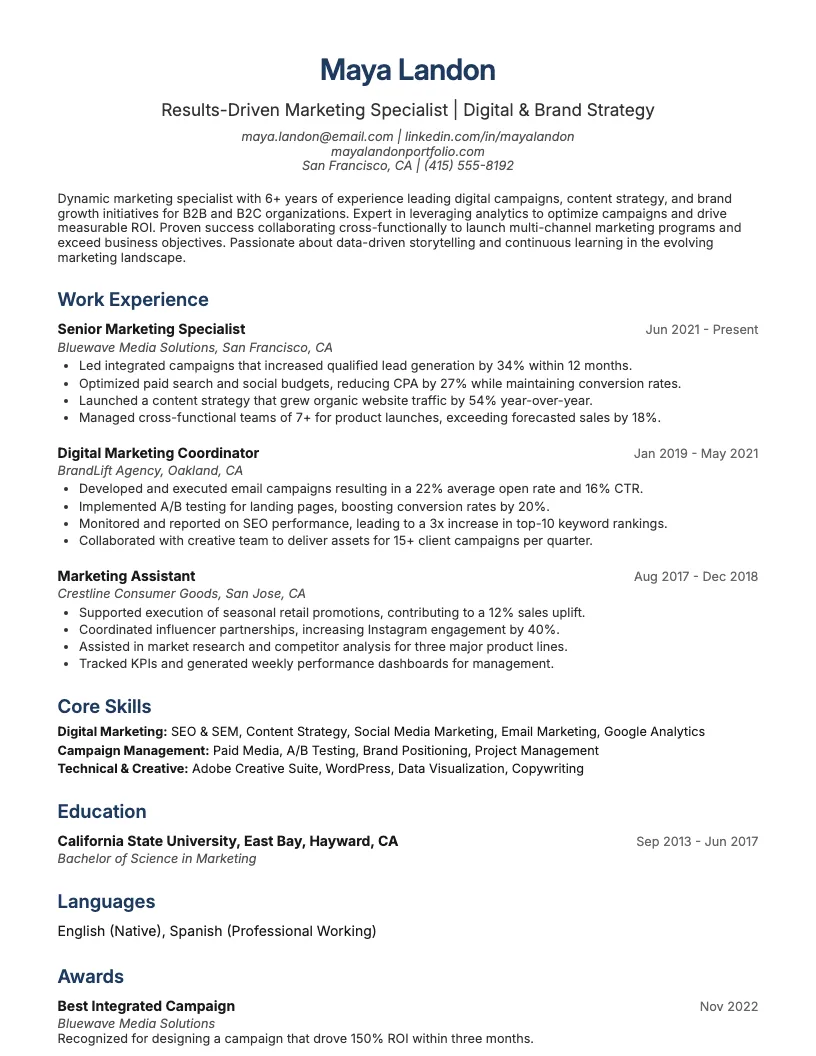
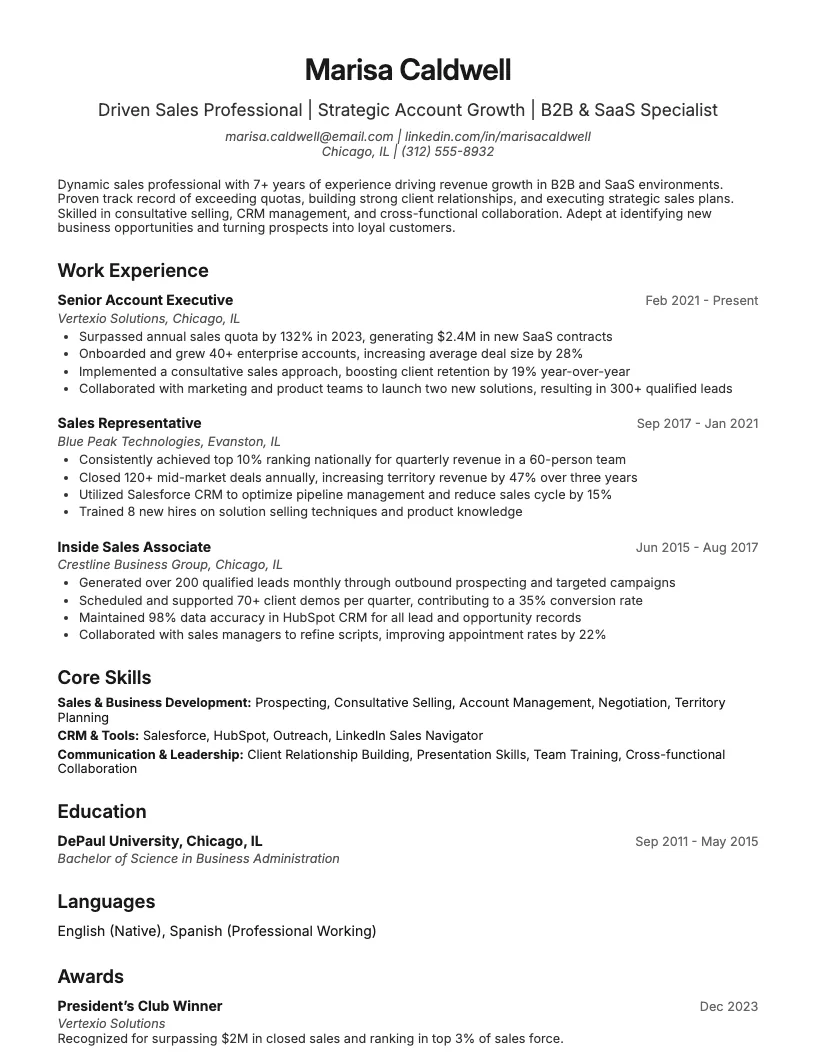
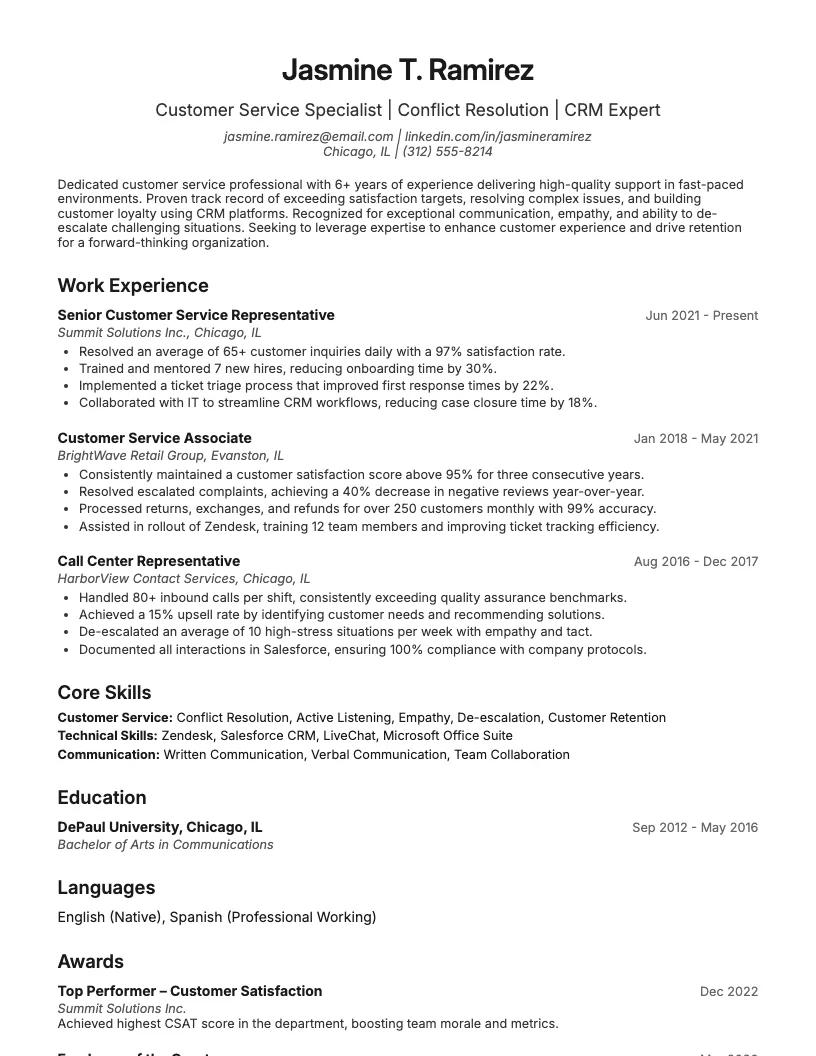
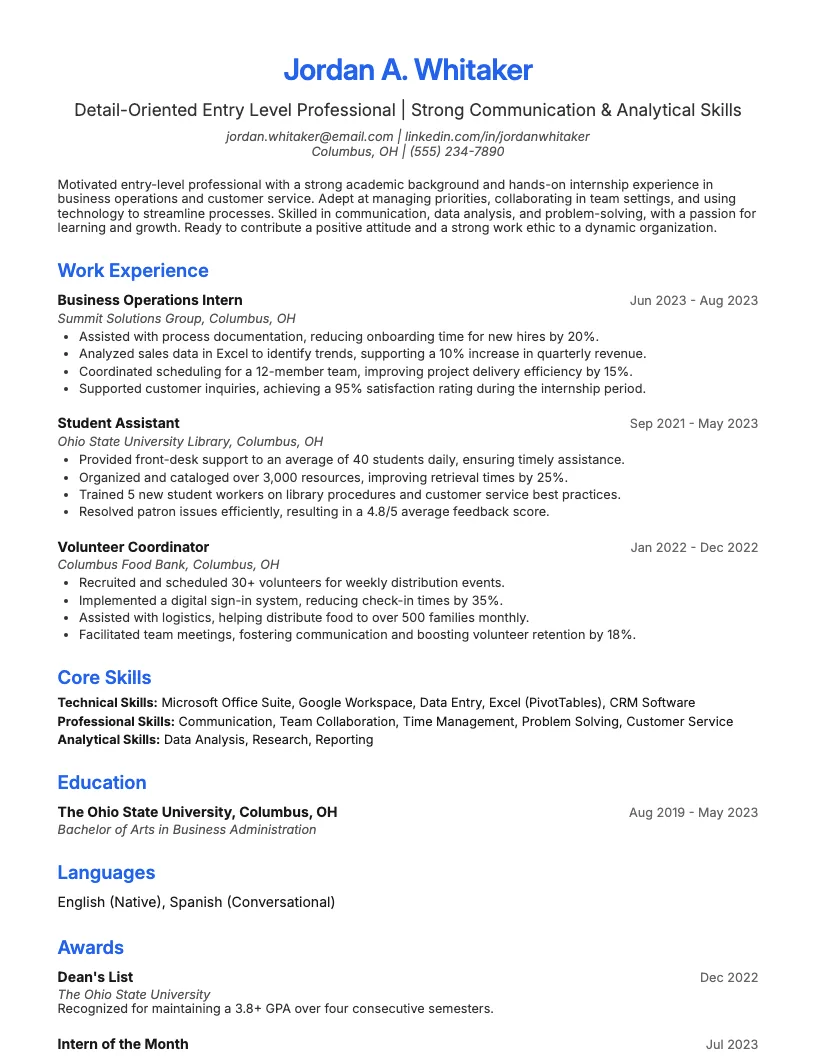
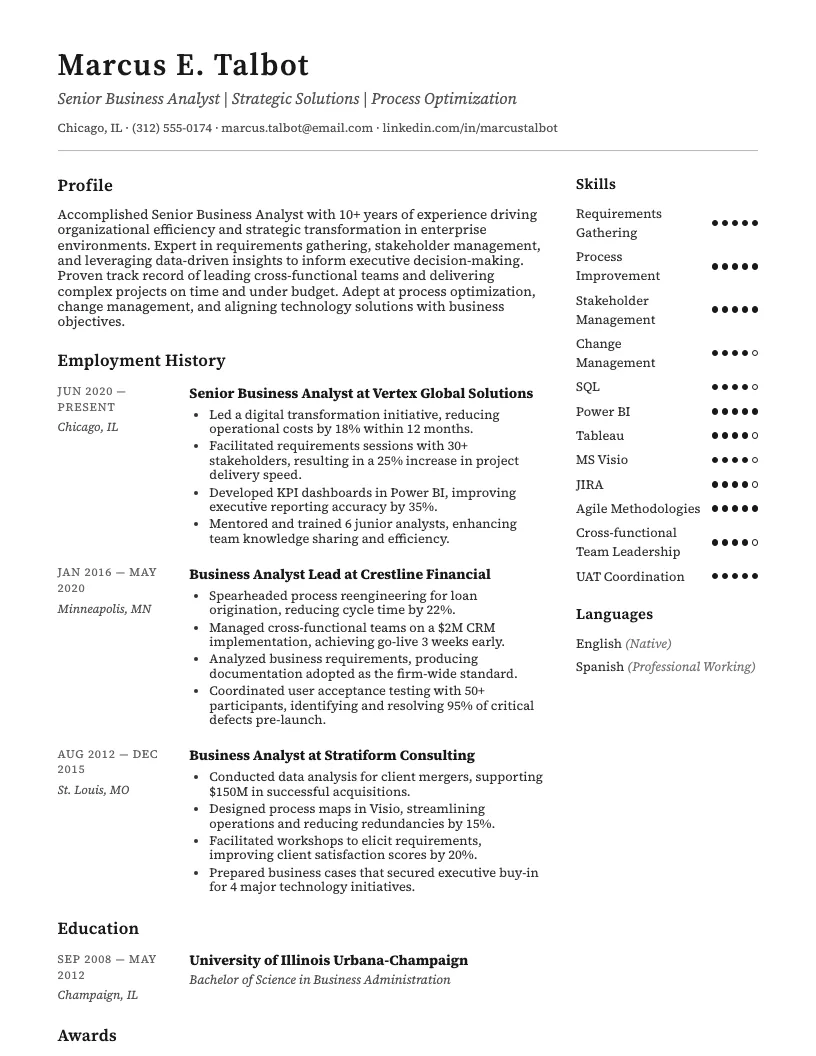
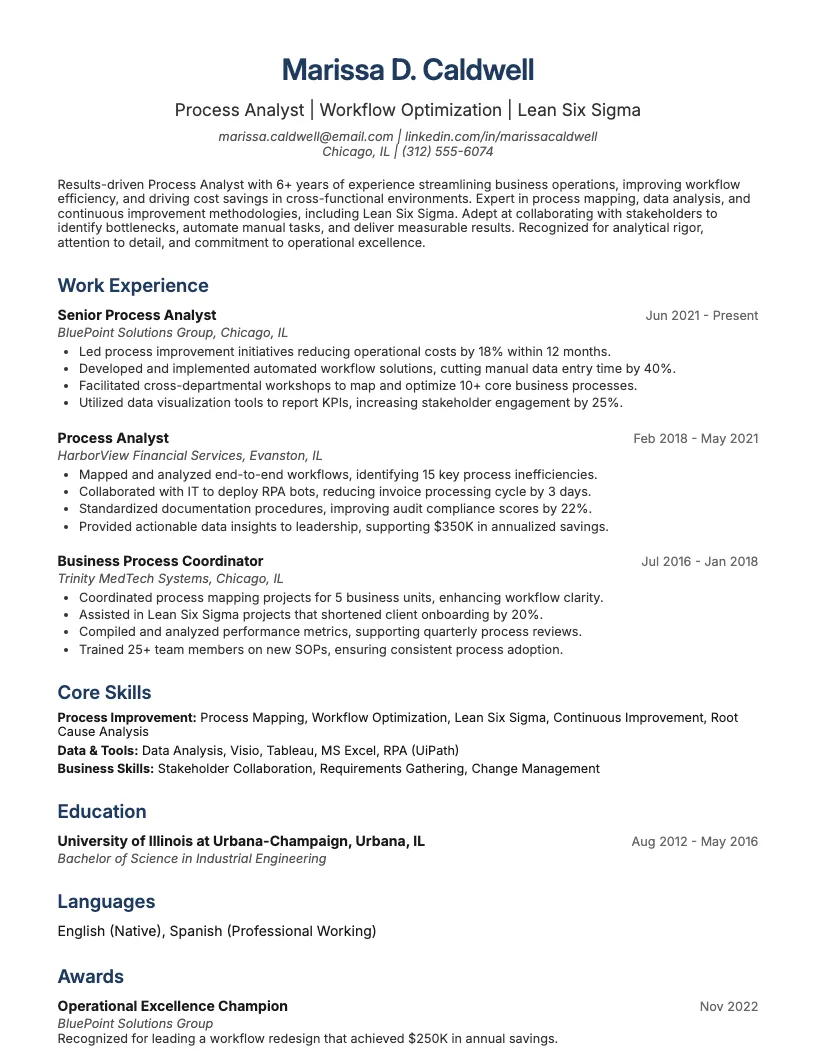
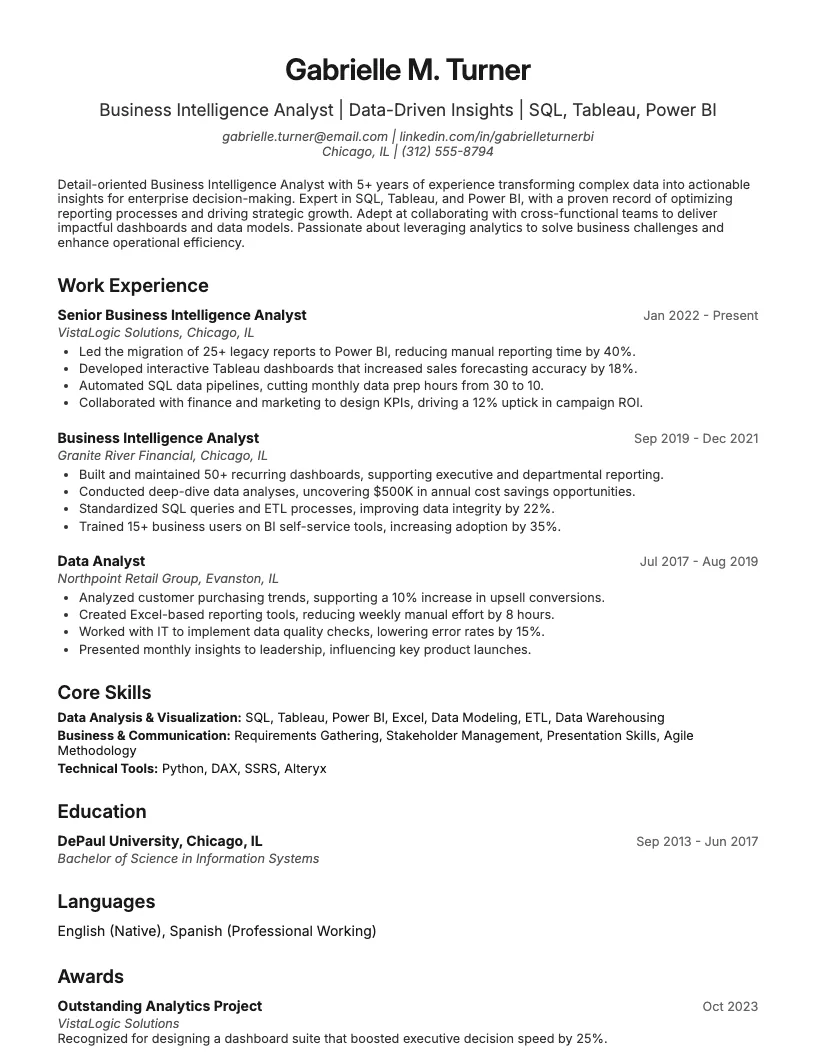
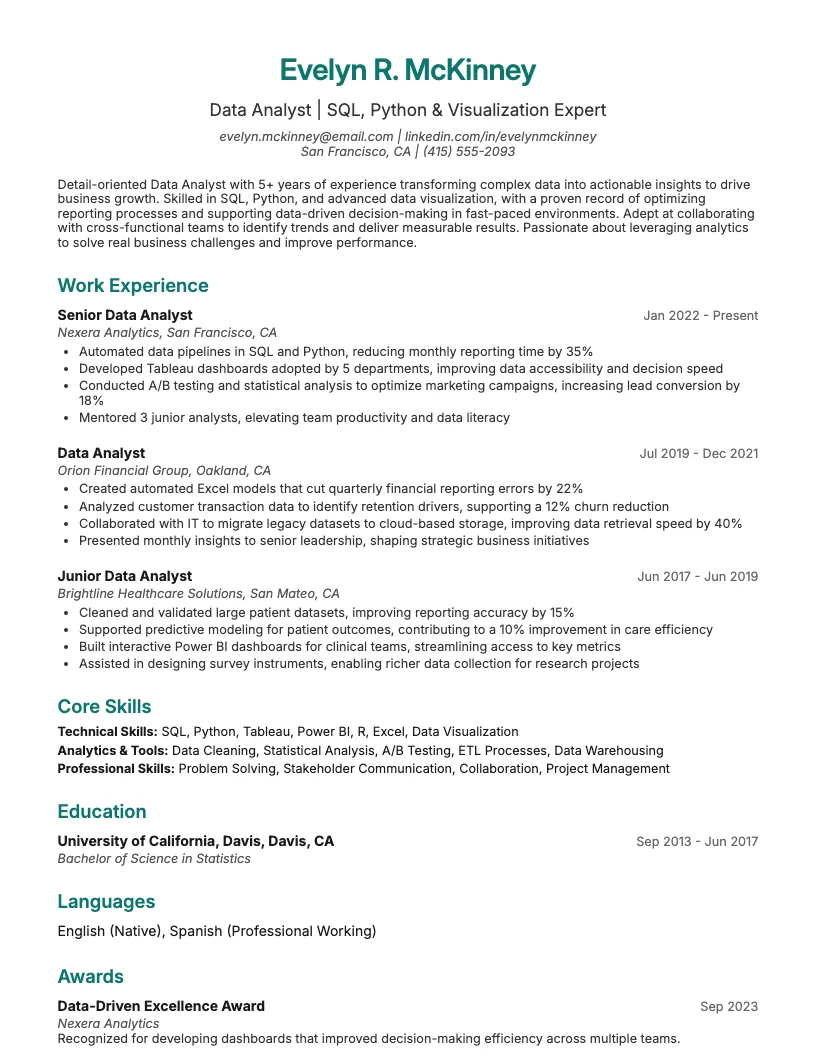
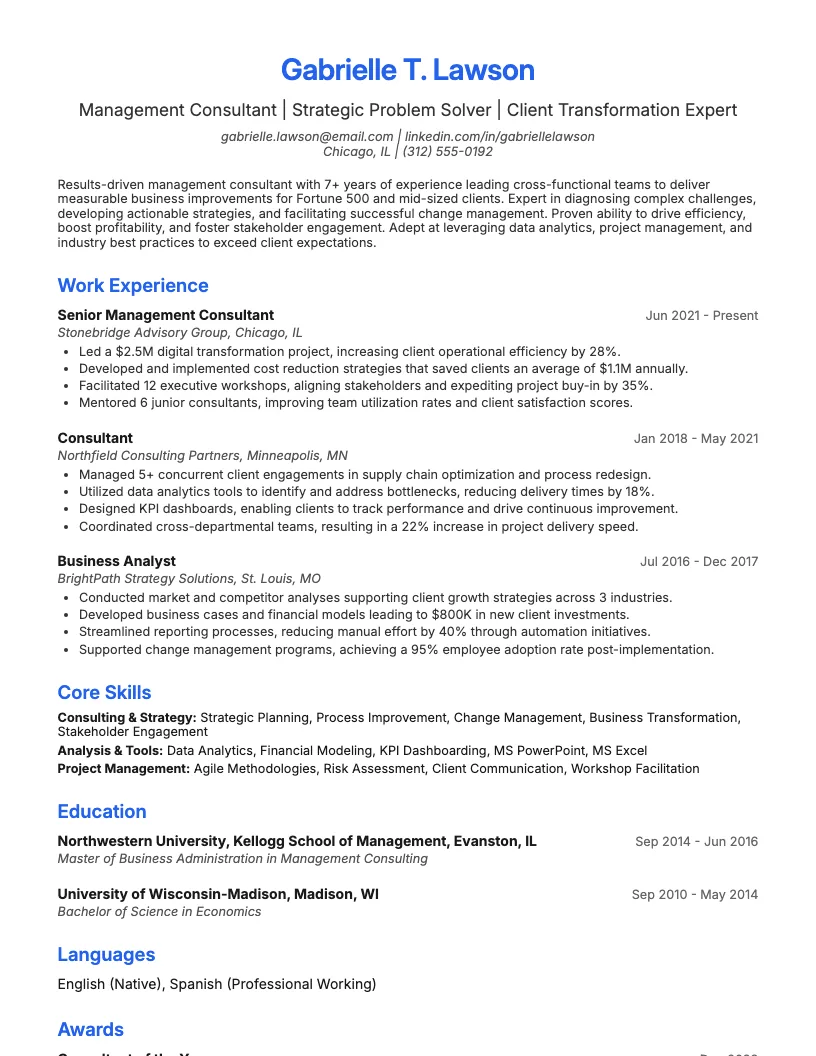
Here’s a realistic business analyst resume sample you can use for inspiration. It highlights quantifiable achievements, clear responsibilities, and the right mix of technical and soft skills.
You’ll notice I focus on results, like “improved process efficiency by 25%,” instead of vague duties. This helps recruiters see your impact right away.
If you’re building your own resume, use bullet points, concise language, and keywords from the job description—just like you would in a cover letter. That’s what hiring managers and applicant tracking systems look for.
If you search for BCBA resume examples, you’ll find a range of formats. The best ones clearly list certifications, measurable outcomes, and highlight experience with behavior analysis tools.
I recommend you focus on including actual data-like the number of clients served or programs developed. This shows impact and makes your resume stand out to recruiters.
Use simple language but make your expertise clear. Specifics like “reduced maladaptive behaviors by 30%” or “trained 10+ RBTs” help hiring managers see real results.
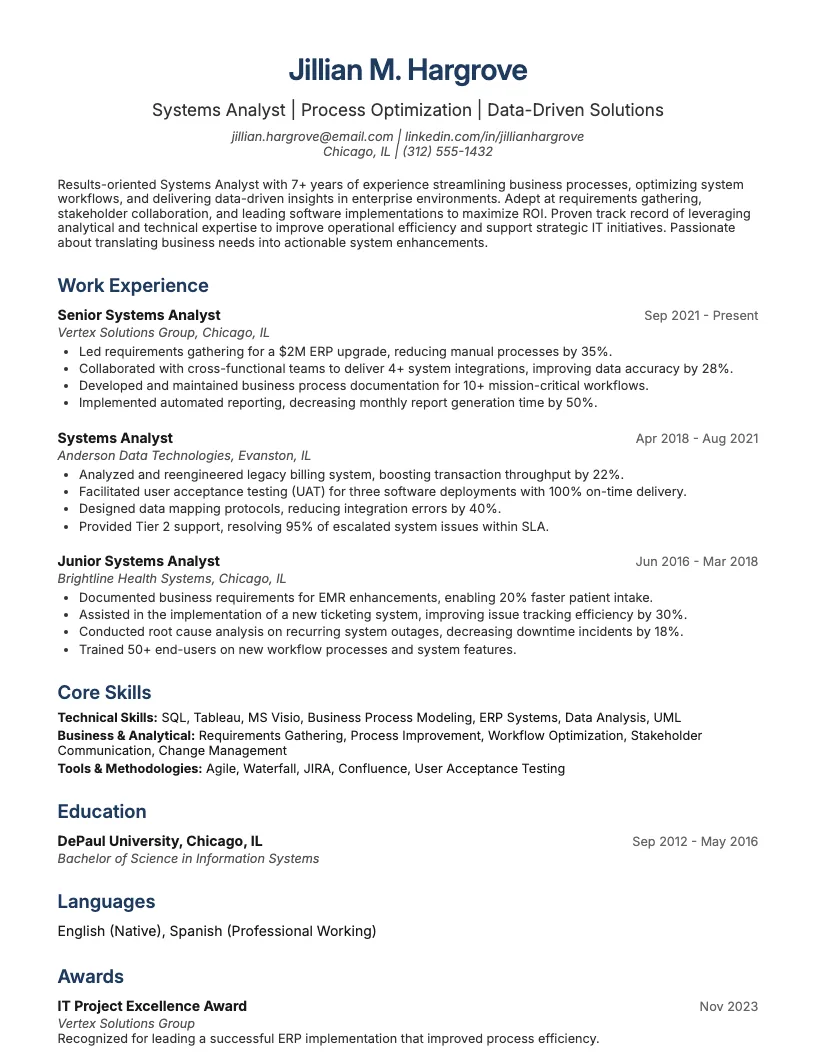
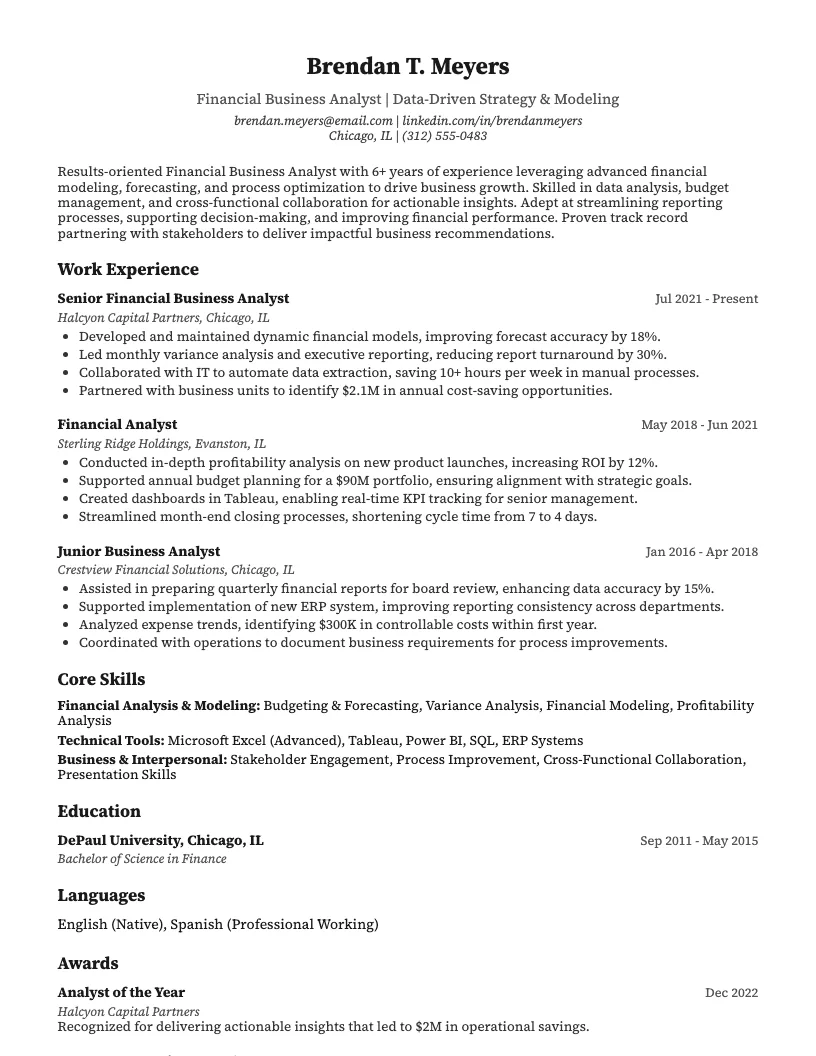
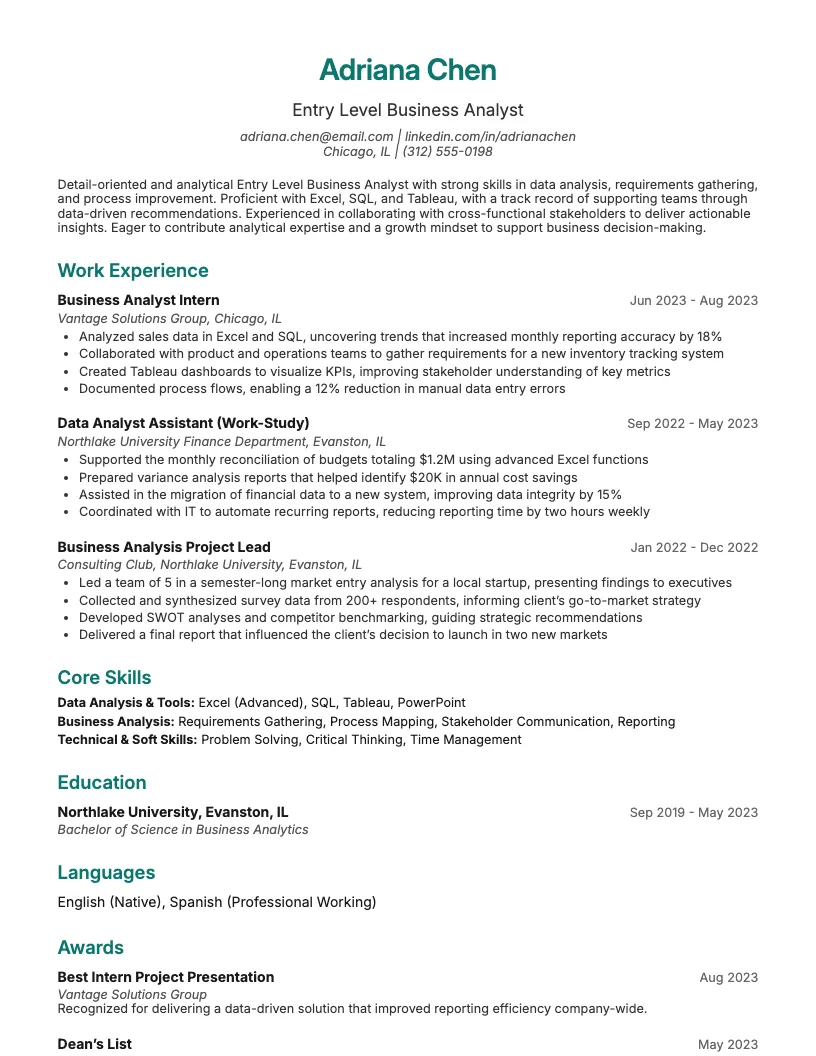
Browse Senior Business Analyst resume examples for related roles. Preview any example, open it in the builder, or read its full guide.
Click to enlarge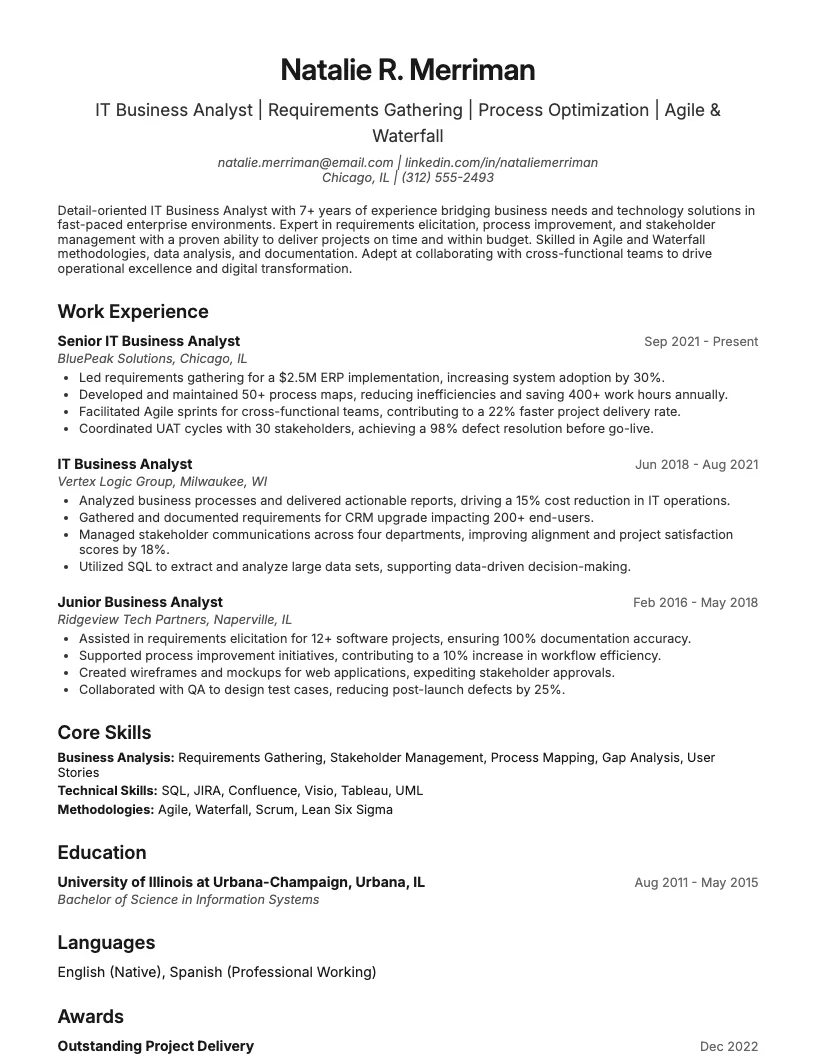 Click to enlarge
 Click to enlarge
 Click to enlarge
 Click to enlarge
 Click to enlarge
 Click to enlarge
 Click to enlarge
 Click to enlarge
Common questions about Senior Business Analyst resumes
A Senior Business Analyst resume template is a pre-designed format tailored to highlight advanced analytical, leadership, and project management skills. It helps your achievements stand out to potential employers.
Yes, most Senior Business Analyst resume templates from ResumeJudge are ATS-friendly, ensuring your resume passes automated screenings in industries like finance, IT, and consulting.
Use this template when applying for senior roles in sectors like healthcare, banking, or tech where deep business analysis and leadership experience are required. ResumeJudge makes it easy to tailor for any industry.
Absolutely! ResumeJudge templates are fully customizable, so you can adjust sections, fonts, and experience details to match your unique background or target job requirements.
Senior Business Analyst templates focus on leadership, strategy, and complex project work, unlike entry-level or generic templates. ResumeJudge highlights your advanced skills for these demanding roles.
Aim for a concise 1-2 page resume, focusing on recent and relevant experience. ResumeJudge helps you organize details efficiently, keeping your resume clear and impactful.
Yes, ResumeJudge templates offer dedicated sections for certifications like CBAP or PMP, making it easy to showcase your credentials and stand out to employers.
Definitely! These templates work well for permanent, contract, or consulting positions in industries like IT, healthcare, and finance. ResumeJudge makes adapting your resume simple.
Yes, ResumeJudge templates are adaptable for international roles, allowing you to highlight global experience and cross-functional skills to match worldwide job standards.
Focus on skills like data analysis, stakeholder management, process improvement, and software expertise. ResumeJudge templates guide you to feature these skills clearly for recruiters.
Explore more professional resume examples to inspire your job search
Use our AI-powered resume builder to create a professional, ATS-friendly resume in minutes.
Free to use • No credit card required