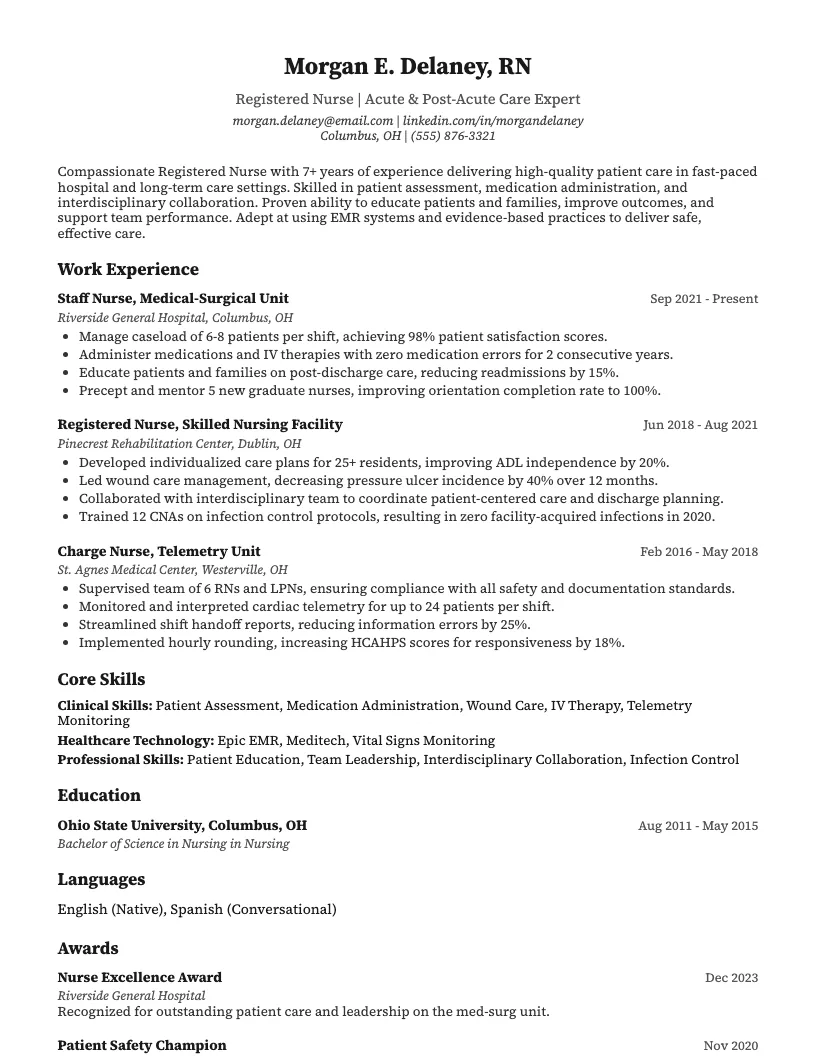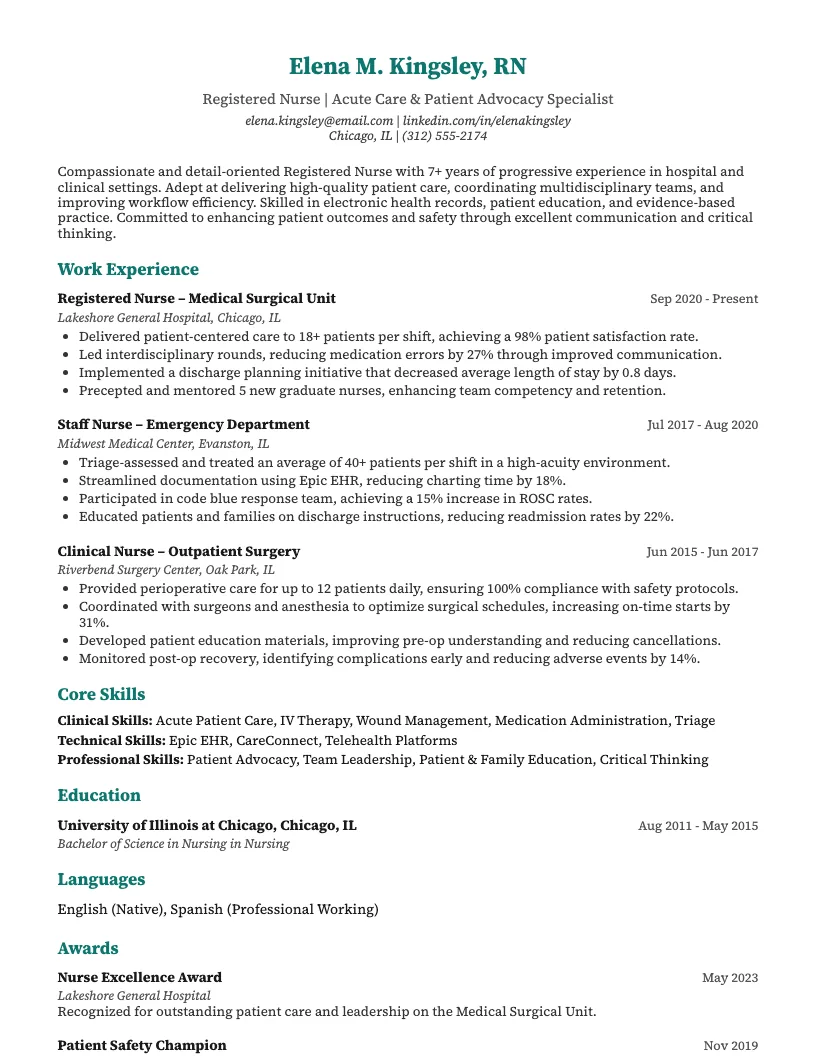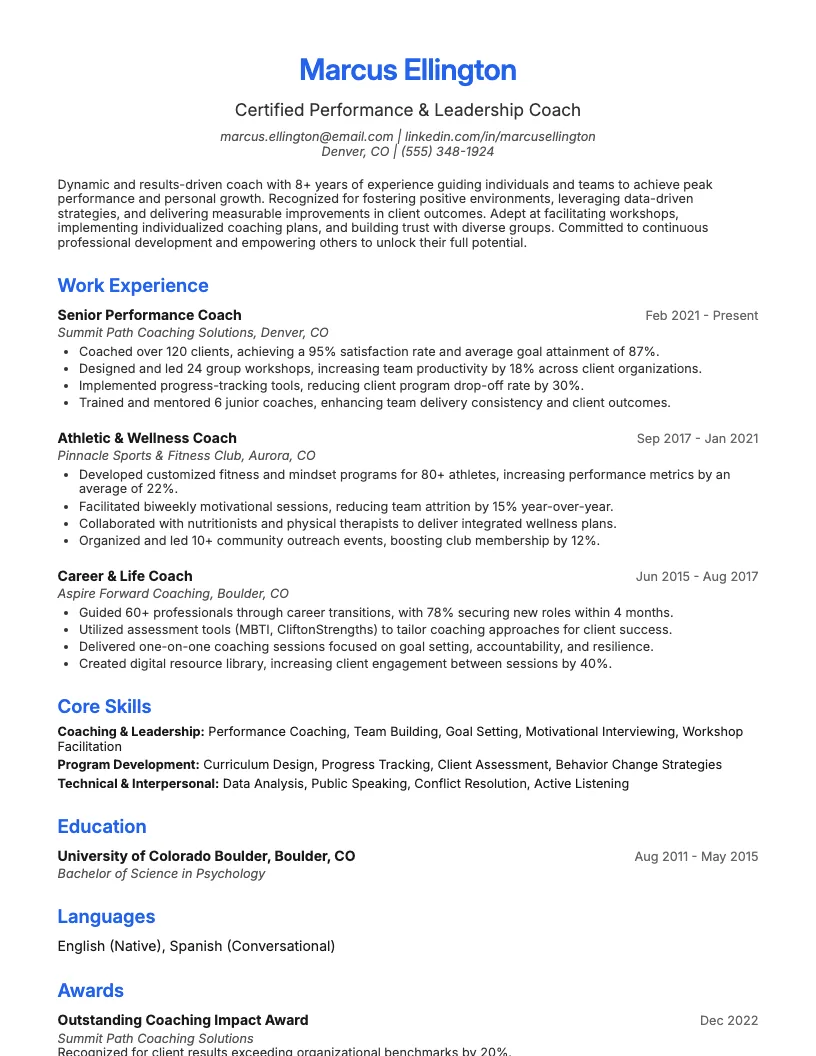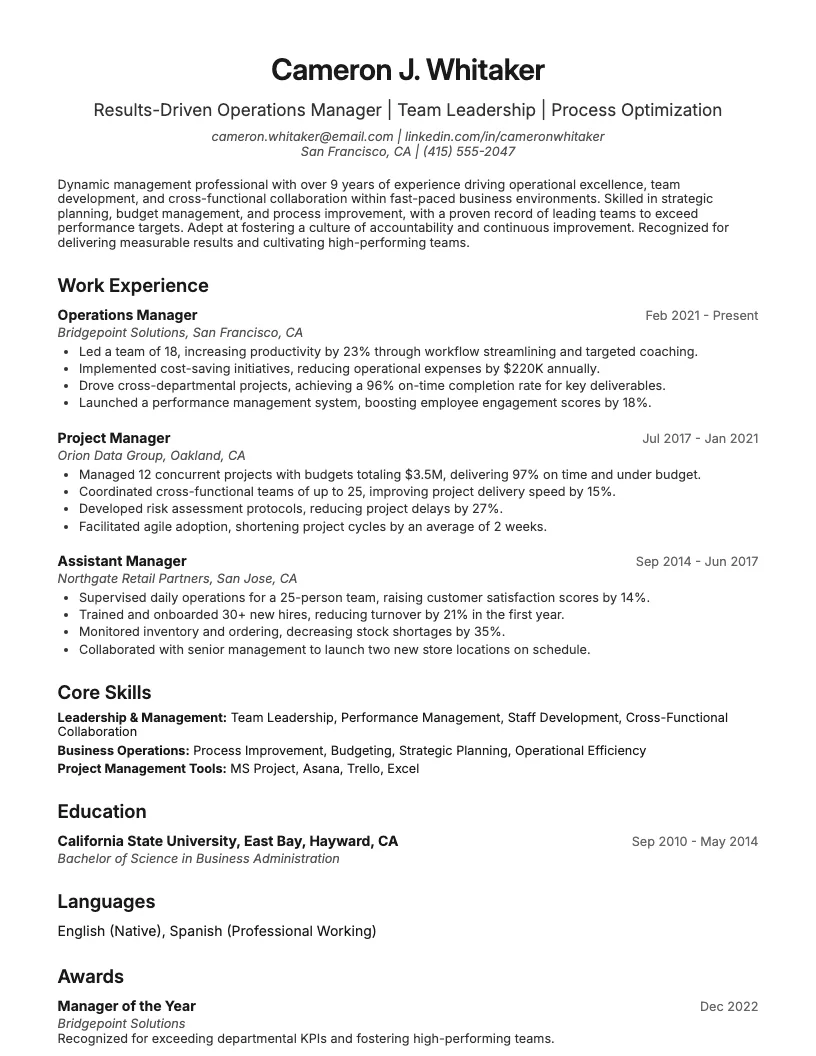
Nutritionist Resume Example
See full guide on Nutritionist resumes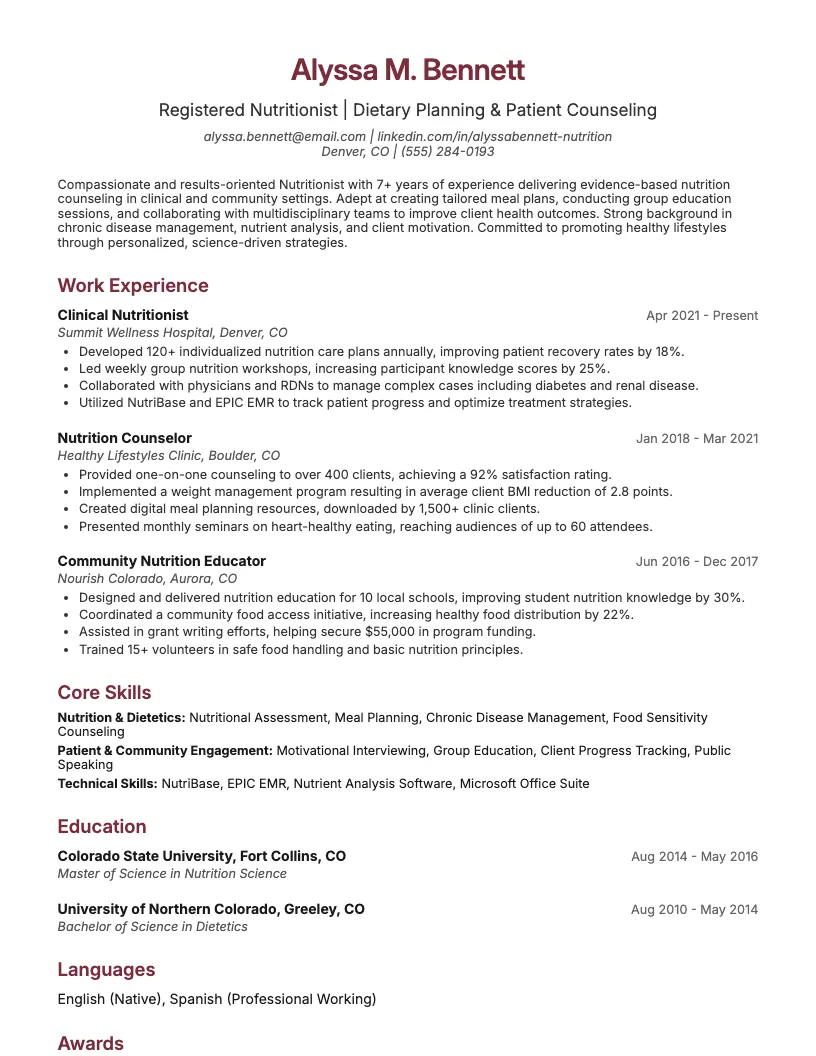 Click to enlarge
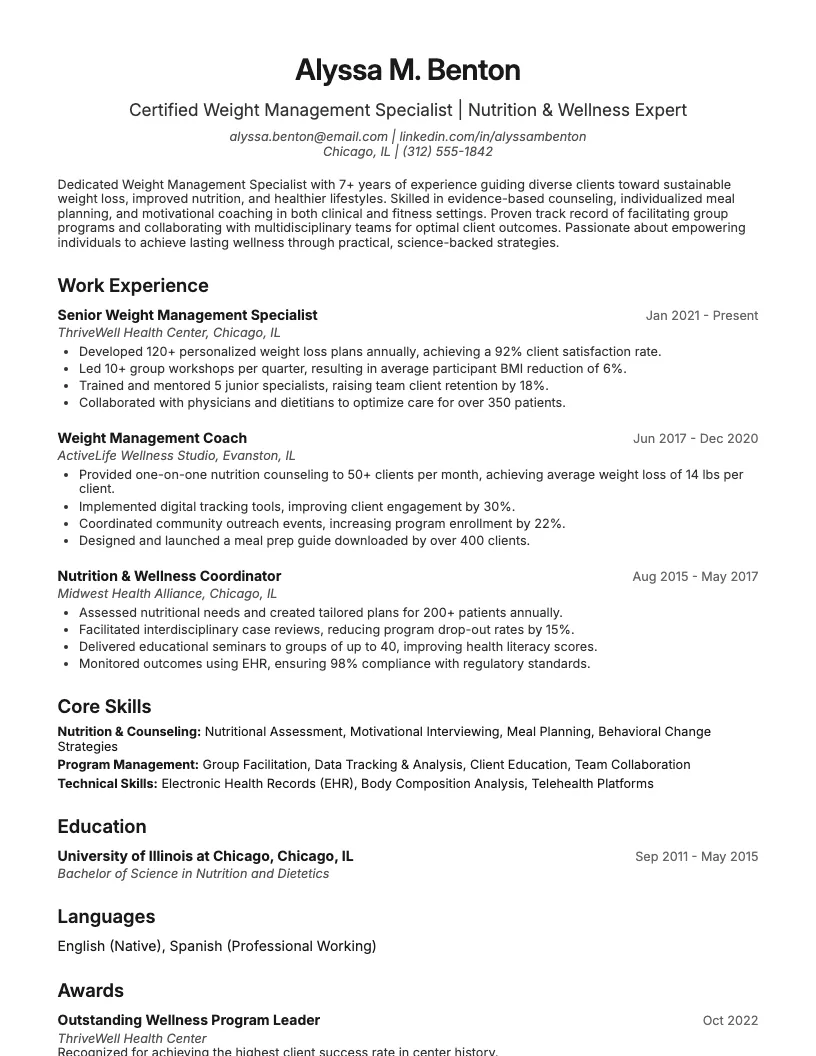 Click to preview

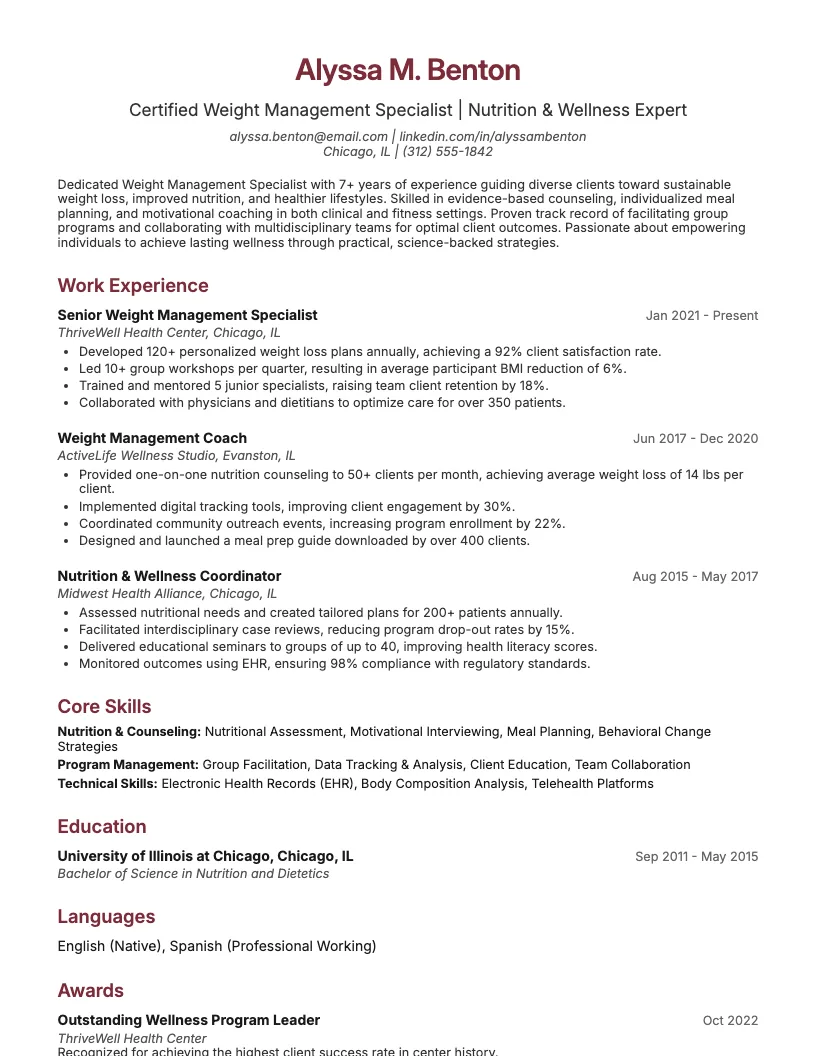
Get inspired by 62+ professional Weight Management Specialist resume examples, each written by career experts and optimized to pass ATS scans. Pick a proven template, tailor it to your role, and download a polished resume in minutes.
Pick the specialization closest to your target role and start from a proven resume example.
If you're aiming for a weight management specialist role, your resume needs to show real results. Employers look for measurable impact, like client success rates and program retention numbers.
You want to highlight experience in nutrition, coaching, and customized wellness plans. I see more clinics expecting certifications and strong communication skills on top of technical know-how.
Curious how your background lines up with nutrition or coaching roles? I break it down in the next section.
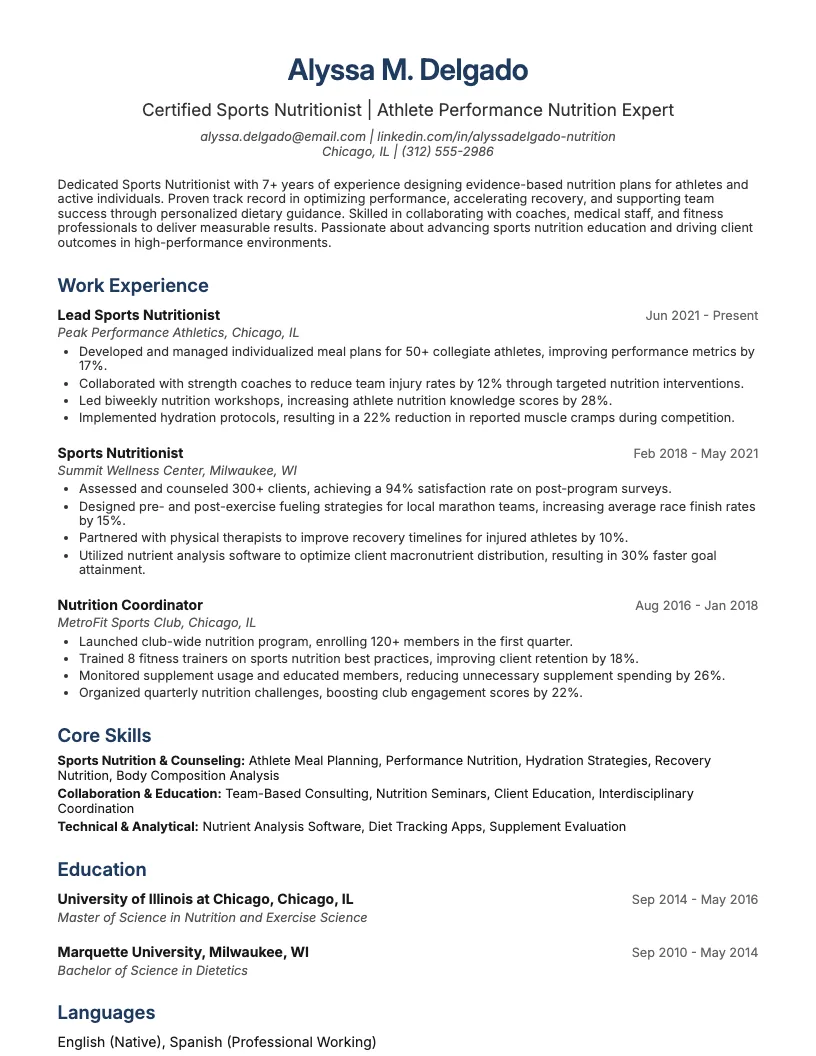
If you’re searching for nutritionist resume examples, you want to see what actually works. I find that employers look for real numbers, like client load or program success rates.
There are resumes that highlight meal planning experience, certifications, and how you educate clients. You can show off workshops, counseling hours, and nutrition software skills.
You should use clear bullet points. Highlight your impact-like “helped 60+ clients adopt healthier eating habits” or “led group sessions with 95% satisfaction rates.” This helps you stand out.

Writing a resume for a weight management specialist role means showing your skills and real results. Employers want to see your impact, not just a list of duties.
I suggest you focus on numbers, like client success rates or program participation. Highlight evidence of your expertise, certifications, and how you support clients day-to-day.
It's also important to organize your resume clearly. Hiring managers spend less than 7 seconds on each resume, so make every section count.
A weight management specialist helps clients reach healthy goals through nutrition, exercise, and behavioral strategies. This job often involves working with people who have medical conditions like obesity or diabetes.
I look at individual needs, create custom plans, and track progress. You might coach one-on-one, lead group sessions, or collaborate with doctors and dietitians to give clients the best support.
Employers want to see experience with evidence-based programs. Roughly 60% of specialists use digital tools and track data to improve results. I always highlight expertise in client communication and goal setting.
I always start with a professional summary-two to three lines highlighting your weight management focus, certifications, and unique skills. This grabs attention right away.
Include a skills section. List things like nutritional assessment, behavior modification, and client education. Employers want to see both hard and soft skills up front.
Add a work experience section. Be specific-mention client loads, the types of programs you run, or how many people you’ve coached. Numbers make your impact clear.
Don’t skip certifications and education. Put your degrees, special trainings, and credentials like Certified Nutrition Specialist (CNS) or ACE Health Coach right after your experience, similar to what you'd see in a property management accountant cover letter.
Keep your resume to one page if you have under 10 years of experience. This helps hiring managers see your strengths fast-most spend less than 7 seconds on each resume.
Use clear section headings and a readable font like Arial or Calibri, size 11 or 12. I always stick to consistent margins-usually one inch all around-to keep things tidy.
Stick with bullet points for responsibilities and achievements. This makes your experience easy to scan. Save fancy colors or graphics for portfolios, not for a professional healthcare resume.
Proofread everything. One typo can make you look careless. I always read mine out loud or use a spell checker. That last check can make a real difference.
Getting hired as a weight management specialist takes more than just nutrition know-how. You need a mix of technical skills, people skills, and up-to-date certifications.
If you want to stand out, you need to show you can assess clients, communicate effectively, and stay current with new treatments. I break down these must-have skills below.
There are a lot of tools and techniques I use to support healthy weight management. I rely on evidence-based nutrition plans and personalized exercise programs for each client.
I track progress using body composition analysis, metabolic rate assessments, and health screenings. This data-driven approach helps me adjust plans quickly and keeps things objective, a mindset I also emphasize in an application architect cover letter.
You need strong clinical judgement for safe interventions. Recognizing signs of nutritional deficiencies, monitoring vital stats, and using medical software are all part of the job.
I spend a lot of time listening and building trust with clients. Active listening and empathetic communication help people feel heard-this boosts engagement and long-term success rates.
You’ve got to explain complex nutrition plans in simple, clear language. I use open-ended questions to check understanding and encourage honest conversations about habits and barriers.
There are tough moments, like discussing setbacks. Positive reinforcement and nonjudgmental feedback keep clients motivated. Studies show that 70% of weight management outcomes depend on effective communication.
Certifications really matter in weight management. I always look for CPT, RDN, or NBC-HWC-these show I’ve got the latest, evidence-based knowledge.
You want to keep learning. Completing continuing education every year keeps skills sharp and shows commitment. Many employers prefer at least 20 hours of updated training annually.
Getting certified in motivational interviewing or behavioral change techniques adds value too. These extras help me guide clients through tough moments and boost their long-term success.
When I wrap up my skills section, I know certifications and training prove I’m serious about results. They round out a strong foundation for any weight management specialist.
Writing a solid summary helps you stand out as a Weight Management Specialist. I focus on results, client relationships, and proven outcomes.
You want your summary to highlight your years of experience, certifications, and the number of clients you help. Numbers show your impact.
The work experience section is where you show what you actually do as a Weight Management Specialist. This is the part that hiring managers pay the most attention to.
You want to highlight your impact, not just your daily tasks. Think about any specific results or improvements you bring to clients or the team.
Use real numbers when you can. Numbers help recruiters see your results-like client success rates or program completion percentages.
Next, I’ll talk about how to describe your achievements and how to quantify your impact in past roles.
If you want your resume to stand out, focus on what you actually accomplish. Just listing daily tasks doesn’t show your real value as a Weight Management Specialist.
I always highlight unique results-like helping clients reduce body fat by 15% or leading group sessions with over 30 participants. This gives hiring managers solid evidence of my skills.
Use action verbs like coached, developed, or improved. This shows you’re proactive and hands-on, which is exactly what employers want to see.
I always show hard numbers to highlight my results. Instead of just saying I helped clients, I write “Supported 45+ clients to achieve an average 12% weight reduction.”
You want to mention specific outcomes, like client retention rates or program compliance. For example, “Maintained 80% client retention rate over 18 months.” This gives hiring managers real context.
Numbers make your work stand out. They prove your contribution and help you tell a more convincing story. Wrapping up, always back your claims with measurable data when you can.
Education shows clients and employers that you know your stuff. Most weight management specialists start with a health or nutrition degree.
Certifications prove you keep your skills sharp. They also meet employer and state requirements, so you stay competitive in the field.
I always start with my education section. For weight management specialists, a bachelor’s degree in nutrition, dietetics, or a health-related field is pretty standard.
If you want to stand out, a master’s degree in nutrition or public health really helps. About 40% of specialists have advanced degrees, which adds credibility.
You don’t need a specific degree title, but employers like to see coursework in biology, psychology, or exercise science. This shows you understand the science behind weight management.
Industry certifications like Certified Weight Management Specialist (CWMS) or NASM Weight Loss Specialist really boost my credibility. These show I know current science and practice in the field.
You can get most certifications online, and many require passing a proctored exam. Usually, these programs take 6-12 weeks and need continuing education credits every two years.
Having multiple certifications helps me stand out. Employers and clients look for specialists with at least one industry-recognized credential. This wraps up my formal education and professional prep.
Extra sections help highlight your experience beyond work history and education. They show your commitment to the field and your impact on others.
If you’ve joined professional groups, volunteered, or earned awards, include them. Employers like to see well-rounded candidates with diverse achievements.
Listing your professional affiliations shows commitment to the field. I join groups like the Academy of Nutrition and Dietetics or the Obesity Society to stay up-to-date.
There are over 100,000 members in major nutrition and weight management organizations. This helps you connect with peers, access resources, and get invited to industry events.
If you’re not a member yet, consider joining one. Adding these groups to your resume signals to employers that you value ongoing education and networking.
Getting involved in community wellness events or local health fairs shows you care beyond just your job. I like to mention any nutrition seminars or free workshops I organize.
List specific roles, like leading support groups or collaborating with local gyms. This helps hiring managers see you can connect with different people and settings.
If you’ve volunteered 50+ hours or reached hundreds of participants, mention it. Numbers prove your commitment and make your contributions more memorable.
Adding awards or recognitions to your resume shows real proof of your skills. I like to highlight things like Employee of the Month or client satisfaction awards.
You can list certifications too, like ACE Health Coach of the Year or Weight Management Specialist of the Month, if you’ve got them. This helps you stand out fast.
Wrapping up, these details show you’re not just doing the job-you’re doing it well. Even one award can make your profile more memorable to employers.
If you want to stand out as a Weight Management Specialist, you need a resume that shows your skills and achievements clearly. Employers get hundreds of applications for each opening.
I see that experience, certifications, and results matter most in this field. Your resume should prove your impact on client health and weight goals.
This template focuses on the qualifications and outcomes employers look for. Let’s break down how you can highlight your strengths and land more interviews.
Every weight management specialist role is a little different. Customizing your resume helps you stand out in a field where hundreds of candidates might apply.
I always recommend matching your resume to the job description. Employers use Applicant Tracking Systems (ATS) that scan for specific keywords and skills. This can make a real difference.
If you want recruiters to notice you, you need to focus on the details. Even small changes can boost your chances of landing an interview.
Every Weight Management Specialist job is a little different. I always read the posting carefully and highlight the skills and qualifications they really want.
You can adjust your bullet points to reflect what the employer mentions first. This helps your resume stand out and shows you understand what they need.
I focus on matching relevant certifications and experience. If a job mentions "motivational interviewing," I make sure that's right up front on my resume, just as you would in a wealth management advisor cover letter.
I always pay attention to keywords from the job posting. Most companies use ATS software. Over 90% of Fortune 500 employers scan resumes for specific words.
You want your resume to match these keywords-think nutrition counseling, behavior modification, or client progress tracking. This helps your resume actually land in front of a real person.
I recommend scanning the job ad, then sprinkling those exact phrases throughout your experience and skills sections. It’s a simple step that boosts your odds.
I see a lot of resumes for weight management specialists miss important details. Small missteps can make it harder to stand out in a field with over 48,000 professionals.
You want your resume to highlight your skills and experience clearly. Avoiding common mistakes helps hiring managers see your strengths right away.
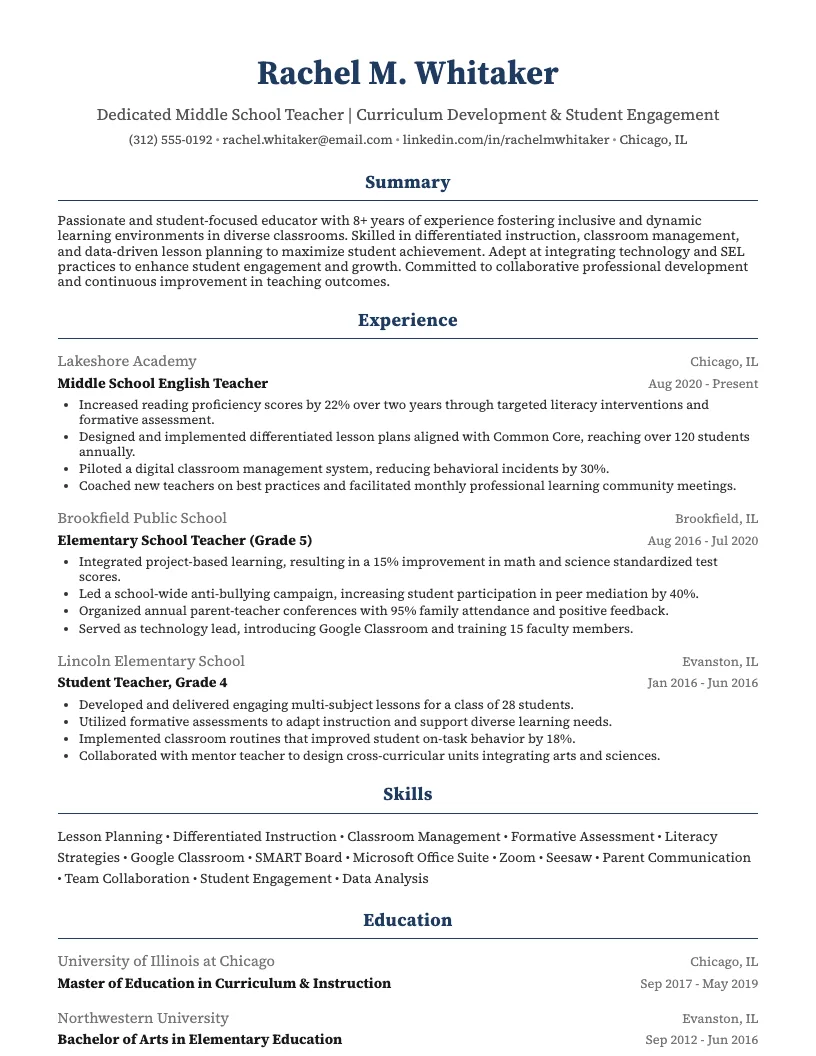
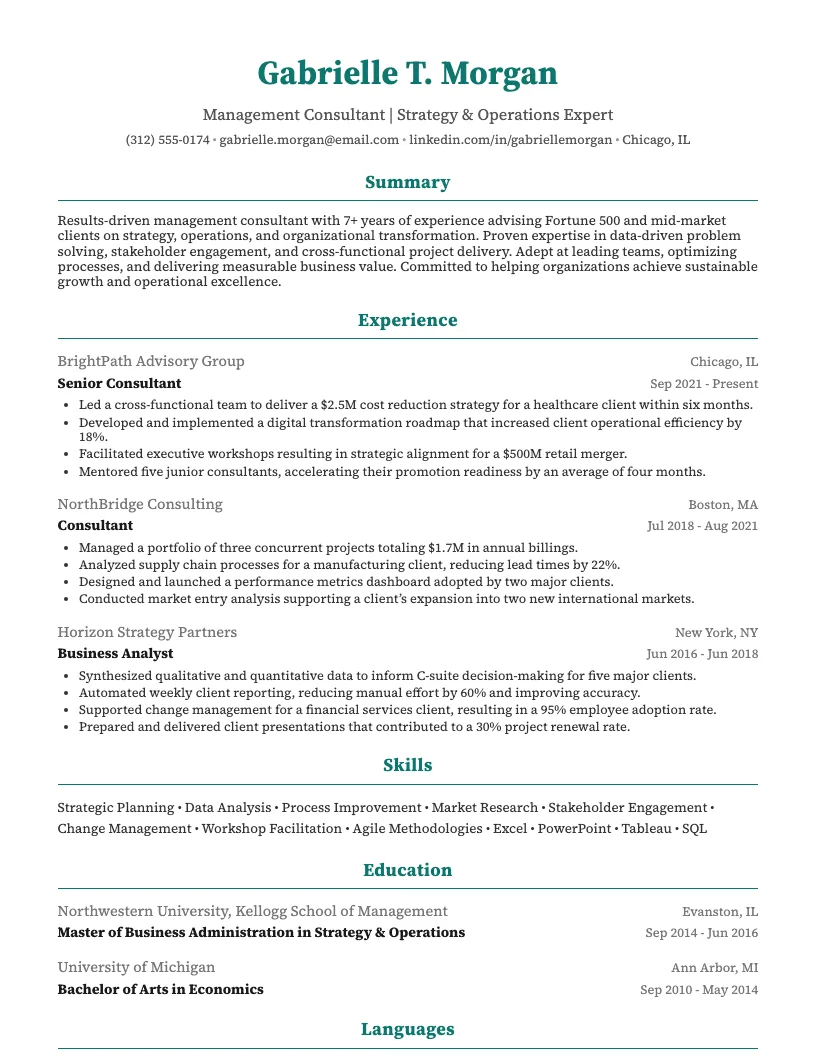
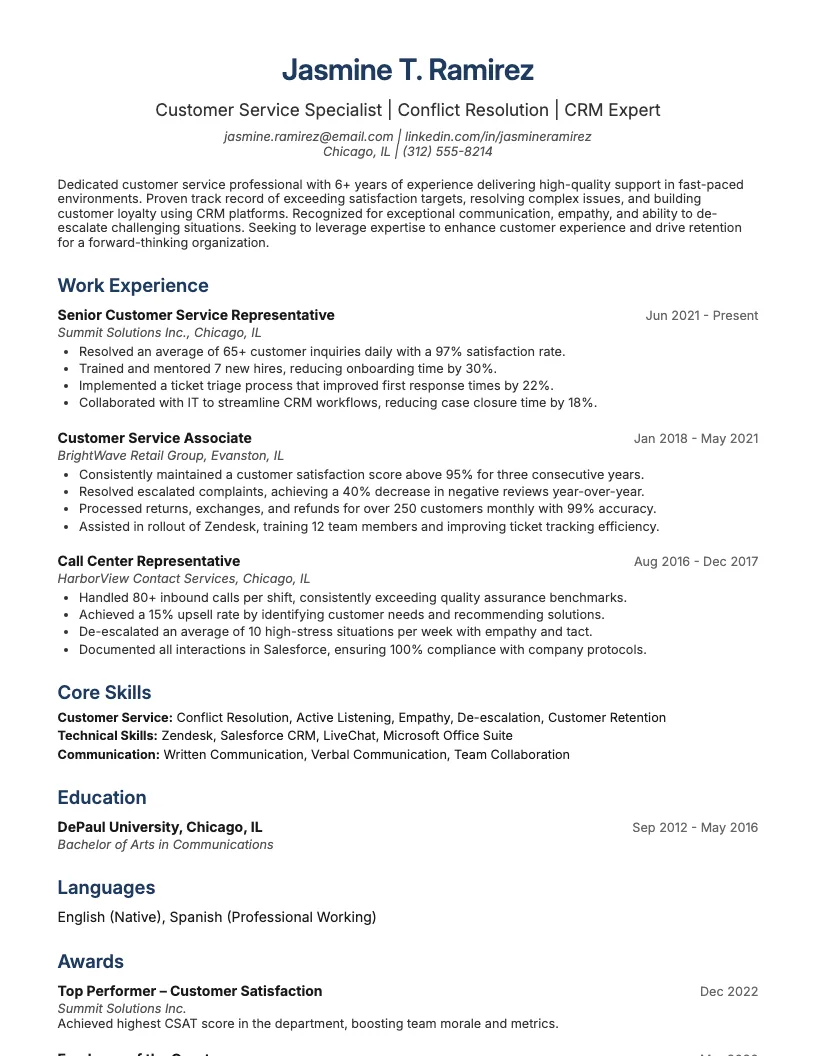
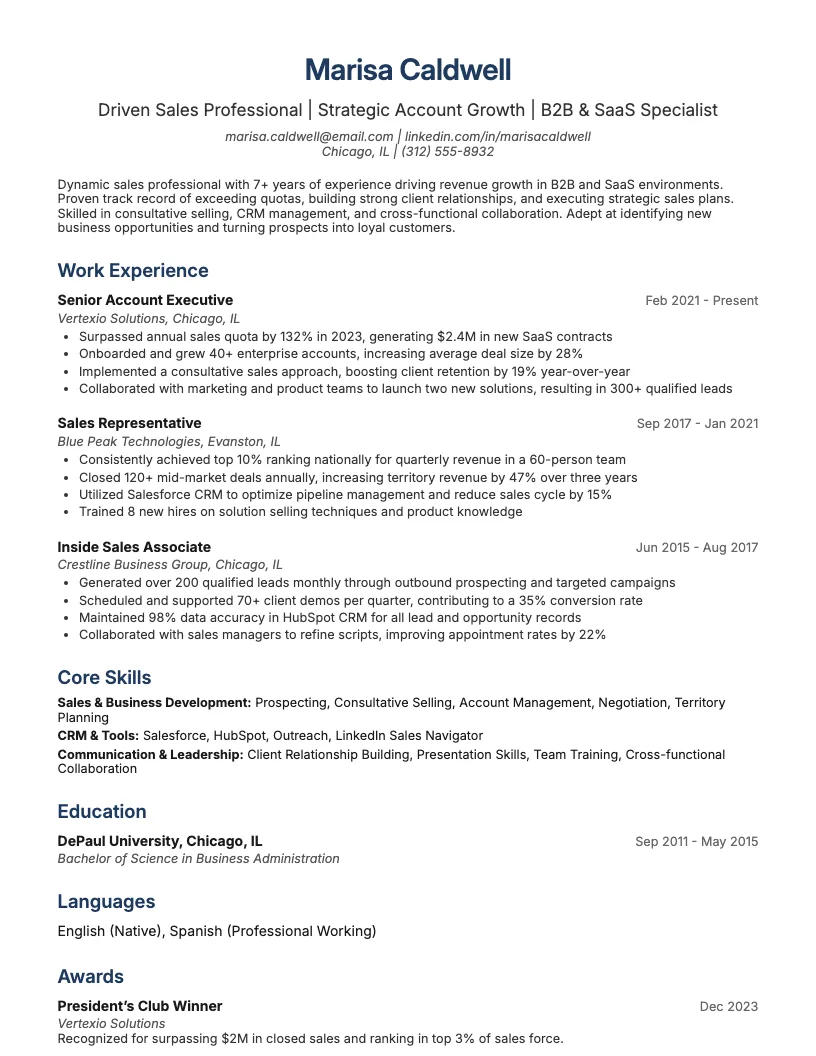
Browse Weight Management Specialist resume examples for related roles. Preview any example, open it in the builder, or read its full guide.
Click to enlarge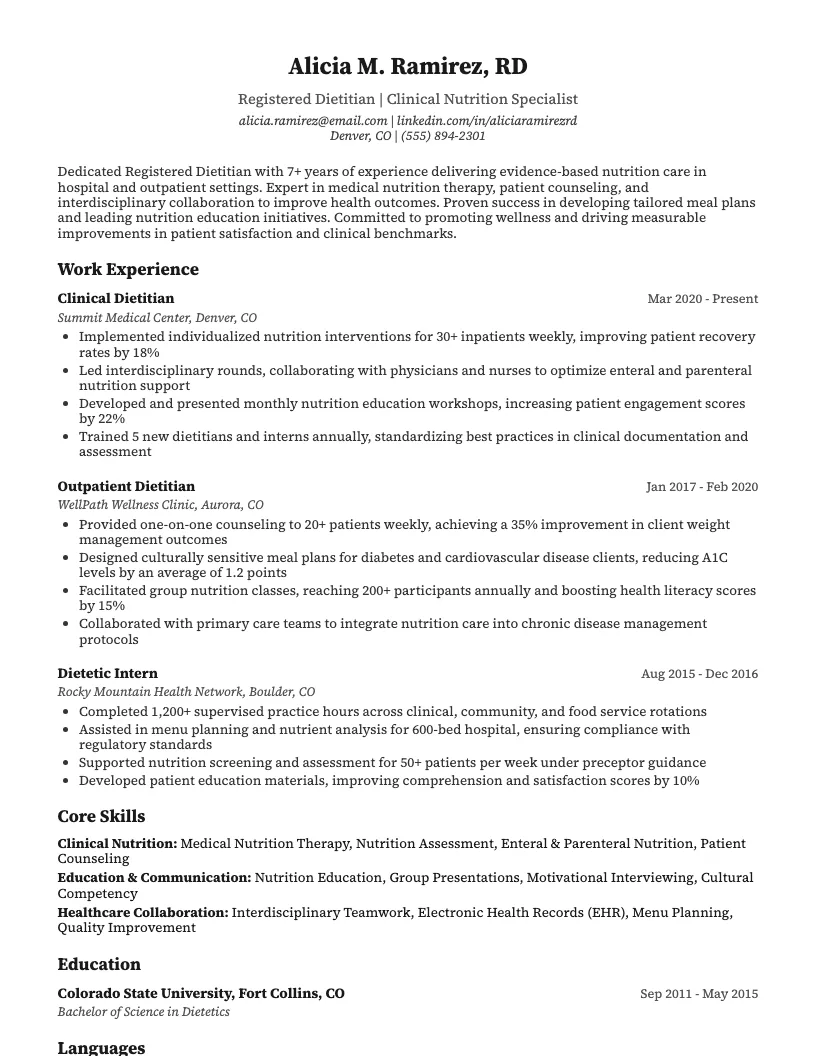 Click to enlarge
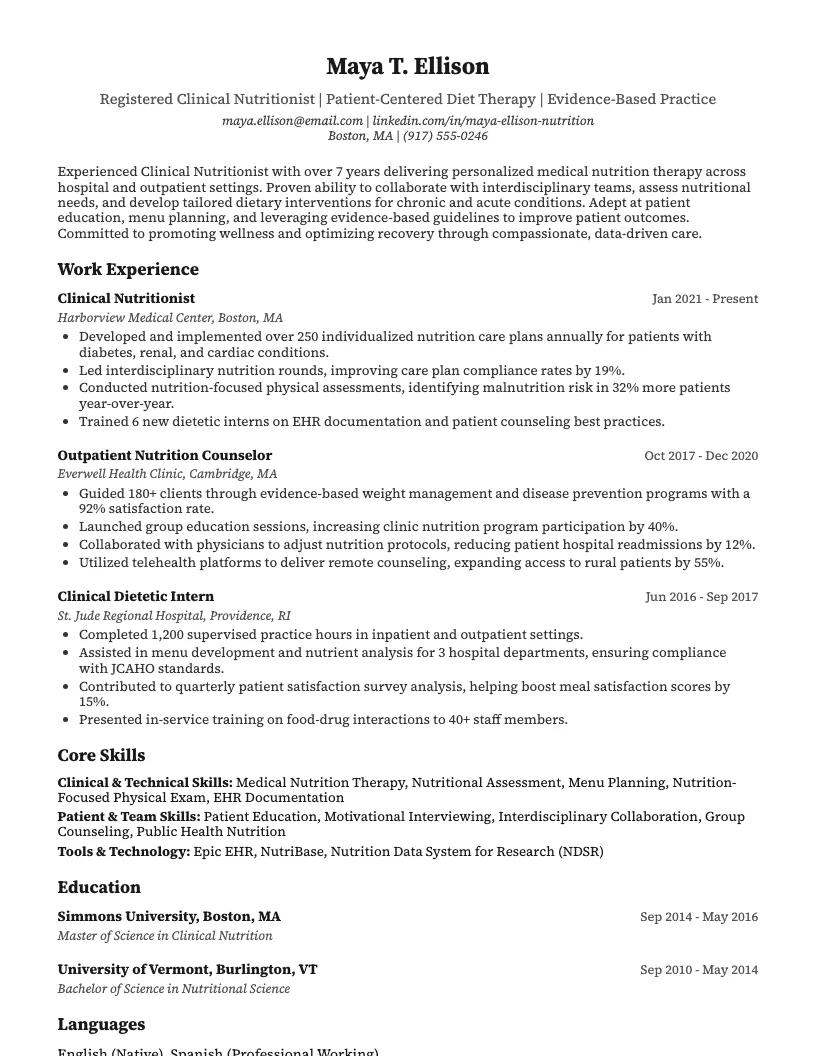 Click to enlarge
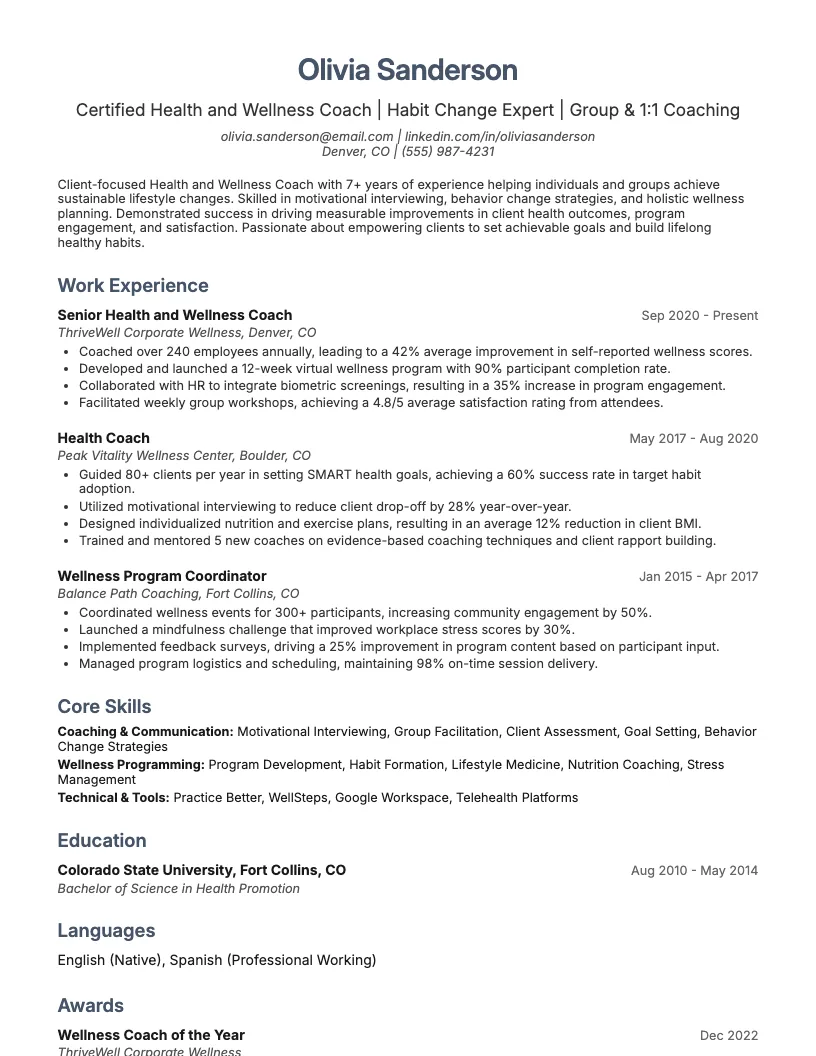 Click to enlarge
 Click to enlarge Click to enlarge
 Click to enlarge
Common questions about Weight Management Specialist resumes
A Weight Management Specialist resume template is a professionally designed layout tailored for specialists in weight management, making it easy to showcase relevant skills, experience, and certifications. ResumeJudge offers templates that highlight your unique qualifications.
Yes, ResumeJudge's Weight Management Specialist templates are ATS-friendly, ensuring your resume passes automated screening systems commonly used by hospitals, clinics, and wellness centers.
Use a Weight Management Specialist resume template when applying to roles in hospitals, fitness centers, nutrition clinics, or wellness programs. ResumeJudge templates help you stand out in these specialized fields.
Absolutely! You can easily customize ResumeJudge's templates to fit your experience, skills, and certifications, ensuring your resume matches specific job requirements and personal branding.
Weight Management Specialist templates focus on skills like nutrition counseling and fitness planning, unlike generic templates. ResumeJudge designs these templates to highlight expertise relevant to the industry.
Ideally, your Weight Management Specialist resume should be one page, especially if you have under 10 years of experience. ResumeJudge templates help keep your information concise and impactful.
Yes, ResumeJudge offers templates designed specifically for entry-level candidates, helping you highlight relevant education, internships, and certifications to make a strong impression.
Definitely! ResumeJudge templates include sections for certifications like Certified Nutrition Specialist or ACE Health Coach, making it easy to showcase your credentials.
Yes, ResumeJudge's Weight Management Specialist templates are versatile and suitable for both clinical environments and fitness centers, helping you tailor your resume for each setting.
ResumeJudge templates are designed to highlight your most relevant skills, achievements, and certifications, making it easier for employers to quickly see your fit for the Weight Management Specialist role.
Explore more professional resume examples to inspire your job search
Use our AI-powered resume builder to create a professional, ATS-friendly resume in minutes.
Free to use • No credit card required