ResumeJudge
Database Developer Resume Example
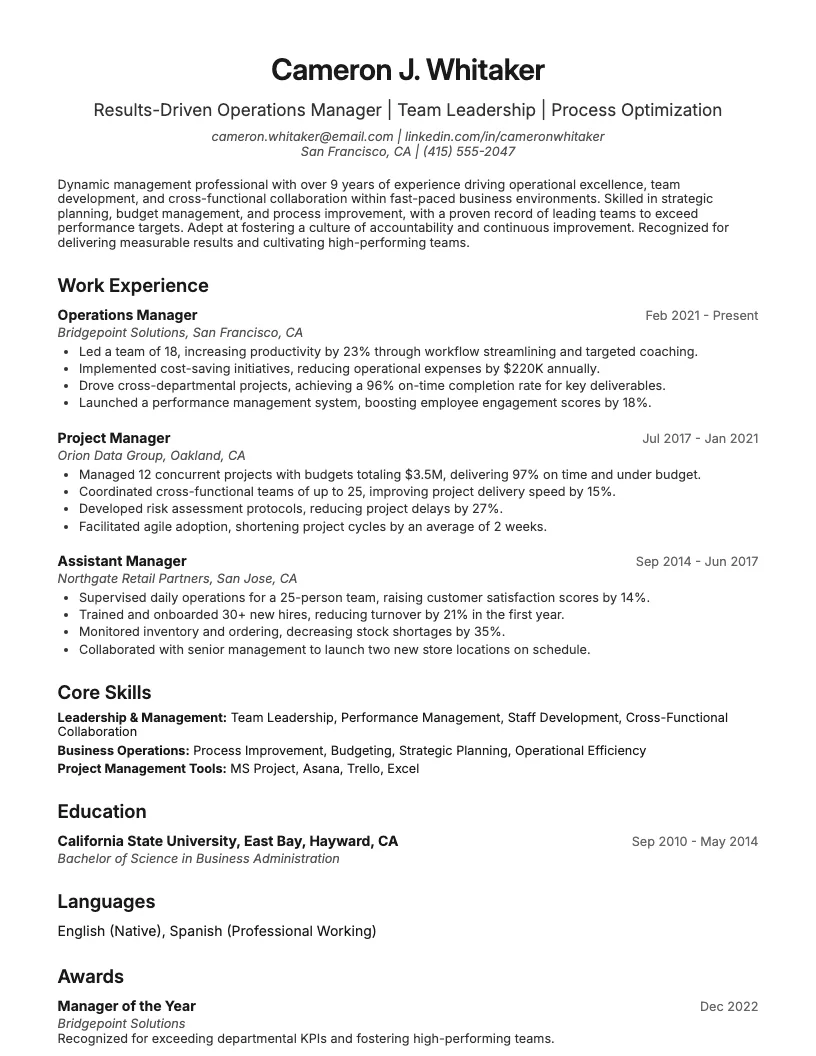
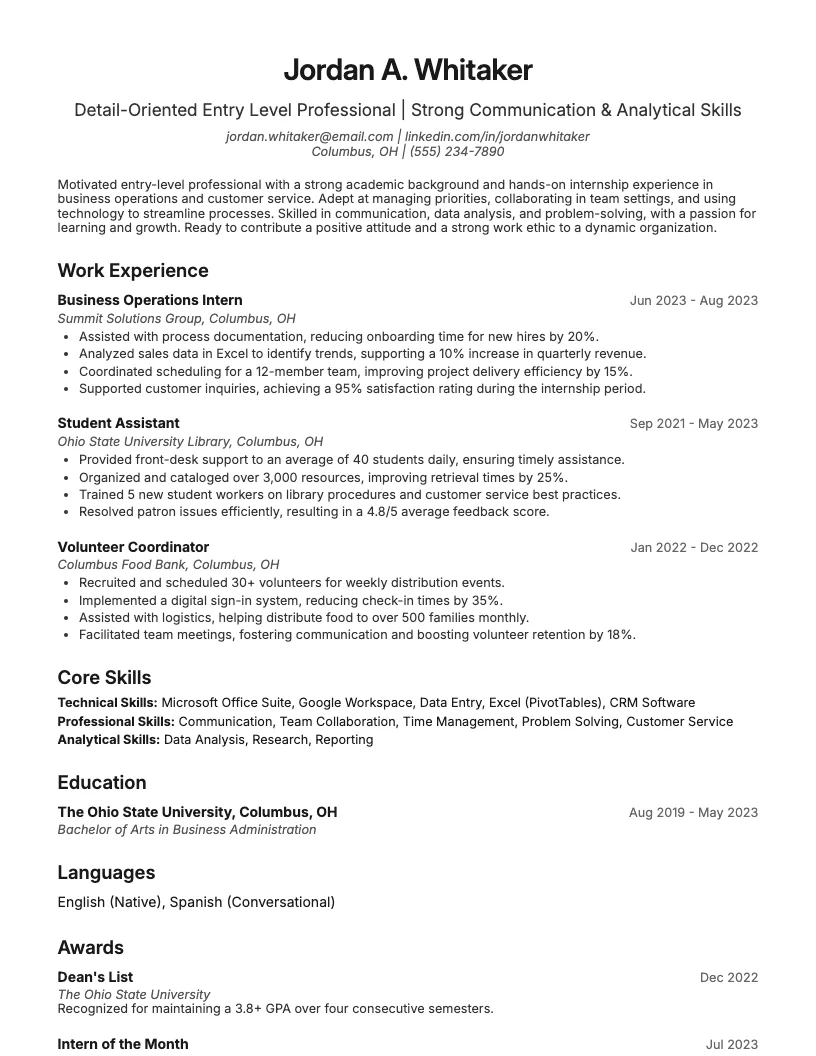
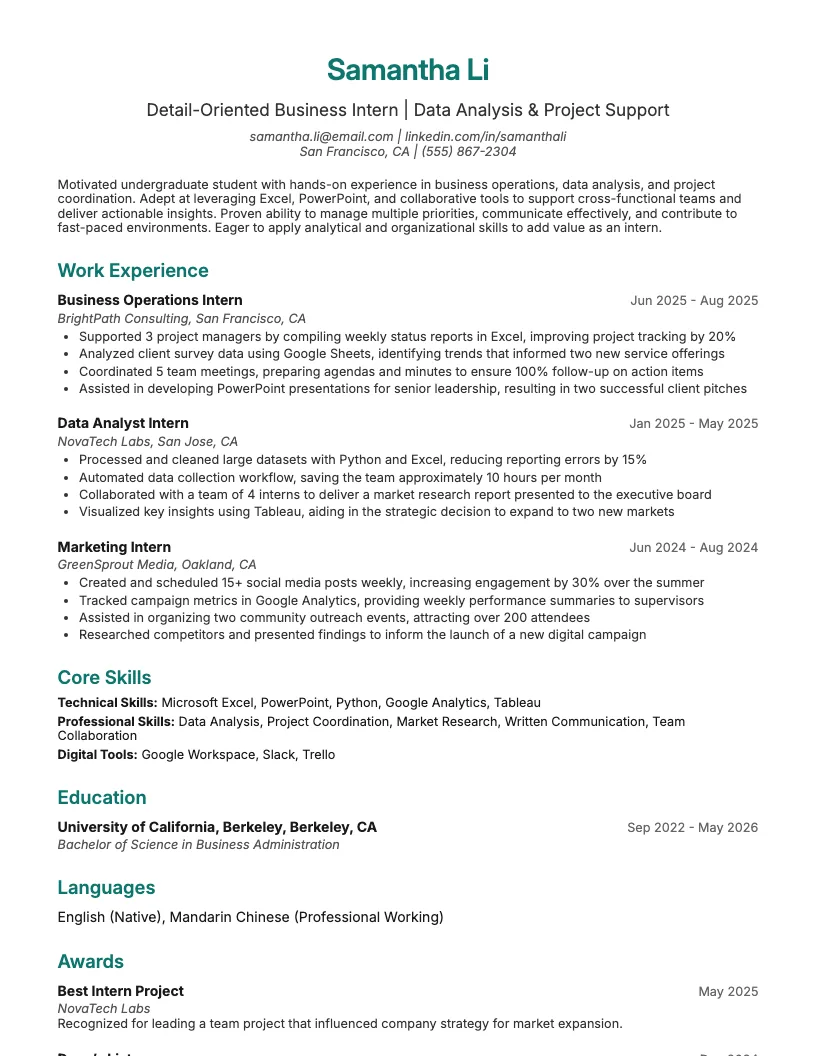
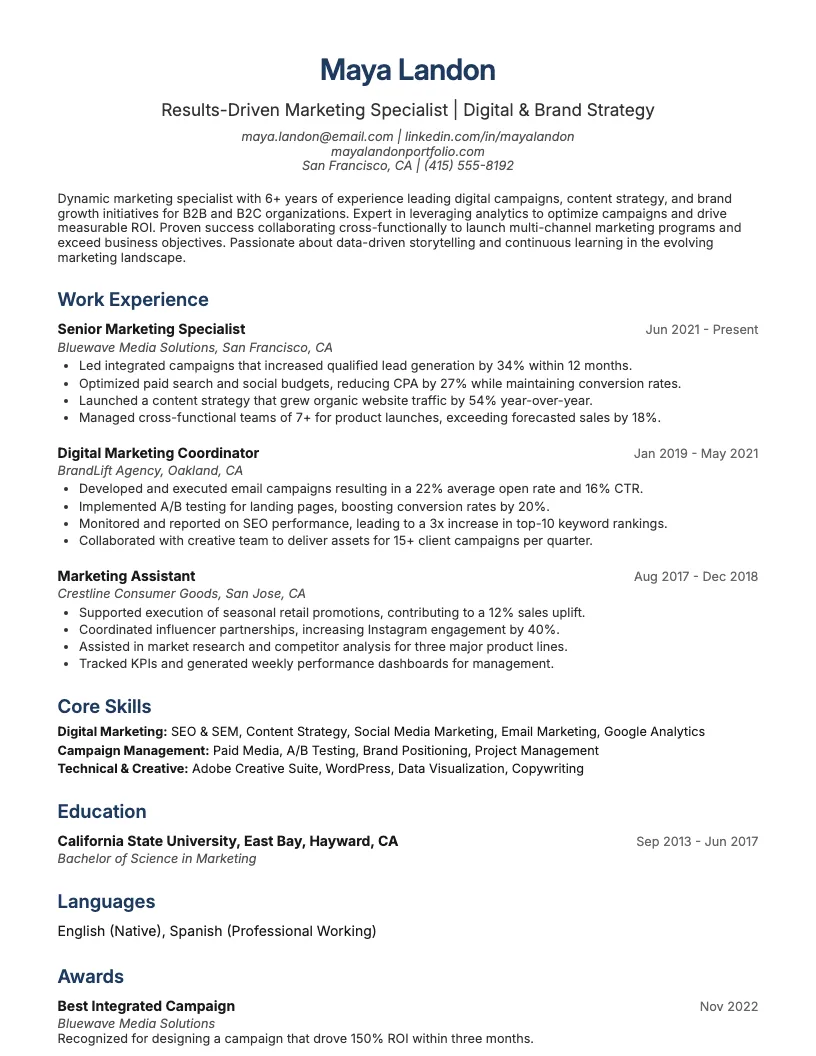
See full guide on Database Developer resumes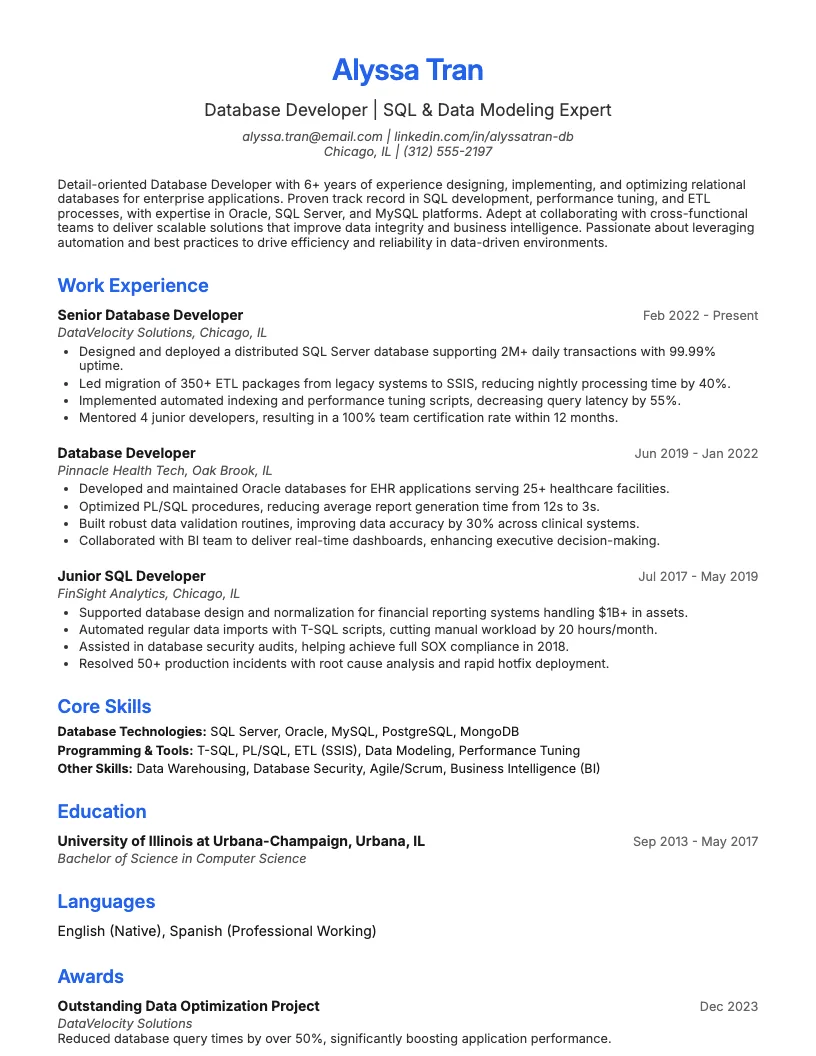 Click to enlarge
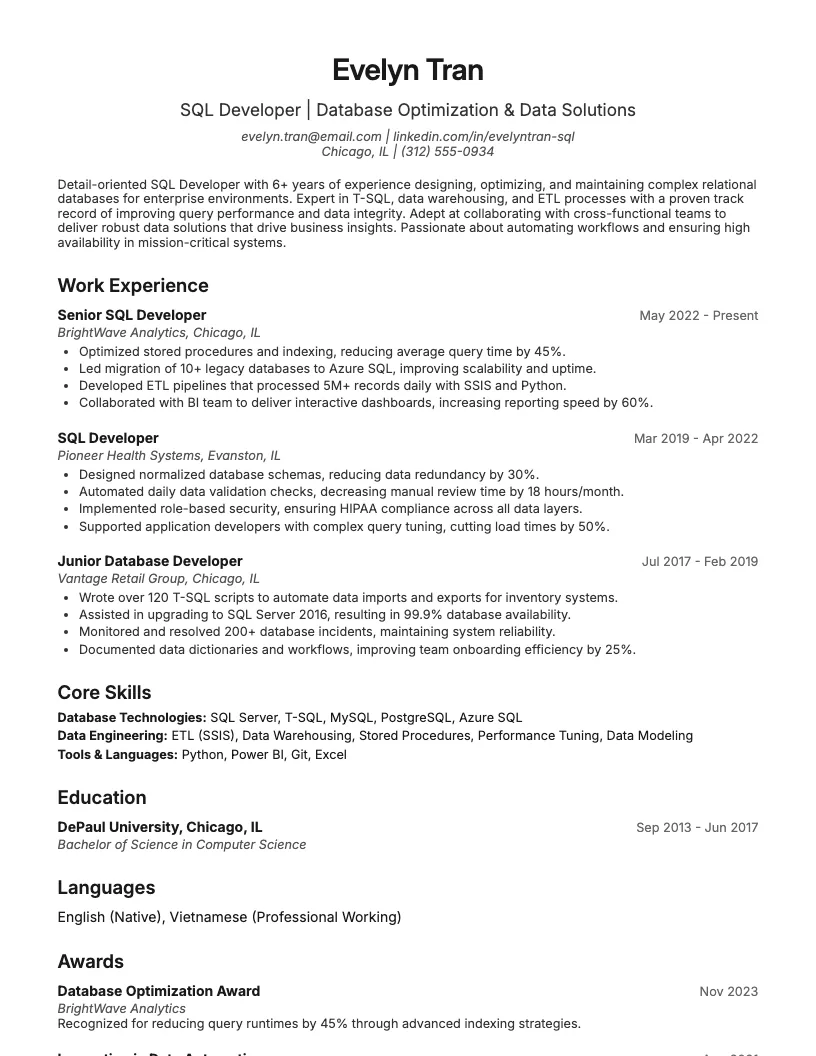 Click to preview

Get inspired by 62+ professional Sql Developer resume examples, each written by career experts and optimized to pass ATS scans. Pick a proven template, tailor it to your role, and download a polished resume in minutes.
Pick the specialization closest to your target role and start from a proven resume example.
Every SQL developer job asks for something a little different. I see employers focus on experience, certifications, and specific database tools.
You might be just starting out, or maybe you’re leading a team. There are tons of ways to show off your SQL skills on your resume.
Some roles need advanced PL/SQL or T-SQL. Others want consultants or data architects. I’ll break down what works for each path.
If you’re just starting out as an SQL developer, your resume needs to highlight coursework, internships, and any hands-on SQL projects. Employers often look for 1-2 years of experience.
I focus on skills like basic query writing, database design, and data manipulation. Listing software tools like SQL Server Management Studio or MySQL Workbench helps, even if you learned them in school.
Showcase team projects, freelance gigs, or internships where you used SQL. This shows you’re ready for real-world problems. Quantify your impact-like “optimized three queries, improving report speed by 20%.”
If you’ve got over five years in SQL development, you want your resume to show leadership, big project wins, and impact. Highlight enterprise-scale databases and cross-team collaboration.
I always focus on quantifiable results-like optimizing queries that cut runtime by 80%, or managing multi-terabyte data environments. These specifics prove deep technical expertise.
Use bullet points that feature mentoring, process improvements, and automation. This helps recruiters see your value in senior-level roles and sets you apart from entry-level candidates.
If you work with PL/SQL, Oracle, MS SQL, BI, T-SQL, or Azure, your resume needs to show those niche skills right up front. Employers search for specific tool experience.
I always highlight certifications like Oracle Certified Professional or Microsoft Azure Fundamentals. These prove I’ve got hands-on expertise-sometimes that’s what gets my application noticed first.
Detail project impact with numbers. For example, mention optimizing a T-SQL procedure to cut query time by 40%, or building BI dashboards for 100+ users—if you’re applying for BI roles, check out this cover letter for inspiration. This helps you stand out.
SQL developers do more than just write queries. Analyst roles focus on data trends, building dashboards, and translating business needs into insights. It’s all about telling the story with numbers.
If you’re a consultant, you work with different clients, solve unique problems, and often manage multiple databases or migrations at once. You need to show flexibility and project delivery skills.
Architects design scalable systems and oversee data integrity across teams. Project managers and team leads coordinate schedules, budgets, and code reviews-think leadership and documentation, not just technical skills.
When you tailor your resume, highlight role-specific achievements. For example, mention leading a team of 6, or rolling out a data warehouse migration that saved 20% in costs—details you can also emphasize in a cover letter.
If you’re looking for database developer resume examples, focus on projects where you build, maintain, and optimize database systems. I always mention specific technologies like SQL Server, PostgreSQL, or MySQL.
I highlight experience with data modeling, ETL pipelines, and schema design. Recruiters look for quantifiable results-think 50% faster query times or 100,000+ records handled daily.
You should include collaboration with app devs or analysts. Show how you streamline processes or improve data integrity. This helps you stand out from general SQL roles.
This wraps up the examples. Pick the one closest to your background and tailor it to your own achievements.
If you want to get noticed as an SQL developer, nailing the resume format is key. Most companies use applicant tracking systems to screen resumes.
A good format highlights your experience and skills with clear sections. You want recruiters to spot your strengths quickly, without digging through clutter.
When I build a SQL developer resume, I always start with the basics: header, summary, skills, experience, and education. These sections help recruiters scan your profile quickly.
You want to highlight your technical skills-think SQL, database management, and tools like MySQL or Oracle. This shows you meet the job’s core requirements right off the bat.
Make sure you include a professional experience section. Here, I like to list projects where I improved database performance or optimized queries, with numbers if possible.
Certifications, like Microsoft Certified: Azure Database Administrator Associate, and a section for standout projects can give your resume extra credibility. This helps you stand out from the crowd.
Recruiters want to see solid SQL skills and hands-on experience with major database systems-think SQL Server, MySQL, or Oracle. You should highlight tools you actually use.
Show off your query optimization chops. Mention how you speed things up or reduce server load. Recruiters like seeing metrics-for example, “reduced query time by 30%.”
You need to prove you can handle data modeling and ETL processes. If you’ve built reports or dashboards, list the tools. This shows you’re more than just a coder.
Wrap up your resume so it’s easy to scan and directly addresses what hiring managers care about. Keep it tight, real, and results-focused.
Recruiters want to see how you use SQL skills on real projects. Your resume experience section is where you show off what you actually do at work.
Focus on database projects, tools you use, and the business impact of your work. It’s smart to highlight specific technologies, like Oracle or MySQL, that match the job description.
You don’t need thirty bullet points. Just show the results you deliver and how you help teams with your SQL expertise.
When I write my SQL developer resume, I use numbers to show real impact. Recruiters notice specific results, not just technical buzzwords or generic statements.
You can highlight things like performance gains, number of databases managed, or data volume handled. For example, “Optimized queries to reduce processing time by 40%” looks much stronger.
There are always ways to measure your work-track error reduction, team collaboration wins, or efficiency improvements. This helps your experience stand out and feels more credible.
If you’re just starting out, I always say put your education and certifications up top. This shows you’ve got the technical chops, even if you haven’t held a formal role.
You can also highlight personal projects or freelance gigs where you use SQL. Even basic data analysis projects or database designs count-especially if you can share numbers or results.
Don’t forget about soft skills. I see lots of hiring managers looking for problem-solving and teamwork, not just coding. This helps round out your profile and makes you stand out.
When I write a SQL Developer resume, I always focus on the skills section. Hiring managers look for a mix of technical and soft skills every time.
You want to highlight technical skills like database design and query optimization. But don’t skip soft skills like problem-solving and teamwork. Both matter to land interviews.
You want your resume to spotlight technical skills that match the job description. I always start with SQL, T-SQL, and strong database management experience.
There are tons of tools and platforms in the SQL world. Think database design, ETL processes, and query optimization. These show you know how to build, manage, and improve databases.
It helps to mention skills like data modeling, reporting, and BI tools. If you use Python, R, or cloud services like AWS RDS, list them. Recruiters love specifics.
You need strong communication skills to explain technical stuff to non-tech teams. I find this helps reduce errors and keeps projects moving faster.
Teamwork is huge in SQL development. Collaborating with QA, data analysts, or product managers helps me deliver better solutions and fix issues much quicker.
Being adaptable matters too. Technology and business needs change fast, so showing you can pivot and learn keeps you valuable in any SQL developer role.
Every SQL developer needs to show off their education and certifications. Hiring managers look for proof that you’ve got the right technical foundation.
Listing your degrees and certifications clearly helps you stand out. You want to make it easy for employers to see your relevant skills right away.
Education and certifications both matter. Most SQL developer jobs ask for a bachelor’s degree or higher, plus proof of technical know-how with recognized certifications.
If you want to stand out as an SQL Developer, stack up on industry-recognized certifications. Microsoft Certified: Azure Data Fundamentals and Oracle Database SQL Certified Associate are both solid choices.
I like to mention the Microsoft Technology Associate (MTA): Database Fundamentals for beginners. It covers the basics and is respected by employers in entry-level roles.
If you’re working with PostgreSQL or MySQL, look into the EDB PostgreSQL Associate or Oracle Certified Professional, MySQL 5.7. These show real, hands-on skills.
Your resume summary or objective is the first thing recruiters read. It quickly shows your experience, skills, and why you fit the SQL developer role.
If you’ve got three or more years on the job, use a summary. New to the field? Go for a resume objective instead.
This section helps you highlight relevant projects, programming languages, and results. Done right, it gets you noticed by both recruiters and applicant tracking systems.
You want your SQL developer resume to stand out. Adding extra sections goes beyond listing jobs and degrees.
Highlighting software expertise, coding languages, or professional groups can show off your skills. These sections give recruiters a bigger picture of what you bring.
You can even share real SQL queries and projects. This lets hiring managers see your technical skills in action.
I always recommend adding an online portfolio to your resume. It lets recruiters see real SQL queries, database designs, and dashboards you’ve built-way more convincing than just bullet points.
You can use free sites like GitHub, GitLab, or even a personal website. Over 70% of tech recruiters say they check portfolios to spot top candidates.
Linking to your portfolio right on your resume saves hiring managers time. It also shows off your technical skills and your ability to document and share work clearly.
Landing a SQL developer job starts with a clear, well-organized resume. Hiring managers and applicant tracking systems both notice good structure.
You want to showcase your technical skills, highlight certifications, and use numbers to show impact. Using keywords from job descriptions helps your resume get noticed.
I always start by gathering the job description and highlighting the must-have skills. This saves me time and helps me focus on what really matters.
You want to show your impact-use numbers. For example, mention reduced query time by 40% or created 15+ stored procedures. This gives your work real weight.
Don’t forget to tailor your resume for each job. Swapping out keywords and tools can help your resume pass through applicant tracking systems and land in front of a real person.
I know SQL developer roles are just one path in data and IT. There are dozens of options if you’re interested in tech or analytics.
You might want to check out other resume examples if you’re exploring roles in business intelligence, data engineering, or IT management. Each one highlights different skills and tools.
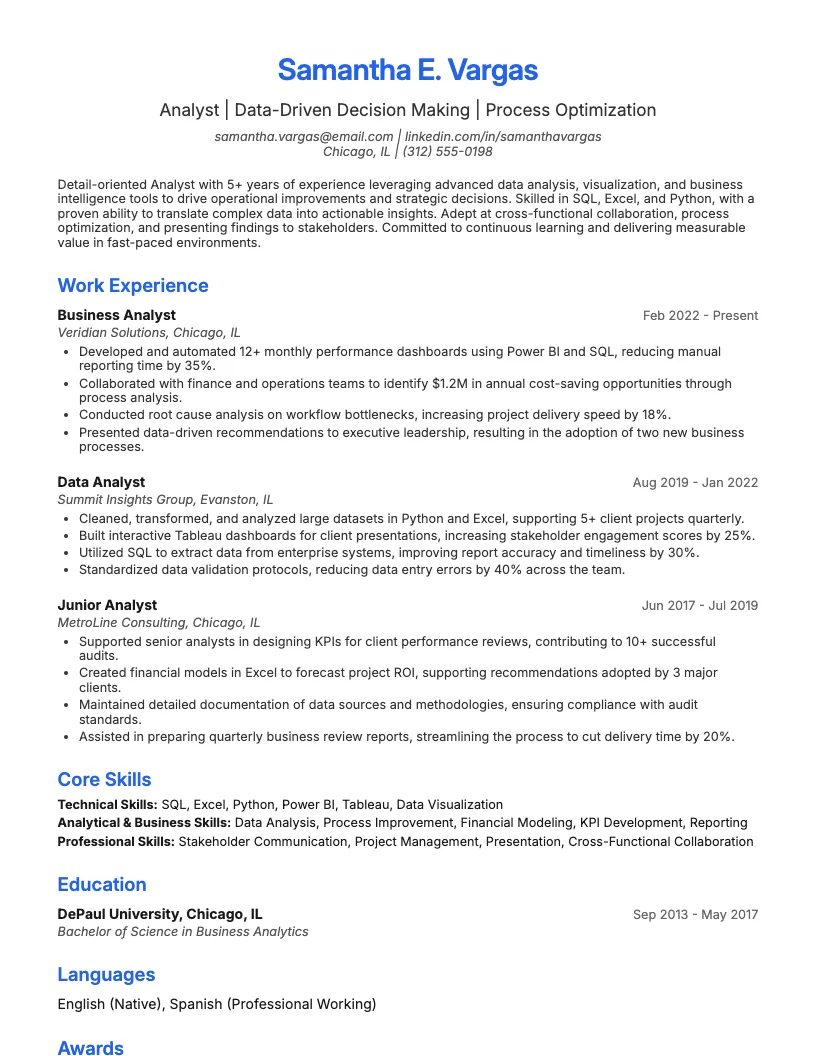
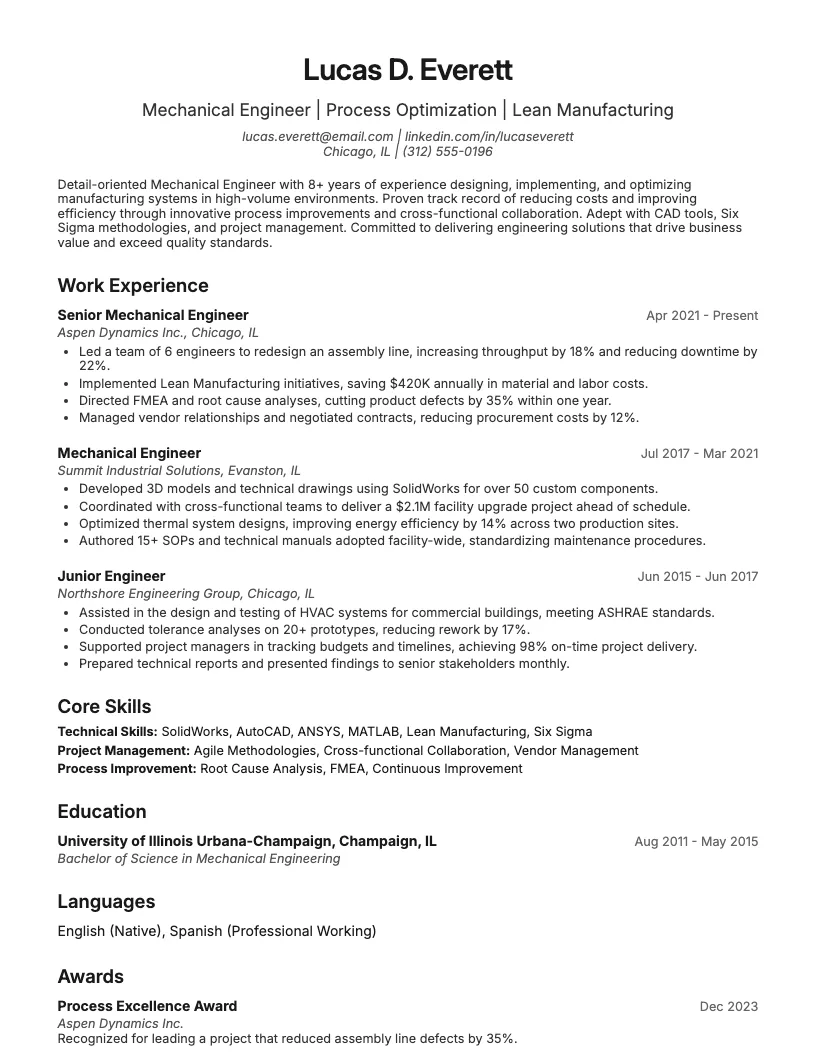
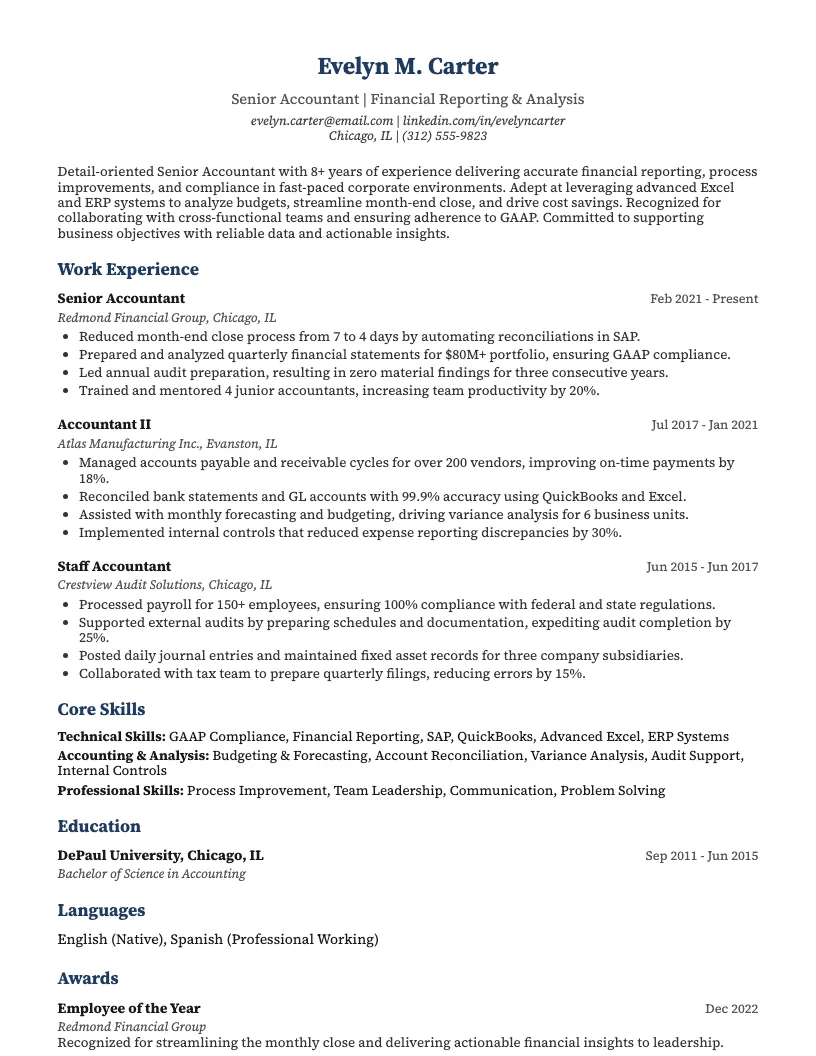
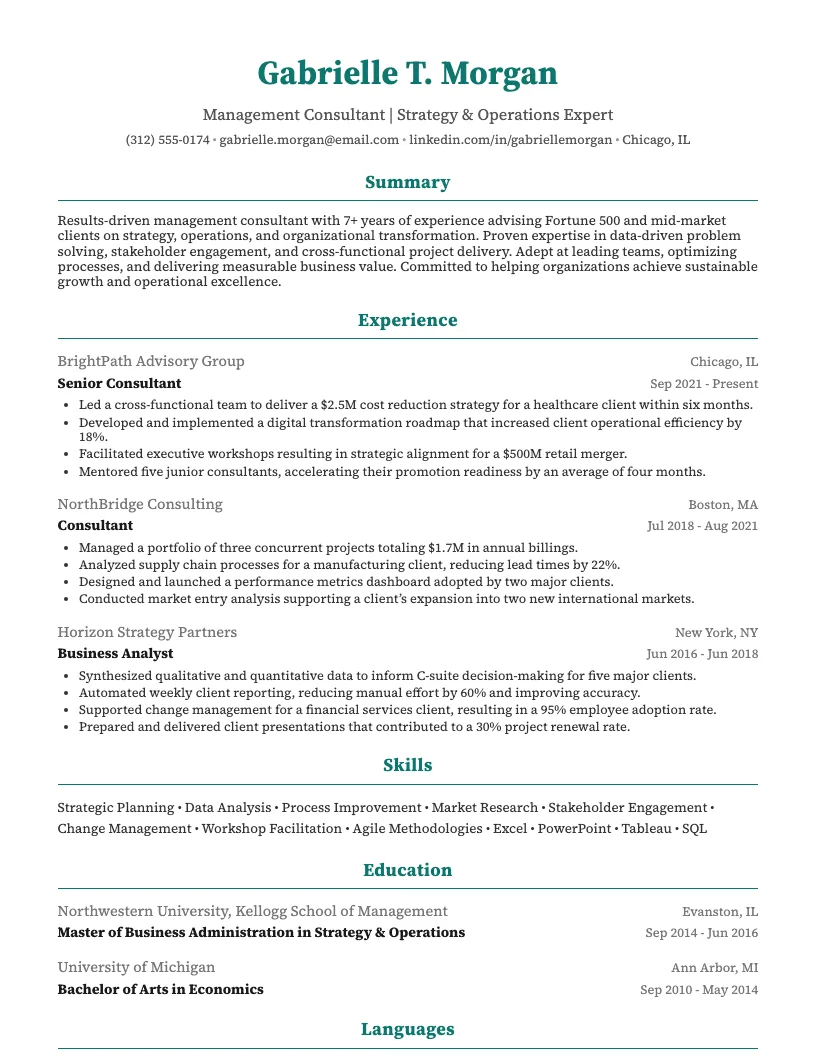
Browse Sql Developer resume examples for related roles. Preview any example, open it in the builder, or read its full guide.
Click to enlarge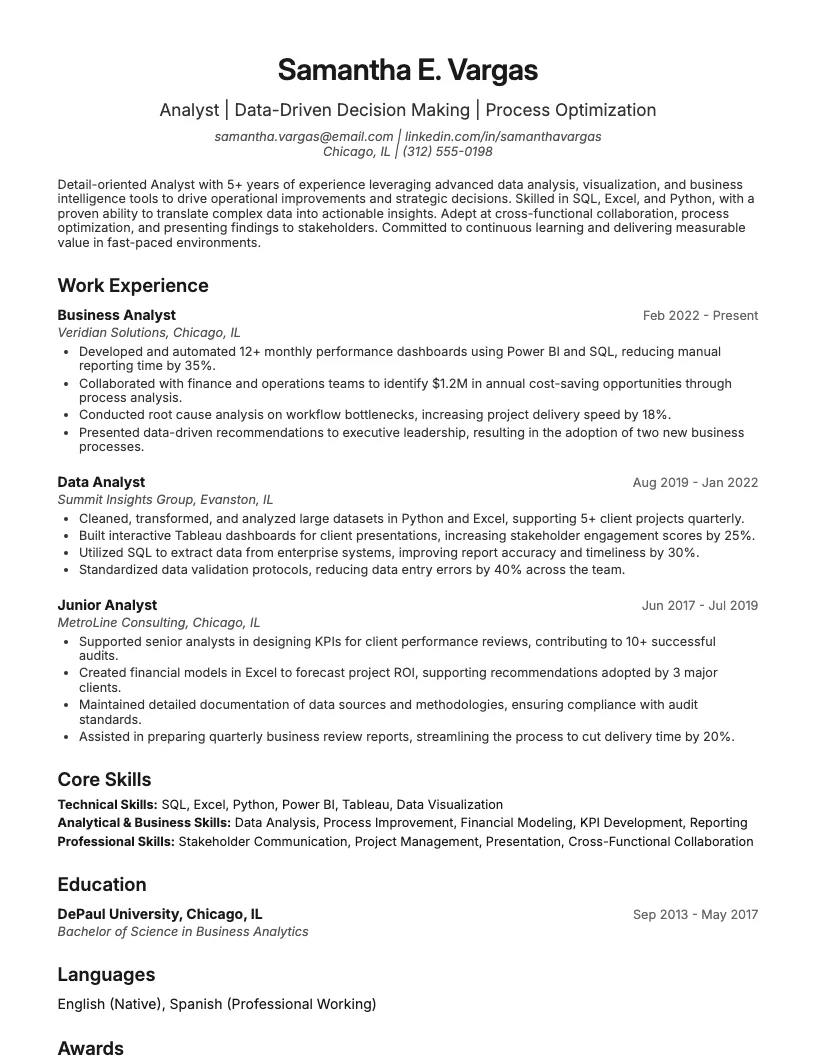 Click to enlarge
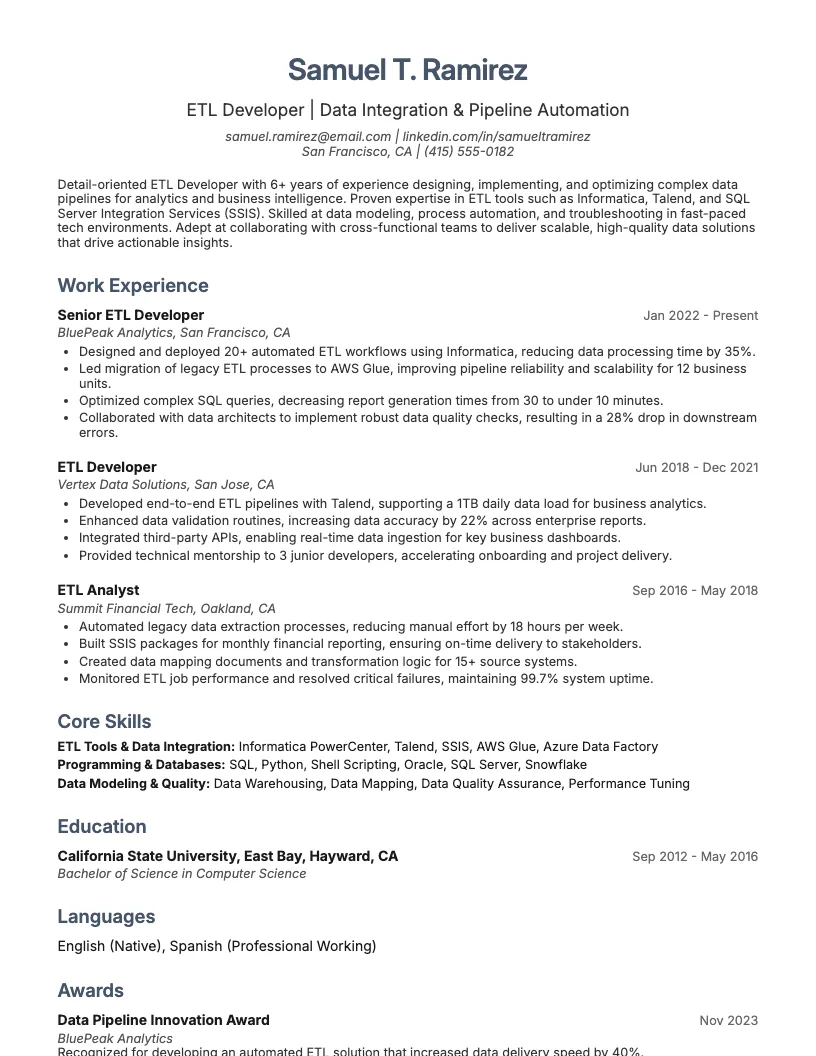 Click to enlarge
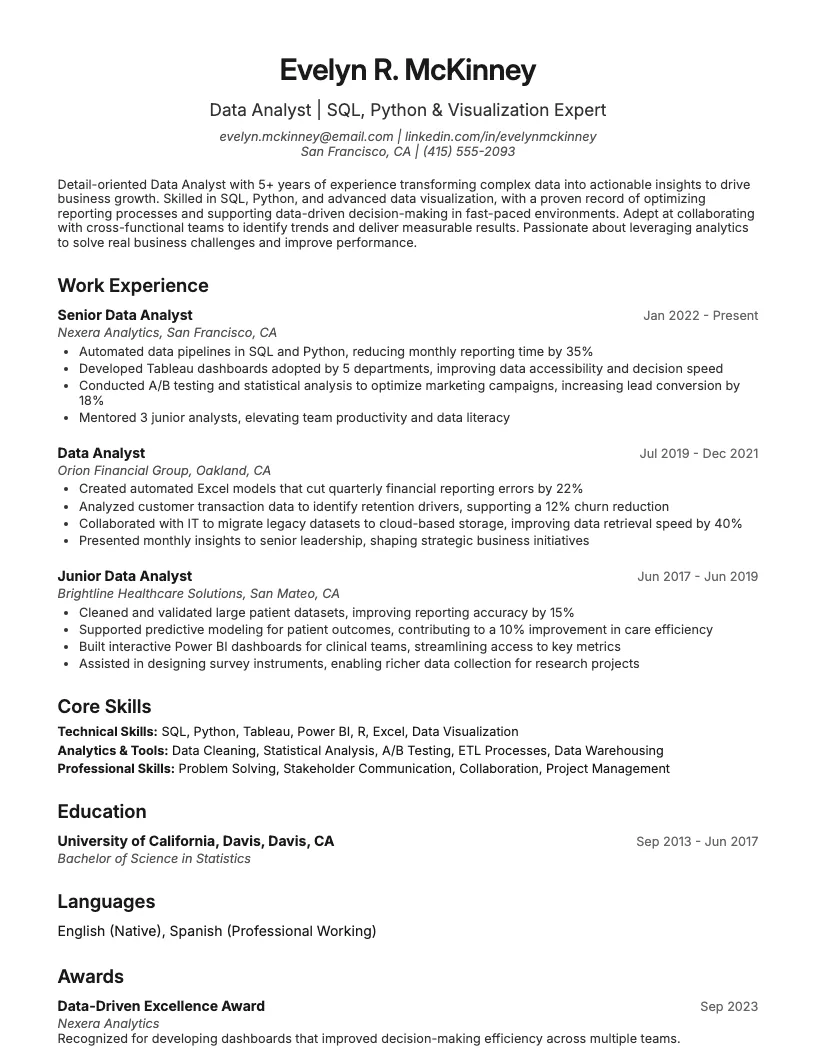 Click to enlarge
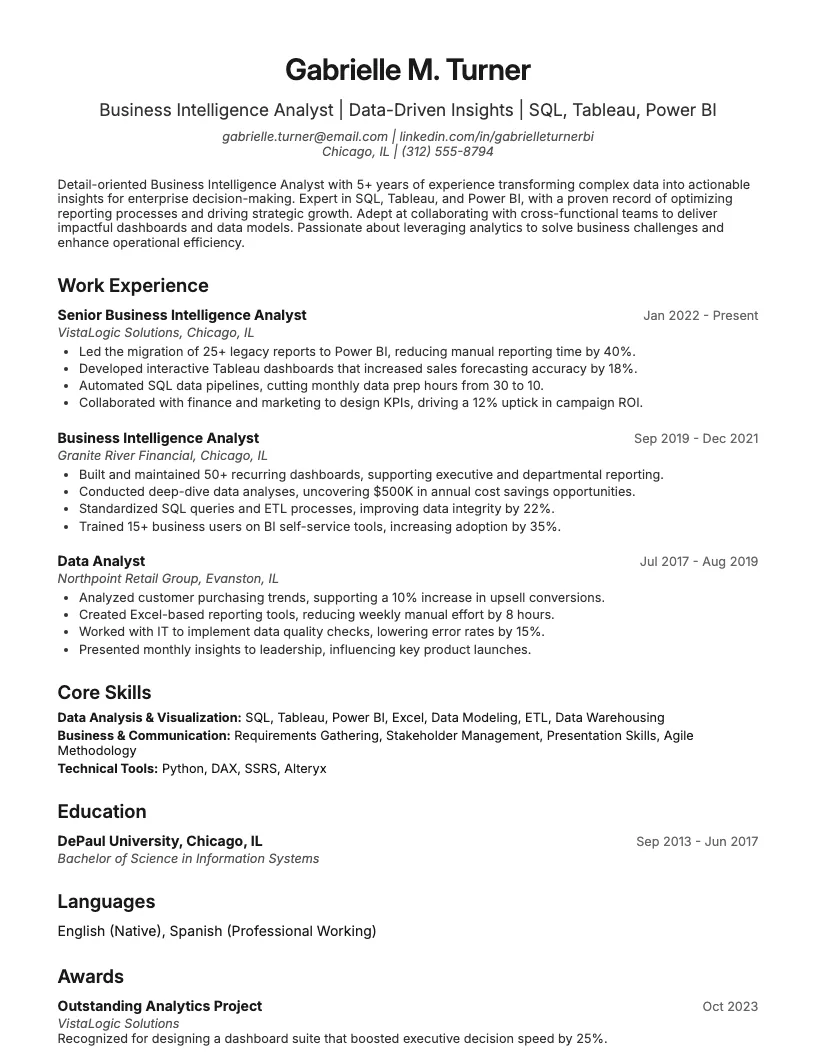 Click to enlarge Click to enlarge
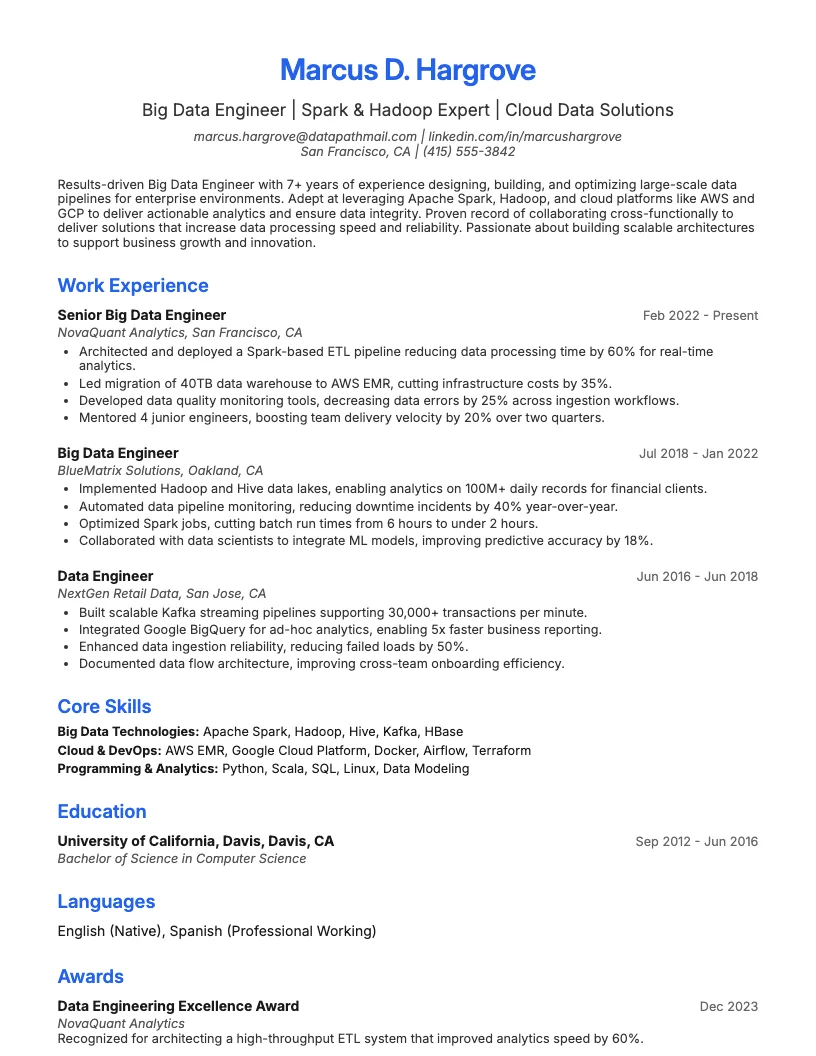 Click to enlarge
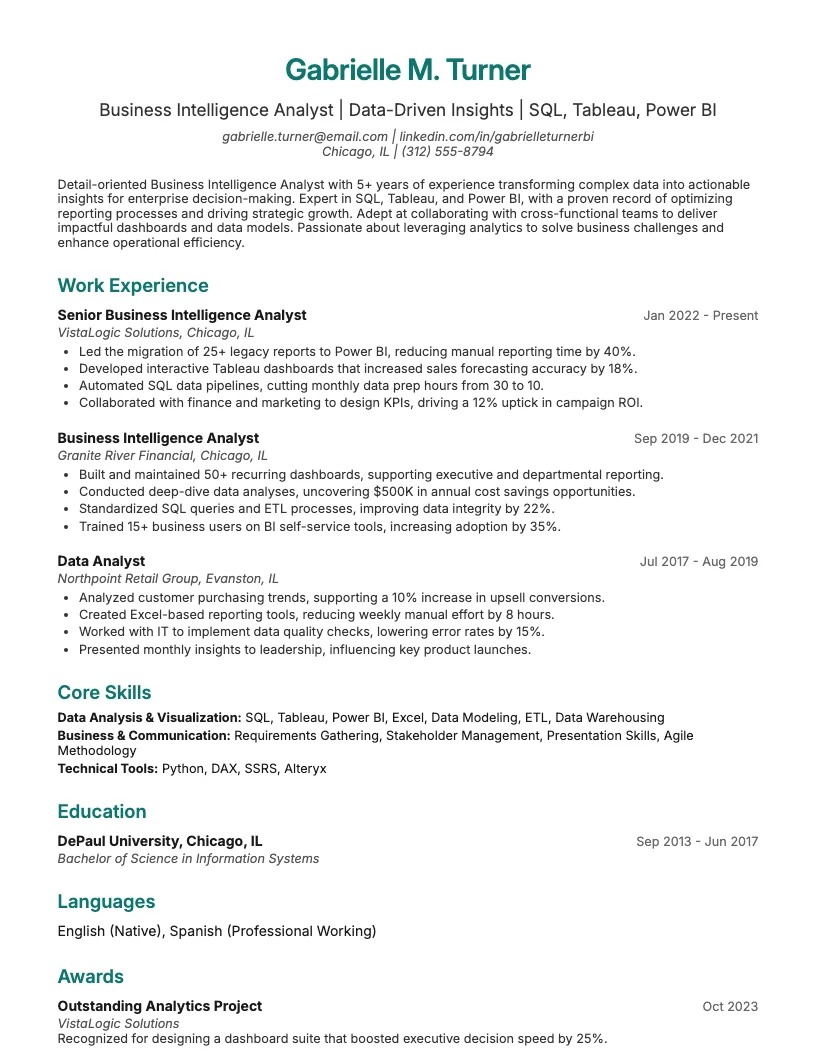 Click to enlarge
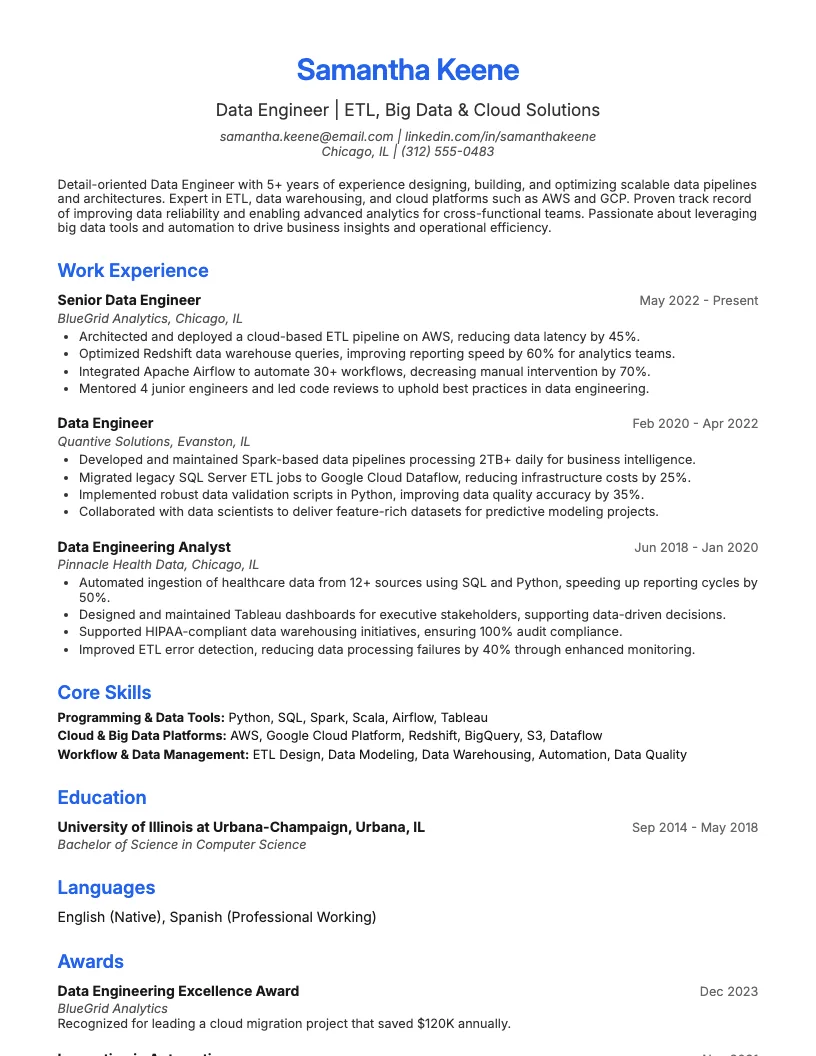 Click to enlarge
Common questions about Sql Developer resumes
A SQL developer resume template is a pre-designed layout tailored for SQL professionals. It highlights skills, experience, and certifications relevant to database roles, helping you present your qualifications clearly.
Yes, most SQL developer resume templates are designed to be ATS-friendly, ensuring your resume passes automated screenings. ResumeJudge offers optimized templates that use clean formatting and relevant keywords.
Use a SQL developer resume template when applying to roles in tech, finance, healthcare, or any industry needing data management. ResumeJudge helps you stand out for positions like database administrator or data analyst.
Absolutely! You can easily customize a SQL developer resume template to match your experience, skills, and the job description. ResumeJudge makes editing simple, so your resume fits any SQL role.
SQL developer templates focus on technical skills, database tools, and certifications, while general templates may not highlight these areas. ResumeJudge ensures your expertise is front and center for tech recruiters.
A SQL developer resume should typically be one page, especially if you have less than 10 years of experience. ResumeJudge templates help you keep content concise and relevant for quick recruiter review.
Yes, most SQL developer resume templates include a section for certifications like Microsoft SQL Server or Oracle. ResumeJudge makes it easy to showcase these credentials for added credibility.
Highlight skills like SQL querying, database design, performance tuning, and familiarity with tools like MySQL or PostgreSQL. ResumeJudge templates suggest relevant skills for your target job.
Definitely! Entry-level candidates can use these templates to emphasize technical coursework, internships, and project experience. ResumeJudge offers templates tailored for all experience levels.
Yes, you can adapt a SQL developer resume template for freelance or contract roles by highlighting project-based work and multiple clients. ResumeJudge helps organize this information clearly for potential employers.
Explore more professional resume examples to inspire your job search
Use our AI-powered resume builder to create a professional, ATS-friendly resume in minutes.
Free to use • No credit card required