Paralegal Resume Example
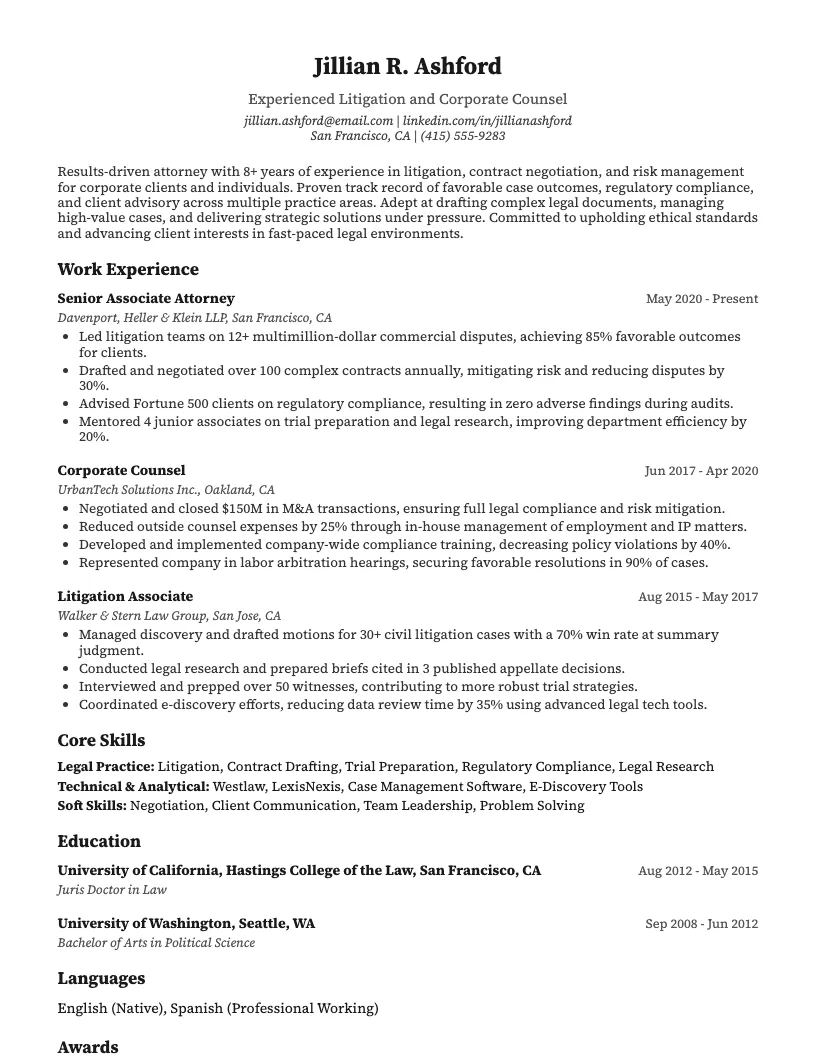
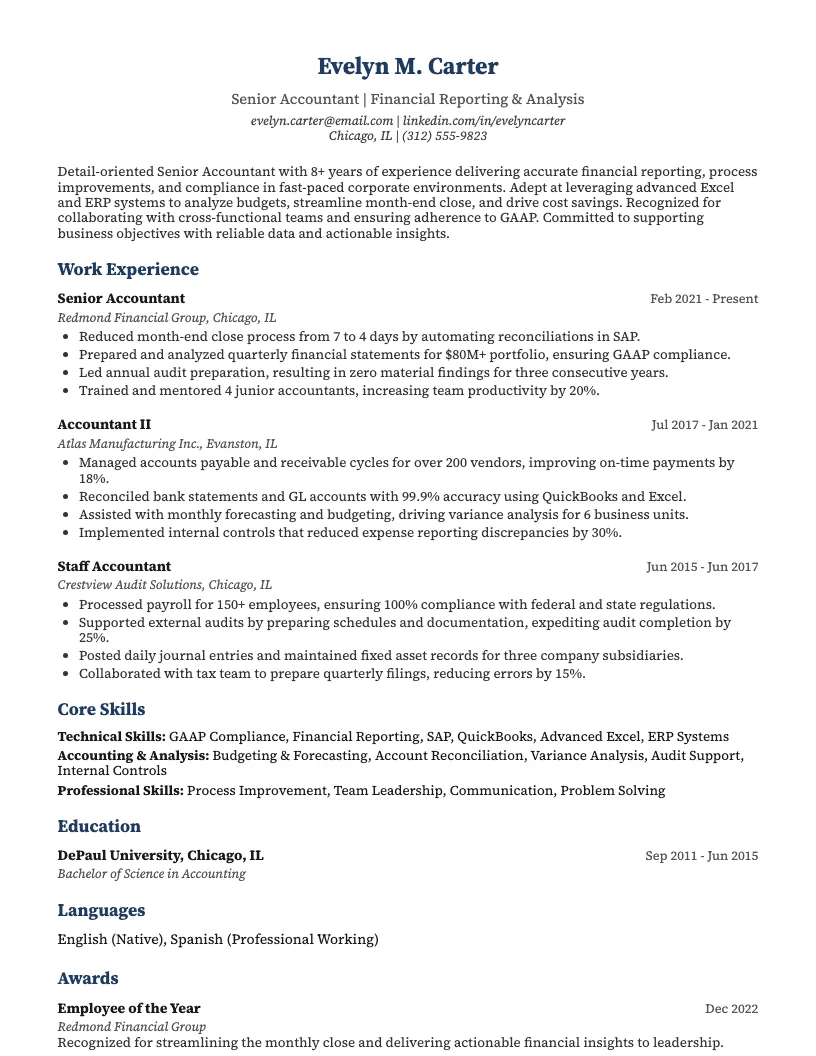
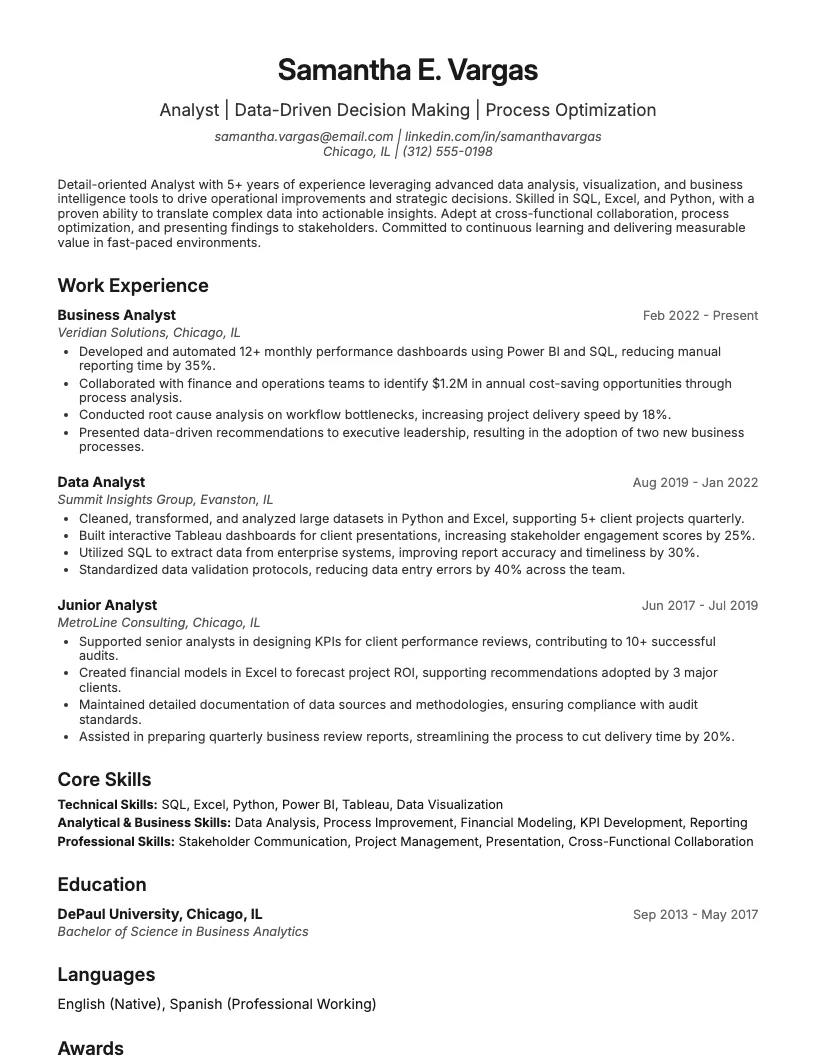
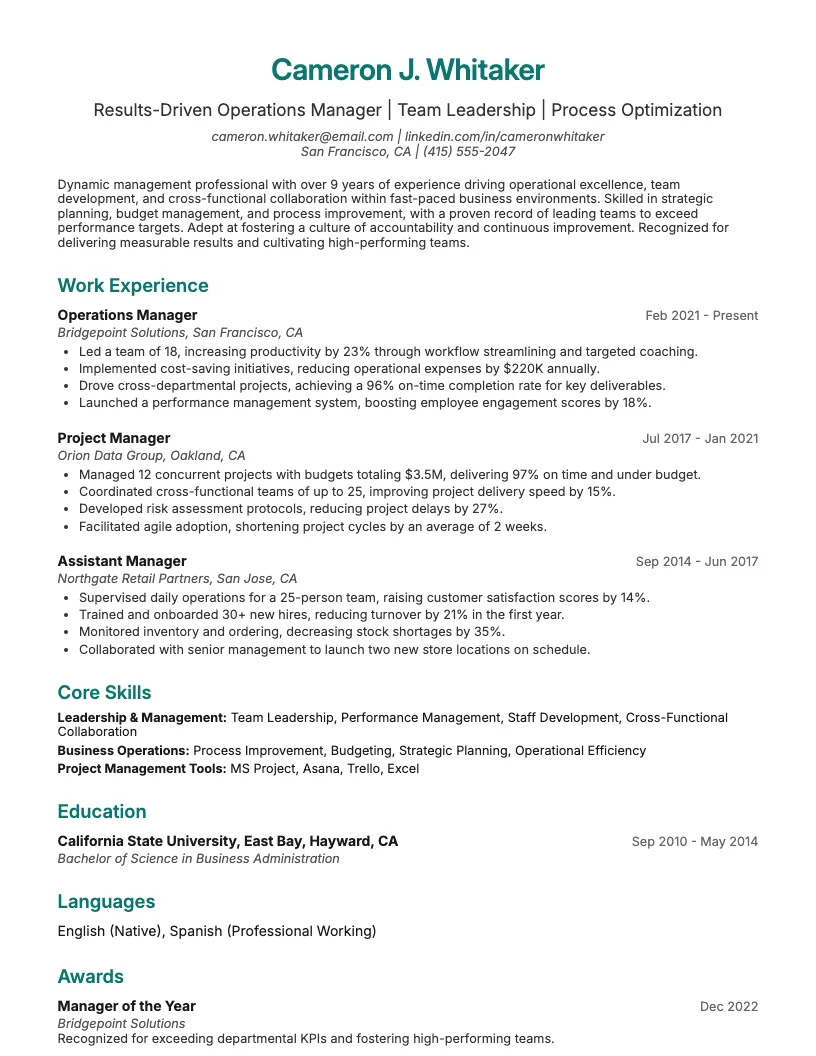
See full guide on Paralegal resumes Click to enlarge
 Click to preview

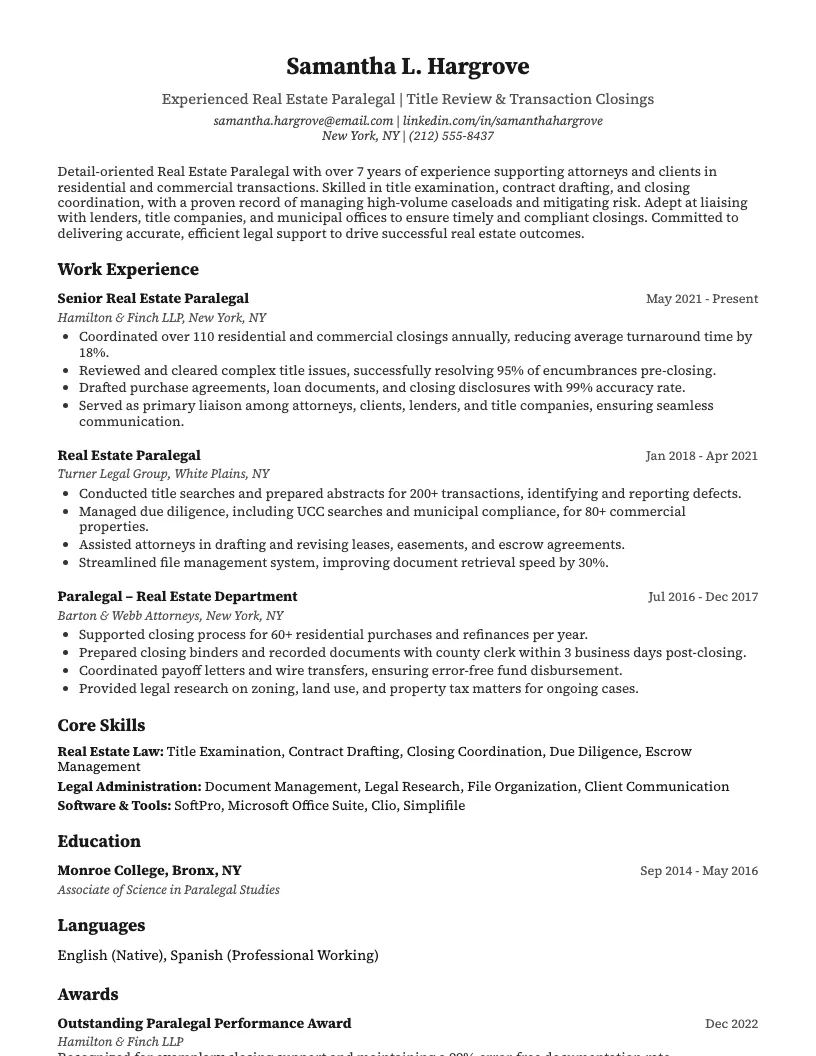
Get inspired by 50+ professional Real Estate Paralegal resume examples, each written by career experts and optimized to pass ATS scans. Pick a proven template, tailor it to your role, and download a polished resume in minutes.
Pick the specialization closest to your target role and start from a proven resume example.
If you’re curious about what a strong real estate paralegal resume looks like, you’re in the right spot. I’ll break down what matters most.
I show you how to highlight your legal experience, technical skills, and attention to detail. This example uses real numbers and credentials that employers expect to see.

If you want recruiters to notice you, your resume format matters. A clear layout shows off your skills and keeps everything easy to read.
I always focus on highlighting both technical know-how and legal experience. The right format helps your strengths stand out fast.
Let’s break down what works best, which sections to include, and what hiring managers expect from your resume.
The right resume format helps you stand out in real estate law. I see three main options: reverse-chronological, functional, and combination. Each suits different backgrounds.
If you already have experience, reverse-chronological works best. It puts your latest roles and achievements up front. Recruiters like this-over 70% prefer it for legal resumes.
New to the field or changing careers? Try a functional format. This lets you highlight skills, certifications, and relevant coursework-especially handy if you don’t have much direct experience.
Want to show off both your skills and your work history? Go for a combination format. This blends the best of both worlds, so you can cover all your bases.
Start with an objective statement. This is your chance to highlight what you want and what makes you a great fit for real estate law.
Add a strong skills section. Focus on things like title review, contract drafting, closing coordination, or legal research. List 5-8 specific skills that match real estate paralegal work.
Detail your work experience next. Use bullet points to call out your legal tasks, volume of transactions, and any software you use-think Clio or NetDocuments.
Include your education and certifications. If you have a paralegal certificate, real estate license, or any legal tech certifications, put them front and center.
Wrap up with a references section, if you have space. This helps show your credibility, especially if your references work in the legal or real estate field.
Recruiters spot relevant legal experience first. If you’ve handled real estate closings, title reviews, or lease agreements, call that out. This proves you know the ropes.
They also check for attention to detail. Typos or formatting errors can tank your chances. Double-check every line-accuracy is everything for legal work.
Strong organizational skills matter, too. If you manage 30+ files or juggle multiple deadlines, say so. This shows you can handle a busy real estate practice.
Don’t forget legal tech. Listing tools like SoftPro, DocuSign, or e-filing platforms gives you an edge. Tech skills make your workflow smoother and faster.
Wrap up by showing your communication skills. Drafting clear documents and working with clients or lenders is key. Give examples that prove you’re a solid communicator.
Your resume summary or objective can make a big difference. It’s the first thing recruiters read, and it sets the tone for your whole application.
If you’ve got two or more years of experience, a summary usually works best. It quickly shows off your skills and results.
If you’re new or switching careers, an objective can help. It lets you highlight your goals and what you want to bring to the table.
Choosing between the two depends on your background and what you want from your next job.
When you write your experience section, focus on what you actually do, not just your job title. Get specific about tasks, results, and the tools you use every day.
Show how you handle real estate contracts, support closings, or manage case files. If you boost efficiency or handle big volumes, give real numbers. That helps your resume stand out.
If you're just starting out, don't stress. There are smart ways to show your value, even if you don't have years of experience yet.
When I talk about my work as a real estate paralegal, I back up my achievements with hard numbers. This makes my impact clear and credible.
You can highlight things like the number of closings you helped with, average turnaround time for document prep, or error rates. These concrete stats show your value instantly.
There are lots of ways to quantify success-case files managed, contracts drafted, or compliance rates. Use specific figures to show recruiters exactly what you bring to the table.
Don’t stress about limited legal experience. I focus on transferable skills-like organization, attention to detail, and communication. These show up in customer service or administrative work, too.
Highlight legal software you’ve touched, even if it’s just basic document management tools. Recruiters like seeing LexisNexis or Clio on a resume, even at an entry level.
You can use a skills-based resume format. This helps if your hands-on real estate law experience is minimal, but you have research or project coordination strengths from other jobs.
Research the firm you’re applying to. Bringing up their values or focus areas in your resume or cover letter shows you care and helps you stand out a bit more.
When you build your resume, skills matter just as much as experience. Recruiters often scan for specific abilities before anything else.
You want to highlight both your hard and soft skills. Each type shows a different side of what you bring to the table.
I always recommend focusing on what you’re confident in. It’s better to be honest about your strengths and skip what you can’t back up.
Next, I’ll break down which hard and soft skills are most important for real estate paralegals.
When I build my resume, I focus on the hard skills that matter in real estate law. Employers want to see actual, job-specific expertise front and center.
You should highlight legal research, document drafting, and regulatory compliance. These skills show you handle contracts, closings, and due diligence with confidence.
Knowing software like Clio, MyCase, or even advanced Excel can set you apart. Most real estate firms expect proficiency with at least two legal tech platforms.
Don’t list skills you’re shaky on. Stick to what you use daily-case management, title review, and preparing legal forms. Recruiters spot the difference right away.
Strong communication is key. I regularly explain complex legal terms to clients and coordinate with brokers, lawyers, and title companies-often juggling over 10 deals at once.
Attention to detail really matters. You catch small errors in contracts or closing documents, which helps avoid costly mistakes down the road. This saves both time and money for everyone involved.
Confidentiality is a must. I handle sensitive financial and legal information every day. You should always protect client data and follow privacy rules to the letter.
Adaptability rounds out your skillset. Real estate moves fast-so I adjust quickly to changing deadlines or last-minute negotiations. This helps keep deals moving smoothly.
Pairing these soft skills with your hard skills makes your resume stand out and shows you’re ready for real estate’s fast-paced environment.
Certifications and education really matter if you want to stand out as a real estate paralegal. A lot of employers list specific requirements right in the job posting.
You usually need at least an associate degree to get started. Some firms want a bachelor’s, and more than 50% of paralegals now have one.
Specialized certifications can boost your credibility fast. They show you know real estate law and the legal process. I always recommend highlighting both education and certifications on your resume.
If you’re serious about real estate law, certifications help a ton. NALA’s Certified Paralegal (CP) and NFPA’s Registered Paralegal (RP) are both recognized across the U.S.
You can also go for the NALA Advanced Certified Paralegal (ACP) with a real estate specialty. This shows you’ve got in-depth knowledge in property transactions and title issues.
I always list certifications right under my education. This helps employers spot my credentials fast. Some firms actually require these, so don’t skip them.
Hiring managers see a lot of similar resumes. Adding extra sections can help you stand out in a crowded field.
Highlighting continuing education, achievements, or professional groups helps show your commitment to the field. These details often make a difference when recruiters compare candidates.
I always add a section for continuing education on my resume. It shows hiring managers I’m committed to staying current and growing with the industry.
You can list CLE courses, real estate workshops, or certifications. For example, “Completed 12-hour CLE on commercial leasing, 2023.” Be specific about topics and dates.
This helps your resume stand out, especially if you highlight skills like legal tech or property law updates. Employers notice candidates who invest in learning.
Real estate law has its own set of challenges, no matter your experience. I see new trends every year that change what employers want on a resume.
I break down resume examples for entry-level, mid-level, and senior real estate paralegals. You’ll see what works best at each stage of your career.
Starting your career as a real estate paralegal? I know it can feel overwhelming. Your resume should highlight coursework, internships, or any legal assistant cover letter experience you have.
You want to focus on technical skills like document review, title searches, and using tools like Microsoft Office. Even part-time jobs or volunteer work can show attention to detail.
Showcase your ability to handle multiple tasks at once. Employers like seeing organization and strong communication, especially when you’re new to real estate law.
At the mid-level, I’ve usually got 3-6 years of hands-on real estate law experience. I manage complex closings, draft contracts, and review titles for both residential and commercial deals.
You want to highlight skills like due diligence, escrow management, and working directly with attorneys or lenders. Employers like when you mention handling 20-30 transactions per month.
I always show off any software I use-SoftPro, Clio, or Excel-and certifications like the NALA Certified Paralegal. Including a paralegal cover letter also helps boost credibility and gets more interviews.
If you’re a senior real estate paralegal, your resume needs to show leadership and deep industry know-how. I recommend highlighting experience managing teams and handling complex transactions.
You should quantify your impact. For example, mention if you oversee portfolios worth $50M+ or supervise a team of five junior paralegals. This gives your claims real weight.
It’s smart to call out project management, advanced title review, and negotiation skills. At this level, problem-solving and client management are just as important as legal expertise.
That wraps up the career-level resume examples. No matter where you are in your journey, keep your resume focused and tailored to your real estate experience.
Getting your real estate paralegal resume right isn’t just about listing jobs. It’s about showing your experience, skills, and results in a way that stands out.
You want hiring managers to see your attention to detail and your knowledge of real estate law. The right resume format and content help you get noticed.
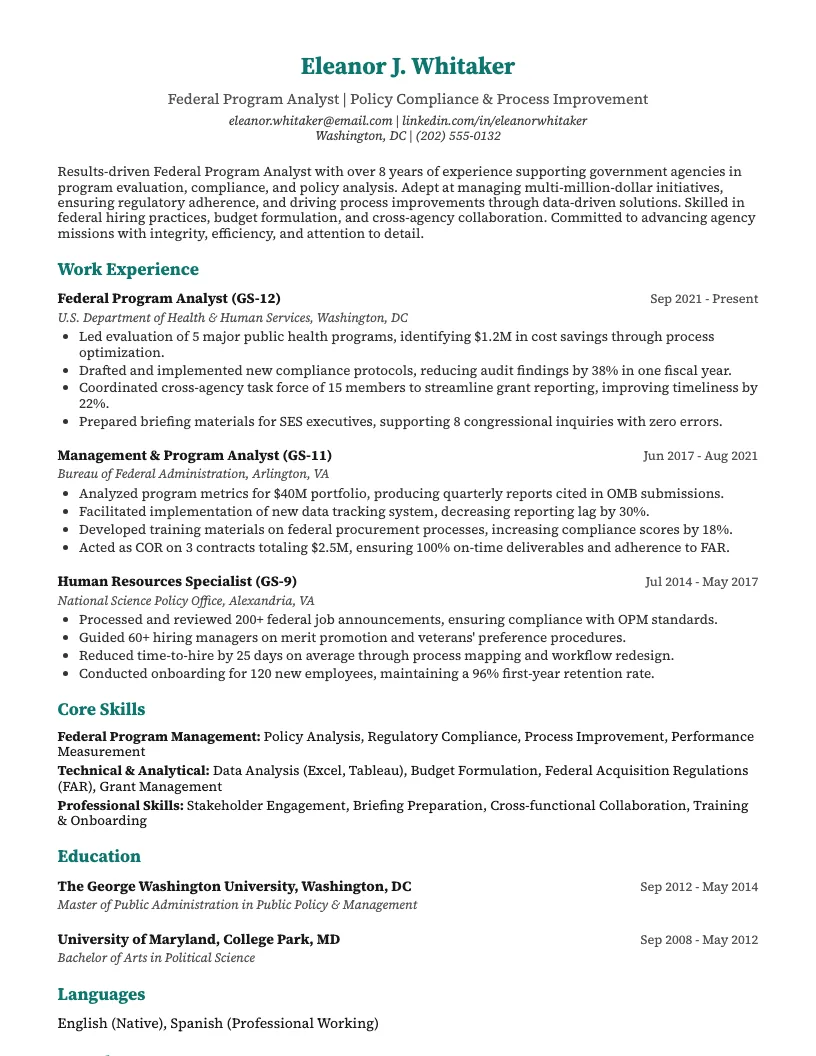
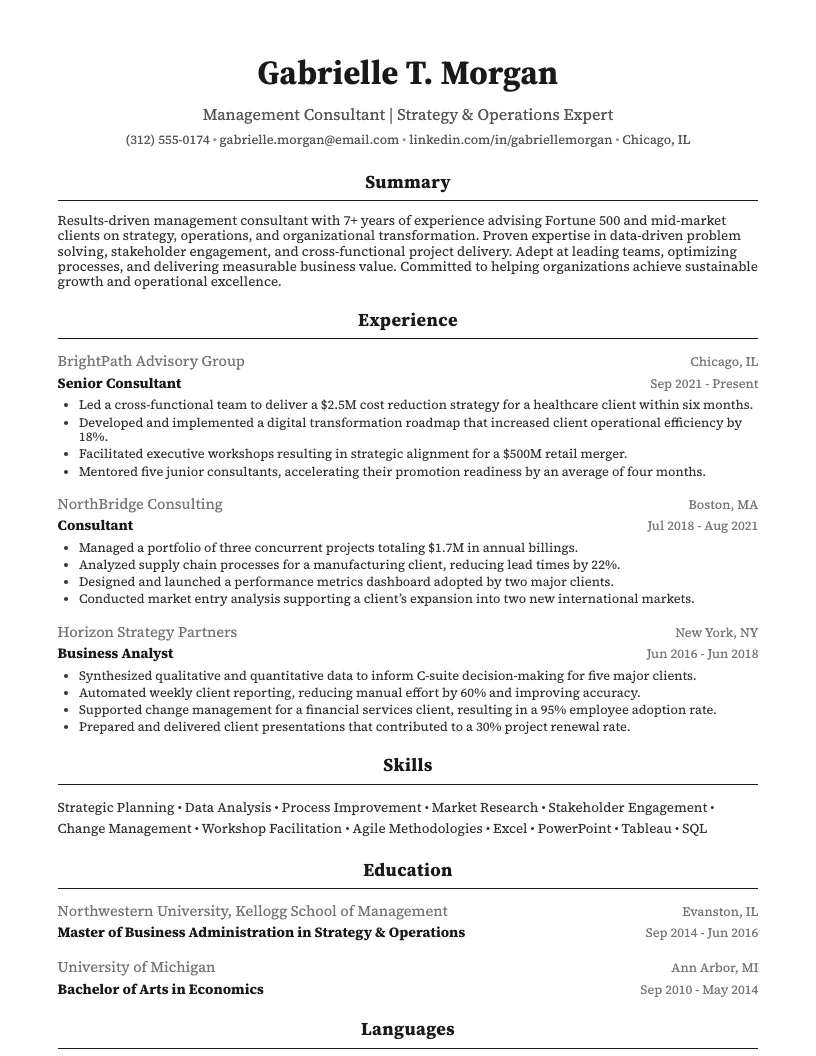
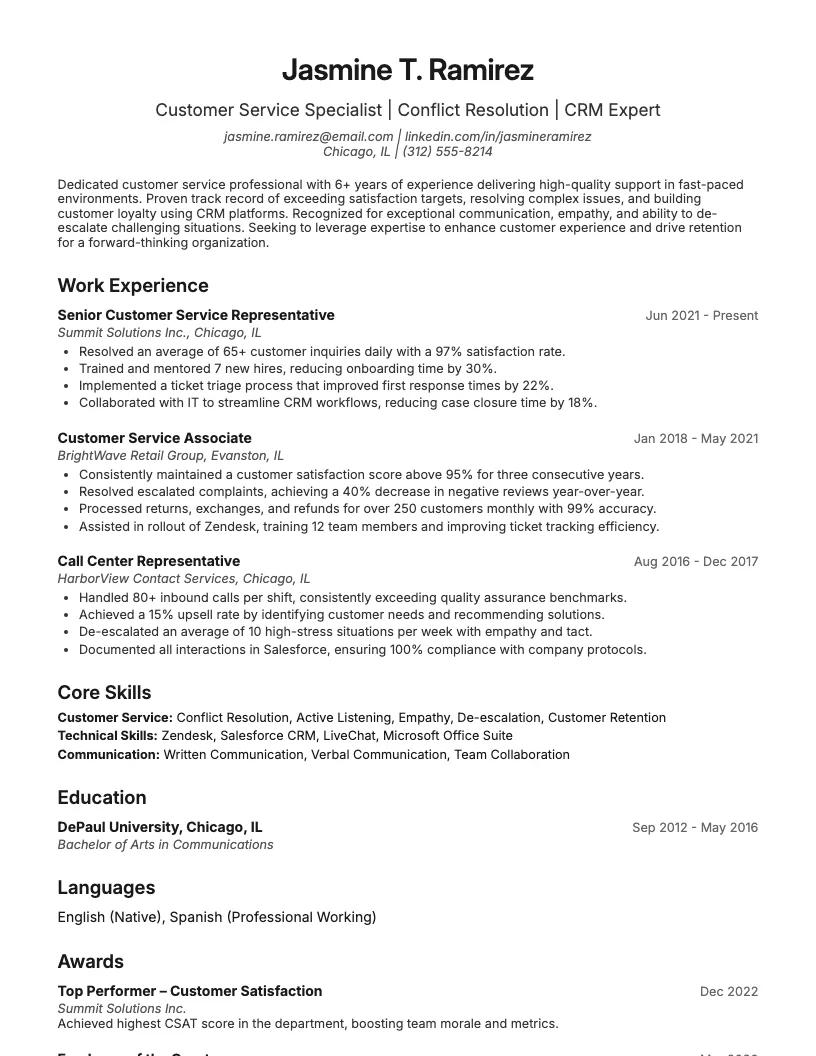
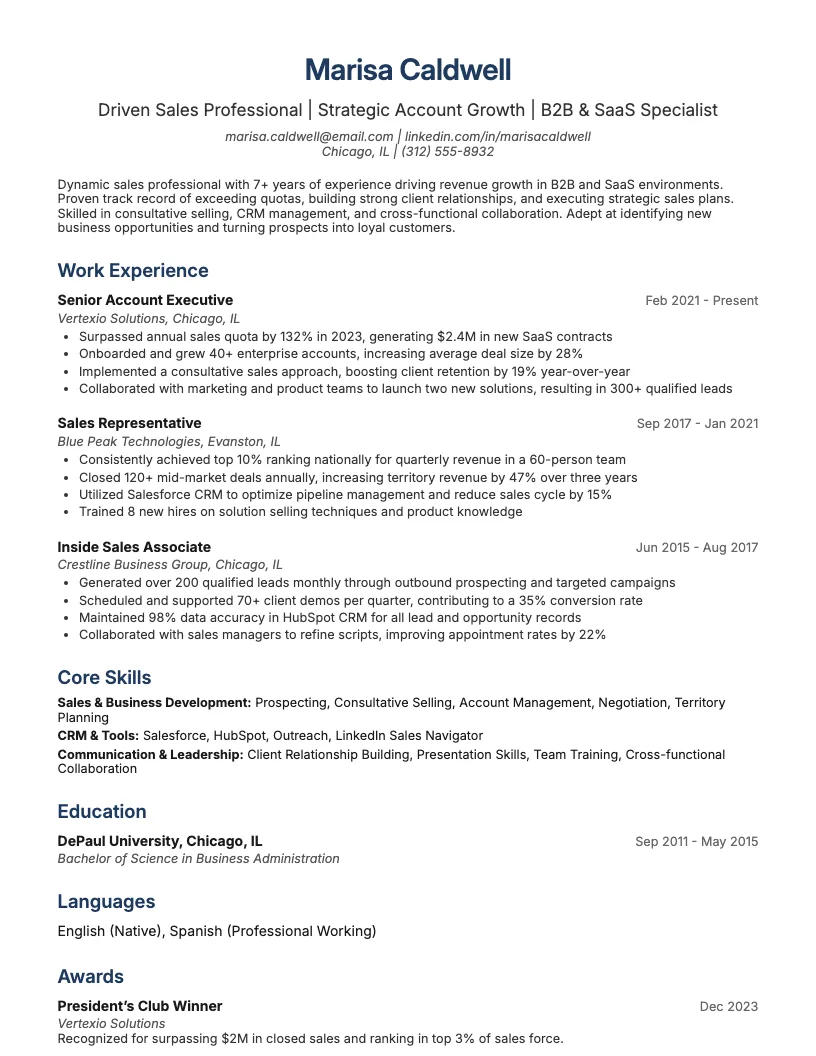
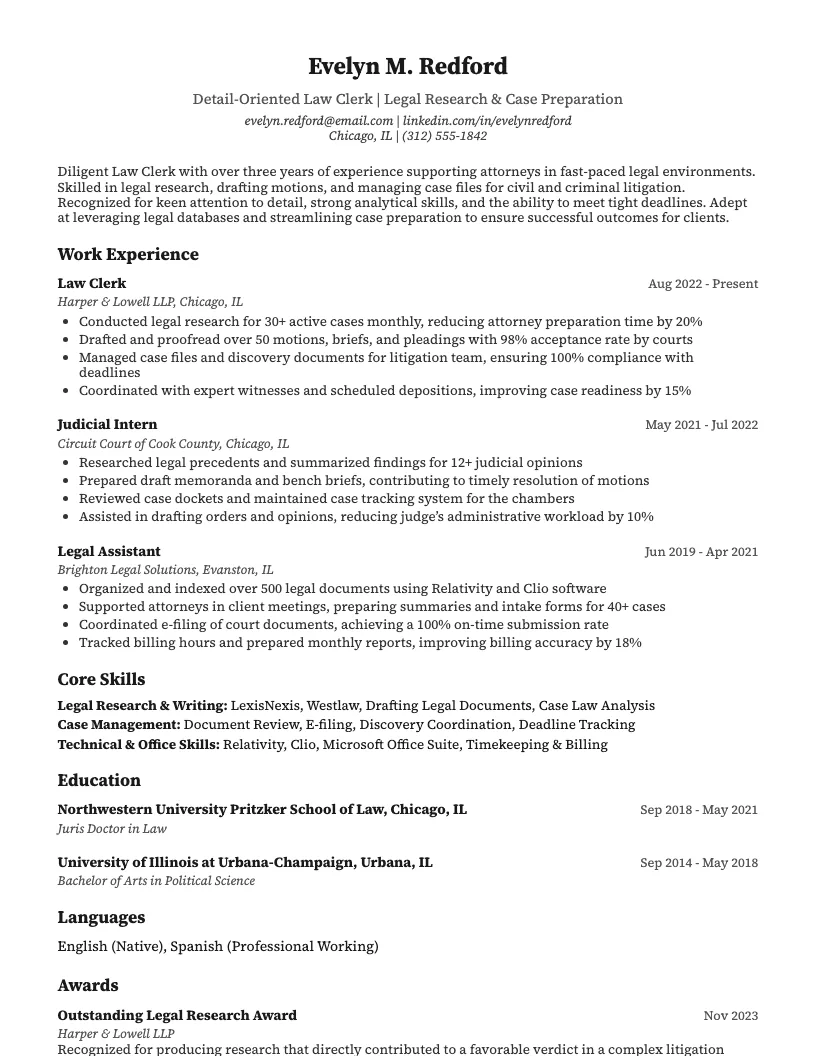
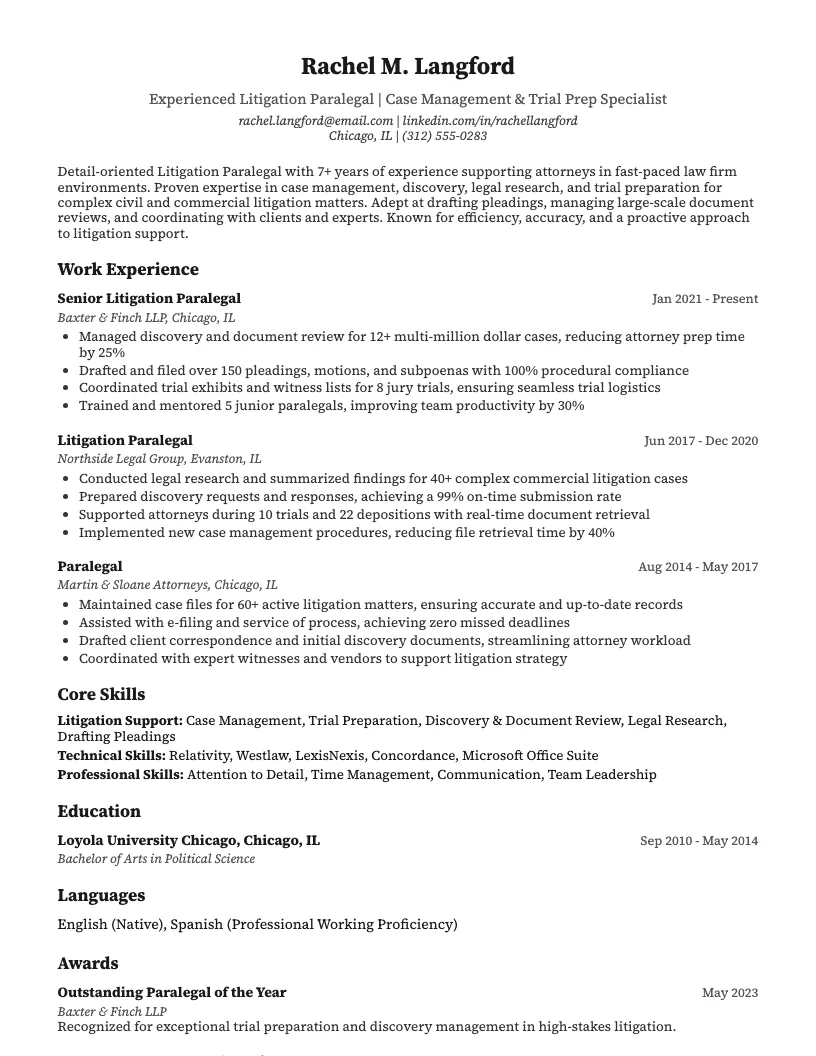
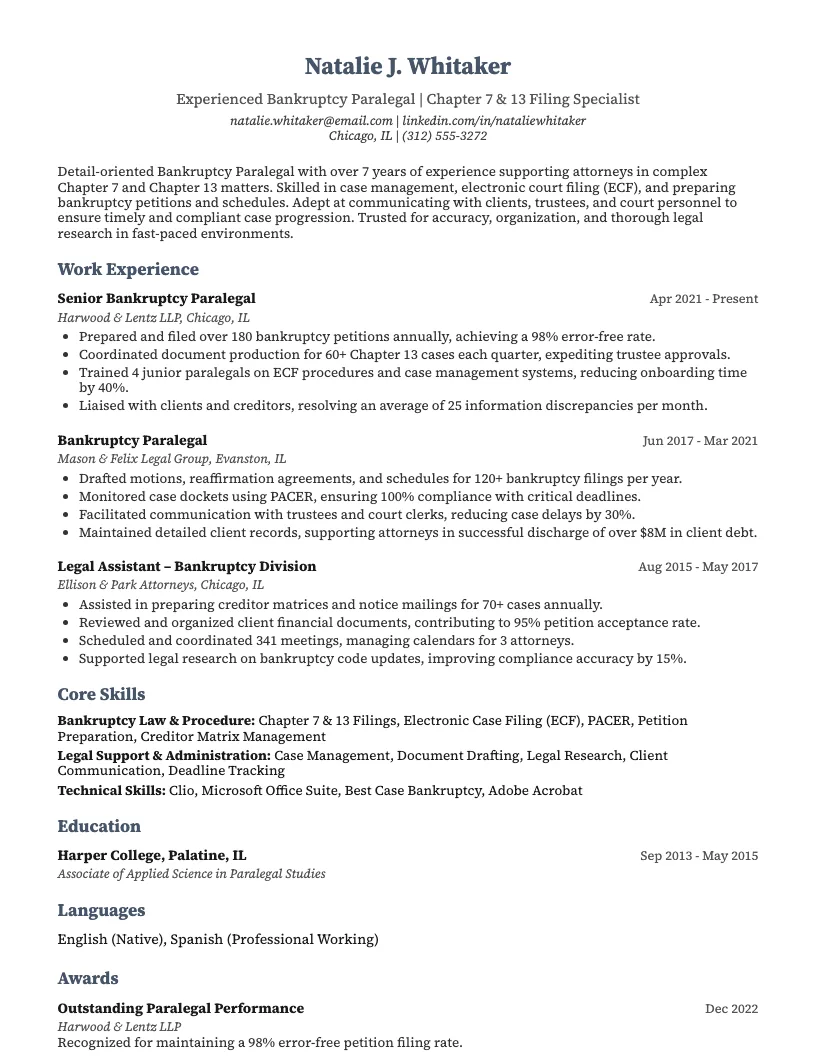
Browse Real Estate Paralegal resume examples for related roles. Preview any example, open it in the builder, or read its full guide.
Click to enlarge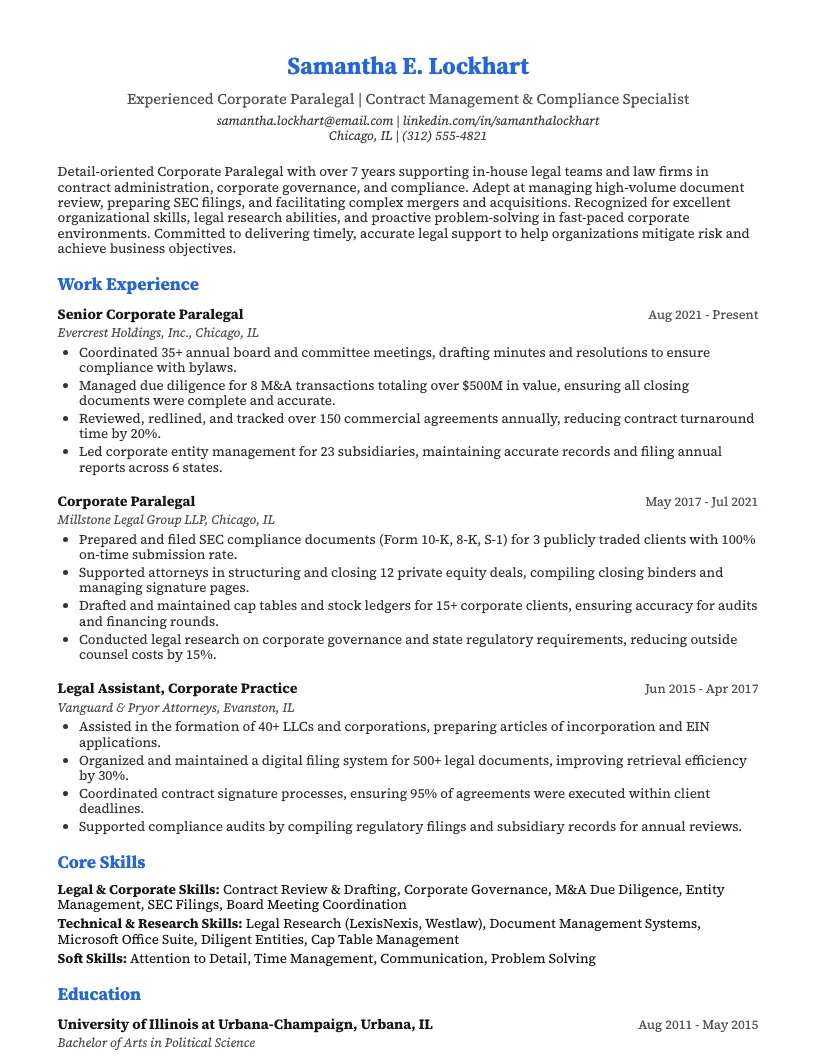 Click to enlarge
 Click to enlarge
 Click to enlarge
 Click to enlarge
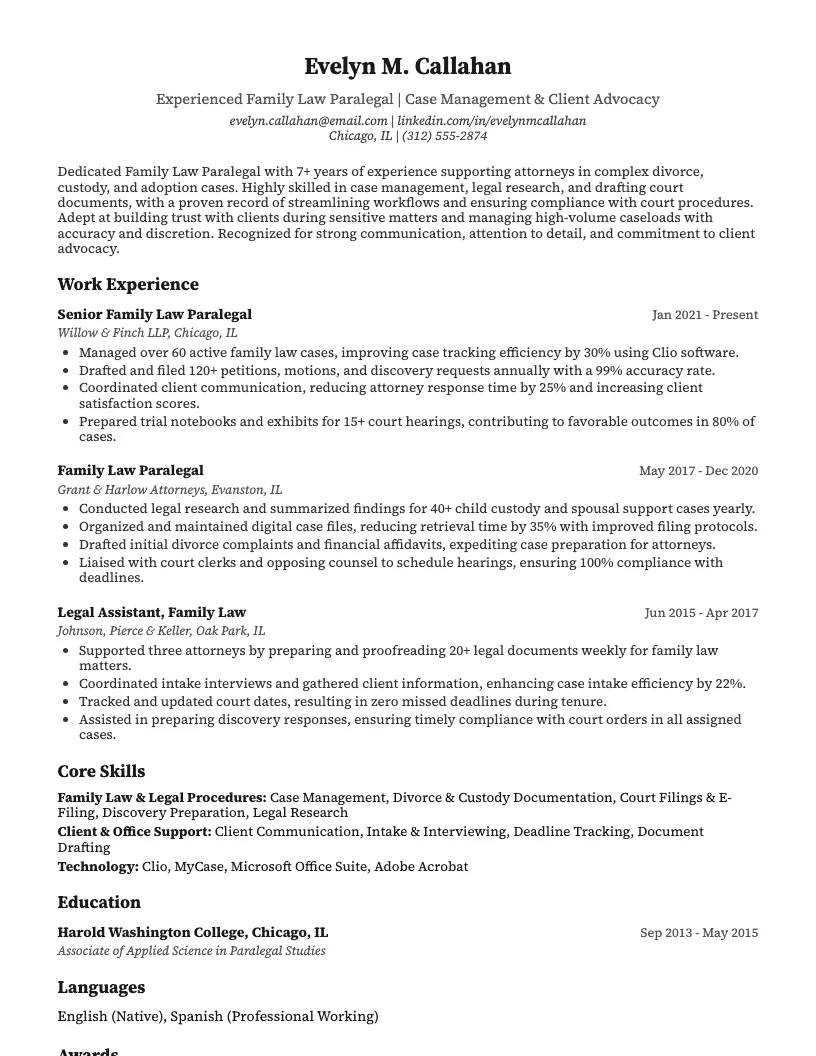 Click to enlarge
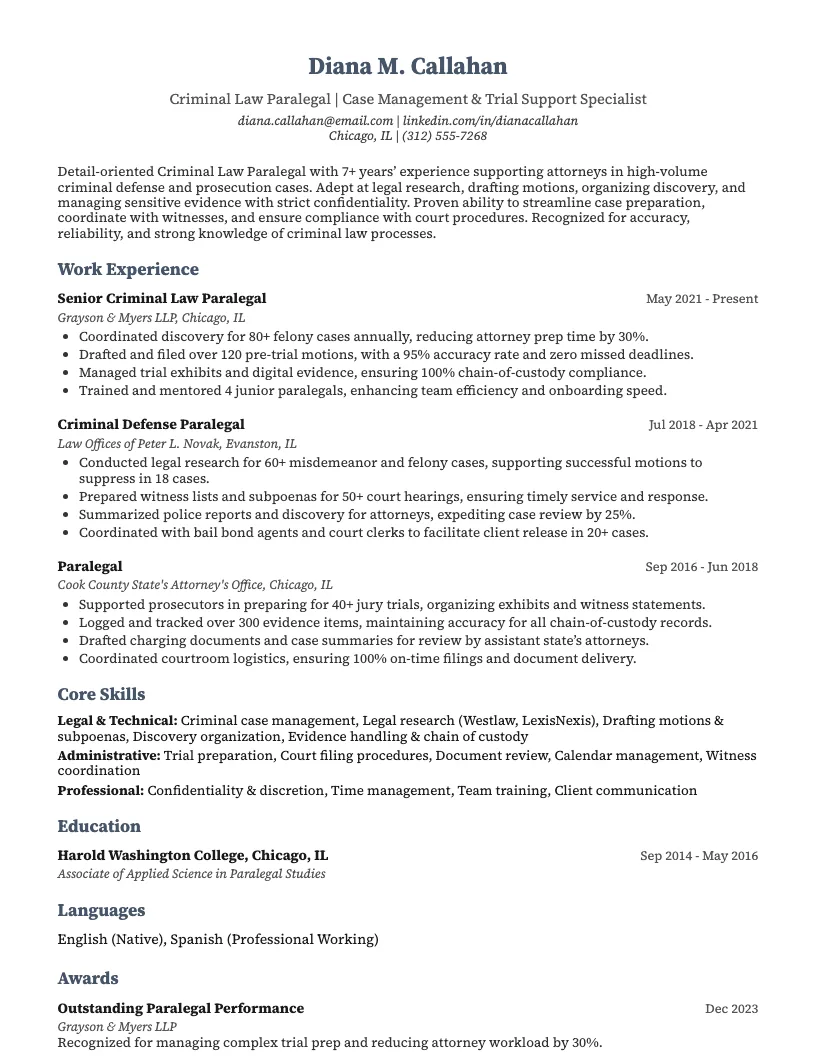 Click to enlarge
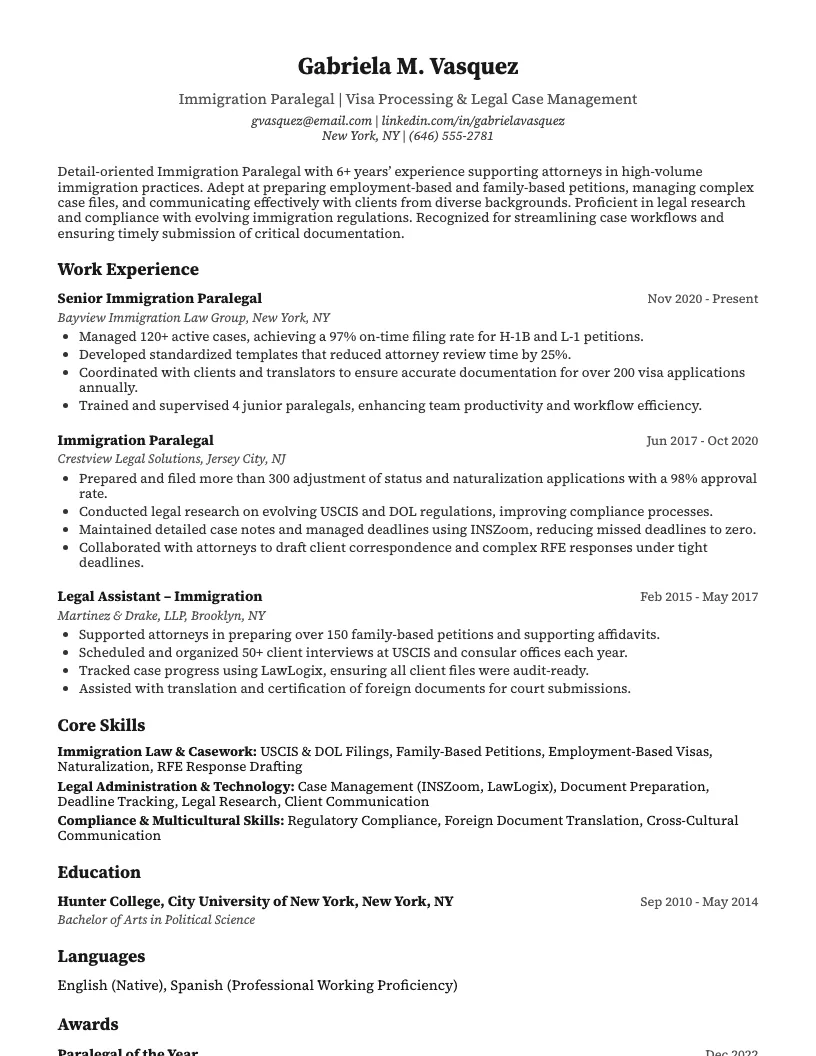 Click to enlarge
Common questions about Real Estate Paralegal resumes
A Real Estate Paralegal resume template is a professionally designed document tailored for legal professionals in real estate. It highlights skills like contract review and title searches. ResumeJudge offers templates that make your experience stand out.
Yes, most Real Estate Paralegal resume templates from ResumeJudge are ATS-friendly. This ensures your resume passes automated screenings that many law firms and real estate companies use to filter candidates.
Use a Real Estate Paralegal resume template when applying to law firms, title companies, or corporate legal departments. ResumeJudge templates help you target roles requiring real estate transaction or closing experience.
Absolutely! ResumeJudge resume templates are fully customizable. You can edit sections, add your unique skills, or tailor the layout to match your specific career goals in real estate law.
A Real Estate Paralegal template emphasizes real estate law skills and experience, unlike general legal or administrative templates. ResumeJudge helps you showcase relevant certifications and casework for this specialty.
Keep your Real Estate Paralegal resume to one page if you have under 10 years’ experience. ResumeJudge templates help you organize content clearly, making the most important details easy to find.
Highlight skills like title examination, document drafting, and closing support. ResumeJudge templates let you easily showcase your expertise in property transactions and legal research.
Yes, certifications like NALA’s Certified Paralegal or real estate law courses are great to add. ResumeJudge templates have dedicated sections for certifications, making them stand out to employers.
A cover letter is recommended to personalize your application and explain your interest in real estate law. ResumeJudge offers matching cover letter templates for a professional, cohesive look.
Yes, ResumeJudge templates are designed for all experience levels. Entry-level candidates can highlight internships, coursework, and relevant skills to appeal to hiring managers in real estate law.
Explore more professional resume examples to inspire your job search
Use our AI-powered resume builder to create a professional, ATS-friendly resume in minutes.
Free to use • No credit card required