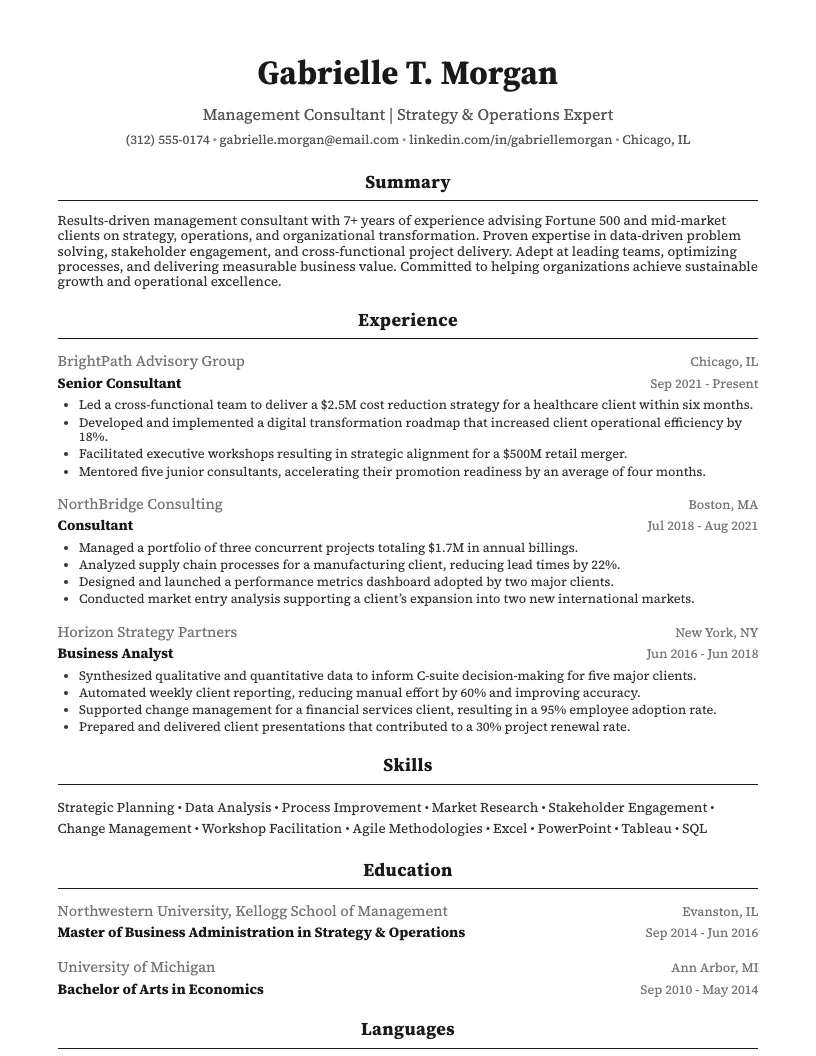
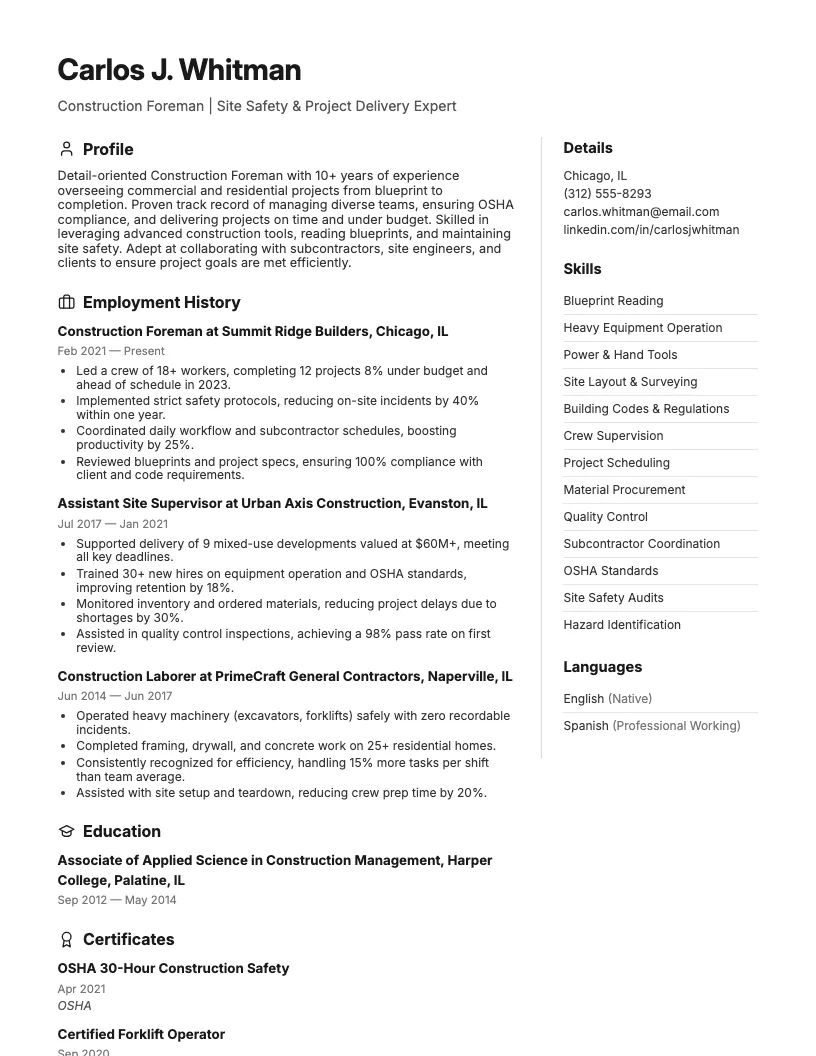
Police Captain Resume Example
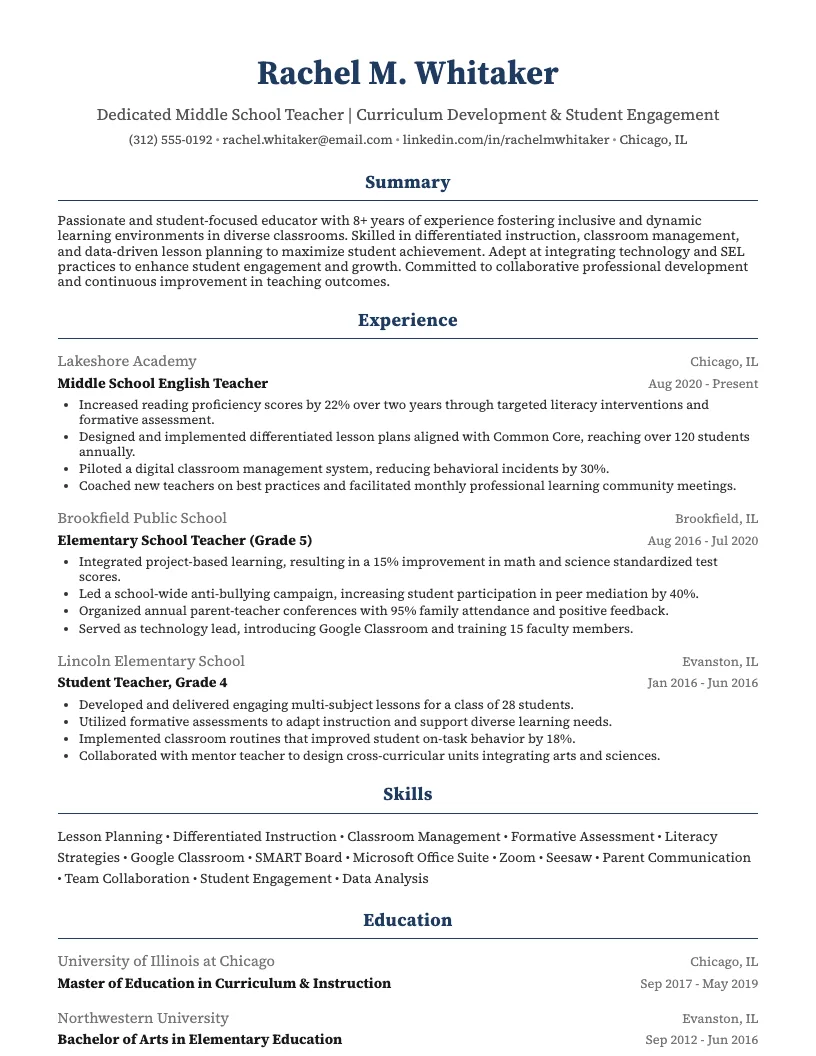
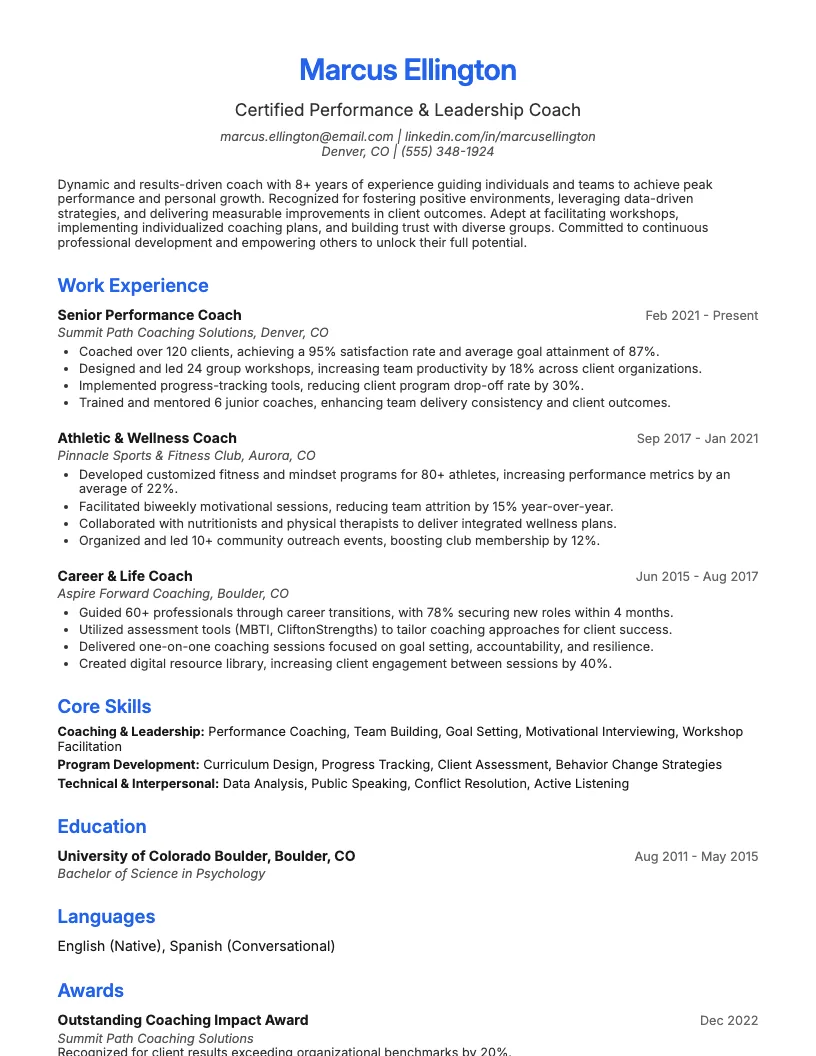
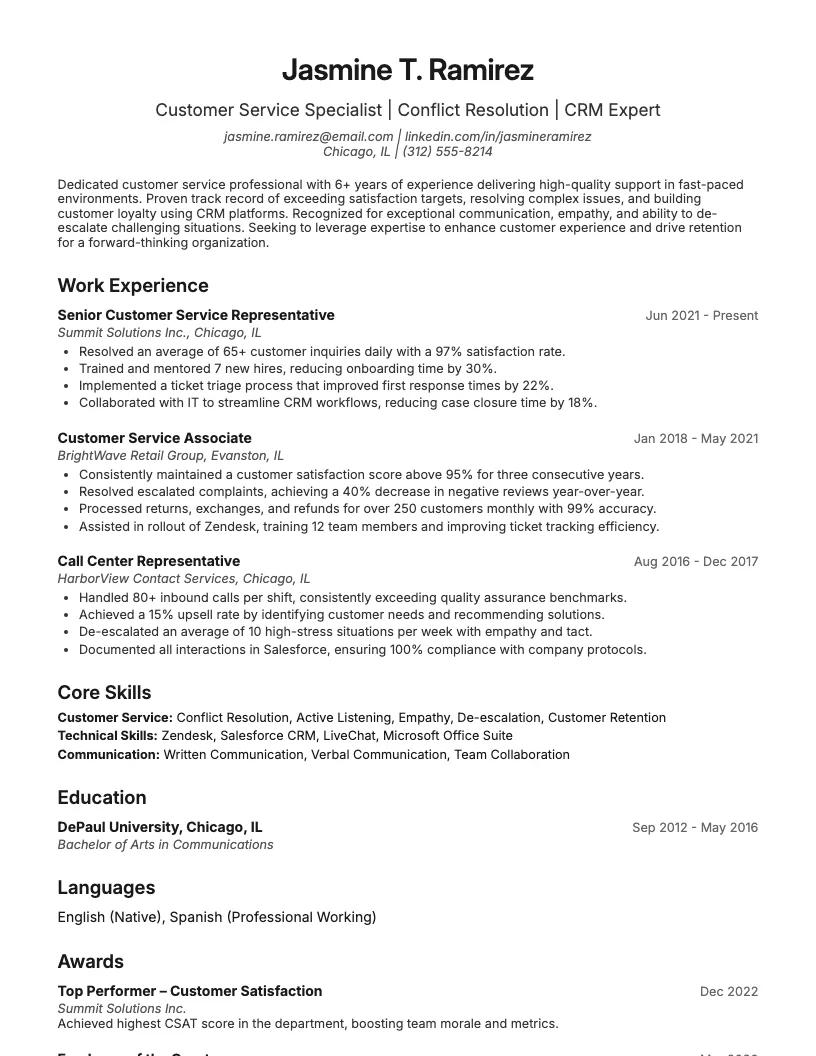
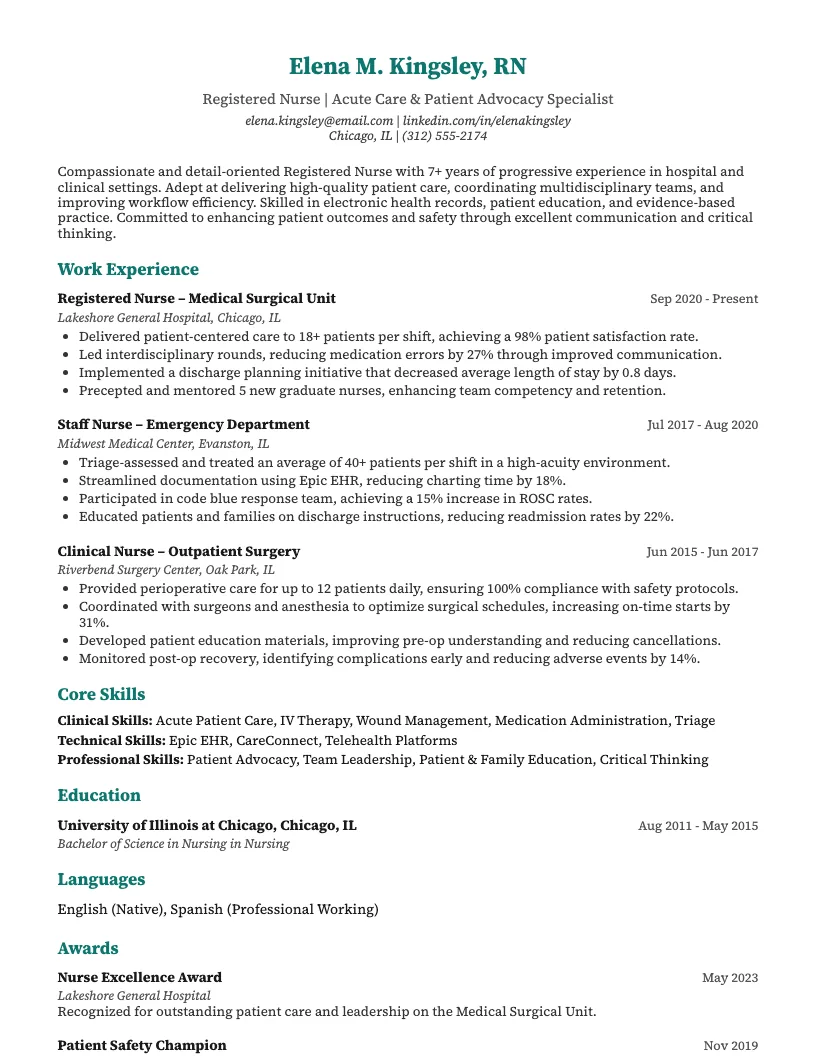
See full guide on Police Captain resumes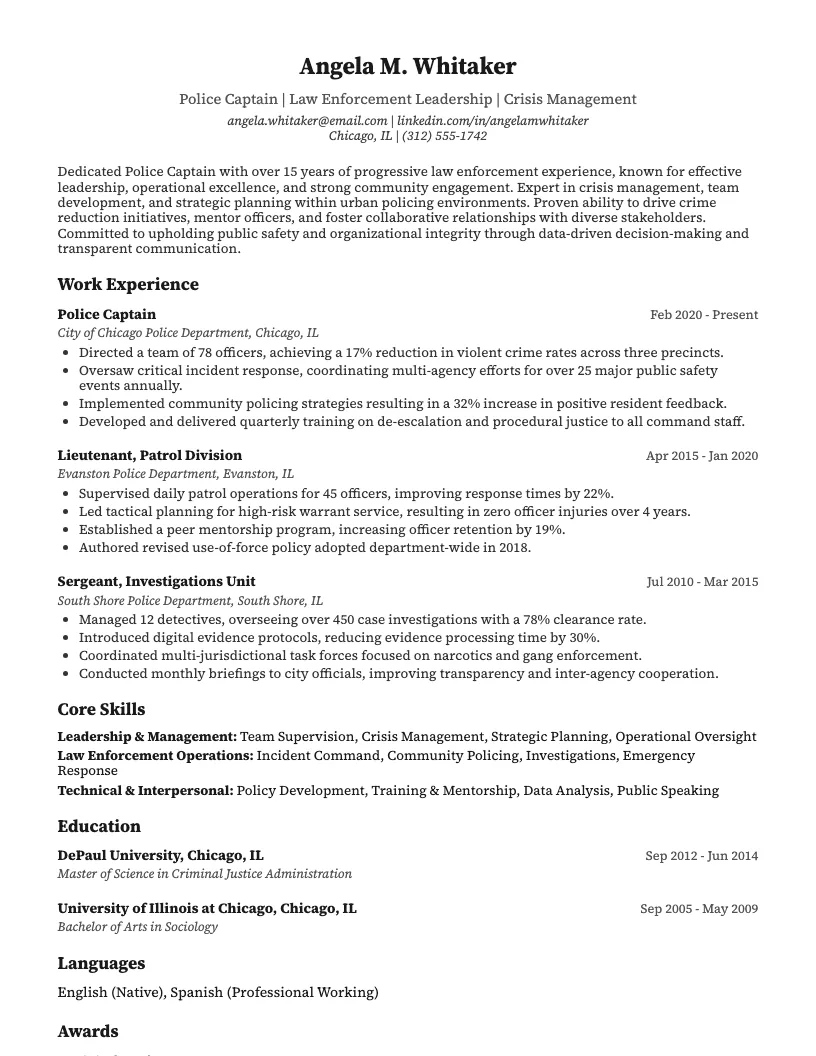 Click to enlarge
 Click to preview

Get inspired by 56+ professional Police Sergeant resume examples, each written by career experts and optimized to pass ATS scans. Pick a proven template, tailor it to your role, and download a polished resume in minutes.
Pick the specialization closest to your target role and start from a proven resume example.
Moving up to police sergeant is a big step. You need a resume that proves your leadership, training, and real-world problem-solving skills.
I know it’s not just about enforcing laws. You manage officers, coordinate response teams, and often handle sensitive community issues.
A police sergeant resume should show how you’ve gone beyond standard patrol work. You want to highlight supervision and the impact you make on your team.
Next, I’ll break down the key differences between a police officer resume and a police sergeant resume.
A police officer resume focuses on patrol duties, community engagement, and basic law enforcement. You usually highlight teamwork, communication, and handling incidents directly.
For a police sergeant role, I show leadership, supervisory experience, and decision-making. This resume needs details about managing teams, training officers, and improving department procedures.
There are big differences in responsibilities. If you’re moving up, update your police officer resume to show about 30% more leadership and management achievements. This helps you stand out.

Writing a Police Sergeant resume means showing off your leadership and law enforcement skills. You want to prove you can manage a team and handle tough situations.
You need to know what the role actually requires. Each department looks for something slightly different, so tailoring your resume is key.
I always focus on the most important sections-education, certifications, and real-world experience. Getting these right helps your resume stand out to recruiters.
Little details matter. I'll walk you through what to include and how to make your experience speak for itself.
A Police Sergeant oversees teams, manages investigations, and steps in during emergencies. I handle reports, supervise officers, and act as a point of contact between staff and senior leadership.
You need strong leadership, decision-making, and conflict resolution skills. According to the Bureau of Labor Statistics, over 120,000 first-line supervisors work in law enforcement in the U.S.
Every day, I balance administrative duties with fieldwork. This means prioritizing public safety, supporting officers, and ensuring policies get followed. The role mixes strategy, mentorship, and hands-on policing.
I always include a strong summary at the top. In two or three sentences, highlight your experience, leadership skills, and years in law enforcement.
Add a detailed work experience section. List your police roles in reverse order. Quantify achievements-like "led a team of 15 officers" or "reduced crime rates by 12%."
Education and certifications matter. List your degrees, police academy training, and any specialized courses-like crisis negotiation or firearms instruction.
Don't forget skills and awards. Show off your leadership, conflict resolution, and technical knowledge. Mention medals, commendations, or community recognition. This helps you stand out.
I always update my resume to match each job description. I use the same keywords and focus on the skills and experience the department wants.
You should highlight measurable achievements-like leading a team of 12 officers or reducing incidents by 15%. Numbers make your impact clear.
Keep everything clear and concise. Avoid jargon that doesn’t add value. This helps recruiters quickly spot why you’re the right fit.
Before you send it, double-check for typos and formatting. A clean, error-free resume shows you pay attention to detail-something every great sergeant needs.
A resume summary for a police sergeant can make a real difference. It’s your chance to show your leadership, years of service, and the impact you’ve made.
If you want to highlight training, community engagement, or crime reduction stats, this is the spot. I’ll show you what works and how to stand out.
If you’re aiming for a Police Sergeant role, you need more than field experience. Departments look for proven leadership, quick thinking, and strong communication skills.
I see hiring managers focus on team management, law enforcement expertise, and crisis handling. These skills make you stand out among the 50,000+ sergeants working nationwide.
Your resume should highlight how you lead others, handle tough situations, and keep your team motivated. Next, I’ll break down each skill you need to show.
Stepping into a sergeant role, you’re expected to lead teams of 5-20 officers. This means delegating tasks, setting clear expectations, and making sure everyone stays on track.
Good sergeants motivate their team, handle scheduling, and resolve conflicts fast. I always highlight my experience mentoring junior officers or improving shift performance by at least 10%.
If you’ve led briefings, managed incident responses, or rolled out new protocols, show it. Quantifying results-like improved response times or higher morale-helps your resume stand out.
To stand out as a police sergeant, you need deep knowledge of law enforcement procedures. I always show my experience with criminal investigations, patrol operations, and evidence handling.
You should highlight your familiarity with local, state, and federal laws. There are thousands of regulations, and understanding them helps avoid costly legal mistakes during daily operations.
You can boost your resume by listing relevant certifications-like Taser, firearms, or defensive tactics. This tells others you’re serious about keeping up with evolving law enforcement standards.
I deal with high-pressure situations daily-violent incidents, natural disasters, or large public events. Quick, calm decision-making is essential to keep the community and my team safe.
You need to show real crisis management on your resume. Mention times you led responses to emergencies, resolved conflicts, or coordinated multi-agency efforts with measurable results.
There are always unexpected challenges. I use critical thinking to assess risks, create action plans, and adapt fast. Employers look for these problem-solving skills in police sergeant candidates.
Strong communication is a must for any Police Sergeant. I use clear language when briefing my team, writing reports, or talking to the public-accuracy matters in every conversation.
You need active listening and empathy too. These skills help build trust with the community and your team, making for smoother investigations and fewer misunderstandings.
There are always stressful moments, but staying calm and open-minded helps resolve conflict. Good interpersonal skills also boost teamwork and keep morale up. This rounds out the core skills you want on your resume.
Work experience is a big deal for police sergeants. Recruiters want to see real results and specific achievements, not just daily duties.
If you’re updating your resume, focus on how you describe your experience. Numbers and impact matter a lot here.
I’ll break down what details to include and how to make your work stand out to hiring managers.
When you write about your police work, focus on what you actually do each day. List your main duties, like supervising officers or leading investigations.
I always keep my descriptions clear and specific. For example, I say, “I oversee a team of 12 officers,” or “I manage daily patrol schedules.” This makes my experience easy to understand.
Use active language when you talk about your work. Start each bullet with strong verbs like lead, train, coordinate, enforce. This helps your responsibilities stand out right away.
I always make numbers do the talking. List how many officers you supervised, cases you closed, or reduction in crime rates. These details show real results.
You want to highlight achievements like "led a team of 12," "reduced response times by 20%," or "managed 100+ incident reports monthly." This helps your impact stand out.
Concrete stats and measurable wins back up your story. Hiring managers trust hard data, so use every chance to show your value with numbers.
A solid background in criminal justice or a related field helps at every level in law enforcement. I know many departments now expect at least an associate degree.
Certifications matter, too. You need ongoing training to stay current and meet state or federal standards. I’ll break down the most relevant degrees and certifications next.
For a Police Sergeant role, formal education matters. Most departments want at least a high school diploma, but an associate or bachelor’s degree in criminal justice boosts your chances.
I include leadership training, tactical coursework, and any advanced seminars. These show I’m serious about building skills and taking on more responsibilities.
If you’re aiming for promotion, you should highlight specialized training like crisis intervention, community policing, or incident command systems. This helps set you apart from other candidates.
Certifications matter a ton for police sergeants. I keep my state peace officer license current and stay up to date with annual firearms and defensive tactics training.
You might also look at advanced supervision or leadership certificates. Options like FBI LEEDA or POST Supervisory courses show you go beyond the minimum requirements.
Most departments want you to complete at least 40 hours of in-service training every year. This helps you stay sharp and ready for new challenges in the field.
You want your police sergeant resume to stand out. Adding extra sections helps highlight strengths that don’t always fit under work history or education.
I always include details like awards, affiliations, and community involvement. These sections show leadership, commitment, and the impact I make beyond daily duties.
Listing your awards and commendations shows hiring managers that you stand out. I always include details like department awards, lifesaving medals, or official letters of recognition.
You want to mention the year, the organization, and what the award recognizes. This helps recruiters see your impact and dedication-numbers or outcomes make the story stronger.
There are plenty of options to highlight. If you’ve earned Officer of the Year or received more than one commendation, it’s worth calling that out in this section.
In law enforcement, professional affiliations show commitment to growth. I list memberships like the International Association of Chiefs of Police or Fraternal Order of Police on my resume.
You should include any leadership roles or committee work. This demonstrates networking skills and ongoing learning-traits that can set you apart from other candidates.
There are over 18,000 police departments in the US, and affiliation with reputable groups signals that you stay up-to-date with industry standards and best practices.
Community engagement shows real leadership outside the station. I recommend listing your volunteer work, youth mentorship, or neighborhood programs. This helps show your connection to the people you serve.
Numbers matter. If you run safety workshops, mention how many residents attend. If you organize charity drives, share the results. Specifics show your impact and commitment.
Wrap up this section by highlighting ongoing projects or partnerships, and consider including a cover letter that demonstrates your community engagement. Staying active in your community builds trust and demonstrates the values that define a great police sergeant.
If you want to step up as a police sergeant, you need a resume that shows real leadership and experience. I see recruiters look for clear accomplishments and strong skills.
You’ll find a downloadable template and a sample resume here. I like these because they fit law enforcement standards and highlight results, not just duties.
I know creating a police sergeant resume from scratch can eat up time. That’s why I’ve got a downloadable template ready for you-easy to customize and use.
This template uses a clean format that highlights your leadership, years of experience, and specialized training. You can edit it in Word or Google Docs.
There are sections for your certifications, supervisory achievements, and technical skills. Just plug in your details, and you’re set to stand out.
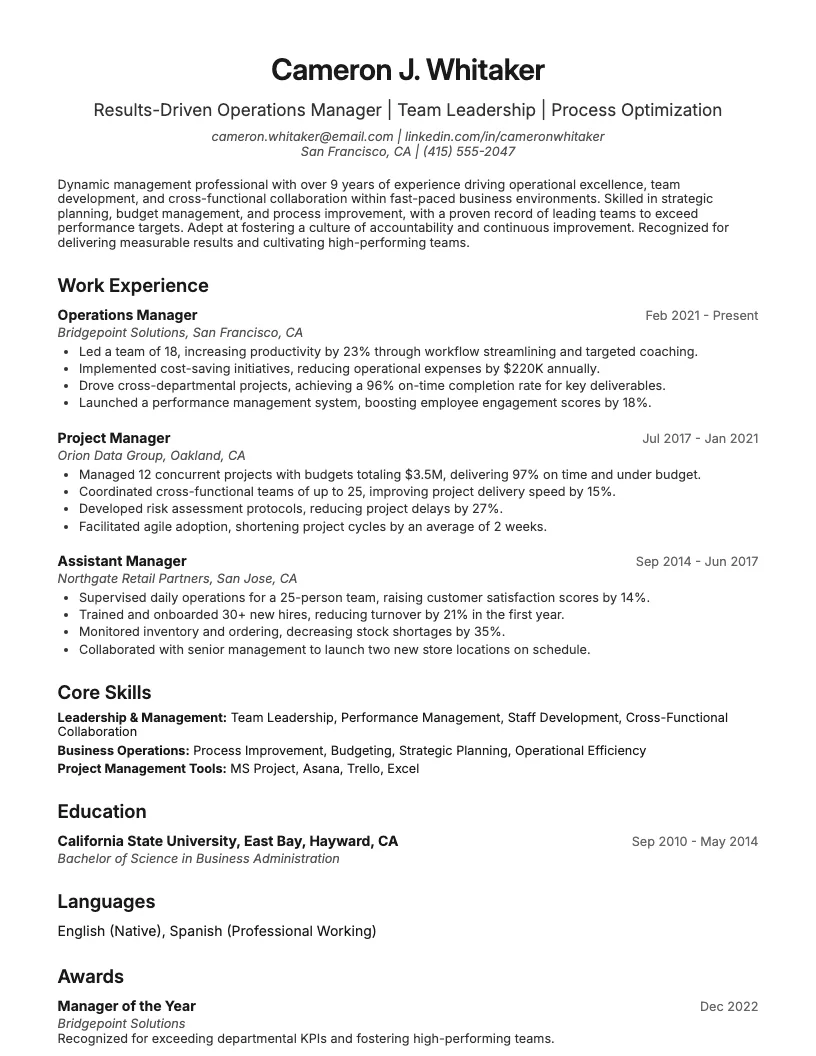
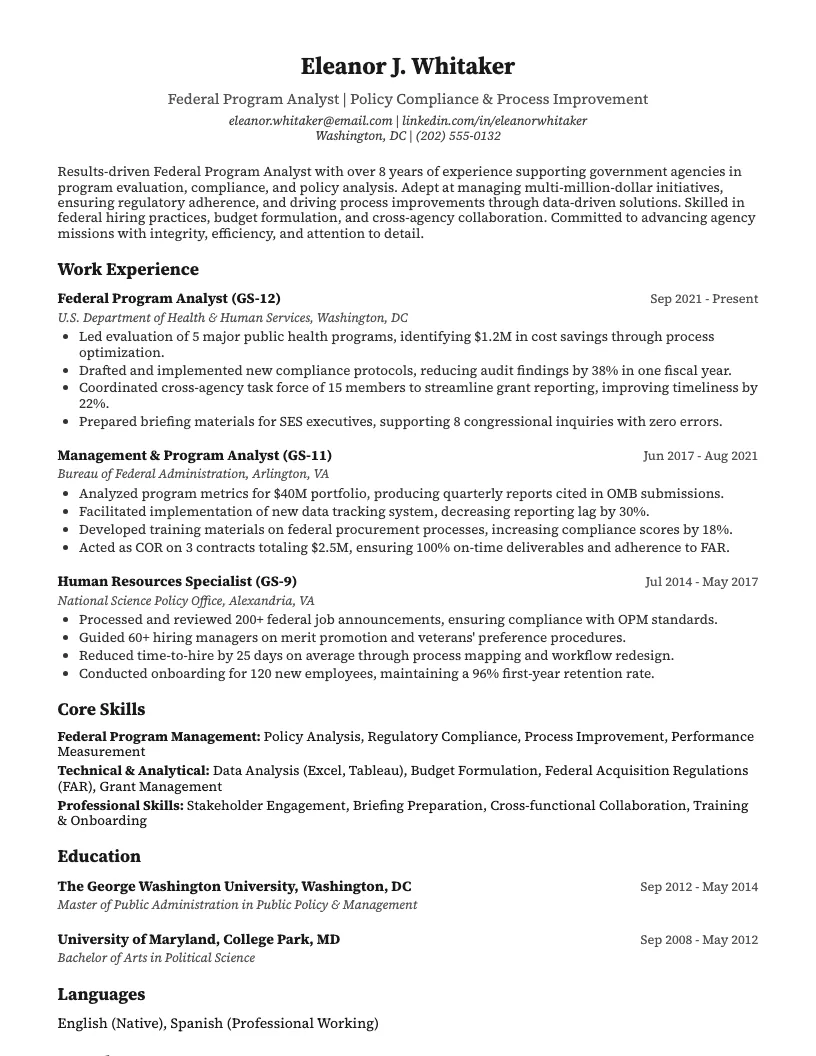
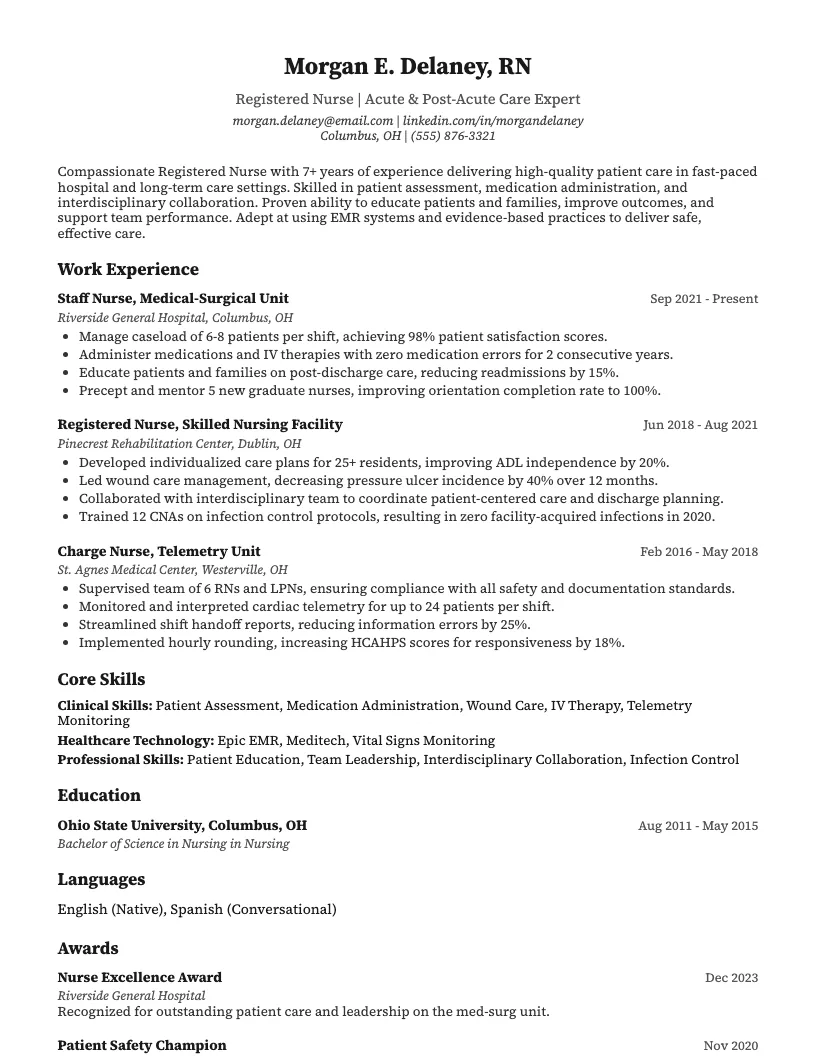
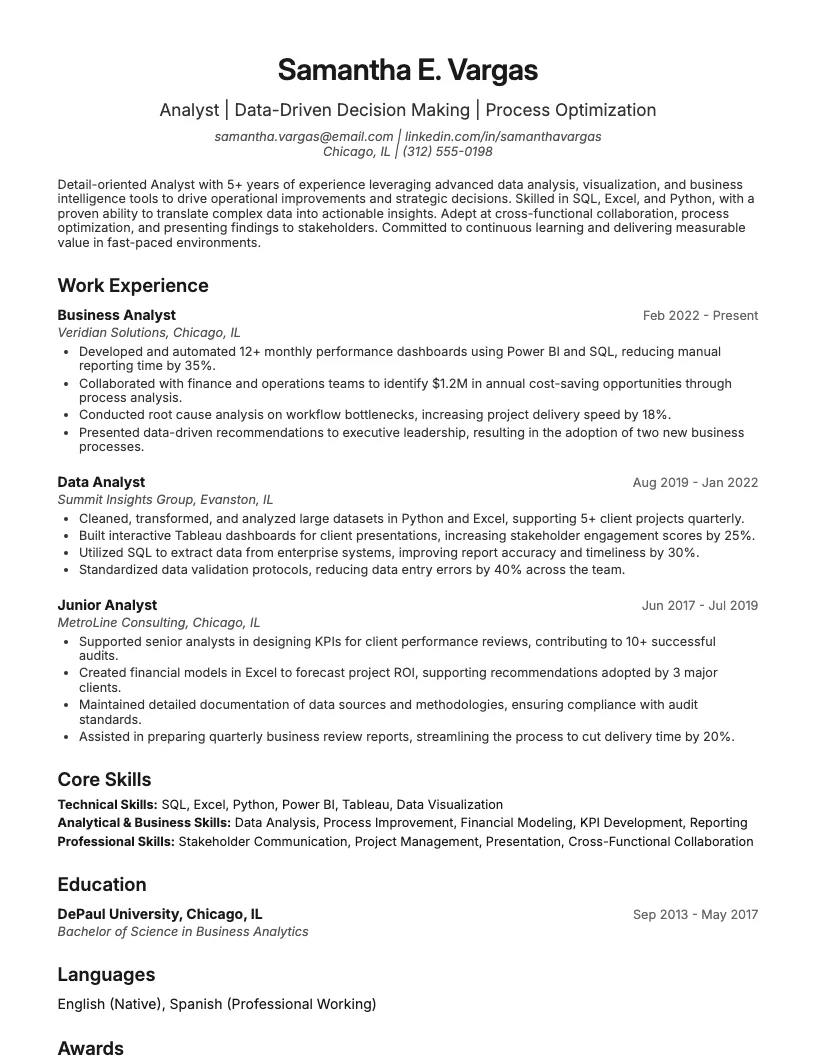
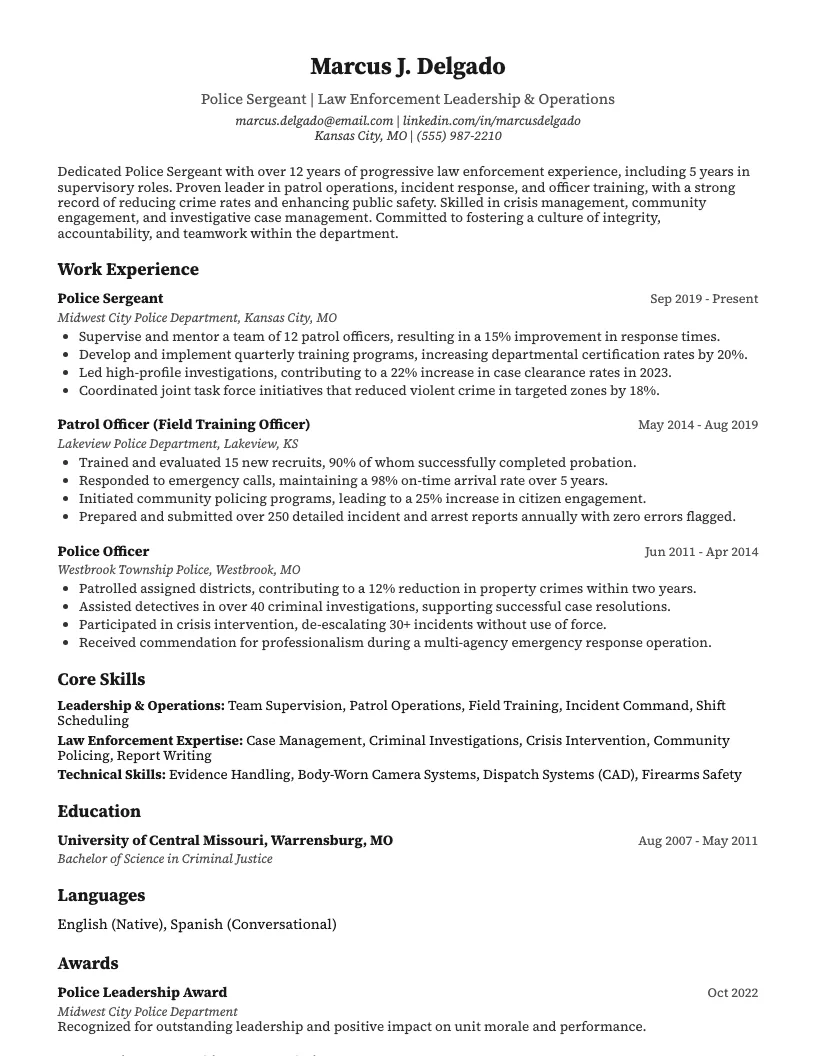
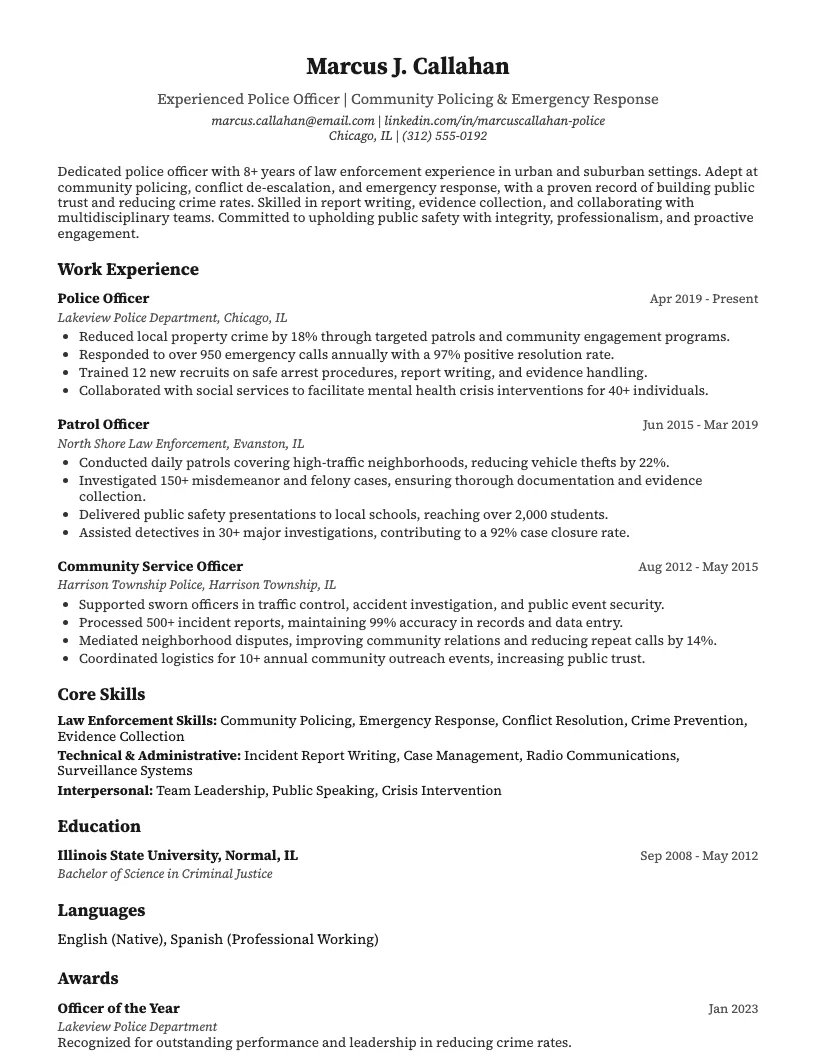
Here’s a realistic sample resume for a Police Sergeant. I focus on clear achievements, measurable results, and practical skills. This makes your experience stand out to recruiters.
I always include stats-like supervising teams of 10+ officers, reducing crime rates by 15%, or leading 50+ high-risk operations. Numbers like these show your actual impact.
Use action verbs like led, trained, and coordinated. This helps you highlight leadership and communication skills. You want hiring managers to see your authority and expertise at a glance.
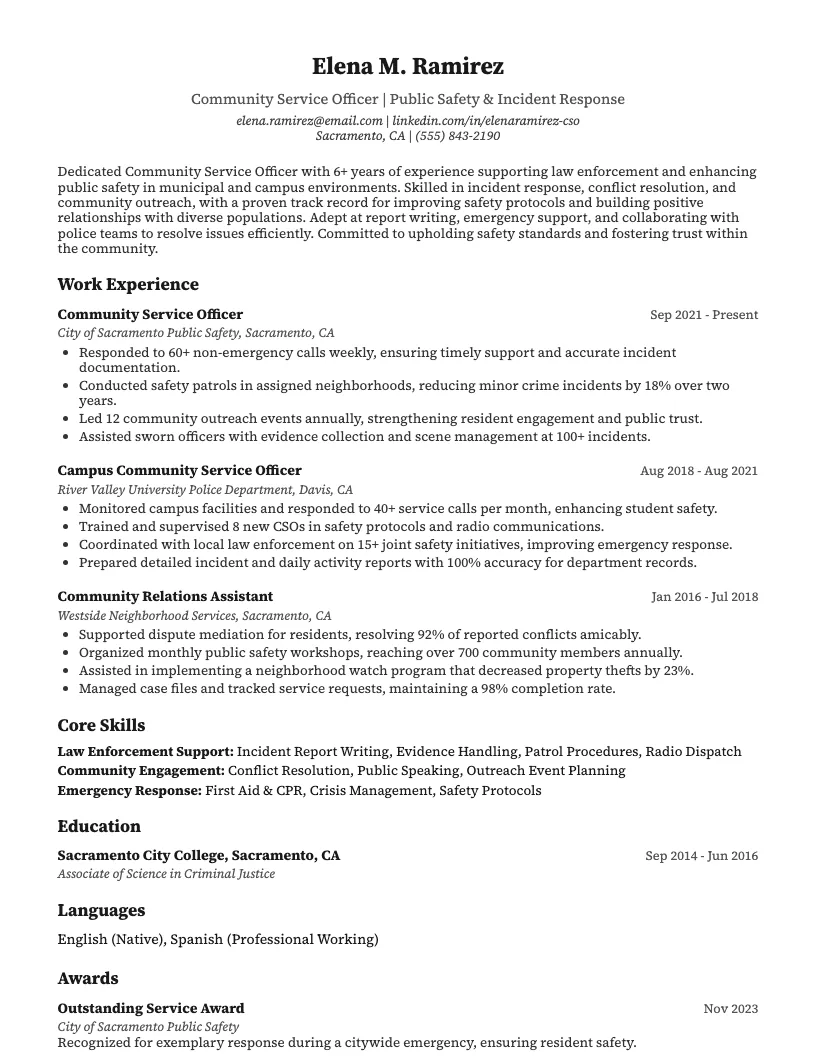
If you want to see how others list their skills and experience, police officer resume examples can help you compare formats and highlight what matters most.
I always recommend checking out at least one cover letter before you start writing. This helps you spot strong action verbs and real numbers-like “reduced incidents by 12%.”
You can use these samples to spark ideas for your own resume, whether you’re aiming for a sergeant role or just starting out. It’s a practical way to improve your application.
I see a lot of Police Sergeant resumes miss the mark because of simple errors. These mistakes can cost you interviews, even if you have years of experience.
You want your resume to stand out for the right reasons. Let’s look at the common pitfalls and how you can dodge them.
Browse Police Sergeant resume examples for related roles. Preview any example, open it in the builder, or read its full guide.
Click to enlarge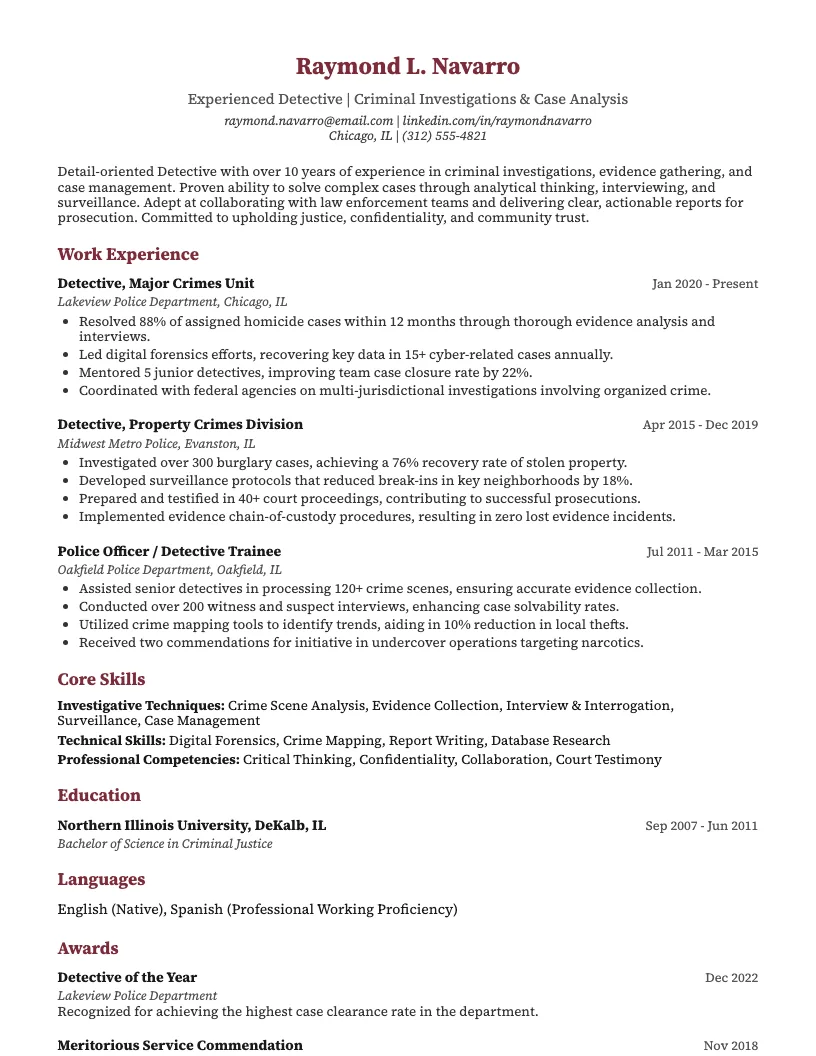 Click to enlarge
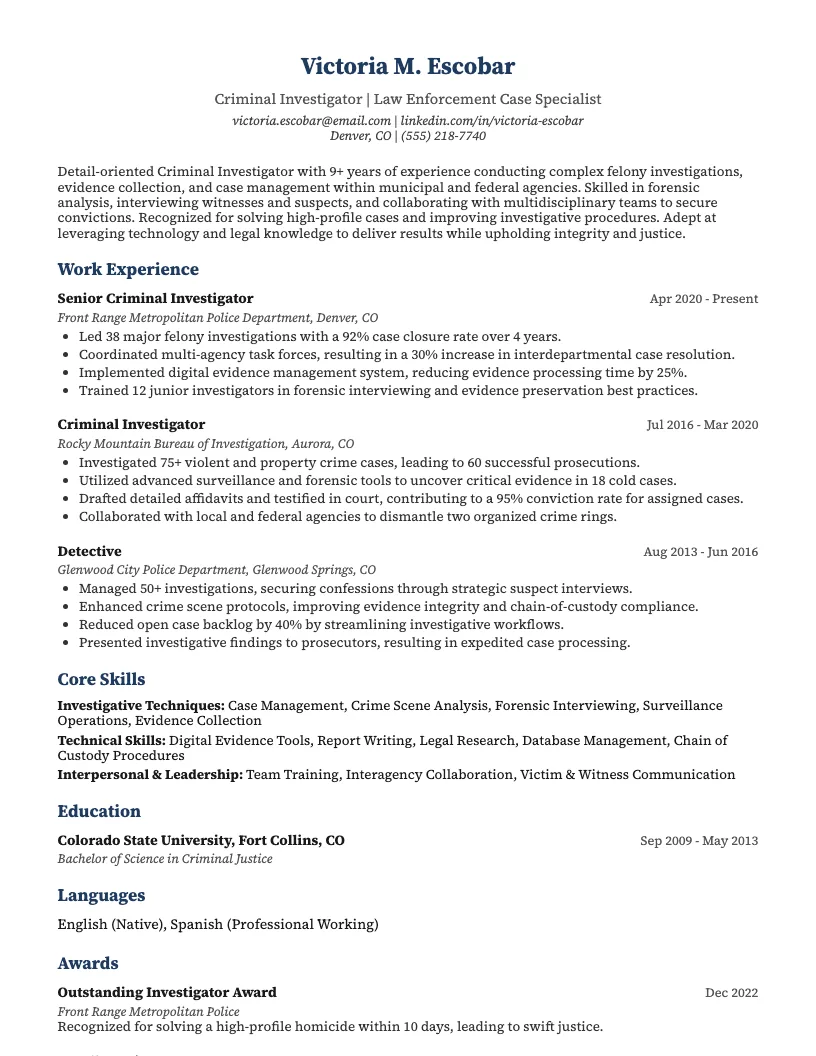 Click to enlarge
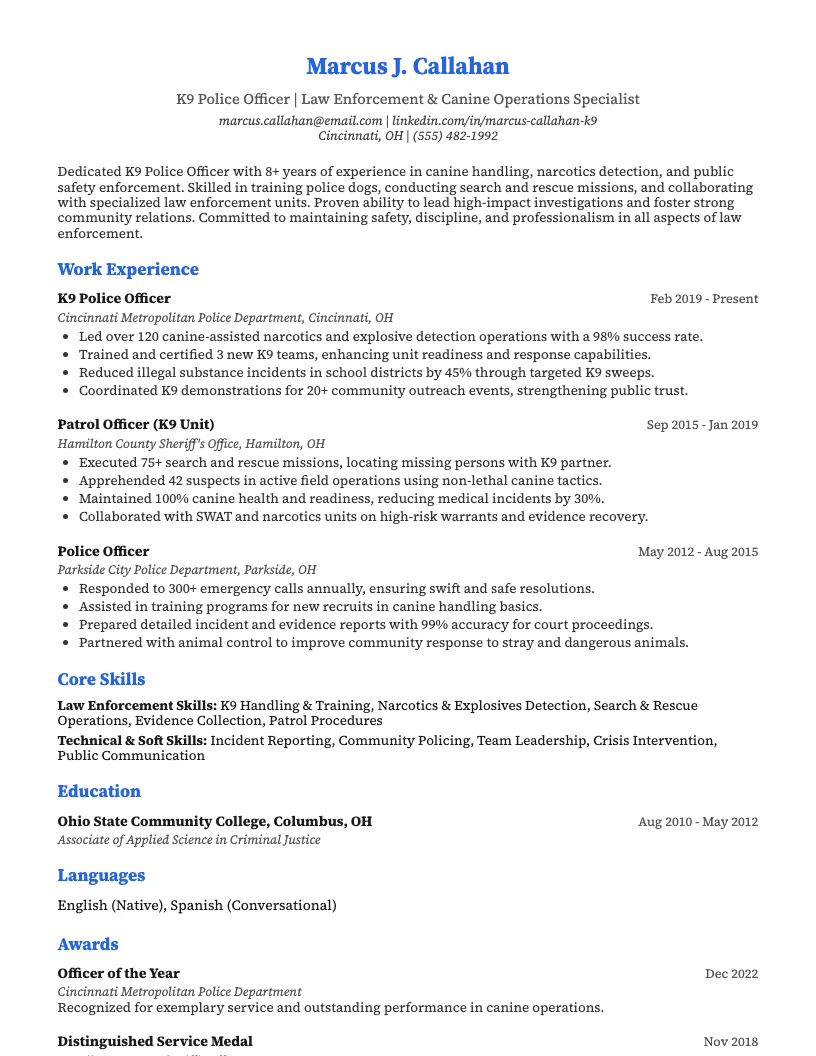 Click to enlarge
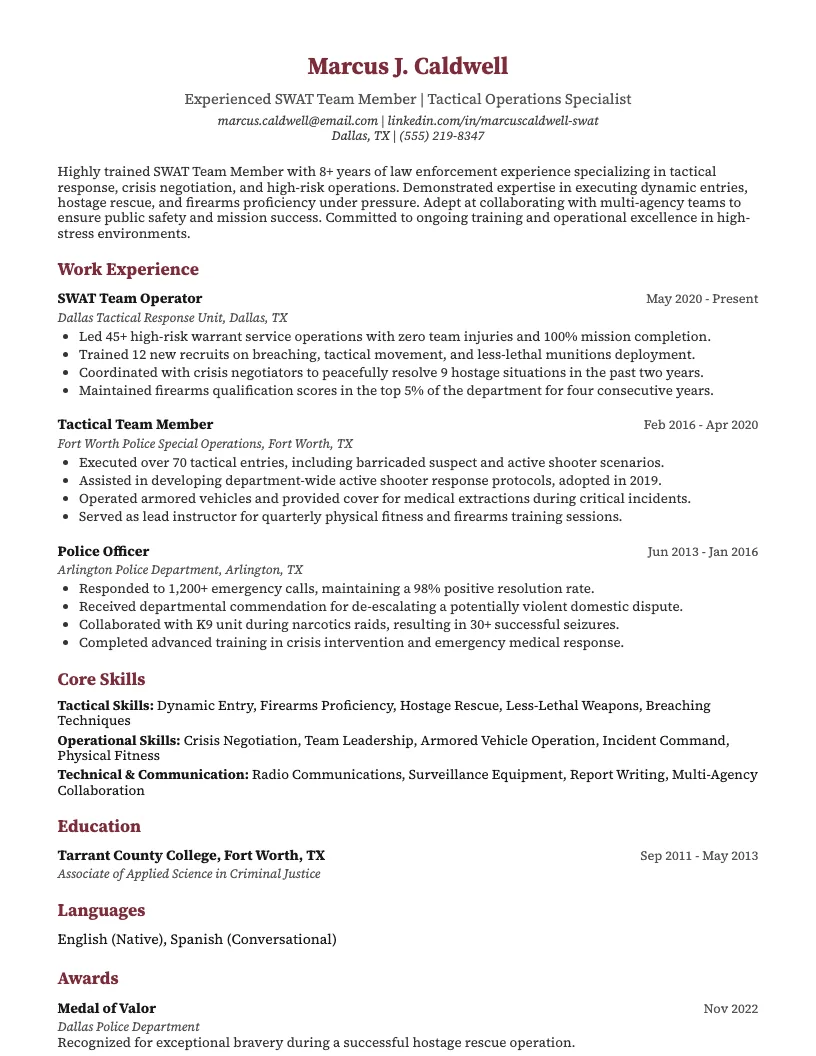 Click to enlarge
 Click to enlarge
 Click to enlarge
Common questions about Police Sergeant resumes
A Police Sergeant resume template is a pre-designed document tailored for law enforcement professionals seeking sergeant roles. It highlights leadership, investigative, and supervisory skills relevant to police work.
Yes, most Police Sergeant resume templates from ResumeJudge are ATS-friendly, ensuring your resume passes automated screenings used by police departments and government agencies.
Use a Police Sergeant resume template when applying for supervisory law enforcement positions in municipal, campus, or transit police departments, or when seeking promotion within your current agency.
Absolutely! ResumeJudge lets you easily customize templates to add your own achievements, certifications, and skills, so your resume reflects your unique experience and meets job requirements.
Police Sergeant templates focus on law enforcement leadership, crisis management, and training skills, while other templates may highlight different industry-specific competencies.
A Police Sergeant resume should ideally be one to two pages, emphasizing your supervisory experience, certifications, and key law enforcement achievements without overwhelming the reader.
Yes, ResumeJudge templates include dedicated sections for law enforcement certifications, such as firearms training or crisis negotiation, making your credentials stand out to employers.
Yes, with minor adjustments, you can tailor a Police Sergeant resume template for federal roles like Border Patrol or FBI supervisory positions. ResumeJudge makes this easy with editable fields.
Highlight leadership, conflict resolution, case management, and community engagement. ResumeJudge templates suggest relevant skills for police sergeant roles to boost your chances.
A well-structured template from ResumeJudge showcases your strengths and meets ATS standards, helping you get noticed by hiring managers and increasing your interview opportunities.
Explore more professional resume examples to inspire your job search
Use our AI-powered resume builder to create a professional, ATS-friendly resume in minutes.
Free to use • No credit card required