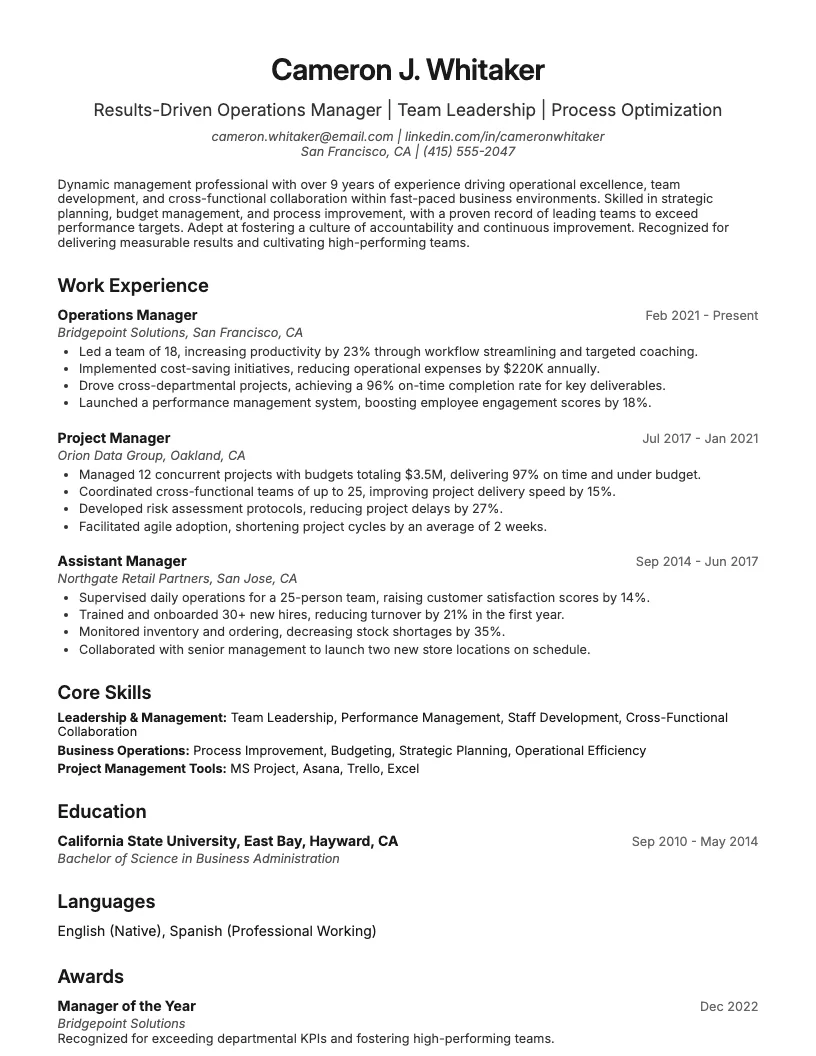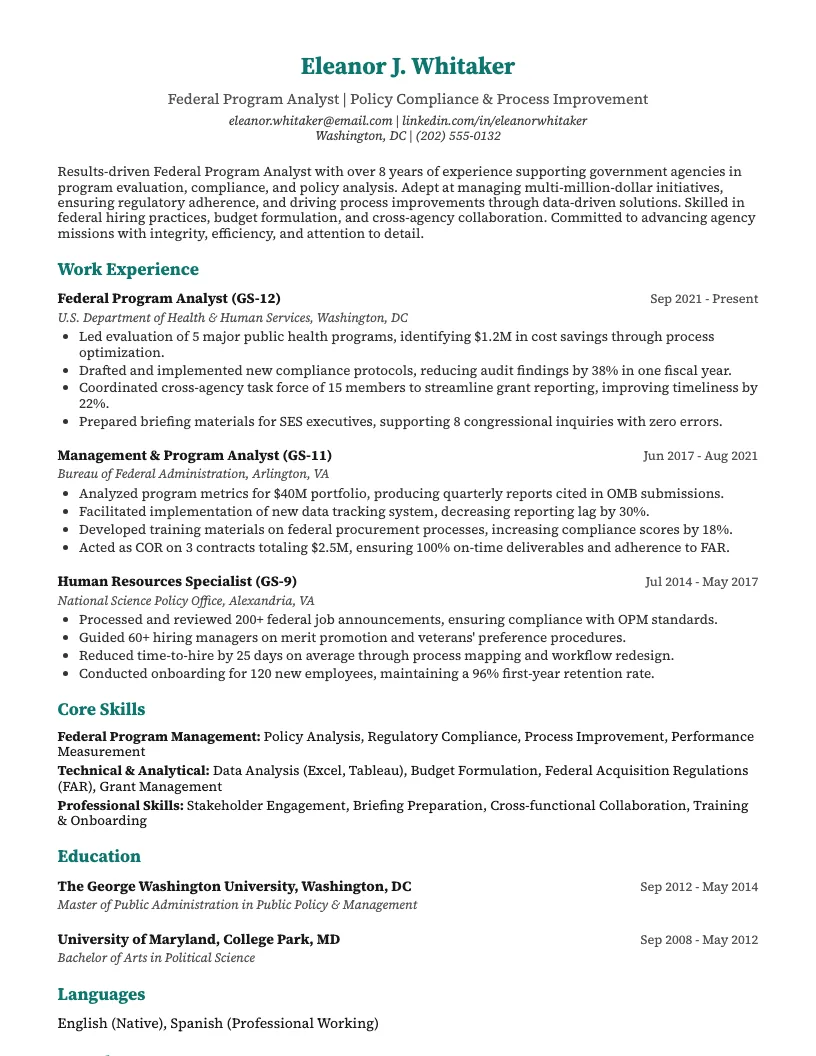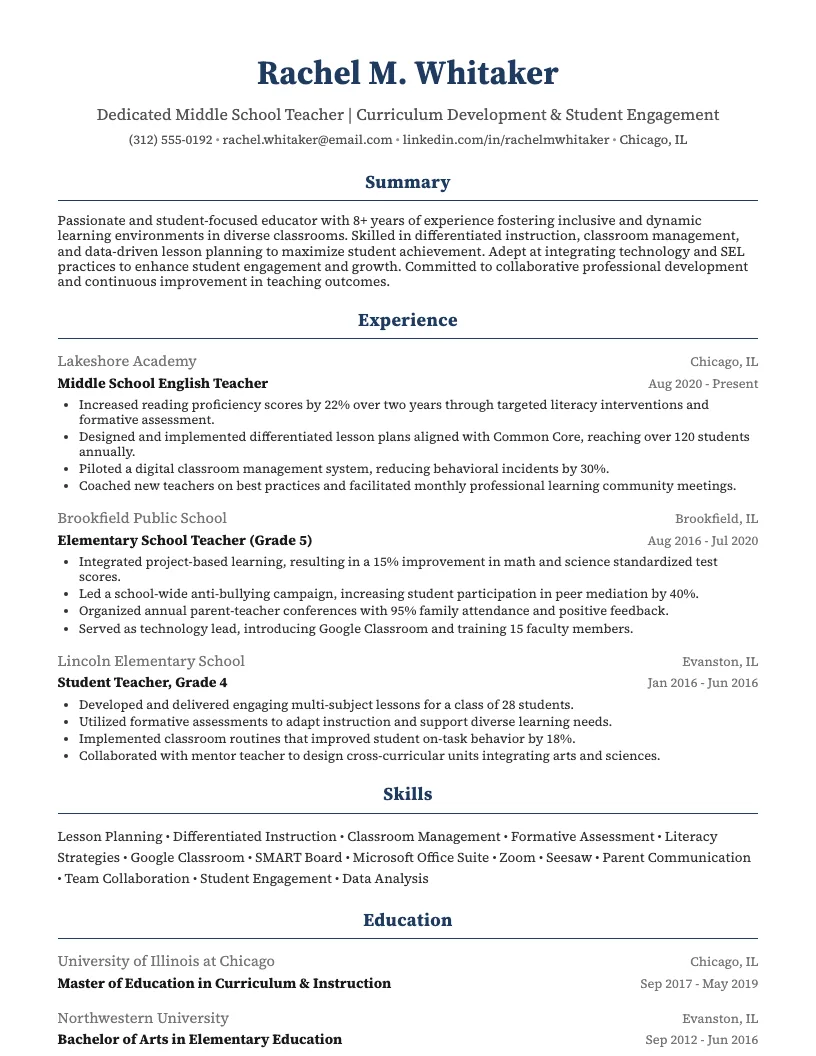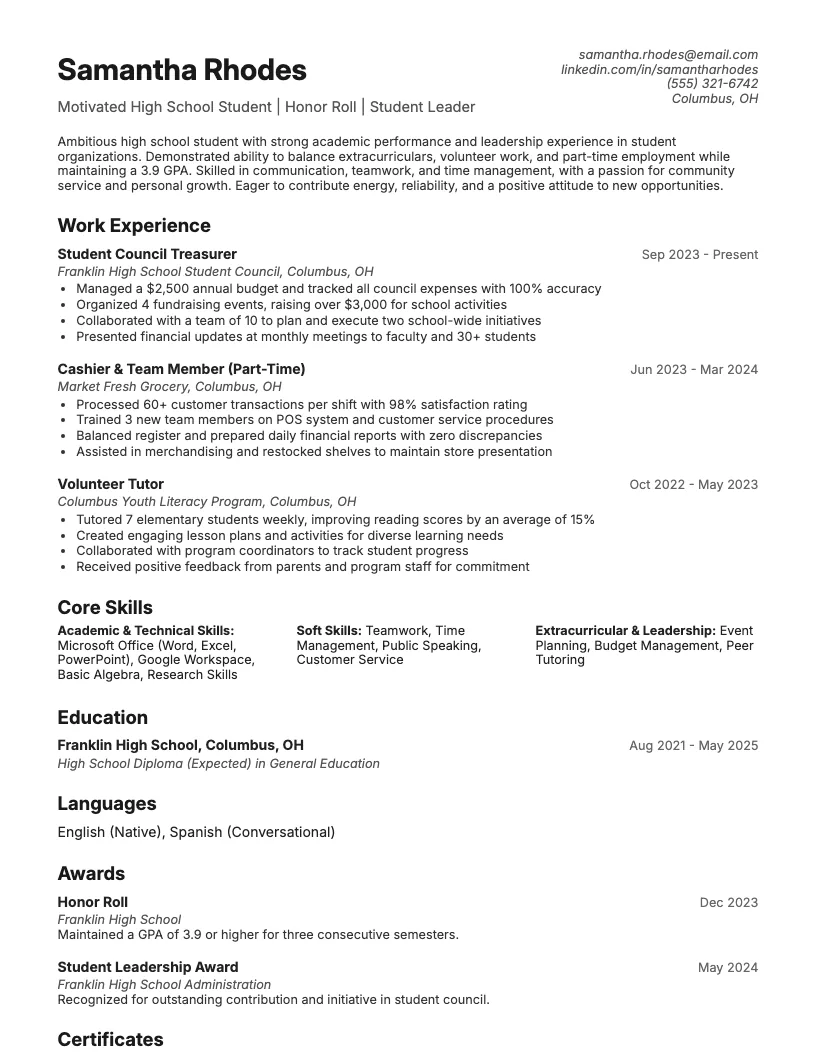
EMT Resume Example
See full guide on EMT resumes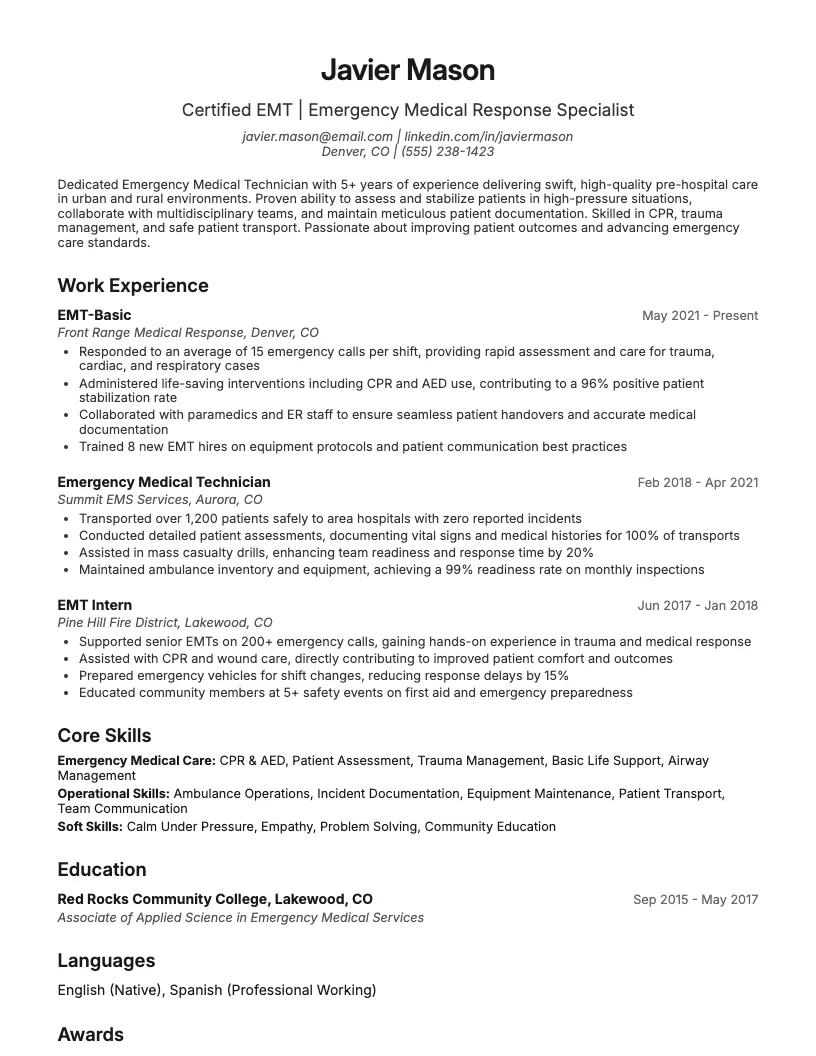 Click to enlarge
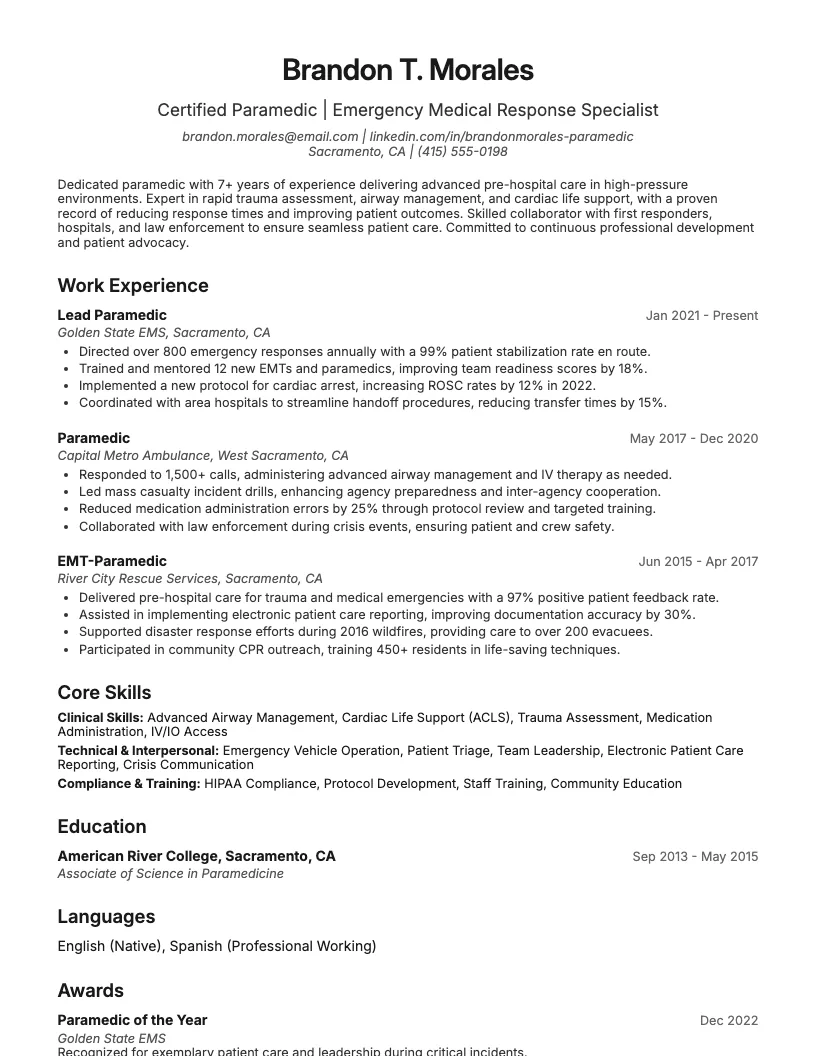 Click to preview

Get inspired by 50+ professional Paramedic resume examples, each written by career experts and optimized to pass ATS scans. Pick a proven template, tailor it to your role, and download a polished resume in minutes.
Pick the specialization closest to your target role and start from a proven resume example.
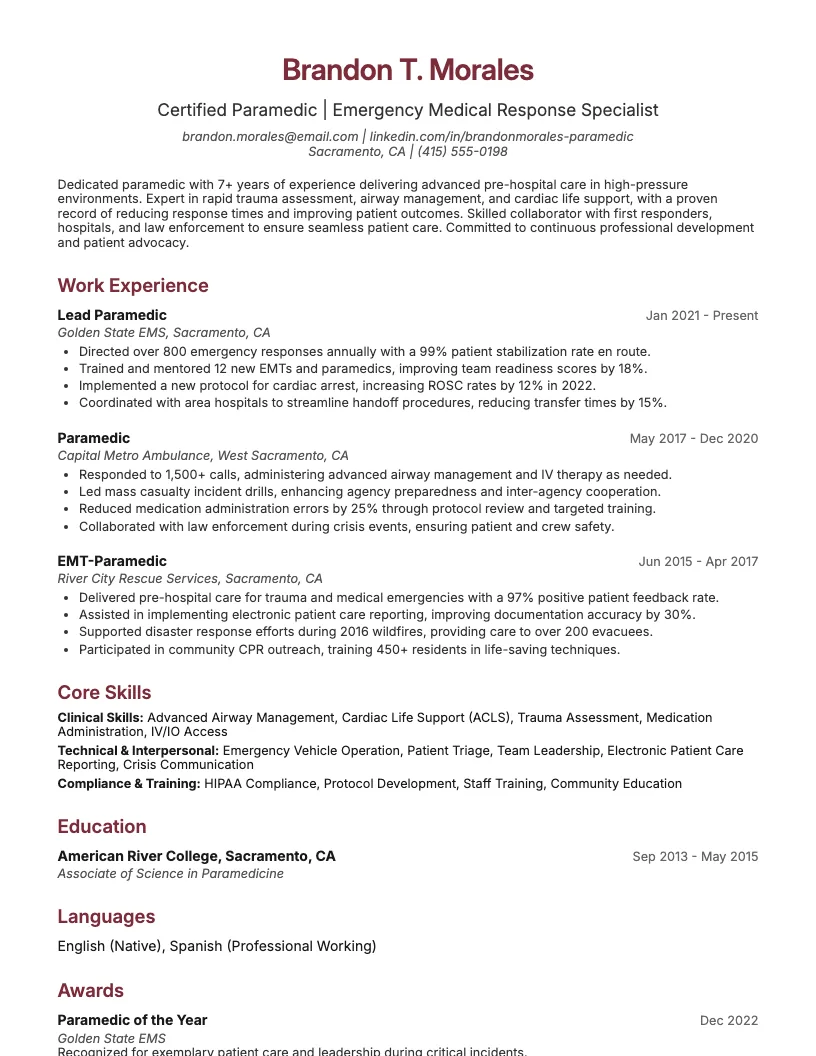
Writing a paramedic resume can feel overwhelming if you don’t know where to start. I want to help you highlight your training, technical skills, and real-life experience.
In this section, I’ll show you resume examples for paramedics at different stages. You’ll see how to present your achievements and stand out in a competitive field.
There are big differences between entry-level and senior paramedic resumes. I see new grads focus on skills and certifications, while seasoned pros highlight leadership and specialized training.
If you’re just starting, use your resume to show off your clinical internships and any volunteer EMS experience, and consider including a cover letter to further highlight your motivation. You can include numbers-like “responded to 50+ emergency calls during training.”
Mid-career paramedics usually include promotion history or specialized credentials, like ACLS or PALS. You should mention supervisory roles, process improvements, or any mentoring you’ve done.
Paramedics respond to emergency calls and give life-saving care. They’re trained to handle tough situations-heart attacks, trauma, or even delivering babies on the spot.
They complete thousands of hours of education, so they can offer advanced medical support. Paramedics also help calm people down and offer advice during stressful emergencies.
Their job changes every day, and they never really know what the next call will bring. This makes the paramedic role demanding but also rewarding for the right person.
Right now, paramedics are in high demand. The U.S. Bureau of Labor Statistics predicts an 11% job growth for EMTs and paramedics by 2030-that’s about 28,600 new jobs.
Staff shortages are a real issue, especially in rural and underserved areas. If you’re open to relocating, you’ll find even more opportunities.
An aging population means more people need urgent medical care. This helps keep paramedic jobs steady and often increases demand in local communities.
A paramedic resume needs the right structure and keywords to get noticed. Every section should be clear, relevant, and easy to read.
I always focus on tailoring my resume to each job. This means using language from the job posting and making sure my experience stands out.
The format you choose matters, especially when it comes to applicant tracking systems. I’ll break down which formats work best for paramedics next.
I usually stick with the reverse chronological format. It’s the favorite for recruiters and works well with most Applicant Tracking Systems (ATS).
If you’re just starting out or switching careers, a hybrid format can help highlight your skills and certifications up top. This gives you a fair shot even with limited experience.
You want your format to make it easy for hiring managers to spot your strengths. About 97% of employers use ATS, so clear section headings and dates matter a lot.

A solid paramedic resume covers your summary, work history, skills, and education. Each section has a specific role to play in showing what you bring to the job.
You want to keep things clear and relevant. I focus on real experience, hands-on skills, and the right certifications, because employers look for these details fast.
A great paramedic resume starts with a strong summary. This is your chance to introduce yourself and highlight your most valuable skills in just a few lines.
I always keep mine short-three or four sentences max. I focus on key achievements, years of experience, and my approach to handling stressful situations.
You want to show recruiters why you stand out. Mention your adaptability, calm under pressure, and any specific strengths-like handling 100+ emergency calls per month or leading a training session.
Your employment history is probably the biggest chunk of your paramedic resume. Here, I show how I make my experience stand out with clear, action-driven bullet points.
Start each line with a strong verb. For example: Responded to 100+ emergency calls monthly, coordinated with law enforcement, and implemented advanced care protocols for critical patients.
You want to highlight results, not just duties. Quantify your impact when you can. This helps recruiters see what you actually accomplish on the job.
You need to show both your medical know-how and people skills on your resume. Recruiters want to see hard skills like trauma assessment and soft skills like empathy.
I recommend listing 5-7 skills max. Focus on what the job description asks for. This helps your resume get past ATS filters and land on the right desk.
Highlight skills like critical care protocols, analytical thinking, and calm decision-making. Don’t forget attributes like teamwork and strong communication-these are huge in emergency settings.
You need at least 1,200 to 1,800 hours of classroom training to become a paramedic. I always list my EMT experience and any academic degrees right under education.
Include your degree, institution, and graduation year. Don’t forget national certification exams or extra courses. This helps recruiters see your credentials at a glance.
If you’ve got more than one certification, group them together here or use a separate section. That keeps your resume tidy and easy to scan.
First impressions matter. Your resume layout speaks before anyone reads a word. Hiring managers often spend less than 10 seconds scanning each resume.
You want your paramedic resume to look clean, professional, and easy to read. Small design choices-like clear headings and enough white space-make a big difference.
Let’s talk about the layout basics and how to highlight your best skills without going overboard. I’ll break down what works and what to avoid next.
Paramedic jobs are growing fast, with demand expected to rise by 11% through 2030. This means your resume matters more than ever.
Highlight your emergency skills, certifications, and ability to stay calm under pressure. Customizing your resume helps you stand out to hiring managers and applicant tracking systems.
Healthcare covers a lot of ground, and there are dozens of roles besides paramedic. I see job seekers using different resume styles for each one.
If you're thinking about similar jobs or want to see other formats, I’ve got some helpful examples lined up for you.
If you’re looking for EMT resume examples, you’re in the right spot. I know how important it is to see real-world formats before you start writing.
Strong EMT resumes highlight hands-on skills, quick thinking, and certifications like NREMT. You want to show clear experience with emergency response and patient care-this really helps you stand out.
You can also add numbers. For example, mention how many calls you handle each week or how fast you respond. Recruiters love seeing real data in your achievements.
Browse Paramedic resume examples for related roles. Preview any example, open it in the builder, or read its full guide.
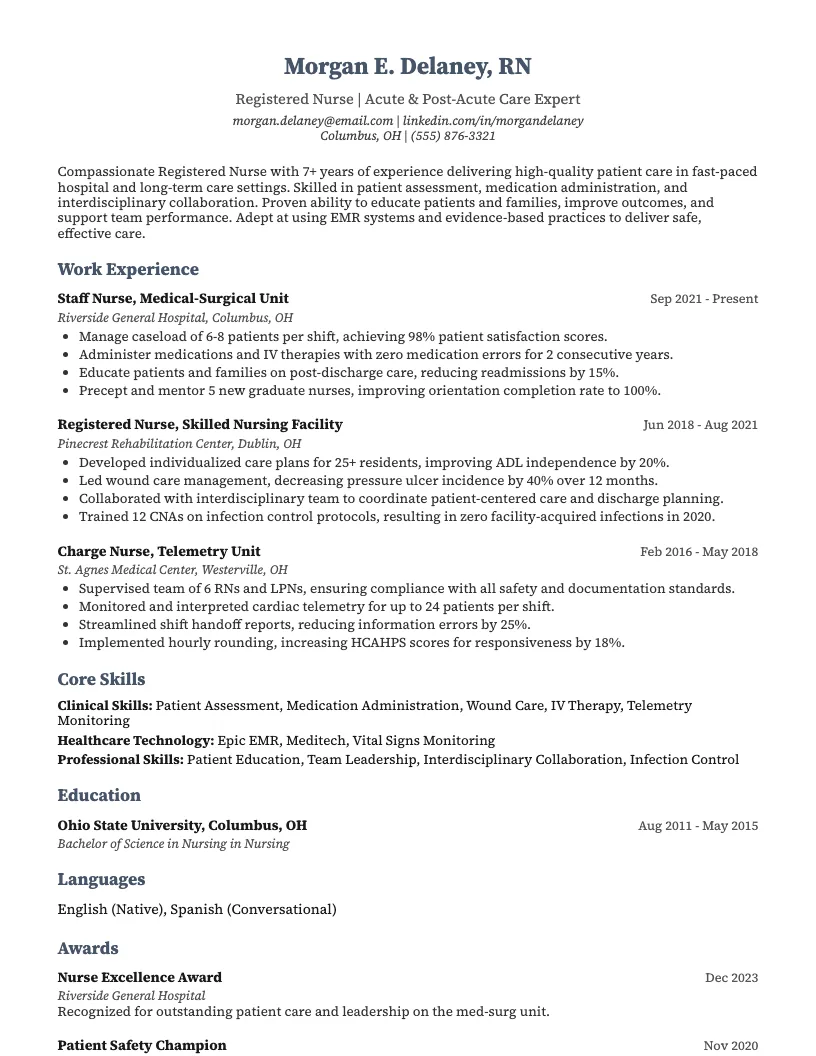
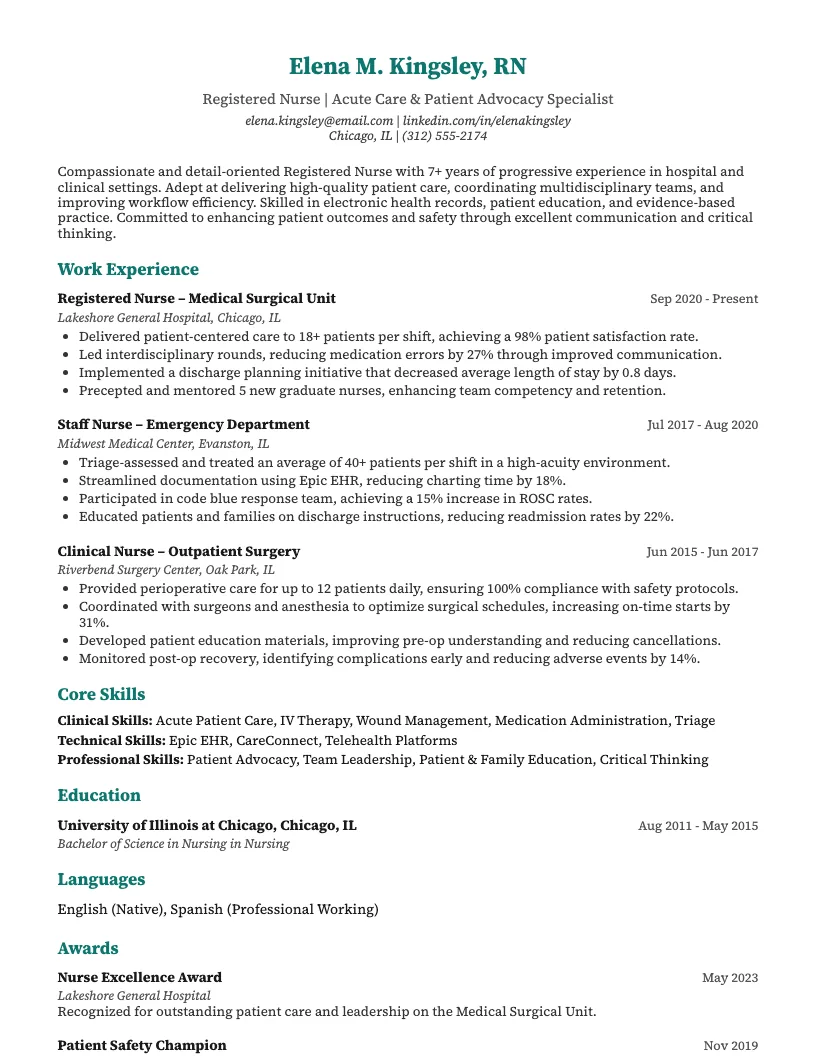
Click to enlarge Click to enlarge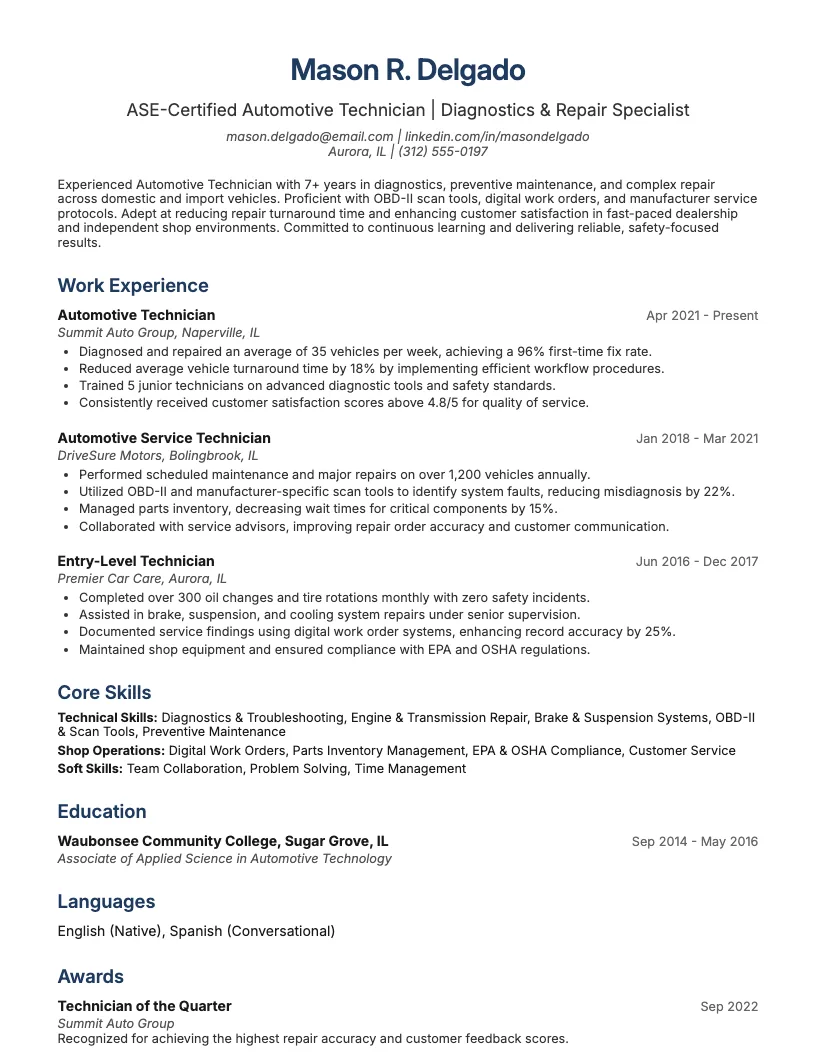 Click to enlarge
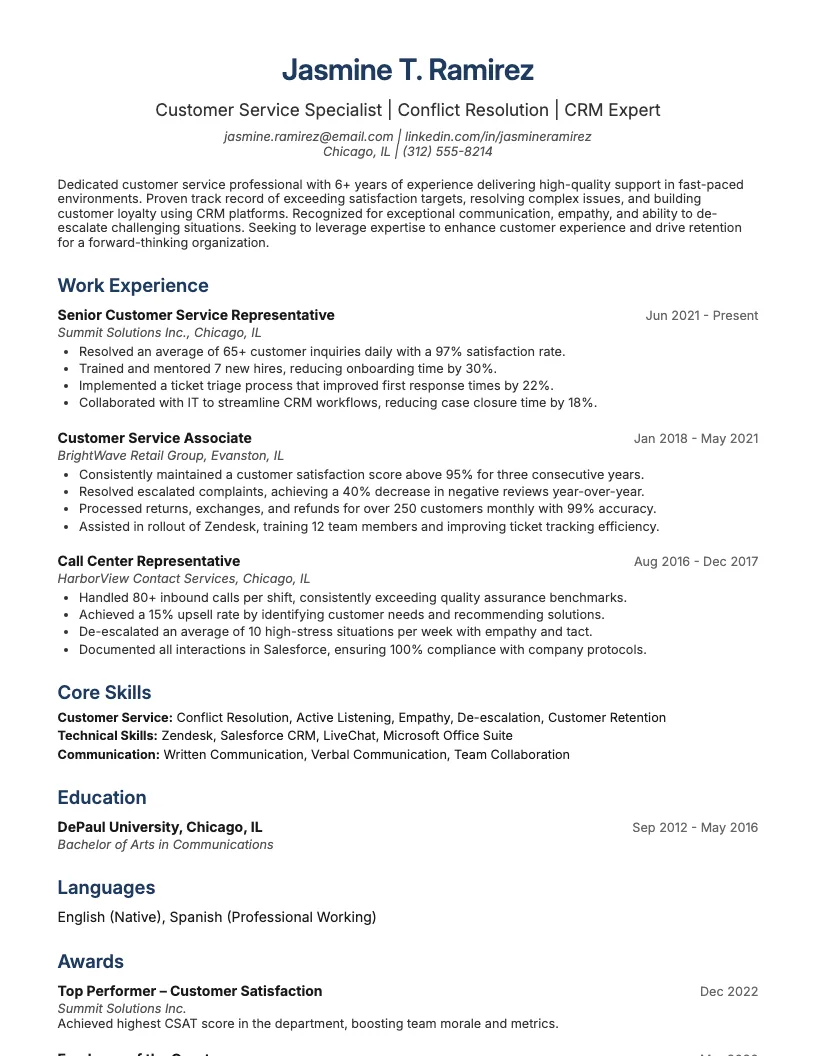
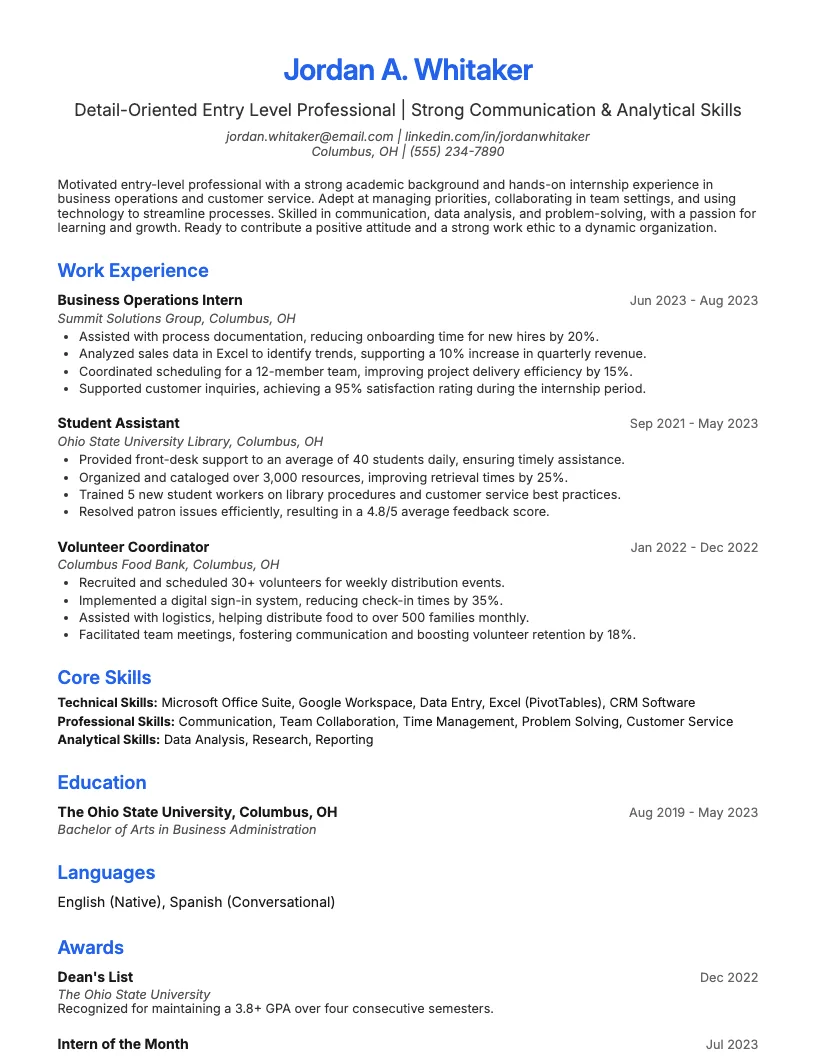
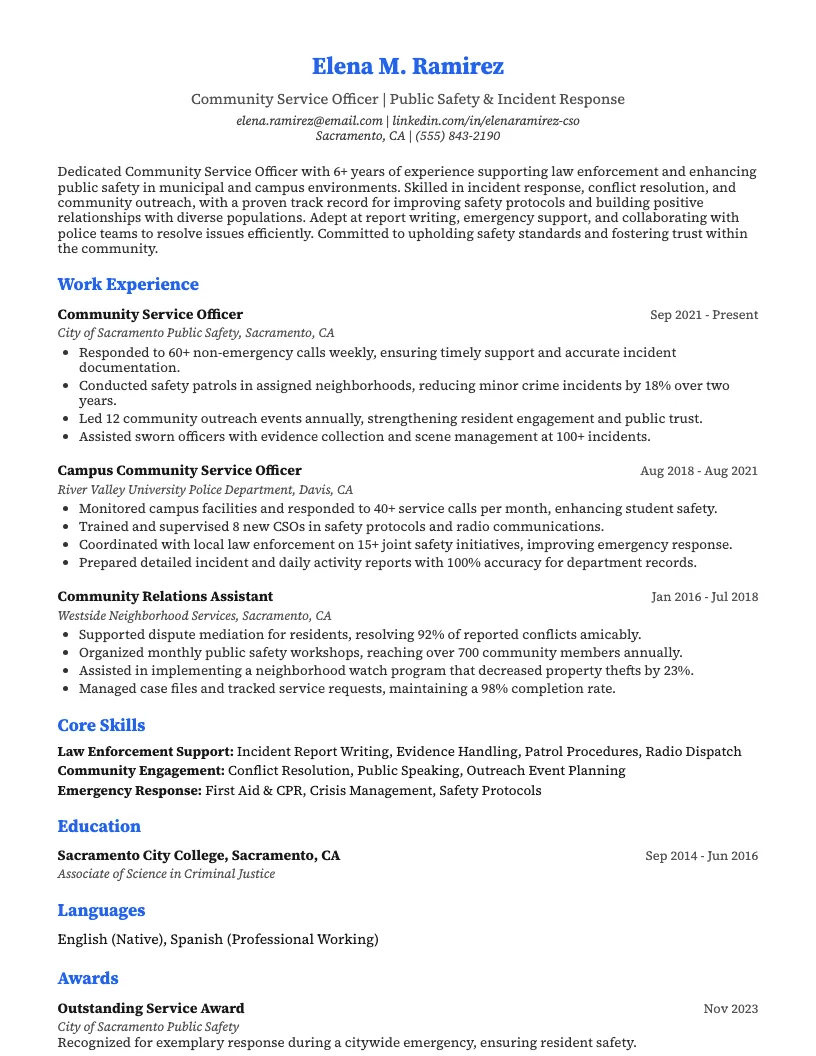 Click to enlarge Click to enlarge Click to enlarge
Common questions about Paramedic resumes
A paramedic resume template is a pre-designed document tailored for paramedics, highlighting medical skills, certifications, and emergency response experience. ResumeJudge makes it easy to showcase your qualifications effectively.
Yes, most paramedic resume templates from ResumeJudge are ATS-friendly, ensuring your resume passes automated screening systems used by hospitals, EMS agencies, and clinics.
Use a paramedic resume template when applying to emergency services, hospitals, ambulance companies, or private medical firms. It's especially useful for new grads or career switchers. ResumeJudge offers templates for every stage.
Absolutely! You can personalize sections like skills, education, and experience. ResumeJudge templates are easy to edit, letting you highlight your unique achievements and credentials.
Paramedic templates focus on emergency medical skills, relevant certifications, and field experience, unlike general templates. ResumeJudge ensures each template is tailored to showcase your healthcare expertise.
A paramedic resume should be one page for less experienced candidates or up to two pages for those with extensive experience. ResumeJudge formats help you stay concise and organized.
Yes, paramedic templates include dedicated sections for certifications like EMT, ACLS, and PALS. ResumeJudge makes it simple to highlight your credentials for recruiters.
Definitely! These templates are perfect for volunteer EMT roles, internships, or entry-level paramedic positions. ResumeJudge helps you showcase transferable skills even if you’re just starting out.
Yes, these templates support professionals seeking promotions to roles like supervisor or training officer. ResumeJudge’s designs highlight leadership and advanced skills for higher-level opportunities.
A good paramedic resume template includes sections for contact info, summary, skills, certifications, work history, and education. ResumeJudge templates ensure all critical sections are easy to fill in.
Explore more professional resume examples to inspire your job search
Use our AI-powered resume builder to create a professional, ATS-friendly resume in minutes.
Free to use • No credit card required