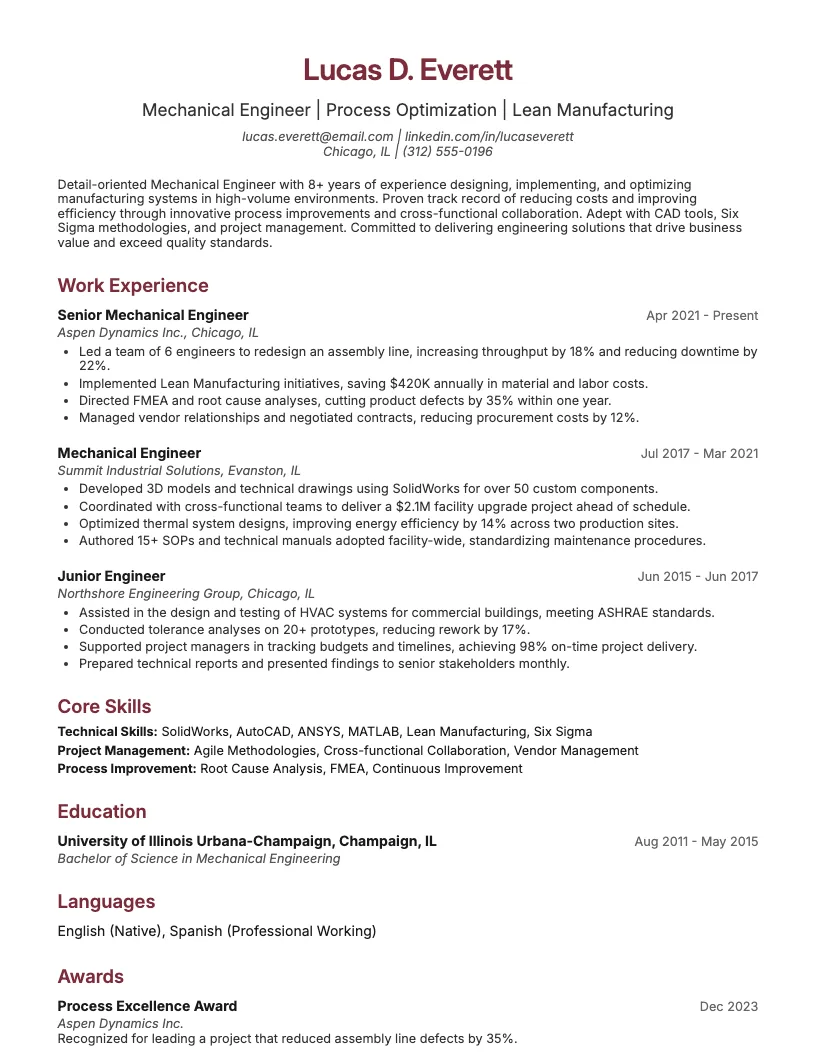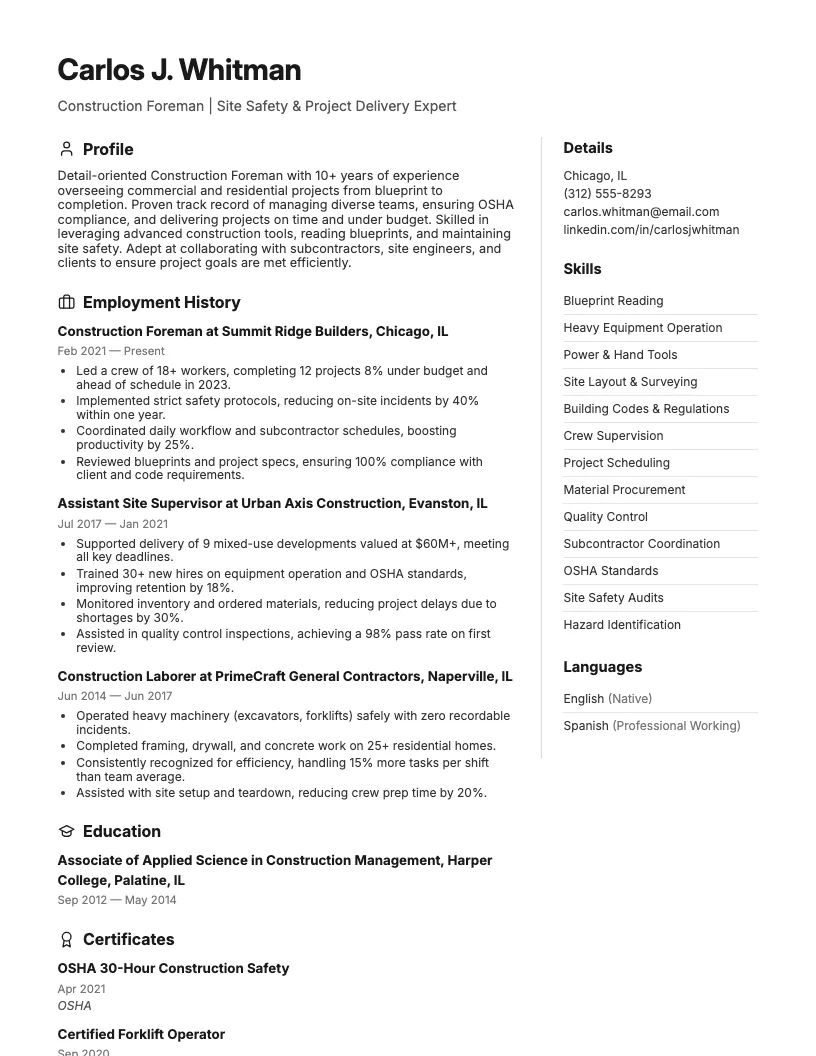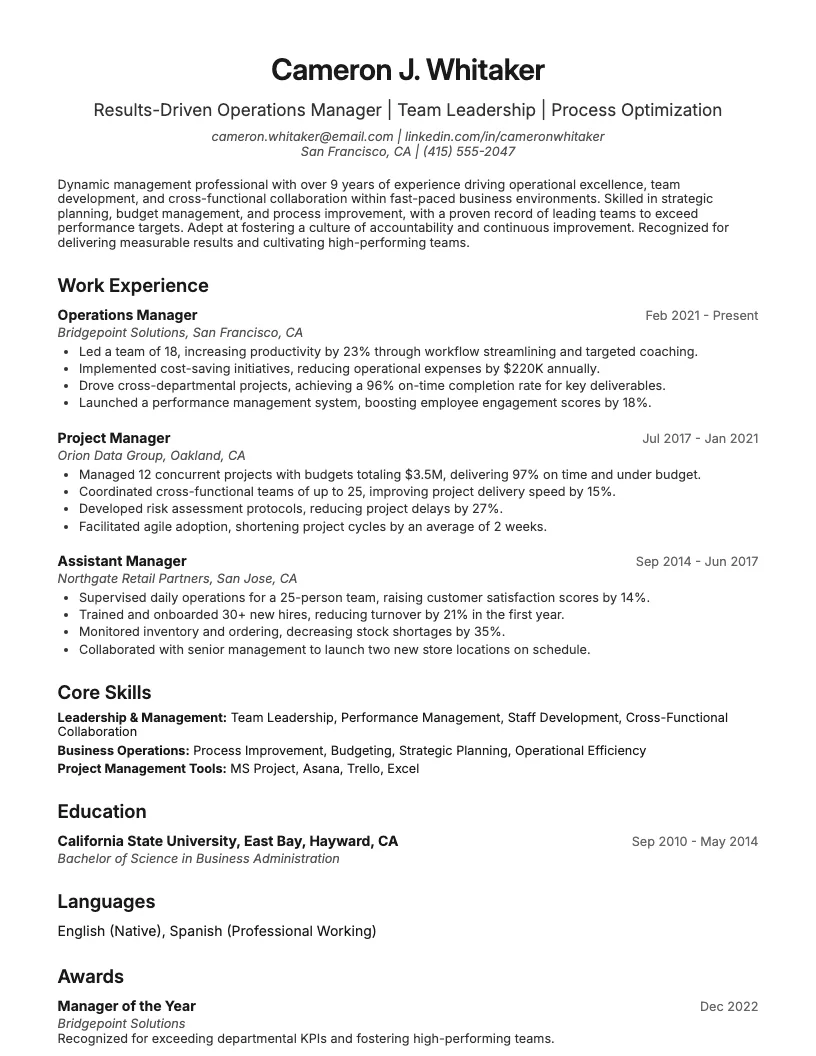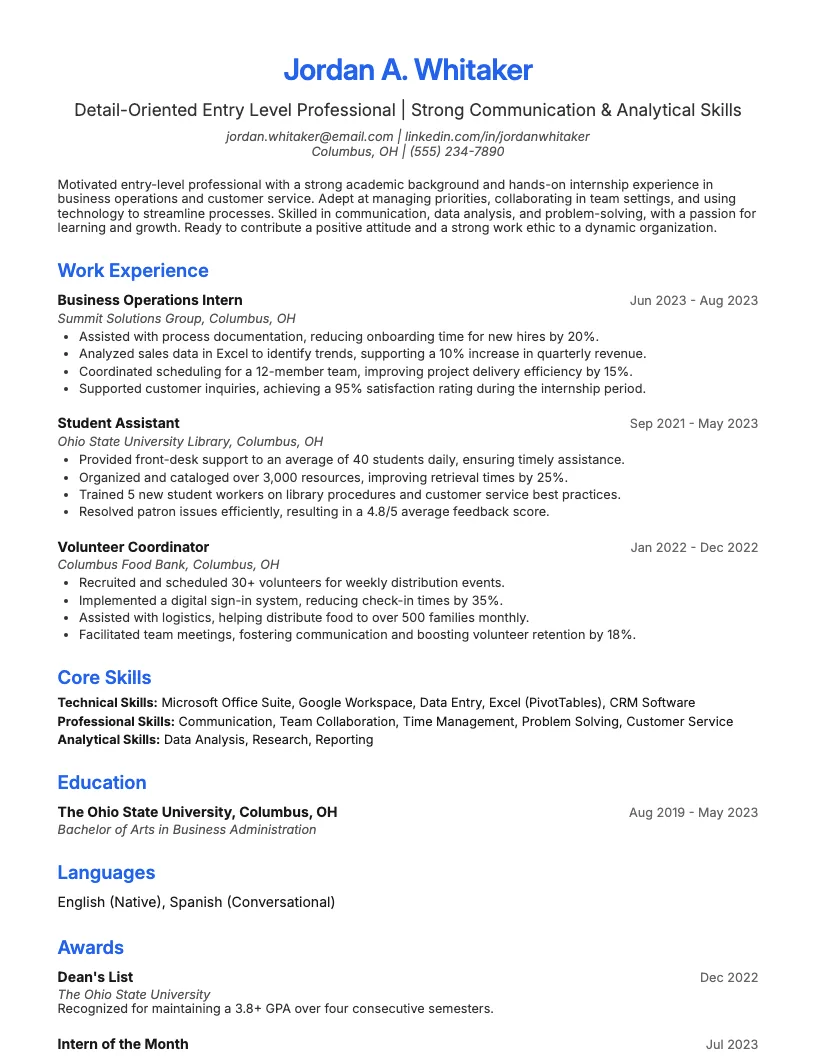
Diesel Mechanic Resume Example
See full guide on Diesel Mechanic resumes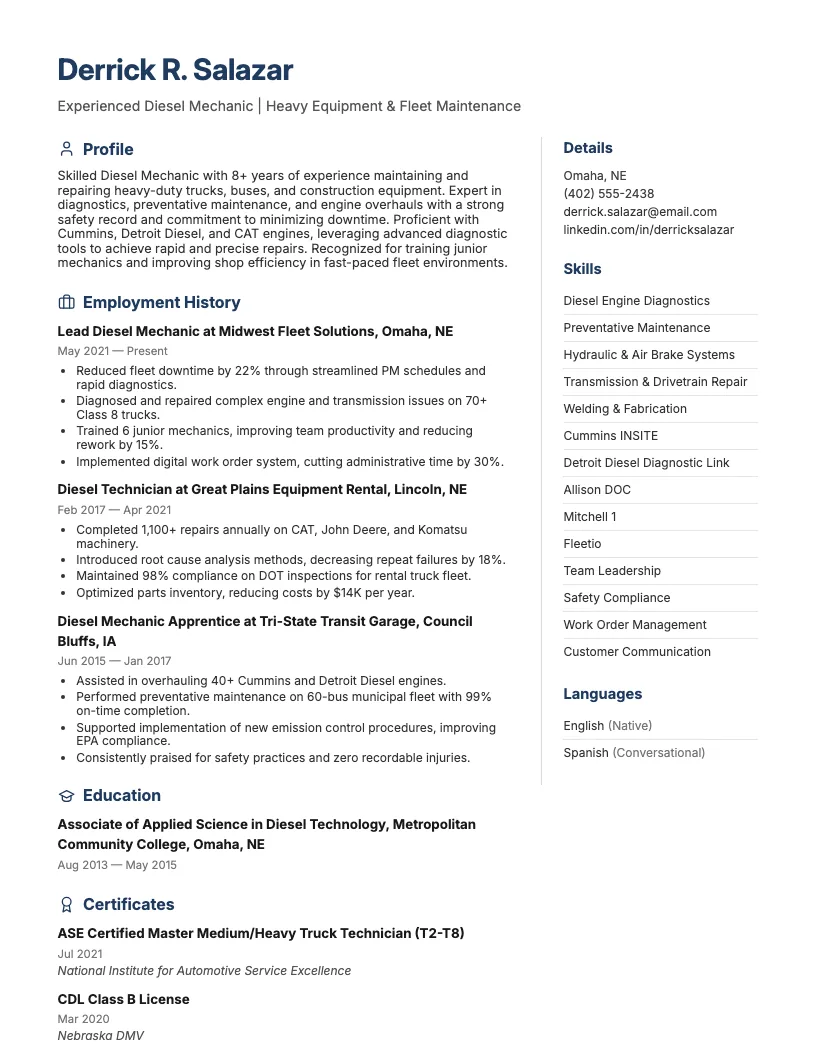 Click to enlarge
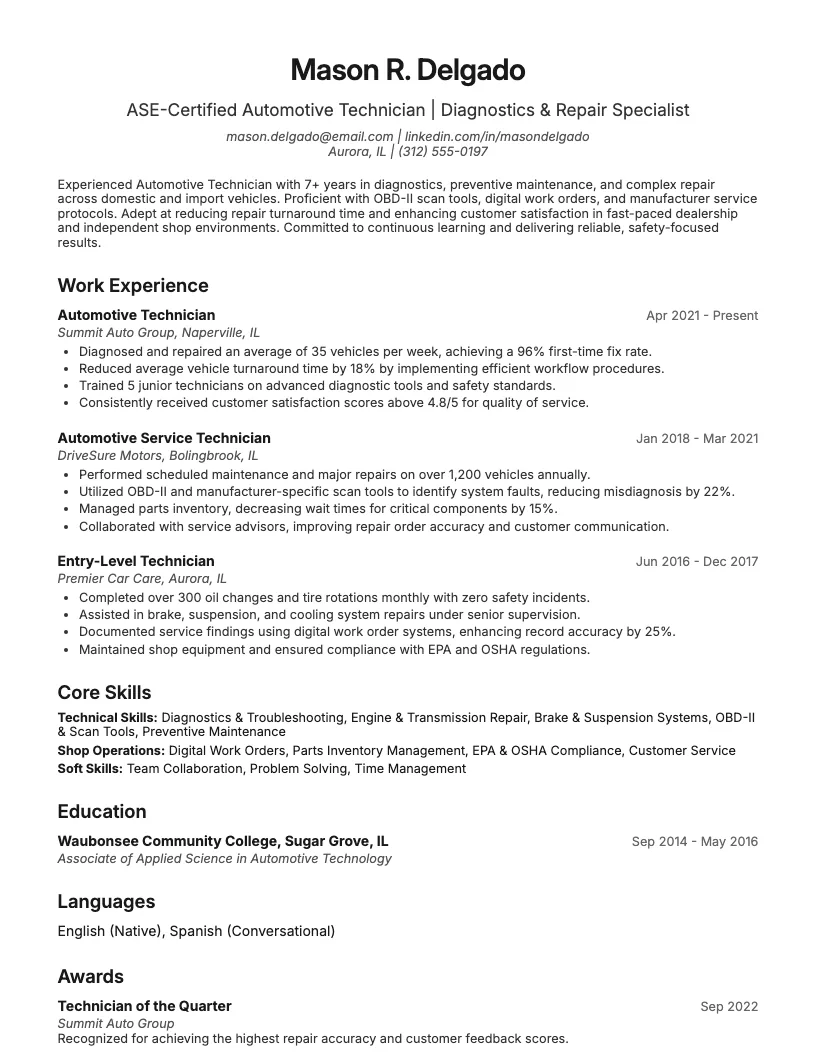 Click to preview

Get inspired by 60+ professional Automotive Technician resume examples, each written by career experts and optimized to pass ATS scans. Pick a proven template, tailor it to your role, and download a polished resume in minutes.
Pick the specialization closest to your target role and start from a proven resume example.

Writing an automotive technician resume can feel overwhelming. You want to show off your skills and experience, but you also need to keep things clear and organized.
Recruiters spend less than 7 seconds on a resume. If you want to stand out, you need the right sections and details in the right order.
I’ll walk you through what to include, what recruiters actually look for, and the steps to get your resume noticed. Let’s get started.
You want your resume to look sharp and make sense at a glance. I always include the basics: contact info, a professional summary, work experience, skills, and education.
A clear header shows who you are and how to reach you. I also add a LinkedIn link if I have one-about 90% of recruiters look there.
Your work experience section should list jobs in reverse chronological order. This helps recruiters spot your most recent skills and achievements fast.
Don’t skip your skills section. I list both technical skills-like diagnostics or brake repair-and soft skills, such as communication or teamwork. Both matter in the shop.
Include education and any certifications, like ASE. Certifications set you apart-about 60% of techs land interviews with these listed.
If you have space, add an achievements or awards section. This is where you brag a little about standout moments or customer satisfaction numbers.
Recruiters want to see ASE certifications or similar automotive credentials. This shows you meet industry standards and have the technical chops. You should list all certifications up front.
Hands-on experience really matters. I always include the tools I use-OBD scanners, multimeters, engine analyzers-since these are industry essentials. Be specific about your tool skills.
You should highlight work with different vehicle makes and models. Mention any specialty-engines, transmissions, or electrical systems. Recruiters like seeing diversity in repair experience.
Customer service counts too. If you can explain repairs in plain English, say so. I always mention when I help customers understand what’s going on with their car.
Start off with a short, punchy summary. Mention your job title, years of experience, and two or three specialties. This grabs attention right away.
After that, list your work experience in reverse-chronological order. Use bullet points and include specific numbers, like the average number of repairs you handle each week.
Add your education and certifications next. ASE certifications or manufacturer training show you mean business. If you’ve got extra training, definitely include it.
Don’t forget your technical skills. List specialties like diagnostics, hybrid vehicles, or specific software you use. This shows you keep up with the latest tech.
Wrap it all up with a clean, easy-to-read layout. Double-check for typos, and be sure to include a cover letter to further strengthen your application. A clear, organized resume gets noticed-no matter how many others are in the pile.
Choosing the right resume format makes a huge difference. Recruiters spend less than 10 seconds scanning most resumes, so you want yours to stand out for the right reasons.
You need a layout that shows your skills, experience, and certifications clearly. I always recommend keeping things organized and easy to read, not flashy or cluttered.
Let’s talk about what makes a resume format work best for automotive tech roles, and how you can set yourself up for success.
Stick to clear fonts like Arial or Calibri, sized between 10-12 points. This helps your resume stay easy to read, especially when recruiters only spend about 7 seconds skimming.
I always avoid flashy colors or graphics. Simple black text on a white background works best. Recruiters want to see your skills and experience, not get distracted by design.
Use consistent spacing and margins. You want your sections lined up and evenly spaced-this makes your resume look clean and professional, which is what recruiters expect.
Your resume summary or objective is the first thing recruiters see. It needs to grab attention fast and clearly show your experience or goals.
I know it can be tough to decide which one to use. Your choice depends on your experience, skills, and what you want in your next automotive technician role.
Let’s break down when to use a summary versus an objective. I’ll also give you some examples so you can see what works best.
When I build my automotive technician resume, I always ask whether a summary or objective fits best. The answer depends on my experience and what I want recruiters to see first.
If you’re just starting out or switching careers, go with a resume objective. This helps you highlight your goals, strengths, and motivation-especially when you don’t have years of hands-on experience yet.
If you’ve worked in the field for several years, a resume summary makes more sense. Use it to spotlight your biggest achievements and technical skills that match the job description.
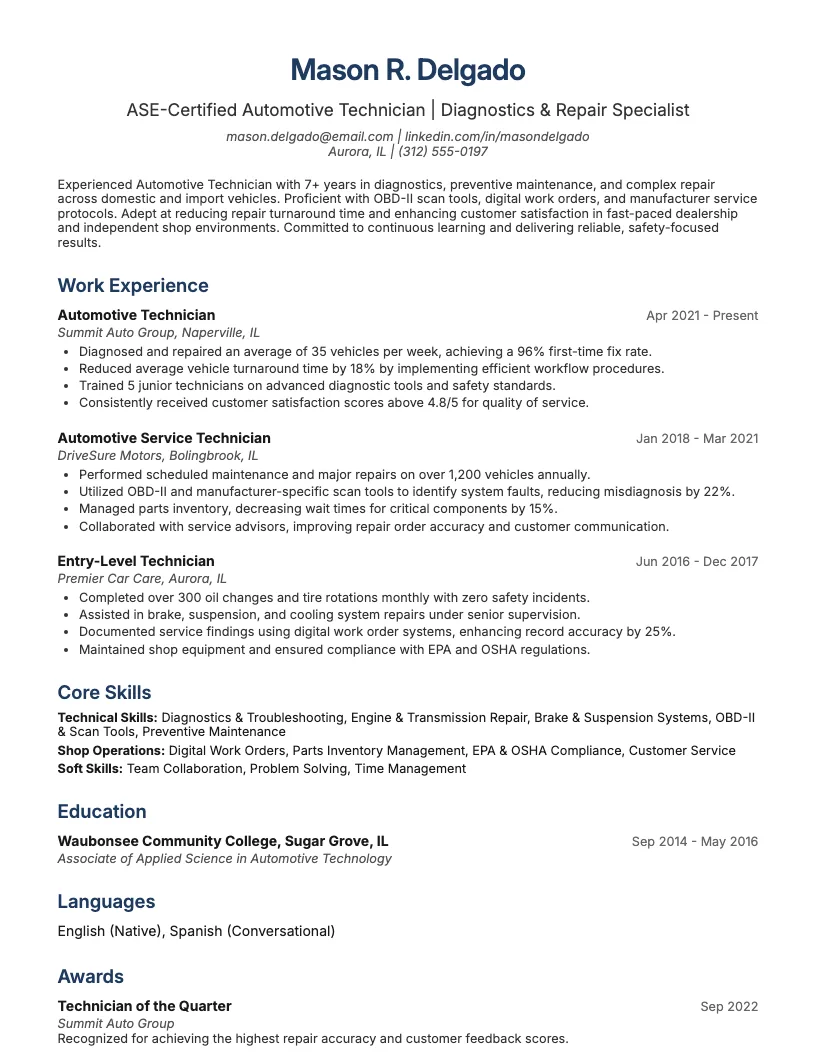
Here are a few resume summary examples that work well for an automotive technician. I keep these short and focused on measurable impact and relevant skills.
Example 1:
ASE-certified automotive technician with 8 years’ experience in diagnostics, repairs, and customer service. I boost shop efficiency by 25% through fast troubleshooting and clear communication.
Example 2:
Automotive tech skilled in hybrid and electric vehicles. I complete over 400 repairs a year and train junior staff. Customers give me a 98% satisfaction rating.
Example 3:
Detail-oriented technician with strong electrical systems background. I handle complex diagnostics, lower warranty claims by 18%, and thrive in busy dealership environments.
When you write your summary, use specific numbers or results. This helps you stand out and shows recruiters what you actually achieve on the job.
This is where you show exactly what you bring to the shop floor. Your experience section needs clear details-what you did, the skills you used, and the results you got.
If you fixed 200+ vehicles a year or improved turnaround times, say so. Numbers back up your claims and help hiring managers see your value right away.
When I talk about my achievements, I use numbers. For example, I mention the number of vehicles serviced or the percentage of repairs completed on time.
You can show value by highlighting stats like customer satisfaction rates, repeat business percentages, or cost savings from efficient repairs. This helps hiring managers see your real contributions.
There are other ways to show your impact, too. List the number of diagnostic tools you use, or how many models you’re familiar with. Specifics make your resume stand out.
The right action verbs make your resume stand out. I like verbs like diagnosed, repaired, inspected, and installed-they show exactly what I did, without any guesswork.
You want recruiters to picture you in action. Words like calibrated, troubleshot, serviced, and maintained help highlight the real, hands-on skills you bring.
Swap generic stuff like “helped” for specific verbs. This helps your achievements seem more credible. It’s what turns basic job duties into impressive contributions.
If you don’t have direct shop experience, highlight related skills. Mention school projects, home car repairs, or mechanical hobbies. This shows your hands-on ability and interest in automotive work.
Include any volunteer work or internships, even if unpaid. I list things like helping at local garages or community events. These experiences prove your dedication and reliability.
Showcase transferable skills like teamwork, time management, or communication. Employers value these in any role. You can pull these from part-time jobs, clubs, or sports teams.
Focus on your willingness to learn and adapt. Mention certifications, like ASE entry-level or online auto repair courses. This helps hiring managers see your commitment to the field.
With the right approach, even a resume without formal experience can grab attention. Just be honest, clear, and show what you bring to the table.
Every automotive technician role looks for a solid mix of hard and soft skills. You want to show you can handle the tech and the teamwork.
I always recommend thinking about what the shop or company needs. Highlighting the right skills helps your resume stand out and match what employers want.
You don’t need to list everything. Pick the skills that fit the job best. Most job ads mention five or six skills that really matter.
Hard skills matter a lot in this field. I always show off my diagnostic software knowledge, engine repair, and ASE certifications. Recruiters want to see these specific, measurable abilities.
Soft skills are key too. Think problem-solving, communication, and attention to detail. Shops value techs who work well in a team and explain issues clearly to customers.
You want a balance of both types. I suggest listing at least three hard skills and two soft skills. Including a cover letter is another way to help your resume stand out against hundreds of others.
Your certifications and education matter a lot in the automotive field. Employers often look for specific credentials and training before they even review your work experience.
If you’re still in school, just list your expected graduation date. If you already have industry certifications, put those front and center on your resume.
Some shops only hire techs with ASE or manufacturer-specific training. Up-to-date certifications can give you an edge over other applicants.
Next, let’s break down which certifications are most valuable and how you can best highlight them.
I always recommend listing your ASE (Automotive Service Excellence) certifications first. Employers recognize ASE credentials, and around 70% of shops prefer technicians who have them.
You should highlight the Master Automobile Technician certification if you have it. This shows you’re skilled across all major areas, not just one specialty.
If you’ve got specialist credentials, like L1 Advanced Engine Performance, add those too. These certifications show you know the latest tech and diagnostics, which is a big plus.
Sometimes, a basic resume doesn't cover everything you bring to the shop. You can add extra sections to highlight skills and interests that set you apart.
If you're fluent in another language, have a standout portfolio, or want to show off what you do outside work, now's your chance. These details give hiring managers a fuller picture.
Every automotive technician job is a little different. Your experience, skill level, and specialty shape how you show your value on a resume.
I break down resume examples for entry-level techs, senior pros, and specialists. This helps you see what works at your career stage.
If you’re just starting out, your resume should show off your technical training, certifications like ASE G1, and hands-on experience from internships or trade school.
Focus on basic skills-oil changes, brake jobs, and inspections. Employers look for strong work ethic and a willingness to learn, not just years of experience.
I always recommend highlighting teamwork and customer service, and including a cover letter can help you emphasize these qualities. About 70% of entry-level techs work in support roles, so being reliable matters as much as technical know-how.
If you’re aiming for senior, lead, or master tech roles, your resume has to show experience. I always highlight things like team leadership, advanced diagnostics, and process improvements.
You want to include quantifiable achievements-think “reduced repair times by 20%” or “trained 12 junior techs.” Employers look for those numbers because they prove your impact.
Don’t forget certifications. ASE Master Technician or OEM training make a big difference. You should also mention any experience with shop management systems or supervising multi-bay operations.
If you work on HVAC, electrical, or transmission systems, your resume should highlight those technical skills. Employers want to see ASE certifications or manufacturer training right up front.
I always list specific diagnostic tools I use-like scan tools, oscilloscopes, or multimeters. This shows I know my way around complex systems and can troubleshoot efficiently.
You should quantify your experience whenever possible. For example, "Diagnose and repair 20+ HVAC issues monthly" or "Complete 15 major transmission rebuilds per year." This adds real value.
Specialty tech resumes stand out when you show problem-solving and continuous learning. Mention training on hybrid, EV, or ADAS systems if you have it. This helps you stay competitive in the industry.
If you’re looking to land a job as an automotive technician, you need a resume that shows your skills and experience clearly. I’ve seen hundreds of resumes that get results.
Here, you’ll find templates and text-only examples for different experience levels, from entry-level to master technician. These samples highlight real skills employers want, like diagnostics and customer service.
I include formats for common specialties-like lube tech, hybrid specialist, and collision repair. Each example uses clear language and real numbers to show your impact.
When I look at a great automotive technician resume sample, I see clear job titles, years of experience, and detailed skills. This helps recruiters spot top candidates fast.
You want specific details, like “Diagnosed and repaired over 100 vehicle systems per month.” Numbers stand out and show real impact.
Use simple language and bullet points for responsibilities and achievements. This keeps everything easy to scan and highlights what you bring to the table.
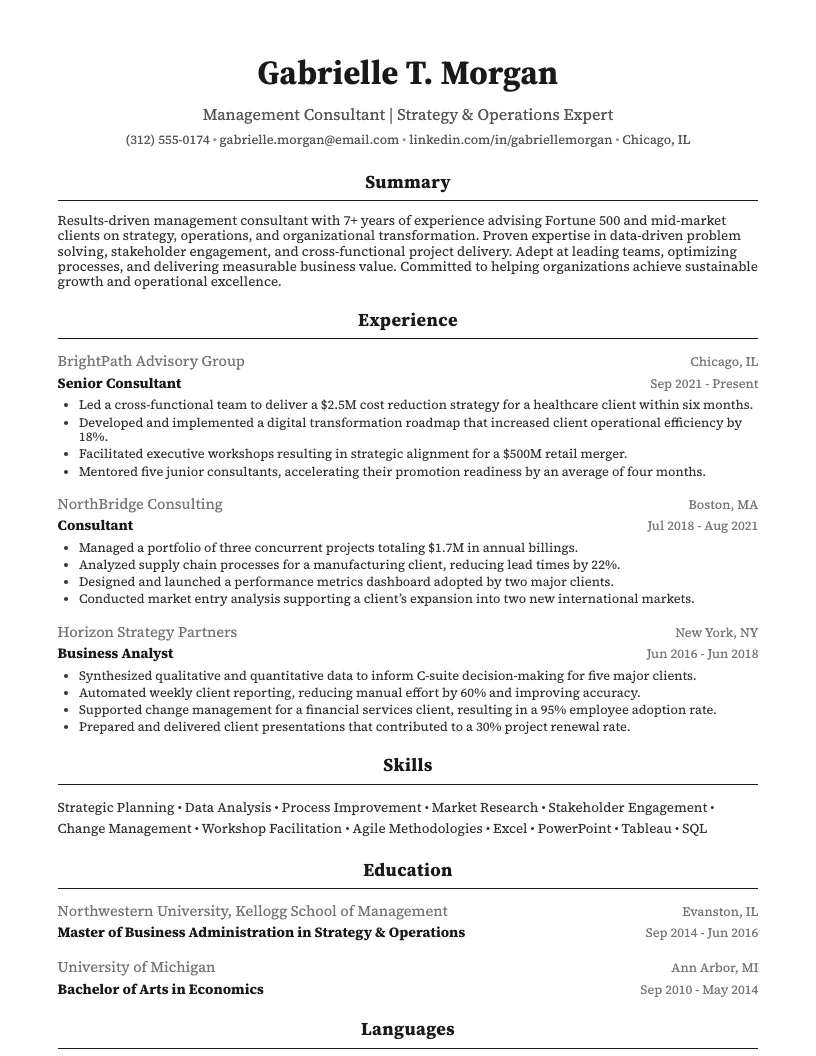
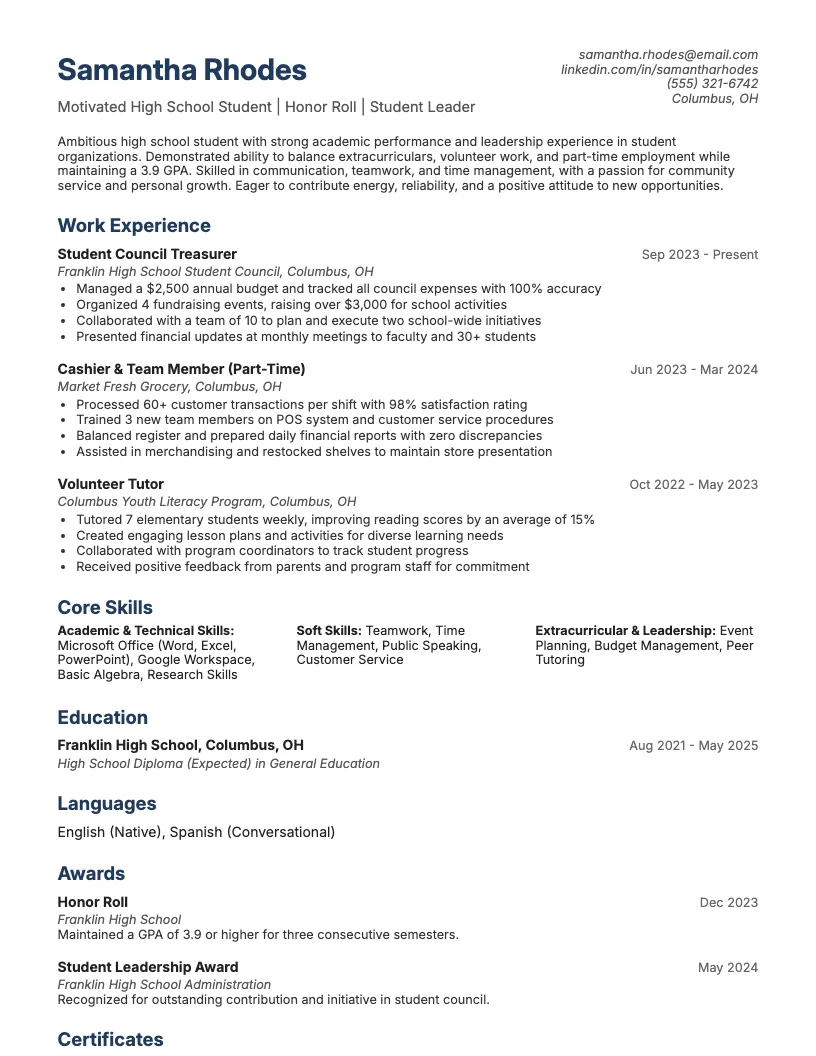
Browse Automotive Technician resume examples for related roles. Preview any example, open it in the builder, or read its full guide.
Click to enlargeCommon questions about Automotive Technician resumes
A automotive technician resume template is a pre-designed document tailored for showcasing skills, certifications, and experience specific to auto repair, diagnostics, and maintenance. ResumeJudge makes it easy to highlight your expertise.
Yes, ResumeJudge templates are ATS-friendly, ensuring your resume passes automated screenings used by dealerships and repair shops, so your skills reach the hiring manager.
Use this template when applying for jobs at car dealerships, repair shops, fleet services, or manufacturing plants. ResumeJudge streamlines your application for roles requiring technical automotive skills.
Absolutely! ResumeJudge allows you to easily tailor sections like work experience, certifications, and technical skills to fit your background and the job requirements.
Automotive technician templates focus on mechanical skills, certifications like ASE, and hands-on repair experience, while others may highlight different competencies. ResumeJudge helps you emphasize your unique strengths.
Aim for a one-page resume if you have under 10 years’ experience. For seasoned technicians, two pages are acceptable. ResumeJudge helps format your resume for clarity and impact.
Highlight diagnostic abilities, mechanical repairs, preventive maintenance, and familiarity with automotive software. ResumeJudge templates prompt you to include these key skills.
Yes, include certifications like ASE, EPA Section 609, or manufacturer training. ResumeJudge provides dedicated sections, making your credentials stand out to employers.
Yes, pairing your resume with a tailored cover letter strengthens your application. ResumeJudge offers matching cover letter templates for a professional look.
Showcase measurable results, like reducing repair times or improving customer satisfaction. ResumeJudge guides you to quantify achievements for maximum impact.
Explore more professional resume examples to inspire your job search
Use our AI-powered resume builder to create a professional, ATS-friendly resume in minutes.
Free to use • No credit card required