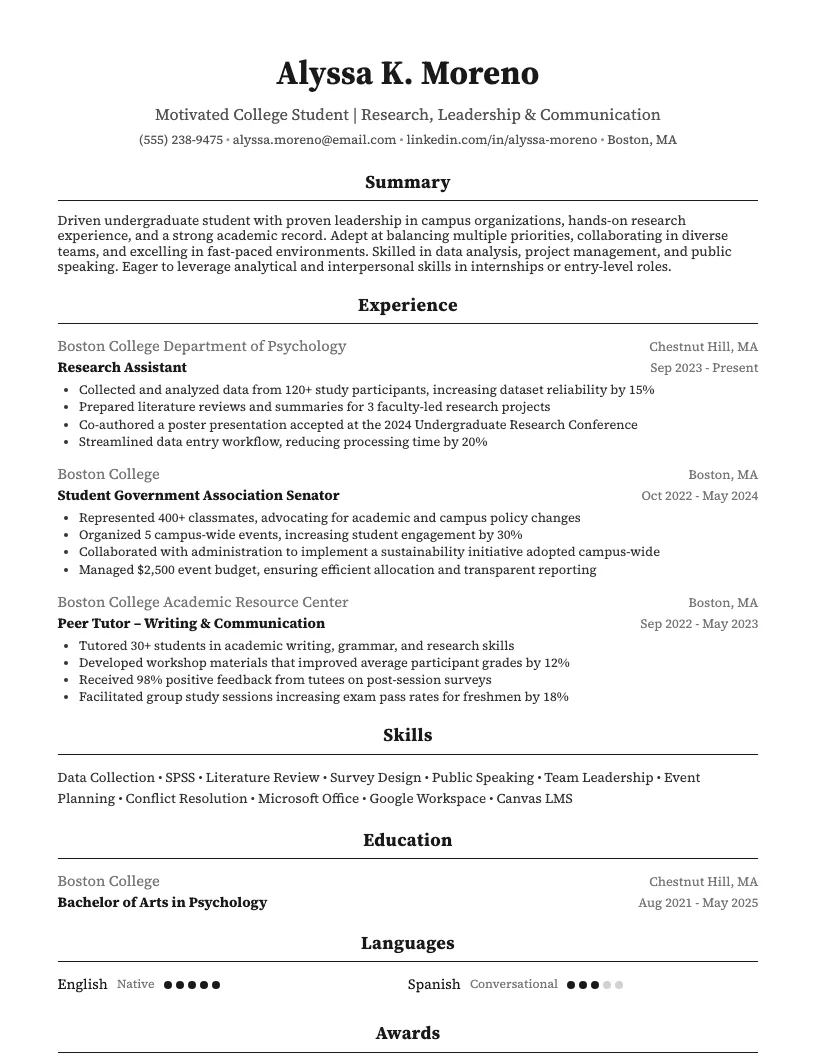
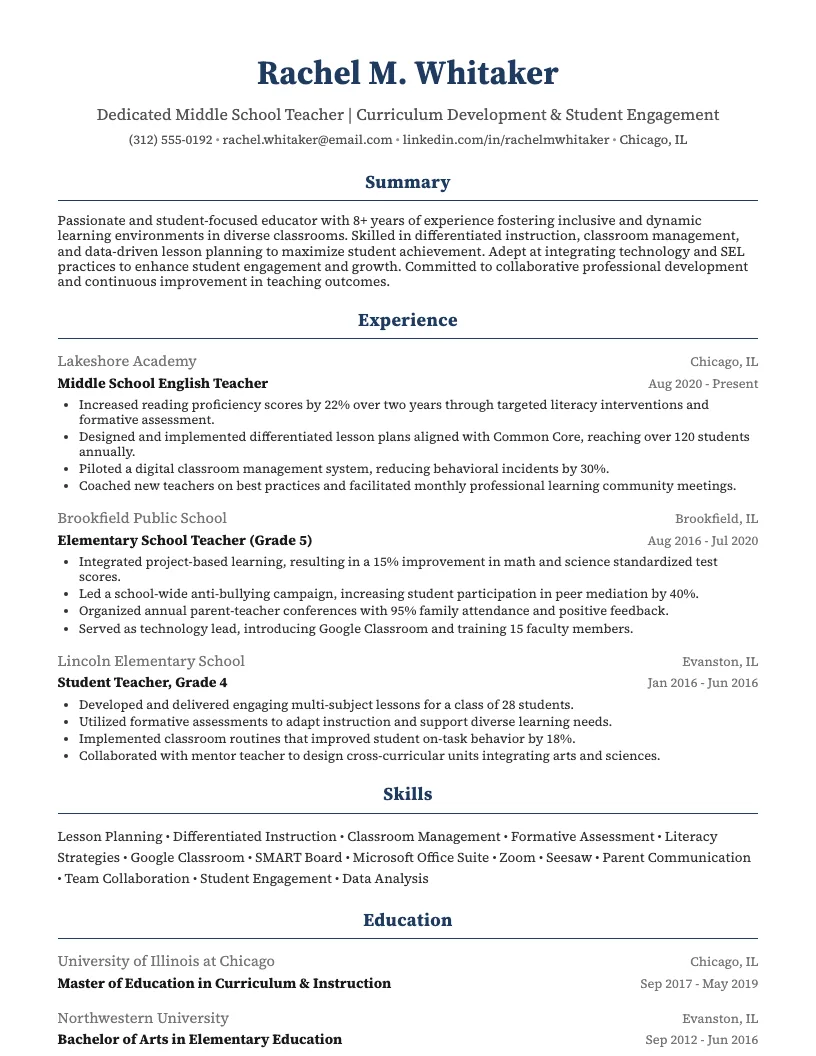
Entry Level Project Coordinator Resume Example
See full guide on Entry Level Project Coordinator resumes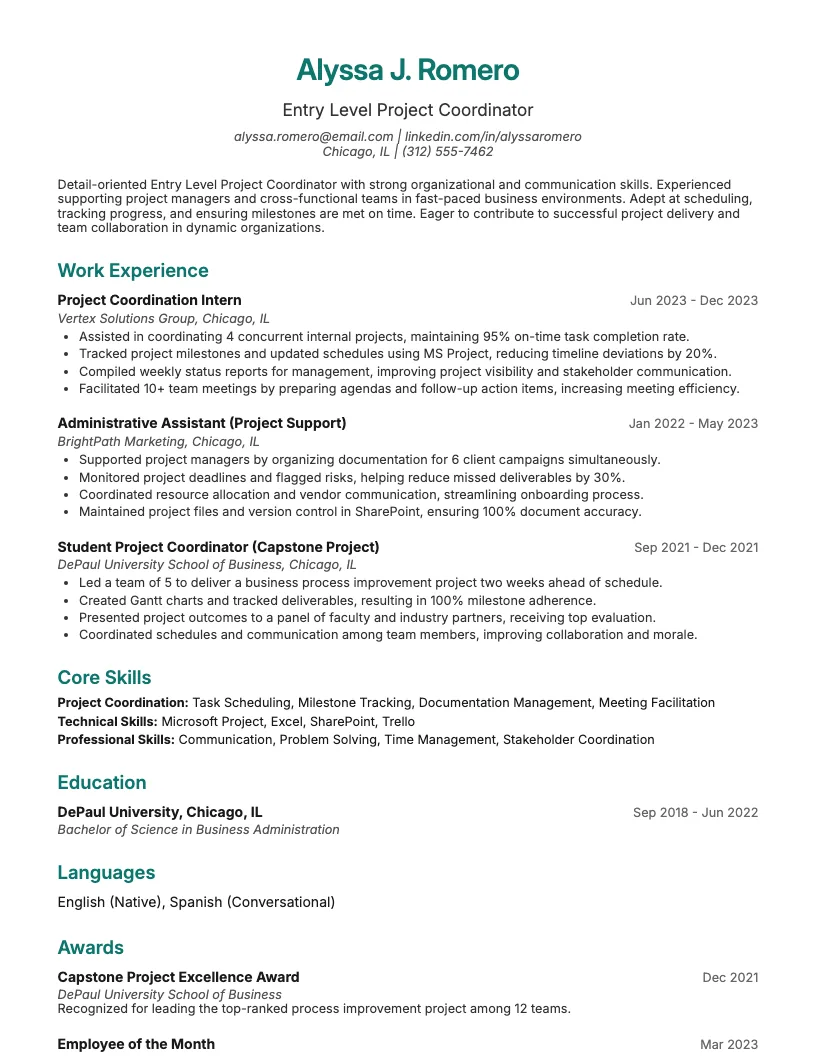 Click to enlarge
 Click to preview

Get inspired by 50+ professional Entry Level Human Resources Assistant resume examples, each written by career experts and optimized to pass ATS scans. Pick a proven template, tailor it to your role, and download a polished resume in minutes.
Pick the specialization closest to your target role and start from a proven resume example.
If you want to get started in HR, your resume needs to show you’re detail-oriented and organized. I know it’s tough when you have limited experience.
You can make your entry-level HR Assistant resume stand out by focusing on transferable skills and any internships or volunteer work you’ve done. Even if you’re still in school, you have options.
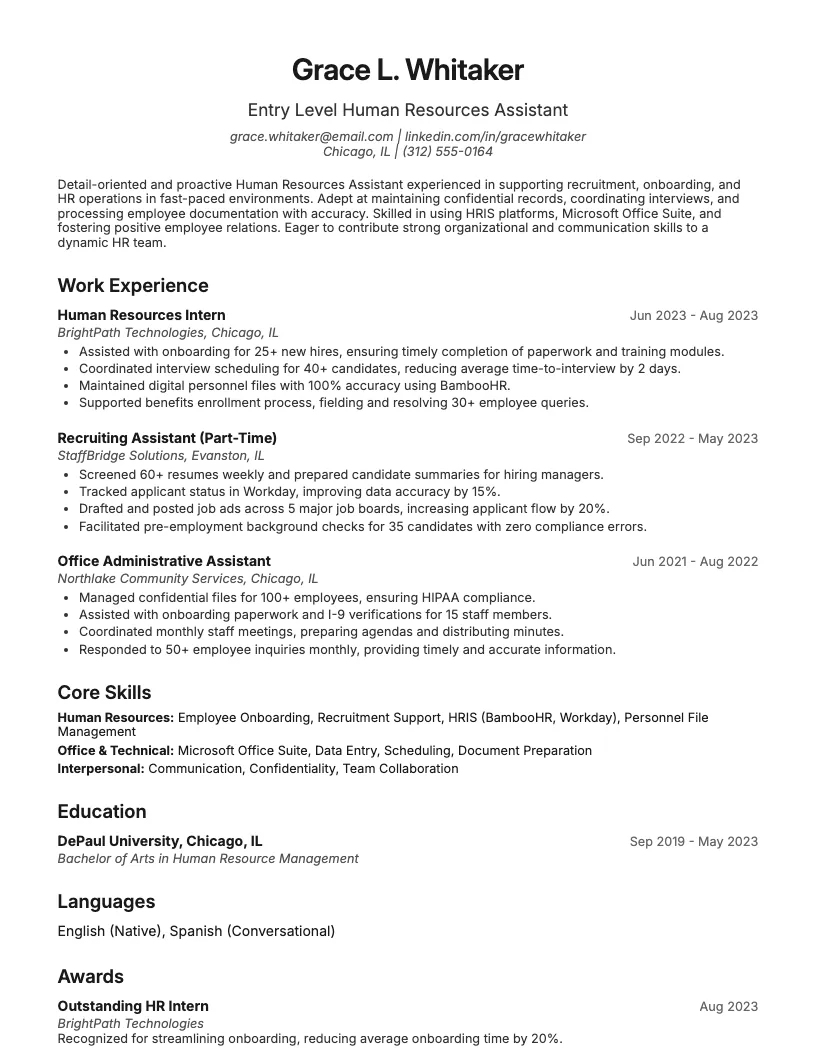
Here’s a resume example that shows exactly what hiring managers look for in entry-level HR roles. I highlight real skills, experience, and keywords you need.
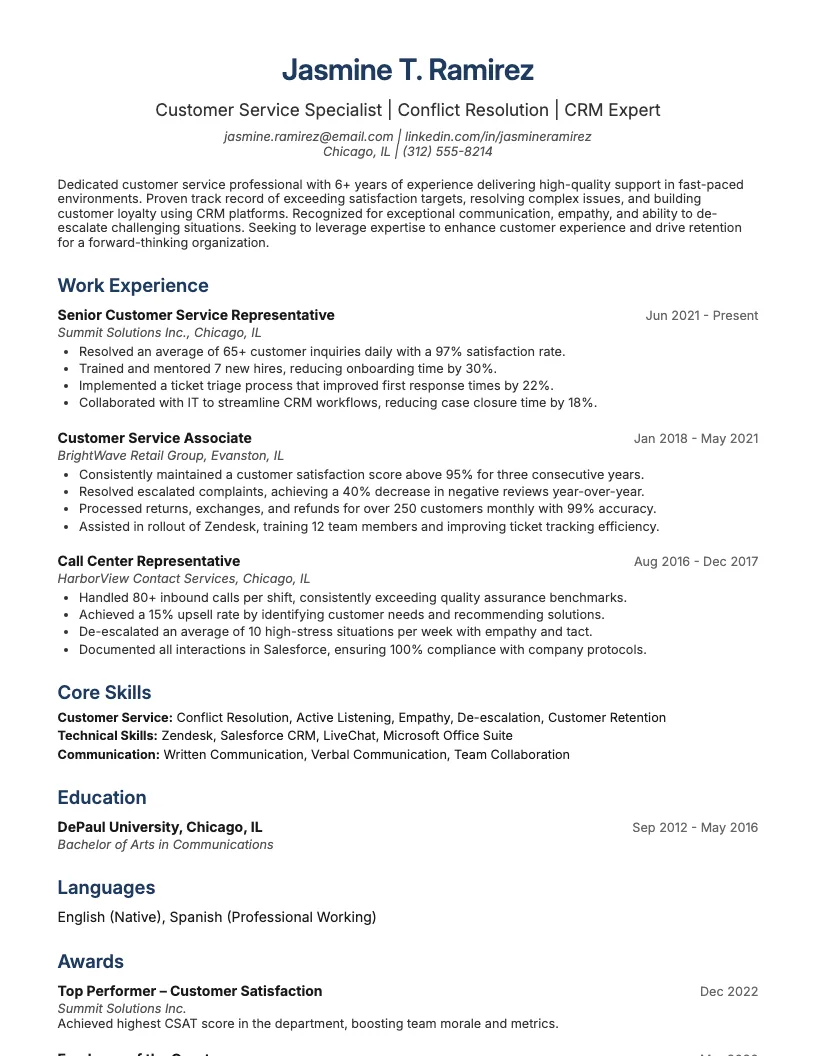
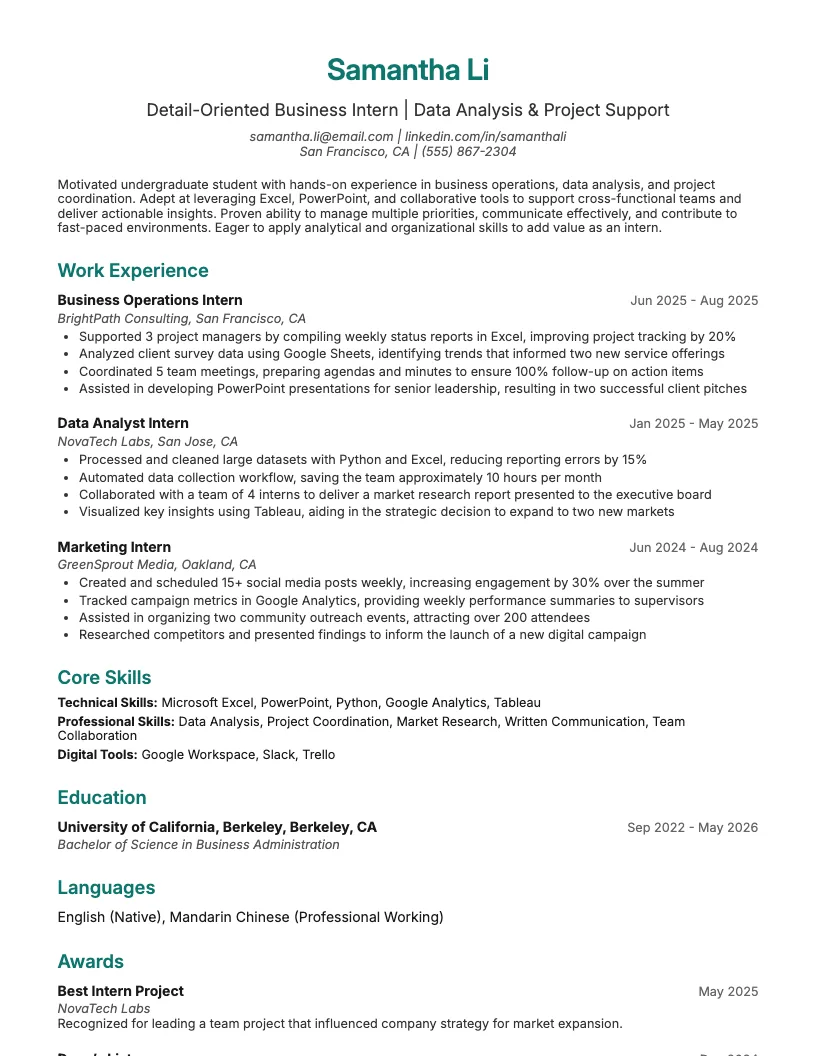
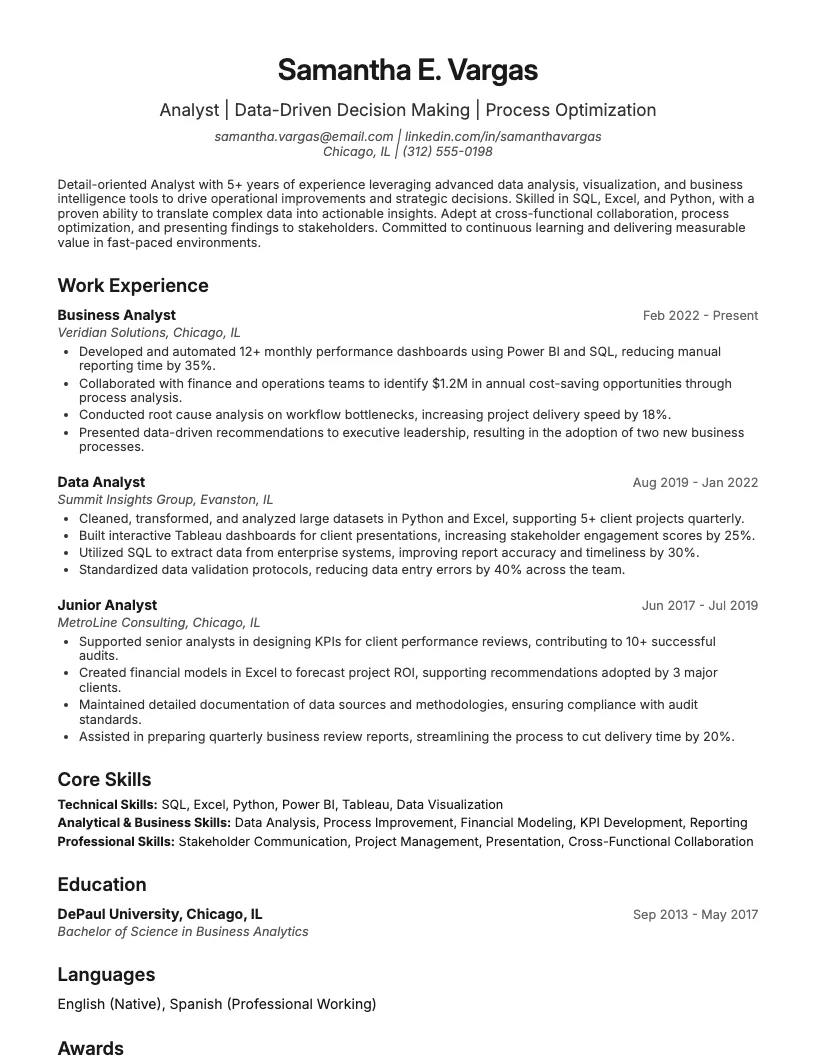
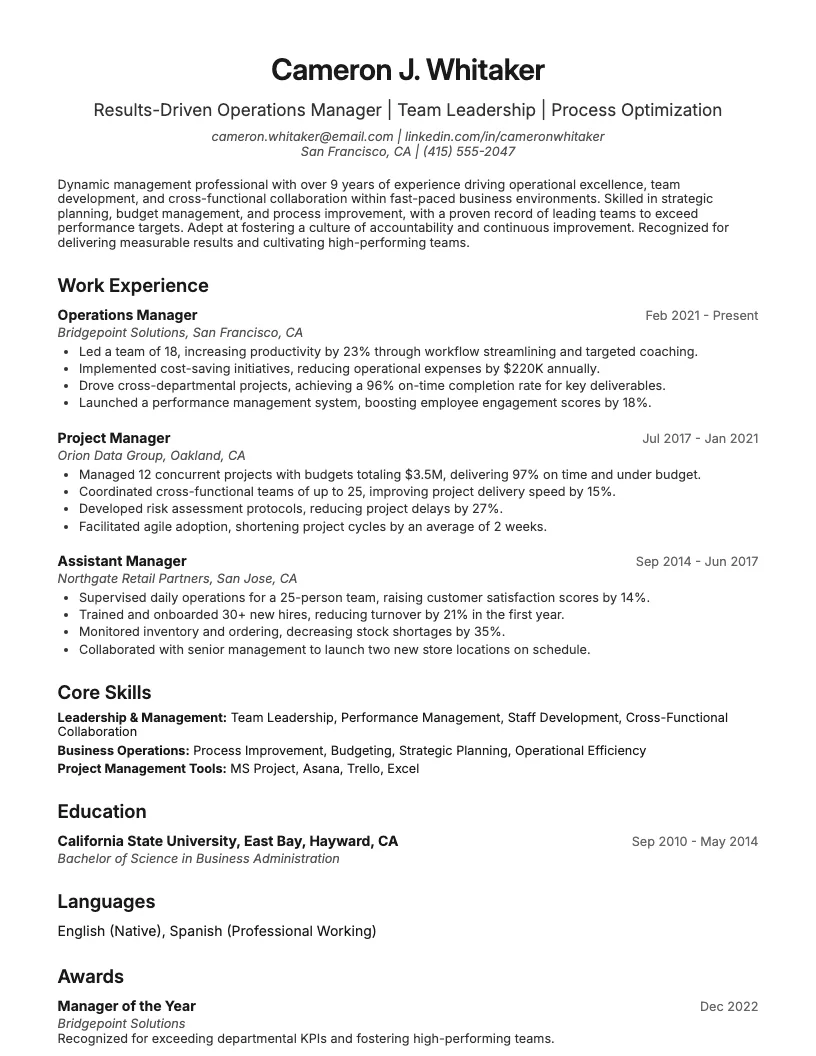
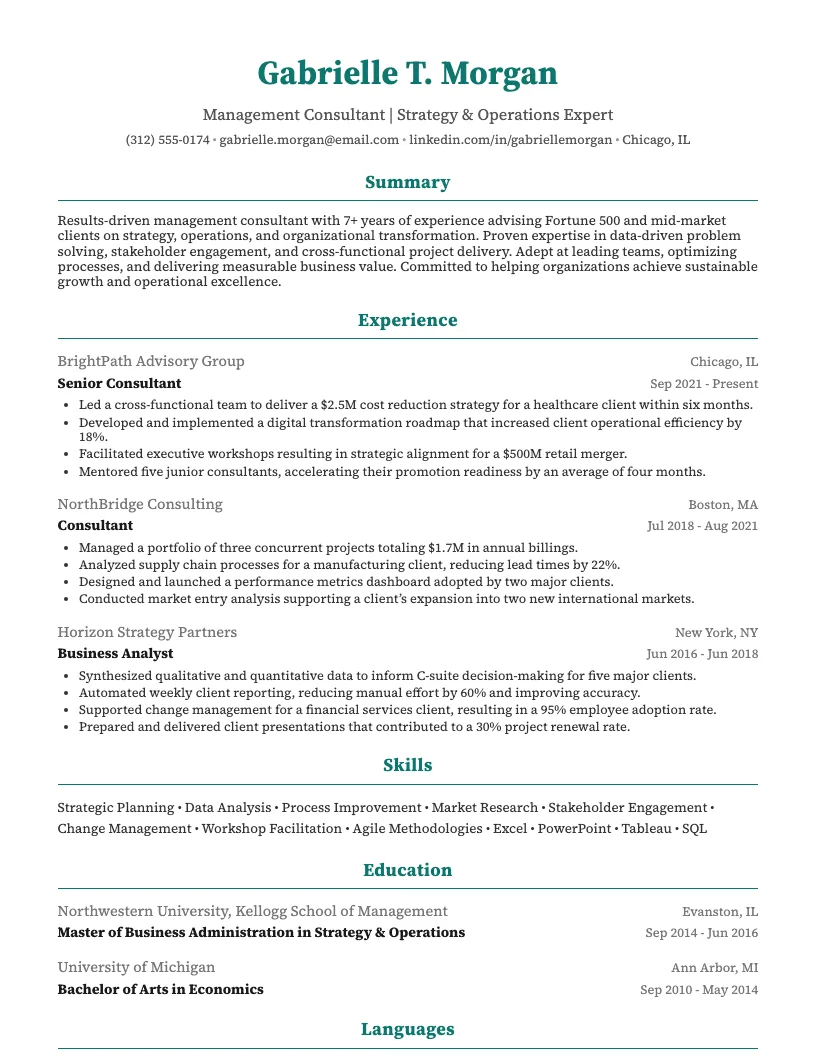
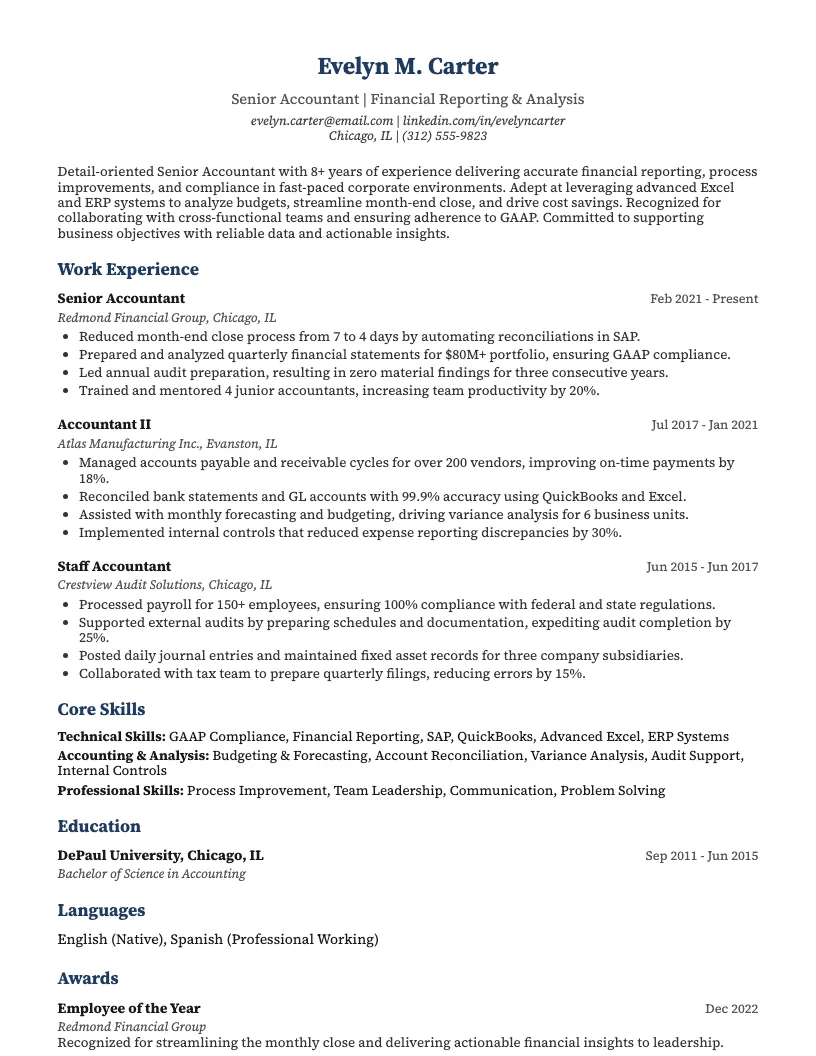
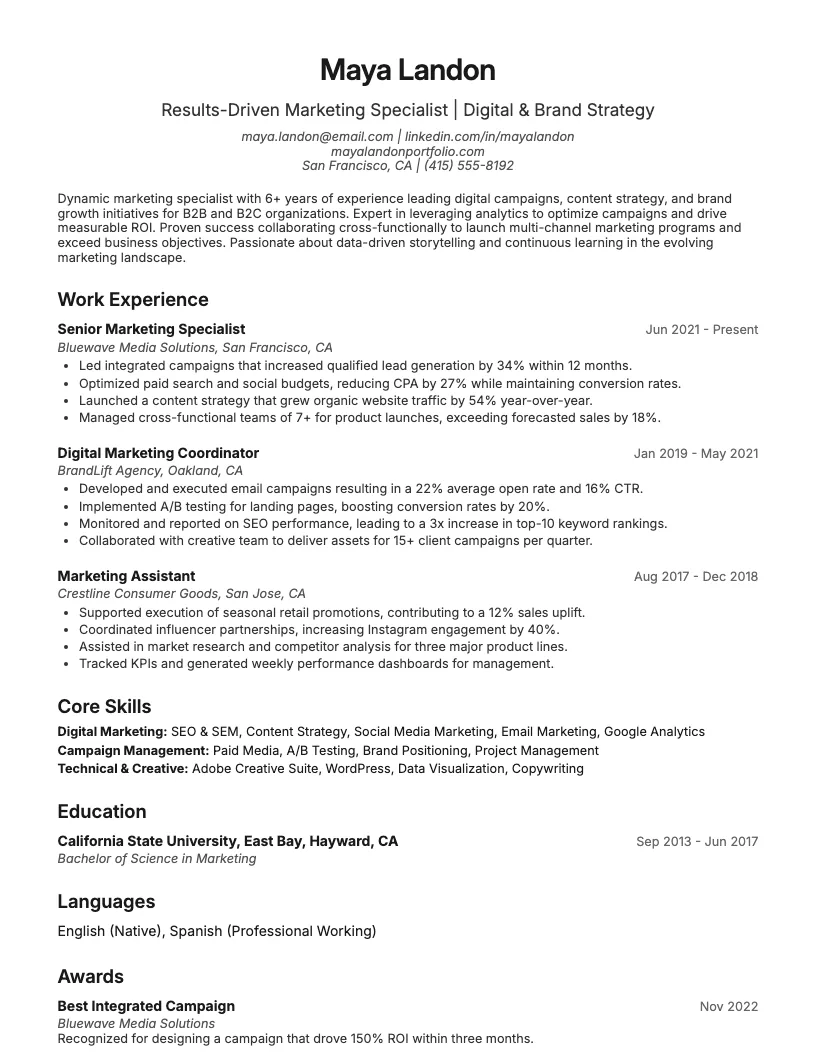
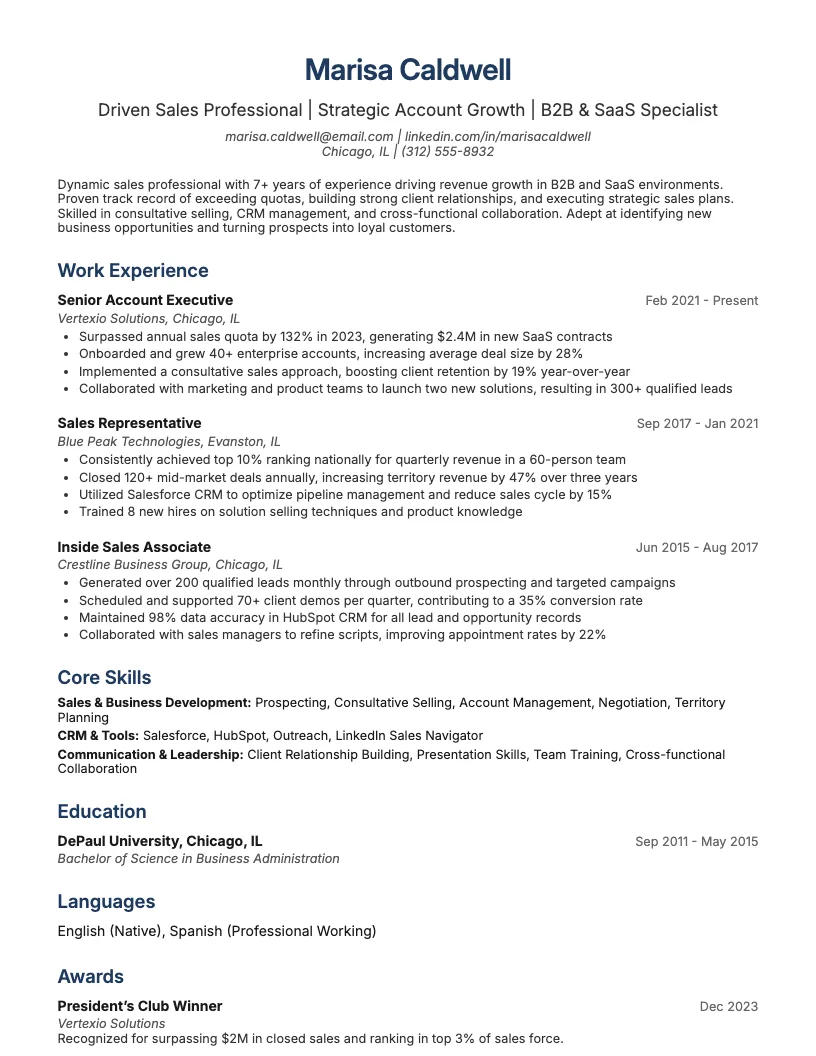
This resume uses a clean, easy-to-read format. You see sections for education, skills, and relevant experience, even if you haven’t held an HR job before.
I include numbers where possible-like “managed 150+ employee files”-because that’s what grabs attention. Use action verbs and focus on transferable skills if you’re new to HR.
If you want your resume to stand out, check out other types of HR Assistant resumes and review a cover letter for inspiration. There are roles like HR Administrative Assistant, HR Assistant Intern, and HR Assistant Generalist.
Each version highlights unique skills-like advanced Excel work, compliance training, or project tracking with tools like Asana. You can pick the layout that fits your experience best.
I always recommend you tailor your resume to the exact HR job you want. Pick bullet points that show off your real skills, not just copy-paste the job description.
Looking at these different examples helps you figure out what hiring managers want. It’s a great way to finish up your resume and feel confident hitting send.

Landing your first HR assistant job starts with picking the right resume format. The layout you choose highlights your strengths and helps recruiters see your potential fast.
If you have some HR experience, a reverse-chronological format puts your latest roles front and center. If you’re coming from another field, a hybrid format works better.
Your resume needs to show your skills and relevant experience clearly. The right format makes it easier for hiring managers to spot what you bring to the table.
If you’re starting out in HR, your resume needs a few must-have sections. I always include a contact header, a strong summary, education, and any relevant work or volunteer experience.
Don’t skip skills-especially HR software proficiency. You can also add sections for certifications or projects. These show you’re proactive and serious about an HR career.
Recruiters scan resumes fast. Clear, organized sections help your experience stand out. According to recent surveys, over 90% of recruiters want a readable, well-structured layout.
You want a layout that’s clean and super easy to scan. I usually go for a single-column format for entry-level HR roles-it fills the page and looks professional.
Recruiters tell me clarity and readability matter most. In fact, 92% say they prefer resumes that are clear and well-structured over those with flashy designs or graphics.
Stick to standard fonts and consistent spacing. Keep section headings bold or italicized for quick navigation. This helps your skills and achievements stand out at a glance.
A simple structure lets your experience and potential shine. It’s a solid way to leave a strong first impression and keep recruiters focused on what really counts.
Your experience section is where you show off the real impact you’ve made, even at the start of your HR career.
You don’t need tons of HR jobs. Recruiters look for achievements, numbers, and proof you get things done.
It’s about showing you can handle tasks like scheduling, data entry, or supporting onboarding. Even small wins count if you describe them clearly.
If you don’t have direct HR experience, you can still highlight relevant skills, internships, or projects. I’ll show you how to make them stand out.
I know getting started in HR can feel tough if you haven’t worked in the field before. That’s totally normal. You can still show value on your resume.
Think about skills like communication, organization, or time management. Use numbers-like “organized schedules for 10+ volunteers”-to make these experiences concrete.
Any internships, volunteer work, or even school projects count—and you can show your motivation in a cover letter. If you helped onboard new club members or managed records, you already have relevant HR experience.
I always start by reading the job ad carefully. I pick out keywords like “onboarding,” “Workday,” or “recruitment coordination” and use those exact terms in my resume.
You want to match your bullet points to what they’re asking for. If the job highlights compliance or data management, show any experience you have-even from school or internships.
Highlight results that matter to the employer. For example, mention “scheduled 20+ interviews per week” or “improved employee data accuracy by 15%.” This helps you stand out quickly.
Most entry-level HR assistant roles focus on administrative support, data entry, and employee onboarding. You’ll often handle confidential employee records and process new hire paperwork with high accuracy.
Hiring managers expect you to support HRIS systems like Workday or ADP, schedule interviews, and help with compliance audits. You might also answer basic HR inquiries and coordinate benefits paperwork.
Numbers matter here. A typical job description asks for 99% data accuracy, fast response times, and support for at least 50+ employees. This helps show you’re ready for HR’s fast pace.
If you’re writing your resume, include metrics like onboarding completion rates or the number of records managed. This wraps up your experience section with real proof of your skills.
If you want to stand out in HR, numbers matter. Hiring managers love seeing clear results.
You might think entry-level work is hard to quantify, but you can still show your impact. Tracking things like onboarding time or support volume helps.
If you want to stand out as an entry level HR assistant, your resume needs a strong skills section. Recruiters usually scan for key abilities before reading anything else.
Soft skills matter just as much as technical know-how. I always recommend you show both, because HR relies on communication and organization as much as software.
You want your soft and hard skills to jump off the page. I like to highlight these with real examples in my experience and summary sections.
For hard skills, I use a dedicated skills section. This makes it easy for recruiters and applicant tracking systems to spot keywords, like HRIS software or data entry.
When you talk about soft skills like communication or teamwork, tie them to specific results. For example, mention improving onboarding satisfaction by 15% through clear communication. This shows you can back up your claims.
I always make sure to sprinkle in relevant HR assistant resume keywords like payroll, onboarding, compliance, and recruitment. These help your resume pass through applicant tracking systems.
You want to match the job description as closely as possible. Pull out keywords such as HRIS, employee records, benefits administration, and conflict resolution if they’re mentioned in the posting.
Don’t just stuff keywords. Use them in bullet points that show real tasks or results. This gives your resume a better shot at landing interviews.
Getting your foot in the HR door means showing off both your certifications and education. Employers like to see recent, relevant certificates right at the top.
Education still matters, but it usually comes after you list any HR-specific certifications you have. Both sections give hiring managers a quick look at your background.
Certifications give your entry-level HR resume an instant boost. I always put them at the top, right after my name and contact info. This grabs attention quickly.
If you hold more than one certification, list them by relevance. HR Certification Institute and SHRM credentials are highly recognized by employers. Prioritize industry standards over generic certificates.
Use clear formatting-bold the certification name and include the year. This helps recruiters spot your skills fast. Around 76% of hiring managers prefer this approach.
I always list my most recent degree first. This shows hiring managers what I’ve learned lately, which matters most for entry-level HR roles.
You should include your degree, school name, and graduation year. If your GPA is above 3.5, add it too. This gives you a solid edge.
Highlight any relevant coursework, projects, or honors—these are also great details to mention in a cover letter. These details help you stand out, especially if you don't have much HR experience yet.
That’s really all you need-clean, simple, and focused on what matters for the job.
Your resume summary is the first thing recruiters read. Nail it, and you grab attention from the start.
This is where you highlight your organization skills, HR software know-how, and your ability to support busy teams.
Keep it to three or four sentences. Show how you bring value, even if you don’t have years of HR experience yet.
Starting out in HR means showing both your people skills and your knowledge. Recruiters look for candidates who can handle details and connect with coworkers.
You don’t need years of experience to make an impact. Focus on projects, internships, or coursework that prove you’re ready to jump in and learn fast.
Let’s break down what goes into a strong entry-level HR assistant resume.
Start with a clear, easy-to-read format. Recruiters usually spend less than 7 seconds on each resume, so keep it simple and organized.
Highlight both technical and soft skills. I always mention my attention to detail, communication abilities, and any HR software I’ve used-even if it’s just Excel.
Use numbers when you can. For example, “Processed 50+ onboarding documents monthly” shows your impact. This helps your resume stand out in a competitive field.
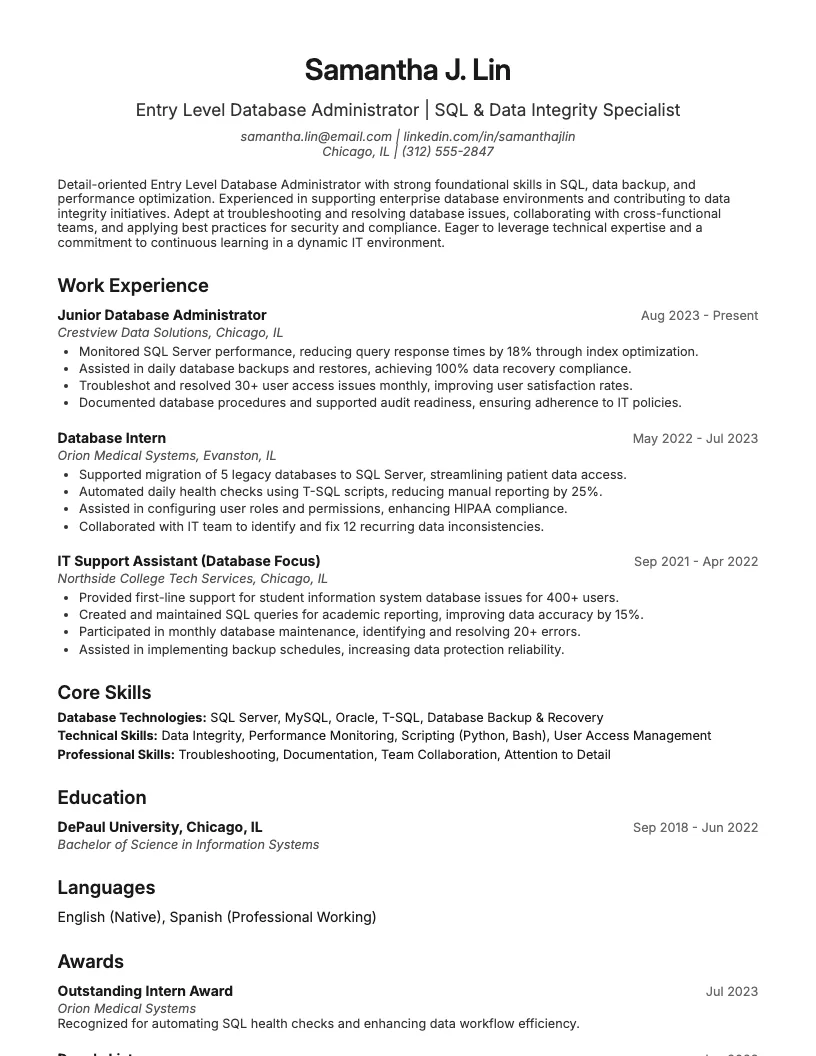
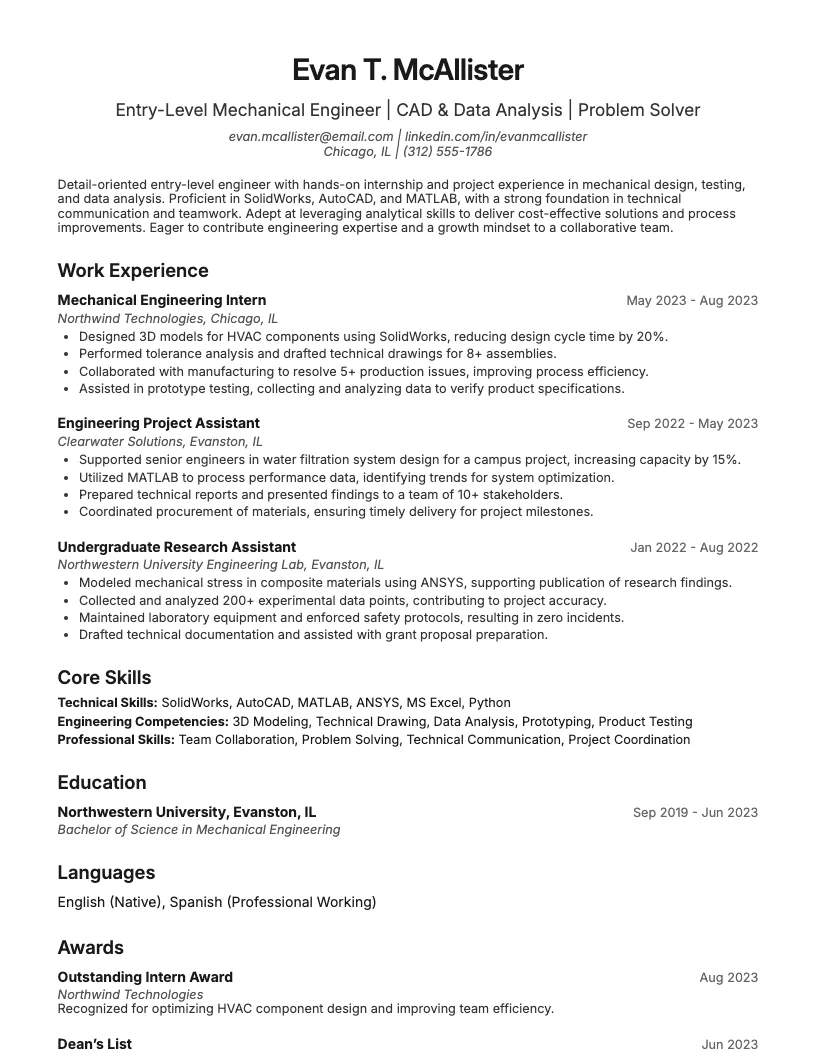
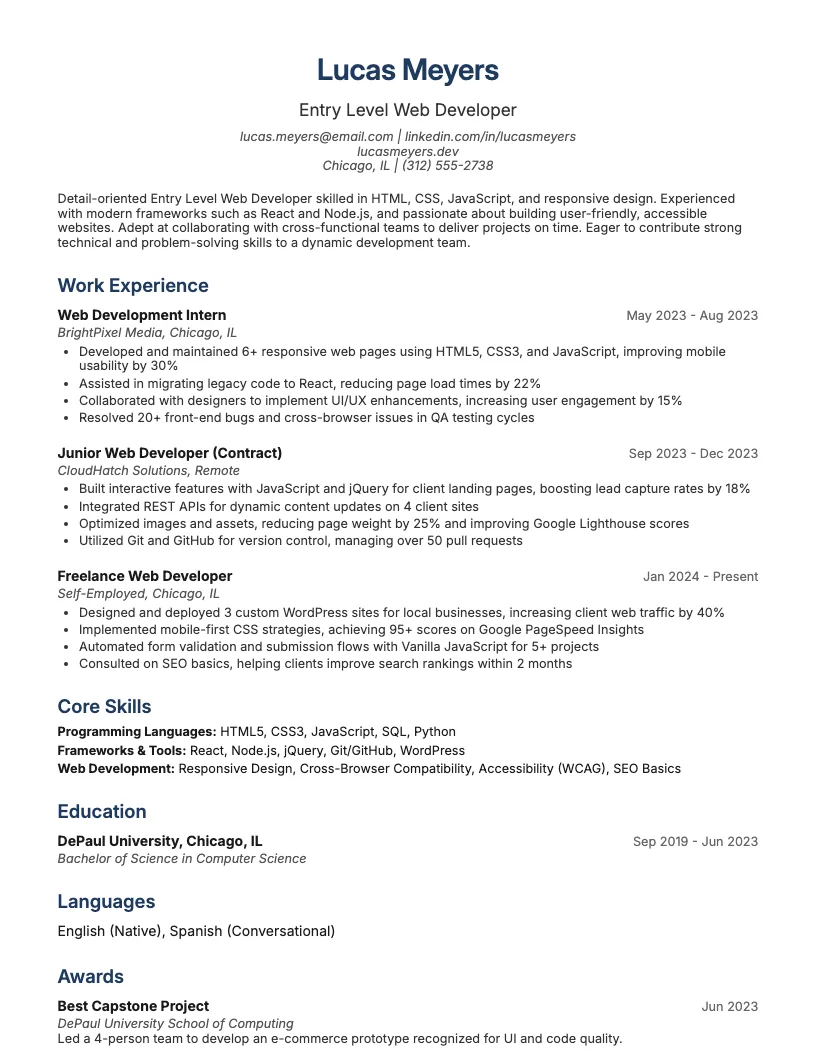
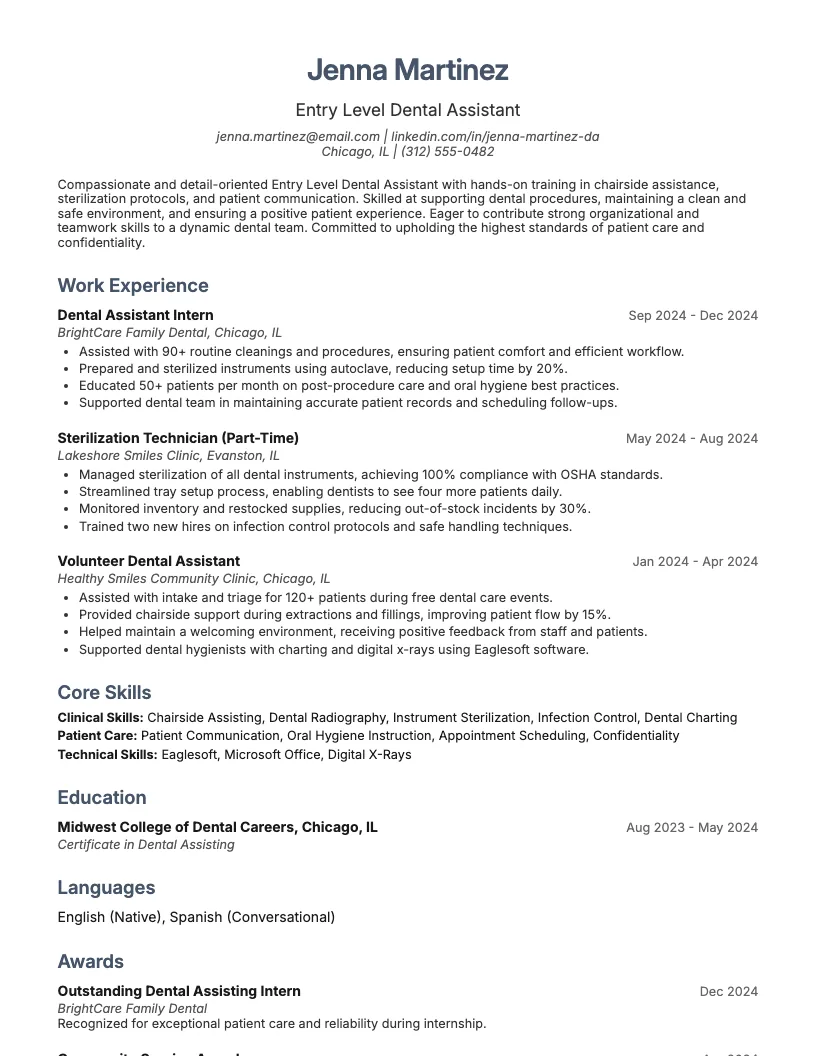
Browse Entry Level Human Resources Assistant resume examples for related roles. Preview any example, open it in the builder, or read its full guide.
Click to enlarge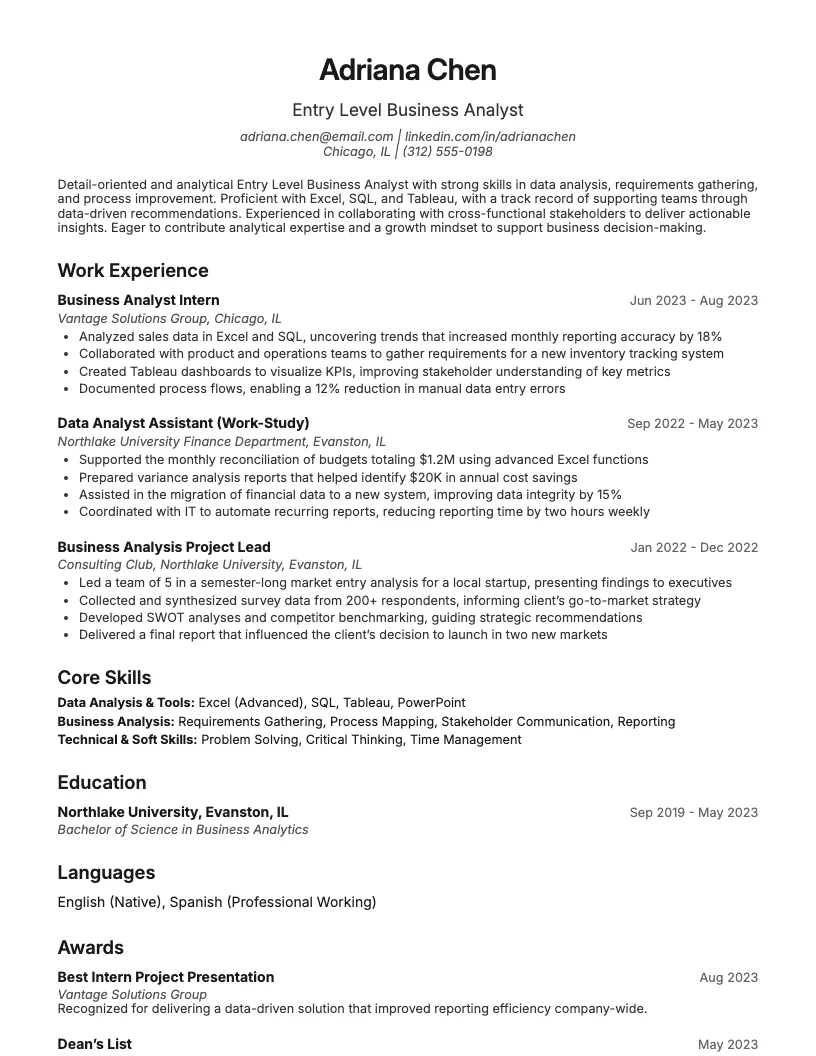 Click to enlarge
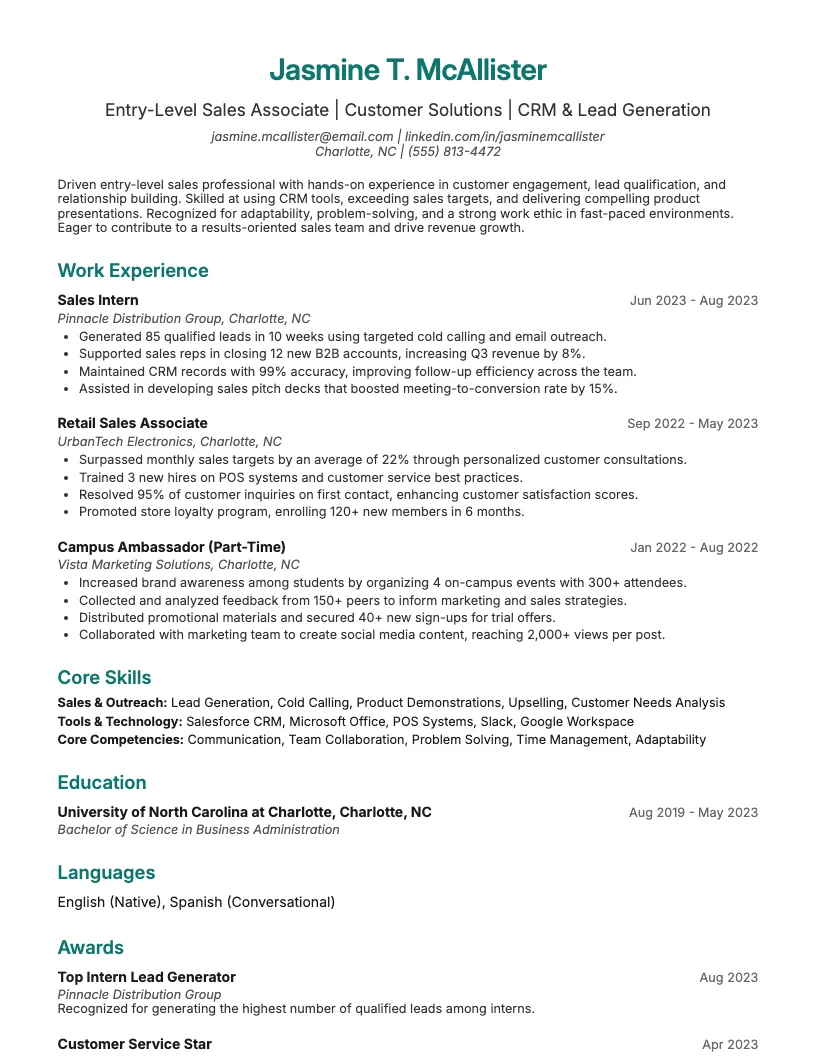 Click to enlarge
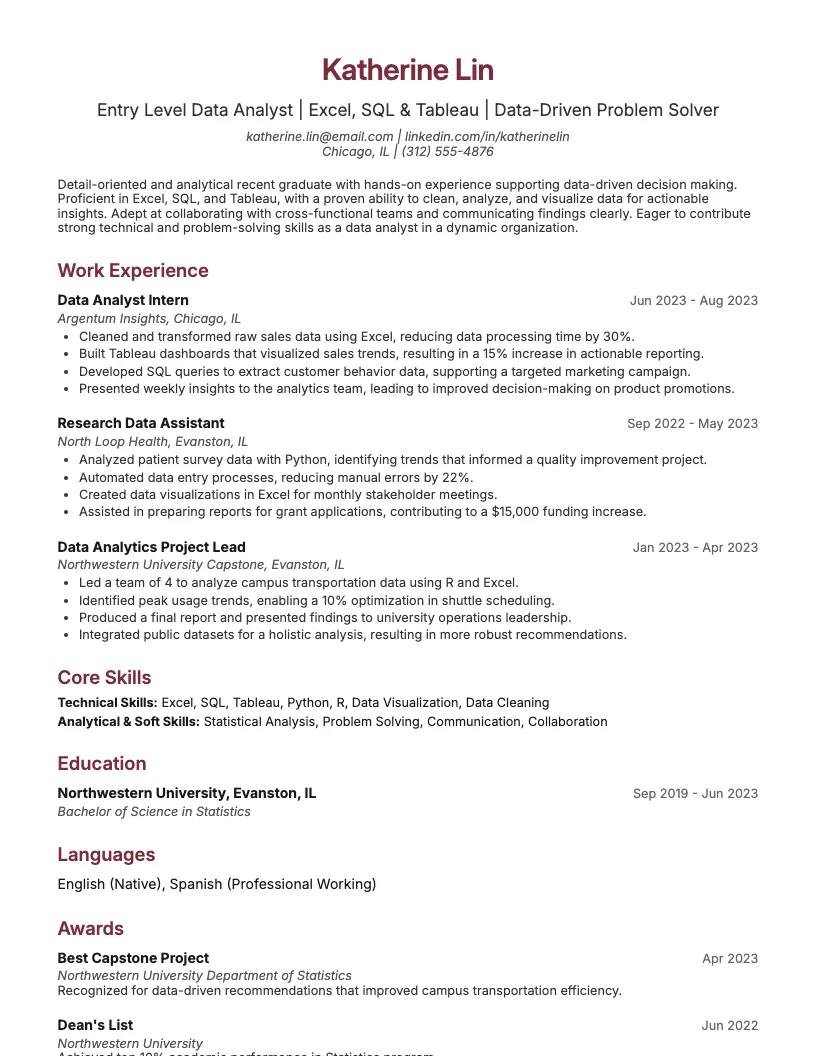 Click to enlarge
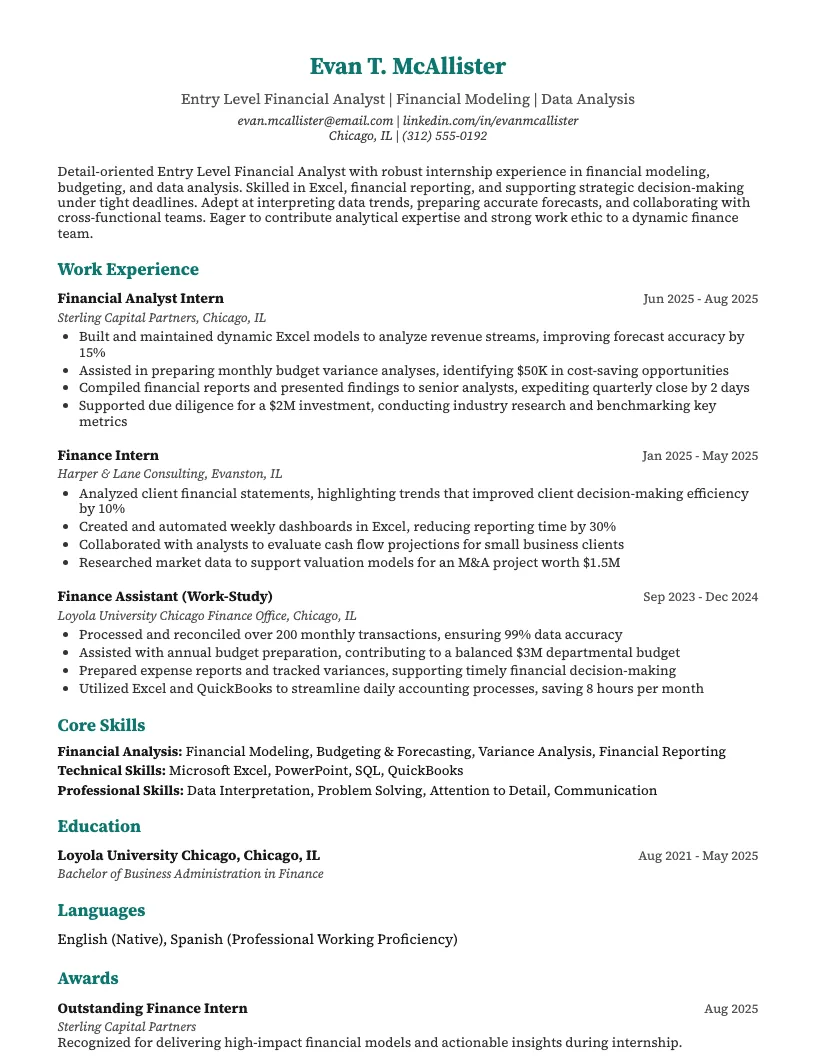 Click to enlarge
 Click to enlarge
 Click to enlarge
 Click to enlarge
 Click to enlarge
Common questions about Entry Level Human Resources Assistant resumes
A Entry Level Human Resources Assistant resume template is a professionally designed layout tailored for those starting out in HR. It highlights relevant skills, coursework, and internships to help you stand out. ResumeJudge offers optimized templates for this role.
Yes, ResumeJudge templates are ATS-friendly, meaning they use proper formatting and keywords to pass automated screening. This helps your resume get noticed by employers in HR, staffing agencies, and corporate offices.
Use this template when applying for HR assistant roles in industries like healthcare, finance, or education. It’s ideal for recent graduates, career changers, or anyone with limited HR experience.
Absolutely! ResumeJudge templates are fully customizable, so you can add your unique skills, education, volunteer work, or internships to fit each job application perfectly.
This template focuses on entry-level HR skills like communication, organization, and data entry, while others may highlight advanced HR or unrelated experience. ResumeJudge tailors sections to what HR recruiters expect.
Keep it to one page. Highlight your most relevant skills and experiences concisely. ResumeJudge templates help you structure content efficiently for maximum impact.
Include your full name, phone number, professional email, and LinkedIn profile if available. ResumeJudge templates ensure your contact info is clear and easy to find.
Yes, a cover letter adds a personal touch and lets you explain your interest in HR. ResumeJudge offers matching cover letter templates for a consistent, professional application.
Definitely! Customizing your resume for each job increases your chances of passing ATS scans and impressing recruiters. ResumeJudge makes tailoring quick and easy.
Certifications aren’t required, but having one like aPHR or SHRM-CP can boost your resume. ResumeJudge templates feature dedicated sections to highlight your credentials.
Explore more professional resume examples to inspire your job search
Use our AI-powered resume builder to create a professional, ATS-friendly resume in minutes.
Free to use • No credit card required