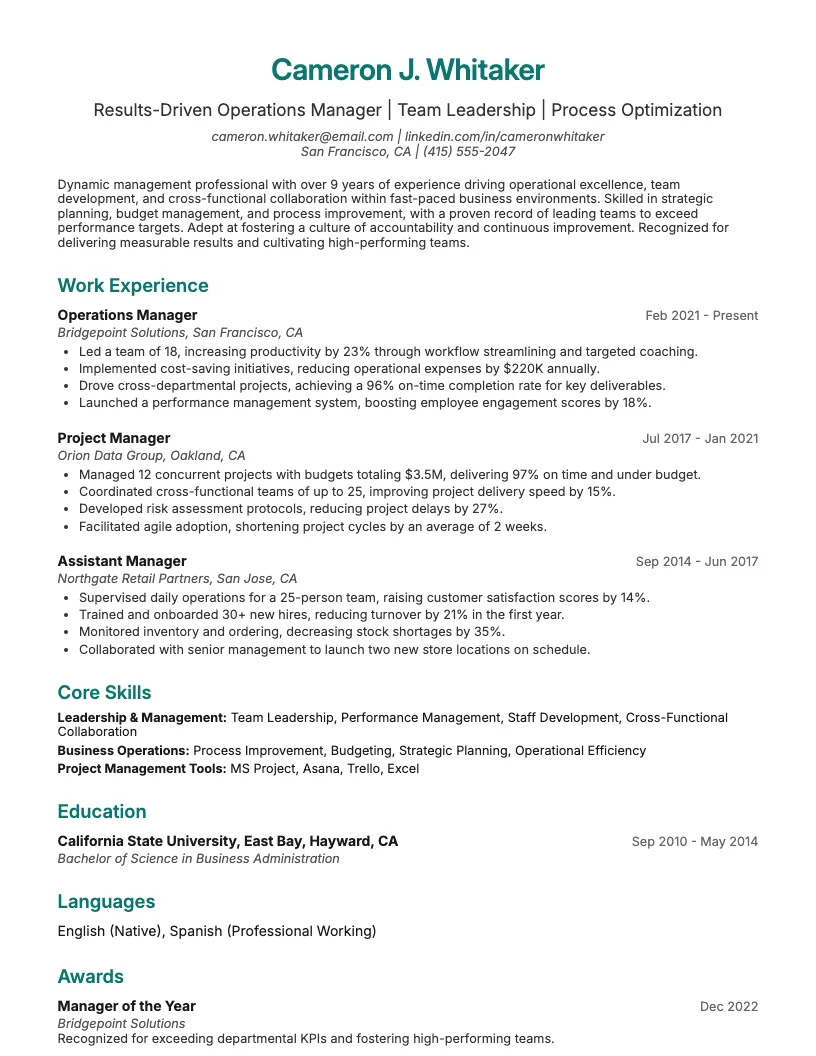
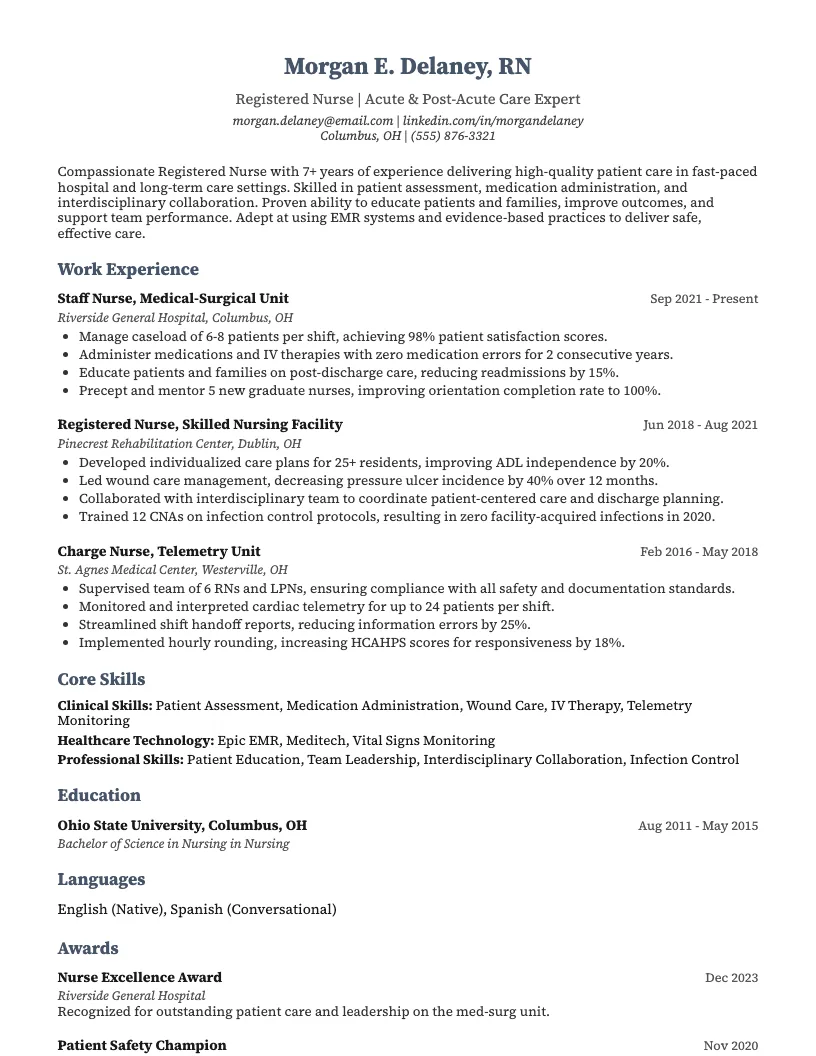
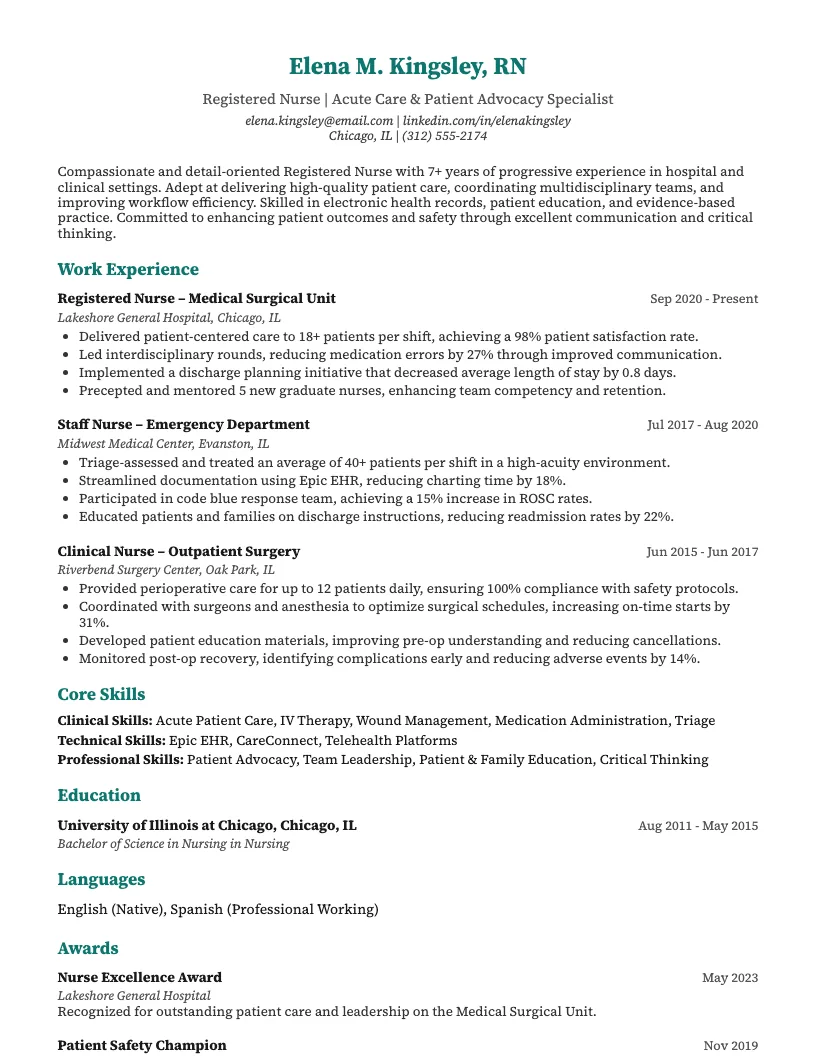
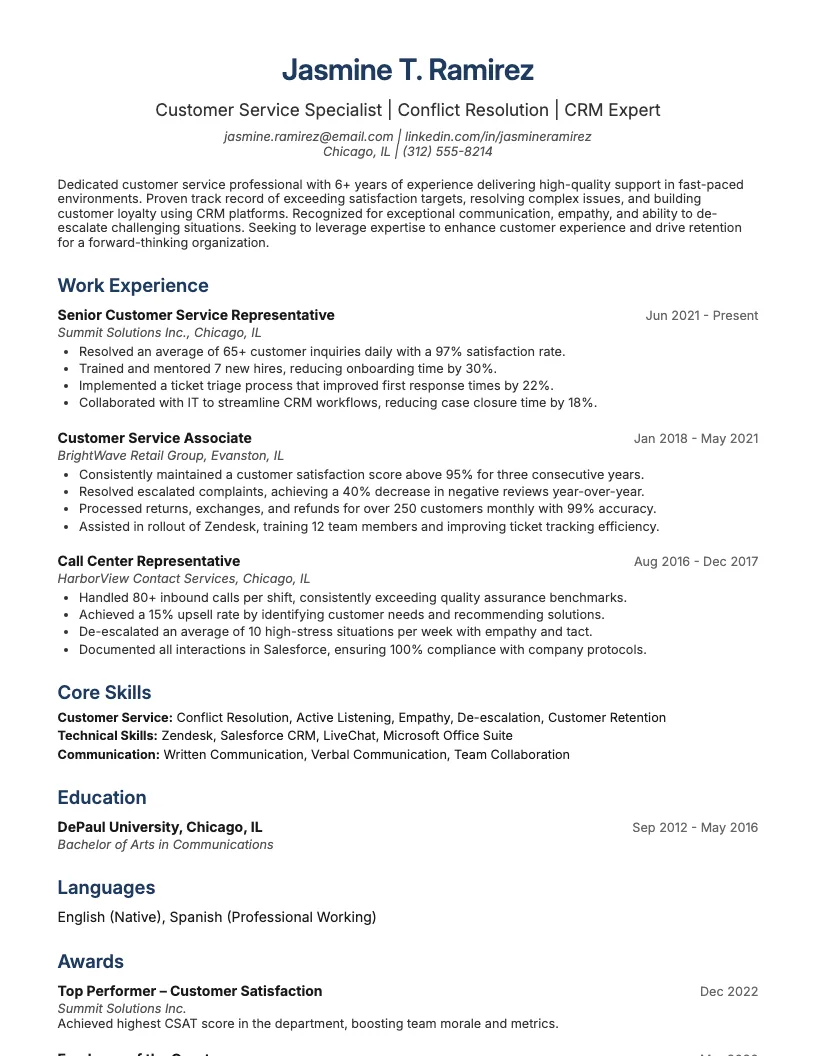
Rn Case Manager Resume Example
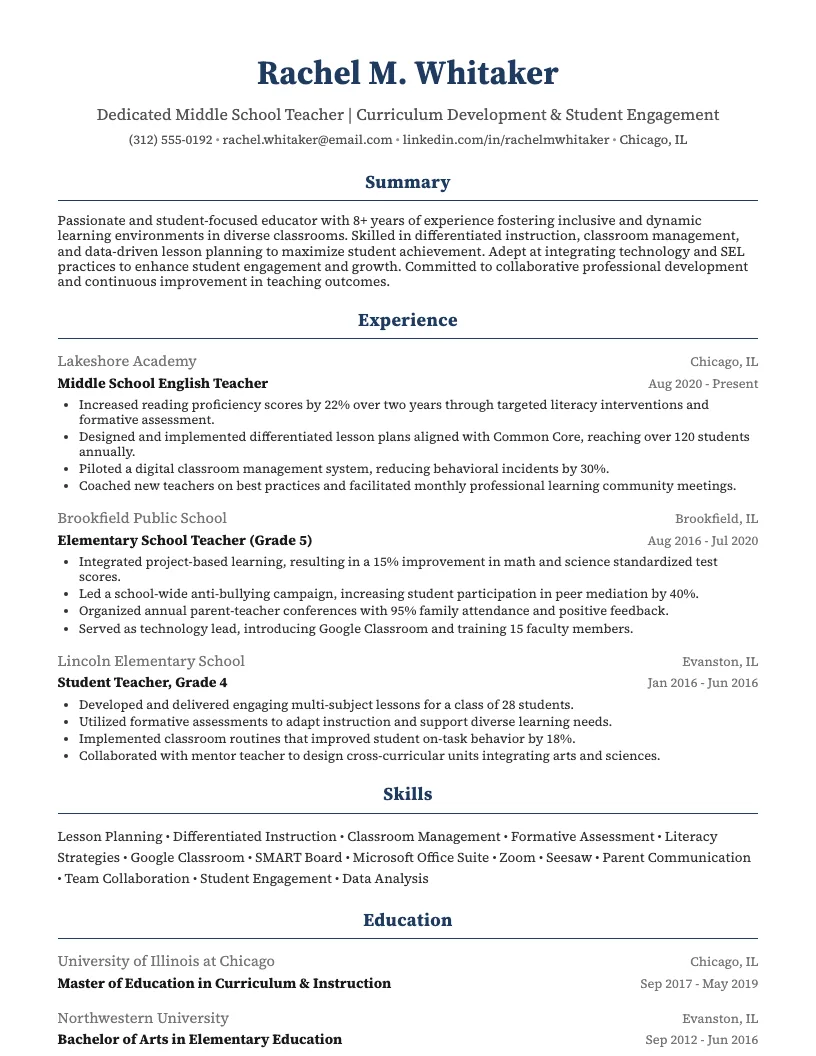
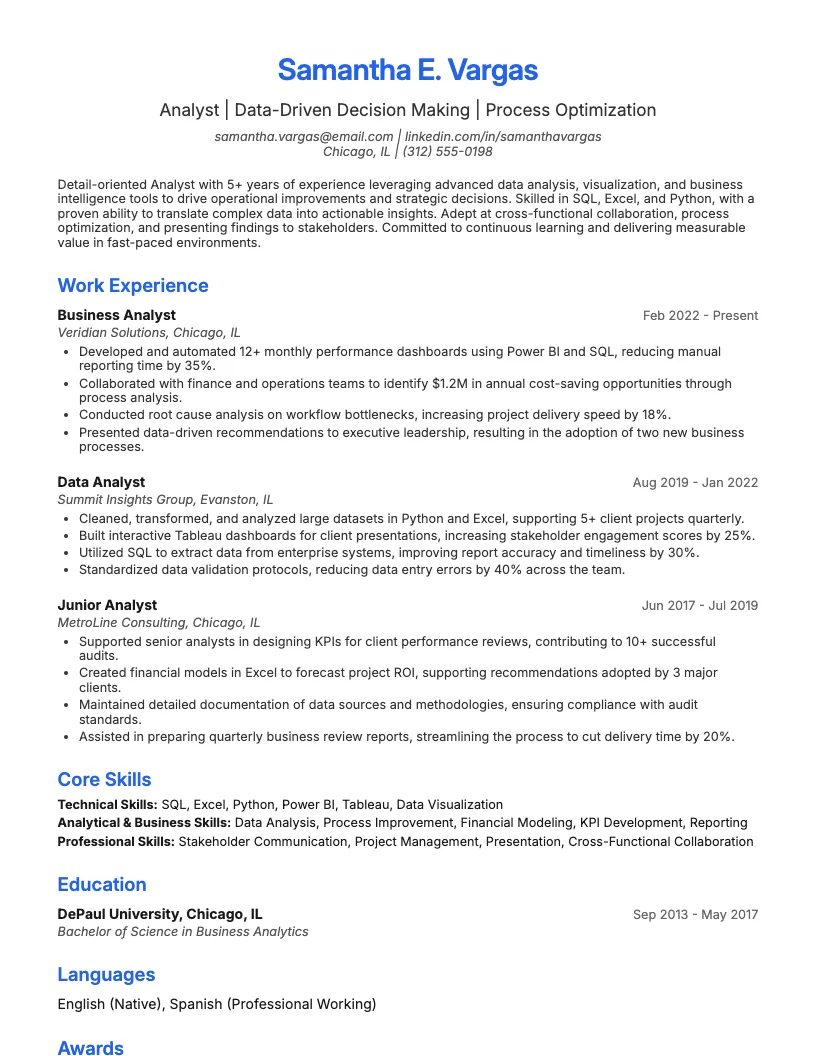
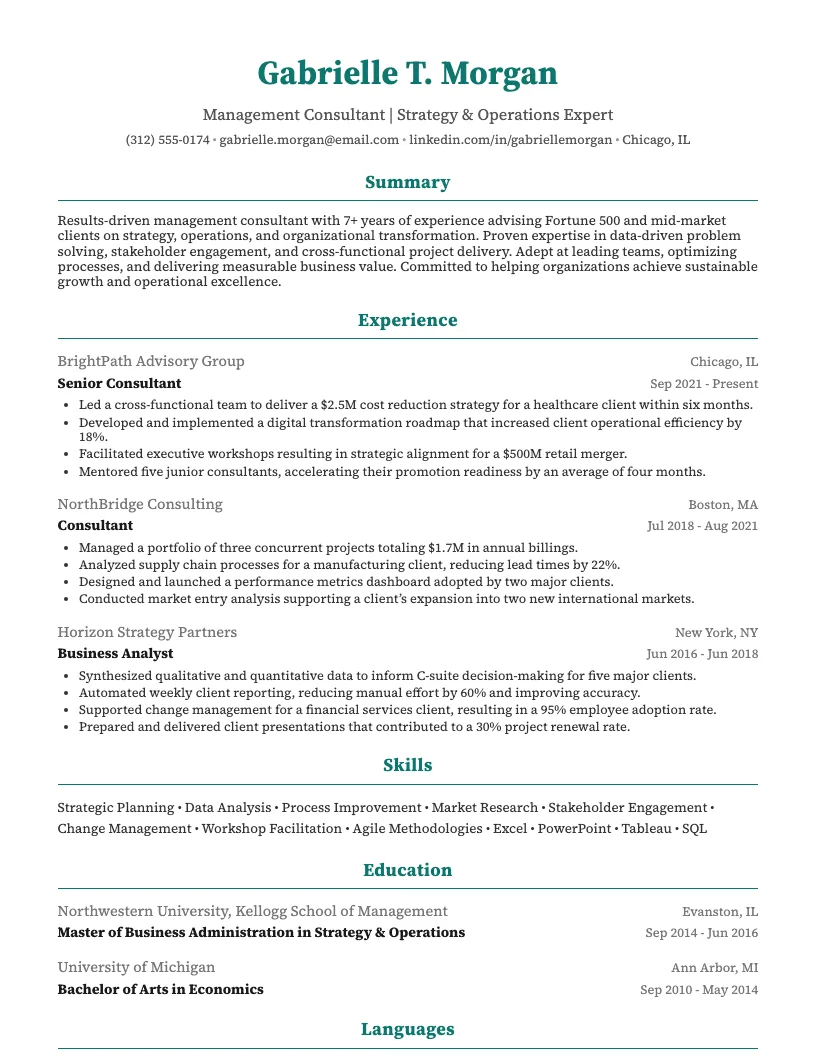
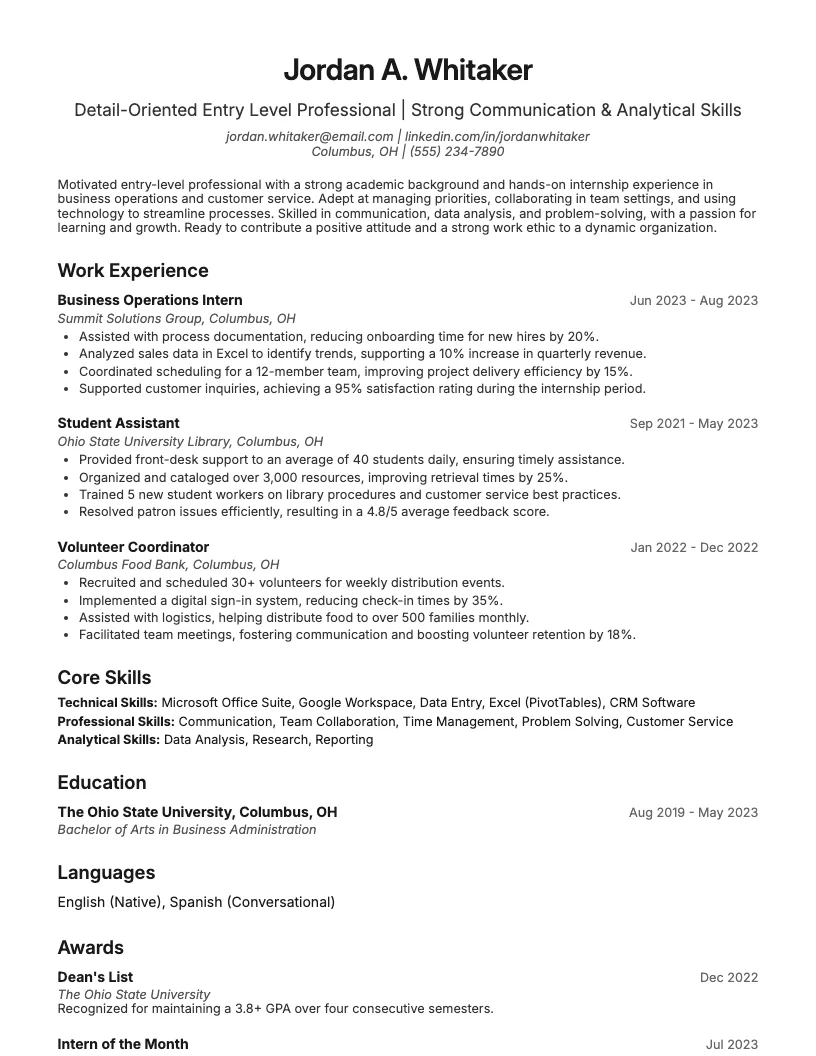
See full guide on Rn Case Manager resumes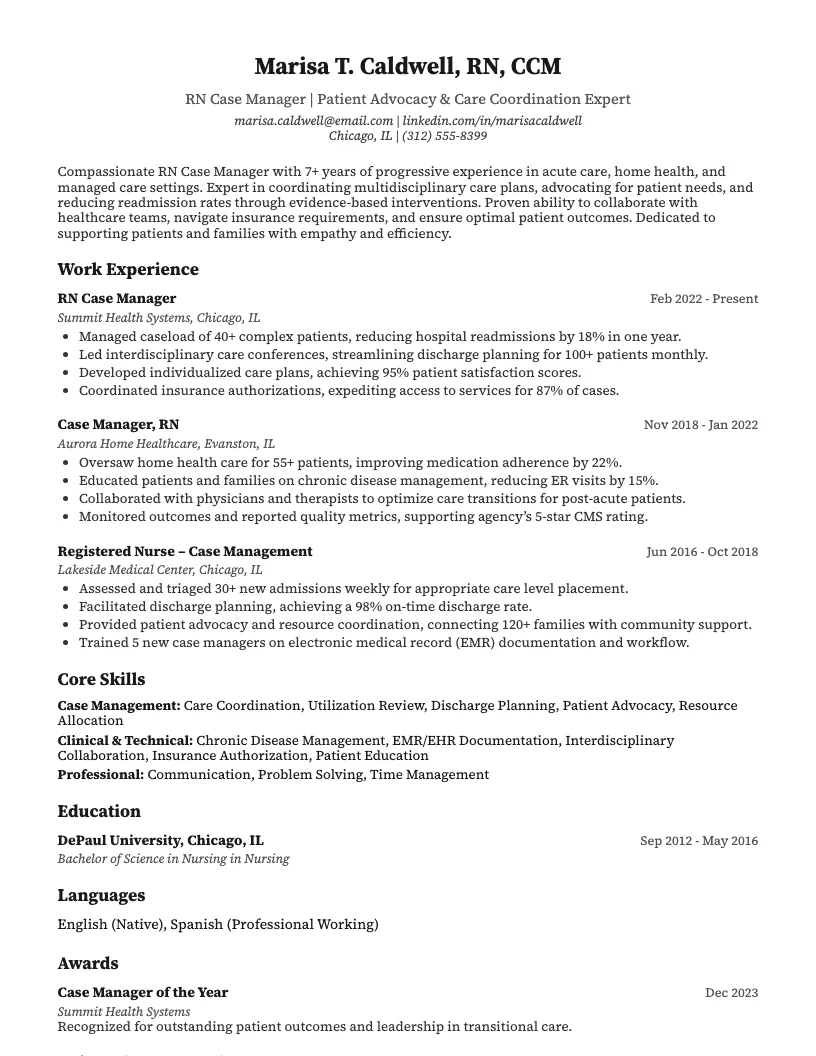 Click to enlarge
 Click to preview

Get inspired by 62+ professional Case Manager resume examples, each written by career experts and optimized to pass ATS scans. Pick a proven template, tailor it to your role, and download a polished resume in minutes.
Pick the specialization closest to your target role and start from a proven resume example.
Case managers support clients by coordinating care, making sure needs get met, and tracking progress. Their daily tasks shift based on where they work and who they help.
I see a big jump in demand for case managers, especially as the population ages. The job market for related roles is growing by up to 32%, which means lots of opportunity.
Salaries for case managers usually land between $78,000 and $91,000. Pay depends on your experience, education, and certifications. This field offers room to negotiate as demand rises.

A strong case manager resume shows off your experience, skills, and education. You want hiring managers to see your value right away.
I break down each section, so you know exactly what to include. You’ll see how to format, organize, and highlight your achievements for the best results.
I always start by picking a resume format that matches my experience level. For most case managers, a reverse-chronological format works best. Employers like to see your most recent roles first.
If you’re switching careers or have gaps, try a functional format. This one highlights your skills over a strict work history. It’s useful if you want to showcase transferable experience.
There’s also the combination format, which mixes both styles. It’s great if you have a few years in the field but also want to spotlight key skills up top.
No matter what, keep your format clean and easy to scan. Around 6 seconds-that’s how long recruiters spend on a first glance. Make every section count.
A clean, organized layout helps a case manager resume stand out. I always suggest using clear headings, consistent spacing, and a professional font like Arial or Calibri.
Stick to one page if you have less than 10 years’ experience. This keeps things focused and easy to read. Use bullet points to break up text and highlight your main achievements.
White space matters. It gives the reader’s eyes a break and makes your resume look less crowded. Avoid flashy colors; stick to simple black and white with maybe one accent color for headings.
Your resume summary or objective sits right at the top. It’s your first impression-that quick snapshot of who you are as a case manager.
I always keep it short, with 2-3 sentences. Highlight your years of experience, your specialty, and a big achievement. Numbers help, like “managed 50+ cases” or “improved outcomes by 20%.”
If you’re new to case management, use a summary to show your passion and transferable skills. Mention your background and how it connects with the employer’s needs. This grabs attention fast.
When you list your experience, lead with your most relevant roles. Use bullet points to show your impact-like "Managed 45+ client cases per month with 98% satisfaction."
Focus on achievements, not just duties. Did you streamline case assessments? Cut response time by 30%? Numbers show real results, and hiring managers love that.
If you’re new, highlight internships, volunteer work, or related jobs. Emphasize transferable skills like communication, crisis intervention, or teamwork. This helps bridge any experience gaps.
I always list my highest degree first-usually a Bachelor's in Social Work or Nursing. If you have a Master's, definitely put that at the top.
You need to include any required state licenses or certifications. LMSW, RN, or Case Management Certification (CCM) all make your resume stand out.
Adding the year you earned each credential helps show your recent experience. If you’re still studying, use “In progress” and note your expected graduation date.
Wrapping up your resume with solid education and certifications lets you finish strong and shows you’re ready for any case management challenge.
Building your case manager resume goes beyond listing jobs. Recruiters spend about 7 seconds on each resume, so you need to show your value right away.
I look for clear sections that highlight your skills, experience, and education. A focused layout helps recruiters quickly see why you’re the right fit.
Every case manager resume needs a few must-have sections. I always start with a header-name, contact info, LinkedIn, and sometimes a professional title.
After that, I add a summary or objective. This is where you show off your top achievements and connect them straight to your goals as a case manager.
You also need to include your work experience, education, and key skills. I recommend listing certifications if you have them. These sections prove you meet industry standards.
Without these basics, recruiters might skip your resume in under 7 seconds. Use this structure to make sure your story is clear and complete.
Recruiters want to see clear, relevant experience in case management. If you’ve managed over 20 cases at once, mention it. This shows you can handle a heavy workload.
You need to show skills in communication, empathy, and teamwork. If you work with clients, families, or healthcare teams, highlight that. These skills matter in almost every case manager job.
Technical skills stand out too. If you use case management software or maintain records, state it. This tells recruiters you’re organized and can handle admin tasks.
Wrap up your resume by showing you know the laws, ethics, and regulations of the field. This proves you’re not just experienced-you’re also up-to-date and trustworthy.
Your experience section shows recruiters what you actually do as a case manager. It’s not just about listing jobs-it’s about highlighting your real impact.
You want to focus on achievements, not just tasks. Numbers, specific results, and strong action verbs make your experience stand out. This is where you show your value.
I’ll walk you through how to quantify your work, pick the best verbs, and tackle this section even if you’re entry-level.
I always focus on backing up my experience with real numbers. Employers want to see results, not just responsibilities. Using stats makes your achievements stand out.
You can mention things like the number of clients managed, percentage of cases closed, or funds secured. This helps prove your effectiveness as a case manager.
There’s no need to overthink it-simply track outcomes and improvements. Specific data like “reduced processing time by 20%” or “managed 80+ cases” shows your value right away.
I always start experience bullets with strong action verbs. This catches attention and quickly shows what I do best as a case manager.
You can use verbs like coordinated, advocated, facilitated, or implemented. These words highlight skills in leadership, collaboration, and direct impact-things employers look for.
There are others too: assessed, monitored, streamlined, and resolved all show specific actions. Mix them up to keep your resume fresh and avoid sounding repetitive.
If you’re just starting out, don’t leave your experience section blank. List volunteer roles, internships, or research projects that show off your people skills and problem-solving abilities.
You can include transferable skills from other jobs, like communication or team coordination. Highlight how you help others, manage tasks, or handle sensitive situations-these matter in case management.
I always recommend using real examples. If you supported a campus group or handled confidential info, mention it. These details help your resume stand out, even without direct experience.
Focus on what you bring to the table right now. Emphasize your organization, empathy, and willingness to learn. This helps you build a strong foundation for your case manager career.
When I update my case manager resume, I always focus on skills. This section is where recruiters look first, so I highlight relevant hard and soft skills.
You want to show your technical expertise and people skills. Employers care about both because they want someone who fits the job and the team.
Tailor your skills to each job description. I avoid listing generic skills and instead use specifics, like “Medicaid case management” or “conflict resolution.”
Education and certifications matter a lot when you’re applying for case manager roles. Employers often look for degrees in social work, counseling, or a related field.
I find that listing your most recent and relevant qualifications keeps your resume clear and focused. Certifications can also help you stand out, especially in a competitive market.
You don’t need to include every certificate or training. Instead, highlight the ones that match the job description or show your commitment to professional growth.
If you want to stand out, look at Certified Case Manager (CCM) and Accredited Case Manager (ACM). These are two of the most recognized credentials in the field.
I see a lot of employers asking for these certifications. The CCM, for example, has over 45,000 active certificants across the U.S., which shows how popular it is.
You could also consider the Case Management Administrator Certification (CMAC) or Certified Professional in Healthcare Quality (CPHQ). These work well if you’re eyeing specialized or leadership roles.
Case management covers a lot, from helping clients navigate services to managing complex cases in healthcare or social work. Your resume needs to match your experience and your role.
I see hiring managers look for different skills at each stage. Entry-level resumes focus on education and transferable skills. Experienced and senior roles highlight leadership, data, and impact.
You might want tips for medical, geriatric, or social work case management. I break down what works for each, so you can see real examples and know what hiring teams want.
Starting as a case manager? I know it can feel overwhelming. You don’t need years of experience to build a strong resume-just highlight your education, internships, and transferable skills.
Focus on communication, organization, and problem-solving. Employers want to see you handle client needs, document cases, and collaborate with teams. Don’t forget to mention any volunteer work or related coursework.
Use numbers when you can. For example, “Managed a caseload of 15 clients” or “Improved resource access for 30% of participants.” This helps your resume stand out.
Once you’ve got about three to five years of case management under your belt, your resume needs real results. I focus on numbers-like caseloads, outcomes, or team size.
Show how you handle complex cases or collaborate across departments. Highlight skills like conflict resolution or crisis intervention. This helps hiring managers see your impact right away.
Use action verbs and quantify your achievements. For example, “Managed 60+ client cases monthly” or “Reduced readmission rates by 15%.” You want your experience to stand out.
If you’re a senior case manager, you lead teams, manage complex caseloads, and shape department strategy. I highlight metrics-like managing over 120 cases annually-to show impact.
Emphasize leadership, policy development, and cross-functional coordination. I always include examples of staff training, process improvements, or how I reduce client recidivism rates by 15% or more.
You want to show expertise in crisis intervention and compliance. Adding certifications, like CCM or LCSW, strengthens your resume for those top-tier roles.
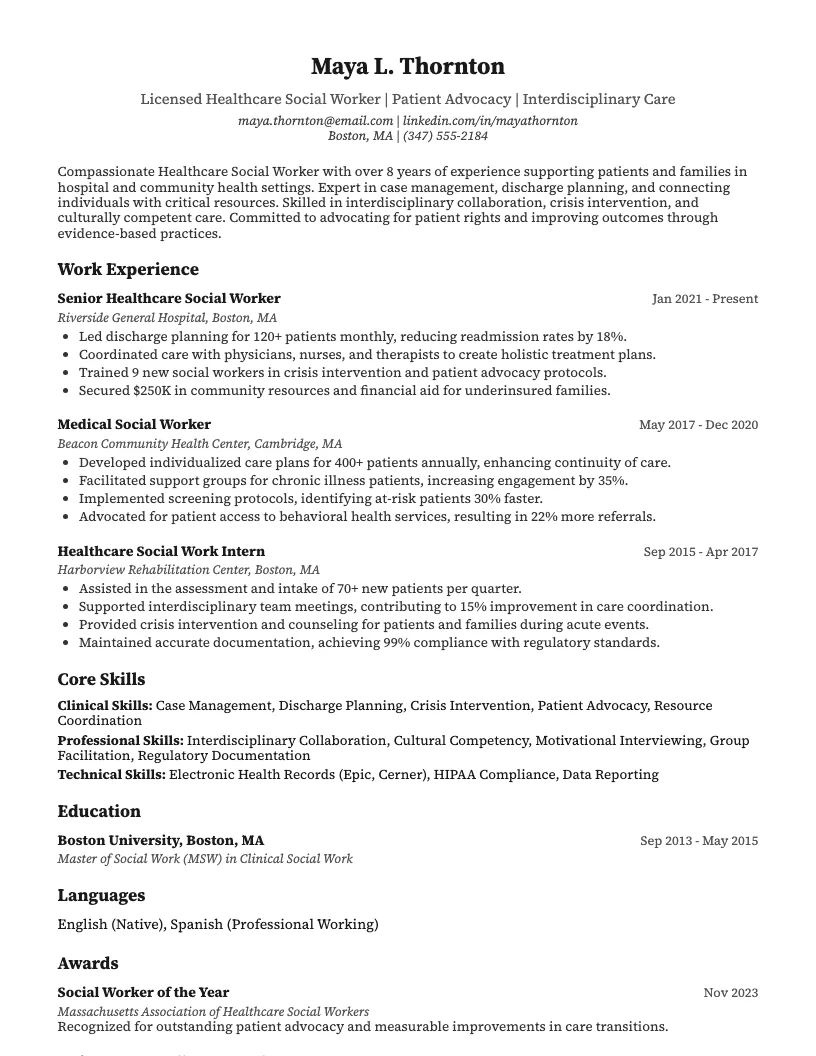
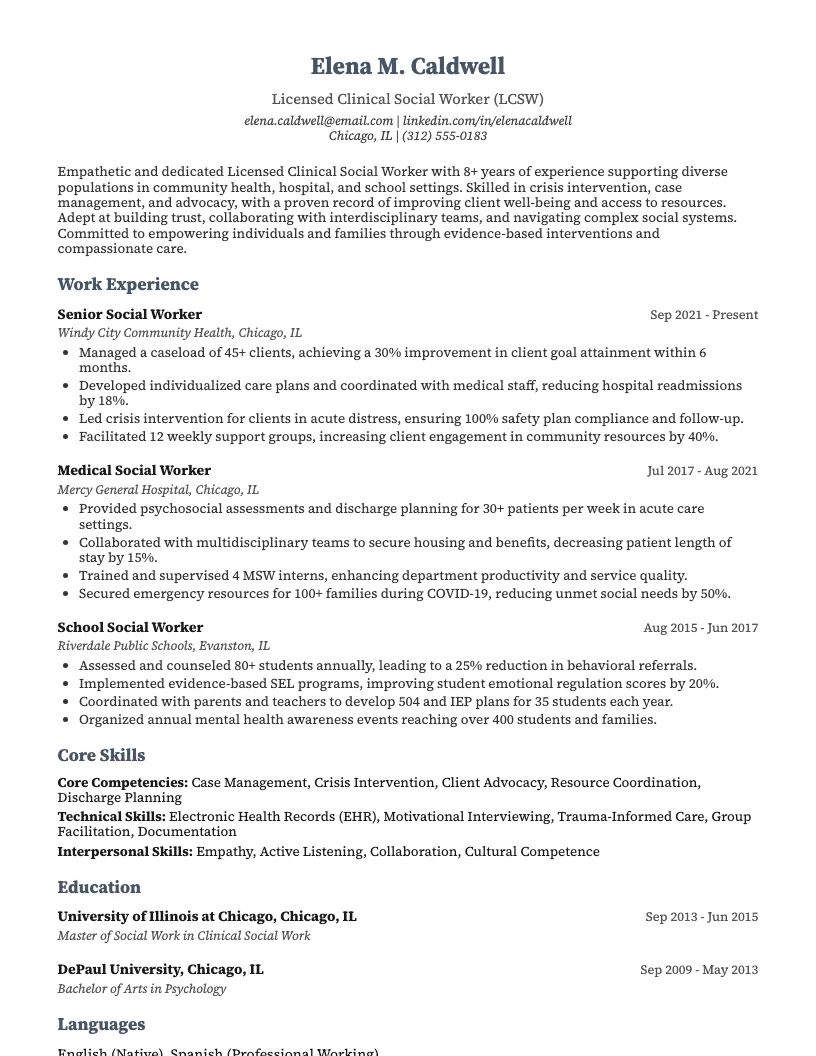
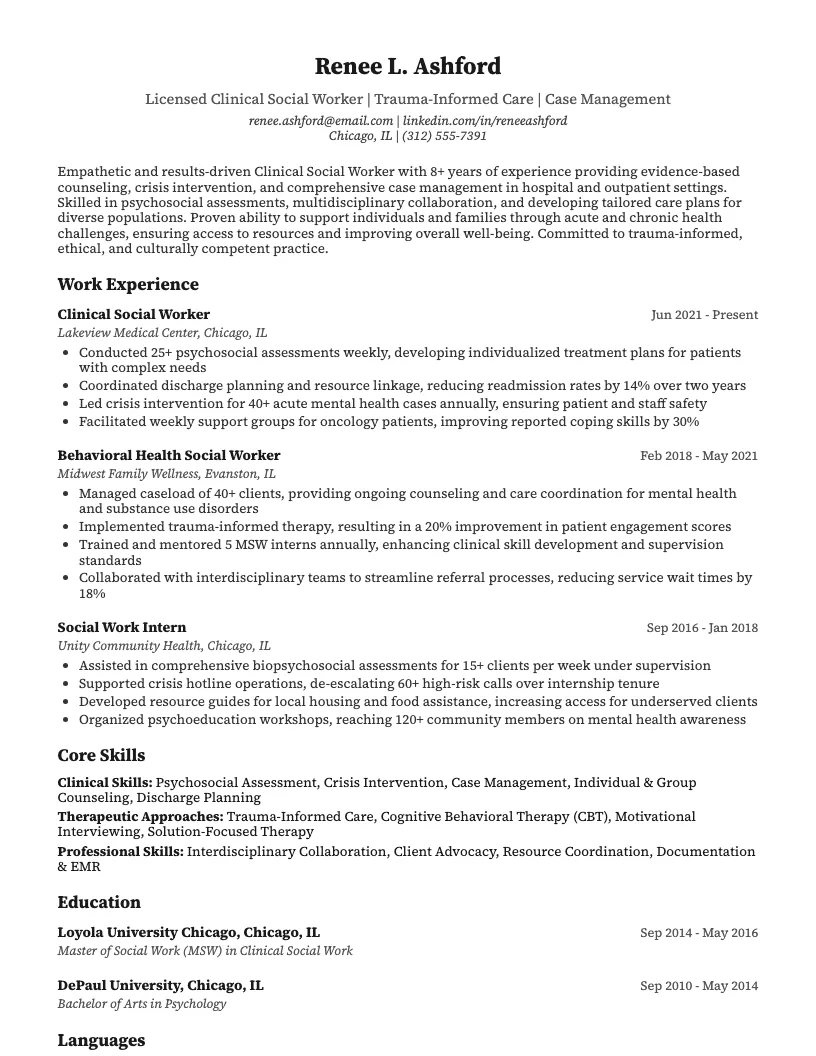
If you’re looking for social worker resume examples, you’re in the right place. I see a lot of resumes that miss key details about advocacy and client outcomes.
A strong social worker resume highlights case management experience, crisis intervention, and measurable impact. Add numbers-like serving 40+ clients monthly or improving access to resources by 25%-to stand out.
You want to show empathy and practical skills. Use bullet points for certifications, therapy techniques, and collaboration with healthcare teams. This helps recruiters see your value right away.
If you’re looking for geriatric social worker resume examples, focus on direct experience with seniors, chronic illness, and care coordination. Highlight results-like reducing hospital readmission rates by 20%.
Healthcare social worker resume examples should show crisis intervention, discharge planning, and interdisciplinary teamwork. I always include numbers, like caseload size or patient satisfaction increases, to grab attention.
For medical social worker resume examples, emphasize clinical skills, patient advocacy, and EMR proficiency. Tailor your resume to the specific healthcare setting, and always list your certifications. That wraps up the section!
Sometimes your experience alone doesn’t tell the whole story. Adding extra sections lets you highlight awards, training, or skills that make you stand out as a case manager.
You might also want tips on cover letters. I find a custom cover letter boosts your chances by up to 50%, especially in healthcare roles.
I see a lot of people overlook cover letters, but they actually boost your chances by around 50%. Case manager cover letter examples help you find the right words fast.
If you’re applying as an RN case manager, using RN case manager cover letter examples shows you how to highlight your clinical skills and care coordination experience. This makes your application stand out.
You want your cover letter to sound genuine. Use real numbers, like caseload size or improvement stats. This helps hiring managers picture you in the role right away.
If you’re thinking about becoming a case manager, salary is probably on your mind. Pay can look pretty different from state to state.
I want to give you a clearer picture of what you might earn across the U.S. This info comes from recent national data sources.
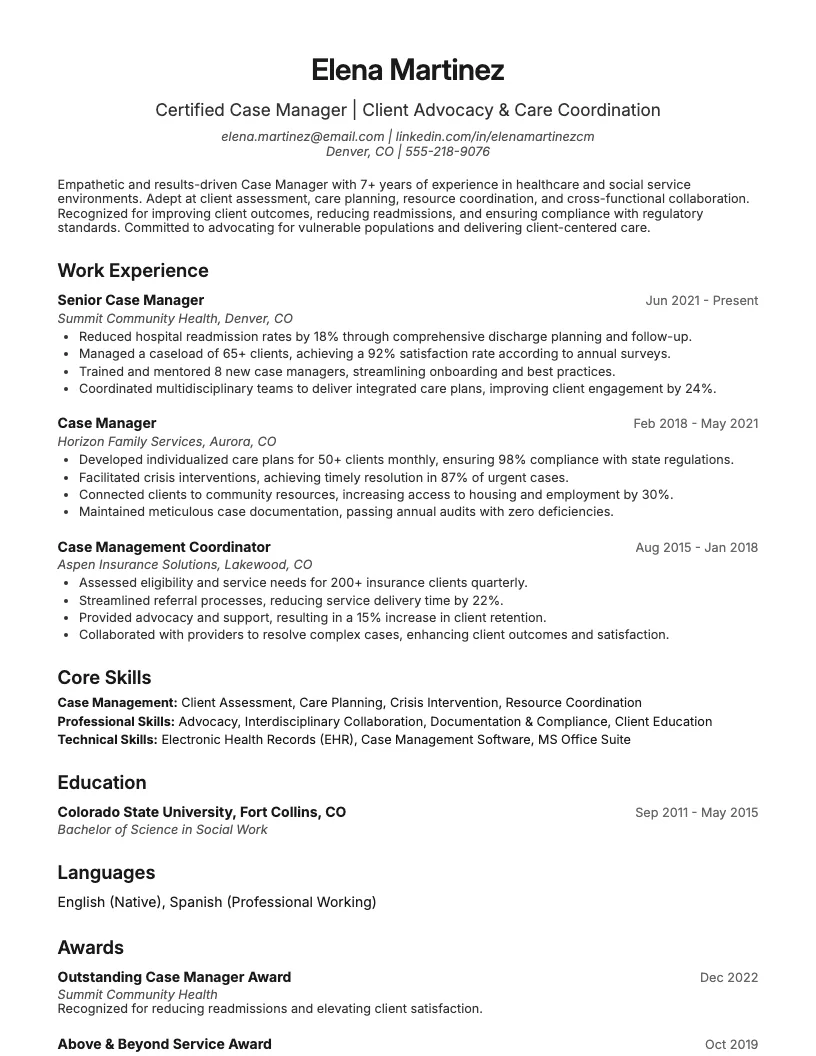
Browse Case Manager resume examples for related roles. Preview any example, open it in the builder, or read its full guide.
Click to enlarge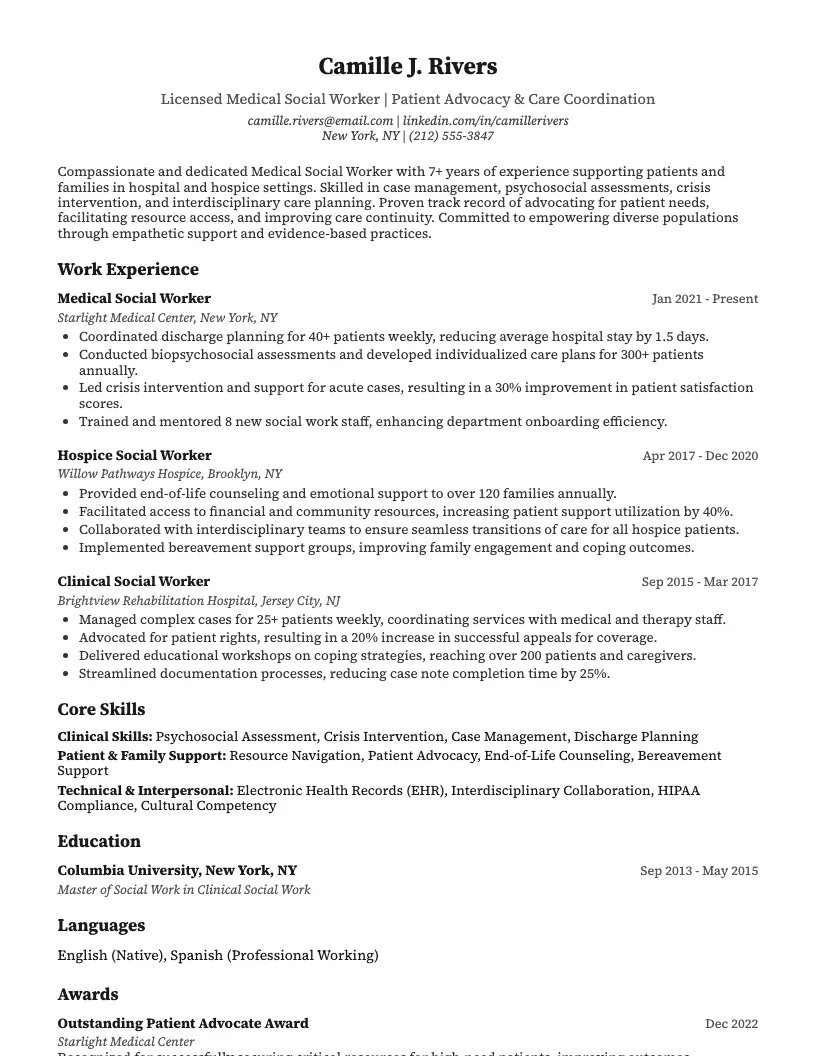 Click to enlarge
 Click to enlarge
 Click to enlarge
 Click to enlarge
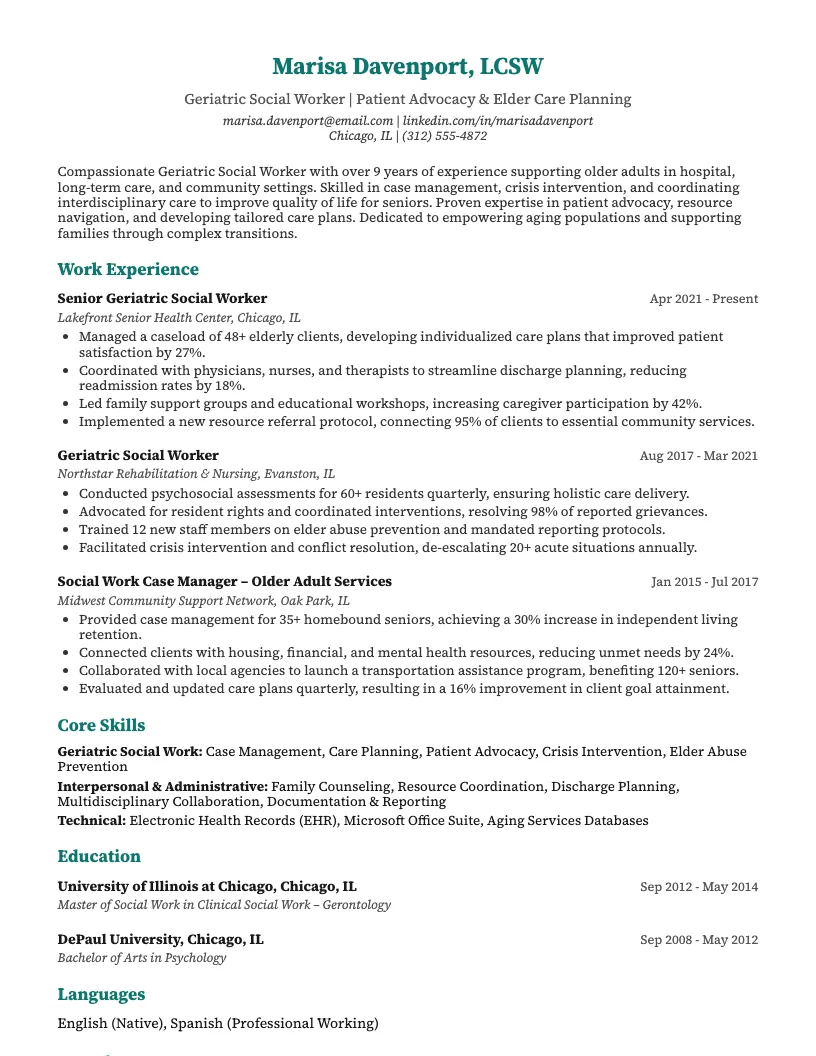 Click to enlarge
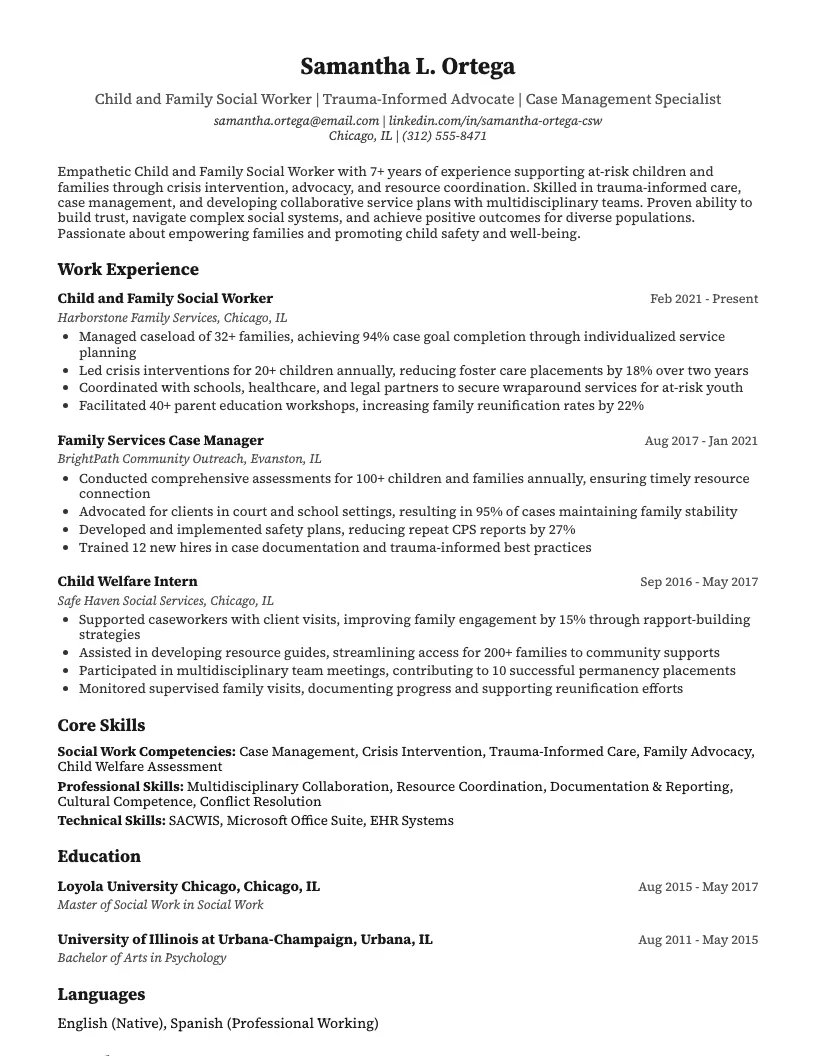 Click to enlarge
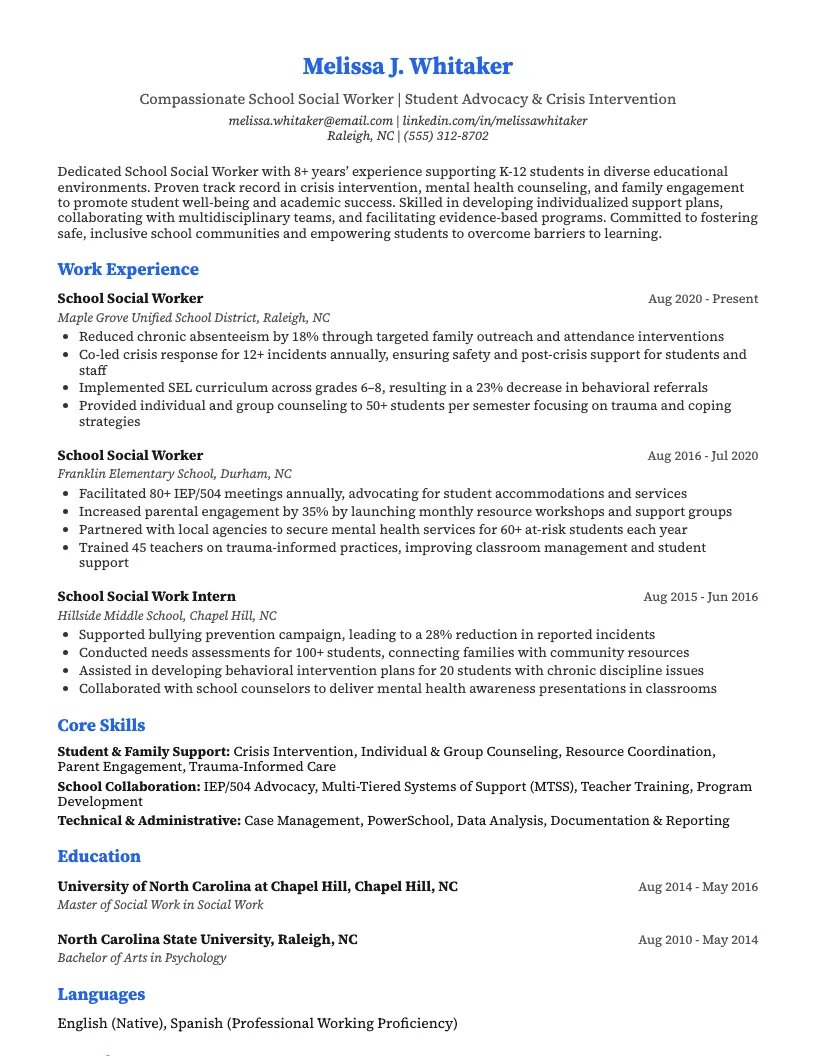 Click to enlarge
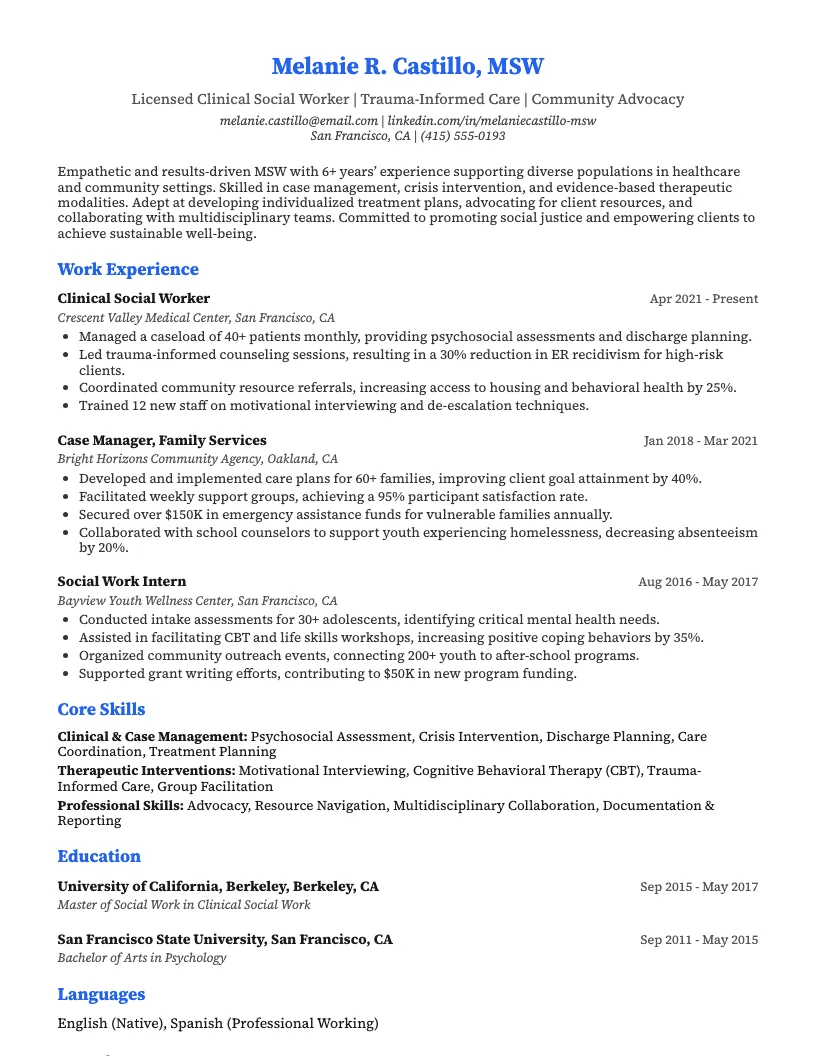 Click to enlarge
Common questions about Case Manager resumes
A Case Manager resume template is a professionally designed format tailored for case management roles. It highlights skills like client coordination, assessment, and advocacy, making your application stand out. ResumeJudge offers modern, targeted templates.
Yes, most Case Manager resume templates from ResumeJudge are ATS-friendly, meaning they're optimized to pass applicant tracking systems. This helps your resume get noticed by healthcare, social work, and nonprofit employers.
Use a Case Manager resume template when applying to hospitals, social service agencies, or insurance companies. It's ideal for roles that require case coordination, advocacy, or client assessment. ResumeJudge keeps your resume industry-specific.
Absolutely! Case Manager resume templates from ResumeJudge are easy to customize. You can update fonts, colors, and sections to suit your experience, specialty, and target job, ensuring your resume is unique.
Case Manager templates emphasize client care, assessment, and compliance, unlike generic templates. ResumeJudge designs these templates to feature relevant skills for healthcare, social work, and insurance fields.
A Case Manager resume should be one to two pages, focusing on relevant experience and key achievements. ResumeJudge templates help you present information concisely, making it easy for employers to review.
Yes, including certifications like CCM or LCSW can boost your resume. ResumeJudge templates have dedicated sections for credentials, making it easy for employers to spot your qualifications.
Important skills include assessment, care planning, communication, and crisis intervention. ResumeJudge templates highlight these skills, helping you match the requirements of healthcare and social service employers.
Yes, ResumeJudge offers templates suitable for entry-level case managers. These formats let you showcase internships, volunteer work, and education to help get noticed by hiring managers.
A professional, well-structured Case Manager resume template from ResumeJudge boosts your chances of landing interviews. It ensures your qualifications stand out to recruiters in hospitals, agencies, and nonprofits.
Explore more professional resume examples to inspire your job search
Use our AI-powered resume builder to create a professional, ATS-friendly resume in minutes.
Free to use • No credit card required