ResumeJudge
Veterinary Technician Resume Example
See full guide on Veterinary Technician resumes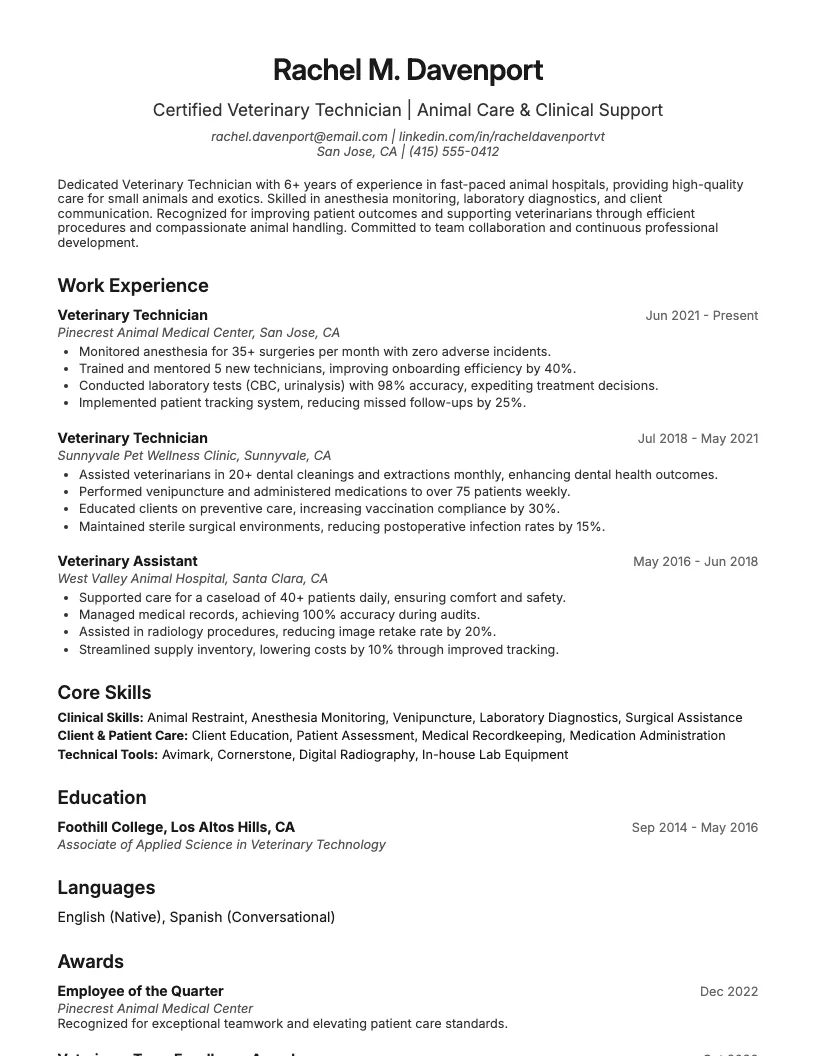 Click to enlarge
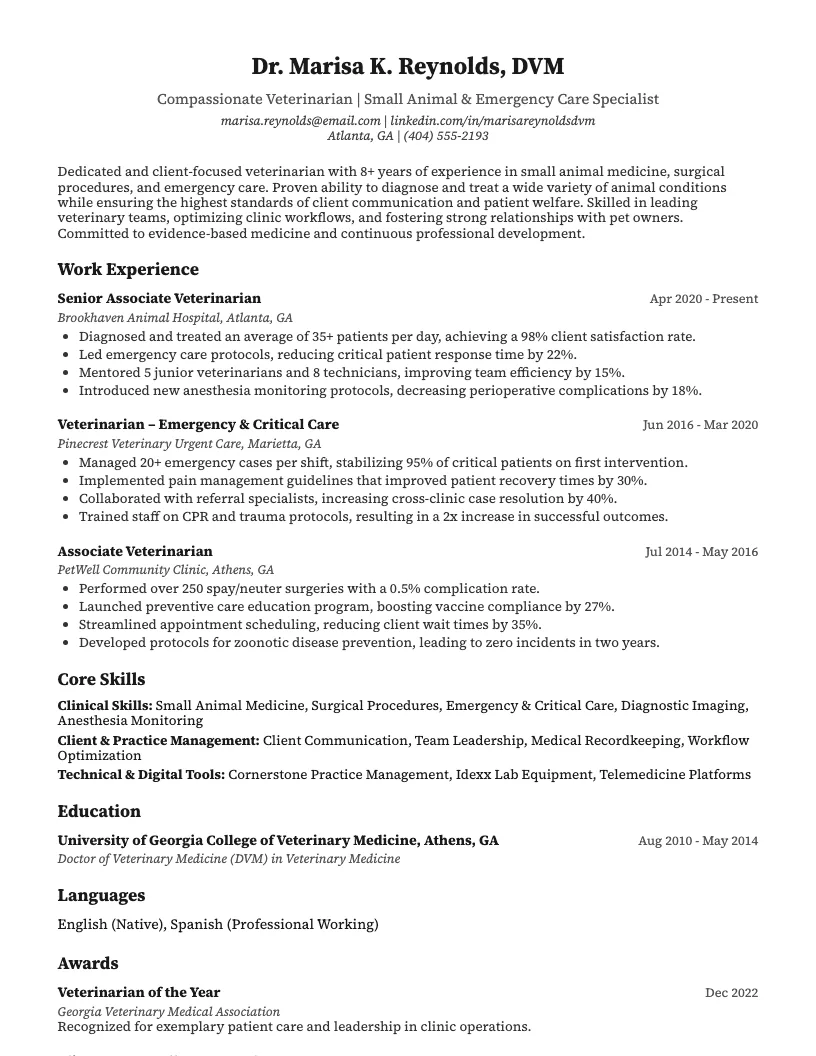 Click to preview

Get inspired by 50+ professional Veterinarian resume examples, each written by career experts and optimized to pass ATS scans. Pick a proven template, tailor it to your role, and download a polished resume in minutes.
Pick the specialization closest to your target role and start from a proven resume example.
Landing a job as a veterinarian takes more than medical know-how. Your resume needs to show your skills, certifications, and real results.
I’ve seen clinics get over 100 applications for a single role. A clear, focused resume helps you stand out fast.
Whether you’re starting out or have years of experience, your resume needs to match the job you want. I’ll break it down by career stage next.
If you're just starting out, focus your resume on internships, externships, or volunteer work. I always highlight hands-on skills and any animal care certifications.
Mid-level veterinarians usually show off 2-5 years of experience. You can emphasize specialized procedures, case management, and results like improved patient recovery rates.
For senior veterinarians, I recommend you highlight leadership roles and advanced certifications. This helps recruiters see your impact, like managing teams or increasing clinic efficiency by 15% or more.
Veterinarians diagnose and treat medical issues in animals, from cats and dogs to livestock. I see them handle everything from routine check-ups to surgeries.
Most vets work in clinics or hospitals. Some specialize in fields like surgery, dentistry, or exotic animal care. Others focus on specific species or large animals.
Veterinarians also advise pet owners on care and nutrition. It’s a hands-on job that involves working closely with animals, their families, and clinic staff every day.
Writing a veterinarian resume takes more than listing your skills. You need to show employers you understand their needs and the animals they care for.
I always look at the clinic or hospital first. Knowing their specialties helps me target my experience and use the right keywords for applicant tracking systems.
Resume format matters, too. Chronological layouts work for most, but if you’re a specialist or new to the field, other formats could help you stand out.
Understanding the job market is key. Veterinary jobs are growing by about 20% through 2032, so you want to make your resume as strong as possible.
I always start with the resume format because it sets the tone for everything else. For most veterinarians, reverse chronological order works best-hiring managers expect to see your experience front and center.
If you’re switching careers or just starting, a hybrid or functional format might make sense. This helps you highlight skills over traditional job history, especially if your experience is a bit patchy.
Focus on picking a format that matches your background. This way, you make it easy for recruiters to spot your strengths-and you boost your chances of getting past the ATS.
The demand for veterinarians is growing fast. The U.S. Bureau of Labor Statistics projects a 17% increase in jobs over the next decade. That’s way above average.
Right now, there are only 28 veterinary schools in the U.S., so new grads are limited. Plus, about a third of current vets are baby boomers who’ll retire soon.
If you want to stand out, highlight any experience with rural or large animal care. Those areas face real shortages. This helps your resume catch attention in a hot job market.
That wraps up what you need to know before writing your standout veterinarian resume. Now, you’re ready to get started.
Your resume summary is the first thing employers see. It’s your chance to show your experience, skills, and passion for animal care right away.
You get about 100 words to explain what makes you the right fit. Focus on your achievements and what drives you as a veterinarian.
Highlight your approach with pet owners, your medical expertise, and any specialties. This section sets the stage for the rest of your resume.
Your employment history section lets you show what you actually do as a veterinarian. Instead of just listing duties, focus on your real impact at each clinic or hospital.
Use each bullet to highlight a different skill. Think about medical knowledge, communication, and record-keeping. Employers want to see results, not just responsibilities.
I always recommend using numbers when you can. For example, mention how many animals you treat each week or any improvements you make in processes.
You want your resume to show the skills that matter most for veterinarians. Recruiters look for evidence of hands-on experience and strong communication.
I always recommend focusing on a mix of medical, people, and organizational skills. Highlight 4-7 strengths that match what employers actually ask for in job listings.
Getting into vet school is tough. Each year, thousands apply, but only a fraction get in. Your education shows your dedication and skills right up front.
If you’re a recent grad, put this section above your work history. List degrees, certifications, and any honors. If your GPA is over 3.0, add it too.
Nailing the layout of your veterinarian resume matters. Most recruiters spend under 7 seconds scanning a resume, so first impressions count.
You want your resume to look clean, organized, and professional. Employers notice tidy margins, clear headings, and easy-to-read fonts right away.
A simple design with just a hint of color works best. Keep it straightforward-no flashy graphics or odd formatting. This helps you stand out for the right reasons.
Veterinarian jobs need more than medical skills. You also need to show compassion, attention to detail, and strong communication.
You want your resume to match each job. Employers look for different strengths, so tailor your application every time.
If you’re thinking about other roles in animal care, you’re not alone. More than 110,000 people work as veterinary assistants or technicians in the U.S. right now.
I know it helps to see how different animal care resumes look. Let’s check out some examples, so you can compare and pick what fits your experience best.
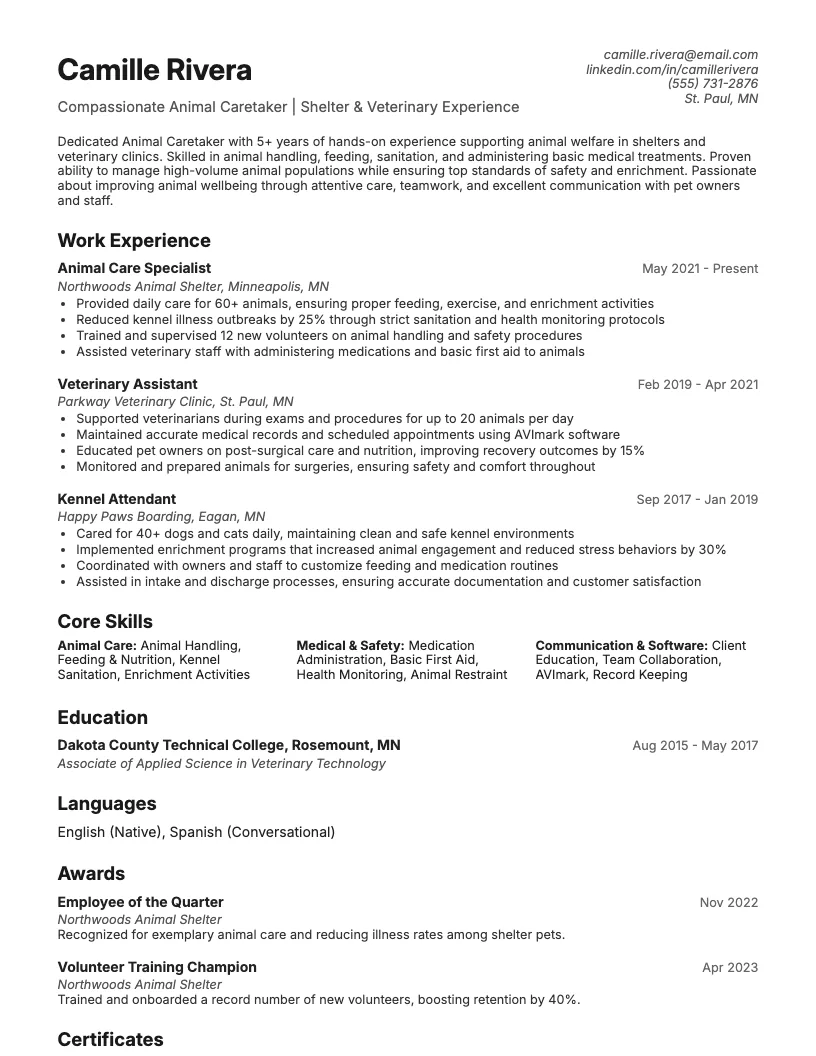
If you’re looking for vet tech resume examples, you’re in the right spot. I see a ton of resumes every week, and certain formats stand out more than others.
A solid vet tech resume shows off clinical skills, animal handling, and attention to detail. You want to highlight certifications like RVT or CVT if you have them.
You can boost your chances by listing hands-on experience with different species. Employers love seeing numbers, like “assisted in 30+ surgeries per month” or “monitored 100+ patients weekly.”
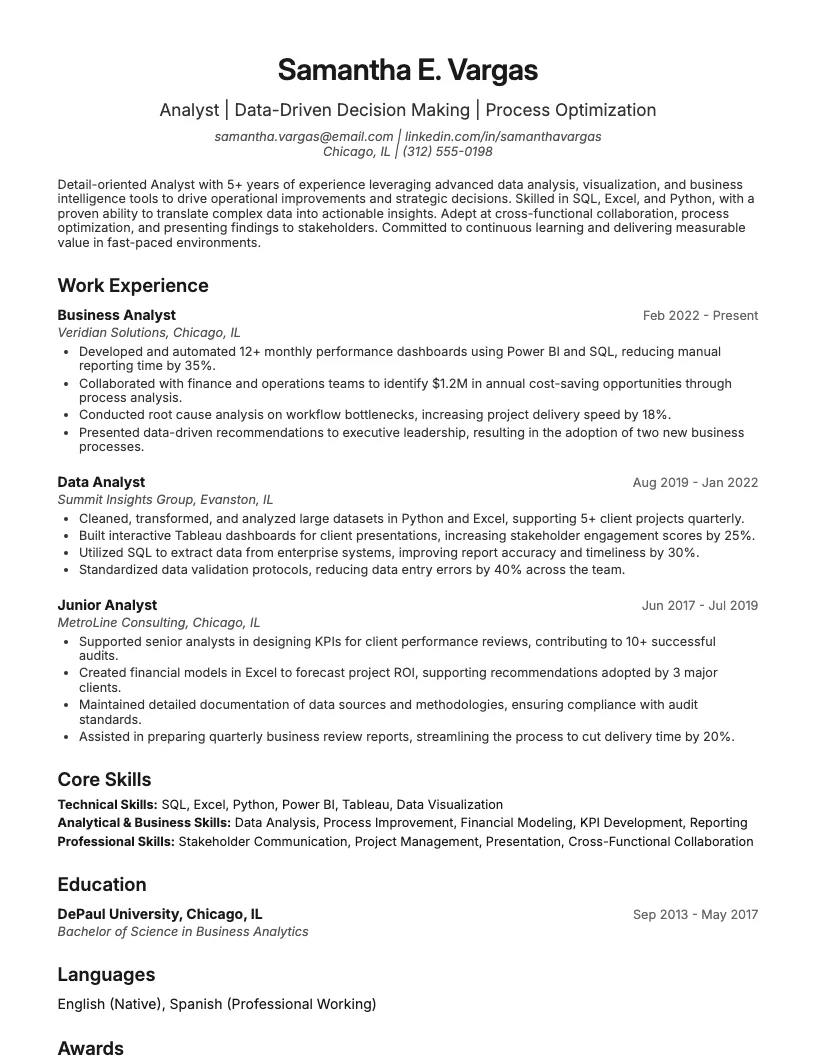
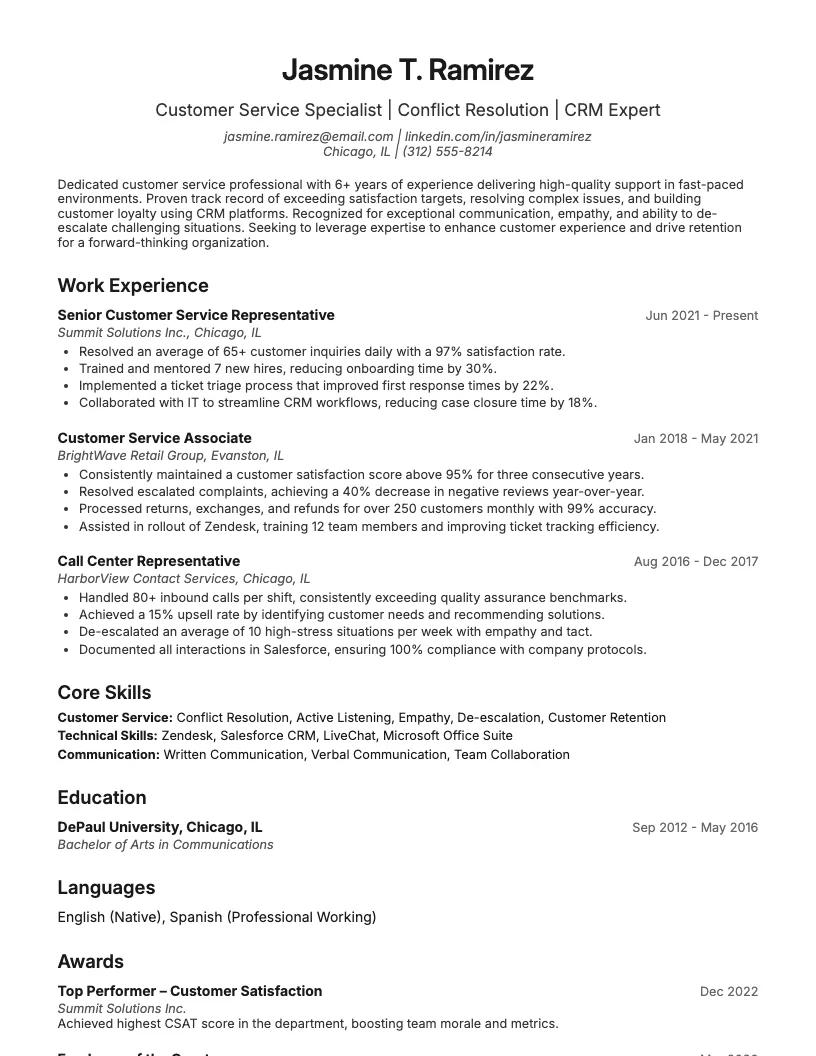
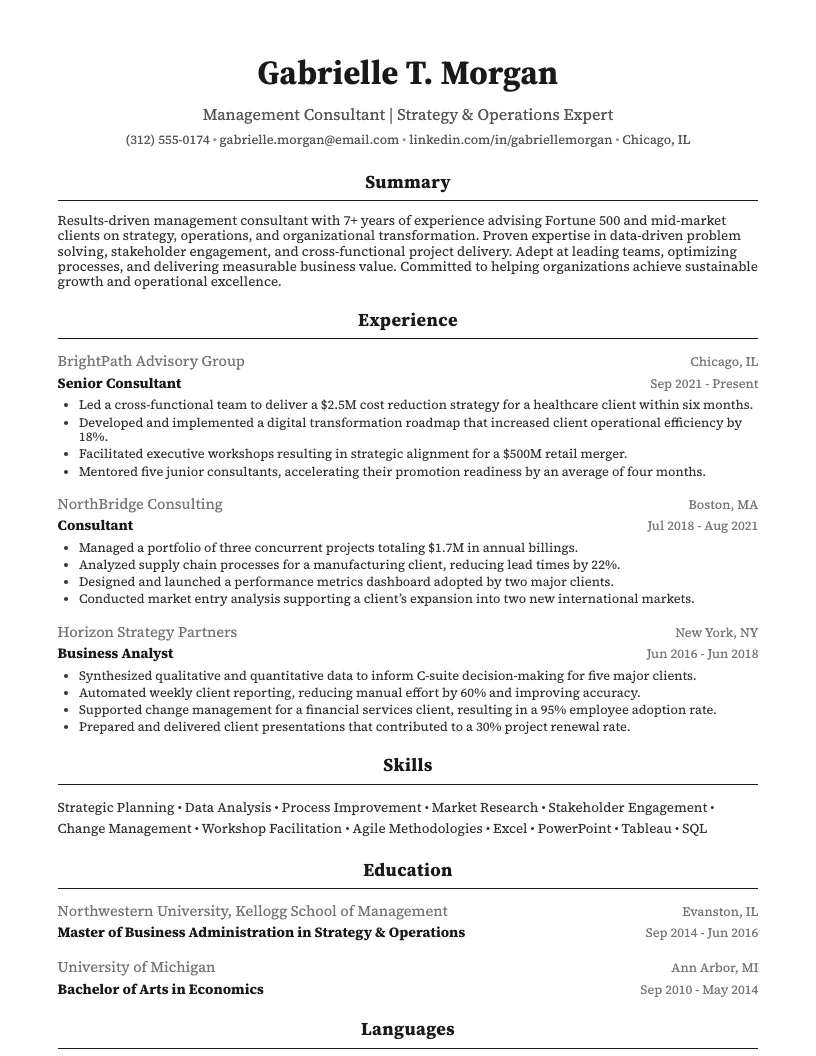
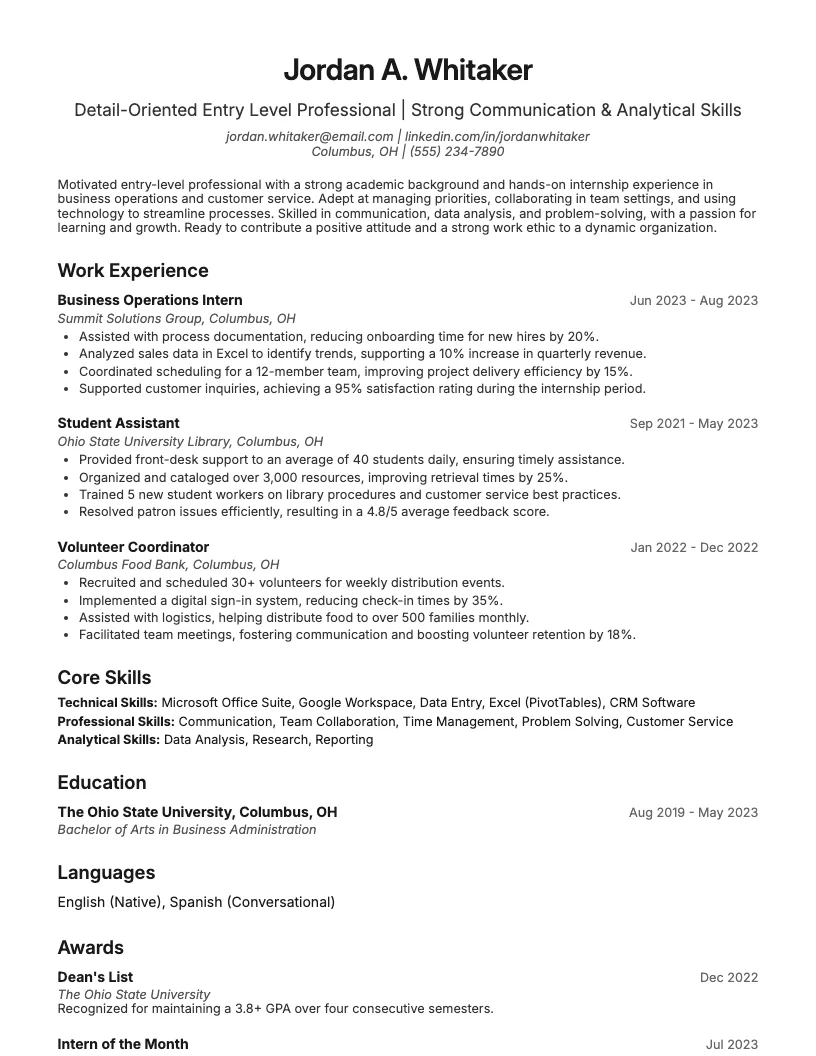
Browse Veterinarian resume examples for related roles. Preview any example, open it in the builder, or read its full guide.
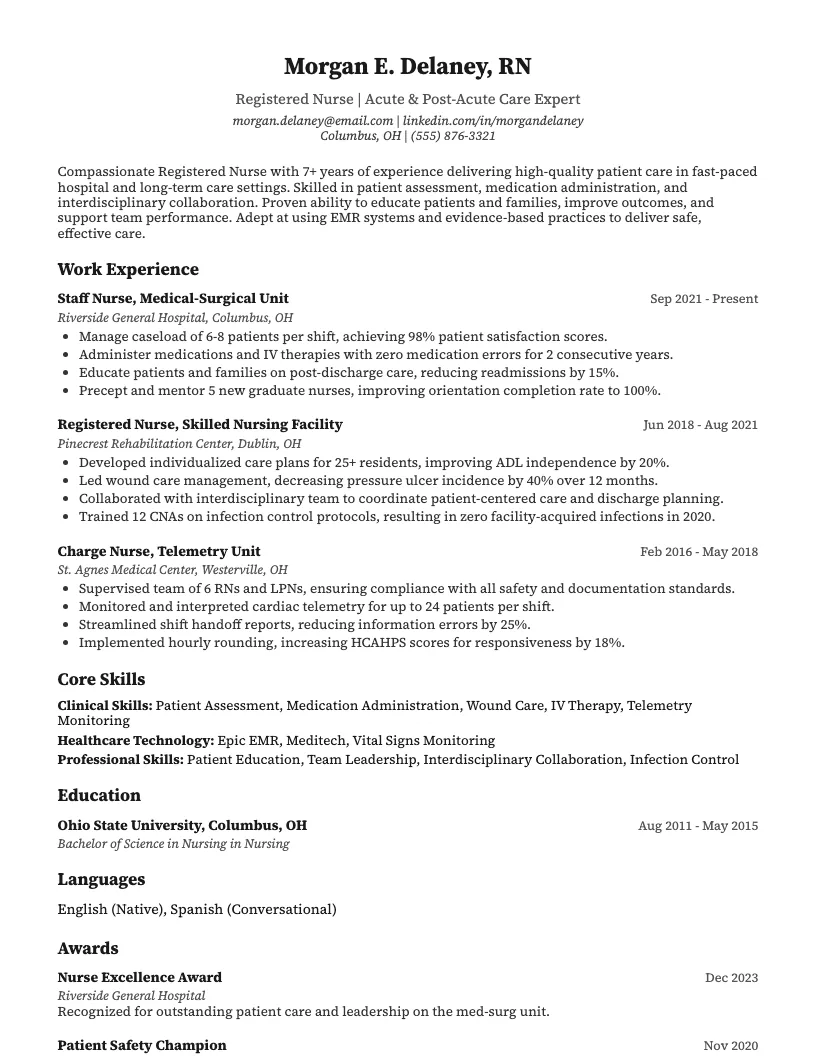
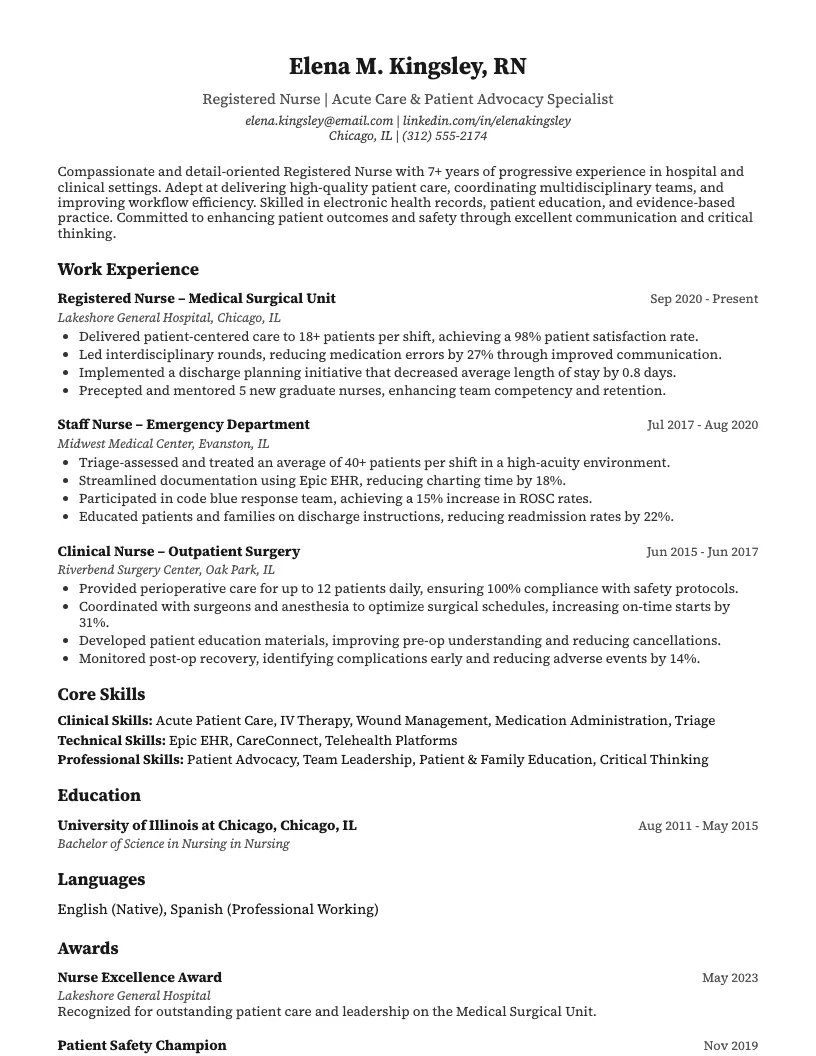
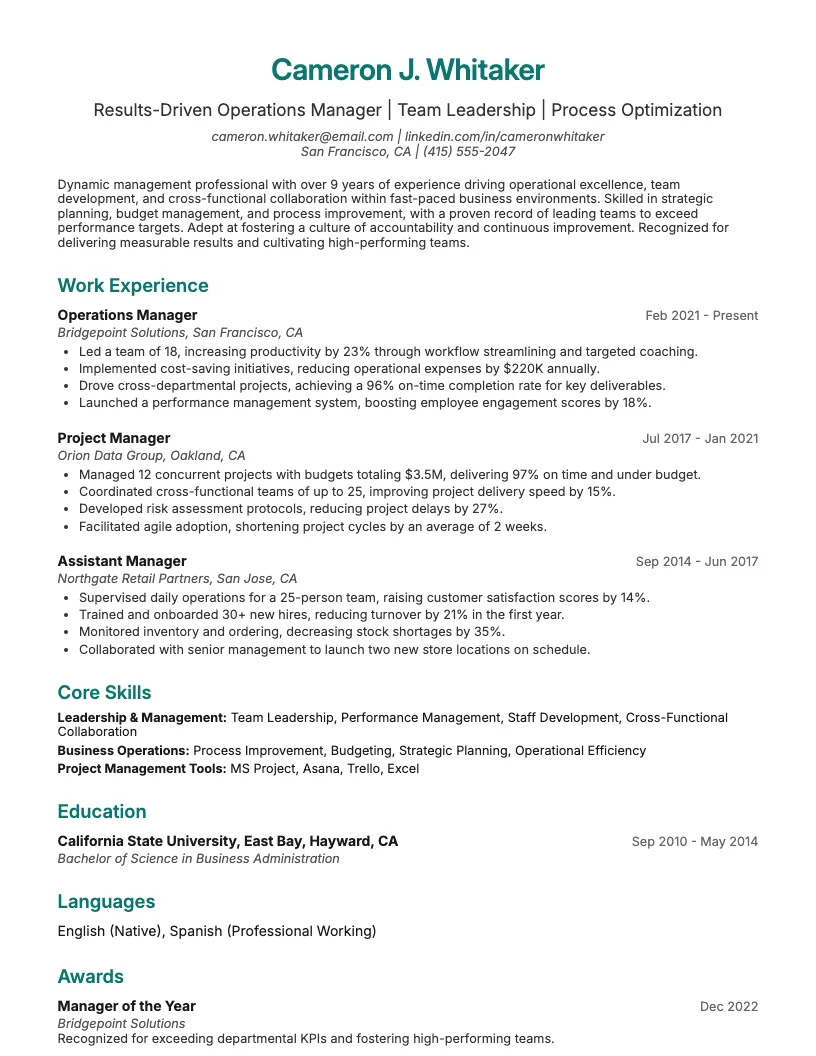
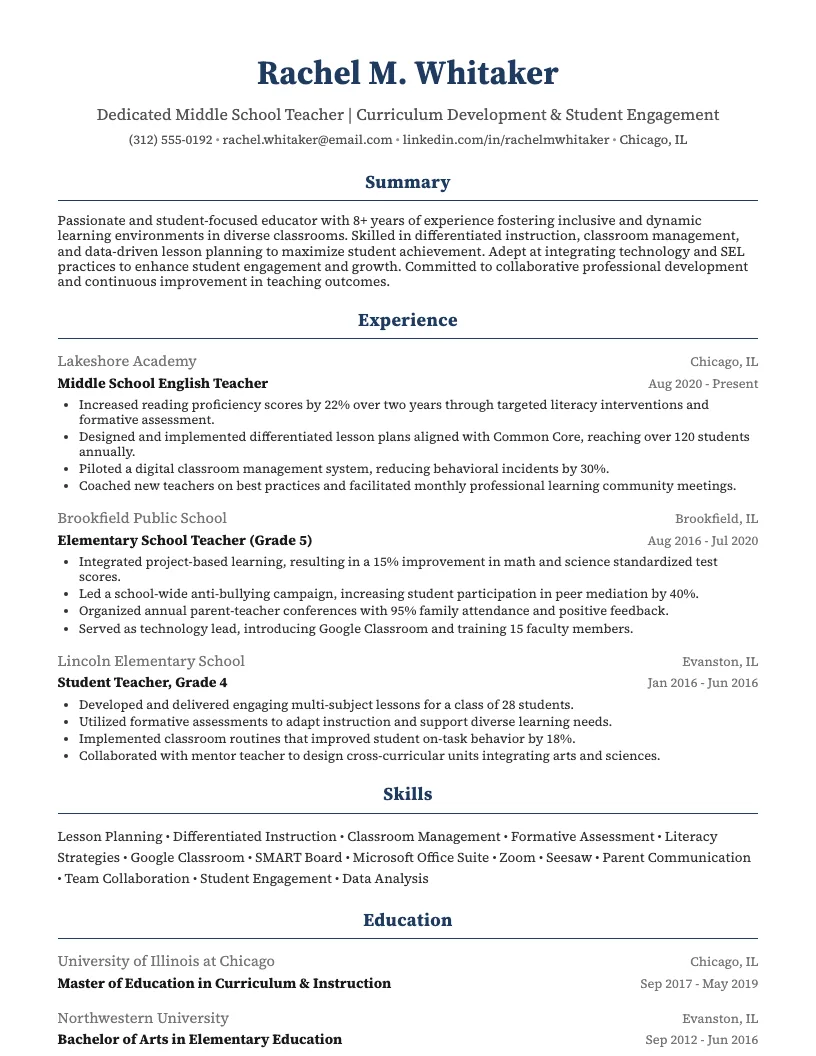
Click to enlarge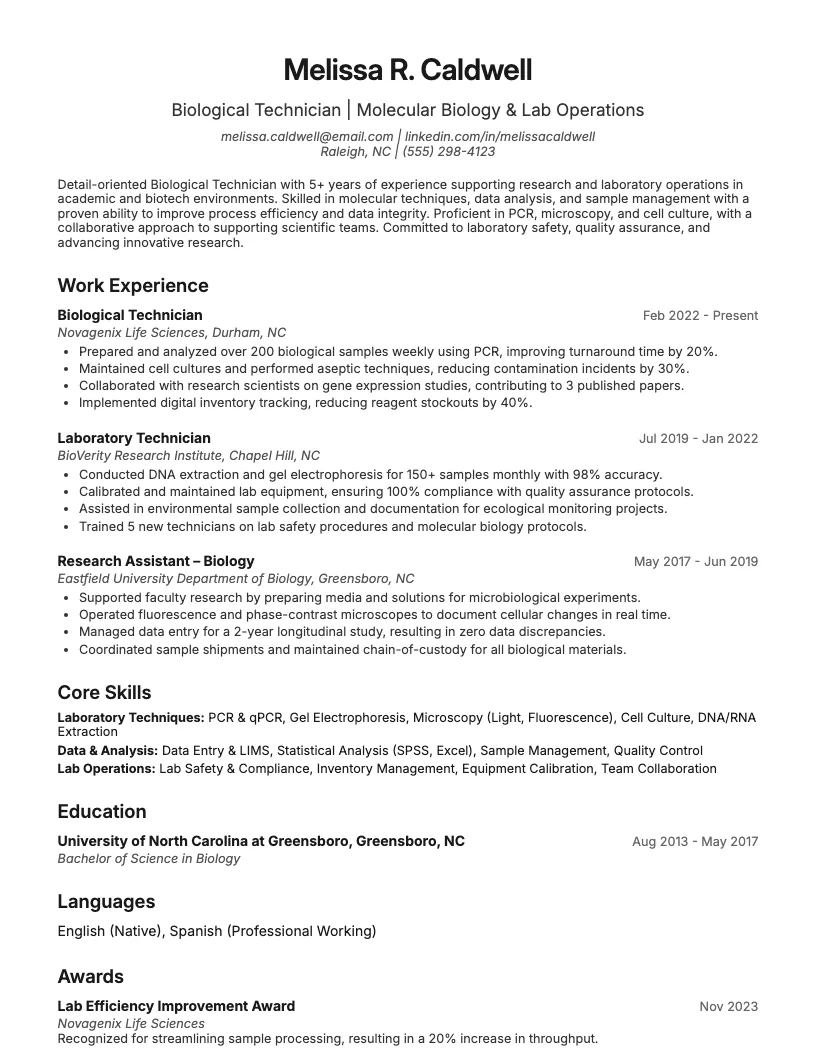 Click to enlarge Click to enlarge
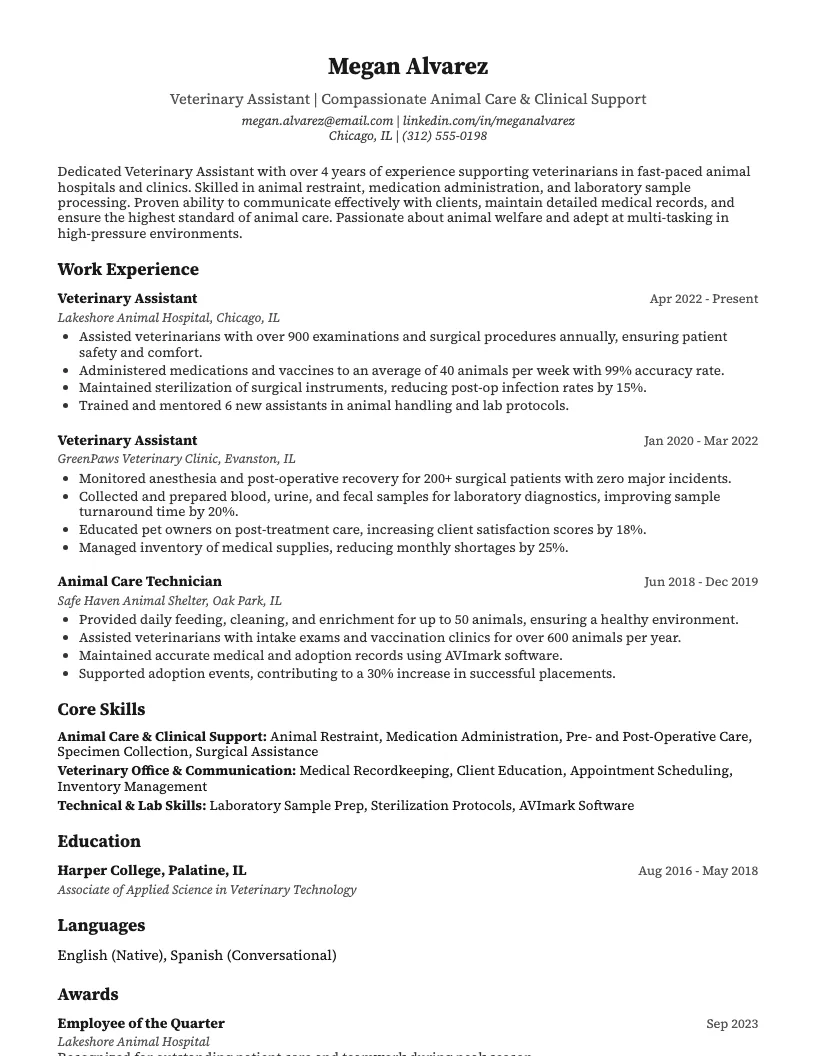 Click to enlarge
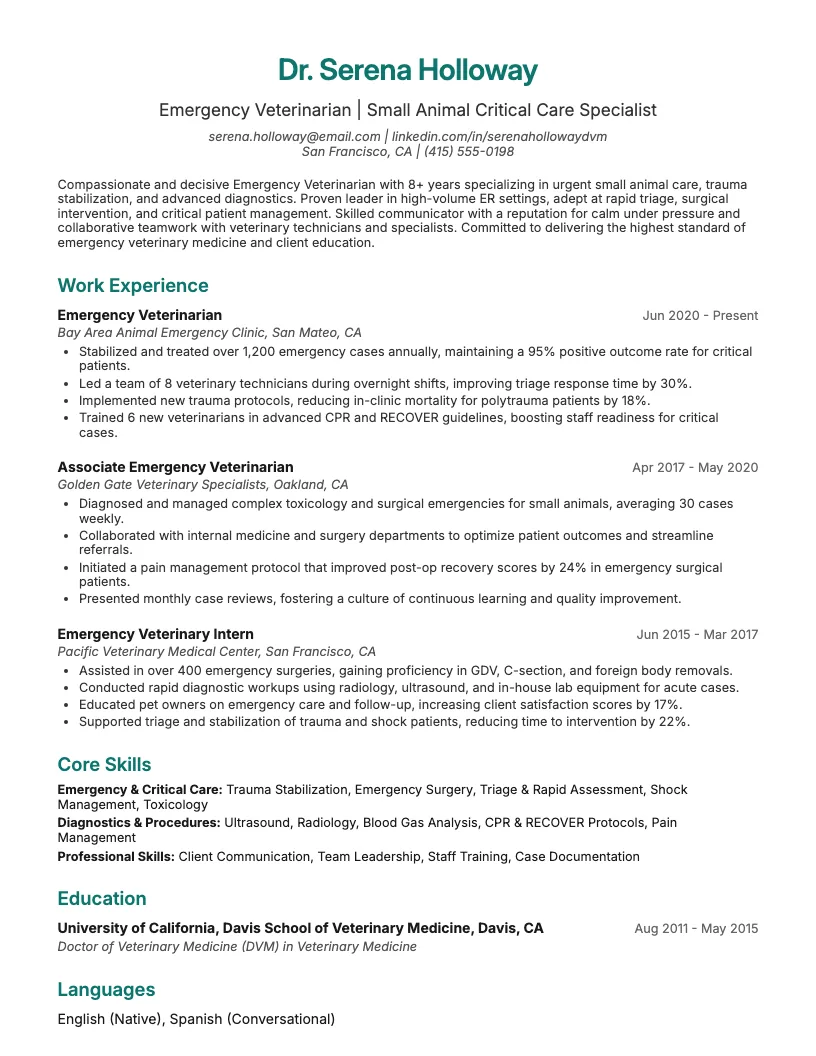 Click to enlarge
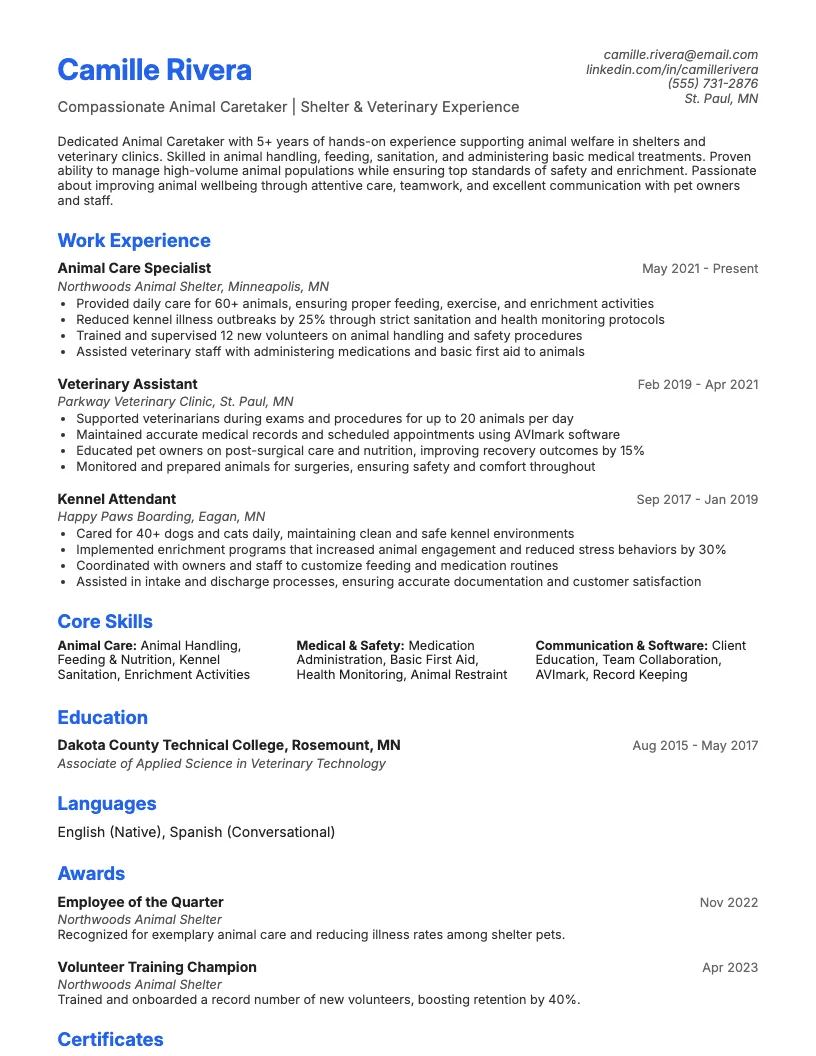 Click to enlarge Click to enlarge
 Click to enlarge Click to enlarge
Common questions about Veterinarian resumes
A veterinarian resume template is a pre-designed layout tailored for veterinary professionals. It highlights clinical skills, animal care experience, and certifications. ResumeJudge makes it easy to create a standout resume quickly.
Yes, most veterinarian resume templates are ATS-friendly, meaning they're designed to pass applicant tracking systems. ResumeJudge offers ATS-optimized templates so your resume reaches hiring managers without formatting issues.
Use a veterinarian resume template when applying to animal hospitals, clinics, research labs, or zoos. It's ideal for new grads and experienced vets. ResumeJudge helps you tailor your resume for any veterinary setting.
Absolutely! You can edit sections, add your own skills, and adjust the design. With ResumeJudge, you can personalize the template to highlight your unique strengths or experience in specific veterinary fields.
Veterinarian resume templates focus on animal care, clinical skills, and certifications, unlike general templates. ResumeJudge’s templates include sections for licensure and specialized training relevant to veterinary roles.
A veterinarian resume should typically be one to two pages, listing relevant experience and education. ResumeJudge helps you organize content efficiently, ensuring key details fit neatly within the ideal length.
Include sections like contact info, professional summary, skills, experience, education, and certifications. ResumeJudge templates ensure these sections are easy to fill out and look professional.
Yes, quality veterinarian resume templates provide dedicated space for listing licenses and certifications like DVM or state licensing. ResumeJudge ensures these critical credentials are highlighted.
Yes, these templates work well for internships, externships, and entry-level positions. ResumeJudge helps students and recent graduates showcase relevant coursework, clinical rotations, and animal handling skills.
Definitely! You can use these templates to apply for research, teaching, or academic positions in veterinary schools. ResumeJudge lets you emphasize research projects, publications, and specialized training.
Explore more professional resume examples to inspire your job search
Use our AI-powered resume builder to create a professional, ATS-friendly resume in minutes.
Free to use • No credit card required