Military Pilot Resume Example
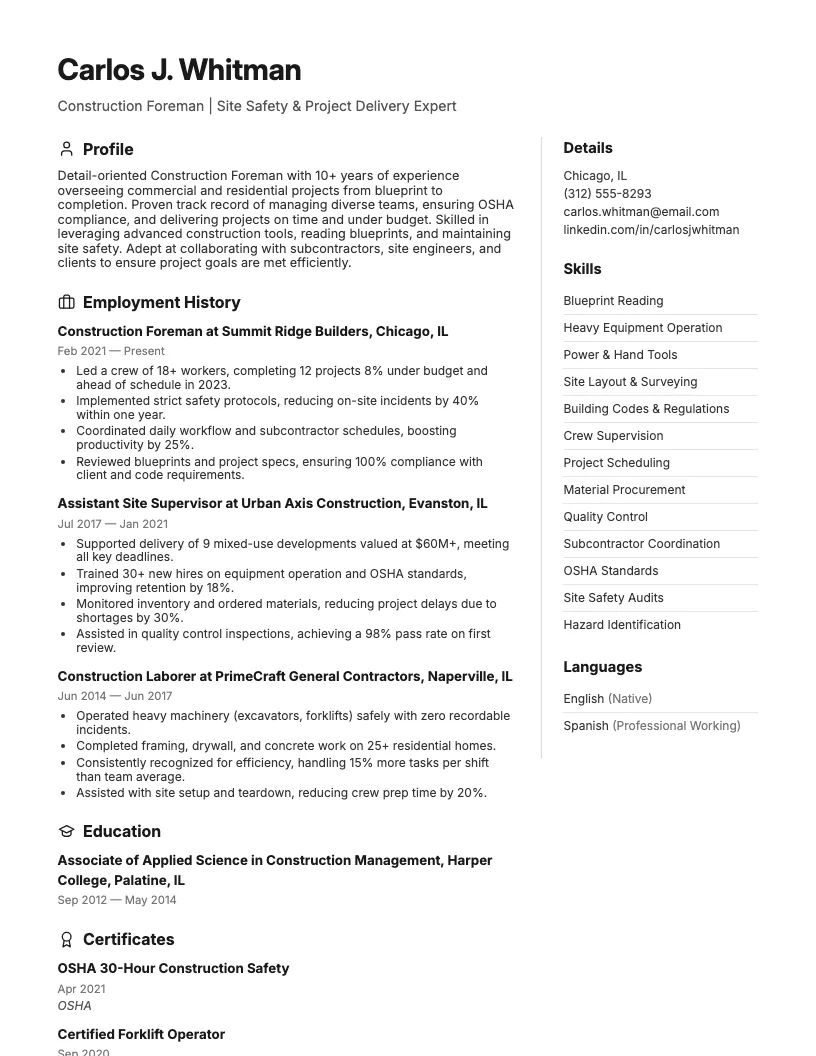
See full guide on Military Pilot resumes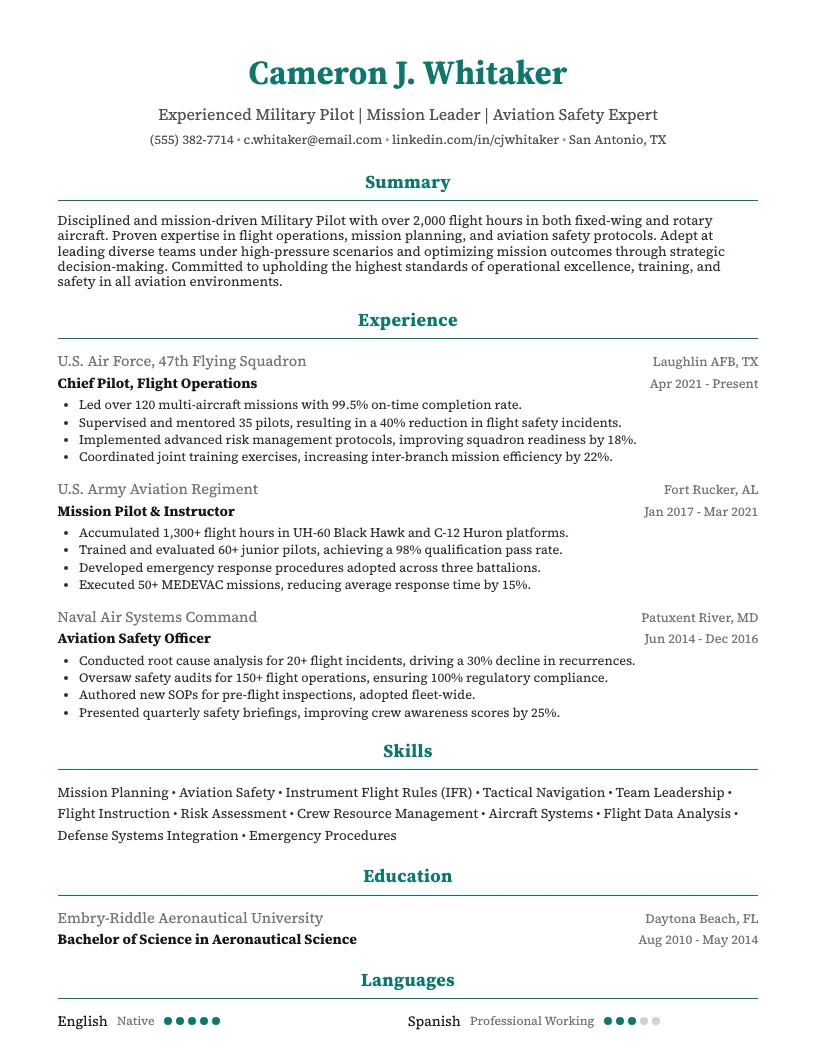 Click to enlarge
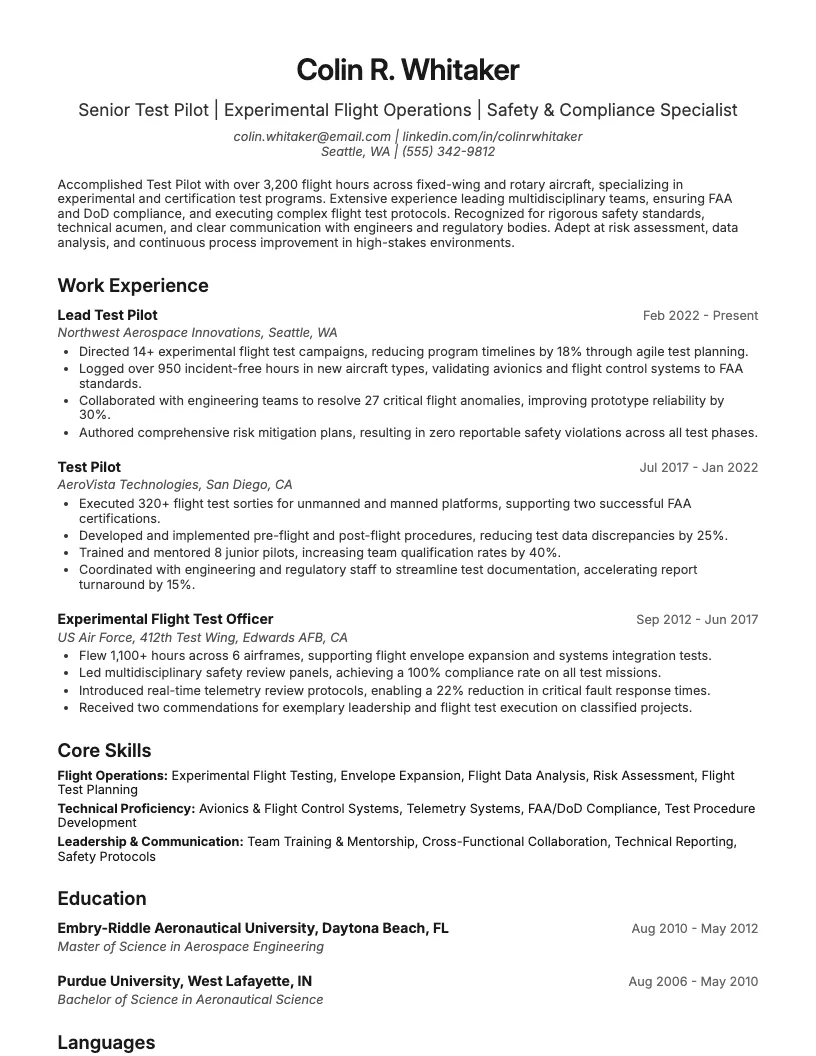 Click to preview

Get inspired by 62+ professional Test Pilot resume examples, each written by career experts and optimized to pass ATS scans. Pick a proven template, tailor it to your role, and download a polished resume in minutes.
Pick the specialization closest to your target role and start from a proven resume example.
If you want a test pilot job, your resume needs to show off your flight hours, safety record, and technical skills. I see employers focus on real experience and certifications.
You want to highlight your unique background. The right resume format helps you stand out, whether you’re new to test piloting or have 2,000+ flight hours. Let’s look at how it’s done.
I like to start my test pilot resume with contact info, a brief summary, and core skills. This sets a clear tone right from the top.
You should use clear sections like Certifications, Flight Hours (with numbers), and Technical Expertise. This helps recruiters spot your strengths fast.
Make sure to highlight your flight test experience and include specific aircraft models. Hiring managers look for details, not just buzzwords.
Landing a test pilot job means showing off your technical skills, flight experience, and safety record. You want your resume to be clear and direct.
I focus on outlining key responsibilities, certifications, and achievements. Each section needs to capture what makes you stand out in the cockpit.
Formatting and content both matter. Hiring managers usually scan resumes in under 30 seconds, so every detail counts.
A test pilot doesn't just fly planes-they push new aircraft to their limits. You need sharp technical skills and nerves of steel to handle unpredictable situations.
I see test pilots working with engineers, running preflight checks, and writing detailed reports—skills you might also highlight in a cover letter. You’re responsible for safety and sharing feedback that helps improve future designs.
There are just around 650 test pilots in the U.S. according to FAA data. This makes the field highly specialized and competitive. Highlighting unique skills is key for your resume.
You want every test pilot resume to start with a sharp contact info section-name, phone, email, and sometimes LinkedIn. This helps recruiters reach you fast.
I always add a professional summary up top. Two or three sentences work. Highlight flight hours, aircraft types, and safety records. Quantify achievements when possible-numbers catch attention.
Include a detailed flight experience section. List aircraft models, test types, and total hours. You can break out civil, military, or experimental flights if you have a mix.
Don’t forget education and certifications. Degrees, pilot licenses, and special endorsements like ATP or FAA test pilot school matter a lot for this field.
I always keep my format clean and simple. Use a reverse-chronological layout-recruiters spend about 7 seconds on each resume, so clarity matters.
Stick to a standard font like Arial or Calibri, size 10-12. Avoid graphics or colors. This helps your resume pass through Applicant Tracking Systems (ATS) without any issues.
Keep everything to one or two pages max. Use bullet points for achievements and avoid long paragraphs. This makes your skills and experience easy to scan.
Proofread carefully-spelling errors can cut your chances by 58%. A polished resume shows attention to detail, which every test pilot needs.
Test pilots need a unique blend of technical expertise, strong nerves, and clear thinking. The job demands more than just flying skills.
You want the right mix of flight hours, certifications, and a sharp mind for troubleshooting. Soft skills matter just as much as technical ones here.
When I talk about essential skills for a test pilot, I always start with technical and flight skills. These shape every part of the job.
You need to log over 1,500 flight hours and master complex aircraft systems. I focus on precision flying, risk assessment, and data collection every single flight.
If you want to stand out, get comfortable with simulators and advanced avionics. Know how to interpret flight test data and troubleshoot issues on the fly-literally.
You usually need a bachelor’s degree in aeronautical engineering, aviation, or a related field. Some test pilots also hold a master’s for more advanced roles.
Most employers look for a commercial pilot’s license and military or civilian test pilot school graduation. Reviewing a cover letter can help you see how to present these credentials clearly.
It helps to keep up with FAA medical certification and ongoing training. Staying current shows you know the latest safety standards and technical updates.
You need excellent communication skills. Test pilots often brief engineers and write detailed reports. Clear feedback helps improve aircraft design and safety for everyone.
I always stay calm under pressure. Emergencies happen fast, and quick decisions can save lives. Employers look for solid judgment and composure during unexpected events.
Adaptability is huge here. Flight test programs change often-sometimes mid-mission. If you stay flexible and focused, you’ll handle surprises and keep projects on track.
Strong teamwork matters too. I work with ground crews, engineers, and other pilots every day. Being approachable and reliable builds trust across the whole team.
Your experience as a test pilot is all about results and precision. Recruiters want to see exactly what you’ve done and how you’ve made a difference.
I focus on clear descriptions of each mission, flight, and technical challenge. Numbers make your achievements stand out-hours flown, types of aircraft, and successful test outcomes all matter.
When I write about test flights, I focus on the purpose and outcome of each mission. This helps recruiters see my technical expertise and my approach to real-world challenges.
You should highlight specific aircraft models, flight conditions, and unique objectives. Details like "executed 12 high-altitude tests in F-16D" show depth and relevance.
There are lots of ways to clarify your role-pilot-in-command, test director, or systems evaluator. Pointing out your responsibilities gives your experience real weight on the page.
Numbers tell your story best. Instead of just saying I completed test flights, I mention exactly how many-like “over 400 hours in experimental aircraft.”
You should highlight measurable impact. For example, I note when my feedback cut post-flight issues by 30% or when I introduced protocols that improved safety ratings.
Whenever possible, use details like flight hours, number of missions, or types of aircraft tested. This helps hiring managers see the scope and significance of your experience.
A strong resume summary or objective gets a test pilot’s skills noticed fast. You need to show flight hours, aircraft types, and safety records right up front.
I always recommend using real numbers. Recruiters look for measurable results-think total flight hours or specific test programs. That grabs attention before they even start reading the rest.
A strong resume summary grabs attention right away. For a Test Pilot, you want to highlight flight hours, certifications, and unique skills in just a few sentences.
I always focus on measurable achievements. If you log over 1,500 hours in experimental aircraft, say it. This helps recruiters spot your value fast.
You can also mention specific aircraft types or test projects. That way, you show real-world experience, not just general skills. A good summary sets the tone for your whole resume.
A strong objective statement shows what you want and what you bring. For test pilots, it’s smart to mention certifications, flight hours, and your safety record.
You can say, “I aim to leverage 2,000+ flight hours and FAA certification to support innovative flight test programs.” This is specific and straightforward-recruiters like that.
If you’re new to test piloting, focus on skills and goals. Try, “Driven pilot seeking to apply advanced aeronautical training and 1,000+ hours to an entry-level test pilot role.” You can also look at a cover letter for inspiration on how to present your background.
Your objective is your pitch. Keep it short, clear, and tailored to each job. This helps you stand out and wraps up your resume’s intro nicely.
Every test pilot job is different. You want your resume to match what each employer actually needs, not just a generic list of skills.
I always check the job posting for keywords and specific requirements. Customizing your resume this way helps you get past applicant tracking systems and catch the hiring team's attention.
Small changes can make a huge difference. I focus on the details, like matching terminology or listing the exact aircraft types mentioned in the job ad.
Every test pilot job is a bit different. I always check what each employer values most-some focus on military hours, others on civil certifications or specific aircraft.
If you want your resume to stand out, highlight the exact skills and experiences each company cares about. This helps you look like the perfect fit.
There are over 8,000 test pilots worldwide, but only a handful land top roles. Customizing your resume for each employer boosts your chances in this competitive field.
I always scan the job description for key phrases like "flight test planning," "risk assessment," or "FAA compliance." Plugging these into your resume really boosts your match.
You want your resume to reflect exactly what the employer values. There are often 10-15 keywords in each ad-using them increases your chances with applicant tracking systems.
I recommend updating every section, not just your summary. Sprinkle those keywords into your experience, skills, and certifications. This helps recruiters spot that you fit their needs fast.
When I review test pilot resumes, I see some common issues that can really hold people back. Even small errors can cost you an interview.
You want every detail to show your technical skills and precision. Missing key info or using vague language makes it harder for recruiters to see your strengths.
A few tweaks can make your resume stand out in a stack of over 100 applications. Let’s break down the most frequent mistakes I spot.
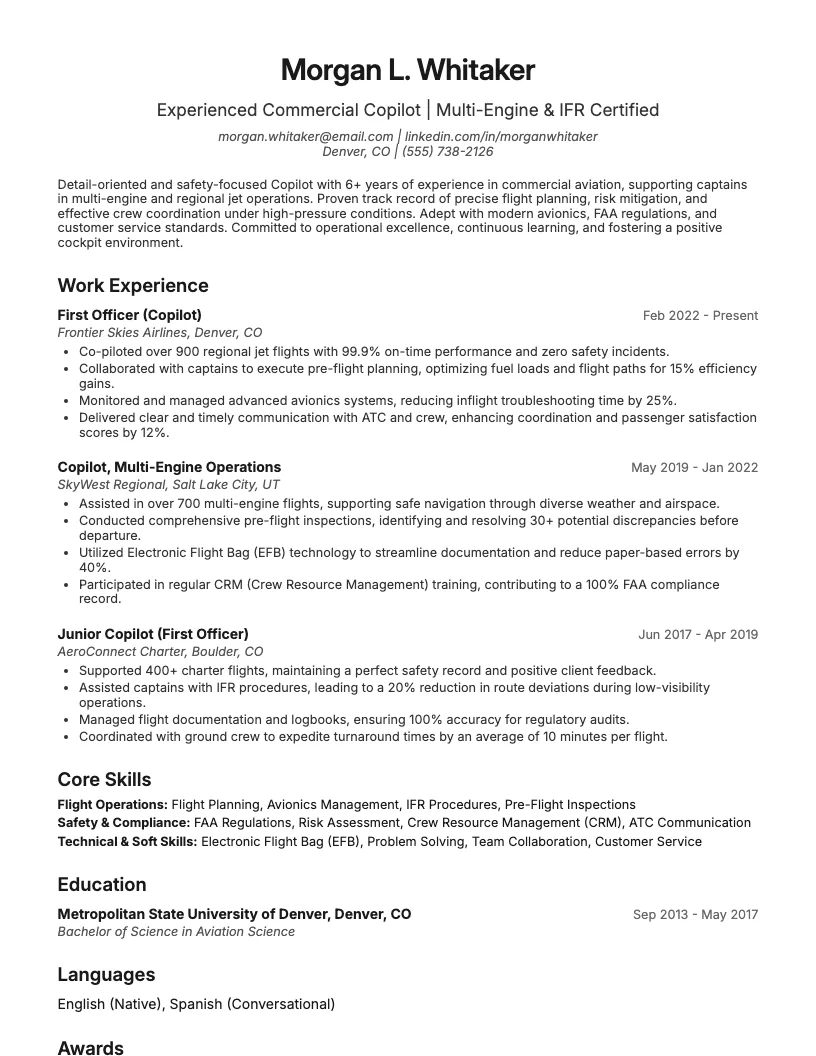
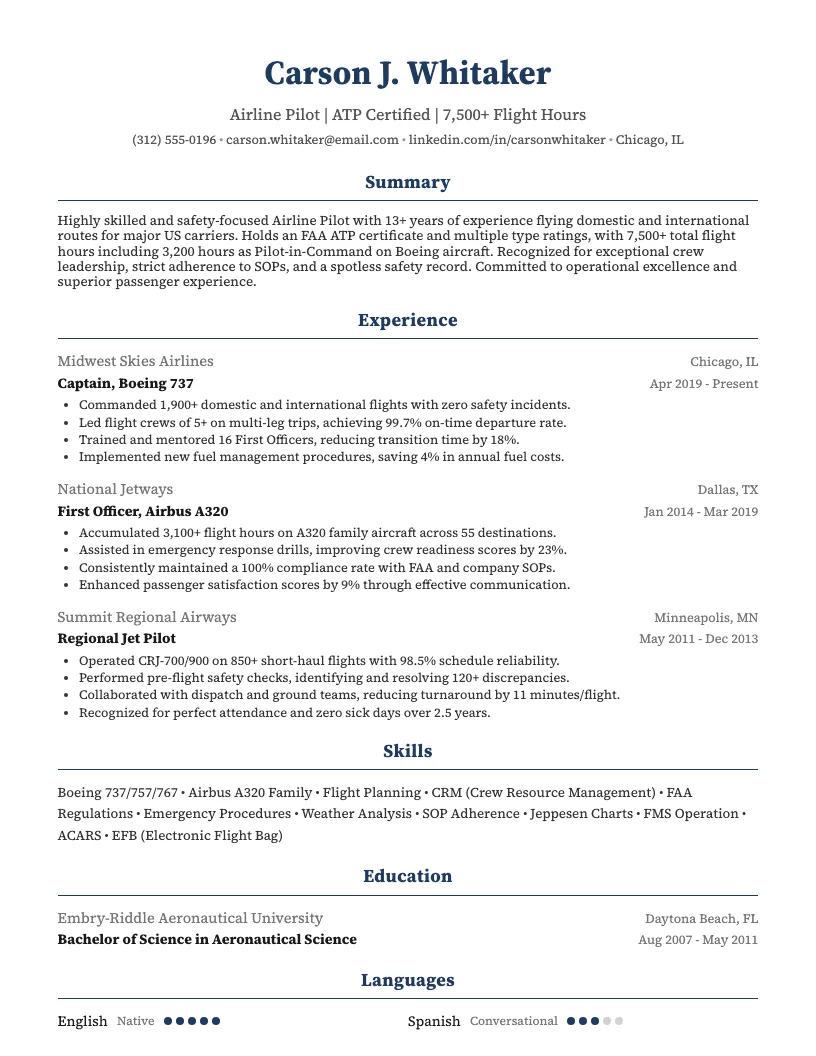
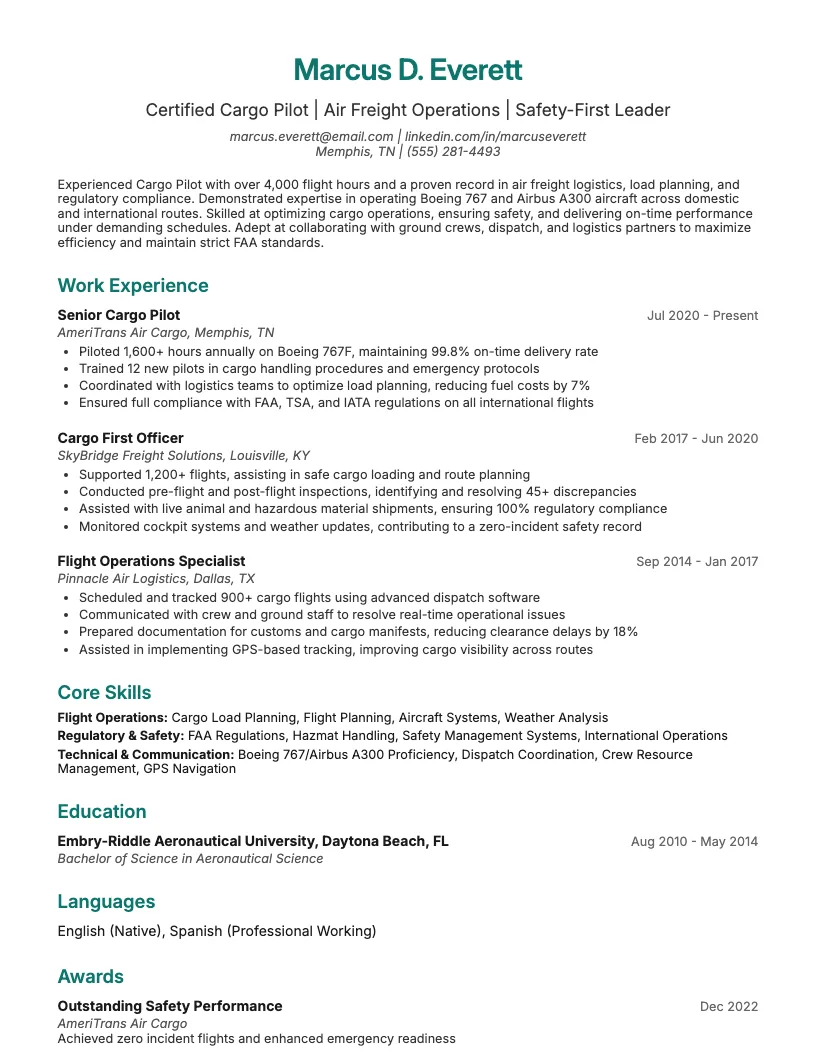
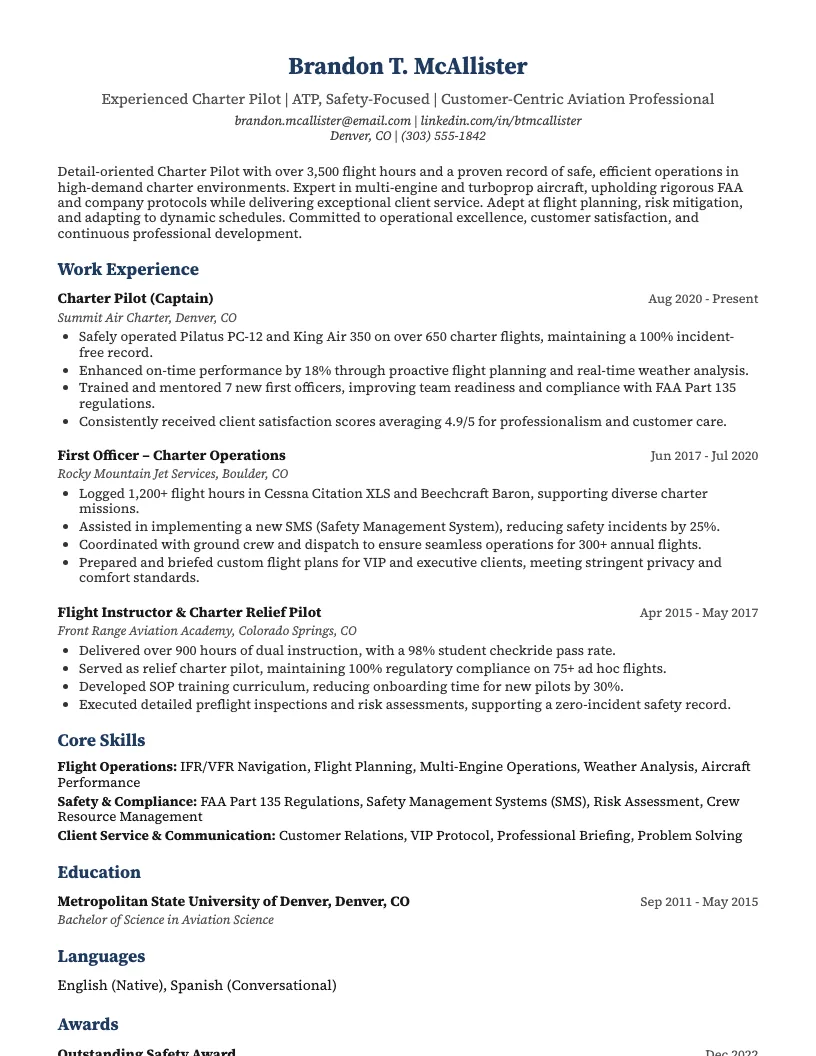
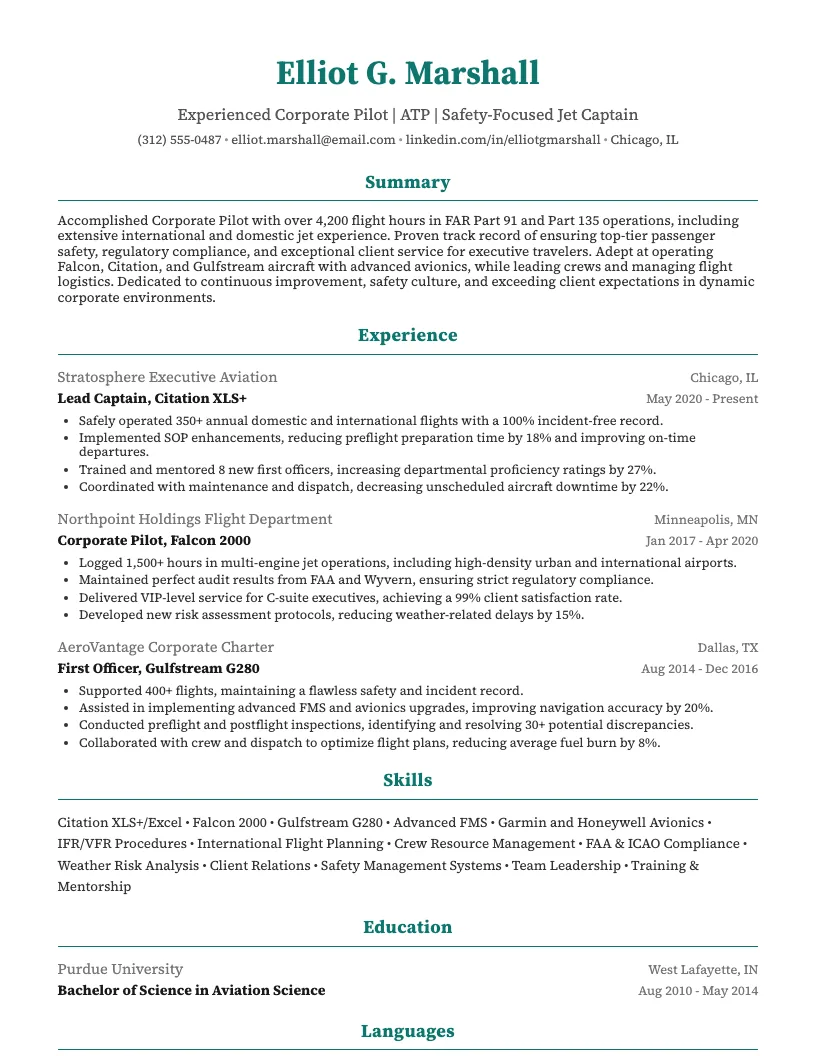
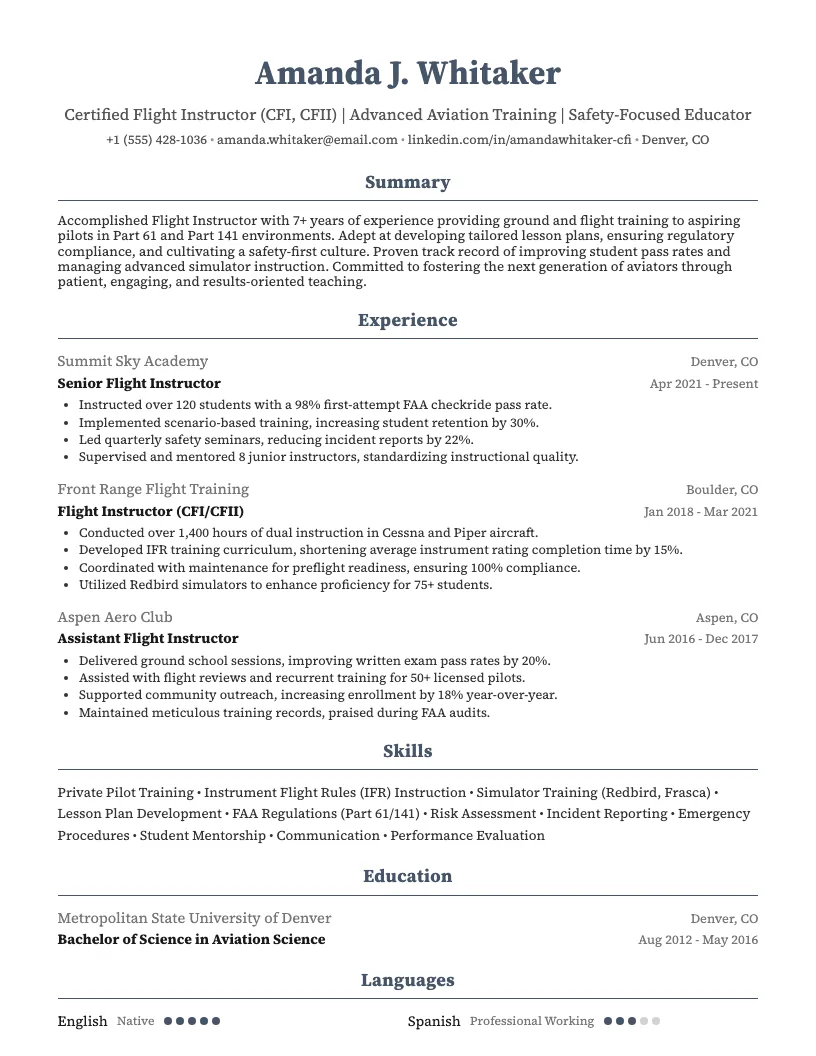
Browse Test Pilot resume examples for related roles. Preview any example, open it in the builder, or read its full guide.
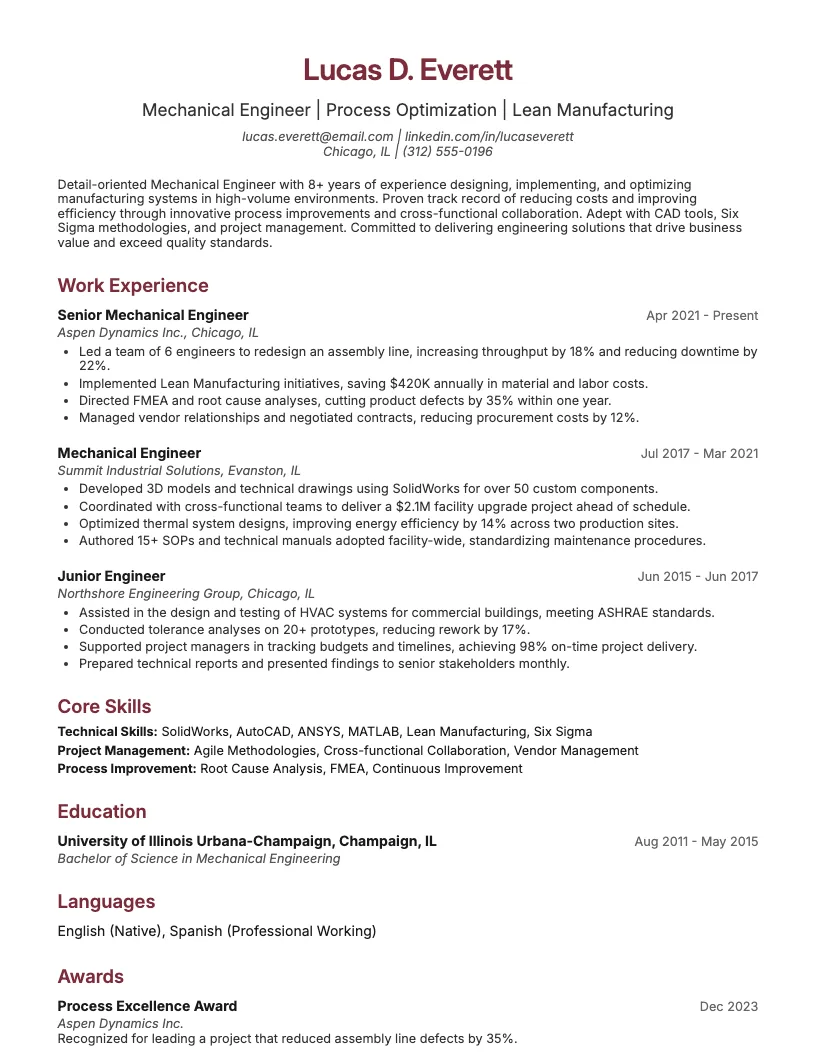
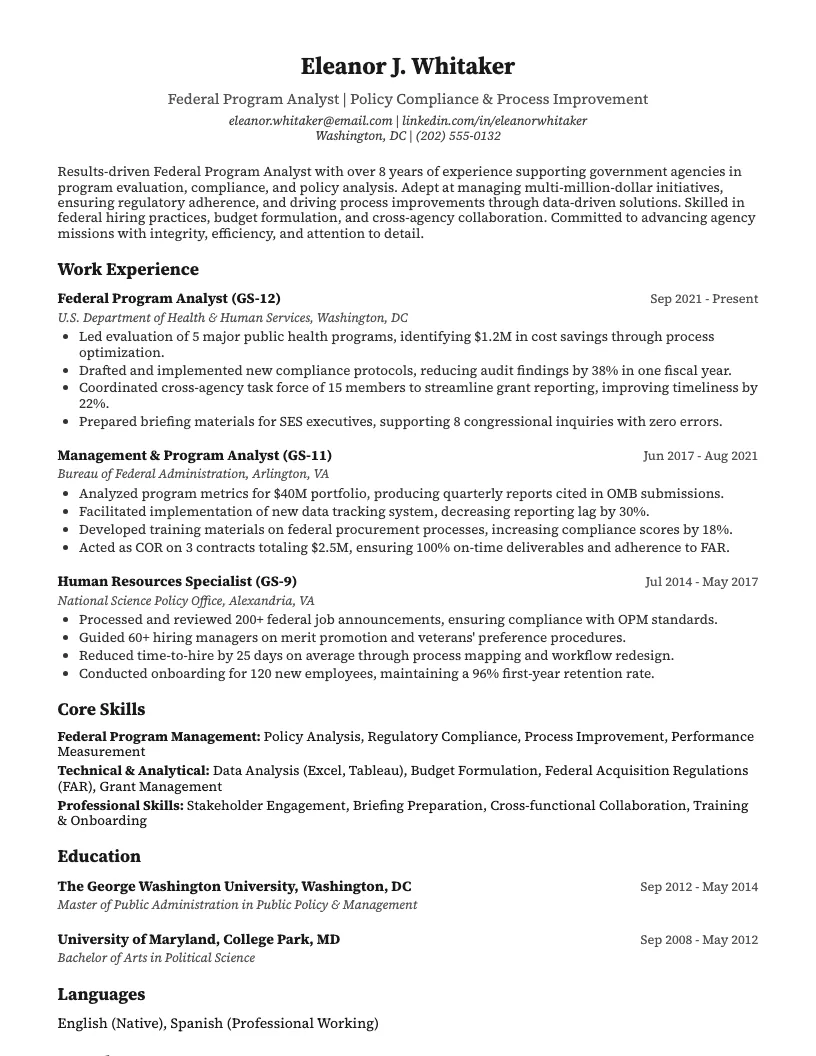
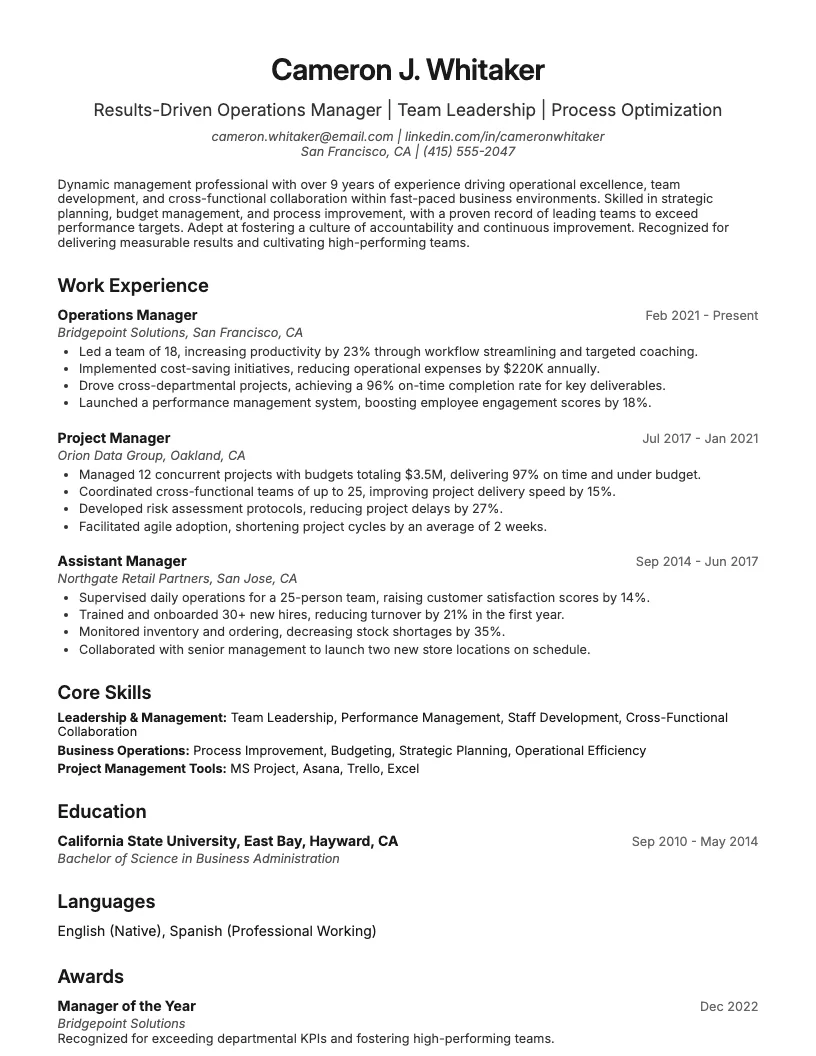
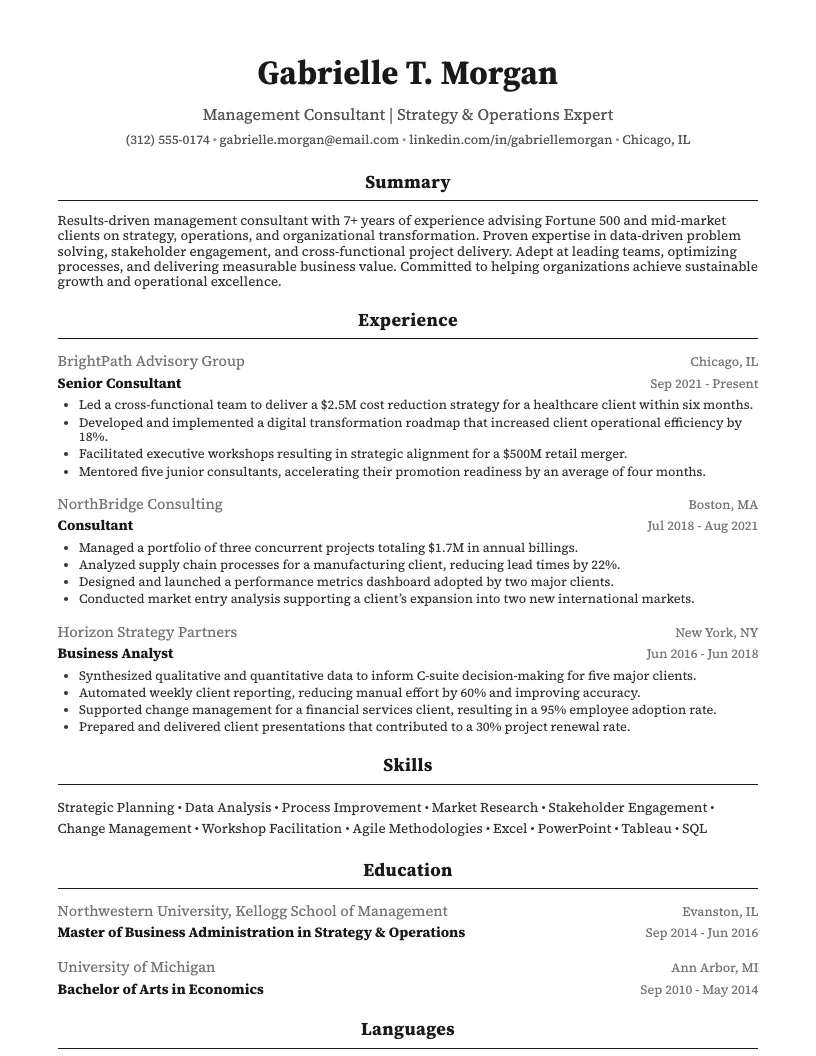
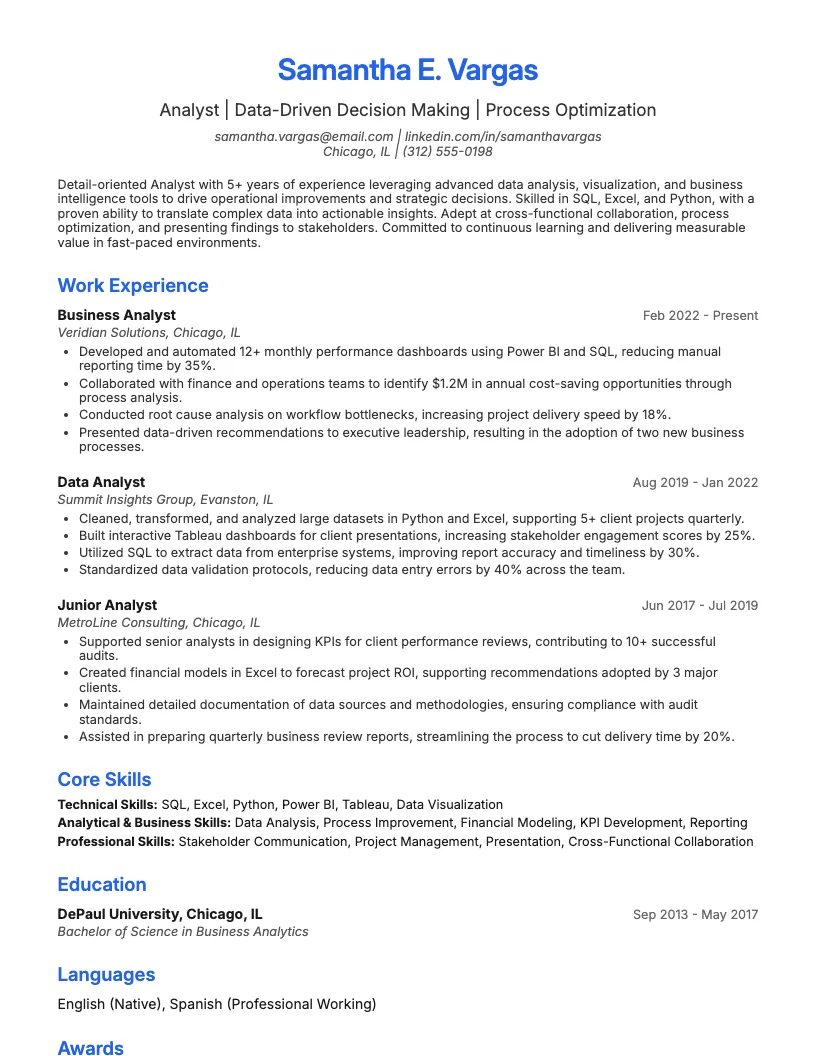
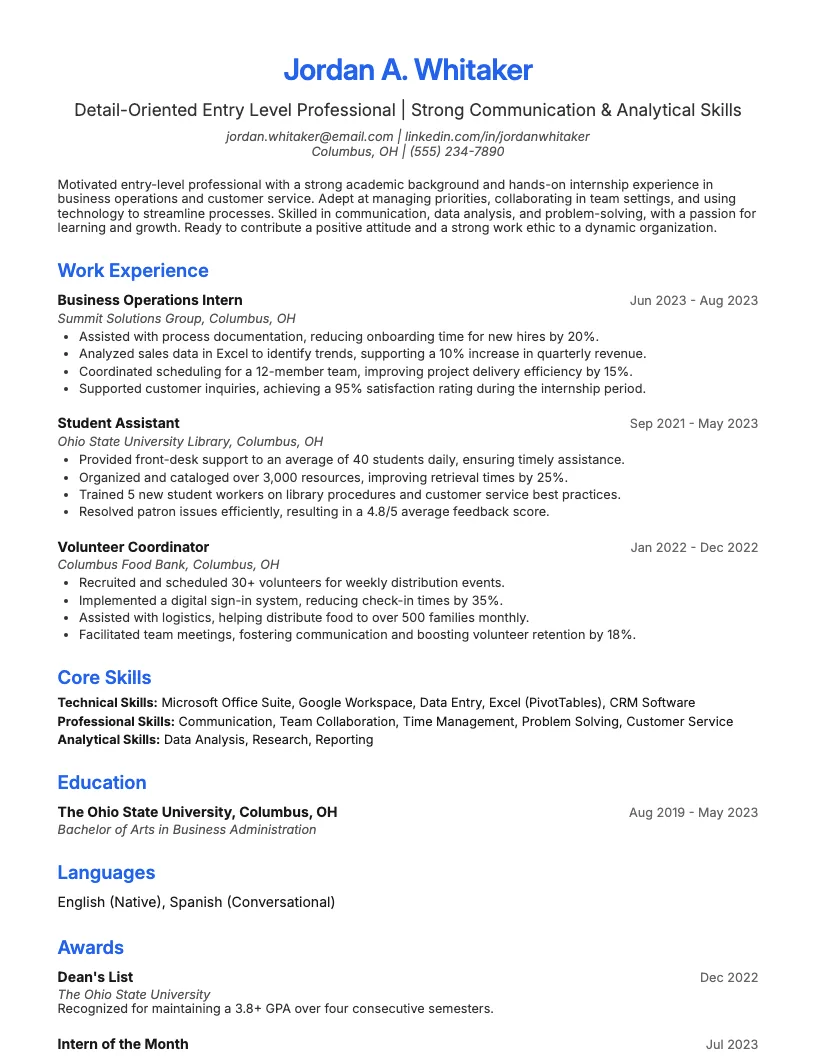
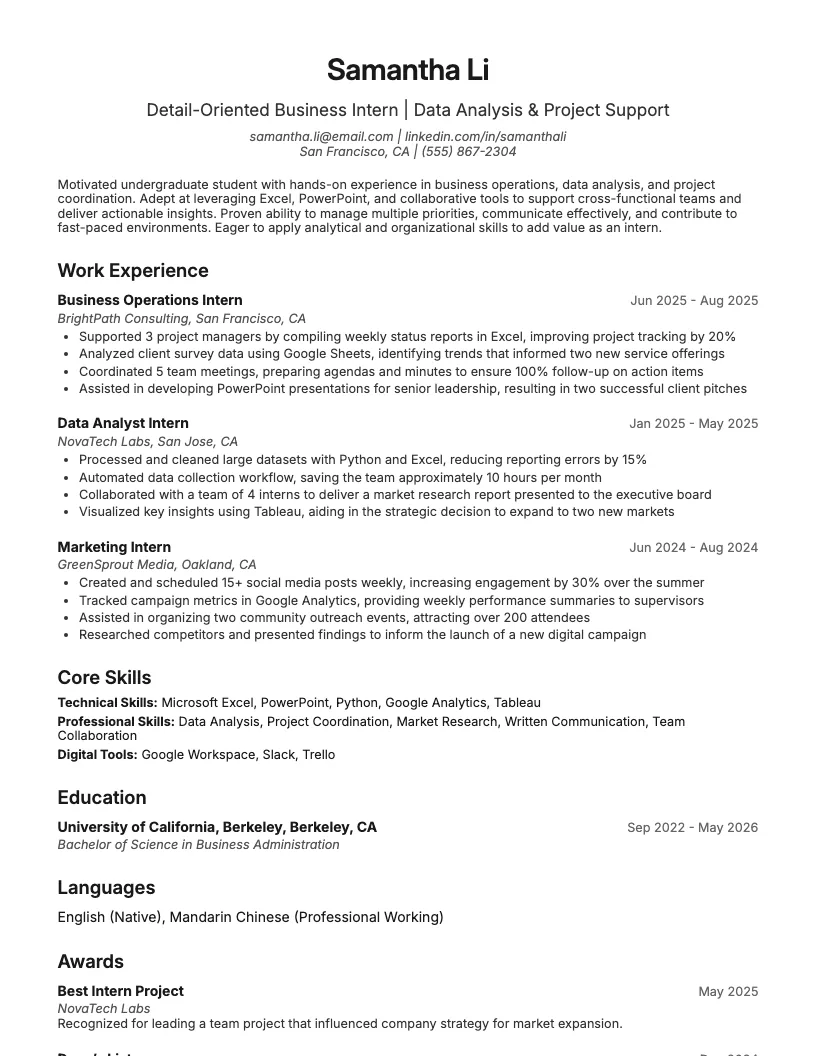
Click to enlarge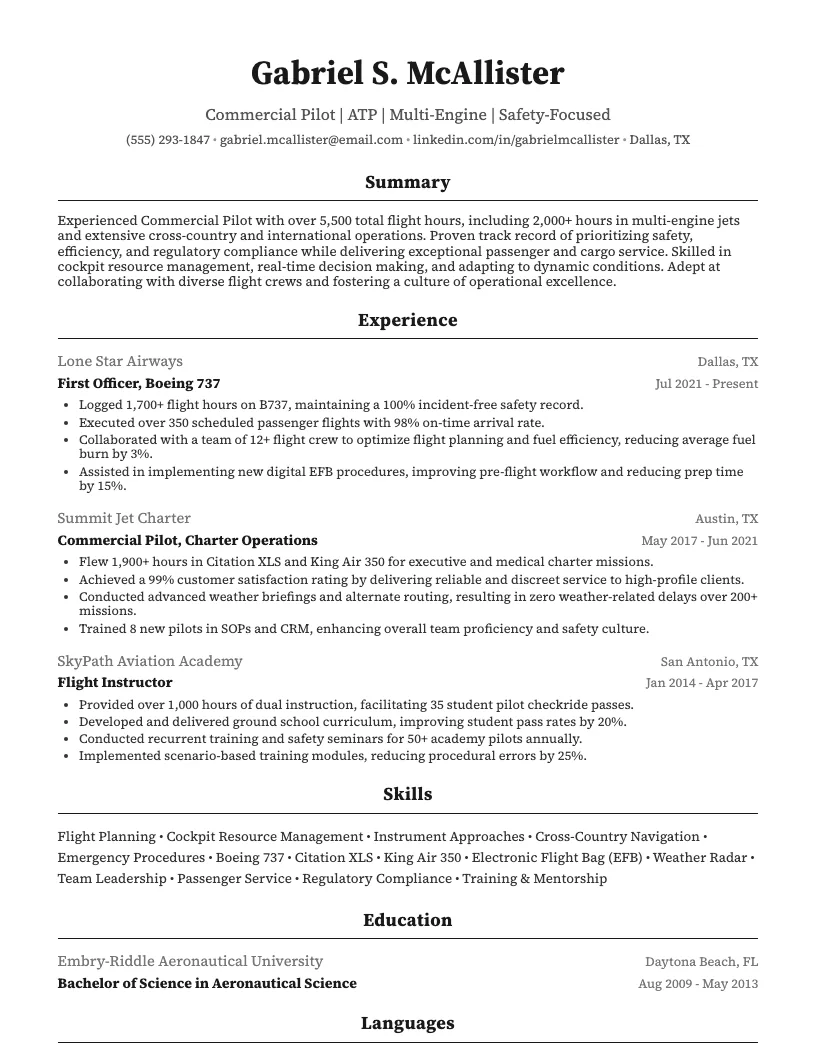 Click to enlarge
 Click to enlarge
 Click to enlarge
 Click to enlarge
 Click to enlarge
 Click to enlarge
 Click to enlarge
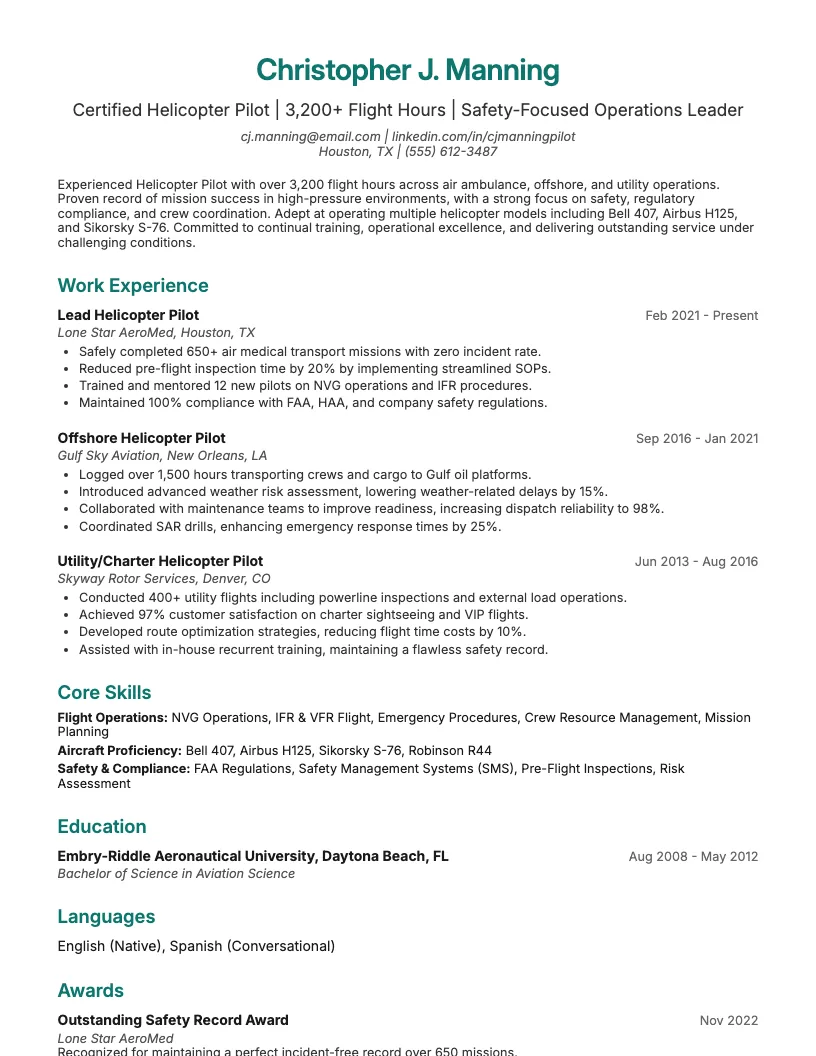 Click to enlarge
Common questions about Test Pilot resumes
A Test Pilot resume template is a pre-designed format tailored for professionals who test aircraft and aerospace technology. It highlights technical skills, certifications, and flight experience relevant to aviation roles.
Yes, Test Pilot resume templates from ResumeJudge are ATS-friendly, meaning they use clean formatting and keywords that help your resume get noticed by automated screening systems used by airlines and aerospace companies.
Use a Test Pilot resume template when applying for jobs in aviation, aerospace, or defense industries where flight testing and technical expertise are required. It's ideal for roles at organizations like NASA, Boeing, or the Air Force.
Absolutely! You can easily customize a Test Pilot resume template to showcase your unique certifications, flight hours, and mission experience. ResumeJudge makes editing simple to match your career goals.
Test Pilot templates focus on technical flight skills, safety records, and certifications, unlike generic templates. ResumeJudge’s specialized format ensures your aviation expertise stands out to employers.
A Test Pilot resume should typically be one to two pages. Use concise bullet points to highlight flight experience, technical skills, and safety achievements-ResumeJudge helps you keep your resume clear and focused.
Yes, ResumeJudge’s Test Pilot templates include dedicated sections for flight certifications and licenses, making it easy for employers to verify your qualifications quickly.
Definitely! The template allows you to highlight both military and civilian experience, which is valuable for jobs at commercial airlines or government agencies. ResumeJudge lets you organize these details clearly.
Yes, ResumeJudge offers entry-level Test Pilot templates that help new graduates or those transitioning from related fields showcase relevant training, education, and simulation experience.
ResumeJudge provides industry-specific keywords and expert-approved formats, ensuring your Test Pilot resume impresses recruiters and passes ATS scans for top aviation and aerospace positions.
Explore more professional resume examples to inspire your job search
Use our AI-powered resume builder to create a professional, ATS-friendly resume in minutes.
Free to use • No credit card required