Graphic Designer Resume Example
See full guide on Graphic Designer resumes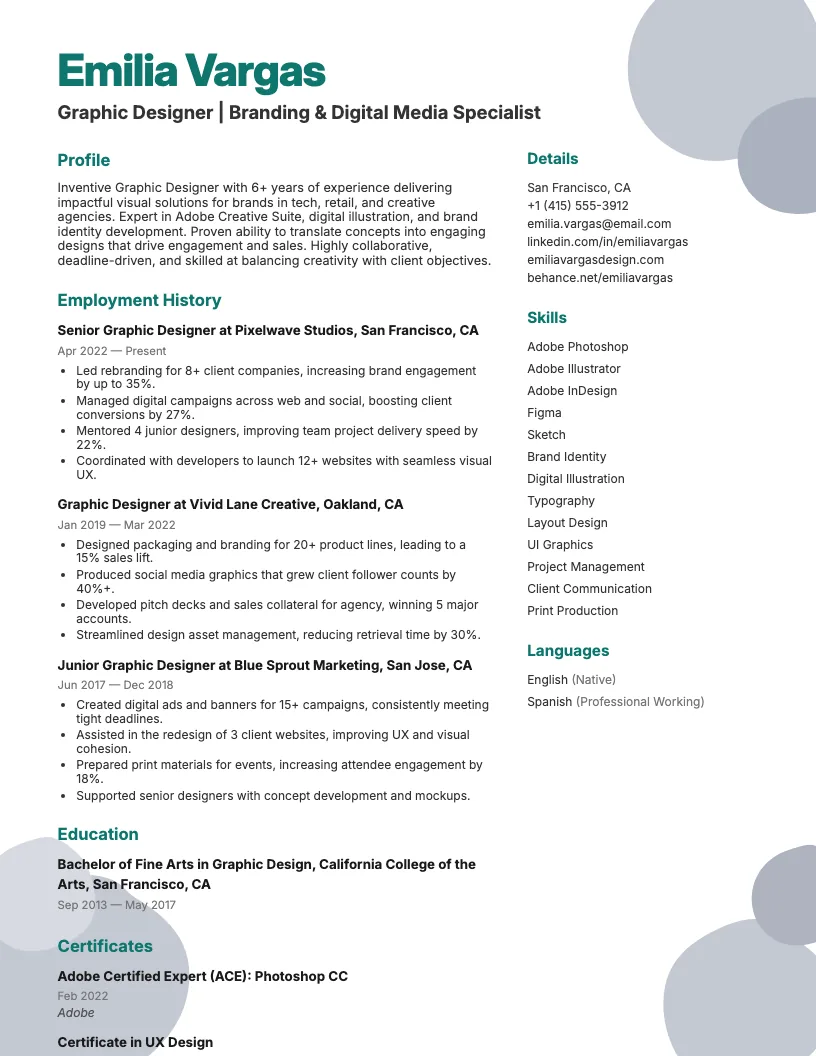 Click to enlarge
 Click to preview

Get inspired by 50+ professional Print Designer resume examples, each written by career experts and optimized to pass ATS scans. Pick a proven template, tailor it to your role, and download a polished resume in minutes.
Pick the specialization closest to your target role and start from a proven resume example.
If you want to break into print design or move up in your career, a solid resume helps. I see hiring managers looking for creativity, technical skills, and real results.
Here, I walk through real print designer resume examples. You’ll see what works for entry-level, mid-level, and senior roles, plus how print design compares to general graphic design.
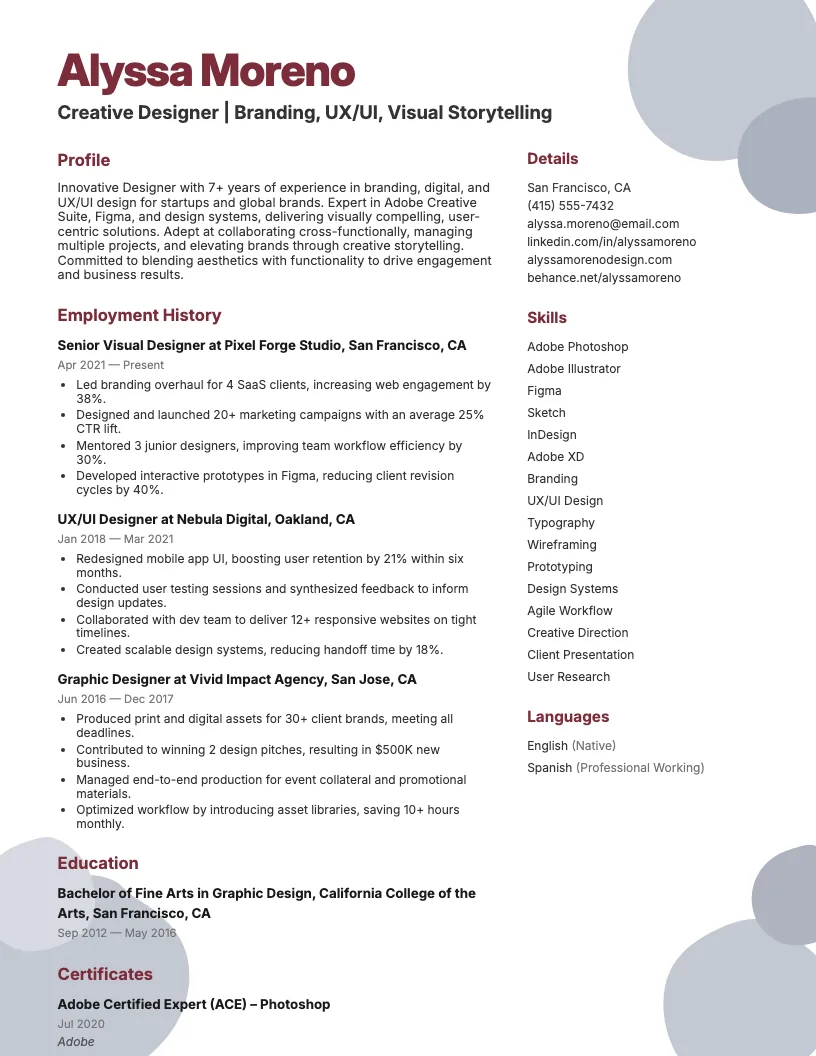
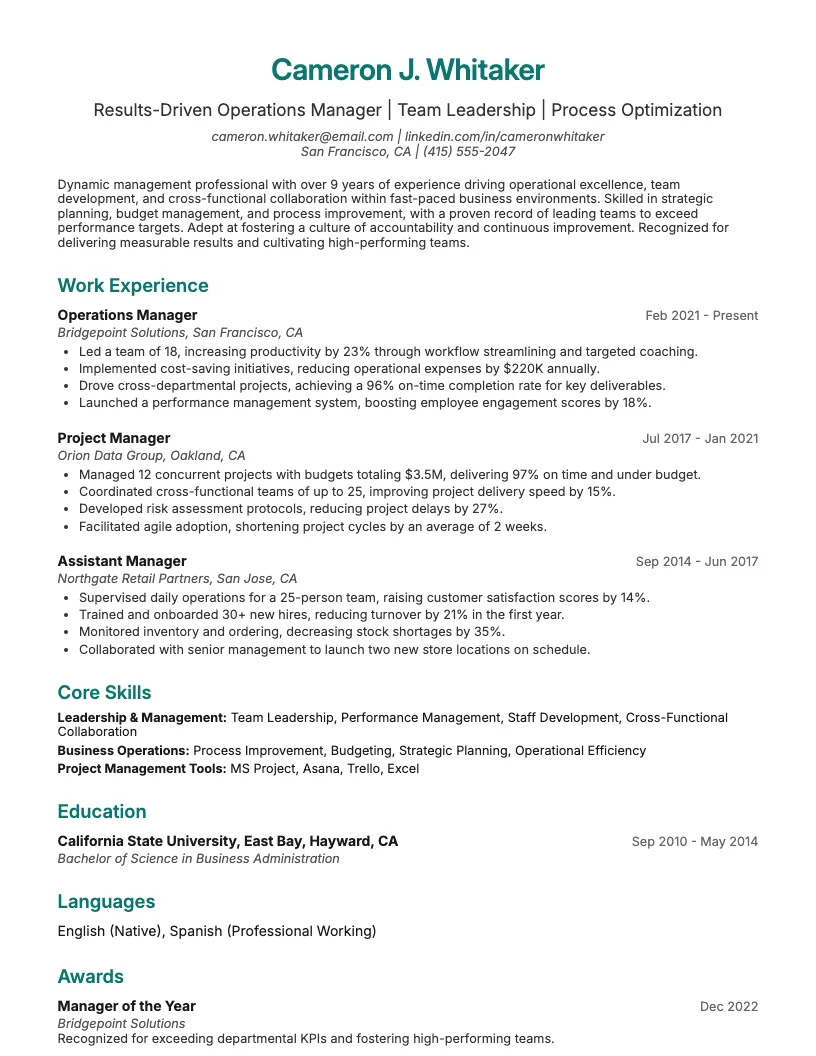
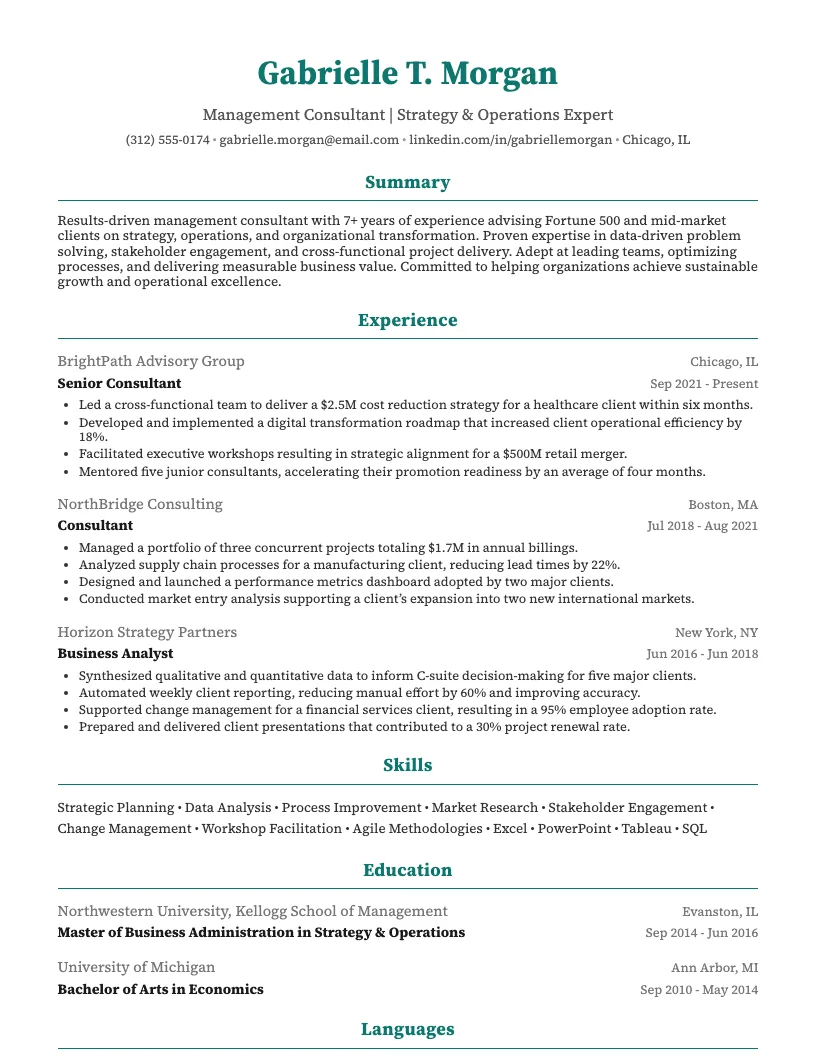
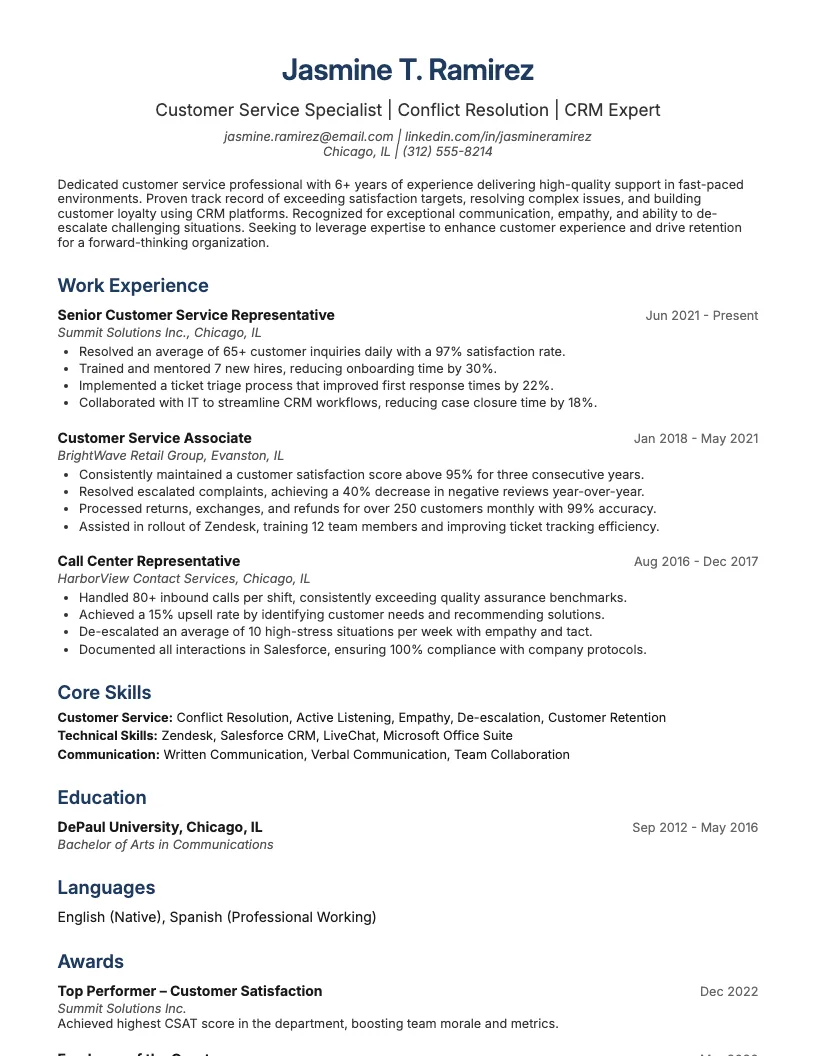
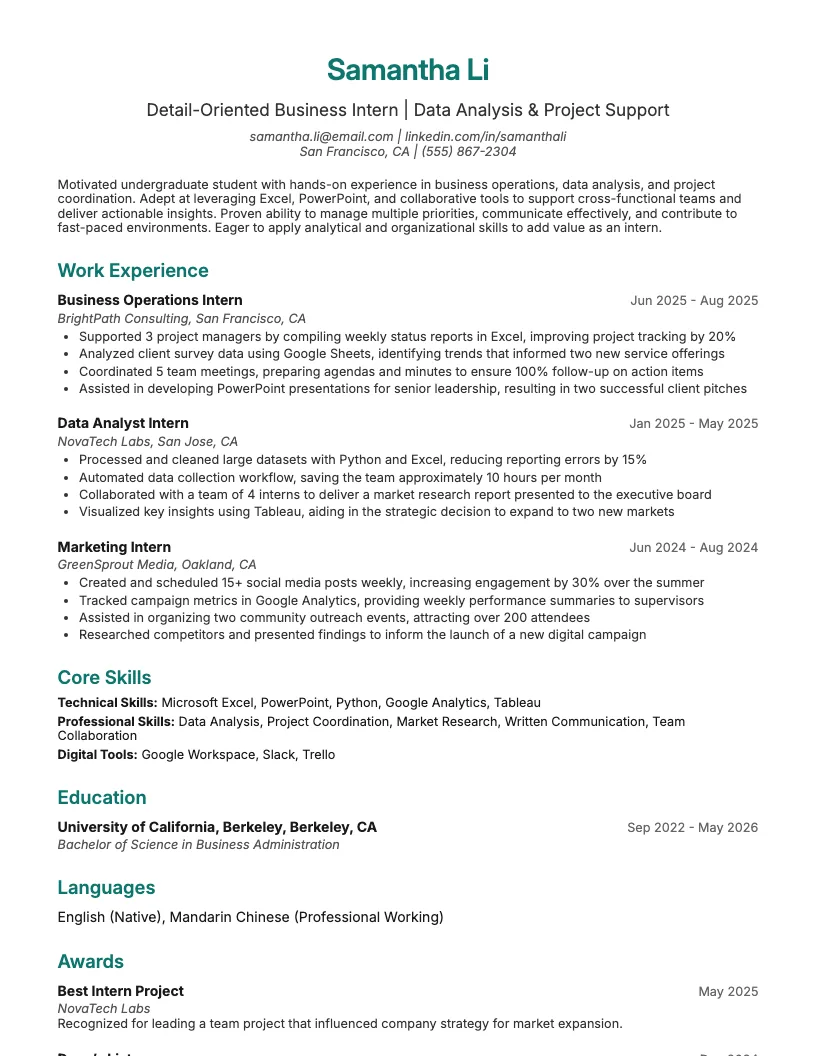
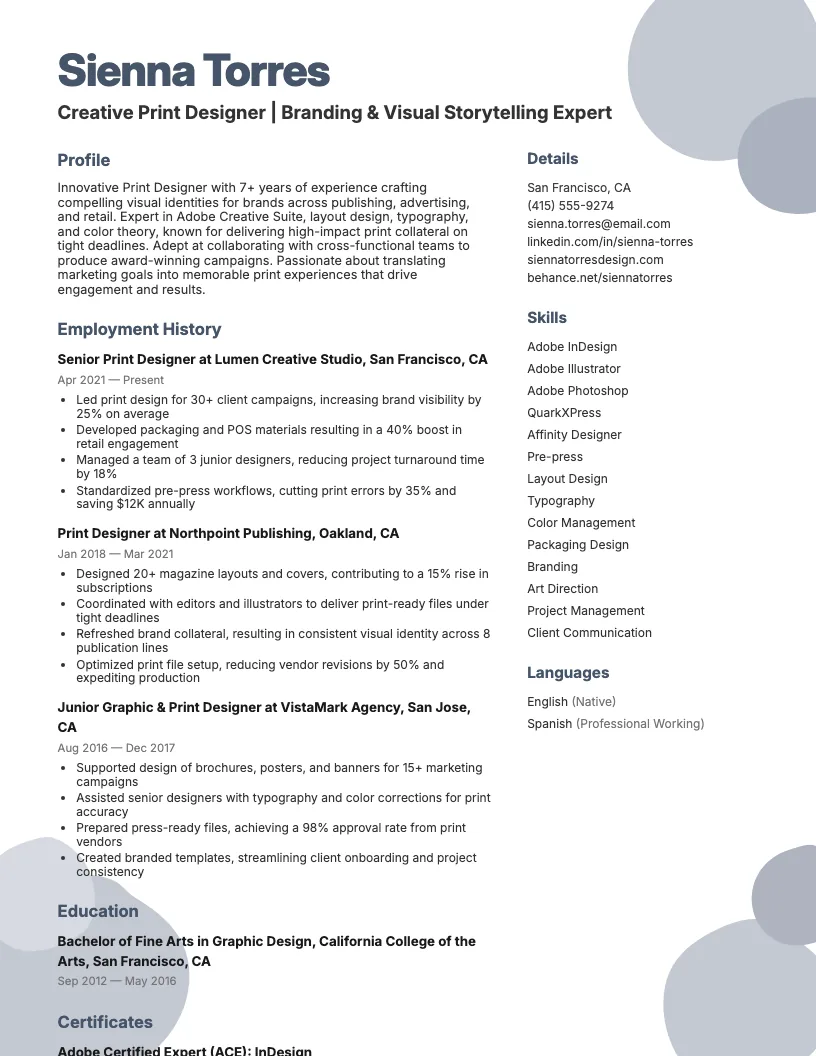
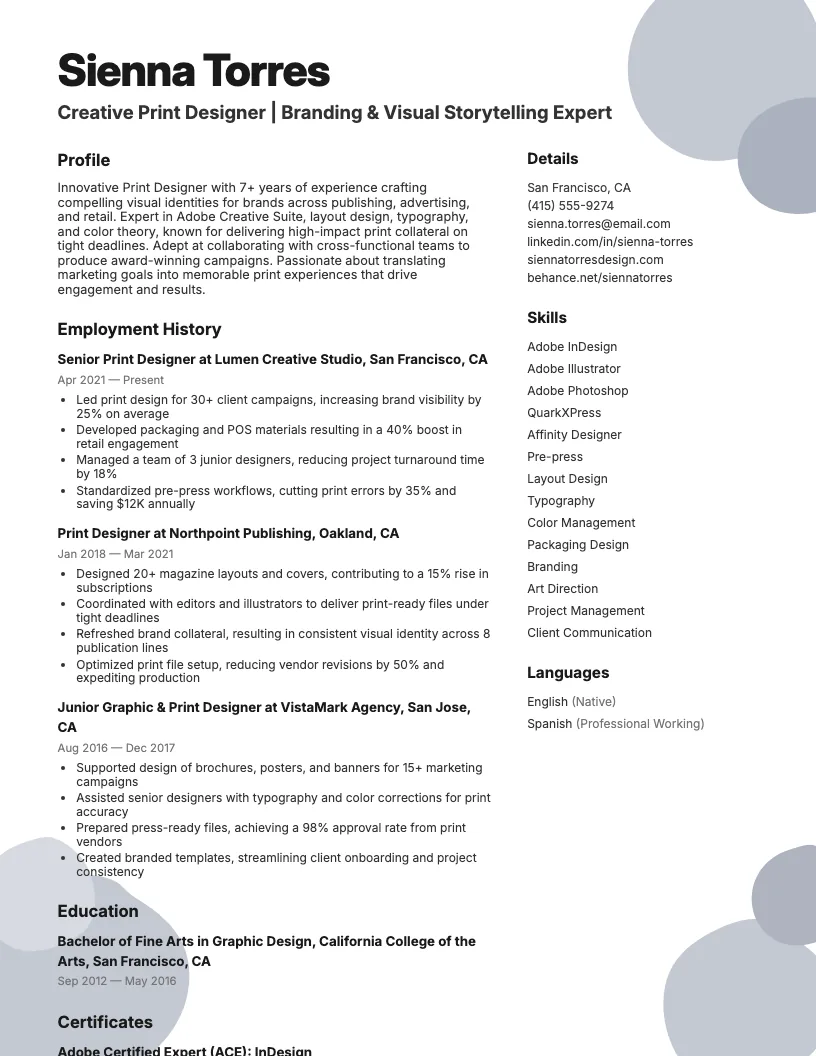
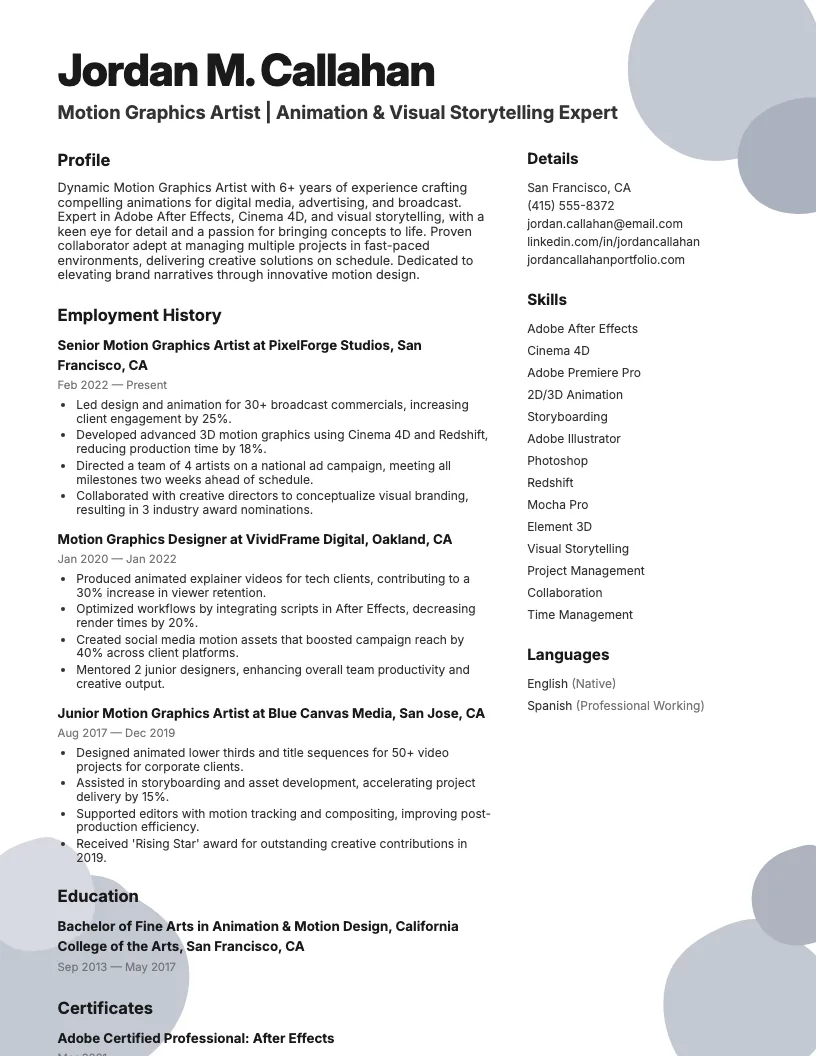
I know it helps to see a real example before you start your own resume. Here’s a sample that shows what hiring managers actually want.
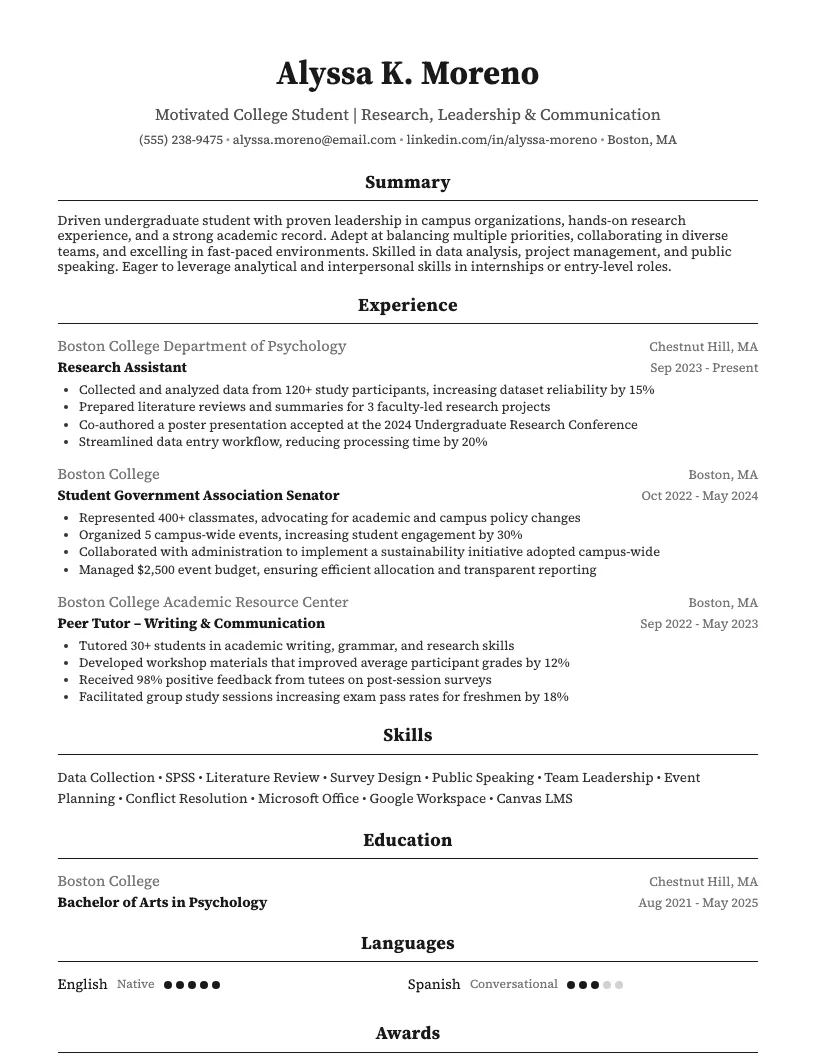
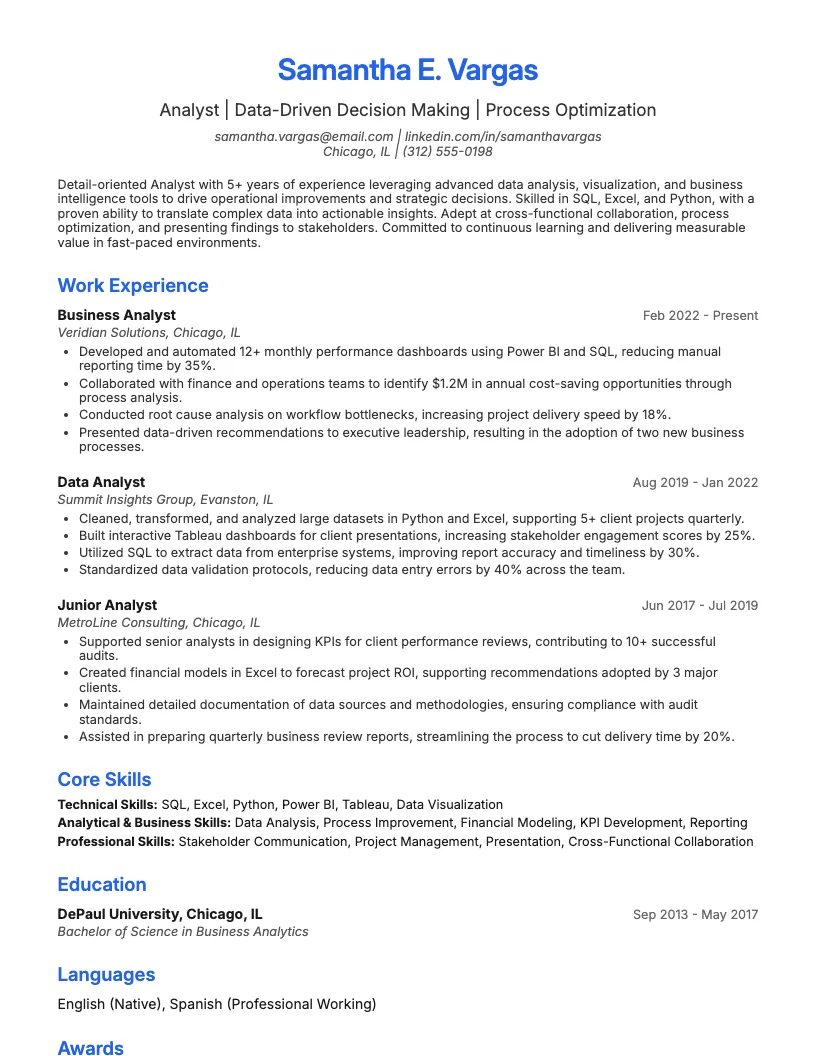
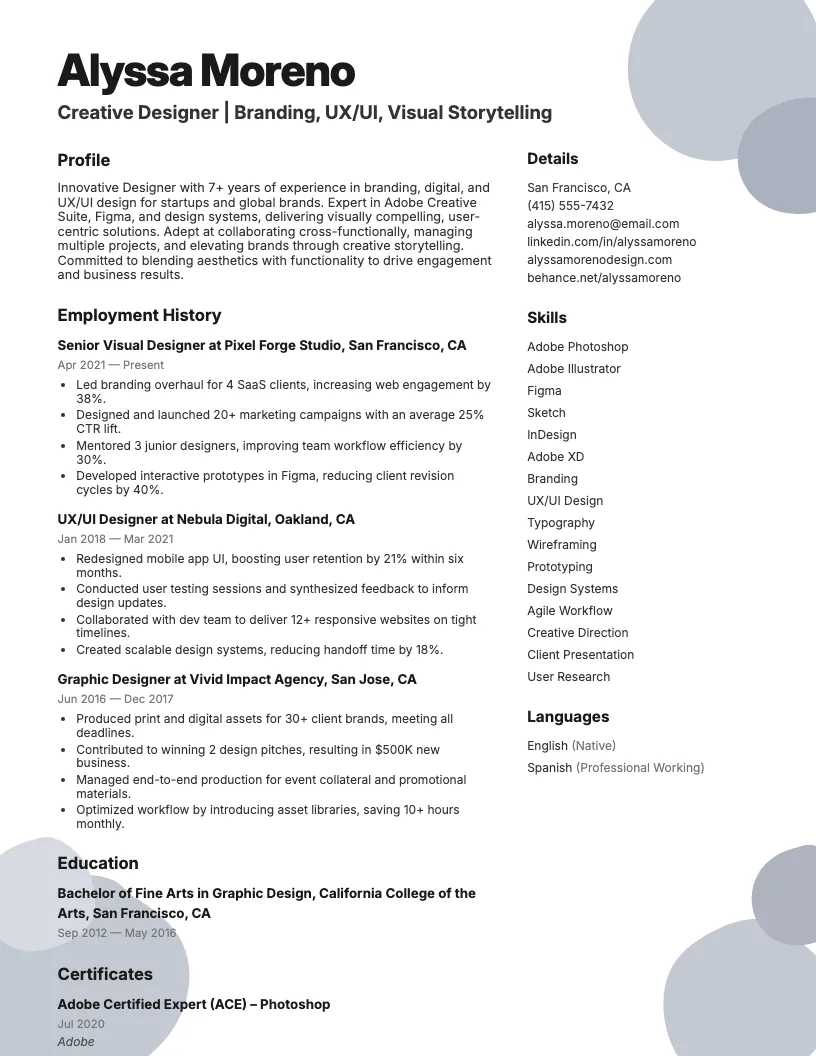
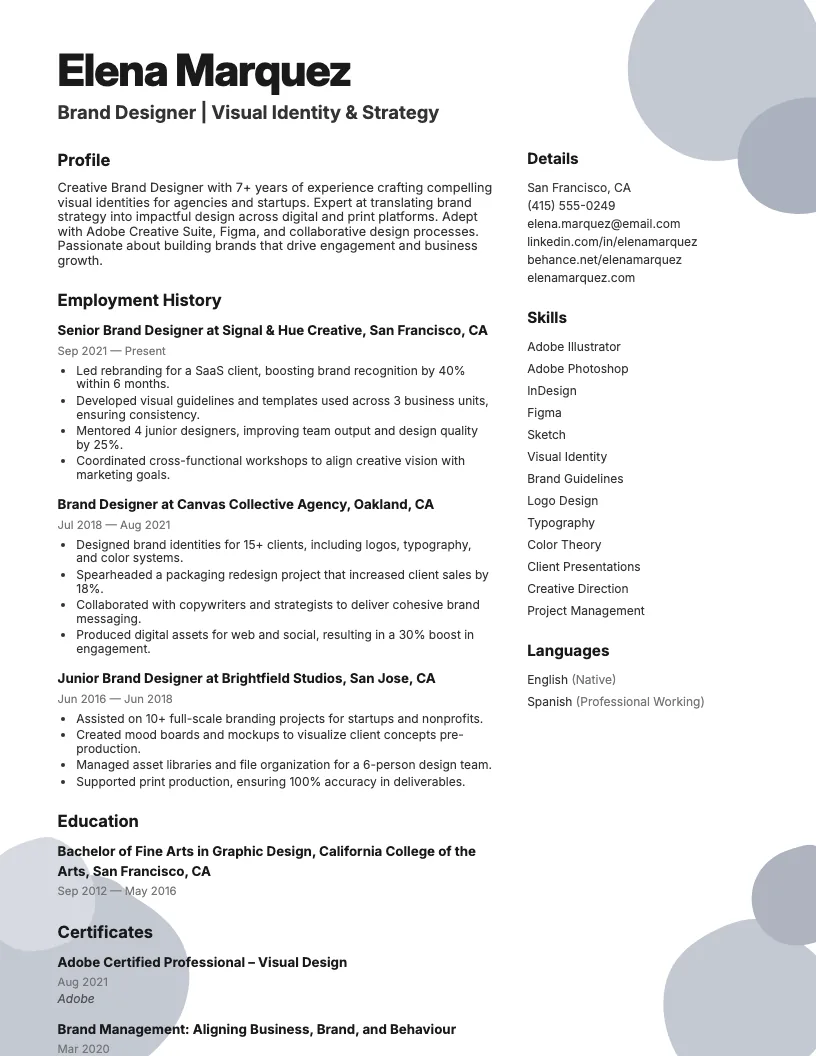
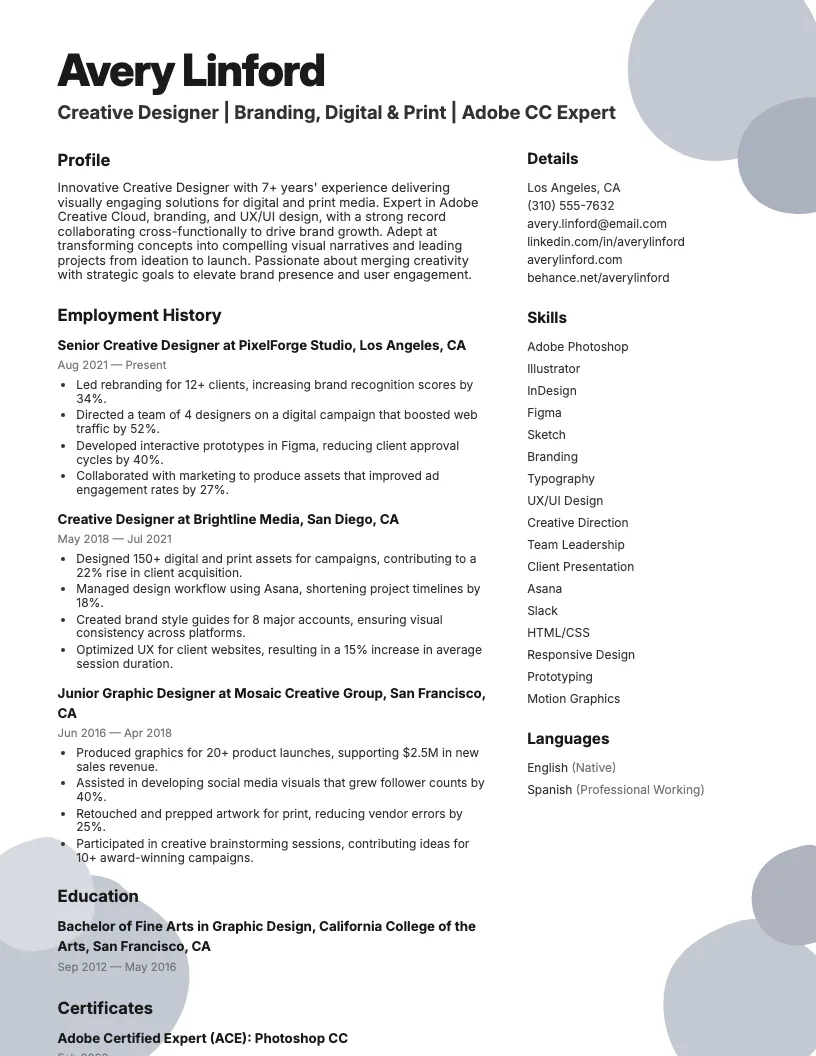
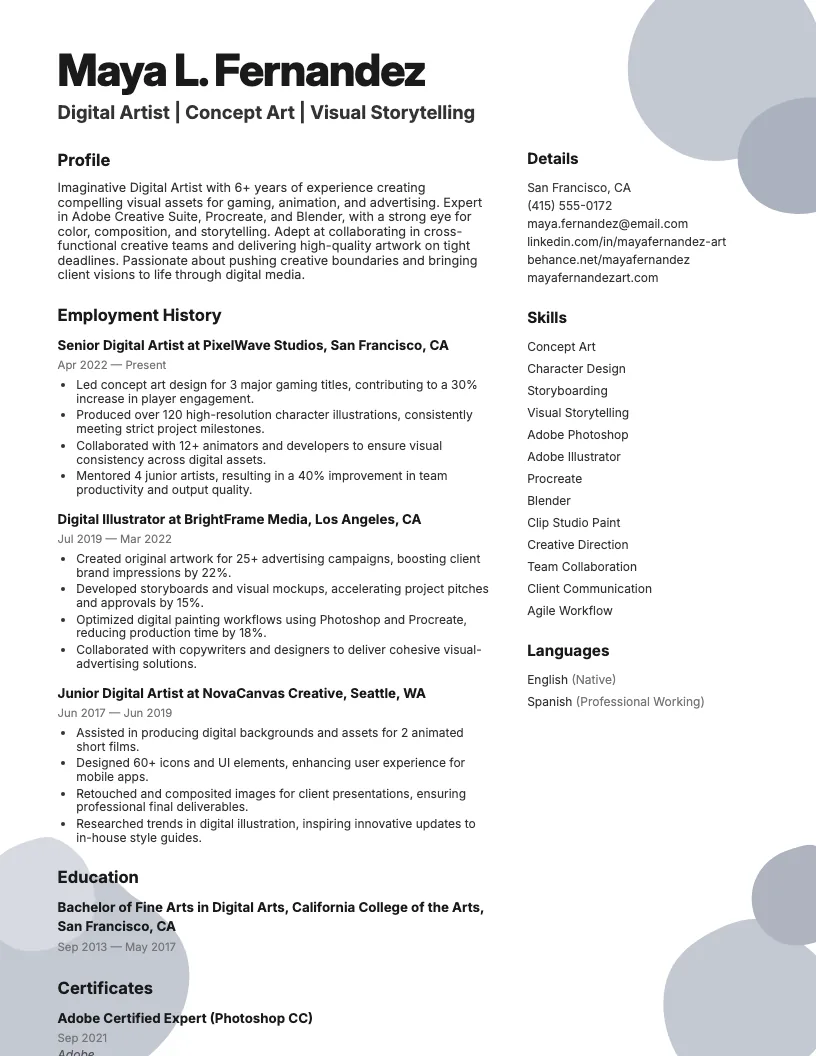
This print designer resume covers summary, skills, experience, and education-all in a clean, easy-to-read format. It highlights results, not just duties.
You’ll notice the candidate uses numbers and specific achievements. This helps your resume stand out and shows exactly what you bring to the table.
If you’re just starting out, stick to one-page resumes. Highlight school projects, internships, or even volunteer work-anything that shows your print design skills in action.
Mid-level designers usually show 3-5 years of experience. I recommend listing both freelance and in-house roles. This helps you prove you’re adaptable and can juggle multiple deadlines.
For senior print designers, you want to highlight leadership, project management, and client communication. Use numbers-like “delivered 40+ print campaigns in 2023”-to show your impact.
A graphic designer resume usually highlights digital projects, like web banners or UI work. A print designer resume focuses on physical materials-think brochures, posters, and packaging.
If you’re looking for graphic designer resume examples, or want to see how a cover letter can complement your application, check for skills like Adobe XD, Figma, or web design. Print designer resume examples often list offset printing, Pantone color matching, or layout software.
You can use a graphic designer resume sample for inspiration, but always tailor your achievements. Employers want to see what you can bring to their specific design needs.
A print designer resume isn’t just about words. Hiring managers want to see your eye for detail and layout skills right away.
The right format matters. Most recruiters spend under 7 seconds on each resume, so yours needs to stand out and stay organized.
I’ll walk you through the most important resume sections, the best design tips, and how to make sure your file always looks clean and professional.
When I build a print designer resume, I always start with the must-have sections. Contact info, professional summary, skills, and work experience sit right at the top.
You also need to highlight your education and any certifications-especially if you’ve got a degree in design or a relevant course under your belt.
Including a portfolio link is key. Nearly 90% of hiring managers want to see real design samples. This helps you stand out and prove your style.
I always lean toward a hybrid resume format for print designers. This layout blends your creative skills with your work history, making both stand out equally.
Use clear section headings and lots of white space. Recruiters spend about 7 seconds scanning a resume, so you want your best stuff to pop right away.
Go for a professional but creative style-show your design sense, but keep readability a priority. Stick to two fonts max, and use bold or italic for hierarchy.
Make sure your design choices support your experience, not distract from it. A clean, organized layout shows you understand both aesthetics and function-key skills for any print designer.
I always put my full name, job title, and contact info right at the top. Add your email, phone number, and a link to your online portfolio-think Behance or your own site.
Skip the photo unless the company specifically asks for it. Instead, focus on a clear header and make sure recruiters can see your style with just one click.
Save your resume as a PDF to keep the layout looking sharp. Name your file something simple, like FirstName_LastName_PrintDesigner.pdf. This helps avoid any mix-ups.
That’s it-keep your header and file format clean, and you’ll make a solid first impression right from the start.
The top section of your resume makes a big difference-hiring managers often spend less than 7 seconds on a first scan.
Here, you decide between a summary or an objective. Both can show off your skills, experience, and what you want next in your print design career.
If you’ve got years of experience, a summary works best. Newer to the field? An objective can help you explain what you’re looking for and why you’re a good fit.
A resume summary is your shot to grab attention fast. I keep it short-three to five lines that highlight my strongest skills, relevant experience, and standout achievements.
Focus on results and impact. For print designers, mention things like project types, industry clients, or software expertise. I always match my summary to the job description.
Use numbers where you can. For example, “Delivered 30+ successful print campaigns” or “Boosted client satisfaction scores by 25%.” This shows real value to hiring managers.
If you’re just starting out as a print designer or switching careers, a resume objective is your friend. It shows your passion, goals, and what you want to learn next.
You want to highlight your future ambitions and how you plan to grow. This helps if you don’t have a ton of experience or you’re entering a new creative field.
I stick to two or three sentences here. Focus on what you want to achieve, not just what you’ve done before. Keep it direct, clear, and targeted to the job.
About 75% of resumes never reach human eyes because of ATS bots. That’s wild. You really want to use keywords straight from the job description.
I always scan the ad for specific design tools, like Adobe InDesign or print production. Drop those exact phrases into your summary or objective. This helps your resume get through.
Don’t use fancy graphics or weird fonts. The ATS can’t always read them. Stick to a clean, simple layout-PDF or DOCX formats work best.
That’s pretty much how you make sure your Print Designer story actually gets seen. Now your summary or objective can do its job!
Hiring managers care about your print design skills, but your actual work history matters too. You want to show what you’ve done and how you’ve made an impact.
This section is where you connect your experience to each job you’re after. I’ll walk you through structuring your achievements, quantifying results, and making every role stand out.
When I write my print design experience, I focus on what makes my work stand out. I highlight projects, teams, and clients that show my range and impact.
You want to keep this section clear and easy to scan. Use job titles, dates, and company names in bold. Then stack short bullet points for each role.
There’s no need to list every job you’ve ever had. Stick to relevant print design roles and leave out unrelated gigs. This helps recruiters see your fit fast.
In-house print design jobs focus on teamwork and building a consistent brand. I always highlight how I work with marketing, product, and creative teams to meet company goals—something you can also emphasize in a cover letter.
Freelance experience is all about independence and versatility. You should show how you manage clients, juggle different projects, and adapt your designs to lots of industries.
There’s no right or wrong path here. Employers value both-just frame your experience to match the job. Make clear whether you thrive in structured environments or shine when working solo.
I always try to back up my achievements with numbers. For example, "designed 30+ print ads that boosted sales by 12% in one quarter." This makes my work feel real.
Use action verbs like created, launched, optimized, or delivered. These words show you get stuff done, not just talk about it.
You can highlight client satisfaction scores, project budgets, or even turnaround times. Numbers like "managed $10K+ print budgets" or "delivered 95% of projects on time" stand out instantly.
Every print design job is different, so I always tweak my resume for each application. This helps me match the exact skills and results employers want.
You should highlight experience that lines up with the specific job description. Look for keywords in the posting-like "large-format," "pre-press," or "branding"-and use them in your bullet points.
This kind of targeting works. According to Jobscan, resumes with relevant keywords are up to 3x more likely to get interviews. Customizing your resume really pays off.
No formal print design experience? You can still show what you’ve got. I always suggest highlighting personal projects, design coursework, or volunteer gigs-these count, too.
You can build a small portfolio with three to five print pieces. Class assignments, self-initiated flyers, or event posters all work. This helps show your skills in action.
Don’t forget to mention relevant software you know, like Adobe InDesign or Illustrator. Listing specific tools and skills proves you’re ready to jump in and learn on the job.
Starting out as a print designer with zero experience might look tough, but it’s totally doable. Everyone starts somewhere, and you can show your skills in different ways.
You don’t need a long job history to stand out. Personal projects, school assignments, or freelance gigs can help you build a strong resume and show what you can do.
When you don’t have paid experience, resume structure matters. I always recommend a skills-based format. This shifts the focus from job history to what you can actually do.
Highlight relevant skills like Adobe InDesign, Photoshop, or even Canva. Employers want to see proof you know your way around the tools-about 80% expect digital proficiency.
Include personal projects, freelance gigs, or volunteer work. Even a poster for a school event counts. This helps you show real-world application, not just classroom theory.
A resume objective is your first shot to grab attention. Keep it under three sentences, and focus on your creative drive and what you want to achieve as a print designer.
Use action words and highlight relevant skills, like Adobe Creative Suite or attention to detail. Even if you have no work experience, show your passion and eagerness to learn.
I like to mention specific goals, such as contributing to design projects or building a strong portfolio. This helps you stand out and shows you’re thinking ahead.
When I look at print designer resumes, I focus on skills first. Employers want to see what you actually bring to the table.
You need to highlight both hard and soft skills. Each type matters if you want to stand out or fit into a creative team.
When I talk about print design skills, hard skills always come first. These are the technical abilities that let you actually do the job-no guesswork involved.
You want to highlight software expertise like Adobe InDesign, Illustrator, and Photoshop. Around 90% of print designer job posts ask for these specific tools.
Other key skills include prepress knowledge, color theory, typography, and file setup for offset or digital printing. This helps you avoid costly mistakes and reprints.
If you know about large-format printing or packaging design, mention it. Specialized skills like these can set you apart in a crowded field.
You can't ignore communication and collaboration as a print designer. About 65% of hiring managers say these soft skills matter as much as technical abilities.
I rely on attention to detail and time management to juggle tight deadlines. This helps me deliver consistent, high-quality work every time.
You should also show receptiveness to feedback and problem-solving. Clients value designers who adapt quickly and handle last-minute changes without stress.
Highlighting the right mix of soft skills can really set your resume apart. It shows you fit in with teams and clients, not just tools.
You don’t always need a fancy degree to land a print designer job, but the right education and certificates help you stand out.
Employers like to see design degrees, art school names, or even industry certifications. If you’ve got them, list them clearly on your resume.
When I add my education section, I keep it simple. I list my degree, major, school name, and graduation year-no need for months or extra details.
If you’ve got a degree in design, fine arts, or something similar, highlight it. Even unrelated degrees work, as long as you show design training elsewhere.
For recent grads, it’s cool to add your GPA or relevant coursework. I include honors, scholarships, or Dean’s List if it helps show off my strengths.
Certifications show you’re serious about keeping your skills fresh. For print designers, I recommend certificates in Adobe Creative Suite, typography, or color theory-these are top priorities for most employers.
You don’t need a ton. One or two relevant certifications-like Adobe Certified Professional or courses from AIGA-can really boost your credibility, especially if you’re self-taught.
Listing where and when you earned each certificate helps hiring managers trust your expertise. This also shows you value ongoing learning-something that matters in a field that evolves so fast.
You’ve listed your design skills and job history, but there’s even more you can show. Recruiters notice details that highlight your experience and personality.
Adding extra sections helps you stand out. You can spotlight your best work, projects, awards, or collaborations. These details prove your value in ways basic job descriptions can’t.
Print designer salaries in the U.S. usually reflect your experience, location, and industry. You might see a lot of variation depending on where you work.
I see job growth for print designers staying steady, but competition can be tough. Digital skills and versatility really help if you want to stand out.
Your print designer resume needs more than great visuals. You want clear sections, focused skills, and proof you can deliver results.
Hiring managers look for relevant experience, education, and a layout that’s easy to scan. Customizing your resume for each job increases your chances of getting noticed.
I’ve seen resumes stand out by matching portfolio samples and skills with what the job ad wants. It helps you pass both human reviews and applicant tracking systems.
I always start by checking out real job postings and reviewing a cover letter to help tailor my skills and achievements to what employers actually want.
You should focus on relevant experience-like managing print projects or working with offset presses. Numbers help: say you handled projects for over 30 clients or cut turnaround time by 20%.
Keep your layout clean and easy to scan. Recruiters spend, on average, 7 seconds reviewing each resume. Make yours stand out with clear sections and bold job titles.
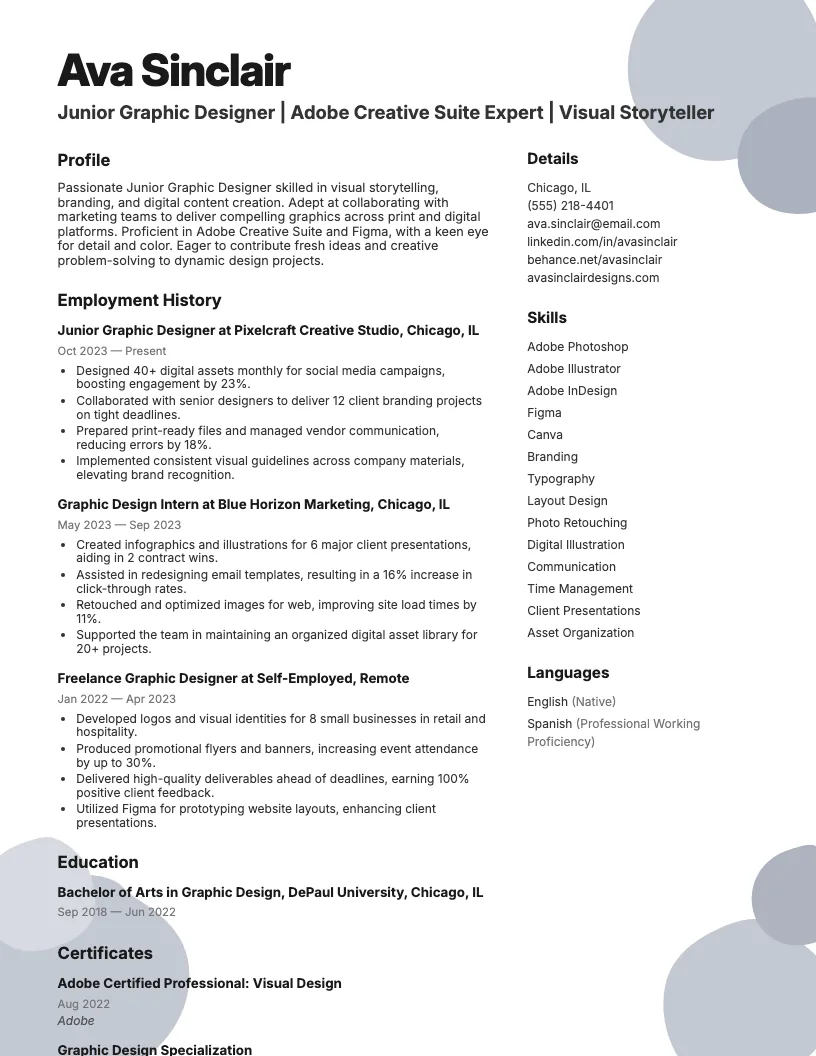
Browse Print Designer resume examples for related roles. Preview any example, open it in the builder, or read its full guide.
Click to enlarge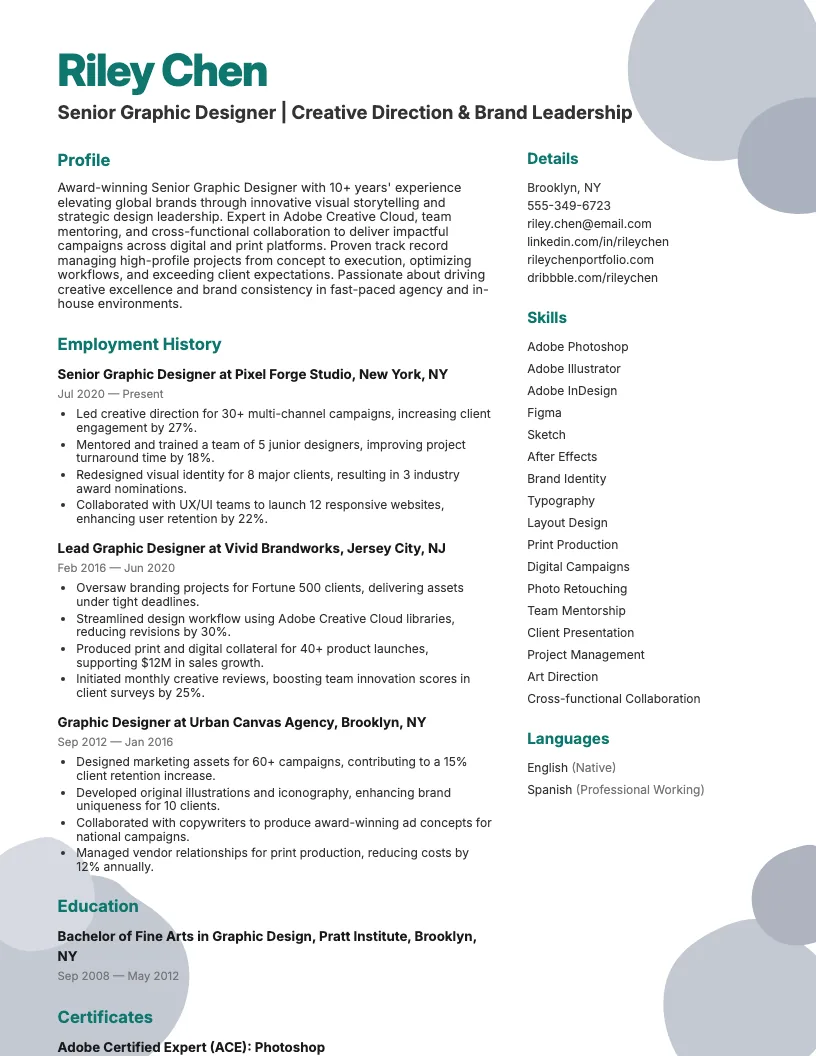 Click to enlarge
 Click to enlarge
 Click to enlarge
 Click to enlarge
 Click to enlarge
 Click to enlarge
 Click to enlarge
Common questions about Print Designer resumes
A Print Designer resume template is a professionally designed layout tailored for print design roles, highlighting creative skills, portfolio, and relevant experience. ResumeJudge offers templates that emphasize your strengths in visual communication.
Yes, many Print Designer resume templates from ResumeJudge are ATS-friendly, using clean layouts and standard fonts. This ensures your application passes through automated screening systems used by design agencies and companies.
Use a Print Designer resume template when applying for positions in publishing, advertising, marketing, or any role focused on print media. ResumeJudge’s templates help your creative expertise stand out in these industries.
Absolutely! Print Designer resume templates from ResumeJudge are fully customizable, allowing you to adjust colors, fonts, and sections to match your personal brand or specific job requirements.
Print Designer templates focus on showcasing your creative skills and portfolio, while other templates may prioritize different experiences. ResumeJudge’s designs are tailored to highlight your unique design achievements.
Ideally, a Print Designer resume should be one page, especially for early to mid-career professionals. ResumeJudge’s templates help you condense your experience while keeping it visually appealing and easy to read.
Yes, ResumeJudge’s Print Designer templates include sections for portfolios, technical skills, and design software expertise, which are crucial for roles in advertising, publishing, and creative agencies.
Most Print Designer templates from ResumeJudge include dedicated sections or links for your portfolio, making it easy for employers to view your work samples and assess your capabilities.
Yes, ResumeJudge’s templates work well for freelance roles, allowing you to highlight project-based experience, client testimonials, and a diverse portfolio suited for freelance print design positions.
ResumeJudge’s Print Designer templates can often be downloaded in PDF, Word, or other formats, making it easy to submit your resume to various employers or upload to job boards.
Explore more professional resume examples to inspire your job search
Use our AI-powered resume builder to create a professional, ATS-friendly resume in minutes.
Free to use • No credit card required