Medical Transcriptionist Resume Example
See full guide on Medical Transcriptionist resumes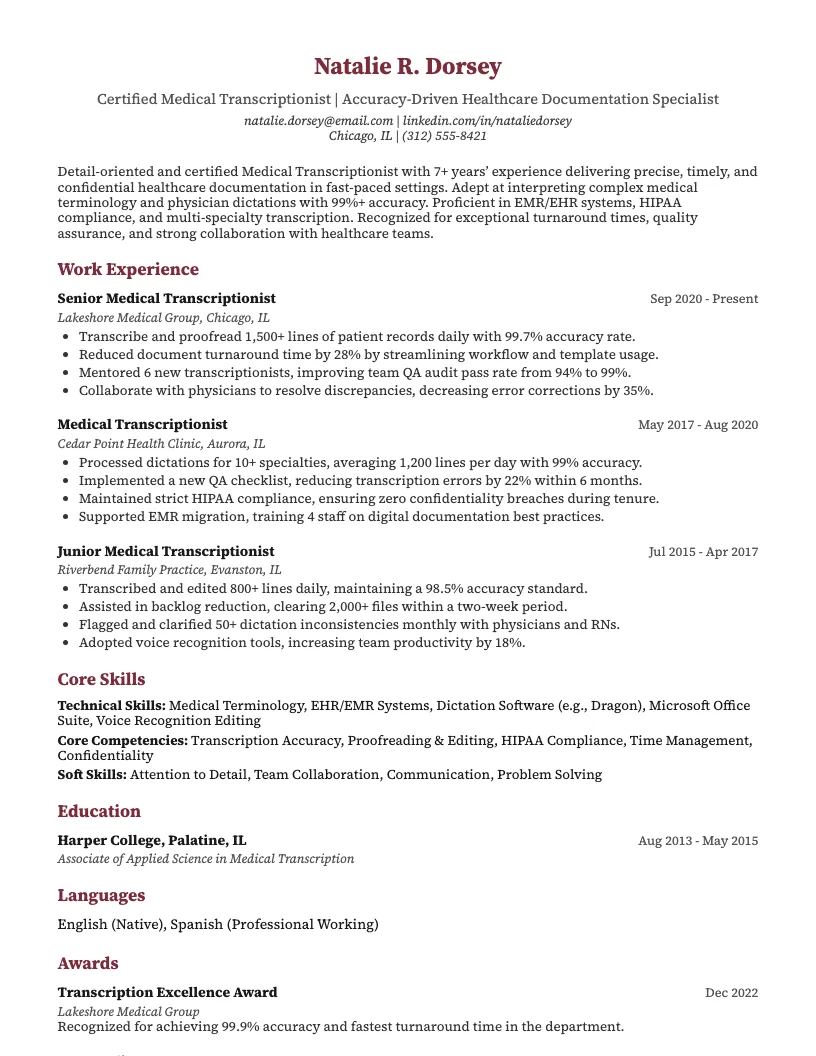 Click to enlarge
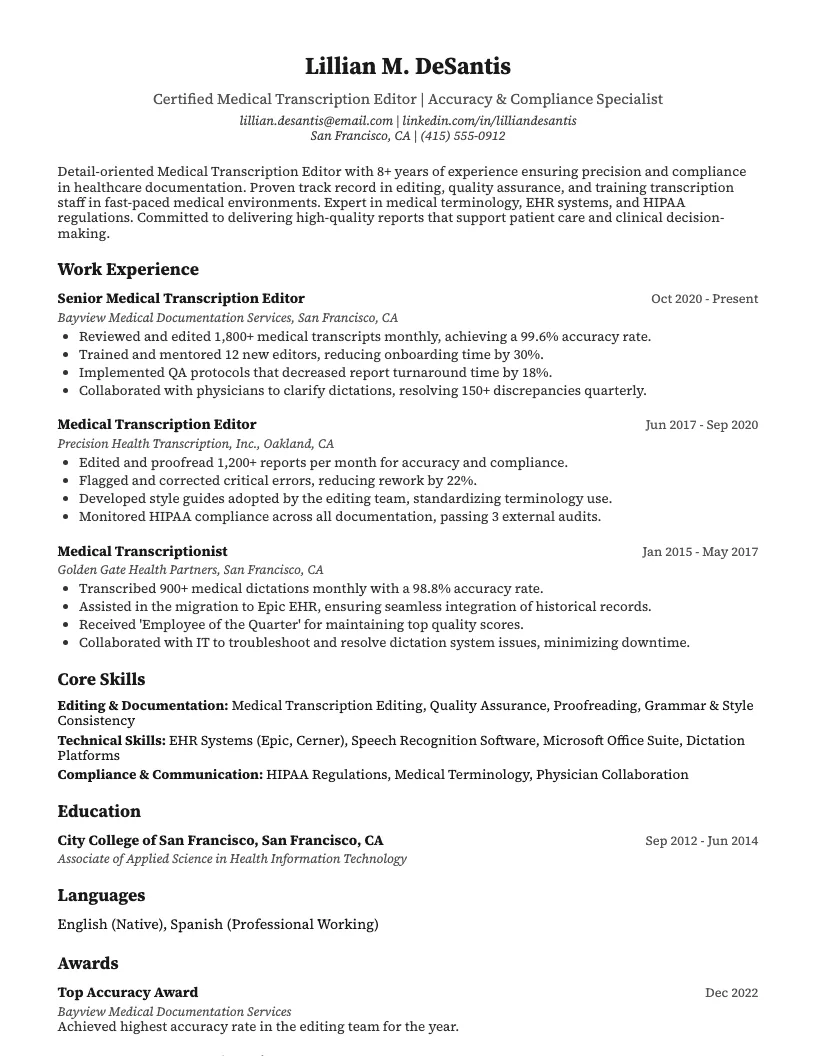 Click to preview

Get inspired by 50+ professional Medical Transcription Editor resume examples, each written by career experts and optimized to pass ATS scans. Pick a proven template, tailor it to your role, and download a polished resume in minutes.
Getting a job as a medical transcription editor takes more than just typing fast. You need a resume that shows your editing skills and knowledge of medical terminology.
I know how competitive this field gets. Employers want to see accuracy, attention to detail, and at least 2-3 years of healthcare experience on your resume.
In this section, I’ll break down what a medical transcription editor does and why your resume needs to stand out. Let’s look at what makes a strong example.
A medical transcription editor reviews and corrects transcripts created by speech recognition software. I make sure every patient record is accurate, clear, and ready for use.
You need to know medical terminology, grammar, and have solid typing skills. Most editors handle hundreds of lines per day, often under tight deadlines.
There are over 57,000 medical transcriptionists and editors in the U.S. according to the BLS. This role is key for healthcare documentation and compliance.
I see hundreds of resumes for every medical transcription editor opening. Most get skipped in under 7 seconds if they aren’t clear and specific.
Your resume shows off your accuracy, speed, and understanding of medical terms. This helps employers spot your strengths fast and see if you fit their workflow.
There are automated resume scanners that filter out up to 75% of candidates. Using the right keywords can make sure your resume actually gets seen.
You probably want to see real medical transcriptionist resume examples or a cover letter before you start writing. This helps you figure out what works and what hiring managers expect.
I recommend looking for resumes that highlight accuracy, editing skills, and experience with medical records. Top examples usually show strong attention to detail and at least 2-3 years of relevant work.
Use these examples as inspiration. Focus on quantifiable achievements-like reducing error rates or managing high-volume transcription. That’s what sets strong resumes apart in this field.

Writing a resume for a medical transcription editor role means showing off your editing skills and healthcare knowledge. You want to make each section serve a clear purpose.
I focus on details like formatting, keywords, and relevant experience. These small tweaks can help your resume stand out, especially in a competitive field with over 50,000 professionals.
When I put together a Medical Transcription Editor resume, I always start with clear contact info, a short summary, and a skills section. These sections show recruiters what I offer right away.
You should always include your professional experience, focusing on editing accuracy, medical terminology, and transcription speed. Listing relevant certifications-like AHDI or RHDS-also helps you stand out.
I also add an education section, since some roles want postsecondary training. If you have quality assurance or EMR software experience, highlight this in a dedicated section—skills that are also valued in an associate editor cover letter. This helps recruiters see your technical edge.
I always stick to a clean, easy-to-read layout. Use consistent font sizes and keep margins at about one inch. This helps recruiters scan your resume fast.
Use clear section headers and bullet points for your skills and experience. Recruiters spend less than 8 seconds scanning, so make every line count.
Keep your resume at one page, unless you have over 10 years of experience. Save as a PDF to keep your formatting intact across devices.
Highlight specialized experience, like editing over 1,000 medical transcripts or maintaining 99% accuracy. This shows you understand the demands of the job.
Use keywords from the job description. Employers search for terms like HIPAA compliance, ESL dictations, and EHR systems. Matching these helps your resume get noticed.
Show off results with numbers. For example, mention how you reduced editing time by 20% or improved error rates. Numbers make your impact clear.
Focus each section on what matters most to medical transcription editors. This helps your resume stand out for every application.
Medical transcription editors need more than just fast typing. You work with complex medical jargon, strict deadlines, and accuracy standards that often reach 99%.
If you’re aiming for this role, you need technical editing chops, a sharp eye for detail, and solid communication skills. Let’s break down what each of these skills involves.
I use specialized transcription software every day. Knowing keyboard shortcuts and audio playback tools really speeds up my workflow and helps me meet tight deadlines.
You need a solid grasp of medical terminology and common abbreviations. This lets you edit transcripts accurately without stopping to look up every detail.
Editing skills matter just as much as typing speed. I always double-check grammar, punctuation, and formatting, which keeps reports professional and easy for providers to read.
I rely on extreme attention to detail to catch errors in medical terminology, patient data, and physician instructions. Even a single typo can affect patient safety.
You need to double-check every abbreviation, dosage, and diagnosis. Studies show that transcription errors can lead to up to 10% of reported medical mistakes.
I always cross-reference dictations with medical records and use up-to-date resources. This helps ensure every transcript is both accurate and reliable for patient care.
I communicate clearly with healthcare providers, nurses, and other editors. This helps me resolve discrepancies fast and keep reports accurate. About 75% of errors get caught just by asking questions.
You need to collaborate with different teams, especially when deadlines are tight. Quick updates or feedback loops can save hours. Clear chat or email threads keep everyone on the same page.
Strong communication skills help you explain complex edits or clarify medical terms. This isn’t just about avoiding mistakes-it builds trust and keeps the workflow smooth for everyone involved.
Your resume summary needs to show off your skills in editing, attention to detail, and knowledge of medical terminology. Recruiters often spend less than 8 seconds on each resume.
If you want to stand out, your summary should be clear, concise, and tailored to the job. I see that strong summaries often get noticed first.
In this section, you’ll find real examples and tips to help you write a summary that gets results. Let’s break down what works best.
A resume summary for a Medical Transcription Editor needs to show off accuracy, speed, and a solid understanding of medical language. I focus on real results and measurable achievements.
You want to highlight years of experience, like "5+ years in medical transcription editing." This gives recruiters a quick sense of your credibility and expertise.
There are specific skills that matter-think HIPAA compliance, editing accuracy over 99%, or meeting tight deadlines. Short, fact-based statements help your summary stand out.
Focus on facts-like your years of experience, accuracy rates, or the number of reports you edit daily. Specifics make your summary way more compelling.
Highlight your editing skills and knowledge of medical terminology. Employers want someone who can spot errors fast. If you work with specific specialties, mention those.
Keep things concise and easy to scan. Aim for three or four sentences max. This helps recruiters see your strengths right away and keeps their attention.
Your work experience section shows how you handle detailed medical records and strict deadlines. This is where you highlight your editing skills and attention to accuracy.
If you want employers to notice you, focus on real results. I find that using numbers, like volume of reports or error reduction rates, gives your work more impact.
I focus on real results in my work history. Employers want to see accuracy rates, turnaround times, and how I handle confidential medical data.
You want to highlight specific platforms you use, like EHR systems or speech recognition software. Mentioning tools shows you’re up-to-date with industry standards.
There are lots of ways to talk about your workflow. I like to point out volume-like transcribing over 1,000 reports a month-and collaboration with healthcare teams.
You want bullet points that show your impact. For example, "Edit and proofread 1,200+ lines of medical dictation daily with 99% accuracy." Numbers always stand out.
I also include specifics like "Train and mentor 5 new transcriptionists, improving team turnaround time by 18%." This shows leadership and measurable results.
Highlight skills like HIPAA compliance, fast typing, or handling multiple specialties. Each bullet should make it clear why you’re a strong candidate for the role.
Education matters a lot in medical transcription editing. Most employers look for at least a certificate or associate degree in a health-related field.
Certifications can boost your credibility and help you stand out. Credentials like RHDS or CHDS show you know the industry standards and can handle complex reports.
Most Medical Transcription Editors start out with an associate’s degree in medical transcription or health information. Some folks also come in with a bachelor’s in a health-related field.
You want to focus on classes in medical terminology, anatomy, English grammar, and computer applications. These courses give you the basics you need for editing dictation and understanding medical language.
If you’re already in school, I suggest picking electives like pathophysiology or medical office procedures. This helps you stand out and handle complex reports right from day one.
I always mention certifications like Certified Healthcare Documentation Specialist (CHDS) or Registered Healthcare Documentation Specialist (RHDS). These show I know medical terminology and editing standards.
You can boost your resume with AHIMA or AHDI credentials. Around 60% of employers prefer candidates who hold at least one industry certification.
Staying current with certification renewals really matters. This tells hiring managers that I keep up with medical advances and HIPAA compliance. It helps me stand out in the field.
Adding more than just your work history can make your resume stand out. Employers look for well-rounded candidates, not just strong transcribers.
If you have certifications, awards, or relevant volunteer gigs, you should highlight them. These extras can show dedication and set you apart from other applicants.
I always highlight my professional memberships on my resume. Being part of groups like the Association for Healthcare Documentation Integrity (AHDI) shows I care about industry standards.
You should list any relevant associations here too. There are over 6,000 members in AHDI alone. This helps employers see you’re committed to ongoing learning.
Professional affiliations can also give you access to job boards, networking, and certification discounts. That’s a real advantage in medical transcription editing.
Listing awards or recognition on your resume shows you go above and beyond. I include things like employee of the month or accuracy awards I receive.
If you get recognized for outstanding quality or meeting tough deadlines, add that. These details prove your skills and commitment in a real, measurable way.
You should use numbers where possible-like “99.5% accuracy for 12 months.” This helps hiring managers see the value you bring, not just your job duties.
Volunteer roles in healthcare settings can show your dedication and real-world experience. I highlight time spent helping at clinics or supporting local health organizations.
You can list transcription work for non-profits, community clinics, or medical missions. This proves your hands-on skills and commitment beyond paid jobs.
Adding volunteer experience also shows strong teamwork and adaptability. Employers like seeing you go the extra mile, especially in roles that need trust and accuracy.
That’s one more way to round out your resume and stand out. Every section counts when you want to make a memorable impression.
If you want to land a job as a medical transcription editor, your resume needs to show attention to detail and real experience.
I’ve pulled together a template that highlights key skills, certifications, and work history. You’ll also see a sample filled out with real details.
I know a good resume template can make a difference. That’s why you’ll find a free, downloadable Medical Transcription Editor resume template right here.
This template follows current industry standards and highlights the top skills employers look for. You can edit it in Microsoft Word, Google Docs, or any PDF editor.
You just fill in your details-no design skills needed. There are clear sections for your work history, skills, and certifications so hiring managers see the most important info first.
Here’s what a realistic Medical Transcription Editor resume looks like. I include actual job titles, quantifiable achievements, and certifications. This helps you see what hiring managers expect.
You’ll notice I highlight accuracy rates-most hospitals want 98% or higher. I also use bullet points to make skills like EMR systems and HIPAA compliance pop.
If you’re updating your own resume, focus on editing speed and error reduction. Numbers, like “reviewed 50+ transcripts weekly,” add credibility recruiters trust.
Getting a medical transcription editor job means showing you know medical terms and editing standards. Employers want accuracy and attention to detail, since even small errors matter.
If you want to stand out, you have to tailor your resume for each job. Interview prep is key too, since hiring managers ask about real-world editing scenarios.
You want your resume to match each job description. I look for keywords from the posting and add them directly to my skills and experience sections.
Highlight accuracy rates-employers like to see numbers. If you’ve hit 98% or higher in quality audits, put it upfront. This shows you take editing seriously.
There are lots of applicants, so I tailor every section. Use job-specific language like “dictation editing” or “medical terminology review.” This helps your resume pass Applicant Tracking Systems (ATS).
I always suggest brushing up on medical terminology and grammar rules before any interview. Most employers actually give short editing tests-about 20-30 minutes-to check your skills.
You should also expect questions about handling confidential patient data, and reviewing a medical cover letter can help you prepare strong responses. Employers want to see you know HIPAA guidelines and can explain how you protect sensitive information.
Practice talking about your editing process and accuracy rate. If you've hit 98% or higher, mention it. This shows you pay attention to detail and deliver consistent results.
Finally, relax and be honest about your experience. Hiring managers value authenticity and clear communication just as much as technical skills. This wraps up my best advice-good luck!
Browse Medical Transcription Editor resume examples for related roles. Preview any example, open it in the builder, or read its full guide.
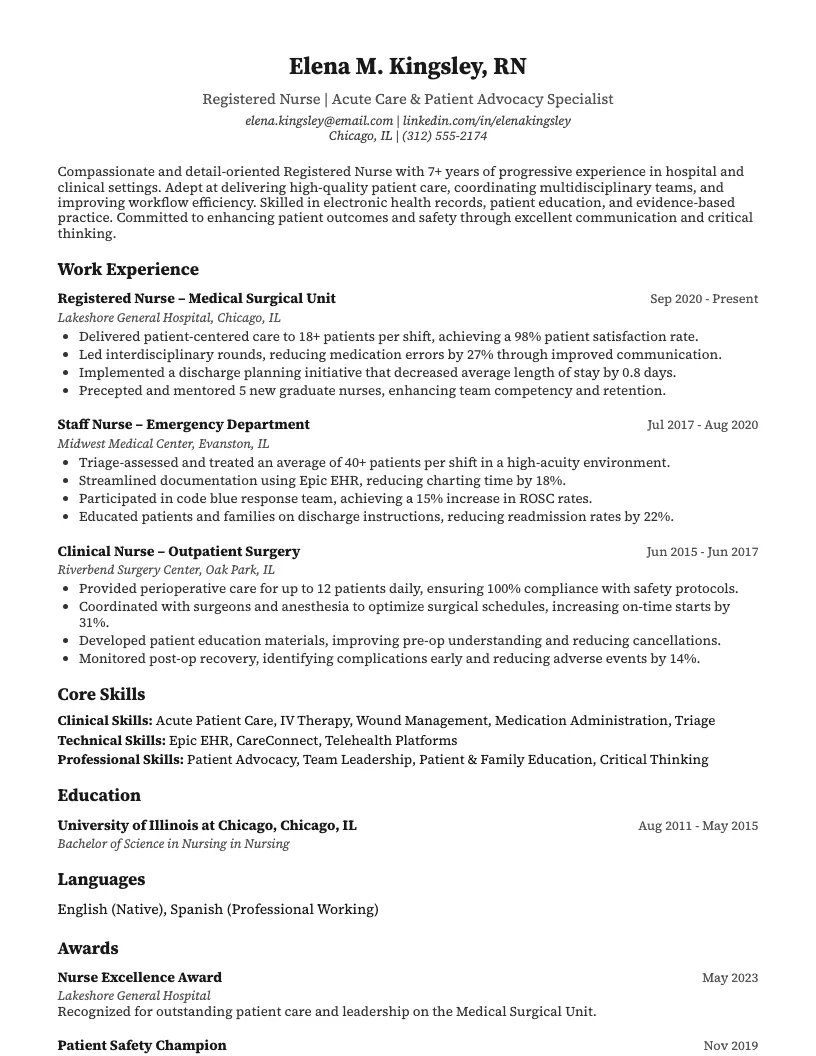
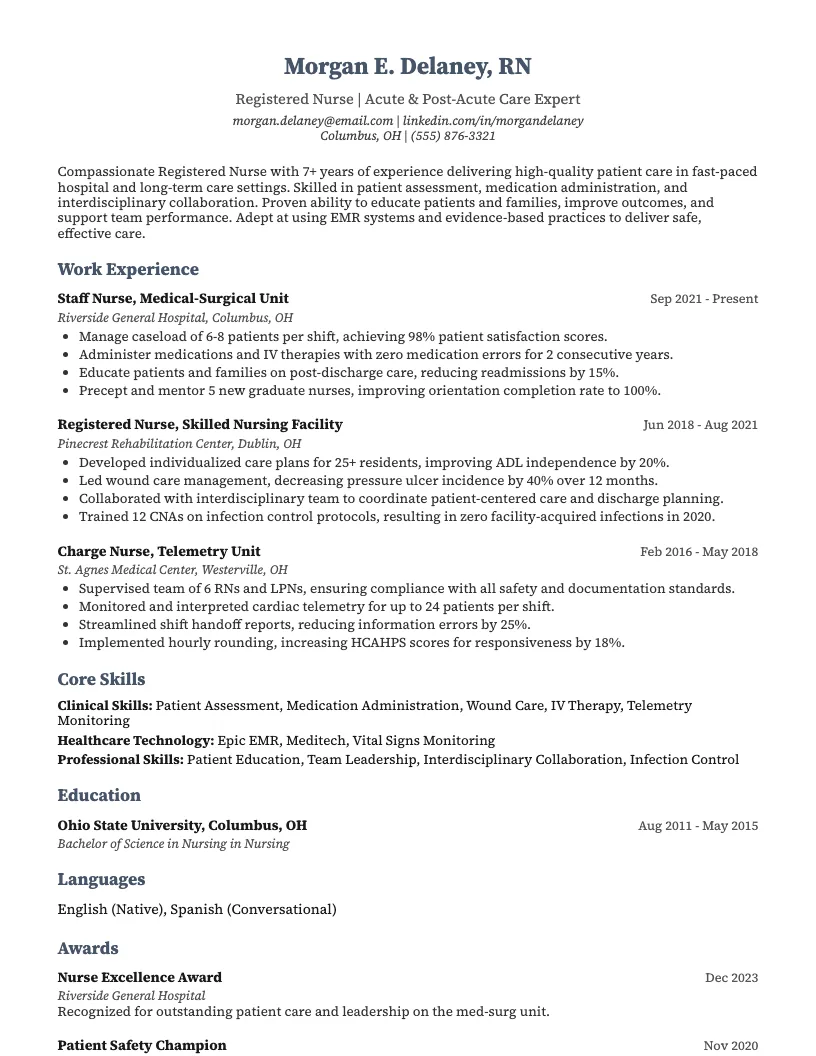
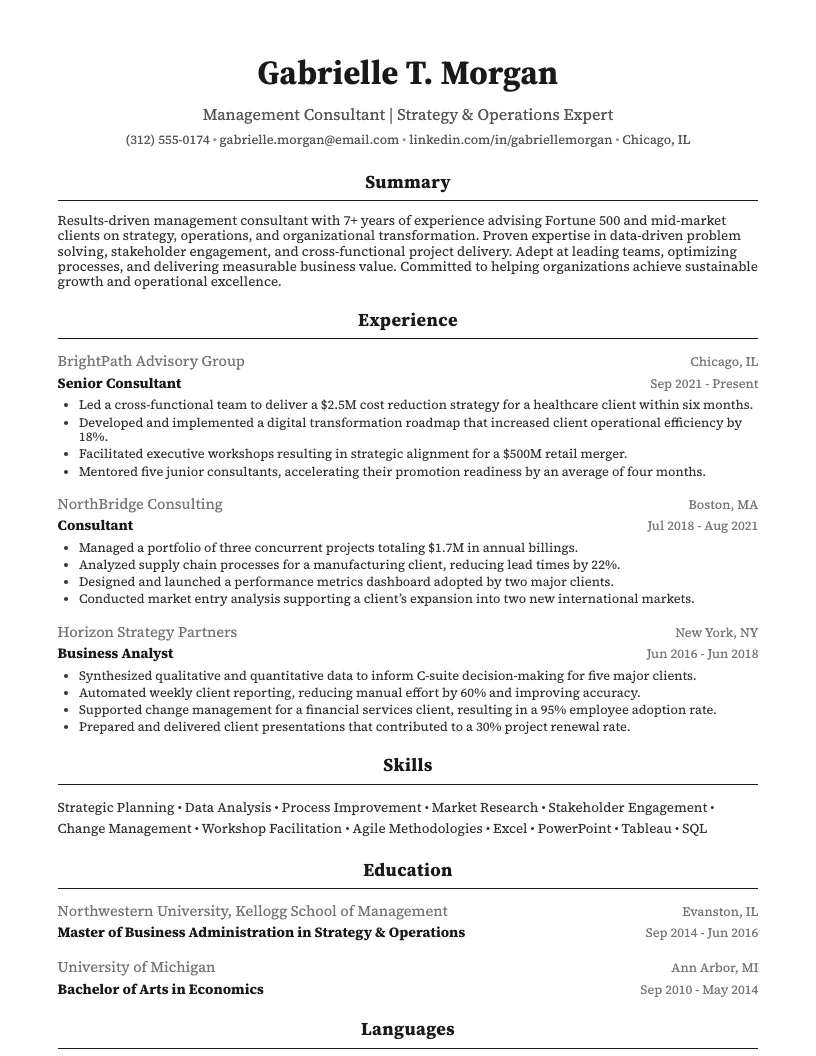
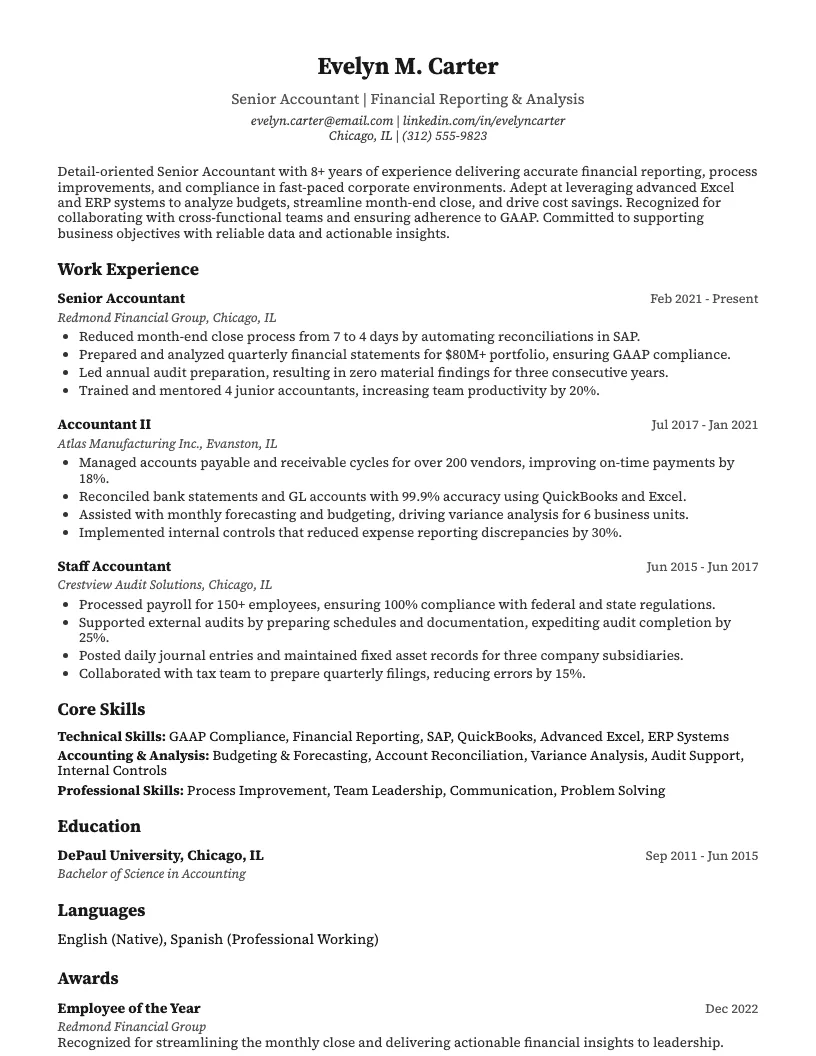
Click to enlarge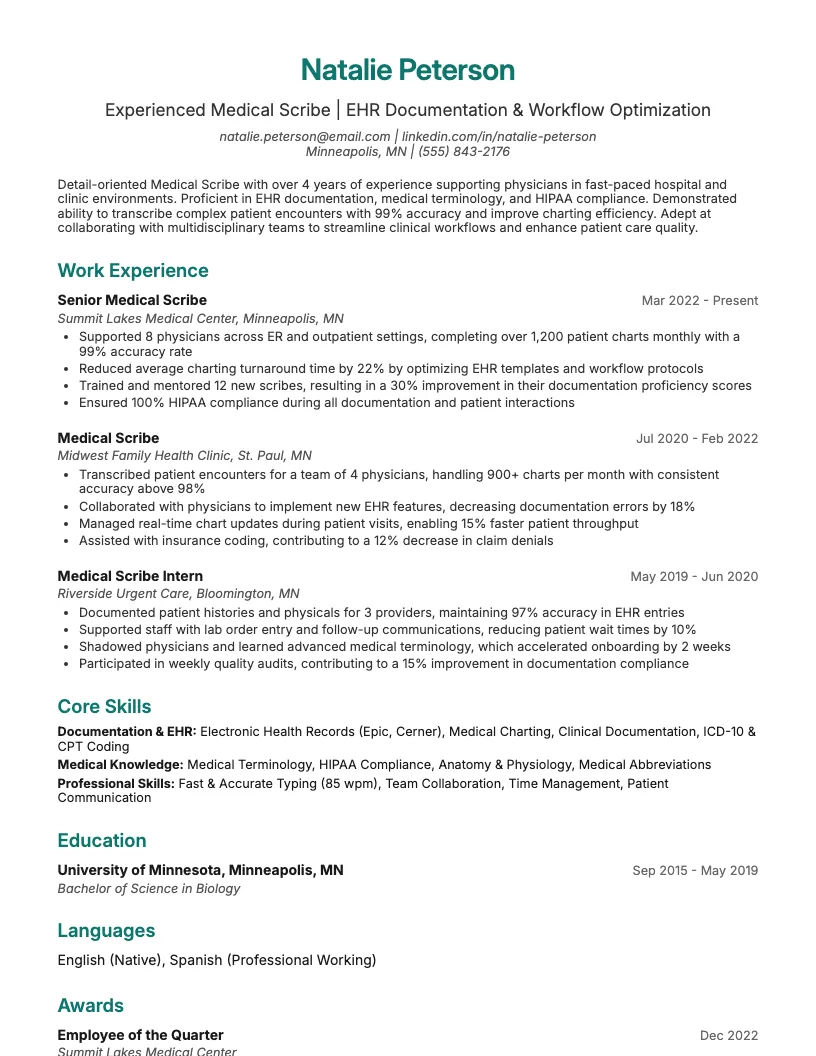 Click to enlarge
Common questions about Medical Transcription Editor resumes
A Medical Transcription Editor resume template is a pre-formatted document tailored for professionals editing medical transcriptions. It highlights your editing, medical terminology, and technical skills, making your application stand out.
Most Medical Transcription Editor resume templates, like those from ResumeJudge, are designed to be ATS-friendly, ensuring your resume passes automated screenings and reaches hiring managers in healthcare and transcription companies.
Use a Medical Transcription Editor resume template when applying for roles in hospitals, clinics, transcription companies, or remote healthcare editing positions. It's ideal for showcasing your experience in medical documentation.
Yes, ResumeJudge templates are fully customizable. You can easily add your skills, adjust formatting, and tailor sections to match specific job requirements or highlight specialized expertise.
Medical Transcription Editor templates focus on editing accuracy, medical terminology, and compliance knowledge, while other templates may not emphasize these specialized skills. ResumeJudge ensures your strengths are industry-relevant.
Ideally, your resume should be one page, especially if you have less than 10 years' experience. ResumeJudge templates help you present key skills and achievements concisely to keep your resume focused and impactful.
Include sections for contact info, summary, skills, work history, certifications, and education. ResumeJudge templates make it easy to organize these details for maximum clarity and ATS compatibility.
Yes, you can highlight certifications like RHDS or CHDS. ResumeJudge templates feature dedicated sections to showcase your credentials, making you more attractive to medical employers.
Absolutely! A well-designed template from ResumeJudge displays your editing proficiency and healthcare knowledge, helping you catch employers’ attention in competitive medical editing roles.
Yes, using job-specific keywords like 'medical editing' or 'HIPAA compliance' helps your resume pass ATS filters. ResumeJudge templates make it easy to incorporate relevant keywords for better results.
Explore more professional resume examples to inspire your job search
Use our AI-powered resume builder to create a professional, ATS-friendly resume in minutes.
Free to use • No credit card required